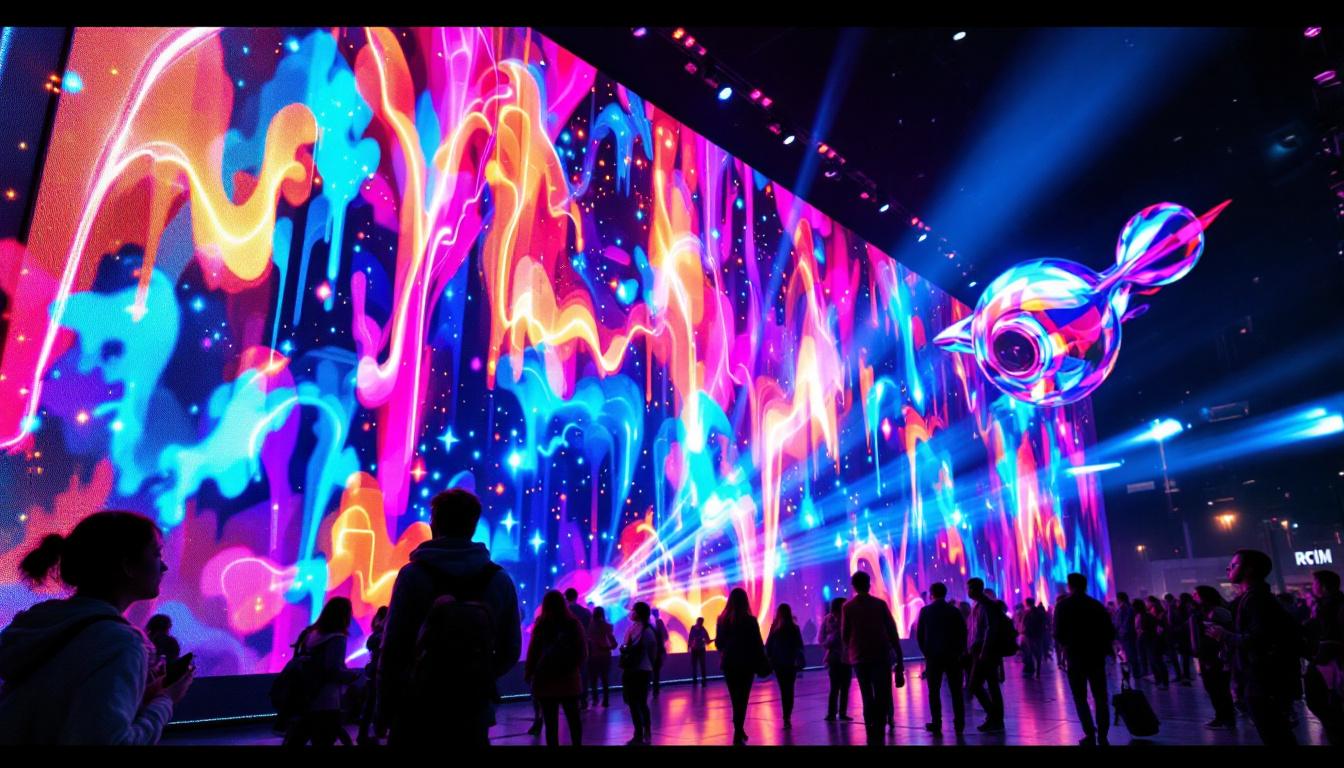
In the rapidly evolving world of digital display technology, LED displays have become a cornerstone for delivering vibrant, high-resolution visuals across various applications. Among the many specifications that define LED displays, pixel pitch is one of the most critical factors influencing image clarity and viewing experience. This article delves into the specifics of the 0.9 mm LED display, explaining what it is, how it works, and why it matters in today’s display technology landscape.
Understanding Pixel Pitch: What Does 0.9 mm Mean?
Pixel pitch refers to the distance between the centers of two adjacent pixels on an LED display, usually measured in millimeters. A 0.9 mm pixel pitch means that the spacing between each pixel is 0.9 millimeters. This seemingly small measurement has a profound impact on the display’s resolution and image sharpness.
Smaller pixel pitches, such as 0.9 mm, allow for a higher pixel density, which translates to finer detail and smoother images. This makes 0.9 mm LED displays ideal for applications requiring close viewing distances and high-definition content, such as control rooms, broadcast studios, corporate lobbies, and high-end retail environments. In these settings, the clarity and vibrancy of the images can significantly enhance the viewer’s experience, making it easier to convey important information and engage audiences effectively.
Why Pixel Pitch Matters
The pixel pitch determines the optimal viewing distance for an LED display. For example, a display with a 0.9 mm pitch is best viewed from a distance of about 1 meter or more, where the human eye can appreciate the high resolution without seeing individual pixels. Conversely, larger pixel pitches are suitable for displays meant to be viewed from farther away, such as stadium screens or outdoor billboards. Understanding this relationship is crucial for architects and designers when planning spaces, as they need to consider how viewers will interact with the display and what kind of content will be showcased.
Choosing the right pixel pitch ensures that the display delivers the best possible image quality without unnecessary cost. Smaller pixel pitches typically mean higher production costs due to the increased number of LEDs per square meter, but they provide superior image clarity and color accuracy. Additionally, the advancements in LED technology have made it possible to produce displays with smaller pixel pitches at a more competitive price point, allowing more businesses to invest in high-quality visual solutions. As a result, industries are increasingly adopting these displays not only for their aesthetic appeal but also for their ability to communicate messages effectively in a visually crowded environment.
The Technology Behind 0.9 mm LED Displays
LED displays consist of thousands or even millions of tiny light-emitting diodes arranged in a matrix. Each diode acts as a pixel or part of a pixel, emitting light in red, green, or blue to create the full spectrum of colors.
Surface-Mounted Device (SMD) LEDs
Most 0.9 mm LED displays use Surface-Mounted Device (SMD) technology, where red, green, and blue LEDs are mounted closely together on a single chip. This compact arrangement allows for the tight pixel spacing necessary for the 0.9 mm pitch. SMD LEDs are known for their excellent color uniformity, wide viewing angles, and high brightness levels. Additionally, the integration of SMD technology has led to significant advancements in energy efficiency, allowing these displays to consume less power while delivering vibrant visuals. This is particularly beneficial for large-scale installations where energy costs can quickly add up.
High-Resolution Modules and Processing
To achieve the high resolution associated with 0.9 mm pitch displays, manufacturers use advanced LED modules that integrate thousands of LEDs in a compact space. These modules require sophisticated driving electronics and image processing algorithms to ensure consistent brightness, color accuracy, and refresh rates. The precision in manufacturing these modules is crucial, as even the slightest misalignment can lead to noticeable visual artifacts. Furthermore, the modular design allows for easy maintenance and upgrades, making it a preferred choice for dynamic environments such as concert venues and corporate events.
Modern 0.9 mm LED displays often incorporate technologies such as HDR (High Dynamic Range) support, 16-bit color depth, and refresh rates exceeding 3840 Hz, which are essential for smooth video playback and reducing flicker, especially in broadcast environments. The HDR capability enhances the contrast ratio, allowing for deeper blacks and brighter whites, which enriches the viewing experience significantly. Additionally, with the rise of virtual and augmented reality applications, the demand for ultra-high-definition displays is increasing, pushing manufacturers to innovate further in pixel density and response times to meet the expectations of immersive content.
Applications of 0.9 mm LED Displays
The unique characteristics of 0.9 mm LED displays make them suitable for a variety of professional and commercial applications where image quality and detail are paramount.
Broadcast and Control Rooms
In broadcast studios and control rooms, operators need to monitor multiple video feeds simultaneously with precise detail. The 0.9 mm pixel pitch provides the sharpness required to display complex graphics, detailed maps, and live video feeds without pixelation. This level of clarity helps professionals make quick, informed decisions based on accurate visual data.
Corporate and Retail Environments
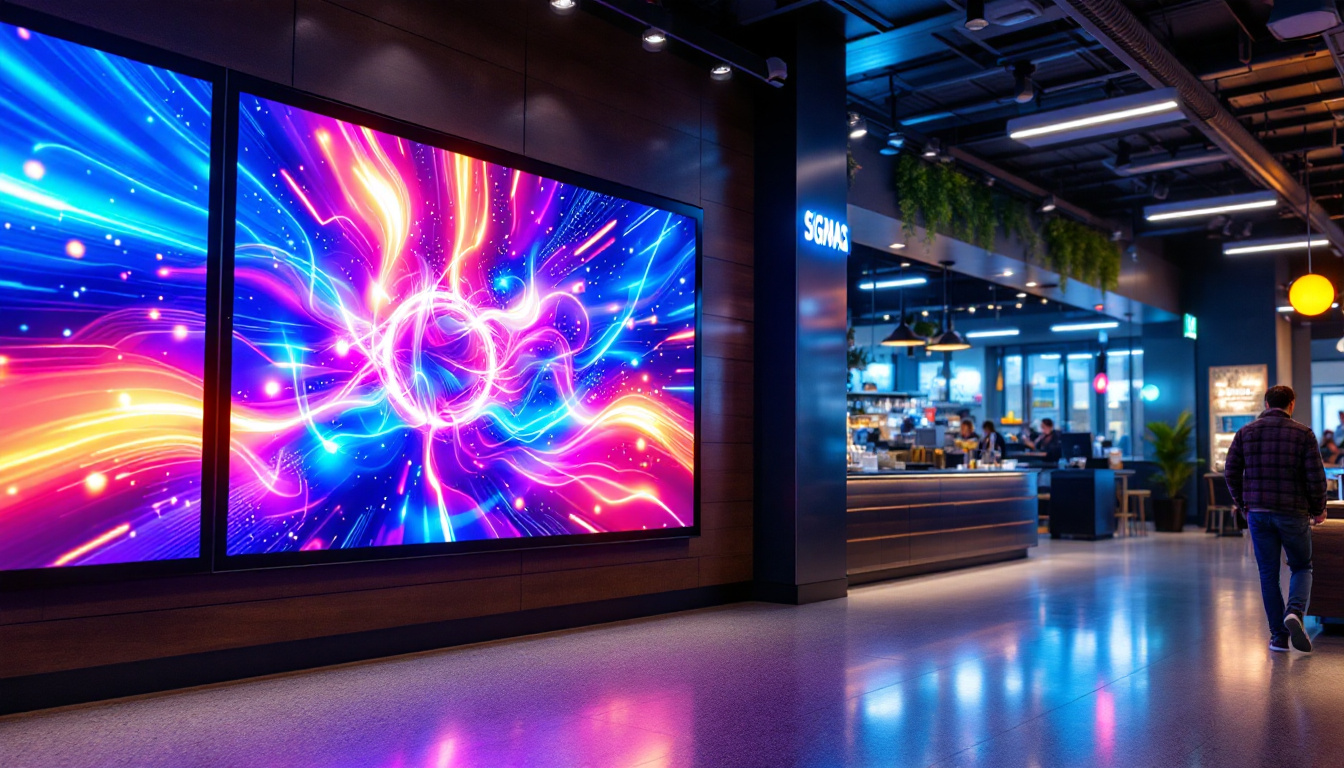
High-end corporate lobbies and retail stores use 0.9 mm LED displays to create visually stunning digital signage that captures attention and enhances brand messaging. The fine pixel pitch ensures that logos, text, and product images appear crisp and vibrant, even up close.
Medical Imaging and Education
Medical facilities and educational institutions benefit from the high resolution of 0.9 mm LED displays for detailed imaging and presentations. For example, radiologists can view scans with greater clarity, and educators can display intricate diagrams and videos that enhance learning experiences.
Advantages and Challenges of 0.9 mm LED Displays
Advantages
- Exceptional Image Quality: The small pixel pitch delivers ultra-high resolution, producing sharp, detailed images suitable for close viewing.
- Wide Viewing Angles: SMD technology ensures consistent color and brightness across wide angles, making the display visible from multiple positions.
- High Brightness and Color Accuracy: Advanced LED components provide vibrant colors and brightness levels suitable for both indoor and controlled lighting environments.
- Durability and Longevity: LED displays are known for their long lifespan and resistance to environmental factors, reducing maintenance costs.
Challenges
- Cost: The manufacturing complexity and high LED density make 0.9 mm displays more expensive than larger pitch alternatives.
- Installation and Maintenance: Due to their precision and density, these displays require expert installation and regular calibration to maintain optimal performance.
- Power Consumption: Although LED technology is energy-efficient, higher pixel density can result in increased power usage compared to lower resolution displays.
Comparing 0.9 mm LED Displays with Other Pixel Pitches
To better understand the significance of 0.9 mm pixel pitch, it helps to compare it with other common pixel pitches in the LED display market.
| Pixel Pitch (mm) | Typical Viewing Distance | Common Applications | Resolution Quality |
|---|---|---|---|
| 0.9 mm | 1 meter and above | Broadcast studios, control rooms, corporate lobbies | Ultra-high resolution, fine detail |
| 1.5 mm | 1.5 meters and above | Indoor advertising, conference rooms | High resolution, good detail |
| 3 mm | 3 meters and above | Retail stores, event venues | Medium resolution, visible pixels at close range |
| 10 mm | 10 meters and above | Outdoor billboards, stadiums | Lower resolution, suitable for long distance |
As the pixel pitch increases, the display becomes more suitable for longer viewing distances but sacrifices image sharpness. The 0.9 mm pitch represents the cutting edge of indoor LED display resolution, providing a near-retina quality experience.
Future Trends in LED Display Technology
LED technology continues to advance, with manufacturers pushing the boundaries of pixel pitch and display capabilities. While 0.9 mm is currently among the finest pitches available for commercial LED displays, research and development are underway to produce even smaller pitches, such as 0.7 mm and below.
These ultra-fine pitch displays will enable unprecedented image clarity, potentially rivaling OLED and microLED technologies in certain applications. Additionally, innovations in energy efficiency, flexible displays, and integration with AI-driven content management systems are shaping the future of LED displays.
As the cost of production decreases over time, these high-resolution LED displays will become more accessible to a broader range of industries, further transforming how businesses communicate visually.
Conclusion
The 0.9 mm LED display represents a significant milestone in digital display technology, offering exceptional image quality and versatility for a wide range of professional applications. Understanding the importance of pixel pitch and the technology behind these displays helps organizations make informed decisions when selecting the right display solution for their needs.
Whether for broadcasting, corporate environments, retail, or medical imaging, the 0.9 mm LED display provides a compelling combination of resolution, brightness, and durability. As technology progresses, these displays will continue to set the standard for high-definition visual communication.
Discover LumenMatrix’s Advanced LED Display Solutions
Ready to elevate your visual communication with the ultra-high resolution and impeccable clarity of a 0.9 mm LED display? LumenMatrix is at the forefront of LED display innovation, offering a comprehensive range of solutions tailored to your unique needs. From Indoor and Outdoor LED Wall Displays to specialized options like Vehicle, Sports, and Floor LED Displays, our products are designed to captivate and engage your audience. Experience the future of digital signage with LumenMatrix’s Custom, All-in-One, and Transparent LED Displays. Check out LumenMatrix LED Display Solutions today and transform your space with cutting-edge technology.