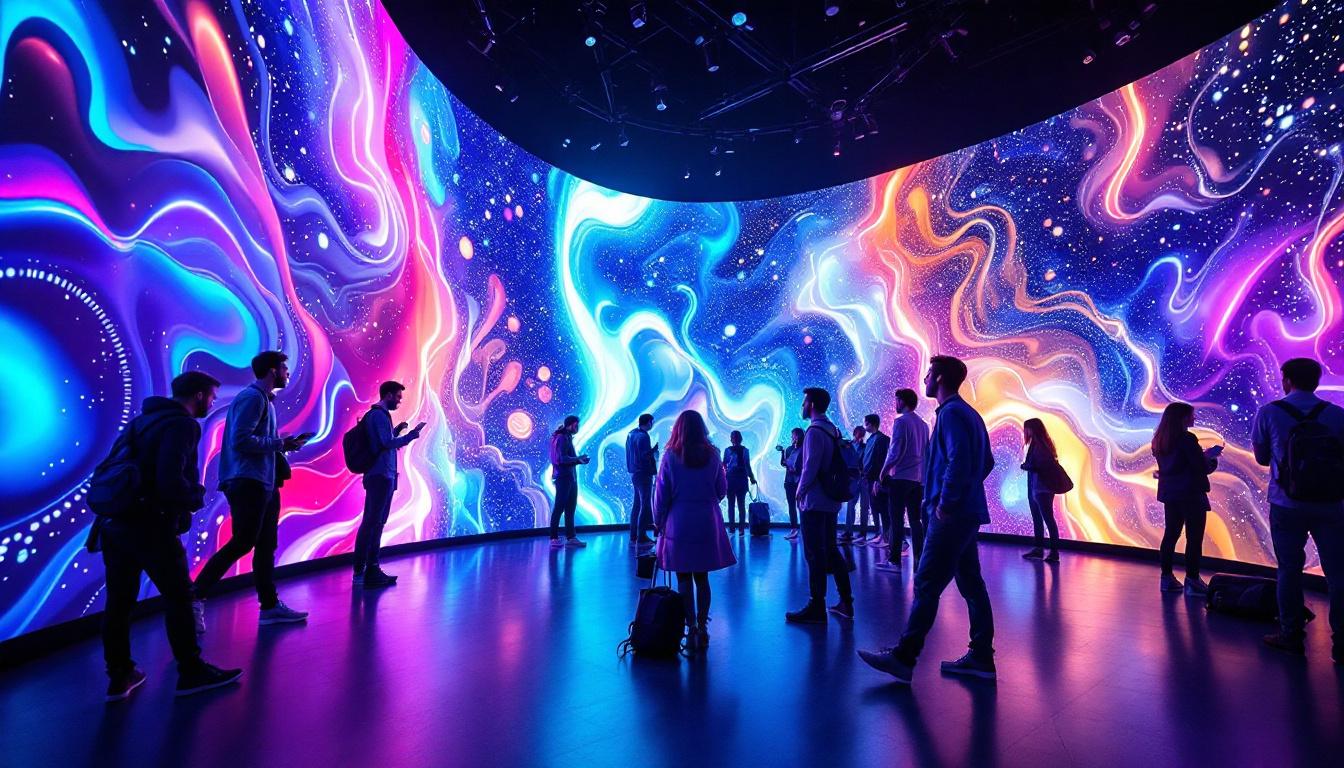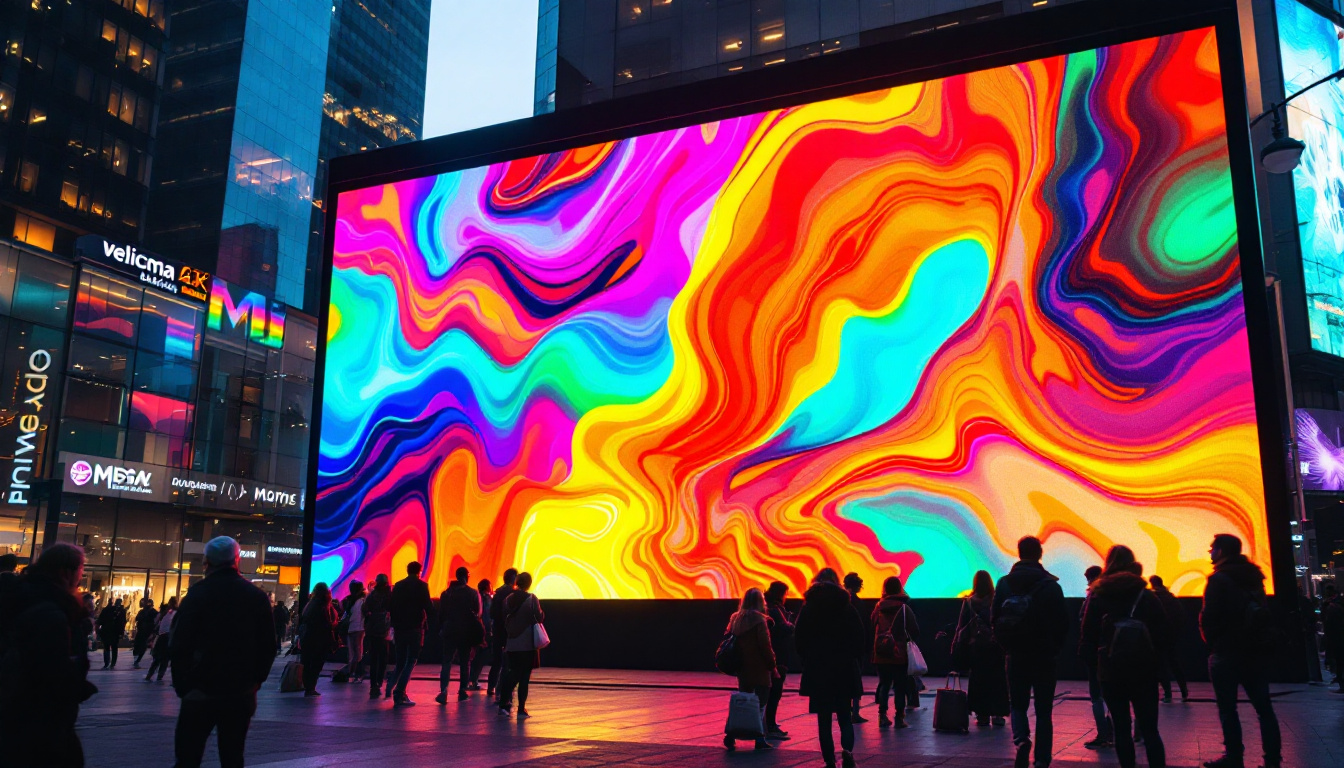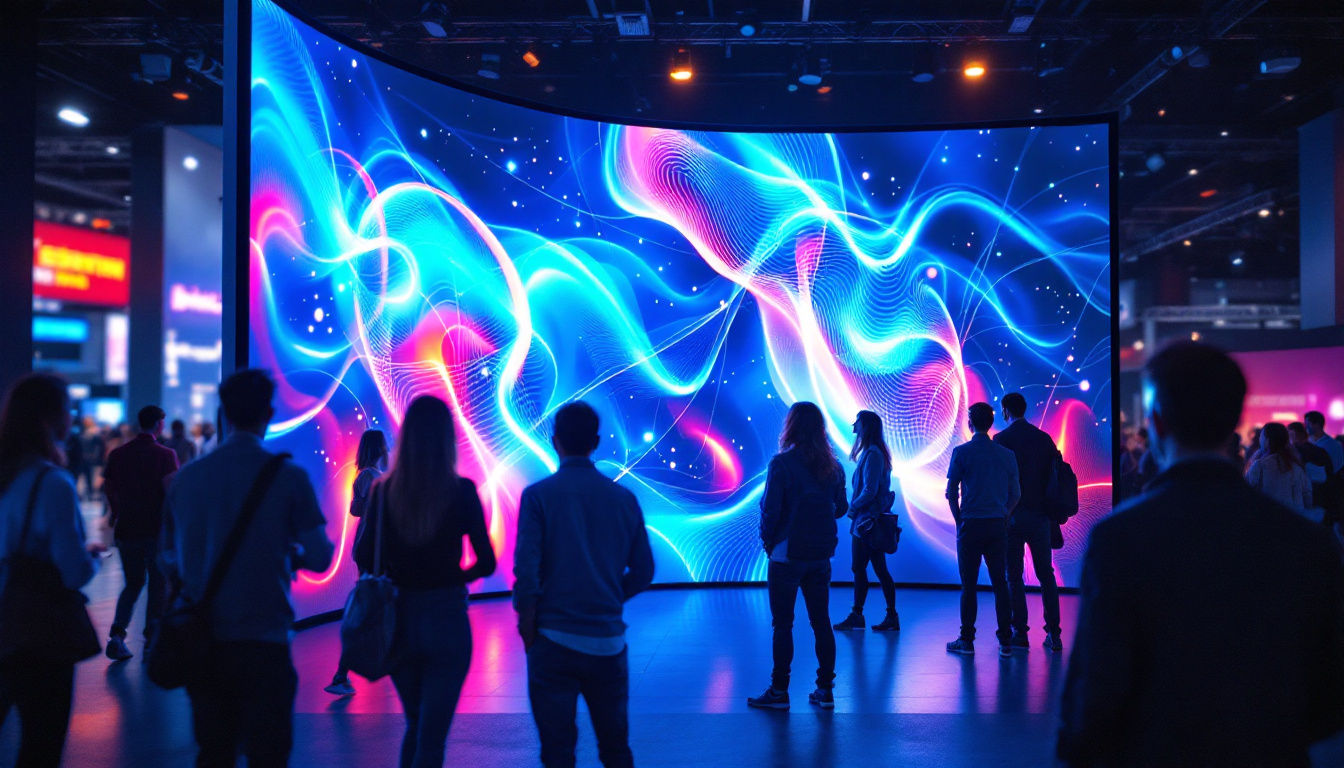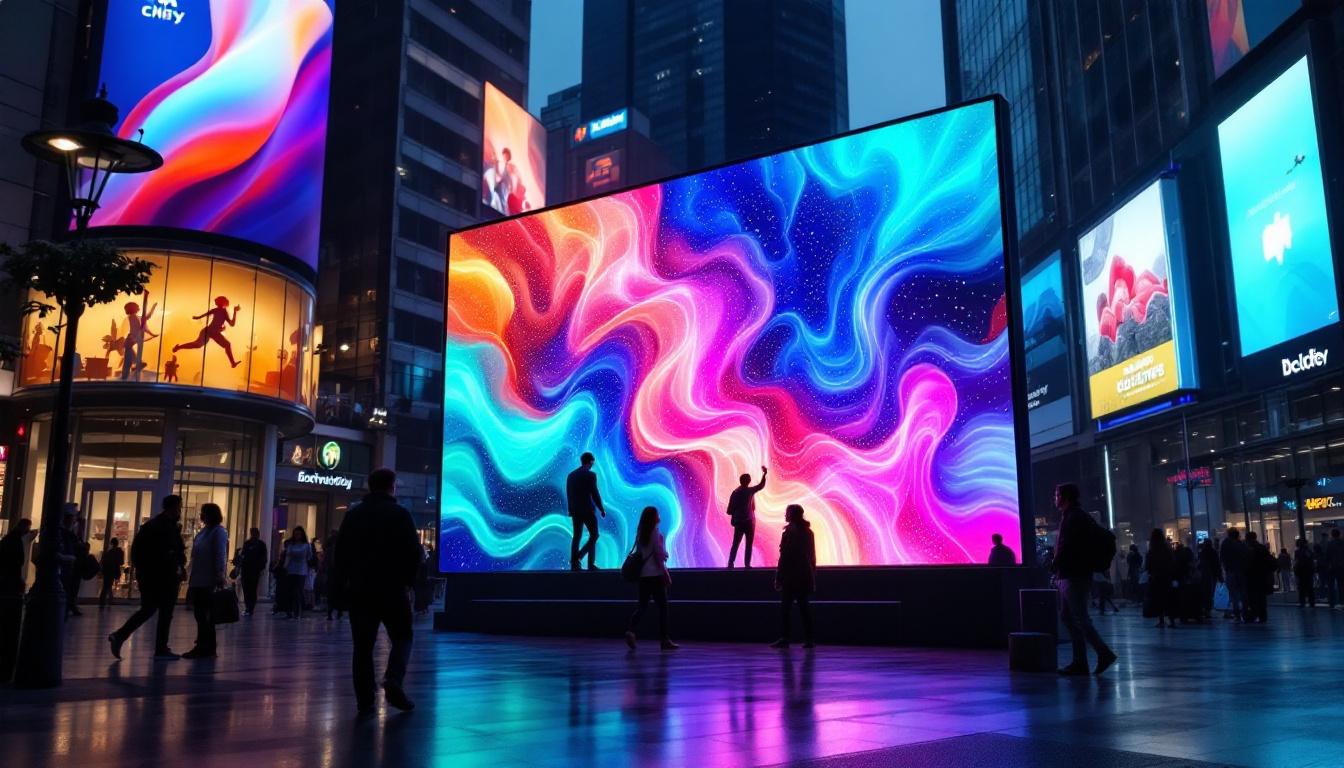
In today’s live events industry, the visual experience is just as critical as the audio and performance. Whether it’s a concert, corporate event, festival, or theatrical production, LED screens have become an indispensable tool in delivering captivating stage visuals. Renting LED screens for stages has surged in popularity due to their versatility, brightness, and ability to engage audiences of all sizes. This article explores the essentials of stage LED screen rental, explaining how LED displays work, their benefits, and key considerations when selecting and renting these displays for your event.
Understanding LED Displays: How They Work
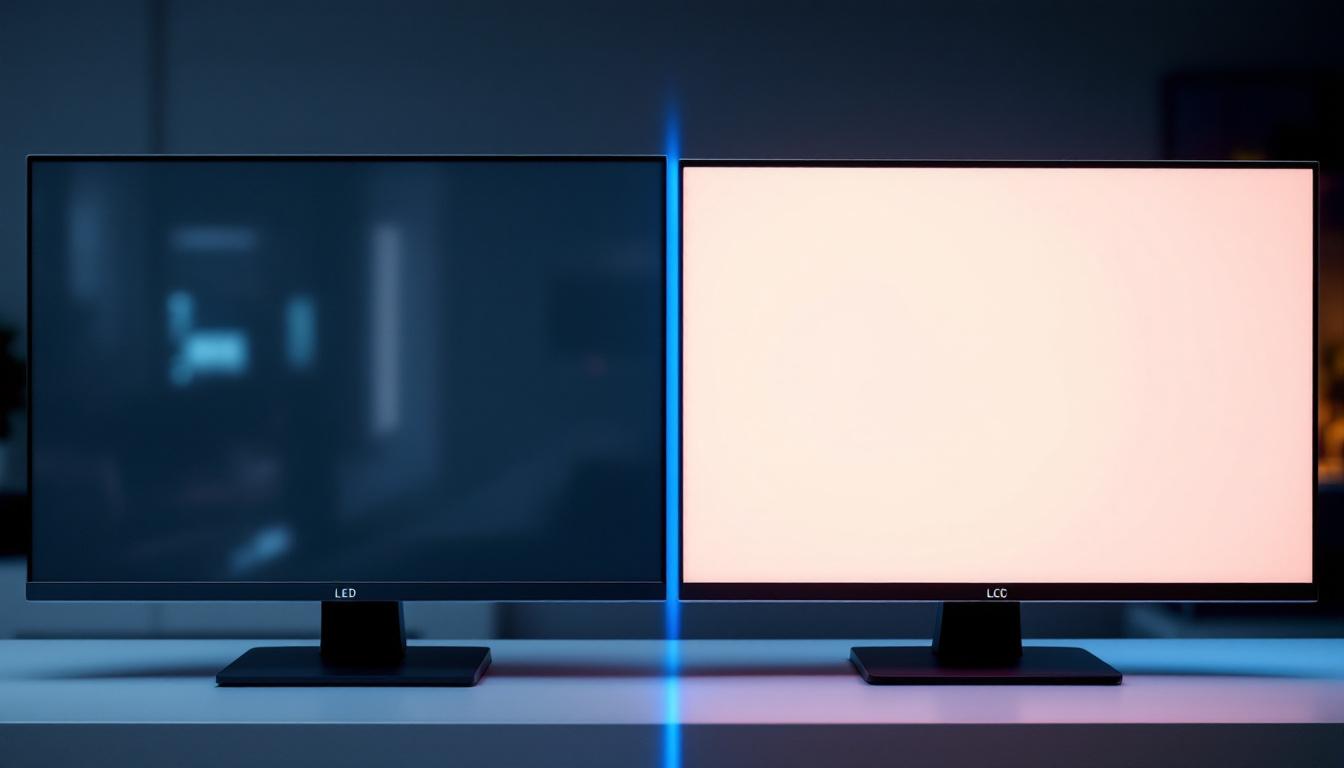
LED stands for Light Emitting Diode, a semiconductor device that emits light when an electric current passes through it. LED displays are made up of thousands of these tiny diodes arranged in a matrix to form images and videos. Unlike traditional projection or LCD screens, LED displays generate their own light, which makes them exceptionally bright and visible even in direct sunlight or large venues. This self-illuminating characteristic not only enhances visibility but also contributes to energy efficiency, as LED technology consumes significantly less power compared to conventional lighting methods.
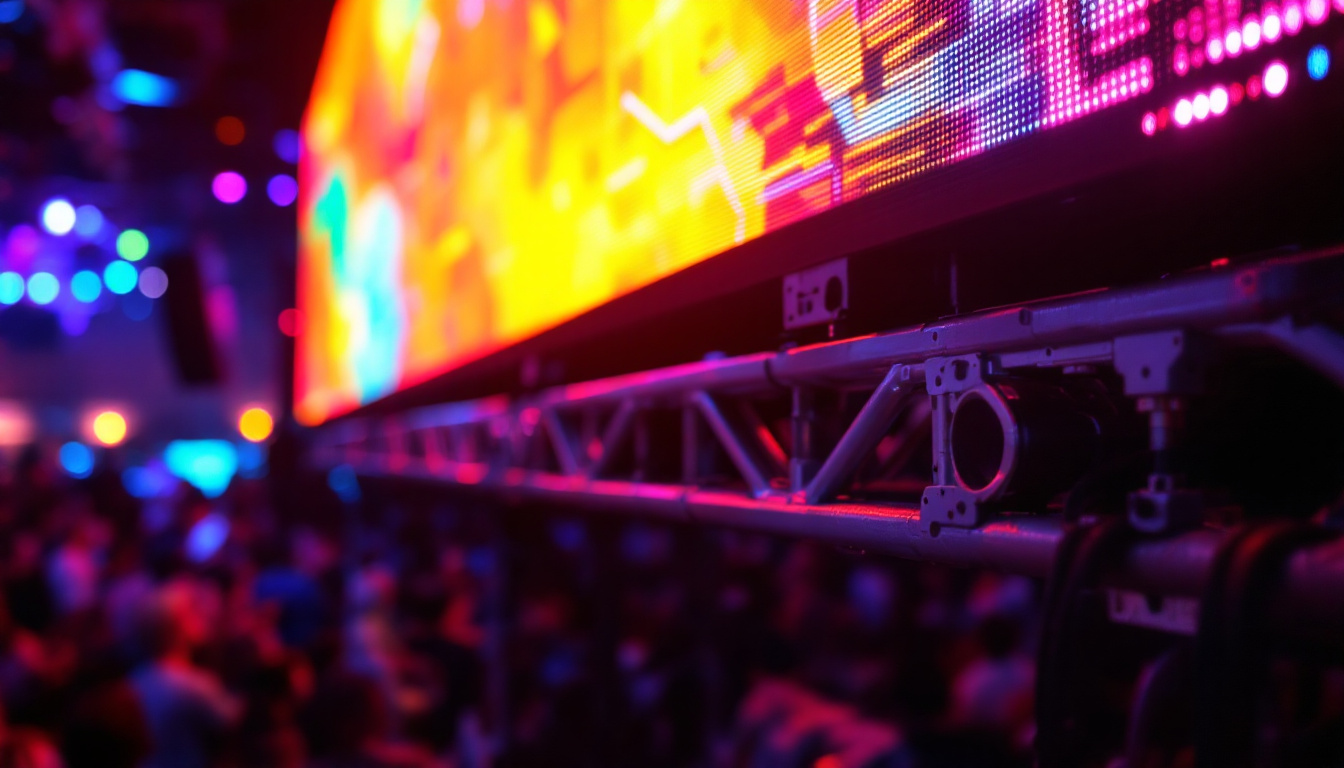
Modern stage LED screens are composed of modular panels that can be seamlessly connected to create screens of virtually any size and shape. These panels contain clusters of red, green, and blue LEDs that combine to produce a full spectrum of colors through a process called additive color mixing. The ability to control each pixel individually allows for high-resolution images, dynamic video playback, and live feeds, making LED screens ideal for immersive stage experiences. Furthermore, advancements in LED technology have led to the development of flexible and curved screens, enabling creative designs that can enhance the visual storytelling of performances.
Pixel Pitch and Resolution
One of the most important technical terms in LED displays is pixel pitch, which refers to the distance between the centers of two adjacent pixels, measured in millimeters. A smaller pixel pitch means higher resolution and sharper images, which is crucial for close-up viewing. For example, a 2.5mm pixel pitch screen will display more detail than a 10mm pitch screen of the same size. This precision in pixel arrangement allows for vibrant color reproduction and smooth transitions in video content, making it an essential factor for any production team to consider.
When renting LED screens for a stage, understanding pixel pitch helps determine the optimal screen size and viewing distance. For large outdoor concerts where audiences are far from the stage, a larger pixel pitch (6mm to 10mm) is often sufficient. Conversely, indoor events or corporate presentations that require close viewing benefit from smaller pixel pitches (1.5mm to 4mm) for crystal-clear visuals. Additionally, the choice of pixel pitch can also impact the overall cost of the display; smaller pixel pitches tend to be more expensive due to the increased number of LEDs and the complexity of the technology involved. Thus, event planners must balance their budget with the desired visual quality to create an engaging experience for their audience.
Benefits of Renting LED Screens for Stages
Renting LED screens for stage events offers numerous advantages over purchasing or using alternative display technologies. Here are some key benefits that have driven the widespread adoption of LED screen rentals in the live event industry.
1. Superior Brightness and Visibility
LED screens are renowned for their brightness, which can reach up to 5,000 nits or more. This brightness ensures that images remain vibrant and clear regardless of ambient lighting conditions, including daylight or strong stage lighting. This is particularly important for outdoor festivals and daytime events where traditional projection screens would struggle to compete with sunlight.
2. Flexibility and Customization
The modular nature of LED panels allows event organizers to customize screen sizes and shapes to fit unique stage designs. Whether it’s a massive backdrop, curved screens, or even 3D structures, LED displays can be configured to meet creative visions. This flexibility also extends to content, as LED screens can display anything from live video feeds to animated graphics and interactive elements.
3. Durability and Reliability
LED screens are built to withstand the rigors of touring and outdoor conditions. Many rental companies offer weatherproof and ruggedized panels that can operate reliably in rain, wind, and dust. This durability reduces the risk of technical failures during critical moments, providing peace of mind for event producers.
4. Cost-Effectiveness
Purchasing LED screens can be prohibitively expensive, especially for one-time or occasional events. Renting allows access to the latest technology without the upfront capital investment. Rental companies also provide technical support, installation, and maintenance, which can save time and reduce logistical challenges for event organizers.
Key Considerations When Renting Stage LED Screens
Choosing the right LED screen rental requires careful planning and understanding of your event’s specific needs. Several factors influence the success of your visual setup and overall audience experience.
Screen Size and Viewing Distance
Determining the appropriate screen size depends on the venue size, stage layout, and audience distance. A general rule is that the screen height should be approximately one-sixth to one-third of the viewing distance to ensure comfortable visibility. For example, if the audience is 60 feet away, a screen height between 10 and 20 feet is advisable.
Rental providers often assist with these calculations and can recommend screen dimensions based on their experience and technical specifications.
Pixel Pitch Selection
As discussed earlier, pixel pitch impacts image clarity. For events with close audience proximity or detailed content like text and graphics, smaller pixel pitches are essential. For large venues or outdoor stages where viewers are farther away, larger pixel pitches are more cost-effective and still provide excellent visibility.
Indoor vs. Outdoor Use
LED screens designed for outdoor use are typically brighter and weather-resistant, with protective coatings and sealed panels to prevent moisture ingress. Indoor LED screens, while still bright, focus more on high resolution and color accuracy since ambient lighting can be controlled. Ensure the rental company provides screens suited to your event environment to avoid performance issues.
Content Management and Connectivity
Modern LED screens require compatible media servers and control systems to manage content playback and live inputs. Confirm with your rental provider that the screens support your content formats and that they offer technical support for seamless integration. Additionally, consider connectivity options such as HDMI, SDI, or wireless feeds for live video sources.
Installation and Support Services
Professional installation is critical for safety and optimal performance. Rental companies typically provide experienced technicians to handle setup, calibration, and troubleshooting during the event. Discuss these services upfront to ensure your event runs smoothly without unexpected technical difficulties.
Popular Applications of Stage LED Screen Rentals
LED screen rentals have become a staple across a wide range of event types, each leveraging the technology’s unique strengths to enhance audience engagement.
Concerts and Music Festivals
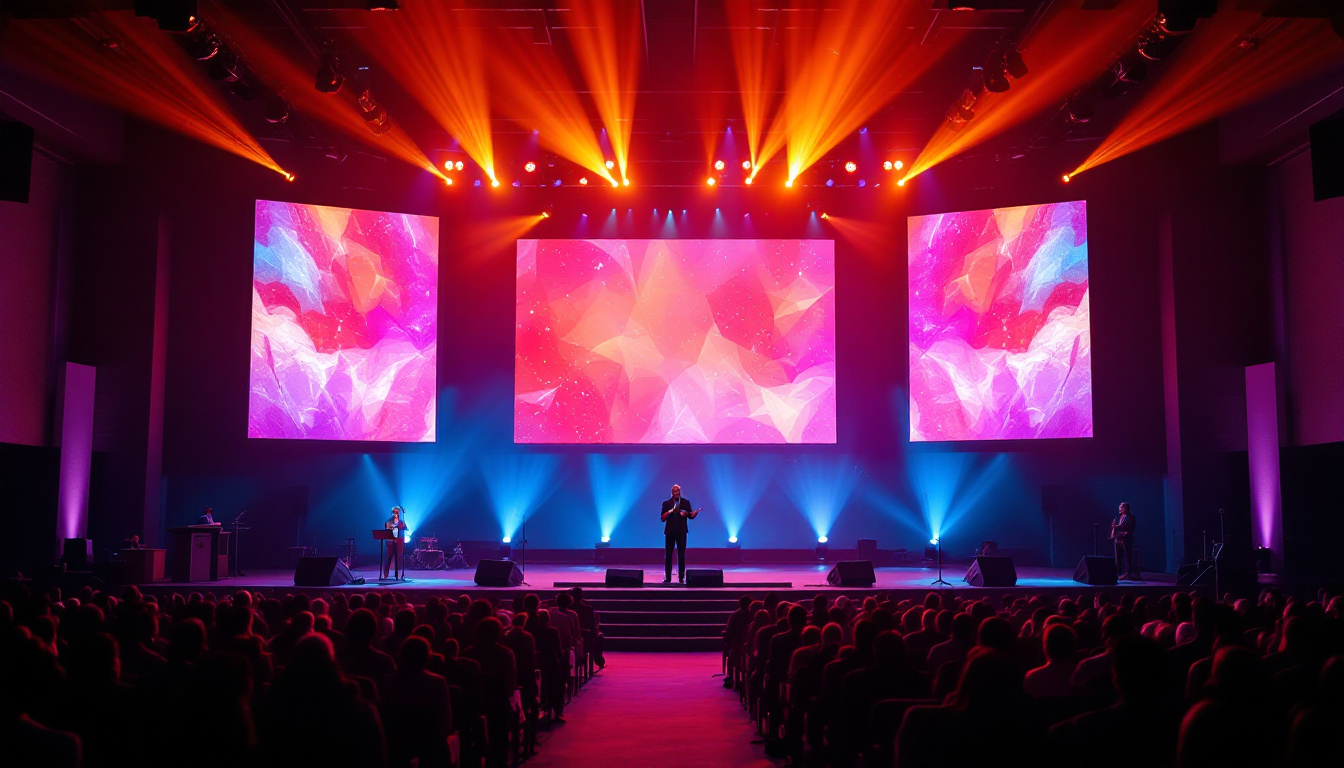
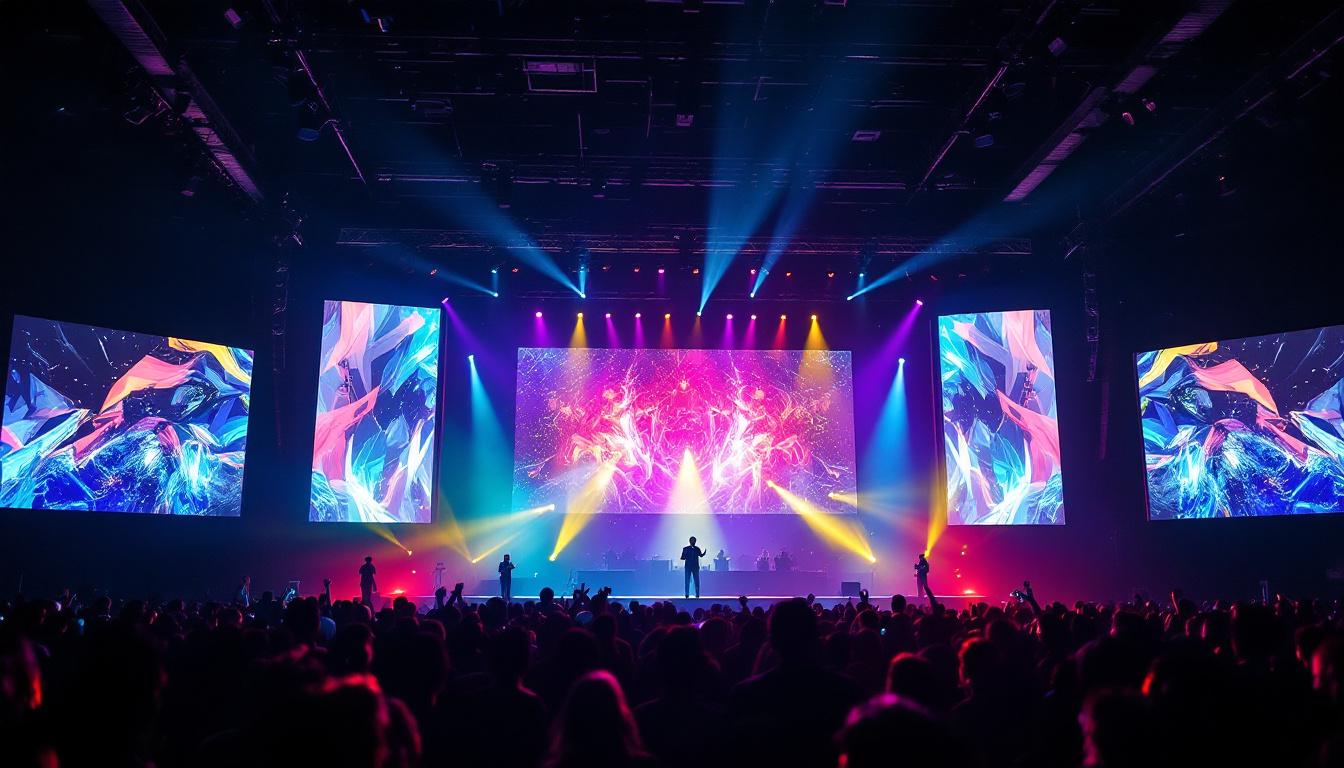
Large-scale concerts and festivals rely heavily on LED screens to display live footage of performers, dynamic visuals, and sponsor branding. The ability to create massive, bright backdrops that can be seen from hundreds of feet away makes LED screens indispensable in these settings. For example, major festivals like Coachella and Glastonbury utilize extensive LED setups to amplify the live experience.
Corporate Events and Conferences
In corporate environments, LED screens are used for presentations, product launches, and immersive branding experiences. High-resolution indoor LED walls enable clear display of detailed charts, videos, and interactive content, making them ideal for engaging professional audiences.
Theatrical and Performing Arts
Theatre productions and dance performances increasingly incorporate LED screens to create dynamic stage environments. LED backdrops can change scenes instantly, display abstract visuals, or interact with performers, adding a new dimension to storytelling.
Sporting Events
From stadium scoreboards to live action replays, LED screens enhance fan engagement by providing real-time information and entertainment. Rental solutions allow temporary installations for smaller venues or special events without permanent infrastructure.
Future Trends in Stage LED Screen Technology
The LED display industry continues to evolve rapidly, driven by advances in technology and creative demands. Several trends are shaping the future of stage LED screen rentals.
MicroLED and MiniLED Innovations
Emerging MicroLED and MiniLED technologies offer even higher resolution, improved brightness, and better energy efficiency. These displays feature smaller diodes, enabling ultra-fine pixel pitches below 1mm, which could revolutionize indoor stage visuals with unprecedented clarity.
Flexible and Transparent LED Screens
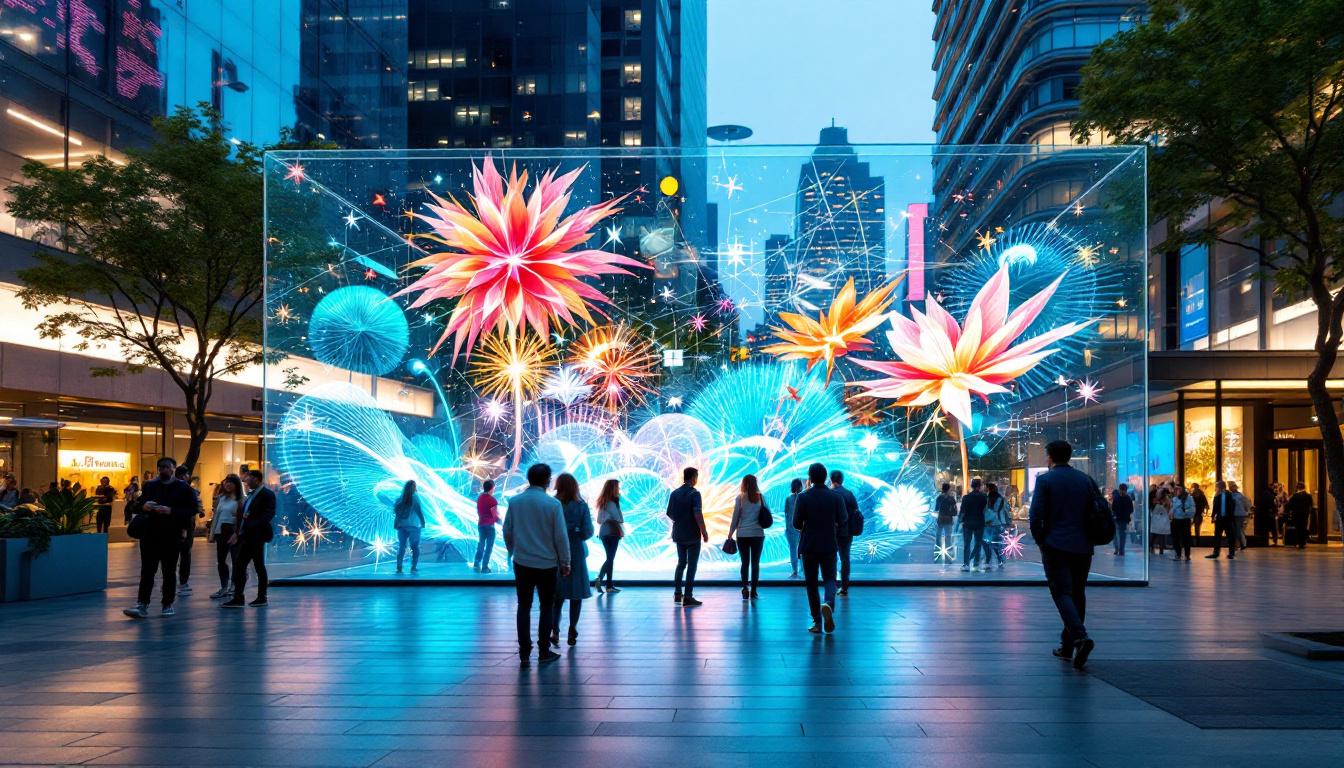
Flexible LED panels that can curve around stage elements or be wrapped onto structures are gaining popularity. Transparent LED screens that allow light to pass through while displaying images open new creative possibilities for layering visuals without blocking sightlines.
Integration with Augmented Reality (AR)
Combining LED screens with AR technologies can create interactive and immersive experiences for audiences. For example, performers may interact with virtual elements projected on LED backdrops, enhancing storytelling and engagement.
Conclusion
Stage LED screen rental has transformed the way live events deliver visual content, offering unmatched brightness, flexibility, and reliability. Understanding the technical aspects such as pixel pitch, screen size, and environmental suitability is essential for selecting the right LED display for your event. Renting rather than purchasing provides access to cutting-edge technology, professional support, and cost savings, making it the preferred choice for event organizers worldwide.
As LED technology continues to advance, the possibilities for creative stage design and audience engagement expand, promising even more spectacular live experiences in the future. Whether planning a concert, corporate event, or theatrical production, investing in the right LED screen rental can elevate your event to new heights of visual impact.
Discover LumenMatrix’s Innovative LED Solutions
Ready to elevate your next event with the most advanced LED display technology? LumenMatrix is at the forefront of creating immersive visual experiences that captivate and engage. From dazzling Indoor LED Walls to expansive Outdoor LED Displays, and from dynamic Vehicle LED Displays to sleek LED Poster Displays, our solutions are designed to make your brand shine. Whether you need a high-impact LED Sports Display, an interactive Floor LED Display, or a Custom LED solution tailored to your unique requirements, LumenMatrix has you covered. Experience the future of visual communication with our All-in-One LED and LED Transparent Displays. Check out LumenMatrix LED Display Solutions today and transform your event into an unforgettable spectacle.