In the rapidly evolving world of digital signage and visual communication, 360-degree LED displays have emerged as a groundbreaking technology. These displays offer immersive, panoramic viewing experiences that captivate audiences from every angle. Whether used in advertising, entertainment, or public information systems, 360 LED displays are transforming how brands and organizations engage with their audiences.
This article delves into the technology behind 360-degree LED displays, explores their applications, and highlights the advantages and considerations for businesses and event organizers looking to leverage this innovative medium.
Understanding 360-Degree LED Displays
What Are 360-Degree LED Displays?
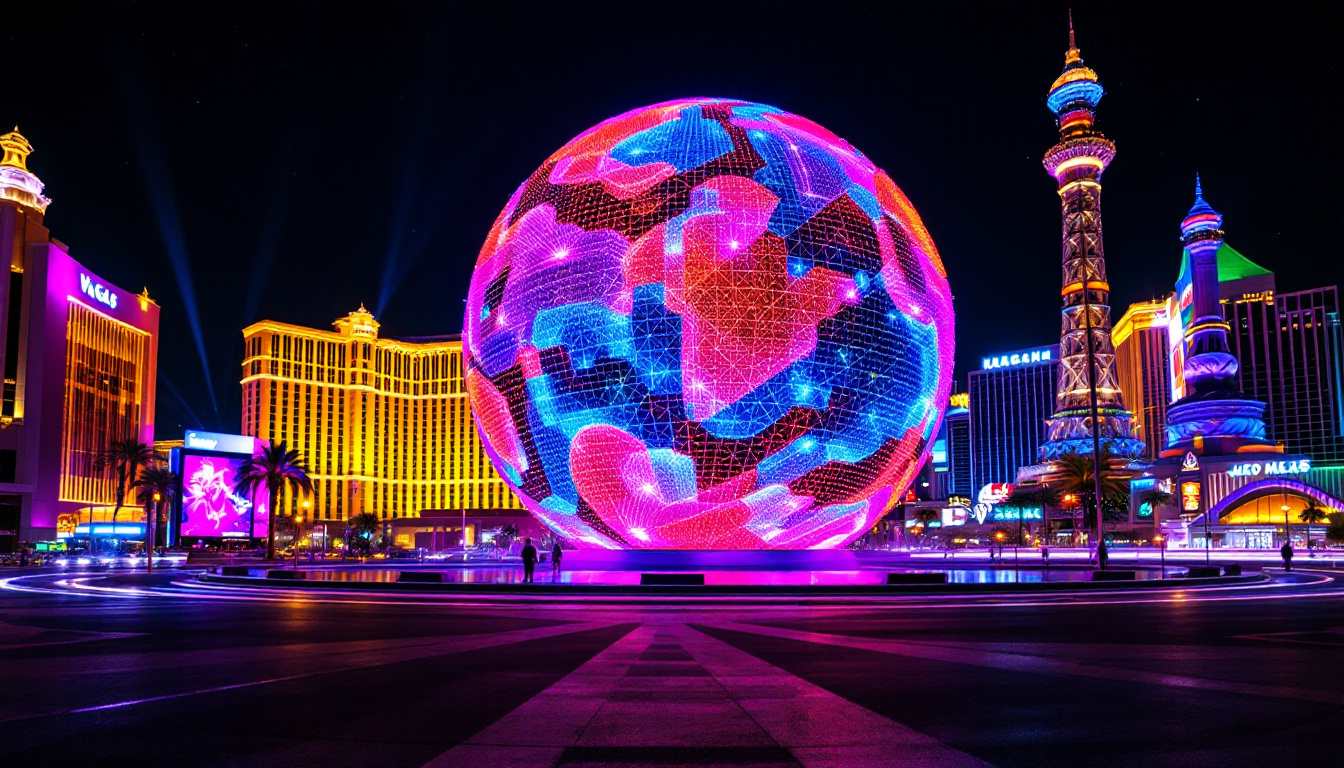
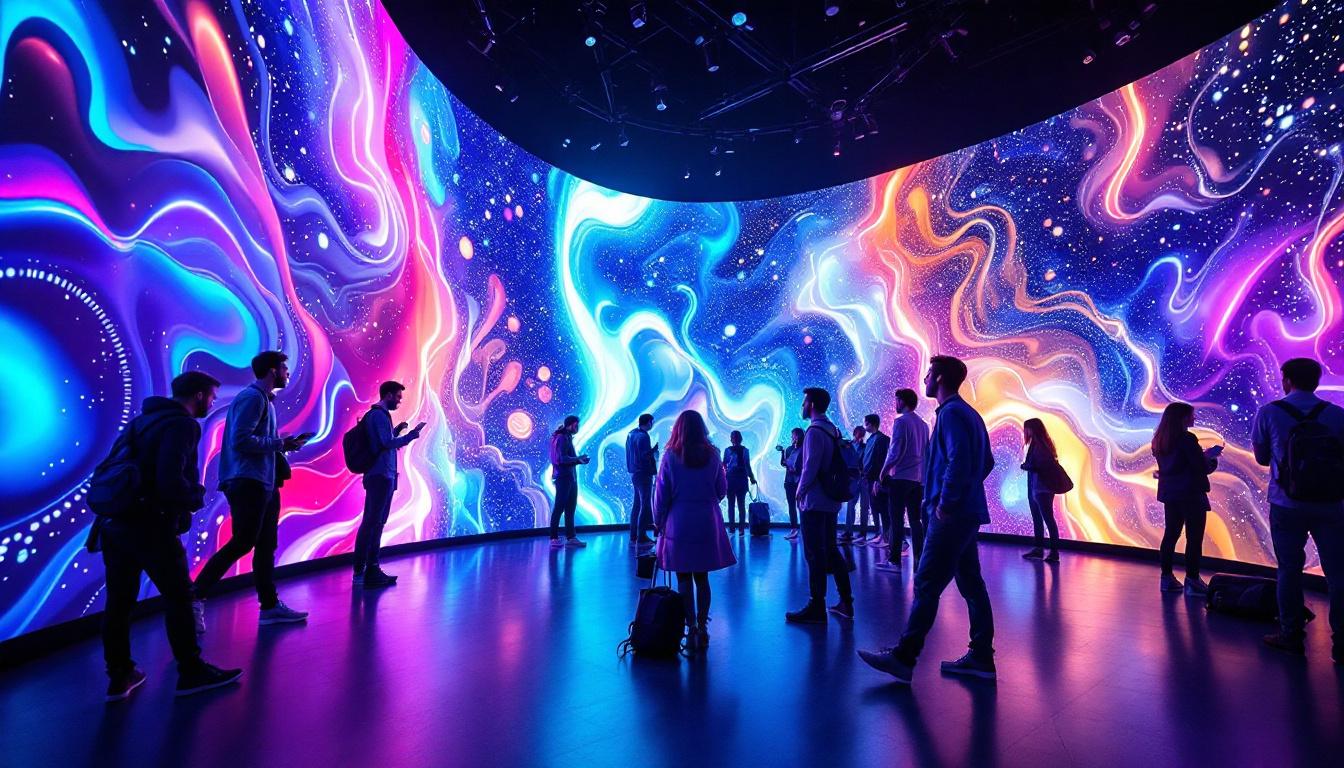
360-degree LED displays are cylindrical or spherical digital screens that wrap around a structure, allowing content to be viewed from all directions. Unlike traditional flat LED panels, these displays provide an all-encompassing visual experience, making them ideal for environments where audiences move around or gather in a circular formation.
Constructed from numerous LED modules seamlessly connected, these displays can vary in size from small columns to massive installations spanning several meters in diameter. The key feature is their ability to present continuous, high-resolution content that can be seen clearly from any vantage point. This versatility makes them popular in various settings, including shopping malls, concert venues, museums, and trade shows. The immersive nature of 360-degree displays captivates viewers, drawing them into the content and creating a more engaging experience compared to traditional screens.
How Do 360-Degree LED Displays Work?
At the core of these displays are light-emitting diodes (LEDs), which produce bright, vibrant colors by combining red, green, and blue light sources. The LED modules are arranged on curved surfaces, and advanced processing hardware synchronizes the content to ensure smooth, distortion-free visuals.
The display’s controller manages the input signals and distributes the image data to each module, adapting the content to fit the curved geometry. This requires sophisticated mapping techniques to prevent image warping and maintain clarity. Additionally, modern 360 LED displays often incorporate sensors and interactive elements, enabling dynamic content that responds to audience movement or environmental factors. For instance, some installations utilize motion tracking technology to alter the visuals based on where viewers are standing, creating a personalized experience that enhances engagement. Furthermore, these displays can be programmed to showcase a variety of content types, from advertisements to artistic installations, making them a versatile tool for marketers and artists alike.
Applications of 360-Degree LED Displays
Advertising and Marketing
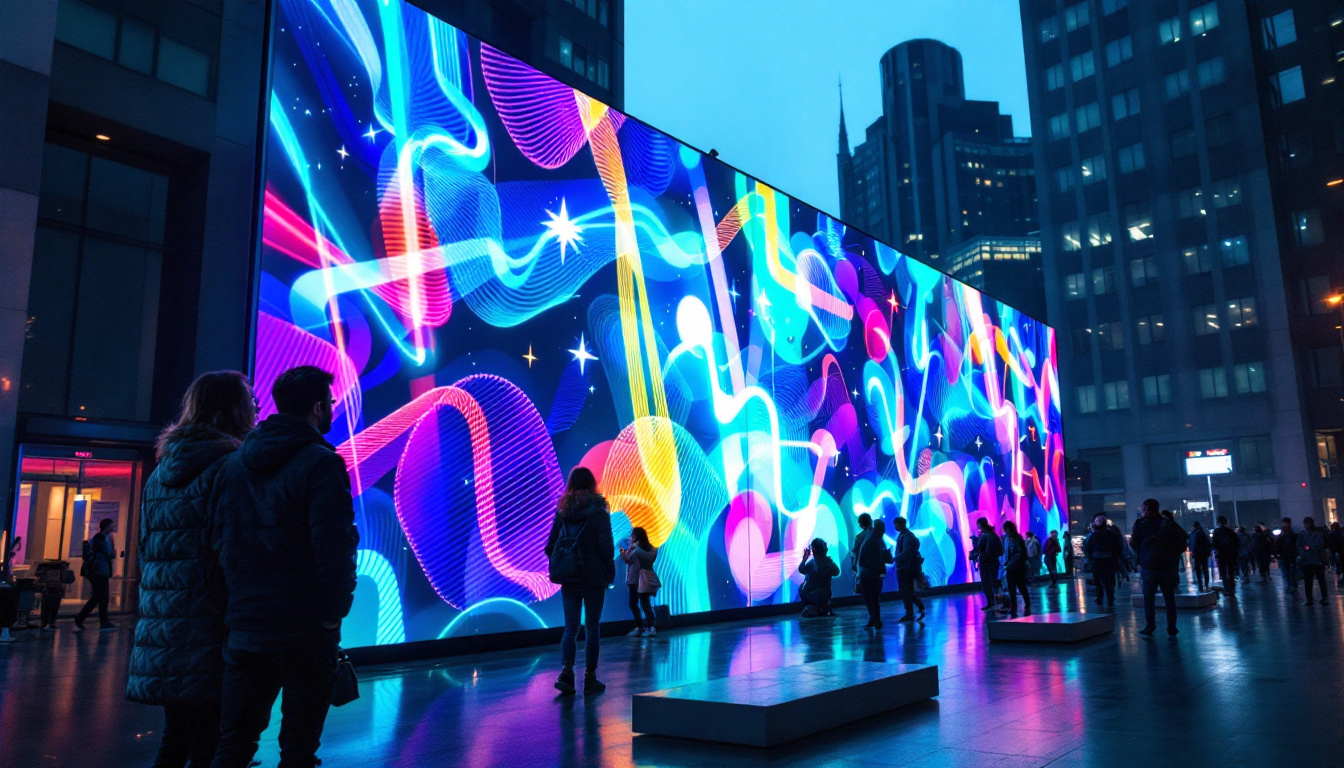
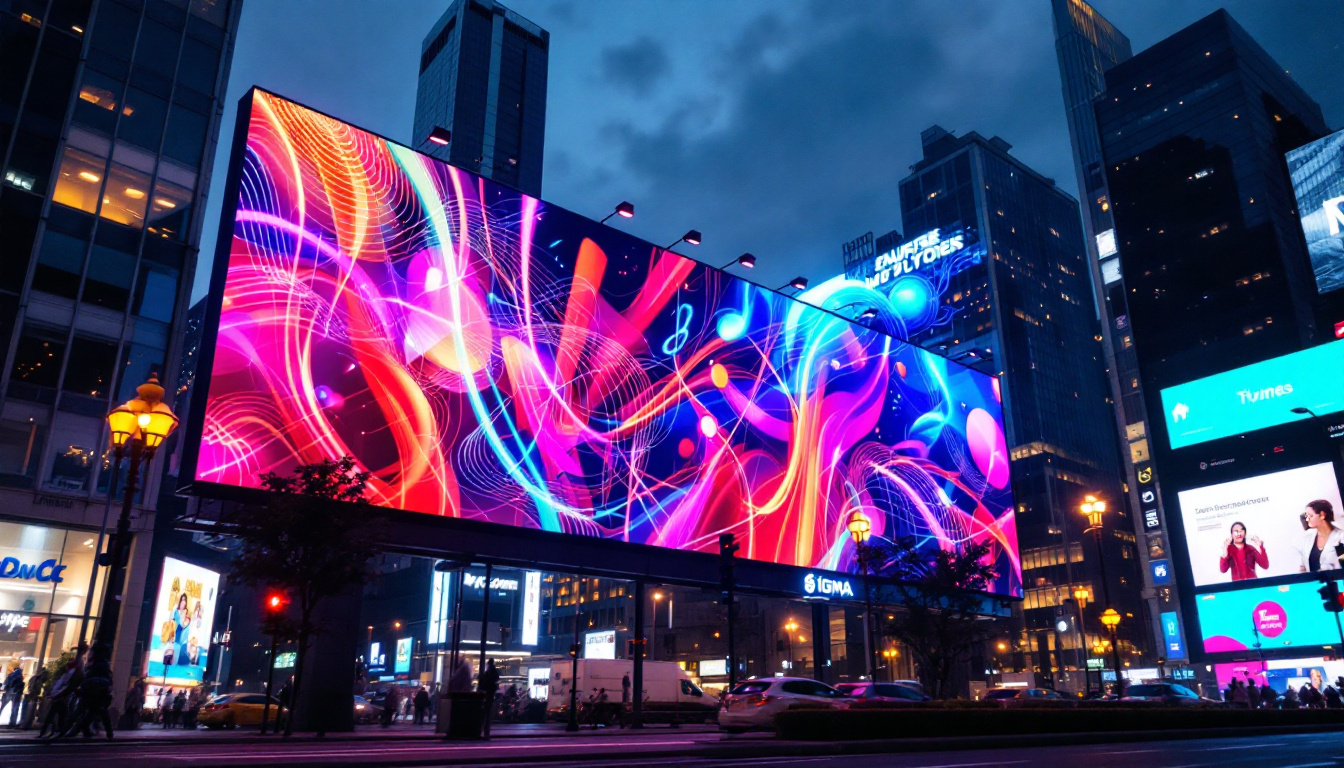
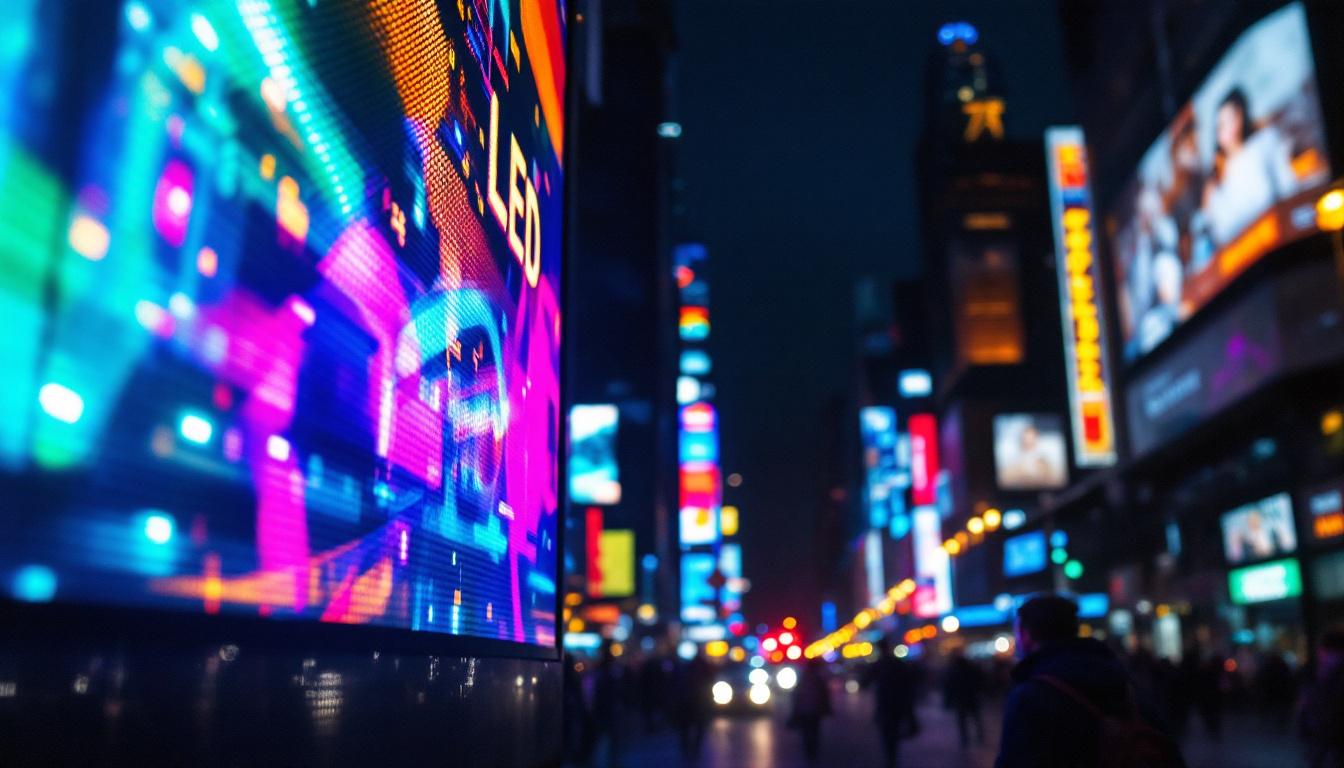
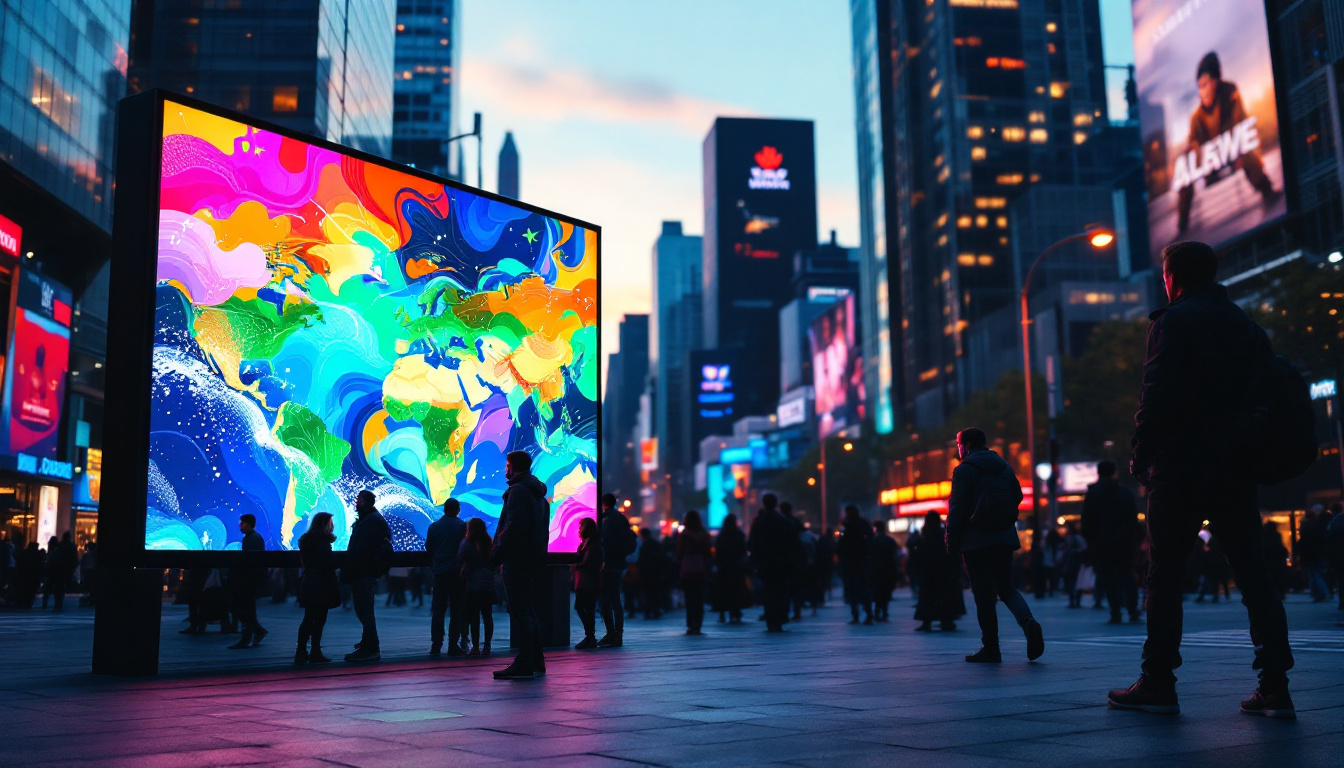
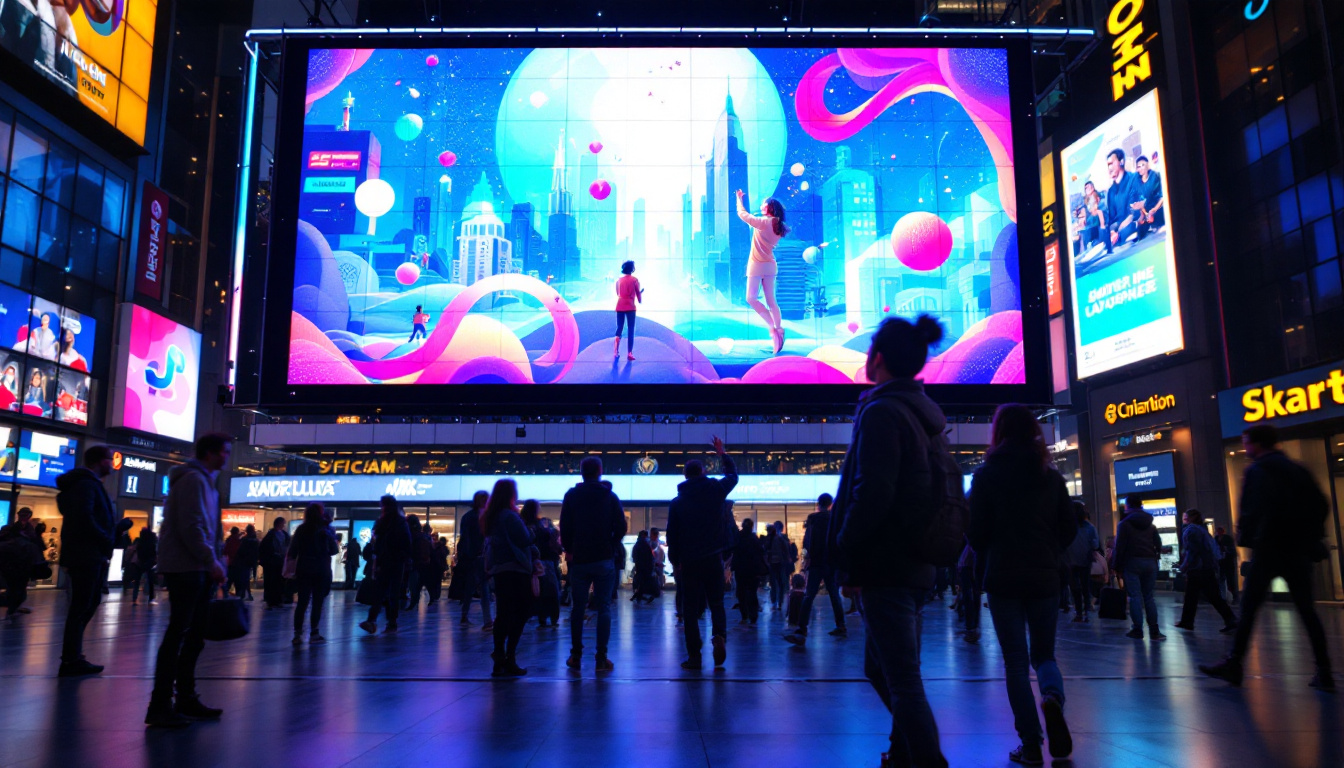
One of the most prominent uses of 360-degree LED displays is in advertising. Brands leverage these displays in high-traffic locations such as shopping malls, airports, and city centers to create eye-catching campaigns. The ability to present content in a full circle means that messages can reach viewers from any direction, significantly increasing engagement and recall.
For example, a luxury automotive brand might showcase a rotating 360 LED display featuring a new vehicle model, allowing passersby to experience the car’s design and features in a visually compelling format. This immersive approach often results in higher foot traffic and social media buzz. Additionally, the versatility of 360-degree displays allows brands to tailor their messages based on the time of day or specific audience demographics, ensuring that the content remains relevant and impactful. Interactive elements, such as QR codes or augmented reality features, can further enhance viewer interaction, driving not only awareness but also conversions.
Entertainment and Events
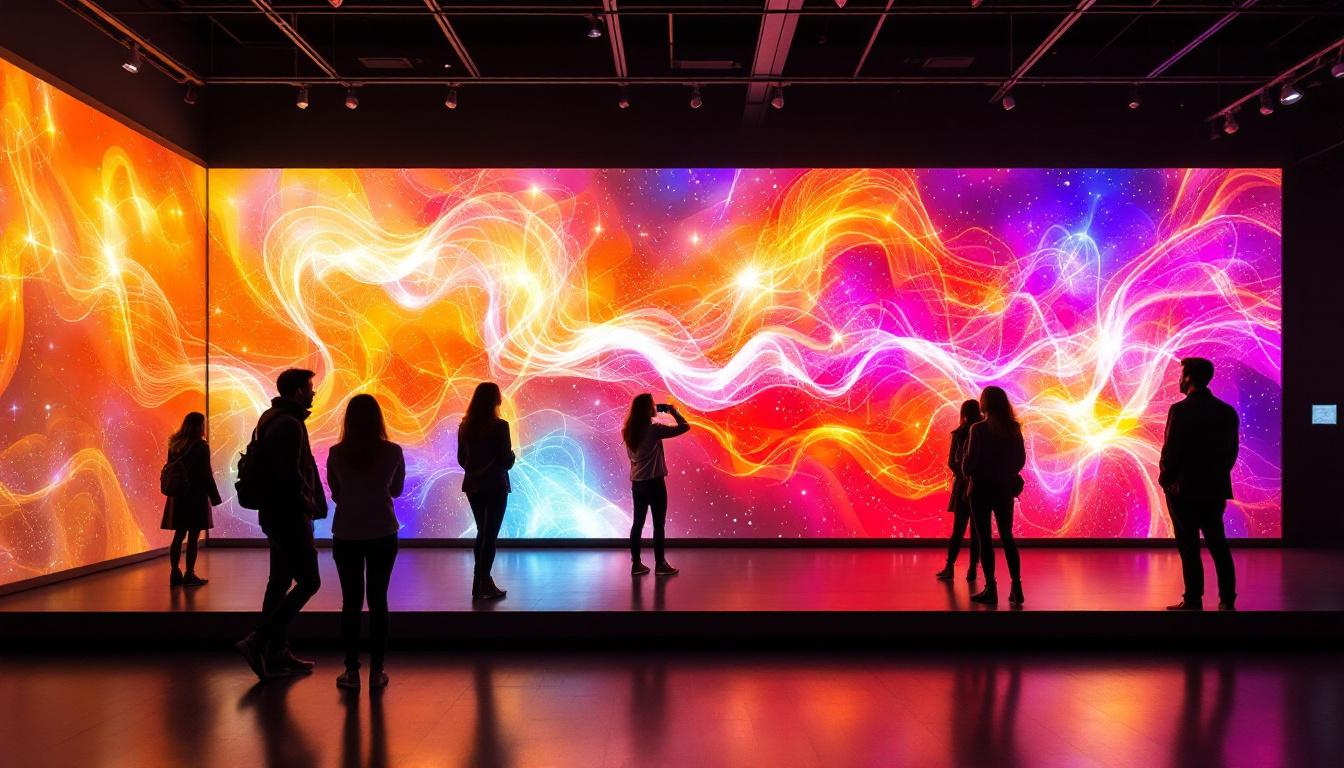
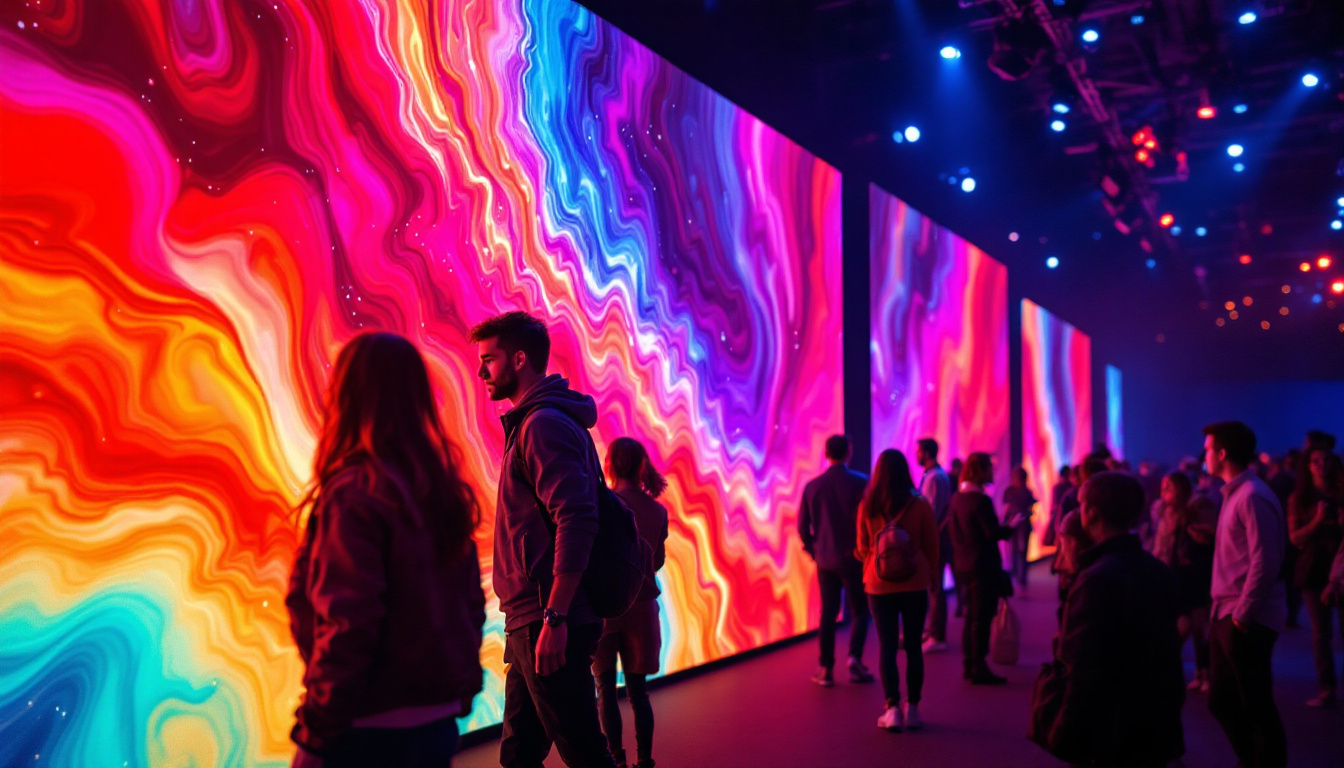
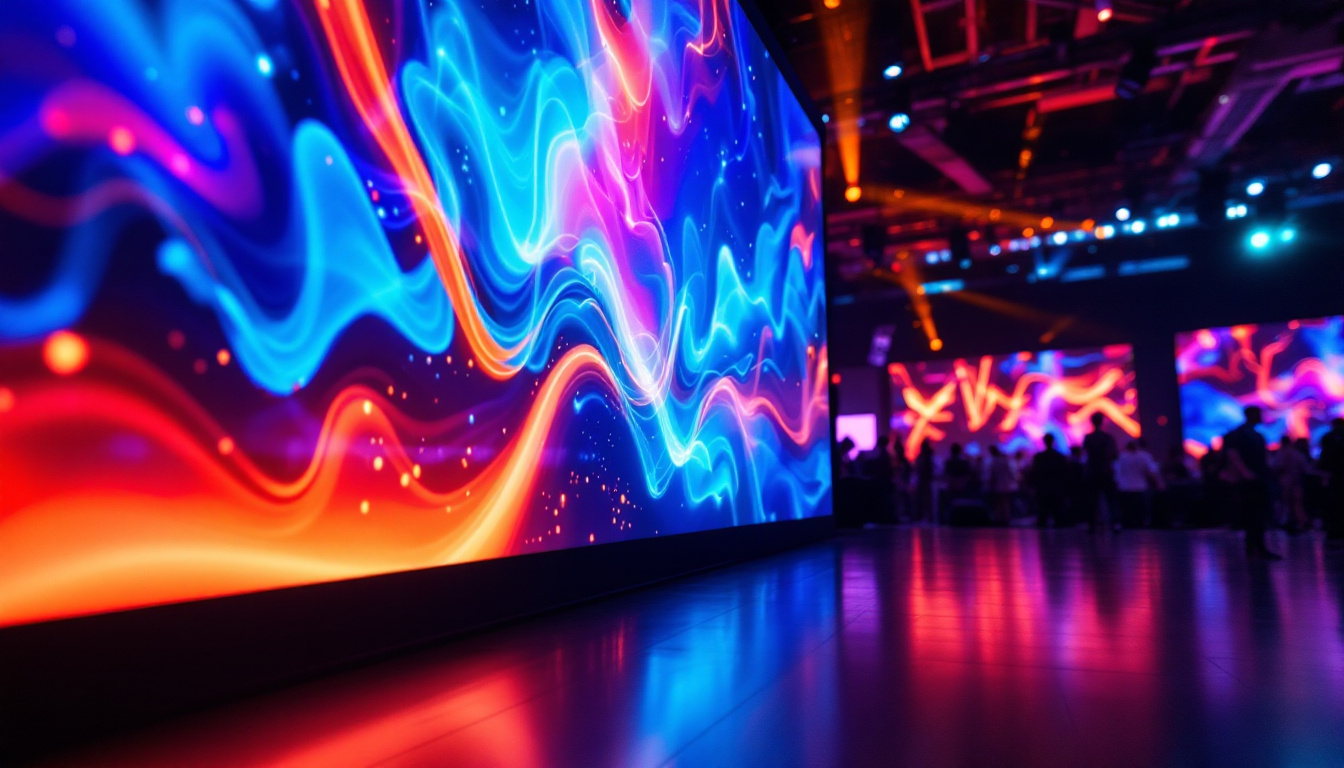
Concerts, festivals, and exhibitions benefit greatly from 360 LED displays by enhancing the audience’s sensory experience. These displays can be used as stage backdrops, immersive domes, or interactive installations, creating an environment that surrounds attendees with dynamic visuals.
At major events like music festivals or sports arenas, 360-degree LED screens can display live feeds, animations, or thematic content that complements the event’s atmosphere. This technology also opens new possibilities for virtual reality and augmented reality integrations, blending physical and digital experiences seamlessly. For instance, during a live concert, artists can use 360-degree displays to create a narrative that unfolds around the audience, making them feel like they are part of the performance rather than just spectators. This level of engagement not only enhances the overall experience but also encourages attendees to share their experiences on social media, amplifying the event’s reach and impact.
Retail and Hospitality
Retailers and hospitality venues are increasingly adopting 360 LED displays to differentiate their spaces and attract customers. In stores, these displays can showcase product features, promotions, or brand stories in an engaging manner that encourages shoppers to linger and explore.
Hotels and restaurants use 360-degree LED installations to create unique ambiance settings or interactive art pieces, enhancing the overall customer experience. This use of digital art and information delivery helps establish a memorable brand identity and fosters customer loyalty. Moreover, these displays can be programmed to change with the seasons or special events, allowing businesses to keep their content fresh and relevant. For example, a restaurant might use a 360-degree display to create a virtual dining experience that transports guests to exotic locations, complete with visuals and sounds that complement the cuisine being served. This innovative approach not only captivates guests but also encourages them to share their unique experiences, further promoting the establishment through word-of-mouth and social media channels.
Advantages of 360-Degree LED Displays
Immersive Visual Experience
The primary advantage of 360-degree LED displays is their ability to immerse viewers in a continuous visual environment. This immersion captures attention more effectively than traditional flat screens, making it easier to convey messages and evoke emotional responses.
Studies show that immersive advertising can increase brand recall by up to 70%, underscoring the impact of 360-degree displays in marketing contexts. The panoramic nature of these displays also supports storytelling techniques that engage audiences on multiple sensory levels.
High Brightness and Visibility
LED technology is known for its brightness and clarity, which makes 360-degree LED displays highly visible even in outdoor or well-lit environments. This ensures that content remains vibrant and legible regardless of ambient lighting conditions, a critical factor for public installations.
Furthermore, LEDs are energy-efficient and have a long lifespan, reducing operational costs and maintenance requirements compared to other display technologies.
Customizable and Scalable
360-degree LED displays are highly customizable, allowing designers to create unique shapes and sizes tailored to specific spaces and purposes. This flexibility supports a wide range of creative applications, from small-scale retail columns to massive outdoor towers.
Scalability also means that businesses can start with a modest installation and expand over time as budgets and needs evolve, making 360 LED displays a versatile investment.
Technical Considerations and Challenges
Installation and Structural Requirements
Installing a 360-degree LED display involves complex engineering to ensure structural stability and optimal viewing angles. The curved surfaces require precise mounting systems that can support the weight of the LED modules while maintaining the desired shape.
Additionally, electrical and data cabling must be carefully routed to avoid interference and maintain seamless content delivery. This often necessitates collaboration between structural engineers, display manufacturers, and content creators.
Content Creation and Mapping
Creating content for 360-degree LED displays is more challenging than for flat screens. Designers must account for the curved geometry and potential distortions, requiring specialized software tools for content mapping and warping correction.
Effective content often involves 3D animations or panoramic video footage designed specifically for cylindrical or spherical formats. This level of customization demands skilled creative teams familiar with the technical constraints and opportunities of 360 LED technology.
Cost and Maintenance
While prices for LED technology have decreased over recent years, 360-degree LED displays remain a significant investment due to their complexity and size. Initial costs include hardware, installation, and content development, which can be substantial depending on the project scale.
Maintenance is another consideration, as individual LED modules may require replacement over time. However, modular design allows for relatively straightforward servicing without dismantling the entire display.
The Future of 360-Degree LED Displays
Integration with Emerging Technologies
The future of 360-degree LED displays is closely tied to advancements in interactive and immersive technologies. Integration with augmented reality (AR), virtual reality (VR), and artificial intelligence (AI) will enable more personalized and engaging experiences.
For instance, AI-powered content can adapt in real time based on audience demographics or environmental conditions, while AR overlays can add layers of information or interactivity to the visual display.
Expanding Use Cases
As the technology matures and becomes more affordable, 360-degree LED displays are expected to penetrate new markets such as education, healthcare, and transportation. Imagine immersive educational exhibits in museums or dynamic wayfinding systems in airports that provide real-time updates and directions.
These applications will not only enhance user experience but also provide valuable data insights for operators and marketers.
Sustainability and Energy Efficiency
With growing emphasis on sustainability, manufacturers are focusing on reducing the environmental impact of LED displays. Innovations in energy-efficient LEDs, recyclable materials, and smart power management systems are making 360-degree LED displays greener and more cost-effective.
This trend aligns with corporate social responsibility goals and regulatory requirements, making sustainable LED solutions increasingly attractive to businesses and public institutions.
Conclusion
360-degree LED displays represent a significant leap forward in digital display technology, offering immersive, vibrant, and versatile visual solutions. Their ability to engage audiences from every angle makes them invaluable in advertising, entertainment, retail, and beyond.
While installation and content creation present unique challenges, the benefits of enhanced engagement, high visibility, and customization outweigh these considerations for many organizations. As technology advances and costs decrease, 360-degree LED displays are poised to become a staple in the future of visual communication.
For businesses and event organizers seeking to make a memorable impact, investing in 360-degree LED display technology offers a compelling way to stand out in an increasingly crowded digital landscape.
Discover LumenMatrix’s Innovative LED Solutions
Ready to elevate your visual communication and create unforgettable experiences? LumenMatrix is at the forefront of LED display technology, offering a wide array of solutions that bring your brand to life. From immersive Indoor and Outdoor LED Wall Displays to dynamic Vehicle and Sports LED Displays, our products are designed to captivate and engage. Explore our innovative LED Poster Displays, interactive Floor LED Displays, and the versatile All-in-One LED Display options. With LumenMatrix, your message shines with unparalleled clarity and impact. Check out LumenMatrix LED Display Solutions today and transform how you connect with your audience.