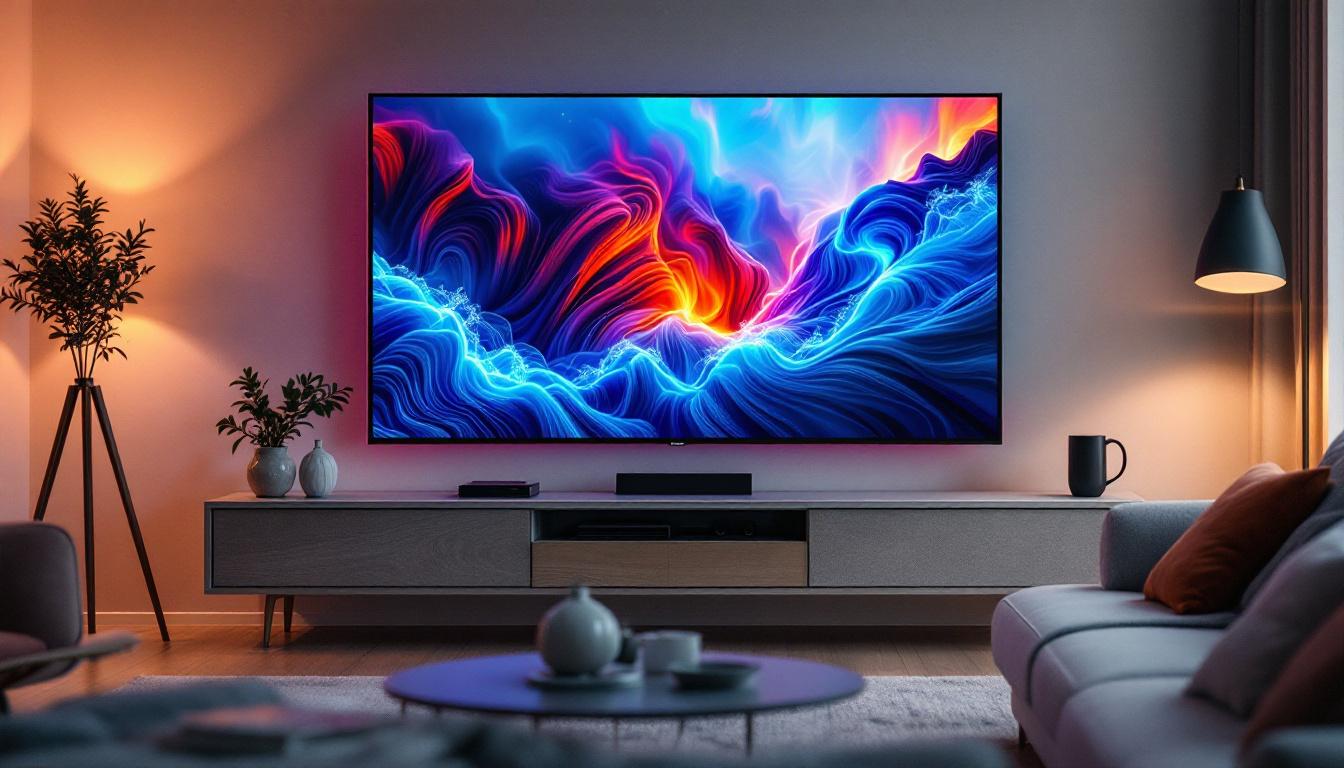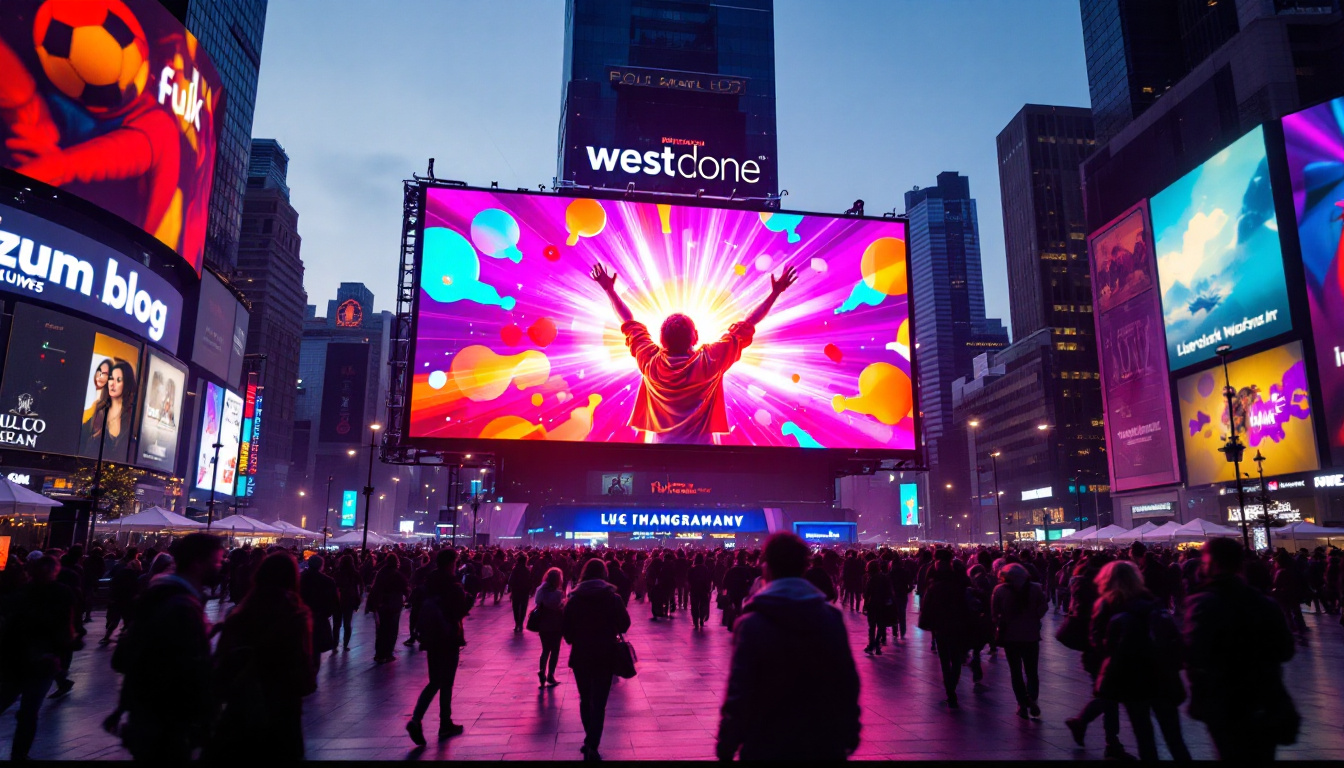
In the rapidly evolving world of display technology, the term “LED” has become ubiquitous. From the screens of smartphones and televisions to massive outdoor billboards, LED displays are everywhere. But what exactly does “LED” mean, and how do LED displays work? This article aims to provide a comprehensive explanation of LED displays, their technology, applications, and advantages, offering clarity to both technology enthusiasts and professionals seeking to understand this essential component of modern visual communication.
What Does LED Stand For?
LED stands for Light Emitting Diode. It is a semiconductor device that emits light when an electric current passes through it. Unlike traditional incandescent bulbs that produce light by heating a filament, LEDs generate light through electroluminescence, a process where electrons recombine with electron holes within the device, releasing energy in the form of photons.
The invention of the LED dates back to the early 1960s, with the first visible-spectrum LED developed in 1962. Since then, advances in materials and manufacturing have expanded LED applications from simple indicator lights to full-scale display systems.
One of the most significant advantages of LEDs is their energy efficiency. They consume significantly less power compared to incandescent and fluorescent lights, making them an environmentally friendly option. This efficiency not only reduces electricity bills but also contributes to lower greenhouse gas emissions, as less energy consumption means less fossil fuel burning in power plants. Furthermore, LEDs have a longer lifespan, often lasting up to 25,000 hours or more, which means fewer replacements and less waste in landfills.
Additionally, the versatility of LEDs has led to their integration in various fields beyond general lighting. In agriculture, for instance, LEDs are used in horticultural lighting to optimize plant growth, as they can be tuned to specific wavelengths that promote photosynthesis. In the realm of technology, LEDs are essential components in screens and displays, from smartphones to large-scale billboards, providing vibrant colors and high contrast ratios that enhance visual experiences. The continual innovation in LED technology promises even more exciting applications in the future, such as smart lighting systems that can be controlled remotely and integrated with home automation systems.
Understanding LED Display Technology
How LED Displays Work
At its core, an LED display is a flat panel that uses an array of light-emitting diodes as pixels to produce images. Each pixel typically consists of red, green, and blue (RGB) LEDs that combine to create a broad spectrum of colors through additive color mixing.
When electric current passes through these LEDs, they emit light at specific wavelengths corresponding to their colors. By adjusting the intensity of each LED within a pixel, the display can render images with varying colors and brightness levels. The human eye perceives these combinations as continuous images, whether they are static or dynamic.
Types of LED Displays
LED displays come in various forms, each suited for different applications and environments. The primary types include:
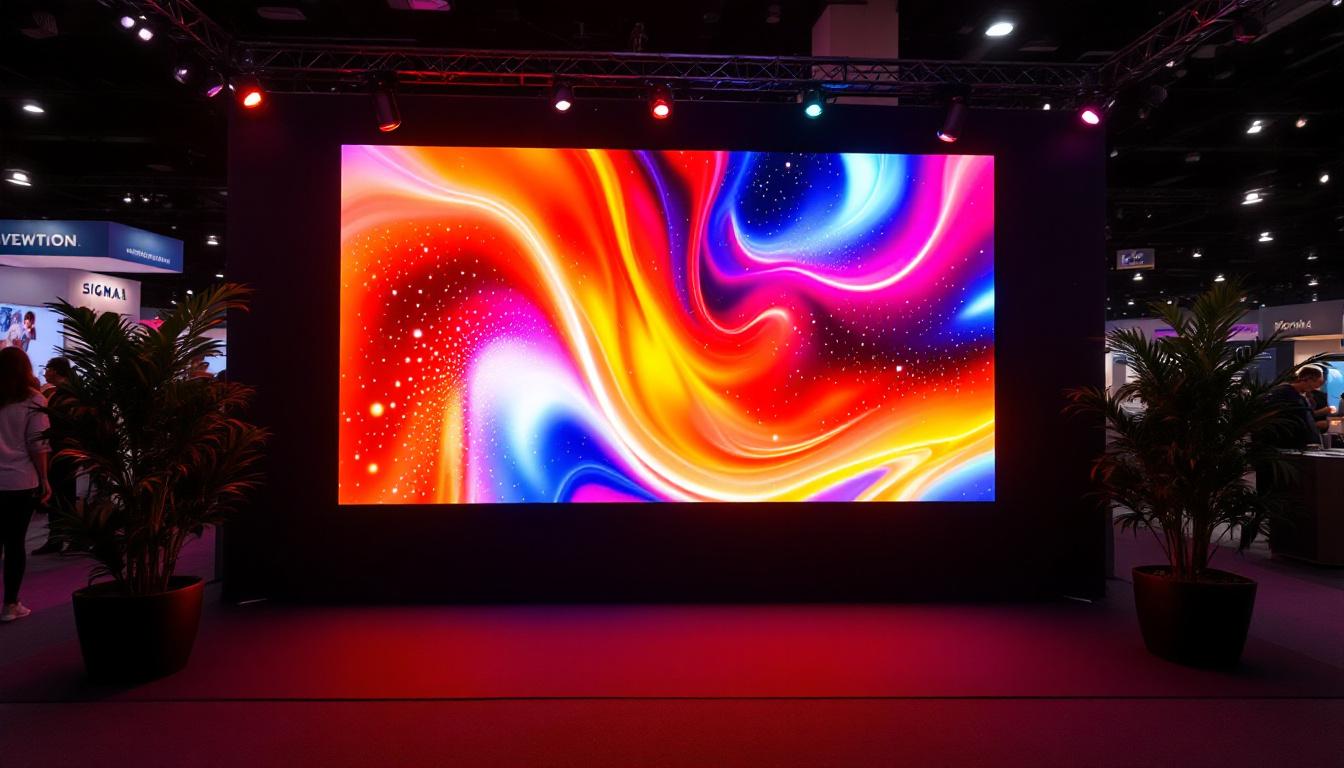
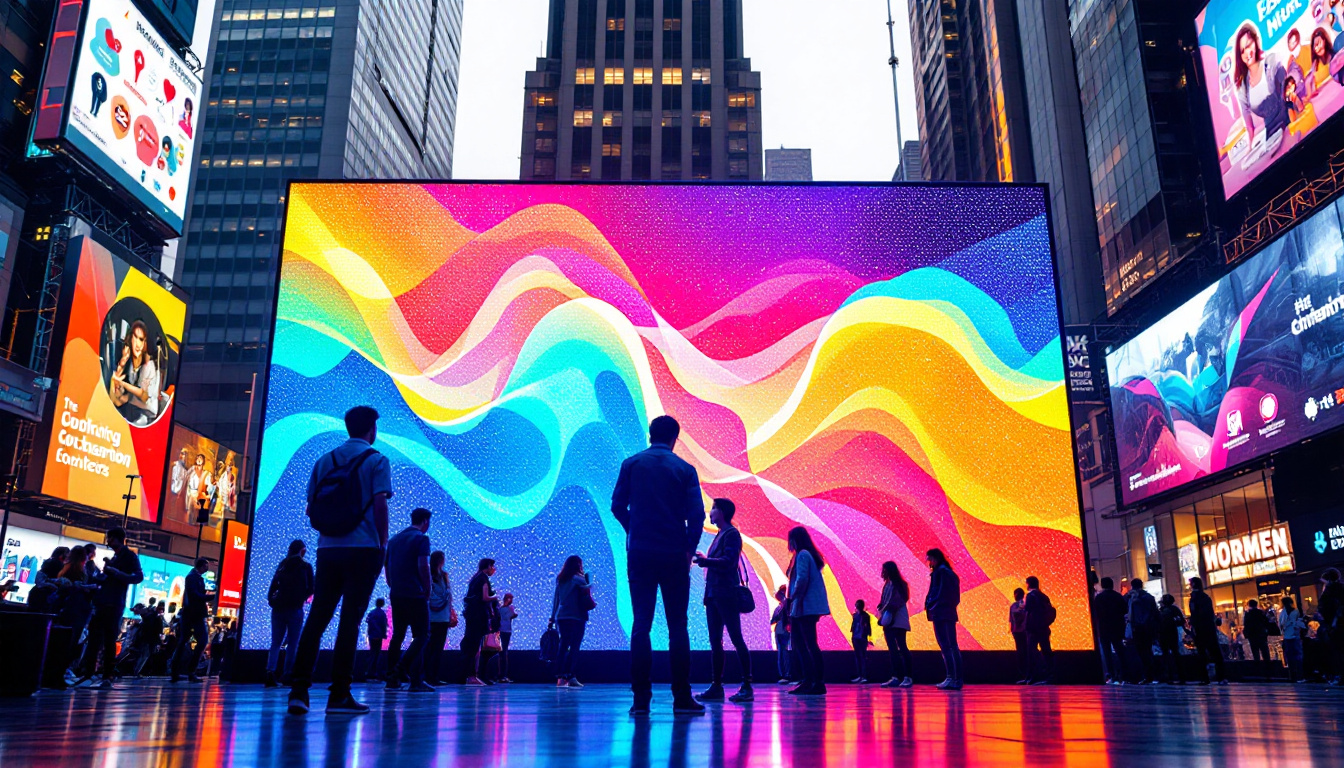
- Direct View LED Displays: These are composed of LEDs arranged directly on the display surface, visible to the viewer. They are often used for large outdoor screens, stadium displays, and digital billboards.
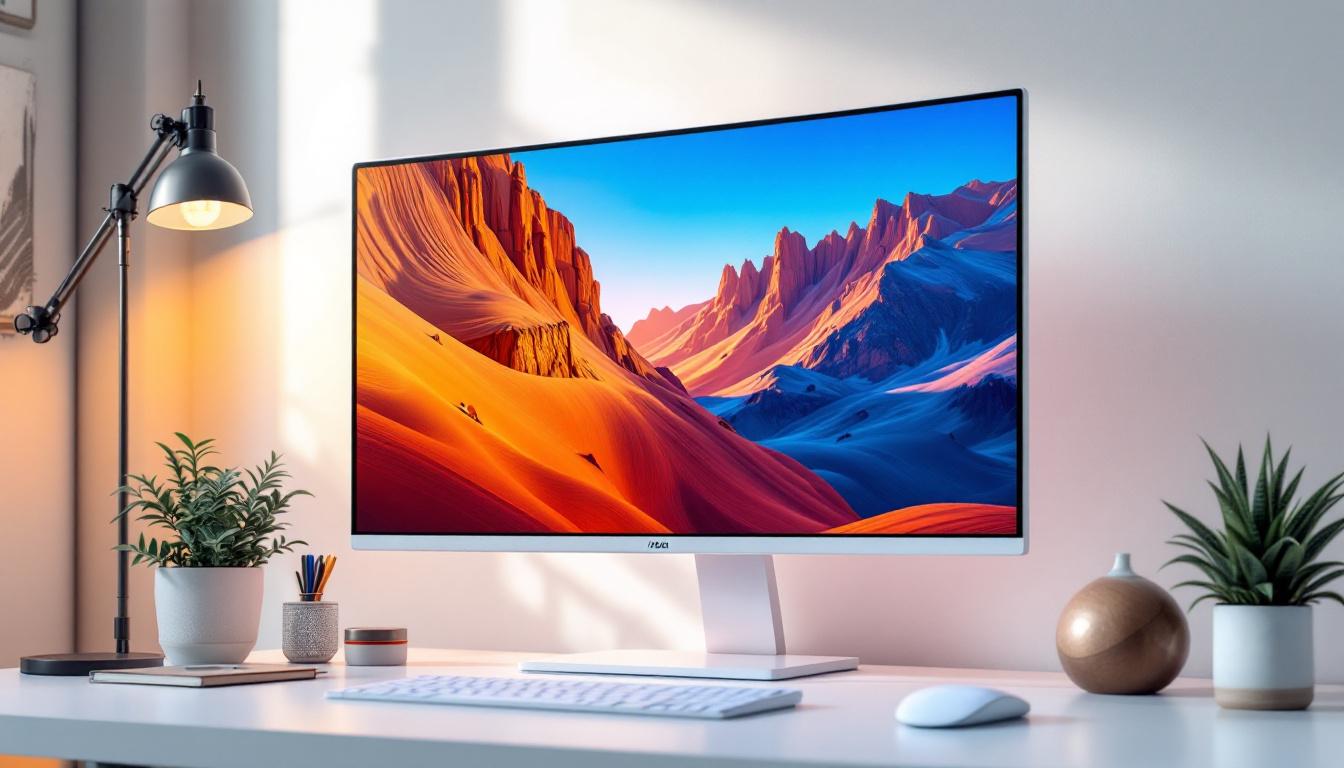
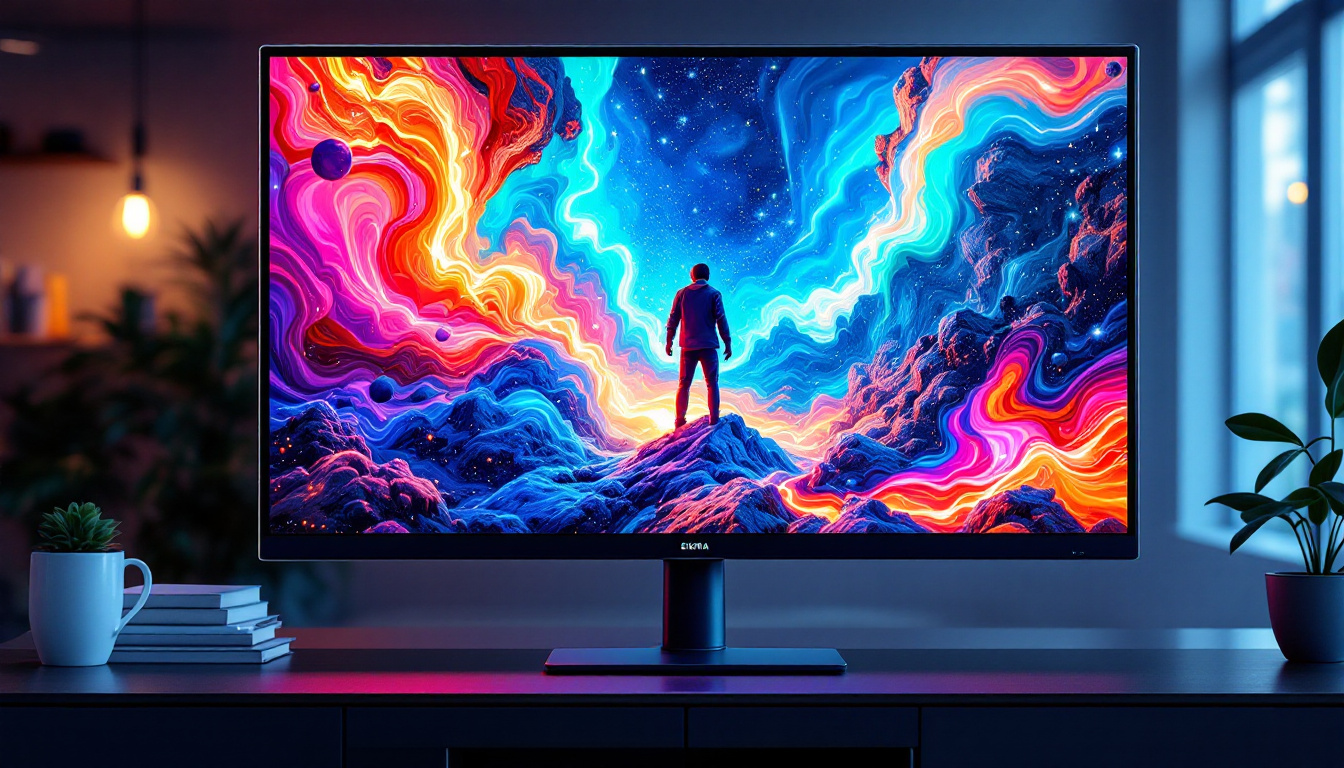
- LED-backlit LCD Displays: Many modern TVs and monitors use liquid crystal display (LCD) technology with LED backlighting. Here, LEDs provide the light source behind the LCD panel, improving brightness and energy efficiency compared to older fluorescent backlights.
- MicroLED Displays: An emerging technology where microscopic LEDs serve as individual pixels, promising higher brightness, contrast, and energy efficiency than OLED and traditional LED-backlit LCDs.
Key Components of an LED Display
LED Modules
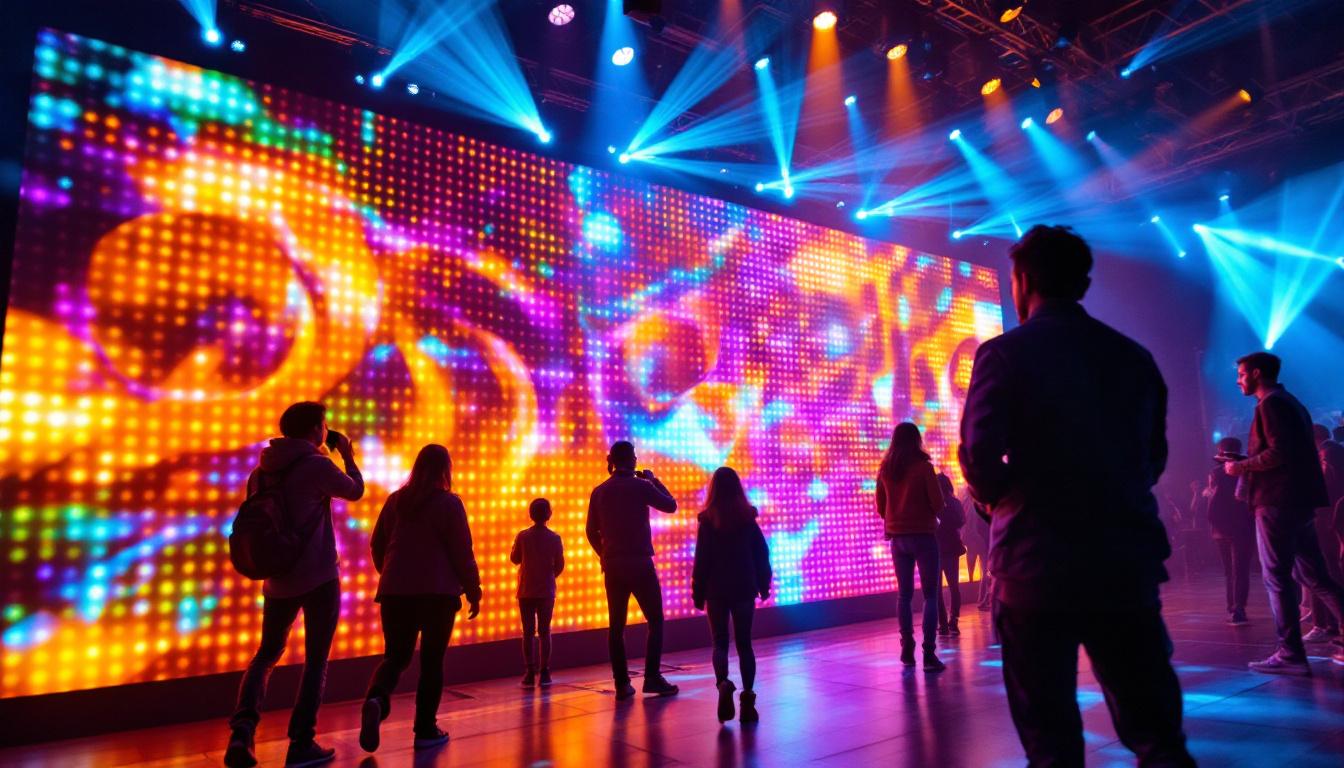
LED modules are the fundamental building blocks of an LED display. Each module contains a matrix of LEDs arranged in a grid pattern. The density of LEDs within a module, known as pixel pitch, significantly influences the display’s resolution and image clarity. Pixel pitch is measured as the distance between the centers of two adjacent LEDs, typically in millimeters.
For example, a pixel pitch of 1.5 mm means the LEDs are very close together, allowing for high-resolution images suitable for close viewing distances. Conversely, larger pixel pitches, such as 10 mm or more, are common in large outdoor displays where viewers are farther away.
Control Systems
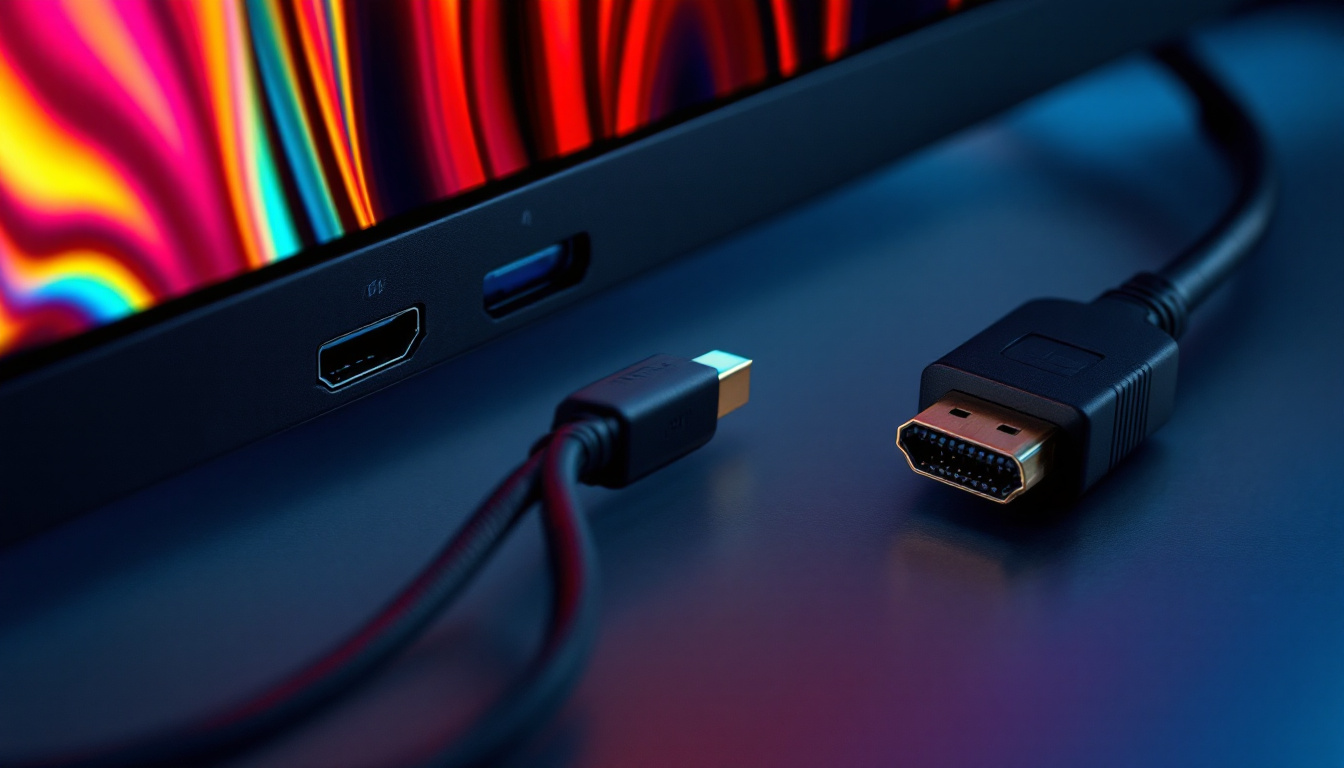
The control system manages the data sent to the LED modules, dictating which LEDs light up and at what intensity. This system includes video processors, controllers, and software that convert input signals (like video feeds) into commands for the LED modules. Advances in control technology have enabled LED displays to support high-definition video, dynamic content, and real-time updates.
Power Supply
LED displays require a stable power supply to maintain consistent brightness and color accuracy. Power management systems ensure that each LED receives the appropriate voltage and current, preventing damage and optimizing energy consumption. Efficient power supplies contribute to the overall durability and sustainability of LED displays.
Advantages of LED Displays
Energy Efficiency
One of the most significant benefits of LED technology is its energy efficiency. LEDs consume far less power than traditional incandescent or fluorescent lighting. For instance, LED displays can use up to 75% less energy than older display technologies, making them more environmentally friendly and cost-effective to operate over time.
Brightness and Visibility
LED displays offer superior brightness levels, often exceeding 1,000 nits (a measure of luminance) for indoor screens and reaching up to 8,000 nits or more for outdoor applications. This high brightness ensures excellent visibility even under direct sunlight, a critical factor for outdoor advertising and public information displays.
Durability and Longevity
LEDs are solid-state devices, meaning they have no fragile filaments or glass envelopes. This makes LED displays highly resistant to shock, vibration, and environmental factors such as moisture and temperature fluctuations. Additionally, LEDs have a long operational lifespan, often rated between 50,000 to 100,000 hours, reducing maintenance costs and downtime.
Color Accuracy and Flexibility
Modern LED displays can reproduce a wide color gamut with high accuracy, suitable for applications requiring precise color representation, such as digital signage, broadcasting, and retail displays. Furthermore, LED technology allows for flexible and curved display designs, enabling innovative installations in architectural and entertainment settings.
Applications of LED Displays
Advertising and Digital Signage
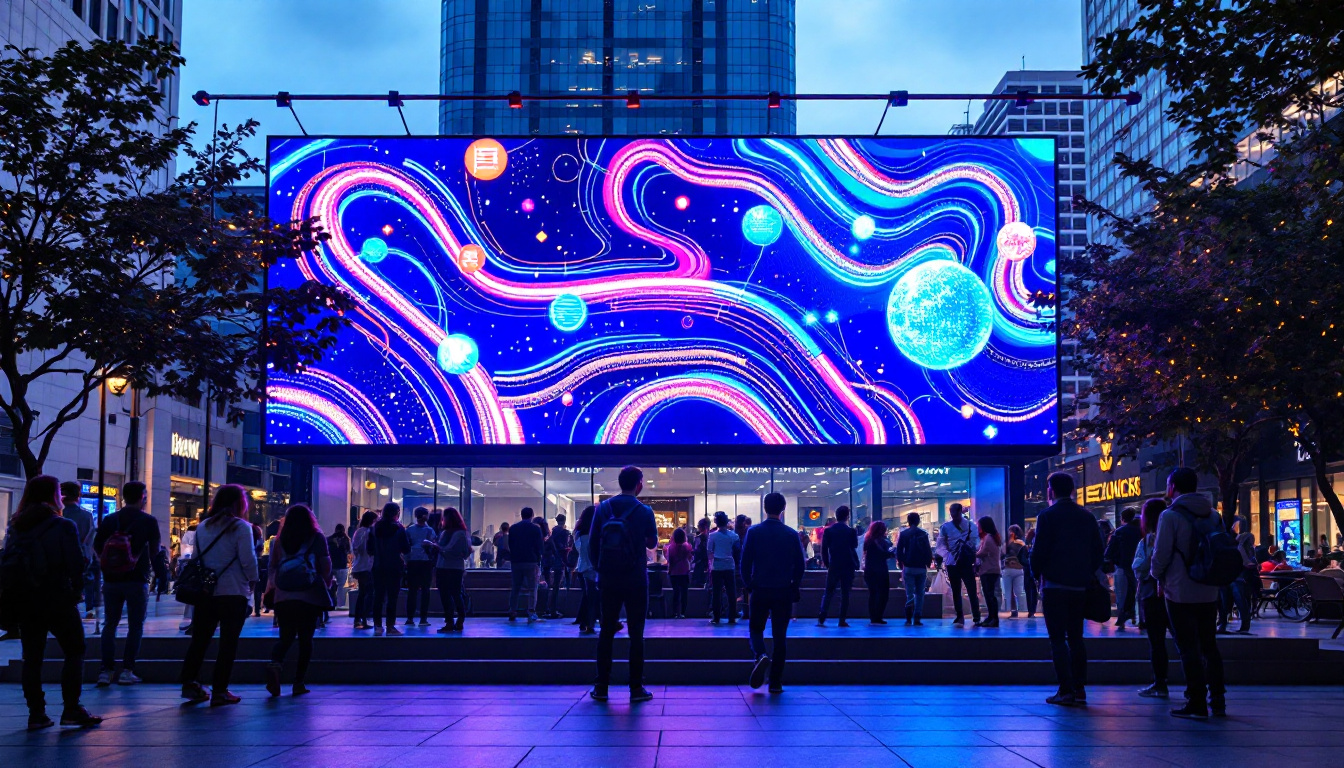
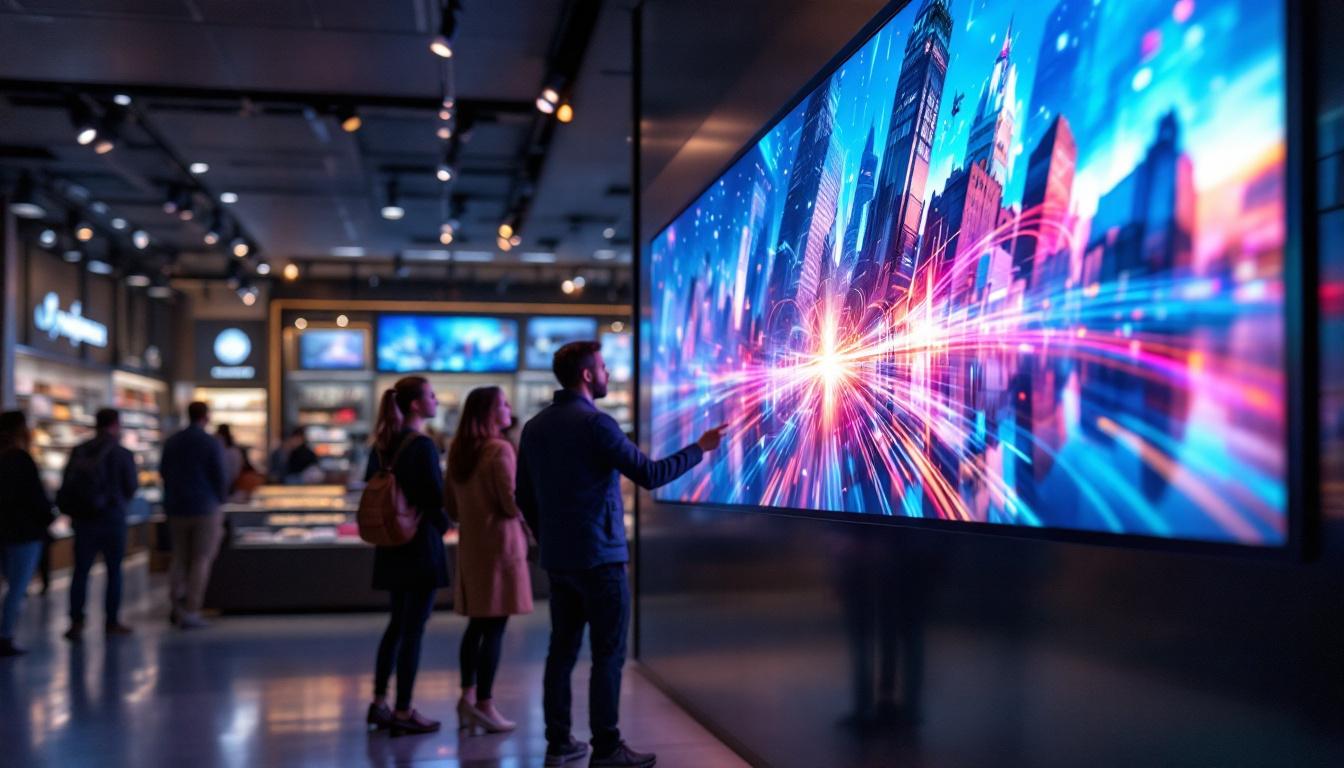
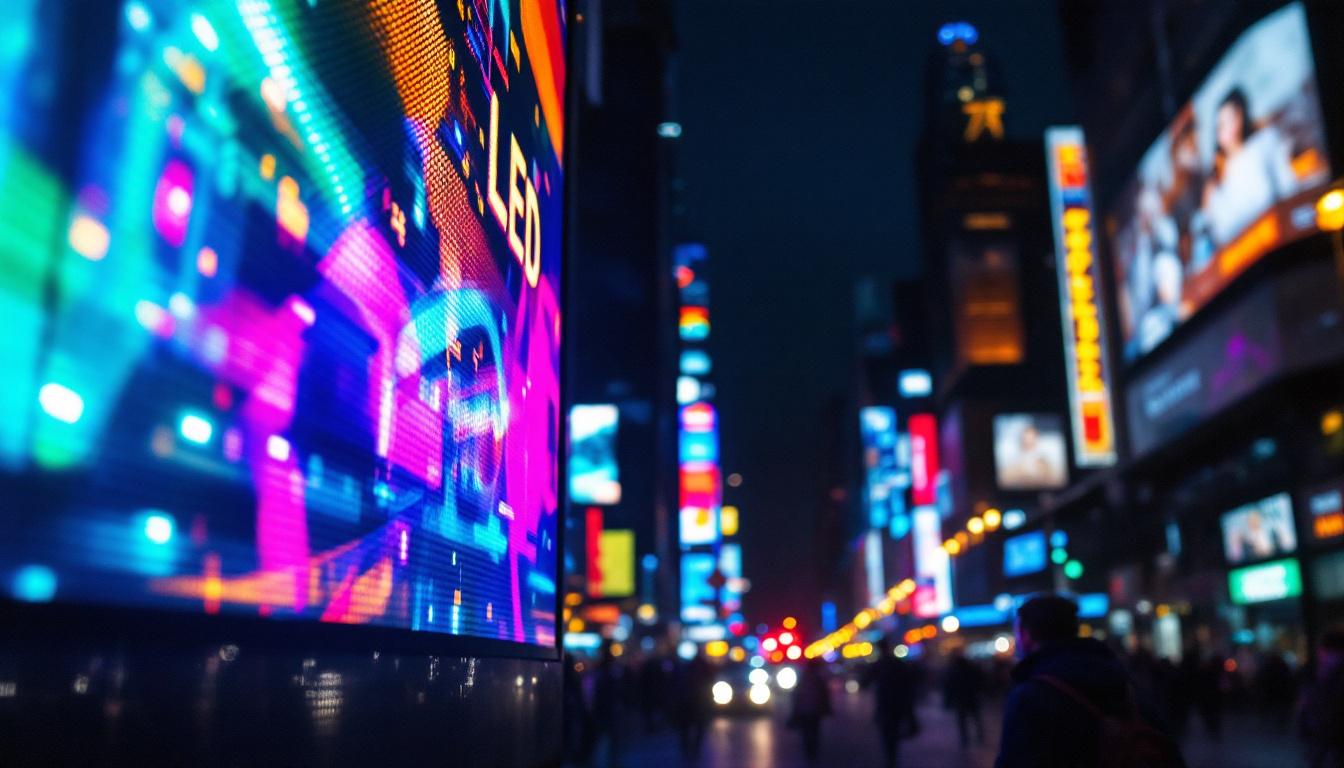
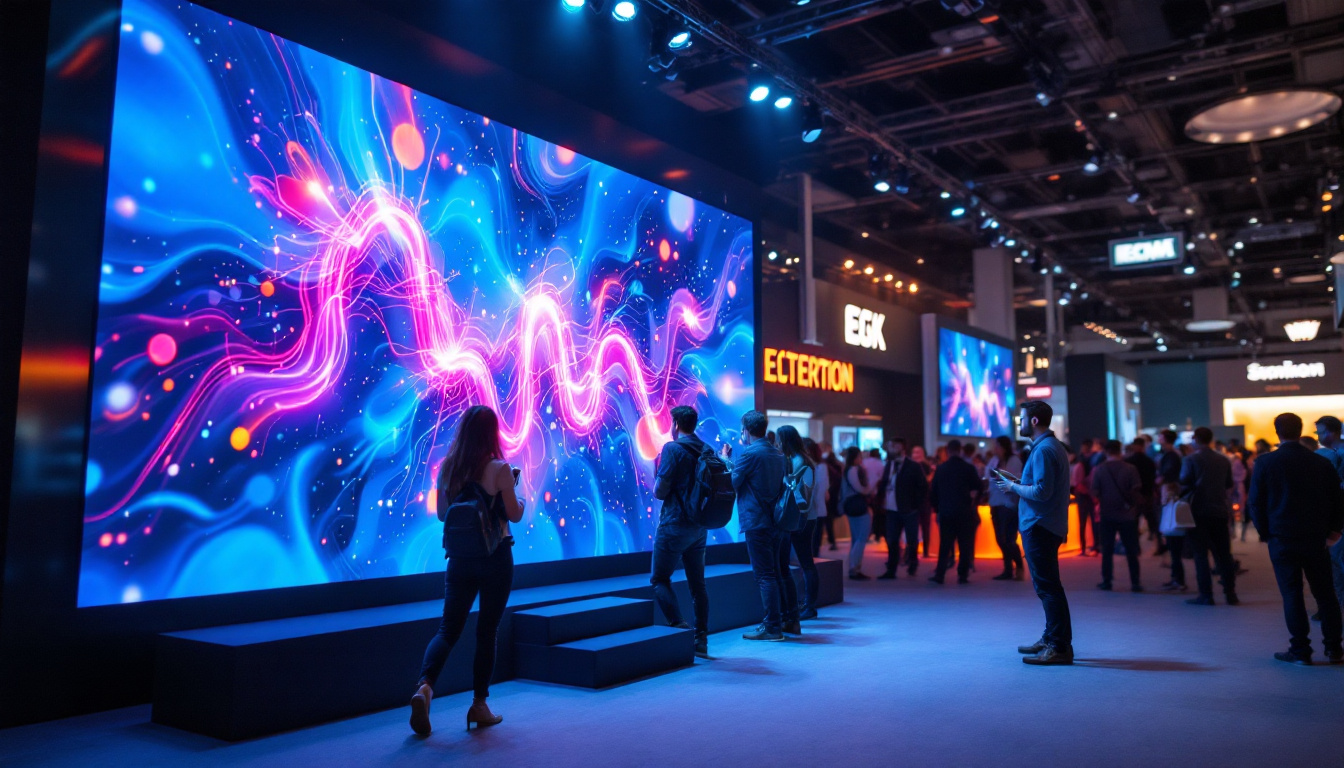
LED displays have revolutionized advertising by enabling dynamic, eye-catching content that can be updated in real-time. Digital billboards, retail window displays, and transit advertising frequently use LED technology to attract attention and deliver targeted messages. The ability to display video, animations, and interactive content enhances engagement and marketing effectiveness.
Sports and Entertainment Venues
Stadiums and arenas utilize large-scale LED displays for scoreboards, live video feeds, and advertisements. These displays must be bright and durable enough to withstand outdoor conditions and provide clear visibility to thousands of spectators. LED technology’s scalability and brightness make it ideal for these demanding environments.
Broadcast and Studio Displays
In television studios and control rooms, LED video walls offer high-resolution, seamless displays that serve as backdrops or information panels. Their color accuracy and ability to display complex graphics make them essential tools for modern broadcasting.
Transportation and Public Information
LED displays are widely used in airports, train stations, and bus terminals to provide real-time information such as schedules, alerts, and directions. Their high visibility and reliability help ensure clear communication in busy public spaces.
Emerging Trends in LED Display Technology
MicroLED and MiniLED Innovations
MicroLED technology represents a significant advancement, featuring microscopic LEDs that act as individual pixels. This approach promises displays with exceptional brightness, contrast ratios, and energy efficiency, rivaling or surpassing OLED technology without the risk of burn-in. While still emerging, MicroLED displays are expected to become more prevalent in premium TVs, smartphones, and augmented reality devices.
MiniLED, a related technology, uses smaller LEDs for backlighting LCD panels, improving contrast and local dimming capabilities. This hybrid approach is already available in high-end monitors and televisions, offering a balance between performance and cost.
Flexible and Transparent LED Displays
Advances in materials science have enabled the development of flexible and transparent LED displays. These displays can be curved, bent, or integrated into glass surfaces, opening new possibilities for automotive dashboards, wearable devices, and architectural installations. Transparent LED displays allow for digital content to be displayed without obstructing the view, ideal for retail storefronts and smart windows.
Integration with IoT and Smart Technologies
LED displays are increasingly integrated with Internet of Things (IoT) platforms and smart technologies. This integration allows for automated content updates, remote management, and data-driven advertising strategies. For example, digital signage can adjust messages based on environmental conditions, audience demographics, or real-time analytics, enhancing relevance and engagement.
Choosing the Right LED Display
Consider Viewing Distance and Resolution
When selecting an LED display, understanding the intended viewing distance is crucial. Displays with smaller pixel pitches are better suited for close-up viewing, such as indoor retail or conference rooms, while larger pixel pitches are acceptable for outdoor billboards viewed from afar.
Environmental Conditions
Outdoor LED displays must be weatherproof and capable of operating across a wide temperature range. Look for displays with appropriate IP (Ingress Protection) ratings to ensure resistance to dust and water. Indoor displays can prioritize aesthetics and resolution without as stringent environmental requirements.
Brightness and Contrast Requirements
Brightness requirements vary depending on ambient lighting conditions. Outdoor displays require high brightness to combat sunlight, whereas indoor displays can operate at lower brightness levels, focusing instead on color accuracy and contrast.
Budget and Maintenance
While LED displays can be a significant investment, their long lifespan and energy efficiency often justify the cost. Consider the total cost of ownership, including installation, maintenance, and power consumption, when making a decision.
Conclusion
LED displays have transformed the way information and entertainment are presented across industries. Their energy efficiency, brightness, durability, and versatility make them a preferred choice for applications ranging from advertising to broadcasting. As technology continues to advance, emerging innovations like MicroLED and flexible displays promise to expand the possibilities even further.
Understanding the fundamentals of LED technology and the factors influencing display selection empowers businesses and individuals to make informed decisions, ensuring optimal performance and return on investment. Whether for a small indoor screen or a colossal outdoor billboard, LED displays remain at the forefront of visual communication technology.
Explore Cutting-Edge LED Displays with LumenMatrix
Ready to elevate your visual communication with the latest in LED display technology? LumenMatrix is at the forefront of innovation, offering a diverse range of LED display solutions tailored to meet your unique needs. From captivating Indoor LED Wall Displays to dynamic Outdoor LED Wall Displays, and from versatile Vehicle LED Displays to sleek LED Poster Displays, our products are designed to enhance brand visibility and engage your audience. Discover the transformative power of LED Sports Displays, interactive Floor LED Displays, and the seamless integration of Custom LED Displays and All-in-One LED Display solutions. Experience the future of transparent visuals with our LED Transparent Display. Embark on a journey to revolutionize your visual storytelling with LumenMatrix. Check out LumenMatrix LED Display Solutions today and see your message come to life with unparalleled clarity and impact.