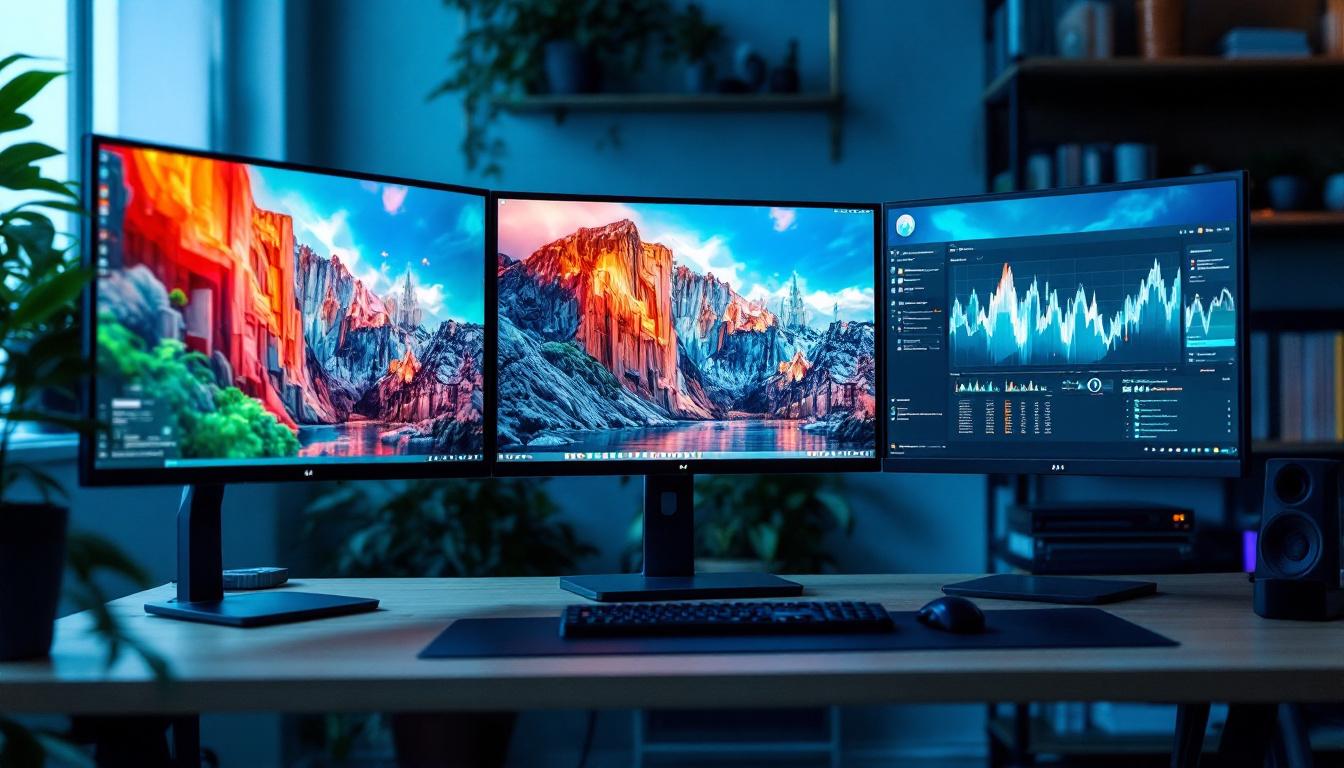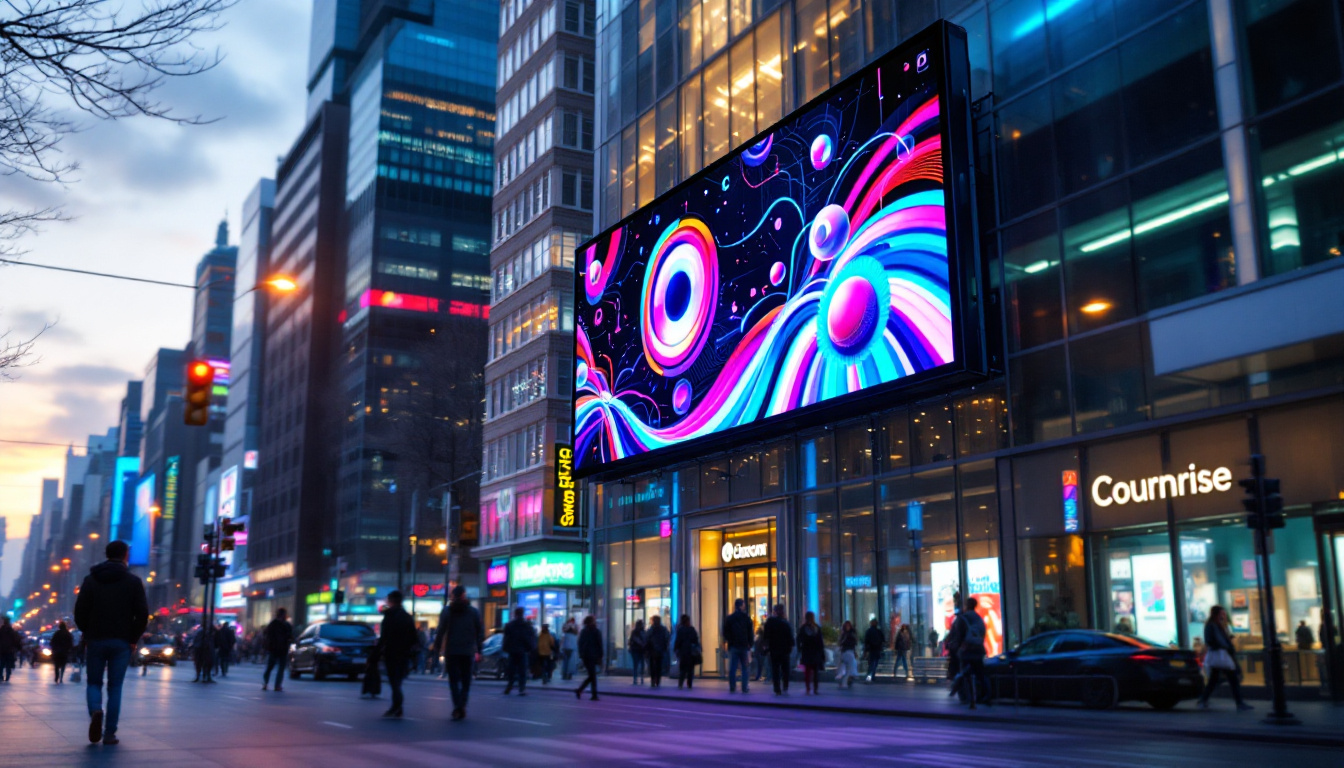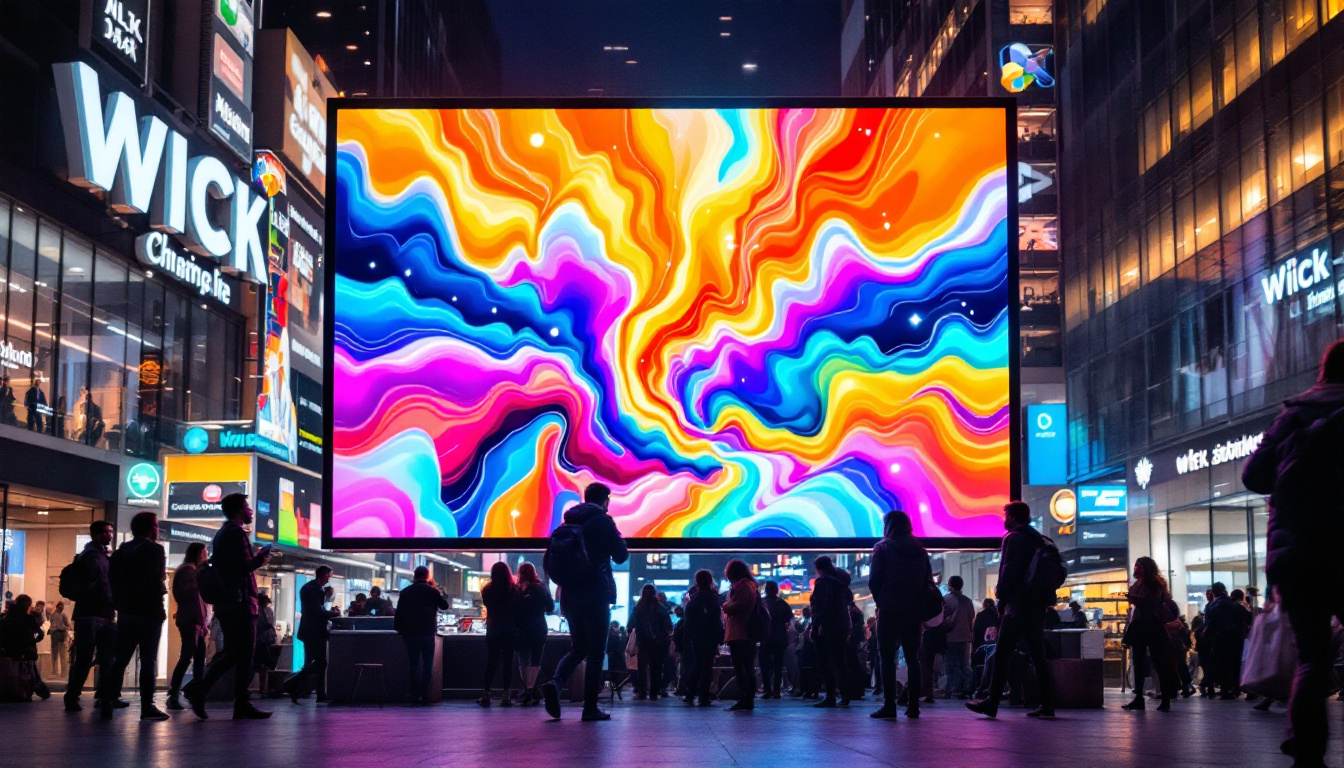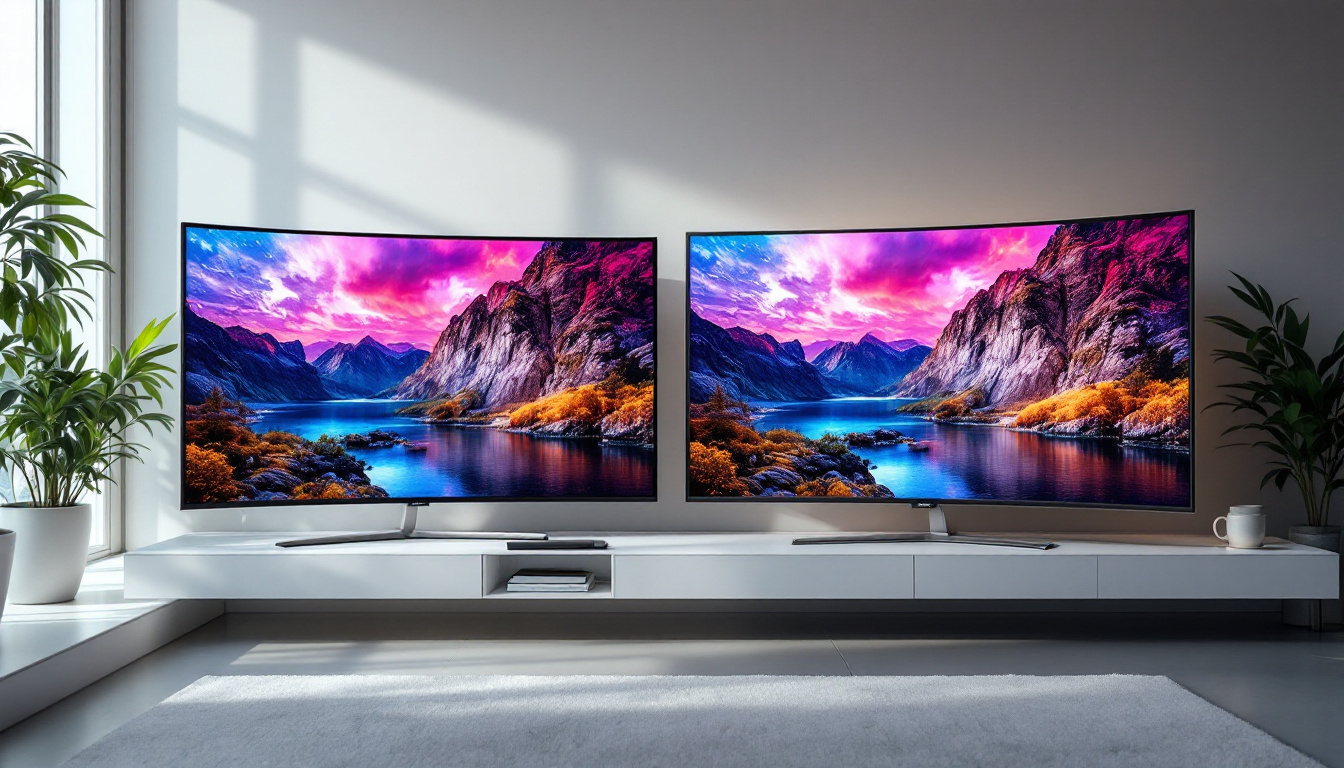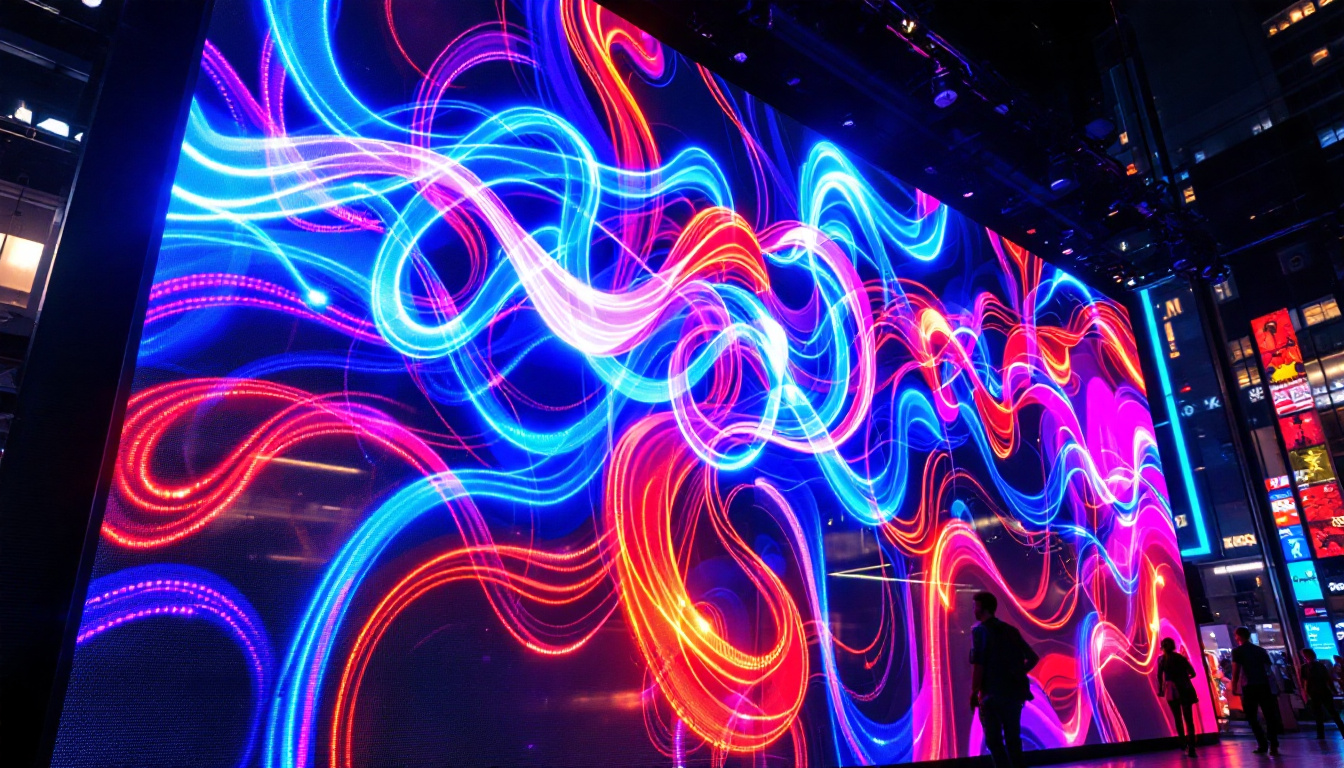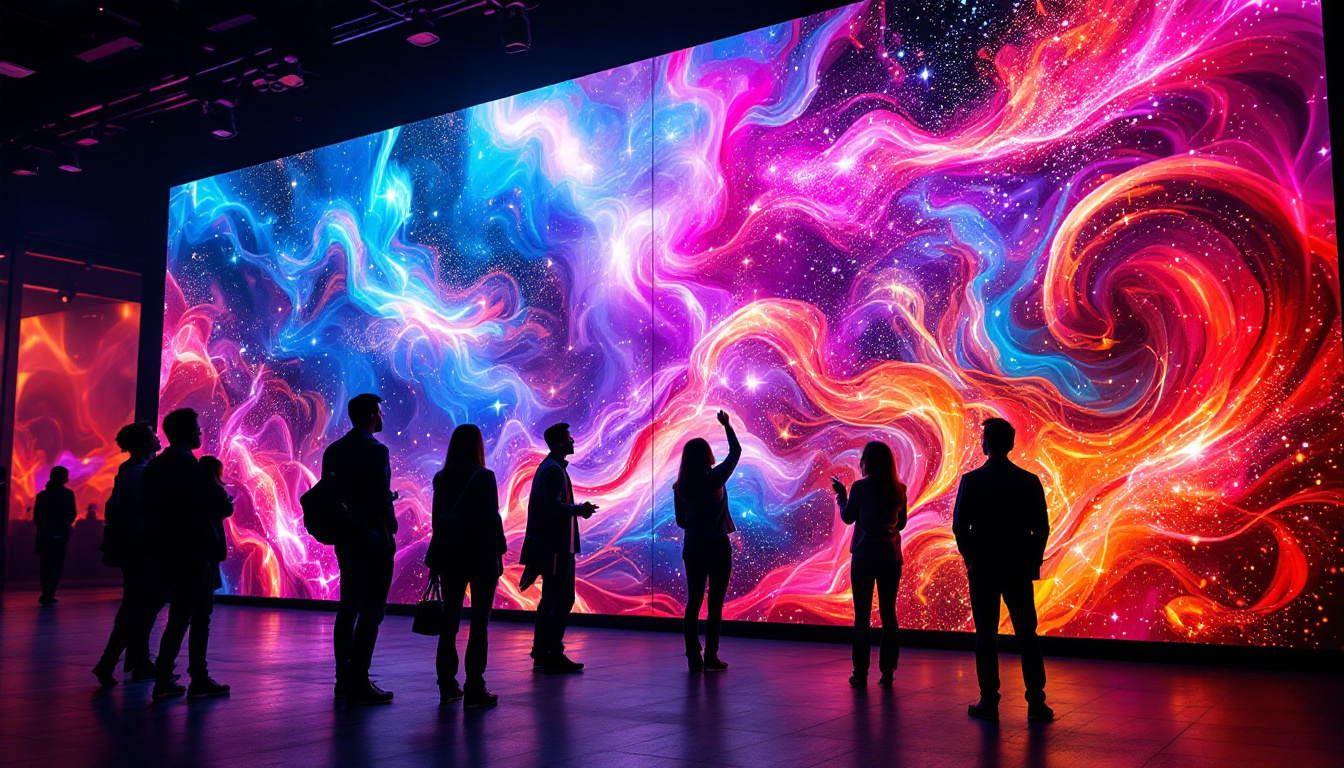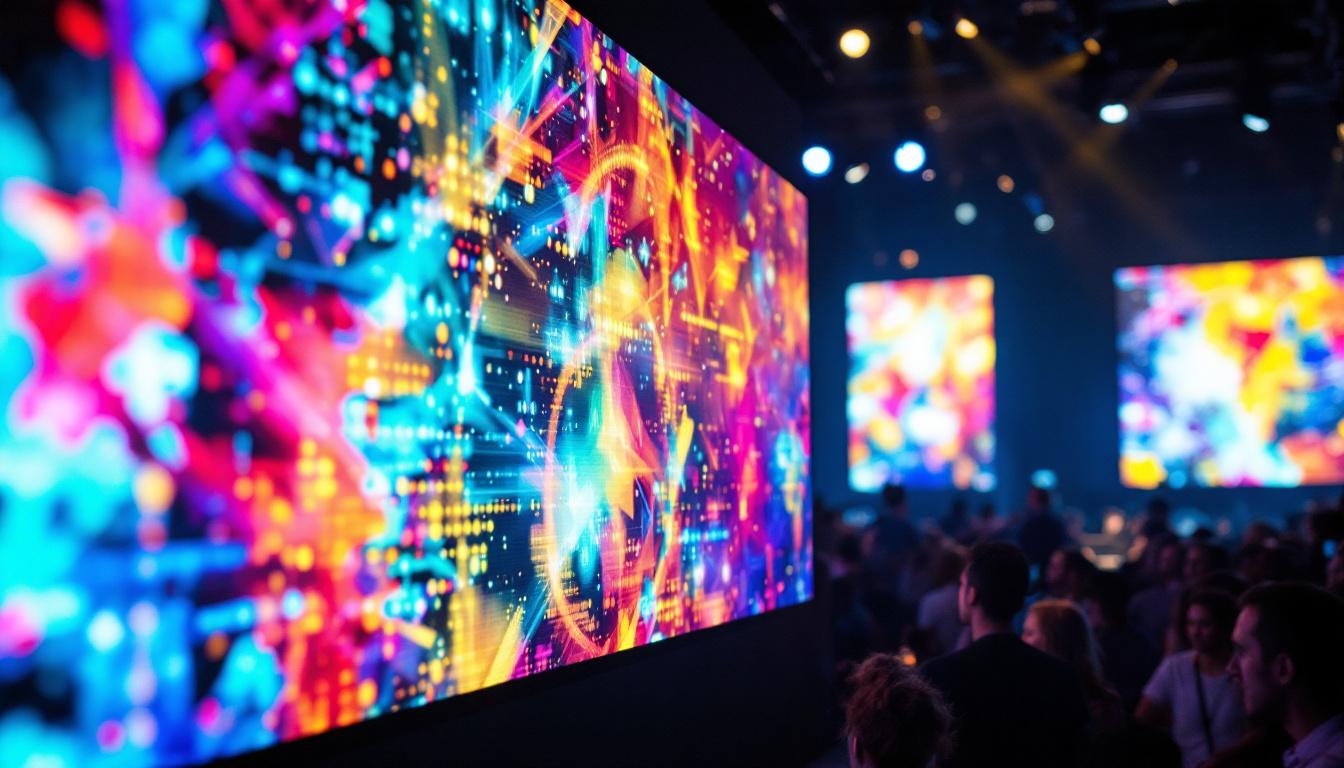
In today’s fast-paced world, visual communication plays a pivotal role in capturing attention and delivering messages effectively. Whether it’s a corporate event, concert, trade show, or sports game, LED video screens have become the go-to solution for dynamic and impactful displays. Renting LED video screens offers flexibility and affordability, making it accessible for a wide range of applications. This article delves into the technology behind LED displays, the benefits of renting them, and practical considerations to help you make informed decisions.
Understanding LED Video Screen Technology
What is an LED Video Screen?
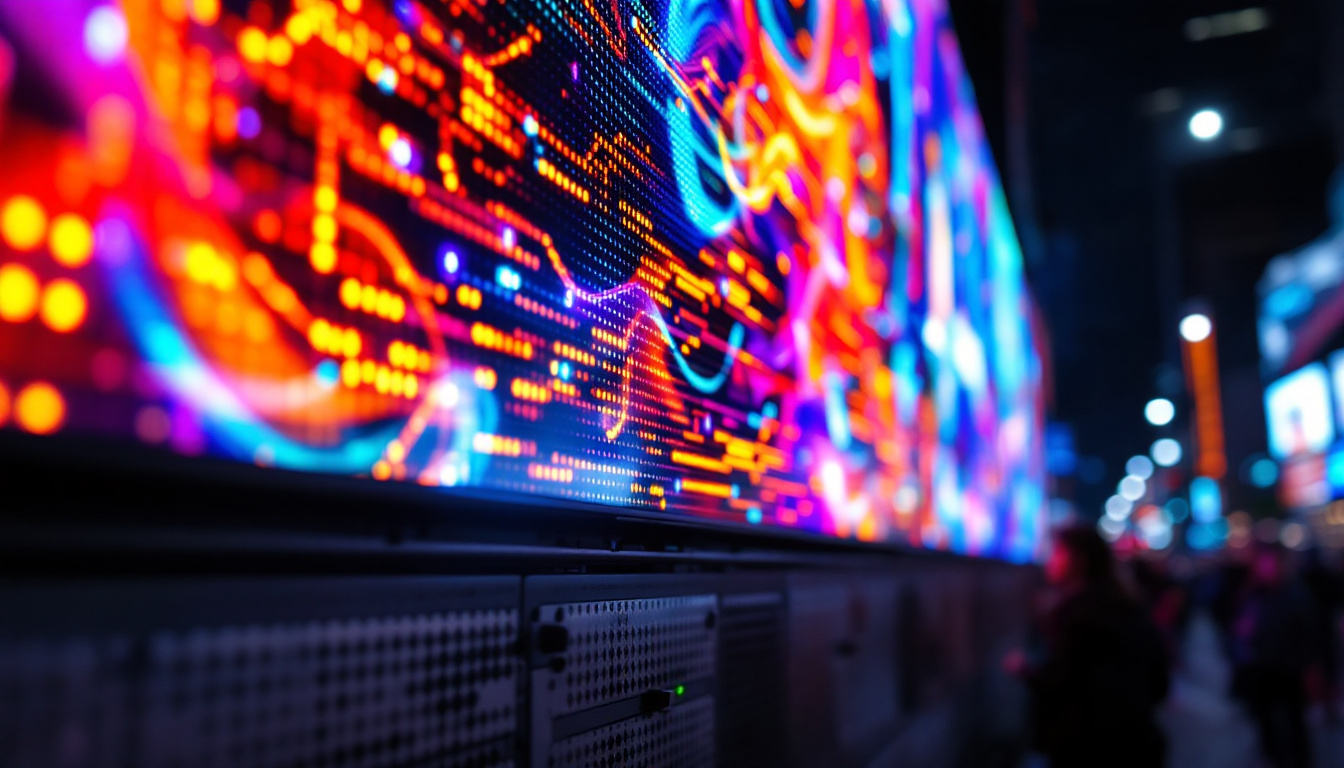
LED, or Light Emitting Diode, video screens consist of thousands of tiny LEDs arranged in a grid to form a large display surface. Each LED acts as a pixel that emits light in red, green, or blue, which combine to produce full-color images and videos. Unlike traditional LCD or projection screens, LED displays are self-illuminating, meaning they don’t require a backlight. This results in brighter images with higher contrast, making them ideal for both indoor and outdoor use. The ability to produce vivid colors and deep blacks enhances the viewing experience, making LED screens a popular choice for concerts, sporting events, and advertising.
Types of LED Displays
LED video screens come in various types, primarily categorized by pixel pitch, panel size, and configuration:
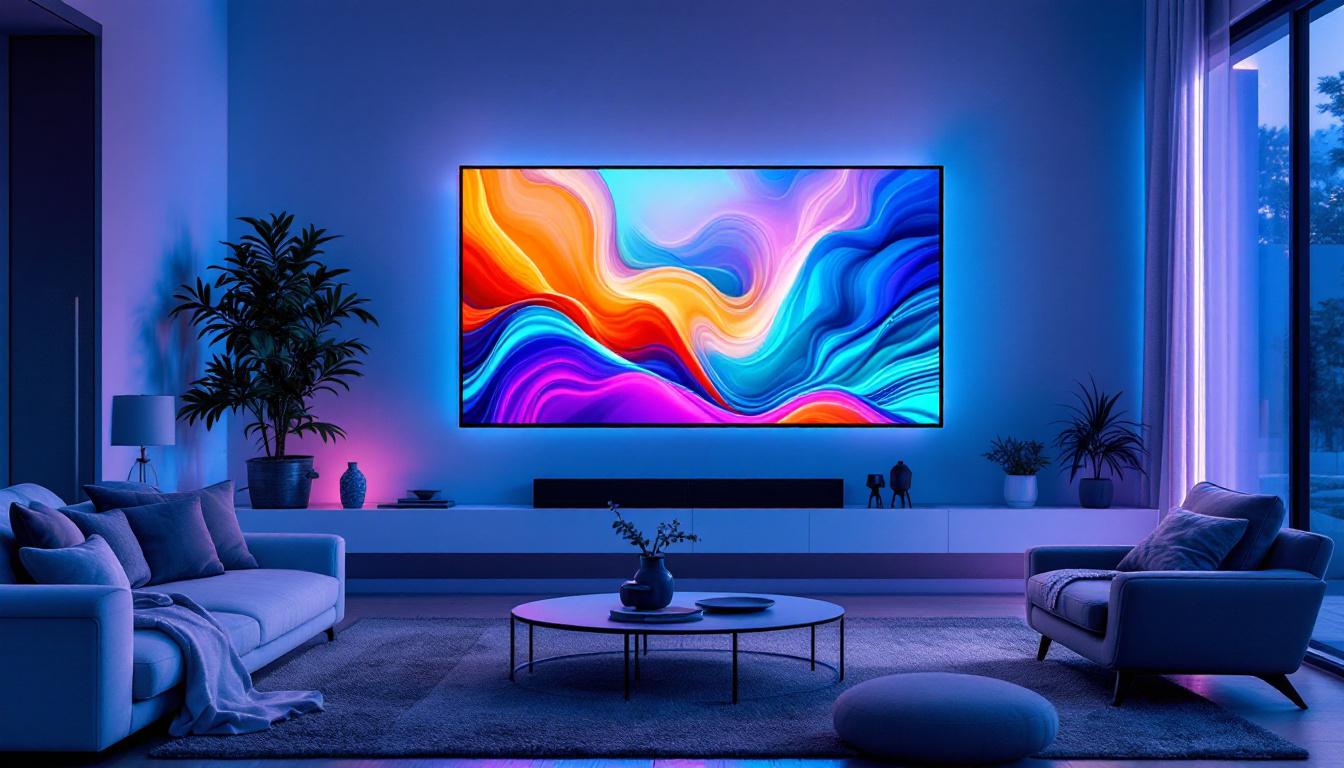
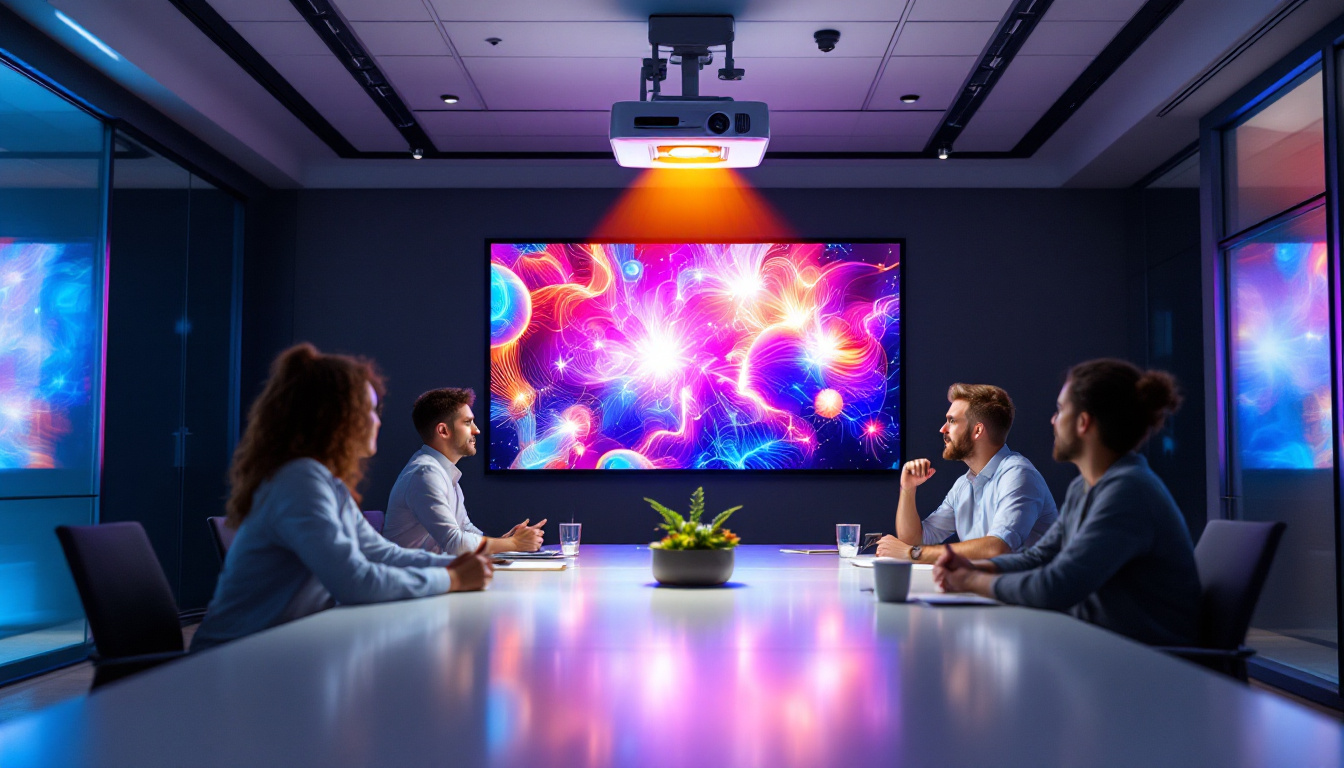
- Indoor LED Displays: Designed for environments with controlled lighting, these screens typically have a smaller pixel pitch (1.2mm to 4mm), providing high resolution and sharp images at close viewing distances. They are commonly used in venues such as theaters, conference rooms, and retail spaces, where detail and clarity are paramount.
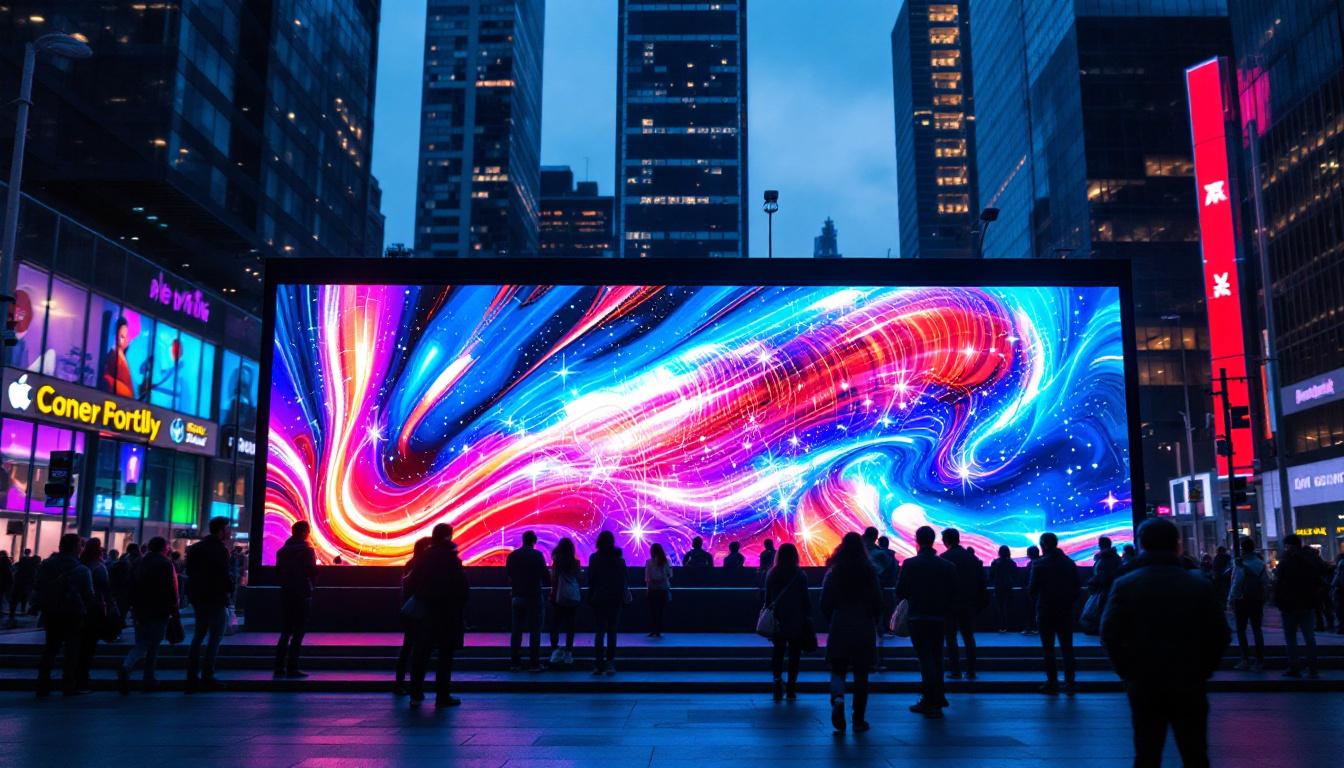
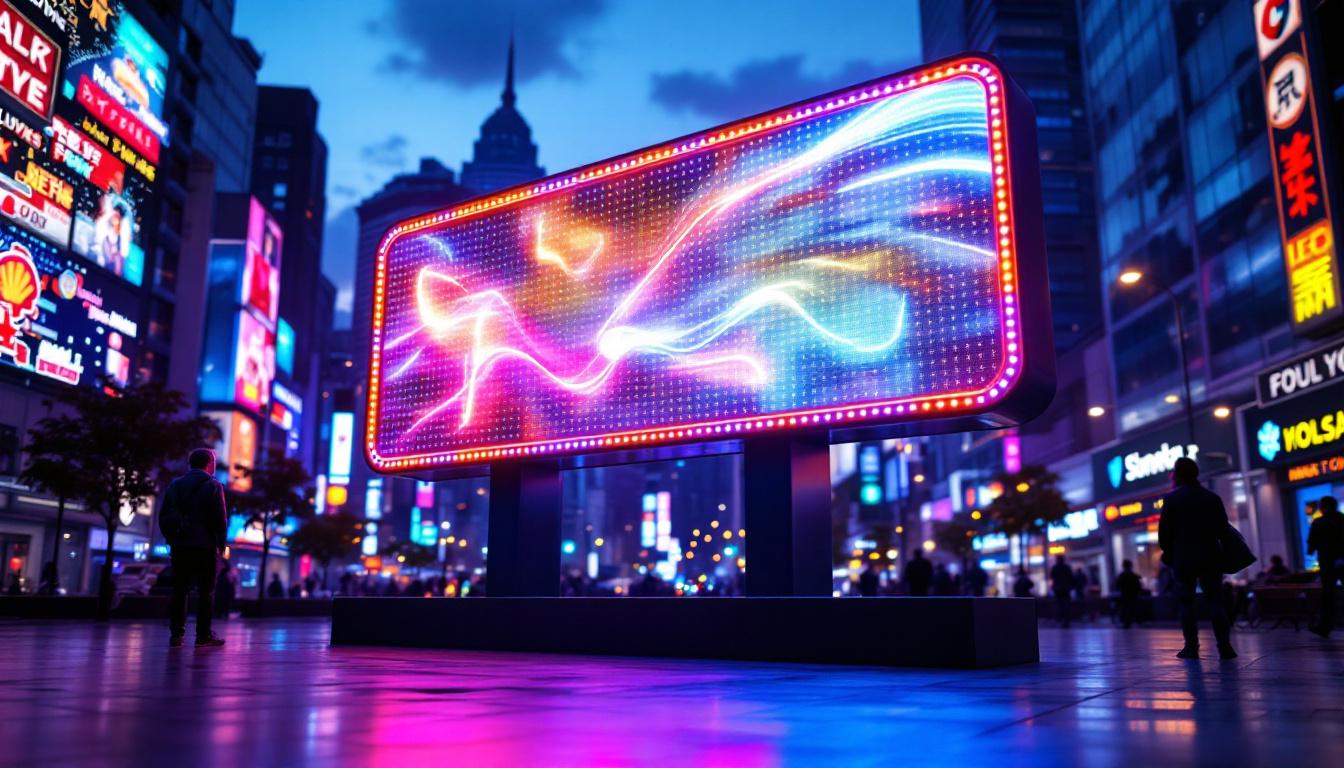
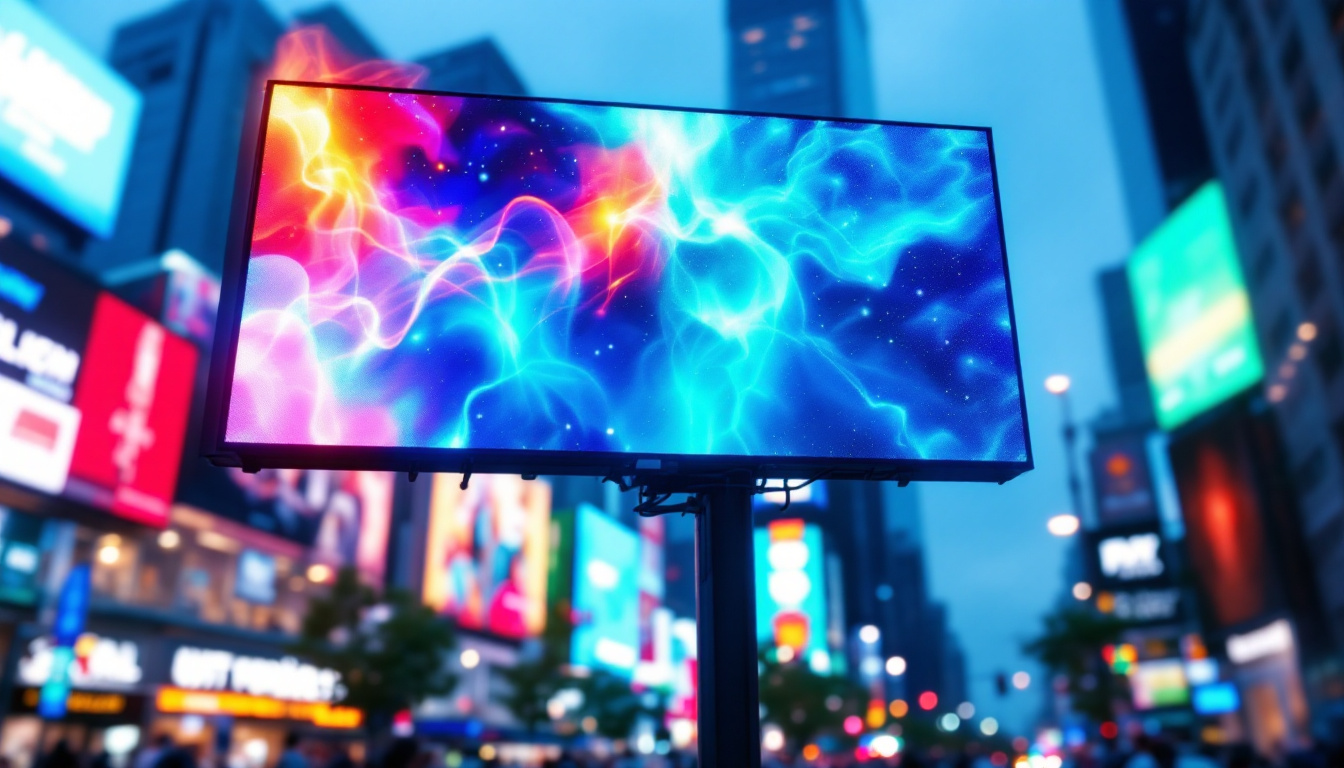
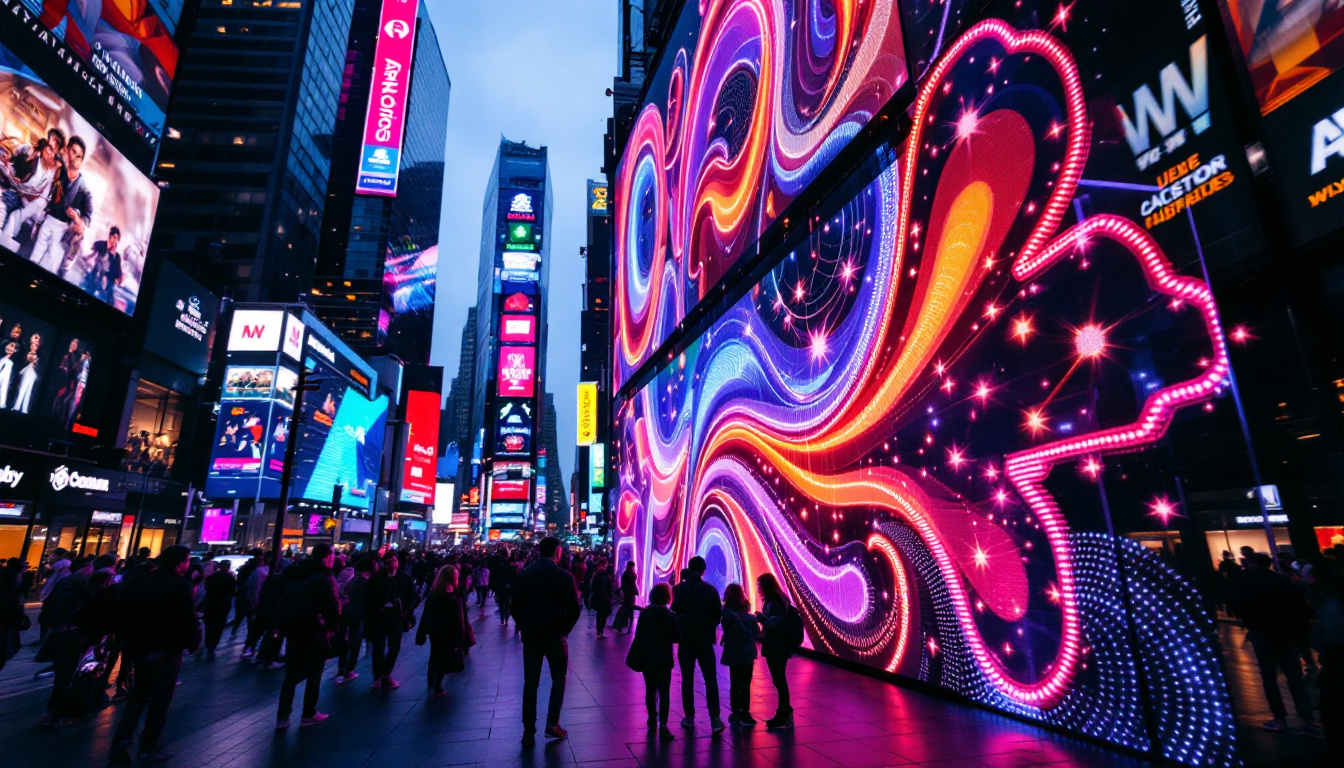
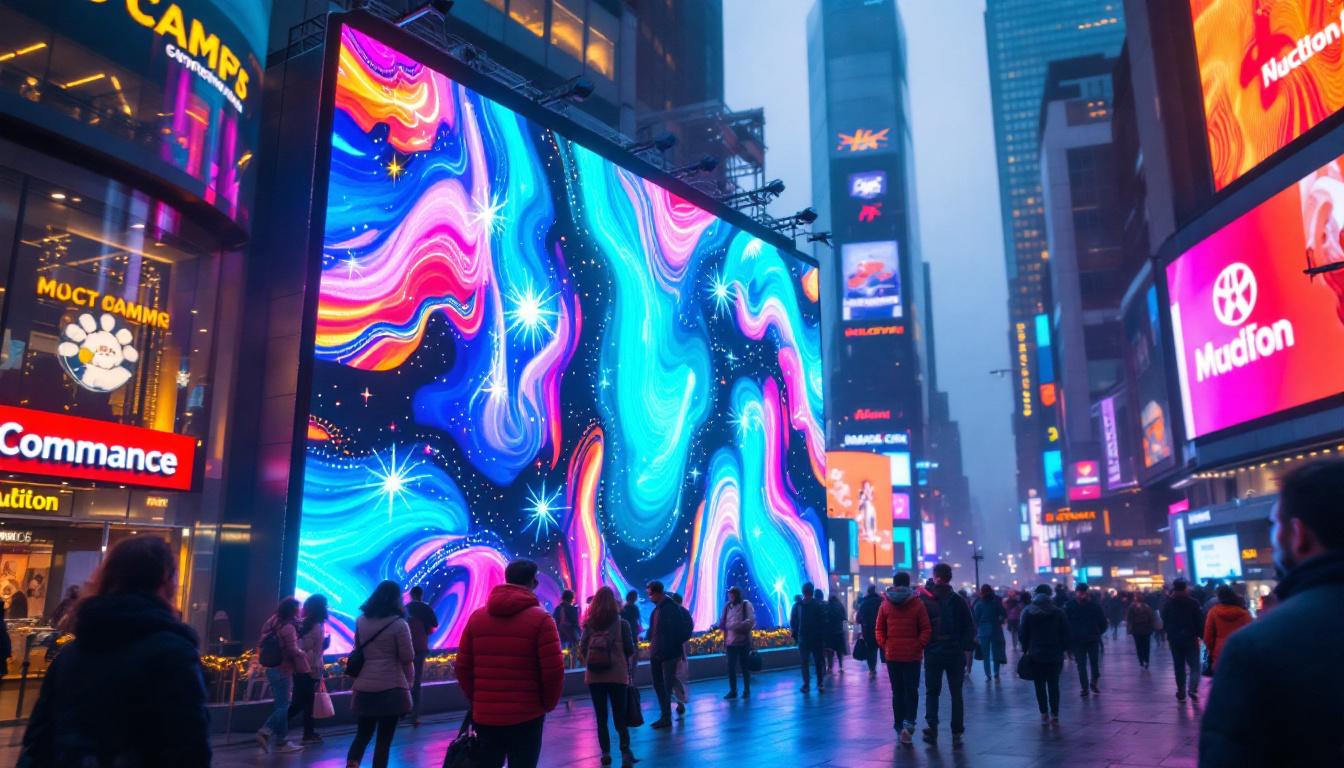
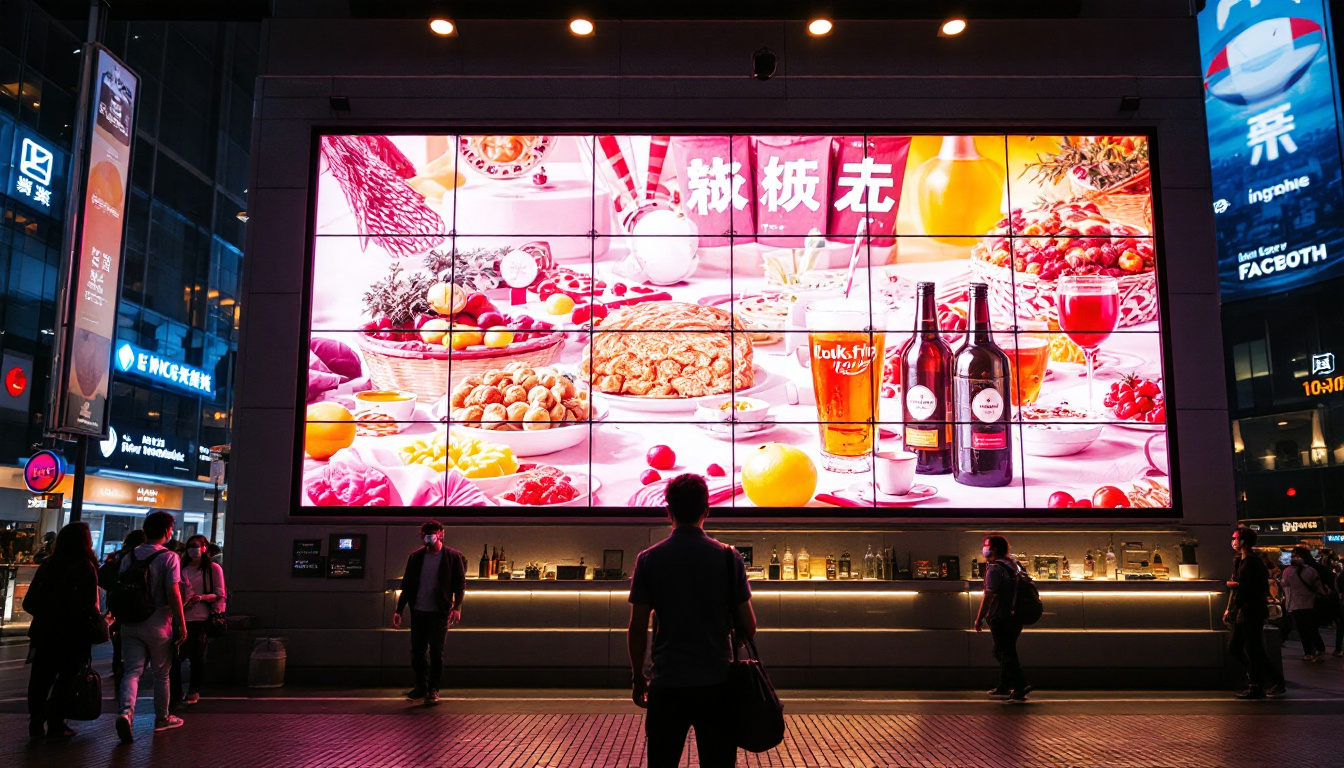
- Outdoor LED Displays: Built to withstand weather conditions, these screens have a larger pixel pitch (usually 4mm to 20mm), offering high brightness levels to combat sunlight glare. These displays are often seen in stadiums, billboards, and public squares, where they can attract attention from afar and maintain visibility in bright daylight.
- Flexible and Curved LED Screens: These innovative displays can bend or curve, allowing creative installations for unique event setups or architectural integration. Their versatility enables designers to create immersive environments, such as wrapping screens around columns or creating dynamic backdrops for performances.
Understanding these types helps event planners and marketers choose the right screen based on venue, audience distance, and content requirements. Additionally, the choice of LED display can significantly influence the overall aesthetic and functionality of an event, making it crucial to consider the specific needs and goals of the presentation.
How LED Screens Work
Each LED pixel on the screen contains sub-pixels in red, green, and blue. By adjusting the intensity of these sub-pixels, the screen can display millions of colors. The video content is processed by a control system that sends signals to the LEDs, synchronizing their light output to form coherent images or videos. Modern LED screens support high refresh rates (often above 3,000 Hz), which eliminates flicker and ensures smooth motion, especially important for live broadcasts and fast-moving visuals. This technology not only enhances the viewing experience but also allows for real-time content updates, making LED screens an excellent choice for dynamic advertising and live event coverage.
Moreover, advancements in LED technology have led to the development of features like HDR (High Dynamic Range) and 4K resolution, which further elevate the quality of the displayed content. HDR allows for a broader range of colors and contrasts, providing a more lifelike representation of images. As a result, viewers can enjoy a richer and more immersive experience, whether they are watching a movie, a sports event, or an advertisement. The continuous evolution of LED technology promises even more exciting developments, such as transparent displays and integration with augmented reality, paving the way for innovative applications in various industries.
Advantages of Renting LED Video Screens
Cost-Effectiveness and Flexibility
Purchasing LED video screens can be prohibitively expensive, especially for short-term or one-off events. Renting offers a cost-effective alternative, providing access to the latest technology without the capital expenditure. Rental companies often include setup, operation, and maintenance services, reducing logistical burdens for event organizers.
Moreover, rental agreements can be tailored to event duration, size, and technical requirements, allowing organizations to scale their visual solutions up or down as needed. This flexibility is invaluable for businesses that host multiple events annually or those experimenting with LED technology for the first time.
Access to Cutting-Edge Technology
LED display technology evolves rapidly, with improvements in resolution, brightness, and energy efficiency. Rental providers typically maintain a fleet of up-to-date screens, ensuring clients benefit from the latest advancements without worrying about obsolescence. This access can significantly enhance the quality of visual presentations and audience engagement.
Professional Support and Expertise
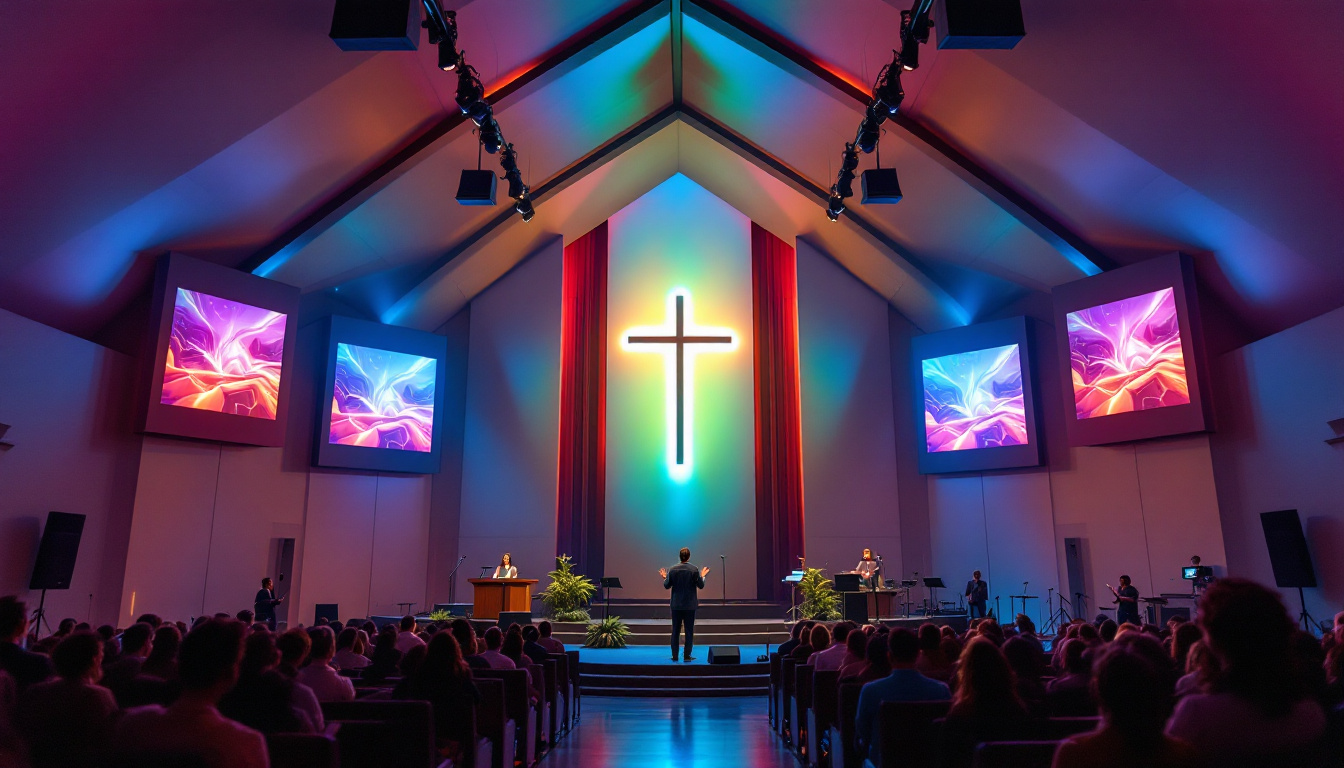
Renting from specialized companies often includes technical support, installation, and on-site operation. This expertise ensures that the screen is optimally positioned, calibrated, and integrated with other event systems such as sound and lighting. For complex events, having professionals manage the LED display reduces risks of technical failures and allows the event team to focus on content and audience experience.
Key Considerations When Renting LED Video Screens
Determining the Right Screen Size and Resolution
Choosing the appropriate screen size depends on the venue dimensions, audience size, and viewing distance. A general rule of thumb is that the minimum viewing distance should be about 10 times the pixel pitch in millimeters. For example, a screen with a 4mm pixel pitch is best viewed from at least 40 meters away to avoid visible pixelation.
Resolution is equally important. Higher resolution screens provide sharper images but tend to be more expensive. Balancing resolution with budget and event goals is critical. For indoor corporate presentations, a high-resolution screen with a small pixel pitch is ideal, whereas outdoor concerts may prioritize brightness and size over ultra-fine resolution.
Brightness and Environmental Factors
Brightness, measured in nits (candelas per square meter), determines how well the screen performs under different lighting conditions. Outdoor LED screens often require brightness levels of 5,000 to 7,000 nits to remain visible in direct sunlight, while indoor screens typically operate at 800 to 1,200 nits.
Environmental factors such as weather, ambient light, and venue layout influence the choice of screen. Rental companies can provide guidance on the best options for specific settings, including weatherproofing and protective enclosures for outdoor installations.
Content Compatibility and Control Systems
Ensuring that the LED screen supports the desired content formats and resolutions is essential. Most modern LED displays are compatible with common video inputs such as HDMI, DVI, and SDI. Additionally, rental providers often supply control software that allows real-time content management, scheduling, and multi-screen synchronization.
For interactive or multi-source events, verifying the screen’s ability to handle complex content feeds and integrate with event control systems is crucial to avoid last-minute technical issues.
Popular Applications of LED Video Screen Rentals
Concerts and Live Events
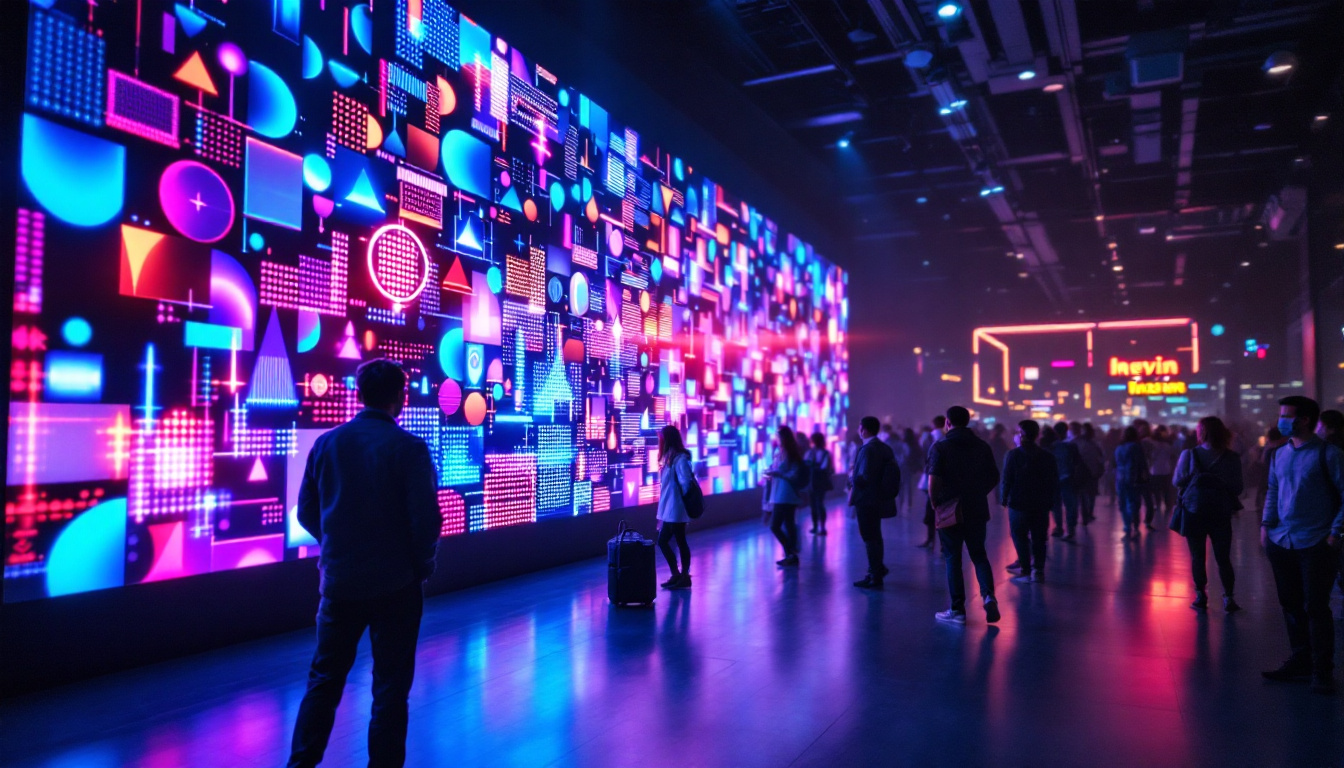
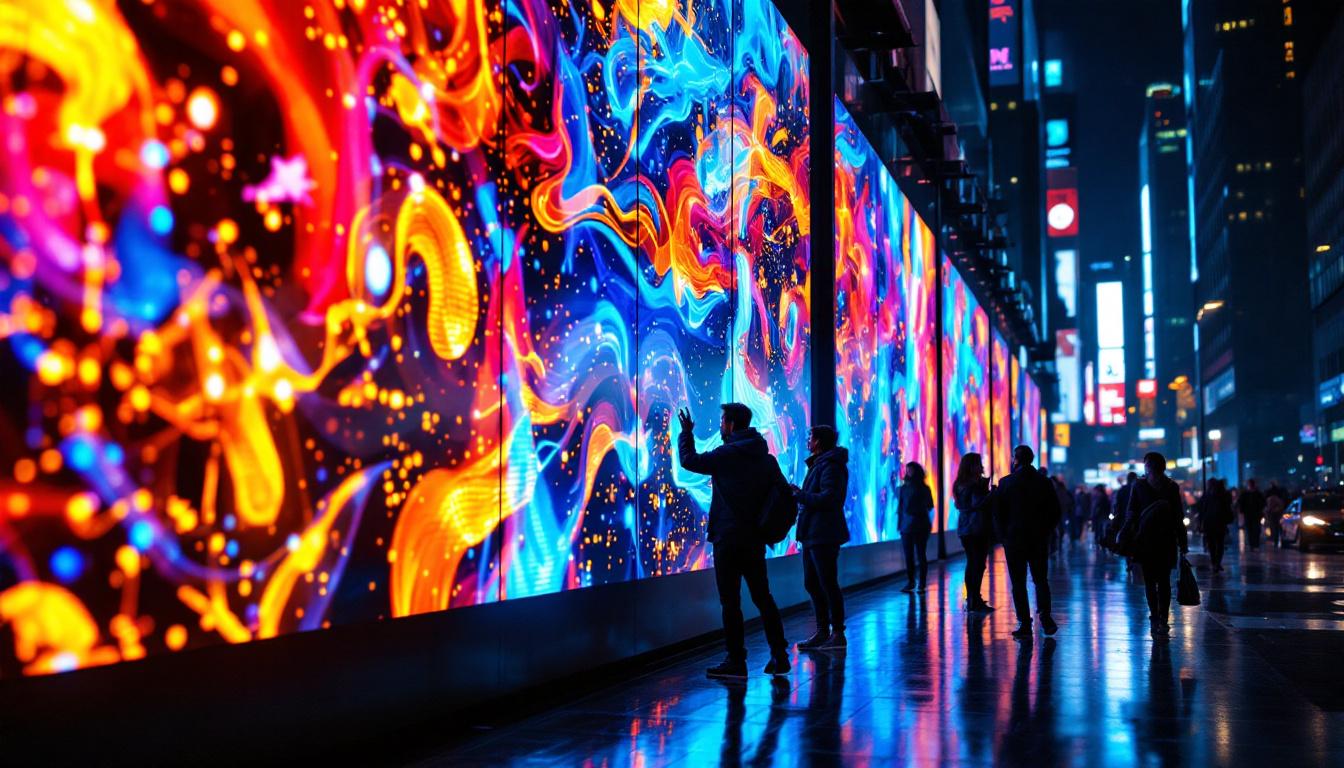
Large-scale concerts and festivals rely heavily on LED video screens to enhance the audience experience. These displays enable close-up views of performers, dynamic visual effects, and real-time information such as setlists or sponsor messages. The ability to rent massive outdoor LED screens allows event organizers to create immersive environments without permanent installations.
Corporate Events and Trade Shows
In corporate settings, LED screens are used for presentations, product launches, and branding. Their high resolution and brightness make them ideal for showcasing detailed graphics and videos. Renting LED screens for trade shows can attract attention to booths and facilitate interactive demonstrations, boosting engagement and lead generation.
Sporting Events and Public Viewing
Sports arenas and public viewing areas utilize LED video screens to broadcast live action, replays, and advertisements. Renting these screens for temporary events such as marathons, tournaments, or fan zones provides flexibility and enhances spectator enjoyment. The durability and brightness of outdoor LED screens ensure visibility even in challenging conditions.
Future Trends in LED Video Screen Rental
Advancements in MicroLED and MiniLED Technologies
Emerging technologies like MicroLED and MiniLED promise even higher resolutions, improved energy efficiency, and thinner displays. These innovations are gradually entering the rental market, offering brighter and more versatile screens. As costs decrease, rental companies are expected to adopt these technologies, providing clients with cutting-edge visual solutions.
Integration with Augmented Reality and Interactive Technologies
LED screens are increasingly being integrated with augmented reality (AR) and interactive systems to create engaging experiences. For example, motion sensors and touch capabilities can transform passive displays into interactive installations. Rental providers are beginning to offer these advanced options, opening new creative possibilities for events and marketing campaigns.
Sustainability and Energy Efficiency
Environmental concerns are driving the development of more energy-efficient LED screens and sustainable rental practices. Companies are focusing on reducing power consumption, using recyclable materials, and optimizing logistics to minimize carbon footprints. Clients are encouraged to consider these factors when selecting rental partners to align with corporate social responsibility goals.
Conclusion
LED video screen rental offers a versatile and cost-effective way to leverage powerful visual technology for a wide range of events and applications. Understanding the fundamentals of LED display technology, the benefits of renting, and the key considerations involved can help event planners and marketers maximize impact while managing budgets and logistics efficiently. As LED technology continues to evolve, rental solutions will become even more sophisticated, interactive, and sustainable, ensuring that visual communication remains at the forefront of audience engagement.
Discover LumenMatrix’s Innovative LED Solutions
Ready to elevate your event with the latest in LED display technology? Look no further than LumenMatrix, where innovation meets visual excellence. Our comprehensive range of LED display solutions, from Indoor and Outdoor LED Walls to Custom and Transparent Displays, is designed to captivate your audience and amplify your message. Whether you’re organizing a concert, corporate event, or sporting spectacle, LumenMatrix has the cutting-edge technology to make your vision a reality. Check out LumenMatrix LED Display Solutions today and transform your visual communication into an unforgettable experience.