In the world of digital displays, the quality and clarity of images are paramount. Among the many phenomena that affect screen visuals, the moiré effect stands out as both a fascinating optical illusion and a technical challenge, especially in LED displays. This article delves into the moiré effect as it relates to LED screens, explaining what it is, why it occurs, and how manufacturers and users can mitigate its impact.
Understanding the Moiré Effect
What is the Moiré Effect?
The moiré effect is an interference pattern that emerges when two repetitive grids or patterns overlap, creating a new pattern that can appear as wavy lines, ripples, or other distortions. This visual artifact is not limited to digital screens; it can occur in textiles, printed materials, and even in photography when scanning or photographing patterned surfaces. The phenomenon is named after the French word “moiré,” which refers to a type of watered silk fabric that exhibits a similar shimmering pattern when viewed from certain angles.
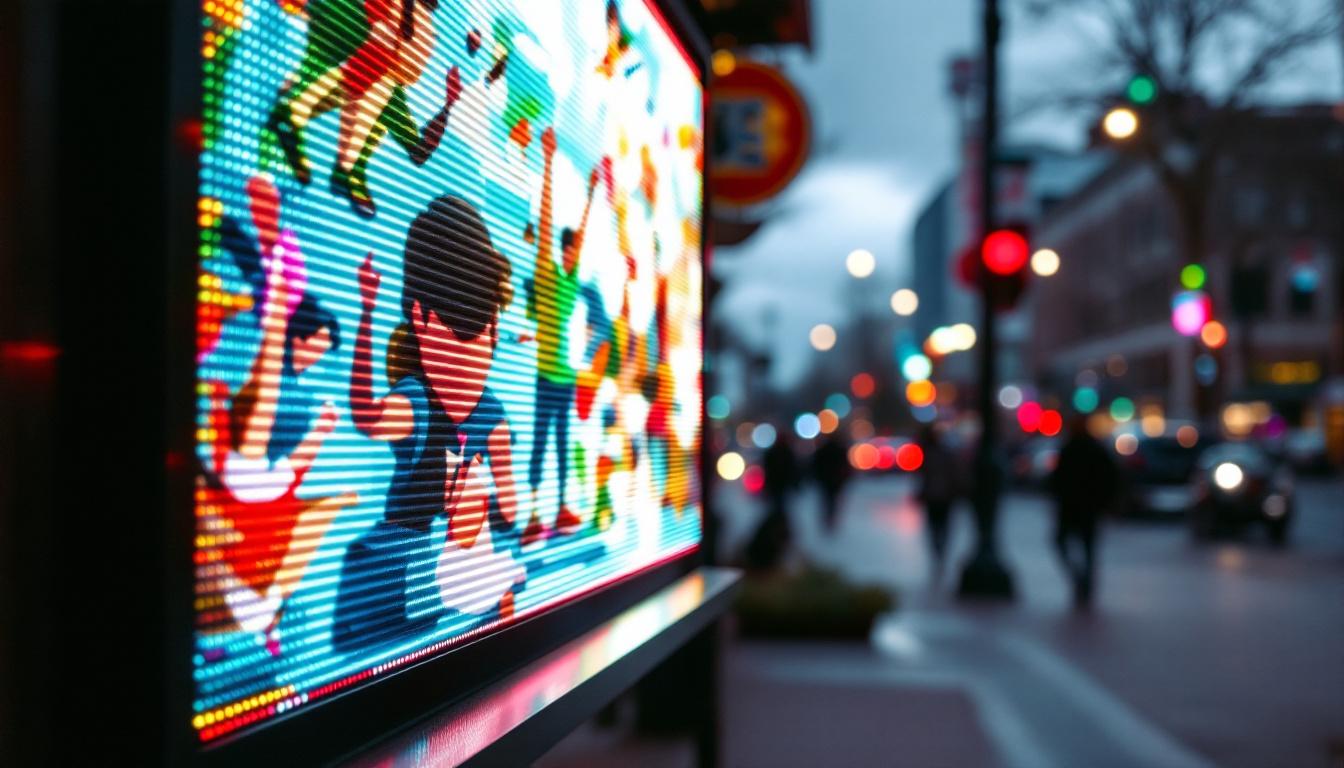
In the context of LED displays, the moiré effect typically manifests when the pixel grid of the screen interacts with the pixel grid of the content being displayed or with the sensor grid of a camera capturing the screen. The resulting pattern can distract viewers, degrade image quality, and complicate tasks such as video recording or professional presentations. Interestingly, the moiré effect can also be utilized creatively in art and design, where artists intentionally layer patterns to achieve unique visual effects that captivate the viewer’s attention.
How Does the Moiré Effect Occur on LED Screens?
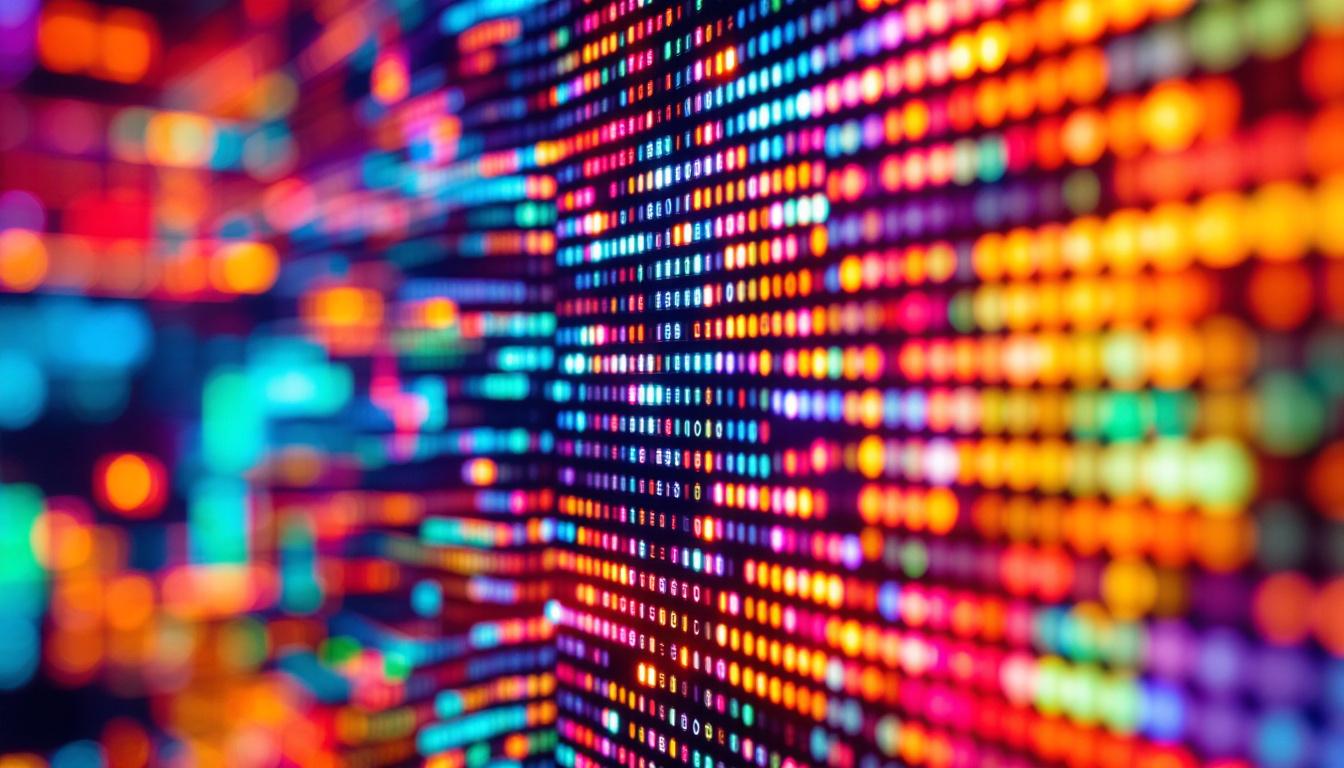
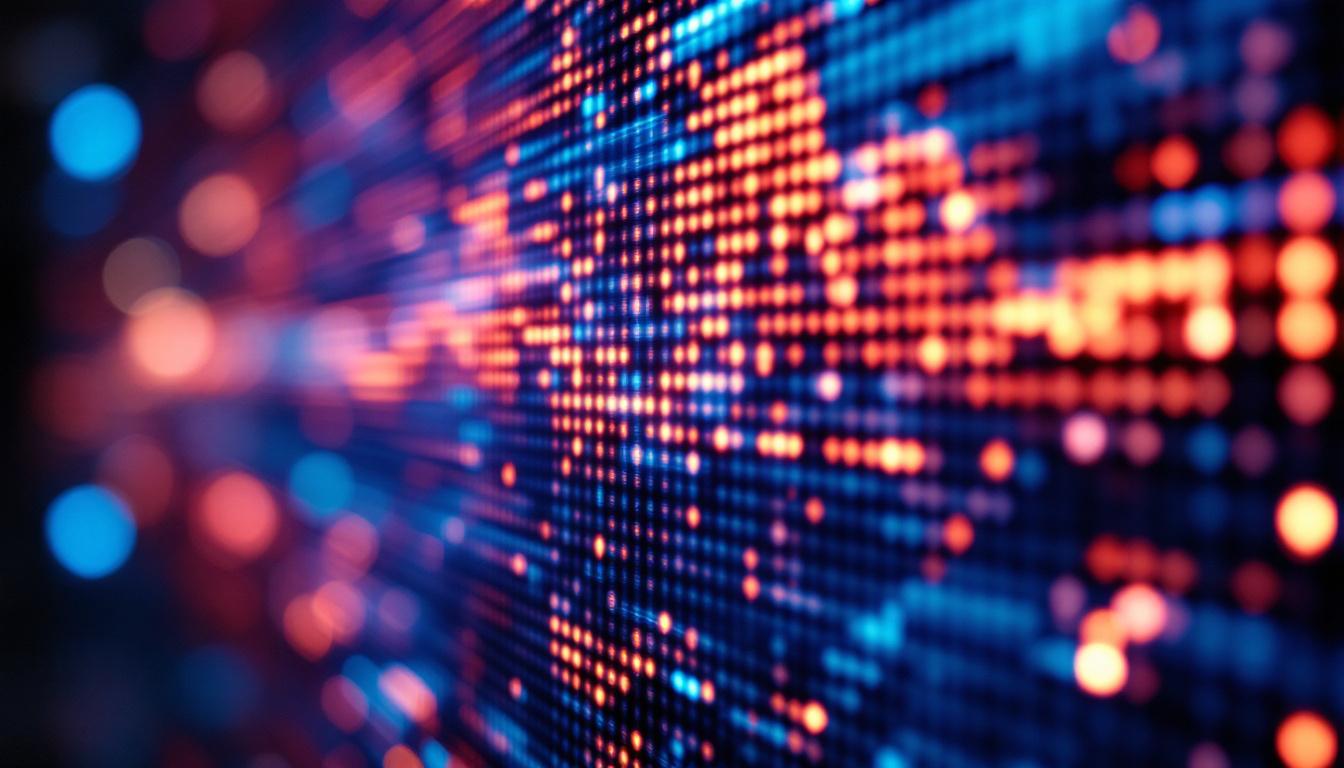
LED displays consist of an array of tiny light-emitting diodes arranged in a regular grid pattern. When an image or video is displayed, the content itself is made up of pixels that align to a certain resolution. If the resolution of the displayed content, the pixel pitch of the LED screen, and the viewing or capturing device’s resolution are not properly synchronized, overlapping grids can create interference patterns. This misalignment can be exacerbated by factors such as the distance from which the screen is viewed, the angle of the camera, and even the type of lens used.
For example, when filming an LED screen with a camera, the camera’s sensor grid may not align perfectly with the LED pixels, causing the moiré effect to appear in the recorded footage. Similarly, certain patterns or textures within the displayed image can interact with the LED pixel structure, causing visible moiré patterns to the naked eye. Furthermore, the moiré effect can be more pronounced in high-resolution displays where the pixel density is significantly higher, leading to more intricate and complex interference patterns. Understanding these dynamics is crucial for professionals in fields such as graphic design, photography, and video production, where maintaining image integrity is paramount.
Technical Factors Influencing the Moiré Effect in LED Displays
Pixel Pitch and Resolution
Pixel pitch refers to the distance between the centers of two adjacent pixels on an LED screen. A smaller pixel pitch typically means higher resolution and finer image detail. However, when the pixel pitch does not match well with the resolution of the content or the capturing device, moiré patterns are more likely to emerge.
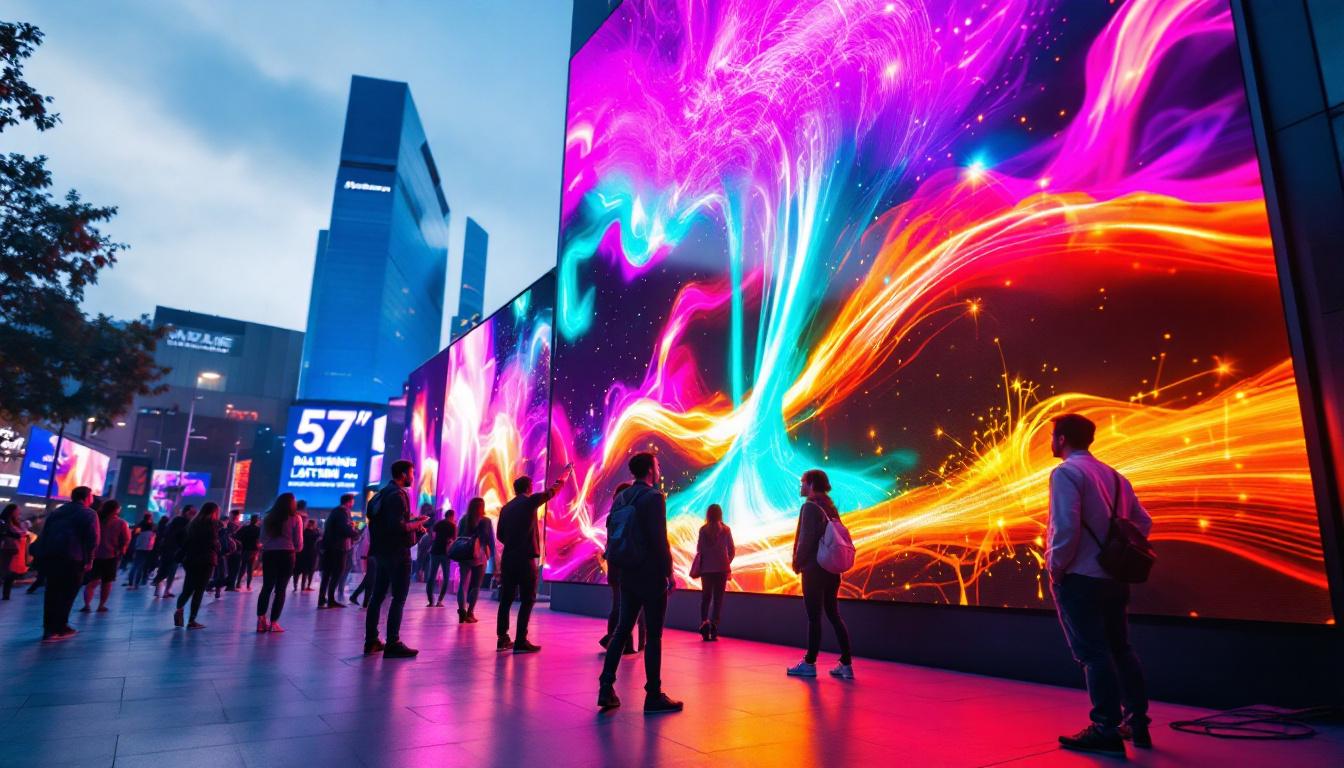
For instance, large outdoor LED billboards with a pixel pitch of 10 mm or more are more prone to visible moiré effects when viewed up close or filmed, compared to indoor LED displays with pixel pitches under 2 mm. Modern LED technology aims to reduce pixel pitch to improve image clarity and minimize moiré artifacts.
Refresh Rate and Scanning Methods
The refresh rate of an LED display—the number of times per second the image is updated—can also influence the moiré effect. Lower refresh rates may cause flickering or strobing effects that exacerbate moiré patterns, especially when combined with camera shutter speeds during filming.
Additionally, the scanning method used in LED displays—whether static or dynamic scanning—affects how pixels are driven and can influence the visibility of moiré patterns. Static scanning, where all pixels are driven simultaneously, tends to produce better image stability and less moiré compared to dynamic scanning methods.
Viewing Distance and Angle
The distance and angle from which an LED screen is viewed significantly affect the perception of moiré patterns. At certain distances, the human eye can resolve the pixel structure, making the interference patterns more visible. Conversely, from farther away, the pixels blend together, and moiré effects diminish.
Viewing angle also plays a role; angled views may cause pixel alignment shifts that increase moiré visibility. This is particularly relevant for large LED walls used in events or advertising, where audiences may view the screen from various positions.
Practical Implications of the Moiré Effect on LED Displays
Impact on Visual Quality and User Experience
The presence of moiré patterns can significantly degrade the perceived quality of an LED display. For end-users, this may translate into distractions during presentations, reduced clarity in digital signage, or a less immersive experience in entertainment applications. In professional environments such as broadcasting or live events, moiré artifacts can undermine the credibility and effectiveness of the visual content.
Moreover, for consumers using LED screens for gaming or home theater setups, moiré effects can diminish enjoyment by introducing unwanted visual noise. As LED displays become more prevalent in everyday life, addressing moiré issues becomes increasingly important.
Challenges in Video Production and Broadcasting
One of the most common scenarios where moiré effects become problematic is when filming LED screens. Cameras with fixed sensor grids often create moiré patterns when capturing LED content, complicating live broadcasts, recorded events, or virtual production environments.
Broadcasters and video producers must carefully manage camera settings, including shutter speed, aperture, and focus, to minimize moiré. Additionally, the choice of LED screen resolution and pixel pitch plays a critical role in reducing interference during filming.
Implications for Digital Advertising and Retail
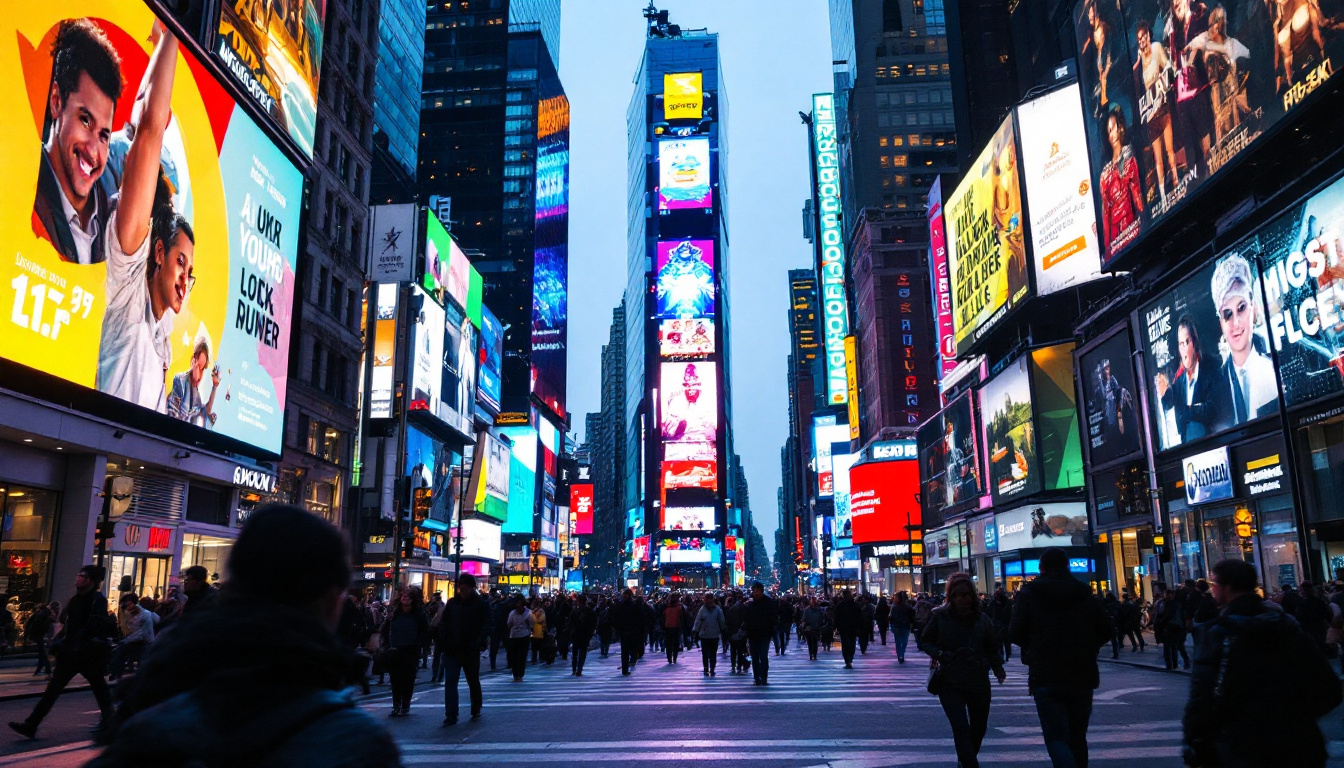
In digital advertising, LED screens are widely used for dynamic content delivery. Moiré effects can reduce the impact of advertisements by making images appear distorted or less vibrant. Retail environments that use LED displays for product promotion or informational signage also risk losing customer engagement if moiré patterns distract from the message.
Therefore, ensuring LED displays are optimized to minimize moiré is essential for businesses aiming to maintain a professional and appealing visual presence.
Strategies to Minimize the Moiré Effect on LED Screens
Choosing the Right Pixel Pitch and Resolution
One of the most effective ways to reduce moiré is to select LED screens with an appropriate pixel pitch that aligns well with the intended content resolution and viewing distance. For indoor applications where viewers are close to the screen, fine-pitch LED displays (often less than 2 mm) are recommended to minimize visible pixel structure and moiré patterns.
For outdoor or large-format displays, balancing pixel pitch with viewing distance is crucial. Larger pixel pitches are acceptable at greater distances, where the human eye cannot resolve individual pixels, thus reducing moiré visibility.
Content Design Considerations
Designing content with moiré in mind can also help. Avoiding repetitive patterns or textures that closely match the pixel grid frequency reduces the likelihood of interference. Using anti-aliasing techniques and soft gradients can smooth transitions and minimize harsh pixel interactions.
Content creators should also test visuals on the intended LED display before final deployment to identify and address potential moiré issues.
Advanced Technologies and Software Solutions
Manufacturers and developers have introduced technologies to combat moiré effects. Some LED controllers incorporate algorithms that adjust pixel driving patterns to disrupt repetitive interference. Additionally, software-based image processing can detect and reduce moiré patterns dynamically.
In video production, specialized filters and camera settings are used to mitigate moiré when capturing LED screens. Emerging technologies like microLED and OLED displays also promise improvements by offering different pixel structures and emission methods that reduce interference patterns.
Optimizing Viewing Conditions
Adjusting the viewing distance and angle can be a practical solution in many scenarios. For fixed installations, positioning the audience or camera at optimal distances and angles reduces moiré visibility. In event settings, careful planning of screen placement and audience seating can enhance the overall visual experience.
Future Trends and Innovations in LED Display Technology
MicroLED and Its Potential to Reduce Moiré
MicroLED technology, which uses microscopic LEDs to create pixels, offers higher resolution and brightness with improved energy efficiency. Because of the smaller pixel size and different pixel arrangement, microLED displays have the potential to significantly reduce moiré effects compared to traditional LED panels.
As microLED manufacturing scales up and costs decrease, this technology may become the standard for high-end displays, especially where image clarity and fidelity are critical.
AI-Driven Image Processing
Artificial intelligence (AI) and machine learning are increasingly being integrated into display technology to enhance image quality. AI algorithms can analyze displayed content in real-time, identifying and correcting moiré patterns before they become visible to viewers.
This approach not only improves the viewing experience but also offers dynamic adaptability, adjusting to different content types and viewing environments seamlessly.
Improved Camera and Sensor Technologies
On the capture side, advancements in camera sensor design and processing can reduce moiré when filming LED screens. Variable pixel sampling, adaptive shutter speeds, and enhanced anti-aliasing in camera hardware and software help mitigate interference patterns, enabling clearer recordings of LED content.
Conclusion
The moiré effect on LED displays is a complex interplay of pixel structures, content resolution, viewing conditions, and capture technologies. While it presents challenges in maintaining image clarity and visual quality, understanding its causes and implementing strategic solutions can significantly reduce its impact.
As LED technology continues to evolve, innovations like microLED, AI-driven processing, and improved camera systems promise to further minimize moiré artifacts, enhancing the visual experience across applications from digital signage and broadcasting to entertainment and retail.
For businesses and professionals relying on LED displays, staying informed about these factors and advancements is essential to delivering crisp, engaging, and moiré-free visual content.
Discover LumenMatrix’s Advanced LED Solutions
Combat the moiré effect and elevate your visual displays with LumenMatrix’s innovative LED technology. As a leader in the industry, LumenMatrix offers an array of LED display solutions tailored to meet your needs, from Indoor and Outdoor LED Walls to specialized displays for vehicles, sports, and custom installations. Embrace the future of visual communication with our All-in-One and Transparent LED Displays, designed to deliver unparalleled clarity and audience engagement. Check out LumenMatrix LED Display Solutions today and transform your space into a captivating visual experience.