The Moiré effect is a fascinating visual phenomenon that often appears in digital displays, particularly LED screens. While it can be an unintended distraction in video content, understanding its causes and how to manage it is crucial for professionals working with LED displays, videographers, and digital content creators. This article dives deep into the Moiré effect in video, focusing on LED displays, explaining what it is, why it happens, and how to mitigate it to ensure the best visual experience.
What Is the Moiré Effect?
The Moiré effect occurs when two repetitive patterns overlap, creating a new, often distracting pattern that appears to shimmer or ripple. This phenomenon is commonly seen in textiles, printed materials, and digital screens. In the context of video and LED displays, the Moiré effect typically manifests as wavy lines, ripples, or strange color bands that aren’t part of the original image.
At its core, the Moiré effect is a result of interference between two grids or patterns. For example, when a camera records an LED screen, the pixel grid of the camera sensor interacts with the pixel grid of the LED display, producing these unintended patterns. This interference can be subtle or very pronounced, depending on various factors such as resolution, viewing distance, and the alignment of the camera sensor and display pixels.
How the Moiré Effect Impacts Video Quality
For broadcasters, event organizers, and digital signage professionals, the Moiré effect can degrade the viewing experience. It distracts the audience and can make content appear low quality or unprofessional. In live events or large-scale advertising, where LED walls are widely used, Moiré patterns can reduce the clarity of logos, text, and intricate graphics, undermining communication goals.
Moreover, Moiré patterns complicate post-production work. Editors and visual effects artists must spend extra time correcting or masking these artifacts, increasing costs and turnaround times. Understanding the Moiré effect is therefore essential for anyone involved in video production and LED display technology.
The Moiré effect is not limited to digital displays; it can also be observed in traditional print media. For instance, when two halftone patterns overlap, such as in newspaper printing, it can create unexpected visual artifacts that disrupt the intended design. This is particularly problematic in high-resolution prints where fine details are crucial. Designers must be aware of these interactions and often employ techniques like adjusting the angle of the halftone screens to minimize the risk of Moiré patterns appearing in the final output.
In the realm of photography, the Moiré effect can also pose challenges, especially when capturing images of finely patterned fabrics or surfaces. Photographers may find that certain clothing or backgrounds can introduce unwanted patterns into their images, leading to a need for careful selection of attire or props during shoots. Some cameras even come equipped with anti-aliasing filters specifically designed to mitigate the Moiré effect, showcasing the importance of this phenomenon across various fields of visual media.
How LED Displays Work and Why They Are Susceptible to Moiré
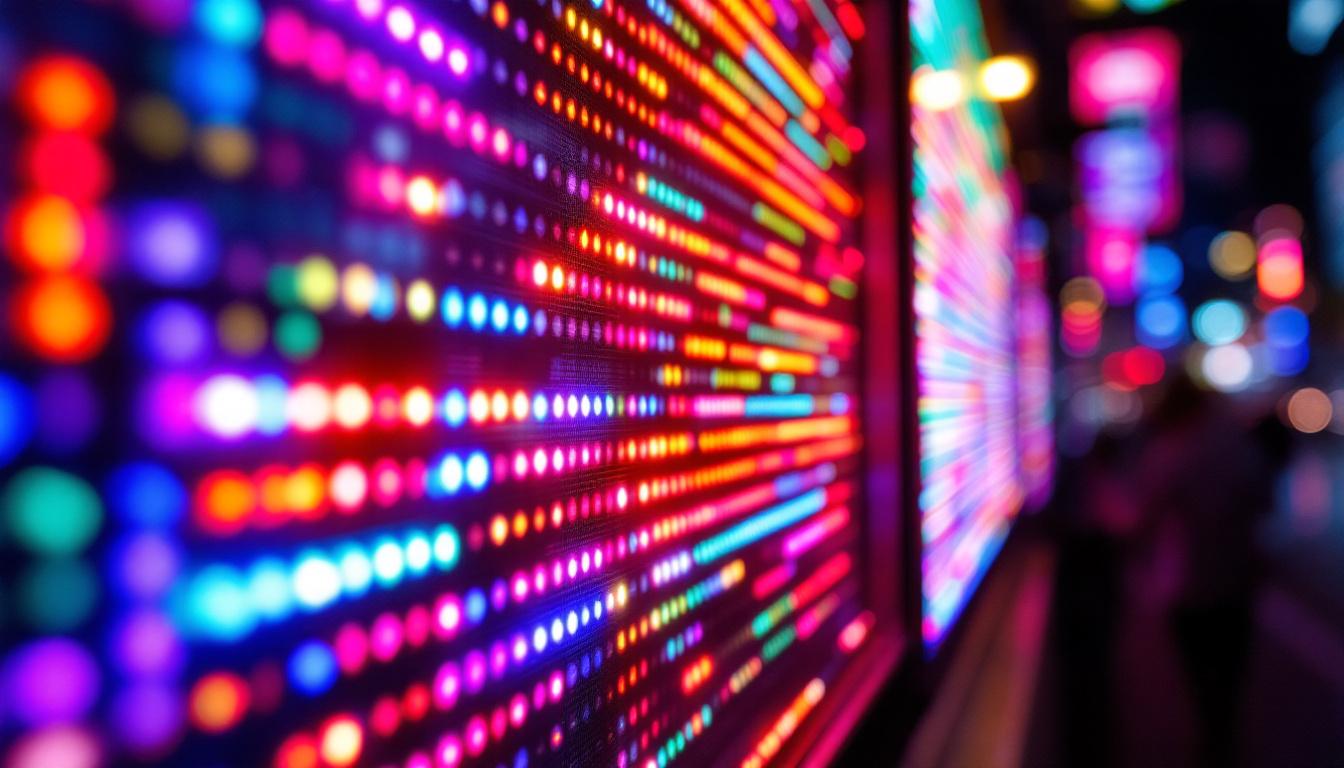
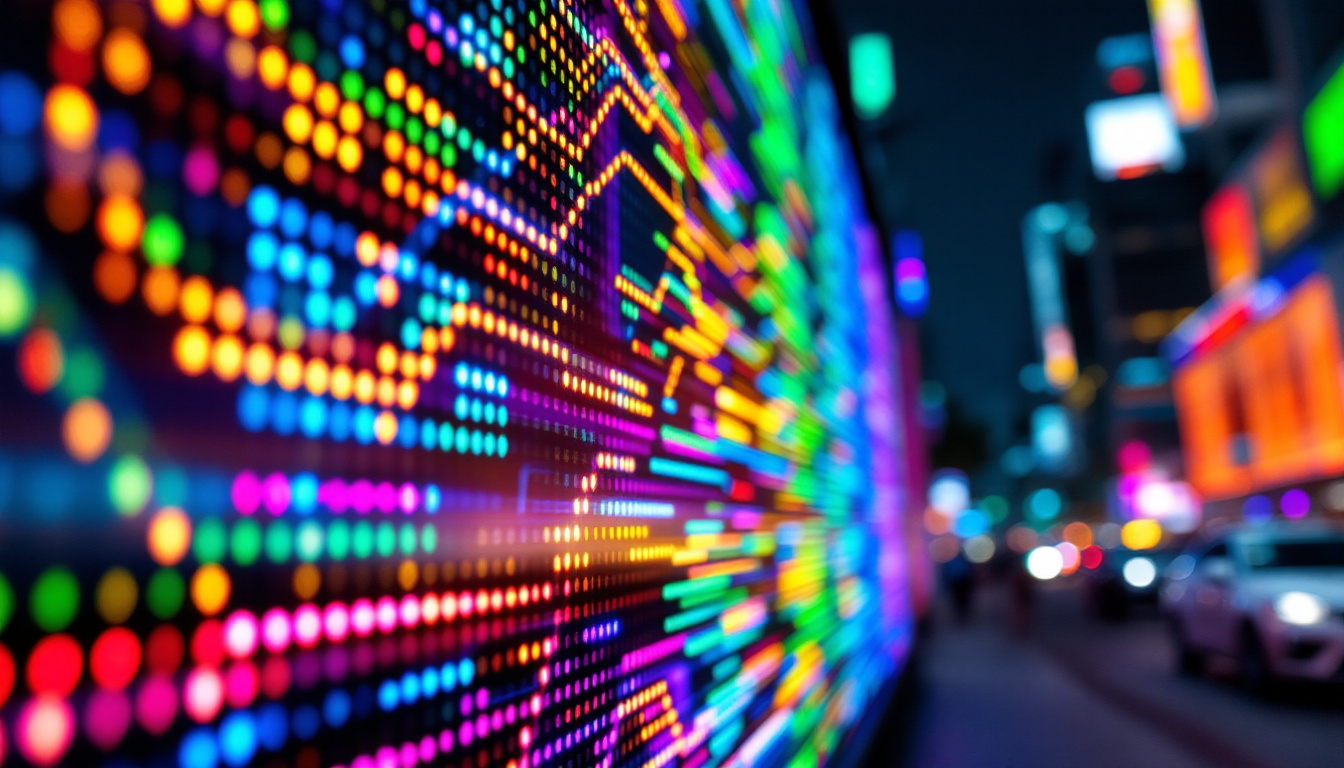
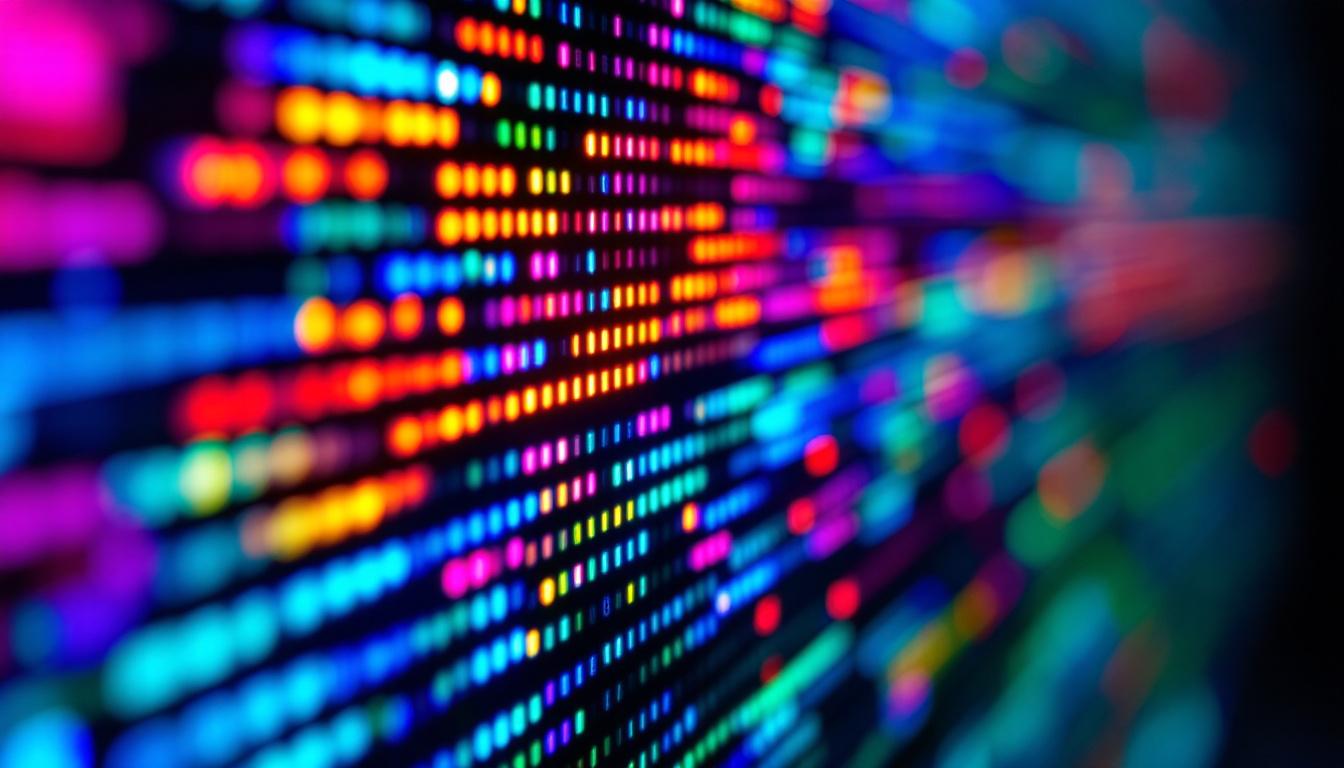
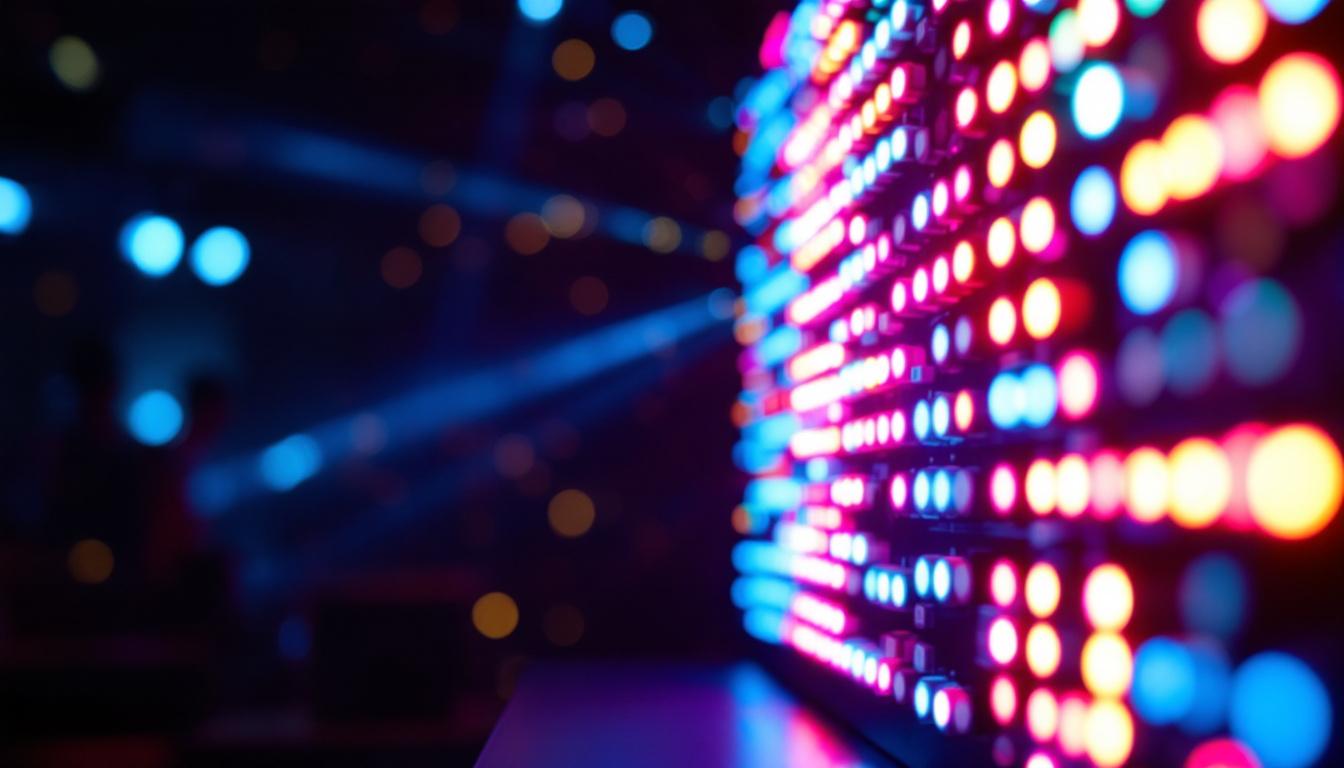
LED displays are composed of thousands to millions of tiny light-emitting diodes arranged in a grid. Each diode acts as a pixel or part of a pixel, illuminating in different colors to create images and video. The pixel pitch—the distance between the centers of two adjacent pixels—is a critical specification that determines the display’s resolution and image sharpness. The arrangement of these diodes allows for vibrant colors and high contrast, making LED displays popular in a variety of applications, from televisions to large outdoor billboards.
Because LED displays are essentially grids of discrete light sources, they naturally form repetitive patterns. When a camera captures this grid, the sensor’s pixel matrix interacts with the LED grid, which can lead to Moiré interference. This is especially true when the camera resolution and the LED pixel pitch are not well matched. The phenomenon of Moiré can create distracting visual artifacts, which can detract from the viewing experience, particularly in professional settings such as live broadcasts or photography where image fidelity is paramount.
Factors Contributing to Moiré on LED Screens
- Pixel Pitch and Resolution: Smaller pixel pitches (e.g., 1.5mm or less) reduce the visibility of individual LEDs, minimizing Moiré. Larger pitches increase the risk.
- Camera Sensor Resolution: High-resolution cameras can sometimes exacerbate Moiré by capturing more detail of the LED grid.
- Viewing Distance: The closer the camera or viewer is to the LED screen, the more likely Moiré patterns will appear.
- Refresh Rate and Frame Rate: Mismatched refresh rates between the LED display and the camera can cause flickering and Moiré.
- Angle and Alignment: The relative angle between the camera sensor and the LED screen can influence the interference patterns.
In addition to the technical specifications, the environment in which the LED display is used can also play a significant role in the emergence of Moiré patterns. For instance, ambient lighting conditions can affect how the camera perceives the display, potentially intensifying the interference. Bright, direct lighting may cause reflections or glare, which can further complicate the visual capture of the LED grid. Moreover, the type of content displayed can influence the likelihood of Moiré; high-contrast images or intricate patterns are more prone to producing these unwanted artifacts than simpler visuals.
Another important aspect to consider is the technology behind the camera itself. Different camera technologies, such as CCD (Charge-Coupled Device) and CMOS (Complementary Metal-Oxide-Semiconductor), have varying sensitivities to Moiré patterns. Some cameras are equipped with anti-aliasing filters designed to reduce the appearance of Moiré, but these can also soften image details. Understanding the interplay between LED display characteristics and camera technology is crucial for professionals in fields like videography and broadcasting, where achieving the highest quality image is essential.
Examples of Moiré Effect in Real-World LED Video Applications
To better understand the practical implications of the Moiré effect, consider the following scenarios:
Live Concerts and Events
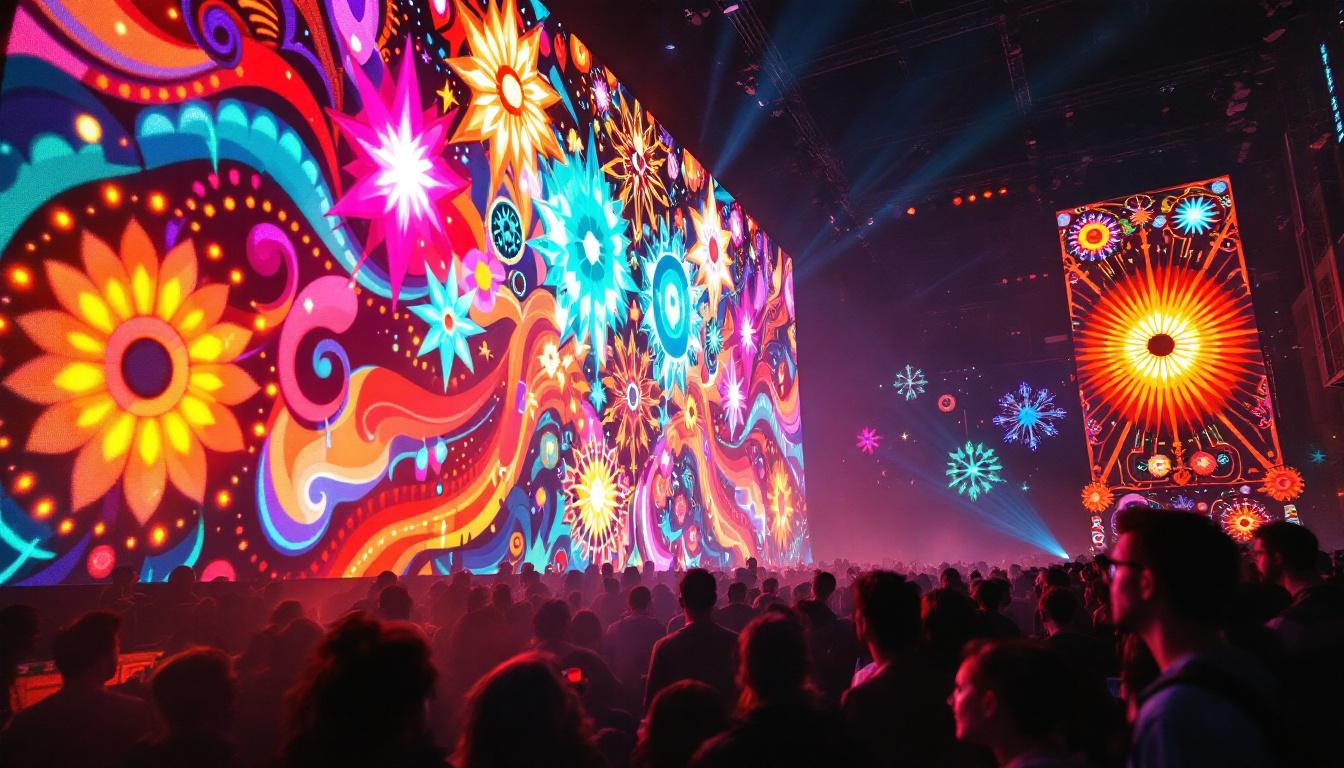
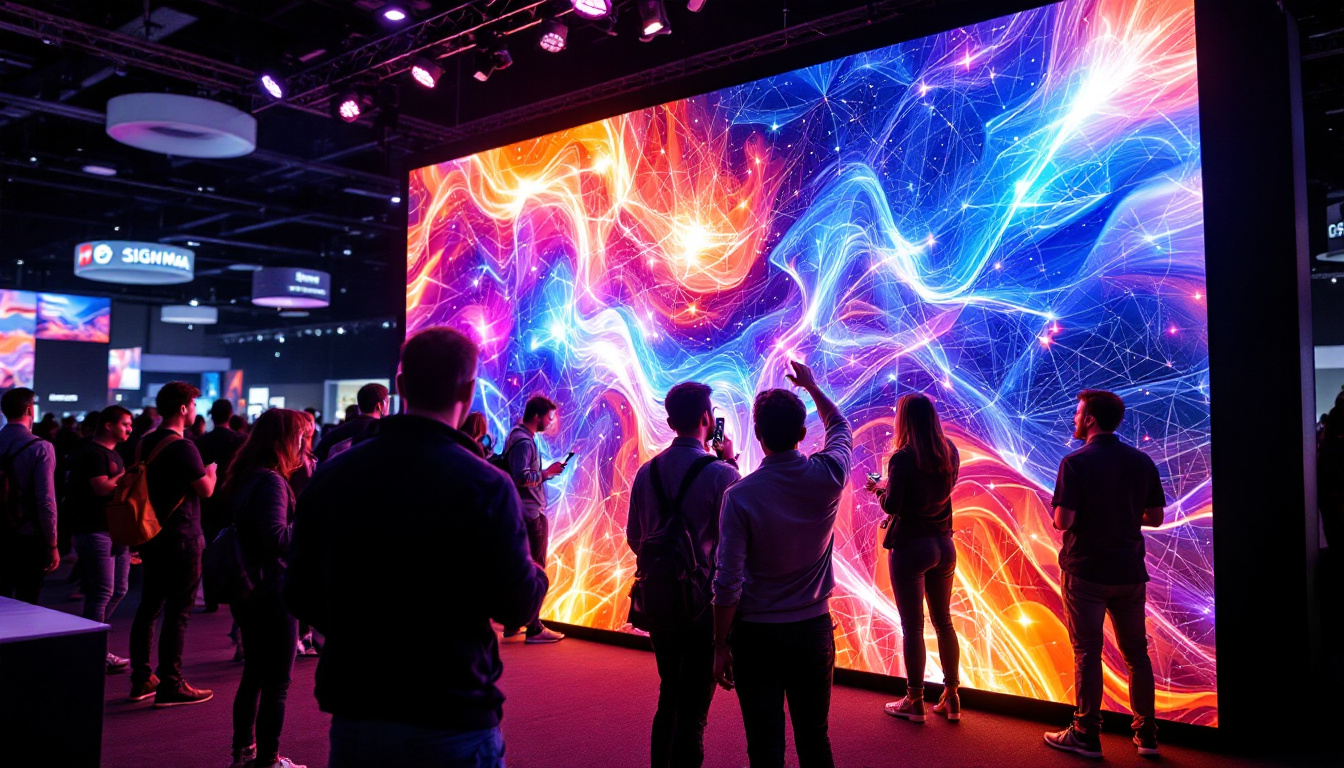
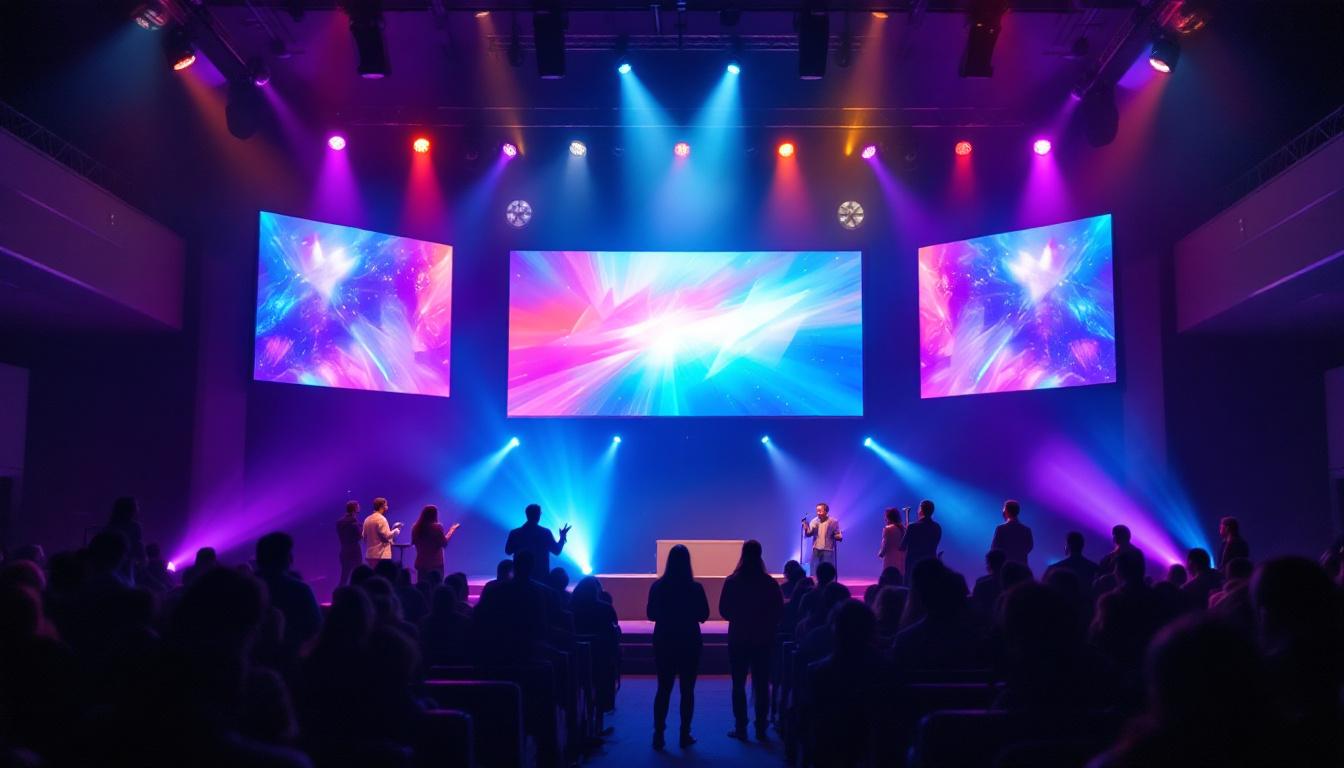
Large LED walls are a staple in concerts and festivals, providing dynamic backdrops and live video feeds. When professional cameras film these screens, Moiré patterns can appear, especially if the LED panels have a larger pixel pitch or if the camera zooms in too closely. This can distract the audience and reduce the impact of visual effects.
Broadcast Studios
Newsrooms and broadcast studios often use LED video walls for virtual sets or dynamic backgrounds. When cameras capture these walls, Moiré can interfere with the clarity of graphics or text, making it harder for viewers to focus on the content. Studios invest heavily in calibrating camera and display settings to minimize this effect.
Digital Signage and Advertising
Retail stores and public spaces use LED displays for advertising. If video content is recorded or streamed from these displays, Moiré can degrade brand messaging by distorting logos or product images. Ensuring the display resolution matches the camera setup is essential for maintaining brand integrity.
Techniques to Reduce or Eliminate the Moiré Effect on LED Displays
Fortunately, there are several practical strategies to mitigate the Moiré effect in video content involving LED displays. These techniques involve both hardware and software adjustments.
Optimizing LED Display Specifications
Choosing LED panels with a smaller pixel pitch is one of the most effective ways to reduce Moiré. Modern fine-pitch LED displays with pixel pitches under 2mm are less likely to produce visible interference patterns, even when filmed up close.
Additionally, high refresh rates (above 120Hz) can help minimize flicker and Moiré caused by frame rate mismatches between the camera and the display.
Camera Settings and Positioning
Adjusting camera aperture and focus can reduce the visibility of the LED grid. A slightly defocused image softens the grid pattern, making Moiré less pronounced. Additionally, changing the camera angle or distance from the LED screen can disrupt the alignment of pixel grids and reduce interference.
Using cameras with anti-aliasing filters or applying optical low-pass filters can also help by smoothing out high-frequency details that cause Moiré.
Post-Production Techniques
When Moiré patterns are unavoidable during filming, video editors can apply digital filters and software tools to reduce or remove these artifacts. Techniques such as blurring affected areas, frequency separation, and pattern removal algorithms are commonly used.
However, post-production fixes can be time-consuming and may degrade overall image sharpness, so preventing Moiré at the source is preferable.
Software Solutions and AI-Based Enhancements
Recent advances in AI and machine learning have introduced new tools that can automatically detect and reduce Moiré patterns in video footage. These tools analyze the image and selectively smooth or reconstruct affected areas without compromising detail elsewhere.
While still emerging, AI-based solutions offer promising results, especially for live broadcasts and fast turnaround projects where manual correction is impractical.
Future Trends: How LED Technology Is Evolving to Address Moiré
The LED display industry is continuously innovating to improve image quality and reduce visual artifacts like the Moiré effect. Several trends are shaping the future of LED video technology:
MicroLED and MiniLED Technologies
MicroLED and MiniLED displays feature significantly smaller LEDs and tighter pixel pitches, enabling higher resolutions and smoother images. These technologies inherently reduce the risk of Moiré by minimizing the visibility of individual pixels, even when filmed closely.
Higher Refresh Rates and Synchronization
Newer LED panels support refresh rates of 240Hz or higher, allowing better synchronization with modern high-speed cameras. This synchronization reduces flicker and Moiré, especially in fast-moving video content.
Integrated Camera and Display Calibration
Future systems may incorporate real-time calibration between cameras and LED displays, dynamically adjusting settings to minimize interference patterns during live events or broadcasts. This integration could revolutionize how Moiré is managed in professional environments.
Conclusion
The Moiré effect in video, particularly when filming LED displays, is a complex but manageable challenge. Understanding the underlying causes—interference between pixel grids—and the factors that influence its appearance is critical for anyone working with LED video technology.
By selecting appropriate LED panels, optimizing camera settings, and employing post-production or AI-based corrections, professionals can significantly reduce or eliminate Moiré patterns. As LED technology continues to evolve, with finer pixel pitches and smarter synchronization, the visual quality of LED video content will only improve, providing audiences with clearer, more immersive experiences.
For broadcasters, event producers, and digital content creators, mastering the Moiré effect is essential to delivering polished, professional video that leverages the full potential of LED displays.
Discover Cutting-Edge LED Display Solutions with LumenMatrix
Ready to elevate your visual content and overcome the challenges of the Moiré effect? Explore LumenMatrix’s innovative LED display technologies, designed to deliver crystal-clear images and immersive experiences. From Indoor and Outdoor LED Wall Displays to specialized solutions like Vehicle LED Displays, LED Sports Displays, and even Custom LED Displays, LumenMatrix is at the forefront of revolutionizing visual communication. Whether you’re looking to enhance brand visibility or captivate your audience with stunning visuals, check out LumenMatrix LED Display Solutions and see the difference cutting-edge technology can make.