Local AV Company: LED Display Explained
In today’s fast-evolving audiovisual (AV) landscape, LED displays have emerged as a cornerstone technology for businesses, events, and public spaces. Whether it’s a bustling retail store, a corporate event, or a sports stadium, LED displays deliver vibrant, dynamic content that captures attention and enhances communication. For local AV companies, understanding the intricacies of LED display technology is essential to providing clients with tailored solutions that meet their unique needs and budgets.
This comprehensive article delves into the fundamentals of LED displays, their advantages, types, and practical applications, offering valuable insights for businesses and AV professionals alike.
What is an LED Display?
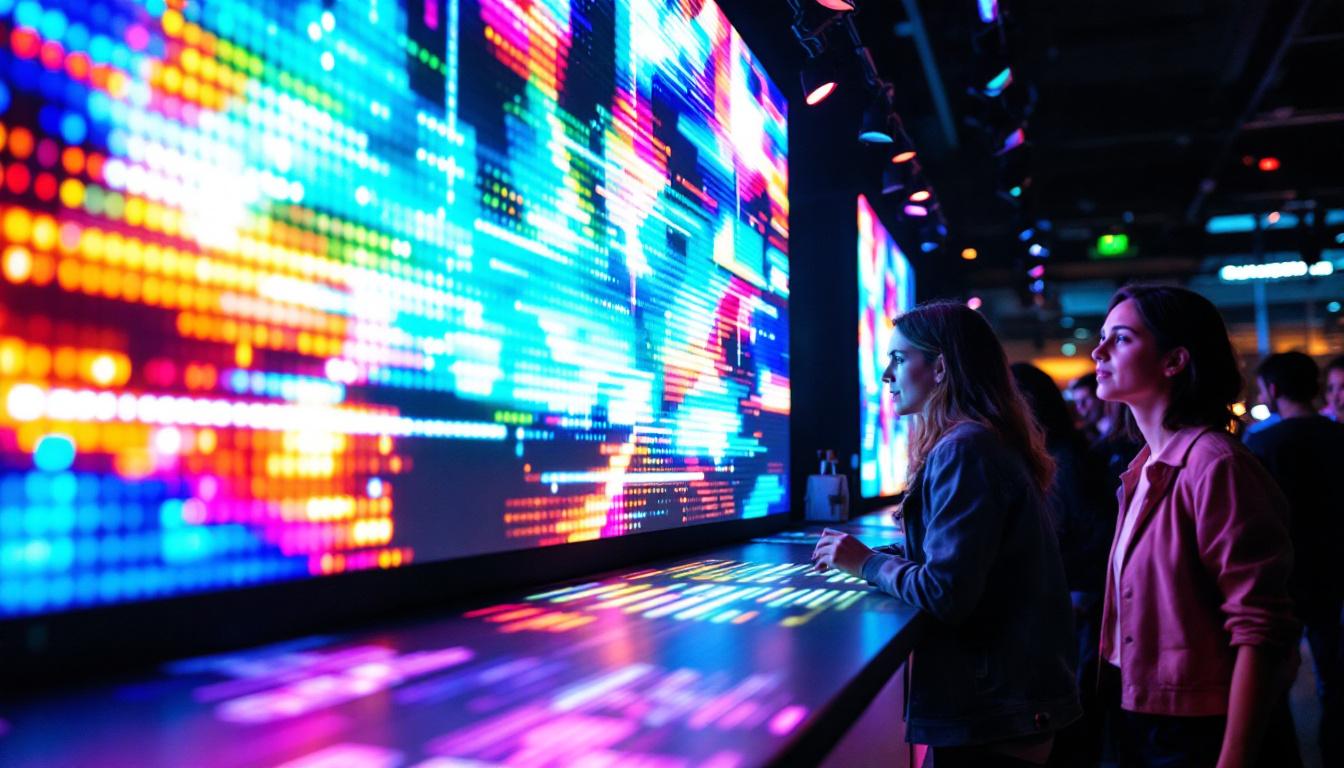
LED stands for Light Emitting Diode, a semiconductor device that emits light when an electric current passes through it. An LED display is a flat panel that uses an array of these tiny diodes to create images, videos, and text. Unlike traditional LCD or projection screens, LED displays generate their own light, resulting in brighter, more vivid visuals that remain clear even under direct sunlight.
The technology behind LED displays has advanced significantly over the past decade. Modern LED panels are composed of thousands of tiny diodes arranged in pixels, each capable of producing a range of colors through combinations of red, green, and blue LEDs. By controlling the intensity of each diode, the display can render millions of colors and high-definition images.
How LED Displays Work
At the core of an LED display is a matrix of LEDs, each representing a pixel. These pixels are controlled by a driver circuit and a processing unit that interprets input signals from video sources such as computers, cameras, or media players. The processing unit translates the digital content into electrical signals that adjust the brightness and color of each LED pixel in real-time.
Because LEDs emit their own light, LED displays do not require backlighting as LCDs do. This self-illumination allows for higher contrast ratios and deeper blacks, which contribute to superior image quality. Additionally, LED displays can achieve refresh rates that reduce flicker and motion blur, making them ideal for fast-moving content such as sports broadcasts and live events.
Types of LED Displays
LED displays come in various configurations, each suited to different environments and purposes. Understanding the types helps local AV companies recommend the best solution based on client requirements such as viewing distance, ambient lighting, and content type.
Indoor LED Displays
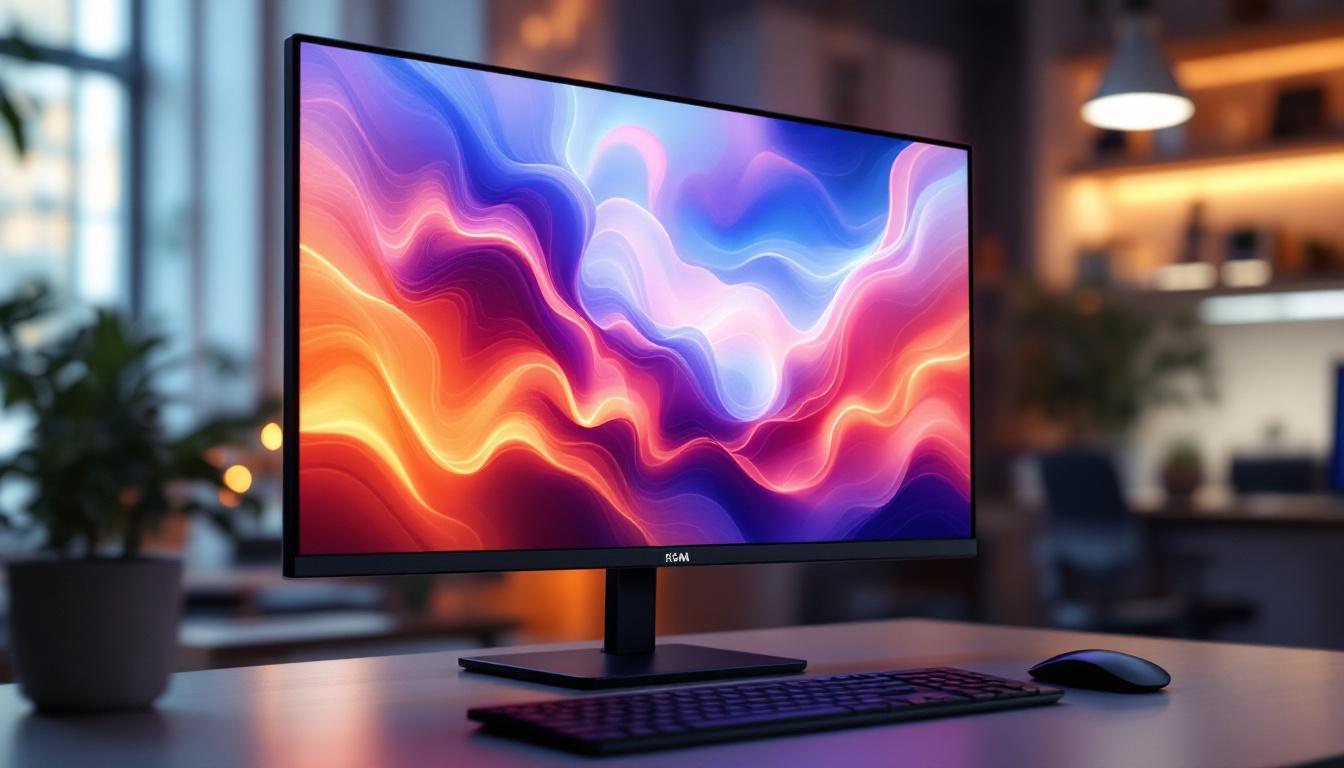
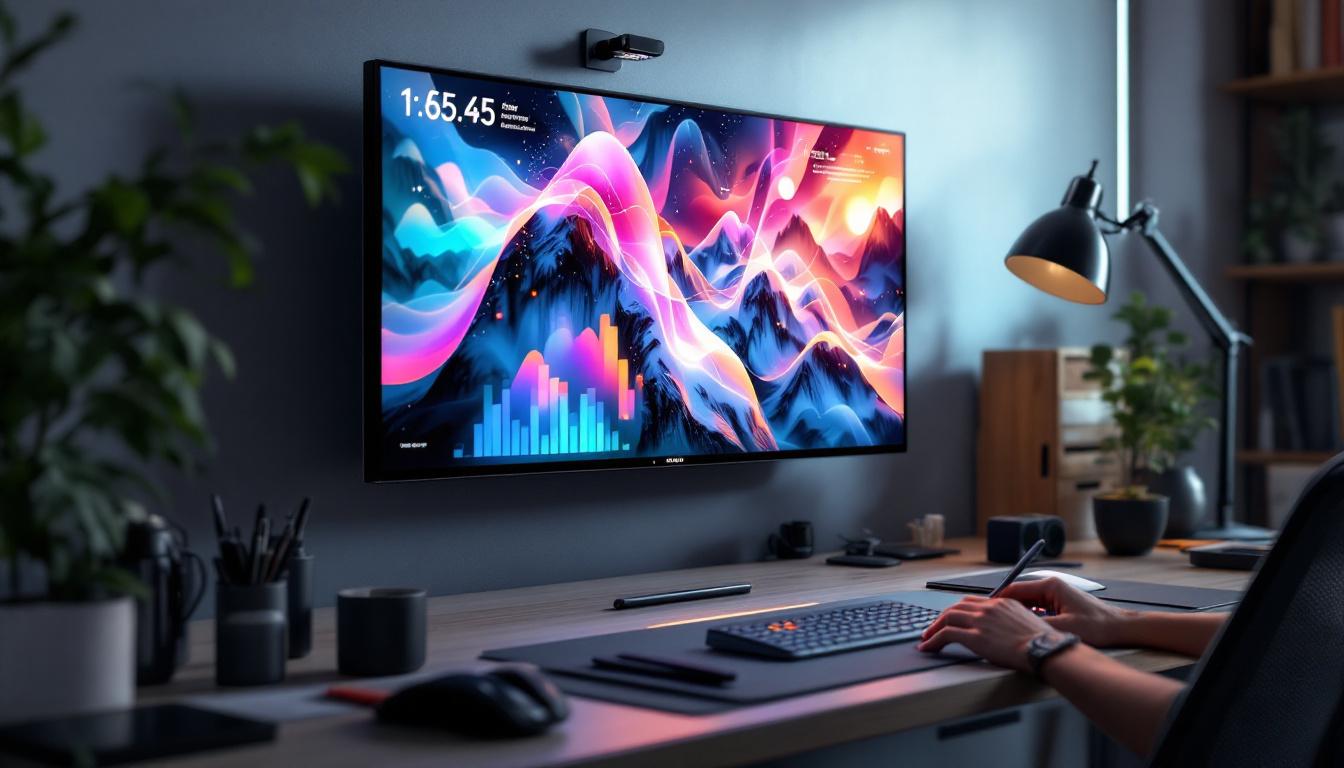
Indoor LED displays are designed for environments with controlled lighting, such as conference rooms, retail stores, and auditoriums. These displays typically have higher pixel density, meaning the diodes are packed closely together to provide sharp images at close viewing distances.
Pixel pitch, the distance between the centers of two adjacent pixels, is a key specification for indoor displays. Common pixel pitches for indoor use range from 1.2mm to 4mm. A smaller pixel pitch results in higher resolution and finer detail, which is important for applications like digital signage, presentations, and interactive displays.
Outdoor LED Displays
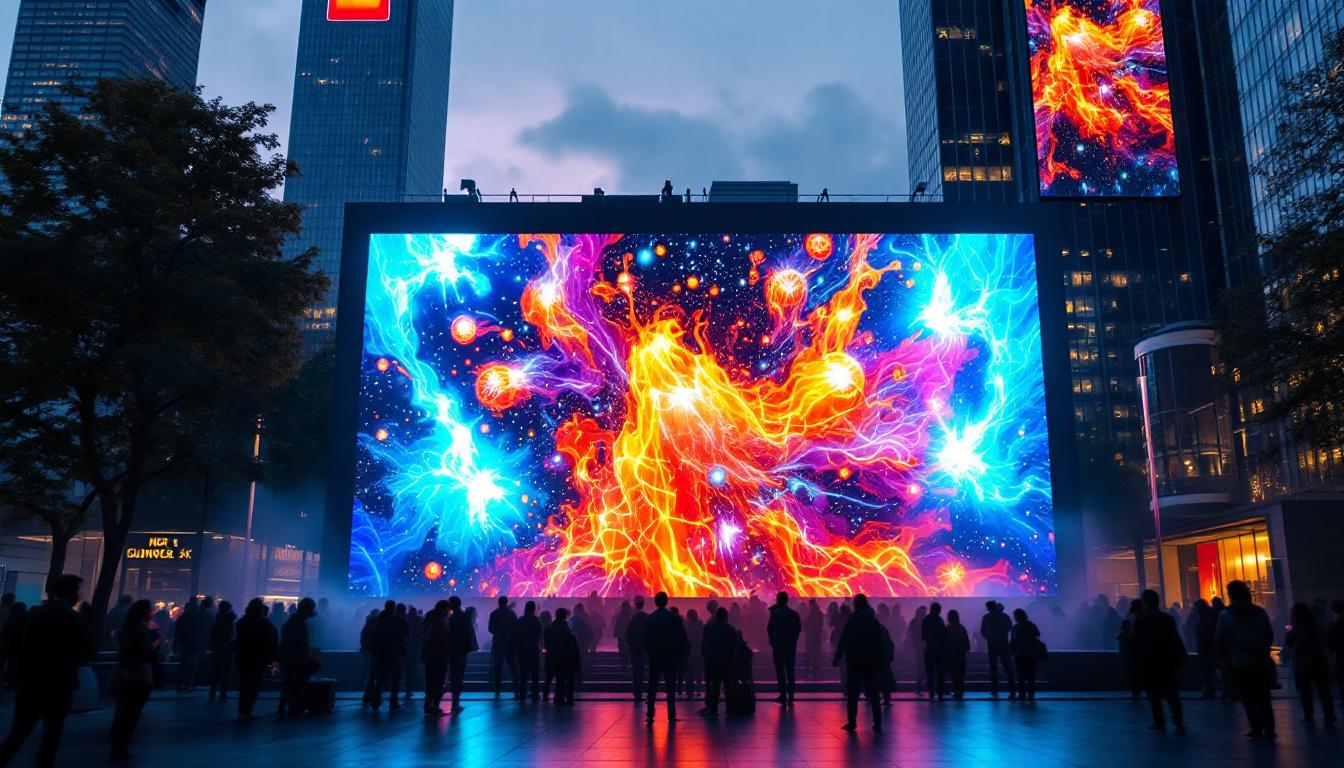
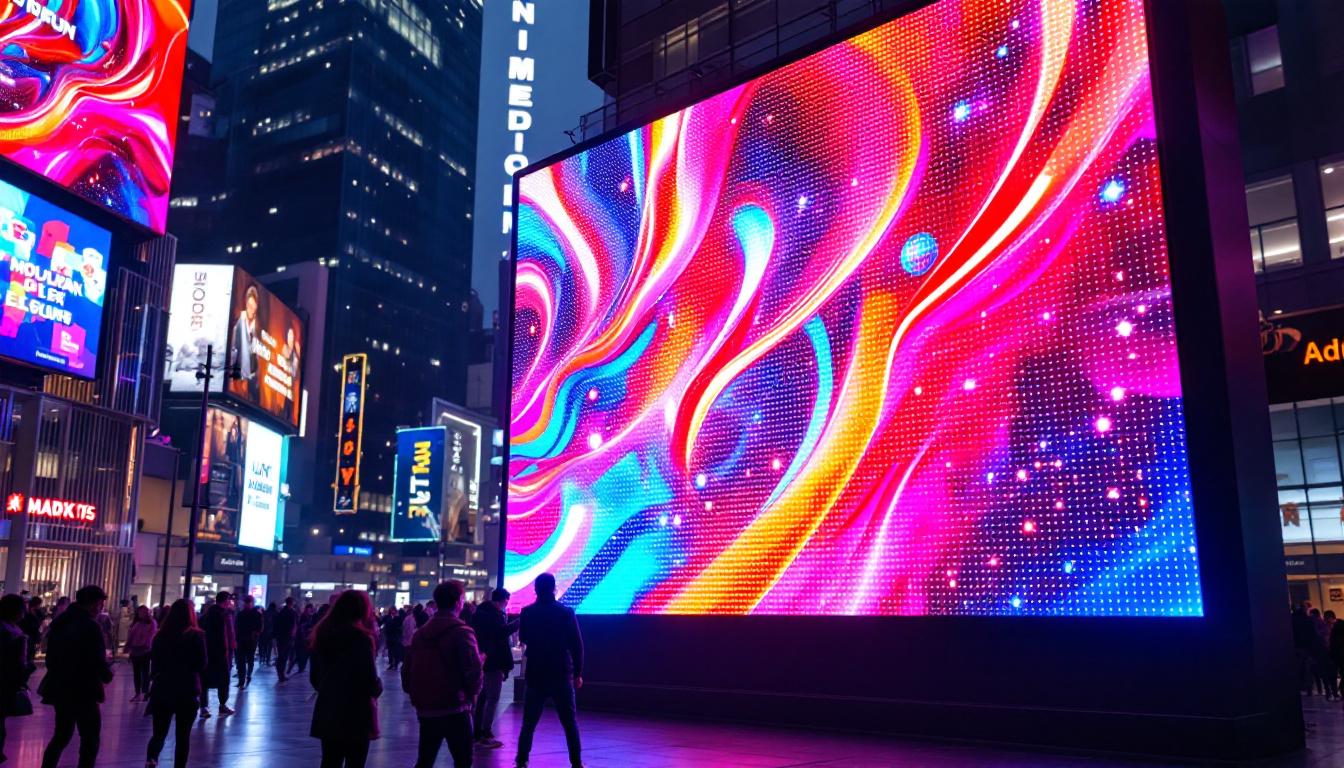
Outdoor LED displays are built to withstand harsh weather conditions including rain, wind, and extreme temperatures. They are often larger and have a wider pixel pitch, typically between 6mm and 20mm, since viewers tend to observe these displays from greater distances.
These displays are also engineered with higher brightness levels, often exceeding 5,000 nits, to ensure visibility even in direct sunlight. Protective enclosures and waterproofing are standard features that extend the lifespan of outdoor LED installations.
Flexible and Transparent LED Displays
Innovations in LED technology have led to the development of flexible and transparent LED displays. Flexible LED panels can curve around surfaces or be shaped into custom forms, opening creative possibilities for architectural integration and immersive experiences.
Transparent LED displays, on the other hand, allow light to pass through while displaying content. These are increasingly popular for retail windows and glass facades, enabling businesses to showcase digital content without obstructing natural light or visibility.
Advantages of LED Displays Over Other Technologies
LED displays offer numerous benefits that make them a preferred choice for many applications, especially when compared to LCD, projection, or plasma screens.
Superior Brightness and Visibility
One of the most significant advantages of LED displays is their brightness. With the ability to reach up to 10,000 nits in some models, LED screens outperform LCD and projection systems, which typically max out around 500 to 1,000 nits. This makes LED displays ideal for outdoor advertising, sports venues, and any situation where ambient light conditions are challenging.
Energy Efficiency and Longevity
LED technology is highly energy-efficient, consuming less power than traditional display technologies. This efficiency translates into lower operational costs, an important consideration for businesses running displays 24/7. Additionally, LEDs have a longer lifespan, often exceeding 100,000 hours of use, reducing the need for frequent replacements and maintenance.
Enhanced Color Accuracy and Contrast
Because LEDs emit light directly, they can produce deeper blacks and more vibrant colors compared to LCDs, which rely on backlighting. This results in higher contrast ratios and more visually engaging content, which is critical for advertising effectiveness and audience engagement.
Scalability and Customization
LED displays are highly modular, allowing for scalable solutions that can be tailored to any size or shape. Local AV companies can design custom configurations that fit unique spaces or branding requirements, from small indoor panels to massive stadium screens.
Common Applications of LED Displays
LED displays have become ubiquitous across various industries due to their versatility and impact. Understanding these applications helps local AV companies position their services and advise clients on the best use cases.
Retail and Advertising
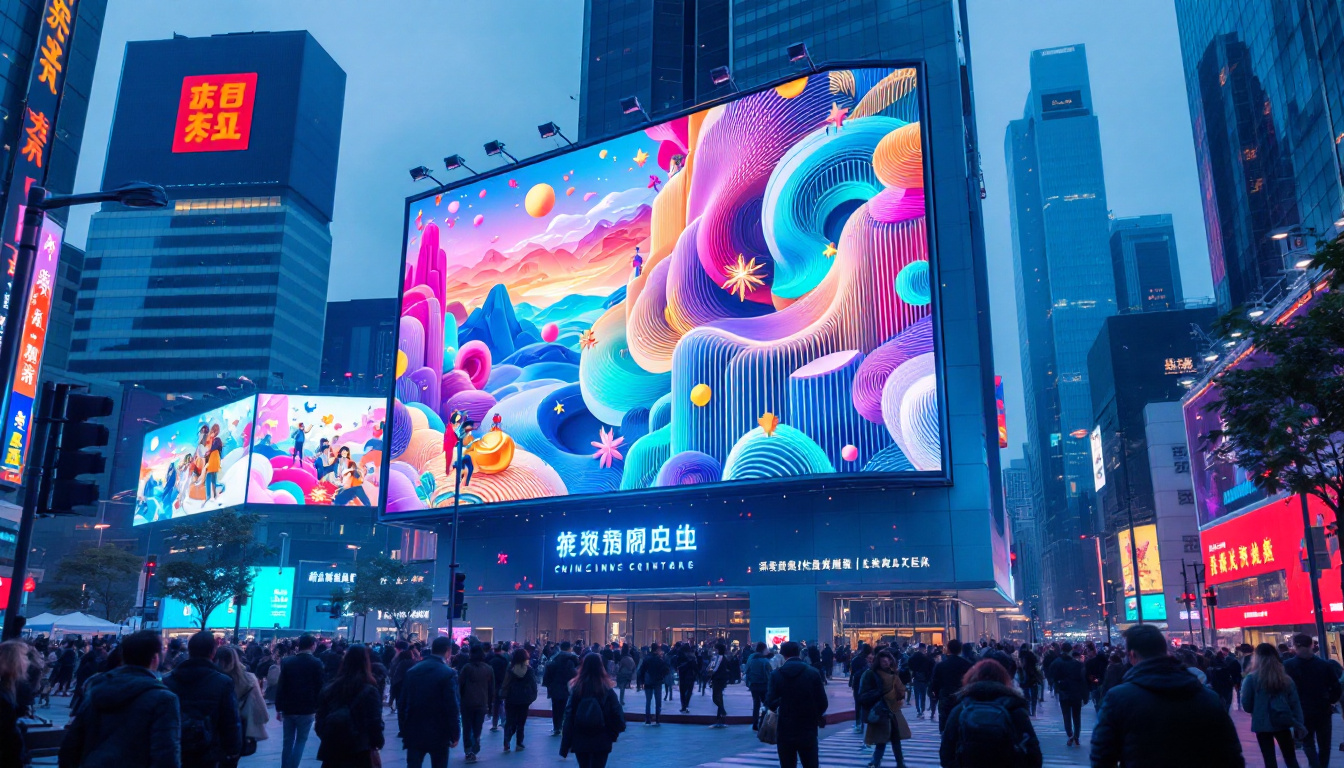
Retailers use LED displays to attract customers, promote products, and enhance in-store experiences. Digital signage with dynamic content can increase customer engagement and sales. Outdoor LED billboards are a staple in urban advertising, delivering high-impact messages to thousands of viewers daily.
Corporate and Event Spaces
Corporate environments leverage LED displays for presentations, video conferencing, and branding. At events and trade shows, LED walls create immersive backdrops and interactive experiences that captivate audiences. Their portability and ease of setup make them ideal for temporary installations.
Sports and Entertainment Venues
From scoreboards to giant video walls, LED displays are integral to modern sports arenas and concert venues. They enhance the spectator experience by providing real-time information, replays, and entertainment content with stunning clarity.
Transportation and Public Information
Airports, train stations, and bus terminals use LED displays for schedules, alerts, and wayfinding. Their high visibility and reliability ensure passengers receive timely information, improving overall transit experience.
Choosing the Right LED Display: Key Considerations
Selecting the appropriate LED display involves evaluating several factors to ensure optimal performance and return on investment.
Viewing Distance and Pixel Pitch
The intended viewing distance directly influences the choice of pixel pitch. For close-up viewing, such as in retail or conference rooms, a smaller pixel pitch is necessary to avoid visible pixelation. Conversely, larger pixel pitches are suitable for outdoor or large venue displays where viewers are farther away.
Brightness and Environment
Assessing ambient lighting conditions is critical. Outdoor displays require high brightness and weatherproofing, while indoor displays can prioritize resolution and color accuracy. Some environments, like airports or shopping malls, may require displays that balance brightness with energy efficiency.
Content Type and Resolution
The nature of the content—whether static images, video, or interactive media—affects the resolution and refresh rate requirements. High-motion content benefits from higher refresh rates to reduce flicker and motion blur.
Installation and Maintenance
Considerations around installation complexity, accessibility for maintenance, and durability impact long-term usability. Modular designs facilitate easier repairs and upgrades, which can be cost-effective over time.
Partnering with a Local AV Company for LED Display Solutions
Working with a knowledgeable local AV company can simplify the process of selecting, installing, and maintaining LED displays. Local providers bring several advantages:
- Personalized Consultation: Understanding specific business needs and environments allows for customized solutions.
- On-Site Support: Proximity enables faster response times for installation, troubleshooting, and maintenance.
- Expertise in Local Regulations: Navigating permits, safety codes, and zoning laws is easier with local experience.
- Access to Latest Technologies: Local AV companies often have partnerships with leading manufacturers, ensuring access to cutting-edge products.
By leveraging the expertise of a local AV company, businesses can maximize the impact of their LED display investments while minimizing downtime and operational challenges.
Future Trends in LED Display Technology
The LED display industry continues to innovate, driven by advances in materials, manufacturing, and digital integration. Some emerging trends include:
MicroLED and MiniLED
MicroLED technology promises even higher resolution and brightness with improved energy efficiency. MiniLED backlighting is enhancing LCD displays by combining the best features of LED and LCD technologies, offering better contrast and color accuracy.
Interactive and Smart Displays
Integration with touch sensors, cameras, and AI is transforming LED displays into interactive platforms that engage users through personalized content and real-time data analytics.
Energy Harvesting and Sustainability
New designs focus on reducing environmental impact through energy harvesting, recyclable materials, and lower power consumption, aligning with growing sustainability goals.
Conclusion
LED displays have revolutionized how businesses and organizations communicate visually. Their brightness, versatility, and durability make them indispensable tools in advertising, events, corporate environments, and public spaces. For local AV companies, mastering the nuances of LED technology is crucial to delivering effective, customized solutions that meet diverse client needs.
By understanding the types of LED displays, their benefits, and key considerations for selection, businesses can make informed decisions that enhance engagement and drive results. As LED technology continues to advance, staying abreast of trends and innovations will ensure that local AV providers remain at the forefront of this dynamic industry.
Discover Cutting-Edge LED Display Solutions with LumenMatrix
Ready to elevate your visual communication with the latest in LED display technology? Look no further than LumenMatrix, a pioneer in crafting LED display modules that bring your brand to life. From the immersive Indoor LED Wall Display to the dynamic Outdoor LED Wall Display, and from the versatile Vehicle LED Display to the innovative LED Transparent Display, LumenMatrix offers a comprehensive range of solutions tailored to your needs. Experience the transformative power of LED displays and join the visual revolution today. Check out LumenMatrix LED Display Solutions and start creating unforgettable visual experiences.