In recent years, the television market has witnessed remarkable advancements, particularly in LED technology. Consumers today have access to a wide range of LED TVs, from compact models perfect for bedrooms to colossal screens designed to deliver a cinematic experience at home. This article delves into the world of LED displays, focusing on the biggest LED TVs available, how LED technology works, and what factors to consider when investing in a large LED television.
Understanding LED Display Technology
LED, or Light Emitting Diode, technology has revolutionized the way we experience visual media. Unlike traditional LCD screens that rely on cold cathode fluorescent lamps (CCFL) for backlighting, LED TVs use light-emitting diodes to illuminate the display. This shift has brought about significant improvements in picture quality, energy efficiency, and design flexibility. The transition from CCFL to LED technology not only enhances the visual experience but also contributes to a more sustainable future, as LED lights consume less power and have a longer lifespan compared to their predecessors.
LED TVs are essentially LCD panels illuminated by LED backlights. These LEDs can be arranged in different configurations, such as edge-lit or full-array backlighting, each offering distinct advantages. Full-array LED TVs, for example, feature LEDs spread evenly across the entire back of the screen, enabling local dimming zones that enhance contrast and black levels. This capability allows for a more dynamic range of colors and deeper blacks, making movies and games come alive with stunning detail. Additionally, the slim design of LED TVs has allowed for more versatile placement options in homes, from wall-mounted installations to sleek entertainment centers.
Moreover, advancements like Quantum Dot technology have further enhanced LED displays by expanding color accuracy and brightness. This makes LED TVs particularly appealing for large screen sizes, where maintaining image quality across a vast display area is crucial. Quantum Dots work by emitting specific colors when exposed to light, resulting in a broader color spectrum that brings images to life. This technology is especially beneficial for HDR (High Dynamic Range) content, where the contrast between the brightest and darkest parts of the image is more pronounced, providing viewers with a more immersive experience.
Types of LED Backlighting
There are primarily two types of LED backlighting used in LED TVs:
- Edge-Lit LED: LEDs are positioned along the edges of the screen. This design allows for thinner panels and is generally more affordable. However, it may suffer from uneven brightness and less effective local dimming. Edge-lit technology is often found in budget models, making it a popular choice for consumers looking for a cost-effective option without sacrificing too much on performance.
- Full-Array LED: LEDs are distributed uniformly behind the screen, enabling better control over brightness and contrast through local dimming zones. This results in deeper blacks and more vibrant images, especially beneficial for larger screens. Full-array technology is typically found in higher-end models, where the investment pays off in terms of superior picture quality and viewing experience, making it ideal for home theaters and serious movie enthusiasts.
In addition to these two primary types, some manufacturers have introduced hybrid technologies that combine aspects of both edge-lit and full-array systems. These innovations aim to provide consumers with the best of both worlds—thin designs without compromising on picture quality. Furthermore, as the demand for larger screens continues to rise, the evolution of LED technology is likely to keep pace, ensuring that viewers can enjoy stunning visuals in any setting, from cozy living rooms to expansive conference halls.
The Biggest LED TVs on the Market Today
When it comes to large LED TVs, size is a key selling point for consumers seeking immersive viewing experiences. The biggest LED TVs available today range from 85 inches to over 100 inches diagonally, with some models even reaching 120 inches or more.
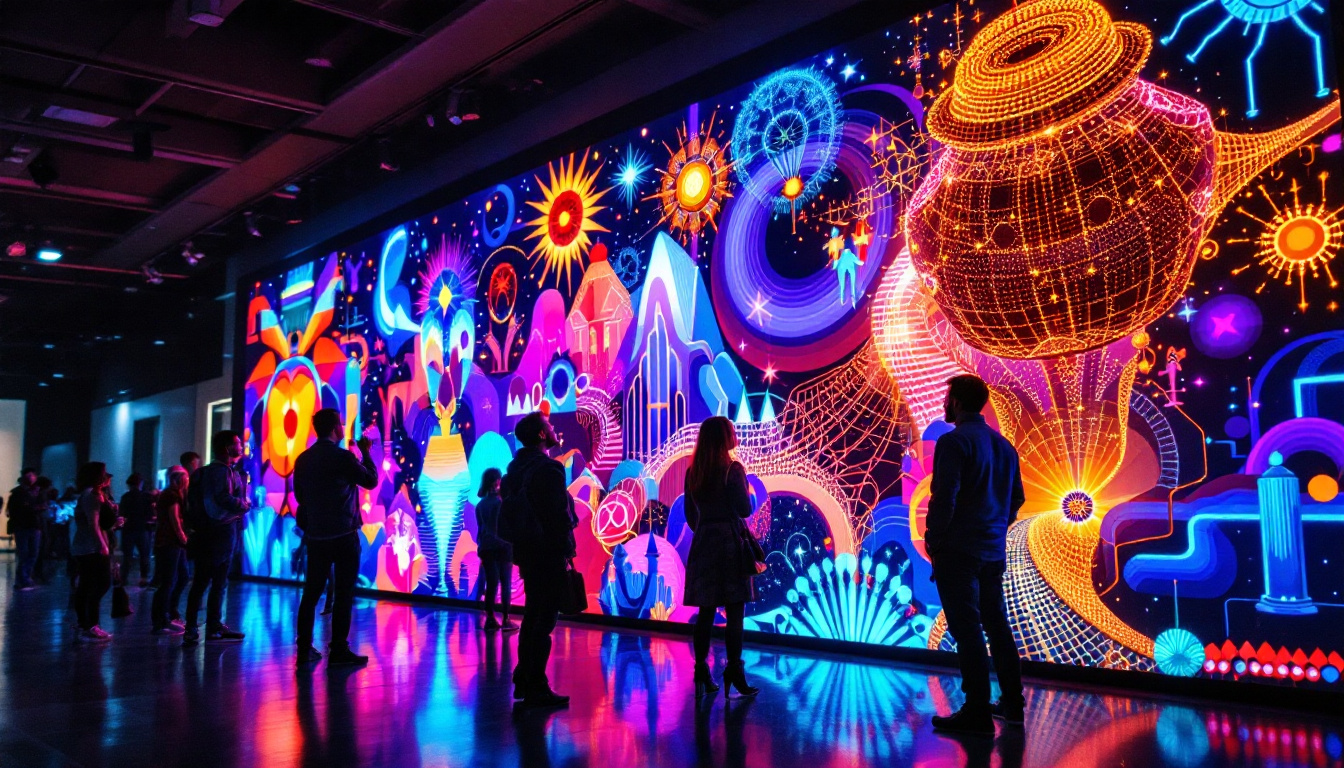
Brands like Samsung, Sony, and LG have pushed the boundaries of LED TV sizes, offering models that bring the theater experience into the living room. For instance, Samsung’s “The Wall” series features modular MicroLED displays that can be customized to enormous sizes, surpassing traditional LED TV dimensions.
Samsung The Wall: A Modular LED Marvel
Samsung’s The Wall is a standout example of how LED technology can scale to massive sizes without compromising image quality. Unlike conventional LED TVs, The Wall uses MicroLED technology, which employs microscopic LEDs that serve as individual pixels. This allows for exceptional brightness, contrast, and color accuracy.
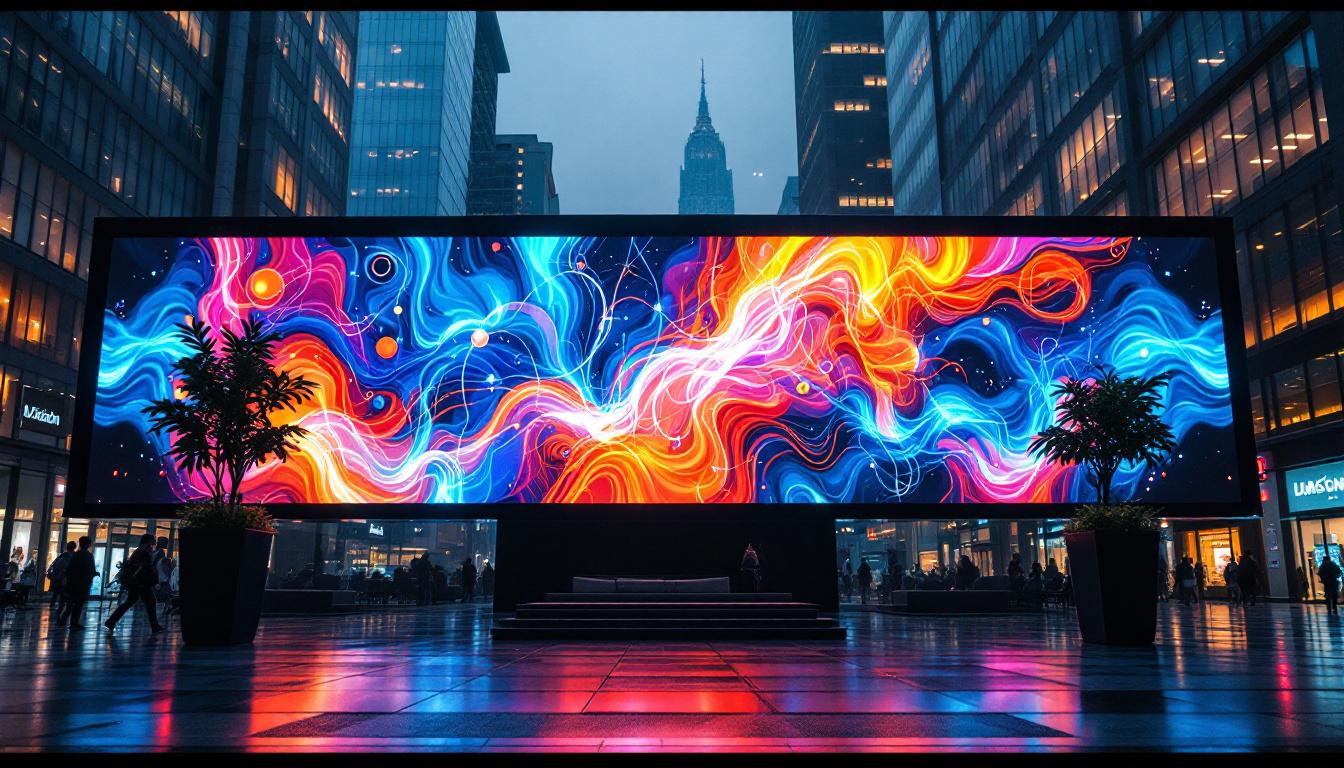
The Wall can be configured to sizes starting at 75 inches and scaling up to 292 inches or more, making it suitable for commercial installations, luxury home theaters, and public venues. While primarily targeted at premium markets due to its high price point, it exemplifies the potential of LED technology in creating ultra-large displays.
Sony Z9K Series: Large Screen LED Excellence
Sony offers large LED TVs like the Z9K series, which includes 85-inch and 98-inch models. These TVs utilize full-array LED backlighting with advanced local dimming, combined with Sony’s proprietary processing technologies to deliver stunning picture quality.
The 98-inch model, in particular, is one of the largest consumer LED TVs available, offering 8K resolution for incredibly sharp and detailed images. This makes it an excellent choice for those seeking a premium large-screen experience with future-proof technology.
LG’s Ultra-Large LED TVs
LG, known for its OLED technology, also produces large LED TVs that cater to consumers desiring bigger screens at relatively accessible prices. Their 86-inch and 97-inch LED models provide solid performance with full-array local dimming and HDR support.
While LG’s OLED lineup is often praised for perfect blacks and color accuracy, their LED TVs remain competitive in the large-screen segment, especially for users who prefer brighter displays or are concerned about OLED burn-in risks.
Factors to Consider When Choosing a Large LED TV
Purchasing a large LED TV requires careful consideration beyond just screen size. Several factors influence the overall viewing experience and value for money.
Resolution and Picture Quality
As screen size increases, resolution becomes increasingly important to maintain image sharpness. For TVs above 75 inches, 4K resolution is generally the minimum recommended to prevent pixelation. Many of the biggest LED TVs now offer 8K resolution, which provides four times the pixel count of 4K, delivering exceptional detail, especially on screens 85 inches and larger.
Additionally, HDR (High Dynamic Range) support enhances contrast and color range, making images more lifelike. Look for TVs that support HDR10, Dolby Vision, or HDR10+ standards for the best visual experience.
Viewing Distance and Room Size
The size of the room and the distance from the TV to the seating area significantly impact how large a TV should be. For a comfortable and immersive experience, the ideal viewing distance for a 4K TV is roughly 1 to 1.5 times the diagonal screen size. For example, an 85-inch TV is best viewed from about 7 to 10 feet away.
Choosing a TV too large for the room can cause eye strain and reduce picture clarity, while a screen that’s too small may not deliver the desired impact.
Brightness and Ambient Lighting
LED TVs are generally brighter than OLEDs, which makes them well-suited for rooms with high ambient light. Larger LED TVs often incorporate powerful backlighting systems to maintain brightness across the entire screen, essential for vivid HDR performance.
Consider the lighting conditions of your viewing environment when selecting a large LED TV. Models with higher peak brightness and effective anti-reflective coatings will perform better in bright rooms.
Installation and Space Requirements
Large LED TVs require adequate space not only for the screen itself but also for proper ventilation and mounting. Wall mounting is a popular option, but ensure your wall can support the weight and size of the TV. Some ultra-large models may require professional installation or specialized mounts.
Additionally, consider the placement of speakers and other peripherals to complement the viewing setup.
Future Trends in Large LED TV Technology
The LED TV market continues to evolve rapidly, with several trends shaping the future of large-screen displays.
MicroLED and Modular Displays
MicroLED technology, as seen in Samsung’s The Wall, is poised to redefine large LED displays. By combining the brightness and longevity of LEDs with pixel-level control, MicroLED offers superior picture quality without the burn-in risks associated with OLEDs.
Modular designs enable consumers to customize screen sizes and aspect ratios, creating truly bespoke viewing experiences. As manufacturing costs decrease, MicroLED is expected to become more accessible to mainstream consumers.
8K Resolution and Beyond
8K TVs are gaining traction, especially in the large-screen segment. While content availability remains limited, upscaling technologies and streaming services are gradually supporting 8K formats. The increased resolution is particularly beneficial for screens exceeding 85 inches, where pixel density is critical.
Looking further ahead, research into even higher resolutions and new display materials promises continued improvements in visual fidelity.
Smart Features and Integration
Large LED TVs increasingly incorporate advanced smart features, including voice control, AI-based picture optimization, and seamless integration with smart home ecosystems. These enhancements improve user convenience and enable personalized viewing experiences.
Future models are expected to offer deeper integration with virtual and augmented reality applications, expanding the utility of large LED displays beyond traditional television viewing.
Conclusion
The biggest LED TVs available today offer unparalleled opportunities for immersive entertainment, combining cutting-edge technology with massive screen sizes. Understanding the nuances of LED display technology, from backlighting methods to resolution and brightness, is essential for making an informed purchase.
Whether opting for an 85-inch 4K TV or a custom-configured MicroLED wall, consumers should consider factors such as viewing distance, room lighting, and installation logistics to maximize their investment. As LED technology continues to advance, the future promises even larger, brighter, and more vibrant displays that will redefine home entertainment.
For those seeking the ultimate viewing experience, exploring the latest large LED TVs and keeping an eye on emerging trends like MicroLED and 8K resolution will ensure access to the best that modern display technology has to offer.
Discover the Future of LED Displays with LumenMatrix
Ready to elevate your viewing experience with the latest in LED display technology? LumenMatrix is at the forefront of innovation, offering a diverse range of LED display solutions tailored to your needs. From immersive Indoor and Outdoor LED Wall Displays to dynamic Vehicle and Sports LED Displays, our products are designed to captivate and engage. Experience the difference with our Custom, All-in-One, and Transparent LED Displays that redefine visual communication. Don’t just watch the future unfold—be a part of it. Check out LumenMatrix LED Display Solutions today and transform your space into a hub of cutting-edge entertainment and effective messaging.