In today’s digital age, LED displays have become an integral part of how information is communicated visually. From vibrant billboards to sleek indoor screens, LED technology powers a vast array of display solutions worldwide. This article delves into the fundamentals of LED displays, exploring their technology, applications, advantages, and the innovations driving the industry forward. Whether you are a business owner considering digital signage or a technology enthusiast, understanding LED displays is essential in appreciating their impact on modern communication.
Understanding LED Display Technology
What is an LED Display?
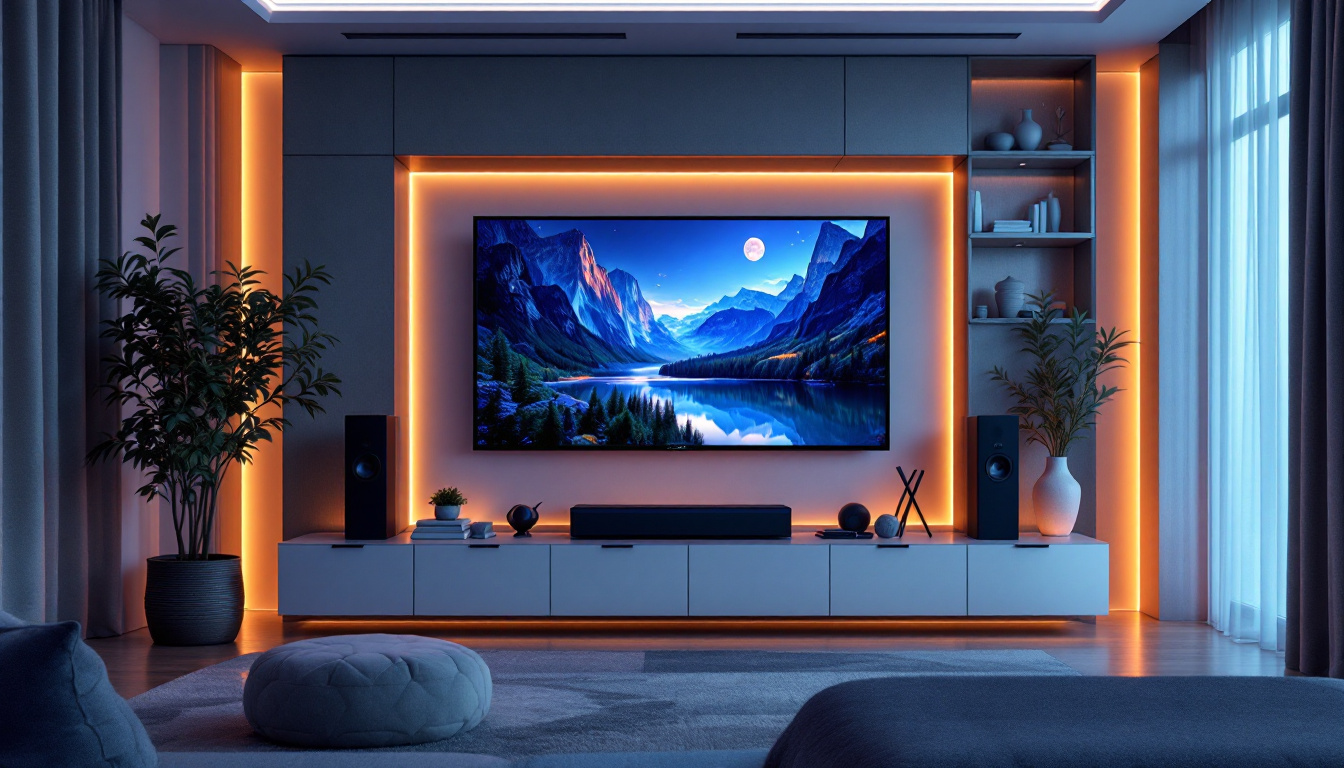
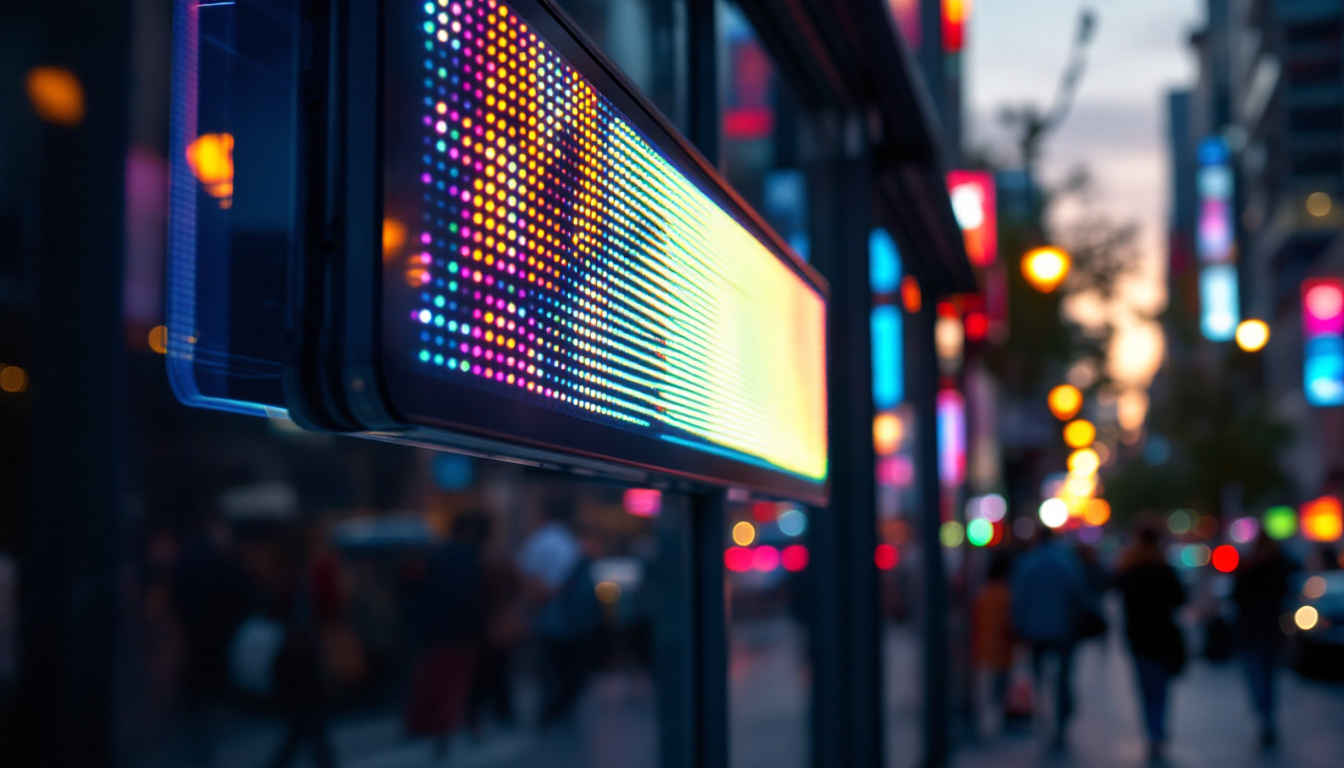
LED stands for Light Emitting Diode, a semiconductor device that emits light when an electric current passes through it. An LED display consists of numerous tiny LEDs arranged in a matrix to form pixels. These pixels combine to create images, videos, or text that can be viewed from various distances. Unlike traditional LCD screens that use backlighting, LED displays produce their own light, resulting in brighter and more vivid visuals. This self-illuminating property not only enhances the viewing experience but also allows for greater energy efficiency, making LED displays a popular choice for both commercial and residential applications.
Types of LED Displays
LED displays come in several forms, each tailored for specific applications:
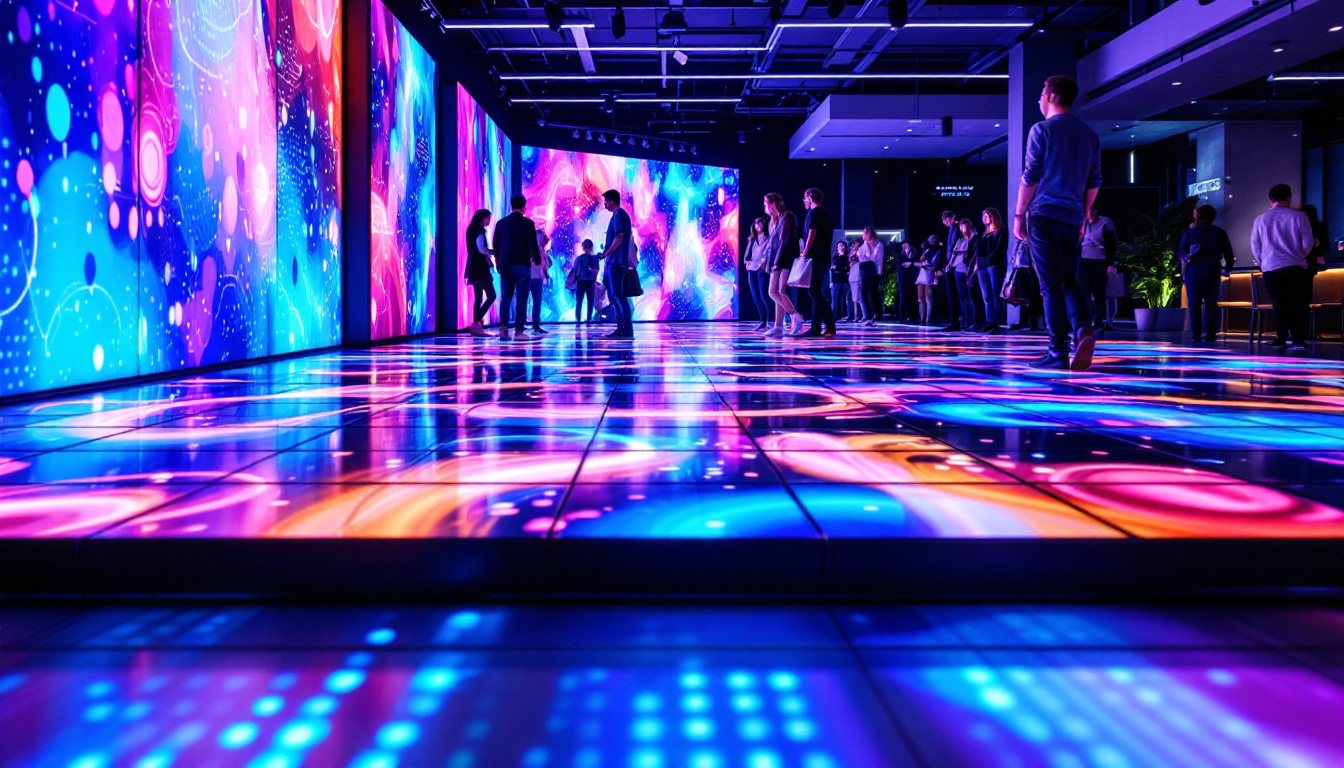
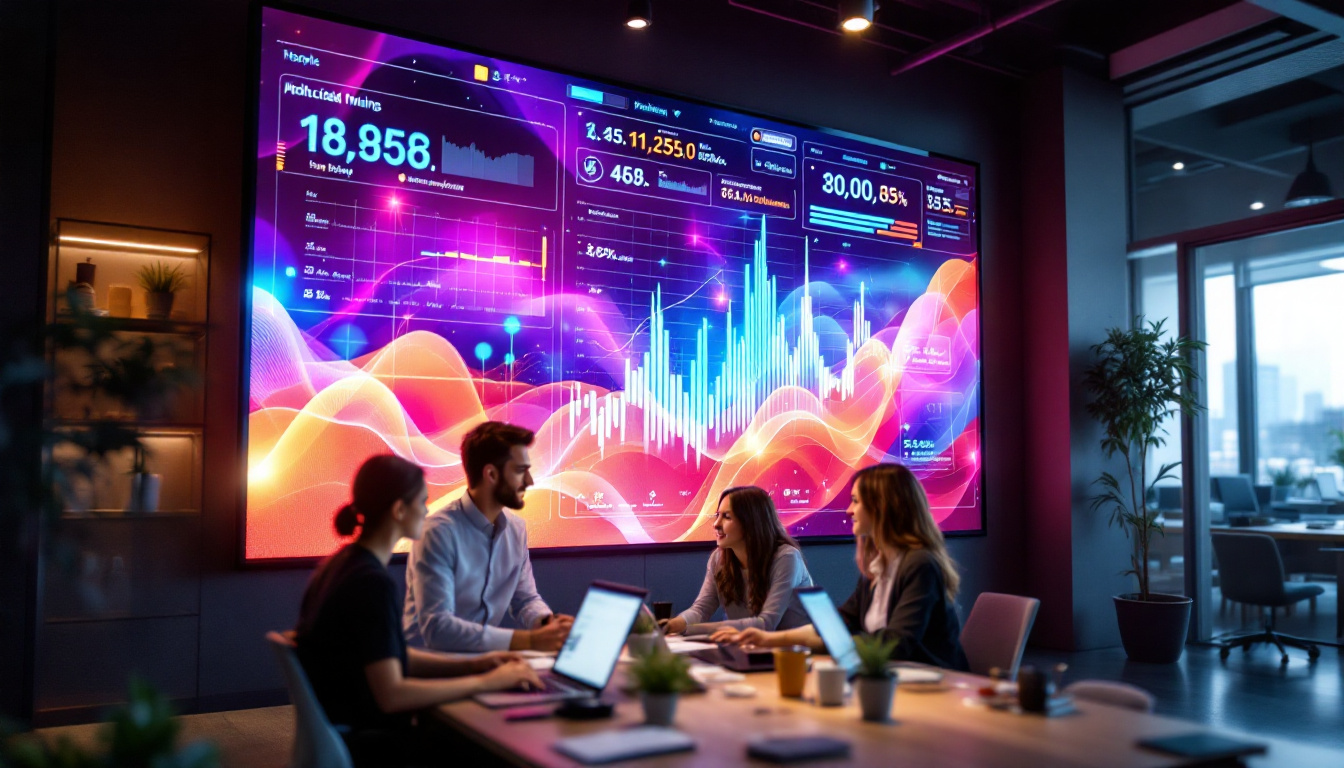
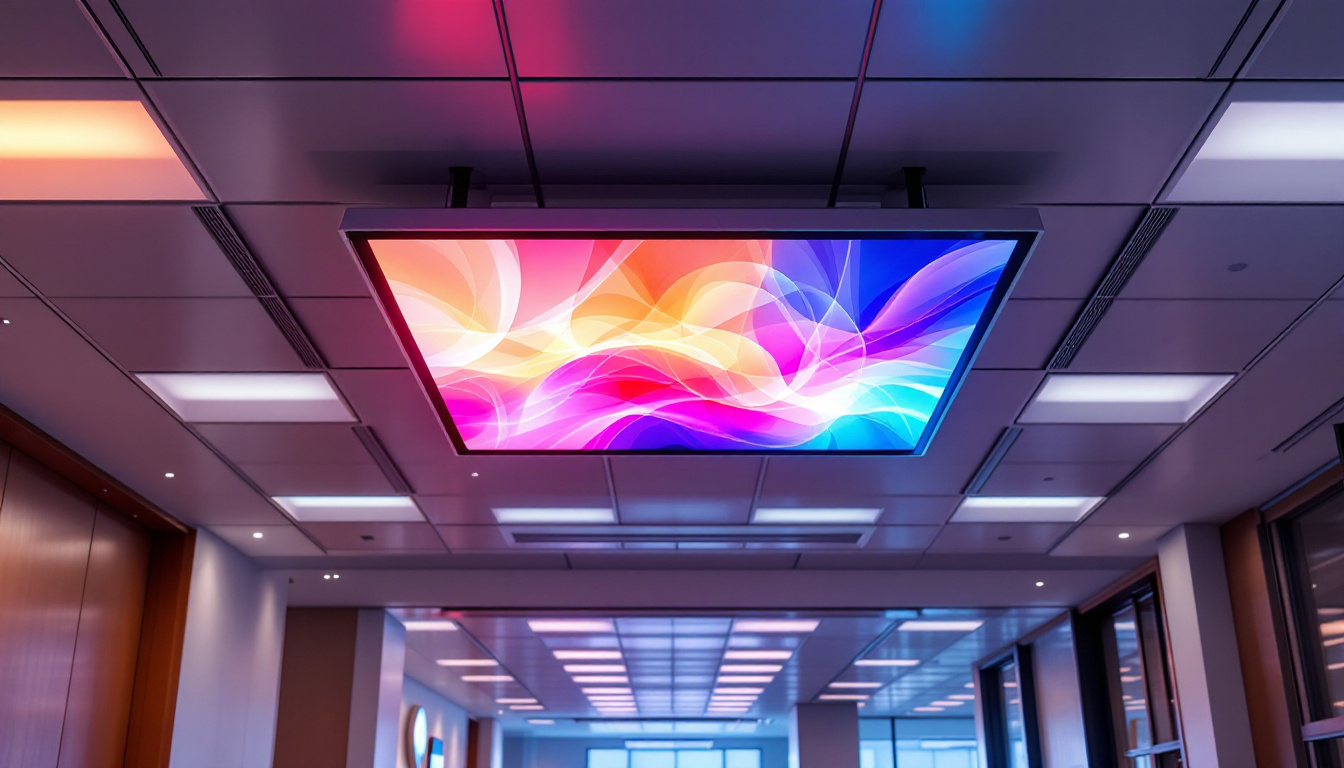
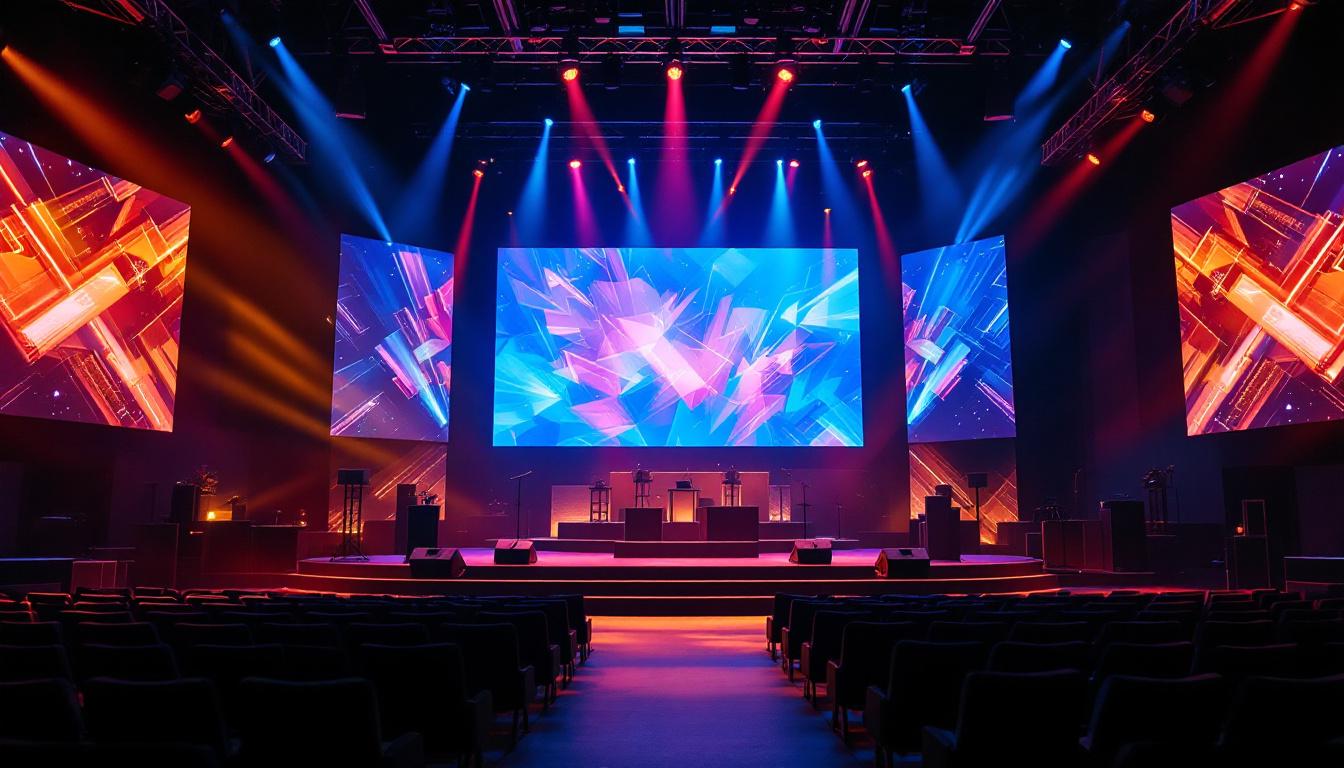
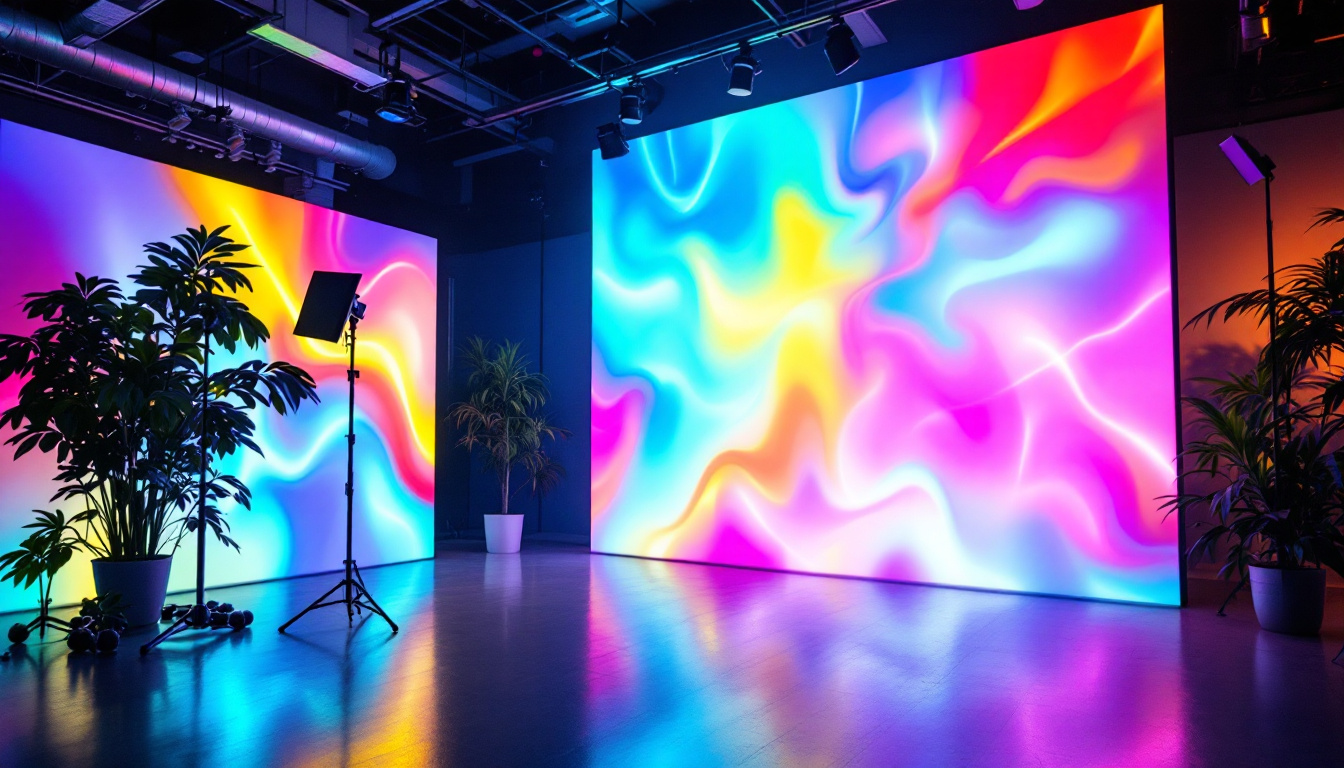
- Indoor LED Displays: Designed for environments with controlled lighting, these displays offer high resolution and color accuracy. They are commonly used in conference rooms, retail stores, and event venues. The clarity and detail provided by indoor displays make them ideal for presentations and advertisements that require close viewing.
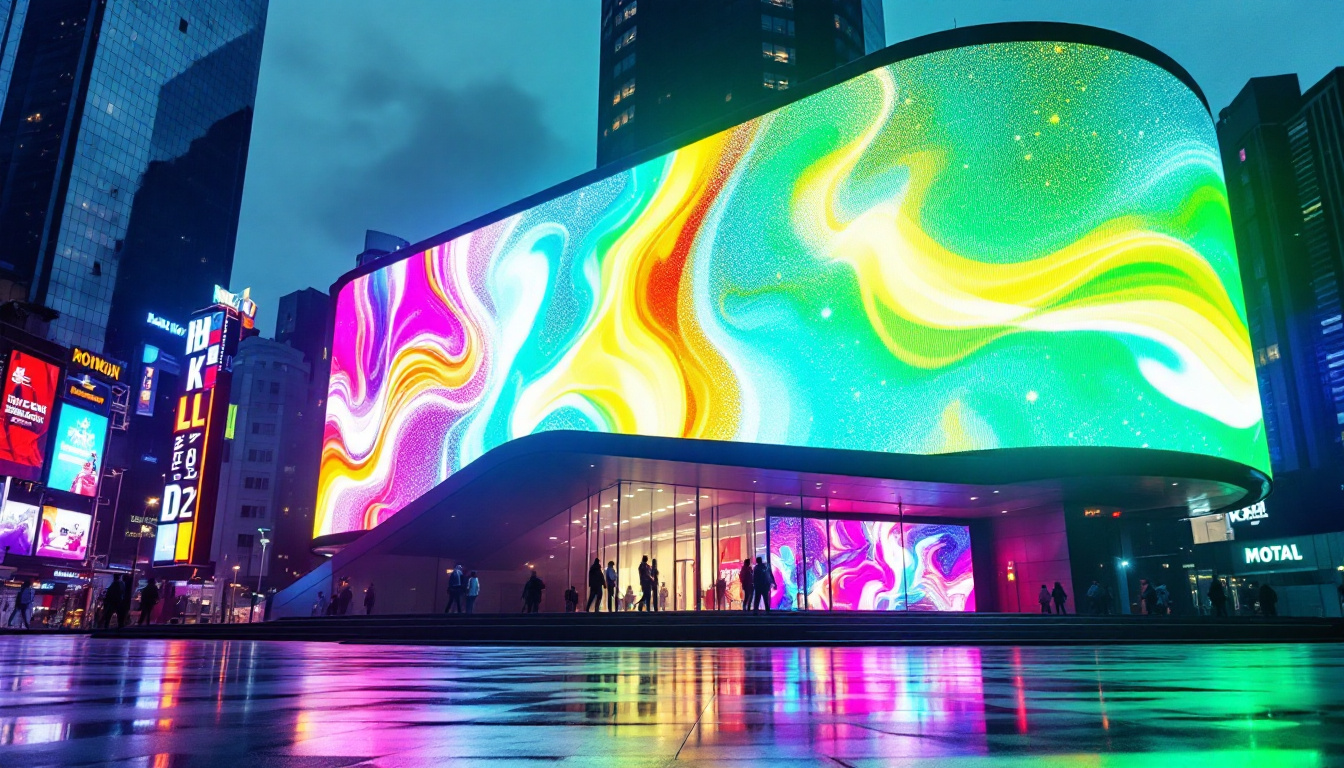
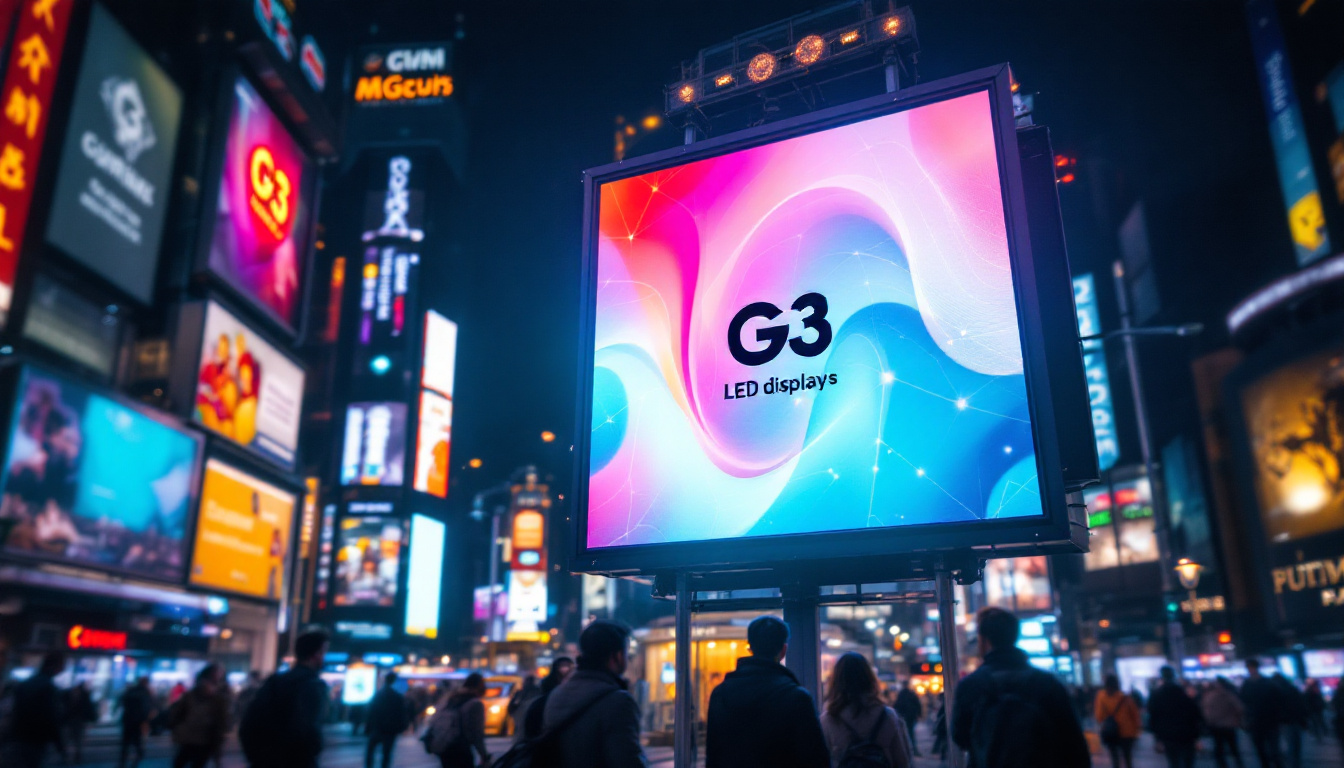
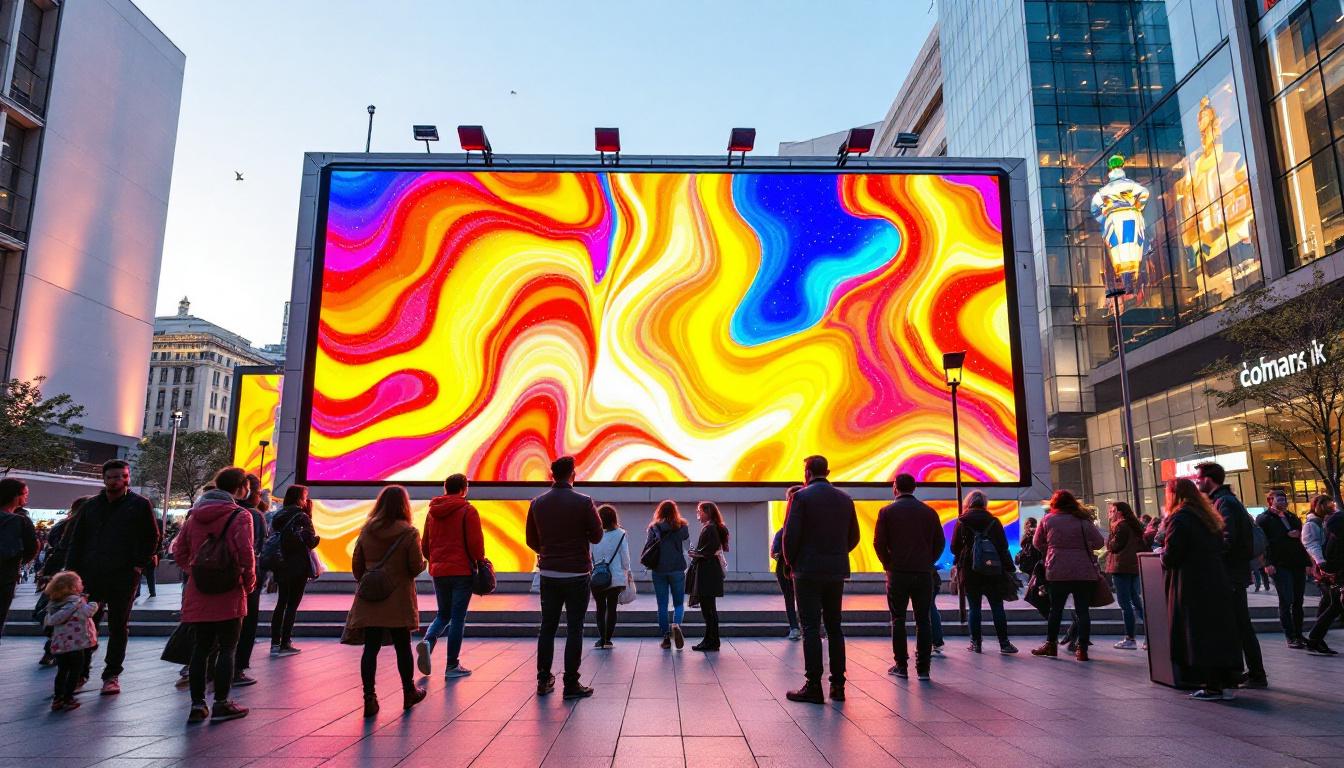
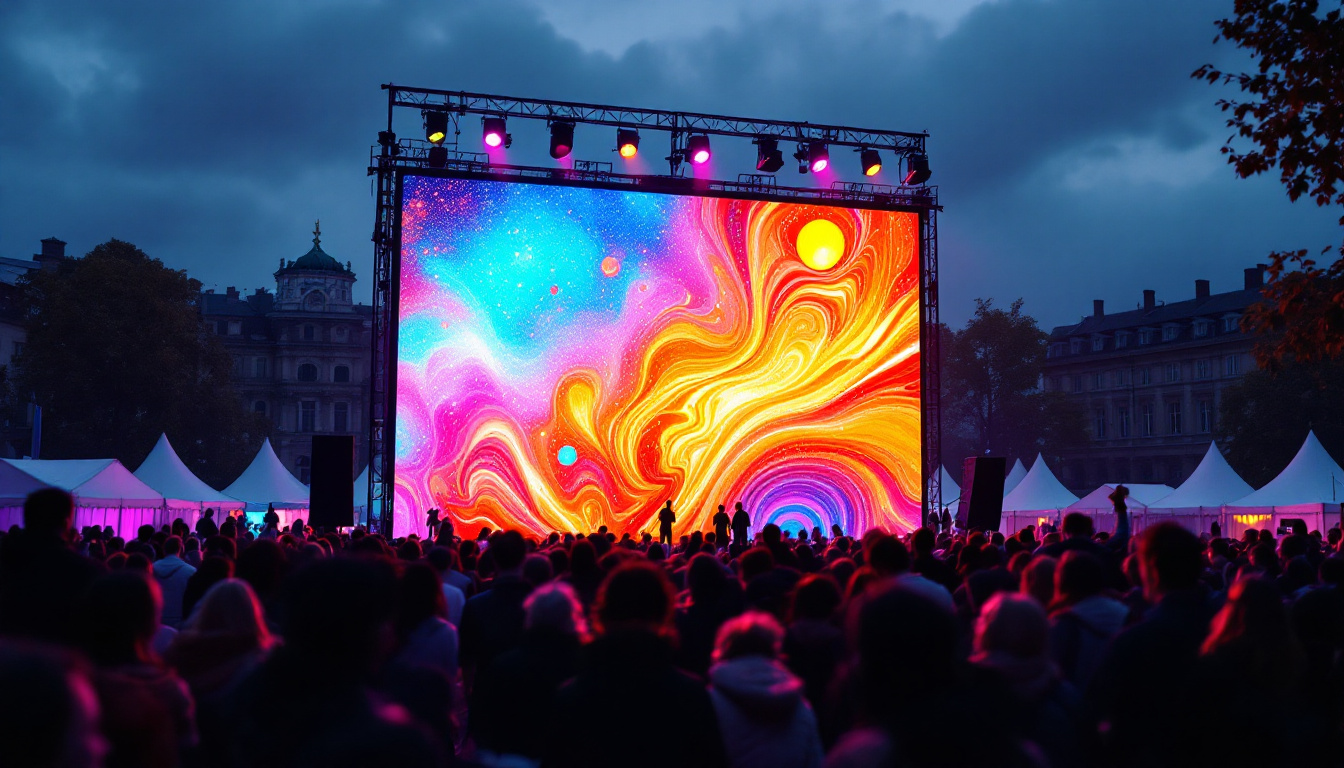
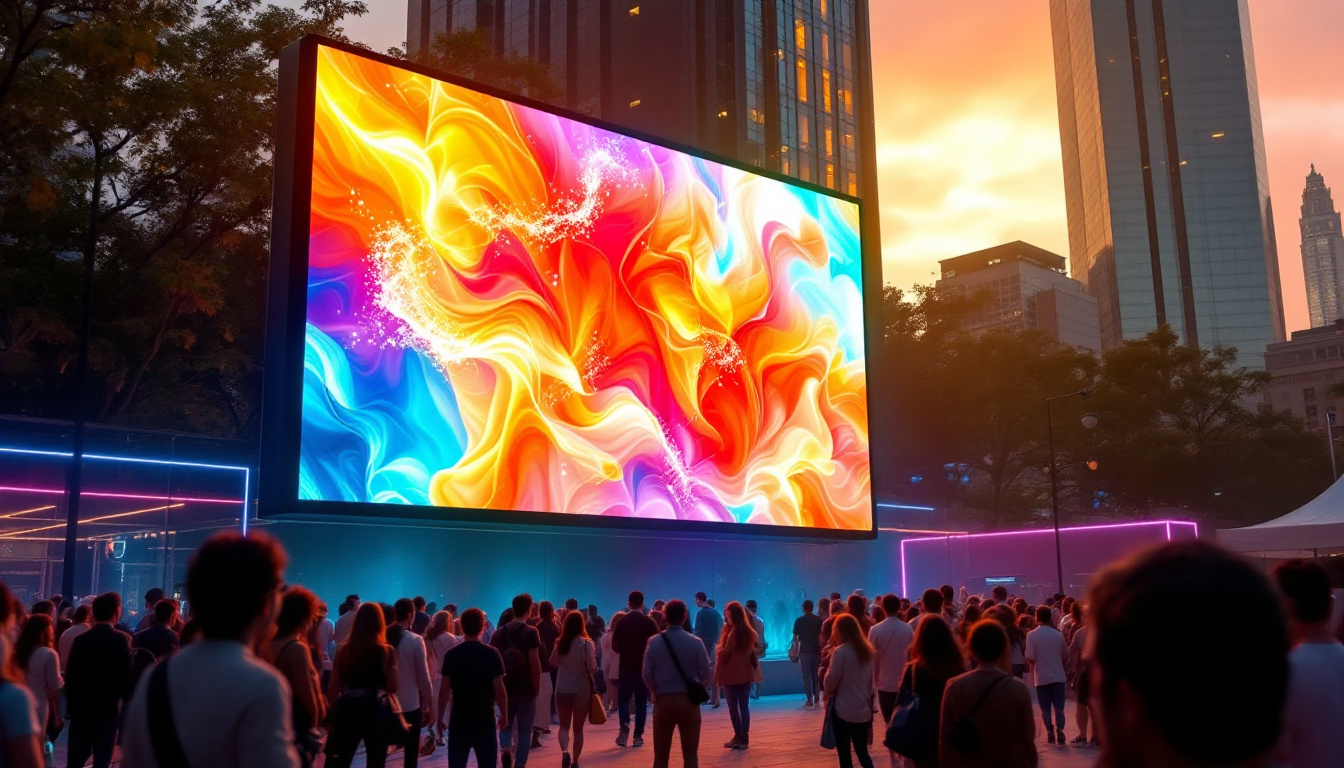
- Outdoor LED Displays: Built to withstand harsh weather conditions, these displays feature higher brightness levels to remain visible under direct sunlight. They are popular for advertising billboards, stadium screens, and public information boards. The durability of outdoor LED displays is enhanced by protective coatings that shield them from rain, dust, and UV rays, ensuring longevity and consistent performance.
- Flexible and Transparent LED Displays: Recent innovations have introduced flexible LED panels that can curve around surfaces, as well as transparent LED screens that allow light to pass through. These are gaining traction in architectural and creative installations. Flexible displays open up new possibilities for creative advertising and artistic expressions, while transparent displays are revolutionizing retail environments, allowing products to be showcased behind the screen without obstructing visibility.
How LED Displays Work
Each pixel in an LED display is made up of red, green, and blue LEDs. By varying the intensity of these three colors, the display can produce a wide spectrum of colors. The control system manages the brightness and color of each pixel in real-time, enabling dynamic content such as videos and animations. The refresh rate, measured in hertz (Hz), determines how often the image updates per second, affecting motion clarity and reducing flicker. Additionally, advancements in LED technology, such as the introduction of high dynamic range (HDR) and improved color gamut, have further enhanced the visual quality, making LED displays suitable for high-end applications like digital cinema and professional broadcasting.
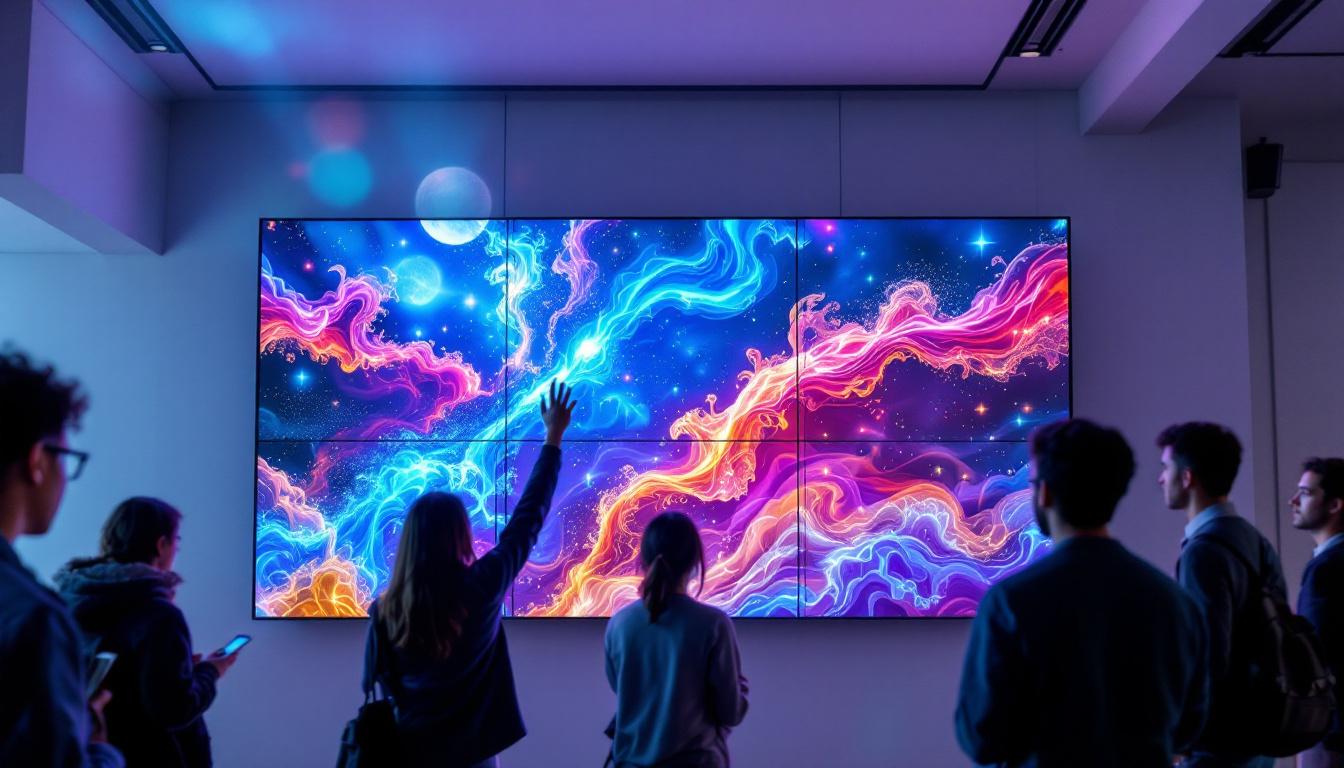
Moreover, the integration of smart technology into LED displays has transformed them into interactive platforms. Touch-sensitive LED screens allow users to engage directly with the content, making them ideal for kiosks, information centers, and educational environments. This interactivity not only enhances user engagement but also provides a more immersive experience, paving the way for innovative uses in various sectors, including retail, entertainment, and education. As technology continues to evolve, the potential applications for LED displays will only expand, further solidifying their place in modern visual communication.
Applications of LED Displays in Various Industries
Advertising and Marketing
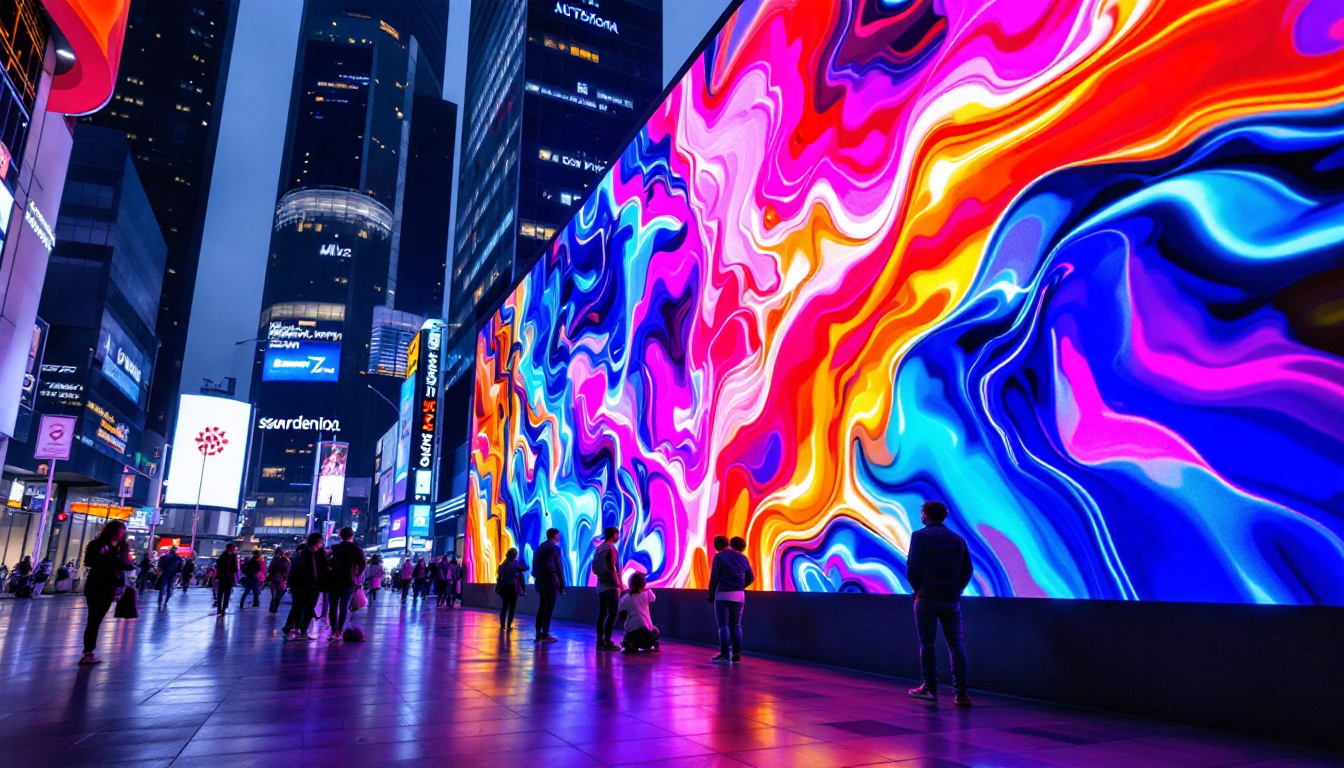
One of the most visible uses of LED displays is in advertising. Digital billboards powered by LED technology offer advertisers the flexibility to change content instantly, schedule ads, and display high-impact visuals that attract attention. According to a report by Grand View Research, the global digital signage market is expected to reach $32.84 billion by 2028, with LED displays playing a critical role in this growth.
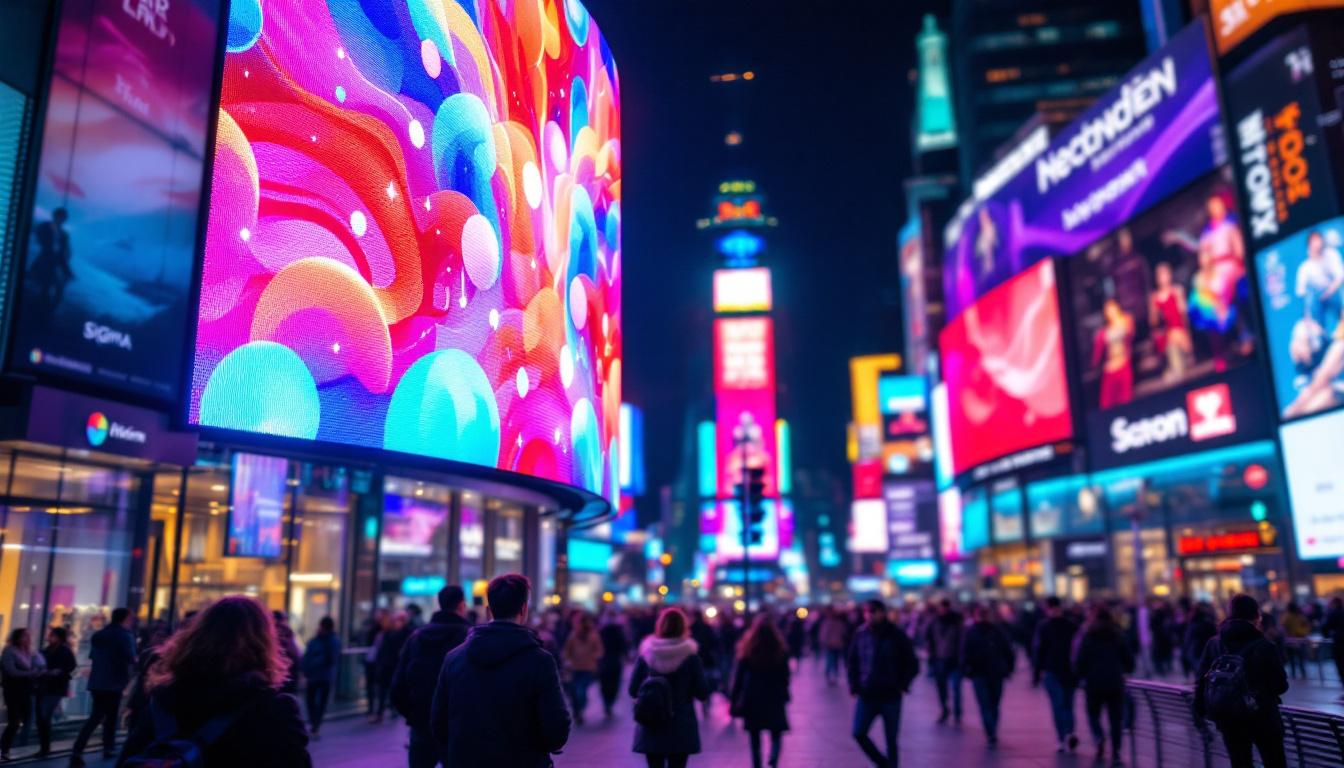
LED displays enable marketers to engage audiences with interactive content, real-time updates, and targeted messaging based on location and time of day. For example, Times Square in New York City is renowned for its massive LED billboards that create an immersive advertising environment.
Sports and Entertainment Venues
Stadiums and arenas rely heavily on large-scale LED screens to enhance the spectator experience. These displays provide live game footage, instant replays, scores, and advertisements. The high brightness and wide viewing angles of LED displays ensure visibility even in bright daylight or under stadium lighting.
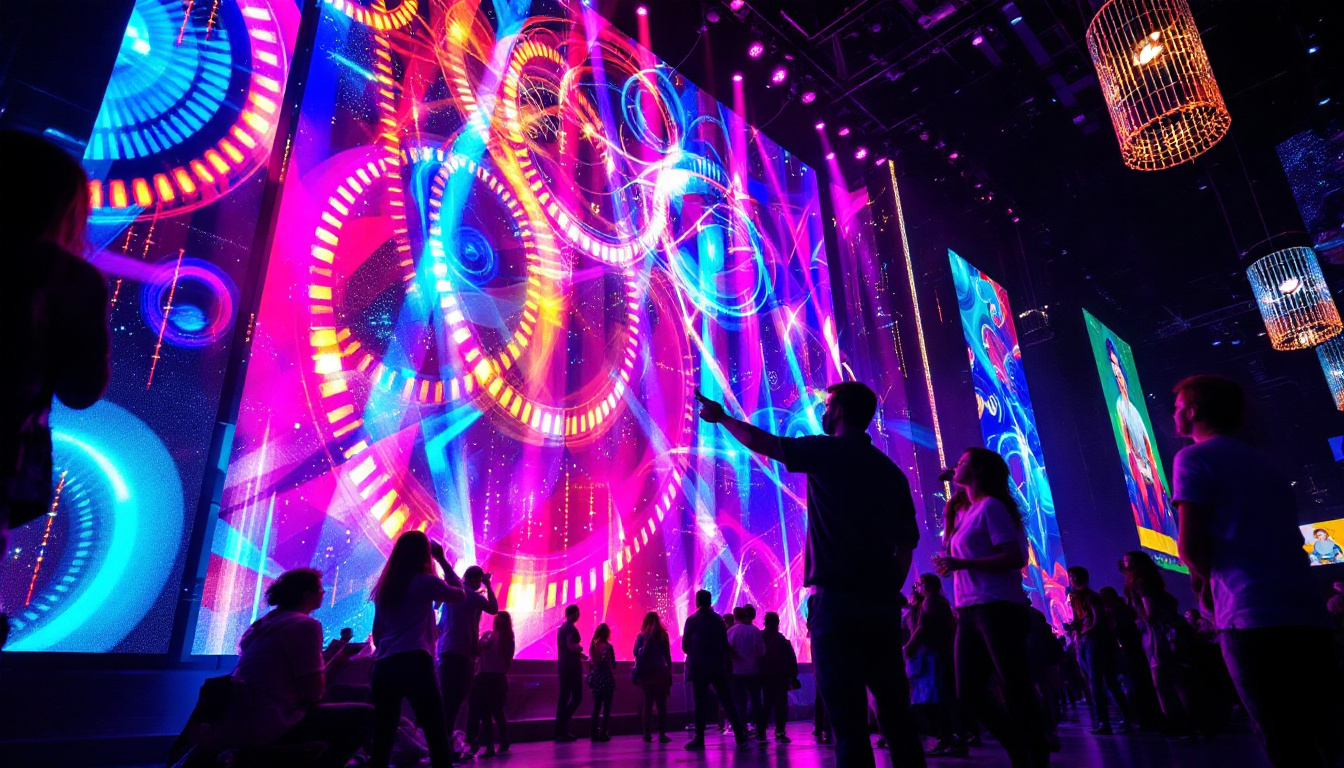
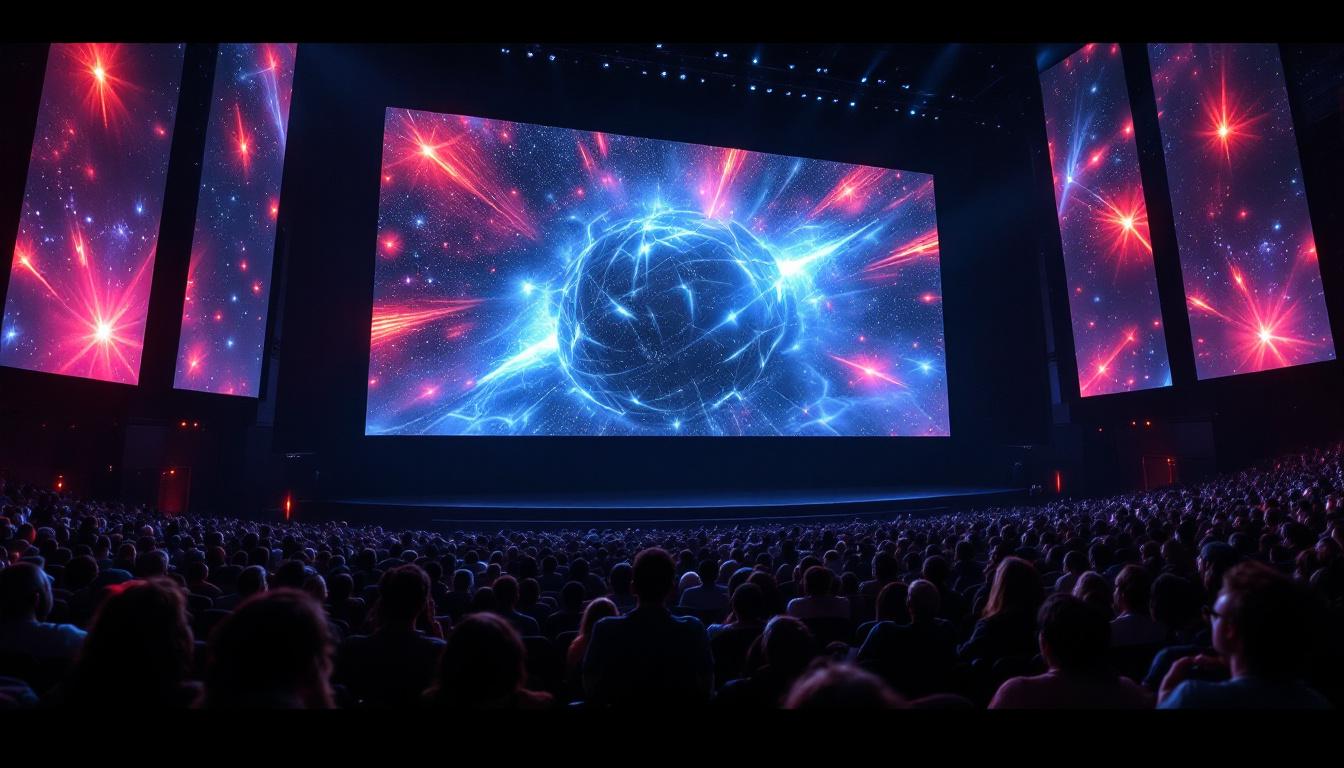
Moreover, concert venues and theaters utilize LED walls as dynamic backdrops, offering artists creative freedom to transform stage designs with vivid visuals. The ability to customize content quickly makes LED displays indispensable in live entertainment.
Corporate and Educational Settings
In corporate environments, LED displays are used for presentations, video conferencing, and digital signage within office spaces. Their clarity and scalability make them ideal for boardrooms and lobbies. Educational institutions employ LED screens for interactive learning, digital notice boards, and event broadcasting, enhancing communication and engagement.
Transportation and Public Information
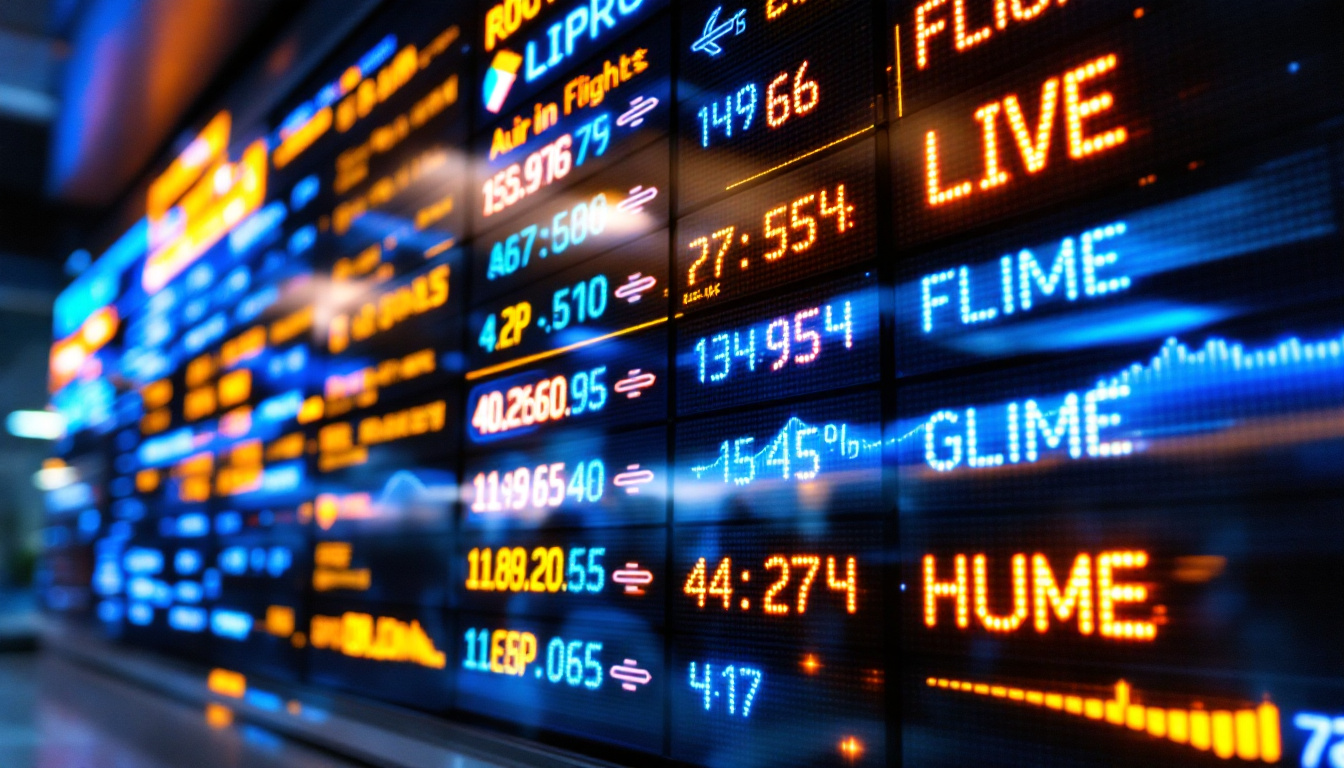
LED displays are critical in transportation hubs such as airports, train stations, and bus terminals. They provide real-time information on schedules, delays, and safety announcements. The durability and visibility of outdoor LED displays ensure that travelers receive timely updates regardless of weather conditions.
Advantages of LED Displays Over Other Technologies
Brightness and Visibility
One of the standout benefits of LED displays is their superior brightness. Outdoor LED screens can reach brightness levels of 5,000 to 10,000 nits, making them easily visible even in direct sunlight. This contrasts sharply with LCD and projection-based displays, which often struggle in bright environments.
Energy Efficiency
LED technology is known for its energy efficiency. LEDs consume significantly less power compared to traditional lighting and display technologies, which translates to lower operational costs. Advances in LED chip design and power management have further improved efficiency, making LED displays a sustainable choice for businesses aiming to reduce their carbon footprint.
Longevity and Durability
LED displays typically have a lifespan of 50,000 to 100,000 hours, far exceeding that of LCD or plasma screens. Their solid-state construction makes them resistant to shock and vibration, ideal for outdoor and high-traffic environments. Additionally, LED modules are often designed for easy maintenance, allowing for quick repairs and minimal downtime.
Color Accuracy and Contrast
Because each LED emits its own light, LED displays offer excellent contrast ratios and vibrant colors. True blacks can be achieved by turning off individual LEDs, unlike LCDs which rely on backlighting and often suffer from light bleed. This capability enhances image quality, making LED displays suitable for high-end applications such as broadcasting and digital art.
Emerging Trends and Innovations in LED Display Technology
MicroLED and MiniLED Technologies
MicroLED and MiniLED are the next frontiers in LED display technology. MicroLEDs are tiny LEDs that can be densely packed to create ultra-high-resolution displays with exceptional brightness and contrast. Unlike OLEDs, MicroLEDs do not suffer from burn-in and offer longer lifespans.
MiniLED technology uses smaller LEDs as backlighting units in LCD panels, improving contrast and color performance. These innovations are poised to revolutionize consumer electronics, including TVs, smartphones, and wearable devices.
Interactive and Smart LED Displays
Interactivity is becoming a key feature in LED displays, especially in retail and public spaces. Touch-enabled LED screens, gesture recognition, and integration with IoT devices enable personalized and engaging user experiences. Smart LED displays can adapt content based on audience demographics, weather conditions, or social media trends, making communication more dynamic and relevant.
Flexible and Transparent LED Displays
Recent breakthroughs have made flexible LED panels commercially viable, allowing screens to bend and conform to curved surfaces. This flexibility opens up new design possibilities in automotive displays, wearable tech, and architectural installations.
Transparent LED displays, which allow viewers to see through the screen while still displaying vibrant content, are gaining popularity in retail windows and museum exhibits. These displays blend digital content with physical environments, creating immersive experiences.
Choosing the Right LED Display for Your Needs
Considerations for Selection
When selecting an LED display, several factors must be considered to ensure optimal performance and return on investment:
- Viewing Distance: The pixel pitch, or the distance between LEDs, affects resolution and clarity. Smaller pixel pitches are suitable for close viewing, while larger pitches work well for distant audiences.
- Environment: Indoor and outdoor displays have different requirements for brightness, weather resistance, and durability.
- Content Type: The nature of the content—static images, videos, or interactive applications—will influence the choice of display technology and control systems.
- Budget and Maintenance: Initial costs, energy consumption, and maintenance requirements must be balanced against the expected lifespan and usage.
Working with Professional Providers
Partnering with experienced LED display manufacturers and integrators is crucial. They can provide tailored solutions, installation expertise, and ongoing support. Many providers also offer content management software, training, and warranty services to maximize the value of the investment.
Conclusion
LED displays have transformed the way information is presented and consumed across industries. Their brightness, versatility, and energy efficiency make them a preferred choice for advertising, entertainment, corporate communication, and public information. As technology continues to evolve, innovations like MicroLED, flexible panels, and smart interactivity will further expand the possibilities of LED displays.
Understanding the core technology and applications of LED displays empowers businesses and organizations to make informed decisions when integrating digital signage solutions. With the right approach, LED displays can significantly enhance visual communication, captivate audiences, and drive engagement in an increasingly digital world.
Discover Cutting-Edge LED Displays with LumenMatrix
Ready to elevate your visual communication with the latest in LED technology? LumenMatrix is at the forefront of innovation, offering a diverse range of LED display solutions tailored to your needs. From Indoor and Outdoor LED Wall Displays to specialized options like Vehicle LED Displays, LED Sports Displays, and Custom LED Displays, we have the tools to bring your brand to life. Experience the power of LED Transparent Displays and our All-in-One LED solutions that promise to captivate and engage your audience. Check out LumenMatrix LED Display Solutions today and transform your space with unparalleled brightness, versatility, and energy efficiency.