In an era where digital signage and display technology are evolving rapidly, the demand for innovative, visually captivating solutions is higher than ever. Among the latest advancements, the LED transparent film display screen stands out as a revolutionary product that combines transparency with vibrant LED visuals. This technology is transforming the way businesses, retailers, and advertisers engage with their audiences, offering a futuristic blend of display and design.
This article delves into the world of LED transparent film displays, explaining what they are, how they work, their applications, advantages, and considerations for implementation. Whether you are a business owner looking to upgrade your storefront, a digital signage professional, or simply curious about emerging display technologies, this comprehensive guide will provide valuable insights.
Understanding LED Transparent Film Display Screens
What is an LED Transparent Film Display?
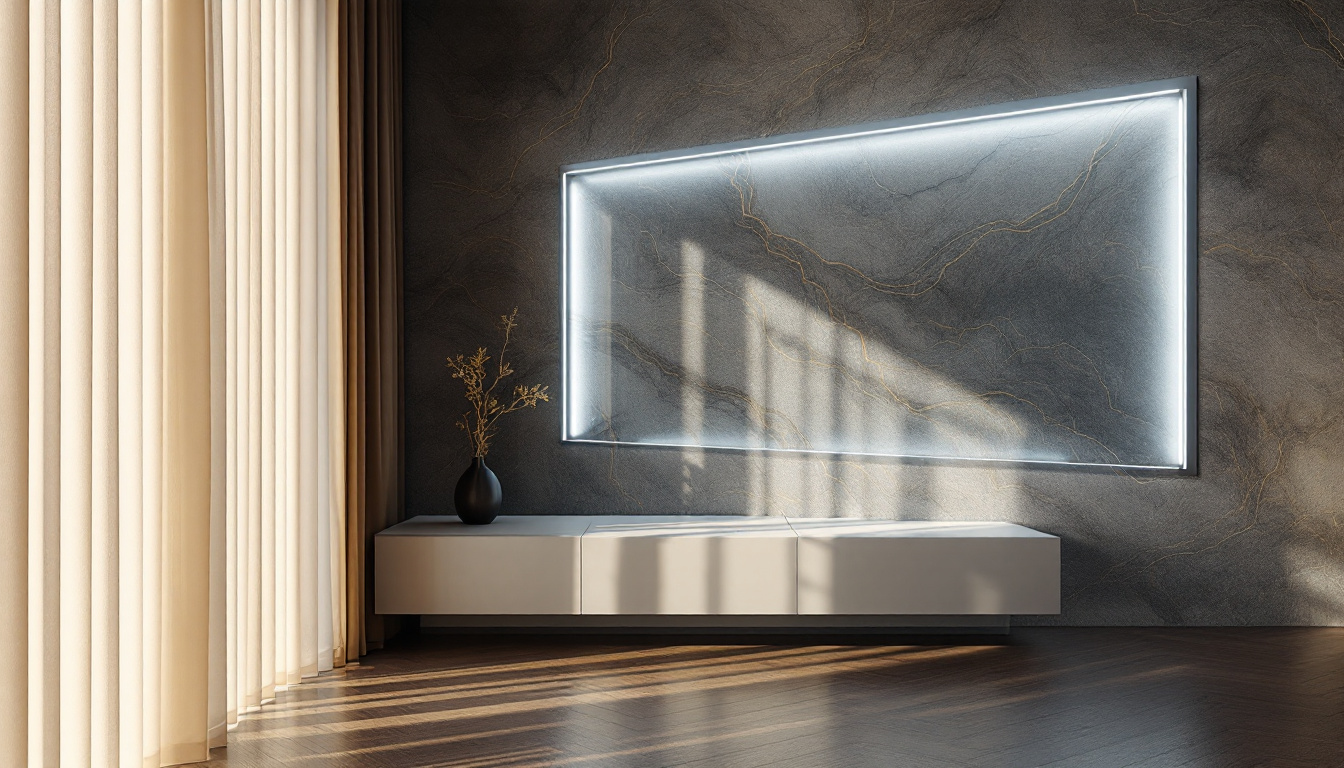
An LED transparent film display is a thin, flexible screen embedded with tiny light-emitting diodes (LEDs) that can display images and videos while maintaining a high degree of transparency. Unlike traditional LED screens, which are opaque and bulky, these transparent films allow light to pass through, enabling users to see both the displayed content and what lies behind the screen simultaneously.
Typically, the film is applied to glass surfaces such as windows, glass walls, or showcases. This creates a dynamic display that does not obstruct natural light or visibility, making it ideal for environments where maintaining openness and aesthetics is crucial. Retail spaces, for instance, can utilize these displays to showcase products while still allowing customers to view the store’s interior, enhancing the shopping experience. Additionally, they can be used in museums or galleries to provide information about exhibits without detracting from the artwork itself, creating a seamless blend of technology and environment.
How Does the Technology Work?
The core technology involves embedding micro-LEDs onto a transparent substrate, often made from materials like PET (polyethylene terephthalate) or other flexible polymers. These LEDs are arranged in a grid pattern, and their spacing determines the screen’s pixel pitch, which affects resolution and clarity.
When powered, the LEDs emit light to form images or videos. Because the substrate is transparent and the LEDs are spaced apart, the display maintains see-through properties. The control system manages the LED brightness and color output, synchronizing the content to deliver vivid visuals without compromising transparency. This technology not only allows for stunning displays but also opens up new avenues for interactive advertising, where viewers can engage with content in real-time. For example, a transparent display in a storefront can show promotional videos while still allowing customers to see the products behind the glass, effectively merging digital and physical shopping experiences.
Advanced versions of these films incorporate smart sensors and adaptive brightness controls to optimize visibility under varying lighting conditions, such as bright sunlight or dim indoor environments. Moreover, innovations in wireless connectivity and augmented reality integration are paving the way for even more immersive applications. Imagine walking by a transparent display that not only shows advertisements but also overlays additional information about products or services through augmented reality, enhancing customer engagement and interaction in ways previously thought impossible.
Applications of LED Transparent Film Displays
Retail and Advertising
One of the most prominent uses of LED transparent film displays is in retail environments. Storefront windows equipped with these films can showcase promotional content, brand messages, or interactive advertisements without blocking the view of the products inside. This dual visibility enhances customer engagement by drawing attention while preserving the storefront’s openness.
For example, luxury fashion boutiques use transparent LED displays to project dynamic visuals that complement their merchandise, creating an immersive shopping experience. According to recent market research, retail digital signage is expected to grow at a compound annual growth rate (CAGR) of 9.2% through 2027, with transparent displays playing a significant role in this expansion. Additionally, brands are increasingly utilizing augmented reality (AR) features in conjunction with these displays, allowing customers to interact with digital content in real-time. This innovative approach not only captivates passersby but also encourages them to engage with the brand on a deeper level, potentially increasing foot traffic and sales.
Corporate and Office Spaces
In corporate settings, LED transparent films are used for conference room glass walls, reception areas, and partitions. They enable companies to display corporate branding, announcements, or real-time data while maintaining an open and modern office aesthetic. This technology supports both privacy and communication without the need for opaque partitions.
Moreover, the ability to switch between transparent and display modes allows for flexible use of space, enhancing productivity and collaboration. Companies can utilize these displays for presentations or brainstorming sessions, transforming a simple glass wall into an interactive canvas. Furthermore, as remote work becomes more prevalent, these displays can facilitate hybrid meetings by showcasing participants from different locations, ensuring everyone feels included and engaged. The integration of such technology not only modernizes the workspace but also fosters a culture of innovation and connectivity among employees.
Transportation and Public Spaces
Transportation hubs such as airports and train stations benefit from LED transparent film displays by integrating informative signage directly onto glass surfaces. This can include flight information, wayfinding instructions, or advertising, all while allowing natural light and visibility to persist.
Public spaces like museums and exhibition centers also leverage this technology to create interactive exhibits and digital art installations that captivate visitors without compromising the physical environment. By blending digital content with the surrounding architecture, these displays can tell compelling stories or provide educational information in a visually stunning manner. For instance, a museum could use transparent displays to overlay historical images or videos onto artifacts, enriching the visitor experience and making learning more engaging. Additionally, outdoor public spaces are beginning to adopt this technology for community announcements and event promotions, ensuring that information is accessible while maintaining the aesthetic integrity of the environment.
Advantages of LED Transparent Film Displays
High Transparency and Visual Appeal
The primary advantage of these displays is their exceptional transparency, often exceeding 70%, which means they allow most of the light to pass through. This feature preserves the natural ambiance of the space and avoids the claustrophobic feel that traditional screens can create.
Additionally, the vibrant colors and high brightness of LEDs ensure that the displayed content is eye-catching and clear, even in bright environments.
Lightweight and Flexible Installation
Unlike bulky LED panels, transparent film displays are lightweight and can be applied directly onto existing glass surfaces. This reduces installation time and costs, as there is no need for extensive structural modifications.
The flexibility of the film also allows it to conform to curved or irregular surfaces, expanding creative possibilities for architects and designers.
Energy Efficiency and Durability
LED technology is inherently energy-efficient compared to other display types like LCD or projection systems. Transparent LED films consume less power while delivering high brightness, making them suitable for continuous operation in commercial settings.
Furthermore, these films are designed to withstand environmental factors such as UV exposure and temperature fluctuations, ensuring long-term durability and minimal maintenance.
Key Considerations When Choosing LED Transparent Film Displays
Resolution and Pixel Pitch
The pixel pitch, or the distance between individual LEDs, directly influences the resolution and image quality. A smaller pixel pitch results in sharper images but may reduce transparency. Therefore, selecting the right balance between clarity and see-through effect is critical based on the intended application.
For example, retail window displays may prioritize higher transparency to showcase products behind the screen, whereas indoor corporate displays might favor higher resolution for detailed content.
Brightness and Ambient Light Conditions
Brightness levels must be tailored to the environment in which the display will be used. Outdoor or brightly lit indoor spaces require higher brightness to ensure visibility, while dimmer environments can operate with lower brightness to save energy and reduce glare.
Many modern transparent LED films come with adaptive brightness controls that adjust output in real-time, enhancing user experience and prolonging the lifespan of the display.
Content Management and Integration
Effective use of LED transparent film displays depends on robust content management systems (CMS) that allow seamless scheduling, updating, and customization of displayed material. Integration with existing digital signage networks and software platforms is essential for streamlined operation.
Additionally, some systems support interactive features, such as touch sensitivity or motion detection, which can elevate engagement but require compatible hardware and software.
Future Trends and Innovations in Transparent LED Displays
Advances in Micro-LED Technology
Micro-LEDs, smaller and more energy-efficient than traditional LEDs, are paving the way for even thinner and more transparent films with higher resolution and brightness. These advancements will enable displays that are virtually invisible when off and exceptionally vivid when in use.
Integration with Smart Glass and IoT
The convergence of transparent LED films with smart glass technology allows for dynamic control over opacity and display content. Combined with Internet of Things (IoT) connectivity, these systems can respond intelligently to environmental cues or user commands, enhancing functionality and user experience.
Expanded Use Cases and Customization
As the technology matures, expect to see more customized solutions tailored to specific industries, including automotive heads-up displays, augmented reality applications, and personalized advertising. The flexibility of transparent LED films opens doors to creative and immersive digital environments.
Conclusion
LED transparent film display screens represent a significant leap forward in display technology, offering a unique blend of transparency, flexibility, and visual impact. Their ability to transform ordinary glass surfaces into dynamic digital canvases without sacrificing natural light or openness makes them an attractive option for a wide range of applications.
Businesses and organizations looking to enhance their visual communication should consider the benefits of this innovative technology, weighing factors such as resolution, brightness, and content integration to maximize effectiveness. With ongoing advancements in micro-LEDs and smart integration, transparent LED displays are poised to become a staple in modern digital signage and architectural design.
Embracing LED transparent film displays today can provide a competitive edge in engaging audiences with captivating, futuristic visuals that blend seamlessly into any environment.
Discover the Future of Visual Engagement with LumenMatrix
Ready to elevate your space with the cutting-edge technology of LED transparent film displays? LumenMatrix is at the forefront of LED display innovation, offering an extensive array of solutions that cater to your unique needs. From mesmerizing Indoor LED Walls to dynamic Vehicle LED Displays, and the captivating LED Transparent Displays discussed in this article, our products are designed to revolutionize your visual communication. Don’t miss the opportunity to create unforgettable visual experiences that resonate with your audience. Check out LumenMatrix LED Display Solutions today and witness the transformation of your brand visibility and audience engagement.