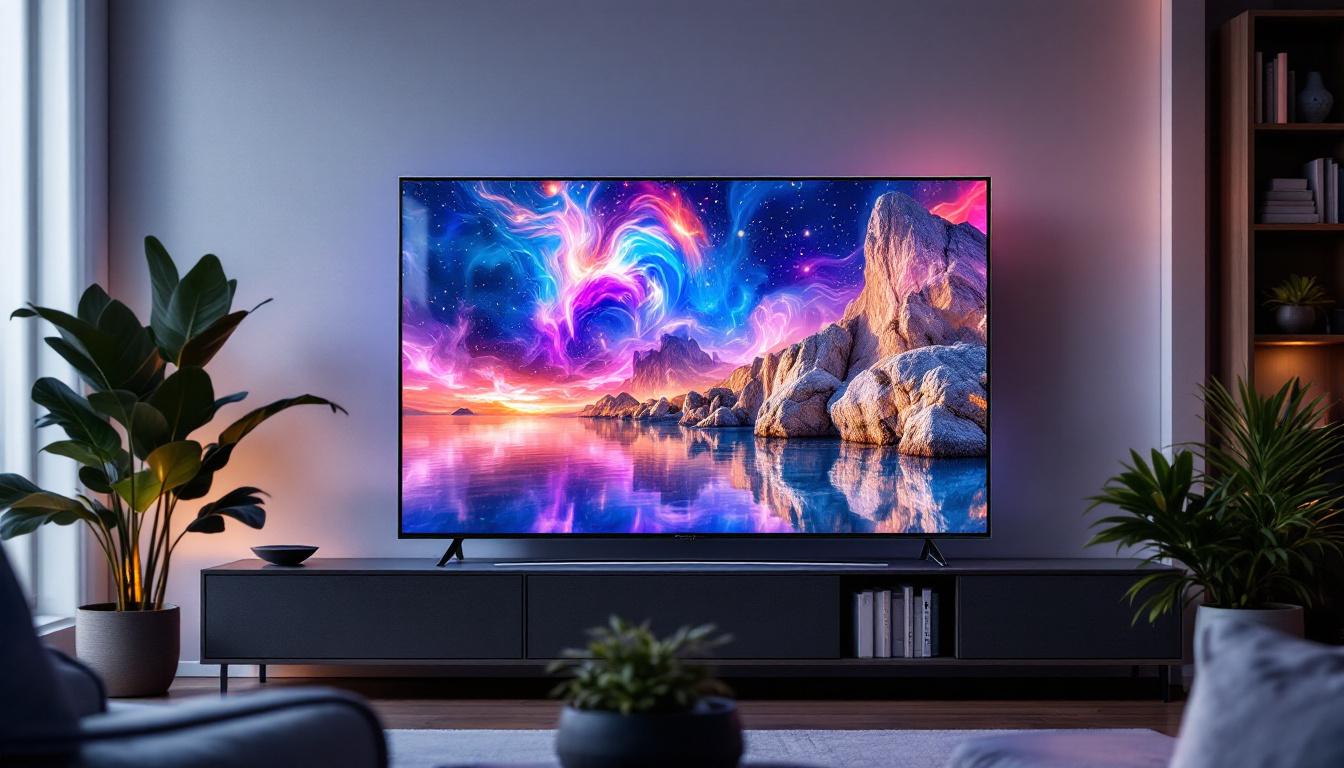
In recent years, the integration of touch screen technology with large LED TVs has revolutionized the way consumers interact with their home entertainment systems. Among the most popular sizes, the 75-inch touch screen TV stands out for its perfect balance between immersive viewing experience and interactive functionality. This article delves into the intricacies of LED display technology in 75-inch touch screen TVs, exploring how they work, their benefits, and what to consider before purchasing one.
Understanding LED Display Technology in 75-Inch TVs
What is an LED Display?
LED, or Light Emitting Diode, displays are a type of flat-panel display technology that uses tiny light-emitting diodes to illuminate the screen. Unlike older LCD panels that rely on fluorescent backlighting, LED TVs use these diodes to provide brighter images, better contrast, and more energy efficiency. In a 75-inch TV, thousands or even millions of these diodes work in unison to produce vivid colors and sharp images across a large surface area.
The size of the screen, at 75 inches diagonally, offers a cinematic experience that is ideal for living rooms, conference halls, and educational environments. The large display combined with LED technology ensures that images remain bright and clear, even in well-lit rooms. This makes LED TVs particularly popular for sports enthusiasts and movie lovers who desire an immersive viewing experience. Furthermore, many modern LED TVs come equipped with smart technology, allowing users to stream content directly from various online services, enhancing the overall versatility and functionality of the device.
Types of LED Displays: Edge-Lit vs. Full-Array
When choosing a 75-inch LED TV, understanding the difference between edge-lit and full-array LED displays is crucial. Edge-lit LED TVs place LEDs along the edges of the screen, which allows for thinner panels and lower costs but can sometimes lead to uneven brightness or light bleed. Full-array LED TVs, on the other hand, position LEDs directly behind the entire screen, enabling local dimming zones that enhance contrast and black levels significantly.
For touch screen functionality, full-array LED displays are generally preferred because they provide more consistent brightness and better overall image quality, which is essential when interacting with the screen for presentations, gaming, or educational purposes. Additionally, full-array technology often supports advanced features like HDR (High Dynamic Range), which further enhances the viewing experience by delivering a wider color gamut and improved detail in both the brightest and darkest scenes. This is particularly beneficial for viewers who appreciate the nuances in cinematography, as it captures the full spectrum of light and color, making every scene more lifelike and engaging.
How Touch Screen Technology Integrates with 75-Inch LED TVs
Types of Touch Screen Technologies Used
Integrating touch capabilities into a large 75-inch LED TV requires specialized technology. The most common touch screen technologies used in these large displays are infrared (IR) touch, capacitive touch, and optical touch systems.
Infrared touch technology uses an array of IR LEDs and photodetectors placed around the screen’s edges to detect touch by interrupting the IR light beams. This method is highly accurate and works well on large screens without affecting display quality.
Capacitive touch technology, familiar from smartphones and tablets, senses the electrical properties of the human finger. While capacitive touch offers excellent responsiveness, scaling it up to 75 inches can be expensive and sometimes less reliable due to the size and sensitivity required.
Optical touch systems use cameras or sensors to detect touch points, offering multi-touch capabilities and high precision. This technology is often favored in commercial and educational settings for large touch screen TVs.
Benefits of Touch Screen Integration in Large LED TVs
The addition of touch screen functionality transforms a traditional TV into an interactive display, opening up new possibilities for users. For instance, in corporate environments, a 75-inch touch screen TV can serve as an interactive whiteboard for meetings and presentations, allowing participants to annotate directly on the screen.
In educational settings, these large touch screen TVs encourage collaborative learning by enabling students to engage directly with digital content. For home users, touch screen TVs can enhance gaming experiences and simplify navigation through smart TV interfaces.
Key Features to Look for in a 75-Inch Touch Screen LED TV
Resolution and Image Quality
Resolution is a critical factor when choosing a 75-inch touch screen TV. Most modern models offer 4K Ultra HD resolution (3840 x 2160 pixels), which provides four times the detail of Full HD. This higher resolution ensures that images remain sharp and clear, even on such a large screen.
Additionally, HDR (High Dynamic Range) support enhances the color range and contrast, delivering more lifelike images. Look for TVs that support HDR10 or Dolby Vision for the best visual experience.
Touch Responsiveness and Multi-Touch Support
The responsiveness of the touch screen is essential for a smooth user experience. Lag or inaccurate touch detection can be frustrating, especially in professional or educational environments. Most high-quality 75-inch touch screen TVs support multi-touch, allowing multiple users to interact with the screen simultaneously.
Check the touch response time and the number of simultaneous touch points supported. A minimum of 10-point multi-touch is recommended for collaborative use.
Connectivity and Smart Features
Modern touch screen TVs come equipped with various connectivity options, including HDMI, USB ports, Wi-Fi, and Bluetooth. These features allow users to connect external devices such as laptops, gaming consoles, and wireless peripherals seamlessly.
Smart TV capabilities, powered by operating systems like Android TV, webOS, or Tizen, enable access to streaming services, apps, and cloud-based collaboration tools. Integration with voice assistants like Alexa or Google Assistant can further enhance usability.
Applications and Use Cases of 75-Inch Touch Screen LED TVs
Corporate and Business Environments
In the corporate world, 75-inch touch screen LED TVs are increasingly used in conference rooms and collaborative workspaces. Their large size and interactive capabilities make them ideal for video conferencing, brainstorming sessions, and digital whiteboarding.
Companies benefit from improved communication and engagement during meetings, as participants can annotate documents, manipulate data, and share content in real-time directly on the screen.
Educational Institutions
Schools and universities are adopting large touch screen TVs to foster interactive learning. Teachers can display multimedia content, conduct quizzes, and encourage student participation through touch-enabled activities.
The large display size ensures visibility for all students, while the touch functionality supports hands-on learning and collaboration. Additionally, many educational software applications are optimized for touch interaction, enhancing the overall teaching experience.
Home Entertainment and Gaming
For home users, a 75-inch touch screen LED TV offers an immersive entertainment experience. Beyond traditional TV viewing, touch capabilities enable intuitive navigation of smart TV interfaces and apps.
Gamers can enjoy interactive games that leverage touch controls, while families can use the screen for digital art, video calls, and interactive storybooks. The combination of a large, high-quality LED display with touch functionality makes these TVs versatile entertainment hubs.
Considerations Before Buying a 75-Inch Touch Screen LED TV
Price and Budget
Large touch screen TVs with advanced LED displays tend to be premium products, often priced significantly higher than standard TVs of the same size. Prices can range from $2,000 to over $5,000 depending on brand, features, and technology.
It’s important to balance desired features with budget constraints. For example, opting for a full-array LED with local dimming and 4K resolution will cost more but provide superior image quality.
Installation and Space Requirements
A 75-inch TV requires ample space and proper mounting solutions. Consider the viewing distance; experts recommend sitting approximately 9 to 12 feet away from a 75-inch screen for optimal viewing comfort.
Touch screen TVs may also require additional hardware such as stands or wall mounts that support touch interaction without wobbling. Professional installation might be necessary to ensure stability and safety.
Durability and Maintenance
Touch screens are subject to frequent physical interaction, which can lead to wear and tear over time. Look for models with durable glass surfaces, such as those with Gorilla Glass or anti-scratch coatings, to protect the display.
Regular cleaning with appropriate materials is essential to maintain touch sensitivity and image clarity. Avoid harsh chemicals that can damage the screen’s surface.
Future Trends in Touch Screen 75-Inch LED TVs
Advancements in Display Technology
The future of large touch screen TVs is promising, with ongoing advancements in display technologies such as Mini-LED and Micro-LED. These new technologies offer even better brightness, contrast, and energy efficiency compared to traditional LED displays.
Micro-LED, in particular, promises self-emissive pixels that can deliver perfect blacks and vibrant colors without the need for backlighting, potentially transforming the visual experience on large touch screen TVs.
Enhanced Interactivity and AI Integration
Artificial intelligence is increasingly integrated into smart TVs, enhancing voice recognition, content recommendations, and gesture controls. Future 75-inch touch screen TVs may incorporate AI-driven features that anticipate user needs and provide more intuitive interactions.
Moreover, improvements in multi-user recognition and biometric authentication could make these TVs more secure and personalized, especially in business and educational settings.
Conclusion
The 75-inch touch screen LED TV represents a fusion of cutting-edge display technology and interactive functionality. Its large, vibrant screen combined with responsive touch capabilities makes it a versatile tool for entertainment, education, and business. Understanding the underlying LED technology, touch screen types, and key features helps consumers make informed decisions when investing in these impressive devices.
As technology continues to evolve, these large interactive displays will become more accessible and feature-rich, further enhancing the way people connect, learn, and entertain themselves. Whether for a corporate boardroom, a classroom, or a home theater, a 75-inch touch screen LED TV offers a compelling blend of size, clarity, and interactivity that is hard to match.
Explore the Future of Interactive Displays with LumenMatrix
Ready to elevate your viewing and interactive experiences with the latest in LED display technology? Look no further than LumenMatrix, a pioneer in creating dynamic and immersive visual solutions. From the comfort of your home to the boardroom and beyond, our extensive range of LED display modules—including Indoor and Outdoor LED Wall Displays, Vehicle LED Displays, and more—offers unparalleled clarity and engagement. Embrace the future of digital signage with LumenMatrix and transform how you share your message. Check out LumenMatrix LED Display Solutions today and step into a world where every pixel counts.