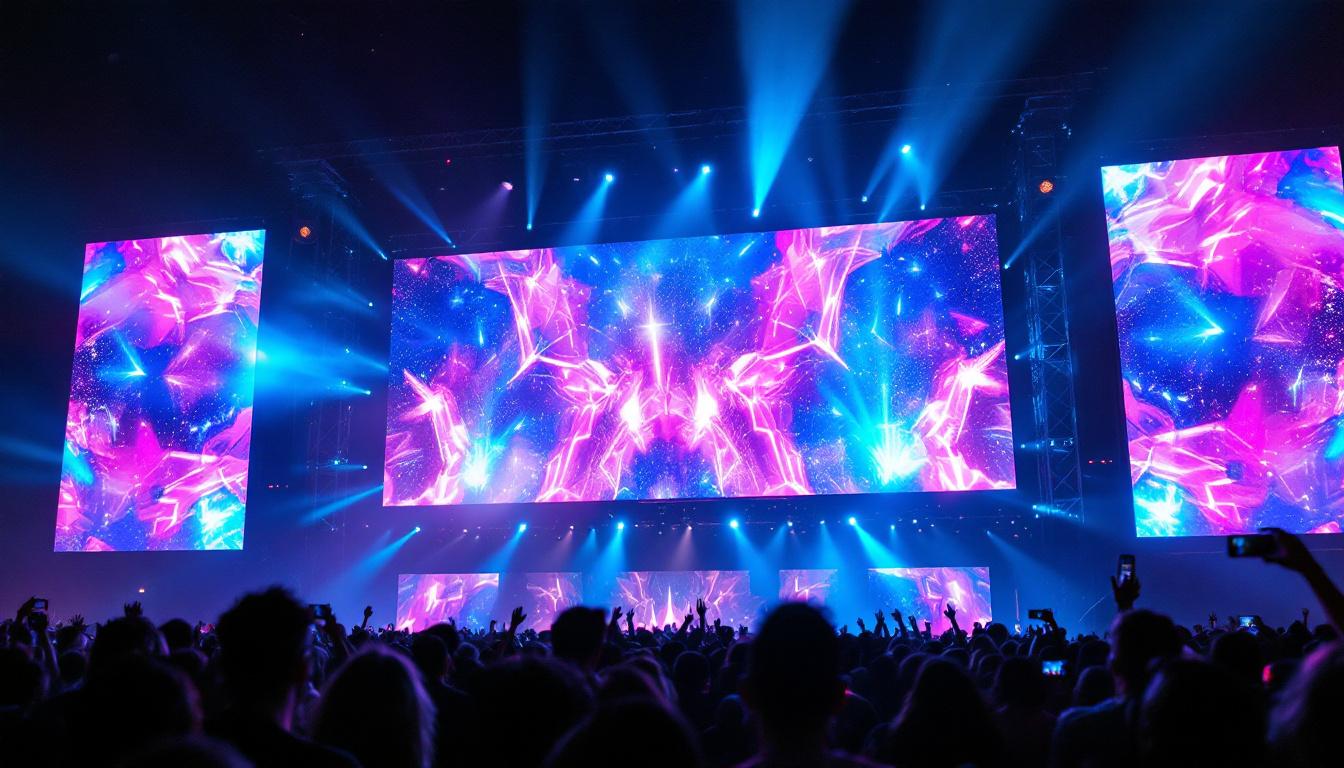
In today’s digital era, LED displays have become an integral part of how information is communicated visually. From vibrant billboards in bustling city centers to the screens on smartphones and televisions, LED technology powers a vast array of display solutions. Understanding what LED displays are, how they function, and their various applications can provide valuable insight into why this technology continues to dominate the visual display market.
What is an LED Display?
LED stands for Light Emitting Diode, a semiconductor device that emits light when an electric current passes through it. An LED display is a flat panel display that uses an array of these tiny light-emitting diodes as pixels to create images, videos, and text.
Unlike traditional display technologies such as LCD (Liquid Crystal Display), which relies on backlighting, LED displays generate their own light. This self-illumination allows LED displays to offer higher brightness, better contrast ratios, and improved energy efficiency.
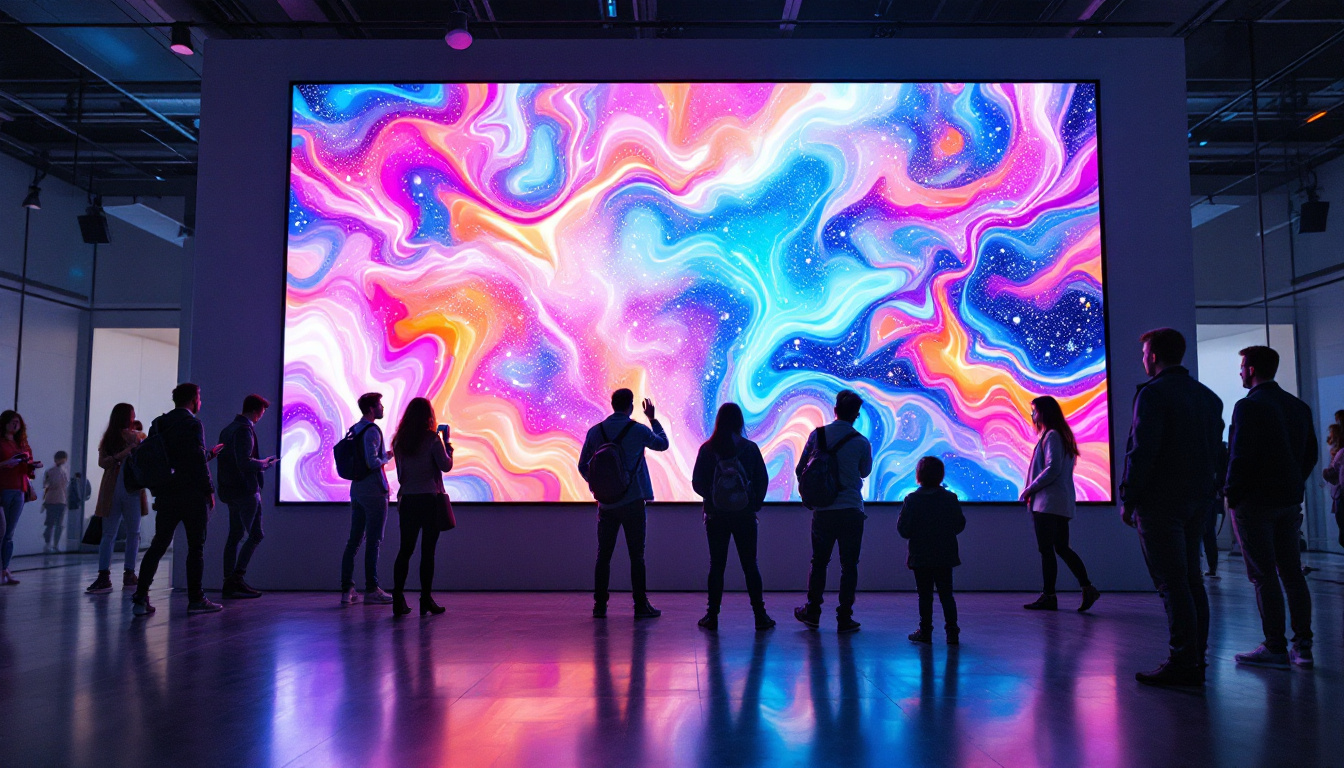
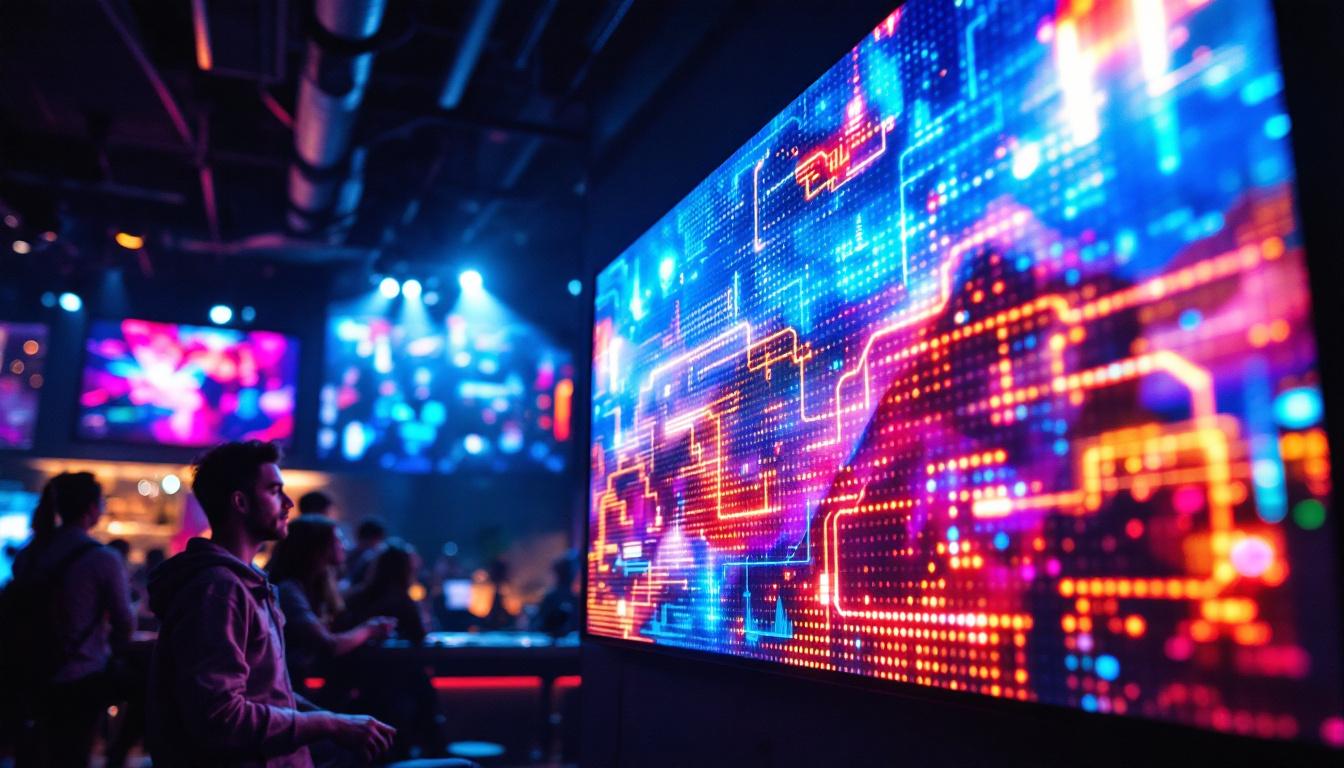
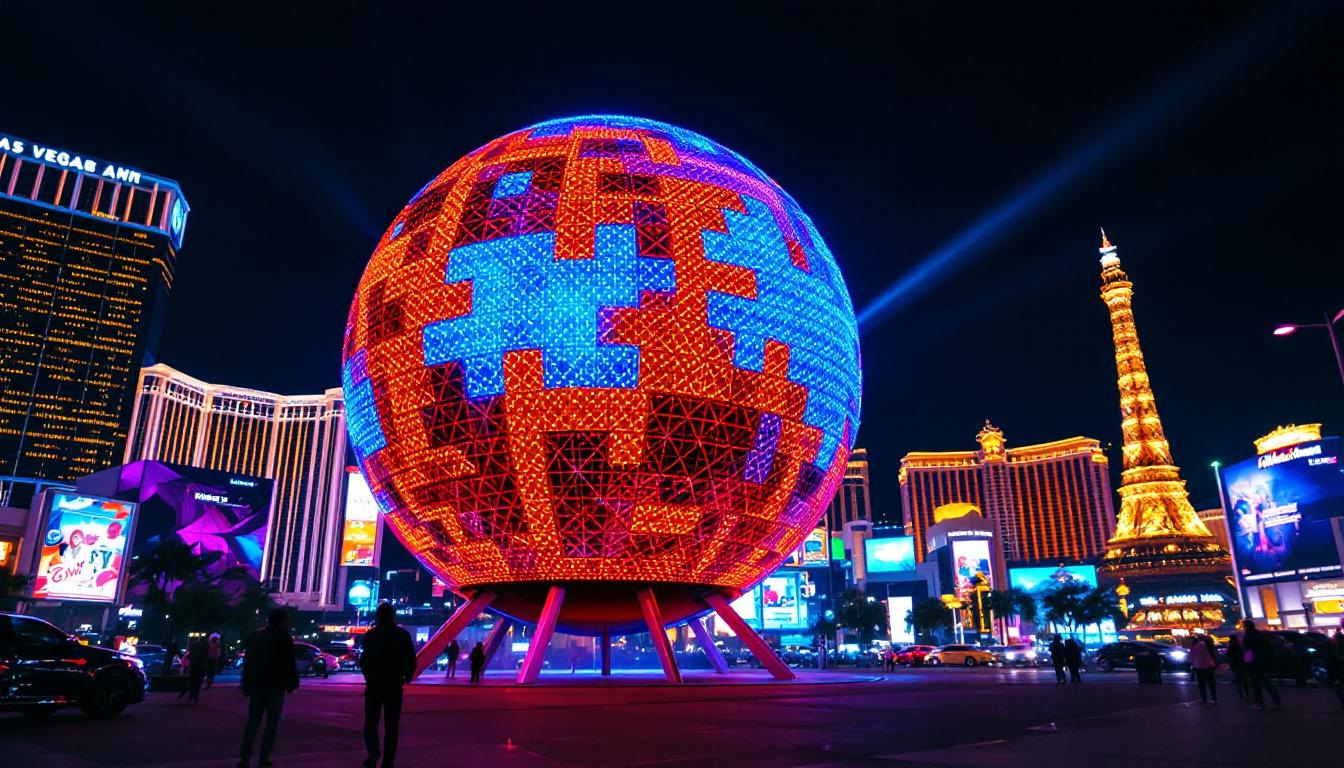
LED displays can be found in various forms, including small indicator lights, large outdoor billboards, video walls, and even flexible screens. The versatility of LED technology makes it suitable for a wide range of environments and purposes.
One of the most significant advantages of LED displays is their ability to function effectively in diverse lighting conditions. Whether it’s a bright sunny day or a dimly lit indoor venue, LED displays maintain their visibility and clarity, making them ideal for advertising, entertainment, and information dissemination. This adaptability is particularly beneficial for outdoor applications, where sunlight can wash out the visibility of traditional displays. Moreover, advancements in LED technology have led to the development of high-resolution displays that can render intricate details and vibrant colors, enhancing the viewer’s experience.
In addition to their visual benefits, LED displays are also known for their longevity and durability. Unlike conventional bulbs, which may burn out or dim over time, LEDs have a longer lifespan, often exceeding 50,000 hours of use. This longevity translates to lower maintenance costs and reduced waste, making LED displays a more sustainable choice for businesses and organizations. Furthermore, the ability to create dynamic content that can be easily updated or programmed allows for greater flexibility in messaging, enabling companies to adapt their advertising strategies quickly and efficiently to meet changing market demands.
How Do LED Displays Work?
The Basics of LED Pixels
Each pixel in an LED display is made up of one or more LEDs. In full-color displays, a pixel typically consists of three LEDs: red, green, and blue (RGB). By varying the intensity of each of these LEDs, the display can produce a full spectrum of colors through additive color mixing.
This RGB system is fundamental to how LED displays render vibrant and accurate images. The control system adjusts the brightness of each LED within a pixel thousands of times per second, creating smooth transitions and detailed visuals. This rapid adjustment is crucial for displaying dynamic content, such as videos and animations, where color accuracy and fluid motion are essential. Furthermore, advanced algorithms are employed to enhance color reproduction, ensuring that images appear as lifelike as possible, even in challenging lighting conditions.
Types of LED Displays
There are two primary types of LED displays: direct-view LED and LED-backlit LCD.
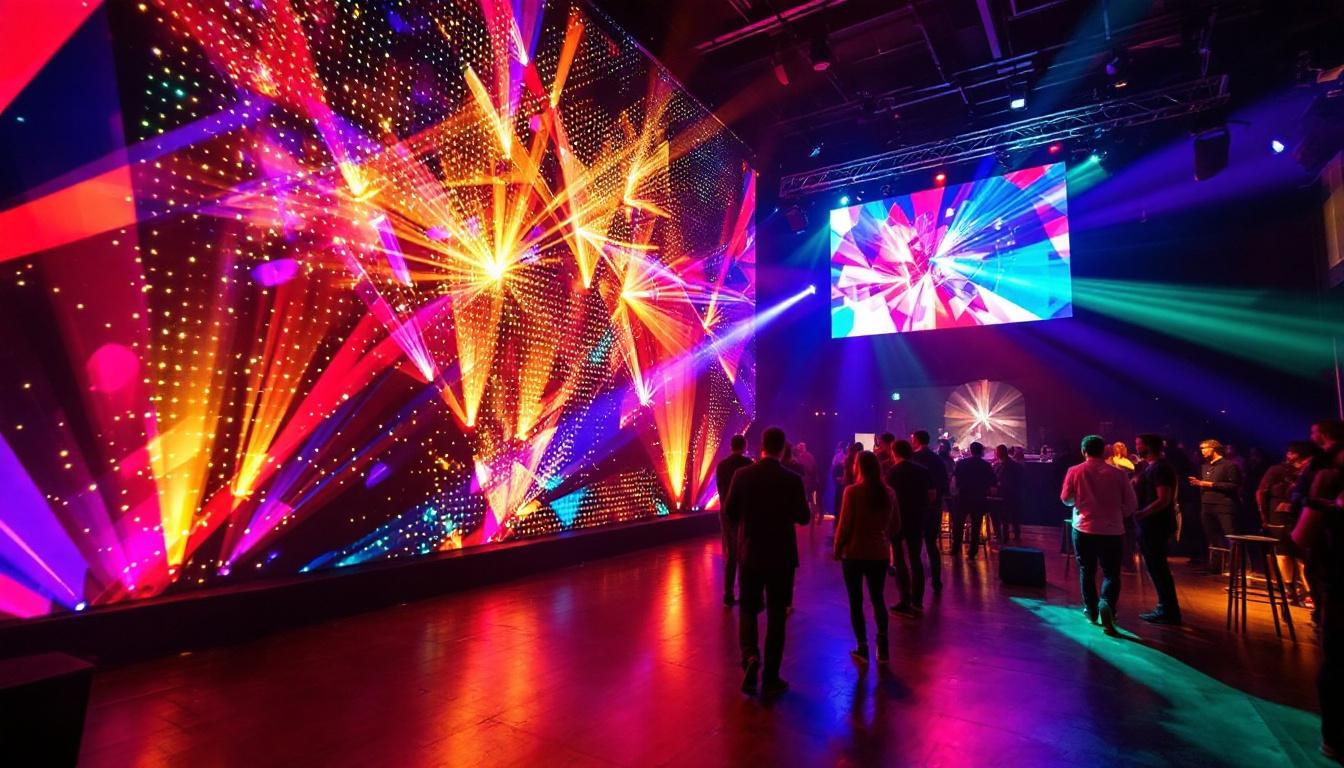
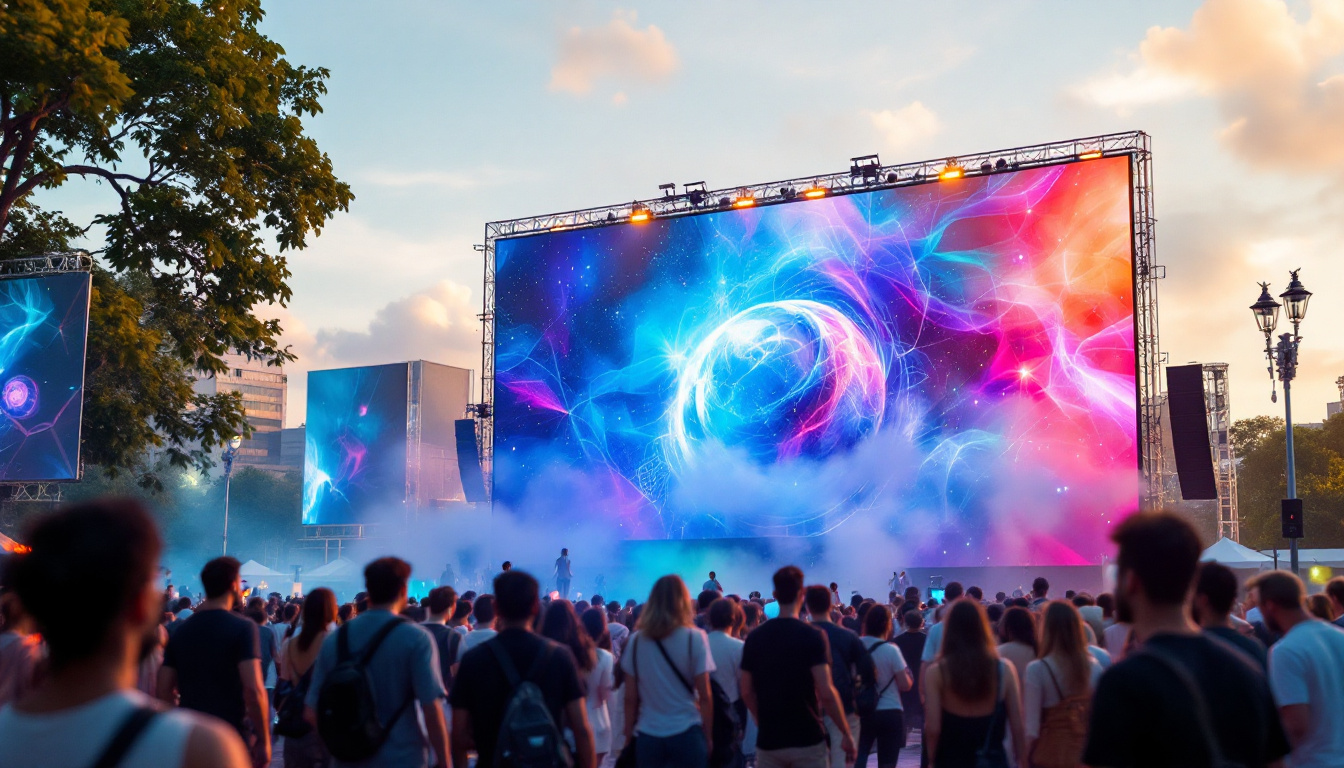
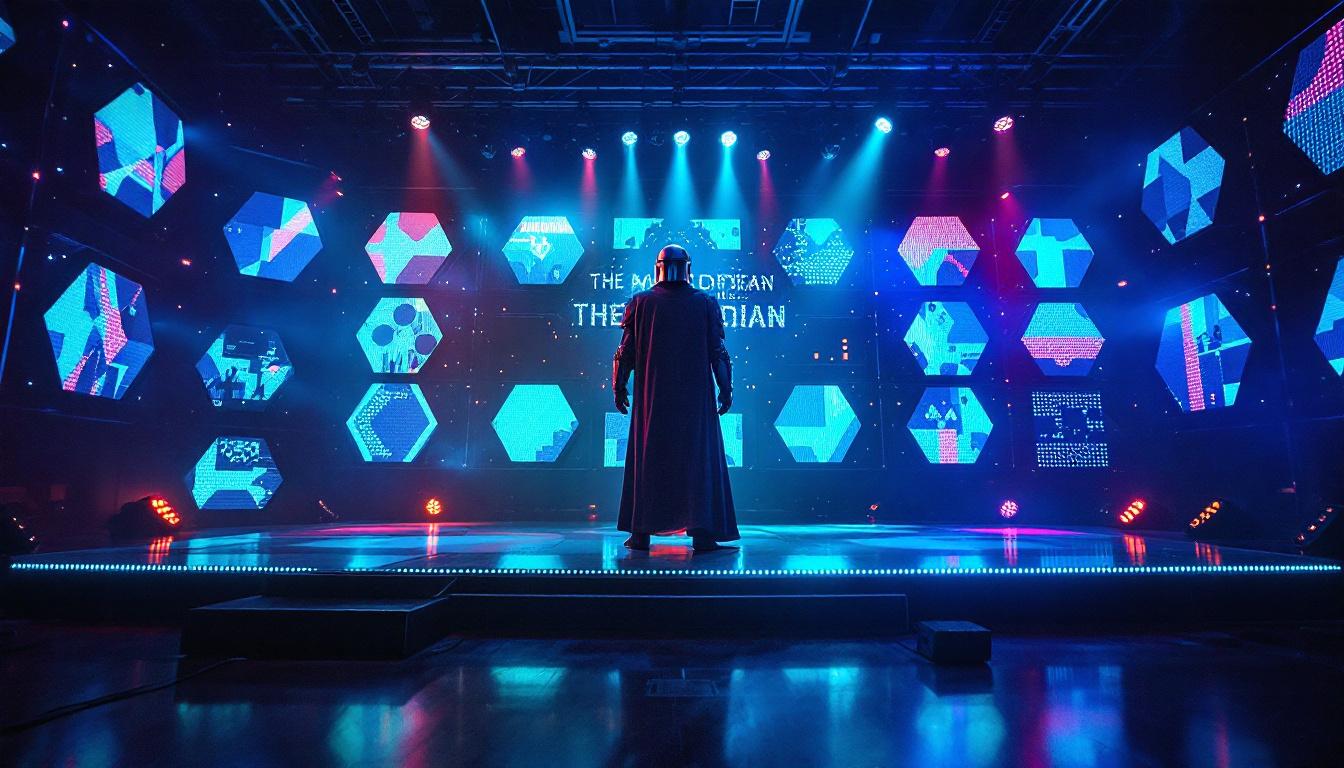
- Direct-View LED Displays: These displays consist of LEDs that emit light directly to the viewer. They are often used in large-scale applications such as stadium screens, outdoor advertising billboards, and stage backdrops. Direct-view LED displays are known for their high brightness and excellent visibility even in daylight. Additionally, they can be configured in various shapes and sizes, allowing for creative installations that can captivate audiences in unique ways. The modular nature of these displays also means they can be easily expanded or reconfigured to fit different spaces and requirements.
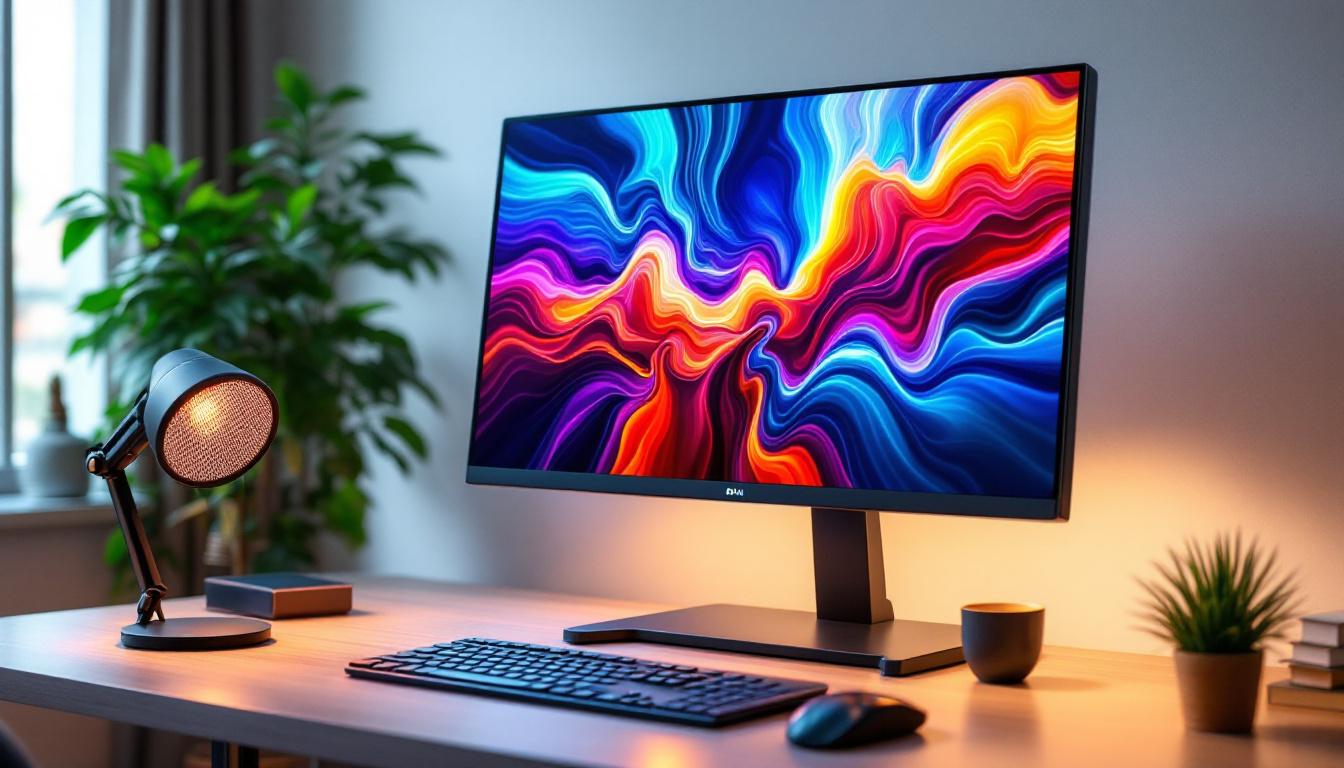
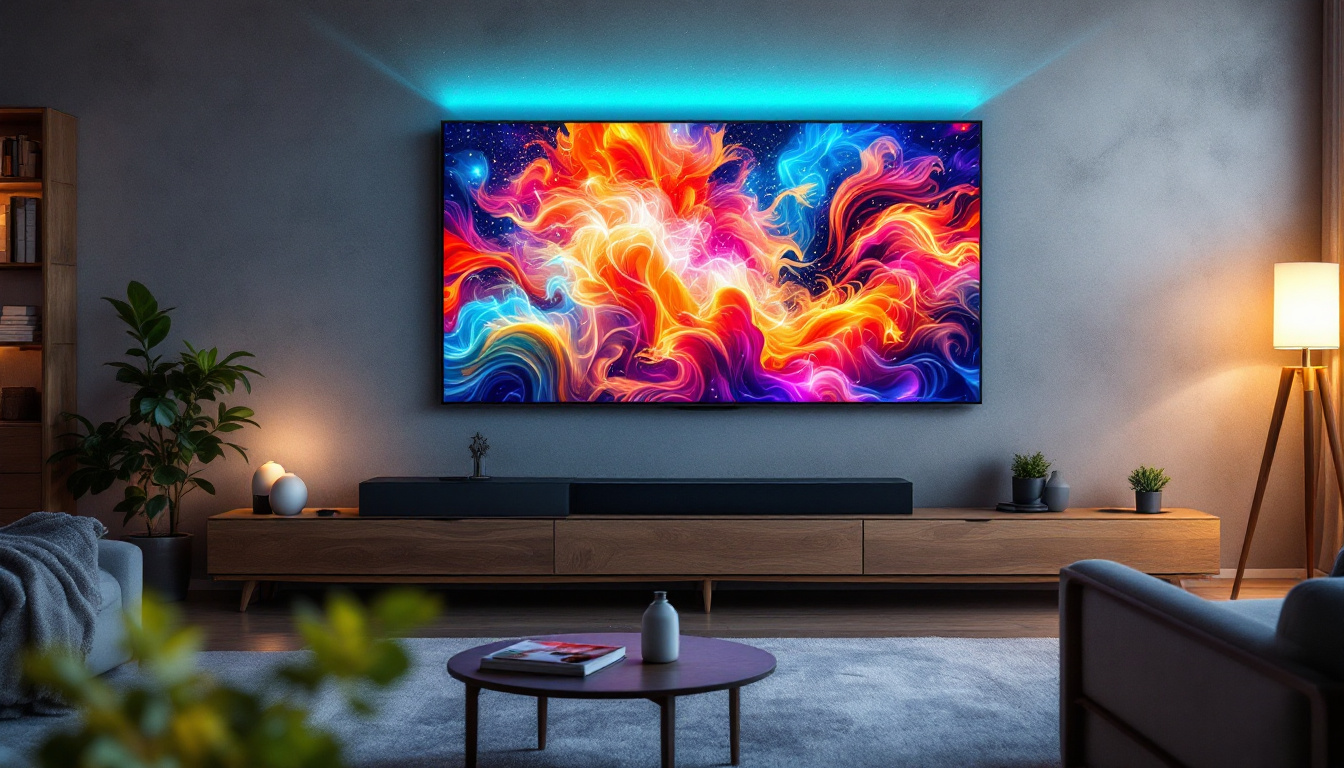
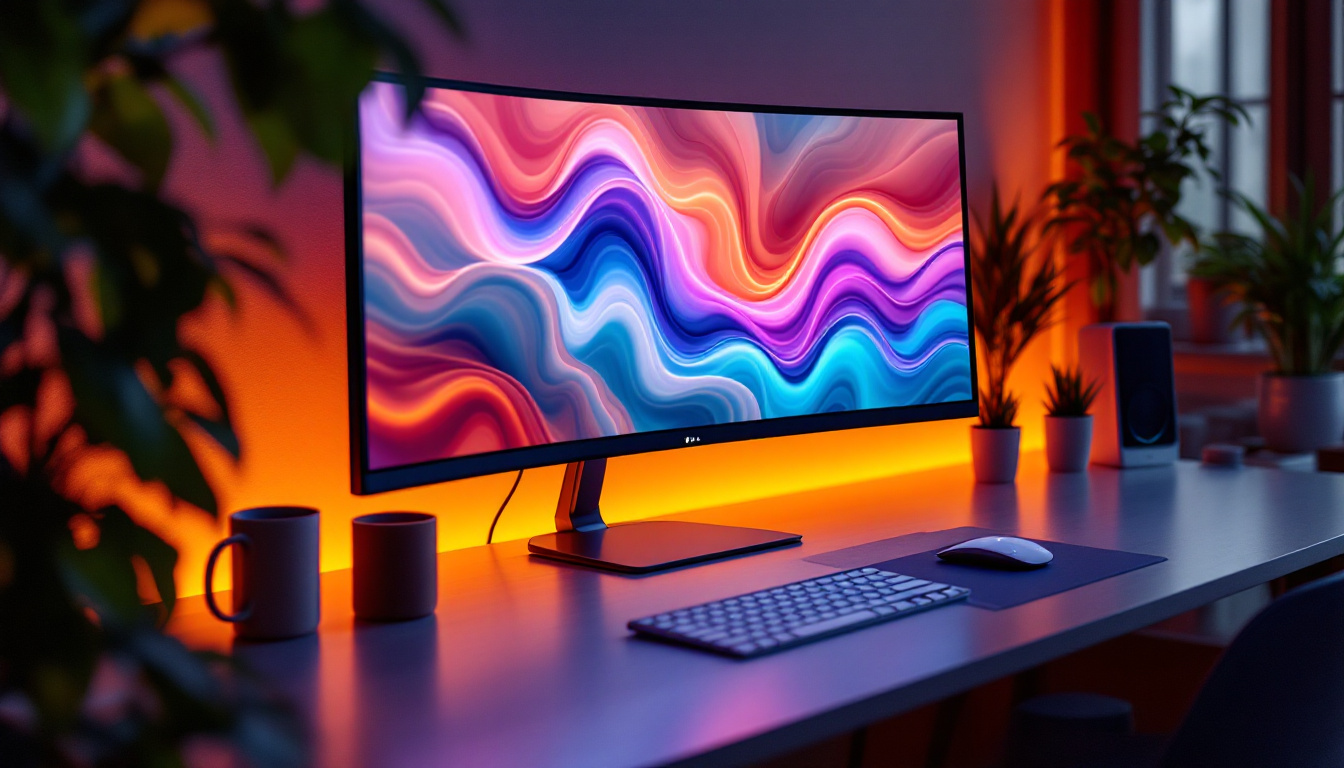
- LED-Backlit LCD Displays: In these displays, LEDs serve as the backlight source for an LCD panel. The LCD layer modulates the light to create images. This technology is common in televisions, computer monitors, and smartphones, offering thinner designs and improved color accuracy compared to older CCFL backlighting. Moreover, advancements in LED-backlit technology, such as local dimming, allow for better contrast ratios by selectively dimming or brightening specific areas of the screen, enhancing the overall viewing experience.
Pixel Pitch and Resolution
Pixel pitch refers to the distance between the centers of two adjacent pixels, typically measured in millimeters. It is a critical factor in determining the resolution and viewing distance of an LED display. Smaller pixel pitches mean higher resolution and sharper images, suitable for close-up viewing, while larger pitches are ideal for distant viewing.
For example, an LED billboard on a highway might have a pixel pitch of 20mm or more, as viewers are usually far away. In contrast, indoor LED displays used in retail stores or control rooms may have pixel pitches as small as 0.9mm, offering crisp visuals at close range. The choice of pixel pitch not only affects the clarity of the display but also impacts the overall cost and power consumption. Displays with smaller pixel pitches typically require more LEDs and sophisticated control systems, which can increase both the initial investment and ongoing operational expenses. Therefore, selecting the appropriate pixel pitch is a crucial decision for businesses looking to maximize their return on investment while ensuring optimal visual performance.
Advantages of LED Displays
Brightness and Visibility
One of the most significant advantages of LED displays is their exceptional brightness. LEDs can achieve brightness levels exceeding 5,000 nits, making them easily visible in direct sunlight or brightly lit environments. This makes LED displays ideal for outdoor advertising, sports arenas, and transportation hubs.
Energy Efficiency
LED technology is inherently energy-efficient compared to other lighting and display technologies. LEDs consume less power while delivering higher brightness, which translates into lower operational costs and reduced environmental impact. For businesses, this efficiency can lead to substantial savings over the lifespan of the display.
Durability and Longevity
LED displays are known for their long operational life, often exceeding 100,000 hours under optimal conditions. They are also robust, with resistance to shock, vibration, and weather elements, especially when designed for outdoor use. This durability reduces maintenance costs and downtime, ensuring reliable performance.
Design Flexibility
LED displays can be manufactured in various shapes and sizes, including curved, flexible, and transparent screens. This flexibility enables creative and innovative applications, such as architectural facades, interactive installations, and immersive environments.
Common Applications of LED Displays
Outdoor Advertising and Digital Billboards
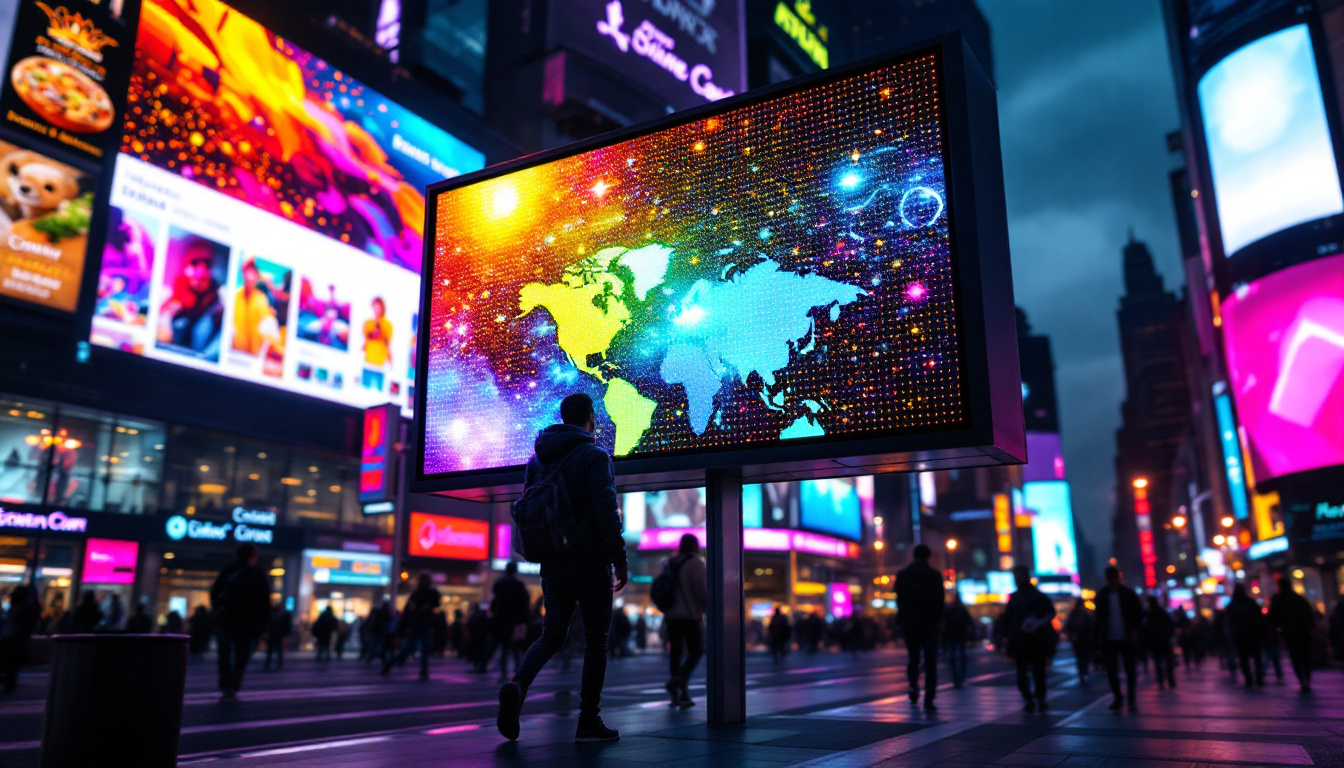
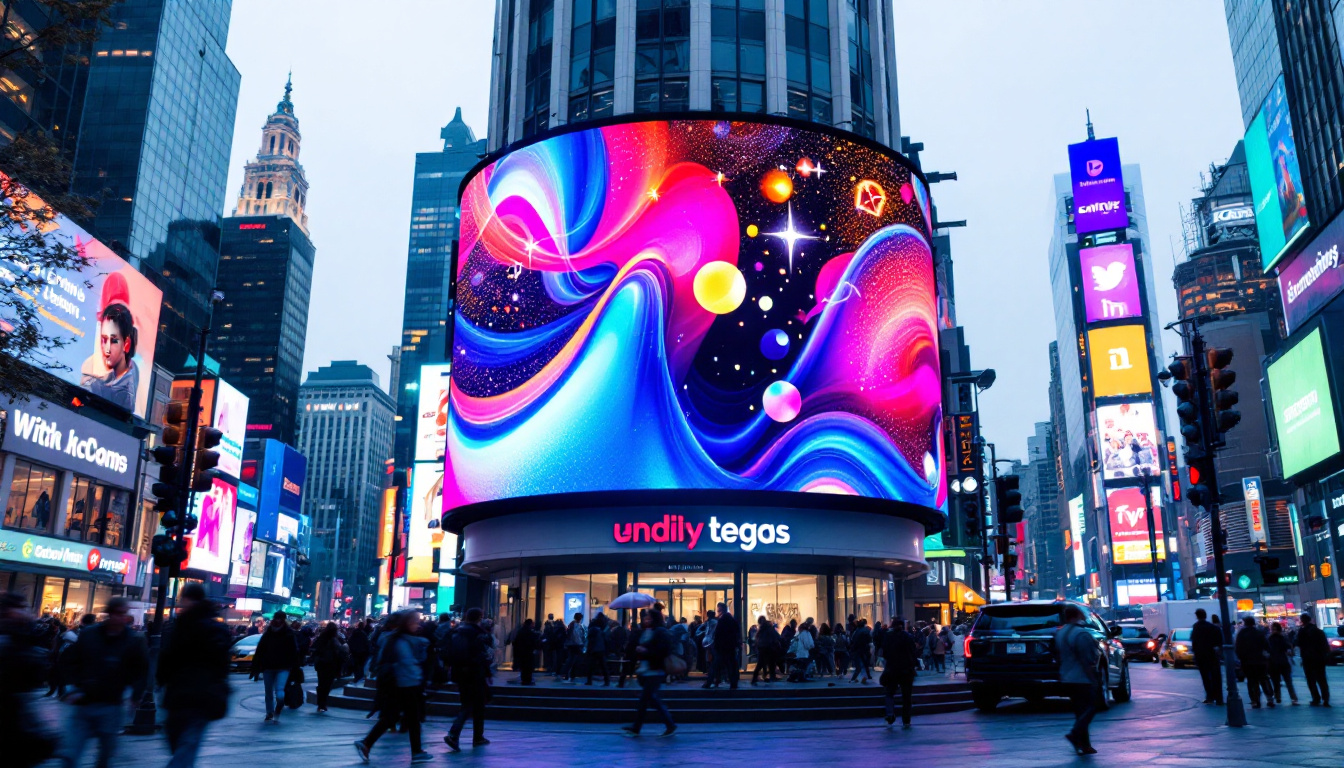
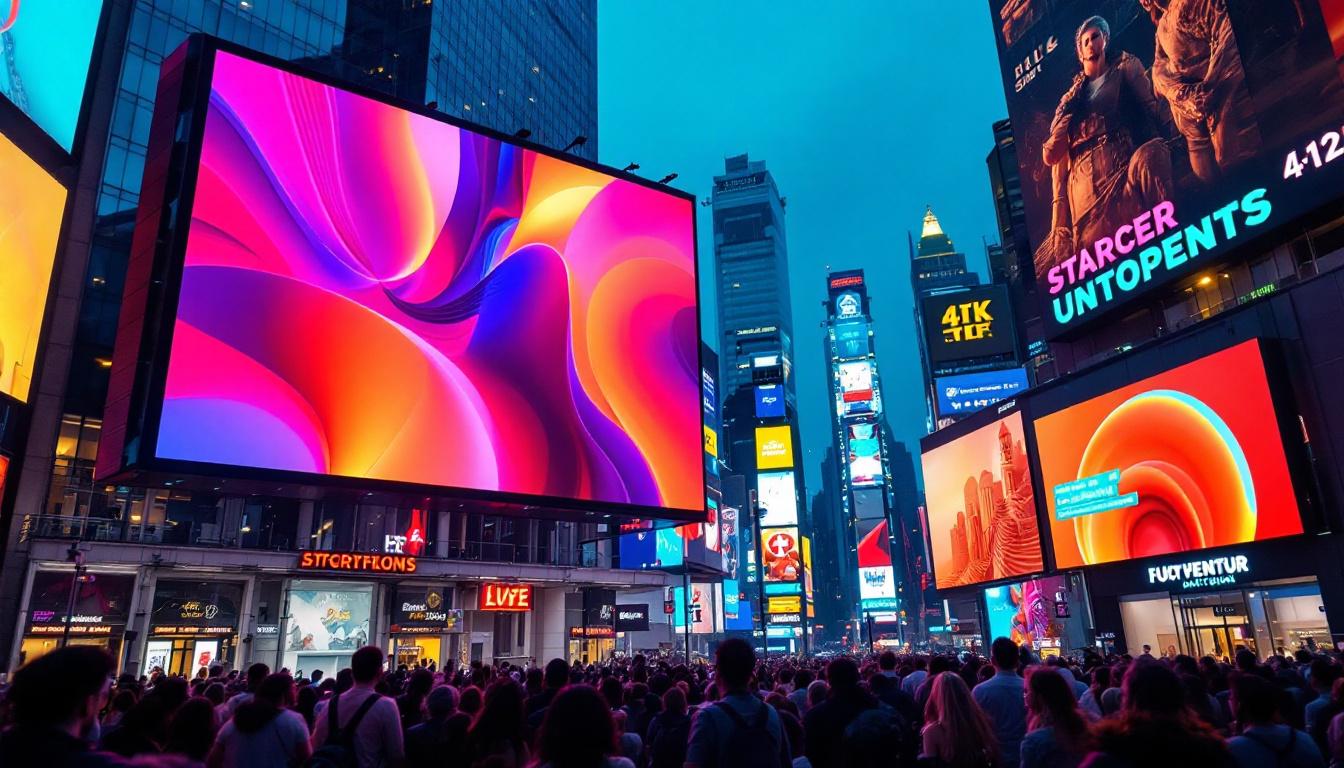
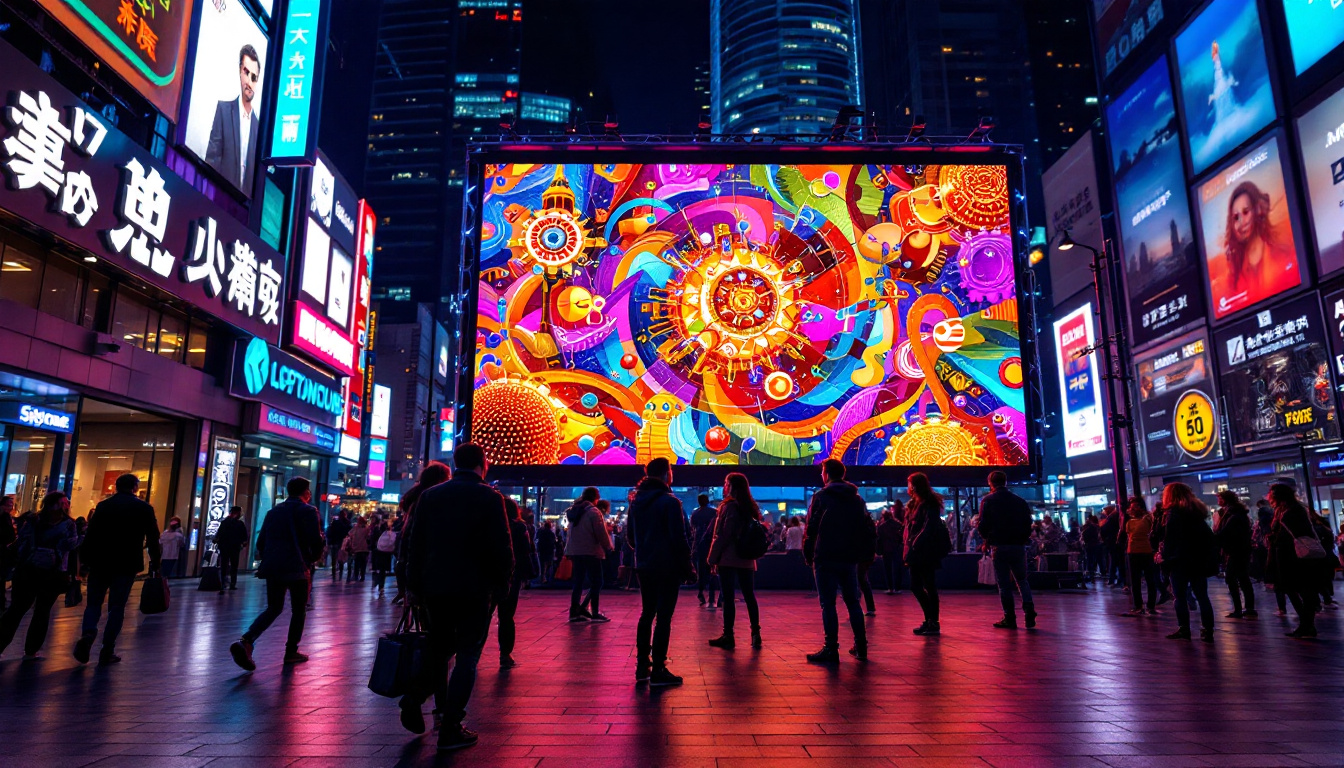
LED displays have revolutionized outdoor advertising by enabling dynamic, eye-catching content that can be updated in real-time. Digital billboards equipped with LEDs allow advertisers to schedule multiple ads throughout the day, target specific audiences, and incorporate animations or videos to increase engagement.
According to recent market research, the global digital out-of-home advertising market is expected to grow at a compound annual growth rate (CAGR) of over 10% through 2027, driven largely by the adoption of LED display technology.
Sports and Entertainment Venues
Stadiums and arenas use large-scale LED video walls and ribbon boards to enhance the spectator experience. These displays provide live game footage, replays, statistics, and interactive content, creating a more immersive environment. The brightness and clarity of LED displays ensure visibility from all seating areas.
Retail and Commercial Spaces
Retailers utilize LED displays for digital signage, promotional messages, and interactive kiosks. The ability to quickly change content and display vibrant visuals helps attract customers and influence purchasing decisions. LED displays also contribute to modern store aesthetics and branding efforts.
Transportation and Public Information
LED displays are widely used in airports, train stations, and bus terminals to provide real-time information such as schedules, alerts, and wayfinding. Their high visibility and reliability make them ideal for critical communication in busy public environments.
Consumer Electronics
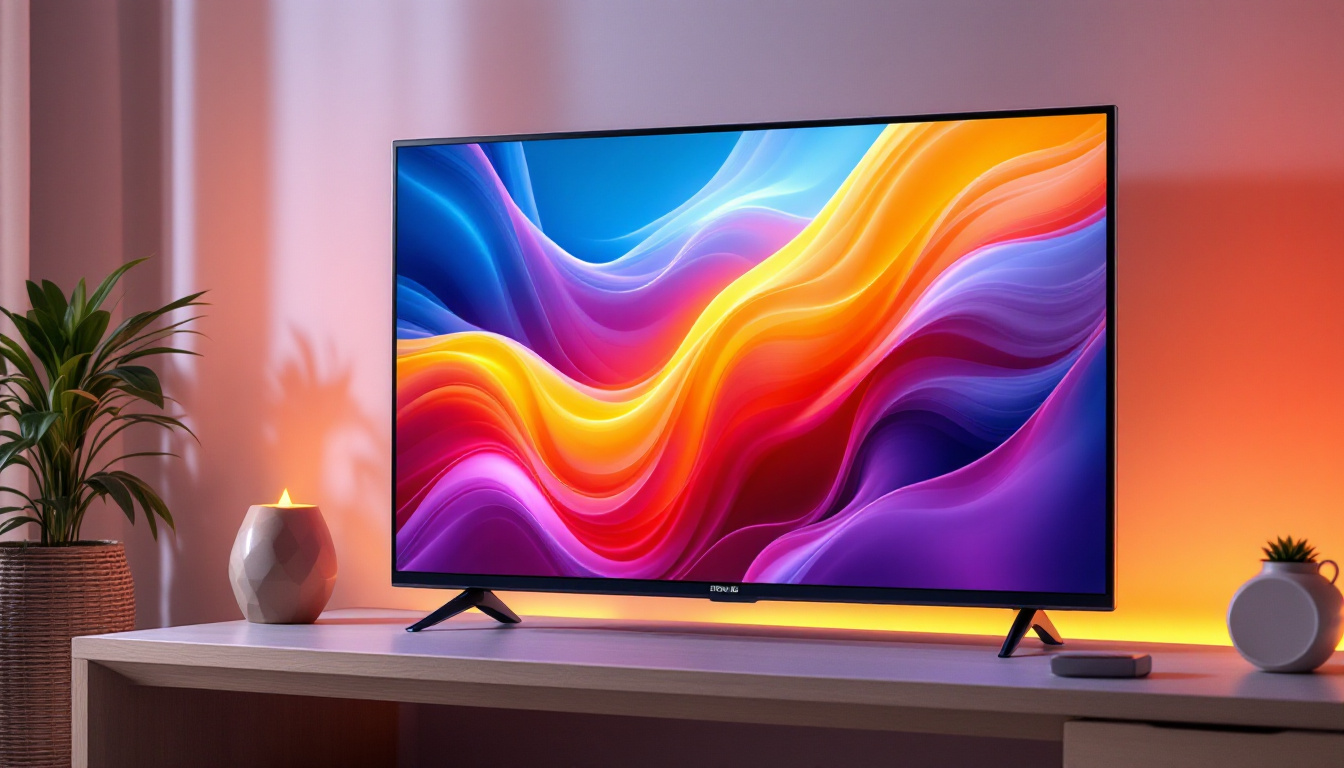
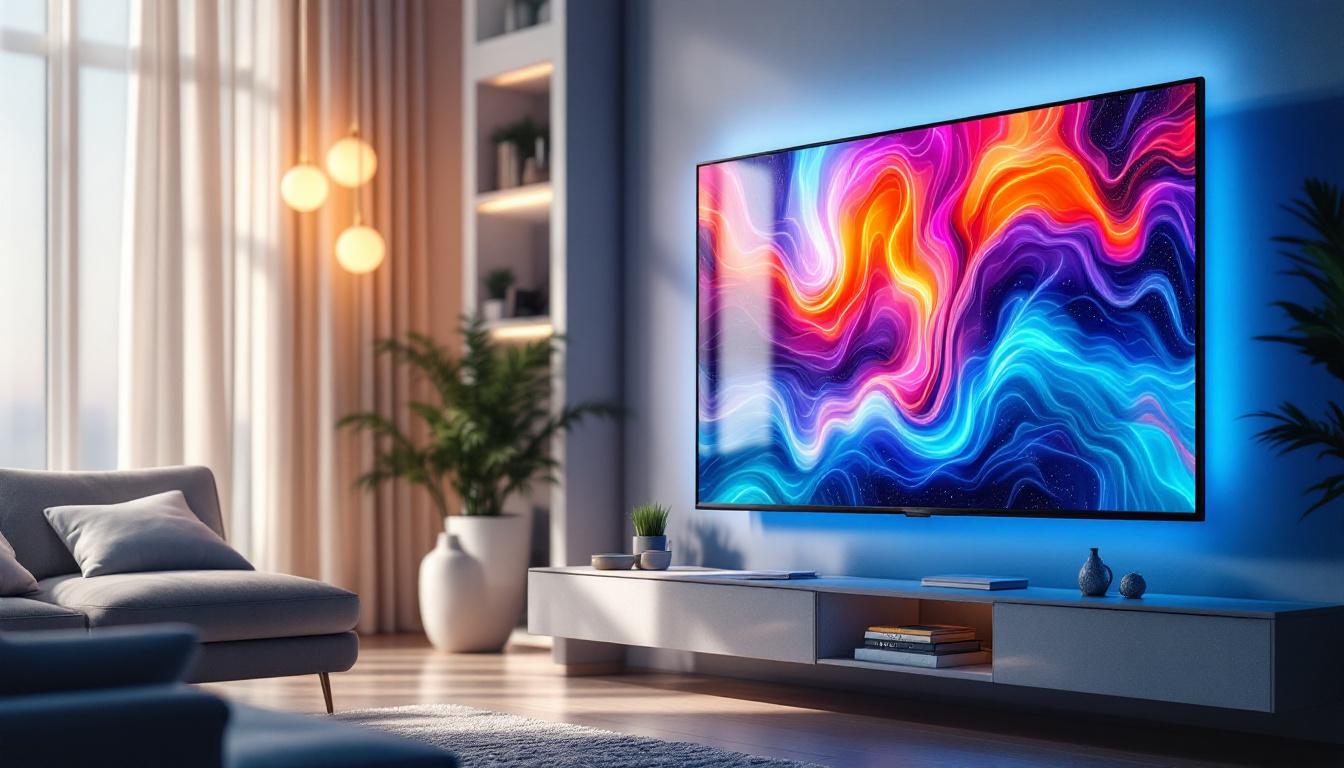
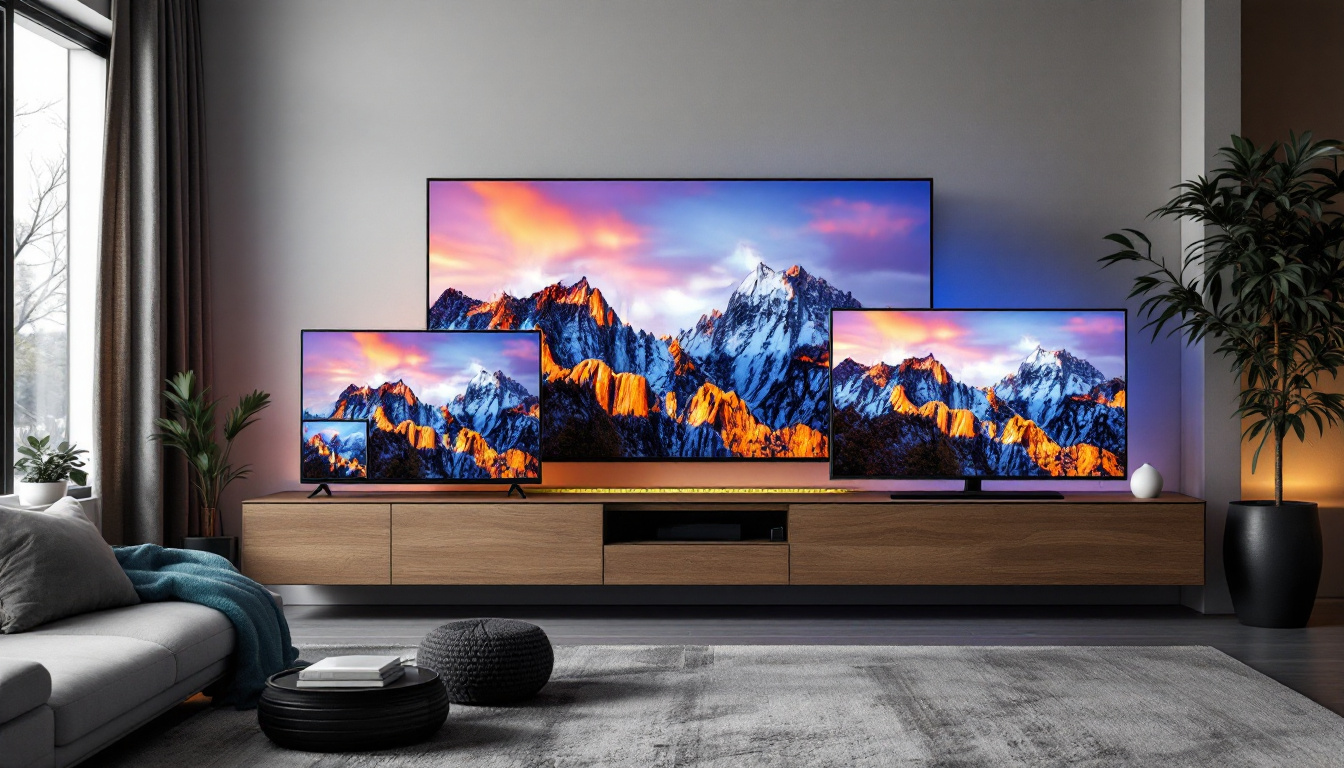
In consumer devices, LED technology is prevalent in television screens, computer monitors, smartphones, and wearable devices. Advances in LED backlighting have improved color accuracy, contrast, and energy efficiency, enhancing the overall user experience.
Emerging Trends and Innovations in LED Display Technology
MicroLED and MiniLED Displays
MicroLED and MiniLED technologies represent the next generation of LED displays, offering even higher resolution, brightness, and contrast. MicroLED displays use microscopic LEDs as individual pixels, enabling true self-emissive screens with superior color accuracy and energy efficiency compared to OLED and traditional LED-backlit LCDs.
MiniLED technology, on the other hand, uses thousands of tiny LEDs as backlighting units to achieve improved local dimming and contrast. Both technologies are gaining traction in high-end televisions, monitors, and mobile devices.
Flexible and Transparent LED Displays
Innovations in materials and manufacturing have led to flexible and transparent LED displays. These displays can be curved, bent, or integrated into glass surfaces, opening new possibilities for design and application. For instance, transparent LED displays are being used in retail windows and automotive windshields to provide augmented reality experiences.
AI and Interactive LED Displays
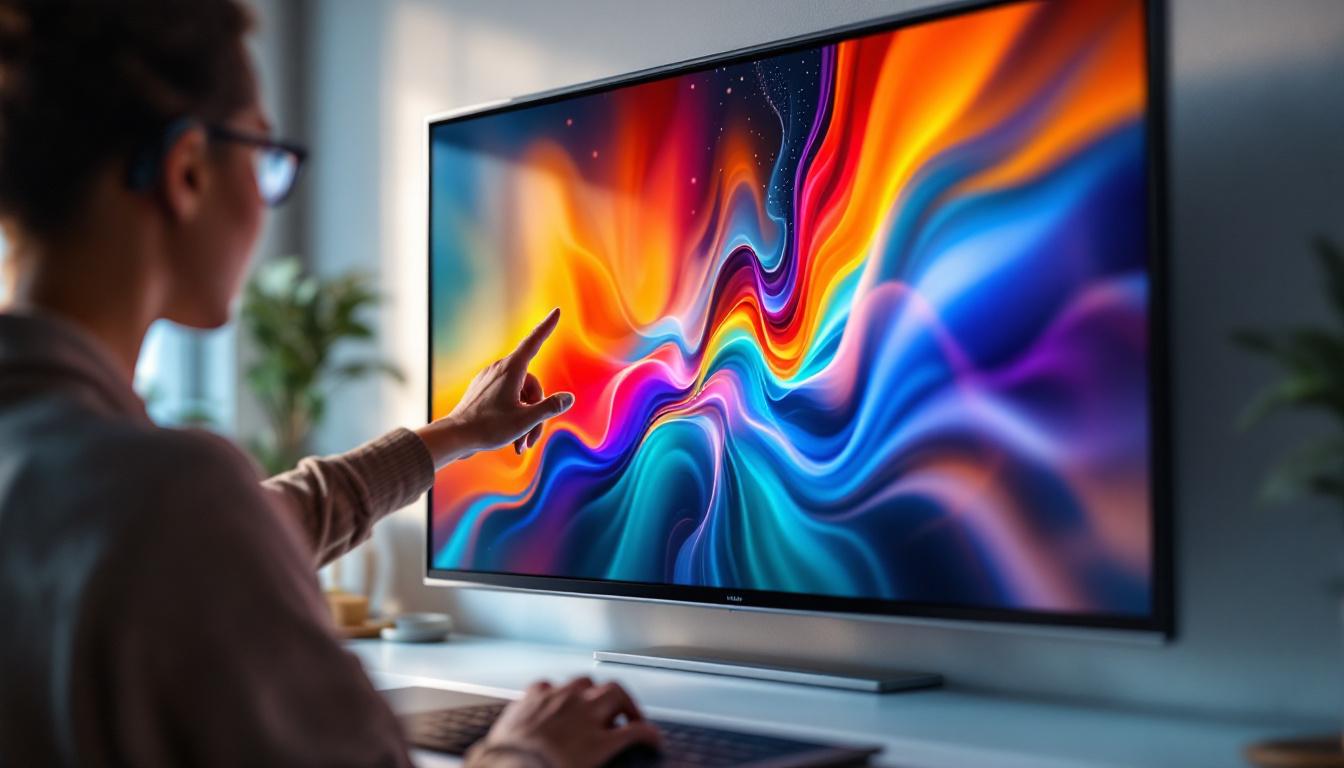
Artificial intelligence (AI) is increasingly integrated with LED display systems to enable personalized content delivery, audience analytics, and interactive features. Smart LED displays can adjust brightness based on ambient light, recognize viewer demographics, and respond to gestures or voice commands, enhancing user engagement.
Considerations When Choosing an LED Display
Viewing Distance and Environment
Determining the optimal pixel pitch and brightness depends largely on where the display will be installed and how far viewers will be from it. Outdoor displays require higher brightness and weatherproofing, while indoor displays prioritize resolution and color accuracy.
Content and Usage
The type of content—static images, video, text, or interactive media—affects the choice of display technology and control systems. High-motion video content demands high refresh rates and color fidelity, whereas simple text displays may not require advanced features.
Budget and Maintenance
Initial investment, installation costs, and ongoing maintenance should be carefully evaluated. While LED displays may have a higher upfront cost compared to traditional signage, their longevity and energy savings often justify the expenditure.
Conclusion
LED displays have transformed the way visual information is presented across multiple industries. Their superior brightness, energy efficiency, durability, and design flexibility make them a preferred choice for applications ranging from massive outdoor billboards to sleek consumer electronics.
As technology continues to advance with innovations like MicroLED, flexible screens, and AI integration, LED displays are poised to become even more versatile and impactful. Understanding the fundamentals of LED display technology helps businesses and consumers make informed decisions that maximize the benefits of this dynamic visual medium.
Discover LumenMatrix’s Innovative LED Solutions
Ready to elevate your visual impact? Explore LumenMatrix’s extensive range of cutting-edge LED display solutions, designed to captivate and engage your audience. From vibrant Indoor and Outdoor LED Wall Displays to dynamic Vehicle and Sports LED Displays, our offerings cater to every need. Experience the future of digital signage with our Custom, All-in-One, and Transparent LED Displays, each crafted to deliver unparalleled clarity and performance. Don’t miss the opportunity to transform your visual communication. Check out LumenMatrix LED Display Solutions today and see your brand shine like never before.