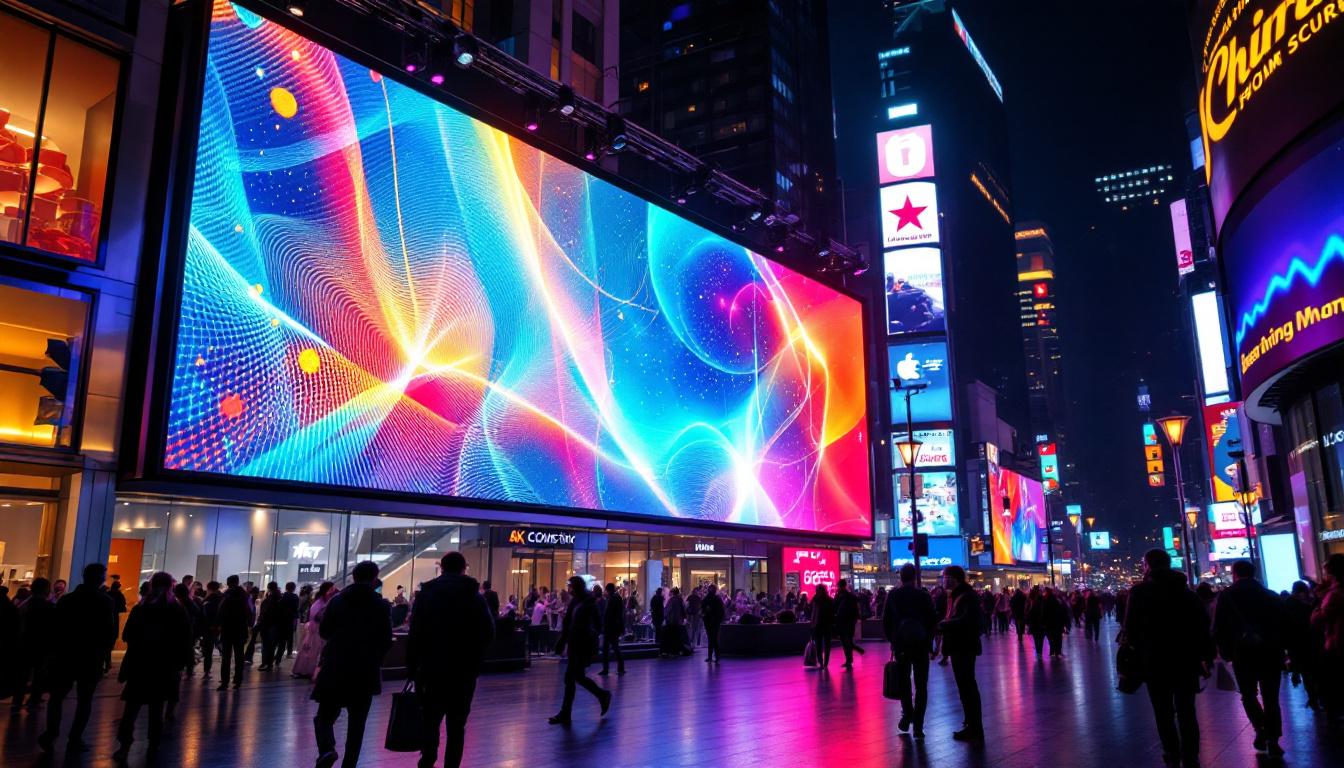
In today’s fast-paced digital world, capturing consumer attention is more challenging than ever. Traditional advertising methods are evolving, and businesses are increasingly turning to dynamic, eye-catching solutions like LED displays to stand out. LED advertising has revolutionized the way brands communicate with audiences, offering vibrant visuals, flexibility, and high impact. This article delves into the fundamentals of LED displays, their applications in advertising, technological advancements, and why they have become an indispensable tool for marketers worldwide.
What is an LED Display?
LED stands for Light Emitting Diode, a semiconductor device that emits light when an electric current passes through it. An LED display is a flat panel that uses an array of these diodes to create images, videos, and text. Unlike traditional LCD or plasma screens, LED displays are known for their brightness, energy efficiency, and durability, making them ideal for both indoor and outdoor advertising.
LED displays come in various forms, including billboards, video walls, digital signage, and even wearable screens. Their modular design allows for customization in size and shape, enabling businesses to tailor their advertising spaces to specific environments and objectives. The versatility of LED technology has led to its adoption in various sectors, from retail and entertainment to transportation and public information systems, showcasing its broad applicability and effectiveness in engaging audiences.
How LED Displays Work
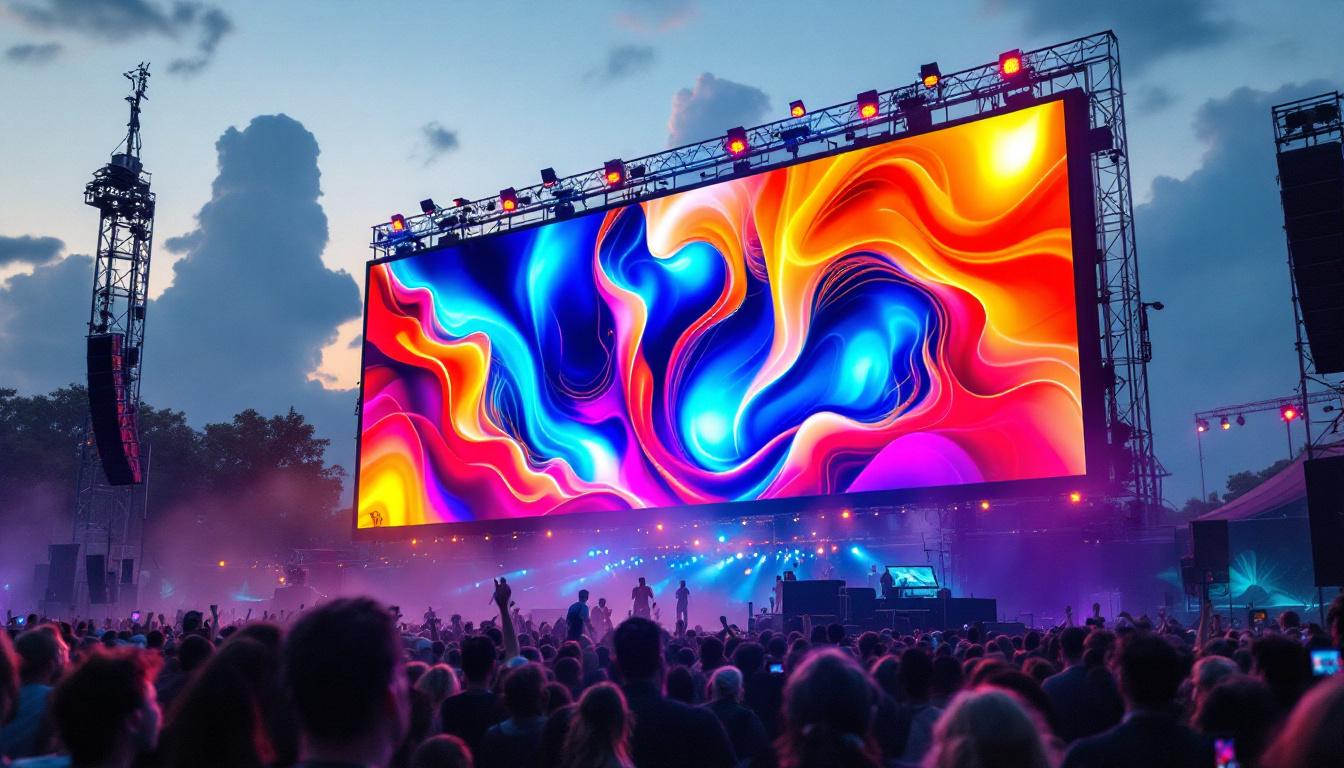
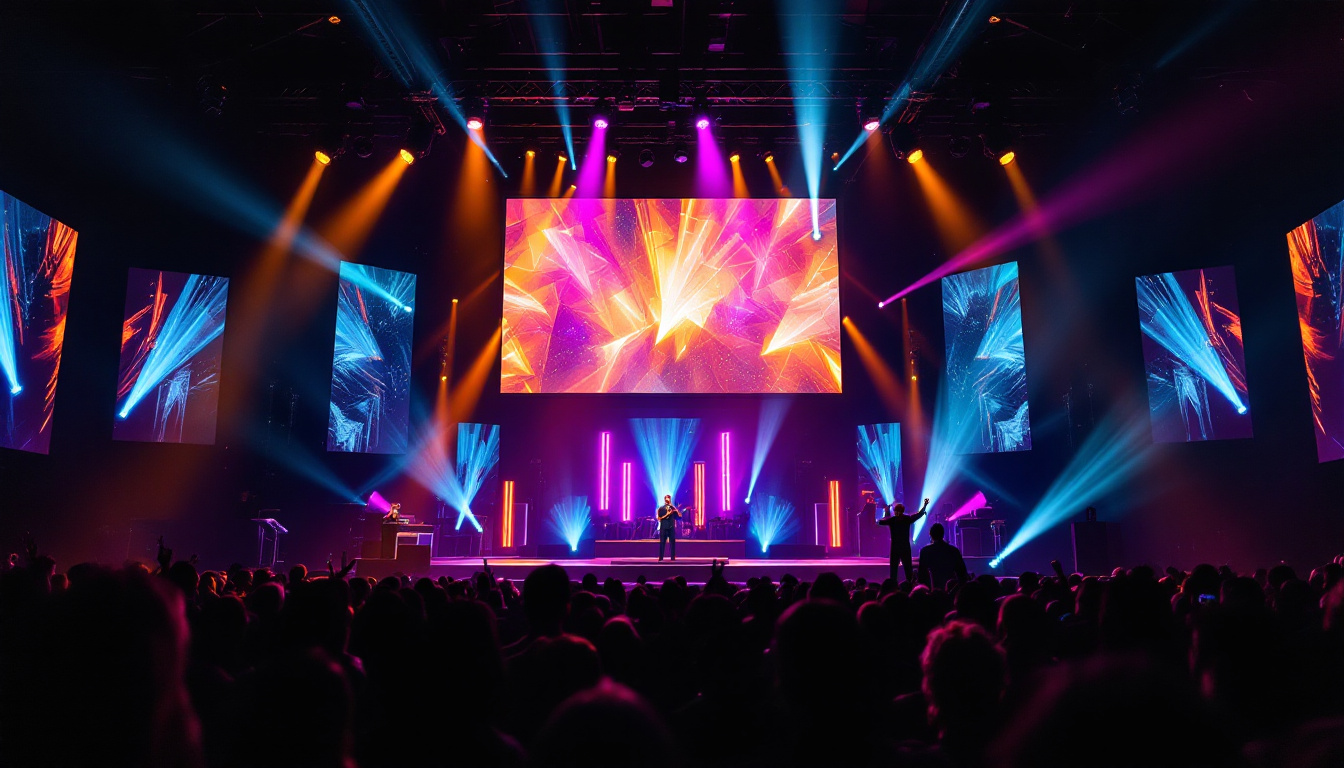
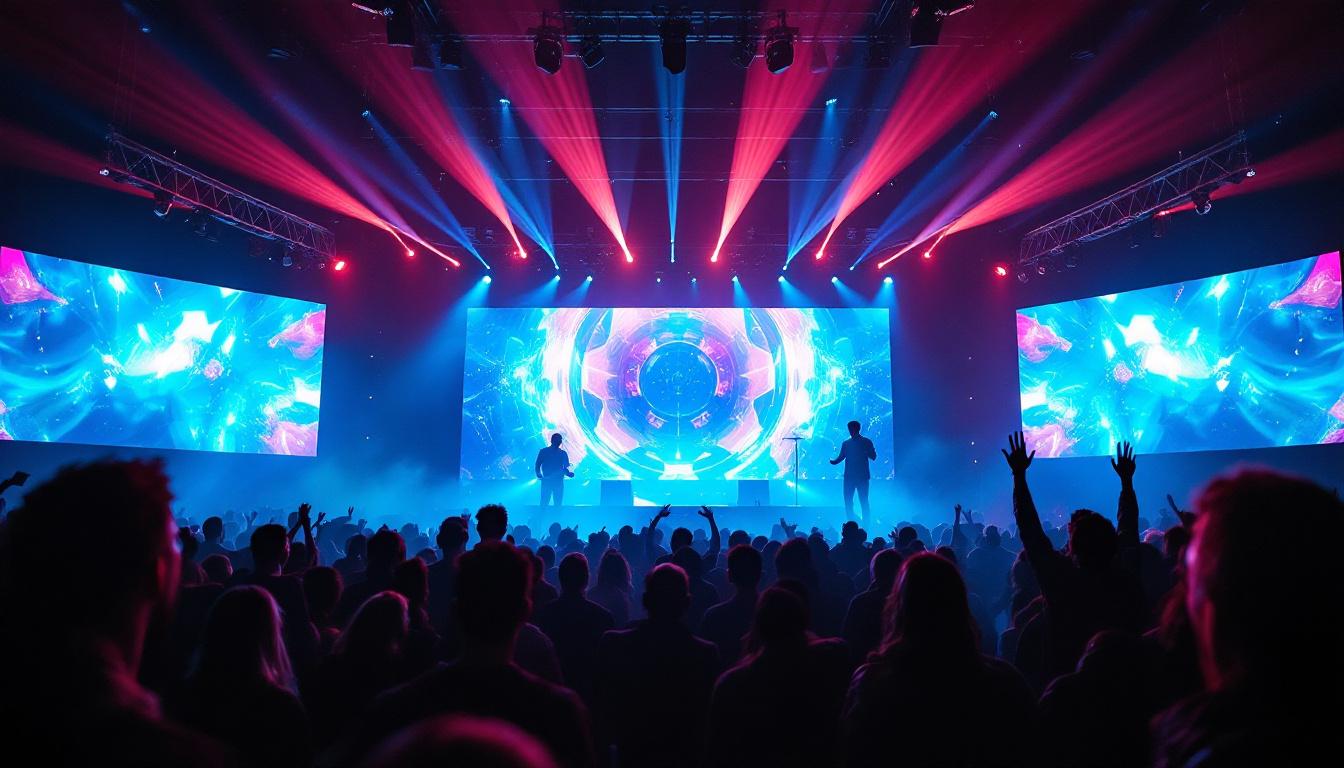
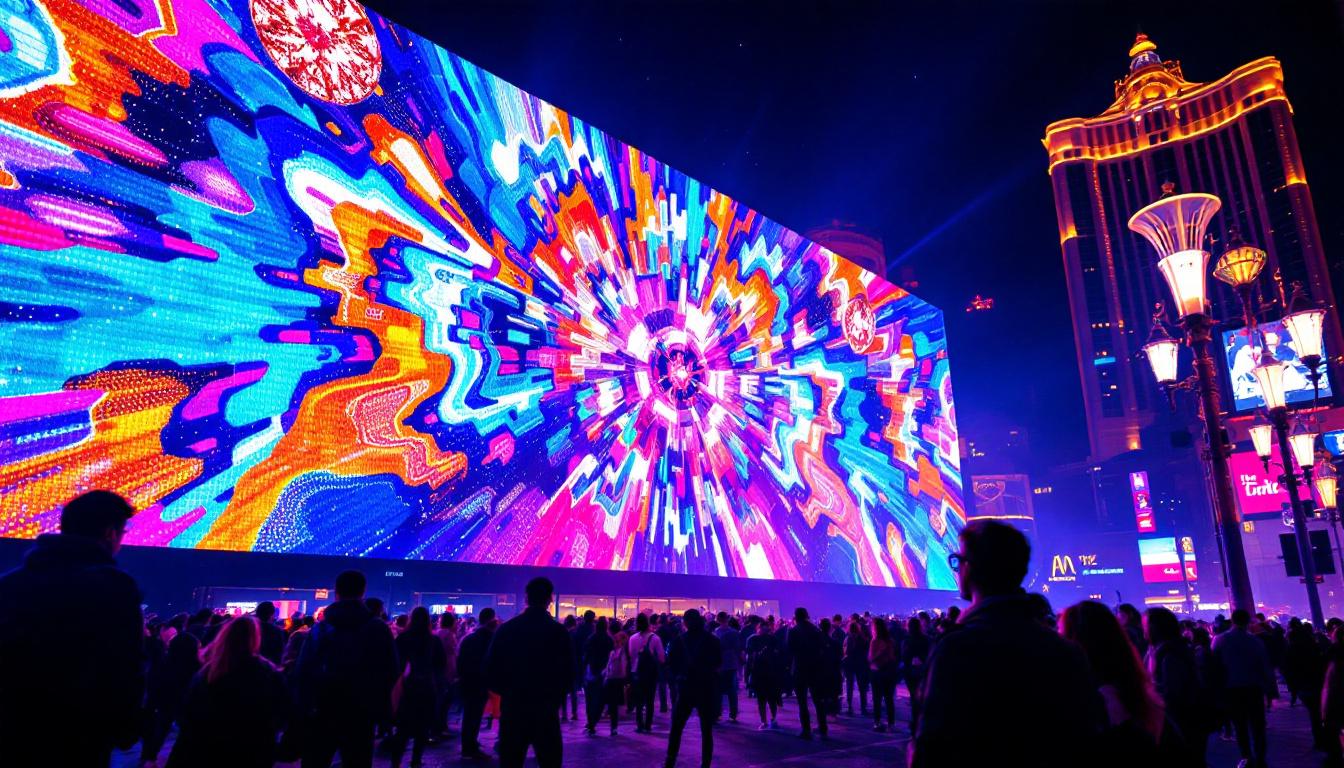
Each LED display consists of thousands to millions of tiny LEDs arranged in a grid. These LEDs can emit red, green, and blue light, which combine to produce a wide spectrum of colors. By controlling the intensity of each LED, the display can render detailed images and videos with high color accuracy and brightness. This capability is particularly beneficial for applications requiring high visibility, such as concerts, sporting events, and large-scale public displays, where capturing attention is paramount.
The resolution of an LED display depends on the pixel pitch, which is the distance between the centers of two adjacent LEDs. Smaller pixel pitches mean higher resolution and sharper images, especially important for close viewing distances. As technology advances, manufacturers are continually developing displays with even smaller pixel pitches, pushing the boundaries of clarity and detail, which is essential for applications like high-end retail displays and art installations where visual fidelity is critical.
Types of LED Displays
LED displays are broadly categorized into two types: indoor and outdoor. Indoor LED displays typically have a smaller pixel pitch (ranging from 1mm to 4mm) to ensure crisp visuals at close range. Outdoor LED displays, on the other hand, have larger pixel pitches (usually 10mm or more) to maintain visibility over long distances and withstand harsh weather conditions. The robust nature of outdoor displays is complemented by features such as waterproofing and UV protection, ensuring that they remain functional and vibrant in various environmental conditions.
Additionally, there are transparent LED displays that allow light to pass through, making them suitable for storefront windows without obstructing the view from inside. These displays are particularly popular in urban environments where maximizing natural light is desirable. Flexible LED displays are another innovation, capable of bending and curving around surfaces, opening new creative possibilities for advertising. This flexibility enables designers to create immersive experiences, such as wrapping displays around columns or integrating them into architectural features, thereby transforming conventional advertising into a dynamic visual experience that captivates audiences.
The Rise of LED Advertising
LED advertising has seen exponential growth over the past decade, driven by technological advancements and changing consumer behaviors. According to a report by Grand View Research, the global digital signage market, which includes LED displays, is expected to reach $32.84 billion by 2028, growing at a compound annual growth rate (CAGR) of 7.5% from 2021 to 2028.
This growth is fueled by the increasing demand for dynamic content that can be updated in real-time, enhanced engagement through motion and color, and the ability to target specific audiences with tailored messages.
Why Businesses Choose LED Displays
One of the key advantages of LED advertising is its high visibility. LED displays can operate in various lighting conditions, including direct sunlight, making them far more effective than traditional printed billboards. Their brightness can reach up to 5,000 nits or more, ensuring content is visible day and night.
Moreover, LED displays offer unmatched flexibility. Advertisers can change content instantly, allowing for time-sensitive promotions, interactive campaigns, and localized messaging. This adaptability reduces printing and installation costs associated with static advertisements.
Durability is another critical factor. LED displays are designed to withstand extreme weather conditions, from heavy rain to intense heat, ensuring long-term reliability for outdoor advertising. Their energy efficiency also contributes to lower operating costs compared to other lighting technologies.
Examples of LED Advertising in Action
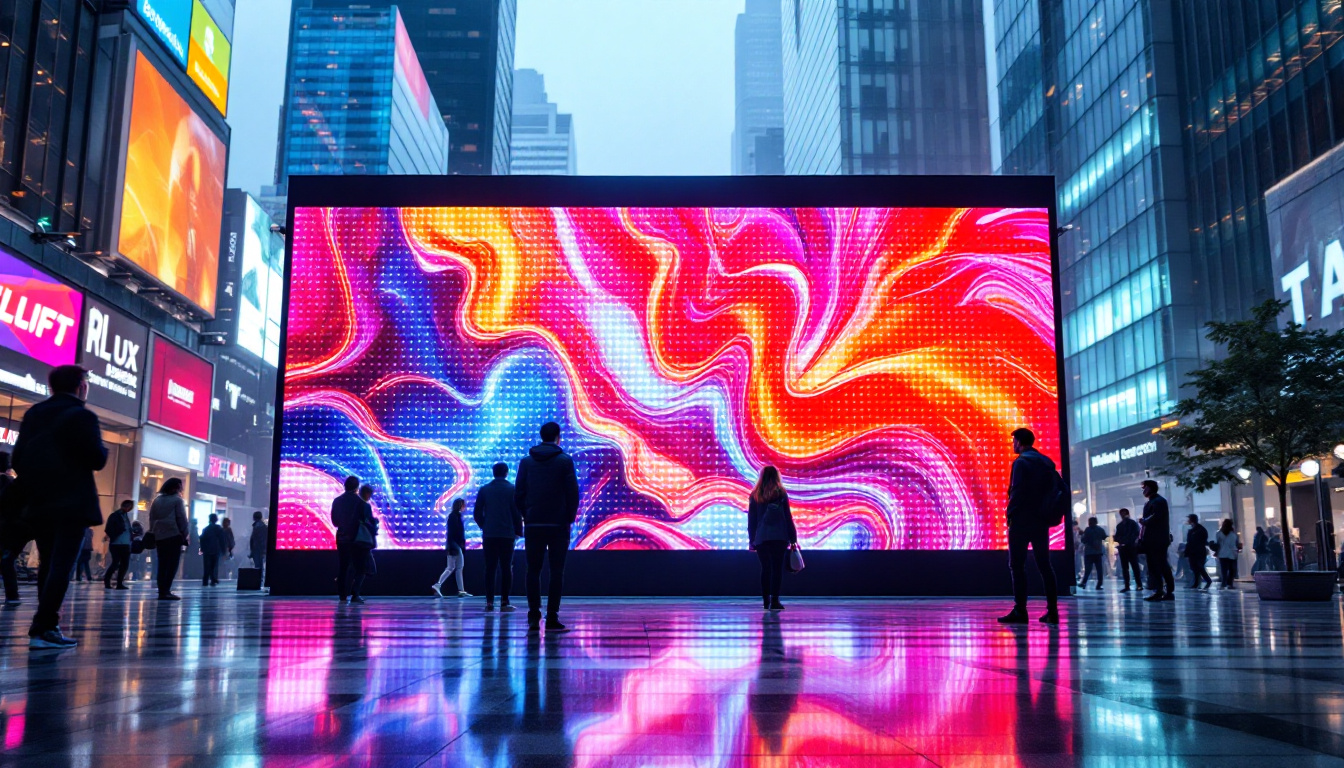
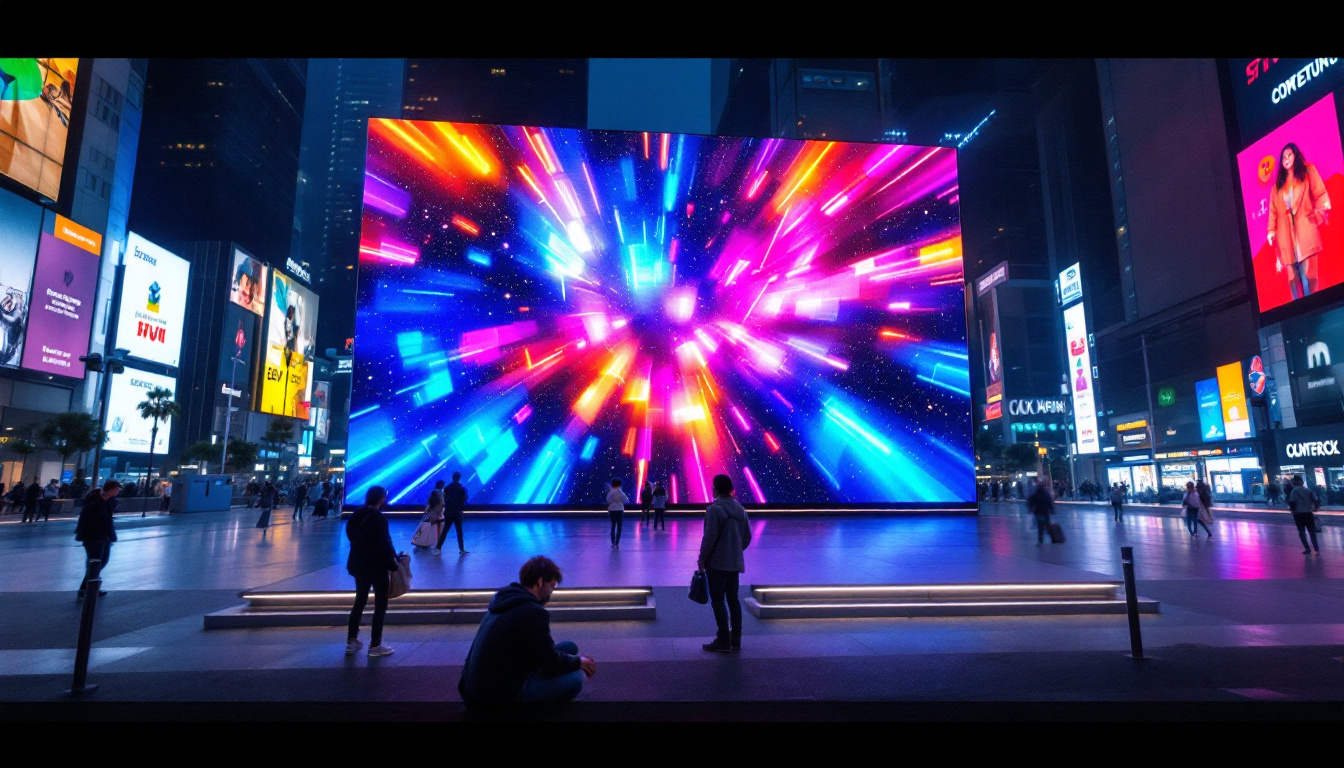
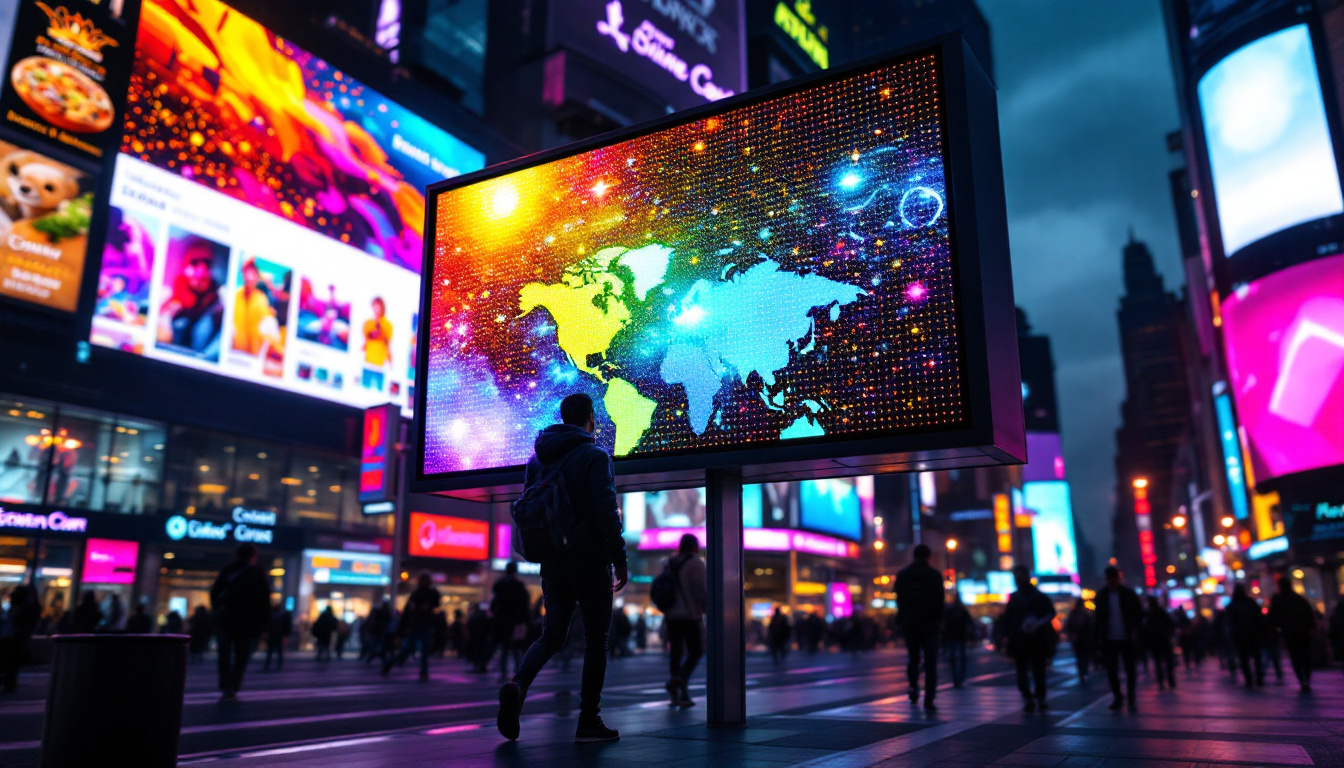
Iconic locations like Times Square in New York City and Piccadilly Circus in London showcase the power of LED advertising. Massive LED billboards and video walls dominate these urban landscapes, delivering vibrant, high-impact messages to millions of pedestrians and drivers daily.
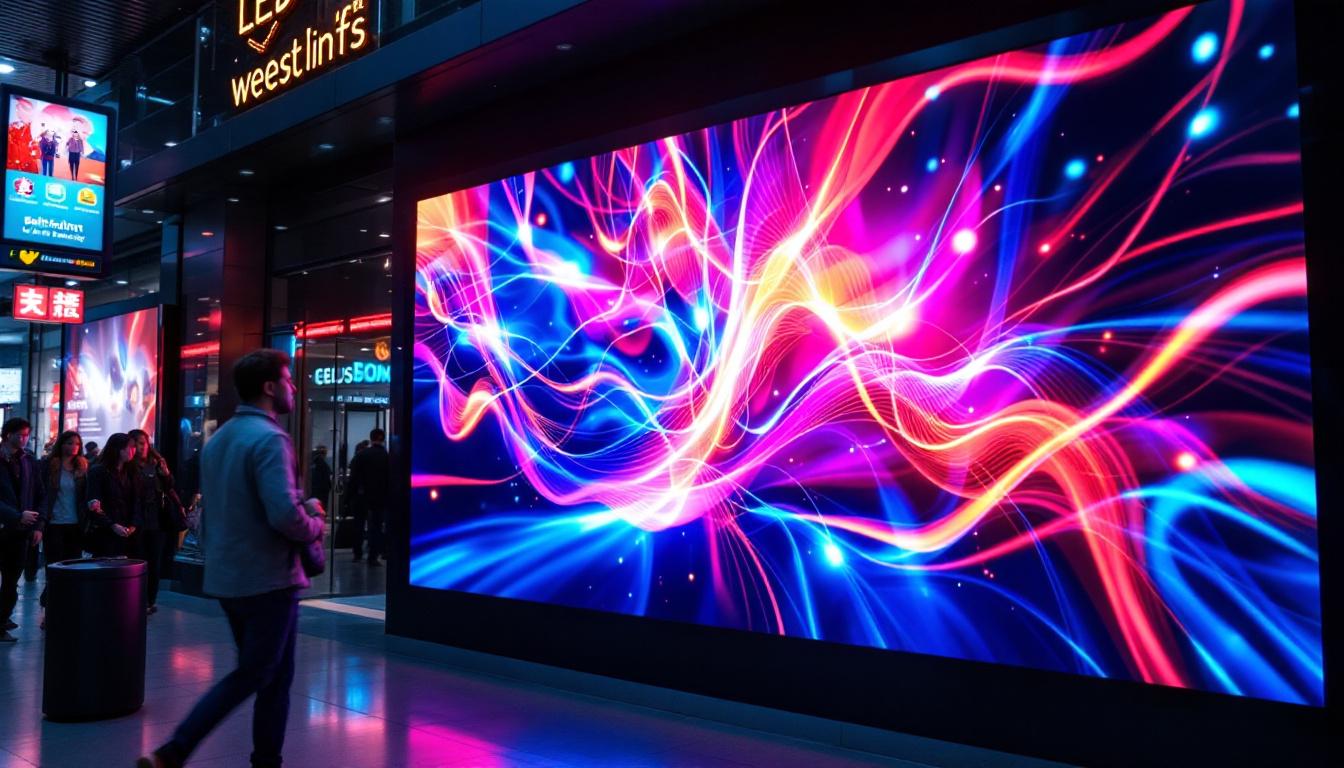
Retailers use LED displays in storefronts to attract foot traffic, while transportation hubs such as airports and train stations employ them for wayfinding and promotional content. Sporting events and concerts leverage LED screens to enhance the spectator experience with live feeds, replays, and advertisements.
Technological Innovations in LED Displays
As LED technology evolves, new features and capabilities continue to enhance advertising effectiveness. Understanding these innovations helps businesses make informed decisions when investing in LED displays.
High-Resolution and Fine Pixel Pitch Displays
Recent advancements have enabled the production of LED displays with ultra-fine pixel pitches below 1mm. These high-resolution screens deliver stunning image clarity, making them suitable for indoor environments such as retail stores, corporate lobbies, and control rooms where viewers are close to the display.
Fine pixel pitch technology bridges the gap between LED and traditional LCD displays, combining the brightness and durability of LEDs with exceptional image quality.
Smart LED Displays and IoT Integration
Modern LED displays are increasingly integrated with smart technologies and the Internet of Things (IoT). This connectivity allows for remote content management, real-time data analytics, and audience targeting based on factors like time of day, weather, or demographic data.
For example, a smart LED billboard can automatically switch advertisements depending on traffic patterns or current events, maximizing relevance and engagement. IoT-enabled displays also facilitate predictive maintenance, reducing downtime and operational costs.
Energy Efficiency and Sustainability
Energy consumption is a significant consideration for large-scale LED installations. Innovations such as improved LED chip design, intelligent brightness control, and solar-powered LED displays are helping reduce the environmental impact of digital advertising.
Many manufacturers now offer eco-friendly LED solutions that comply with global standards for energy efficiency and sustainability, aligning with corporate social responsibility goals.
Designing Effective LED Advertising Campaigns
Creating compelling LED advertising requires more than just installing a screen. Successful campaigns combine creative content, strategic placement, and technical optimization to maximize impact.
Content Creation for LED Displays
LED screens are best suited for bold, vibrant visuals with high contrast. Simple, clear messaging works best because viewers often see the display from a distance or in passing. Animations and video content can increase engagement, but should be concise to avoid overwhelming the audience.
Designers must consider the viewing environment, ambient light, and screen resolution when creating content. For example, outdoor LED billboards benefit from bright colors and large fonts, while indoor displays can incorporate finer details and interactive elements.
Strategic Placement and Audience Targeting
Location plays a crucial role in the effectiveness of LED advertising. High-traffic areas such as shopping malls, highways, and urban centers offer maximum exposure. Understanding the demographics and behaviors of the target audience helps tailor content to resonate more deeply.
Dynamic LED displays enable advertisers to schedule different messages throughout the day, catering to varying audiences such as commuters in the morning and shoppers in the afternoon.
Measuring Success and ROI
One of the benefits of digital LED advertising is the ability to track performance metrics. Integrating LED displays with analytics tools can provide data on impressions, engagement rates, and conversion metrics.
These insights allow marketers to refine campaigns in real-time, optimize content, and justify advertising spend with measurable results. Studies have shown that digital signage, including LED displays, can increase sales by up to 30% in retail environments.
Challenges and Considerations
Despite its advantages, LED advertising comes with challenges that businesses must address to ensure success.
Initial Investment and Maintenance Costs
High-quality LED displays require significant upfront investment, especially for large or high-resolution installations. While operating costs are generally lower than other technologies, maintenance and repairs can add to the total cost of ownership.
Choosing reputable manufacturers and service providers, as well as planning for routine maintenance, helps mitigate these risks.
Content Management Complexity
Managing dynamic content across multiple LED displays can be complex, requiring specialized software and skilled personnel. Without proper content strategy and scheduling, displays may fail to deliver their full potential.
Many companies now offer cloud-based content management systems that simplify this process, enabling centralized control and automation.
Regulatory and Environmental Concerns
In some regions, regulations govern the brightness, size, and placement of LED advertising to minimize light pollution and distractions for drivers. Compliance with local laws is essential to avoid fines and community backlash.
Additionally, consideration of environmental impact, including energy consumption and electronic waste, is increasingly important for sustainable advertising practices.
The Future of LED Advertising
Looking ahead, LED advertising is poised for continued innovation and growth. Emerging technologies such as micro-LED and mini-LED promise even better image quality and energy efficiency. Integration with augmented reality (AR) and artificial intelligence (AI) will enable more personalized and interactive advertising experiences.
As cities become smarter and more connected, LED displays will play a central role in urban communication, blending advertising with public information and entertainment.
For businesses, staying informed about these trends and investing strategically in LED advertising can provide a competitive edge in an increasingly digital marketplace.
Conclusion
LED advertising has transformed the landscape of visual marketing, offering unparalleled brightness, flexibility, and engagement opportunities. Understanding the technology behind LED displays, their applications, and how to effectively design campaigns is essential for businesses aiming to leverage this powerful medium.
With ongoing advancements and growing adoption, LED displays will continue to be a cornerstone of modern advertising strategies, helping brands capture attention and connect with audiences in innovative ways.
Illuminate Your Brand with LumenMatrix
Ready to elevate your advertising strategy with the brilliance of LED technology? LumenMatrix is at the forefront of LED display innovation, offering a diverse range of solutions tailored to your unique needs. From Indoor and Outdoor LED Wall Displays to specialized options like Vehicle, Sports, and Floor LED Displays, we have the tools to make your brand shine. Embrace the future of visual marketing with our Custom, All-in-One, and Transparent LED Displays, designed to captivate and engage your audience. Check out LumenMatrix LED Display Solutions today and transform your message into an unforgettable visual experience.