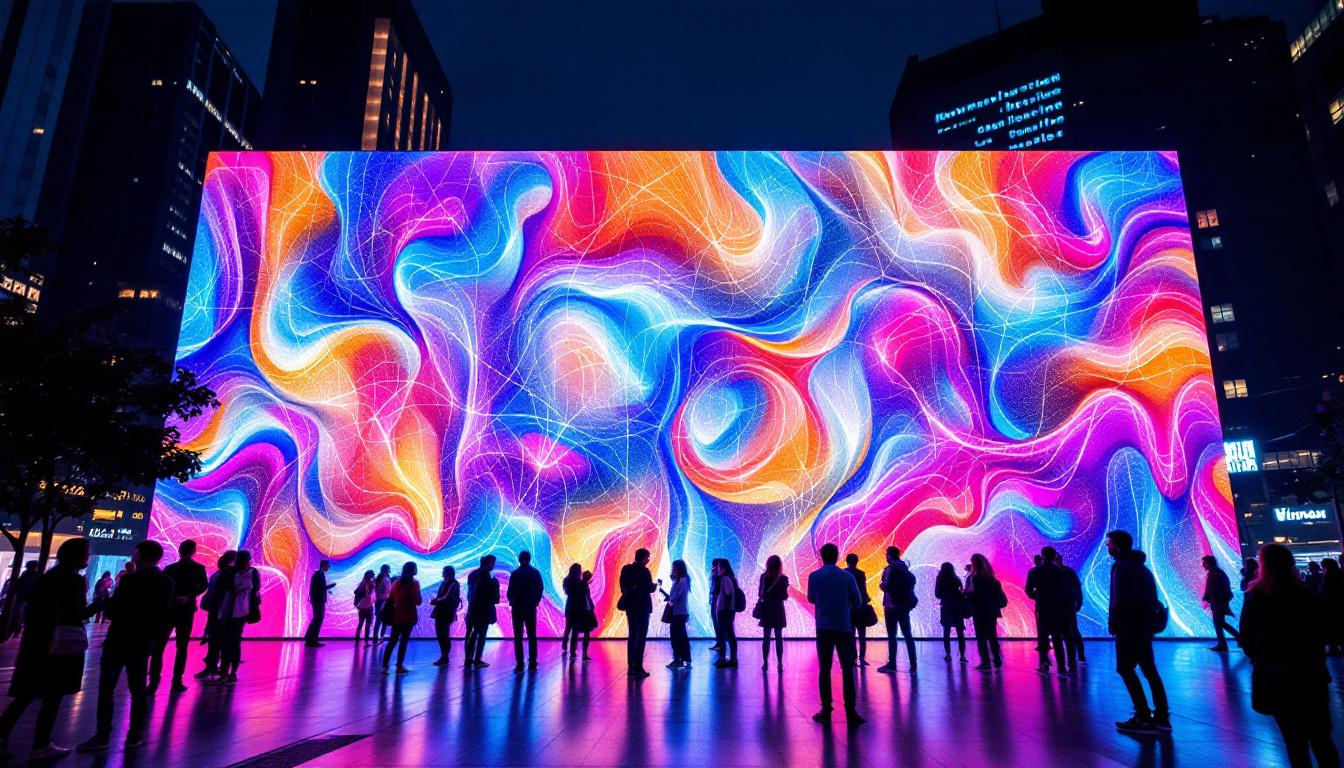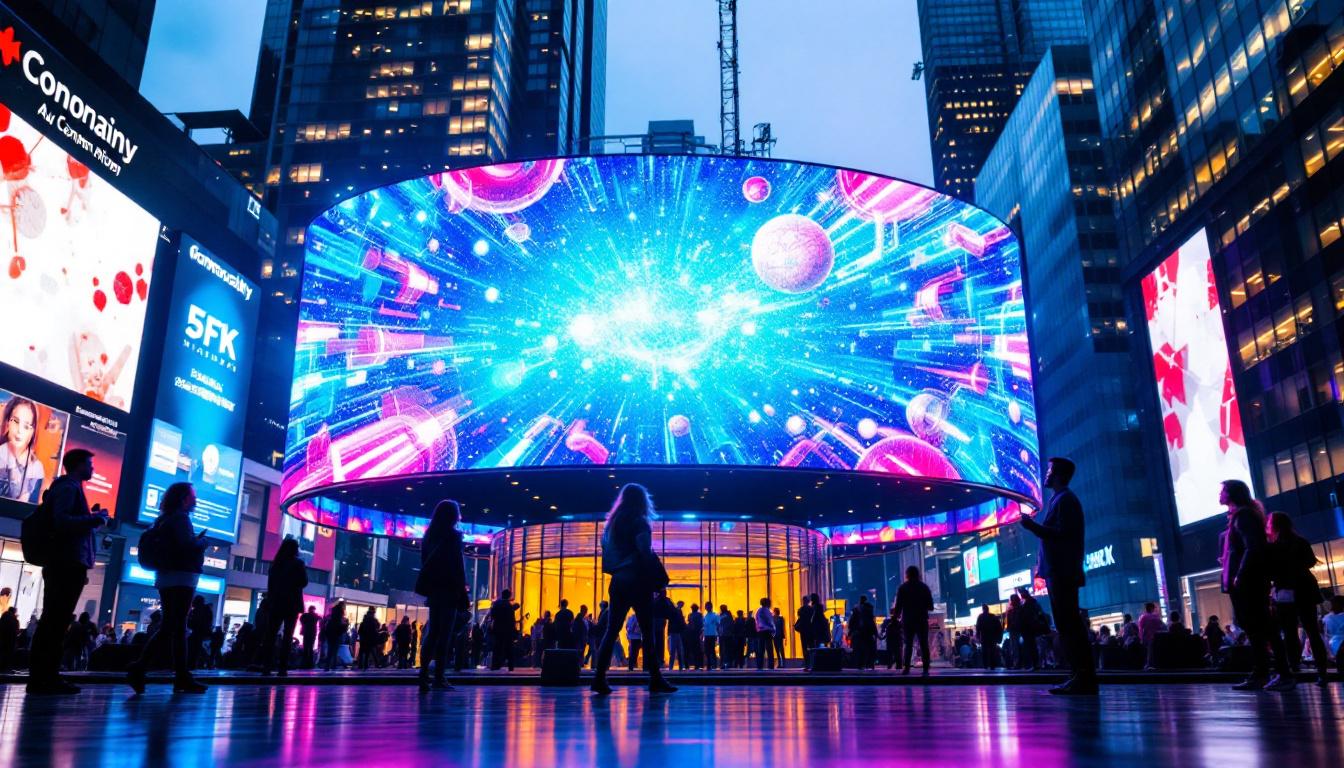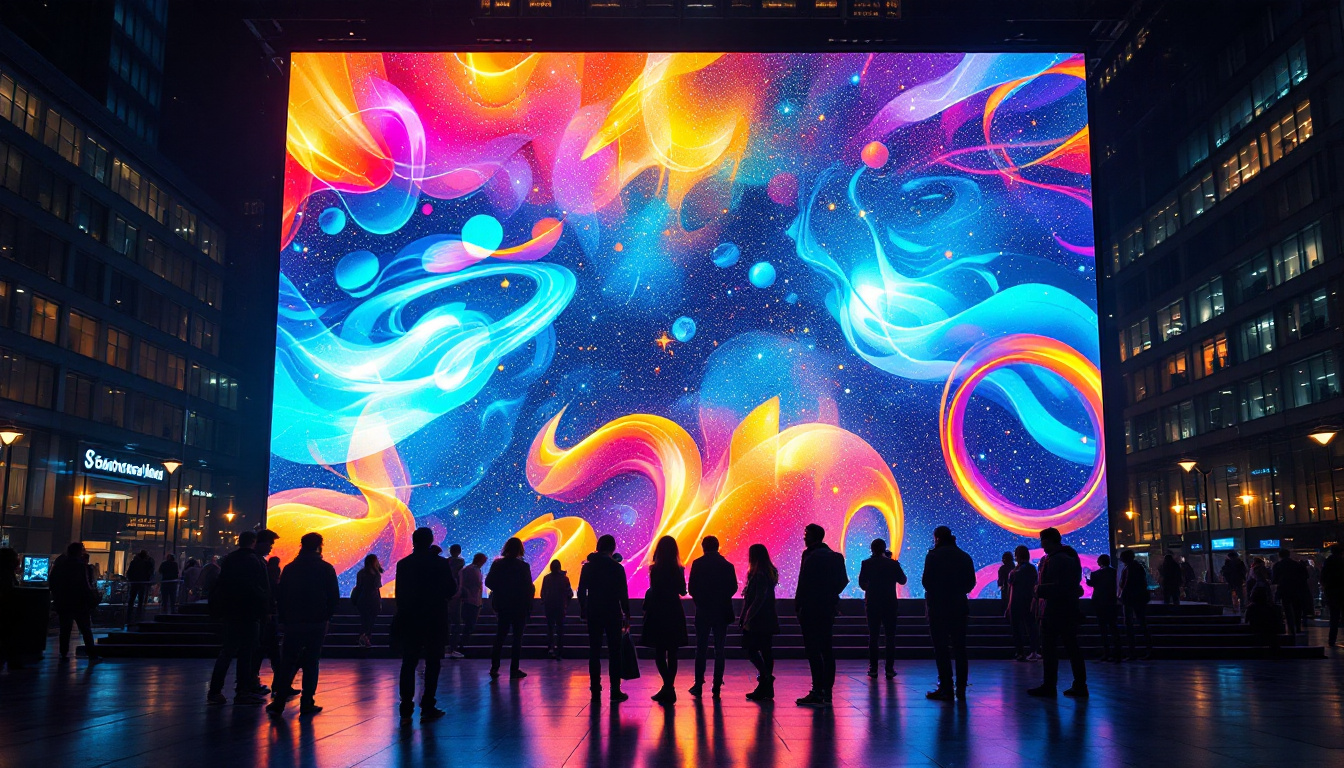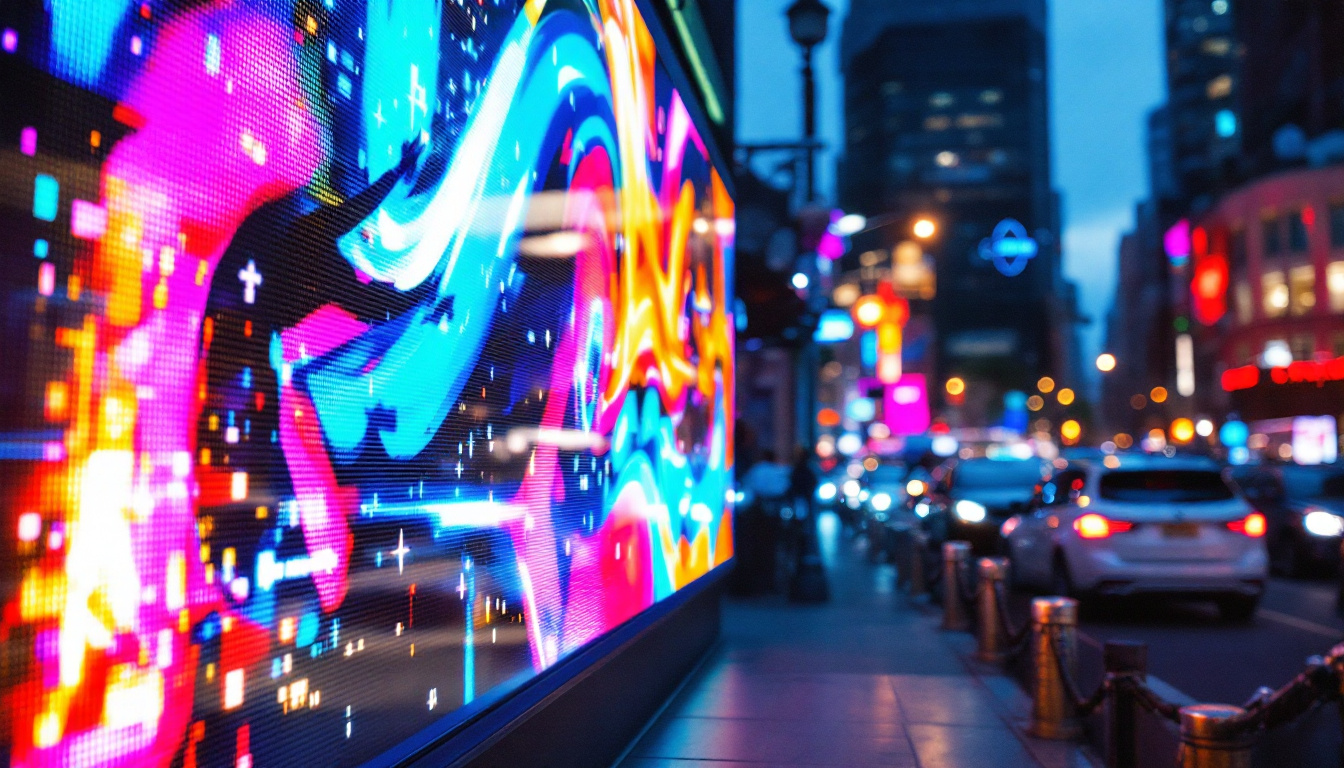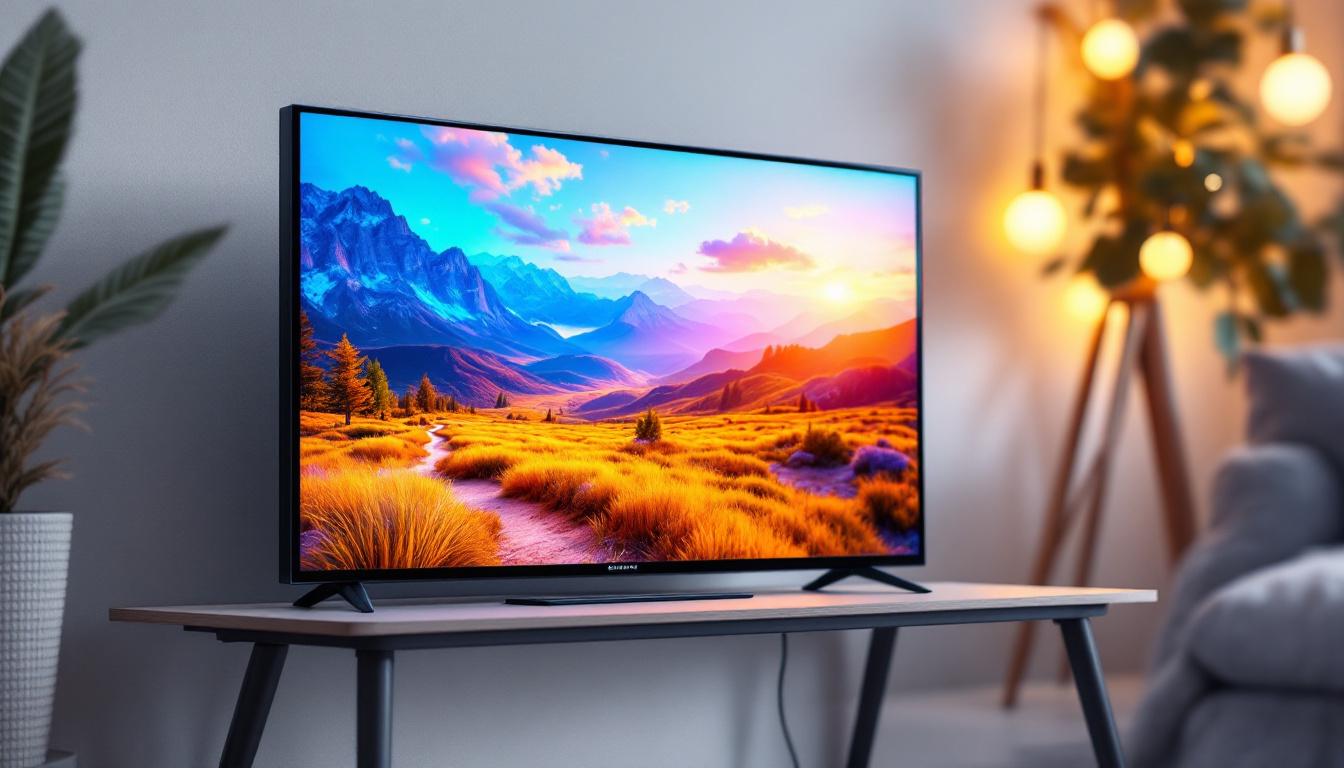
In today’s fast-paced digital world, visual communication is more important than ever. Among the many technologies that have revolutionized how information is shared, LED displays stand out as a dynamic and versatile solution. Picture boards—large-scale LED displays—have become ubiquitous across industries, from advertising and sports arenas to public transportation and corporate environments. This article delves into the technology behind LED picture boards, exploring how they work, their applications, advantages, and considerations for choosing the right display.
Understanding LED Technology
What is an LED Display?
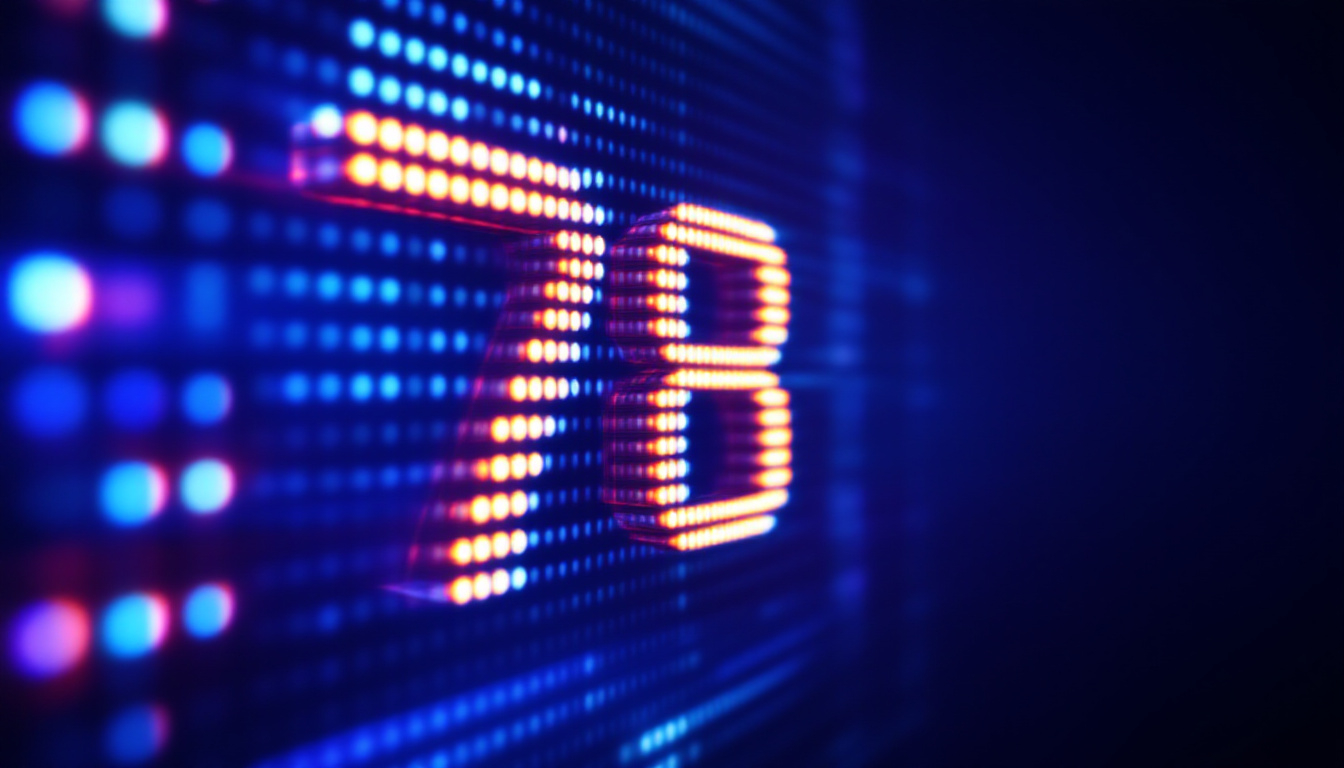
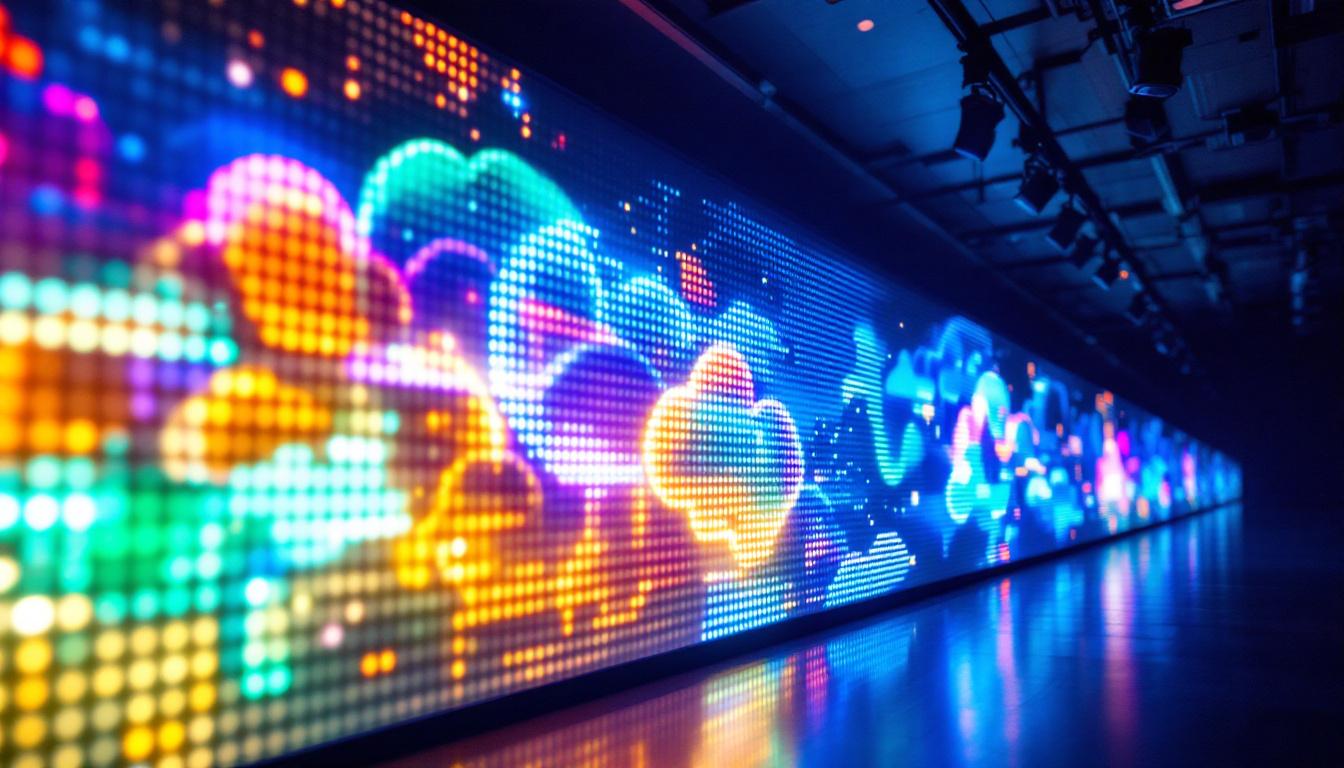
LED stands for Light Emitting Diode, a semiconductor device that emits light when an electric current passes through it. An LED display is composed of thousands—or even millions—of these tiny diodes arranged in a matrix to form images, videos, or text. Picture boards use these arrays to create vibrant, high-resolution visuals that can be seen clearly from great distances and under various lighting conditions.
The core advantage of LED technology lies in its brightness and energy efficiency. Unlike traditional LCD or projection displays, LEDs produce their own light, which means they can deliver vivid colors and sharp contrasts even in direct sunlight. This makes LED picture boards ideal for both indoor and outdoor use. Furthermore, the longevity of LED lights, often exceeding 50,000 hours, ensures that they require less frequent replacement, leading to lower maintenance costs over time.
How Do LED Picture Boards Work?
Each pixel on an LED display consists of red, green, and blue diodes. By varying the intensity of these three colors, the display can produce a full spectrum of colors. The pixels are controlled by a central processing unit that receives digital input from a computer or media player, translating it into precise light patterns on the screen.
Modern LED picture boards often use surface-mounted device (SMD) technology, where all three colored diodes are housed within a single package. This allows for higher pixel density, resulting in sharper images and smoother video playback. The pixel pitch—the distance between the centers of two adjacent pixels—is a crucial factor in determining the resolution and viewing distance of the display. Additionally, advancements in technology have led to the development of flexible LED displays, which can be bent or shaped to fit unconventional spaces, making them versatile for various applications, from retail environments to art installations.
Moreover, LED displays can be equipped with smart technology that enables them to connect to the internet, allowing for real-time content updates and remote management. This capability is particularly beneficial for advertising and public information displays, where timely information is crucial. With the integration of sensors, these displays can also adapt their brightness based on ambient light conditions, further enhancing energy efficiency and viewer experience. As a result, LED technology continues to evolve, pushing the boundaries of visual communication and interactivity in our daily lives.
Applications of LED Picture Boards
Advertising and Marketing
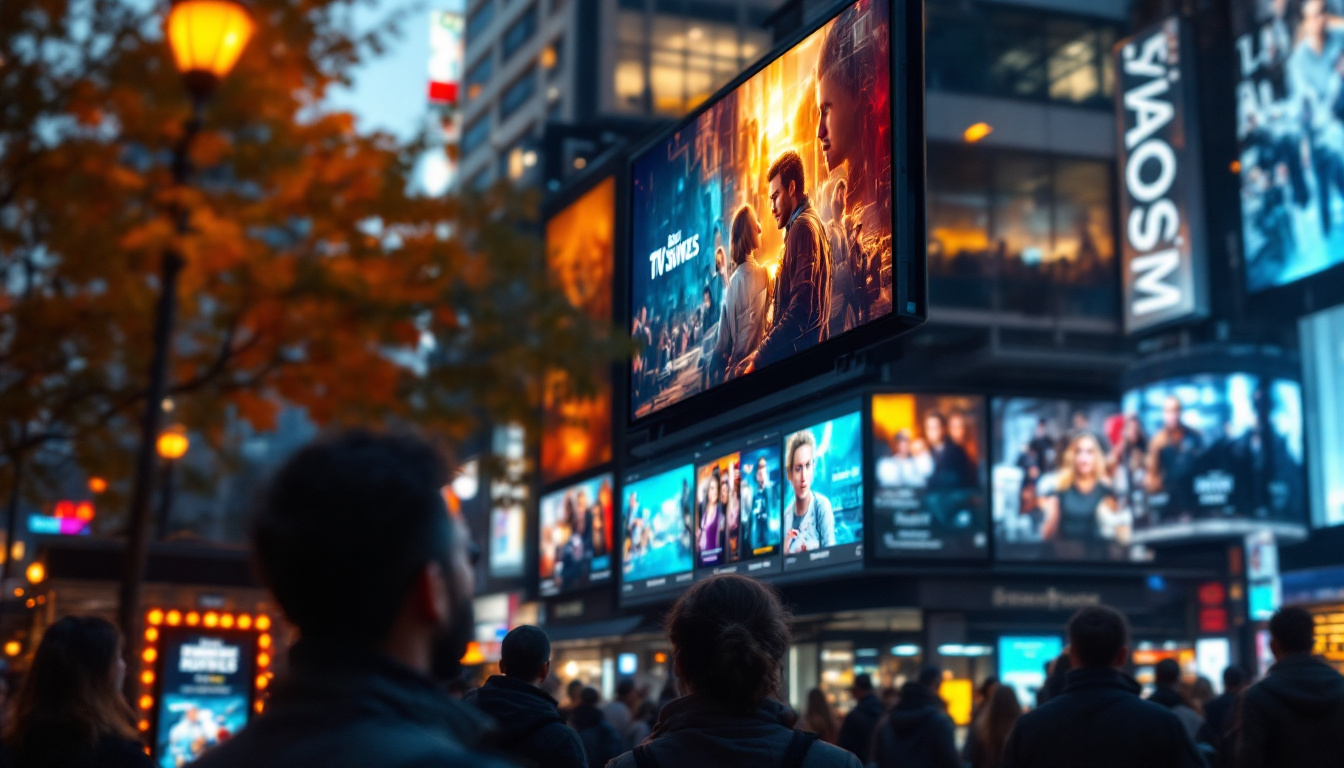
One of the most prominent uses of LED picture boards is in outdoor advertising, commonly known as digital billboards. According to a 2023 report by the Digital Signage Federation, the global digital signage market is expected to reach $32 billion by 2027, with LED displays accounting for a significant share due to their durability and brightness.
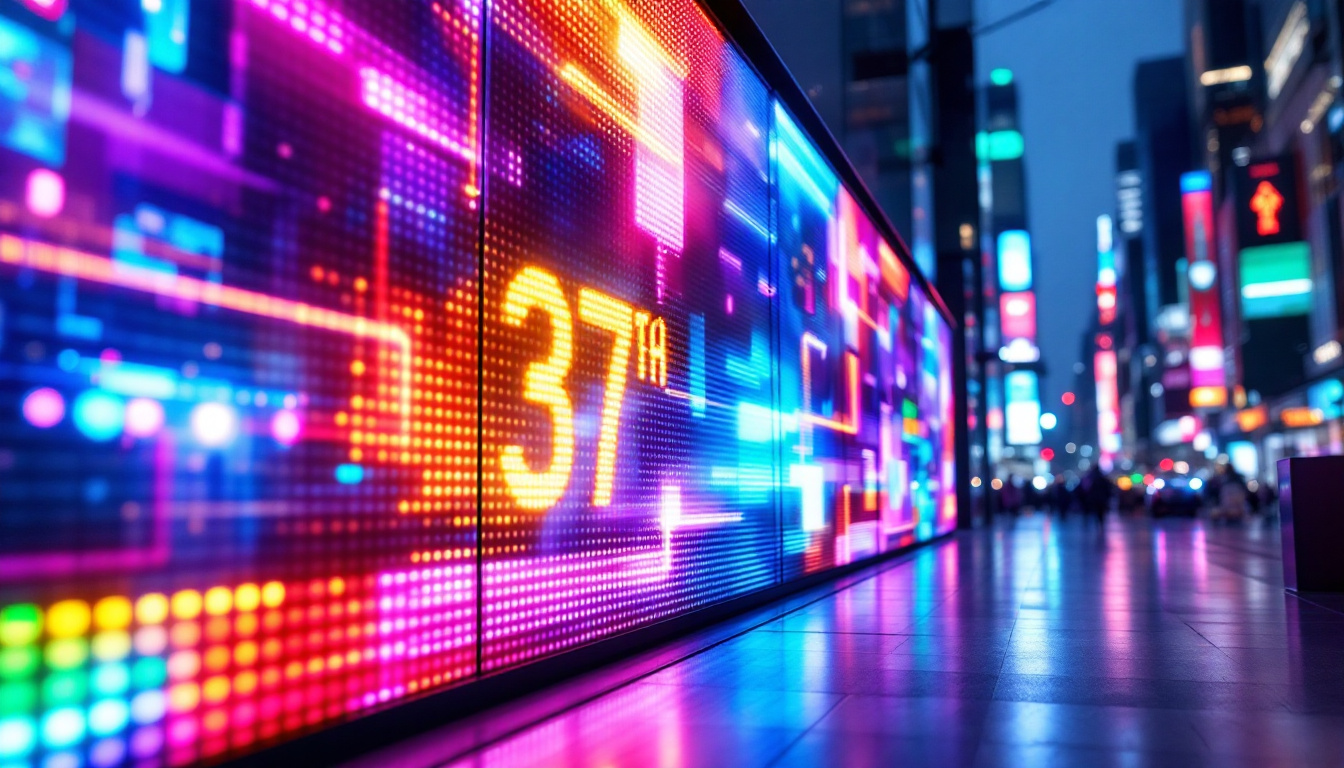
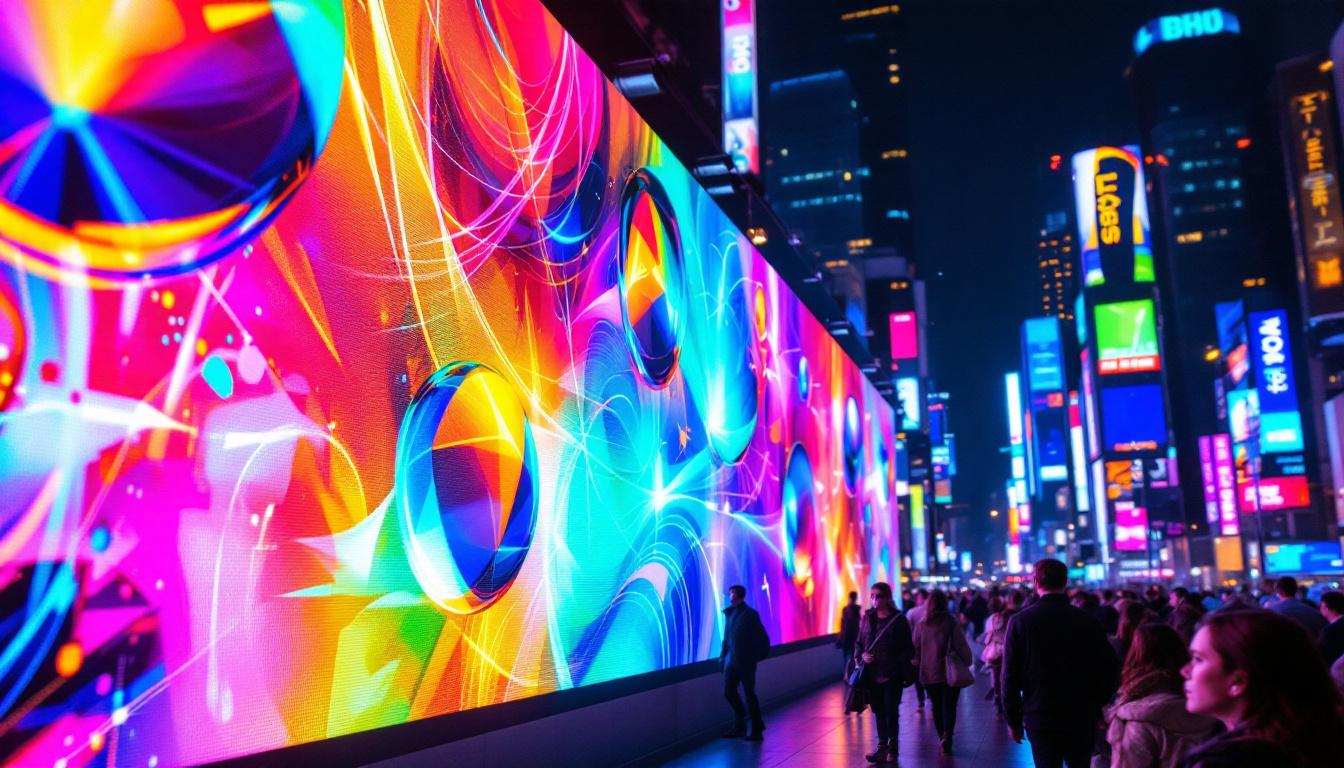
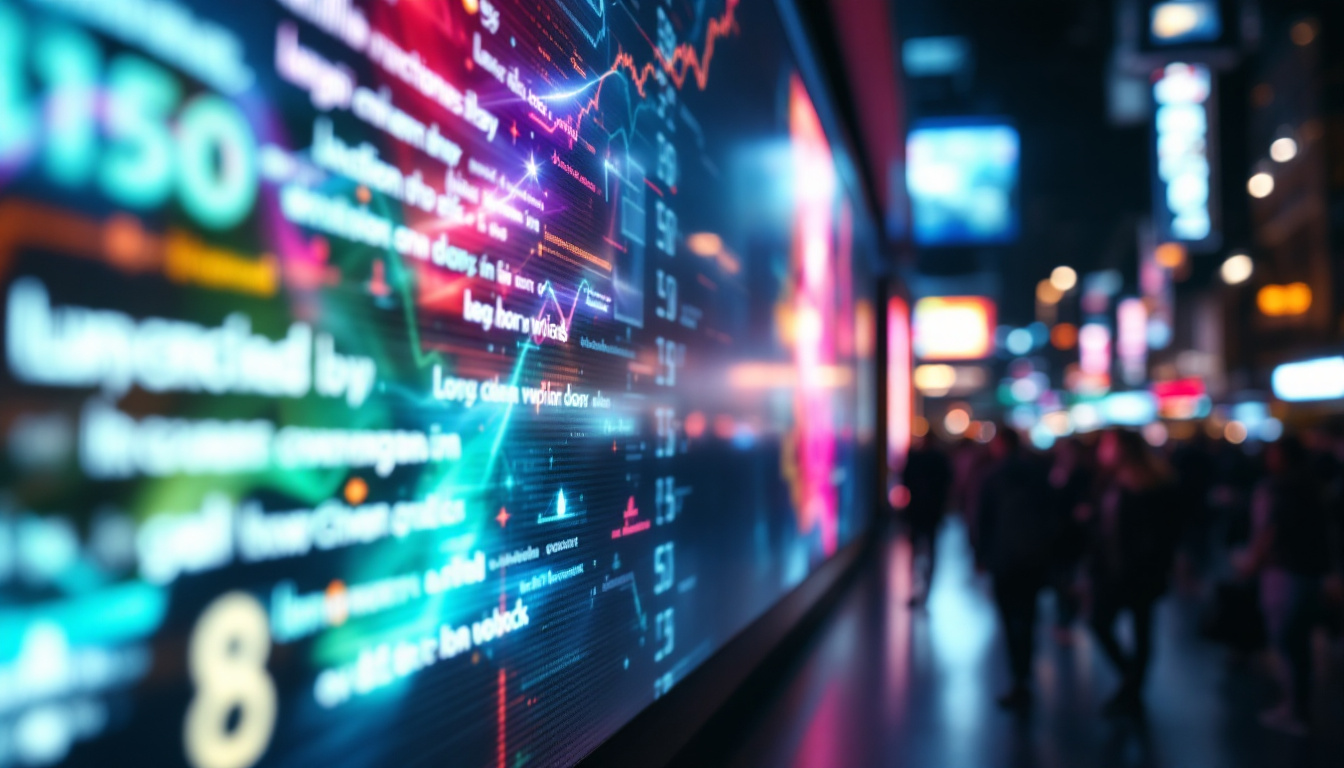
LED picture boards enable advertisers to display dynamic content that can be updated in real-time, allowing for targeted marketing campaigns and interactive promotions. For example, Times Square in New York City features massive LED screens that showcase high-impact advertisements visible to millions daily.
Sports and Entertainment Venues
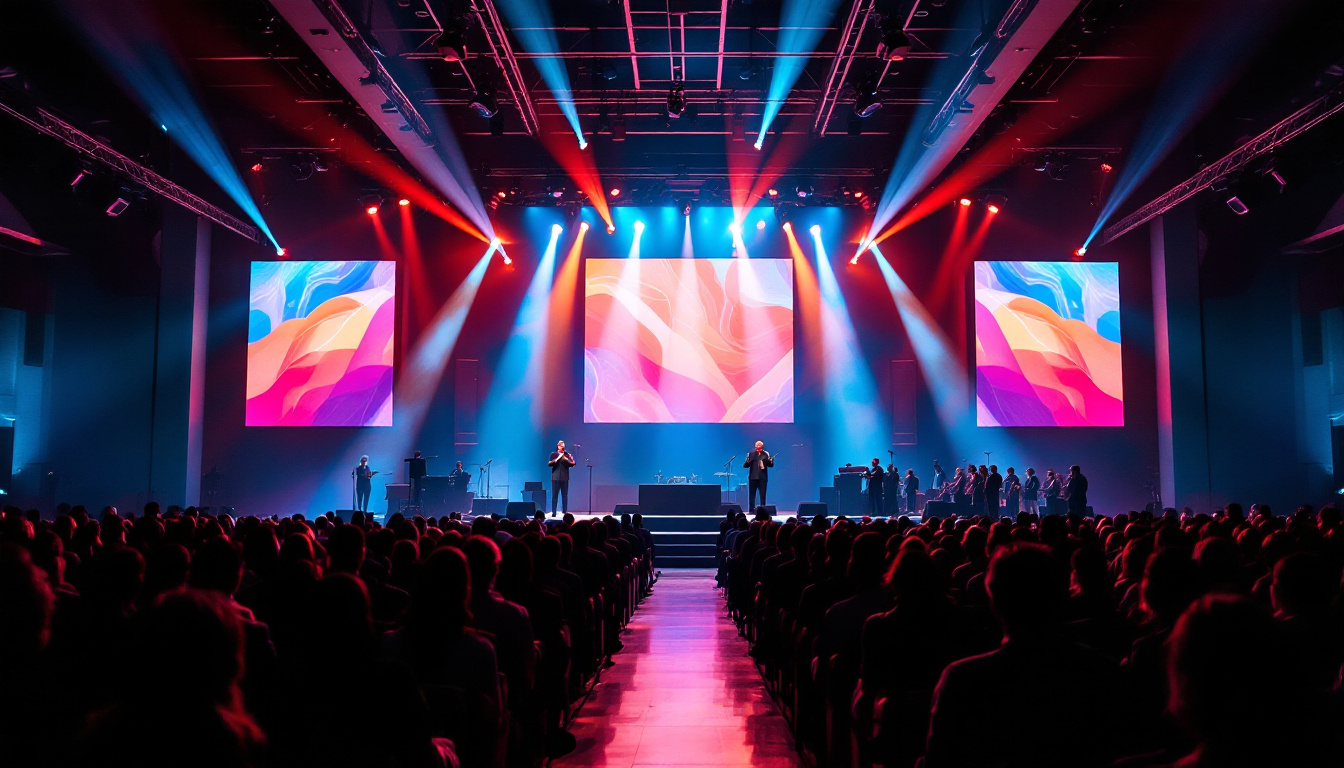
Sports arenas and concert venues use LED picture boards to enhance the spectator experience. These displays provide live game scores, instant replays, player statistics, and engaging visual effects. The ability to broadcast high-definition video content on large screens helps maintain audience engagement and adds excitement to events.
Stadiums like the AT&T Stadium in Texas and the Tottenham Hotspur Stadium in London have invested heavily in state-of-the-art LED displays, some measuring over 10,000 square feet. These installations are engineered to withstand weather conditions and deliver consistent performance during high-profile events.
Transportation and Public Information
LED picture boards are widely used in transportation hubs such as airports, train stations, and bus terminals. They provide real-time updates on schedules, delays, gate changes, and emergency announcements. Their high visibility and reliability make them essential tools for managing passenger flow and ensuring safety.
Additionally, many cities have integrated LED displays into public spaces to share news, weather updates, and community messages, fostering better communication between local authorities and residents.
Advantages of LED Picture Boards
Brightness and Visibility
One of the most significant benefits of LED picture boards is their exceptional brightness. With luminance levels often exceeding 5,000 nits, these displays remain clearly visible even under direct sunlight. This makes them superior to other display technologies, especially for outdoor applications.
Moreover, LED displays offer wide viewing angles, ensuring that images and text are legible from various positions. This is crucial for public installations where viewers may be spread across large areas.
Energy Efficiency and Longevity
LED technology is known for its energy efficiency. Compared to traditional lighting and display technologies, LEDs consume less power while delivering higher brightness. This translates into lower operating costs over the lifespan of the display.
In terms of durability, LED picture boards are designed to withstand harsh environmental conditions, including rain, wind, and temperature fluctuations. Many outdoor LED displays have an IP65 or higher rating, indicating strong protection against dust and water ingress. With proper maintenance, LED displays can last upwards of 100,000 hours, making them a cost-effective investment.
Flexibility and Customization
LED picture boards come in various sizes and shapes, from small indoor panels to massive curved or irregularly shaped installations. This flexibility allows designers and marketers to tailor displays to specific environments and branding needs.
Content can be easily updated and scheduled remotely, enabling dynamic messaging and interactive features. Some advanced displays incorporate touch capabilities, sensors, and integration with mobile devices, opening new possibilities for user engagement.
Key Considerations When Choosing an LED Picture Board
Resolution and Pixel Pitch
The resolution of an LED display depends largely on its pixel pitch. Smaller pixel pitches mean higher resolution and clearer images, especially at close viewing distances. For indoor use, pixel pitches can be as low as 1-2 millimeters, while outdoor displays typically range from 4 to 10 millimeters or more.
Choosing the right pixel pitch is essential to balance image quality and cost. For example, a retail store might invest in a high-resolution indoor display to showcase detailed product visuals, whereas a highway billboard requires a larger pixel pitch due to the greater viewing distance.
Brightness and Environmental Conditions
Consider the ambient lighting conditions where the display will be installed. Outdoor displays must have high brightness levels to combat sunlight, while indoor displays require lower brightness to avoid glare and eye strain.
Environmental factors such as temperature extremes, humidity, and exposure to dust or pollutants should also influence the choice of display. Selecting a product with appropriate ingress protection ratings and temperature tolerance ensures longevity and consistent performance.
Content Management and Software
The effectiveness of an LED picture board depends not only on hardware but also on the software used to manage content. User-friendly content management systems (CMS) allow operators to schedule, update, and monitor displays remotely, often through cloud-based platforms.
Some CMS solutions offer advanced features like audience analytics, integration with social media, and automated content adaptation based on time of day or weather conditions. Investing in robust software enhances the return on investment by maximizing the display’s impact.
Installation and Maintenance
Proper installation is critical to ensure the safety and optimal performance of LED picture boards. This includes structural support, electrical wiring, and weatherproofing. Professional installation services are recommended, especially for large or complex displays.
Regular maintenance, including cleaning, firmware updates, and component checks, helps prevent downtime and extends the lifespan of the display. Many manufacturers offer service contracts and remote diagnostics to support ongoing maintenance.
The Future of LED Picture Boards
Innovations in LED Technology
LED technology continues to evolve rapidly. Emerging innovations include microLED displays, which offer even higher resolution and brightness with lower power consumption. These displays use microscopic LEDs that can be individually controlled, enabling unprecedented image quality and flexibility.
Another trend is the integration of AI and machine learning to optimize content delivery and audience engagement. For example, smart LED displays can adjust brightness and content based on environmental sensors or viewer demographics, creating more personalized experiences.
Sustainability and Environmental Impact
As environmental concerns grow, manufacturers are focusing on making LED picture boards more sustainable. This includes using recyclable materials, reducing energy consumption, and designing products for easier repair and upgrade rather than replacement.
LED displays already have a lower carbon footprint compared to many traditional signage options, and ongoing advancements are expected to enhance their eco-friendliness further.
Expanding Applications
Beyond advertising and entertainment, LED picture boards are finding new applications in education, healthcare, and smart cities. Interactive LED walls are being used in classrooms for immersive learning experiences, while hospitals employ them for wayfinding and patient information.
Smart city initiatives leverage LED displays for real-time traffic management, environmental monitoring, and public safety alerts, demonstrating the technology’s versatility and societal value.
Conclusion
LED picture boards have transformed visual communication across multiple sectors by offering bright, durable, and flexible display solutions. Understanding the technology, applications, and key considerations helps businesses and organizations make informed decisions when investing in LED displays.
With continuous innovation and expanding use cases, LED picture boards will remain at the forefront of digital signage, shaping how people interact with information and entertainment in the years to come.
Illuminate Your Message with LumenMatrix
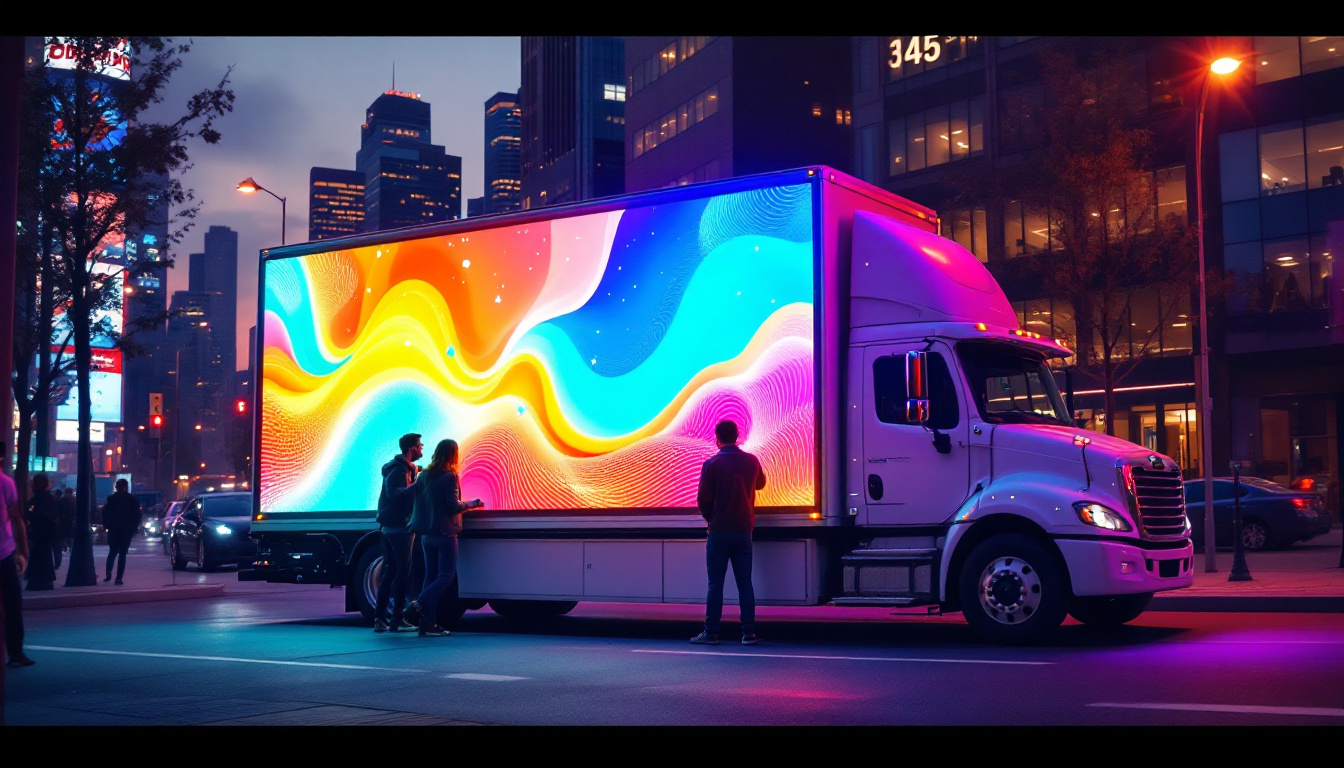
Ready to elevate your visual communication with the brilliance of LED technology? Discover the innovative solutions that LumenMatrix offers, from Indoor and Outdoor LED Wall Displays to specialized options like Vehicle, Sports, and Floor LED Displays. Our mission is to revolutionize your digital signage experience with displays that not only captivate audiences but also empower your brand to shine with clarity and impact. Check out LumenMatrix LED Display Solutions today and transform the way you share your message with the world.