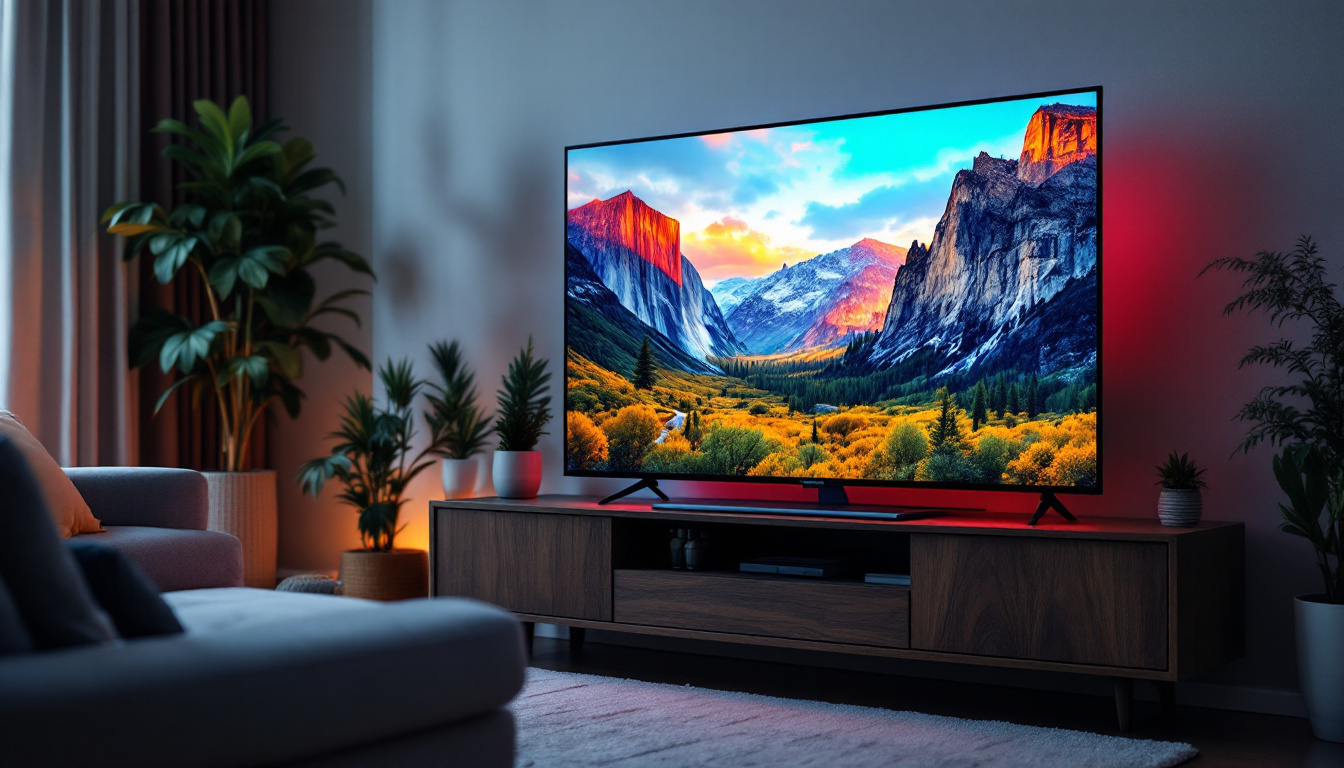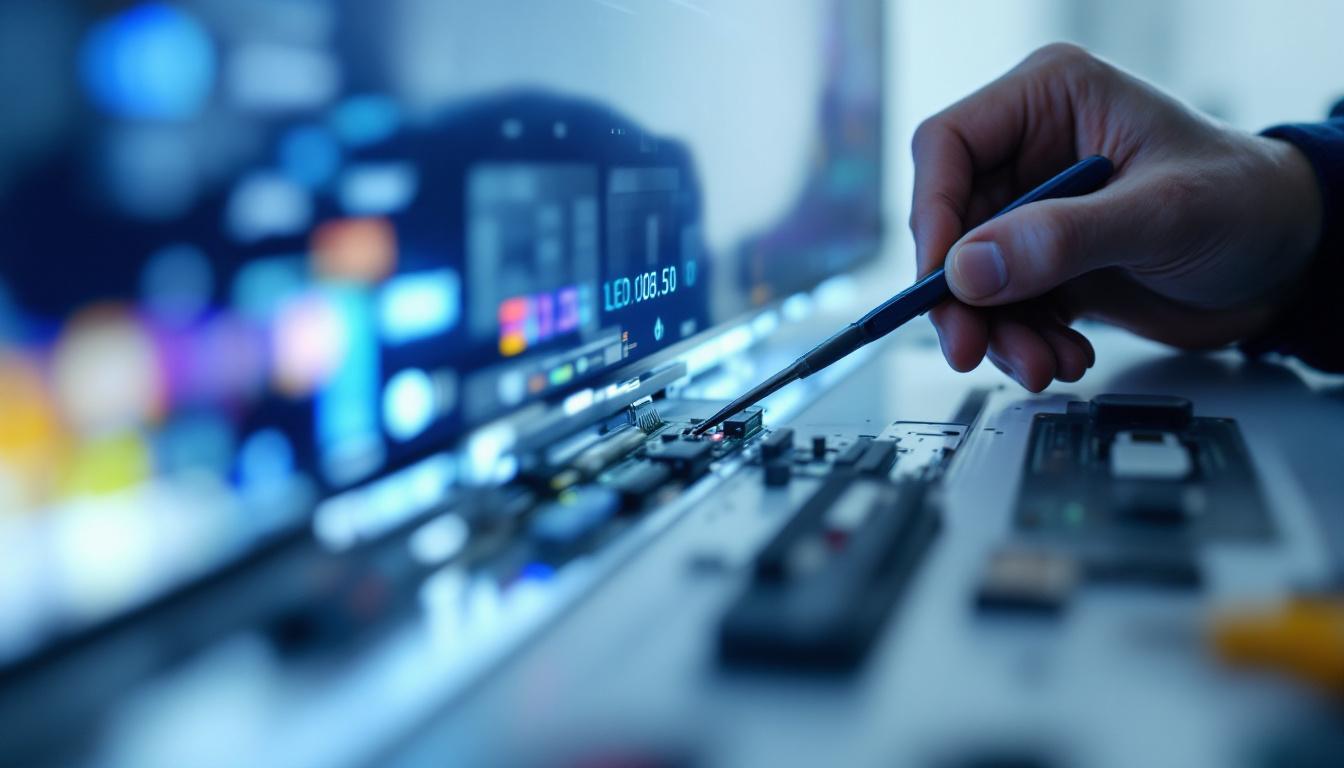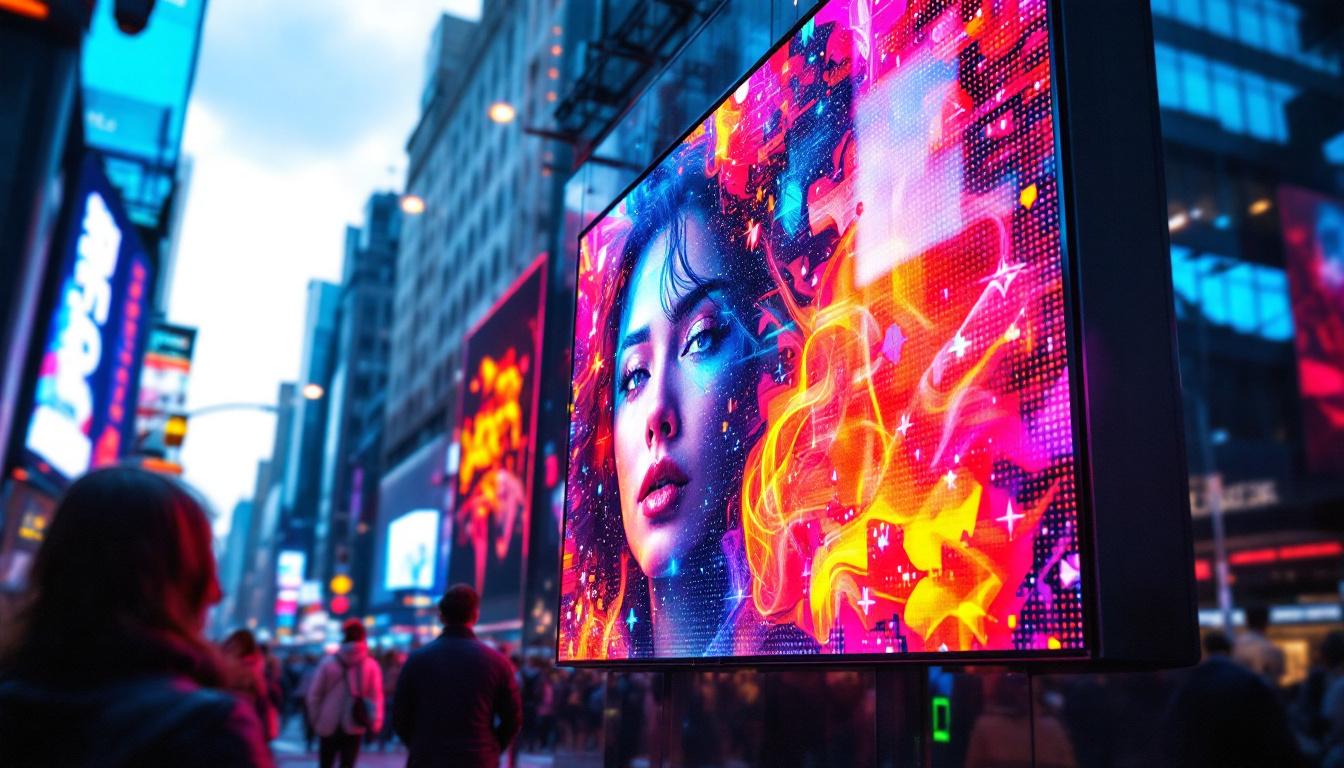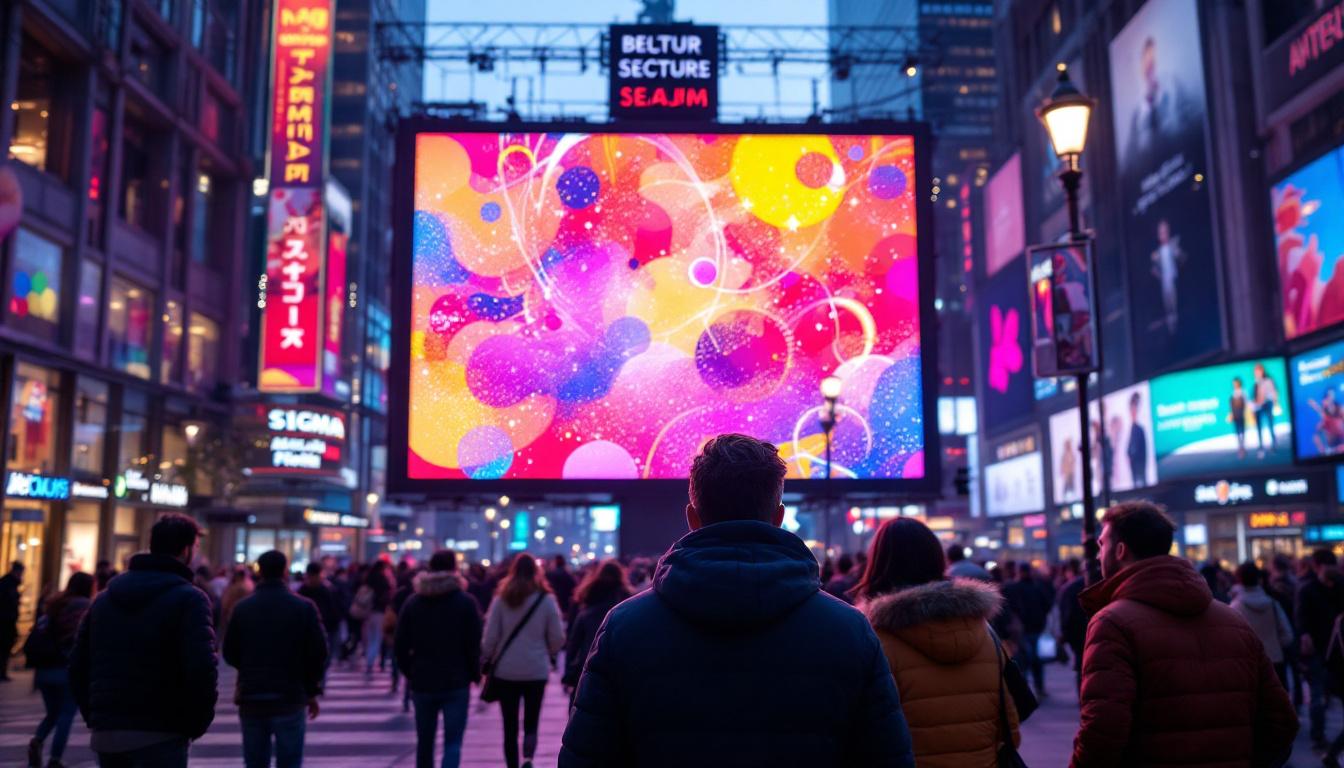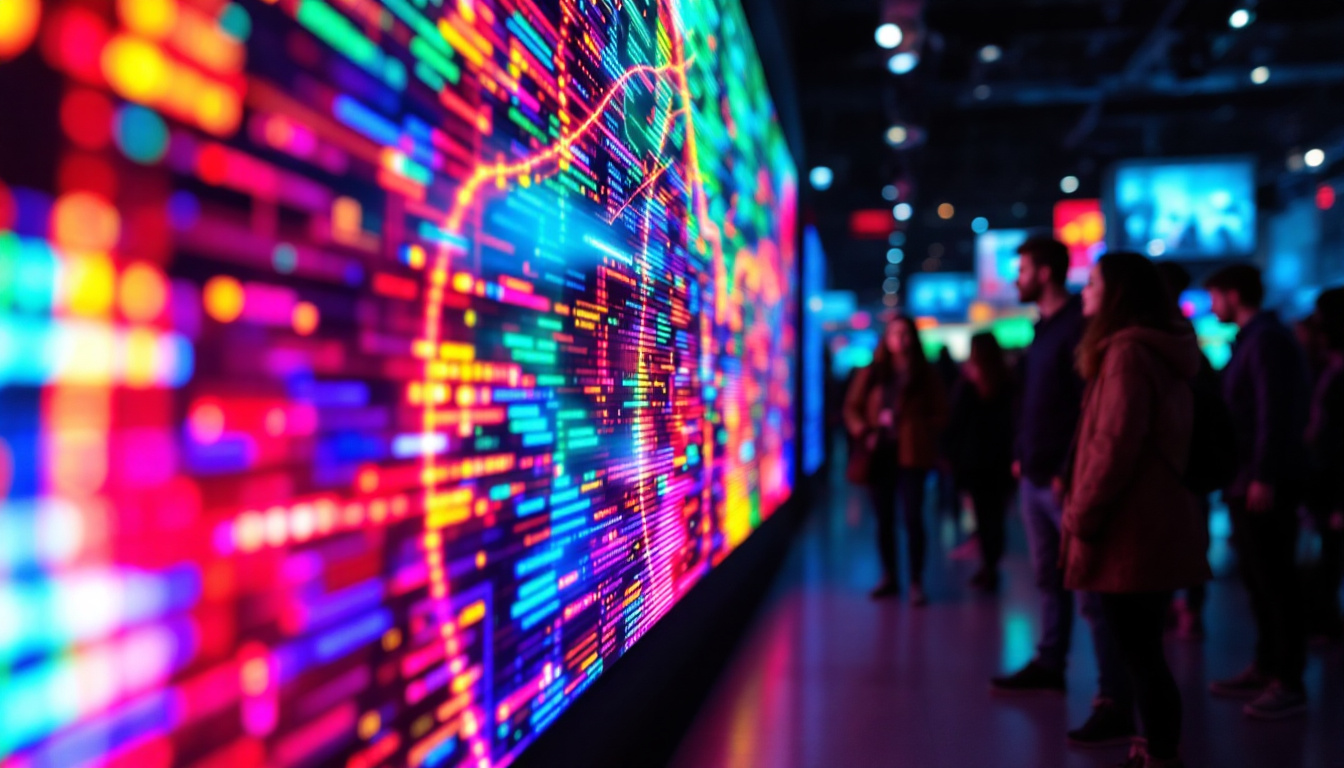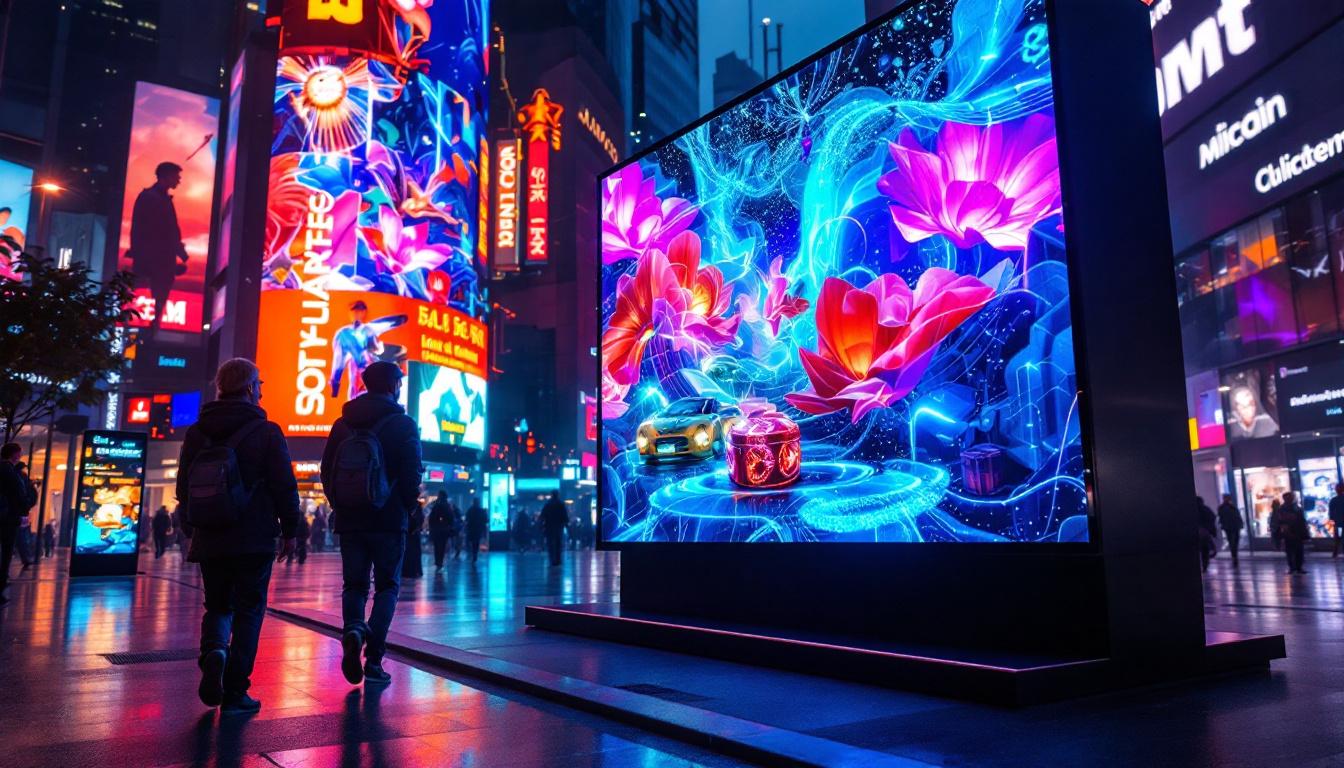
In recent years, LED display technology has revolutionized the way visual content is presented across various industries. From advertising billboards to immersive entertainment experiences, LED displays offer unparalleled brightness, clarity, and versatility. Among the most exciting advancements in this field is the emergence of 3D LED technology, which adds a new dimension—literally—to digital displays. This article explores the fundamentals of 3D LED displays, their working principles, applications, and future potential.
Understanding LED Display Technology
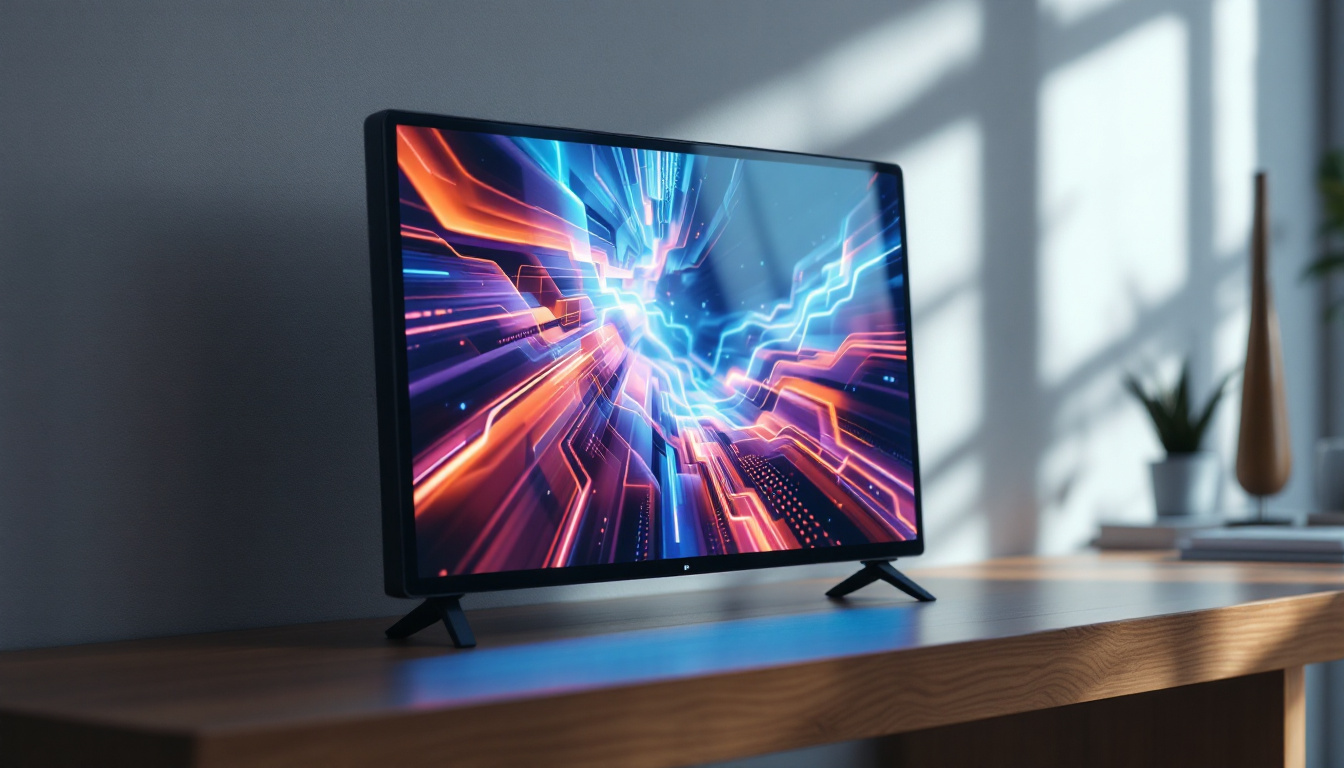
Before diving into 3D LED displays, it’s essential to grasp the basics of traditional LED display technology. LED stands for Light Emitting Diode, a semiconductor device that emits light when an electric current passes through it. LED displays are composed of thousands or millions of these tiny diodes arranged in a matrix to form images, videos, or text.
The advantages of LED displays over older technologies like LCD or plasma include higher brightness levels, better energy efficiency, longer lifespan, and superior color accuracy. These qualities make LED displays ideal for both indoor and outdoor environments, from stadium screens to retail signage.
How LED Displays Work
Each LED in a display acts as a pixel or part of a pixel. By controlling the intensity and color of each LED, the display can render complex images with high resolution. Modern LED panels often use RGB (red, green, blue) diodes to create a full spectrum of colors through color mixing. The display’s controller processes incoming video signals and adjusts the LEDs accordingly to produce the desired visuals.
LED displays are modular by design, allowing manufacturers to build screens of virtually any size by combining multiple panels seamlessly. This scalability is a key reason for their widespread adoption in large-format digital signage.
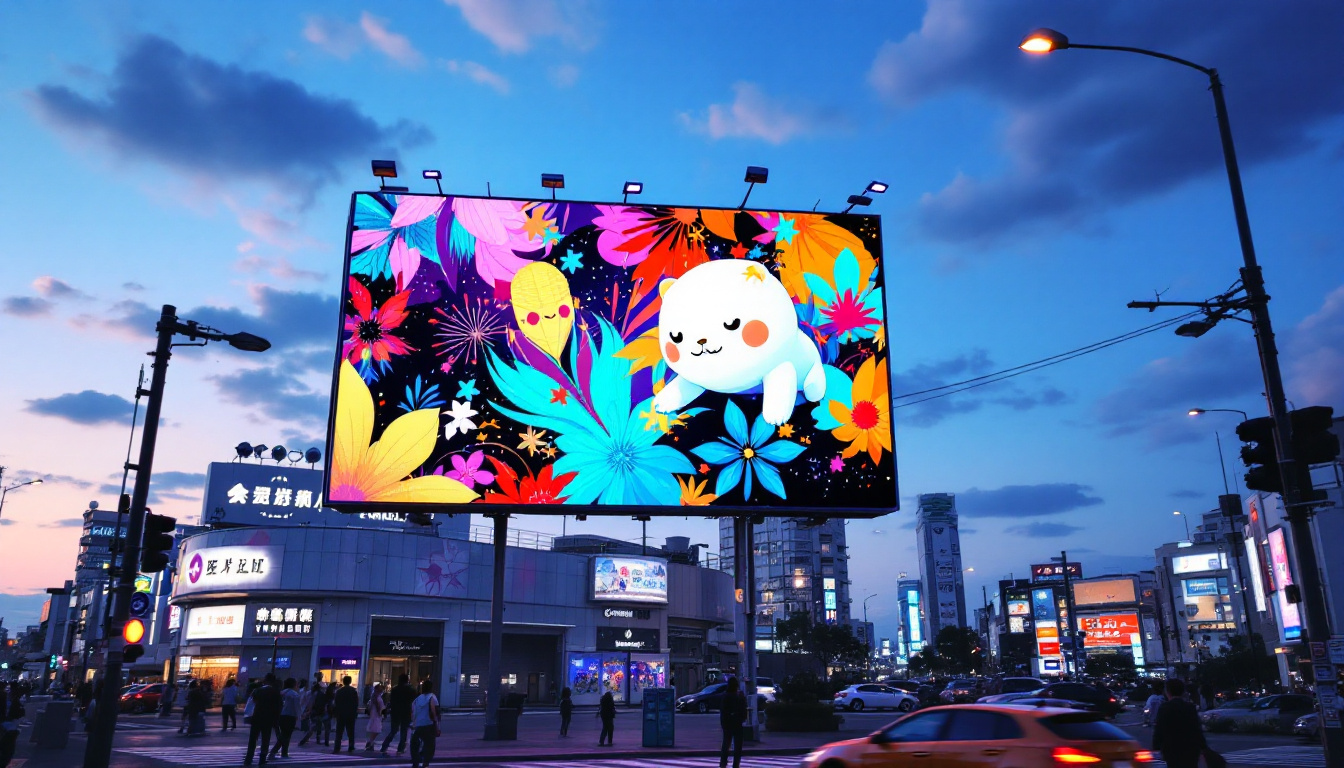
In addition to their modularity, LED displays are also known for their ability to operate in various environmental conditions. Outdoor LED displays are designed with weather-resistant casings and enhanced brightness to combat sunlight glare, ensuring visibility even in bright daylight. This resilience makes them a popular choice for advertising billboards, public transportation displays, and other applications where durability is essential. Furthermore, advancements in technology have led to the development of flexible LED screens, allowing for innovative installations that can conform to different shapes and surfaces, opening up new creative possibilities for designers and advertisers alike.
Moreover, the integration of smart technology into LED displays has revolutionized how content is managed and displayed. With the rise of Internet of Things (IoT) capabilities, these displays can now connect to the internet, enabling real-time content updates, remote monitoring, and data analytics. This means businesses can tailor their messaging based on audience engagement metrics or even environmental factors, such as weather conditions or local events. As a result, LED displays are not just passive information sources; they have become dynamic tools for communication and interaction in a rapidly evolving digital landscape.
What is 3D LED Technology?
3D LED technology builds upon the foundation of traditional LED displays by adding depth perception to the visual experience. Unlike conventional 2D screens, which present flat images, 3D LED displays create the illusion of three-dimensional objects that appear to pop out or recede into the screen.
This immersive effect is achieved without the need for special glasses or headgear, making 3D LED displays particularly user-friendly and accessible in public settings.
Types of 3D LED Displays
There are several approaches to creating 3D effects using LED technology, including:
- Autostereoscopic Displays: These displays use lenticular lenses or parallax barriers integrated with the LED panel to direct different images to each eye, simulating depth perception naturally.
- Volumetric LED Displays: These systems arrange LEDs in a three-dimensional space, such as a cube or spherical shape, allowing viewers to see real 3D objects from multiple angles.
- Holographic LED Displays: By combining LED light sources with holographic optical elements, these displays project 3D images that appear to float in mid-air.
Each method has its own advantages and challenges, with varying degrees of complexity, cost, and image quality.
How 3D LED Displays Work
The core principle behind 3D LED displays is the delivery of separate images to each eye, mimicking the natural binocular vision process that allows humans to perceive depth. This is typically achieved through precise control of light direction and image rendering.
Autostereoscopic 3D LED Displays
Autostereoscopic displays are among the most practical implementations of 3D LED technology. They use optical elements like lenticular lenses—tiny cylindrical lenses aligned over the display surface—to project different images to the viewer’s left and right eyes. The brain then fuses these images to create a perception of depth.
One of the challenges with autostereoscopic displays is maintaining the 3D effect across different viewing angles and distances. Advanced systems employ eye-tracking technology to dynamically adjust the images, ensuring consistent depth perception as the viewer moves.
Volumetric and Holographic Displays
Volumetric displays physically position LEDs in a three-dimensional space, allowing light to be emitted from multiple depths. This creates a true 3D object that can be viewed from any angle without glasses. However, volumetric displays tend to be more complex and costly, limiting their widespread use.
Holographic LED displays use interference patterns of light to reconstruct 3D images. While still largely in the research and development phase, these displays promise highly realistic and dynamic 3D visuals that could transform fields like medical imaging and entertainment.
Applications of 3D LED Displays
The unique capabilities of 3D LED displays have unlocked new possibilities across diverse sectors. Their ability to captivate audiences with vivid, immersive visuals makes them valuable tools for communication, marketing, education, and more.
Advertising and Digital Signage
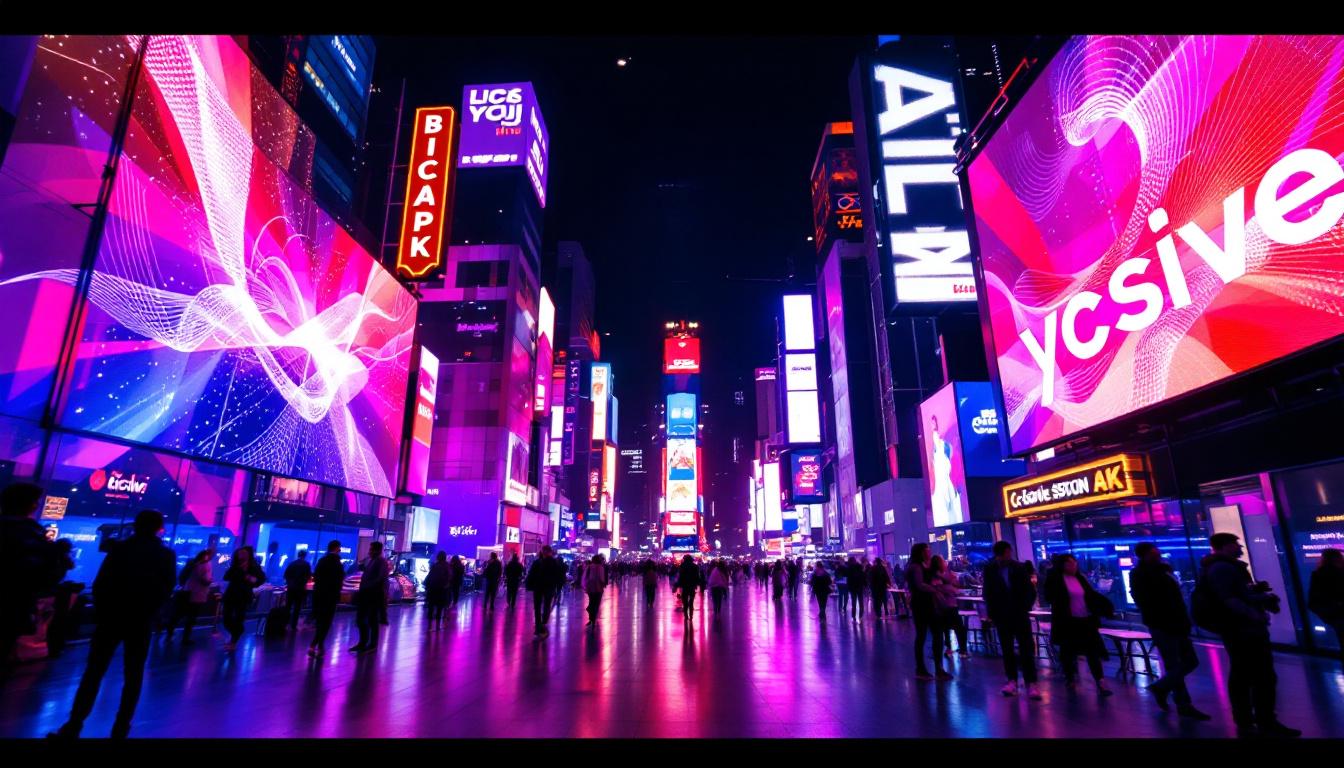
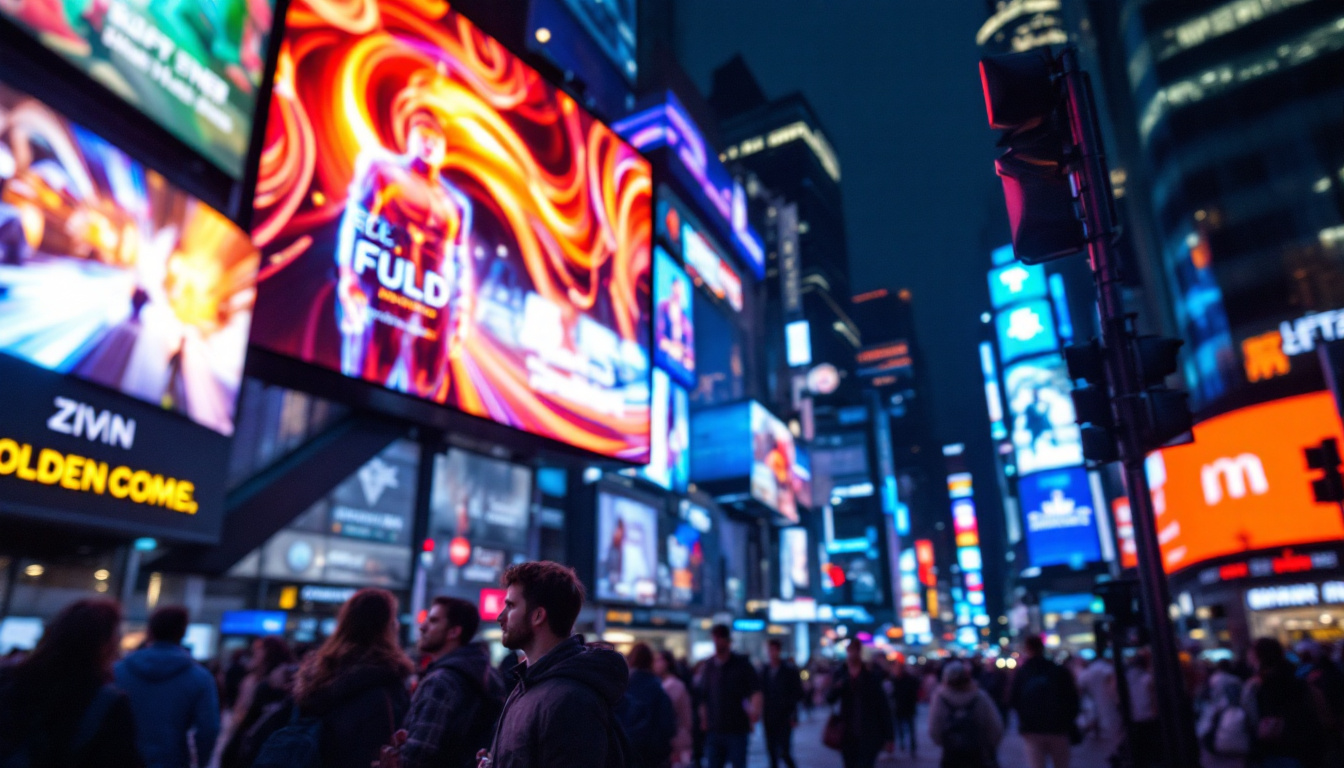
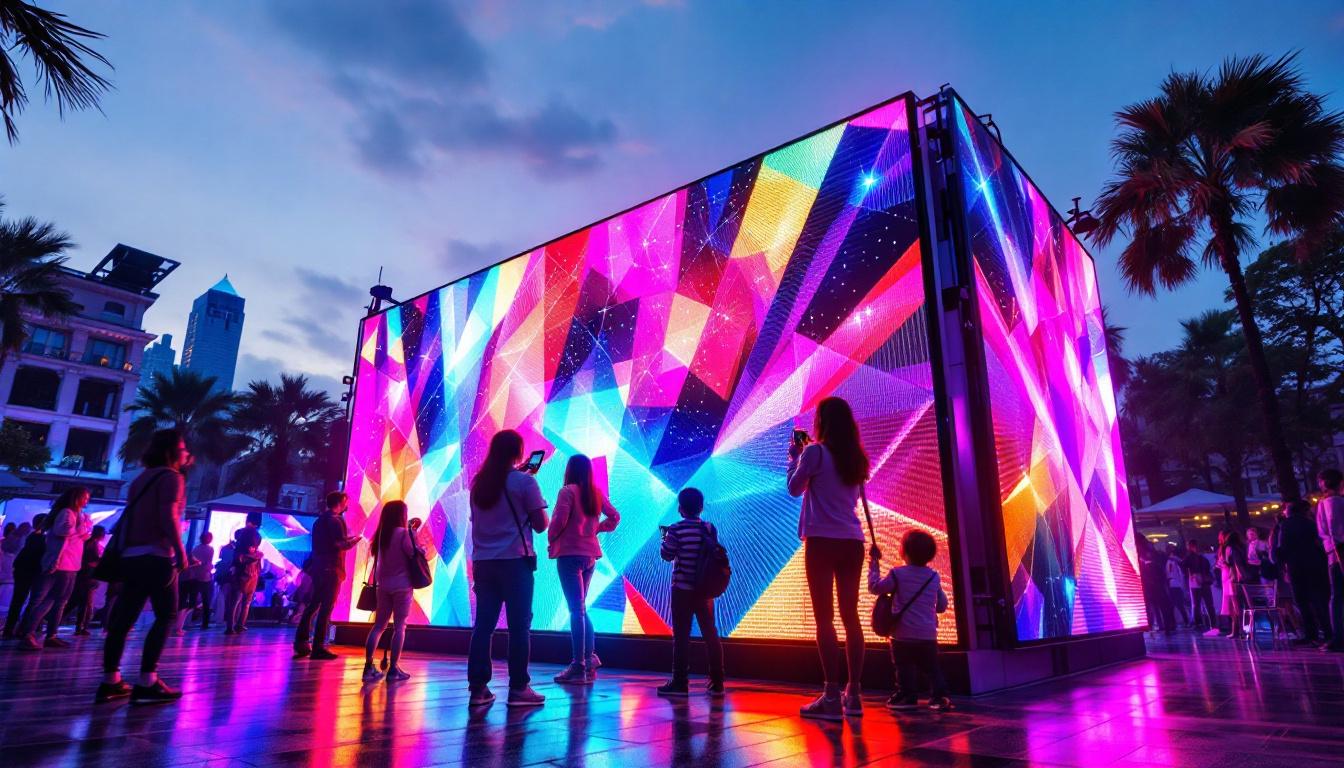
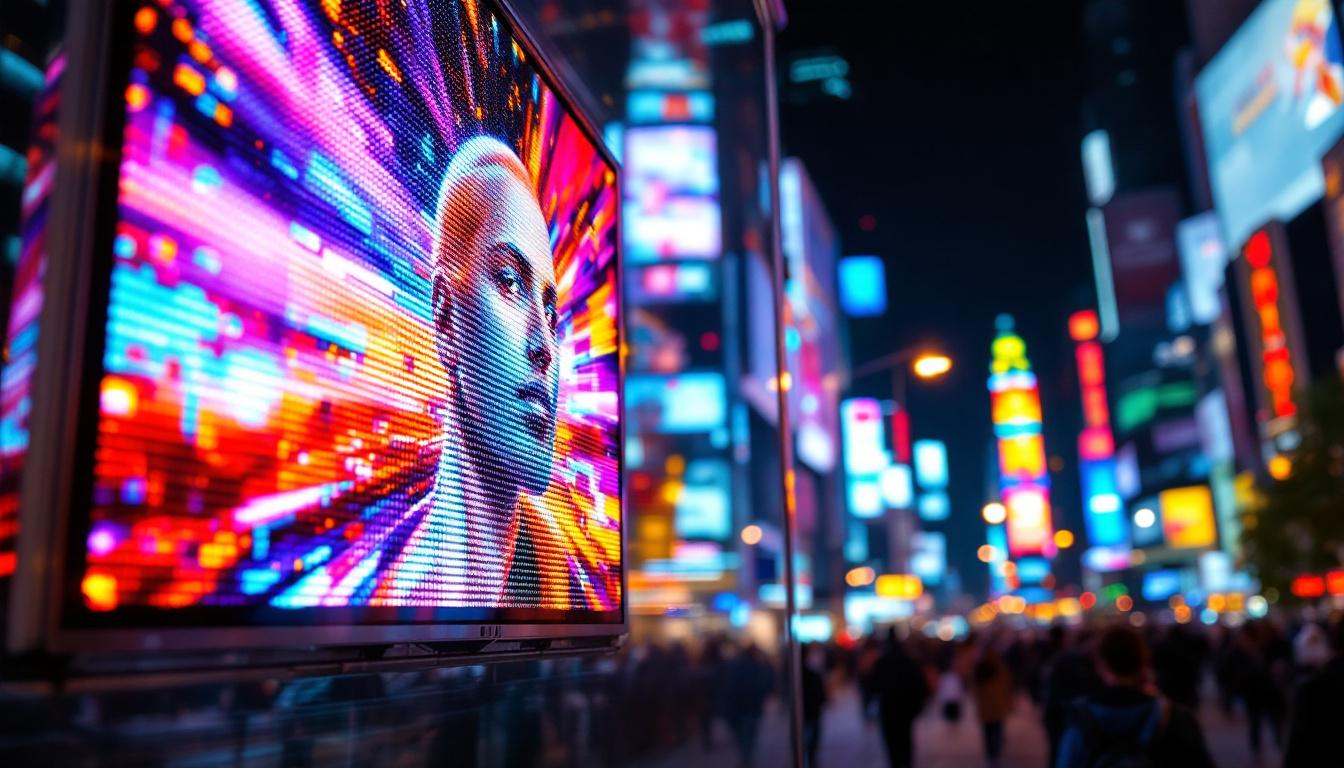
In the advertising world, grabbing consumer attention is paramount. 3D LED displays offer a striking way to showcase products and messages, making billboards and storefront displays more engaging. For example, a 3D LED billboard might show a sneaker appearing to leap off the screen, creating a memorable impression that traditional 2D ads cannot match.
Retail environments also benefit from 3D LED displays by enhancing window displays and in-store promotions. This technology can increase foot traffic and boost sales by creating an interactive and futuristic shopping experience.
Entertainment and Events
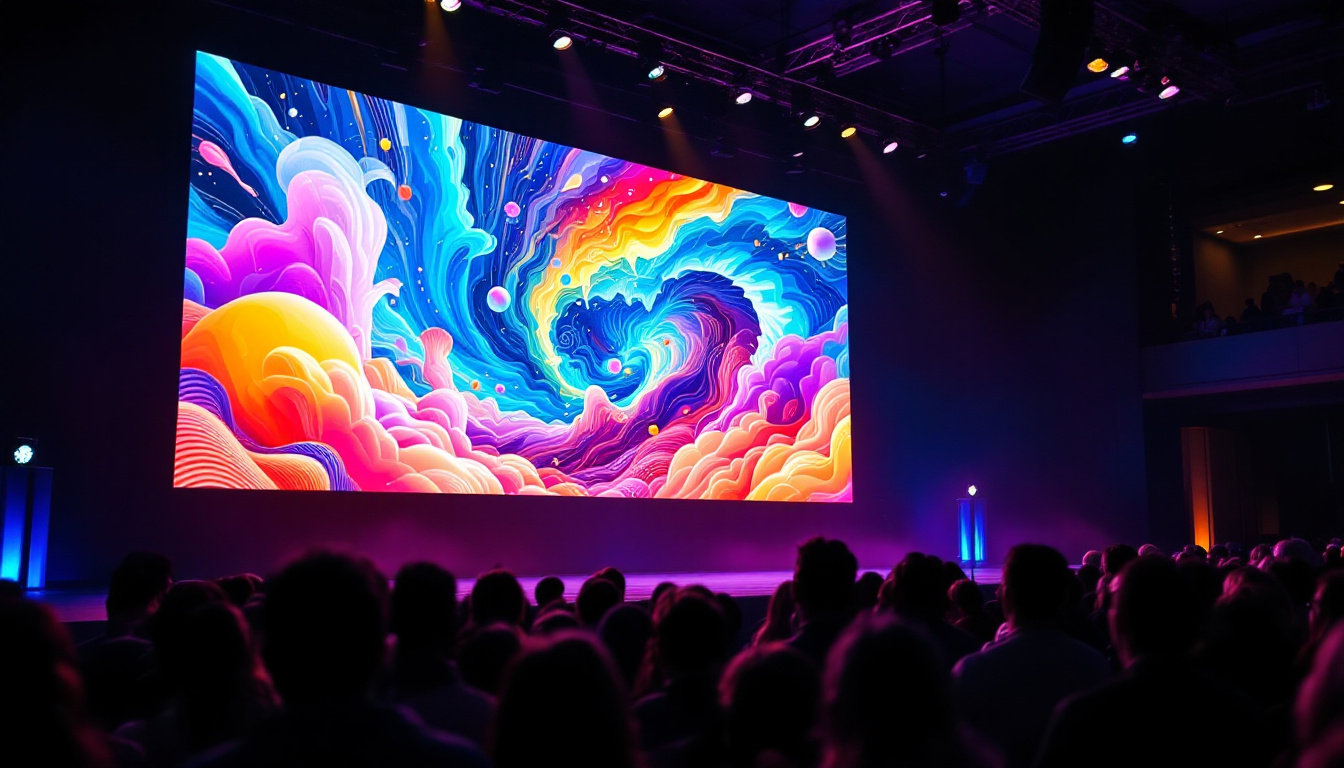
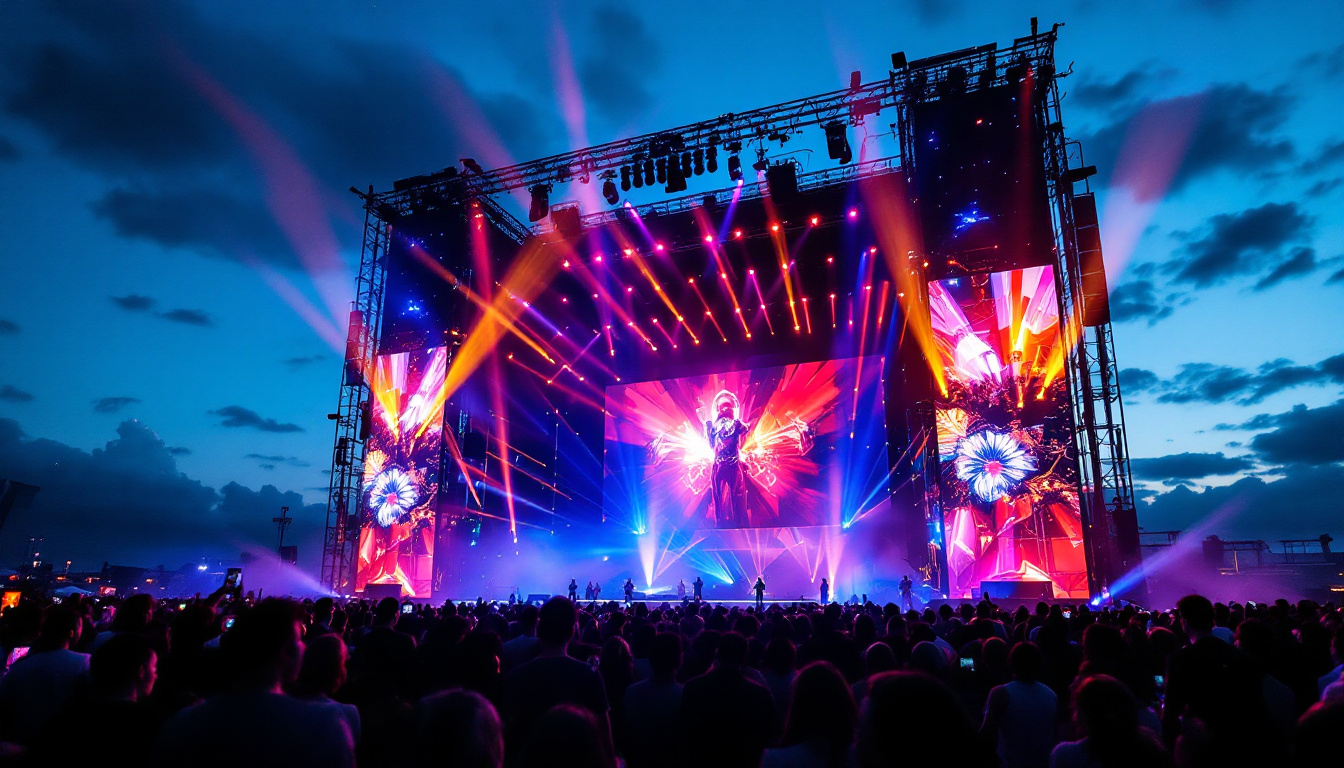
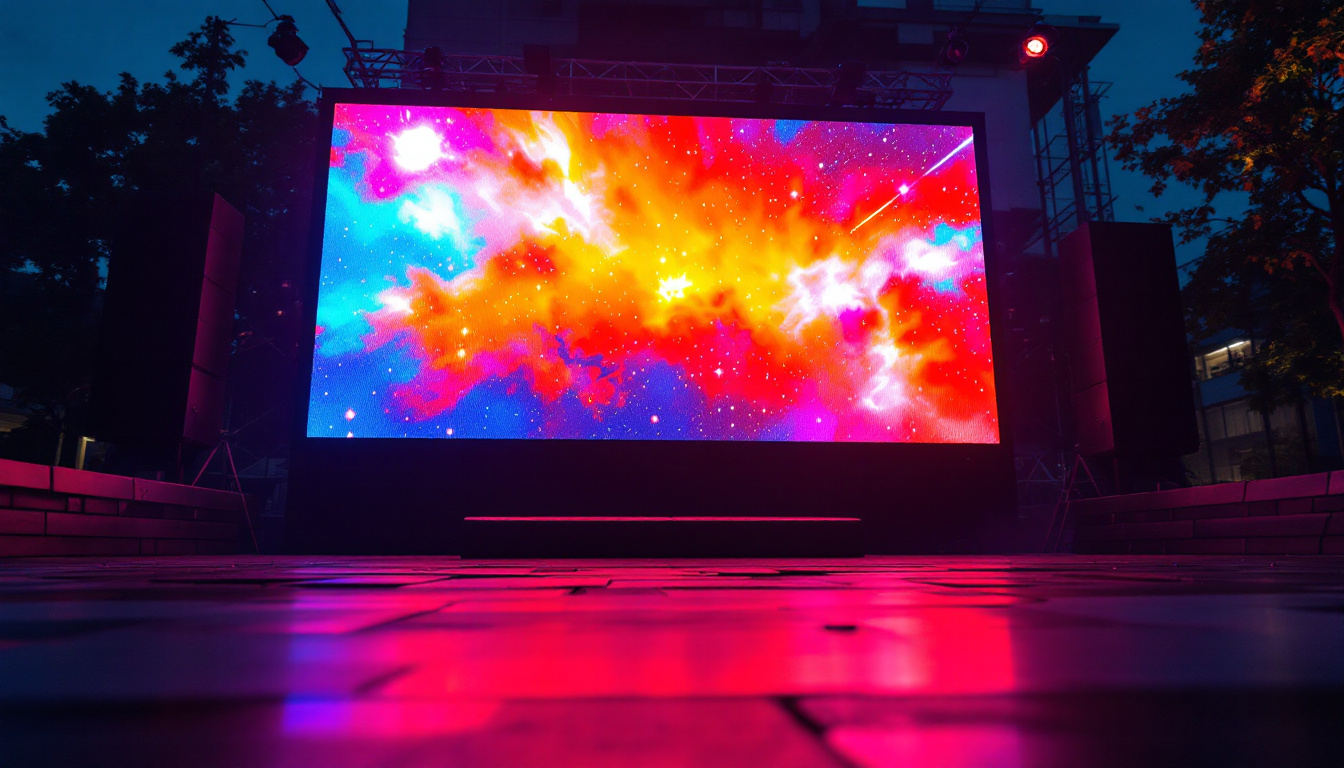
Concerts, exhibitions, and theme parks increasingly incorporate 3D LED displays to elevate audience experiences. Large-scale 3D LED screens can transform stages with dynamic visuals that interact with performers or respond to audience movements.
Virtual concerts and immersive theater productions use 3D LED technology to blend digital and physical elements seamlessly, pushing the boundaries of storytelling and spectacle.
Medical and Scientific Visualization
In healthcare, 3D LED displays provide doctors and researchers with enhanced visualization tools. For instance, surgeons can examine detailed 3D models of organs or tumors before and during procedures, improving precision and outcomes.
Scientific research benefits from volumetric and holographic displays that allow for the exploration of complex data sets and molecular structures in three dimensions, facilitating deeper understanding and collaboration.
Education and Training
Educational institutions are adopting 3D LED technology to create interactive learning environments. Students can engage with 3D models of historical artifacts, anatomical structures, or engineering designs, making abstract concepts tangible and easier to grasp.
Training simulations, particularly in fields like aviation, military, and medicine, leverage 3D LED displays to provide realistic scenarios that enhance skill development and decision-making.
Advantages and Challenges of 3D LED Displays
While 3D LED displays offer exciting benefits, they also come with certain limitations that impact their adoption and performance.
Advantages
- Immersive Visual Experience: 3D LED displays create captivating, lifelike images that engage viewers more deeply than traditional screens.
- No Need for Glasses: Autostereoscopic displays eliminate the inconvenience of wearing special eyewear, making them ideal for public and commercial use.
- Scalability: Modular LED technology allows for large-format 3D displays, suitable for outdoor advertising and event venues.
- Energy Efficiency and Durability: LEDs consume less power and have longer lifespans compared to other display technologies.
Challenges
- Viewing Angle Limitations: Maintaining a consistent 3D effect across wide viewing angles remains a technical hurdle, especially for autostereoscopic displays.
- Production Costs: Advanced 3D LED displays, particularly volumetric and holographic types, require complex manufacturing processes and expensive components.
- Content Creation: Developing high-quality 3D content tailored to these displays demands specialized skills and tools, potentially increasing production time and costs.
- Technical Complexity: Integrating eye-tracking and other adaptive technologies adds layers of complexity that can affect reliability and maintenance.
The Future of 3D LED Display Technology
As research and development continue, 3D LED displays are poised to become more accessible, affordable, and versatile. Innovations in materials science, optics, and computing power are driving improvements in image quality, viewing angles, and interactivity.
Emerging trends include the integration of artificial intelligence to personalize viewing experiences, the use of flexible and transparent LED panels for novel form factors, and the fusion of 3D LED with augmented and virtual reality technologies.
Industry analysts predict that the global 3D display market will grow significantly over the next decade, fueled by demand in advertising, entertainment, healthcare, and education. As these displays become more commonplace, they will reshape how people interact with digital content and environments.
Conclusion
3D LED display technology represents a significant leap forward in digital visualization, offering immersive, eye-catching experiences without the drawbacks of traditional 3D methods. By understanding the underlying principles, types, and applications of 3D LED displays, businesses and professionals can better leverage this technology to engage audiences, enhance learning, and drive innovation.
While challenges remain, ongoing advancements promise to expand the reach and impact of 3D LED displays, making them a cornerstone of future visual communication and interaction.
Discover the Future of Visual Experience with LumenMatrix
Ready to elevate your visual communication to the next dimension? LumenMatrix is at the forefront of LED display innovation, offering a wide array of solutions designed to bring your brand to life. From Indoor and Outdoor LED Walls to specialized displays for Vehicles, Sports, and even Custom configurations, our technology is crafted to captivate and engage. Experience the transformative power of LED displays and join the revolution in digital signage. Check out LumenMatrix LED Display Solutions today and see your vision become an immersive reality.