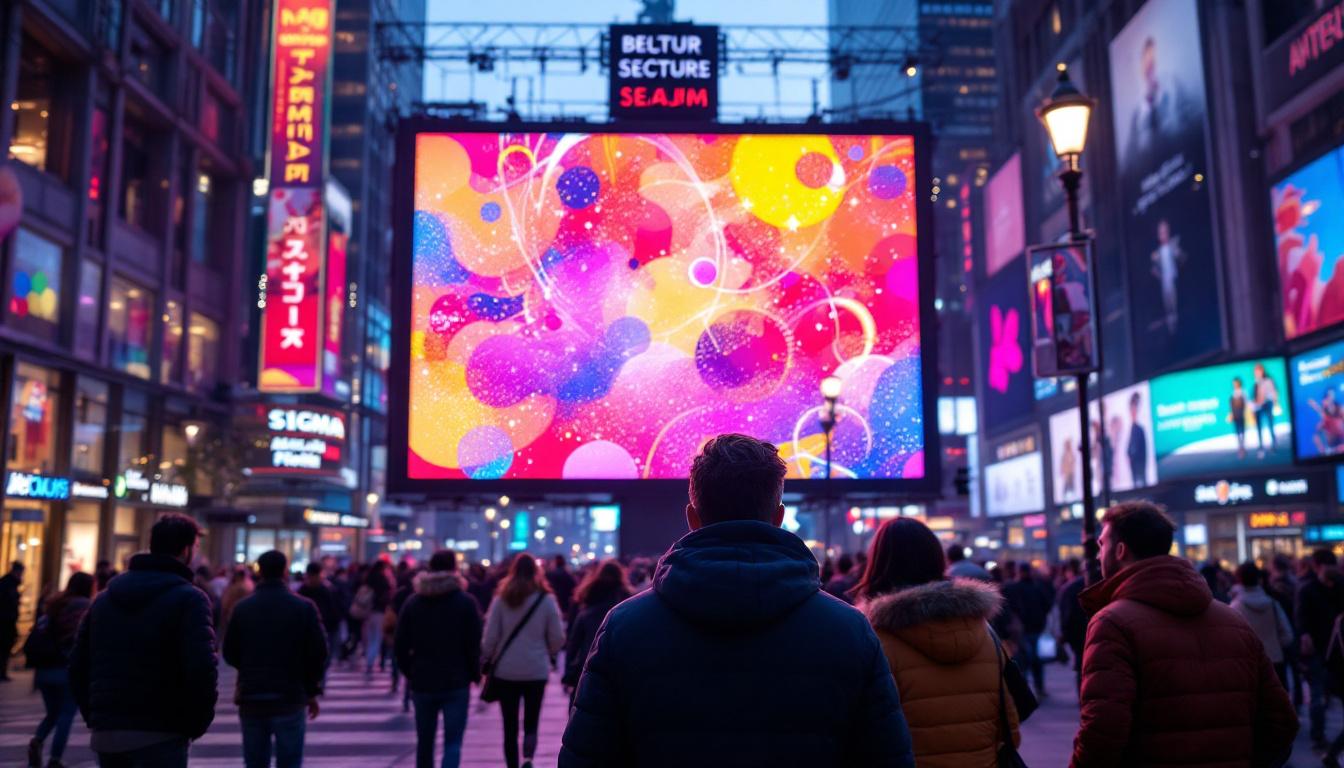
In today’s rapidly evolving digital landscape, LED displays have become a cornerstone technology across multiple industries. From advertising billboards to stadium screens, and from retail signage to control room monitors, LED displays are everywhere. This article provides a comprehensive explanation of LED displays, covering their technology, types, applications, and the latest trends shaping their future.
Understanding LED Display Technology
What is an LED Display?
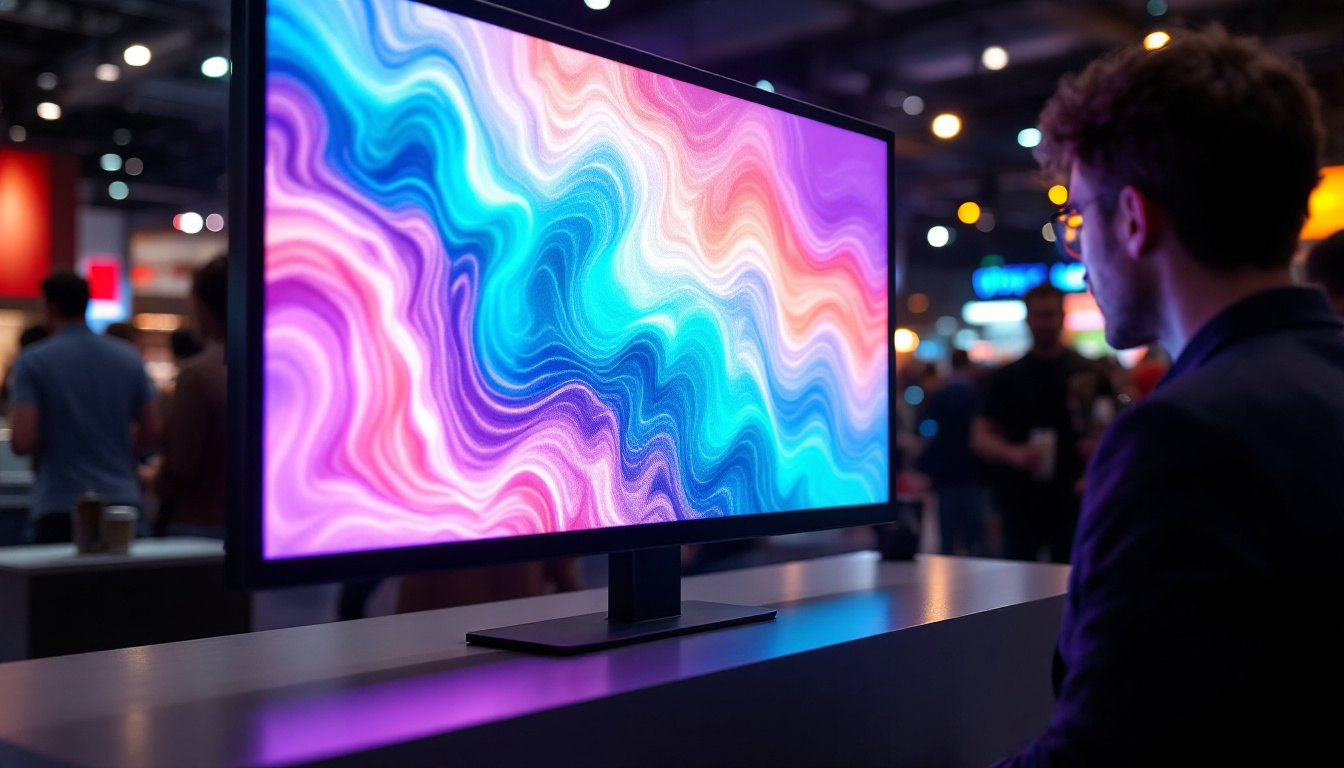
LED stands for Light Emitting Diode, a semiconductor device that emits light when an electric current passes through it. An LED display is a flat panel display that uses an array of these tiny LEDs as pixels to create images, videos, or text. Unlike traditional LCDs that rely on backlighting, LED displays generate their own light, providing superior brightness and contrast.
The fundamental advantage of LED displays is their ability to produce vivid colors and deep blacks, making them ideal for both indoor and outdoor applications. The self-illuminating nature of LEDs also contributes to energy efficiency, longer lifespan, and better visibility under direct sunlight.
How Do LED Displays Work?
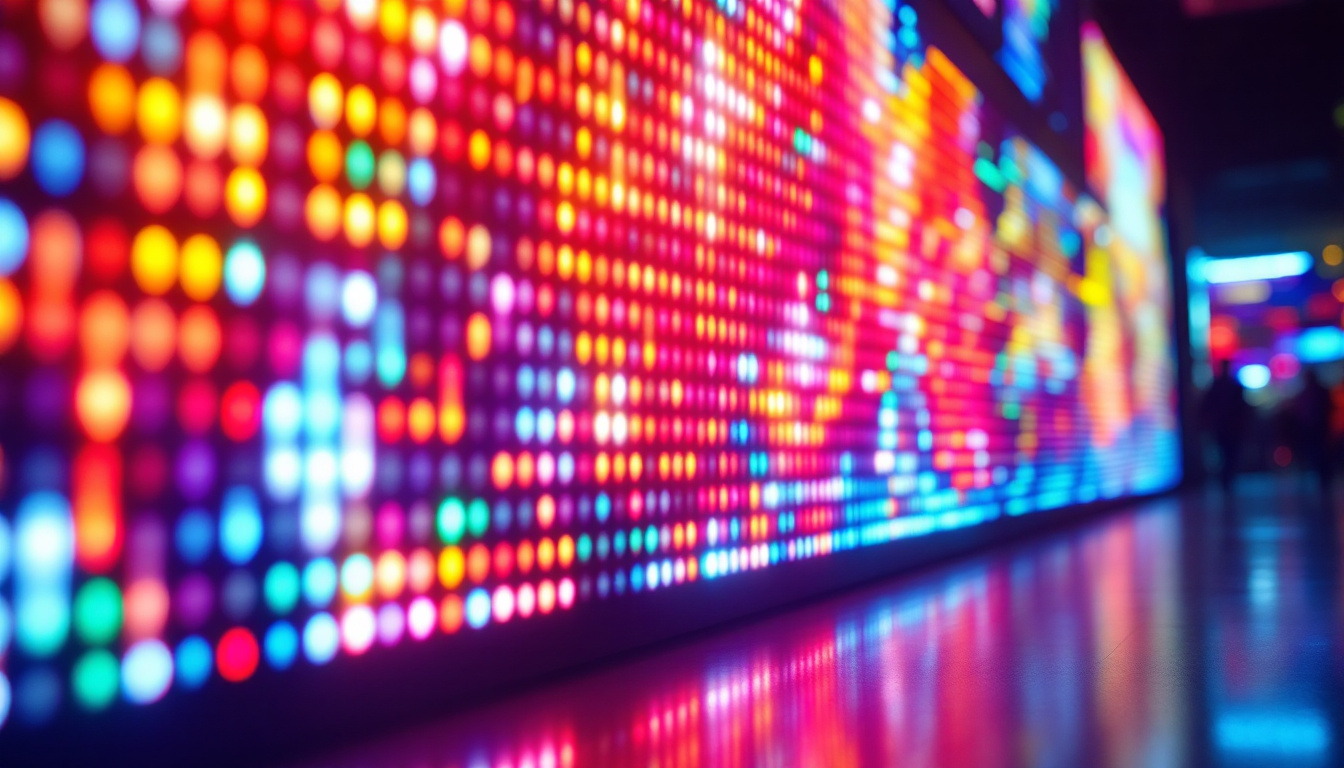
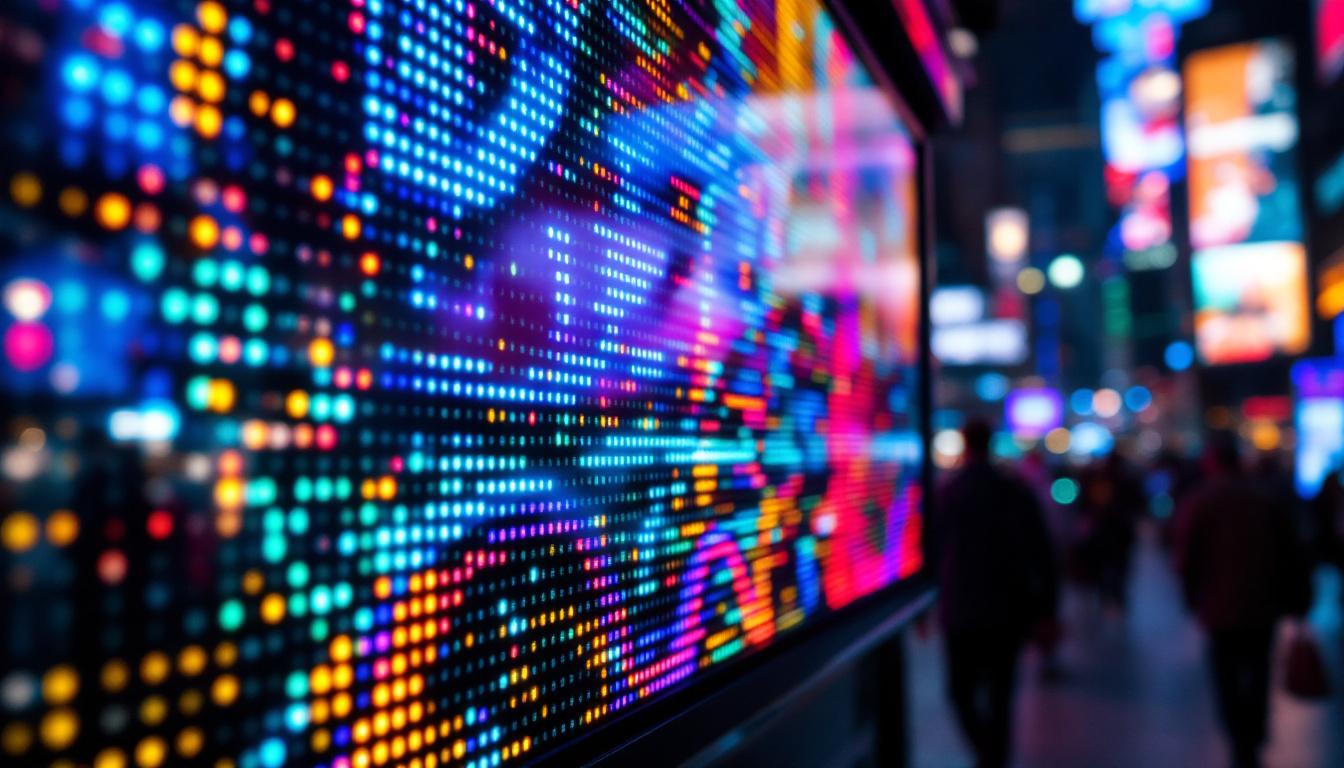
Each LED in a display acts as a single pixel or part of a pixel. In full-color LED displays, each pixel is composed of three sub-pixels: red, green, and blue LEDs. By varying the intensity of these sub-pixels, the display can produce a wide spectrum of colors through additive color mixing.
LED displays are controlled by sophisticated electronics that manage the timing and intensity of each LED. This control allows for high refresh rates and smooth motion rendering, which is essential for video playback and dynamic content. The resolution and clarity of an LED display depend on the pixel pitch—the distance between the centers of two adjacent pixels. Smaller pixel pitches mean higher resolution and finer image detail.
Types of LED Displays
Indoor vs. Outdoor LED Displays
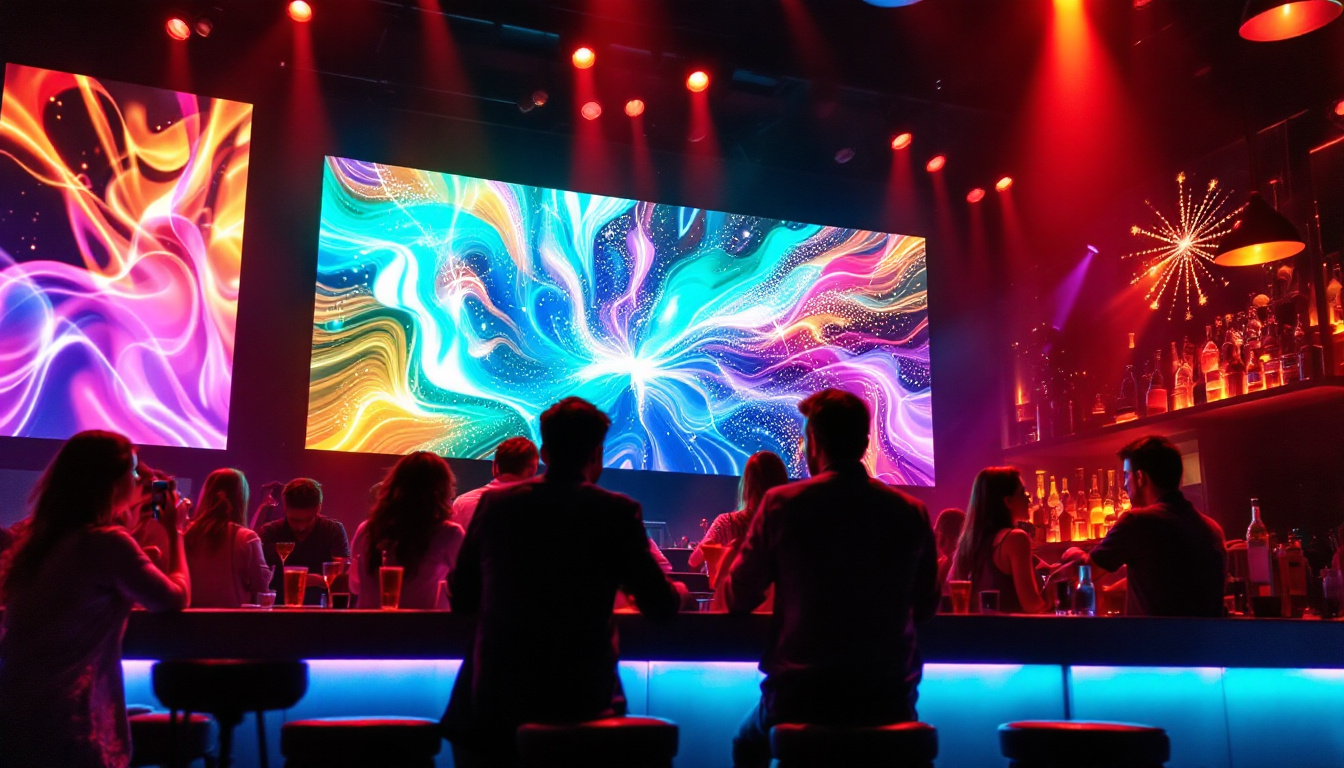
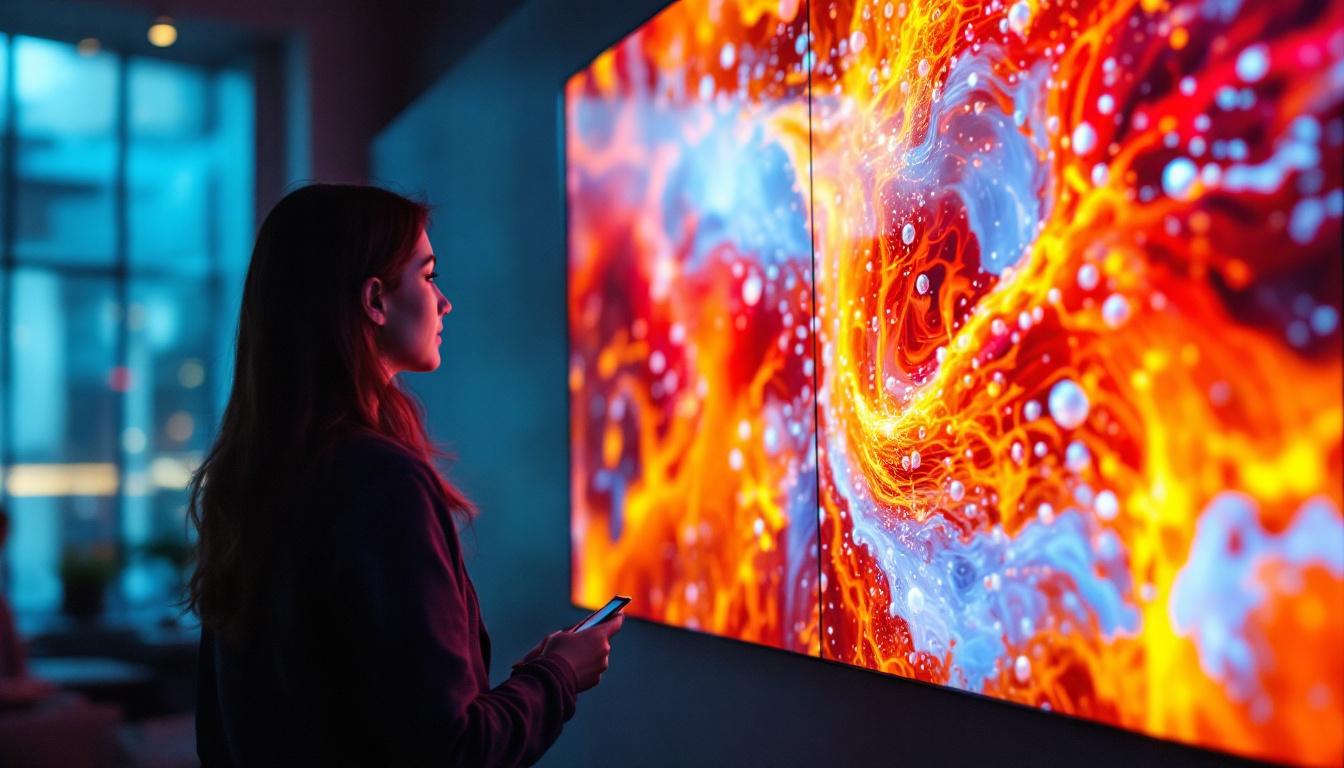
One of the primary distinctions in LED displays is between indoor and outdoor types. Indoor LED displays typically have a smaller pixel pitch, ranging from 0.9mm to 4mm, which allows for high-resolution images at close viewing distances. These are commonly used in conference rooms, retail stores, and broadcast studios.
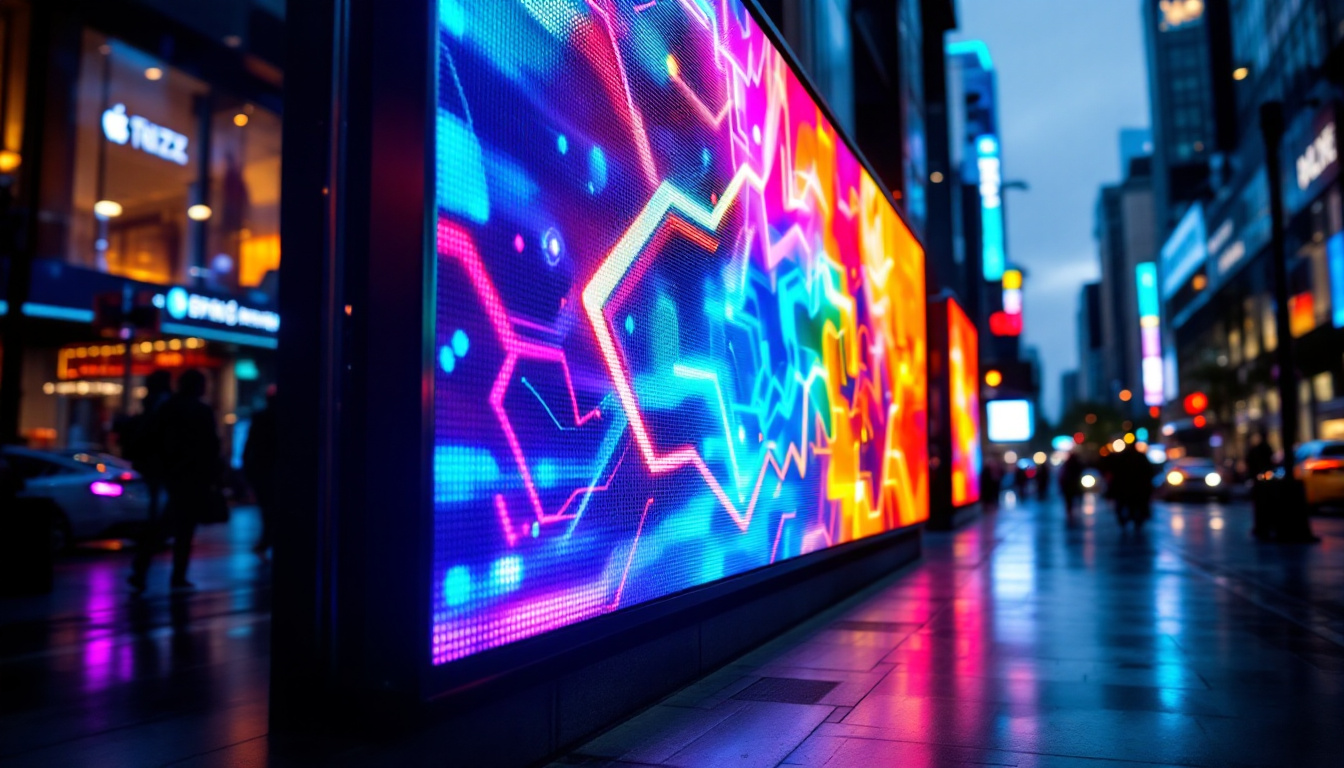
Outdoor LED displays, on the other hand, have larger pixel pitches—often between 4mm and 20mm—to ensure visibility from greater distances. They are designed to withstand harsh weather conditions, with higher brightness levels (often exceeding 5,000 nits) to combat sunlight glare. Examples include digital billboards, sports arena screens, and transportation signage.
Direct View LED vs. LED-Backlit LCD
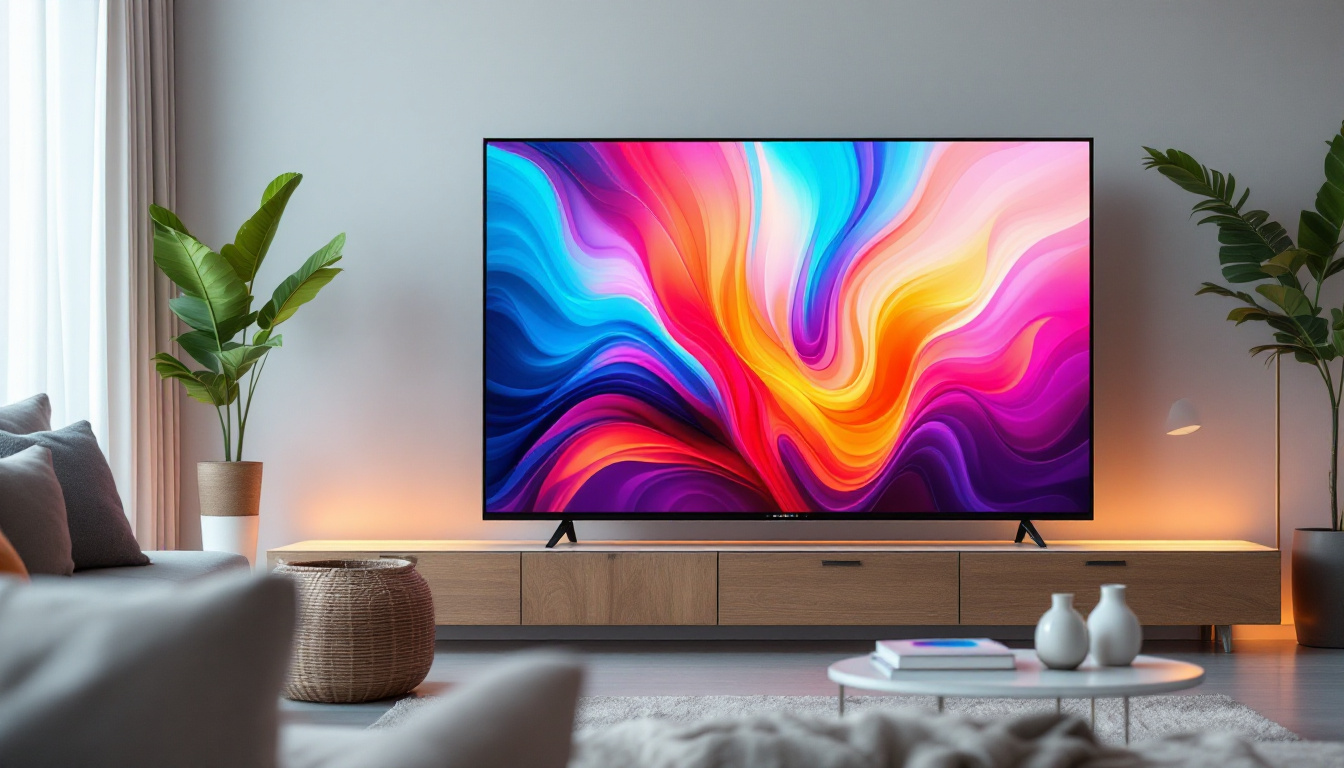
It is important to differentiate between direct view LED displays and LED-backlit LCD screens. Direct view LED displays use LEDs as the actual pixels emitting light, whereas LED-backlit LCDs use LEDs only as a backlight behind a liquid crystal panel. Direct view LED displays offer better contrast ratios, wider viewing angles, and more vibrant colors, but they tend to be more expensive and are typically used in large-scale applications.
Flexible and Transparent LED Displays
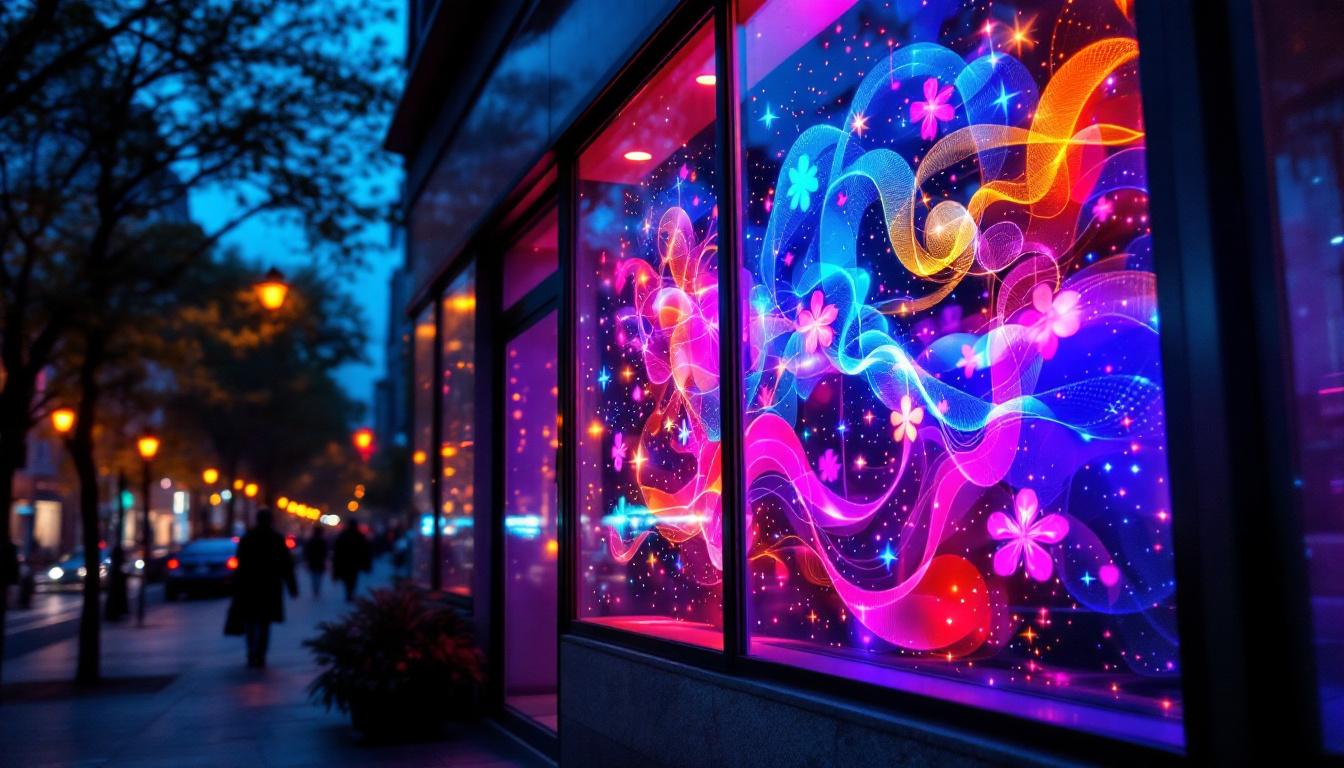
Recent innovations have introduced flexible and transparent LED displays, expanding the possibilities for creative installations. Flexible LED panels can curve around surfaces, enabling unique architectural integrations such as curved walls or cylindrical columns. Transparent LED displays allow light to pass through, making them perfect for glass storefronts or windows where visibility both inside and outside is desired.
Applications of LED Displays
Advertising and Digital Signage
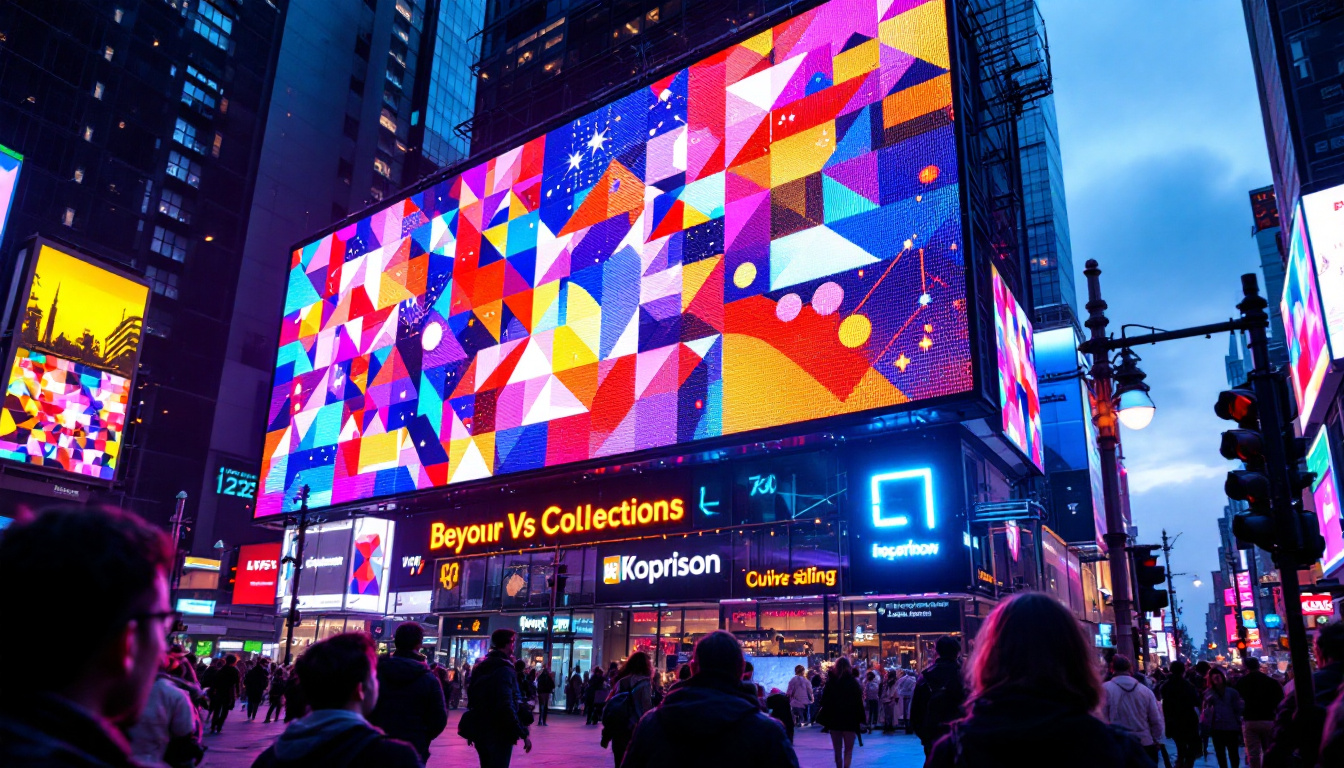
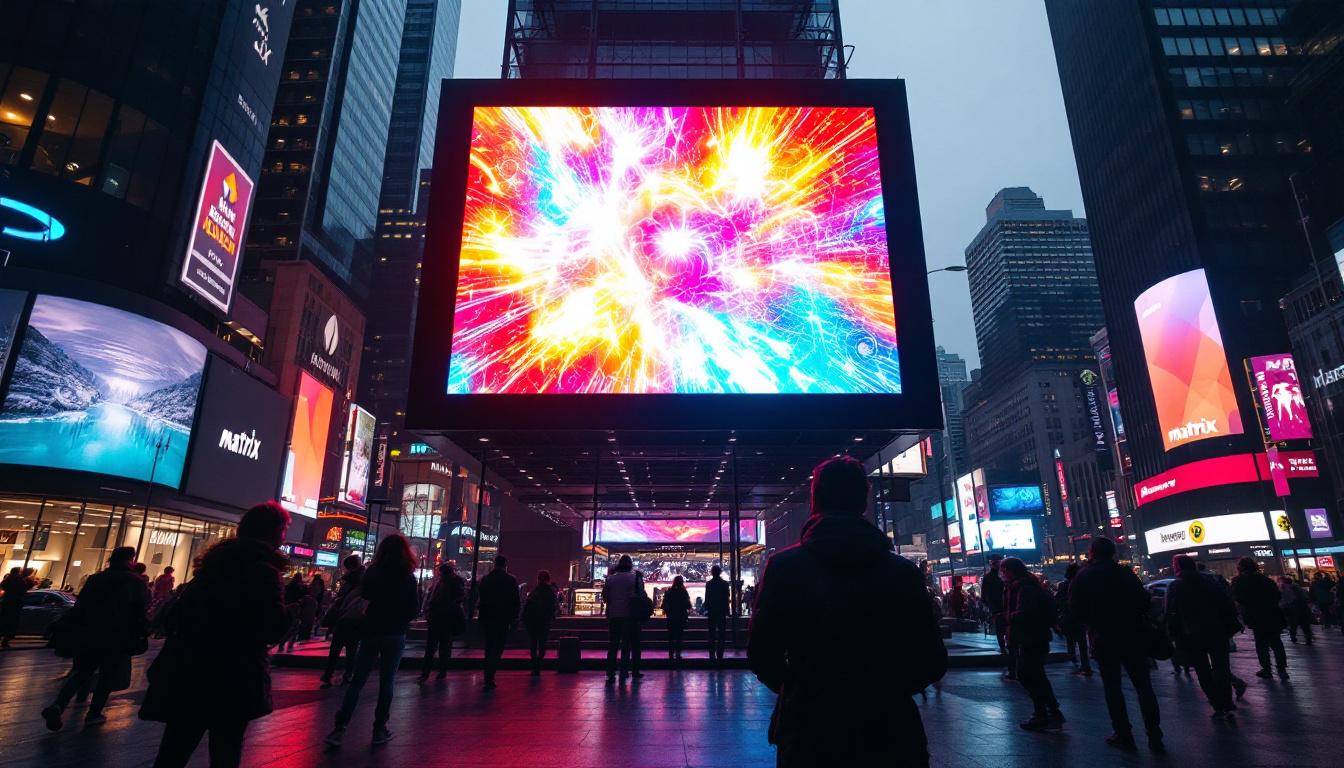
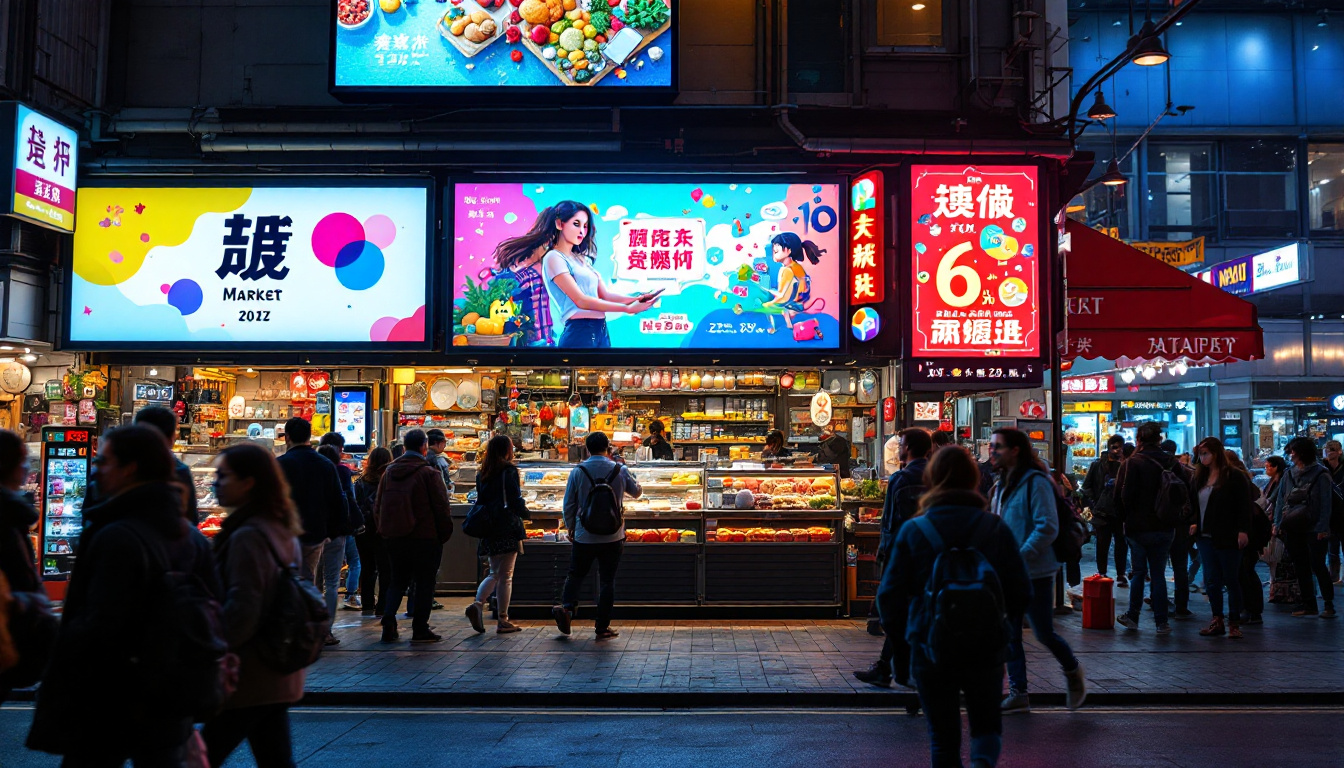
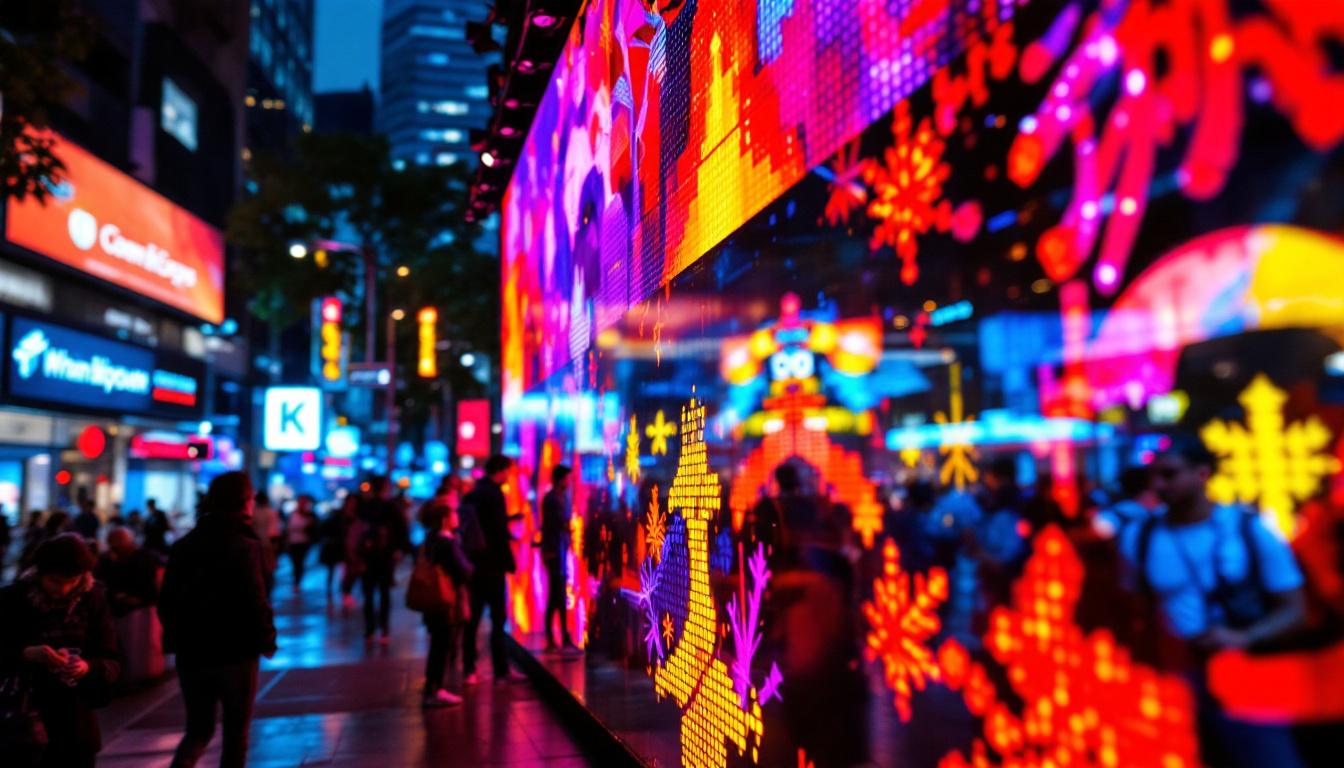
Advertising remains one of the most significant markets for LED displays. Digital billboards powered by LED technology have revolutionized outdoor advertising by enabling dynamic content that can be updated remotely in real-time. According to a 2023 report by Grand View Research, the global digital signage market is expected to reach $32.84 billion by 2030, driven largely by LED display adoption.
LED displays allow advertisers to deliver targeted messages based on time of day, weather, or audience demographics, increasing engagement and return on investment. Their high brightness ensures visibility in all lighting conditions, making them a preferred choice for urban environments.
Sports and Entertainment Venues
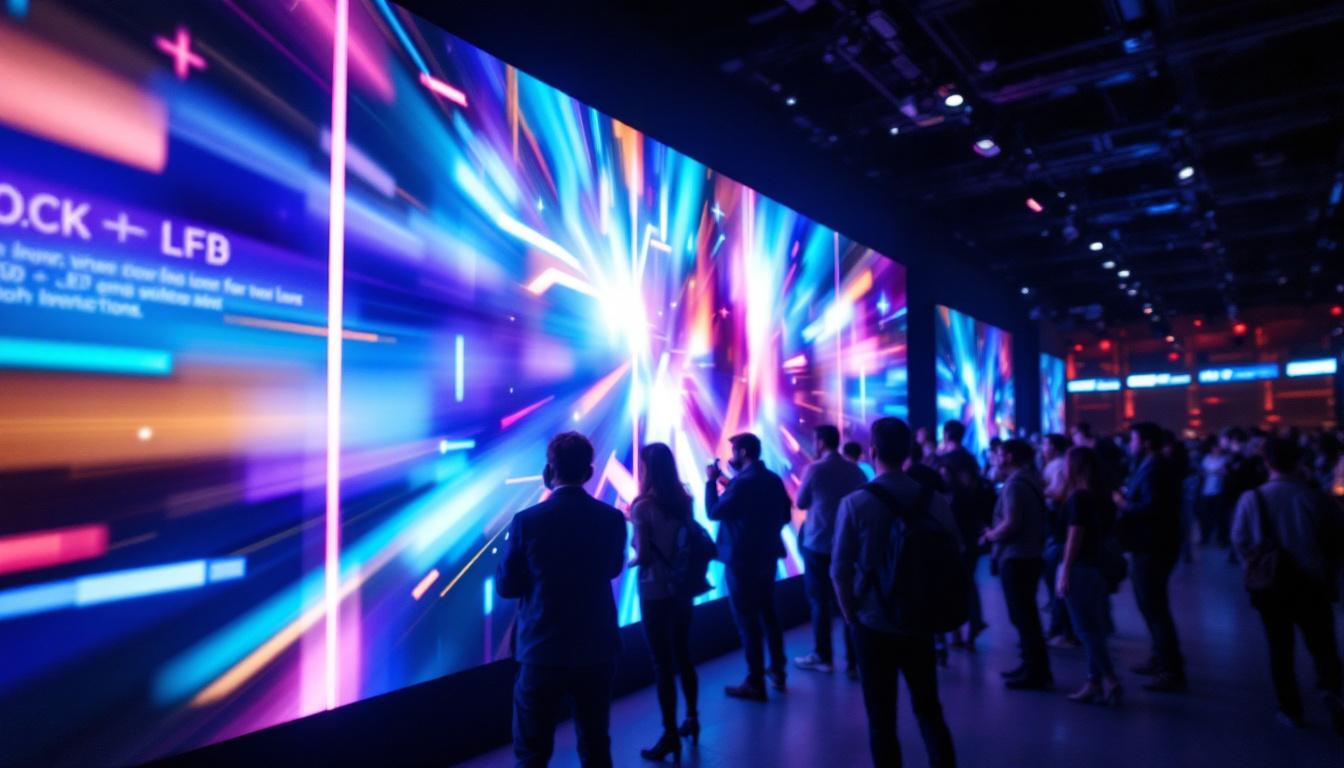
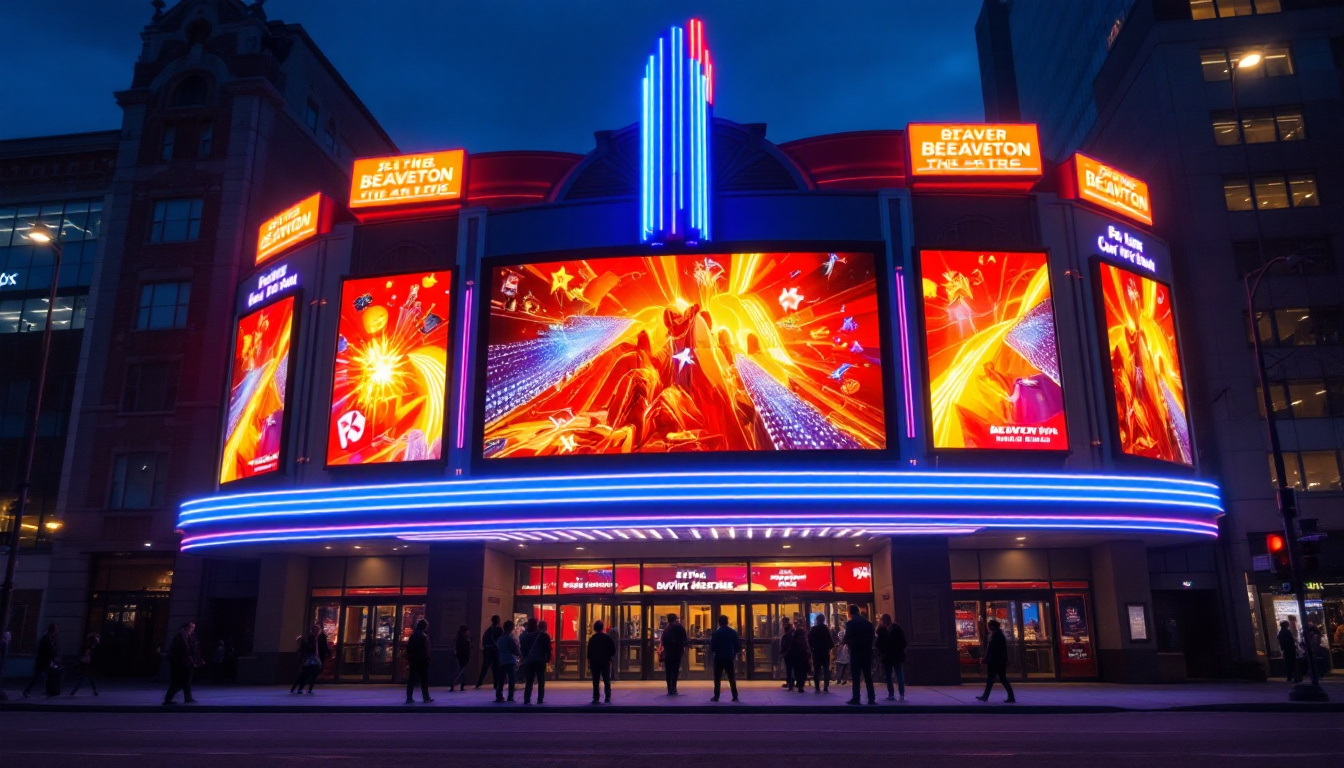
Stadiums and arenas utilize massive LED displays to enhance the spectator experience. From scoreboards to giant video walls, LED technology provides real-time replays, statistics, and interactive content that keep fans engaged. The ability to produce ultra-high-definition images on large screens is critical in these settings.
Moreover, LED displays are increasingly used in concerts and theatrical productions for immersive visual effects. Their flexibility and brightness allow for creative stage designs that can adapt to different performance needs.
Retail and Corporate Environments
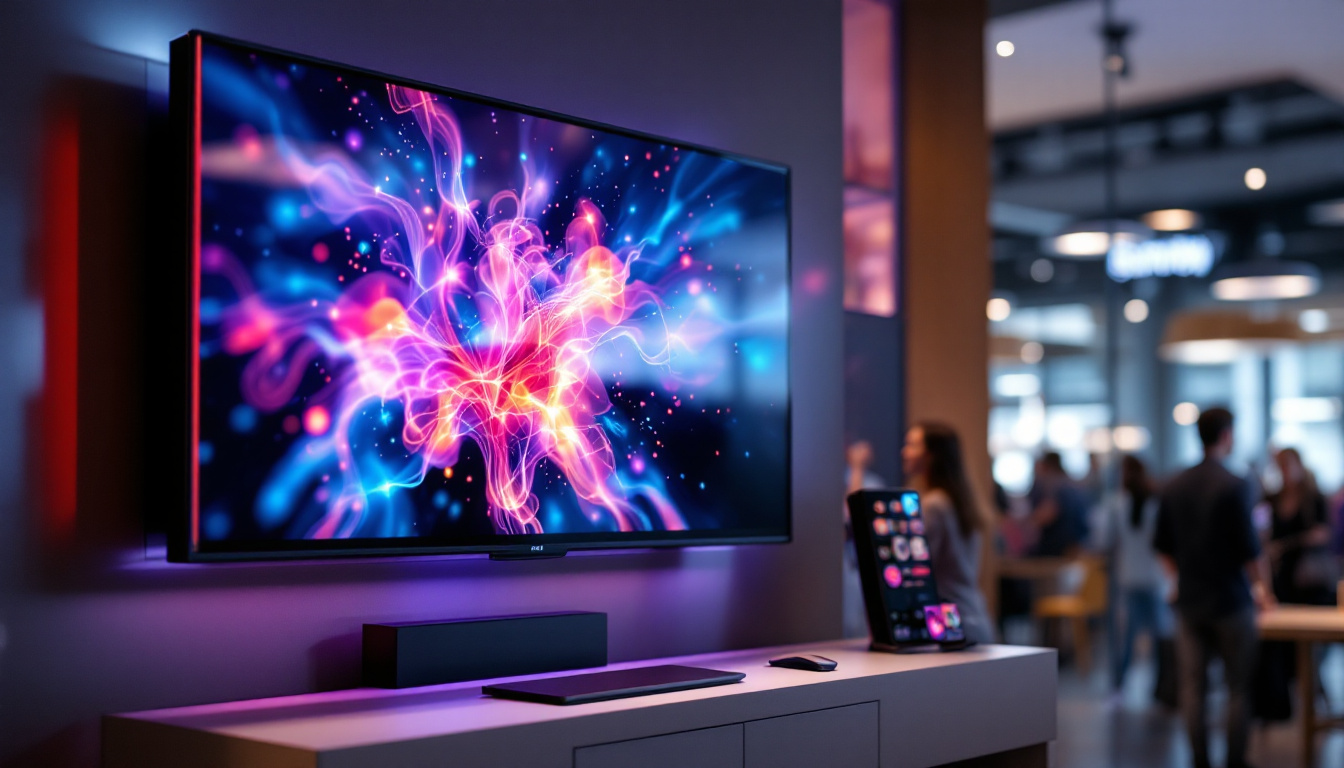
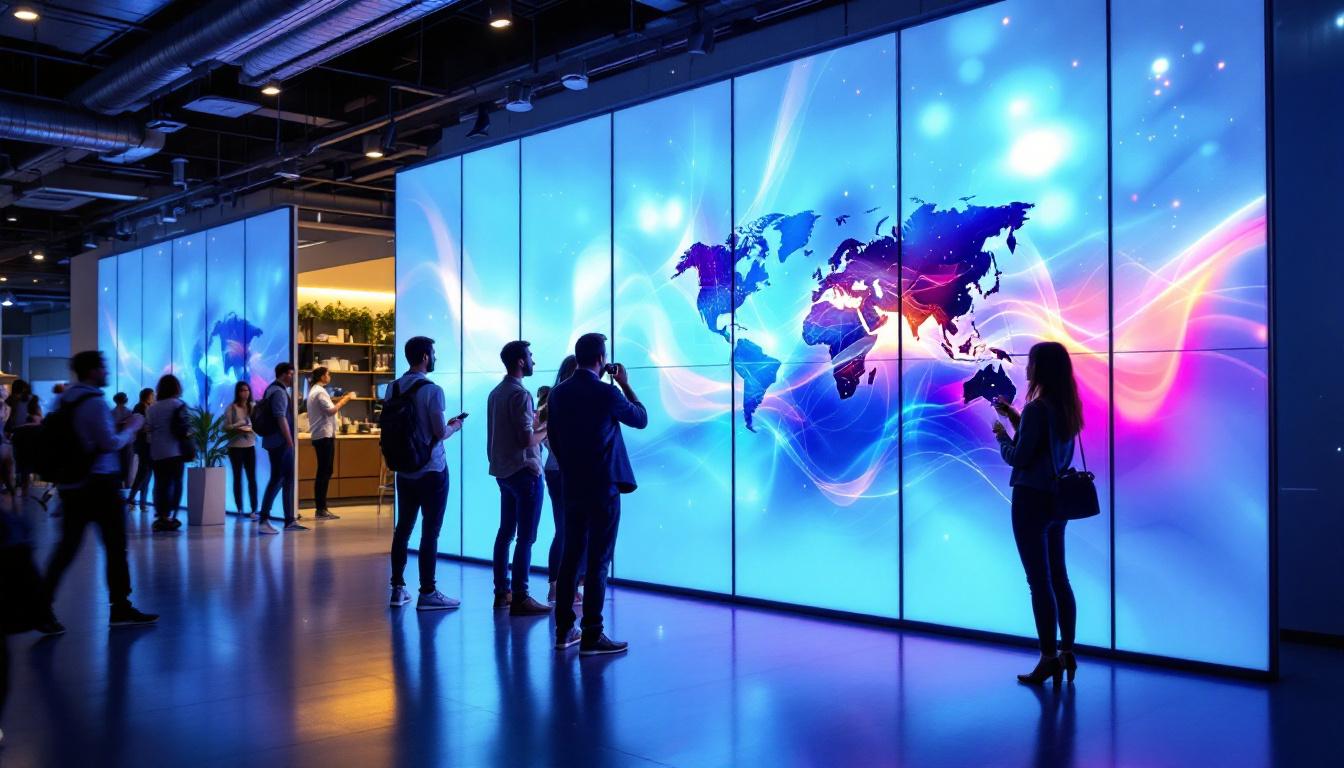
In retail, LED displays serve as eye-catching digital signage that promotes products, sales, and brand messaging. Interactive LED walls and kiosks can also enhance customer engagement by providing touch-enabled experiences. Retailers benefit from the ability to quickly update content and tailor promotions to specific audiences.
Corporate offices use LED displays in conference rooms, lobbies, and control centers. These displays facilitate presentations, video conferencing, and data visualization, improving communication and decision-making processes.
Transportation and Public Information
LED displays are integral to transportation hubs such as airports, train stations, and bus terminals. They provide real-time schedules, alerts, and wayfinding information to travelers. The durability and brightness of LED displays make them well-suited for these high-traffic environments.
Additionally, LED technology is employed in traffic signals and variable message signs on highways, contributing to road safety and traffic management.
Key Advantages of LED Displays
Brightness and Visibility
One of the standout features of LED displays is their exceptional brightness. Typical LED displays can achieve brightness levels of 1,000 to 5,000 nits or more, compared to around 300-500 nits for conventional LCD screens. This makes LED displays highly visible even in direct sunlight, a critical factor for outdoor applications.
Energy Efficiency
LED technology is inherently energy-efficient because LEDs convert most of the electrical energy into light rather than heat. This efficiency translates into lower operating costs and reduced environmental impact. For example, replacing traditional neon or incandescent signage with LED displays can reduce energy consumption by up to 80%.
Longevity and Durability
LED displays are known for their long operational lifespans, often exceeding 100,000 hours of use. They are also robust, with many models designed to withstand extreme weather conditions, vibration, and physical impact. This durability reduces maintenance costs and downtime.
Color Accuracy and Contrast
LED displays provide excellent color accuracy and contrast ratios, enhancing image quality. The ability to produce true blacks and vibrant colors results in more engaging and visually appealing content. This is particularly important for branding and advertising where color fidelity can influence consumer perception.
Emerging Trends and Future Directions
Mini-LED and Micro-LED Technologies
Mini-LED and Micro-LED represent the next generation of LED display technology. Mini-LEDs use thousands of tiny LEDs as backlights for LCD panels, improving contrast and brightness. Micro-LEDs, on the other hand, are self-emissive like traditional LEDs but much smaller, enabling even higher resolutions and thinner displays.
Micro-LED displays promise superior performance with lower power consumption and longer lifespans, making them ideal for applications ranging from smartphones to large video walls. However, manufacturing challenges currently limit their widespread adoption.
Integration with IoT and Smart Technologies
LED displays are increasingly integrated with Internet of Things (IoT) platforms, enabling smarter and more interactive signage. Sensors can adjust brightness based on ambient light, while AI-driven content management systems optimize messaging based on audience behavior and environmental factors.
Such integration enhances user engagement and operational efficiency, particularly in retail and public spaces.
Sustainability and Eco-Friendly Design
As environmental concerns grow, manufacturers are focusing on sustainable LED display solutions. This includes using recyclable materials, reducing hazardous substances, and designing for energy efficiency. Additionally, innovations in power management and modular designs facilitate easier repairs and upgrades, extending the useful life of displays.
Choosing the Right LED Display: Considerations for Buyers
Assessing Viewing Distance and Resolution
One of the first factors to consider when selecting an LED display is the typical viewing distance. For close-up viewing, such as in retail stores or conference rooms, a smaller pixel pitch (high resolution) is essential to ensure image clarity. For large outdoor billboards viewed from hundreds of feet away, a larger pixel pitch is acceptable and more cost-effective.
Brightness and Environmental Conditions
Understanding the lighting conditions where the display will be installed is crucial. Outdoor displays require high brightness and weatherproofing, while indoor displays can prioritize resolution and color accuracy. Some environments may also require anti-glare coatings or special protective enclosures.
Content Management and Connectivity
Modern LED displays often come with content management systems that allow remote updates and scheduling. Buyers should evaluate the ease of use, compatibility with existing infrastructure, and support for various media formats. Connectivity options such as Wi-Fi, Ethernet, and USB ports also influence operational flexibility.
Budget and Total Cost of Ownership
While LED displays can represent a significant upfront investment, it is important to consider the total cost of ownership, including installation, maintenance, energy consumption, and potential downtime. Investing in higher-quality displays with longer lifespans and better support can yield better returns over time.
Conclusion
LED displays have transformed the way information and advertising are presented across industries. Their superior brightness, color accuracy, energy efficiency, and versatility make them an indispensable tool for businesses and public institutions alike. As technology advances with innovations like Micro-LED and IoT integration, the potential applications and benefits of LED displays will continue to expand.
For anyone considering the adoption of LED display technology, understanding the fundamentals, types, and key considerations outlined in this article will help make informed decisions that align with specific needs and goals. Whether for a small indoor sign or a massive outdoor billboard, LED displays offer a dynamic and impactful medium for communication in the digital age.
Discover LumenMatrix’s Advanced LED Display Solutions
Ready to elevate your visual communication with the latest in LED technology? LumenMatrix is at the forefront of innovation, offering a diverse range of LED display solutions tailored to your unique needs. From vibrant Indoor LED Walls to robust Outdoor Displays, and from sleek LED Posters to immersive Sports and Floor Displays, our products are designed to captivate and engage your audience. Experience the future of digital signage with LumenMatrix’s custom and all-in-one LED solutions, including our cutting-edge Transparent Displays. Check out LumenMatrix LED Display Solutions today and transform your space into a dynamic visual experience.