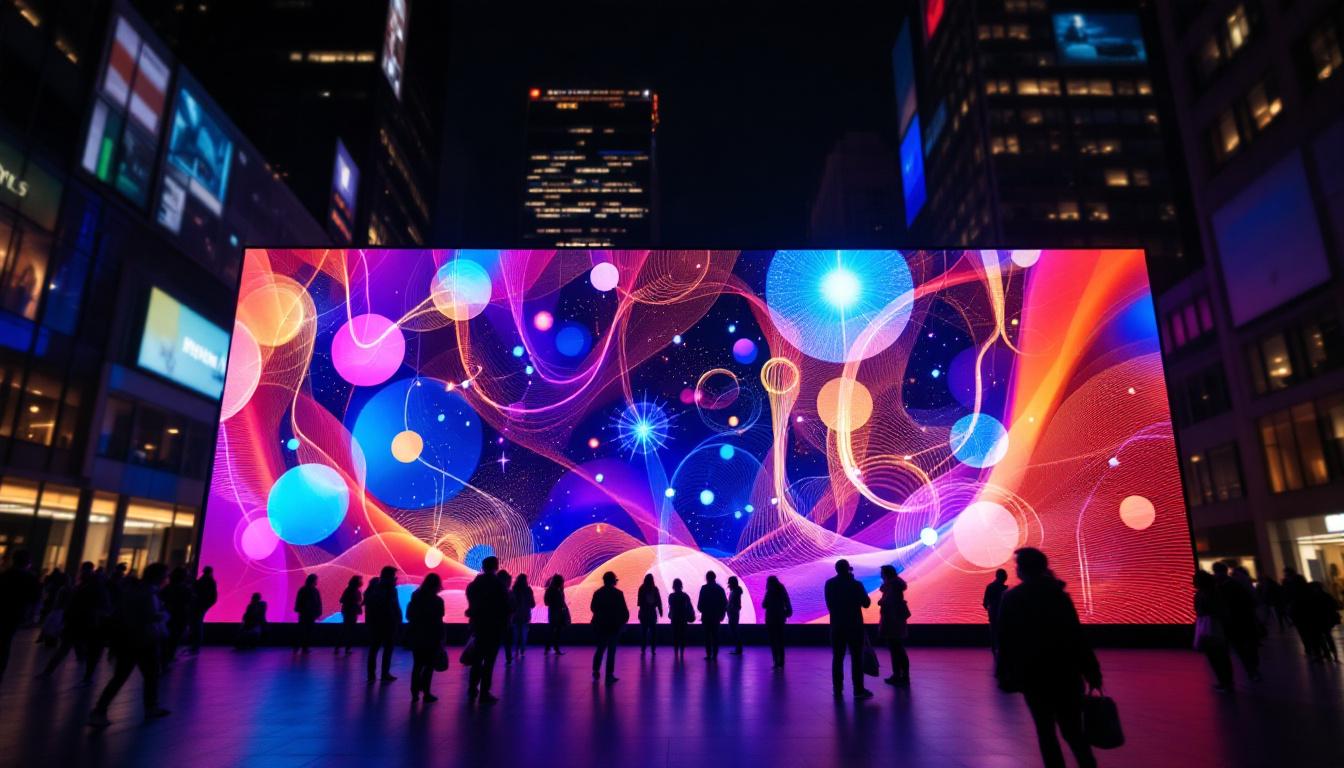
In recent years, LED technology has revolutionized the way we experience visual displays, extending far beyond traditional screens and billboards. One of the most innovative applications of this technology is the LED floor tile—a dynamic and interactive medium that transforms floors into vibrant, illuminated canvases. From retail environments to entertainment venues, LED floor tiles are reshaping spatial design and user engagement.
This article delves into the world of LED floor tiles, explaining their technology, applications, benefits, and considerations for implementation. Whether you are a designer, event organizer, or business owner, understanding LED floor tiles can open up new possibilities for creating immersive and memorable experiences.
What Are LED Floor Tiles?
LED floor tiles are modular panels embedded with light-emitting diodes (LEDs) that can display images, videos, animations, or interactive content. Unlike traditional flooring materials, these tiles combine structural durability with high-resolution digital displays, allowing floors to become dynamic visual elements.
Each tile contains a matrix of LEDs arranged in a grid, controlled by integrated circuits that manage color, brightness, and timing. These tiles can be connected seamlessly to form large, continuous displays capable of spanning entire rooms or outdoor spaces. This innovative technology not only enhances aesthetic appeal but also opens up new avenues for advertising, branding, and interactive experiences in various environments.
Technical Composition and Design
Typically, an LED floor tile consists of several key components:
- Surface Layer: Made from tempered glass or acrylic, this layer provides strength and slip resistance while allowing light to pass through clearly.
- LED Matrix: A grid of LEDs, often SMD (Surface-Mounted Device) type, which enables high brightness and color accuracy.
- Control Electronics: Integrated circuits and drivers that manage the LED signals and synchronize content across multiple tiles.
- Structural Frame: A robust chassis that supports weight loads and ensures durability under foot traffic.
Modern LED floor tiles are designed to withstand heavy use, including the weight of people, furniture, and equipment. They often feature waterproof and dustproof ratings (commonly IP65 or higher), making them suitable for both indoor and outdoor installations. Additionally, these tiles can be programmed to respond to touch or movement, creating an interactive experience that can engage users in a unique way. For instance, in retail settings, LED floor tiles can guide customers through a store or highlight special promotions, while in entertainment venues, they can enhance the atmosphere with synchronized light shows and animations.
Furthermore, the versatility of LED floor tiles extends beyond mere decoration. They can be utilized in various applications, including museums, art galleries, and corporate environments, where they can serve as informative displays or immersive art installations. The ability to customize content allows for a tailored experience, ensuring that the visuals resonate with the intended audience. As technology continues to evolve, the potential for LED floor tiles to integrate with smart systems and IoT devices will likely expand, paving the way for even more innovative uses in the future.
Applications of LED Floor Tiles
The versatility of LED floor tiles has made them popular across various sectors, each leveraging the technology to enhance ambiance, communication, and interaction.
Retail and Commercial Spaces
Retailers use LED floor tiles to attract customers and create immersive shopping experiences. For example, fashion stores may display runway animations or seasonal themes on the floor, while supermarkets can highlight promotions or guide shoppers through aisles.
According to a 2023 study by Retail Design Institute, stores incorporating digital floor displays reported a 15% increase in customer dwell time and a 10% boost in sales conversion rates, demonstrating the tangible impact of LED floor tiles on consumer behavior.
Additionally, the ability to customize these tiles allows retailers to change themes and messages quickly, keeping the shopping environment fresh and aligned with marketing campaigns. Seasonal promotions can be highlighted with vibrant colors and animations, while loyalty programs can be integrated into the floor design, encouraging repeat visits. This dynamic approach not only captivates shoppers but also fosters a deeper emotional connection with the brand.
Entertainment and Events
Concerts, nightclubs, and event venues utilize LED floor tiles to elevate performances and audience engagement. Interactive dance floors that respond to movement or sound create a multisensory experience, encouraging participation and social sharing.
Large-scale events such as music festivals have adopted LED floor tiles for stage design, enabling dynamic visuals that synchronize with lighting and sound systems. This integration enhances the overall atmosphere and leaves a lasting impression on attendees.
Moreover, the use of LED floor tiles in entertainment settings can also serve as a platform for artists to express their creativity. For instance, choreographers can design routines that interact with the floor’s changing visuals, creating a seamless blend of dance and technology. This not only captivates the audience but also opens new avenues for storytelling through movement and light, making each performance unique and memorable.
Corporate and Exhibition Environments
In corporate settings, LED floor tiles serve as innovative tools for branding and communication. Trade shows and exhibitions benefit from eye-catching floor displays that convey product information, company logos, or directional cues.
Moreover, interactive floor tiles can facilitate engagement by responding to foot traffic or gestures, making presentations more memorable and interactive.
These tiles can also be programmed to showcase real-time data, such as social media feeds or live event updates, creating a dynamic atmosphere that keeps attendees informed and engaged. By integrating gamification elements, companies can encourage visitors to interact with the displays, fostering a sense of community and excitement around their brand. This innovative approach not only enhances the visitor experience but also drives foot traffic to specific areas of the exhibition, maximizing exposure and engagement.
Public Spaces and Transportation Hubs
Urban planners and transit authorities have started incorporating LED floor tiles in public squares, airports, and train stations. These installations can display real-time information such as schedules, alerts, or wayfinding instructions, improving passenger experience and safety.
For example, the Schiphol Airport in Amsterdam features LED floor tiles that guide travelers to gates and amenities, reducing congestion and confusion during peak hours.
Furthermore, the aesthetic appeal of LED floor tiles can transform mundane transit areas into vibrant public spaces. By incorporating artistic designs and animations, cities can create an inviting atmosphere that encourages people to linger and explore. This not only enhances the visual landscape but also promotes social interaction among travelers, turning transit hubs into lively community spaces that reflect the culture and identity of the area.
Advantages of LED Floor Tiles
LED floor tiles offer several benefits that make them an attractive choice for various applications.
High Visual Impact and Customization
The vibrant colors and brightness of LED displays ensure visibility even in well-lit environments. Content can be customized to suit branding, themes, or real-time data, providing unmatched flexibility compared to static flooring.
Dynamic content also allows for seasonal updates, event-specific designs, or interactive experiences without physical alterations to the floor.
Durability and Safety
Designed to endure heavy foot traffic, LED floor tiles typically meet safety standards for slip resistance and load-bearing capacity. The use of tempered glass or specialized coatings protects the LEDs from damage and ensures longevity.
Additionally, many LED floor tiles incorporate anti-glare surfaces to reduce eye strain and improve visibility.
Energy Efficiency and Sustainability
LED technology is known for its low power consumption compared to other lighting solutions. Many LED floor tiles use energy-efficient components and intelligent control systems that adjust brightness based on ambient light or usage patterns.
Some manufacturers also emphasize sustainable production practices and recyclable materials, aligning with growing environmental concerns.
Interactive Capabilities
Advanced LED floor tiles can integrate sensors such as pressure pads, motion detectors, or cameras to create interactive experiences. This interactivity can be used for entertainment, education, or marketing, enhancing user engagement.
Key Considerations When Choosing LED Floor Tiles
Despite their advantages, selecting and installing LED floor tiles requires careful planning and consideration to ensure optimal performance and return on investment.
Resolution and Pixel Pitch
The resolution of an LED floor tile is determined by its pixel pitch—the distance between individual LEDs. Smaller pixel pitches provide higher resolution and sharper images but typically come at a higher cost.
For floors viewed at close range, such as in retail stores, a pixel pitch between 2.5mm and 4mm is common. Larger venues or outdoor installations may use pixel pitches up to 10mm, balancing visibility and budget.
Load Capacity and Safety Standards
It is crucial to verify that the LED floor tiles meet the structural requirements of the intended environment. Tiles should comply with relevant safety certifications such as ASTM or EN standards, ensuring they can safely support expected loads.
Slip resistance ratings and fire safety certifications are also important to prevent accidents and comply with regulations.
Installation and Maintenance
Proper installation requires a level and stable subfloor, as uneven surfaces can affect display quality and durability. Professional installation services often include calibration and testing to guarantee seamless visual performance.
Maintenance considerations include cleaning protocols, replacement of damaged tiles, and software updates for content management. Choosing a supplier with reliable support services can simplify long-term upkeep.
Cost and Return on Investment
LED floor tiles represent a significant investment, with costs influenced by size, resolution, and features. However, the potential benefits in customer engagement, brand differentiation, and operational flexibility often justify the expense.
Conducting a thorough cost-benefit analysis and exploring financing or leasing options can help manage upfront costs.
Future Trends in LED Floor Tile Technology
As LED technology continues to evolve, several trends are shaping the future of LED floor tiles.
Higher Resolution and Miniaturization
Advancements in micro-LED technology promise even higher resolutions and thinner tile profiles, enabling more detailed and seamless floor displays.
Enhanced Interactivity and AI Integration
Integration with artificial intelligence and machine learning will allow LED floor tiles to respond more intelligently to user behavior, environmental conditions, and contextual data, creating personalized experiences.
Wireless Connectivity and Smart Control
Wireless communication protocols and cloud-based management systems are making it easier to control and update LED floor content remotely, improving convenience and scalability.
Sustainability Innovations
Ongoing research into eco-friendly materials and energy harvesting technologies aims to reduce the environmental footprint of LED floor tiles further.
Conclusion
LED floor tiles represent a fascinating intersection of technology, design, and functionality. By transforming floors into vibrant, interactive displays, they offer new opportunities for engagement across retail, entertainment, corporate, and public sectors.
Understanding the technical aspects, applications, and considerations involved in LED floor tile implementation is essential for making informed decisions. As technology advances, LED floor tiles will continue to push the boundaries of visual communication and spatial experience, making them a compelling choice for forward-thinking environments.
Discover the Future of LED Floor Tiles with LumenMatrix
Ready to elevate your space with the cutting-edge technology of LED floor tiles? LumenMatrix is at the forefront of LED display innovation, offering a wide array of solutions that bring your environment to life. From captivating Indoor LED Wall Displays to dynamic Floor LED Displays, our products are designed to transform your visual communication and audience engagement. Experience the difference with LumenMatrix and let us help you create an unforgettable visual experience. Check out LumenMatrix LED Display Solutions today and step into the future of interactive display technology.