High Dynamic Range (HDR) technology has revolutionized the way we perceive images and videos on LED displays. Among the many technical aspects that define HDR quality, the HDR ratio stands out as a critical factor influencing visual performance. This article delves into what the HDR ratio means in the context of LED displays, why it matters, and how it impacts your viewing experience.
Understanding HDR and Its Importance in LED Displays
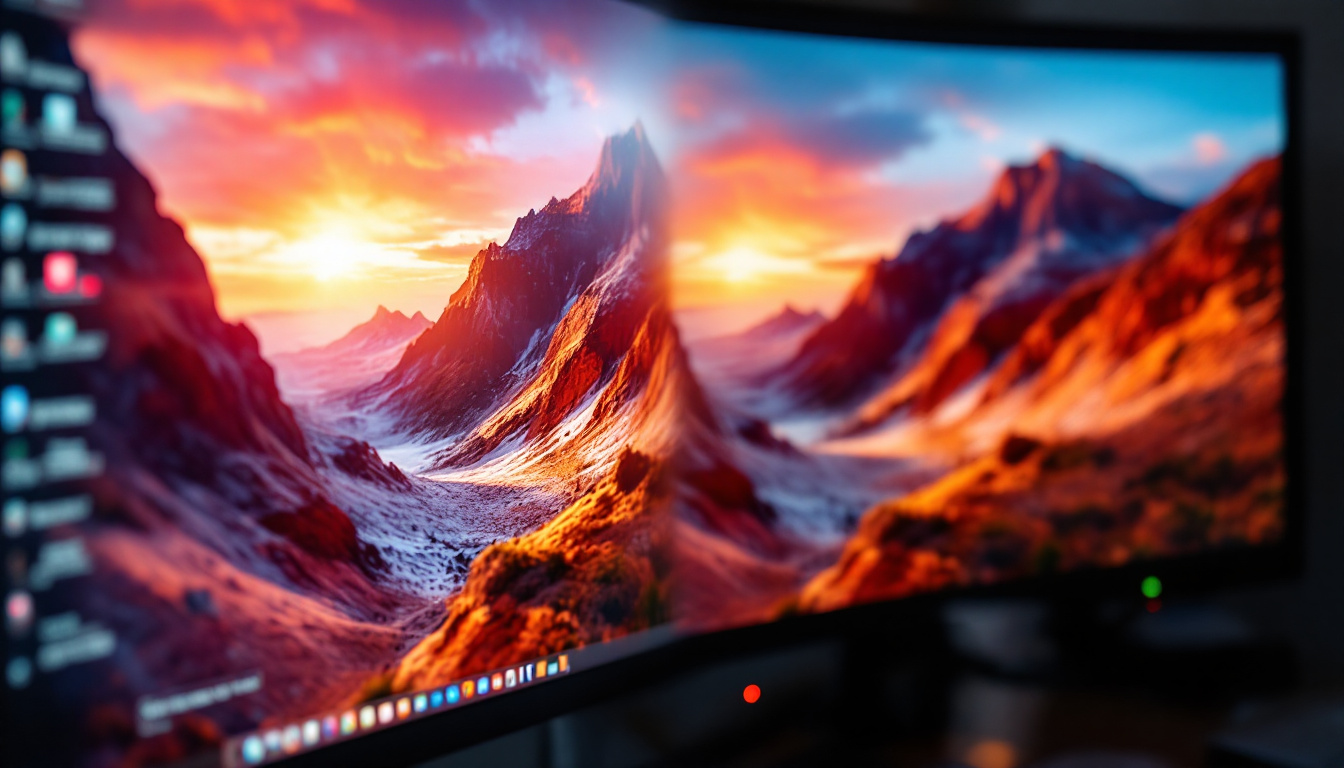
HDR, or High Dynamic Range, refers to a display technology that enhances the contrast between the brightest whites and the darkest blacks on a screen. Unlike Standard Dynamic Range (SDR), which has a limited range of luminance, HDR expands this range, allowing for more vivid, lifelike images.
LED displays, widely used in televisions, monitors, and digital signage, benefit significantly from HDR technology. By leveraging HDR, these displays can render more details in shadows and highlights, creating a more immersive and realistic picture quality. But to fully grasp HDR’s impact, it’s essential to understand the concept of the HDR ratio.
The HDR ratio is a critical measurement that indicates the difference in luminance between the brightest and darkest parts of an image. This ratio is often expressed in a format like 1000:1 or 2000:1, where a higher number signifies a greater range of brightness. For instance, an HDR display with a ratio of 2000:1 can produce highlights that are twice as bright as those on a standard display, while still maintaining deep, rich blacks. This capability allows for a more nuanced representation of scenes, particularly in genres like nature documentaries or action films, where the contrast between light and shadow can dramatically affect the viewer’s experience.
Moreover, HDR technology is not just about brightness; it also encompasses a broader color gamut. This means that HDR displays can reproduce a wider spectrum of colors, making images appear more vibrant and true to life. For example, colors that might seem muted on an SDR display can burst forth with intensity on an HDR screen, enhancing the overall visual appeal. This is particularly beneficial for content creators and photographers who rely on accurate color representation for their work. As HDR becomes more prevalent in content creation, from movies to video games, the demand for HDR-capable displays continues to rise, pushing manufacturers to innovate and improve their offerings in this competitive market.
What Is the HDR Ratio?
Defining HDR Ratio
The HDR ratio, often referred to as the contrast ratio in HDR contexts, measures the difference between the brightest and darkest parts of an image that a display can reproduce simultaneously. It is expressed as a ratio, such as 1,000,000:1, indicating that the brightest white is one million times brighter than the darkest black.
In LED displays, the HDR ratio is a key indicator of the display’s ability to showcase a wide range of luminance levels. A higher HDR ratio means the display can produce more nuanced gradations between light and dark, which is crucial for HDR content that relies on subtle lighting details.
HDR Ratio vs. Contrast Ratio
While the terms HDR ratio and contrast ratio are sometimes used interchangeably, they are not exactly the same. Contrast ratio traditionally refers to the difference in luminance between the brightest white and the darkest black a display can produce under standard conditions. HDR ratio, on the other hand, specifically pertains to the expanded luminance range achievable when displaying HDR content.
This distinction is important because HDR content demands much higher luminance capabilities than SDR. Therefore, a display’s HDR ratio is often significantly higher than its standard contrast ratio, reflecting the enhanced dynamic range required for HDR playback.
How HDR Ratio Affects LED Display Performance
Brightness and Black Levels
One of the primary ways the HDR ratio influences LED display performance is through its impact on brightness and black levels. A high HDR ratio allows the display to reach extremely bright highlights without washing out darker areas, preserving shadow detail and depth.
For example, an LED display with an HDR ratio of 1,000,000:1 can render bright sunlight reflections and deep shadows in the same scene with clarity. This capability is essential for HDR content like movies and video games, where lighting effects contribute significantly to immersion.
Color Accuracy and Vibrancy
The expanded dynamic range enabled by a high HDR ratio also enhances color accuracy and vibrancy. When a display can differentiate between subtle luminance levels, it can reproduce colors more faithfully, especially in scenes with complex lighting.
Colors in HDR content appear richer and more lifelike because the display can maintain saturation and detail in both bright and dark areas. This is particularly noticeable in scenes with bright skies, neon lights, or dimly lit interiors.
Impact on Viewing Experience
Ultimately, the HDR ratio contributes to a more engaging and realistic viewing experience. High HDR ratios reduce the risk of image clipping, where bright or dark areas lose detail, and minimize the appearance of washed-out or overly dark images.
For consumers, this means watching HDR-enabled LED displays results in sharper, more detailed images that better represent the creator’s intent. This enhancement is especially valuable in home theaters, professional video editing, and gaming setups.
Technological Factors Influencing HDR Ratio in LED Displays
Backlighting Technology
The type of backlighting used in an LED display plays a significant role in determining its HDR ratio. Full-array local dimming (FALD) LED displays, for instance, can independently dim or brighten zones of the screen, allowing for higher contrast ratios and improved HDR performance.
Edge-lit LED displays, while more cost-effective, typically offer lower HDR ratios because their backlighting is less precise. Advances in mini-LED and micro-LED technologies are pushing the boundaries further, enabling even higher HDR ratios by increasing the number of dimming zones and enhancing brightness control.
Peak Brightness Capabilities
Peak brightness, measured in nits (cd/m²), directly affects the HDR ratio. Displays capable of reaching peak brightness levels of 1,000 nits or more can achieve higher HDR ratios, as they can produce more intense highlights without sacrificing shadow detail.
Modern HDR standards, such as HDR10 and Dolby Vision, recommend peak brightness levels ranging from 1,000 to 4,000 nits for optimal HDR performance. LED displays that meet or exceed these levels typically exhibit superior HDR ratios.
Panel Technology and Material Quality
The quality of the LED panel itself also influences the achievable HDR ratio. Factors such as the type of LED (e.g., quantum dot LEDs), the quality of the liquid crystal layer, and the precision of color filters impact the display’s ability to render a wide luminance range.
Quantum dot technology, for example, enhances color volume and brightness, contributing to higher HDR ratios by allowing displays to produce more vivid colors at high brightness levels without distortion.
Measuring and Evaluating HDR Ratio
Standardized Testing Methods
Evaluating the HDR ratio of an LED display involves standardized testing methods that measure luminance levels across various parts of the screen. Organizations like the International Electrotechnical Commission (IEC) and the Video Electronics Standards Association (VESA) provide guidelines for these measurements.
Tests typically involve displaying test patterns with varying brightness levels and measuring the luminance of the brightest and darkest areas simultaneously. This approach ensures that the HDR ratio reflects real-world performance rather than theoretical maximums.
Interpreting HDR Ratio Specifications
When reviewing HDR ratio specifications, it is important to consider the context in which the measurements were taken. Manufacturers may quote peak contrast ratios achieved under ideal conditions, which might not translate to everyday viewing scenarios.
Consumers and professionals should look for independent reviews and calibration reports that assess HDR ratio performance under typical usage conditions. This information helps in selecting displays that deliver consistent HDR quality.
HDR Standards and Their Relationship to HDR Ratio
HDR10 and HDR10+
HDR10 is the most widely adopted HDR standard, requiring displays to support a minimum peak brightness of 1,000 nits and a 10-bit color depth. HDR10+ builds on this by adding dynamic metadata, allowing scene-by-scene adjustments to brightness and contrast.
Both standards demand high HDR ratios to fully realize their potential, as they rely on displays’ ability to render a broad range of luminance levels accurately.
Dolby Vision
Dolby Vision is a premium HDR format that supports peak brightness levels up to 10,000 nits and 12-bit color depth. This standard pushes HDR ratios to new heights, requiring displays to handle extreme luminance ranges and deliver exceptional color fidelity.
LED displays certified for Dolby Vision typically feature advanced backlighting and panel technologies to meet these stringent requirements.
Hybrid Log-Gamma (HLG)
HLG is designed primarily for broadcast HDR and is backward compatible with SDR displays. While it does not specify peak brightness levels as aggressively as other standards, achieving a high HDR ratio still enhances the viewing experience by improving contrast and detail.
Practical Implications for Consumers and Professionals
Choosing the Right LED Display
Understanding HDR ratio helps consumers make informed decisions when purchasing LED displays. For home entertainment, a display with an HDR ratio of at least 100,000:1 and peak brightness above 1,000 nits is recommended to enjoy HDR content fully.
Professionals in video production and graphic design should prioritize displays with even higher HDR ratios and color accuracy to ensure their work reflects true-to-life visuals.
Optimizing Content for HDR Displays
Content creators must consider the HDR ratio capabilities of their target displays when mastering HDR content. Ensuring that highlights and shadows are within the display’s dynamic range prevents clipping and preserves detail across different viewing environments.
Using HDR grading tools and adhering to industry standards helps maximize the impact of HDR ratios in delivering stunning visual experiences.
Future Trends in HDR Ratio and LED Technology
Emerging technologies such as micro-LED and OLED hybrids promise even higher HDR ratios by combining the best attributes of LED backlighting with self-emissive pixels. These advancements will further enhance brightness, contrast, and color fidelity.
Additionally, improvements in HDR metadata and real-time processing will allow displays to dynamically adjust HDR ratios based on content and ambient lighting, optimizing viewing experiences across diverse conditions.
Conclusion
The HDR ratio is a fundamental metric that defines the quality and realism of HDR content on LED displays. By understanding its significance and the factors that influence it, consumers and professionals can better appreciate the capabilities of modern displays and make informed choices.
As LED technology continues to evolve, the HDR ratio will remain a key benchmark for evaluating display performance, ensuring that images and videos are rendered with breathtaking detail, depth, and vibrancy.
Discover the Future of Visual Experience with LumenMatrix
Ready to immerse yourself in the unparalleled detail and vibrancy of HDR content? LumenMatrix is at the forefront of LED display innovation, offering a wide array of solutions that bring your visual communications to life. From Indoor and Outdoor LED Wall Displays to specialized options like Vehicle and Sports LED Displays, our technology is designed to captivate and engage. Elevate your brand visibility and create mesmerizing visual experiences with our advanced LED display modules. Check out LumenMatrix LED Display Solutions today and step into the revolution of high-impact, crystal-clear digital signage.