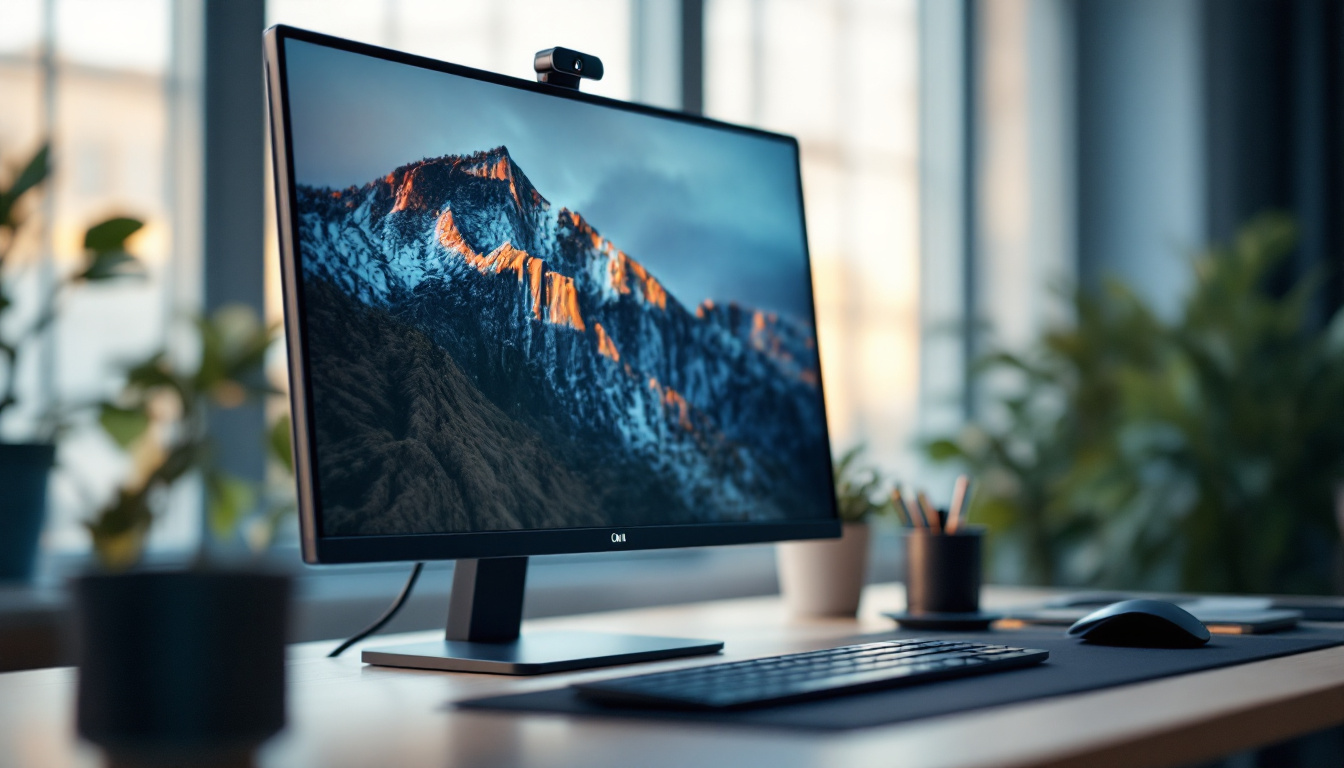
In today’s digital age, the demand for high-quality displays continues to grow exponentially. Whether for professional work, gaming, or everyday use, monitors with advanced LED technology have become essential. Among the various features that users prioritize, resolution and display quality stand out as crucial factors influencing the viewing experience. This article explores the concept of the “lighest resolution” LED monitor, delving into LED display technology, resolution standards, and how these elements combine to deliver outstanding visual performance.
Understanding LED Display Technology
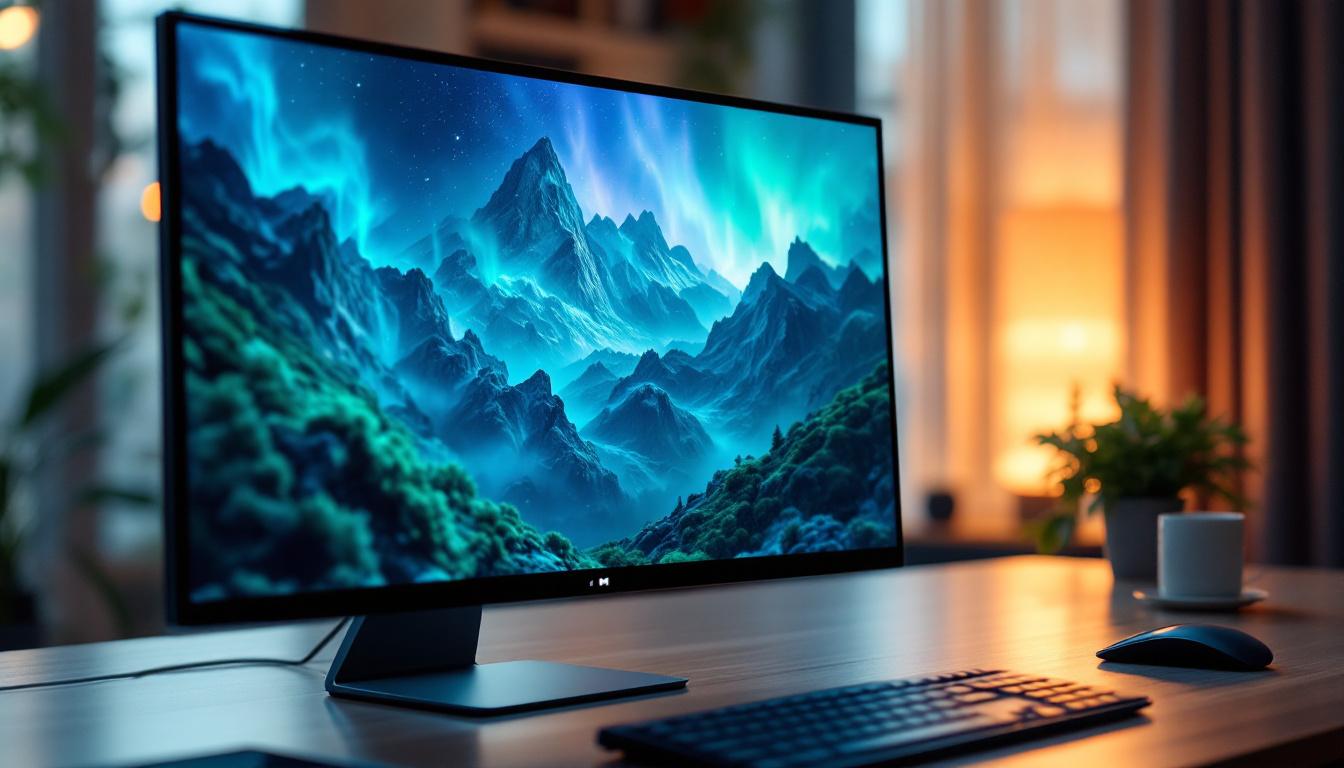
LED, or Light Emitting Diode, technology has revolutionized the way displays are designed and utilized. Unlike traditional LCD monitors that rely on fluorescent backlighting, LED monitors use light-emitting diodes to illuminate the screen. This shift has brought about significant improvements in brightness, energy efficiency, and color accuracy.
LED displays can be categorized primarily into two types: edge-lit and direct-lit LED panels. Edge-lit LED monitors position LEDs along the edges of the screen, using light guides to distribute illumination evenly. This design allows for thinner and lighter monitors, making them more portable and aesthetically pleasing. Direct-lit LED monitors, on the other hand, place LEDs directly behind the screen, offering better uniformity and contrast but often at the cost of increased thickness.
One of the most advanced forms of LED technology is OLED (Organic LED), which uses organic compounds to emit light when an electric current passes through. OLED displays provide superior contrast ratios and deeper blacks because each pixel emits its own light and can be turned off individually. However, OLED monitors are typically more expensive and less common in the desktop monitor market compared to traditional LED-backlit LCDs.
In addition to the types of LED displays, the technology has also evolved to include features such as HDR (High Dynamic Range), which enhances the range of colors and brightness levels that a display can produce. HDR-capable monitors can showcase vibrant colors and details in both the darkest and brightest parts of an image, making them ideal for gaming, photography, and video editing. This technology has become increasingly popular as content creators and consumers alike seek more immersive visual experiences.
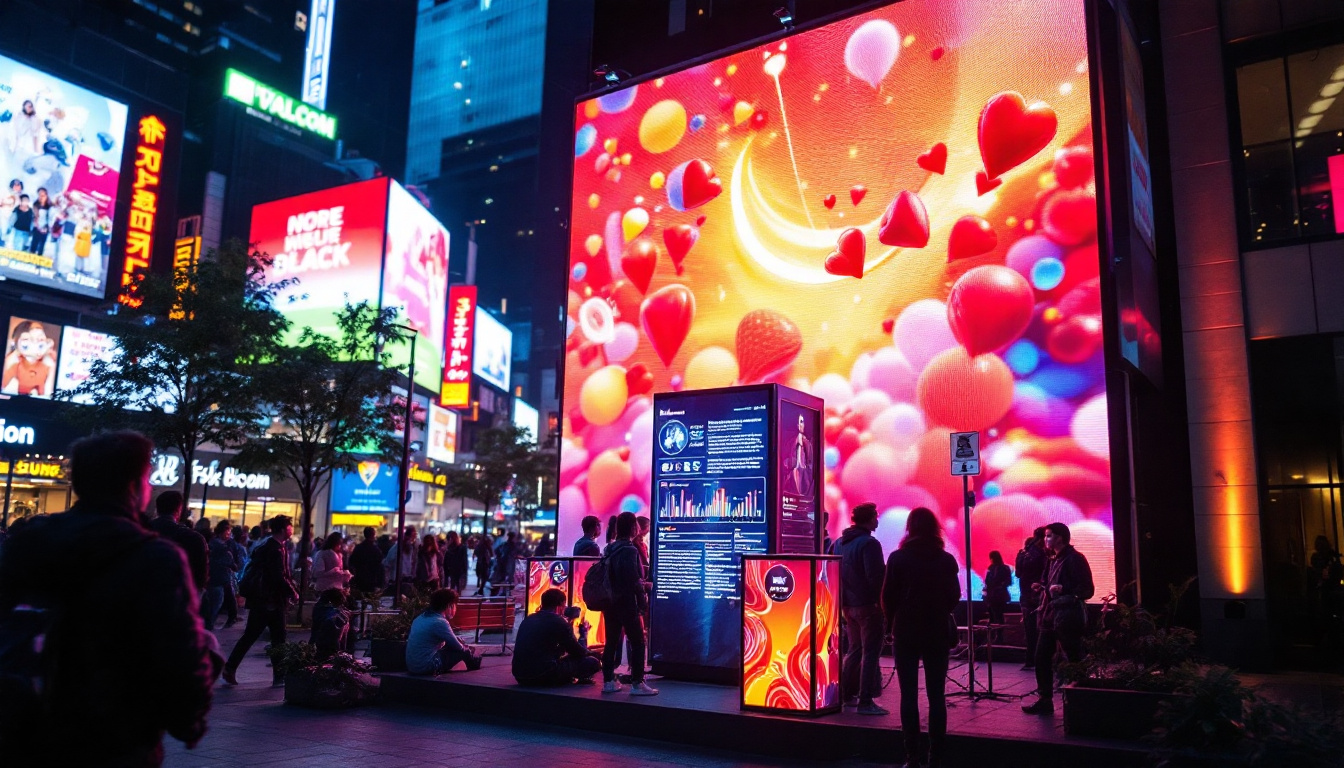
Moreover, the adaptability of LED technology extends beyond just monitors and televisions. It has found applications in various fields such as automotive displays, signage, and architectural lighting. For instance, LED displays are commonly used in billboards and public transport systems due to their visibility in bright daylight and energy efficiency. As the demand for high-quality visual displays continues to grow, innovations in LED technology are likely to push the boundaries of what is possible in display design and functionality.
What Does “Lighest Resolution” Mean?
The term “lighest resolution” is not a standard industry phrase but can be interpreted as referring to monitors that offer high resolution while maintaining a lightweight and slim form factor. In other words, it highlights the balance between screen clarity and physical portability or minimalism.
Resolution itself refers to the number of pixels displayed on the screen, typically expressed as width × height. Common resolutions include Full HD (1920×1080), Quad HD (2560×1440), and 4K Ultra HD (3840×2160). Higher resolution means more pixels, which translates to sharper images and finer detail. However, increasing resolution often requires more powerful graphics processing and can impact battery life in portable devices.
When considering the “lighest resolution” monitor, it is important to assess not only the pixel count but also the monitor’s weight, thickness, and overall design. Manufacturers have made strides in combining ultra-high resolutions with slim LED panels that weigh less than traditional monitors, catering to professionals who need both visual precision and mobility.
Popular Resolutions in LED Monitors Today
Full HD (1920×1080)
Full HD remains the most widespread resolution for LED monitors, striking a balance between image clarity and affordability. It is ideal for general use, including office work, web browsing, and casual gaming. Monitors with Full HD resolution are typically lightweight and energy-efficient, making them suitable for a broad audience.
Quad HD (2560×1440)
Quad HD, also known as 2K, offers approximately 78% more pixels than Full HD. This resolution is favored by creative professionals, gamers, and users who require greater screen real estate without moving to 4K. Many modern LED monitors at this resolution maintain a slim profile and weigh under 5 pounds, making them portable enough for mobile workstations.
4K Ultra HD (3840×2160)
4K resolution has become increasingly accessible and popular, especially for content creators, video editors, and gamers seeking ultra-detailed visuals. While 4K monitors typically have larger screen sizes to maximize the benefit of the resolution, advances in LED technology have enabled manufacturers to produce thinner and lighter panels than ever before. Some 4K LED monitors now weigh less than 10 pounds, a remarkable feat considering their size and pixel density.
Why Resolution and Weight Matter to Users
The interplay between resolution and monitor weight is particularly important for certain user groups. For instance, graphic designers and video editors require high-resolution displays to accurately view fine details and color gradients. However, these professionals often work in multiple locations or attend meetings, necessitating a lightweight and portable monitor.
Gamers also benefit from high-resolution LED monitors, as increased pixel density enhances immersion and visual fidelity. Lightweight monitors with fast refresh rates and low response times improve the gaming experience, especially for those who participate in tournaments or LAN parties where portability is key.
For everyday users, having a lightweight monitor reduces desk clutter and makes setup easier. Additionally, slim LED monitors contribute to ergonomic workspaces by allowing adjustable mounting options and reducing strain on the neck and eyes.
Technological Advances Enabling Lightweight High-Resolution LED Monitors
Several technological innovations have contributed to the development of lightweight, high-resolution LED monitors:
- Mini-LED Backlighting: Mini-LED technology uses thousands of tiny LEDs to provide more precise backlighting control. This results in improved contrast and brightness while allowing for thinner panels.
- Quantum Dot Enhancement: Quantum dot layers enhance color accuracy and brightness without adding bulk to the display, enabling vibrant visuals in slim designs.
- Advanced Materials: The use of lightweight metals and plastics in monitor chassis construction reduces weight without compromising durability.
- Improved Panel Manufacturing: Innovations in LCD panel production have led to thinner glass substrates and more efficient layering, contributing to overall weight reduction.
These advancements collectively enable manufacturers to produce monitors that are not only visually stunning but also easy to transport and integrate into various environments.
Choosing the Right LED Monitor: Factors to Consider
Selecting the ideal LED monitor depends on individual needs and priorities. Here are key factors to evaluate:
Resolution Needs
Assess the type of work or entertainment you will use the monitor for. High-resolution displays are essential for detailed tasks like photo editing, while Full HD may suffice for general use.
Portability and Weight
If you frequently move your monitor between locations, prioritize models that are lightweight and slim. Consider the monitor’s dimensions and whether it supports VESA mounting for flexible setups.
Color Accuracy and Brightness
Professionals should look for monitors with high color gamut coverage (e.g., Adobe RGB, DCI-P3) and sufficient brightness levels to ensure accurate and vibrant visuals.
Connectivity Options
Ensure the monitor supports the necessary ports such as HDMI, DisplayPort, USB-C, or Thunderbolt, depending on your devices.
Refresh Rate and Response Time
For gaming or video editing, higher refresh rates (120Hz or above) and low response times (under 5ms) minimize motion blur and improve smoothness.
Examples of Lightweight High-Resolution LED Monitors
Several models currently exemplify the balance between high resolution and lightweight design:
- LG UltraFine 27MD5KL-B: A 27-inch 5K monitor weighing just over 12 pounds, designed for Mac users and creative professionals.
- Dell UltraSharp U2723QE: A 27-inch 4K monitor featuring an IPS panel with excellent color accuracy and a slim, lightweight chassis.
- ASUS ProArt Display PA278CV: A 27-inch Quad HD monitor optimized for color-critical work, weighing under 10 pounds with USB-C connectivity.
- BenQ EX3501R: A 35-inch curved UltraWide Quad HD monitor that balances immersive resolution with a sleek, portable design.
Future Trends in LED Monitor Technology
The evolution of LED monitors continues at a rapid pace. Emerging trends include:
- MicroLED Displays: Promising even thinner and brighter panels with exceptional color accuracy and longevity, MicroLED technology is poised to redefine display standards.
- Flexible and Foldable Screens: Innovations in flexible LED panels may lead to portable monitors that can be folded or rolled, enhancing mobility.
- AI-Enhanced Display Calibration: Artificial intelligence is being integrated to automatically adjust color profiles and brightness based on ambient lighting and content type.
- Increased Energy Efficiency: Advances in LED efficiency will reduce power consumption, benefiting users who prioritize sustainability and battery life.
These trends suggest that future LED monitors will become even more user-friendly, versatile, and visually impressive while maintaining or reducing weight.
Conclusion
The concept of the “lighest resolution” LED monitor underscores the importance of combining high pixel density with portability and design elegance. Advances in LED technology, including mini-LED backlighting and quantum dot enhancements, have enabled manufacturers to produce monitors that deliver stunning visuals without the bulk of older models.
Choosing the right LED monitor involves balancing resolution needs, weight, color accuracy, and connectivity options. Whether for professional use, gaming, or everyday tasks, lightweight high-resolution LED monitors offer a compelling solution that enhances productivity and enjoyment.
As technology continues to progress, users can expect even more innovative displays that push the boundaries of resolution, color fidelity, and portability, making the future of LED monitors brighter and lighter than ever before.
Discover the Future of Visual Display with LumenMatrix
Ready to experience the pinnacle of lightweight, high-resolution LED monitors? LumenMatrix is at the forefront of LED display innovation, offering a diverse range of solutions that cater to your specific needs. From captivating Indoor LED Walls to dynamic Outdoor LED Displays, and from versatile Vehicle LED Displays to sleek LED Poster Displays, LumenMatrix has it all. Embrace the future of visual communication with our LED Sports Displays, interactive Floor LED Displays, and customizable Custom LED Displays. For an all-encompassing solution, explore our All-in-One LED Displays and marvel at the clarity of our LED Transparent Displays. Elevate your visual experience and make a lasting impression with LumenMatrix’s cutting-edge technology. Check out LumenMatrix LED Display Solutions today and transform the way you share your message with the world.