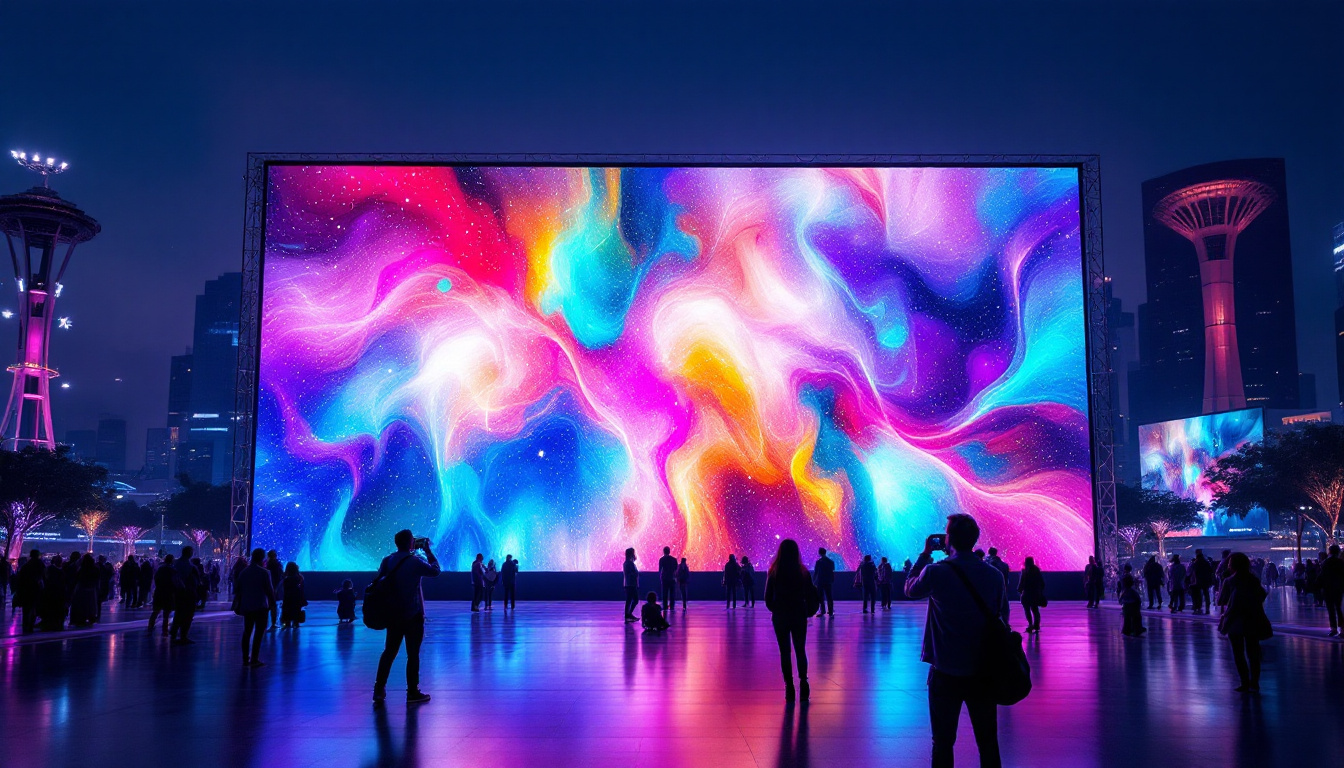
In the world of large-scale visual displays, the term “Jumbotron” has become synonymous with massive, high-impact screens used in stadiums, concerts, and public events. With the rise of LED technology, these giant screens have evolved into versatile, high-definition displays that are now more accessible than ever. For businesses, event organizers, and advertisers looking to purchase a jumbotron TV, understanding the technology behind LED displays is crucial for making an informed decision.
What Is a Jumbotron TV?
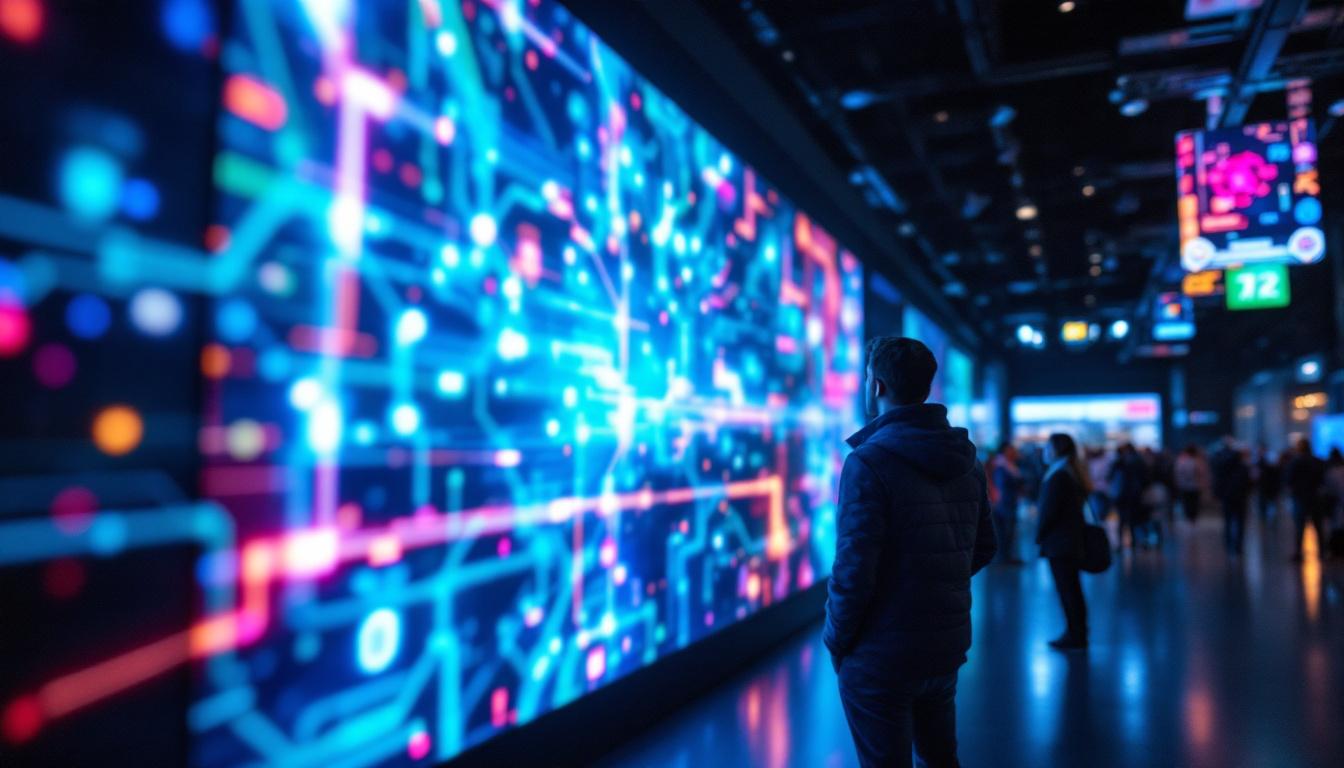
The term “Jumbotron” originally referred to a brand of large video screens developed by Sony in the 1980s. Today, it is commonly used to describe any large-scale LED display screen designed for outdoor or indoor use, capable of delivering bright, vibrant images visible from great distances. These screens are often seen in sports arenas, concerts, public squares, and retail environments.
Unlike traditional televisions, jumbotron TVs are modular LED panels assembled to create a seamless, expansive display. This modularity allows for custom sizes and shapes, making them adaptable to various venues and applications. Their versatility means they can be configured in various formats, from simple rectangular screens to more complex shapes that can enhance the architectural features of a venue.
Furthermore, jumbotrons can be integrated with various technologies, including live feeds, interactive content, and social media displays, creating a dynamic viewer experience. This interactivity is particularly popular in sports venues, where fans can engage with real-time statistics, player highlights, and even participate in polls or contests displayed on the screen.
The Rise of LED Technology in Jumbotron Displays
LED (Light Emitting Diode) technology revolutionized large displays by offering superior brightness, energy efficiency, and durability compared to older technologies like LCD or projection screens. Modern jumbotron TVs use thousands of tiny LEDs arranged in clusters called pixels, which combine to form high-resolution images and videos.
LED jumbotrons are capable of producing vivid colors and sharp contrasts, making them ideal for environments with high ambient light, such as outdoor stadiums during daytime events. Additionally, their long lifespan and low maintenance requirements have made them the go-to choice for permanent and temporary installations alike. The ability to withstand harsh weather conditions, including rain and extreme temperatures, further enhances their appeal for outdoor applications.
Moreover, advancements in LED technology have led to the development of finer pixel pitches, allowing for closer viewing distances without sacrificing image quality. This means that jumbotrons can now be used in a wider variety of settings, from intimate concert venues to bustling urban environments, where they serve not just as advertising tools but also as focal points for community engagement and entertainment. As a result, the use of jumbotron TVs continues to expand, reflecting a growing trend towards immersive visual experiences in public spaces.
Key Features to Consider When Buying a Jumbotron TV
Purchasing a jumbotron TV is a significant investment, often costing tens or hundreds of thousands of dollars depending on size and specifications. To ensure the display meets your specific needs, it’s essential to understand the key features and technical specifications.
Resolution and Pixel Pitch
Resolution refers to the number of pixels displayed on the screen, which directly affects image clarity. Pixel pitch is the distance between the centers of two adjacent pixels, measured in millimeters. A smaller pixel pitch means higher resolution and sharper images, especially important for close viewing distances.
For example, a jumbotron with a pixel pitch of 4mm is suitable for viewing distances of about 10 meters or more, while a 10mm pixel pitch is better for viewing from 30 meters or beyond. Choosing the right pixel pitch ensures the display looks crisp without unnecessary cost. Additionally, advancements in technology have led to the development of fine pitch LED displays, which can provide stunning visuals even at closer distances, making them ideal for venues where the audience is seated nearer to the screen.
Brightness and Contrast Ratio
Brightness is measured in nits (candelas per square meter) and determines how well the screen performs under various lighting conditions. Outdoor jumbotrons typically require brightness levels of 5,000 to 8,000 nits to remain visible in direct sunlight, whereas indoor models can operate effectively at 1,000 to 2,000 nits.
Contrast ratio, the difference between the darkest black and the brightest white the display can produce, impacts image depth and detail. High contrast ratios enhance the viewing experience, especially for video content with dynamic scenes. Furthermore, some jumbotrons come equipped with adaptive brightness technology, allowing the screen to automatically adjust its brightness based on ambient light conditions, ensuring optimal visibility at all times.
Durability and Weather Resistance
Since many jumbotron TVs are installed outdoors, they must withstand harsh weather conditions including rain, wind, dust, and temperature fluctuations. Look for displays with an IP65 or higher rating, indicating protection against dust ingress and water jets.
Additionally, robust construction materials and protective coatings help extend the lifespan of the display and reduce maintenance costs over time. Some manufacturers even offer enhanced warranties that cover weather-related damages, providing peace of mind for buyers. Regular maintenance checks and cleaning protocols can further prolong the life of these displays, ensuring they remain in peak condition despite exposure to the elements.
Viewing Angle and Screen Size
Viewing angle determines how well the image is seen from different positions relative to the screen. A wide viewing angle ensures consistent image quality for large audiences spread across a stadium or venue.
The overall screen size should be chosen based on the venue dimensions and the typical viewing distance. Larger screens are necessary for bigger venues but come with increased costs and installation complexity. It’s also important to consider the aspect ratio of the screen, as this can affect how content is displayed. For instance, a 16:9 aspect ratio is standard for most video content, but some events may benefit from a wider format to accommodate panoramic views or immersive experiences. Additionally, integrating multiple screens can create a more dynamic visual environment, allowing for creative layouts that enhance audience engagement.
Applications of Jumbotron TVs with LED Displays
Jumbotron TVs have a wide range of applications across various industries, each leveraging the technology’s ability to deliver impactful visual content to large audiences.
Sports and Entertainment Venues
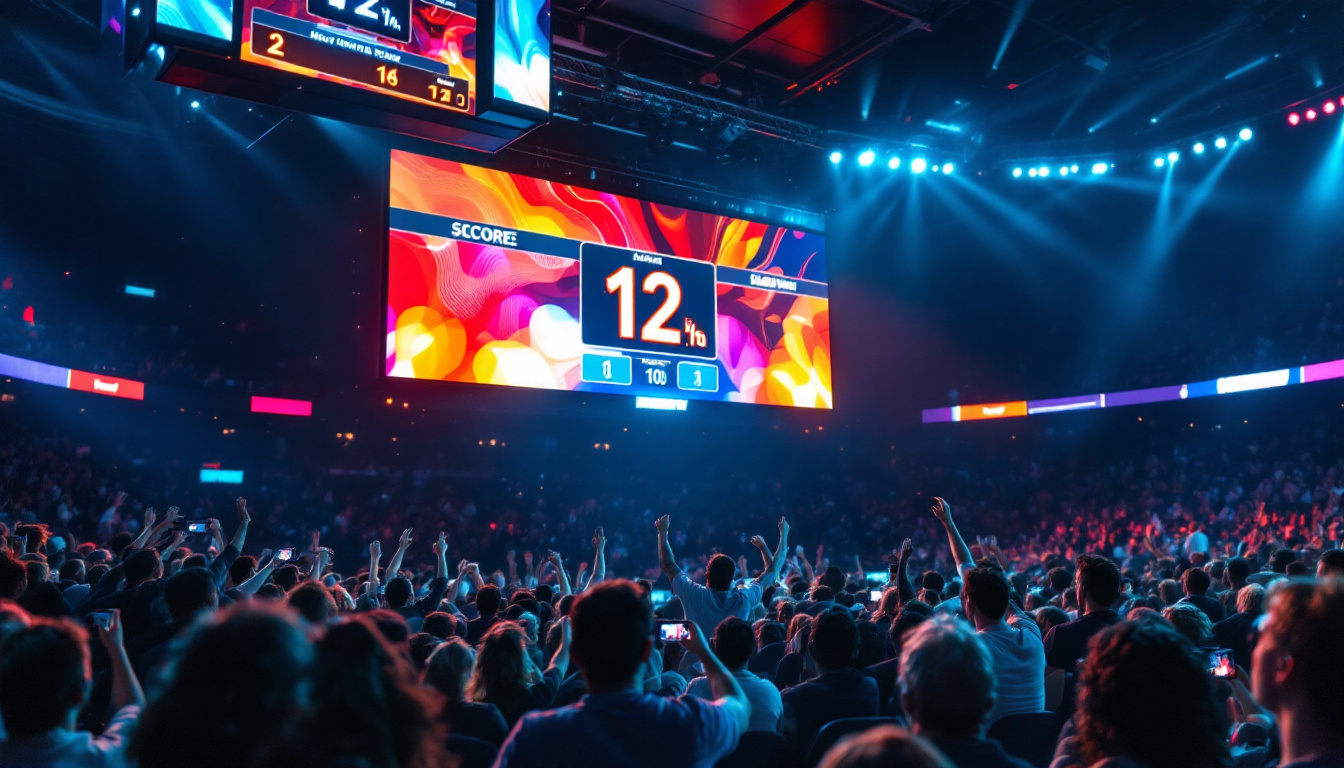
One of the most common uses of jumbotron TVs is in sports stadiums and arenas. These displays provide live game footage, instant replays, advertisements, and interactive content to enhance the fan experience. For example, the AT&T Stadium in Texas features a 160-foot-wide LED screen that is visible from every seat, setting a benchmark for immersive viewing.
Concerts and festivals also benefit from jumbotrons by allowing performers to connect with large crowds through live video feeds and dynamic visuals.
Advertising and Digital Signage
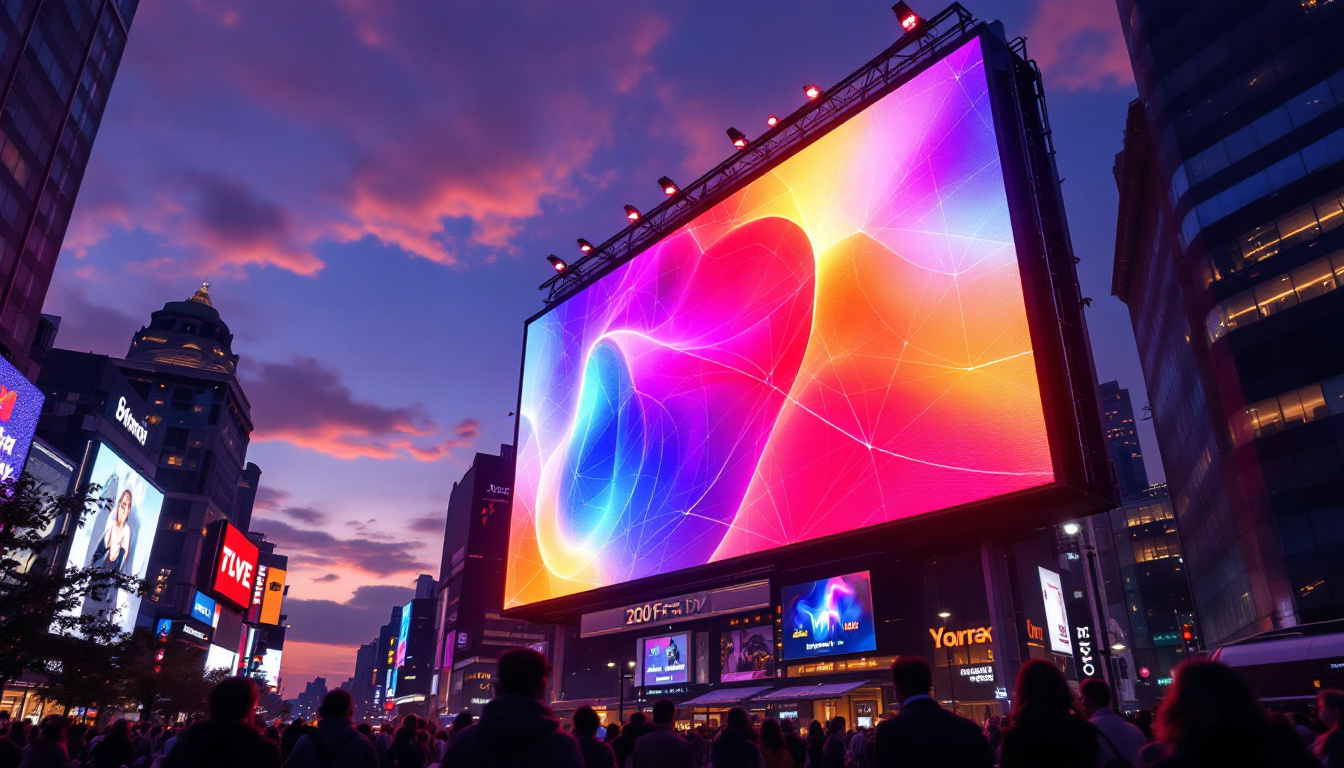
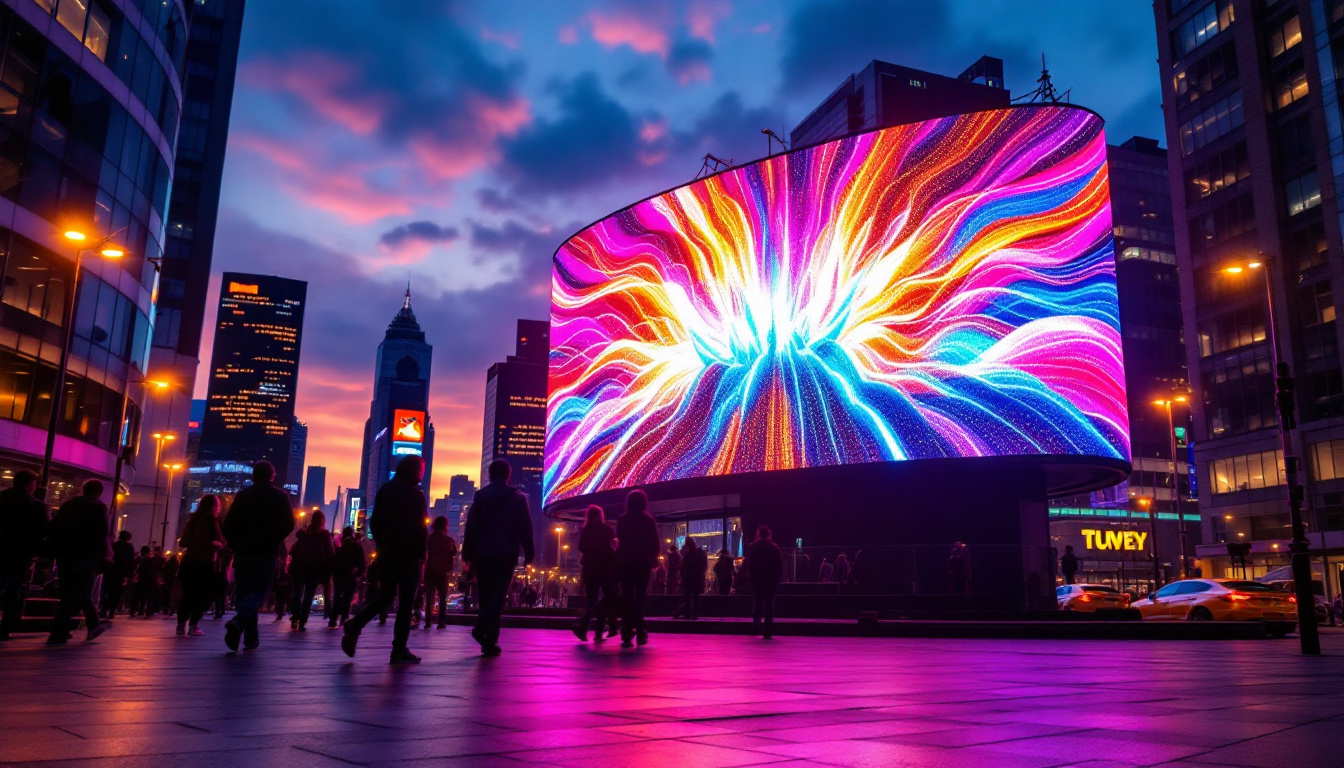
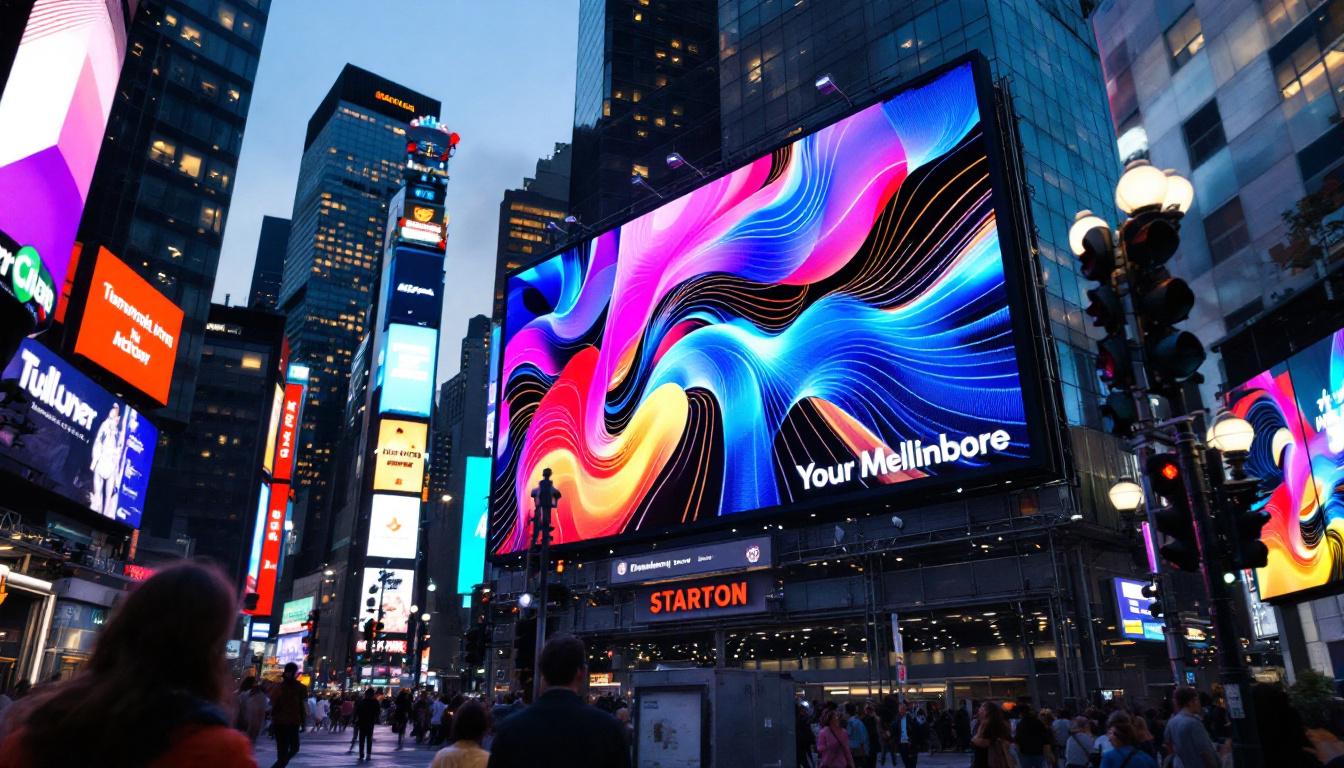
LED jumbotron TVs are increasingly popular for outdoor advertising due to their brightness and ability to display dynamic content. Locations such as Times Square in New York City and Shibuya Crossing in Tokyo showcase some of the largest and most advanced LED billboards in the world, attracting millions of viewers daily.
Businesses use these displays to run targeted campaigns, promote events, and increase brand visibility with eye-catching animations and videos.
Public Information and Emergency Communication
Municipalities and transportation hubs utilize jumbotron TVs to disseminate real-time information such as traffic updates, weather alerts, and emergency notifications. Their high visibility and reliability make them essential tools for public safety and communication.
How to Choose the Right Jumbotron TV For Sale
With many options available on the market, selecting the right jumbotron TV requires careful consideration of your specific requirements and budget.
Assess Your Viewing Environment
Start by evaluating where the screen will be installed. Outdoor locations demand higher brightness and weatherproofing, while indoor venues allow for higher resolution with lower brightness. Understanding the typical viewing distance and audience size will guide your choice of pixel pitch and screen dimensions.
Consider Content and Usage
The type of content you plan to display influences technical specifications. For example, live video feeds and fast-moving sports require high refresh rates to avoid motion blur, while static advertisements may prioritize color accuracy and brightness.
Budget and Total Cost of Ownership
Initial purchase price is only part of the equation. Installation costs, maintenance, power consumption, and potential repairs should be factored into your budget. LED displays are energy-efficient but still require a reliable power supply and cooling system.
Vendor Reputation and Support
Choose a reputable manufacturer or supplier with proven experience in large-scale LED displays. After-sales support, warranty terms, and availability of spare parts are critical to ensuring long-term satisfaction and minimizing downtime.
Emerging Trends in Jumbotron LED Displays
The LED display industry continues to innovate, offering exciting advancements that enhance the capabilities and applications of jumbotron TVs.
Higher Resolution and Smaller Pixel Pitch
Technological improvements have enabled pixel pitches as low as 0.9mm, bringing near-retina quality to large displays. This allows jumbotrons to be used in closer viewing environments like retail stores and conference centers without compromising image quality.
Flexible and Transparent LED Screens
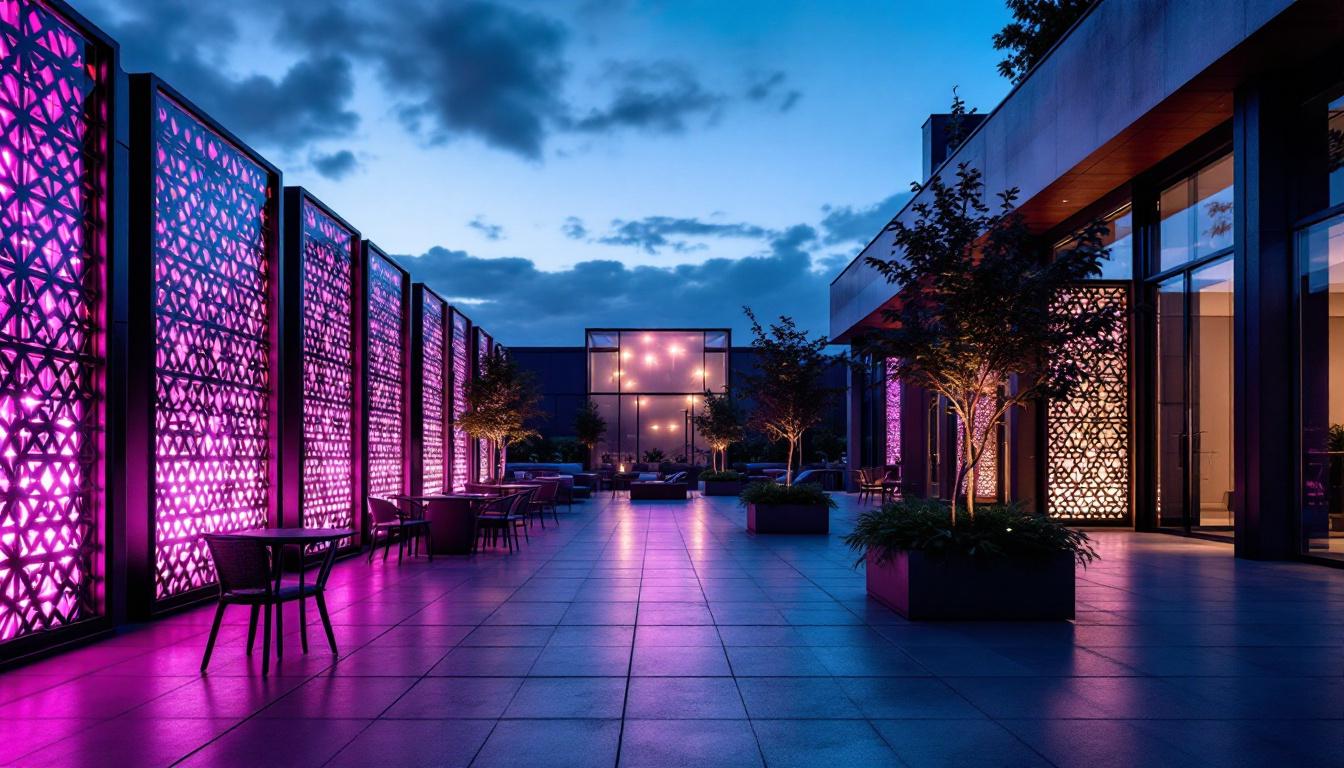
New form factors such as flexible LED panels and transparent displays open up creative possibilities for architects and designers. These screens can wrap around curved surfaces or be integrated into glass facades, providing dynamic visuals without obstructing views.
Smart and Interactive Capabilities
Integration with IoT (Internet of Things) and AI technologies enables jumbotron TVs to deliver personalized content, respond to audience engagement, and optimize energy usage. Interactive touch capabilities and gesture recognition are also becoming more common.
Conclusion
Jumbotron TVs equipped with LED displays represent the pinnacle of large-format visual technology, combining brightness, durability, and versatility to deliver unforgettable viewing experiences. Whether for sports, advertising, public information, or entertainment, understanding the technical aspects and applications of LED jumbotrons is essential when considering a purchase.
By carefully evaluating factors such as resolution, brightness, durability, and vendor support, buyers can select a jumbotron TV that not only meets their immediate needs but also adapts to future technological advancements. As LED technology continues to evolve, the possibilities for immersive, high-impact visual communication are virtually limitless.
Discover LumenMatrix’s Advanced LED Display Solutions
Ready to elevate your visual impact with a Jumbotron TV that embodies innovation and quality? Look no further than LumenMatrix, a trailblazer in LED display technology. Our comprehensive range of solutions, from Indoor and Outdoor LED Wall Displays to specialized options like Vehicle, Sports, and Floor LED Displays, is designed to captivate and engage your audience. With our Custom and All-in-One LED Displays, including the pioneering LED Transparent Display, we’re committed to revolutionizing visual communication. Check out LumenMatrix LED Display Solutions today and transform your space into a dynamic visual experience.