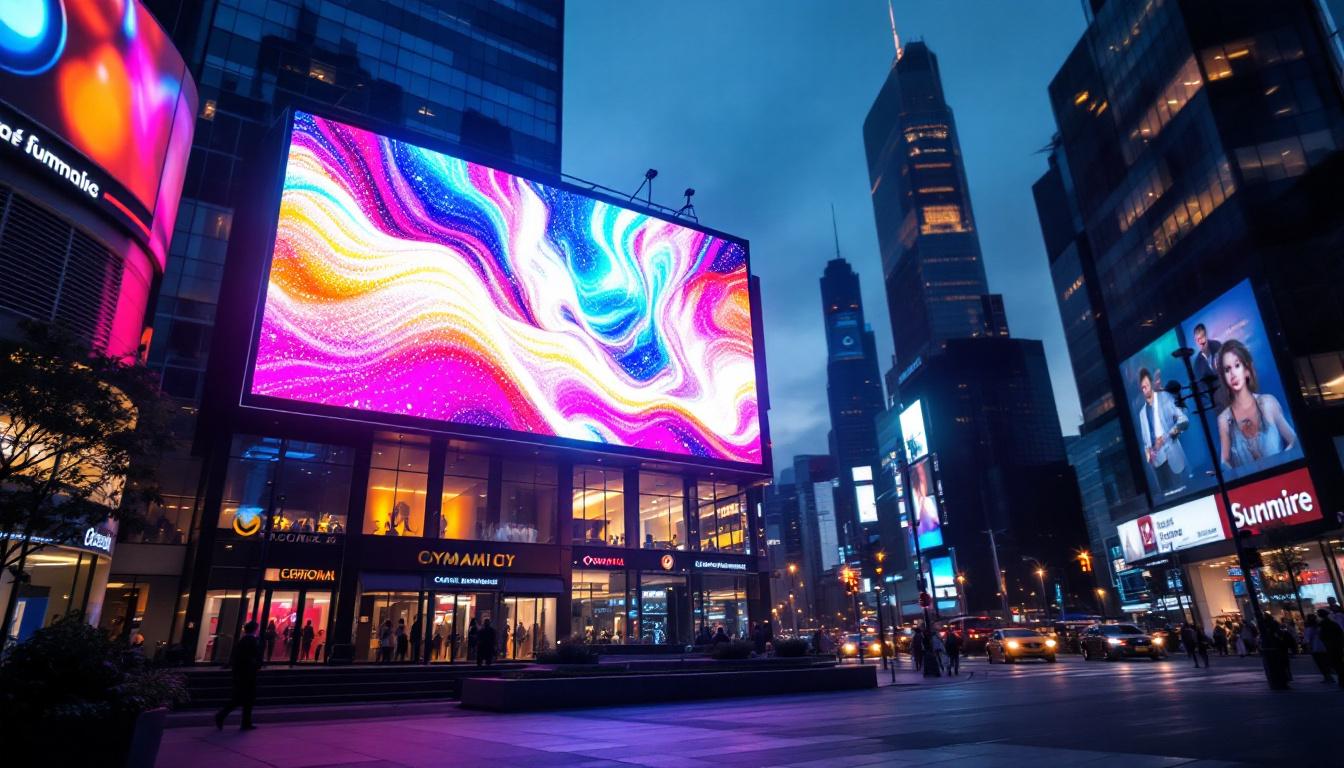
In the world of display technology, contrast ratio remains one of the most critical factors influencing image quality. Among the various types of contrast ratios, the dynamic contrast ratio often sparks confusion and debate, especially when evaluating LED displays. This article aims to demystify the concept of dynamic contrast ratio, explain how it applies to LED displays, and provide practical insights for consumers and professionals alike.
Understanding Contrast Ratio: The Basics
Contrast ratio is a fundamental specification that describes the difference between the darkest black and the brightest white a display can produce. It essentially measures how well a display can represent details in shadows and highlights, directly affecting picture depth, realism, and overall viewing experience.
There are two primary types of contrast ratios to consider: static contrast ratio and dynamic contrast ratio. The static contrast ratio refers to the difference between the brightest white and the darkest black that a display can produce at the same time. In contrast, dynamic contrast ratio measures the difference between the brightest and darkest levels over time, often by adjusting the backlight or brightness dynamically depending on the content displayed.
Static Contrast Ratio Explained
Static contrast ratio is a straightforward measurement. For example, if a display can produce a white luminance of 300 cd/m² (candelas per square meter) and a black luminance of 0.3 cd/m², the static contrast ratio would be 300 / 0.3 = 1000:1. This ratio indicates that the brightest white is 1000 times brighter than the darkest black at any given moment.
This measurement is essential because it reflects the display’s inherent ability to render contrast without any adjustments or enhancements. It is particularly important for scenes where bright and dark areas appear simultaneously, such as in movies or video games. A higher static contrast ratio can lead to more vivid images, making it easier for viewers to discern fine details in both shadowy and brightly lit areas, which is crucial for an immersive viewing experience.
Moreover, the static contrast ratio can also influence color accuracy and saturation. Displays with a high static contrast ratio tend to produce richer colors, as the depth of black enhances the perception of other colors. This is especially relevant in professional settings, such as graphic design or photography, where color fidelity is paramount. Users in these fields often rely on displays that can accurately reproduce a wide range of colors and tones, making static contrast ratio a key specification to consider when selecting a monitor.
Dynamic Contrast Ratio Defined
Dynamic contrast ratio, on the other hand, involves adjusting the display’s backlight or brightness dynamically based on the content being shown. For instance, when a dark scene appears, the backlight dims to deepen blacks, and when a bright scene is displayed, the backlight brightens to enhance whites.
This method can significantly increase the perceived contrast ratio, sometimes reaching figures as high as 1,000,000:1 or more. However, these numbers can be misleading if not understood in context, as they do not represent simultaneous contrast but rather contrast over time. In practice, this means that while a display may boast an impressive dynamic contrast ratio, it may not perform as well in scenes with both bright and dark elements appearing at the same time, leading to a potential loss of detail in those areas.
Additionally, the effectiveness of dynamic contrast ratios can vary widely between different display technologies. For example, OLED displays naturally achieve deep blacks because each pixel can be turned off completely, resulting in true black levels. In contrast, LCDs may struggle with achieving the same level of black due to their reliance on backlighting, even with dynamic contrast enhancements. This difference can lead to varying user experiences depending on the technology used, making it essential for consumers to consider not just the numbers but also the underlying technology when evaluating displays.
How Dynamic Contrast Ratio Works in LED Displays
LED displays, which use light-emitting diodes as a backlight source for LCD panels, benefit significantly from dynamic contrast ratio techniques. Unlike OLED displays, which can turn off individual pixels to achieve true blacks, LED displays rely on backlighting, making contrast management more challenging.
Local Dimming and Its Role
One of the key technologies enabling dynamic contrast in LED displays is local dimming. Local dimming divides the LED backlight into zones that can be dimmed or brightened independently. This allows the display to reduce backlight intensity in dark areas while maintaining brightness in lighter areas, enhancing perceived contrast.
For example, a high-end LED TV might have hundreds of local dimming zones. When a scene shows a night sky with bright stars, the zones behind the black sky dim significantly, while zones behind the stars remain bright, creating a more vivid and realistic image.
Edge-Lit vs. Full-Array LED Backlighting
Dynamic contrast ratio performance varies depending on the type of LED backlighting used. Edge-lit LED displays have LEDs positioned along the edges of the screen, which limits the precision of local dimming and can result in light bleed or halo effects around bright objects on dark backgrounds.
Full-array LED displays place LEDs directly behind the screen in a grid pattern, allowing for more precise local dimming and better control over contrast. This design typically delivers higher dynamic contrast ratios and improved picture quality, especially in dark scenes.
Why Dynamic Contrast Ratio Matters for Consumers
Understanding dynamic contrast ratio is crucial for consumers when choosing an LED display, whether for home entertainment, professional use, or gaming. It directly impacts how immersive and enjoyable the viewing experience will be.
Impact on Picture Quality
Higher dynamic contrast ratios generally translate to deeper blacks and brighter whites, which enhance the perception of depth and detail in images. This is particularly important for watching movies with dark scenes, playing video games with high graphical fidelity, or editing photos and videos where color accuracy and detail matter.
However, it’s important to note that extremely high dynamic contrast ratio numbers advertised by manufacturers can sometimes be marketing exaggerations. Real-world performance depends on factors such as local dimming quality, panel type, and ambient lighting conditions.
Balancing Brightness and Contrast
Dynamic contrast ratio also plays a role in balancing brightness and contrast to reduce eye strain. Displays that can adjust backlight levels dynamically reduce the risk of overly bright scenes causing discomfort, while still maintaining visibility in darker scenes.
For users who spend long hours in front of screens, such as graphic designers or content creators, displays with effective dynamic contrast control can provide a more comfortable and accurate visual environment.
Comparing Dynamic Contrast Ratio Across Display Technologies
While dynamic contrast ratio is a useful metric, it’s important to compare it alongside other display technologies to understand its significance fully.
LED vs. OLED Displays
OLED (Organic Light Emitting Diode) displays differ fundamentally from LED-backlit LCDs because each pixel emits its own light and can turn off completely. This capability allows OLEDs to achieve near-infinite static contrast ratios, as blacks are truly black with zero luminance.
LED displays rely on backlighting, so even with advanced local dimming, some light leakage occurs, limiting the achievable static contrast ratio. Dynamic contrast ratio techniques help bridge this gap but cannot fully replicate OLED’s performance in dark scenes.
QLED and Mini-LED Technologies
Quantum Dot LED (QLED) displays use quantum dots to enhance color accuracy and brightness, often paired with full-array local dimming to improve dynamic contrast. Mini-LED technology further refines this by using thousands of smaller LEDs for even more precise backlight control.
These advancements have pushed dynamic contrast ratios higher, sometimes exceeding 1,000,000:1 in marketing claims, and deliver excellent picture quality that rivals OLED in many scenarios, especially in bright environments where OLEDs can struggle with peak brightness.
Evaluating Dynamic Contrast Ratio: Practical Tips
Given the complexity and variability of dynamic contrast ratio measurements, consumers should consider several factors when evaluating displays.
Look Beyond the Numbers
While dynamic contrast ratio figures can be impressive, they are often measured under idealized laboratory conditions that may not reflect everyday usage. It’s essential to read reviews, watch demonstration videos, and, if possible, see the display in person to assess real-world performance.
Consider the Viewing Environment
Ambient lighting significantly affects perceived contrast. In a bright room, even displays with modest contrast ratios can look good, while in a dark room, the limitations of local dimming or backlight bleed become more apparent.
Choosing a display with appropriate dynamic contrast capabilities for the intended environment will yield the best results.
Check for Advanced Features
Features such as HDR (High Dynamic Range) support, local dimming zones, and anti-reflective coatings can enhance the effectiveness of dynamic contrast ratio. HDR content, in particular, benefits from displays that can dynamically adjust brightness and contrast to reveal more detail in highlights and shadows.
Conclusion: The Role of Dynamic Contrast Ratio in LED Displays
Dynamic contrast ratio is a vital component in the quest for superior image quality on LED displays. By dynamically adjusting backlighting, these displays can deliver deeper blacks and brighter whites than static contrast ratios alone would allow. Technologies like local dimming, full-array backlighting, and mini-LEDs have significantly improved dynamic contrast performance in recent years.
However, it’s important to approach dynamic contrast ratio numbers with a critical eye and understand their context. While they provide useful information about a display’s capabilities, real-world performance depends on multiple factors, including panel quality, backlight design, and viewing conditions.
For consumers and professionals seeking the best visual experience, balancing dynamic contrast ratio with other specifications and features will ensure a well-rounded choice that meets their needs.
Discover the Future of LED Displays with LumenMatrix
Ready to experience the pinnacle of LED display technology? LumenMatrix is at the forefront of innovation, offering a diverse range of LED display solutions that bring your content to life. Whether you’re looking to enhance your brand’s visibility with an Indoor LED Wall Display, captivate passersby with an Outdoor LED Wall Display, or create a dynamic environment with our Custom LED Displays, LumenMatrix has the cutting-edge technology to meet your needs. Elevate your visual communication and engage your audience like never before. Check out LumenMatrix LED Display Solutions today and see the difference for yourself.