In the rapidly evolving world of display technology, LED displays have become a cornerstone for delivering vivid, high-resolution visuals across various industries. Among the many specifications that define display quality, resolution stands out as a critical factor influencing clarity, detail, and overall user experience. The term “3840 x 2” often arises in discussions about LED displays, but what exactly does it mean? This article will delve deep into the significance of the 3840 x 2 resolution in LED displays, exploring its applications, advantages, and the technology that powers it.
Understanding the Basics: What Does 3840 x 2 Mean?
To grasp the concept of “3840 x 2,” it’s essential first to understand how display resolutions are measured. The number 3840 typically refers to the horizontal pixel count of a display, which is a key component of its resolution. For example, a common 4K UHD (Ultra High Definition) resolution is 3840 x 2160 pixels, meaning there are 3,840 pixels horizontally and 2,160 pixels vertically.
When the term “3840 x 2” is used, it generally implies a doubling of the horizontal pixel count, effectively creating a wider display with 7,680 pixels horizontally (3840 multiplied by 2). This configuration is often associated with ultra-wide or panoramic LED displays that provide an extended field of view, enhancing immersion and detail. Such displays are particularly popular in gaming and professional environments, where a broader visual workspace can significantly improve productivity and enjoyment.
How Resolution Affects Visual Quality
Resolution is a fundamental factor in determining the sharpness and clarity of images on any display. Higher resolutions mean more pixels are packed into the same physical space, allowing for finer details and smoother edges. In LED displays, this translates to crisper text, more detailed graphics, and an overall more engaging visual experience.
For instance, a standard Full HD display with 1920 x 1080 pixels offers good image quality for everyday use. However, doubling the horizontal resolution to 3840 pixels, as seen in 4K displays, significantly improves detail, especially on larger screens. Extending this concept to 3840 x 2, or 7680 pixels horizontally, further enhances the viewing experience by providing an ultra-wide canvas suitable for specialized applications. This is particularly beneficial for multitasking, as users can have multiple windows open side by side without sacrificing clarity or detail. Furthermore, in fields such as video editing or graphic design, the increased resolution allows for more accurate color representation and finer adjustments, making it a valuable asset for professionals who rely on precision in their work.
Moreover, the benefits of a higher resolution extend beyond just professional use; they also enhance the enjoyment of multimedia content. Whether you are watching movies, playing video games, or viewing high-resolution photographs, the additional pixels contribute to a more immersive experience. The vivid colors and sharp details can make cinematic scenes come alive, while gamers can enjoy a broader field of view that can provide a competitive edge. As technology continues to evolve, the demand for displays with higher resolutions, such as 3840 x 2, is likely to increase, pushing the boundaries of what is possible in visual technology.
The Technology Behind 3840 x 2 LED Displays
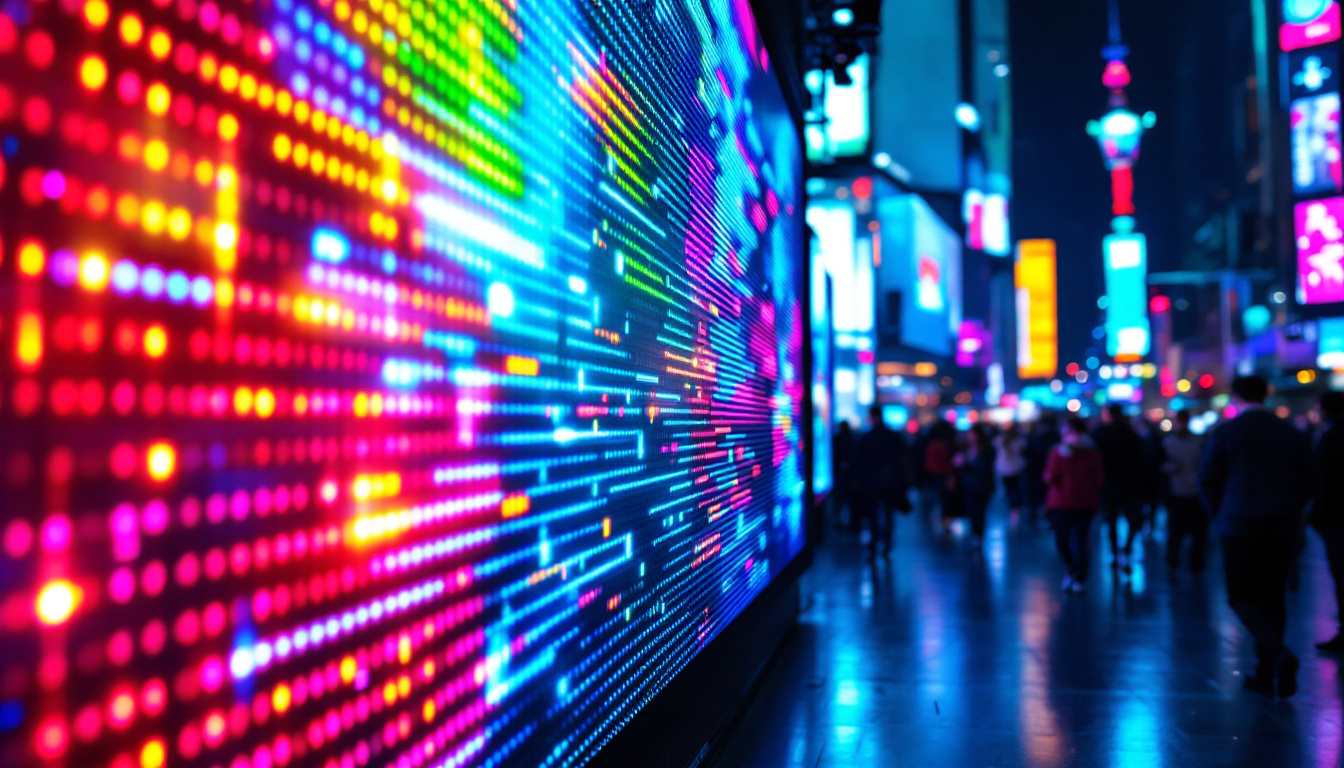
LED displays, or Light Emitting Diode displays, use an array of tiny LEDs to create images. These LEDs can be arranged in various configurations to achieve different resolutions and aspect ratios. Achieving a 3840 x 2 resolution involves advanced manufacturing techniques and precise control over LED placement and driving electronics.
Pixel Pitch and Its Role
Pixel pitch refers to the distance between the centers of two adjacent pixels on a display. It is typically measured in millimeters and directly affects the display’s resolution and viewing distance. Smaller pixel pitches allow for higher resolution and closer viewing distances without visible pixelation.
In ultra-wide LED displays with 3840 x 2 resolution, maintaining a small pixel pitch is crucial to ensure that the doubled horizontal pixel count translates into meaningful visual detail rather than just a stretched image. Modern LED technology has enabled pixel pitches as low as 0.9mm in some indoor displays, making ultra-high-resolution configurations like 7680 pixels horizontally feasible and visually stunning.
Modular Design for Scalability
One of the key advantages of LED displays is their modular nature. Manufacturers produce LED panels or modules that can be seamlessly tiled together to create larger screens. This modularity is essential for achieving resolutions like 3840 x 2, as it allows displays to be customized in size and shape without sacrificing image quality.
For example, a display might be constructed by combining two 3840-pixel wide modules side by side, effectively doubling the horizontal resolution. This approach is common in control rooms, digital signage, and event production, where ultra-wide displays are needed to present vast amounts of information or immersive content.
Applications of 3840 x 2 LED Displays
The ultra-wide resolution of 3840 x 2 LED displays opens up numerous possibilities across various sectors. Their ability to deliver expansive, high-detail visuals makes them ideal for environments where standard displays fall short.
Control Rooms and Command Centers
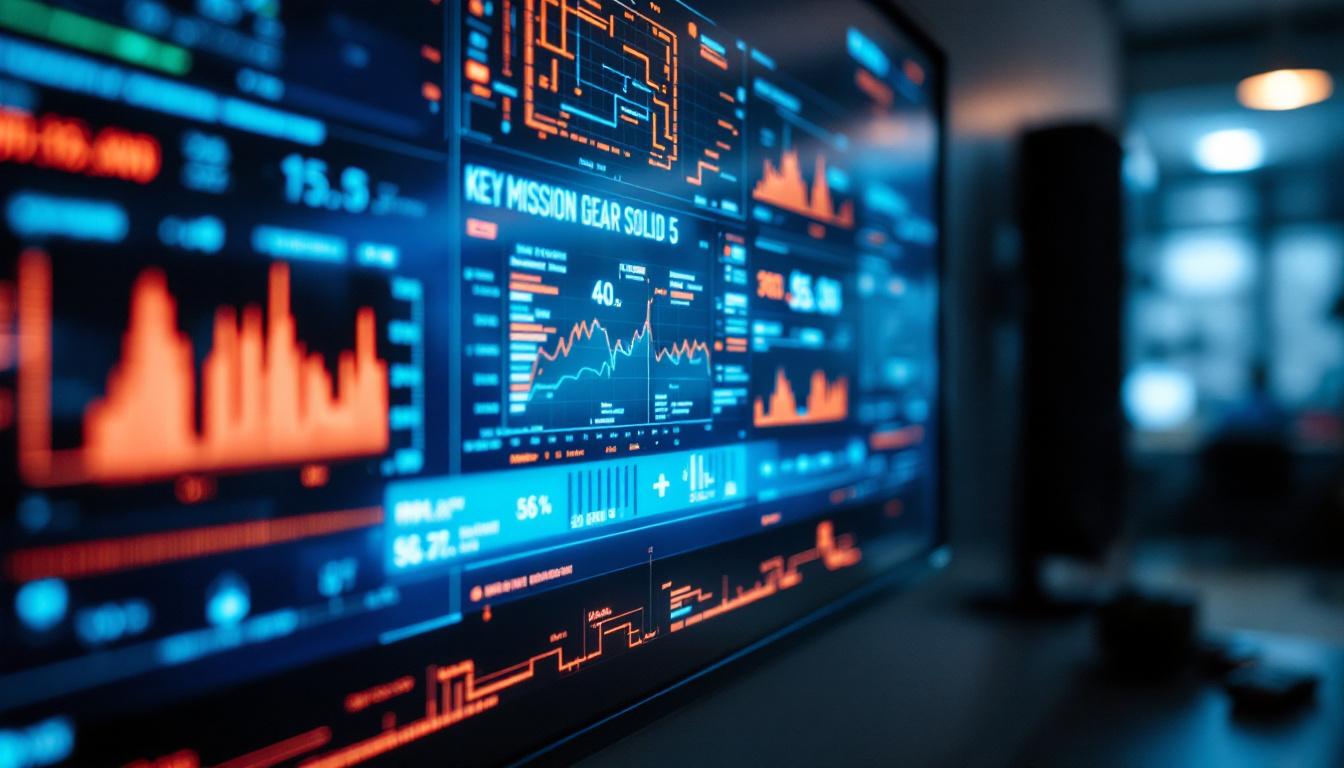
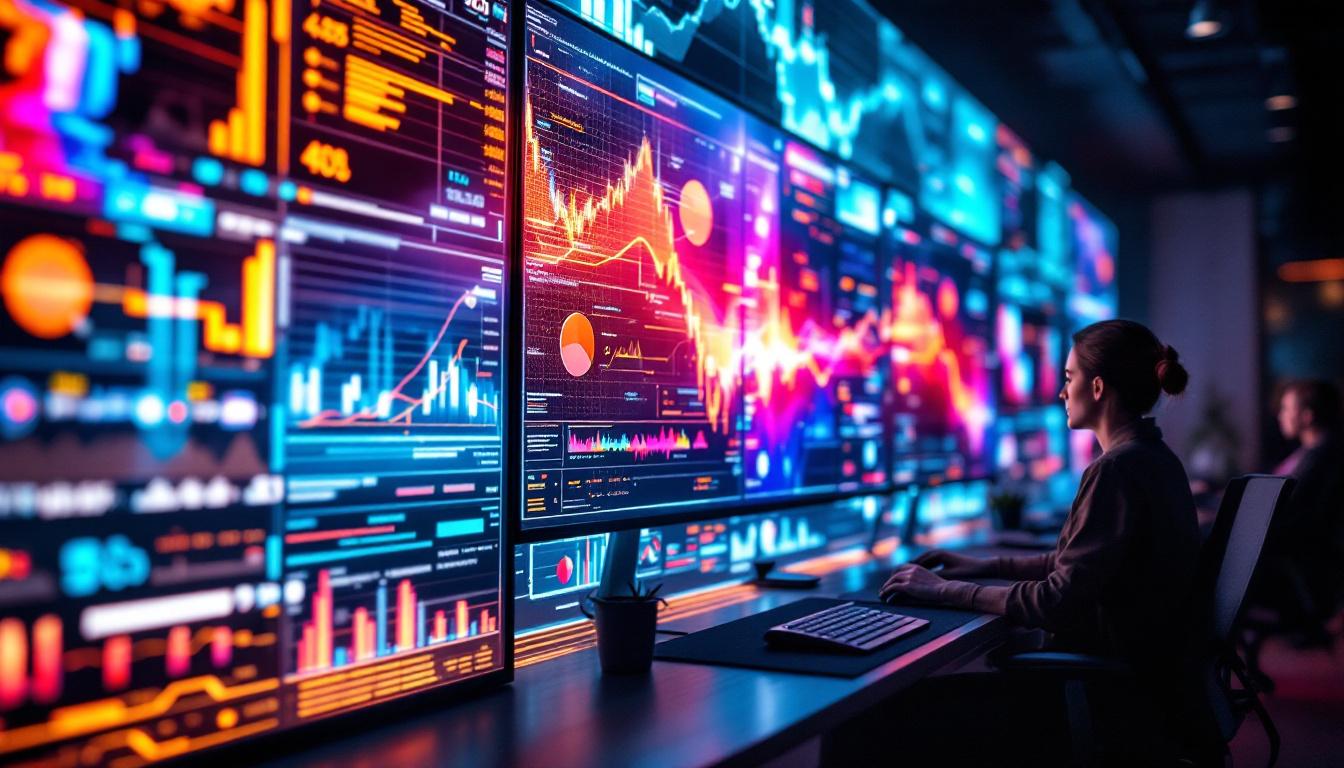
In control rooms for utilities, transportation, and emergency services, operators need to monitor multiple data streams simultaneously. A 7680-pixel wide display can accommodate several windows, dashboards, and video feeds side by side without compromising readability.
This enhanced situational awareness improves decision-making and response times. For example, a traffic management center might display live camera feeds, traffic maps, and incident reports all on one continuous ultra-wide screen, eliminating the need for multiple monitors and reducing operator fatigue.
Broadcast and Media Production
Broadcast studios and media production houses benefit from ultra-wide LED displays for background visuals, virtual sets, and real-time content previewing. The 3840 x 2 resolution provides a seamless canvas that can accommodate panoramic scenes and dynamic graphics, enhancing the visual storytelling experience.
Moreover, these displays support high refresh rates and color accuracy, which are critical for live broadcasting where image quality and timing are paramount.
Advertising and Digital Signage
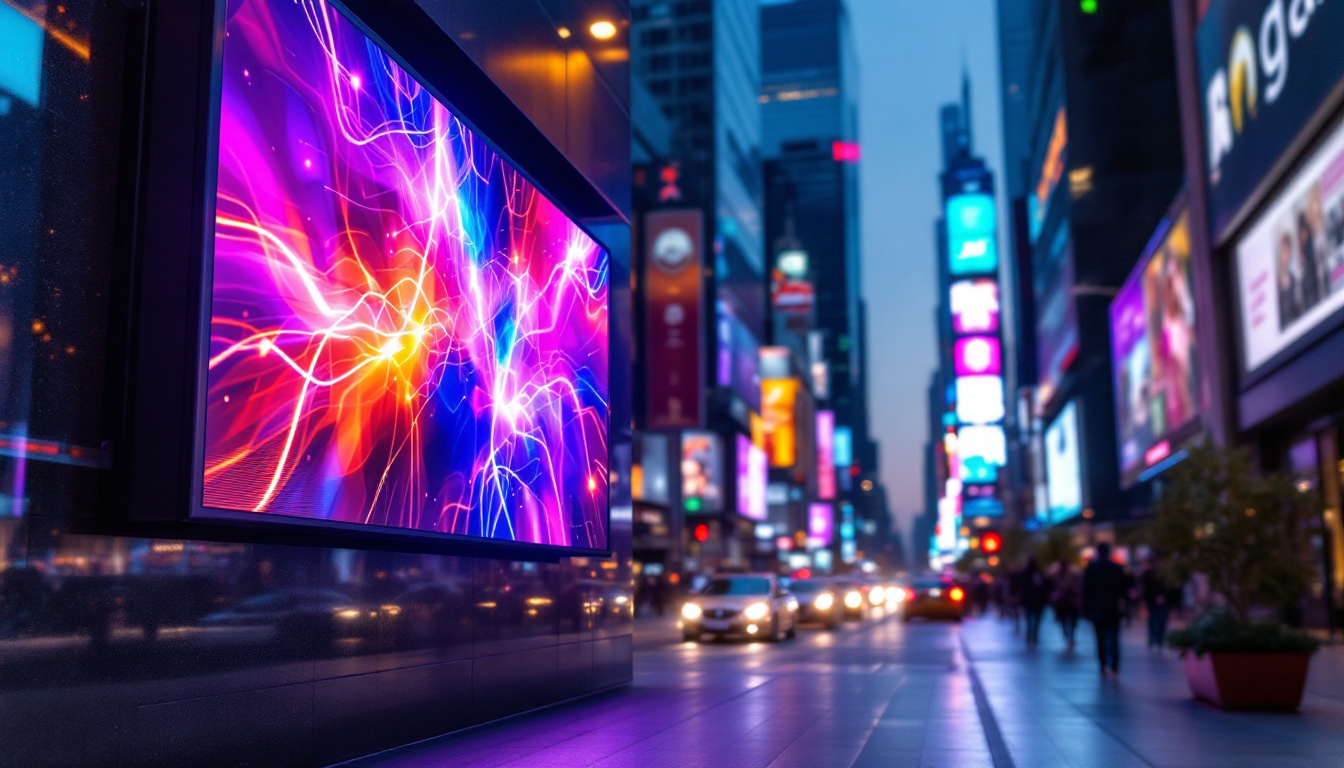
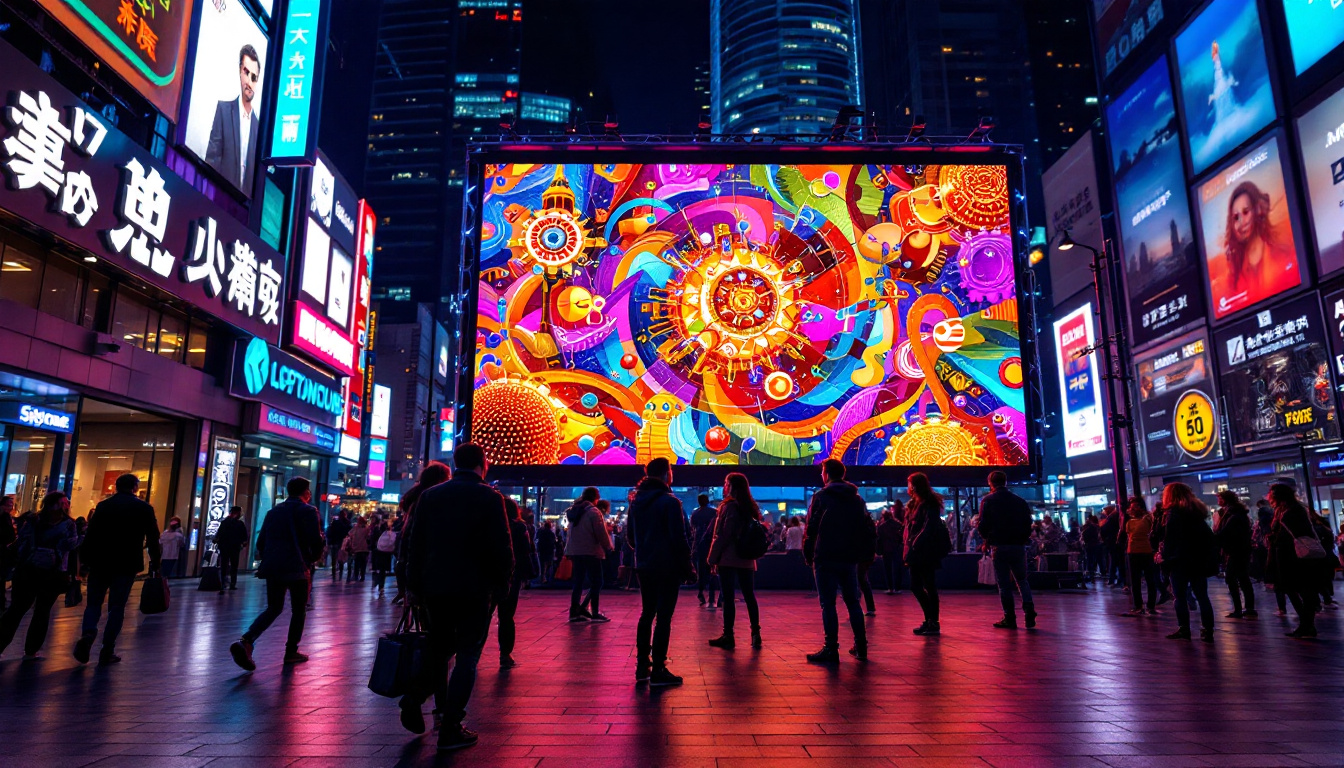
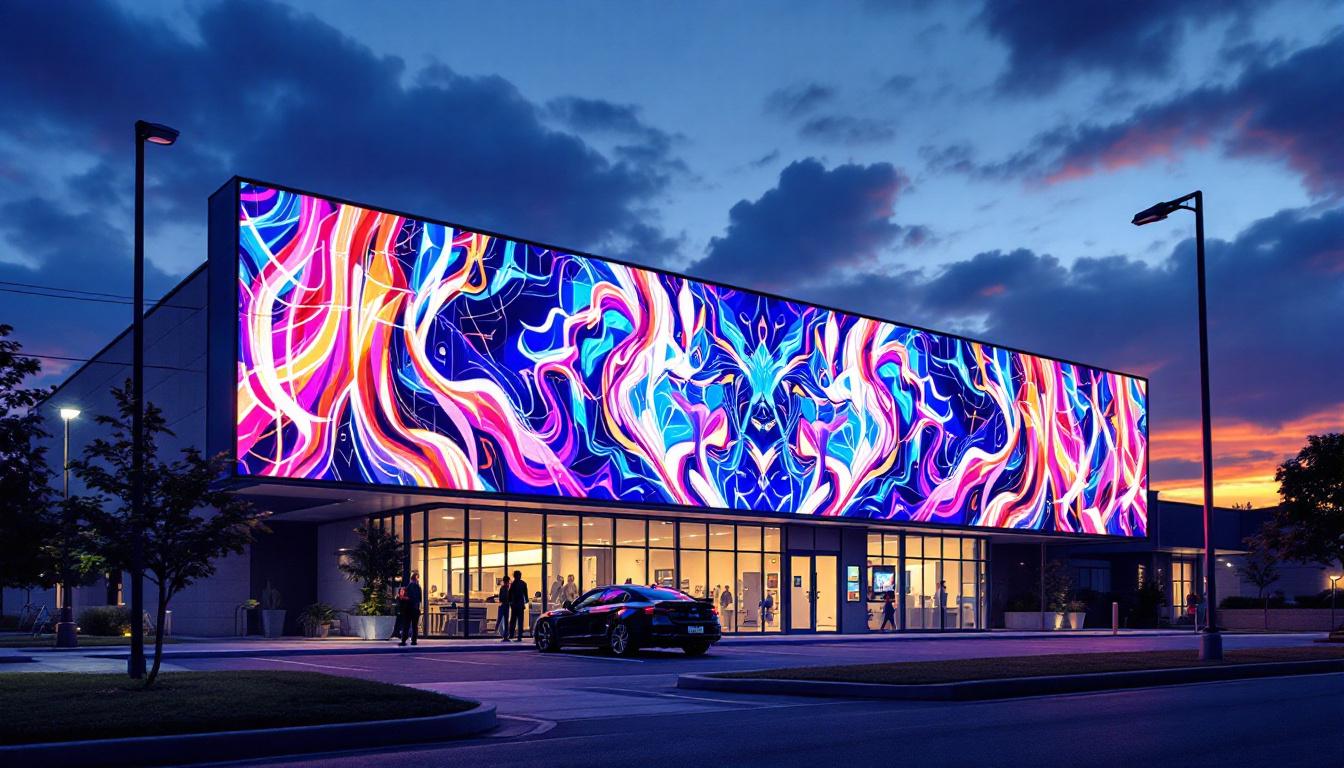
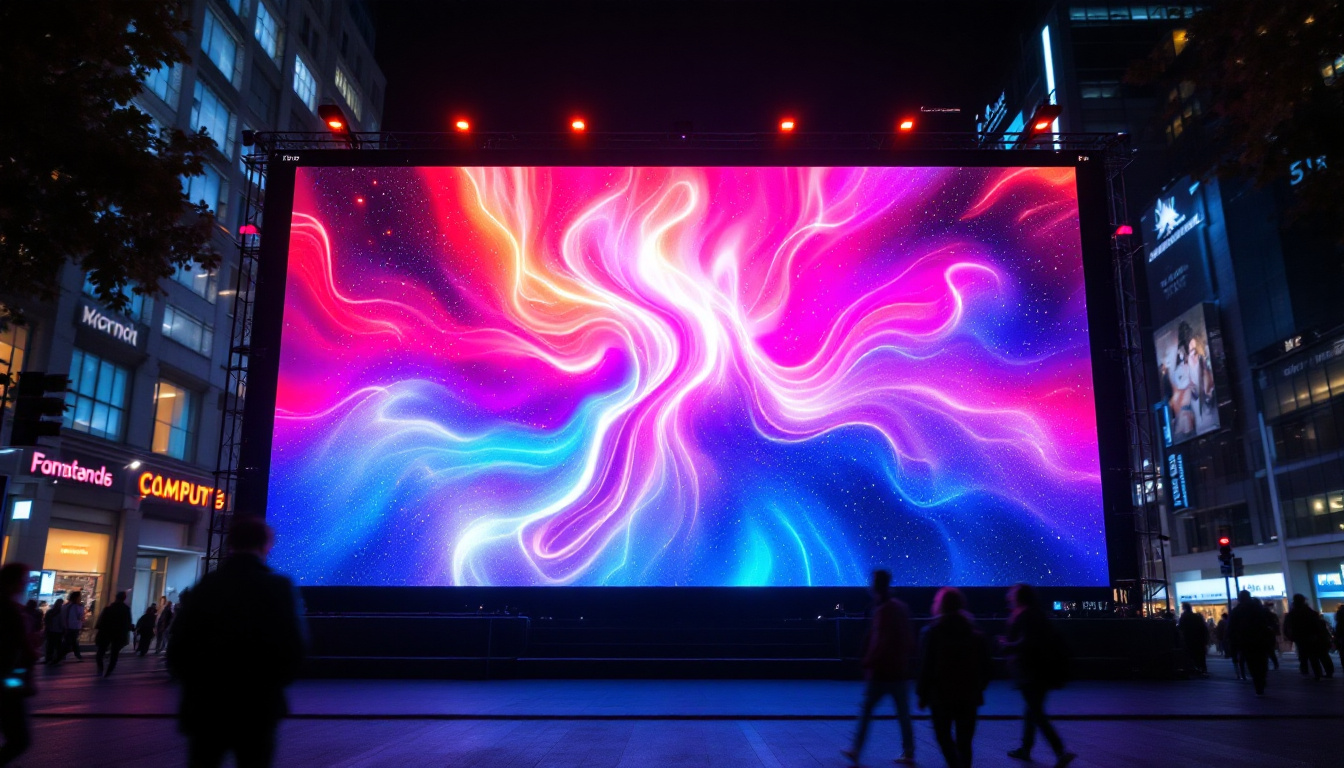
Retailers and advertisers leverage ultra-wide LED displays to create eye-catching digital signage that stands out in crowded environments. The expansive resolution allows for creative layouts, combining video, static images, and interactive elements in a single display.
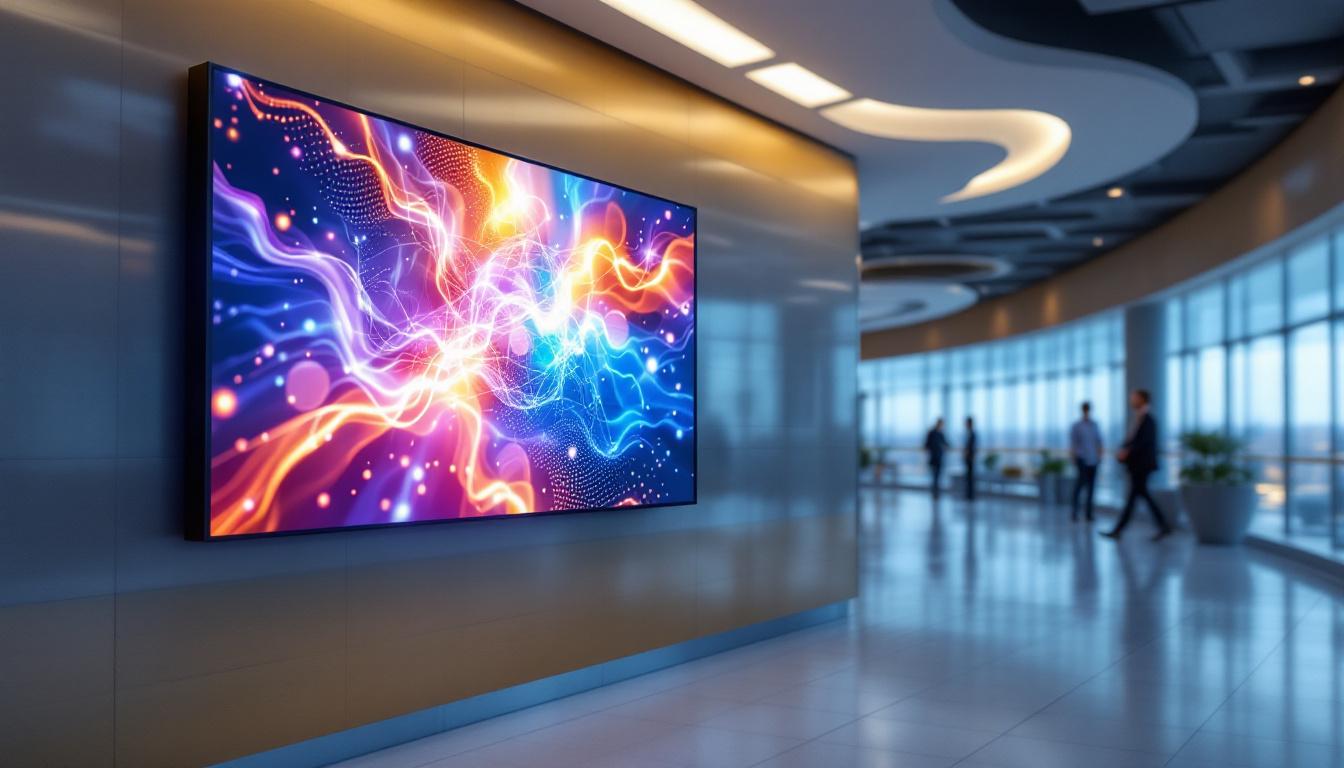
For instance, shopping malls or airports might use 3840 x 2 LED walls to showcase promotional content and wayfinding information simultaneously, maximizing the impact of their messaging.
Entertainment and Events
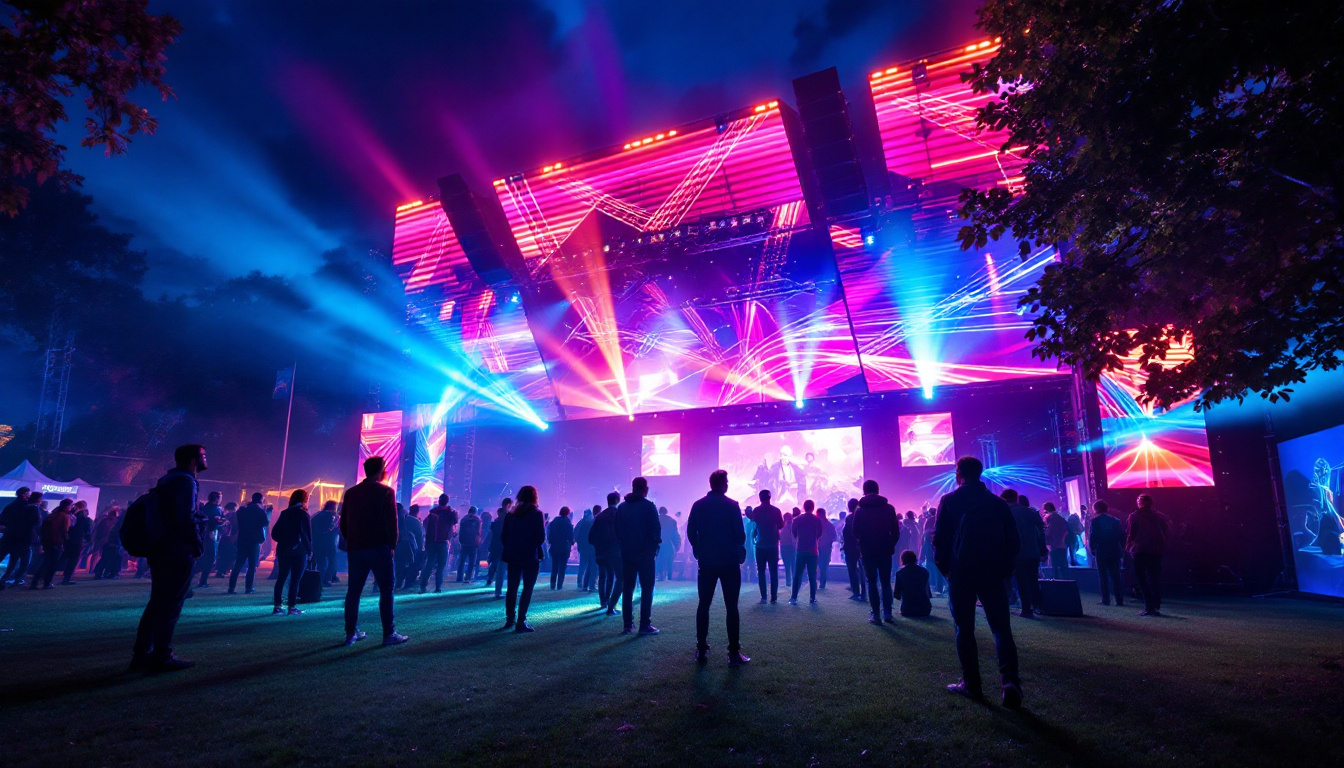
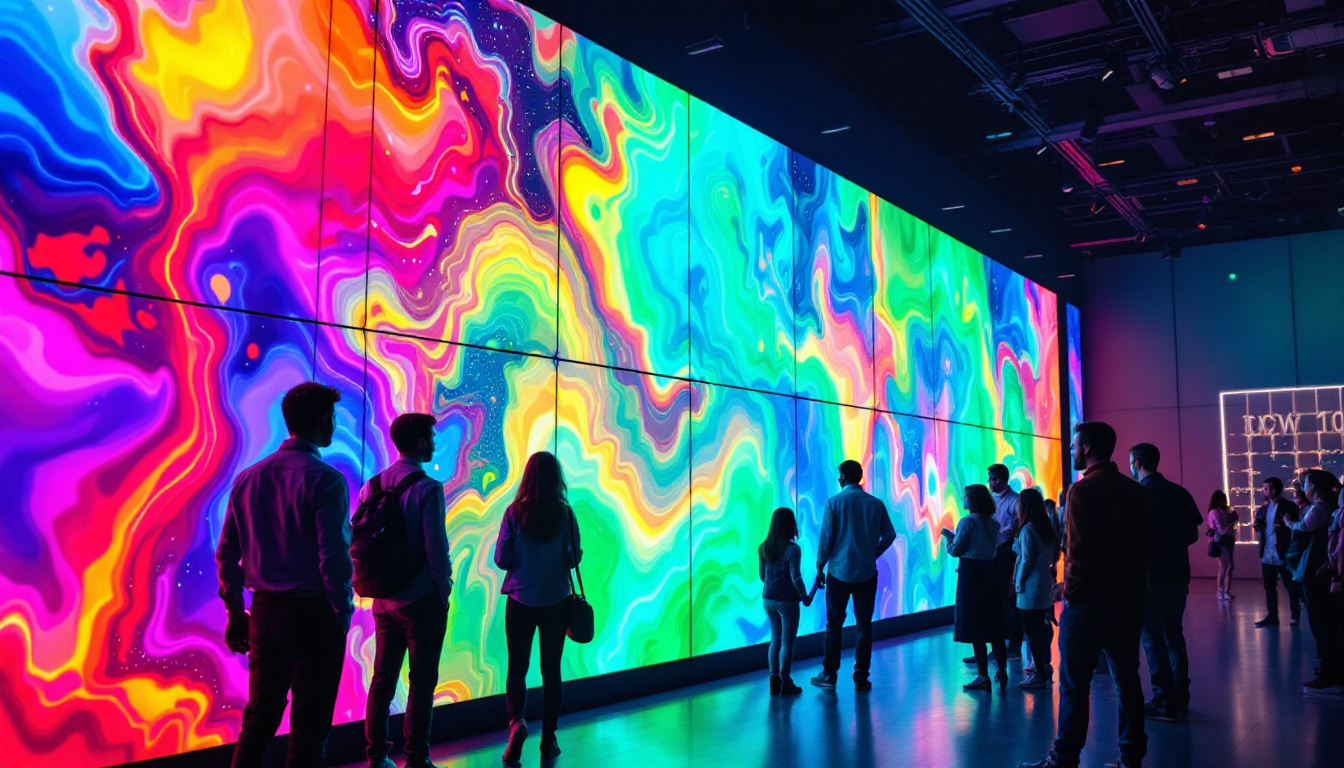
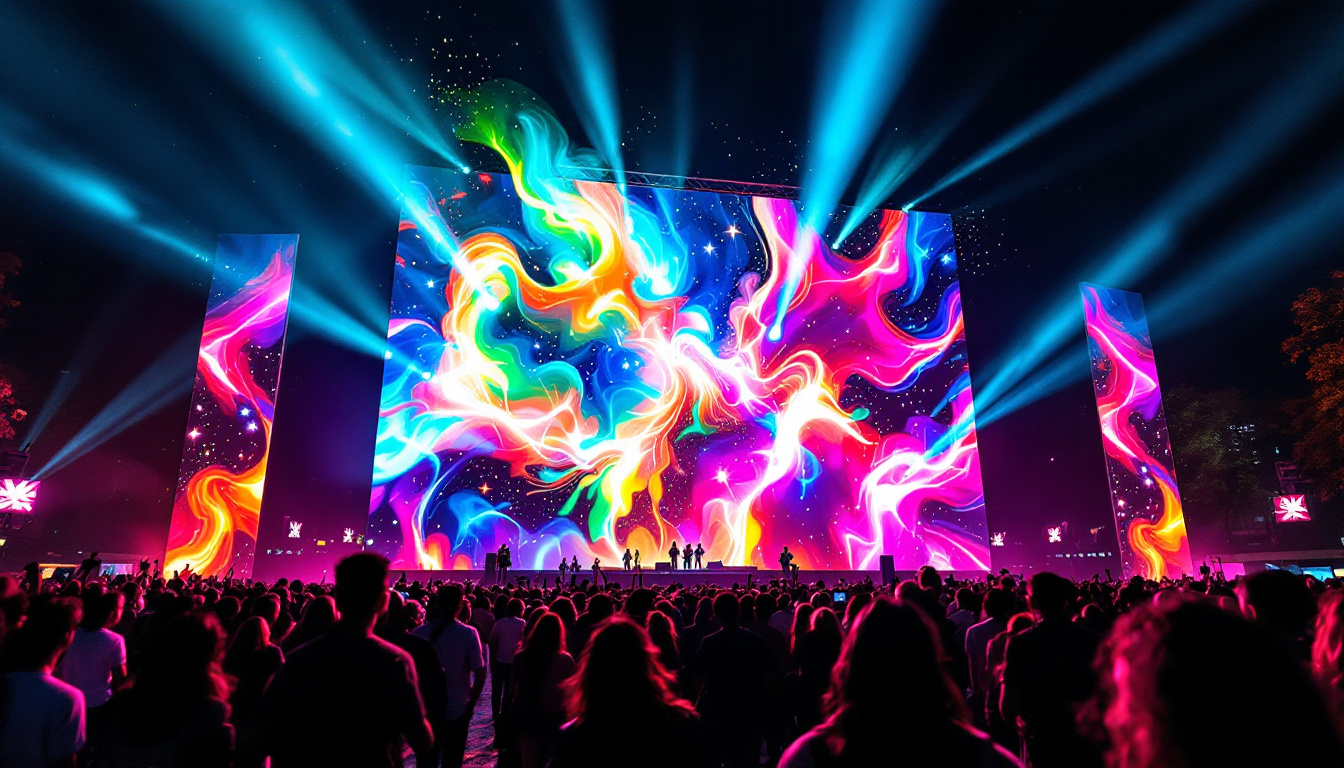
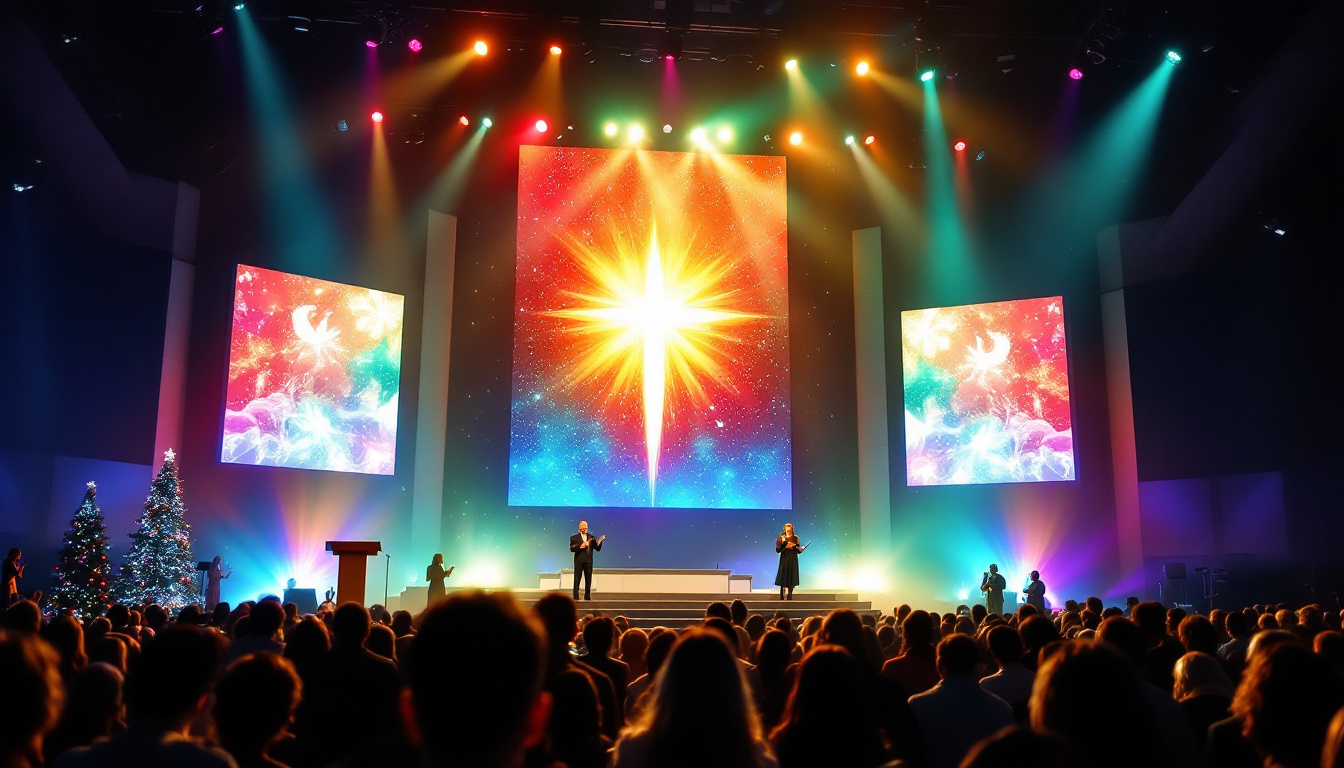
Concerts, sports arenas, and large-scale events use ultra-wide LED displays to deliver immersive experiences to audiences. The high resolution ensures that visuals remain sharp even when viewed from a distance, while the wide aspect ratio supports panoramic video content and live feeds.
These displays also enable creative stage designs and dynamic lighting effects, contributing to memorable performances and enhanced audience engagement.
Advantages and Challenges of 3840 x 2 LED Displays
While the benefits of ultra-wide, high-resolution LED displays are clear, it is important to consider both their advantages and the challenges associated with their deployment.
Advantages
- Enhanced Visual Real Estate: Doubling the horizontal resolution provides a vast canvas for multitasking, data visualization, and creative content.
- Improved Image Clarity: Higher pixel counts mean finer details and smoother images, crucial for professional and entertainment applications.
- Modularity and Flexibility: LED displays can be customized to fit specific spaces and requirements, allowing for tailored solutions.
- Energy Efficiency: Modern LED technology is energy-efficient compared to older display types, reducing operational costs.
Challenges
- Cost: Ultra-wide, high-resolution LED displays require significant investment in hardware and installation.
- Complex Installation: Large-scale modular setups demand precise alignment and calibration to ensure seamless visuals.
- Content Creation: Producing content that fully utilizes the 3840 x 2 resolution can be resource-intensive and requires specialized software and expertise.
- Maintenance: Maintaining uniform brightness and color consistency across large LED walls can be challenging.
Future Trends in LED Display Technology
The LED display industry continues to innovate, pushing the boundaries of resolution, size, and functionality. The concept of 3840 x 2 resolution is part of a broader trend toward ultra-high-definition and ultra-wide displays that cater to increasingly demanding applications.
MicroLED and MiniLED Advances
Emerging technologies like MicroLED and MiniLED promise even higher resolutions and better color accuracy with smaller pixel pitches. These advancements will make ultra-wide displays like those with 3840 x 2 resolution more accessible and visually impressive.
Integration with AI and Interactive Technologies
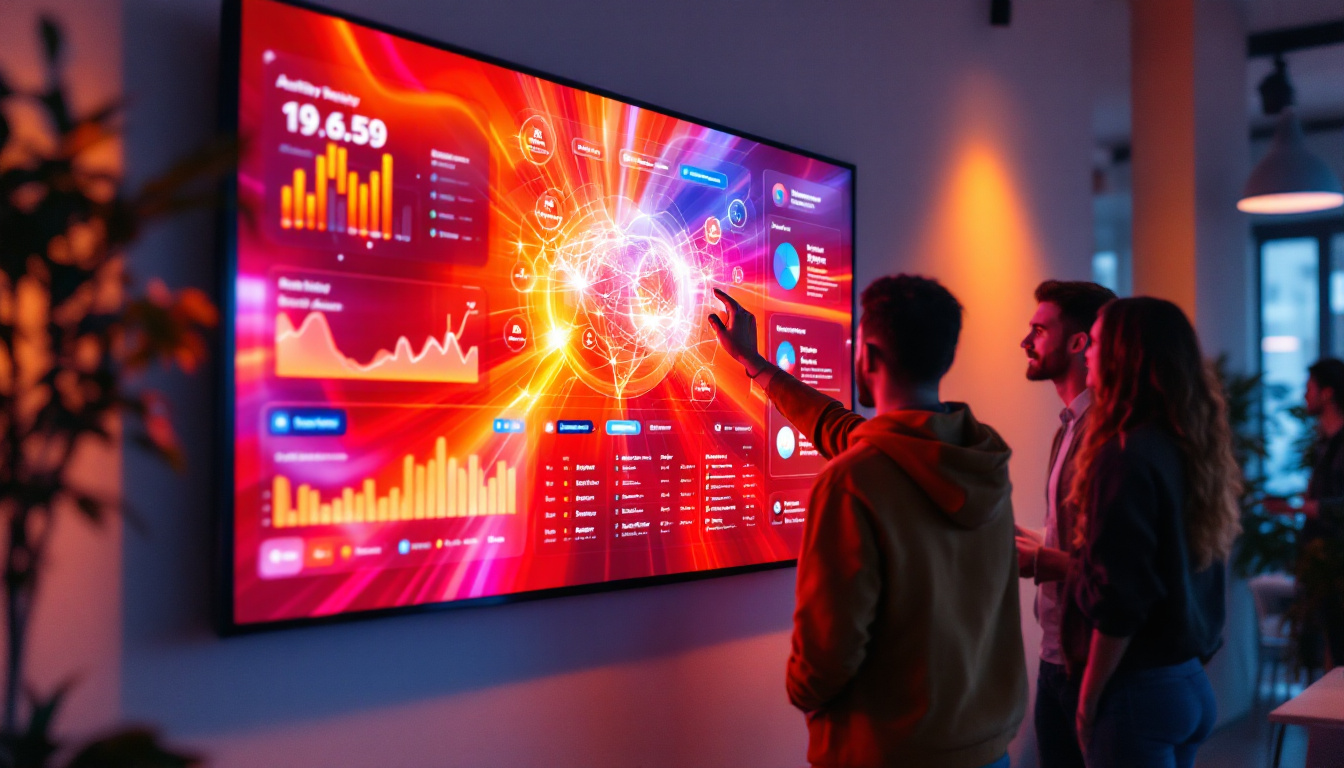
Future LED displays are expected to integrate AI-driven content management and interactive features such as touch sensitivity and gesture control. This will enhance user engagement and allow for dynamic, context-aware content delivery on ultra-wide screens.
Environmental Sustainability
Manufacturers are increasingly focusing on sustainability, developing LED displays that consume less power and use eco-friendly materials. This aligns with global efforts to reduce the environmental impact of technology deployments.
Conclusion
The term “3840 x 2” in the context of LED displays represents a significant leap in horizontal resolution, enabling ultra-wide, high-definition visual experiences. From control rooms and broadcast studios to advertising and entertainment venues, these displays offer unparalleled clarity and versatility.
While challenges such as cost and content creation exist, ongoing technological advancements continue to make ultra-wide LED displays more practical and impactful. Understanding the technology behind 3840 x 2 LED displays and their applications is essential for professionals seeking to leverage cutting-edge visual solutions in their fields.
As the demand for immersive and detailed visual content grows, the role of ultra-wide, high-resolution LED displays will undoubtedly expand, shaping the future of digital communication and entertainment.
Discover Ultra-Wide LED Solutions with LumenMatrix
Ready to embrace the future of ultra-wide, high-resolution visual experiences? LumenMatrix is at the forefront of LED display innovation, offering a diverse range of products that cater to your unique needs. From immersive Indoor and Outdoor LED Wall Displays to dynamic Vehicle and Sports LED Displays, our solutions are designed to captivate and engage. Elevate your visual communication with our Custom, All-in-One, and Transparent LED Displays, each crafted to deliver unparalleled clarity and impact. Don’t just share your message—make it resonate with LumenMatrix’s cutting-edge technology. Check out LumenMatrix LED Display Solutions today and transform your space into a visual masterpiece.