In today’s fast-paced world, digital signage has become an essential tool for businesses, public spaces, and events to communicate effectively with their audiences. Among the various technologies available, LED displays stand out for their brightness, versatility, and energy efficiency. This article delves into the world of LED digital sign displays, explaining how they work, their advantages, types, and practical applications across industries.
Understanding LED Technology in Digital Signage
LED stands for Light Emitting Diode, a semiconductor device that emits light when an electric current passes through it. Unlike traditional lighting sources, LEDs produce light through electroluminescence, which makes them highly efficient and long-lasting. In digital signage, LEDs are arranged in arrays to form pixels, which collectively create images, videos, and text.
The core advantage of LED technology lies in its ability to deliver bright, vibrant colors with excellent contrast, even in direct sunlight. This makes LED displays ideal for both indoor and outdoor digital signage applications. Additionally, LEDs consume less power compared to other display technologies like LCD or plasma, contributing to lower operational costs and a reduced environmental footprint.
How LED Displays Work
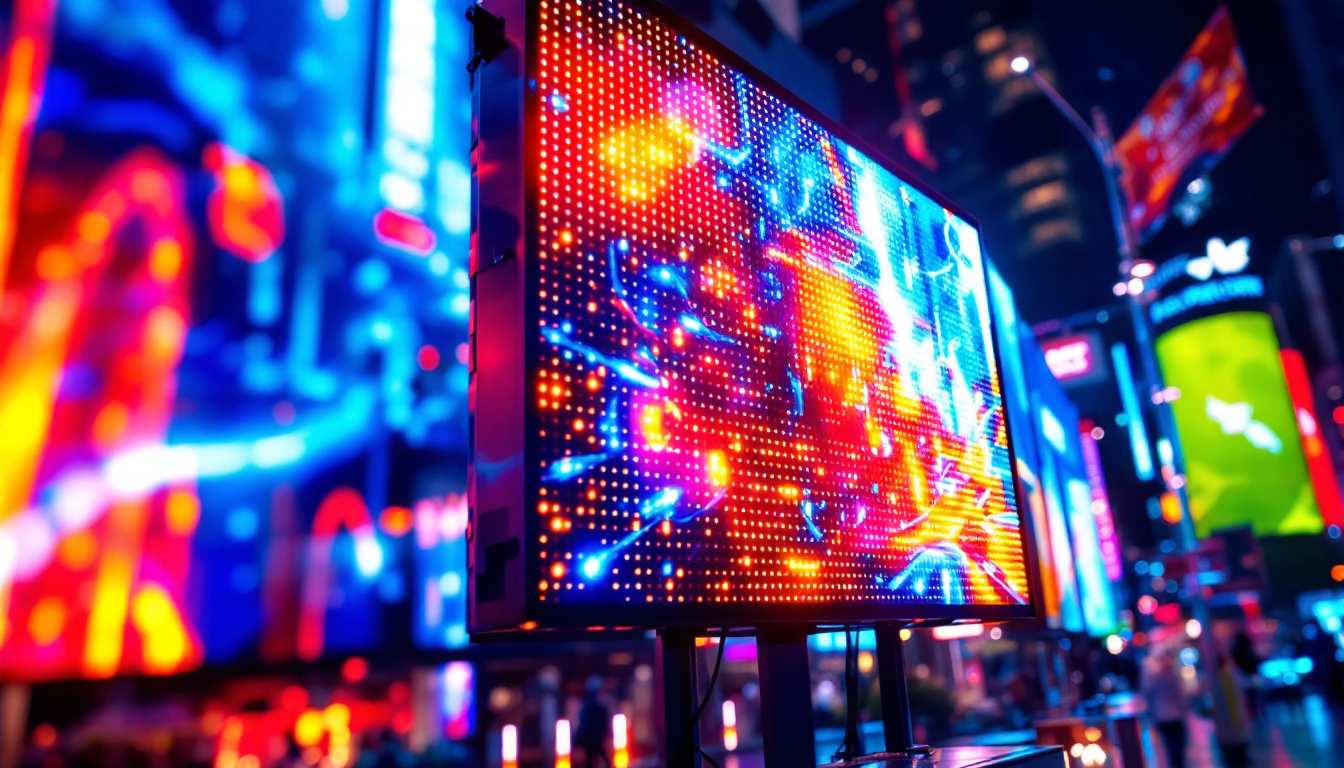
At the heart of an LED display is a matrix of tiny LEDs grouped into pixels. Each pixel typically consists of three sub-pixels: red, green, and blue (RGB). By adjusting the intensity of each sub-pixel, the display can reproduce a full spectrum of colors. The control system sends signals to the LEDs to turn on or off at varying intensities, creating dynamic images and videos.
Modern LED displays use surface-mounted device (SMD) LEDs, which are compact and allow for higher pixel density. This results in sharper images and finer detail, especially important for close viewing distances. The pixel pitch, or the distance between pixels, determines the resolution and clarity of the display. Smaller pixel pitches mean higher resolution but also higher costs.
Types of LED Displays in Digital Signage
LED displays come in various forms, each suited to different applications and environments. Understanding these types helps businesses select the right solution to meet their specific needs.
Indoor LED Displays
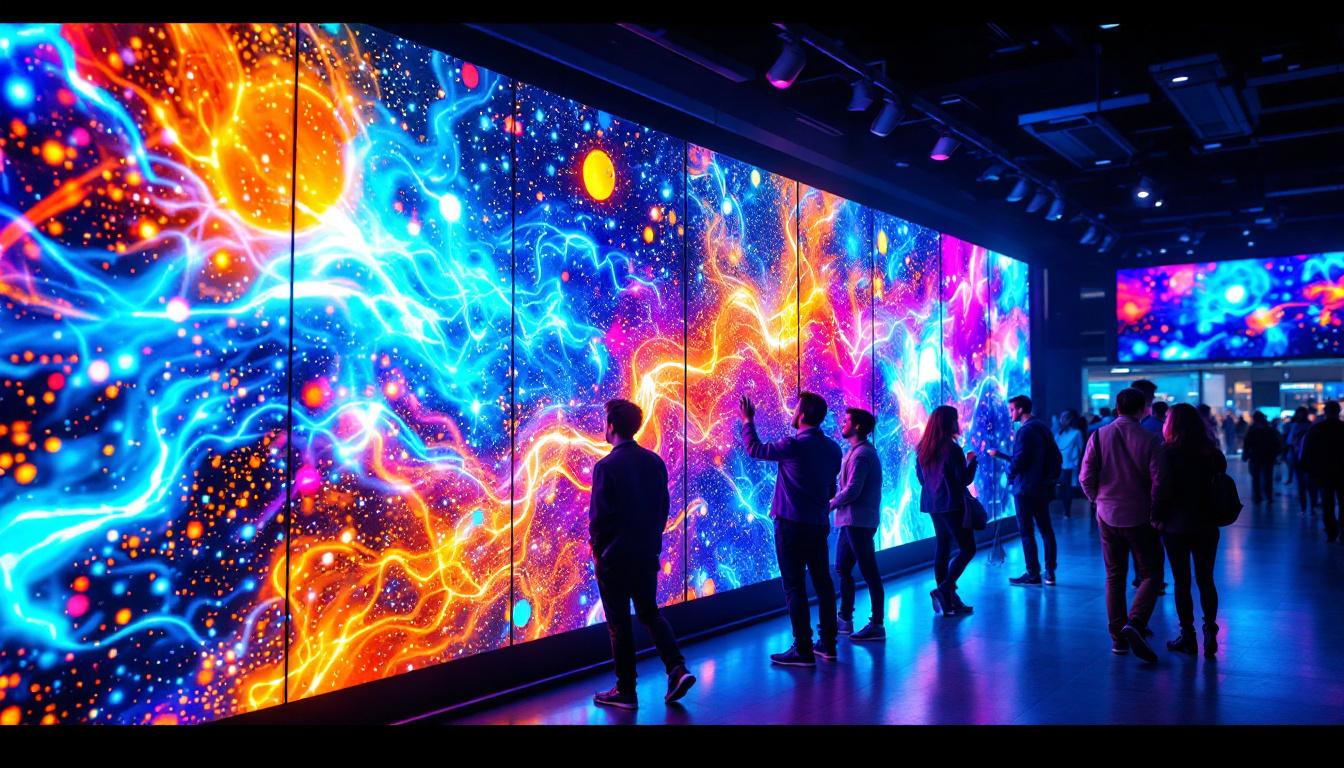
Indoor LED displays are designed for controlled environments such as retail stores, airports, conference rooms, and shopping malls. They typically have a smaller pixel pitch, ranging from 0.9mm to 4mm, allowing for high-resolution content that can be viewed up close. Because ambient lighting indoors is generally lower, these displays do not require extremely high brightness levels, usually between 800 to 1,200 nits.
Indoor LED displays are often used for digital menu boards, promotional screens, and interactive kiosks. Their slim profiles and modular designs enable seamless integration into existing interiors without obstructing aesthetics.
Outdoor LED Displays
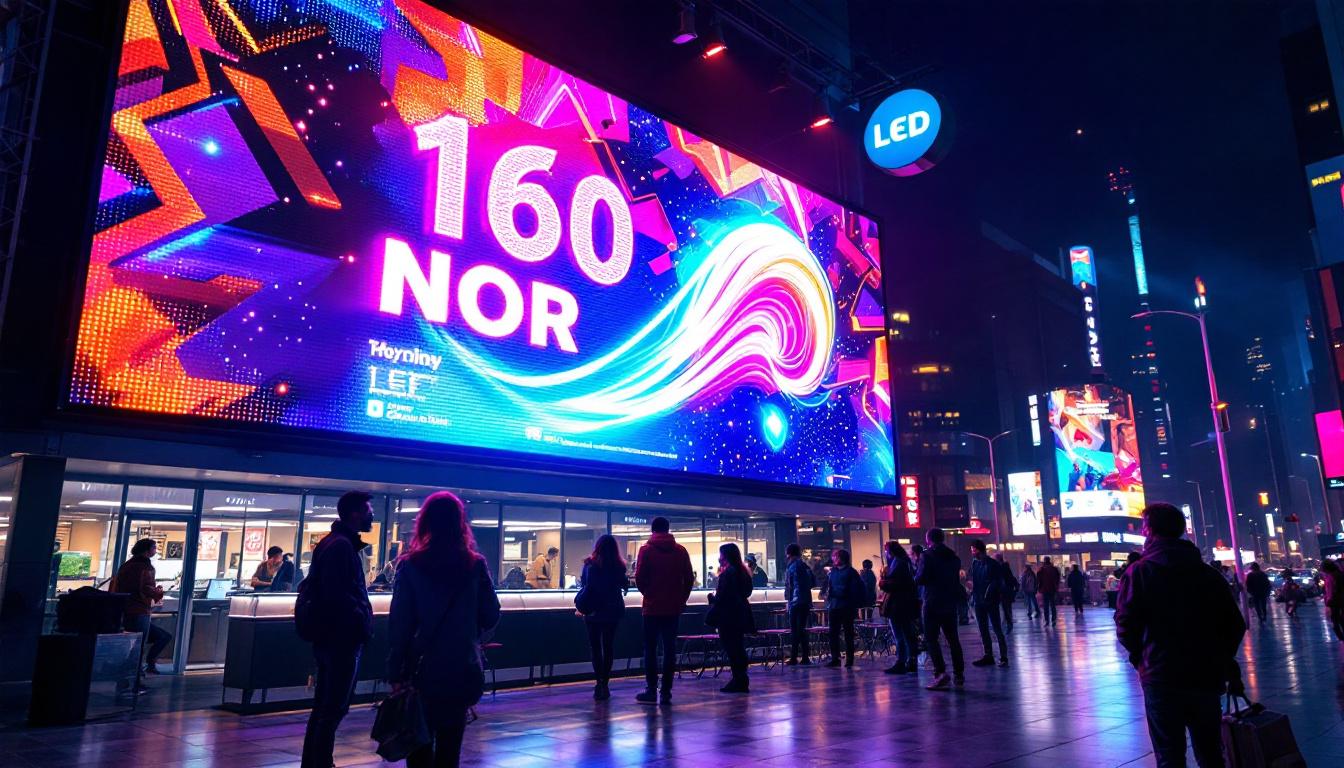
Outdoor LED displays are built to withstand harsh weather conditions, including rain, dust, and extreme temperatures. They feature higher brightness levels, often exceeding 5,000 nits, to ensure visibility even in direct sunlight. The pixel pitch is generally larger, ranging from 4mm to 20mm, as these displays are viewed from greater distances.
Common applications include billboards, stadium screens, transportation hubs, and public information displays. Outdoor LED displays require robust enclosures with IP65 or higher ratings to protect against environmental factors. Additionally, they often incorporate cooling systems to maintain optimal operating temperatures.
Transparent and Flexible LED Displays
Innovations in LED technology have led to the development of transparent and flexible LED displays. Transparent LED displays allow light to pass through, making them ideal for storefront windows or glass walls where visibility both inside and outside is desired. These displays maintain high brightness and color fidelity while offering up to 70% transparency.
Flexible LED displays use bendable substrates, enabling installation on curved surfaces or irregular shapes. This adaptability opens creative possibilities for architects and designers, allowing digital signage to blend seamlessly with unique structural elements.
Key Advantages of LED Digital Signage
LED displays offer numerous benefits that make them a preferred choice for digital signage solutions across sectors.
Exceptional Brightness and Visibility
One of the most significant advantages of LED displays is their superior brightness. With brightness levels reaching thousands of nits, LED signs remain clearly visible under direct sunlight and in brightly lit environments. This ensures that messages are conveyed effectively regardless of ambient lighting conditions.
Energy Efficiency and Longevity
LEDs consume significantly less power compared to traditional lighting and display technologies. This efficiency translates into lower electricity bills and reduced carbon emissions, aligning with sustainability goals. Moreover, LEDs have a long operational lifespan, often exceeding 100,000 hours, which minimizes maintenance costs and downtime.
Vibrant Colors and High Contrast
LED displays produce vivid colors with deep blacks and high contrast ratios. This enhances the visual appeal of content, making advertisements and informational messages more engaging. The ability to display dynamic video content and animations further enriches the viewer experience.
Flexibility and Scalability
LED panels are modular, allowing for easy scaling and customization of display size and shape. Whether a small indoor screen or a massive outdoor billboard, LED technology can be tailored to fit the specific requirements of a project. This flexibility also facilitates future upgrades and repairs without replacing the entire display.
Durability and Weather Resistance
Outdoor LED displays are engineered to withstand environmental challenges such as moisture, dust, and temperature fluctuations. This durability ensures consistent performance and reduces the risk of costly repairs or replacements.
Applications of LED Digital Signage Across Industries
LED digital signage is transforming communication strategies in a variety of sectors by delivering impactful visual content that captures attention and drives engagement.
Retail and Advertising
Retailers use LED displays to showcase promotions, new products, and brand messages in high-traffic areas. Digital signage can be updated instantly to reflect changing offers or seasonal campaigns, enabling real-time marketing. According to a study by the Digital Signage Federation, 68% of consumers have entered a store because digital signage caught their attention, highlighting its effectiveness in driving foot traffic.
Outdoor LED billboards offer advertisers the ability to reach large audiences with bright, dynamic content that stands out from traditional static posters. The flexibility to schedule multiple advertisements throughout the day maximizes revenue potential for advertising companies.
Transportation and Public Spaces
Airports, train stations, and bus terminals rely on LED displays to provide travelers with real-time information such as schedules, delays, and safety announcements. The high visibility and reliability of LED signage improve passenger experience and operational efficiency.
Municipalities use LED displays in public spaces for community announcements, emergency alerts, and event promotions. The ability to quickly update content remotely enhances communication during critical situations.
Sports and Entertainment Venues
Stadiums and arenas employ large-scale LED screens to deliver live game footage, replays, and interactive content to spectators. These displays enhance the atmosphere and engagement during events, creating memorable experiences for attendees.
Concerts and festivals utilize flexible LED panels to create immersive stage designs and dynamic backdrops, elevating production quality and audience immersion.
Corporate and Educational Environments
Businesses integrate LED digital signage in lobbies, conference rooms, and common areas to share corporate messages, display dashboards, and promote events. This fosters a connected workplace culture and improves internal communication.
Educational institutions use LED displays for digital bulletin boards, wayfinding, and interactive learning tools, enhancing campus navigation and student engagement.
Choosing the Right LED Display for Your Needs
Selecting the appropriate LED display involves careful consideration of several factors to ensure optimal performance and return on investment.
Assessing Viewing Distance and Resolution
The pixel pitch should correspond to the typical viewing distance. For close-range viewing (a few feet), a smaller pixel pitch ensures crisp images. For displays viewed from tens or hundreds of feet away, a larger pixel pitch is acceptable and more cost-effective.
Brightness and Environmental Conditions
Consider the ambient lighting where the display will be installed. Outdoor locations require higher brightness and weatherproofing, while indoor environments allow for lower brightness and more delicate designs.
Content Type and Interactivity
Determine the nature of the content—static images, videos, live feeds, or interactive applications. Some LED displays support touch functionality and integration with sensors, which can enhance user engagement.
Budget and Maintenance
Balance initial investment with long-term operational costs. While high-resolution, high-brightness displays may have higher upfront costs, their durability and energy savings can justify the expense. Additionally, modular designs facilitate easier maintenance and upgrades.
Future Trends in LED Digital Signage
The LED display industry continues to evolve rapidly, driven by technological advancements and changing user expectations.
Mini-LED and Micro-LED Technologies
Emerging Mini-LED and Micro-LED technologies offer even higher resolution, improved contrast, and greater energy efficiency. These innovations promise to push the boundaries of digital signage quality and form factors.
Integration with Artificial Intelligence
AI-powered digital signage can analyze audience demographics and behavior to deliver personalized content. This targeted approach enhances marketing effectiveness and customer satisfaction.
Enhanced Interactivity and Connectivity
Future LED displays will increasingly incorporate touch, gesture recognition, and integration with mobile devices. This interactivity transforms passive displays into engaging experiences that foster deeper connections with audiences.
Conclusion
LED digital sign displays represent a powerful communication medium that combines brightness, durability, and flexibility to meet diverse needs across industries. From retail advertising to public information and entertainment, LED technology enables vibrant, dynamic content that captures attention and drives engagement. Understanding the different types of LED displays, their advantages, and application contexts helps organizations make informed decisions to maximize the impact of their digital signage investments. As technology advances, LED displays will continue to evolve, offering even more innovative and immersive ways to connect with audiences worldwide.
Illuminate Your Message with LumenMatrix
Ready to elevate your brand’s visibility and captivate your audience with stunning visuals? Discover the transformative power of LumenMatrix’s advanced LED display solutions. From vibrant Indoor LED Walls to dynamic Outdoor Displays and beyond, our cutting-edge technology is designed to revolutionize how you communicate and engage. Check out LumenMatrix LED Display Solutions today and step into the future of digital signage.