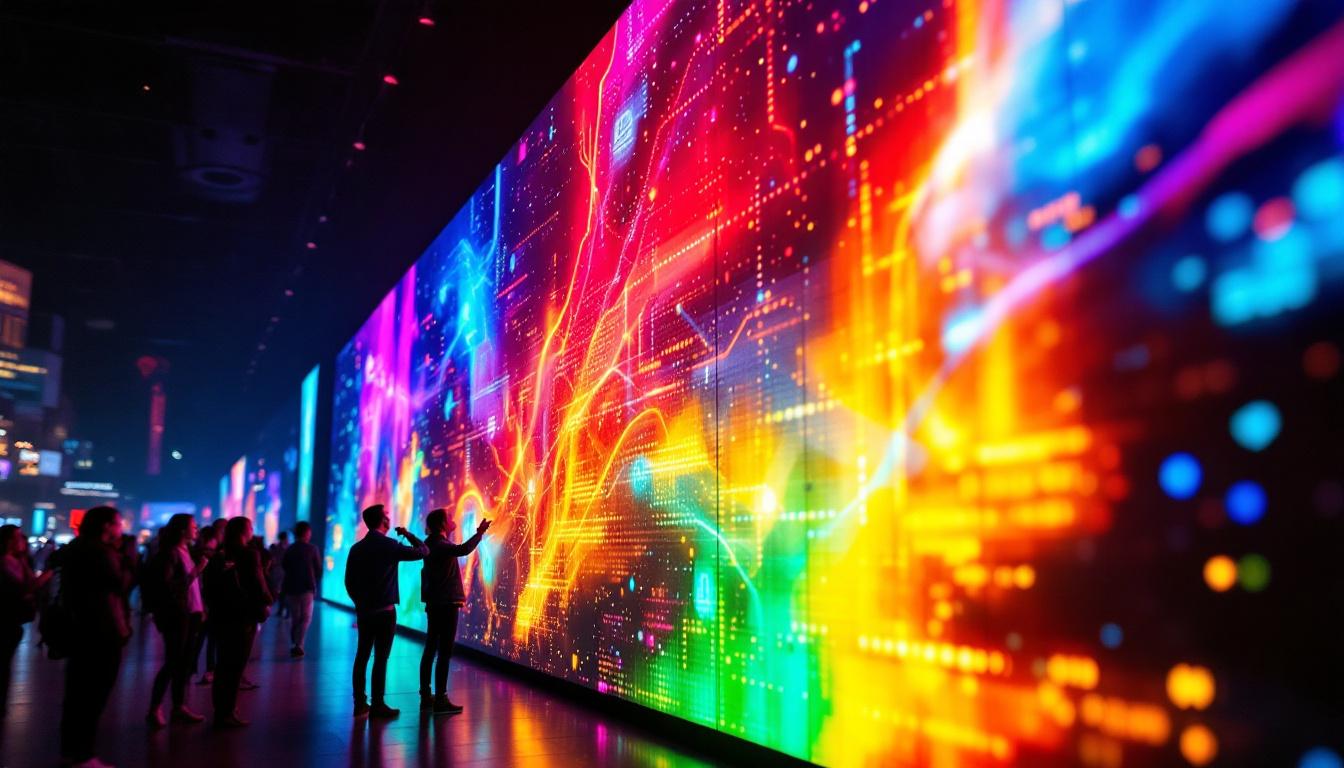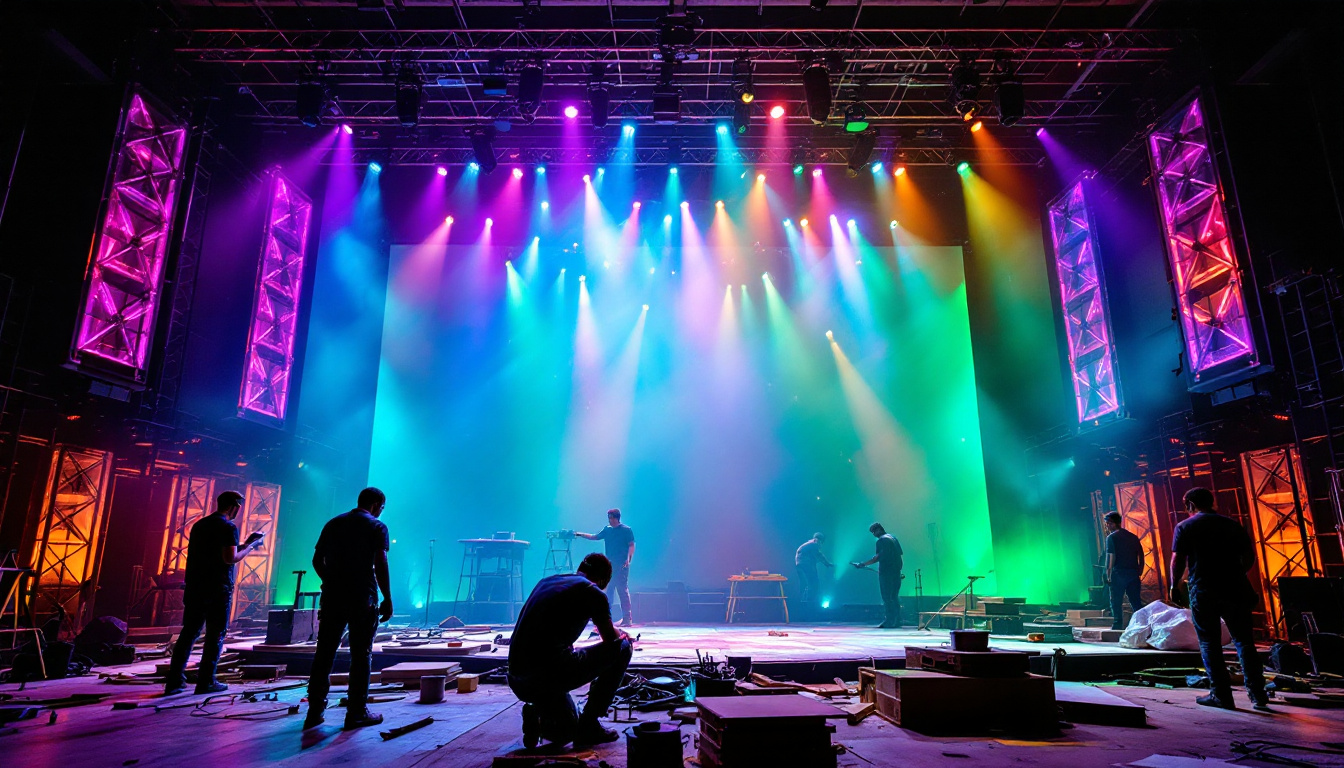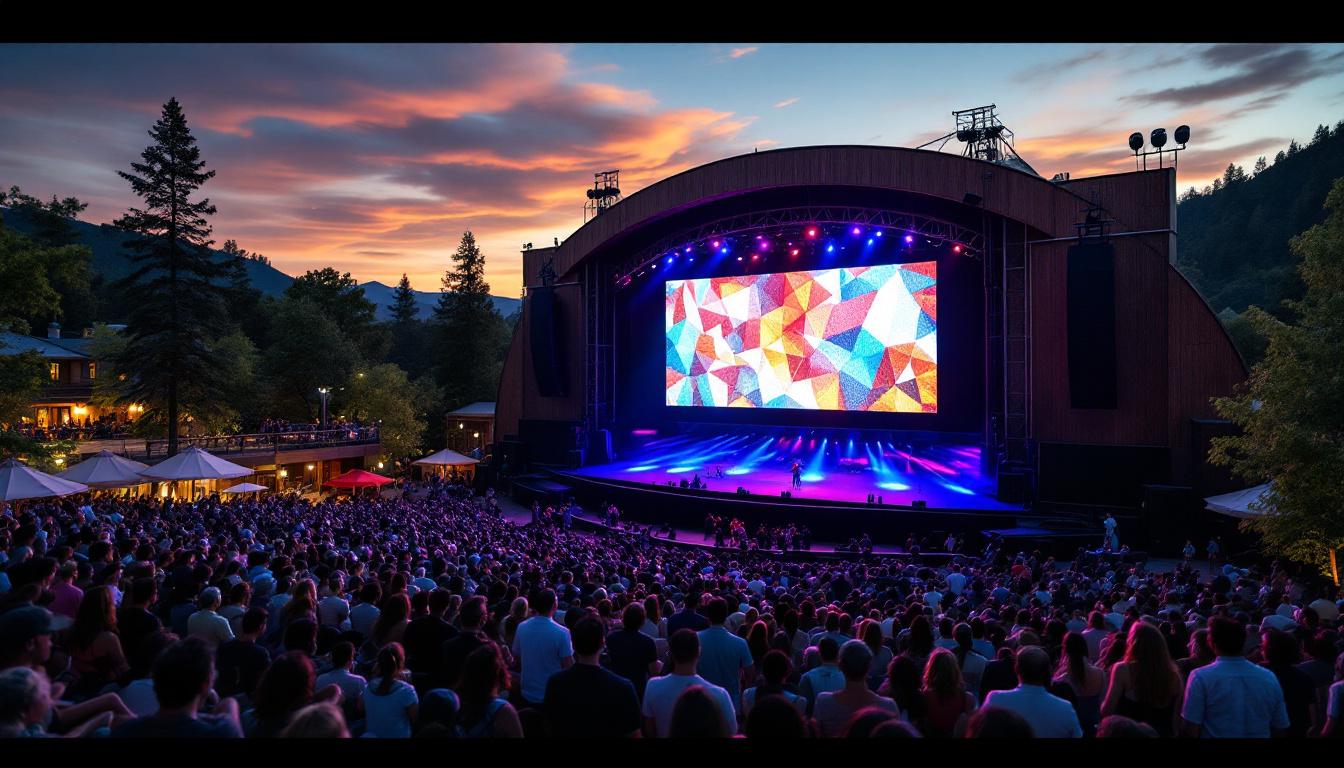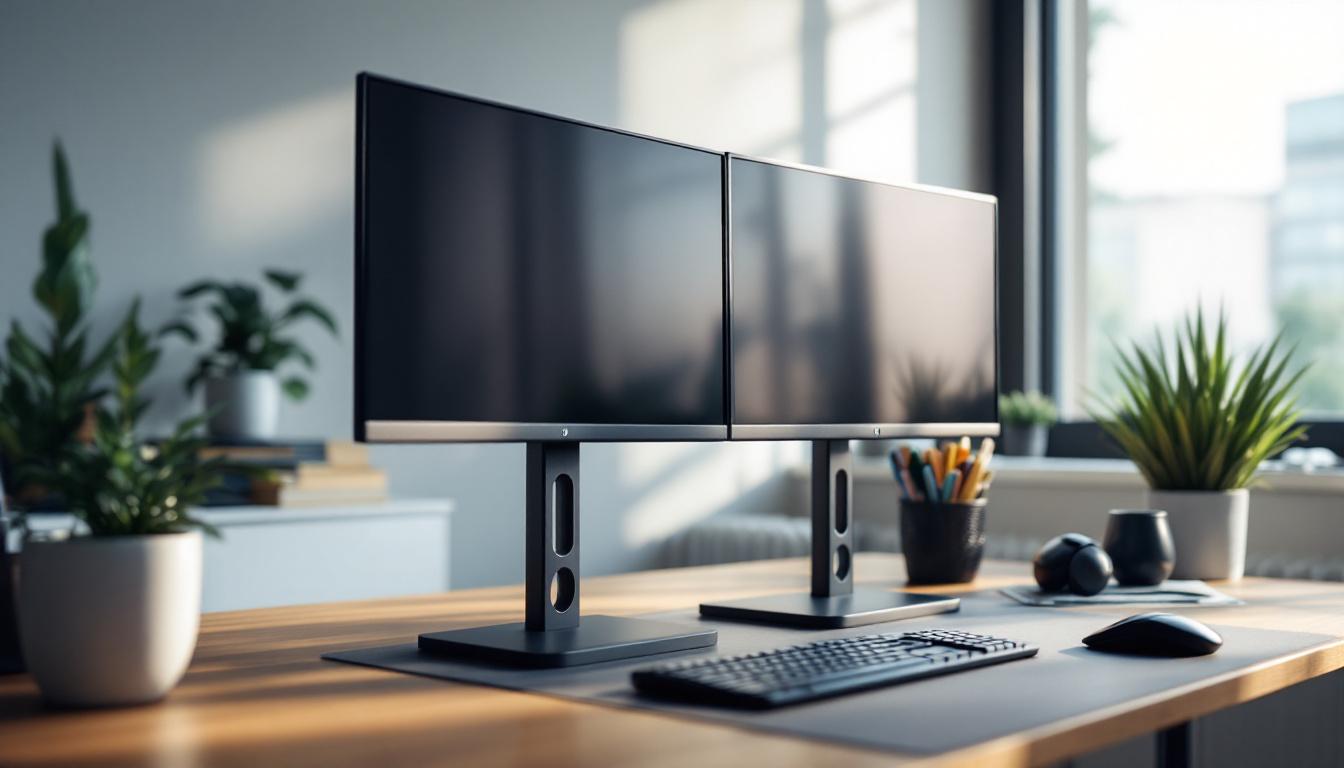
In today’s rapidly evolving event and presentation landscape, display technology plays a pivotal role in delivering impactful visual experiences. Among the various options available, LED displays have emerged as a versatile and powerful solution. For event organizers, businesses, and educators considering renting projectors or display systems, understanding LED displays is crucial to making informed decisions that maximize audience engagement and return on investment.
This comprehensive guide unpacks the fundamentals of LED displays, compares them with traditional projection technologies, and explores why renting LED displays is becoming an increasingly popular choice for a wide range of applications.
Understanding LED Display Technology
What is an LED Display?
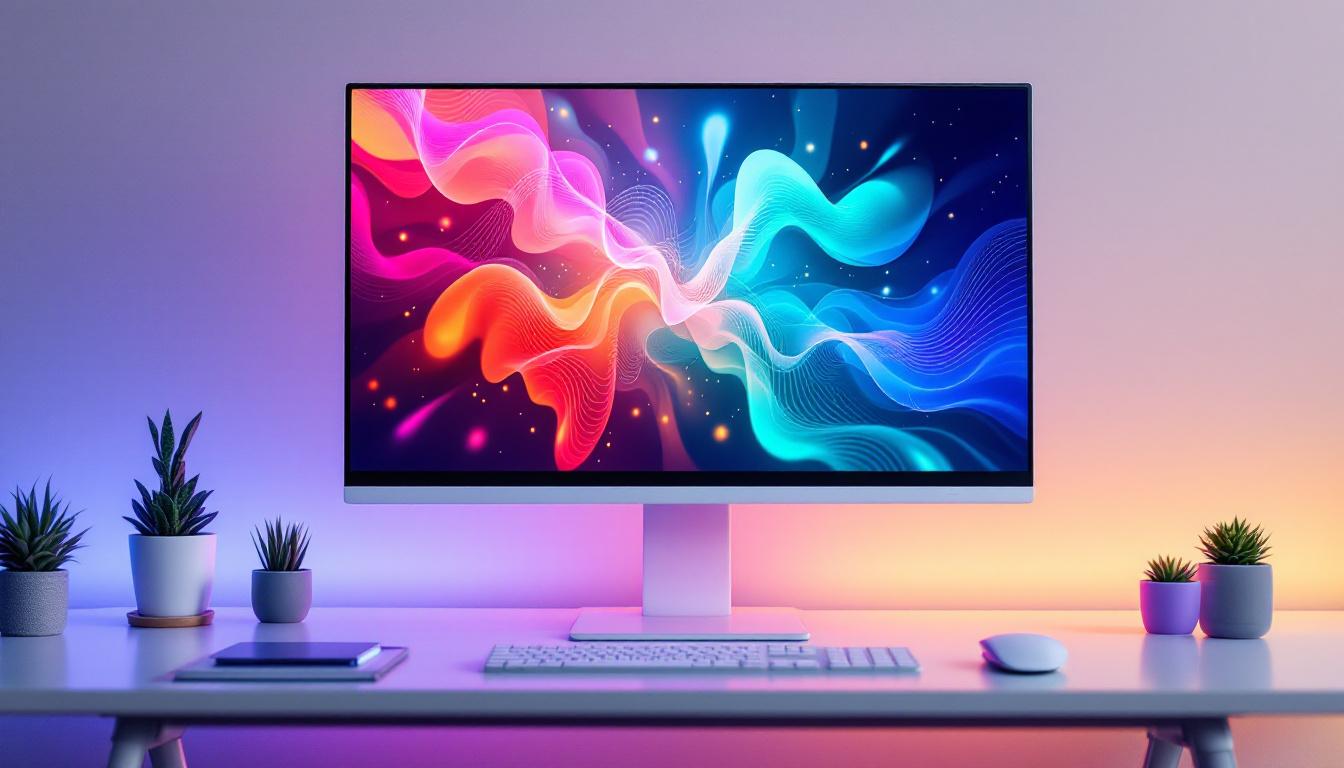
LED stands for Light Emitting Diode, a semiconductor device that emits light when an electric current passes through it. An LED display is a flat panel display that uses an array of LEDs to produce images, videos, and other visual content. These displays can be configured in various sizes and resolutions, making them highly adaptable for different environments and purposes.
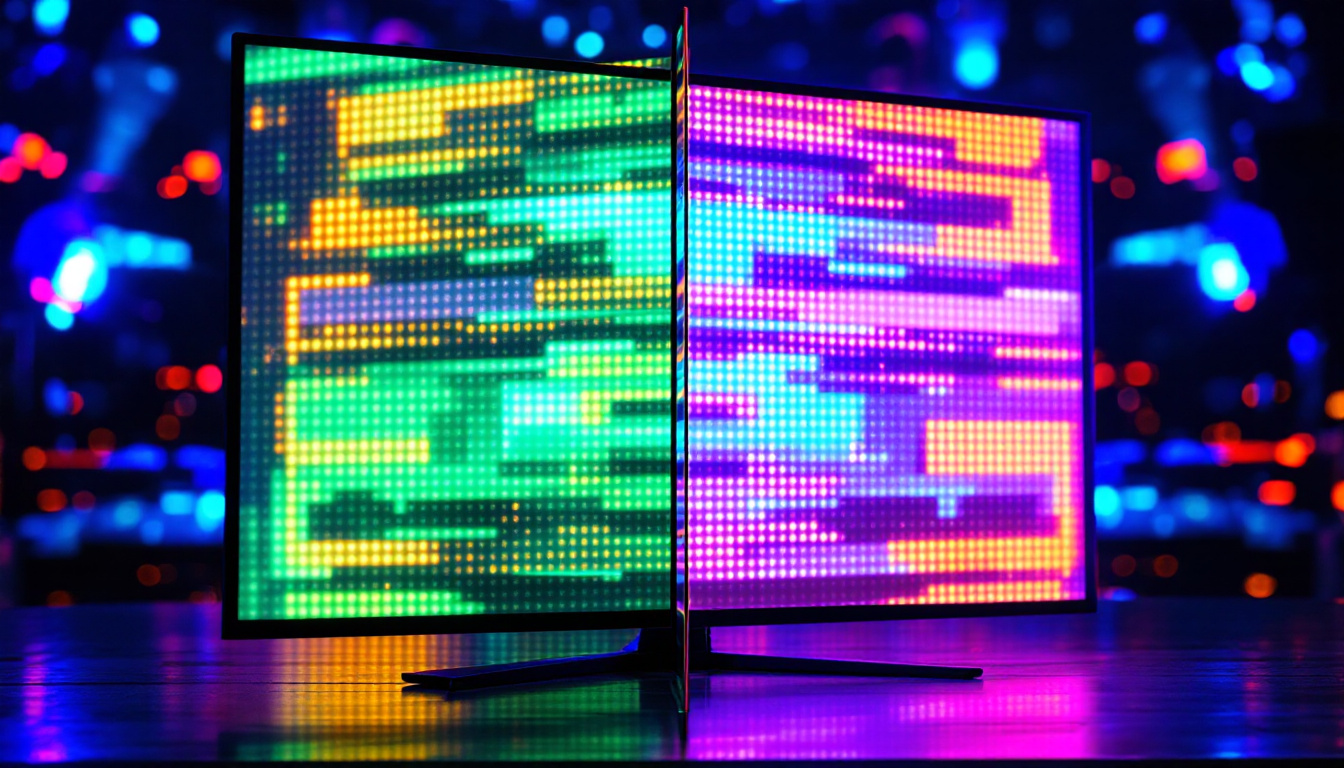
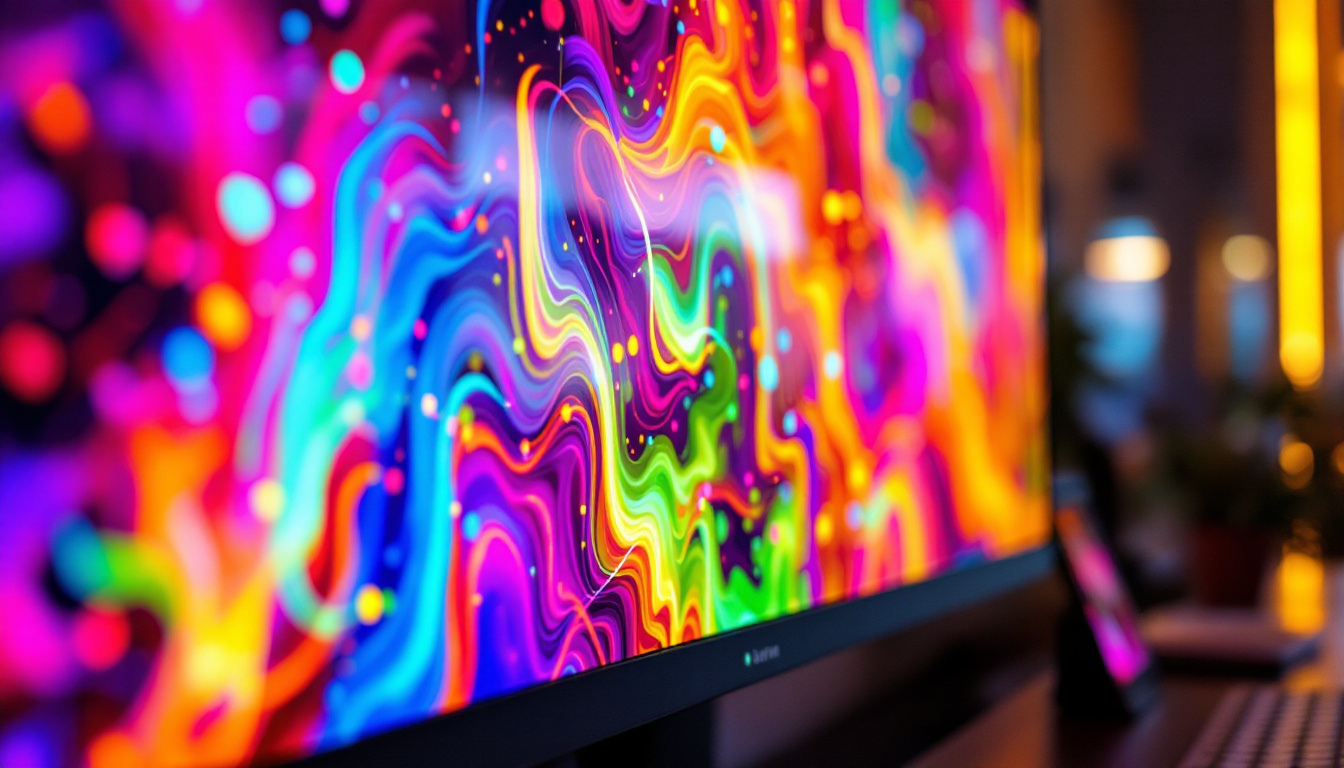
Unlike traditional projectors that cast images onto a screen using a light source and lenses, LED displays are self-illuminating. Each pixel on the screen is composed of tiny LEDs that emit their own light, resulting in brighter, sharper images with vivid colors and high contrast ratios.
How Do LED Displays Work?
LED displays consist of thousands to millions of individual LEDs arranged in a grid. Each LED acts as a pixel or part of a pixel, and by varying the intensity and color of each LED, the display can render detailed images and videos. The LEDs are typically red, green, and blue (RGB), which combine to create a full spectrum of colors.
Modern LED displays use sophisticated control systems to manage the color and brightness of each pixel, ensuring smooth transitions and accurate color reproduction. The modular nature of LED panels allows for scalable and customizable screen sizes, which is especially useful in rental scenarios where flexibility is key.
Types of LED Displays
There are several types of LED displays, each suited to different applications:
- Indoor LED Displays: Designed for controlled lighting environments such as conference rooms, auditoriums, and retail spaces. These displays have a higher pixel density for close viewing distances.
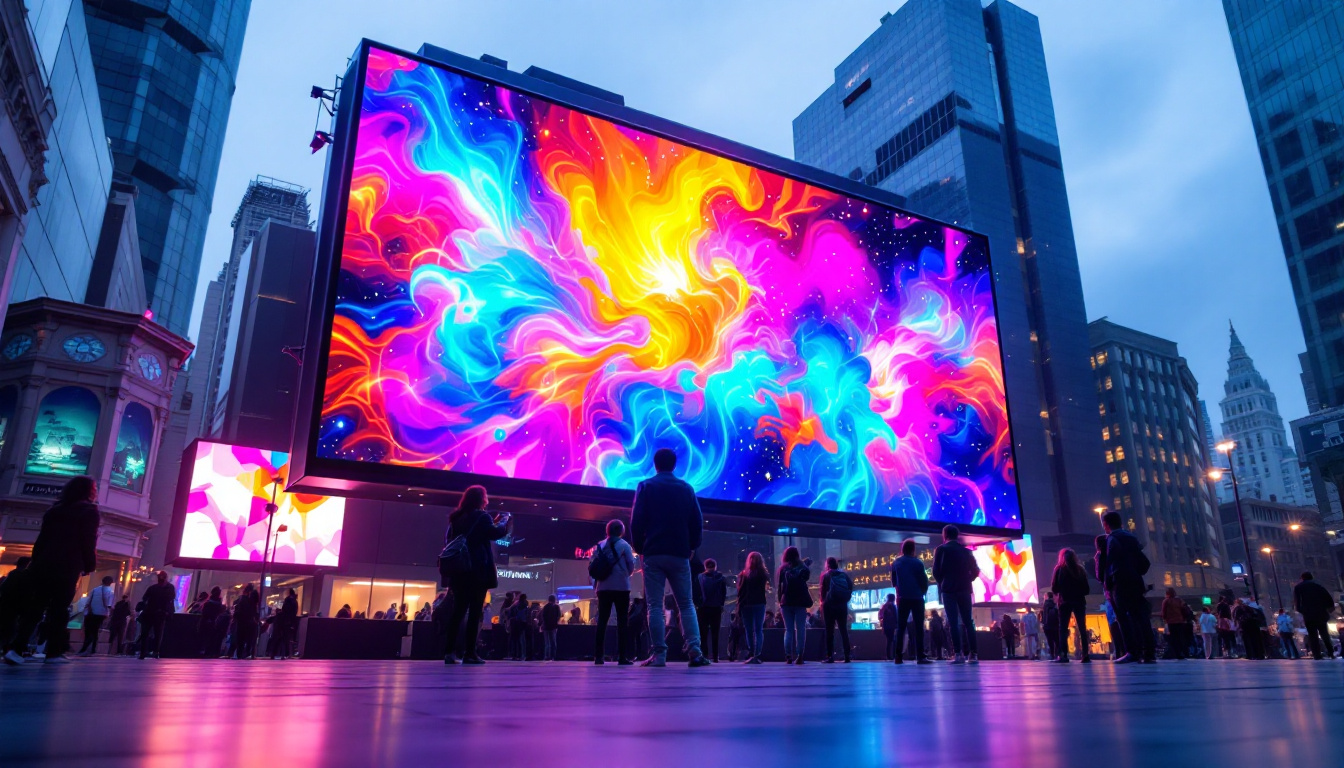
- Outdoor LED Displays: Built to withstand weather conditions and high ambient light. These displays are brighter and more durable, often used for concerts, sports events, and advertising billboards.
- Transparent LED Displays: These allow light to pass through, making them ideal for storefront windows and architectural installations where visibility from both sides is desired.
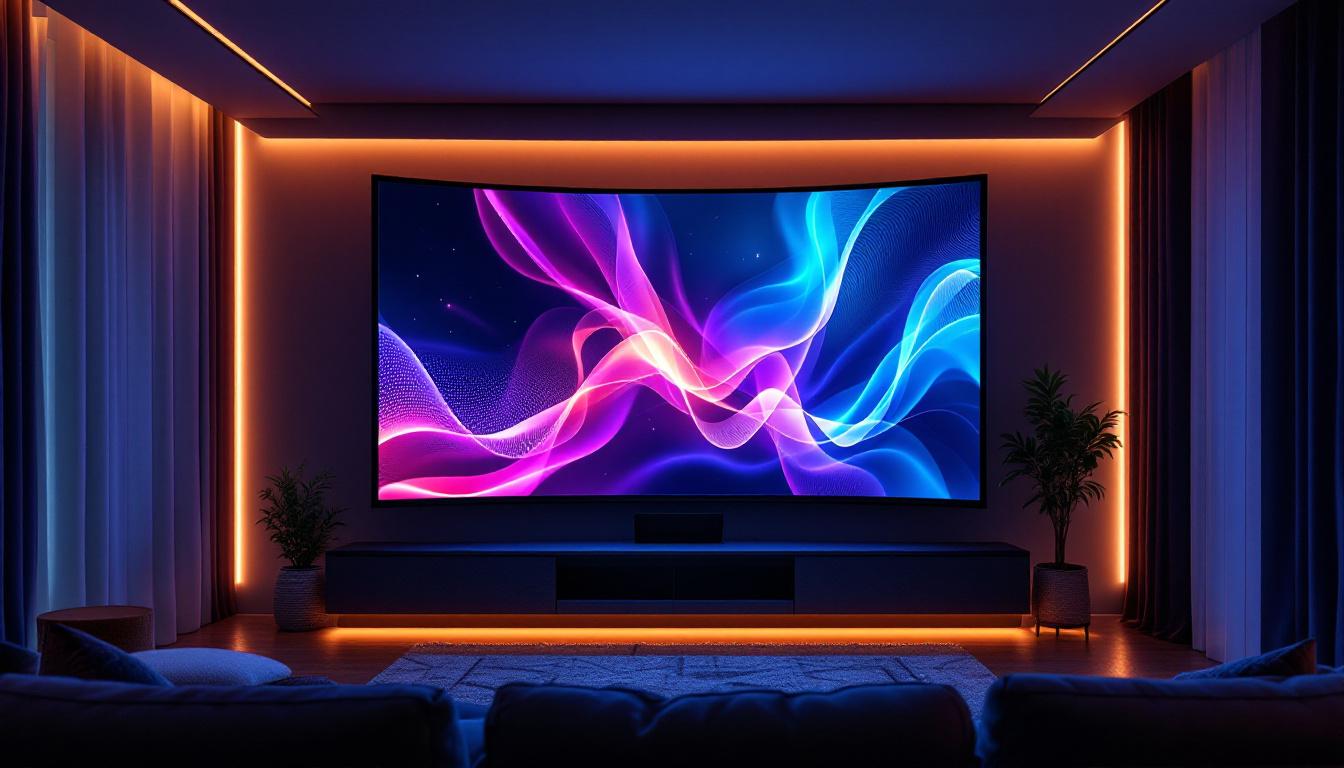
- Flexible and Curved LED Displays: These innovative panels can bend or curve to fit unique design requirements, enhancing the visual appeal of events and exhibitions.
LED Displays vs. Traditional Projectors: Key Differences
Brightness and Visibility
One of the most significant advantages of LED displays over traditional projectors is brightness. LED displays produce their own light, which means they can deliver vivid images even in brightly lit environments. In contrast, projectors rely on external light projection, which can be washed out by ambient light, especially in outdoor or well-lit indoor spaces.
For example, a typical projector may offer brightness levels between 2,000 to 5,000 lumens, whereas LED displays can achieve brightness levels exceeding 5,000 nits (a measure of luminance), making them far more visible in challenging lighting conditions.
Image Quality and Resolution
LED displays generally provide superior image quality with higher contrast ratios and more vibrant colors. Since each pixel emits light independently, blacks appear truly black, and colors are more saturated. Projectors, on the other hand, can struggle with contrast, especially in rooms with ambient light, leading to washed-out images.
Resolution is another factor. LED displays can be built to support ultra-high-definition (UHD) resolutions, making them suitable for detailed presentations and large-scale video playback. Projectors vary widely in resolution, but higher resolutions often come at a premium cost.
Installation and Setup
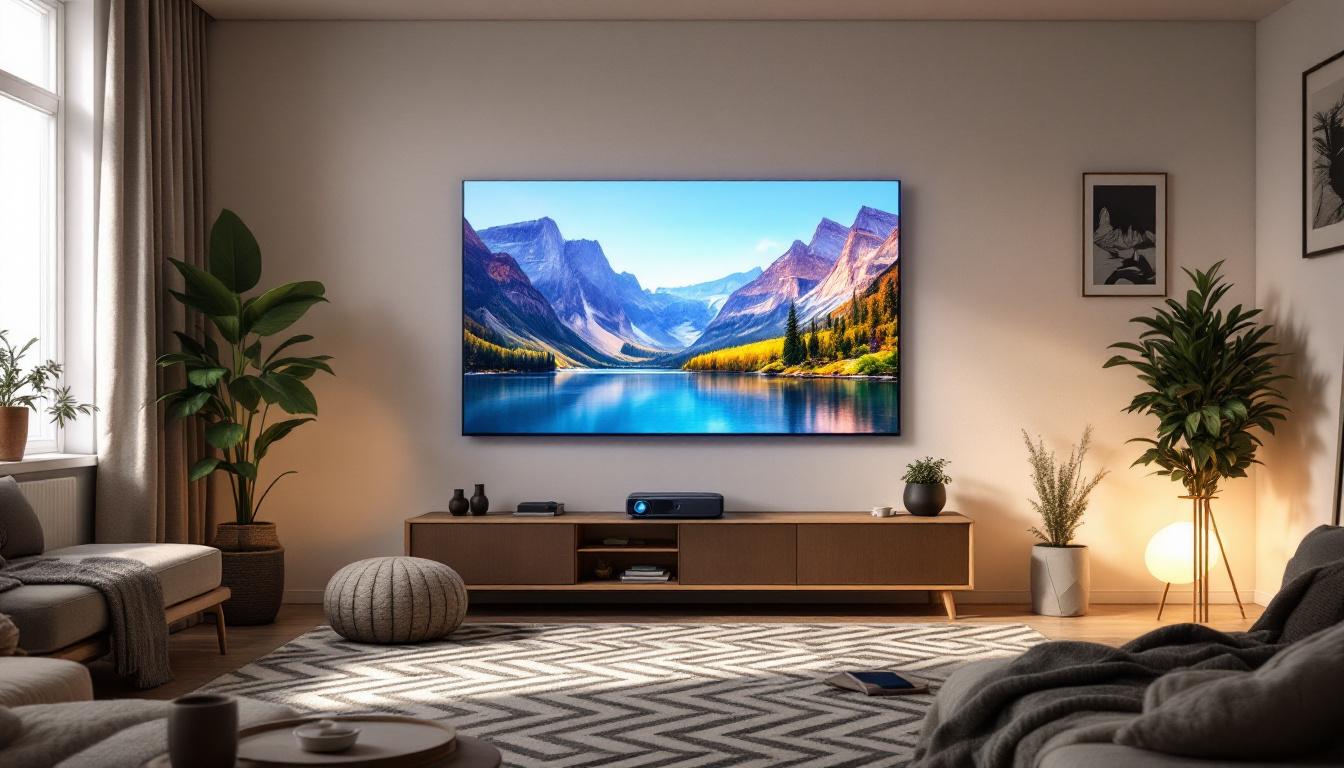
Traditional projectors require careful positioning, alignment, and sometimes complex mounting to ensure the image is correctly projected onto a screen. This setup can be time-consuming and sensitive to environmental factors like shadows and obstructions.
LED displays, especially modular panels, are easier to install and configure. They can be assembled into various sizes and shapes, hung from trusses, or mounted on stands. This flexibility makes LED displays particularly attractive for rental purposes where quick setup and teardown are essential.
Durability and Maintenance
LED displays are generally more durable and require less maintenance than projectors. Projectors have bulbs or lamps that degrade over time and need replacement, which can be costly and inconvenient during extended events. LED displays have longer lifespans, often exceeding 100,000 hours, and are less prone to failure.
Additionally, LED displays are less affected by dust and temperature variations, which can impact projector performance.
Why Rent LED Displays?
Cost-Effectiveness for Short-Term Needs
Purchasing high-quality LED displays can be a significant investment, often ranging from tens of thousands to hundreds of thousands of dollars depending on size and resolution. For organizations or individuals who require LED displays for a limited time—such as conferences, trade shows, concerts, or corporate events—renting is a cost-effective alternative.
Rental companies typically offer a range of LED display options tailored to event size and budget, along with professional installation and technical support. This reduces upfront costs and eliminates concerns about maintenance and storage.
Access to the Latest Technology
LED display technology is advancing rapidly, with improvements in pixel pitch, brightness, and energy efficiency occurring regularly. Renting allows users to access the latest models without committing to long-term ownership. This ensures the best possible visual experience and keeps events looking modern and professional.
Scalability and Customization
Rental LED displays can be customized in size and configuration to suit specific event requirements. Whether a small 10-foot screen or a massive 50-foot video wall is needed, rental providers can assemble the appropriate setup quickly. This scalability is especially valuable for events that vary in size or have unique spatial constraints.
Technical Support and Expertise
Many rental services include on-site technical support, ensuring that the LED display operates flawlessly throughout the event. This expertise can be invaluable for organizations without in-house AV teams, reducing stress and minimizing the risk of technical issues.
Applications of LED Displays in Events and Business
Corporate Events and Conferences
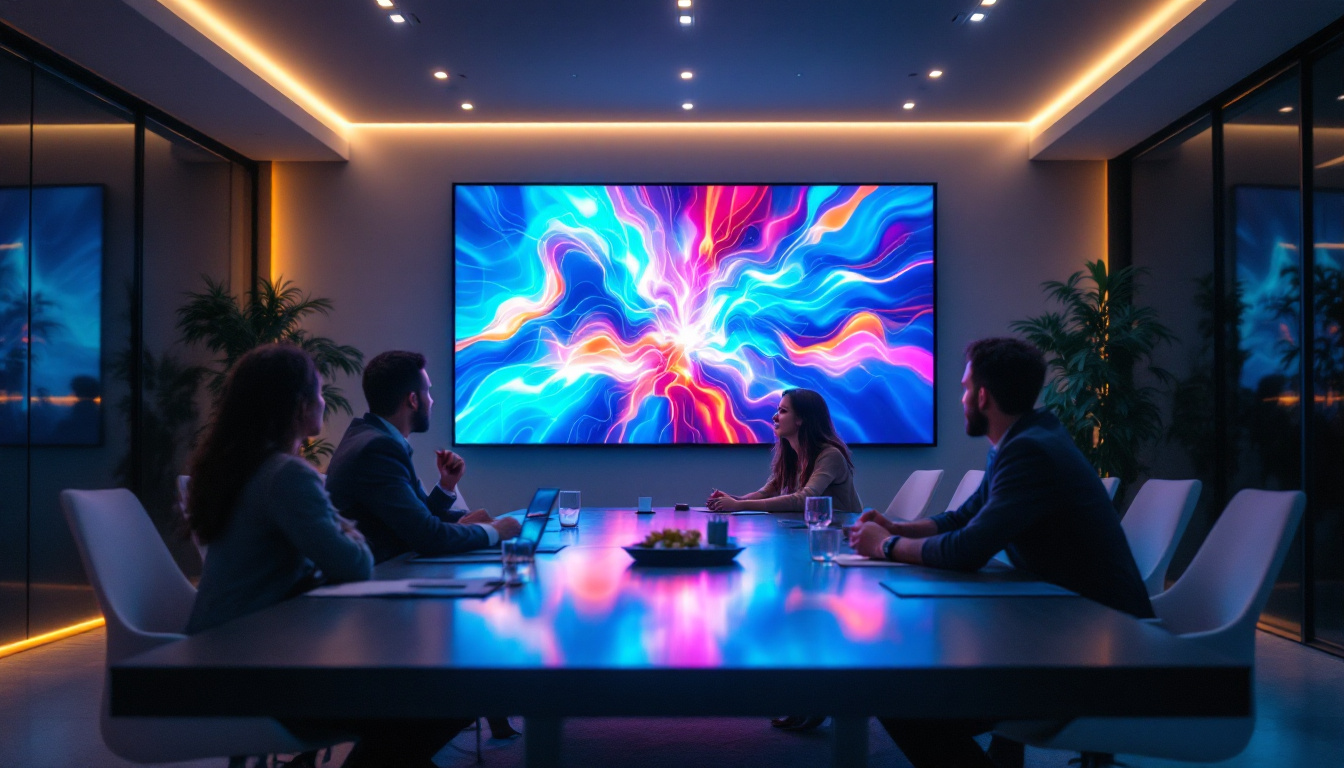
LED displays enhance presentations by providing clear, bright visuals that keep audiences engaged. They are ideal for displaying slides, videos, live feeds, and interactive content. Their modularity allows for creative stage designs and branding opportunities.
Concerts and Live Performances
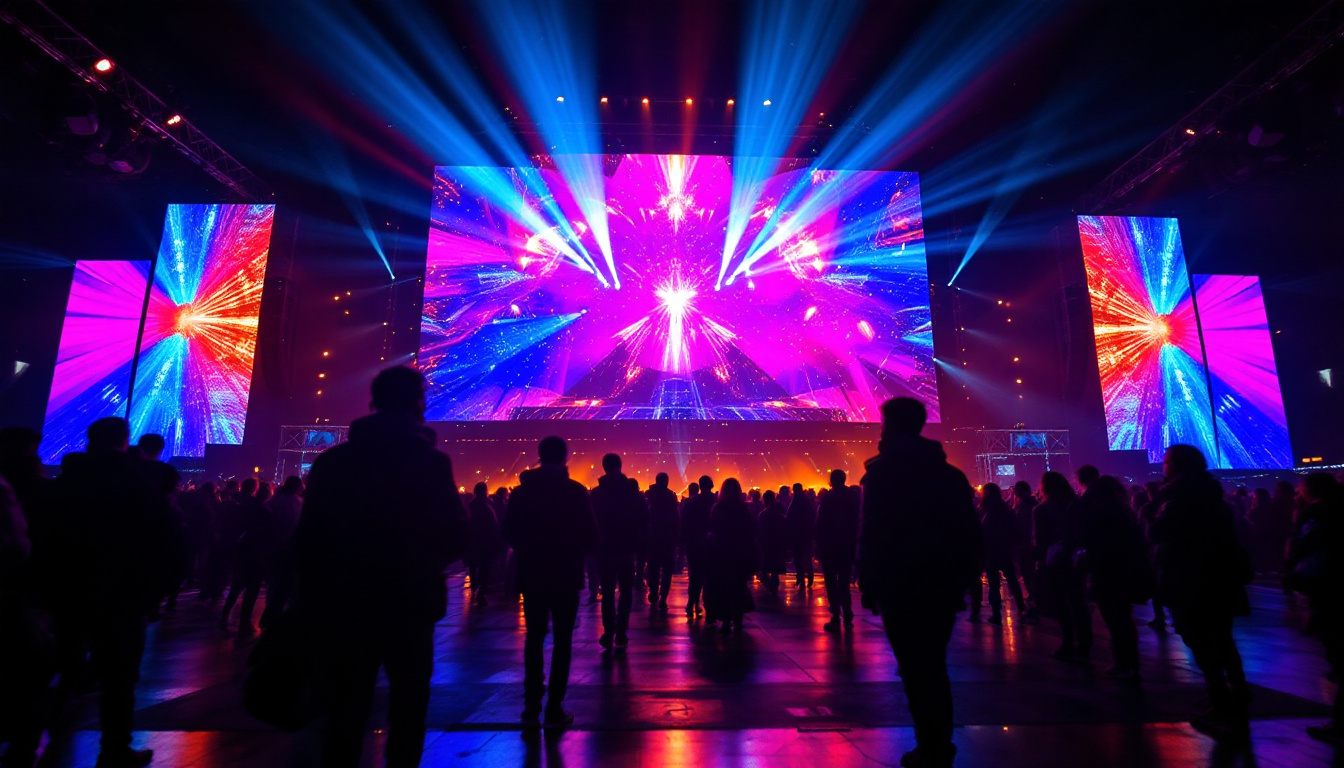
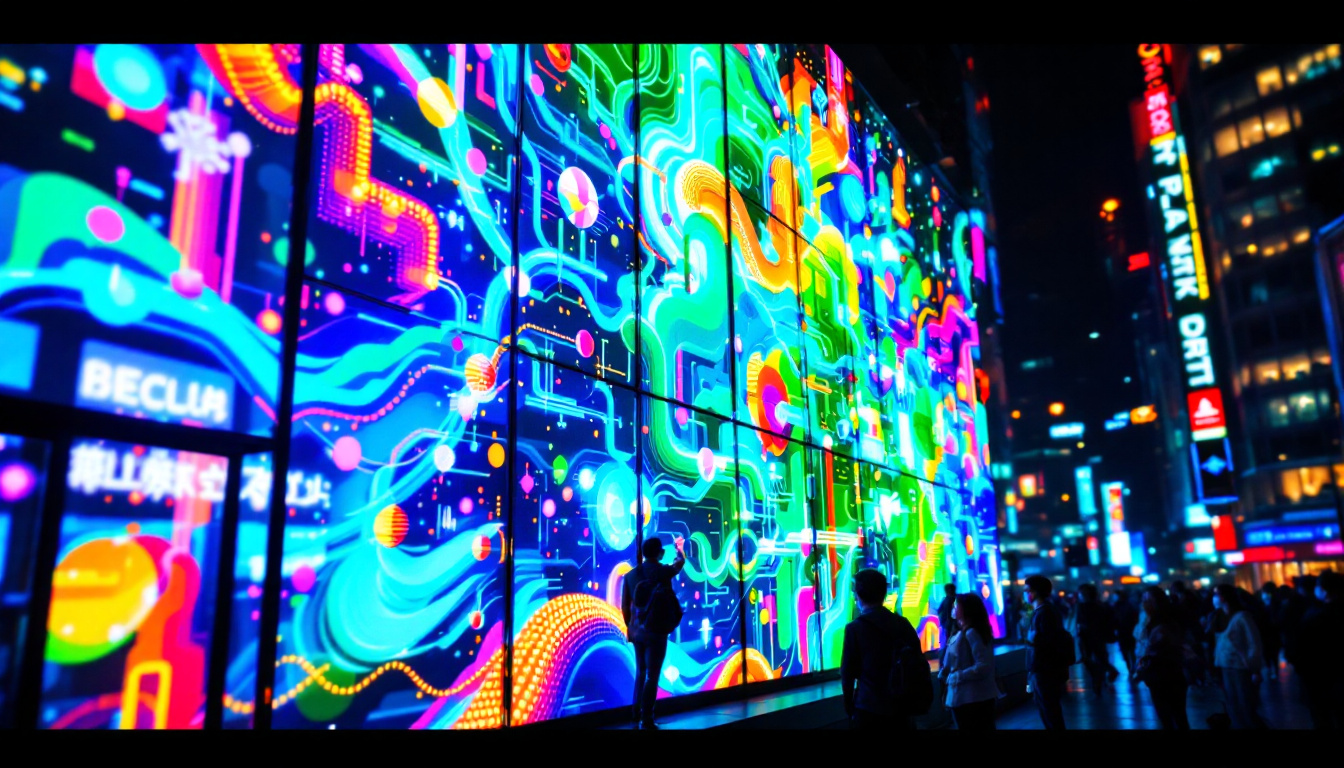
Large-scale LED video walls are a staple in concerts and festivals, delivering dynamic backgrounds, close-up shots of performers, and immersive visual effects. Their brightness and durability make them suitable for outdoor venues and variable lighting conditions.
Trade Shows and Exhibitions
Exhibitors use LED displays to attract visitors and showcase products with high-impact visuals. Transparent and curved LED displays can create eye-catching booth designs that stand out in crowded exhibition halls.
Retail and Advertising
LED displays are increasingly used for digital signage in retail environments and outdoor advertising. Their ability to display vibrant, dynamic content helps capture customer attention and convey marketing messages effectively.
Education and Training
Educational institutions and training centers benefit from LED displays for lectures, workshops, and interactive sessions. High-resolution visuals improve comprehension and engagement, especially in large auditoriums or classrooms.
Considerations When Renting LED Displays
Pixel Pitch and Viewing Distance
Pixel pitch refers to the distance between the centers of adjacent pixels and is measured in millimeters. A smaller pixel pitch means higher resolution and sharper images, which is important for close viewing distances. When renting, it’s essential to select an LED display with an appropriate pixel pitch based on the expected audience distance.
Screen Size and Aspect Ratio
The size of the LED display should match the venue and audience size. Larger screens are necessary for bigger crowds or outdoor events. Aspect ratio—commonly 16:9 or 4:3—should align with the content format to avoid distortion.
Brightness and Environment
Consider the lighting conditions of the event space. Outdoor or brightly lit indoor venues require higher brightness levels to maintain image clarity. Rental providers can recommend suitable displays based on environmental factors.
Connectivity and Content Compatibility
Ensure the LED display rental supports the necessary input formats and connectivity options, such as HDMI, DisplayPort, or wireless streaming. Compatibility with content management systems and playback devices is critical for smooth operation.
Logistics and Support
Discuss delivery, installation, and technical support options with the rental company. Reliable service can prevent delays and technical difficulties, ensuring a seamless event experience.
Future Trends in LED Display Technology
MicroLED and MiniLED Innovations
Emerging technologies like MicroLED and MiniLED promise even higher brightness, improved energy efficiency, and finer pixel pitches. These advancements will further enhance image quality and expand the applications of LED displays.
Interactive and Touch-Enabled Displays
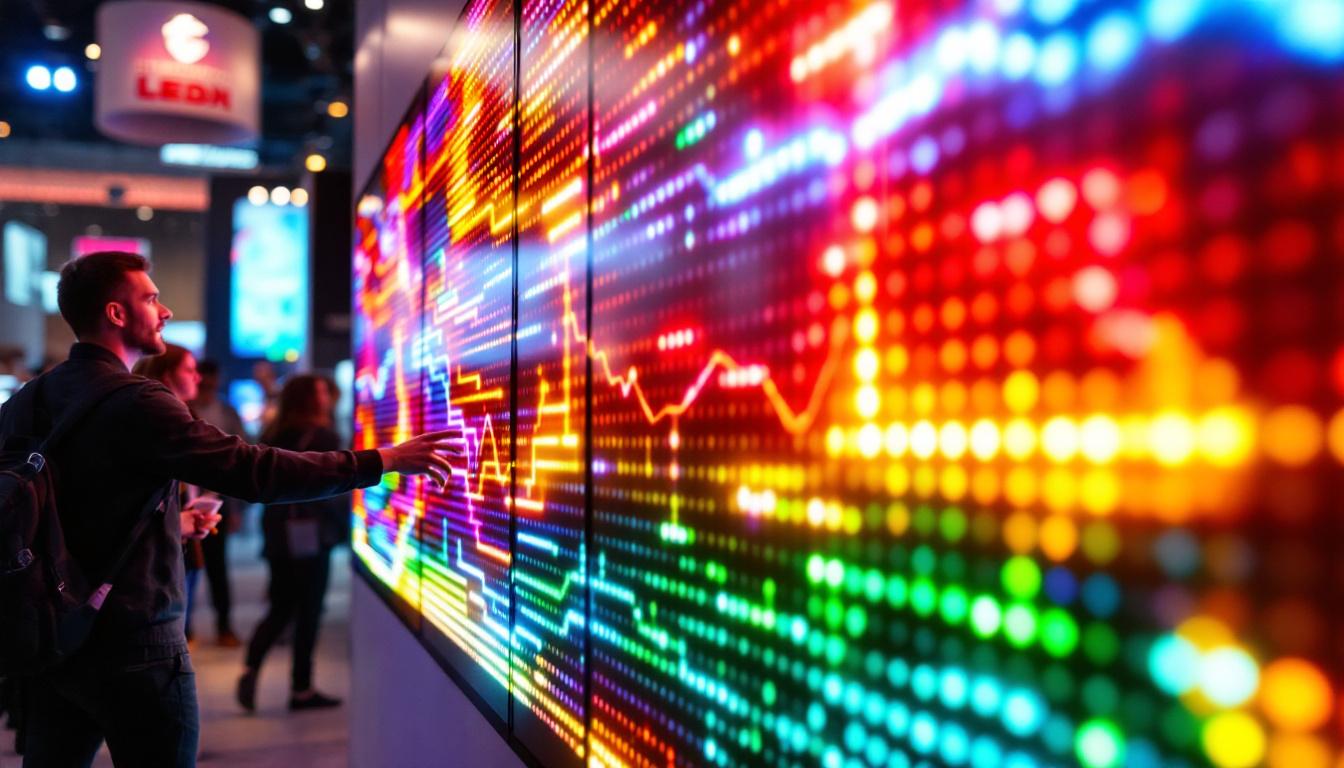
Interactive LED displays are gaining traction, allowing users to engage directly with content through touch or gesture controls. This trend is particularly relevant for trade shows, education, and retail environments.
Integration with Augmented Reality (AR) and Virtual Reality (VR)
Combining LED displays with AR and VR technologies can create immersive experiences that captivate audiences. This integration is expected to grow in entertainment, marketing, and training sectors.
Conclusion
LED displays represent a transformative leap in visual presentation technology, offering unparalleled brightness, image quality, and flexibility. For those seeking to rent projectors or display solutions, LED displays provide a compelling alternative to traditional projection systems, especially for dynamic, high-impact events.
By understanding the technology, comparing options, and considering key factors such as pixel pitch, brightness, and support services, event planners and businesses can select the right LED display rental to elevate their presentations and captivate their audiences.
As LED technology continues to evolve, staying informed about the latest trends and innovations will ensure that rented displays remain at the forefront of visual communication excellence.
Discover LumenMatrix LED Display Solutions
Ready to transform your next event with the unparalleled brightness, quality, and flexibility of LED displays? LumenMatrix is at the forefront of LED display innovation, offering a diverse range of solutions tailored to your unique needs. From Indoor and Outdoor LED Walls to Custom and All-in-One LED Displays, our technology is designed to captivate your audience and amplify your message. Elevate your visual presentation and create unforgettable experiences with LumenMatrix. Check out LumenMatrix LED Display Solutions today and see the difference for yourself.