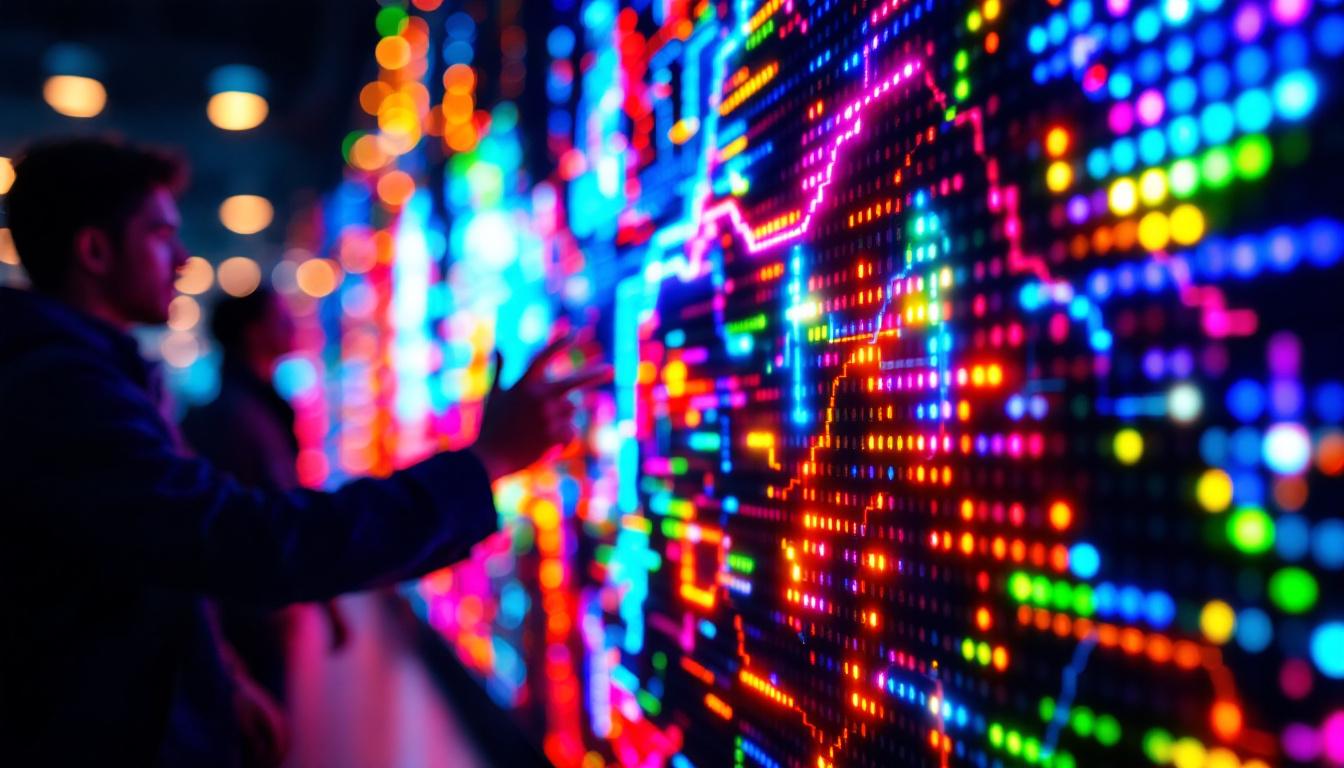
In the rapidly evolving world of digital signage and display technology, LED displays have emerged as a dominant force. From massive outdoor billboards to indoor retail screens, LED technology offers unparalleled brightness, flexibility, and energy efficiency. The term “Ln -Sf” may not be immediately familiar to many, but it represents a key concept in understanding the nuances of LED display systems. This article delves deeply into what Ln -Sf means, how LED displays function, and why this technology continues to transform visual communication across industries.
Understanding LED Display Technology
LED, or Light Emitting Diode, displays are composed of numerous tiny light sources that combine to create vibrant images and videos. Unlike traditional LCD or plasma screens, LED displays use individual diodes to emit light directly, resulting in higher brightness and better contrast ratios. This makes them especially suitable for environments with high ambient light, such as outdoor advertising or sports arenas.
At its core, an LED display consists of a matrix of pixels, each pixel made up of red, green, and blue LEDs. By adjusting the intensity of these LEDs, the display produces a full spectrum of colors. The precision and speed of this color mixing are what enable LED displays to deliver crisp, dynamic visuals with remarkable clarity.
The Evolution of LED Displays
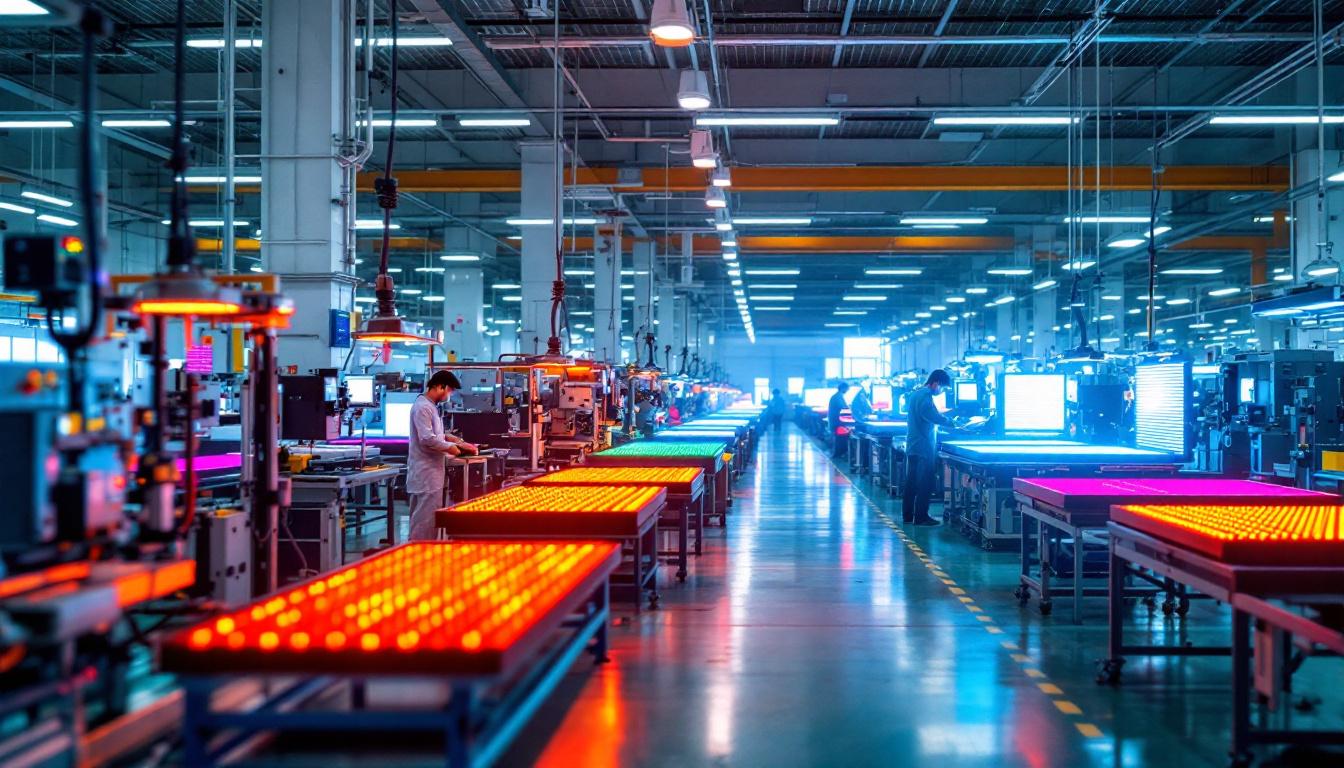
Since their inception, LED displays have undergone significant advancements. Early iterations were bulky and limited in resolution, but innovations in miniaturization and manufacturing have led to ultra-fine pitch LEDs capable of delivering 4K and even 8K resolutions. The pixel pitch, which refers to the distance between the centers of two adjacent pixels, has decreased dramatically, allowing for closer viewing distances without loss of image quality.
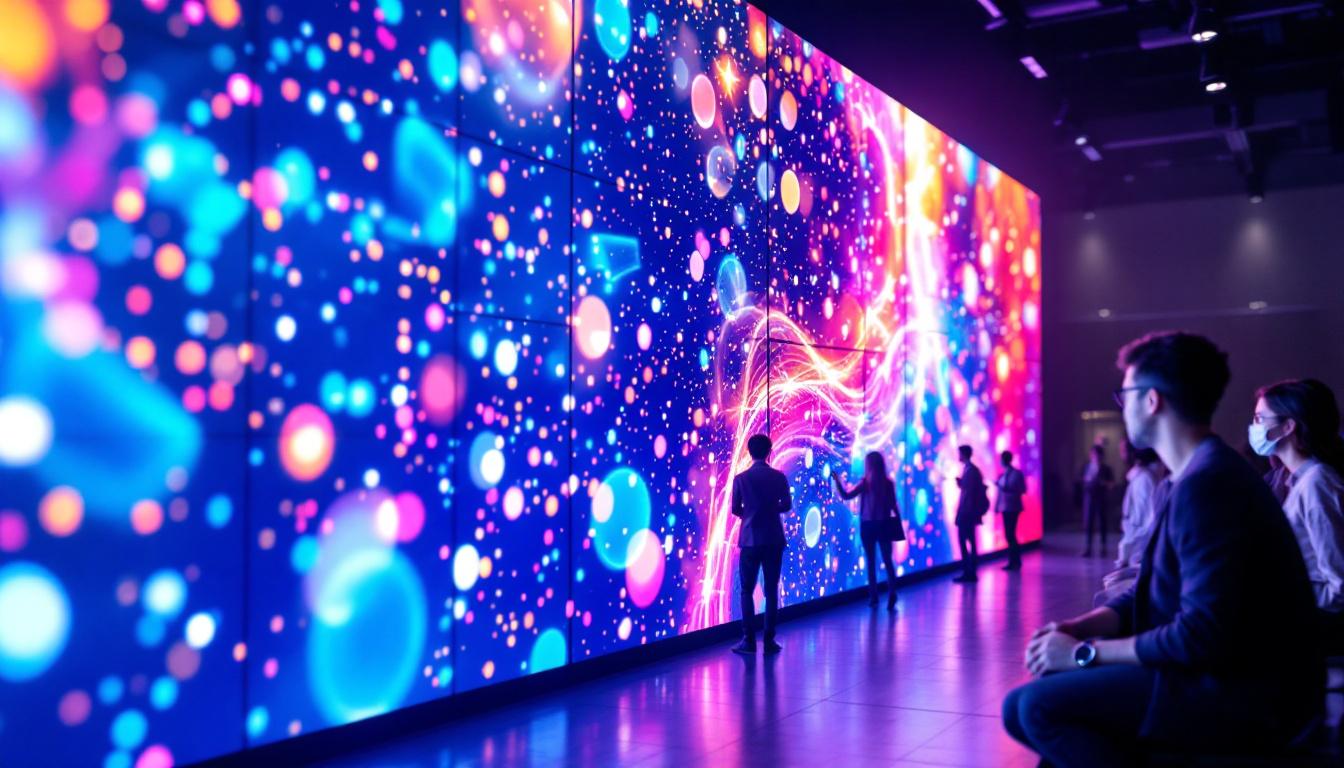
Moreover, the introduction of flexible and transparent LED panels has expanded the applications of this technology, enabling creative installations in architecture, retail, and entertainment. These advancements have made LED displays more versatile and accessible than ever before.
Decoding Ln -Sf: What Does It Mean?
The term “Ln -Sf” is often encountered in technical specifications and industry discussions related to LED displays. It is a shorthand notation that can be broken down into two components: “Ln” and “Sf.” Understanding each part is essential to grasping the full meaning.
“Ln” – The Logarithmic Luminance Scale
In display technology, luminance refers to the intensity of light emitted from a surface per unit area, measured in candelas per square meter (cd/m²). The “Ln” in the term represents the natural logarithm (log base e) of the luminance value. Using a logarithmic scale to express luminance is common because human vision perceives brightness logarithmically rather than linearly. This means that a tenfold increase in luminance does not appear ten times brighter to the human eye but rather increases in perceived brightness in a more gradual manner.
By expressing luminance as Ln, engineers and designers can better model and optimize display brightness to match human visual perception, ensuring images look natural and comfortable to view under various lighting conditions.
“Sf” – The Scaling Factor
The “Sf” component stands for the scaling factor, which is used to adjust or normalize luminance values within a given context. In LED displays, the scaling factor can be applied to calibrate the brightness output to specific standards or environmental requirements. For example, an LED screen installed in a sunny outdoor location might have a higher scaling factor to boost luminance and maintain visibility, whereas an indoor display might use a lower scaling factor to reduce eye strain and conserve energy.
Combining the logarithmic luminance (Ln) with the scaling factor (Sf) provides a practical framework for managing LED display brightness dynamically and efficiently.
Why Ln -Sf Matters in LED Display Performance
Understanding and applying the Ln -Sf concept is crucial for several reasons. It directly impacts the quality, efficiency, and user experience of LED displays across various applications.
Optimizing Visual Comfort and Image Quality
Human eyes are sensitive to brightness changes and can quickly become fatigued if exposed to overly bright or poorly calibrated displays. By leveraging the Ln -Sf model, manufacturers can calibrate LED displays to emit luminance levels that align with human perception, ensuring images are vivid yet comfortable to view.
This calibration is especially important in environments where viewers spend extended periods looking at screens, such as control rooms, retail stores, and public information kiosks. Proper luminance scaling reduces glare and enhances contrast, making content easier to read and more engaging.
Energy Efficiency and Longevity
LED displays are inherently energy-efficient compared to other display technologies, but managing luminance through the Ln -Sf approach can further optimize power consumption. By scaling brightness appropriately, displays avoid unnecessary energy use while maintaining visibility. This not only reduces operational costs but also extends the lifespan of the LEDs, as excessive brightness can accelerate wear and degrade components over time.
Adaptability to Environmental Conditions
Outdoor LED displays face a wide range of lighting conditions, from bright sunlight to nighttime darkness. The Ln -Sf framework allows for dynamic brightness adjustment, enabling displays to automatically increase luminance during the day and dim at night. This adaptability enhances visibility and reduces light pollution, aligning with environmental and regulatory standards.
Applications of Ln -Sf in Real-World LED Displays
The practical application of Ln -Sf principles can be observed across various industries and use cases, highlighting the versatility and importance of this concept.
Outdoor Advertising and Digital Billboards
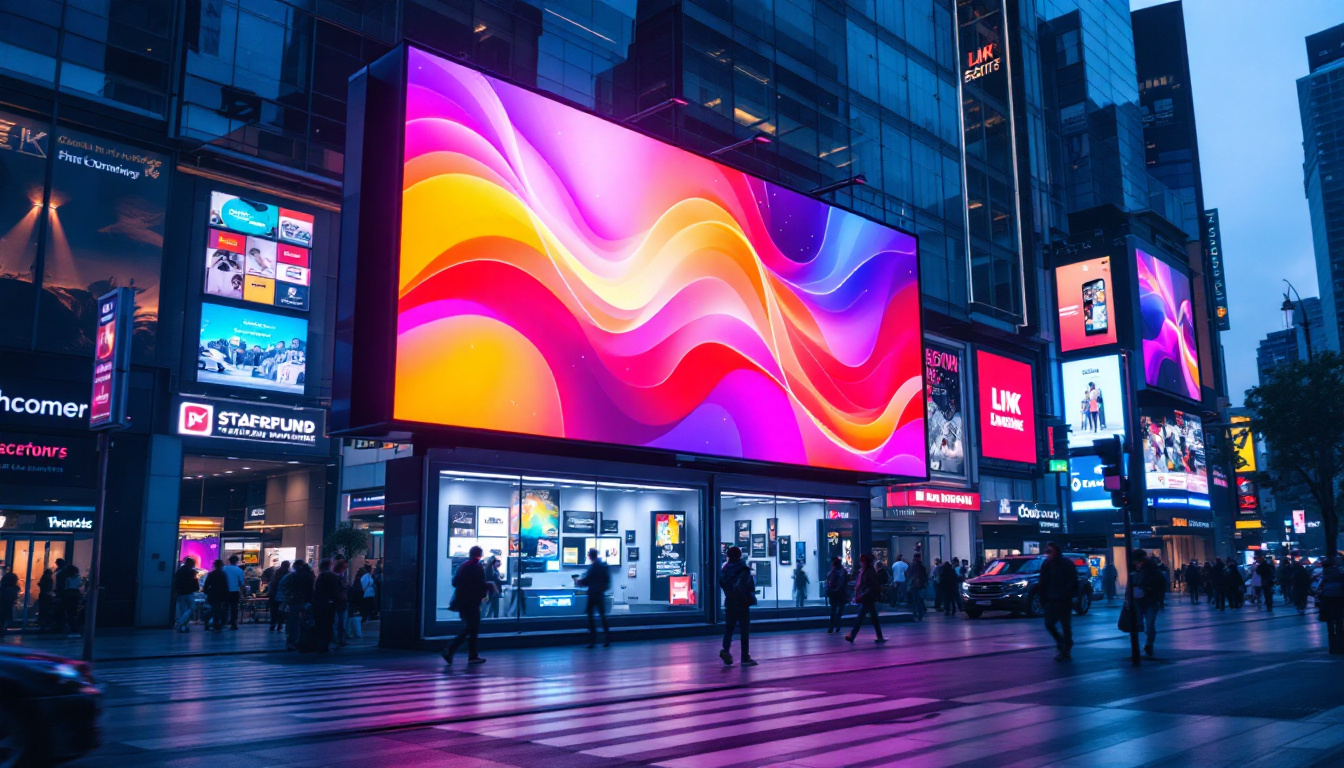
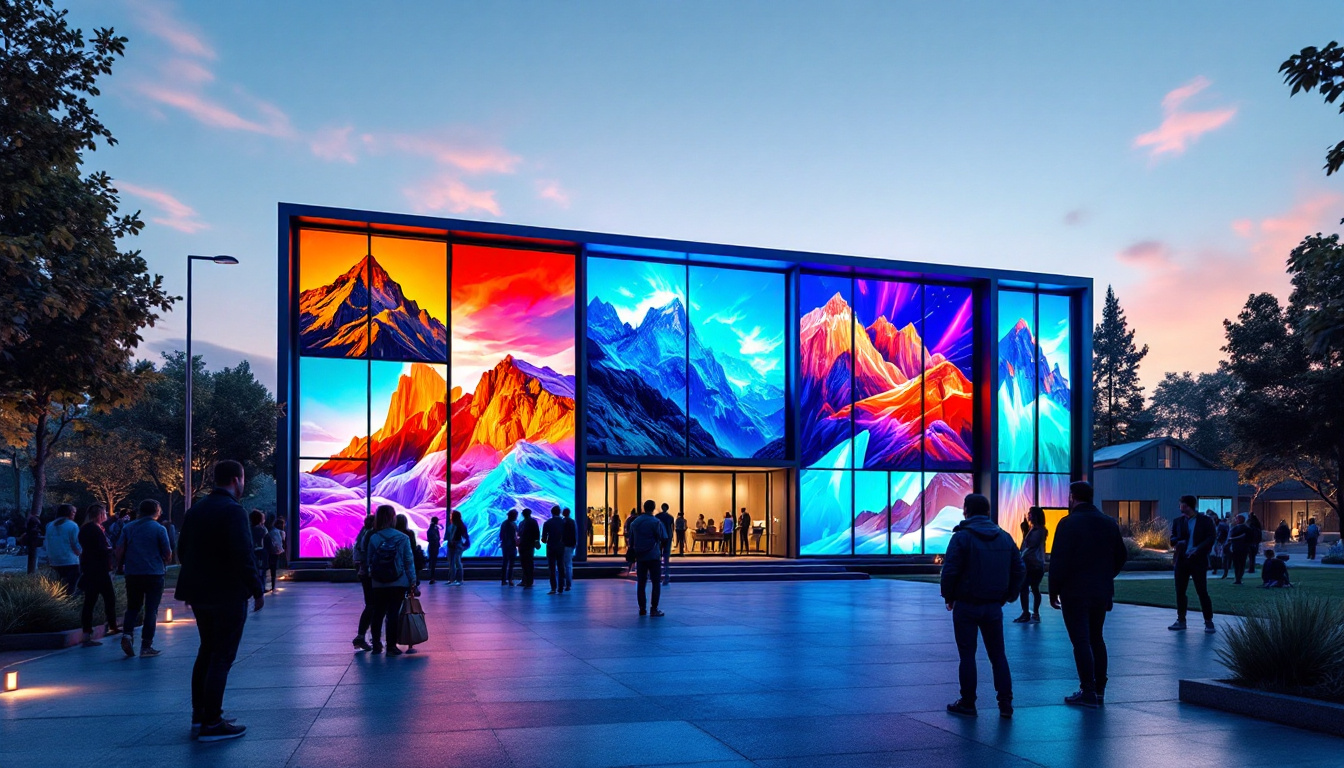
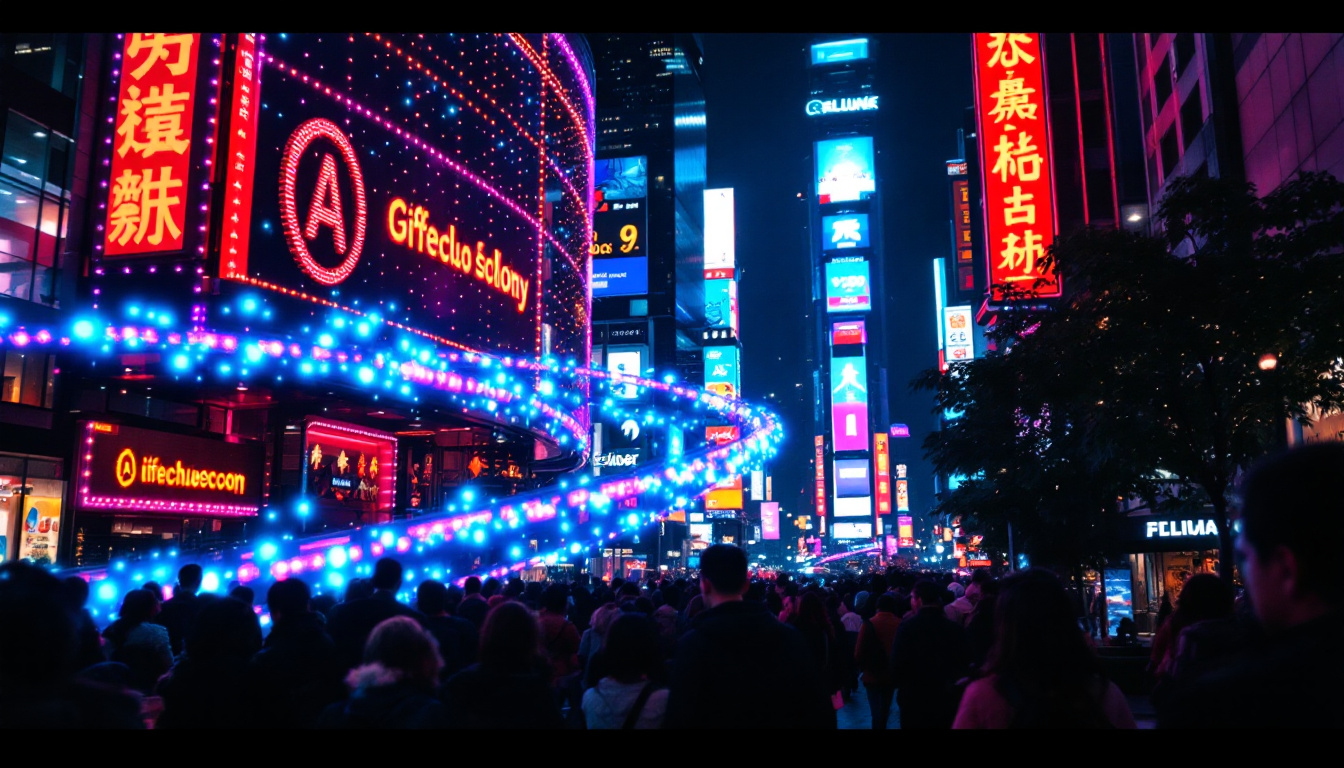
Digital billboards are among the most visible examples of LED display technology. These massive screens must maintain high brightness levels to compete with sunlight and attract attention. By applying the Ln -Sf model, advertisers ensure their content remains clear and vibrant without causing excessive glare or energy waste.
For instance, a billboard in Times Square may operate with a high scaling factor during the day, boosting luminance to over 5,000 cd/m², then reduce brightness at night to comply with local regulations and minimize disturbance to nearby residents.
Sports Arenas and Event Venues
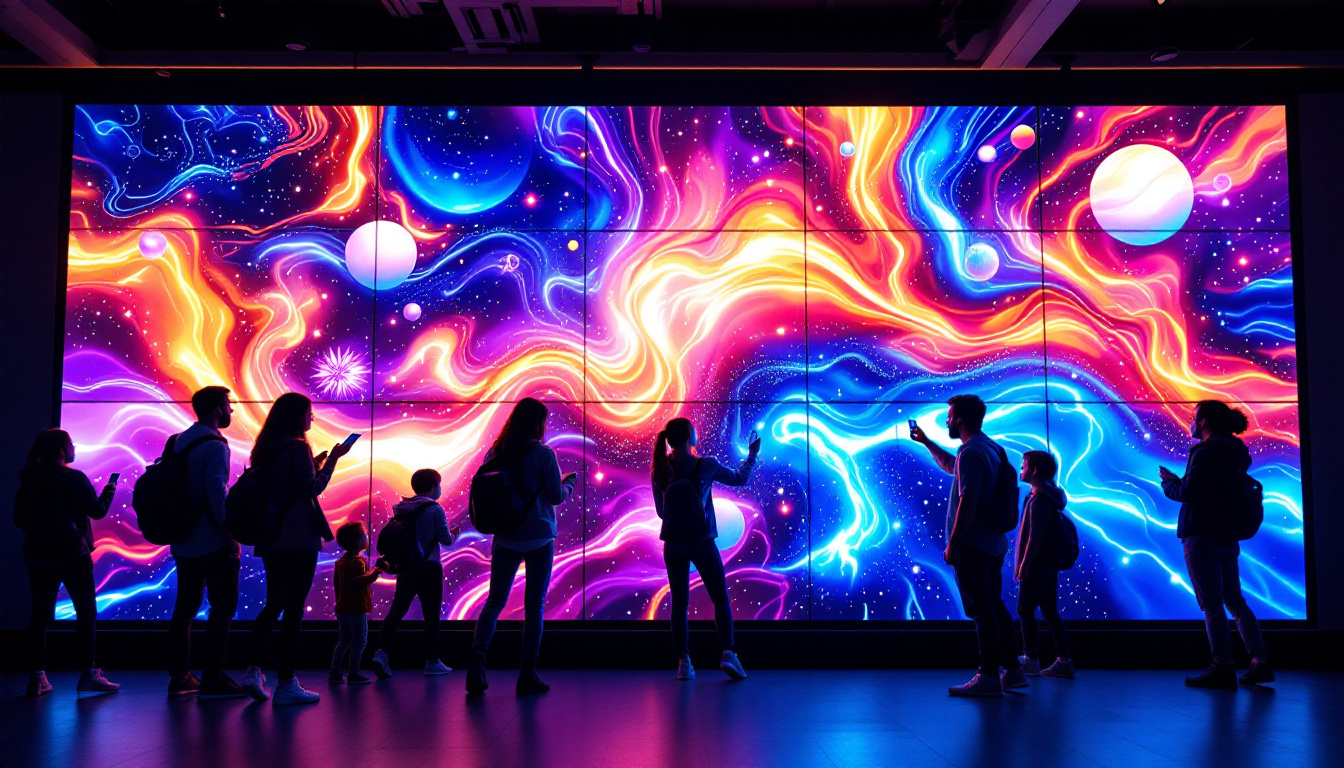
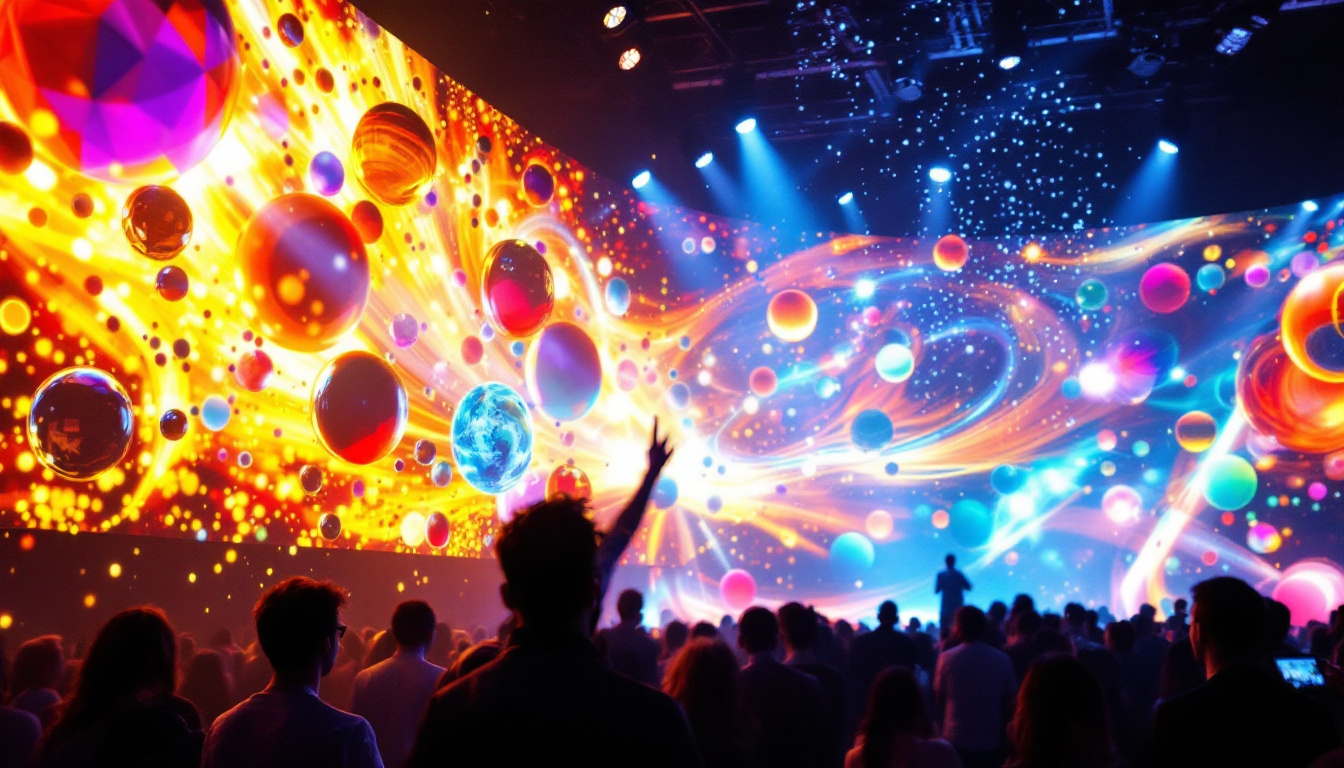
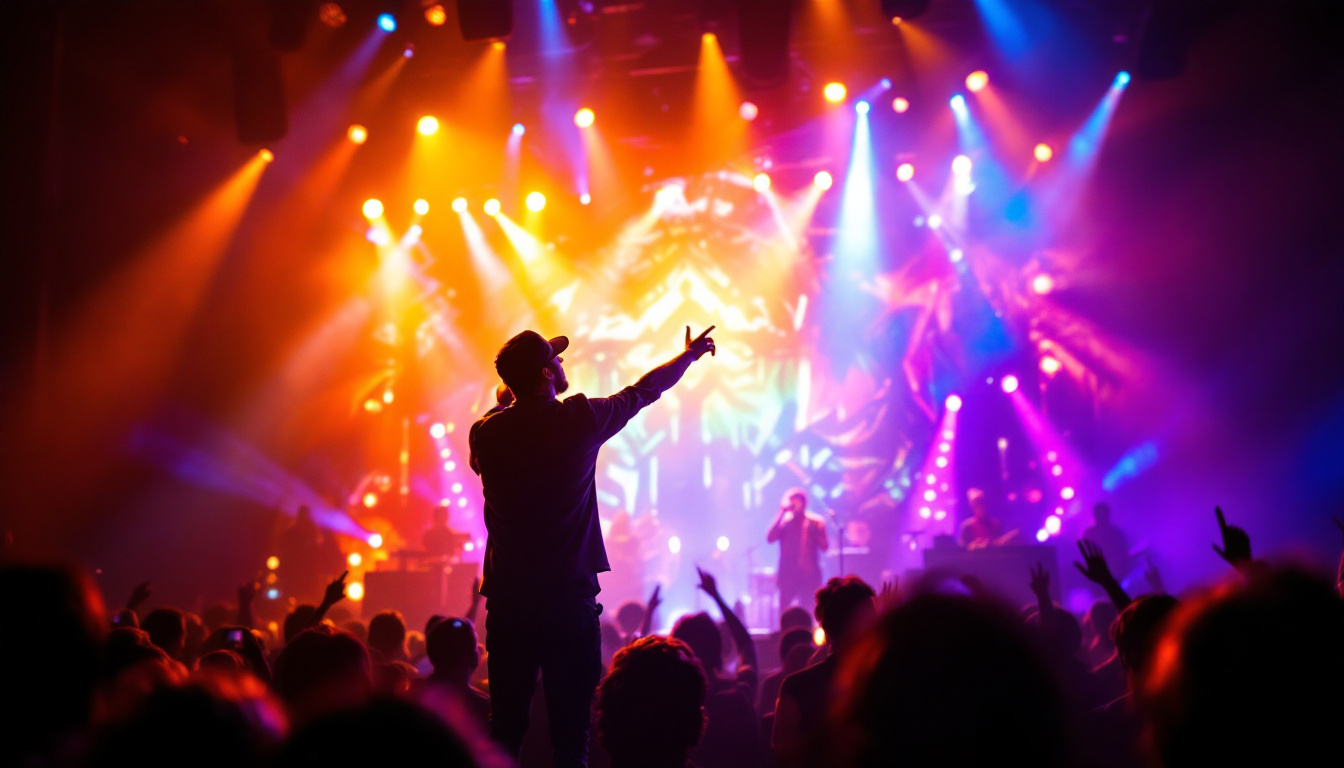
In stadiums and concert halls, LED displays serve multiple purposes: scoreboards, advertising, and immersive fan experiences. These environments require displays that can adapt to changing lighting conditions, from bright daylight games to nighttime events. The Ln -Sf approach enables seamless transitions in brightness, enhancing visibility and audience engagement.
Retail and Corporate Environments
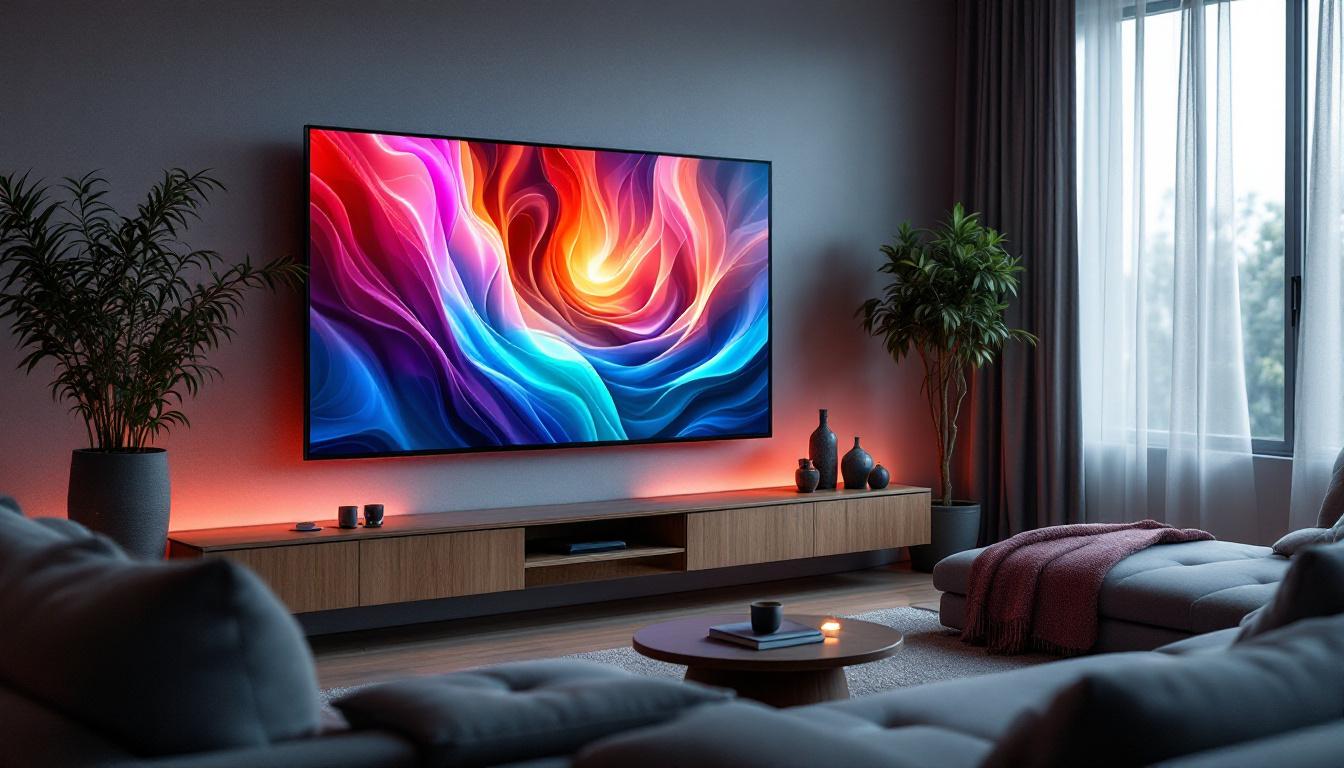
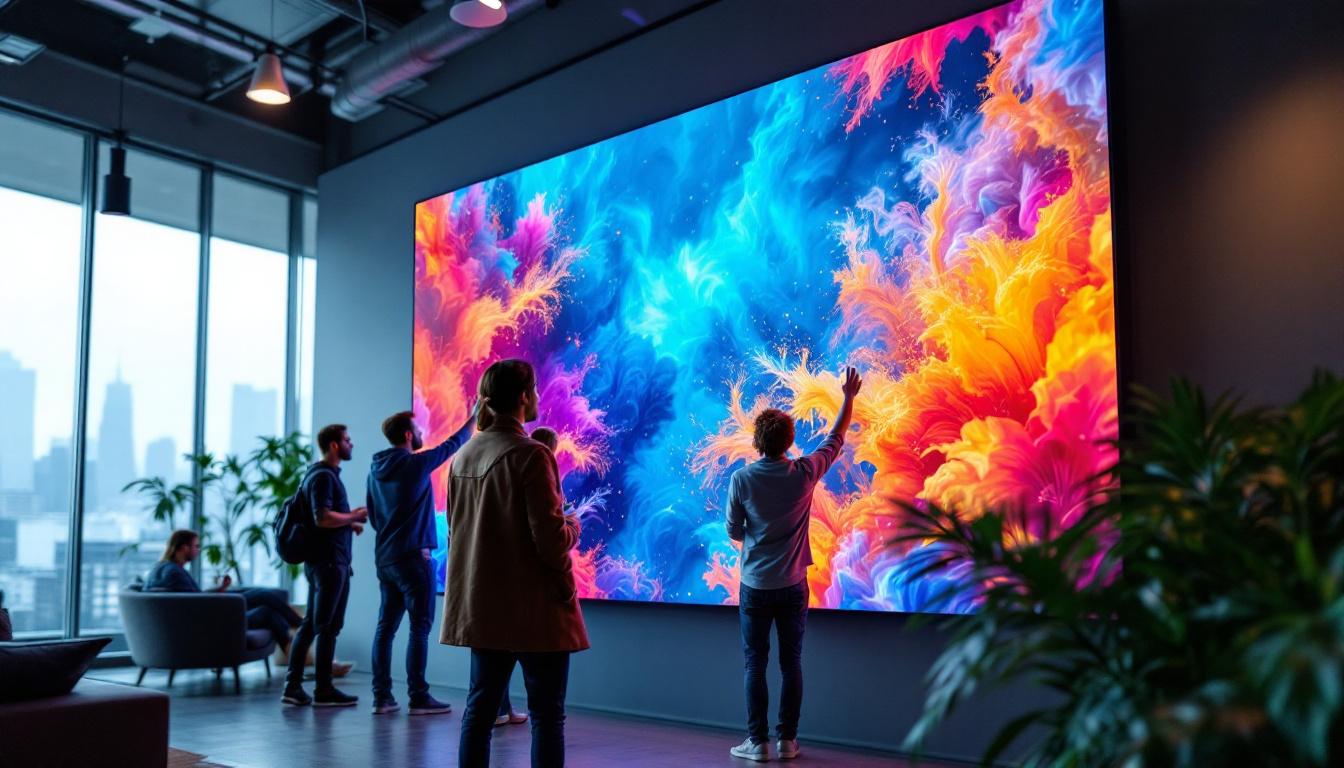
Indoor LED displays in retail stores and corporate offices benefit from luminance scaling to create inviting atmospheres and highlight products or information without overwhelming customers or employees. By calibrating brightness using Ln -Sf principles, businesses can improve brand perception and communication effectiveness.
Technical Considerations for Implementing Ln -Sf in LED Displays
While the concept of Ln -Sf is straightforward, its implementation requires careful technical planning and sophisticated hardware and software integration.
Sensor Integration for Ambient Light Detection
To dynamically adjust luminance based on Ln -Sf, LED displays often incorporate ambient light sensors. These sensors measure environmental brightness and feed data to the display’s control system, which calculates the appropriate luminance level using the logarithmic scale and scaling factor.
Accurate sensor calibration is essential to avoid abrupt brightness changes that could disrupt viewer experience. Advanced algorithms smooth transitions and account for rapid fluctuations in ambient light.
Calibration and Color Management
Maintaining color accuracy while adjusting brightness is a technical challenge. Increasing luminance without distorting colors requires precise calibration of the red, green, and blue LEDs. Color management systems work in tandem with Ln -Sf calculations to ensure that images remain true to their intended appearance across different brightness levels.
Software Algorithms and Control Systems
Modern LED displays rely on sophisticated software to implement Ln -Sf adjustments in real-time. These control systems integrate sensor inputs, user preferences, and environmental data to optimize luminance dynamically. Machine learning techniques are increasingly being explored to predict lighting conditions and preemptively adjust display settings for an even smoother experience.
The Future of Ln -Sf and LED Display Technology
As LED technology continues to advance, the role of luminance management through concepts like Ln -Sf will become even more critical. Emerging trends point toward more intelligent, adaptive displays that seamlessly integrate with their surroundings.
Integration with Smart City Infrastructure
In smart cities, LED displays will be connected to broader networks that monitor environmental conditions, traffic, and public safety. Ln -Sf-based luminance control will enable displays to adjust brightness contextually, contributing to energy savings and reducing light pollution.
Enhanced User Interaction and Personalization
Future LED displays may incorporate user proximity sensors and biometric data to tailor luminance and content dynamically. For example, a retail display could increase brightness and contrast as a customer approaches, enhancing engagement while conserving energy when no one is nearby.
Sustainability and Environmental Impact
With growing emphasis on sustainability, optimizing LED display brightness using Ln -Sf principles supports greener operations. Reduced energy consumption lowers carbon footprints, and intelligent luminance control helps meet increasingly stringent environmental regulations worldwide.
Conclusion
The Ln -Sf concept encapsulates a sophisticated yet practical approach to managing LED display luminance, balancing human visual perception with technical and environmental considerations. By understanding and applying the natural logarithm of luminance combined with a scaling factor, manufacturers and operators can optimize display performance, enhance viewer comfort, and promote energy efficiency.
As LED displays become more ubiquitous and technologically advanced, mastering luminance control through Ln -Sf will be essential for delivering high-quality visual experiences across diverse applications. Whether in advertising, entertainment, retail, or urban infrastructure, this approach ensures that LED displays remain bright, beautiful, and sustainable in an ever-changing world.
Illuminate Your Space with LumenMatrix
Ready to bring the advanced concepts of Ln -Sf into your visual projects? LumenMatrix is at the forefront of LED display innovation, offering a comprehensive range of solutions tailored to your needs. From vibrant Indoor LED Walls to dynamic Outdoor LED Displays and beyond, our technology is designed to captivate and engage. Experience the difference in visual communication with our cutting-edge LED display modules. Check out LumenMatrix LED Display Solutions today and transform your space into a beacon of brilliance.