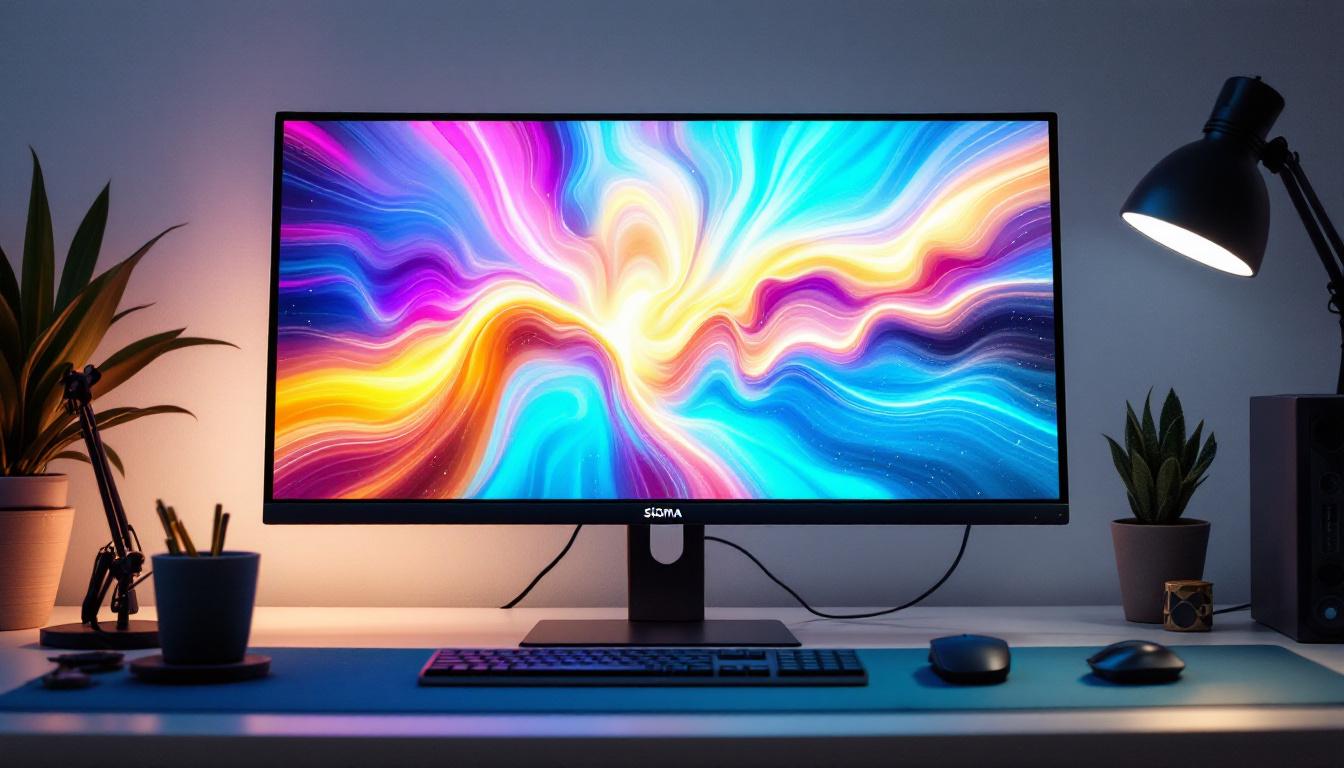
In today’s digital age, screen monitors have become an essential part of everyday life, from workstations and gaming setups to home entertainment systems. Among the various types of display technologies available, LED displays have gained significant popularity due to their superior image quality, energy efficiency, and versatility. This article aims to provide a comprehensive explanation of LED screen monitors, exploring how they work, their advantages and disadvantages, and why they remain a preferred choice for many users worldwide.
Understanding LED Display Technology
LED, which stands for Light Emitting Diode, is a technology that uses tiny semiconductor devices to emit light when an electric current passes through them. Unlike traditional LCD (Liquid Crystal Display) monitors that rely on fluorescent backlights, LED displays use LEDs as their light source, which can be arranged in different configurations depending on the type of display. This fundamental shift in technology has revolutionized the way we experience visual media, making it more vibrant and engaging than ever before.
How LED Monitors Work
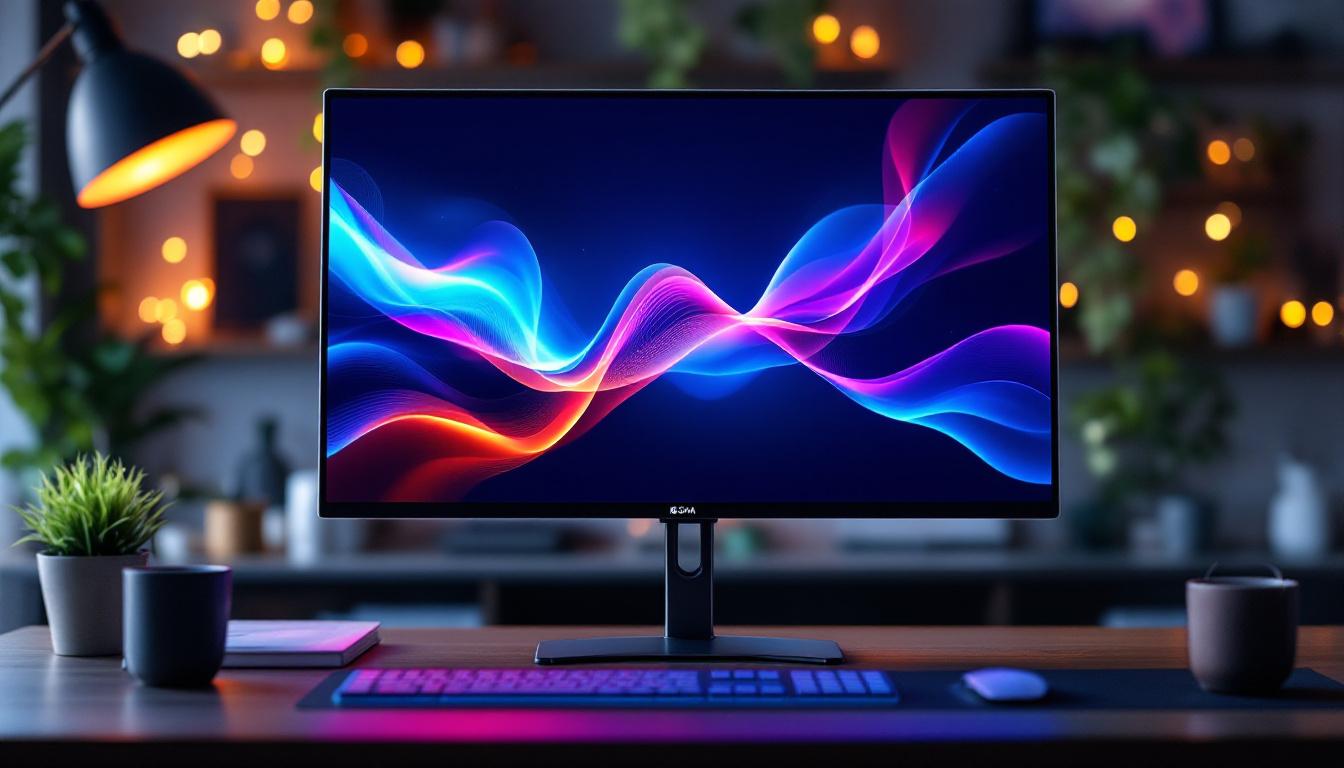
At the core, an LED monitor is essentially an LCD panel illuminated by LEDs. The LCD panel itself doesn’t emit light but manipulates light to create images. The LEDs serve as the backlight, shining through the liquid crystals to produce the colors and images you see on the screen. This combination allows LED monitors to offer brighter displays, better contrast, and more vibrant colors compared to traditional LCD monitors with CCFL (cold cathode fluorescent lamp) backlighting. Furthermore, the efficiency of LED technology not only enhances visual performance but also contributes to lower energy consumption, making it an environmentally friendly choice for consumers.
There are two main types of LED backlighting used in monitors: edge-lit and full-array. Edge-lit LED monitors place LEDs along the edges of the screen, which then distribute light across the display using light guides. Full-array LED monitors have LEDs distributed evenly behind the entire screen, allowing for more precise control of brightness and contrast. This means that full-array displays can achieve deeper blacks and more dynamic range, making them ideal for high-definition content and gaming. The advancements in LED technology have led to a more immersive viewing experience, where every detail is brought to life with stunning clarity.
Types of LED Displays
Beyond the backlighting methods, LED technology also encompasses several types of displays, including:
- Standard LED-backlit LCDs: These are the most common and use LEDs as a backlight source for an LCD panel.
- Mini-LED: A newer technology that uses thousands of tiny LEDs for backlighting, enabling even finer local dimming and improved contrast ratios.
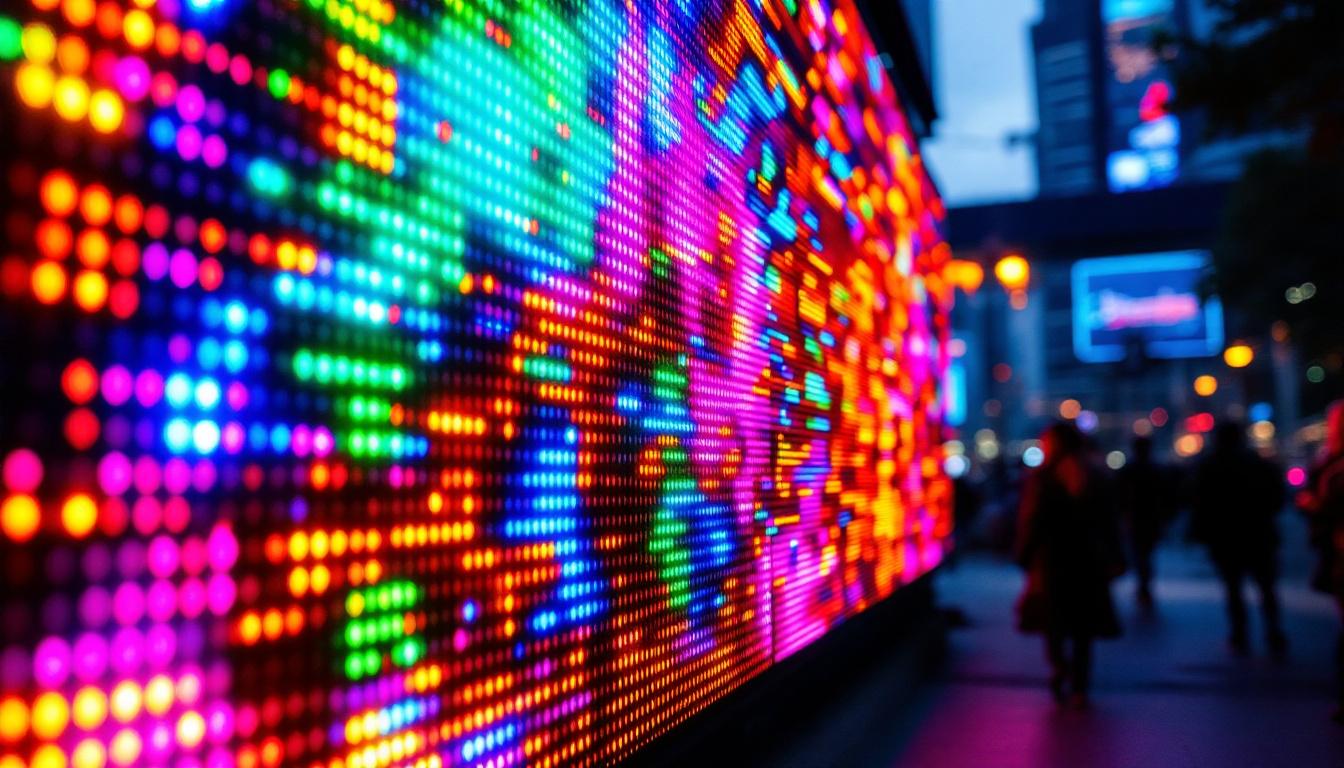
- Micro-LED: An emerging display technology where each pixel is an individual LED, offering exceptional brightness, contrast, and energy efficiency without the need for a separate backlight.
- OLED (Organic LED): Though technically different from traditional LED displays, OLEDs use organic compounds that emit light when electrically stimulated, allowing for self-emissive pixels and superior image quality.
Each type of LED display has its unique advantages and applications. For instance, Mini-LED technology is particularly beneficial for high-end televisions and monitors, as it allows for localized dimming zones that enhance the viewing experience in dark scenes. Micro-LED displays, although still in their infancy, promise to revolutionize the market with their potential for ultra-thin designs and flexible configurations, paving the way for innovative applications in both consumer electronics and professional displays. Meanwhile, OLED technology continues to gain traction in the premium segment, favored for its ability to produce true blacks and vibrant colors, making it a top choice for filmmakers and graphic designers who demand the highest fidelity in their visual presentations.
Advantages of LED Screen Monitors
LED monitors have become the go-to choice for many users due to their numerous benefits over older display technologies. Understanding these advantages can help consumers make informed decisions when selecting a monitor.
Superior Image Quality
One of the most significant advantages of LED monitors is their ability to produce vibrant colors and sharp images. Thanks to the precise control of LED backlighting, these monitors deliver higher contrast ratios, deeper blacks, and brighter whites. This results in a more immersive viewing experience whether you are watching movies, editing photos, or gaming.
Recent advancements such as Mini-LED technology have further enhanced image quality by enabling thousands of dimming zones, which reduce light bleed and improve HDR (High Dynamic Range) performance. This is particularly beneficial for professional users who require accurate color representation, such as graphic designers and video editors.
Energy Efficiency and Longevity
LED monitors consume significantly less power compared to older CCFL-backlit LCDs. This energy efficiency not only reduces electricity bills but also contributes to environmental sustainability. According to the U.S. Department of Energy, LED backlighting can reduce energy consumption by up to 40% compared to traditional fluorescent backlighting.
Moreover, LEDs have a longer lifespan, often exceeding 50,000 hours of use, which means users can expect their monitors to last for many years without significant degradation in brightness or color accuracy.
Slim and Lightweight Designs
The compact size of LEDs allows manufacturers to design thinner and lighter monitors. This is particularly advantageous for users with limited desk space or those who require portable displays. Slim profiles also contribute to modern aesthetics, making LED monitors a popular choice for stylish office setups and minimalist home environments.
Applications of LED Screen Monitors
LED screen monitors are versatile and cater to a wide range of applications. Their adaptability and performance make them suitable for both everyday users and professionals.
Office and Productivity
In office environments, LED monitors are favored for their energy efficiency and eye-friendly features. Many models include blue light filters and flicker-free technologies to reduce eye strain during extended use. The sharp image quality also enhances productivity by making text and graphics clearer and easier to read.
Gaming
Gamers benefit greatly from LED monitors due to their fast response times, high refresh rates, and excellent color reproduction. Technologies such as NVIDIA G-SYNC and AMD FreeSync are often integrated with LED monitors to reduce screen tearing and provide smoother gameplay. The ability to display HDR content also adds realism and depth to gaming visuals.
Creative Work
For creative professionals, color accuracy is paramount. High-end LED monitors with wide color gamut support (such as Adobe RGB and DCI-P3) and factory calibration ensure that colors are represented faithfully. This precision is critical for photo editing, video production, and digital art.
Home Entertainment
LED monitors are increasingly used as secondary screens for streaming movies, video conferencing, and casual gaming. Their vibrant displays and slim designs make them ideal for living rooms and bedrooms, where space and aesthetics matter.
Considerations When Choosing an LED Monitor
While LED monitors offer many benefits, selecting the right one requires careful consideration of various factors to match individual needs and preferences.
Resolution and Screen Size
The resolution determines the clarity and detail of the images displayed. Common resolutions include Full HD (1920×1080), Quad HD (2560×1440), and 4K UHD (3840×2160). Higher resolutions provide sharper images but may require more powerful hardware to drive them effectively, especially for gaming or professional use.
Screen size is another important factor. Larger screens offer more workspace and immersive experiences but may not be suitable for small desks or close viewing distances.
Refresh Rate and Response Time
Refresh rate, measured in hertz (Hz), indicates how many times the screen updates per second. Higher refresh rates (120Hz, 144Hz, or even 240Hz) are beneficial for gaming and fast-paced video content, delivering smoother motion. Response time refers to how quickly a pixel can change color, with lower values (measured in milliseconds) reducing motion blur and ghosting effects.
Color Accuracy and Calibration
For users involved in color-critical tasks, choosing a monitor with high color accuracy and the ability to calibrate colors is essential. Look for monitors that cover wide color gamuts and come with factory calibration reports or support hardware calibration tools.
Connectivity Options
Modern LED monitors offer a variety of ports, including HDMI, DisplayPort, USB-C, and legacy connectors like VGA or DVI. USB-C ports are especially useful for connecting laptops and charging devices simultaneously, simplifying cable management.
Price and Brand Reputation
LED monitors vary widely in price depending on features, size, and brand. While budget models are suitable for general use, investing in a reputable brand with good customer support and warranty can ensure long-term satisfaction and reliability.
Future Trends in LED Display Technology
The display industry continues to evolve rapidly, with LED technology at the forefront of innovation. Several emerging trends promise to enhance the capabilities and applications of LED monitors in the coming years.
Mini-LED and Micro-LED Advancements
Mini-LED technology is becoming more mainstream, offering improved HDR performance and contrast through thousands of tiny LEDs used for backlighting. This technology bridges the gap between traditional LED and OLED displays by combining brightness and color accuracy with lower costs and longer lifespans.
Micro-LED, still in the early stages of commercialization, promises even greater improvements by using microscopic LEDs as individual pixels. This self-emissive technology could deliver OLED-level contrast and color without the risk of burn-in and with superior brightness.
Flexible and Transparent Displays
Research into flexible LED displays is progressing, enabling screens that can bend or fold without damage. This innovation could revolutionize portable devices and wearable technology. Transparent LED displays are also gaining traction for applications in retail, automotive heads-up displays, and augmented reality.
Integration with Smart Technologies
Future LED monitors are expected to integrate more seamlessly with smart home ecosystems, offering voice control, adaptive brightness based on ambient light, and AI-enhanced image processing. These features will enhance user convenience and viewing comfort.
Conclusion
LED screen monitors have transformed the way we interact with digital content by offering superior image quality, energy efficiency, and sleek designs. Whether for professional work, gaming, or everyday use, understanding the underlying technology and key features helps users select the best monitor for their needs. As LED technology continues to advance, it promises even more exciting possibilities, making it a smart investment for anyone looking to upgrade their display experience.
Explore Cutting-Edge LED Displays with LumenMatrix
Ready to elevate your visual experience with the latest in LED display technology? LumenMatrix is at the forefront of innovation, offering a wide array of LED display solutions tailored to meet your needs. From captivating Indoor and Outdoor LED Wall Displays to dynamic Vehicle and Sports LED Displays, and even customizable options like Floor and Transparent LED Displays, LumenMatrix has the perfect solution to enhance your brand’s visibility and audience engagement. Don’t miss the opportunity to transform your visual communication. Check out LumenMatrix LED Display Solutions today and step into the future of digital signage.