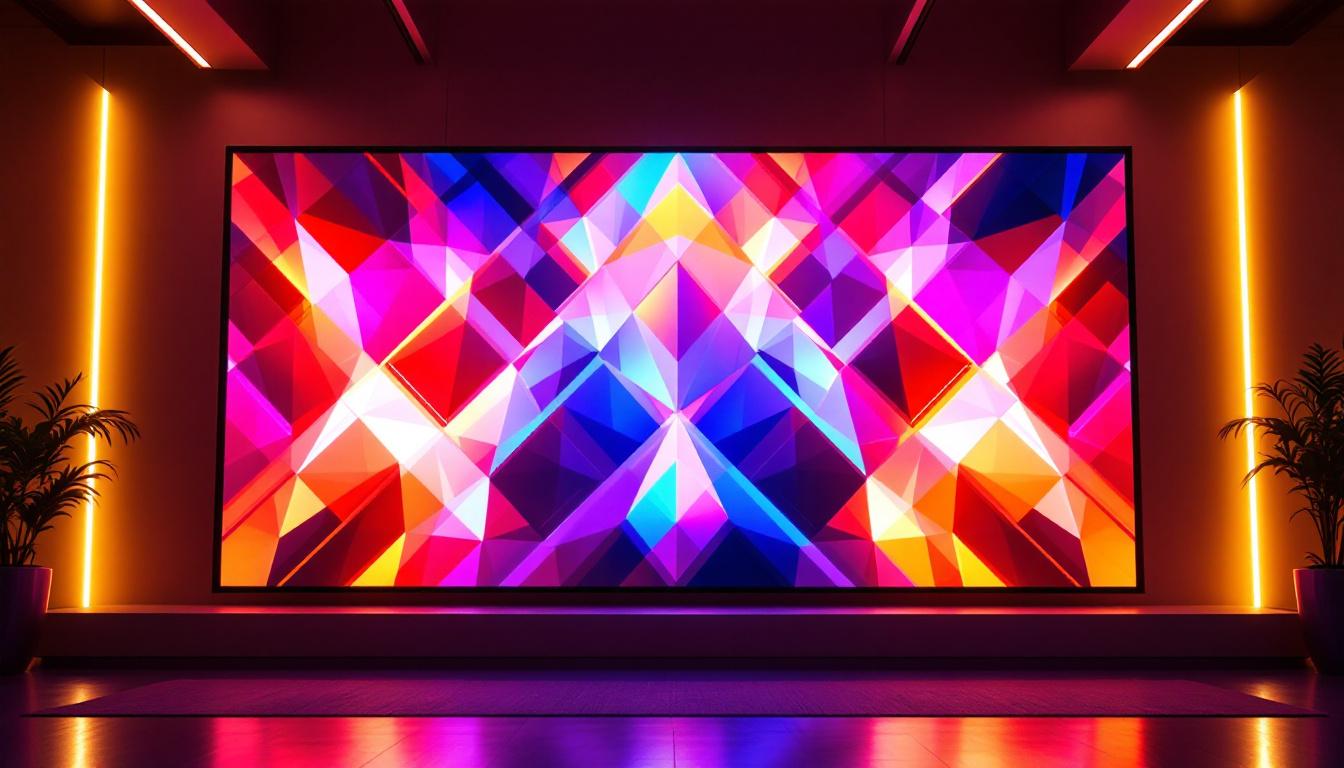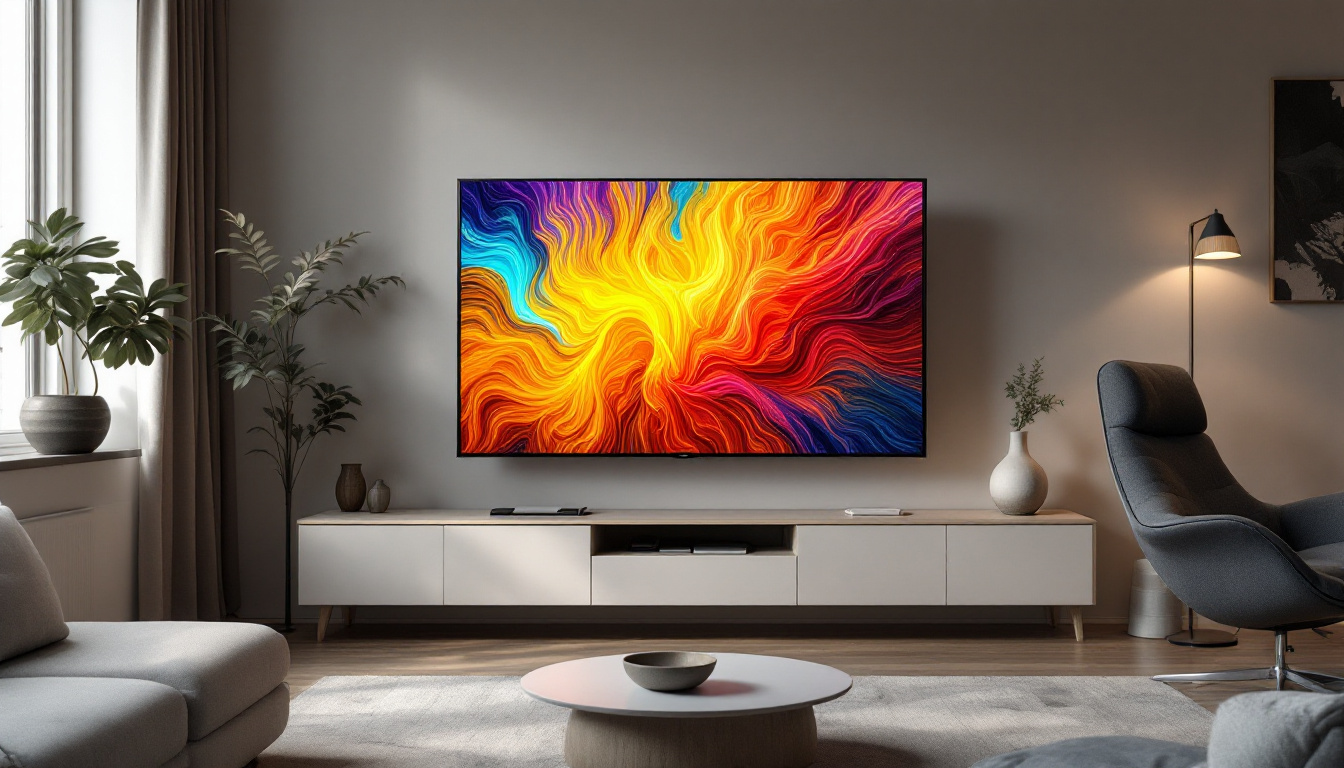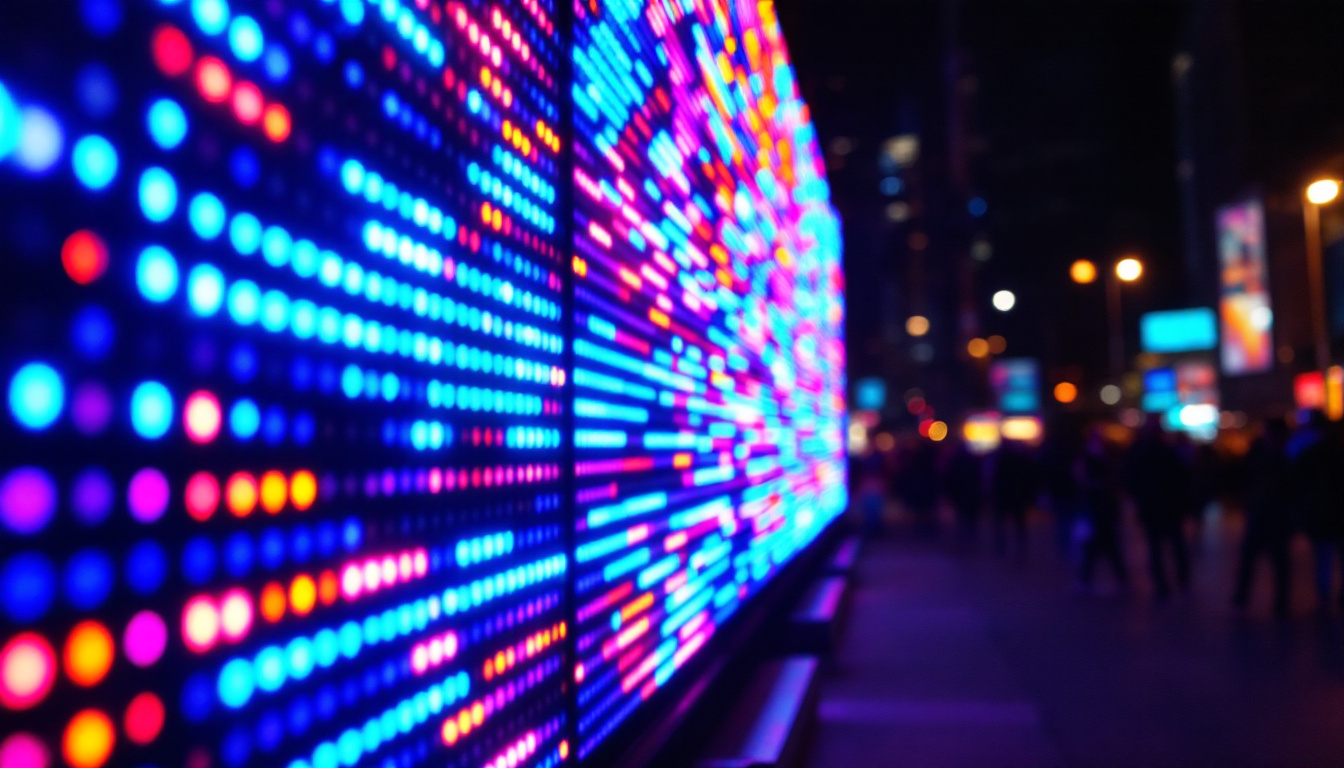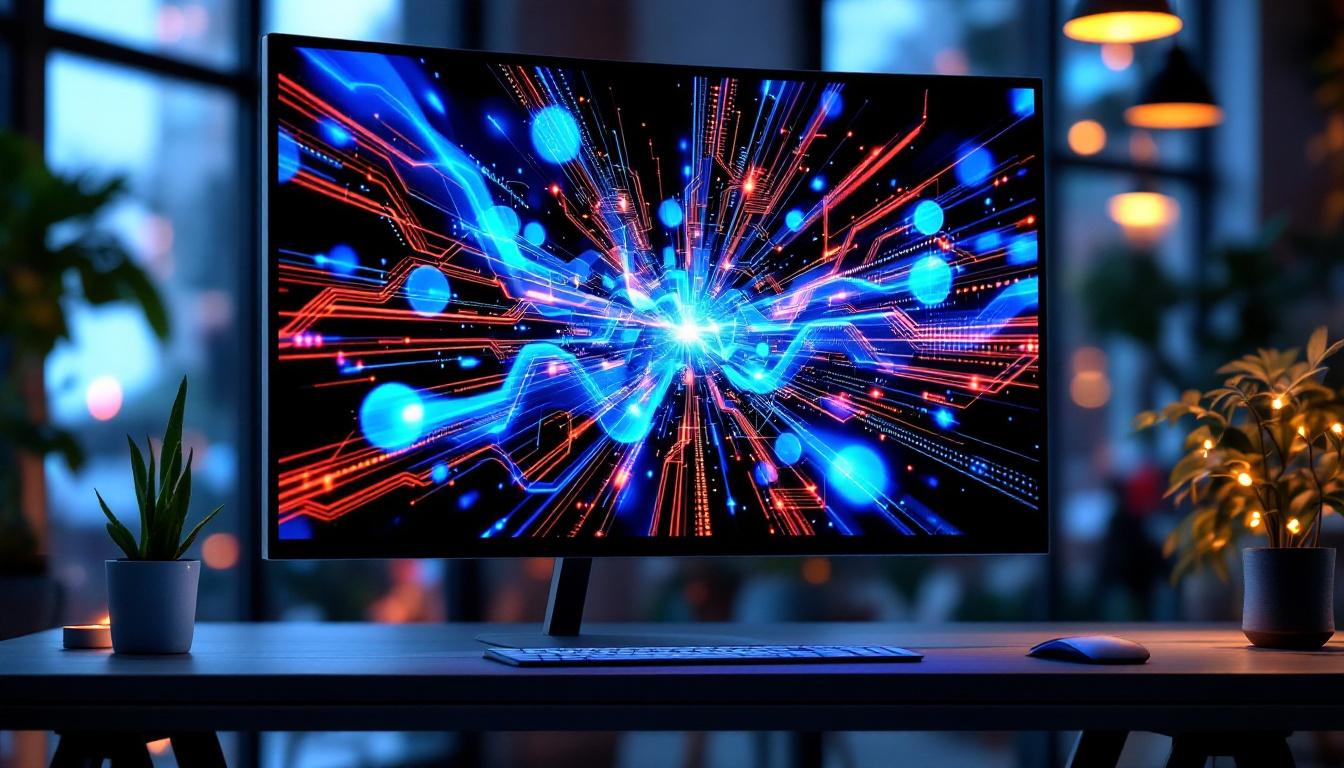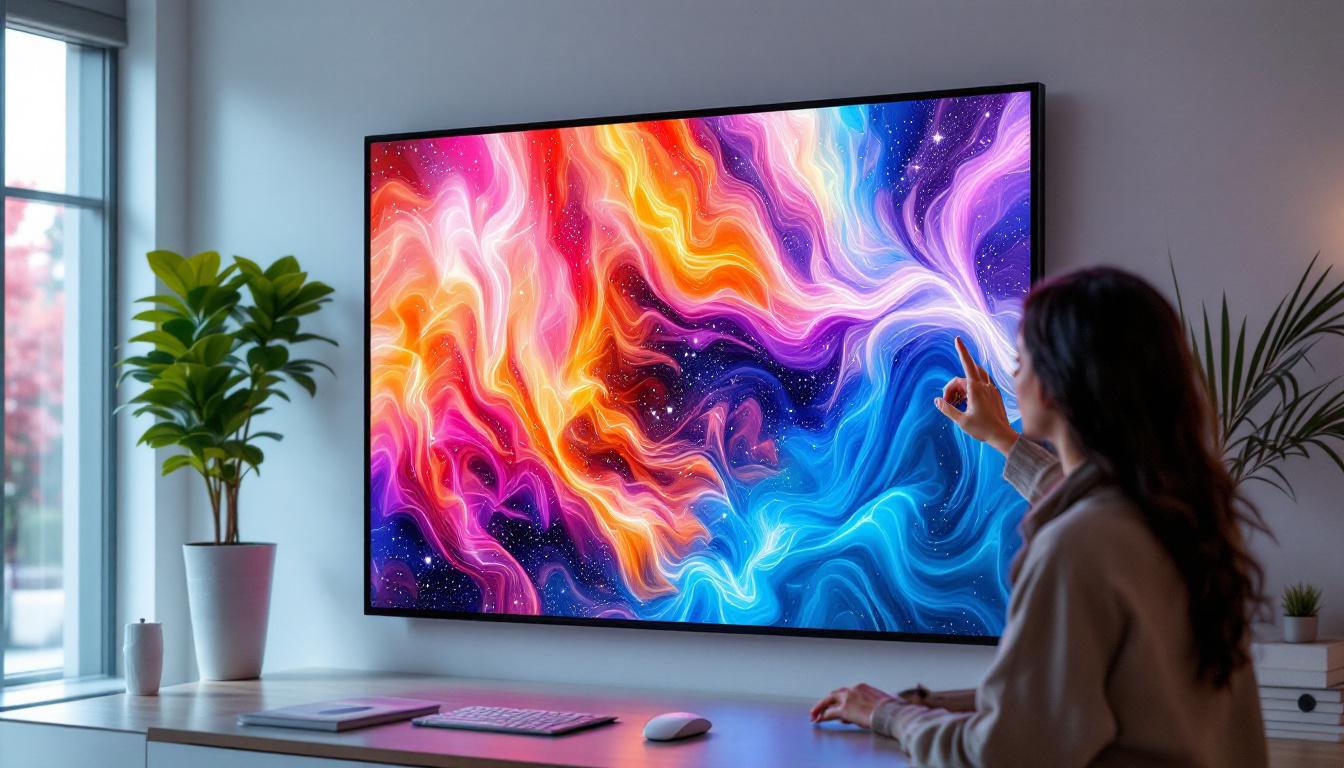
In the rapidly evolving world of digital signage and display technology, the slim board LED display has emerged as a game-changer. Offering a blend of sleek design, high performance, and versatility, slim board LED displays are increasingly favored across various industries—from retail and advertising to corporate environments and entertainment venues. This article delves into what slim board LED displays are, how they work, their benefits, and the key considerations when selecting one for your needs.
Understanding Slim Board LED Displays
What Is a Slim Board LED Display?
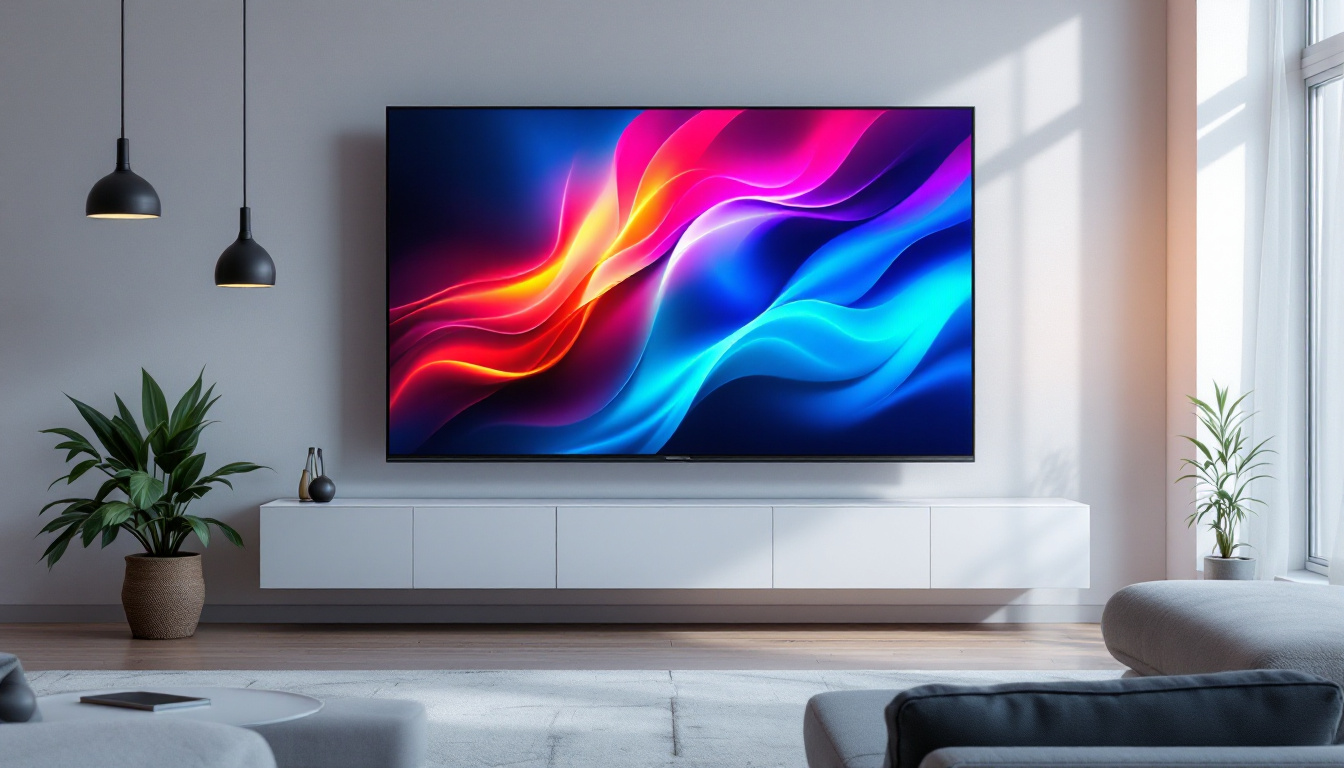
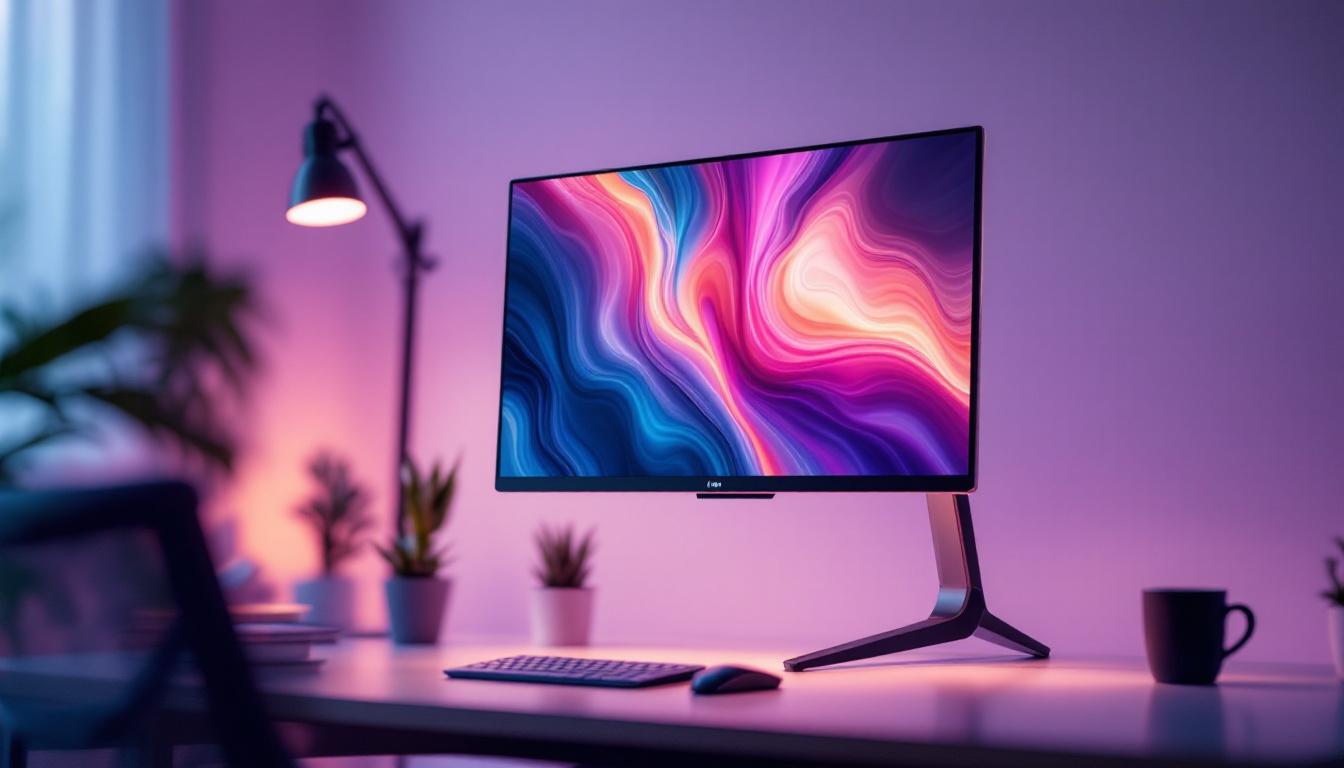
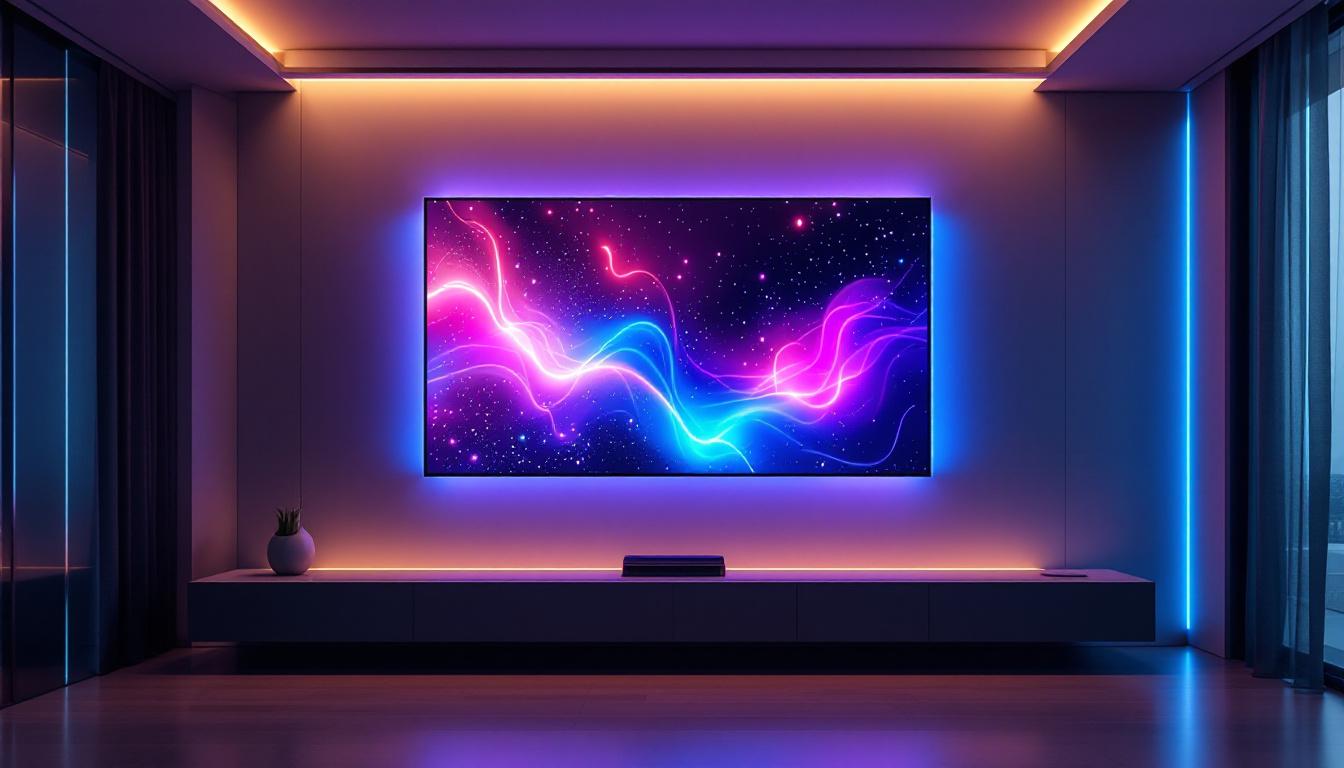
A slim board LED display is a type of digital screen that uses light-emitting diodes (LEDs) mounted on a thin, compact circuit board to create vivid, bright images. Unlike traditional bulkier LED panels, slim board displays are designed to be exceptionally thin and lightweight, making them ideal for applications where space and aesthetics are critical.
The term “slim board” refers to the physical design of the LED module, which typically features a streamlined profile without compromising on brightness or resolution. This innovation allows for seamless integration into modern architectural designs, digital billboards, and indoor or outdoor signage. The sleek design not only enhances the visual appeal but also opens up new possibilities for creative installations, such as curved displays that can wrap around structures or fit into unconventional spaces.
Moreover, the versatility of slim board LED displays extends beyond aesthetics; they are also energy-efficient. Many models utilize advanced power management technologies that minimize energy consumption while maximizing output. This efficiency is particularly beneficial for businesses looking to reduce operational costs and environmental impact, making slim board displays a sustainable choice for advertising and information dissemination.
How Do Slim Board LED Displays Work?
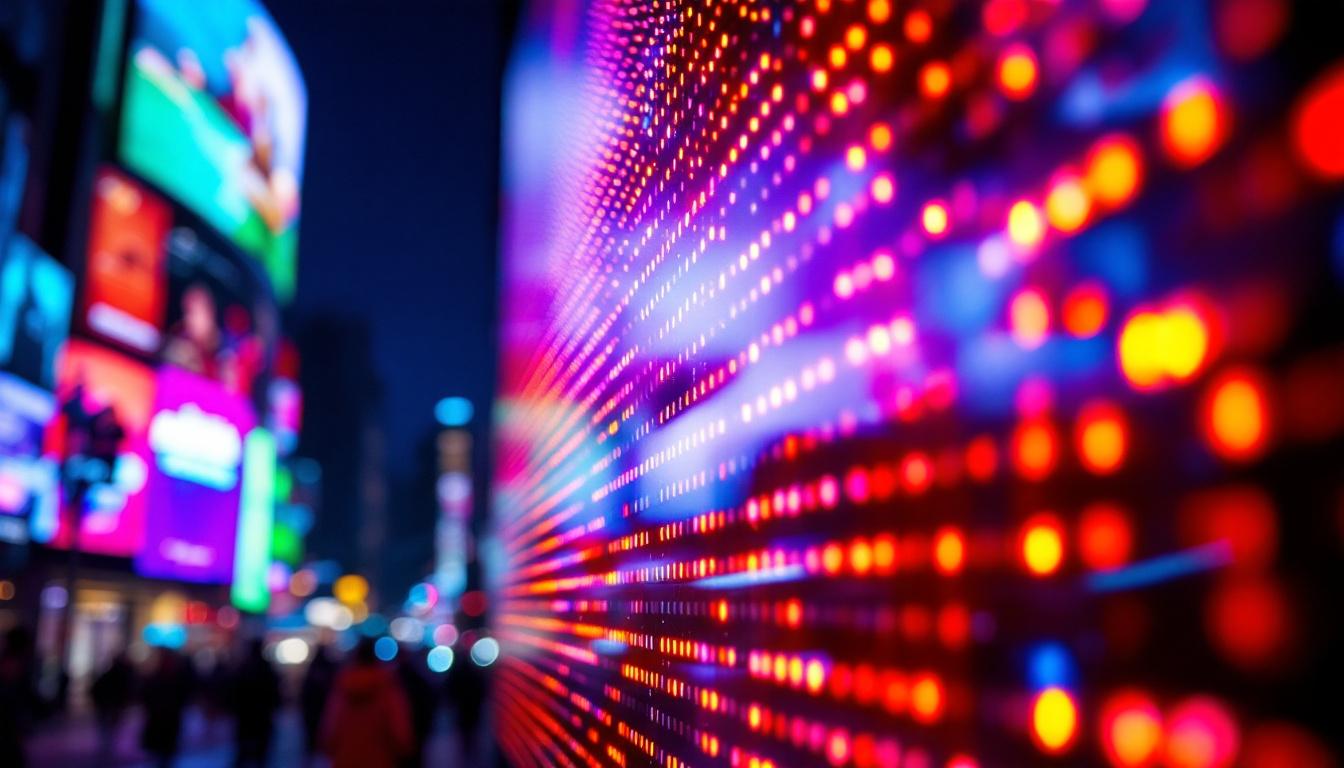
At the core of any LED display is the LED itself—a semiconductor device that emits light when an electric current passes through it. Slim board LED displays arrange these LEDs in a matrix on a thin printed circuit board (PCB). Each LED acts as a pixel, and by controlling the intensity and color of each pixel, the display can produce a full-color image or video.
The slim board design optimizes the layout of LEDs and electronic components to reduce thickness without sacrificing performance. Advanced driver ICs (integrated circuits) and efficient heat dissipation techniques are employed to maintain brightness and longevity. Additionally, these displays often incorporate high refresh rates and color calibration to ensure smooth, vibrant visuals. This technological sophistication allows for the display of dynamic content, such as animations and real-time information, making them particularly effective in environments like transportation hubs, retail spaces, and entertainment venues.
Furthermore, the modular nature of slim board LED displays means they can be easily scaled or customized to fit various applications. Whether creating a massive outdoor advertising screen or a small indoor display, the flexibility in configuration allows for tailored solutions that meet specific needs. This adaptability is complemented by advancements in connectivity options, including wireless capabilities, enabling seamless integration with digital content management systems for real-time updates and interactive experiences.
Key Advantages of Slim Board LED Displays
Ultra-Thin and Lightweight Design
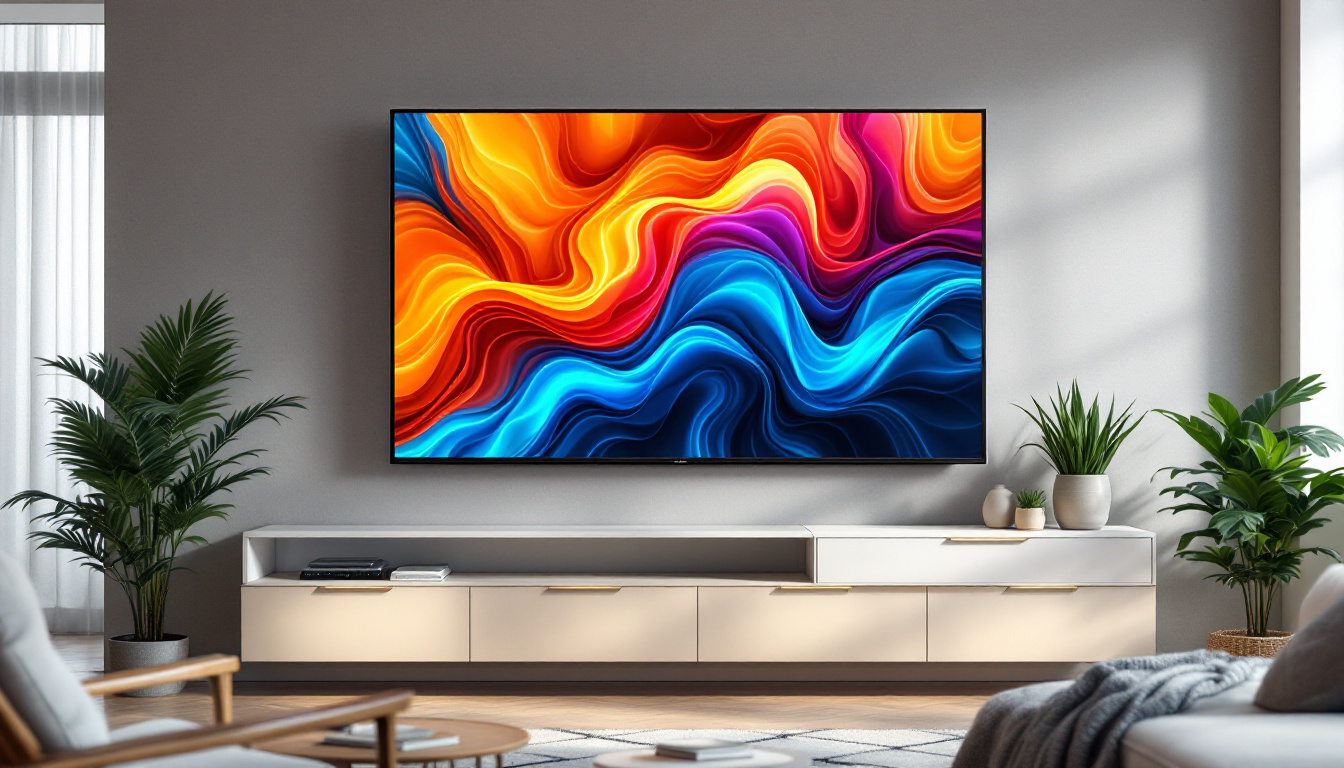
One of the most significant benefits of slim board LED displays is their remarkably thin profile. Traditional LED panels can be several inches thick, which limits their placement and can detract from the aesthetics of a space. Slim board LED modules, by contrast, can be as thin as 10 to 20 millimeters, allowing for sleek installations that blend seamlessly with walls or structures.
This lightweight nature also simplifies installation and reduces structural support requirements, which can translate into cost savings and greater flexibility in design.
High Brightness and Energy Efficiency
Slim board LED displays maintain the high brightness levels that make LEDs ideal for visibility in various lighting conditions, including direct sunlight. Typical brightness levels range from 1,000 to 6,000 nits, depending on whether the display is for indoor or outdoor use.
Moreover, the slim board technology often incorporates energy-efficient LEDs and power management systems. This reduces overall power consumption compared to older LED display technologies, making slim board displays more sustainable and cost-effective over time.
Enhanced Image Quality and Viewing Experience
The compact design of slim board LED displays allows for higher pixel densities, resulting in sharper images and finer details. Pixel pitch—the distance between the centers of two adjacent LEDs—can be as low as 1.2mm for indoor displays, producing near-retina quality visuals that are comfortable to view even from close distances.
Additionally, these displays support wide viewing angles, typically around 160 to 180 degrees horizontally and vertically, ensuring consistent image quality from various vantage points. High refresh rates (often 3,840 Hz or higher) reduce flicker, which is especially important for video content and live broadcasts.
Applications of Slim Board LED Displays
Retail and Advertising
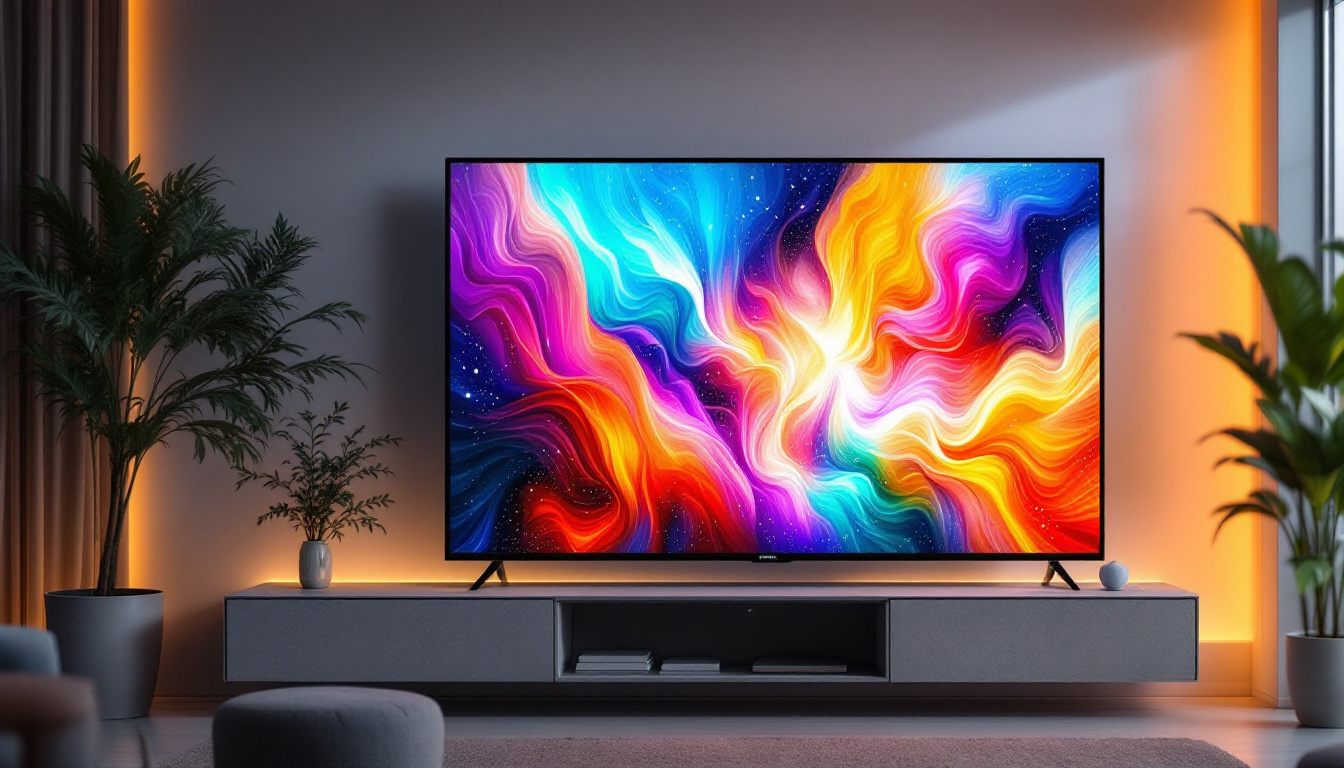
Retail environments benefit greatly from slim board LED displays due to their ability to attract attention with bright, dynamic content while maintaining a clean, modern aesthetic. Slim displays can be integrated into store windows, product shelves, or even as part of interactive kiosks.
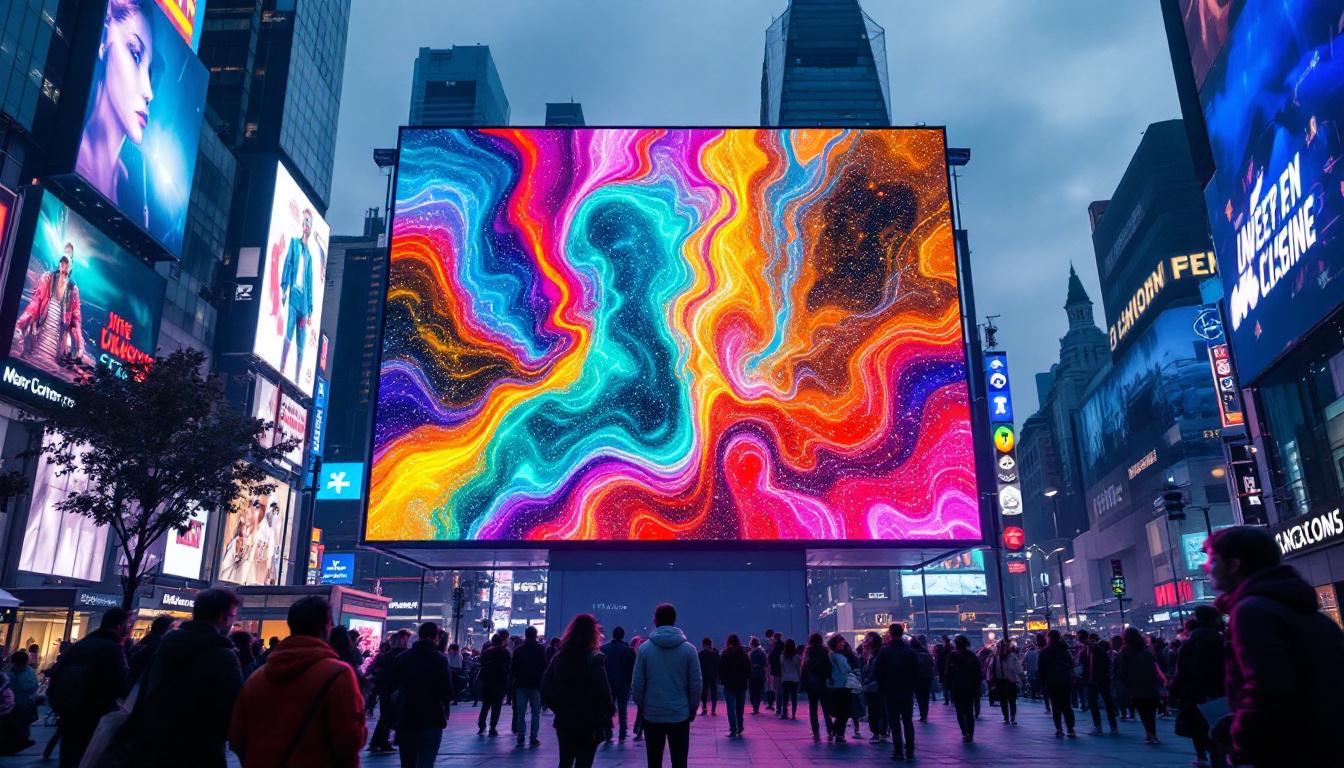
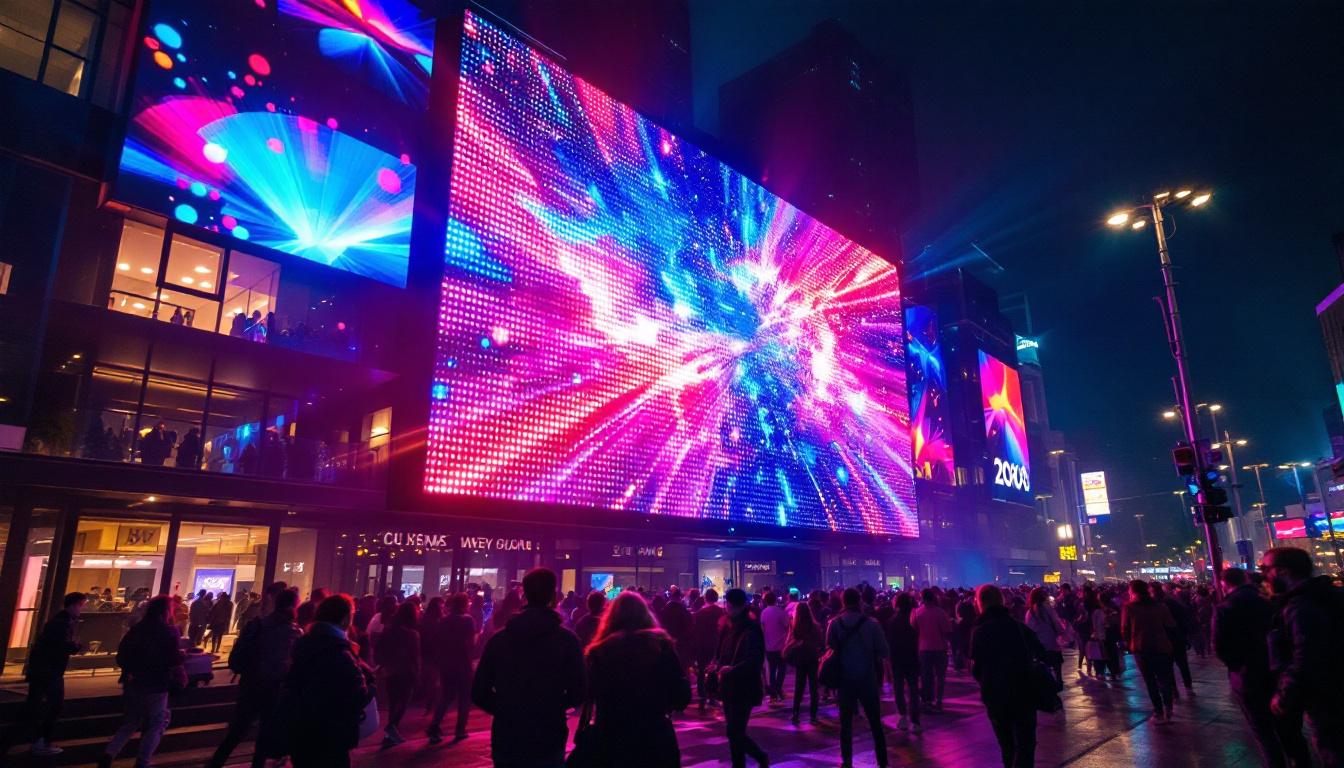
In advertising, these displays are used for digital billboards, transit shelters, and event signage. Their slim form factor allows for creative installations in urban environments where space is limited and visual impact is paramount.
Corporate and Conference Settings
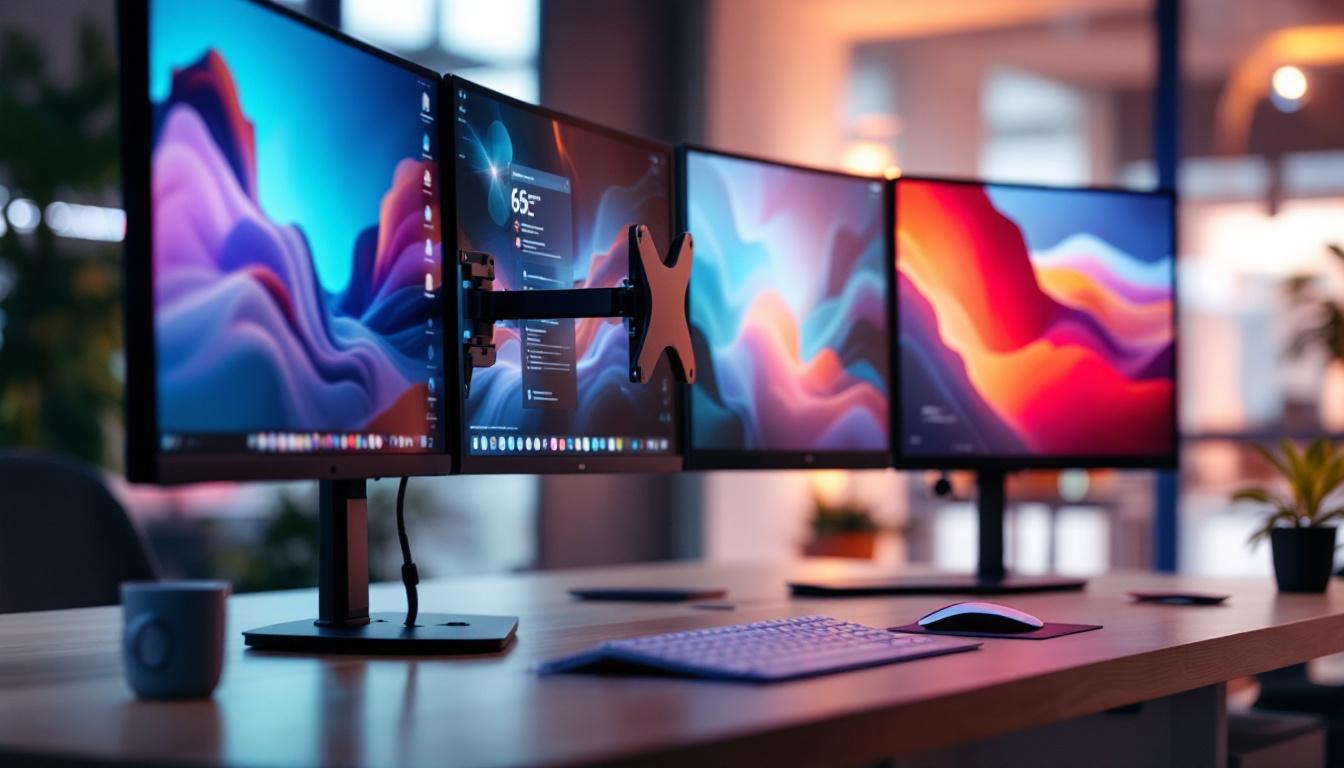
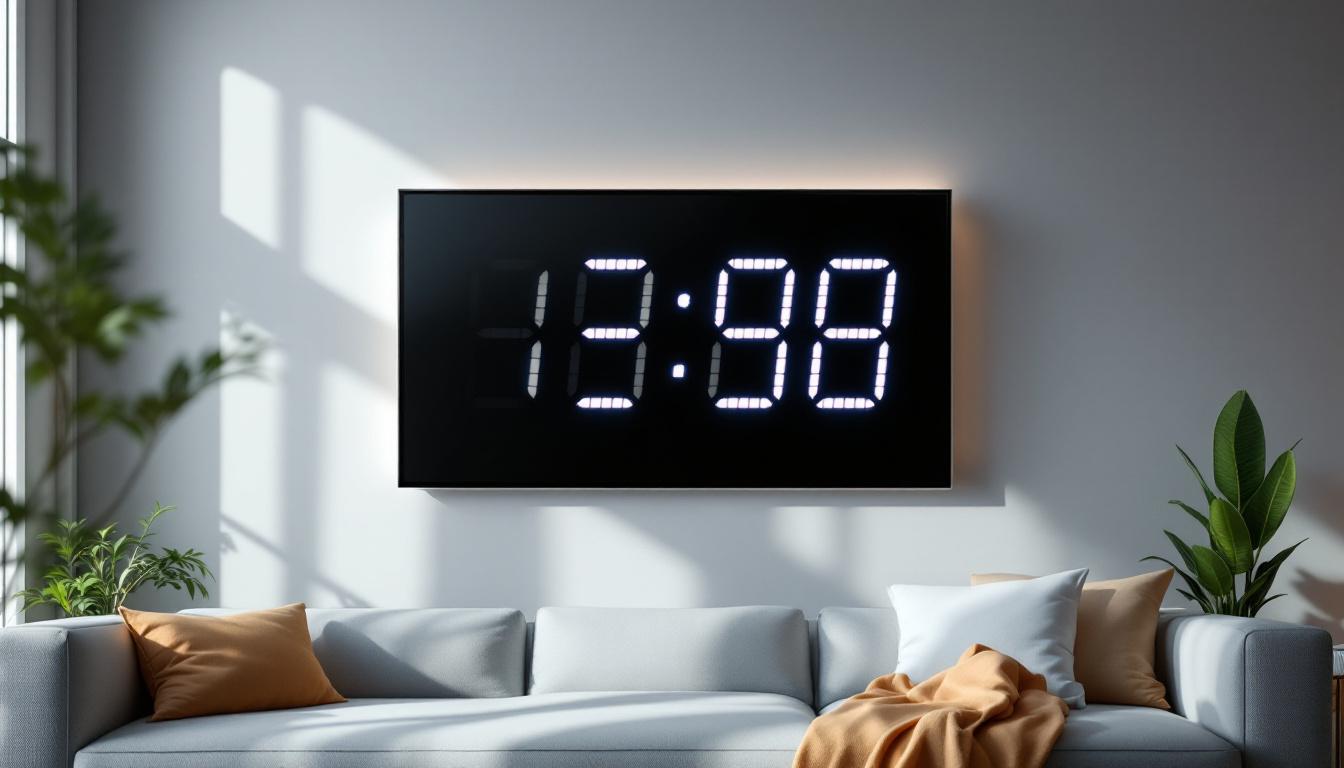
Corporate offices and conference centers utilize slim board LED displays for presentations, digital whiteboards, and video walls. The thin profile facilitates seamless wall mounting and integration with existing décor, enhancing the professional atmosphere.
These displays also support collaboration through high-resolution visuals and real-time content sharing, improving communication and engagement during meetings and events.
Entertainment and Public Venues
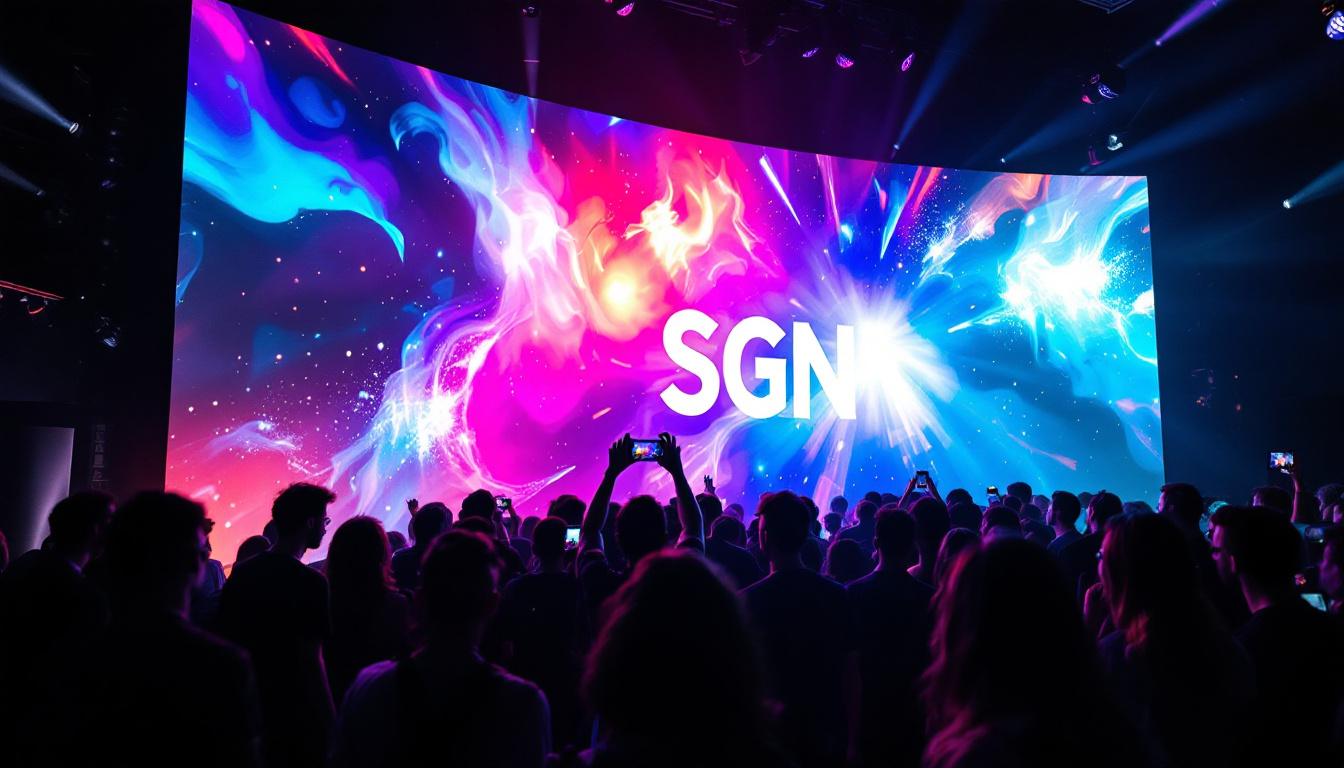
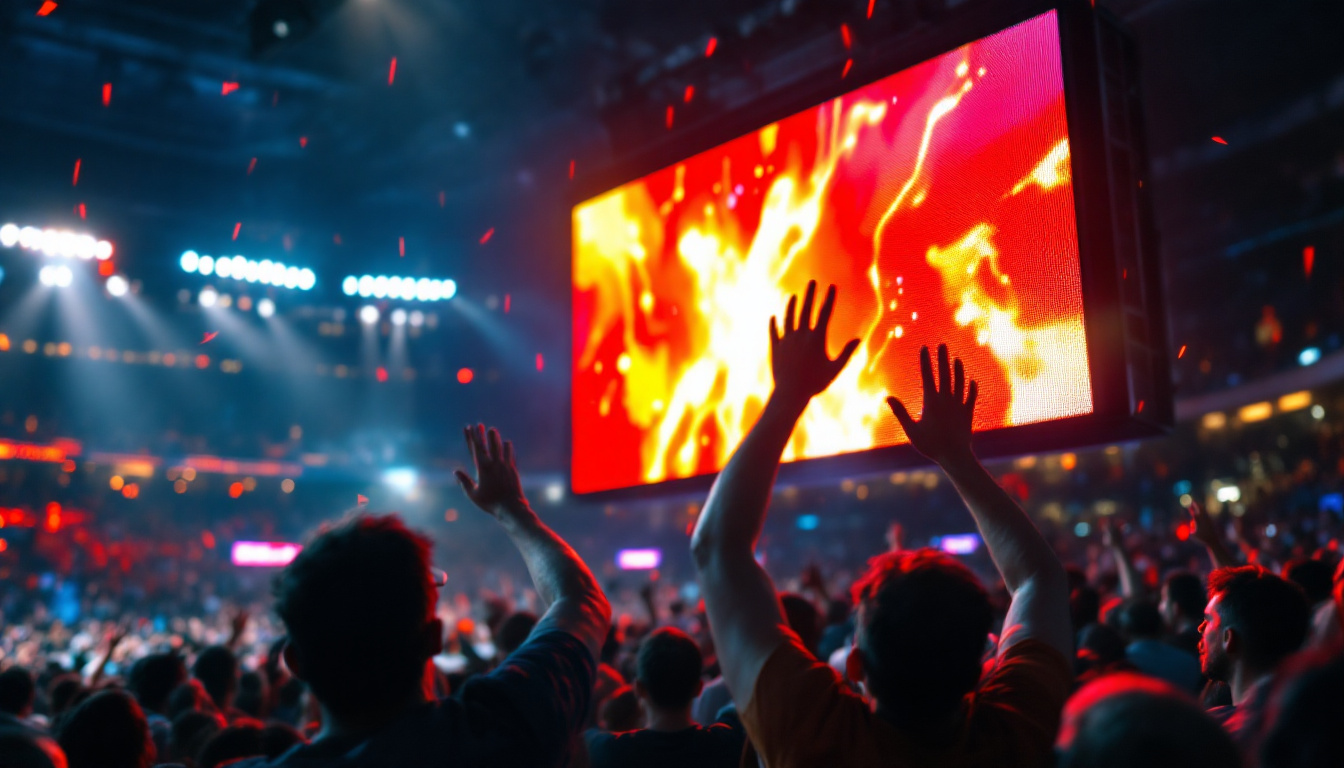
The entertainment industry leverages slim board LED technology for stage backdrops, concert displays, and interactive exhibits. The lightweight and modular nature of slim boards enables quick assembly and disassembly, which is crucial for touring productions and temporary installations.
Public venues such as airports, stadiums, and museums use these displays to provide information, wayfinding, and immersive experiences that captivate visitors.
Technical Considerations When Choosing a Slim Board LED Display
Pixel Pitch and Resolution
Pixel pitch is a critical factor that determines the display’s resolution and optimal viewing distance. Smaller pixel pitches mean higher resolution and better image clarity at close range, but also typically increase cost.
For indoor applications like retail or corporate environments, pixel pitches between 1.2mm and 2.5mm are common, delivering crisp visuals up close. Outdoor displays, where viewers are farther away, often use pixel pitches from 4mm to 10mm to balance visibility and cost.
Brightness and Environmental Suitability
Brightness requirements vary depending on installation location. Outdoor displays must be significantly brighter to remain visible under direct sunlight, often exceeding 5,000 nits. Indoor displays typically operate between 800 and 1,500 nits to avoid glare and eye strain.
Additionally, environmental factors such as humidity, temperature extremes, and exposure to dust or water must be considered. Many slim board LED displays come with IP-rated enclosures to ensure durability in harsh conditions.
Refresh Rate and Color Accuracy
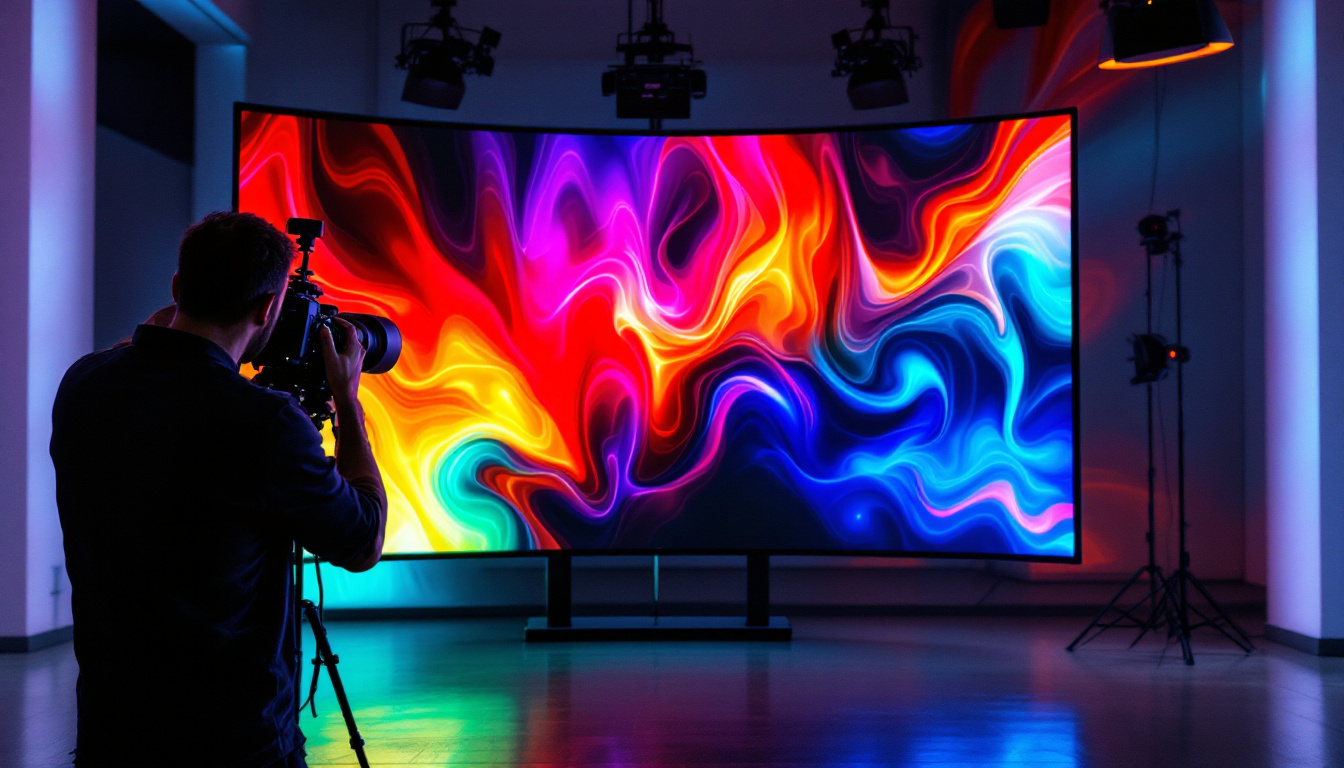
High refresh rates are essential for smooth video playback and reducing flicker, especially when the display is captured on camera for broadcasts or live streams. Refresh rates of 3,840 Hz or higher are standard in premium slim board LED displays.
Color accuracy and calibration are also vital, particularly for branding and advertising applications where precise color reproduction is necessary. Look for displays that support advanced color calibration tools and wide color gamuts.
Installation and Maintenance
The slim and lightweight design simplifies installation, but it is important to assess the mounting options and accessibility for maintenance. Front-serviceable slim board LED displays allow for easier repairs and cleaning without removing the entire unit from the wall.
Modular designs also facilitate scalability and future upgrades, enabling businesses to expand or modify their digital signage as needs evolve.
Future Trends in Slim Board LED Technology
MicroLED and MiniLED Innovations
Emerging technologies such as MicroLED and MiniLED are pushing the boundaries of slim board LED displays even further. MicroLEDs, which are microscopic LEDs, offer exceptional brightness, contrast, and energy efficiency while enabling ultra-thin and flexible displays.
These advancements promise to deliver even higher resolutions and improved durability, making slim board LED displays more versatile and appealing for a broader range of applications.
Integration with Smart Technologies
As the Internet of Things (IoT) and smart building technologies advance, slim board LED displays are increasingly integrated with sensors, cameras, and AI-driven content management systems. This integration enables dynamic, context-aware content that can adapt to audience demographics, environmental conditions, and real-time events.
Such intelligent displays enhance user engagement and provide valuable data insights for marketers and facility managers.
Sustainability and Energy Efficiency
Environmental concerns are driving innovation in LED display manufacturing and operation. Slim board LED displays are benefiting from developments in low-power LEDs, recyclable materials, and smarter power management systems.
Companies are also focusing on extending product lifespans and designing for easier repair and component replacement, reducing electronic waste and overall carbon footprint.
Conclusion
Slim board LED displays represent a significant advancement in digital display technology, combining sleek design with high performance and versatility. Their ultra-thin profiles, vibrant image quality, and energy efficiency make them suitable for a wide range of applications—from retail and corporate environments to entertainment and public venues.
When selecting a slim board LED display, it is essential to consider factors such as pixel pitch, brightness, refresh rate, and environmental suitability to ensure the best fit for your specific needs. Looking ahead, ongoing innovations in MicroLED technology, smart integration, and sustainability will continue to enhance the capabilities and appeal of slim board LED displays.
For businesses and organizations aiming to make a lasting visual impact while maintaining flexibility and efficiency, slim board LED displays offer a compelling solution that aligns with modern design and technological trends.
Discover LumenMatrix’s Innovative LED Display Solutions
Ready to elevate your space with the latest in LED display technology? LumenMatrix offers a comprehensive range of cutting-edge LED display modules tailored to your unique needs. From captivating Indoor LED Wall Displays to dynamic Outdoor LED Wall Displays, and from versatile Vehicle LED Displays to sleek LED Poster Displays, our solutions are designed to make your brand shine. Experience the revolution in visual communication with our LED Sports Displays, interactive Floor LED Displays, customizable Custom LED Displays, multifunctional All-in-One LED Displays, and transparent LED Transparent Displays. Embrace the future of digital signage with LumenMatrix and create visual experiences that engage and inspire. Check out LumenMatrix LED Display Solutions today and transform your message into an unforgettable visual journey.