Touch Screen: LED Display Explained
In today’s digital age, touch screen devices have become ubiquitous—from smartphones and tablets to interactive kiosks and automotive dashboards. Central to many of these devices is the LED display, a technology that combines vibrant visuals with responsive touch capabilities. Understanding how LED displays work, especially in touch screen applications, is essential for consumers, designers, and industry professionals alike.
What is an LED Display?
LED stands for Light Emitting Diode, a semiconductor device that emits light when an electric current passes through it. LED displays utilize arrays of these diodes to create images, text, and videos with remarkable brightness and color accuracy.
Unlike traditional LCD (Liquid Crystal Display) screens that rely on backlighting, LED displays can produce their own light, which results in deeper blacks, higher contrast ratios, and improved energy efficiency. This self-illumination characteristic is particularly advantageous in environments with varying lighting conditions.
LED technology has evolved significantly over the past decade. Modern LED displays can be found in various forms, including:
- Direct LED Displays: Where LEDs are placed directly behind the screen to provide uniform backlighting.
- MicroLED Displays: Featuring microscopic LEDs that serve as individual pixels, offering superior brightness and color fidelity.
- OLED Displays: Although technically different, OLEDs (Organic LEDs) share similar principles and are often compared to LED displays for their outstanding image quality.
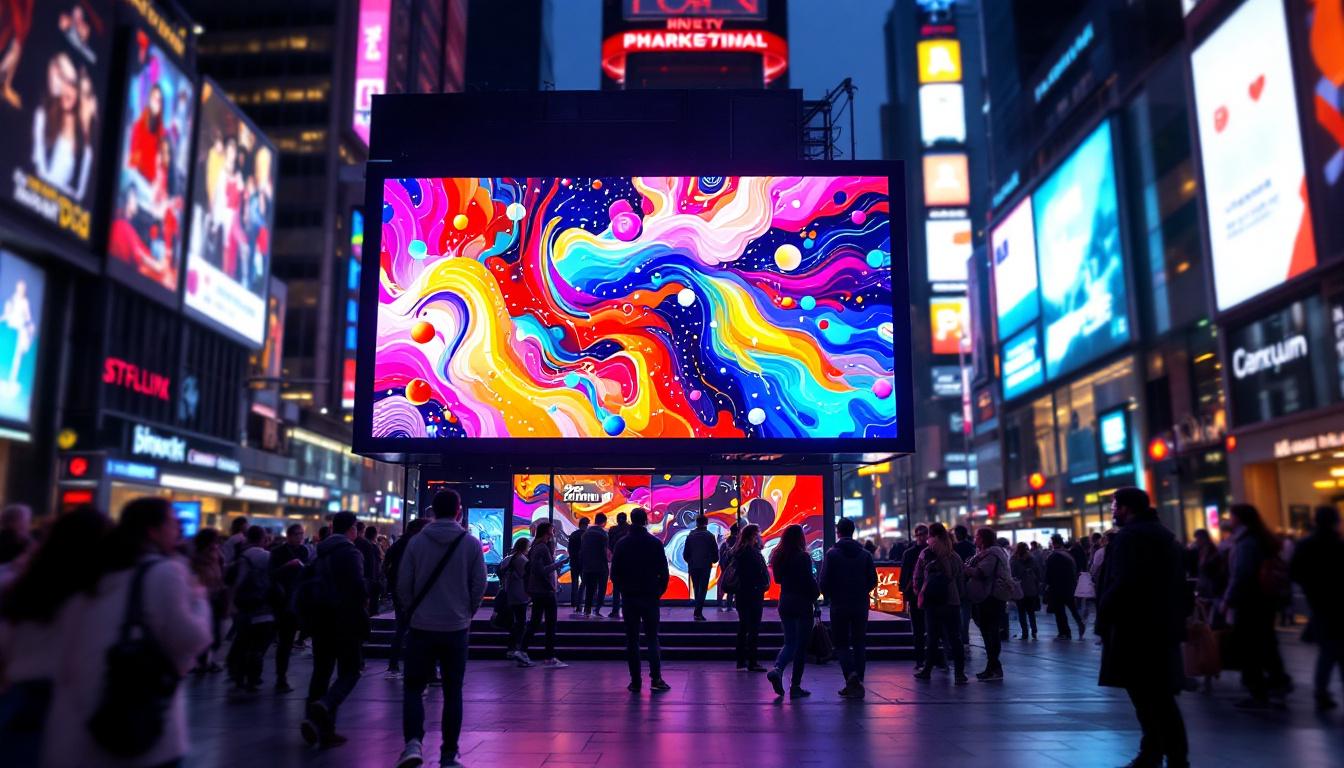
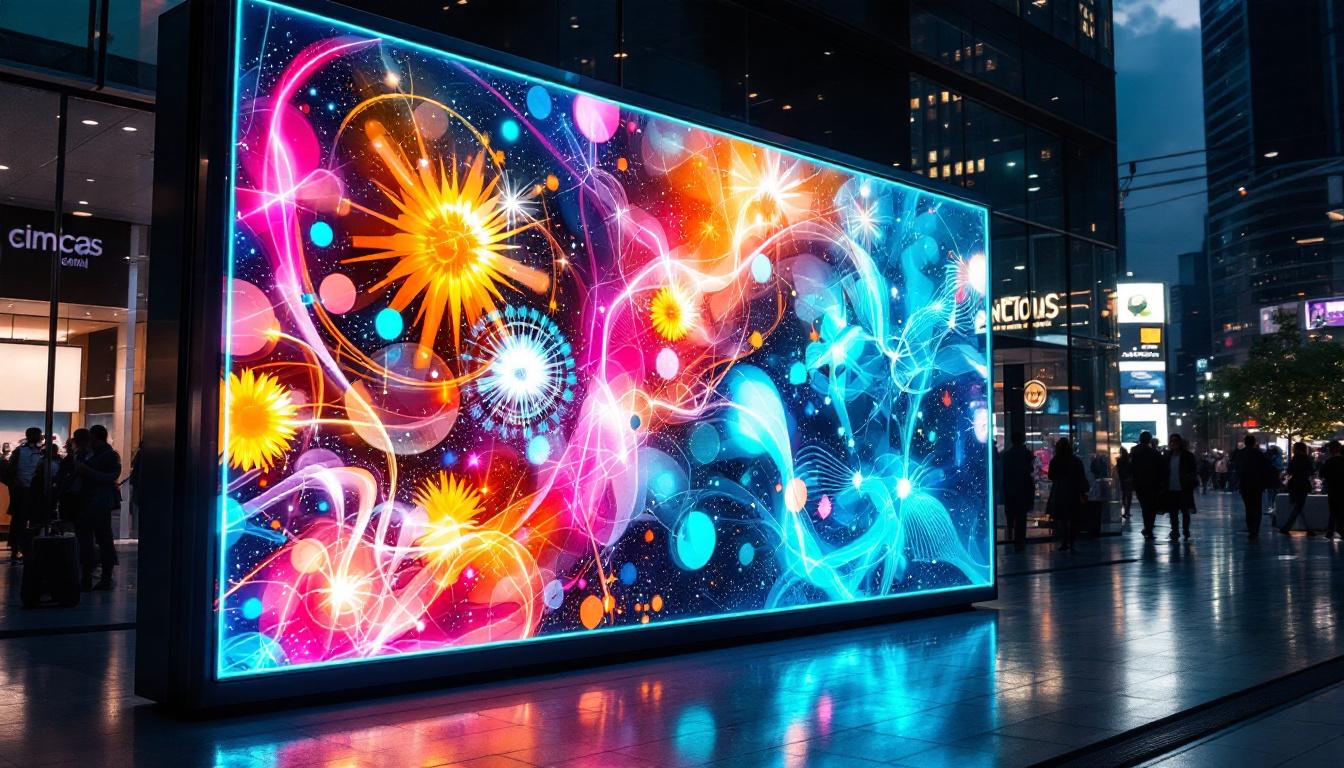
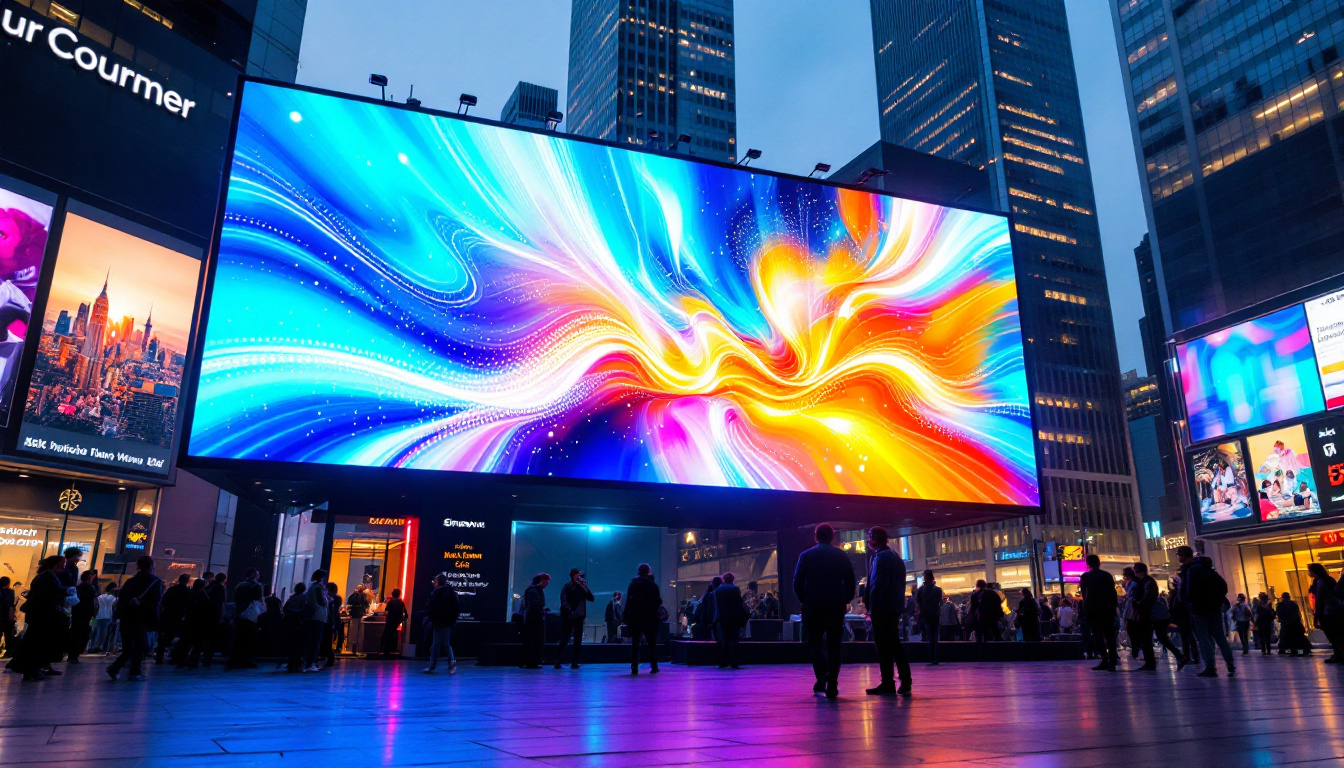
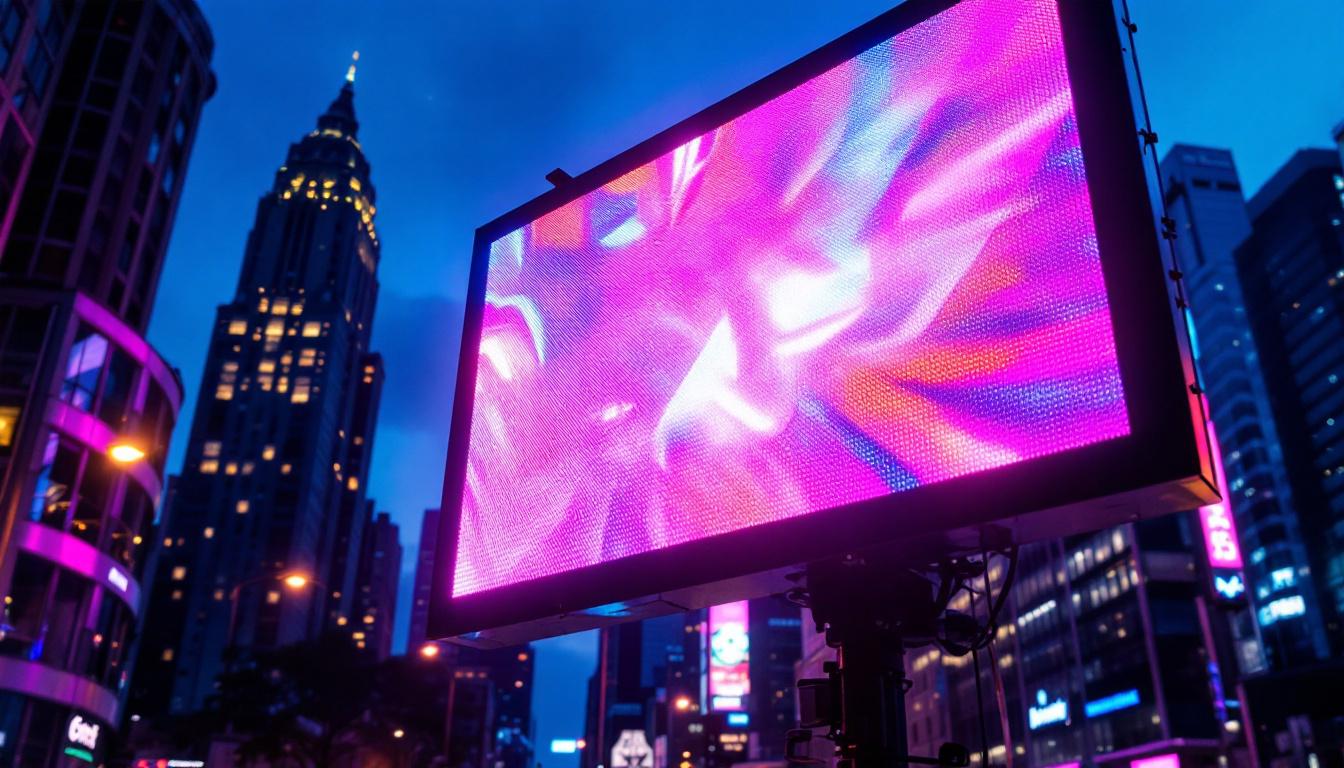
The versatility of LED displays has made them a popular choice across various industries, from advertising to entertainment. For instance, in the realm of digital signage, LED displays are used for billboards and storefronts, capturing the attention of passersby with vibrant colors and dynamic content. Their ability to function well in both indoor and outdoor settings makes them ideal for high-traffic areas, where visibility is crucial.
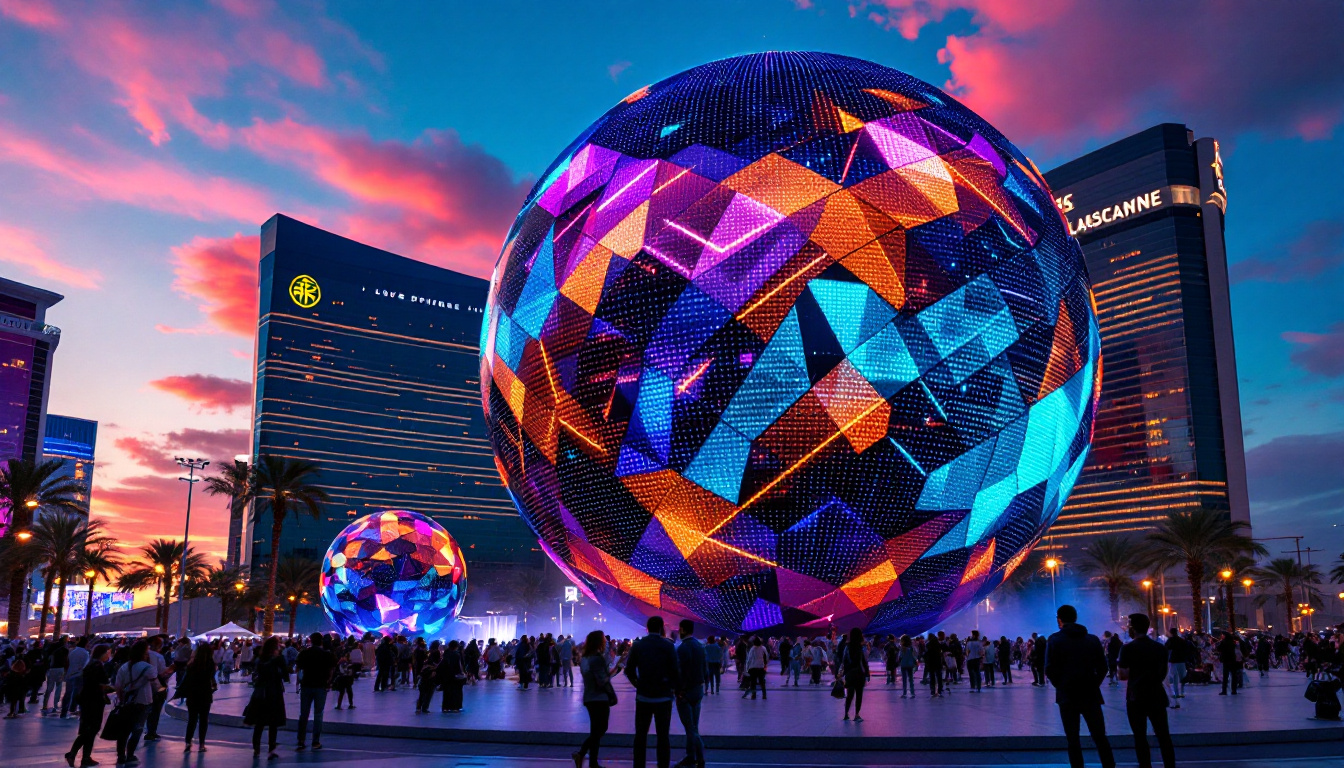
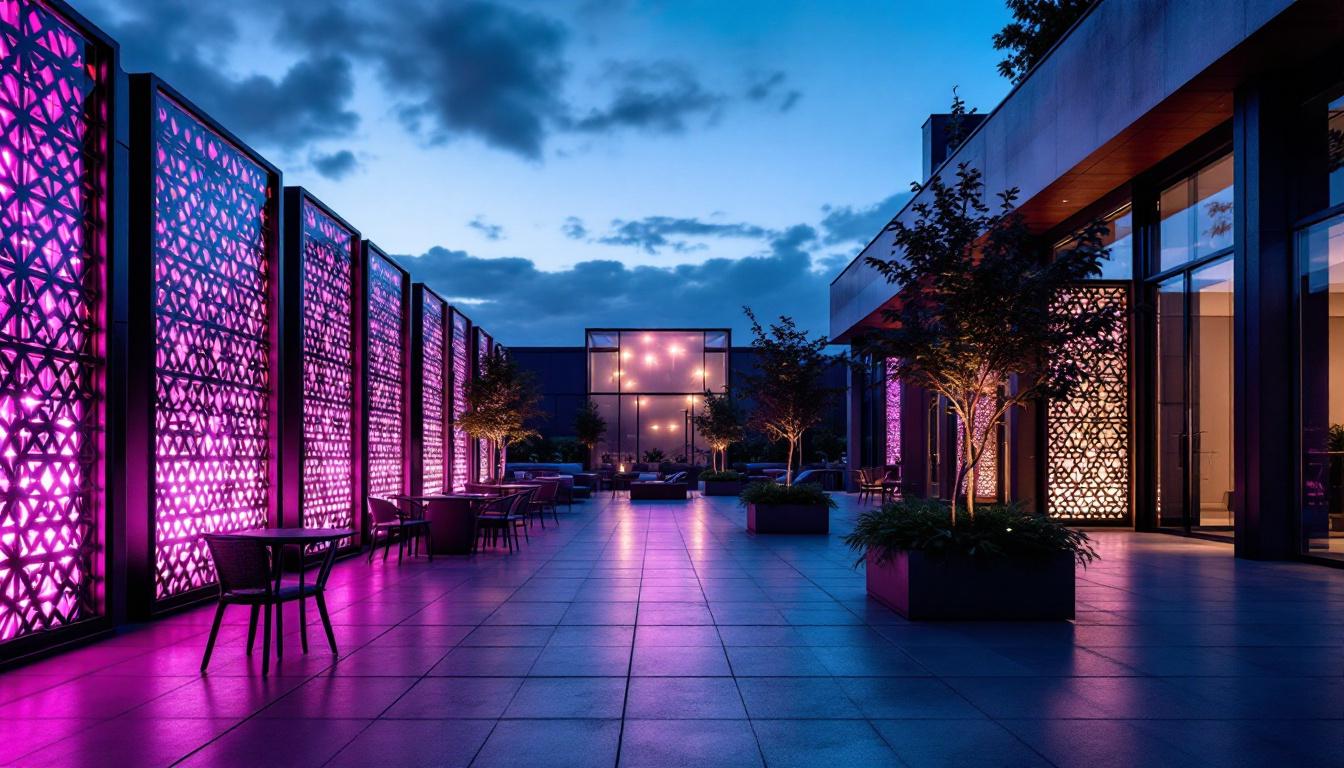
Furthermore, the advancements in LED technology have led to the development of flexible and transparent displays, which open up new possibilities for creative applications. These innovative designs can be integrated into architectural elements, allowing for eye-catching installations that blend seamlessly with their surroundings. As the technology continues to advance, we can expect even more exciting developments in the capabilities and applications of LED displays, pushing the boundaries of visual communication.
How Touch Screens Integrate with LED Displays
Touch screens function by detecting the presence and location of a user’s touch on the display surface. When combined with LED displays, the result is an interactive interface that is both visually stunning and highly responsive.
There are several types of touch screen technologies commonly paired with LED displays:
1. Resistive Touch Screens
Resistive touch screens consist of two flexible layers separated by a small gap. When pressure is applied, the layers make contact, registering the touch. While cost-effective and compatible with styluses or gloved hands, resistive screens typically have lower clarity and durability compared to other types. They are often used in environments where durability is essential, such as industrial settings or medical equipment, where users may wear gloves or need to interact with the screen in challenging conditions.
2. Capacitive Touch Screens
Capacitive touch screens use the electrical properties of the human body to detect touch. A capacitive layer overlays the LED display, and when a finger touches the screen, it changes the electrostatic field, allowing the device to pinpoint the location. These screens offer excellent clarity, multi-touch support, and are highly durable, making them the preferred choice for smartphones and tablets. Their responsiveness is particularly beneficial in applications requiring quick gestures, such as gaming or interactive presentations, where users expect immediate feedback from their interactions.
3. Infrared and Optical Touch Screens
Infrared touch screens use an array of IR LEDs and photodetectors around the display edges to detect interruptions caused by a finger or object. Optical touch screens use cameras to detect touch points. Both types can be integrated with LED displays, especially in large-format touch screens like interactive whiteboards and kiosks. These technologies excel in environments where large groups of people interact with the display simultaneously, such as museums or trade shows, providing a dynamic and engaging experience. Additionally, their ability to detect multiple points of contact makes them ideal for applications like collaborative workspaces, where several users can engage with the content at once.
As touch screen technology continues to evolve, the integration with LED displays is becoming increasingly sophisticated. New developments, such as haptic feedback systems, are being introduced to enhance user interaction by providing tactile responses to touches, making the experience even more immersive. Furthermore, advancements in software algorithms are improving the accuracy and responsiveness of touch detection, ensuring that users can interact seamlessly with the vibrant visuals that LED displays offer. This synergy between touch technology and LED displays is paving the way for innovative applications across various industries, from retail to education, where engaging and interactive experiences are paramount.
Advantages of LED Displays in Touch Screen Devices
The combination of LED technology with touch screen interfaces brings numerous benefits that enhance user experience and device performance.
Superior Visual Quality
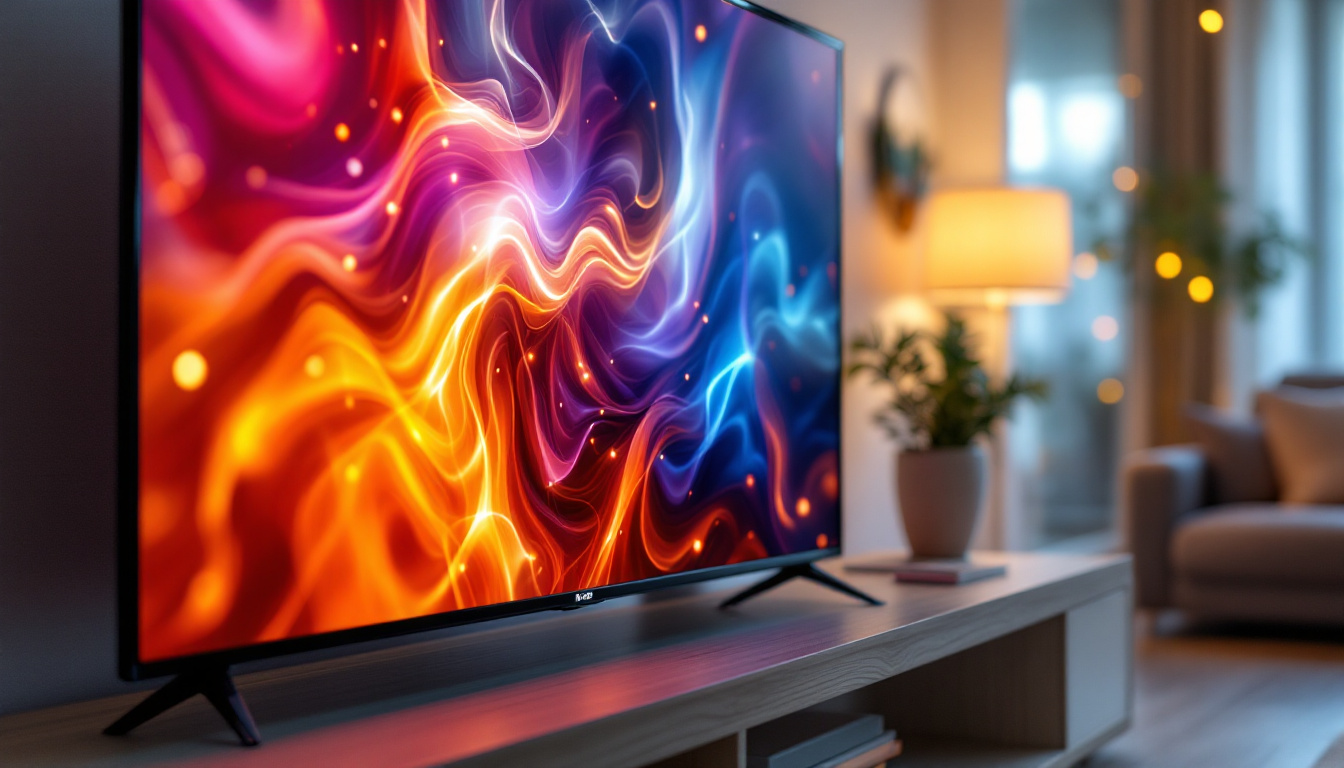
LED displays deliver bright, vivid colors and high contrast ratios, which make content easier to view in various lighting conditions. This is crucial for outdoor devices or environments with strong ambient light, such as retail kiosks or automotive dashboards. The enhanced visual quality not only improves readability but also makes images and videos more engaging, allowing users to enjoy a more immersive experience. Furthermore, the ability of LED displays to produce deeper blacks and brighter whites contributes to a more dynamic range, making everything from movies to detailed graphics look stunning.
Energy Efficiency
Compared to traditional backlit LCDs, LED displays consume less power, extending battery life in portable devices. This efficiency is particularly important in smartphones, tablets, and wearable technology where power conservation is a priority. Additionally, the reduced energy consumption not only benefits users by prolonging device usage between charges but also has a positive environmental impact by lowering overall energy demand. As consumers become more eco-conscious, the energy-efficient nature of LED displays aligns with the growing trend towards sustainable technology.
Thin and Lightweight Design
LED technology allows for thinner and lighter screens, enabling sleek device designs. This is a significant advantage in handheld devices where portability and ergonomics matter. The slim profile of LED displays also opens up new possibilities for innovative device designs, allowing manufacturers to create ultra-thin laptops and smartphones that are both aesthetically pleasing and functional. Moreover, the lightweight nature of these displays contributes to a more comfortable user experience, especially during prolonged use, as users can easily hold and operate devices without experiencing fatigue.
Durability and Longevity
LEDs have longer lifespans and are more resistant to shock and vibration than other lighting technologies. This durability translates to more robust touch screen devices that maintain performance over time. In addition to their inherent resilience, many LED displays are also designed to be more resistant to environmental factors such as humidity and temperature fluctuations, making them suitable for a wider range of applications. This reliability is particularly beneficial in industrial settings or outdoor environments where devices are subjected to harsher conditions, ensuring that users can depend on their touch screen devices without frequent repairs or replacements.
Challenges and Considerations in Touch Screen LED Displays
Despite their many advantages, LED touch screen displays also face certain challenges that manufacturers and users should be aware of.
Cost Implications
High-quality LED displays, especially those using advanced technologies like MicroLED, can be expensive to produce. This cost is often passed on to consumers, making some devices less affordable.
Touch Sensitivity and Accuracy
Integrating touch sensors with LED displays requires precise calibration to ensure accurate touch detection. Environmental factors such as moisture, dirt, and screen protectors can affect touch sensitivity and responsiveness.
Screen Burn-In
Although less common in standard LEDs than OLEDs, prolonged display of static images can cause screen burn-in or image retention. This is an important consideration for devices that display static interfaces for extended periods.
Viewing Angles
While LED displays generally offer good viewing angles, some types may experience color shifting or brightness loss when viewed from extreme angles, potentially impacting user experience in multi-user or public settings.
Applications of Touch Screen LED Displays
Touch screen LED displays are found across a broad spectrum of industries and applications, highlighting their versatility and importance.
Consumer Electronics
Smartphones, tablets, laptops, and smartwatches rely heavily on LED touch screens for their interactive interfaces. The demand for high-resolution, responsive screens continues to drive innovation in this sector.
Retail and Hospitality
Interactive kiosks, point-of-sale terminals, and digital signage use LED touch screens to engage customers, streamline transactions, and provide dynamic content. Brightness and durability are key factors in these often high-traffic environments.
Automotive Industry
Modern vehicles incorporate LED touch screens in infotainment systems, instrument clusters, and climate controls. These displays must withstand temperature extremes, vibrations, and glare while offering intuitive user interaction.
Healthcare
Medical devices and information terminals utilize touch screen LED displays for ease of use and hygiene. Capacitive touch screens are preferred for their responsiveness and compatibility with gloves.
Education and Corporate
Interactive whiteboards and conference room displays benefit from large-format LED touch screens that support multi-touch and collaborative work. The clarity and responsiveness enhance presentations and group activities.
Future Trends in Touch Screen LED Display Technology
The evolution of touch screen LED displays is ongoing, driven by advancements in materials science, manufacturing techniques, and user interface design.
MicroLED and MiniLED Innovations
MicroLED technology promises even higher brightness, better color accuracy, and improved energy efficiency by using tiny LEDs as individual pixels. MiniLED, a more affordable variant, uses smaller LEDs for backlighting, enhancing contrast and HDR performance.
Flexible and Foldable Displays
Flexible LED displays are enabling new form factors such as foldable smartphones and rollable tablets. These innovations require touch screen technologies that can maintain accuracy and durability despite bending and folding.
Integration with AI and Gesture Control
Future touch screen devices may incorporate AI to predict user intentions and improve touch responsiveness. Gesture control and haptic feedback are also areas of active research, aiming to create more immersive and intuitive user experiences.
Environmental Sustainability
Manufacturers are increasingly focusing on eco-friendly materials and energy-efficient designs to reduce the environmental impact of LED touch screen devices. Recycling programs and longer-lasting components contribute to sustainability goals.
Conclusion
Touch screen LED displays represent a cornerstone of modern interactive technology, blending vivid visual performance with intuitive user input. Their applications span numerous industries, reflecting their adaptability and importance in everyday life.
Understanding the underlying technology, benefits, and challenges of LED touch screens empowers consumers and professionals to make informed decisions when selecting or designing devices. As innovations continue to emerge, the future promises even more exciting developments that will redefine how humans interact with digital content.
Discover the Future of Interactive Displays with LumenMatrix
As you’ve seen, the fusion of touch screen technology with LED displays is transforming how we interact with the digital world. If you’re ready to elevate your brand’s presence and captivate your audience with the most advanced visual solutions, look no further than LumenMatrix. Our comprehensive range of LED display modules—from Indoor and Outdoor LED Walls to innovative Transparent Displays—offers unparalleled clarity, engagement, and durability. Embrace the future of visual communication with LumenMatrix and create experiences that resonate. Check out LumenMatrix LED Display Solutions today and see the difference for yourself.