Exterior LCD Displays: LED Display Explained
In today’s fast-paced world, digital displays have become an integral part of urban landscapes, advertising, and public information systems. Among these technologies, exterior LCD and LED displays stand out for their brightness, durability, and versatility. This article dives deep into the world of exterior LCD and LED displays, explaining their technology, applications, advantages, and considerations for choosing the right display for outdoor environments.
Understanding Exterior LCD and LED Displays
What Are Exterior LCD Displays?
Liquid Crystal Display (LCD) technology has been widely used for indoor screens such as monitors, televisions, and smartphones. However, traditional LCDs are not inherently suited for outdoor use due to their limited brightness and susceptibility to environmental factors. Exterior LCD displays are specially engineered to overcome these challenges, incorporating higher brightness panels, anti-reflective coatings, and weatherproof enclosures to withstand sunlight, rain, and temperature fluctuations.
These displays use liquid crystals sandwiched between glass layers, which modulate light to produce images. To enhance visibility outdoors, exterior LCDs typically employ powerful backlighting systems, often LED-based, to achieve brightness levels upwards of 1,500 to 3,000 nits, compared to the 200-500 nits common in indoor LCDs. This high brightness is essential for ensuring that the content remains legible even under direct sunlight, making them ideal for applications such as digital signage, transportation information displays, and advertising billboards. Moreover, many exterior LCDs are equipped with advanced thermal management systems that allow them to operate efficiently in extreme temperatures, ensuring longevity and reliability.
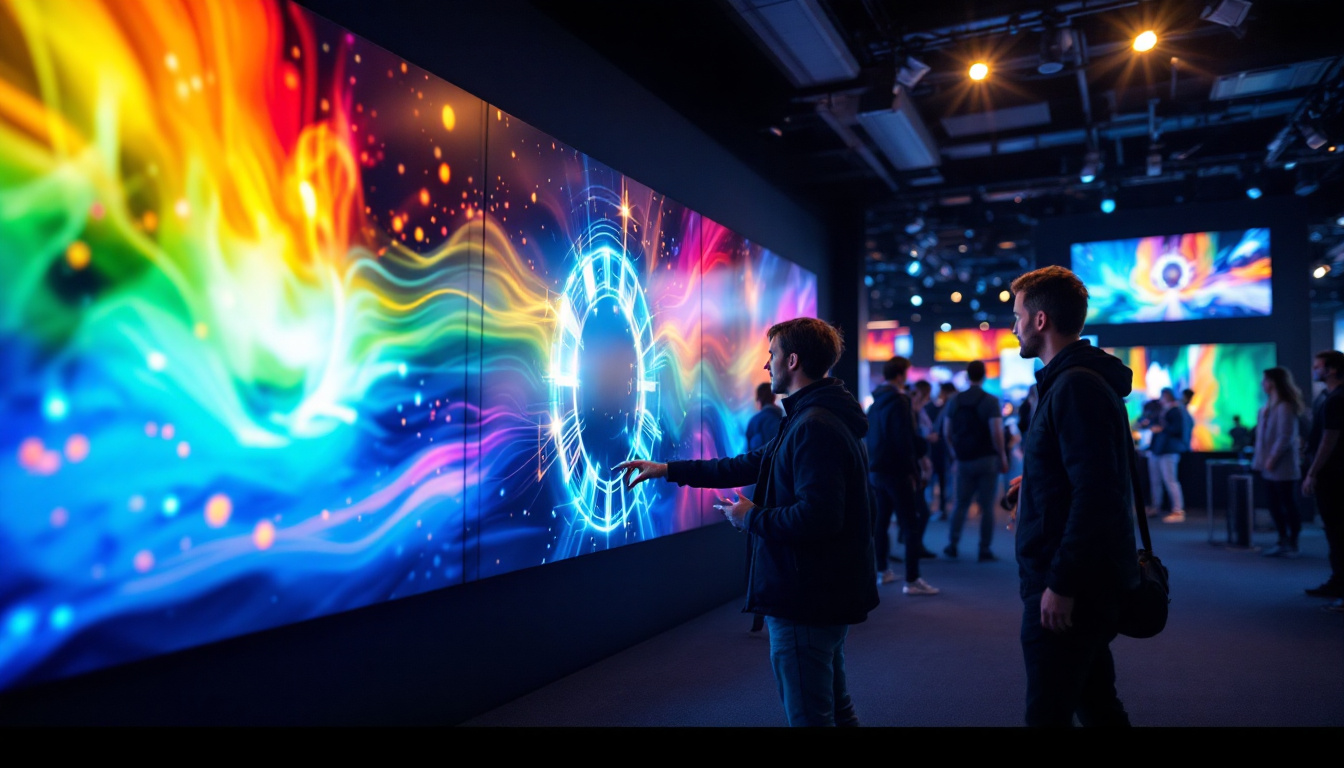
In addition to their robust construction, exterior LCD displays often come with features designed for interactive applications. Touchscreen capabilities can be integrated, allowing users to engage directly with the content, which is particularly useful in wayfinding systems or interactive kiosks in public spaces. Furthermore, some models offer remote monitoring and management capabilities, enabling operators to update content and troubleshoot issues from a distance, thus streamlining maintenance and enhancing user experience.
What Are LED Displays?
LED (Light Emitting Diode) displays are a distinct technology from LCDs. Instead of using a backlight and liquid crystals, LED displays consist of an array of tiny LEDs that emit light directly. This direct emission allows for higher brightness, better contrast, and superior color vibrancy, making LED displays particularly effective for outdoor environments.
There are two main types of LED displays used outdoors: direct view LED and LED-backlit LCD. Direct view LED displays use LEDs as individual pixels, allowing for large-format screens with excellent visibility even in direct sunlight. These displays can be configured in various shapes and sizes, making them highly versatile for creative advertising and event staging. Additionally, they can support high refresh rates, which is crucial for displaying dynamic content such as videos or animations without blurring. LED-backlit LCDs, on the other hand, combine LCD panels with LED backlighting to improve brightness and energy efficiency but still rely on liquid crystal technology for image formation.
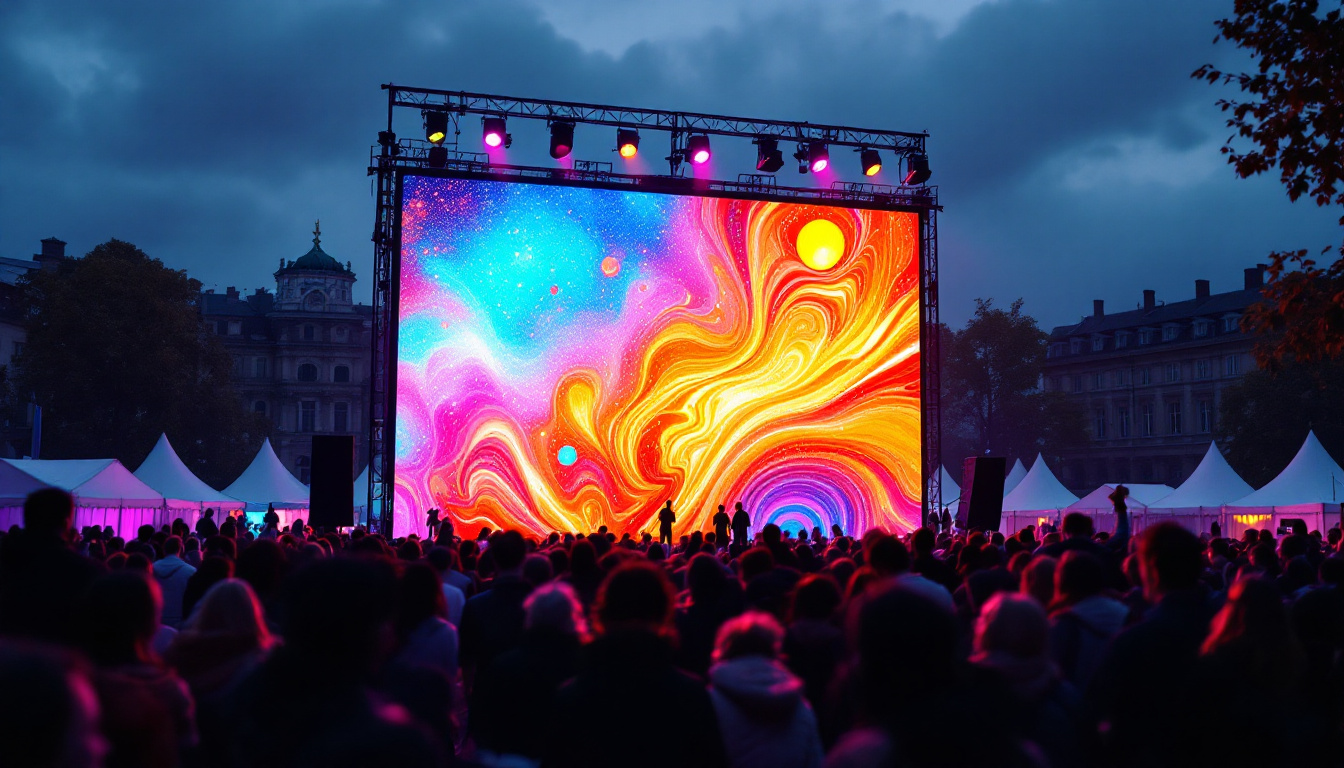
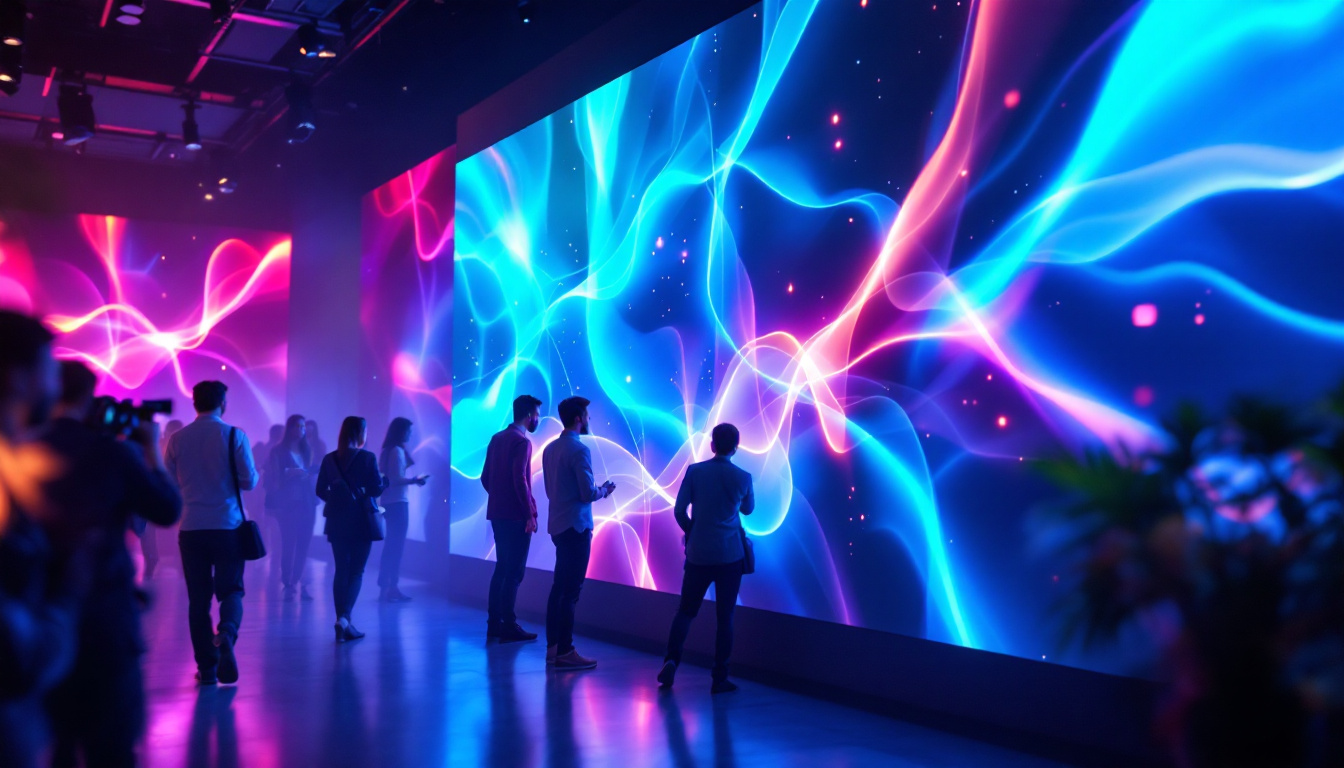
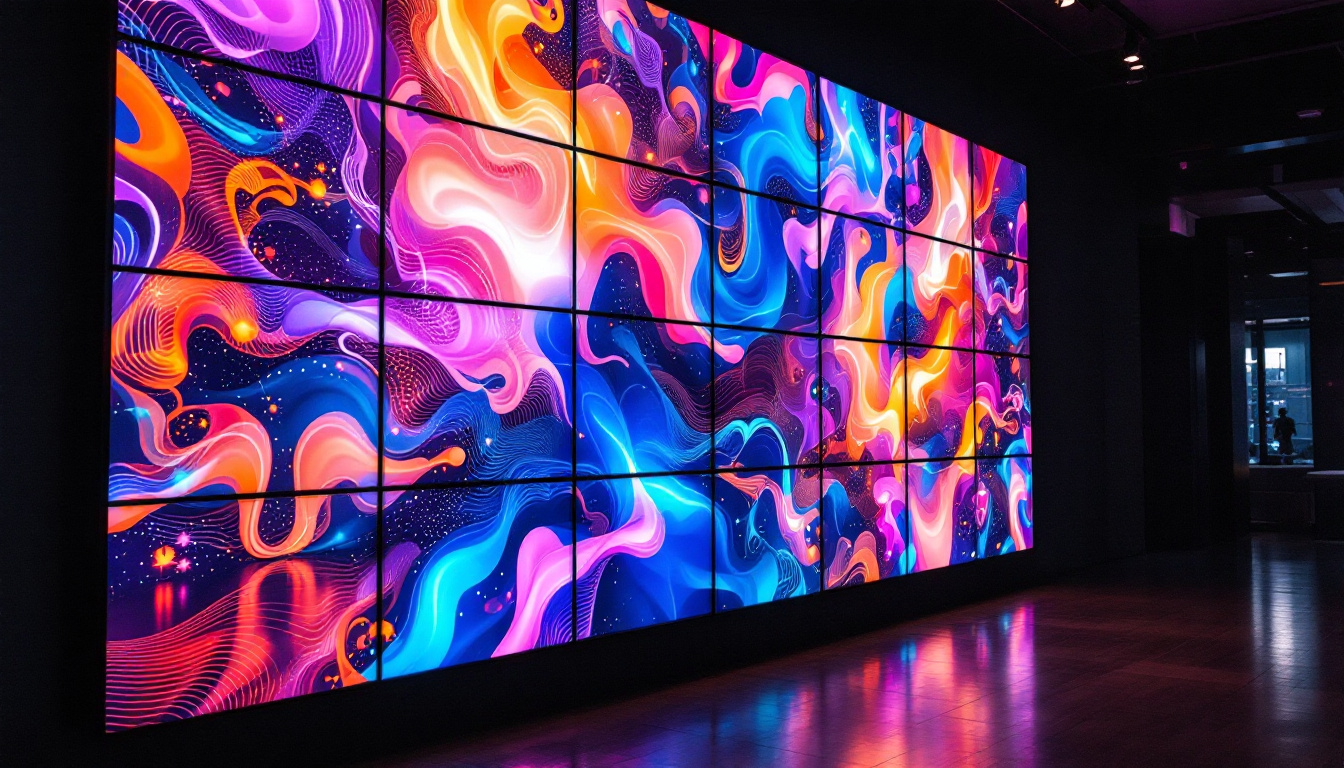
One of the standout features of LED technology is its ability to create stunning visual effects through pixel mapping and color mixing, which can transform any outdoor space into an immersive experience. This capability is often utilized in concerts, sports events, and public art installations, where vibrant colors and dynamic displays captivate audiences. Moreover, LED displays are known for their energy efficiency, consuming less power than traditional display technologies, which not only reduces operational costs but also contributes to environmental sustainability efforts. As technology advances, the integration of smart features, such as IoT connectivity and AI-driven content management, is becoming increasingly common, further enhancing the functionality and appeal of LED displays in outdoor settings.
Key Advantages of Exterior LED Displays
Superior Brightness and Visibility
One of the most critical factors for outdoor displays is visibility in varying lighting conditions. Exterior LED displays can achieve brightness levels exceeding 5,000 nits, ensuring clear readability even under direct sunlight. This high brightness is essential for applications such as digital billboards, traffic signs, and public information kiosks, where messages must be visible at all times.
Durability and Weather Resistance
Outdoor LED displays are designed to endure harsh environmental conditions, including rain, snow, dust, and temperature extremes. Many displays come with IP65 or higher ratings, indicating strong protection against water and dust ingress. The rugged construction ensures long-term reliability, reducing maintenance costs and downtime.
Energy Efficiency and Longevity
Compared to traditional lighting technologies, LEDs consume significantly less power, which is crucial for large outdoor installations where energy costs can be substantial. Additionally, LEDs boast long operational lifespans, often exceeding 100,000 hours, meaning displays can operate for years with minimal degradation in brightness or color quality.
Flexibility in Size and Shape
LED modules can be assembled in various configurations, allowing for custom sizes and shapes. This flexibility enables creative and eye-catching designs, from massive stadium screens to curved or irregularly shaped installations. The modular nature also simplifies repairs, as individual LED panels can be replaced without dismantling the entire display.
Common Applications of Exterior LED Displays
Advertising and Digital Billboards
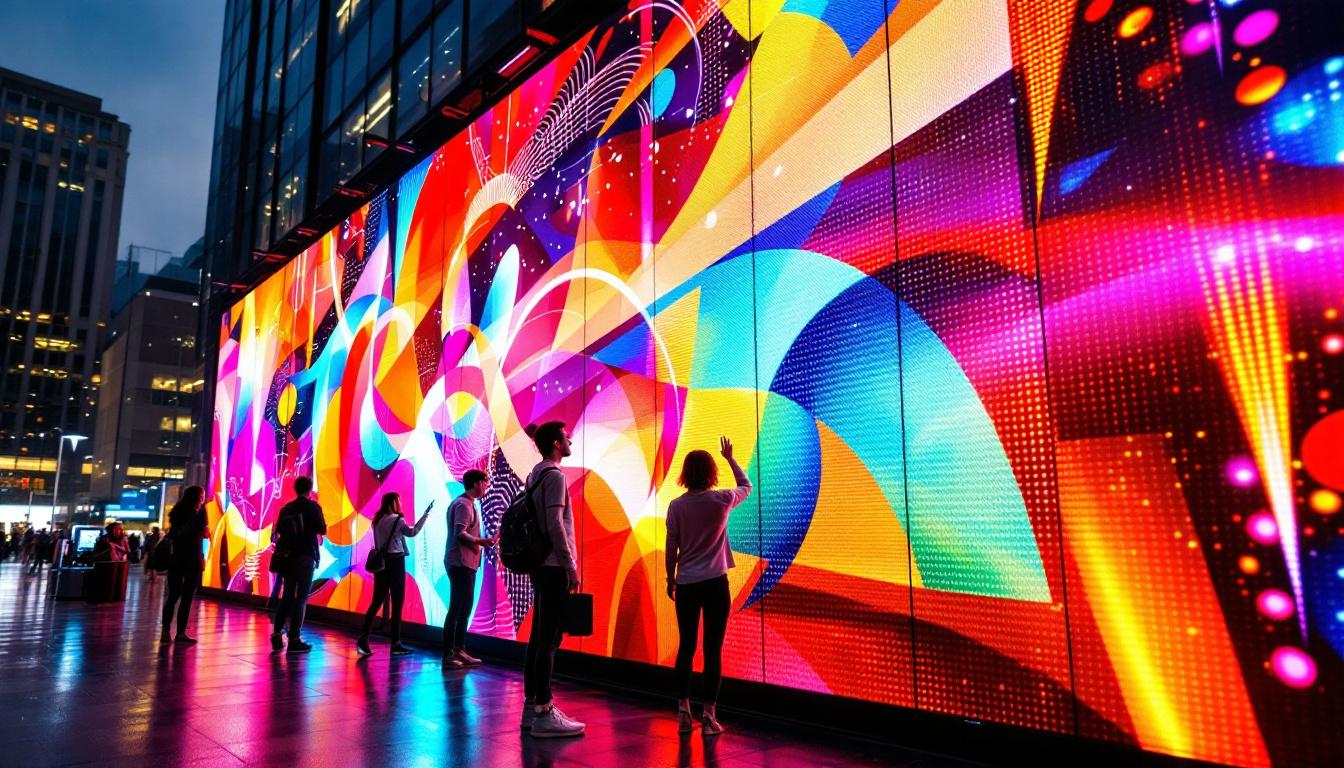
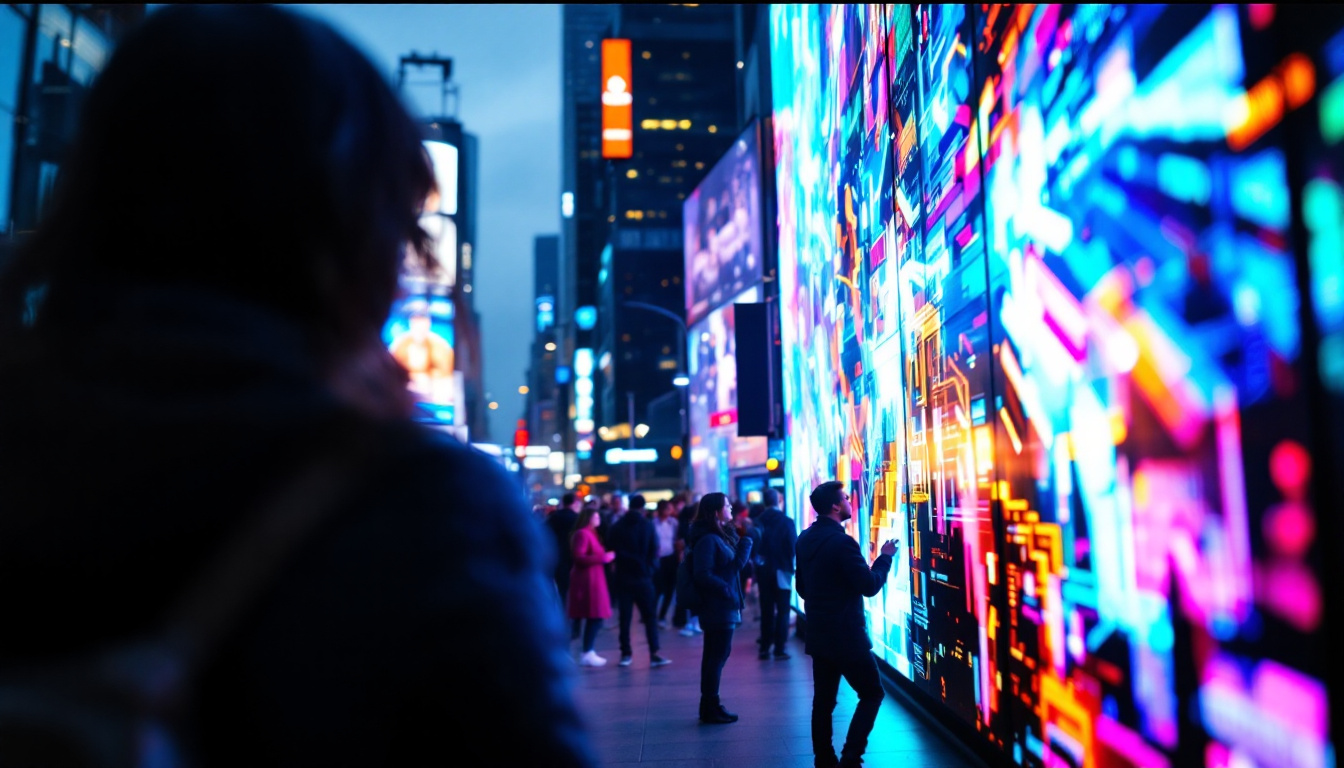
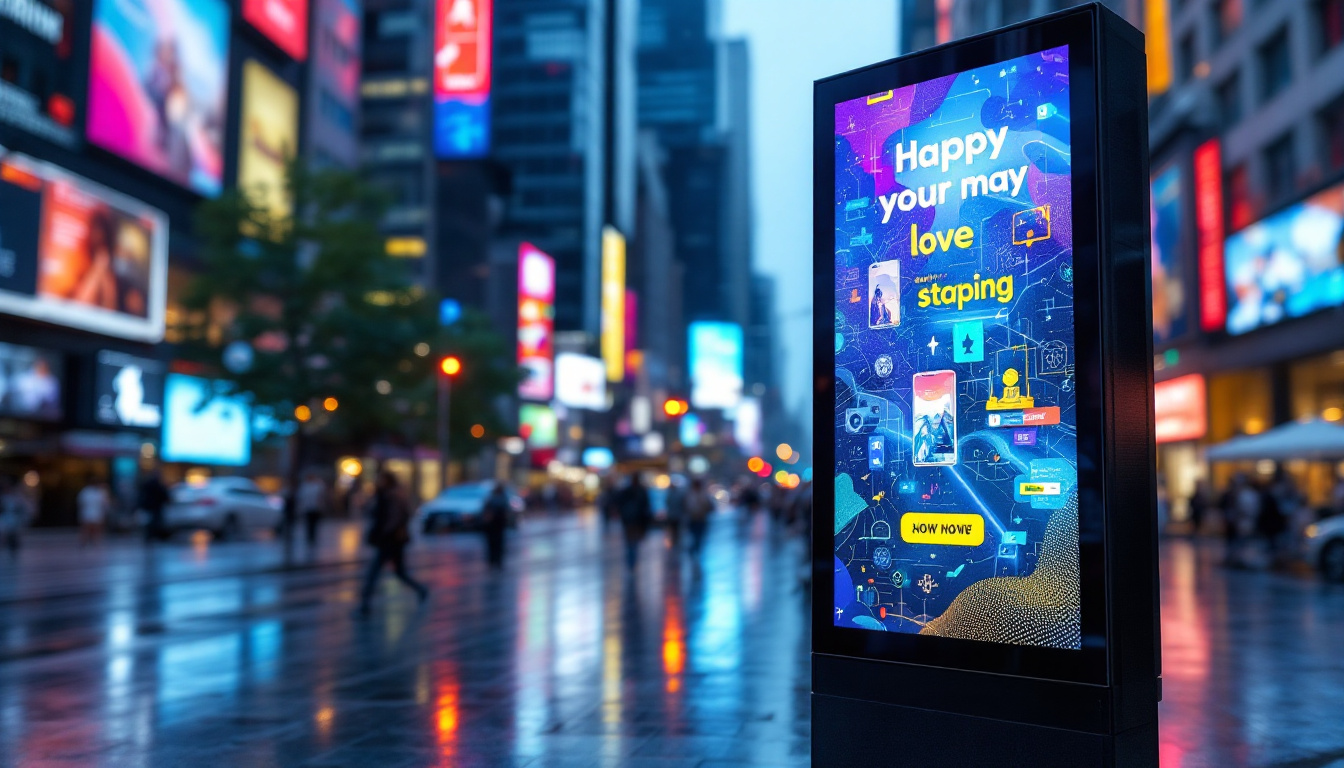
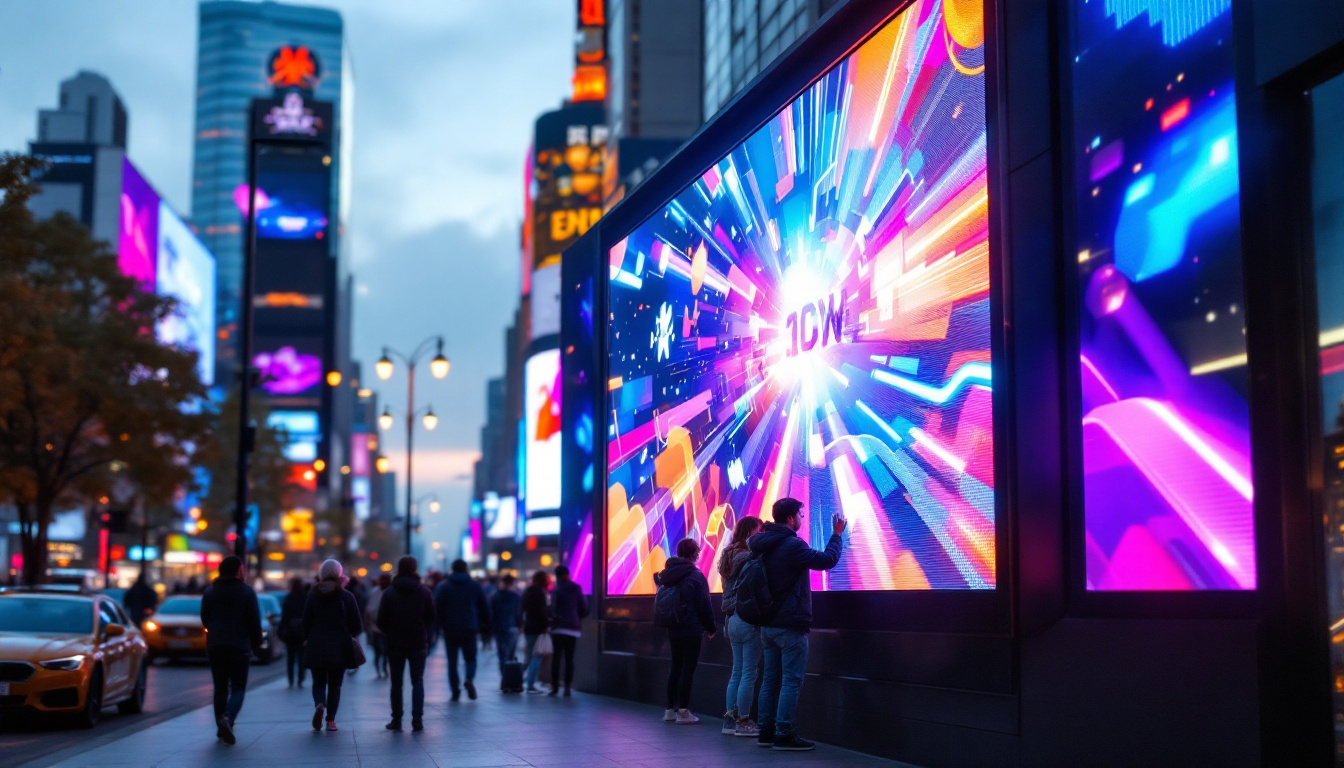
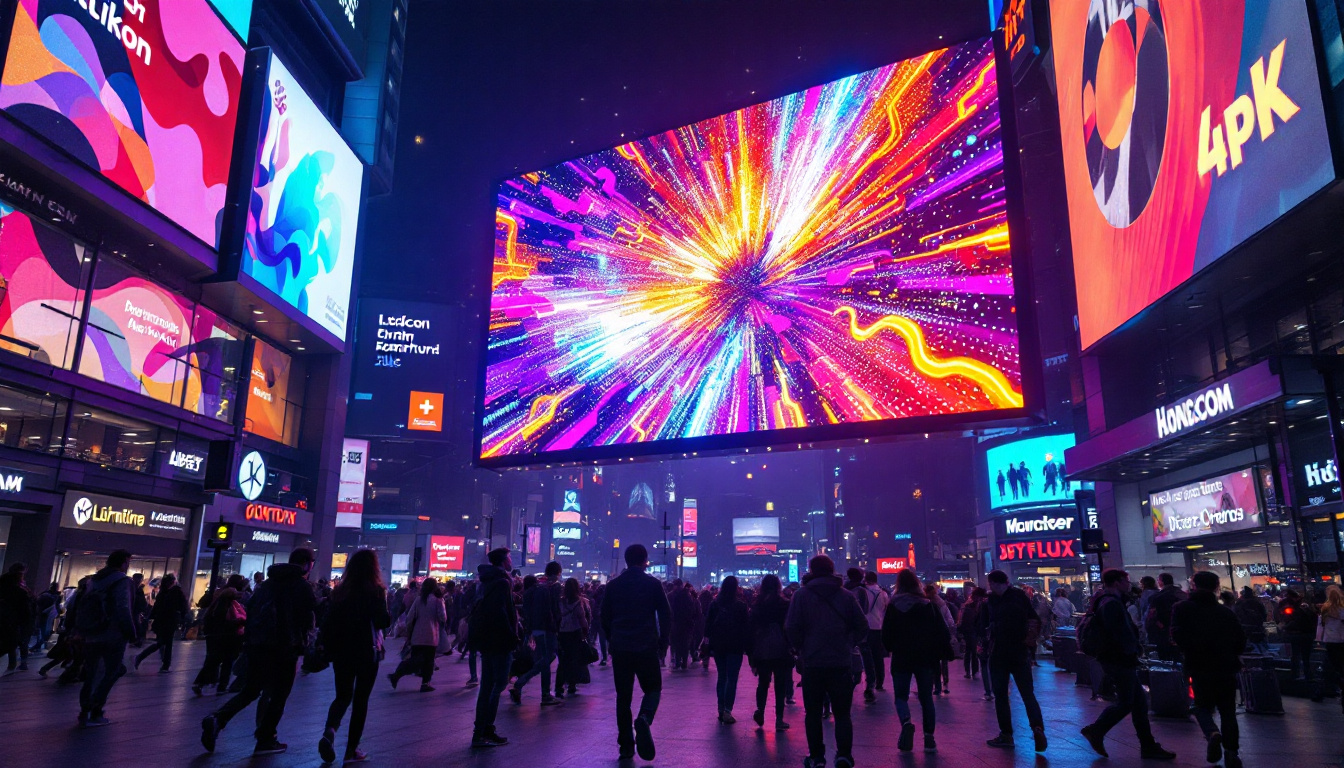
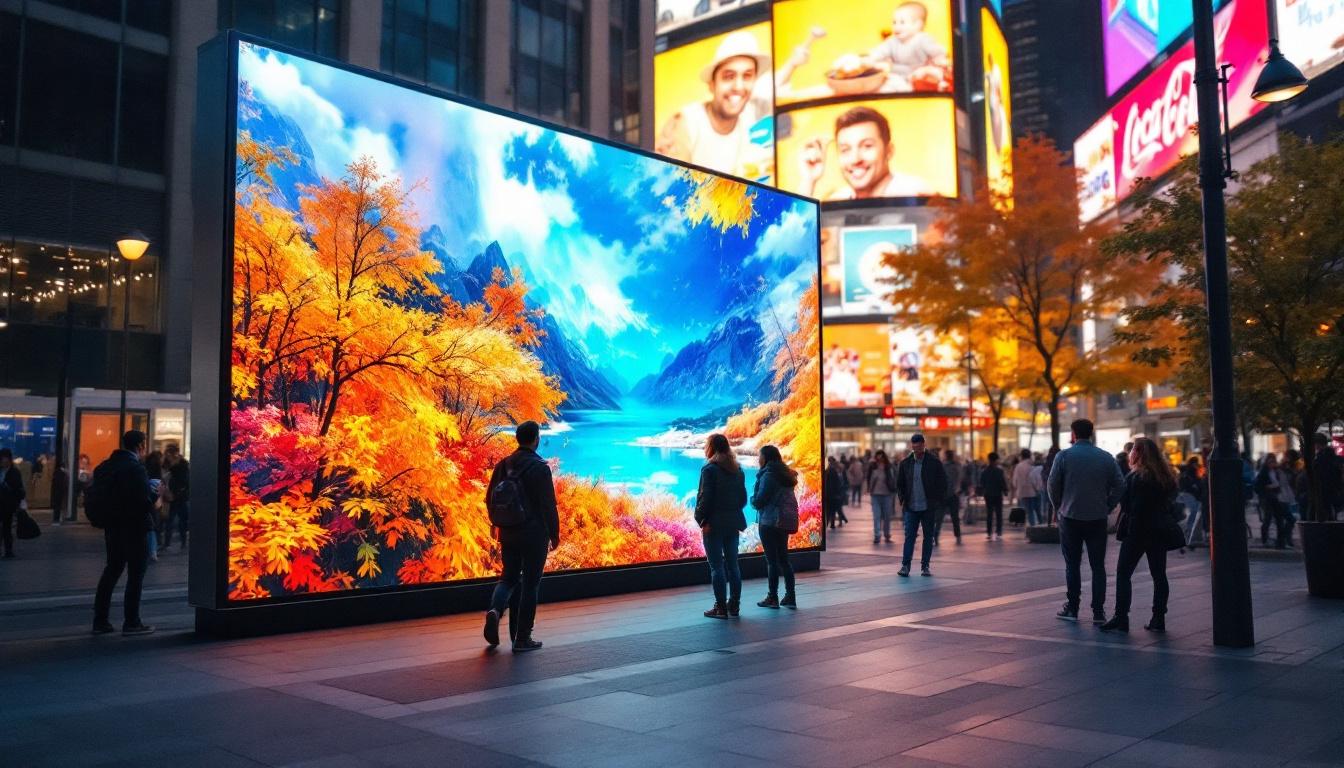
One of the most visible uses of exterior LED displays is in outdoor advertising. Digital billboards leverage the brightness and dynamic capabilities of LED screens to deliver engaging content that can be updated remotely in real-time. According to recent industry reports, the global digital billboard market is expected to grow at a CAGR of over 10% through 2027, driven by increasing urbanization and demand for targeted advertising.
These displays allow advertisers to rotate multiple ads throughout the day, optimize messaging based on time or audience demographics, and incorporate video and animations to capture attention more effectively than static billboards.
Transportation and Public Information Systems
Exterior LED displays are widely used in transportation hubs such as airports, train stations, and bus terminals. They provide real-time updates on schedules, delays, and safety information. Their high visibility ensures that passengers can easily access critical information regardless of weather or lighting conditions.
Additionally, LED displays are employed in traffic management systems, including variable message signs (VMS) on highways that communicate speed limits, road closures, and hazard warnings to drivers, enhancing safety and traffic flow.
Sports and Entertainment Venues
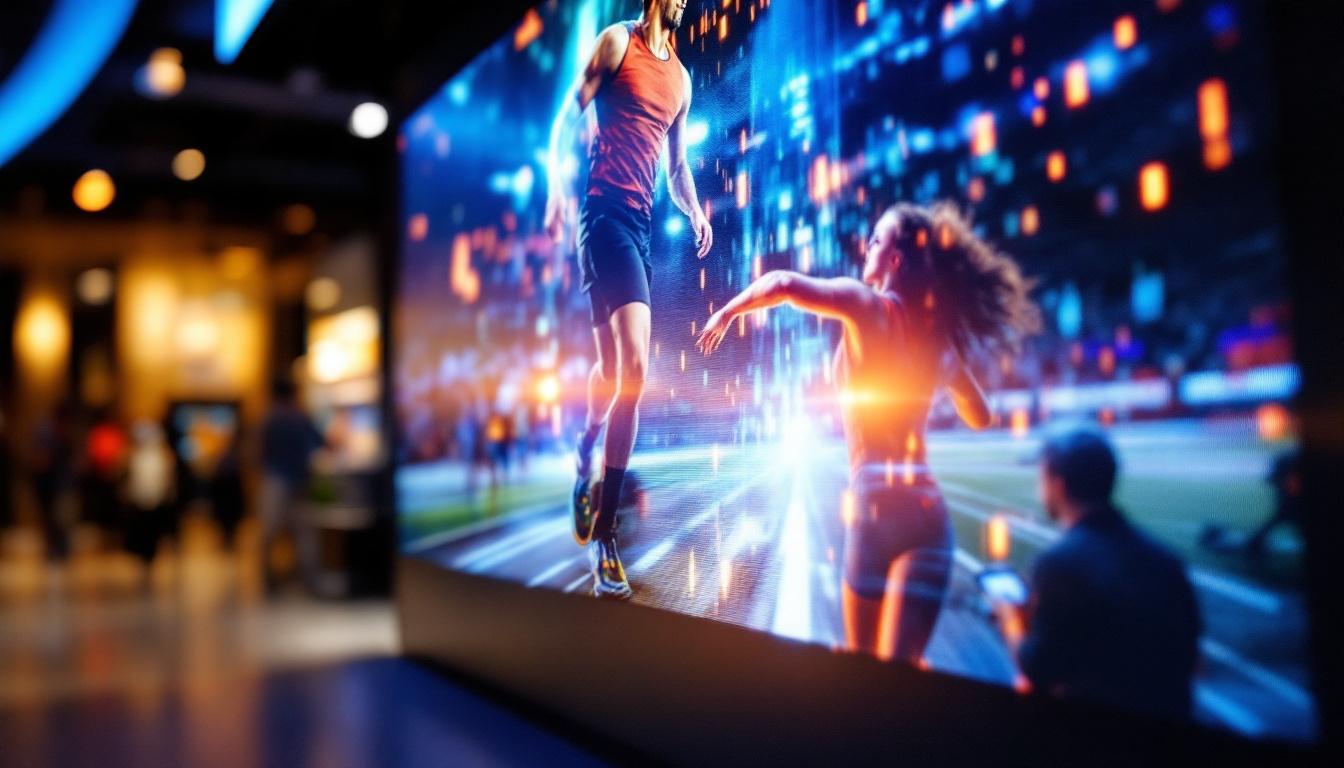
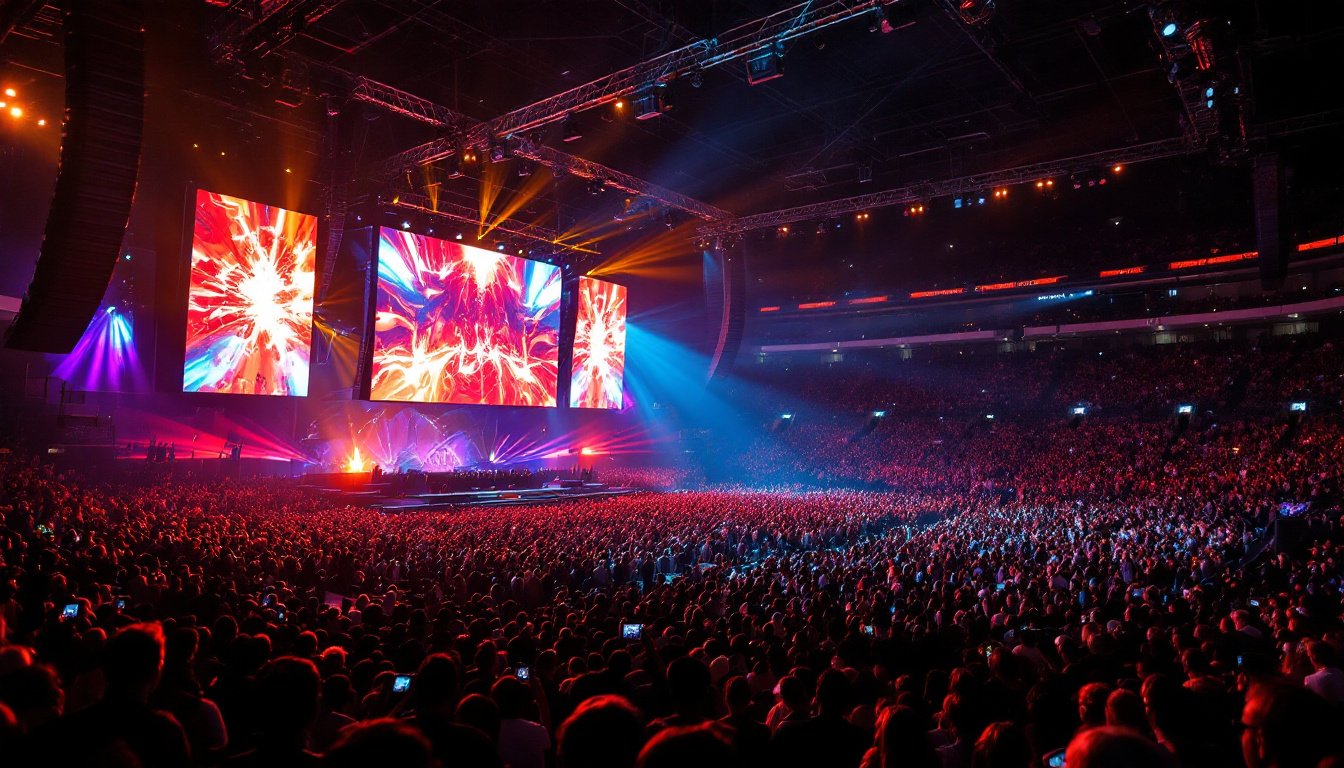
Stadiums and arenas utilize large exterior LED displays for scoreboards, advertising, and fan engagement. The ability to produce vivid colors and dynamic content enhances the spectator experience and provides additional revenue streams through advertising partnerships.
Retail and Hospitality
Retailers and hospitality businesses use exterior LED displays to attract customers with promotional messages, event announcements, and branding. The dynamic nature of LED screens allows for timely updates and seasonal campaigns, increasing foot traffic and customer engagement.
Technical Considerations When Choosing Exterior LED Displays
Brightness and Contrast Ratios
Brightness is paramount for outdoor visibility. When selecting an exterior LED display, it is important to consider the maximum nit level the screen can achieve. For most outdoor applications, a minimum of 3,000 nits is recommended, with premium installations reaching 5,000 nits or more.
Contrast ratio, the difference between the darkest black and brightest white the display can produce, also affects readability. LED displays typically have high contrast ratios due to their ability to turn off individual LEDs completely, producing true blacks.
Pixel Pitch and Resolution
Pixel pitch refers to the distance between the centers of two adjacent pixels, usually measured in millimeters. A smaller pixel pitch means higher resolution and sharper images, which is particularly important for displays viewed up close.
For large outdoor billboards viewed from a distance, a pixel pitch of 10mm to 20mm is common, balancing cost and image quality. For displays intended for closer viewing, such as storefront signs or information kiosks, pixel pitches can be as low as 2mm to 6mm.
Viewing Angle and Color Accuracy
Wide viewing angles ensure that content is visible from various positions around the display. High-quality LED displays offer viewing angles of 140 degrees or more horizontally and vertically.
Color accuracy and consistency are essential for brand representation and message clarity. Advanced calibration techniques and high-quality LEDs help maintain vibrant and true-to-life colors over time.
Installation and Maintenance
Installation considerations include structural support, power supply, and data connectivity. Exterior LED displays often require custom mounting solutions to withstand wind loads and environmental stresses.
Maintenance access is another important factor. Modular designs that allow for front or rear servicing reduce downtime and simplify repairs. Many manufacturers offer remote monitoring systems that track performance and alert operators to potential issues before they impact display operation.
Emerging Trends in Exterior LED Display Technology
Integration with Smart City Infrastructure
As cities become smarter, exterior LED displays are increasingly integrated with IoT (Internet of Things) networks. This integration enables dynamic content updates based on environmental data, traffic conditions, or emergency alerts, enhancing public safety and urban management.
Energy-Efficient Innovations
New developments in LED materials and driver electronics are pushing the boundaries of energy efficiency. Some displays now incorporate solar panels or energy harvesting technologies to reduce their environmental footprint, aligning with sustainability goals.
Enhanced Interactivity and Augmented Reality
Interactive exterior LED displays equipped with touch sensors, cameras, and motion detectors are becoming more common. These features enable engaging user experiences, from wayfinding to advertising campaigns that respond to audience behavior.
Augmented reality (AR) overlays combined with LED displays offer immersive experiences for entertainment, education, and marketing, blending digital content with the physical environment.
Conclusion
Exterior LCD and LED displays have revolutionized the way information and advertising are presented in outdoor environments. While exterior LCDs have made significant strides in brightness and durability, LED displays remain the gold standard for outdoor applications due to their superior brightness, energy efficiency, and flexibility.
Choosing the right exterior LED display involves careful consideration of brightness, pixel pitch, durability, and maintenance requirements. As technology advances, these displays are becoming smarter, more energy-efficient, and interactive, opening new possibilities for urban communication and engagement.
For businesses, municipalities, and event organizers, investing in high-quality exterior LED displays can enhance visibility, improve communication, and create memorable experiences that stand out in today’s visually saturated world.
Discover LumenMatrix’s Innovative LED Display Solutions
Ready to elevate your outdoor visual communication? Look no further than LumenMatrix, a pioneer in LED display technology. Our extensive range of products, from vibrant Outdoor LED Wall Displays to dynamic Vehicle LED Displays and beyond, is designed to capture attention and create immersive experiences. Embrace the future of digital signage with LumenMatrix and let us help you make a powerful statement in the visual world. Check out LumenMatrix LED Display Solutions today and see the difference innovation can make.