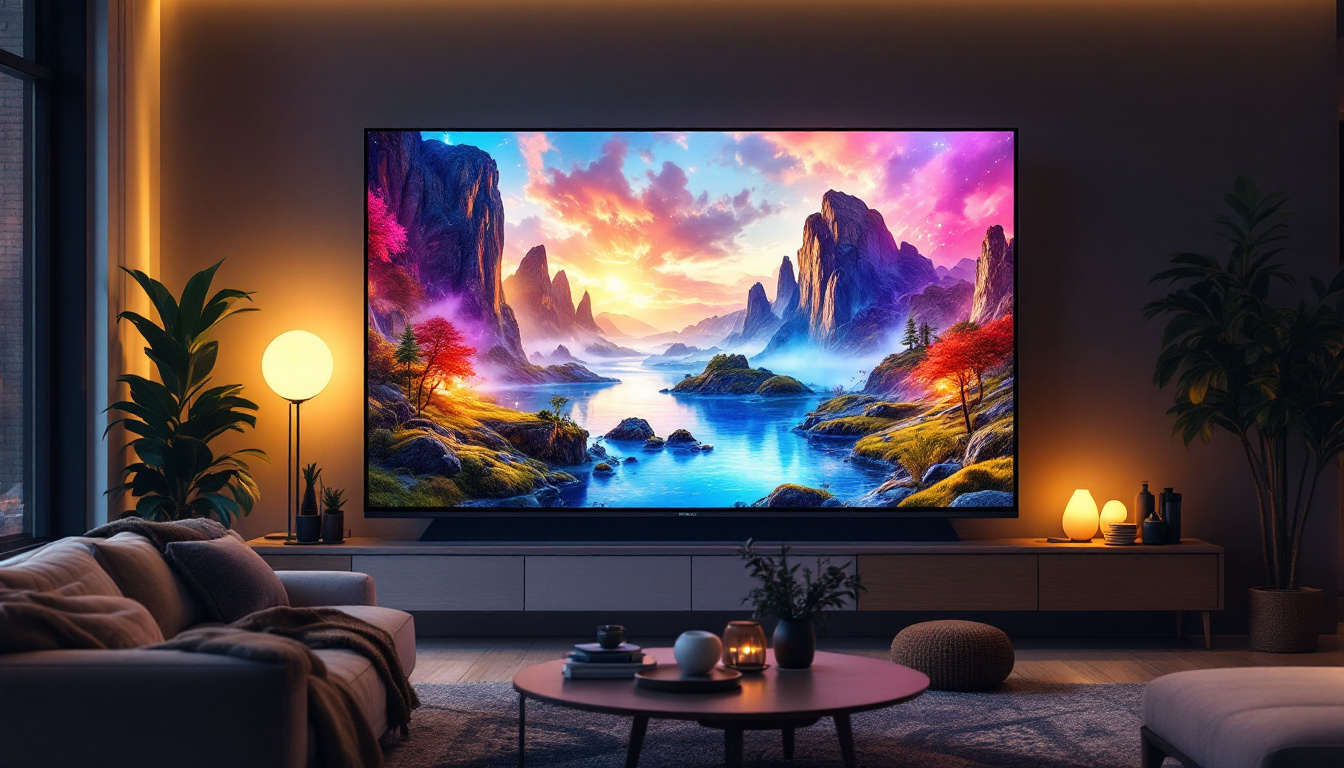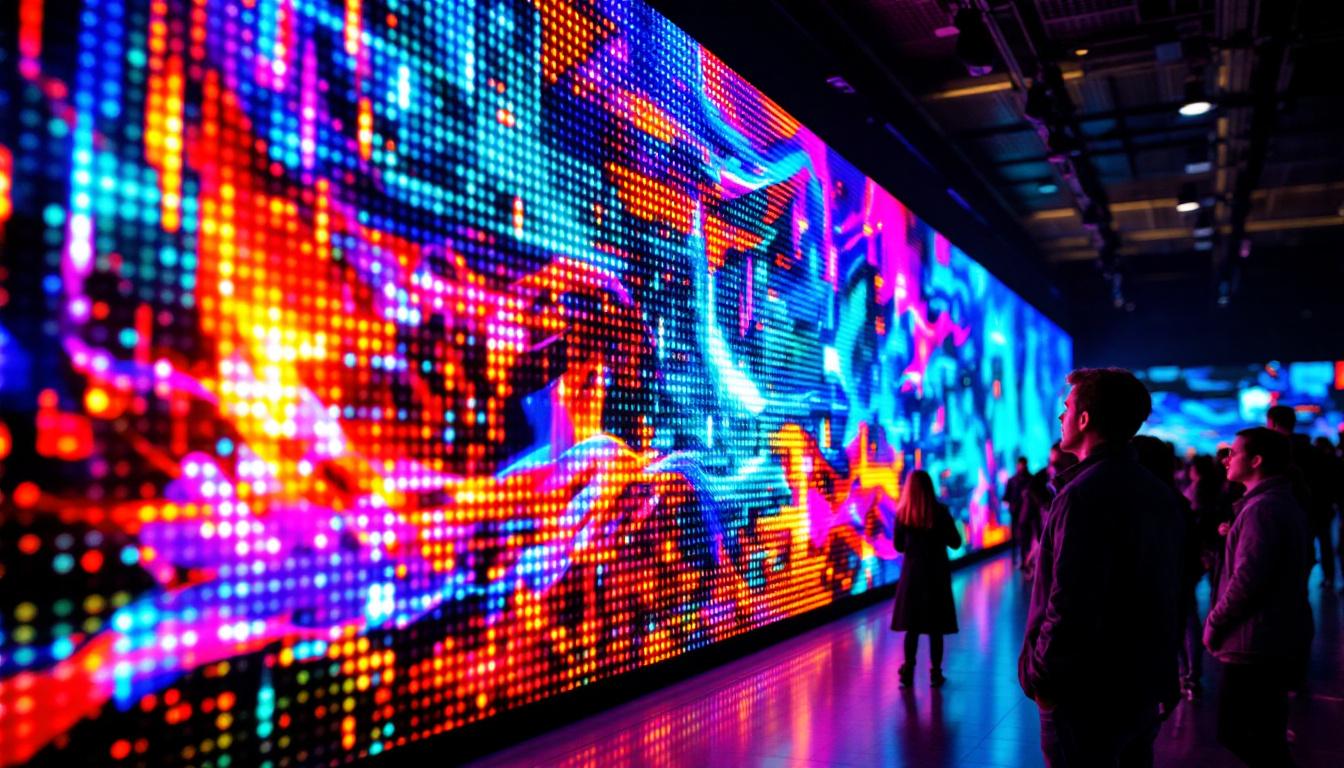
In the rapidly evolving world of visual technology, LED displays have emerged as a dominant force in video projection. From stadiums and concert venues to corporate boardrooms and digital billboards, LED displays are redefining how images and videos are projected and perceived. This article explores the fundamentals of LED display technology, its advantages over traditional projection methods, and its diverse applications across industries.
Understanding LED Display Technology
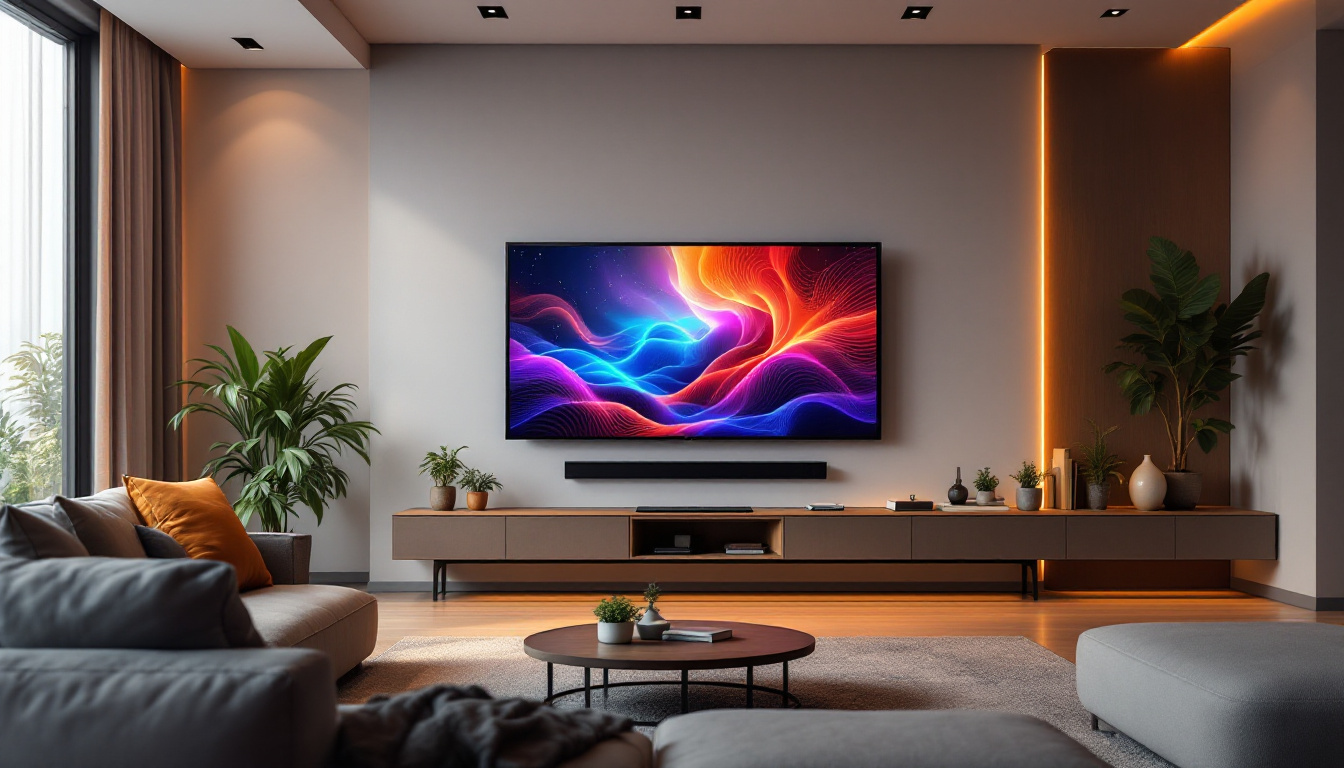
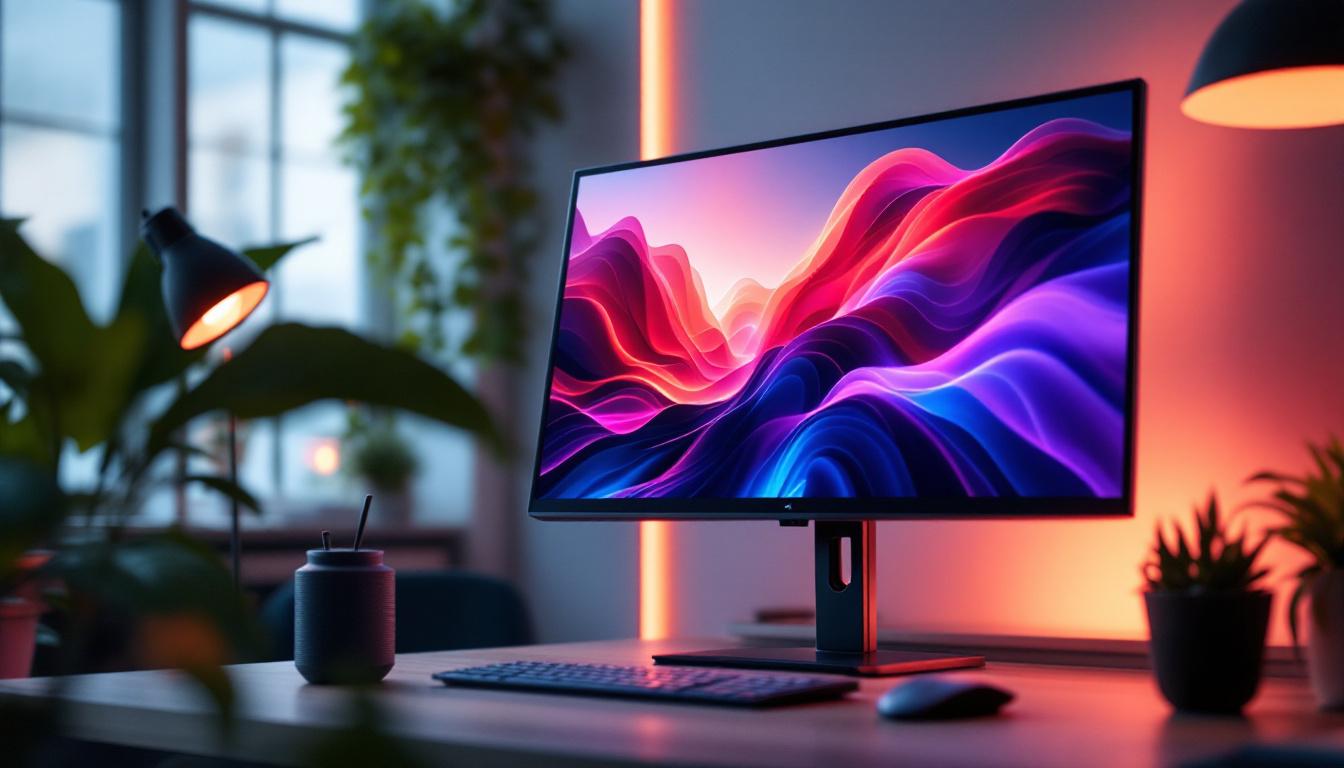
LED, or Light Emitting Diode, displays are composed of thousands to millions of tiny diodes that emit light when an electric current passes through them. Unlike traditional projection systems that rely on projecting light onto a surface, LED displays generate their own light, creating vivid, bright images with exceptional clarity. This self-illuminating capability not only enhances the visual experience but also allows for greater energy efficiency, making LED technology a popular choice for both commercial and residential applications.
How LED Displays Work
Each pixel on an LED screen consists of red, green, and blue diodes, which combine in varying intensities to produce a full spectrum of colors. These pixels are arranged in a grid, and by controlling the brightness of each diode, the display can render detailed images and videos. The modular nature of LED panels allows for flexible screen sizes and shapes, accommodating a wide range of installation environments. Furthermore, advancements in technology have led to the development of smart LED displays that can adapt to ambient lighting conditions, ensuring optimal viewing experiences regardless of the surrounding environment.
Types of LED Displays
LED displays come in several varieties, primarily categorized by their intended use and pixel pitch—the distance between individual pixels. Indoor LED displays typically have a smaller pixel pitch (ranging from 0.9mm to 4mm) to provide high resolution at close viewing distances. Outdoor LED displays, such as those used for billboards or stadium screens, have larger pixel pitches (up to 20mm or more) to ensure visibility from afar and withstand environmental conditions. In addition to standard displays, there are also transparent LED displays that allow light to pass through, making them ideal for retail environments where visibility of products behind the screen is desired. These innovative displays are gaining traction as they combine advertising with aesthetic appeal, creating a seamless integration of technology and design.
Advantages of LED Displays Over Traditional Projection
While traditional video projection relies on projectors casting images onto screens or surfaces, LED displays offer several compelling advantages that have accelerated their adoption across various sectors.
Brightness and Visibility
One of the most significant benefits of LED displays is their superior brightness. Typical projectors produce between 2,000 to 5,000 lumens, which can be insufficient in brightly lit environments. In contrast, LED displays can achieve brightness levels exceeding 5,000 nits, making them easily viewable even in direct sunlight. This high brightness ensures that content remains clear and vibrant regardless of ambient lighting conditions. Furthermore, the ability to adjust brightness dynamically allows for optimal viewing experiences in different settings, whether it’s a dimly lit conference room or an outdoor festival. This adaptability enhances audience engagement, as viewers can comfortably see the content without straining their eyes.
Image Quality and Color Accuracy
LED displays offer exceptional color accuracy and contrast ratios. Because each pixel emits its own light, LED screens can produce true blacks by turning off individual diodes, resulting in deeper contrast and richer images. This capability is particularly important for applications requiring high-fidelity visuals, such as digital art exhibitions, live events, and broadcast studios. In addition, many LED displays support a wider color gamut, allowing for more vibrant and lifelike colors. This feature is crucial in industries like advertising and film, where visual impact can significantly influence consumer behavior. The enhanced image quality not only captivates audiences but also elevates the overall aesthetic of any presentation.
Durability and Longevity
LED displays are known for their robustness and long operational life. Many LED panels are rated for over 100,000 hours of use, significantly outlasting traditional projector bulbs, which often require replacement after 2,000 to 5,000 hours. Additionally, LED displays are less susceptible to damage from environmental factors like dust, moisture, and temperature fluctuations, especially when designed for outdoor use. This durability translates to lower maintenance costs and less downtime, making LED technology a reliable choice for businesses that require consistent performance. Moreover, the ruggedness of LED displays makes them ideal for high-traffic areas, such as shopping malls and transportation hubs, where they can withstand the rigors of daily use without compromising on quality.
Flexibility and Scalability
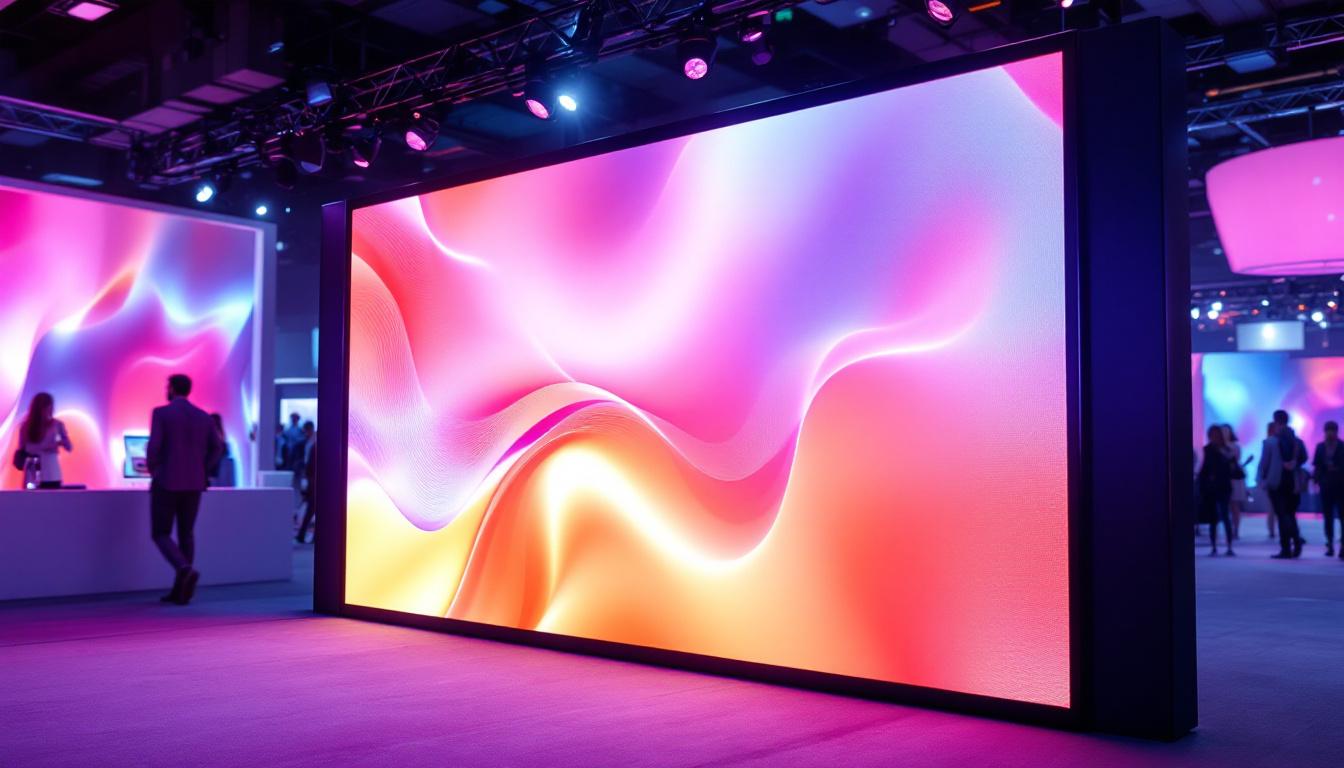
The modular design of LED displays means they can be customized to fit virtually any size or shape. Whether creating a massive video wall in an arena or a curved display in a retail environment, LED technology offers unmatched flexibility. This scalability allows businesses and event organizers to tailor their visual setups precisely to their needs without being constrained by fixed screen sizes. Additionally, the seamless integration of multiple panels can create stunning visual experiences that captivate audiences. This adaptability is particularly beneficial for temporary installations, such as trade shows and exhibitions, where the ability to easily assemble and disassemble displays is a significant advantage.
Energy Efficiency
Compared to traditional projection systems, LED displays tend to be more energy-efficient. They consume less power while delivering higher brightness levels, which translates to reduced operational costs and a smaller environmental footprint. This efficiency is increasingly important as companies prioritize sustainability in their technology choices. Furthermore, the lower heat output of LED displays reduces the need for extensive cooling systems, which can further decrease energy consumption. As organizations strive to meet green initiatives and reduce their carbon emissions, the energy-saving benefits of LED technology position it as a forward-thinking choice for modern visual communication.
Applications of LED Displays in Video Projection
The versatility of LED displays has led to their widespread adoption across many industries. Understanding these applications highlights why LED technology is becoming the preferred choice for video projection.
Entertainment and Live Events
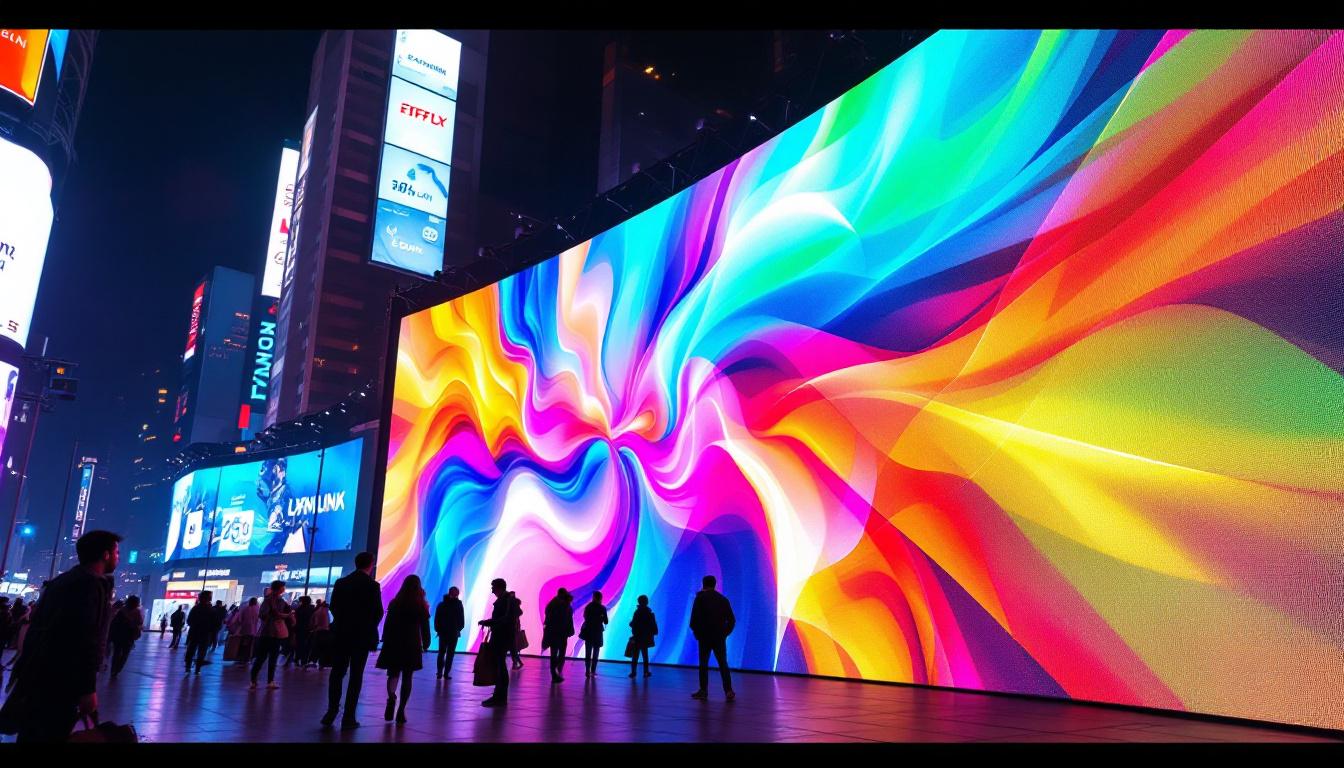
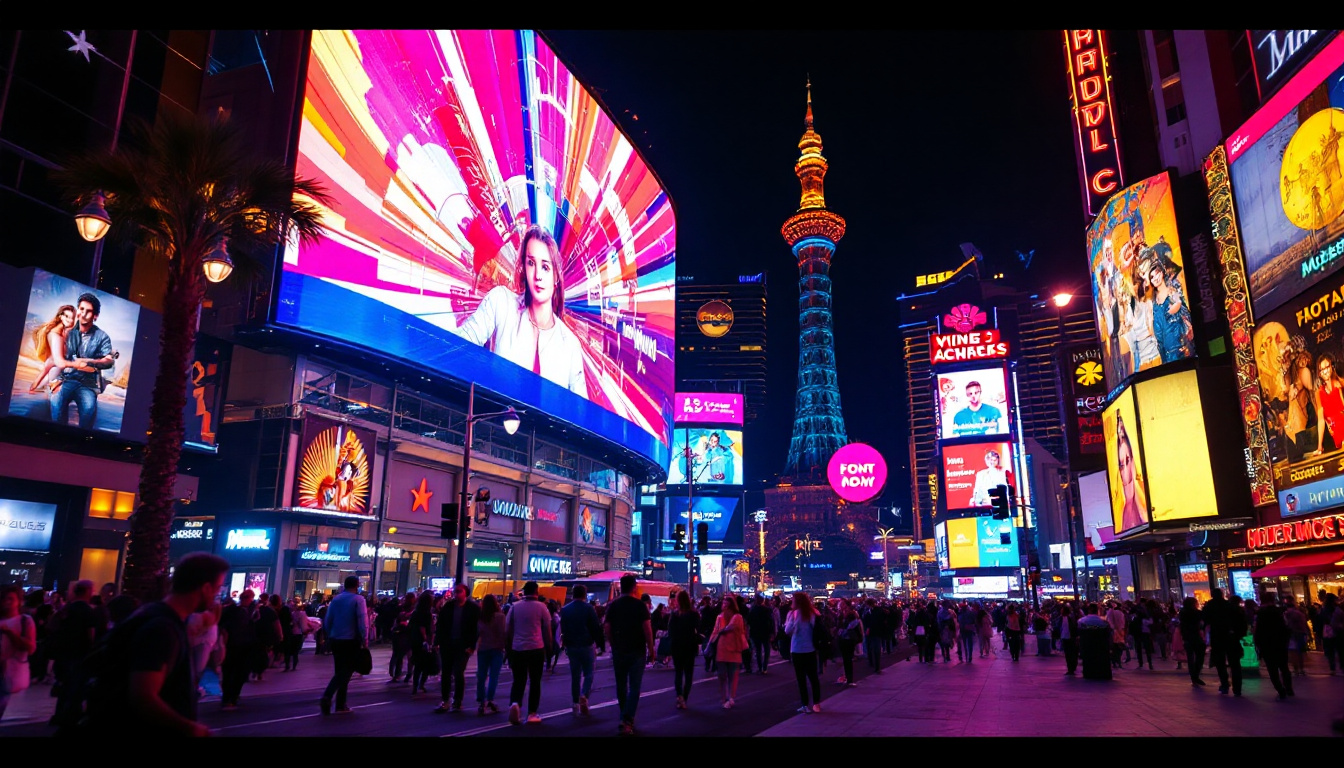
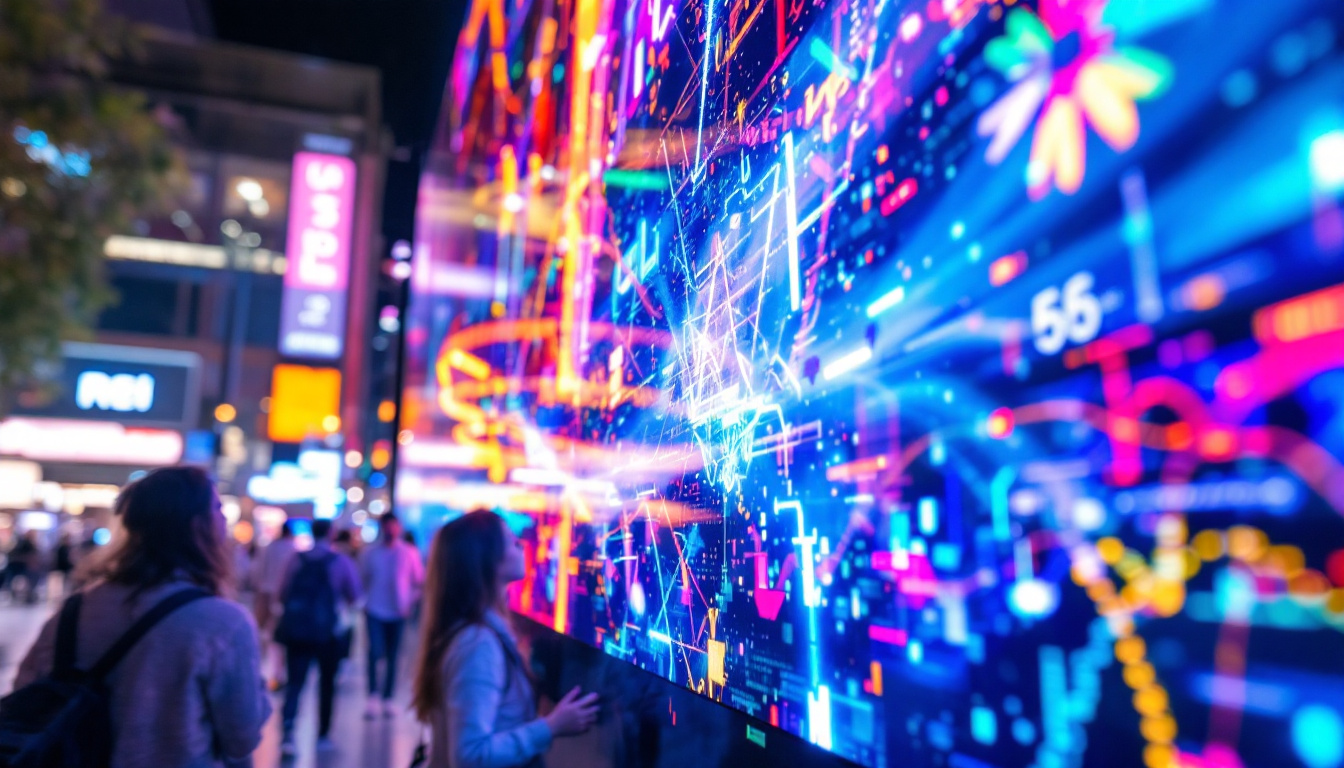
Concerts, festivals, and sporting events frequently use large-scale LED video walls to enhance the spectator experience. These displays provide clear visuals to large audiences, even in outdoor settings with variable lighting. For example, the Super Bowl halftime shows often feature massive LED installations that deliver immersive visual storytelling alongside live performances.
Corporate and Retail Environments
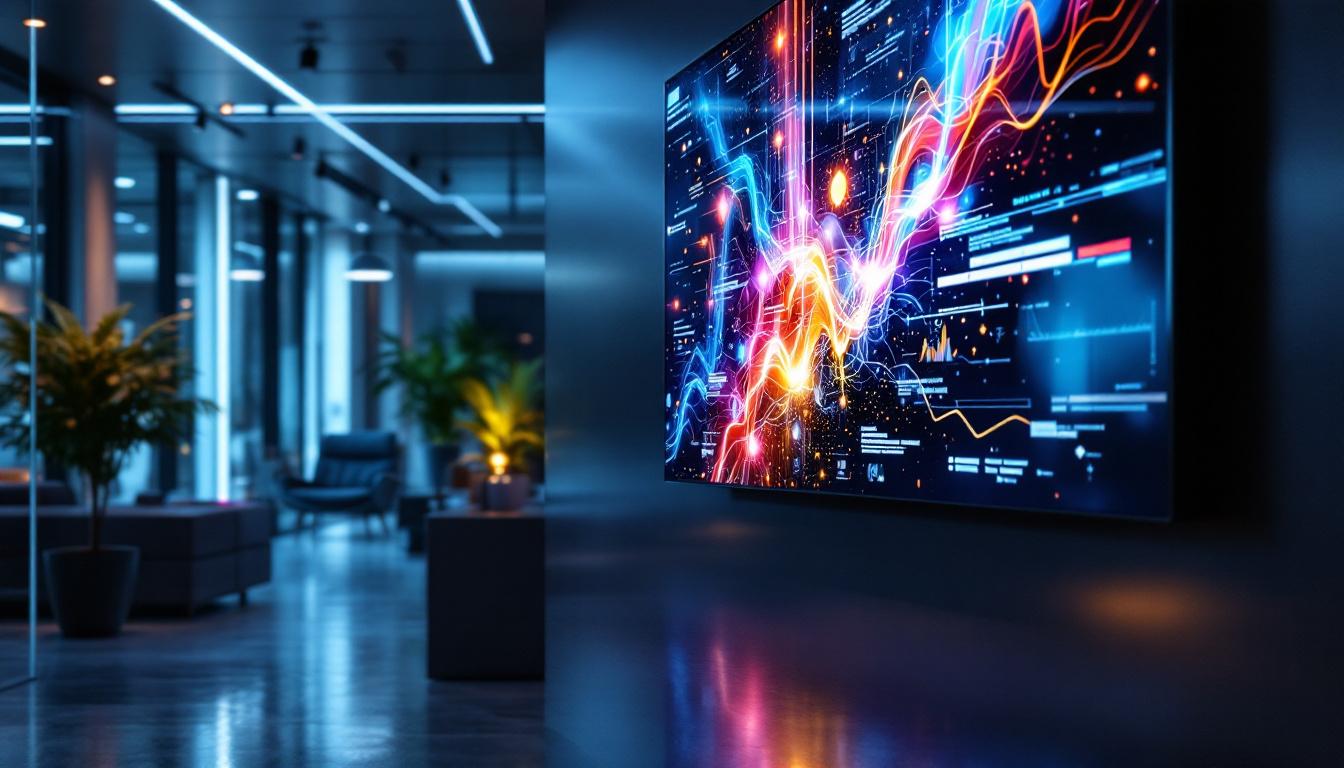
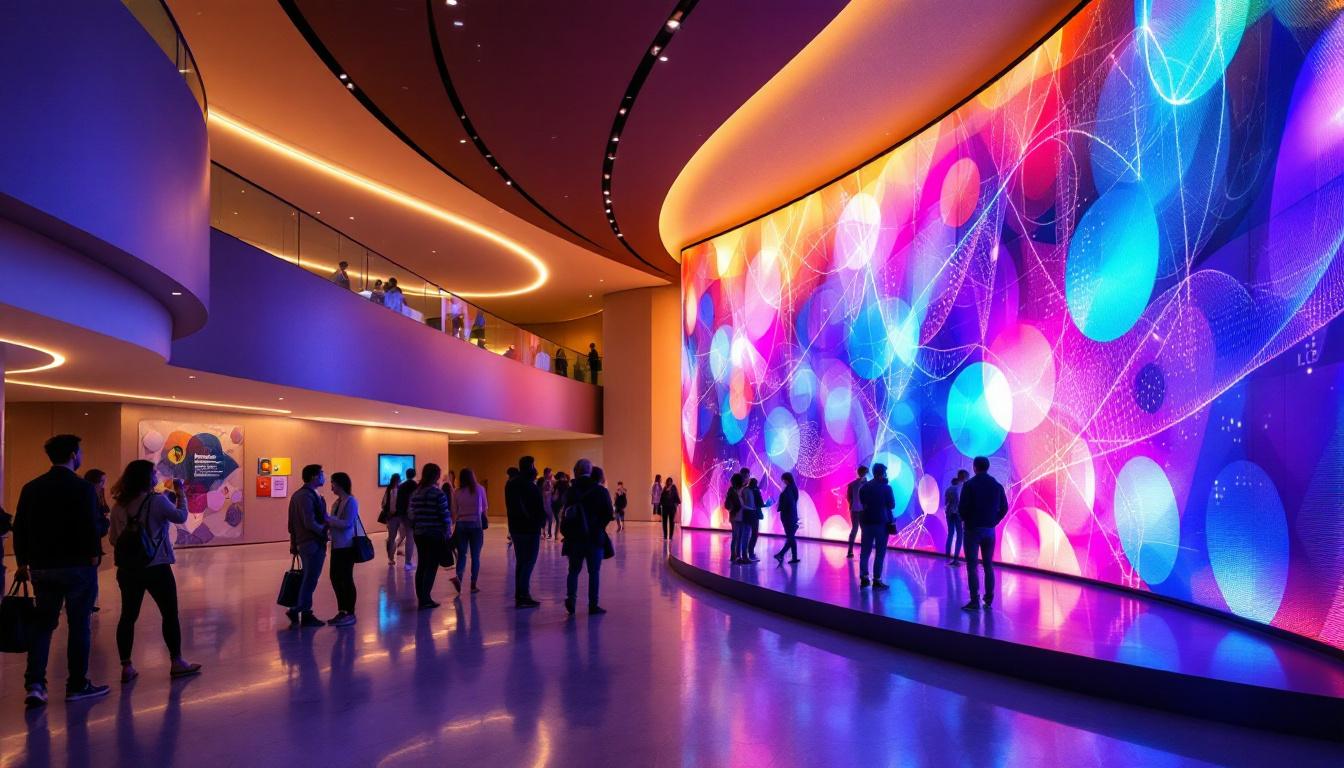
In corporate settings, LED displays are used for presentations, video conferencing, and digital signage. Their high resolution and brightness make them ideal for boardrooms and auditoriums where clear communication is essential. Retailers leverage LED video walls to attract customers and showcase dynamic advertising content, improving engagement and sales.
Broadcast and Control Rooms
Broadcast studios and control rooms rely on LED displays for monitoring multiple video feeds simultaneously. The ability to display crisp, accurate images with minimal latency is critical in these environments, where timely decision-making depends on real-time visual data.
Outdoor Advertising and Public Spaces
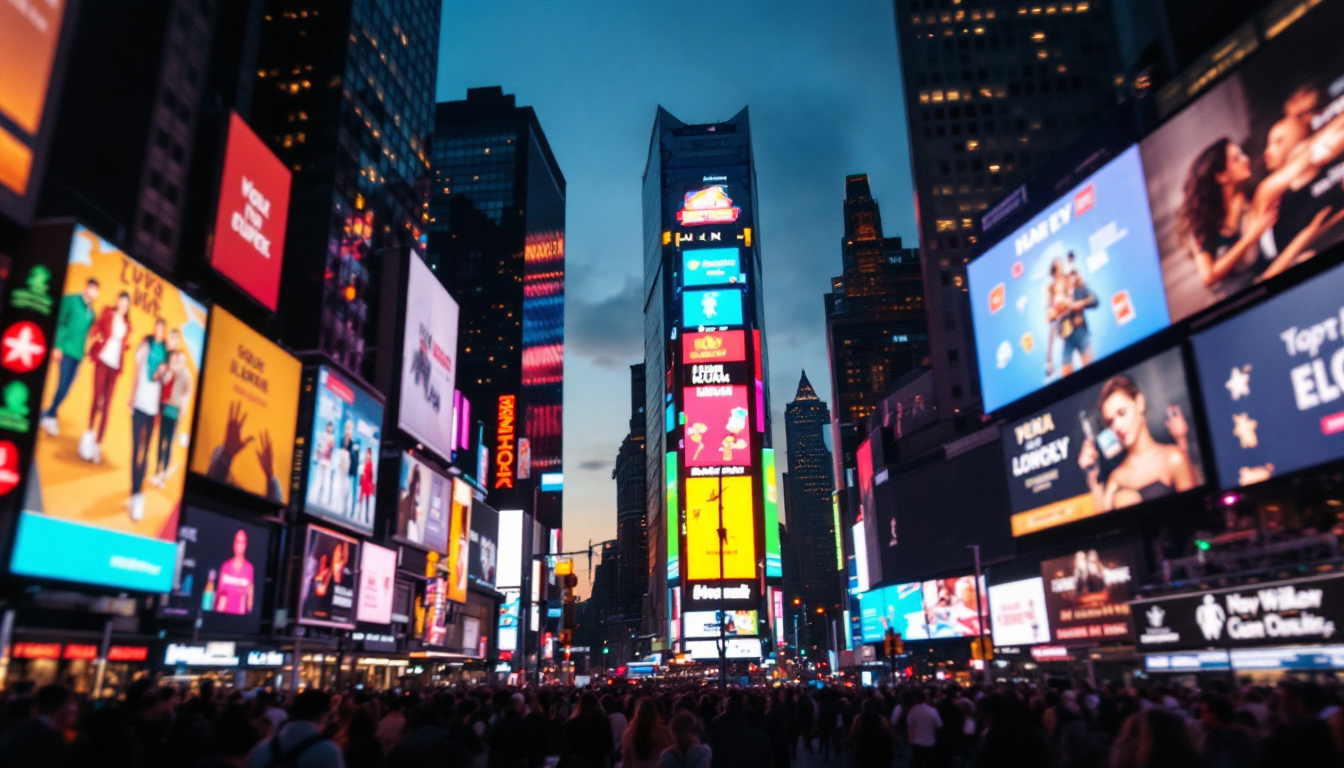
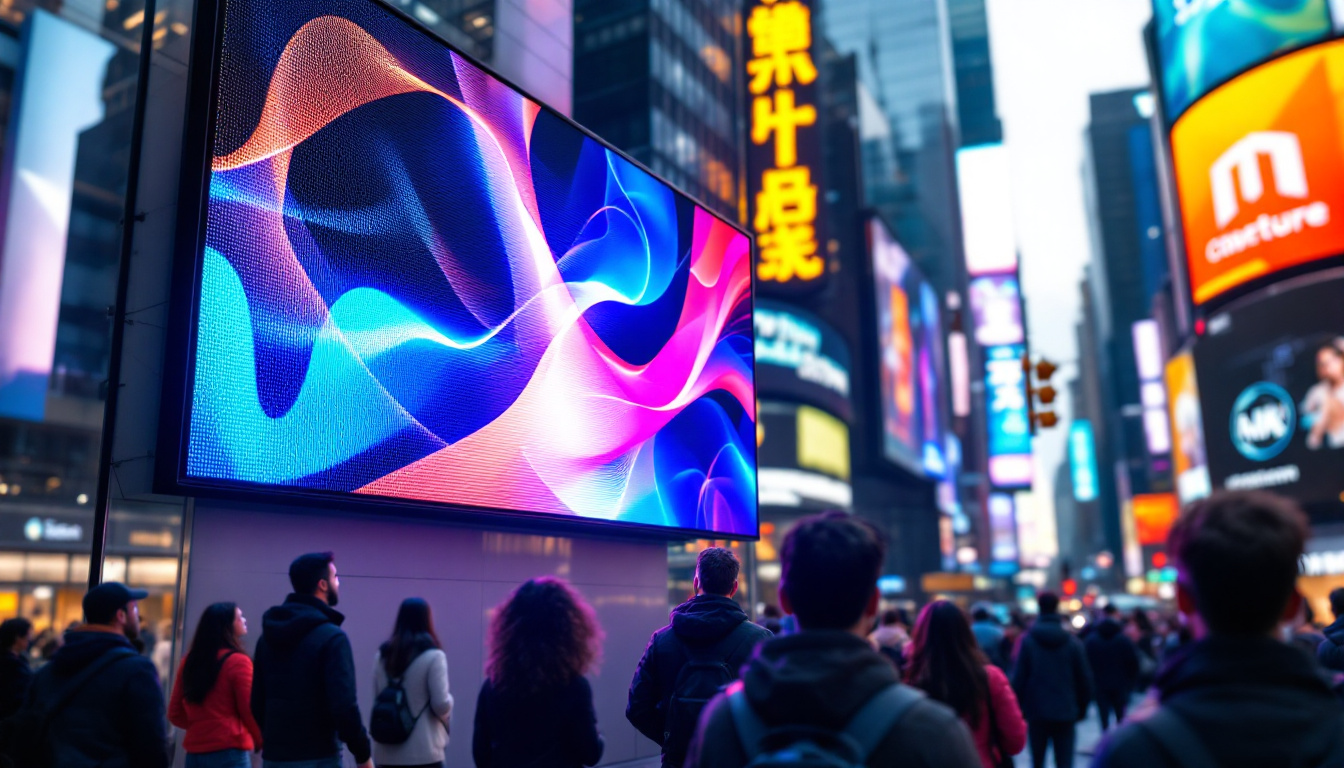
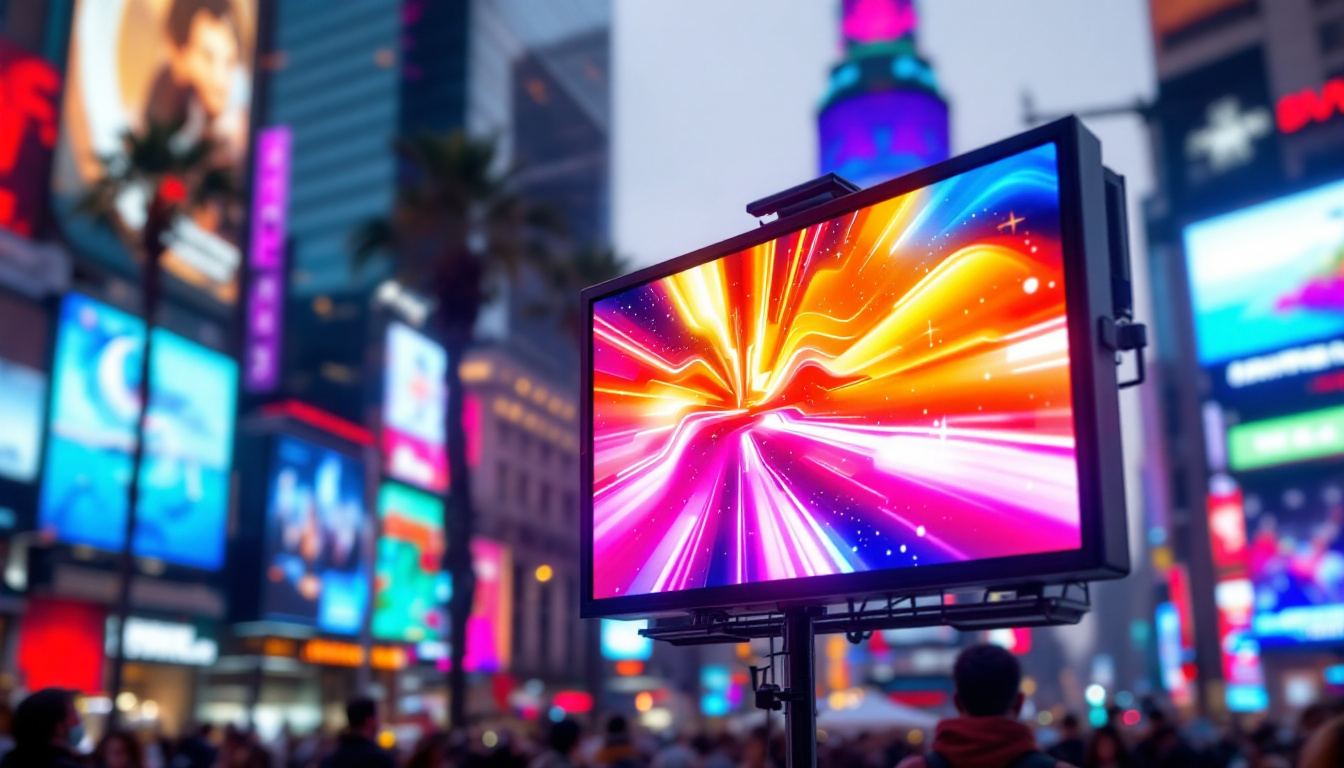
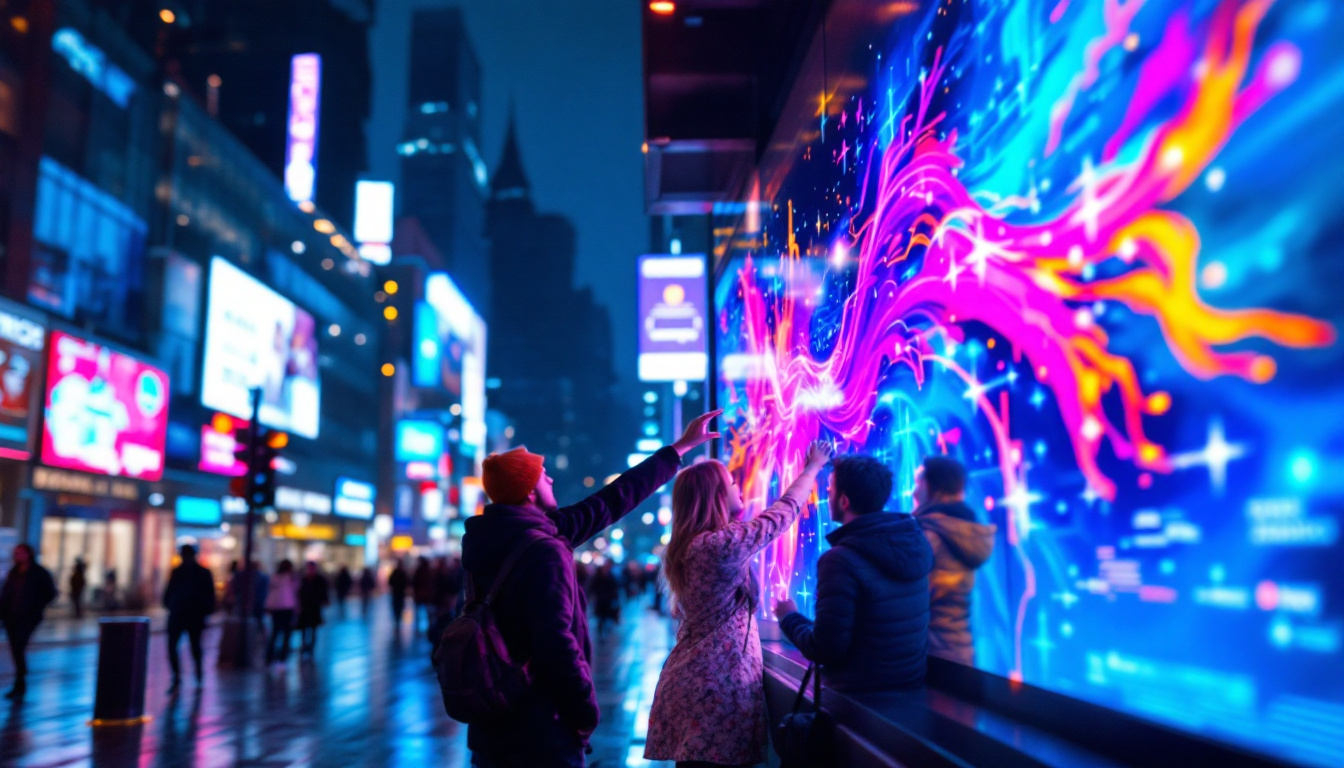
Digital billboards and public information displays increasingly use LED technology due to its visibility and durability. Cities worldwide deploy LED screens in transit hubs, shopping districts, and sports arenas to communicate messages, advertisements, and event information effectively.
Key Considerations When Choosing an LED Display
Selecting the right LED display for video projection involves evaluating several factors to ensure optimal performance and return on investment.
Pixel Pitch and Resolution
Pixel pitch directly affects image sharpness and viewing distance. For close-up viewing, such as in conference rooms or retail stores, a smaller pixel pitch is essential to avoid visible pixelation. Conversely, larger pixel pitches are acceptable for outdoor displays viewed from greater distances. Understanding the target audience’s typical viewing distance helps determine the appropriate pixel pitch.
Brightness and Contrast Requirements
Assessing the ambient lighting conditions where the display will be installed is crucial. Indoor environments with controlled lighting require less brightness than outdoor or brightly lit spaces. Additionally, high contrast ratios enhance image depth and clarity, especially for video content with dark scenes.
Installation Environment and Durability
Environmental factors such as temperature, humidity, and exposure to elements must be considered. Outdoor LED displays should have weatherproof enclosures and protective coatings to withstand rain, dust, and UV radiation. Indoor installations may prioritize slim designs and ease of maintenance.
Connectivity and Control Systems
Modern LED displays often integrate with advanced control systems that allow remote management, content scheduling, and real-time monitoring. Compatibility with existing AV infrastructure and ease of use are important considerations for seamless operation.
Budget and Total Cost of Ownership
While LED displays generally involve higher upfront costs compared to traditional projectors, their longevity, lower maintenance, and energy savings can offset initial investments. Evaluating the total cost of ownership over the display’s lifespan is essential for informed decision-making.
The Future of Video Projection with LED Technology
As LED technology continues to advance, the future of video projection looks increasingly bright and dynamic. Innovations in microLED and miniLED technologies promise even higher resolutions, improved energy efficiency, and thinner, more flexible displays.
MicroLED and MiniLED Innovations
MicroLED displays use microscopic LEDs that offer superior brightness and contrast while enabling ultra-high-definition images. These displays are poised to revolutionize applications such as augmented reality, virtual reality, and wearable devices. MiniLED technology, which uses smaller LEDs than traditional ones, enhances backlighting for LCD screens, improving color accuracy and contrast.
Integration with Emerging Technologies
LED displays are becoming increasingly integrated with AI-driven content management, interactive touch capabilities, and IoT connectivity. These advancements allow for personalized, dynamic content delivery and enhanced user engagement across various sectors.
Sustainability and Environmental Impact
With growing emphasis on sustainable technology, LED displays are being designed with recyclable materials and energy-efficient components. Manufacturers are also focusing on reducing electronic waste through modular designs that facilitate easy repairs and upgrades.
Conclusion
LED display technology has transformed video projection by offering unparalleled brightness, image quality, and flexibility. Its advantages over traditional projection methods make it the preferred choice for a wide range of applications, from entertainment and advertising to corporate communications and public information systems. As innovations continue to emerge, LED displays will play an increasingly vital role in shaping the future of visual experiences.
For businesses and organizations looking to invest in video projection solutions, understanding the capabilities and considerations of LED displays is essential. By selecting the right technology tailored to specific needs, users can deliver compelling, high-impact visuals that engage audiences and stand the test of time.
Discover LumenMatrix’s Advanced LED Display Solutions
Ready to elevate your video projection capabilities? LumenMatrix is at the forefront of LED display innovation, offering a diverse range of solutions tailored to meet your unique visual communication needs. From stunning Indoor and Outdoor LED Wall Displays to dynamic Vehicle and Sports LED Displays, our technology is designed to captivate and engage your audience. Explore our cutting-edge LED Poster Displays, immersive Floor LED Displays, versatile All-in-One LED Displays, and the sleek aesthetics of LED Transparent Displays. Embrace the future of visual storytelling with LumenMatrix and transform your space into a vibrant canvas. Check out LumenMatrix LED Display Solutions and see how we can help you make a lasting impression.