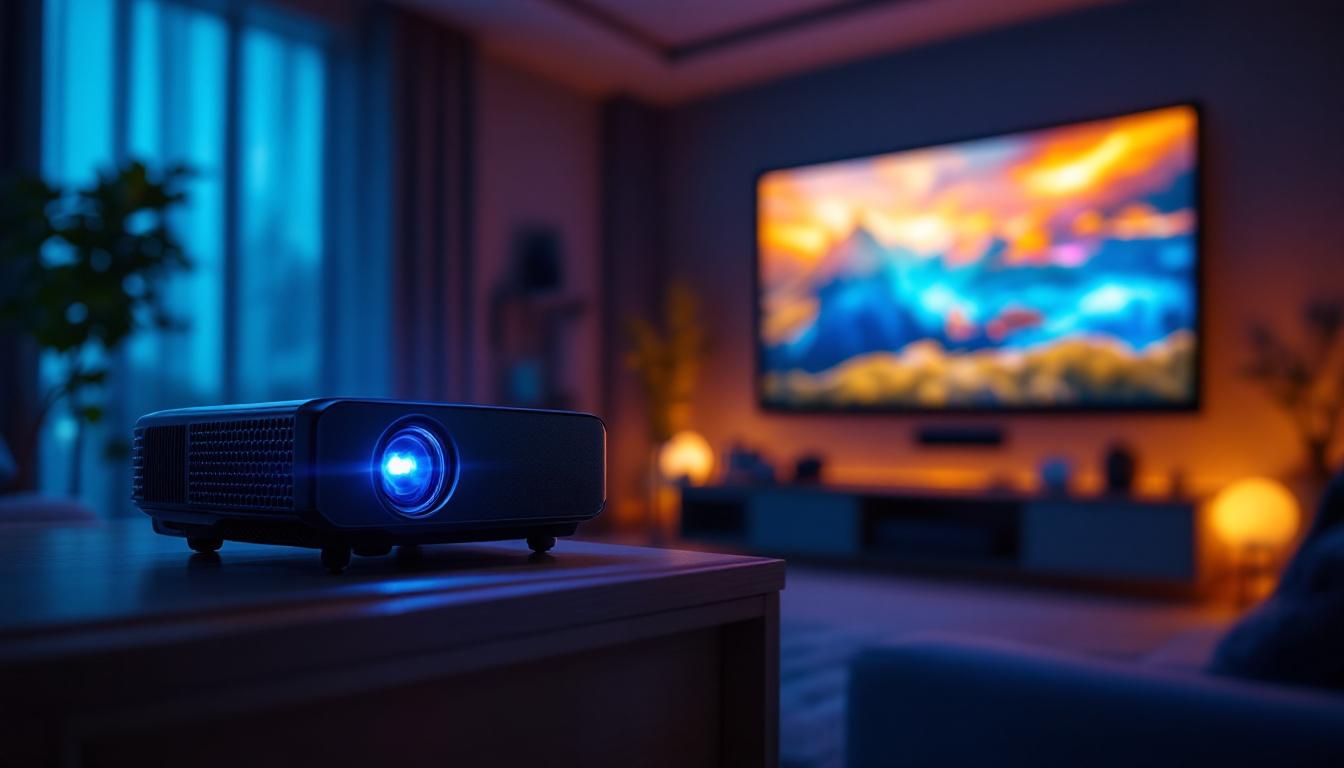
Full HD LED Projector: LED Display Explained
In the evolving world of display technology, Full HD LED projectors have carved a niche for themselves by merging high-definition clarity with energy-efficient LED illumination. Whether you are a home theater enthusiast, a business professional, or an educator, understanding the technology behind these projectors can help you make informed decisions for your display needs. This article delves deep into the intricacies of Full HD LED projectors, explaining LED display technology, its benefits, and practical applications.
Understanding Full HD Resolution and Its Importance
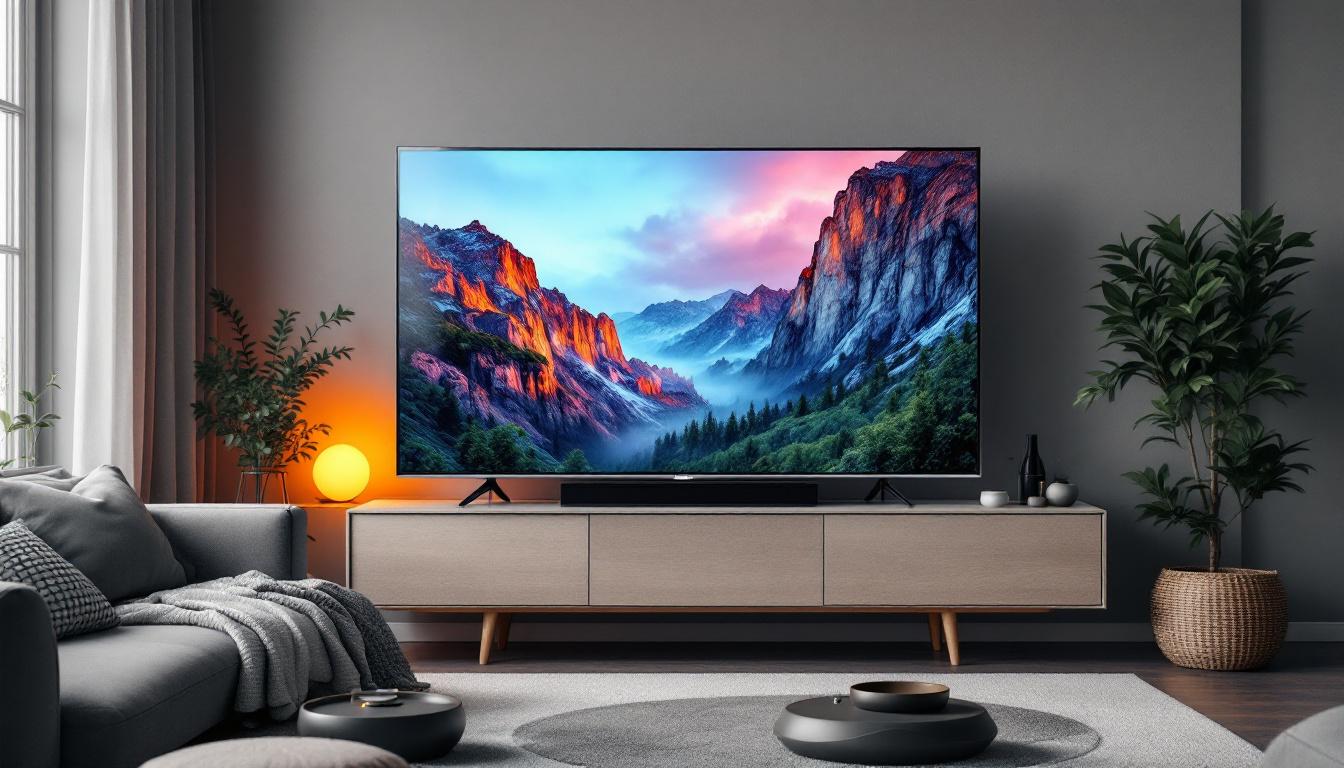
Full HD, or Full High Definition, refers to a display resolution of 1920 x 1080 pixels. This resolution is widely regarded as the standard for high-quality video and image display, offering sharp detail and vibrant colors that enhance viewing experiences. The pixel density of Full HD allows for a clear and immersive visual experience, making it suitable for everything from watching movies to playing video games. The clarity of Full HD is particularly noticeable when viewing high-action scenes or intricate graphics, where every detail counts.
In projectors, Full HD resolution ensures that projected images and videos maintain clarity, even on large screens. For instance, when watching a movie or delivering a presentation, the fine details and text remain crisp, reducing eye strain and improving overall engagement. This level of detail is crucial in educational settings, where visual aids can significantly impact learning outcomes. Teachers and students alike benefit from the ability to see diagrams, charts, and videos in high definition, facilitating a more interactive and effective learning environment.
With the rise of 4K and higher resolutions, some may question the relevance of Full HD. However, Full HD projectors remain popular due to their balance between image quality, affordability, and compatibility with most video sources, making them an excellent choice for many users. Additionally, many streaming services and content providers still produce a significant amount of content in Full HD, ensuring that users can enjoy a vast library of films, shows, and games without needing to upgrade to more expensive technology. The continued support for Full HD in various devices, from televisions to laptops, further solidifies its place as a reliable and accessible option for consumers.
Moreover, Full HD technology has evolved to include features such as enhanced color accuracy and improved contrast ratios, which contribute to a more dynamic viewing experience. Many modern Full HD projectors come equipped with advanced processing technologies that optimize image quality, ensuring that colors pop and blacks are deep, providing a cinematic feel even in home environments. As a result, users can enjoy a rich visual experience that rivals that of higher-resolution displays, making Full HD a versatile choice for both casual viewers and serious cinephiles alike.
What Is an LED Projector?
The Basics of LED Illumination
LED projectors use Light Emitting Diodes (LEDs) as their primary light source instead of traditional lamps such as UHP (Ultra High Performance) bulbs. LEDs generate light through electroluminescence, a process where an electric current passes through a semiconductor material, emitting photons.
This fundamental difference in light generation brings several advantages. LEDs consume less power, have a longer lifespan, and produce less heat compared to conventional projector lamps. These factors contribute to lower maintenance costs and increased reliability over time.
LED vs. Traditional Lamp Projectors
Traditional lamp-based projectors typically use mercury vapor lamps that can last between 2,000 to 5,000 hours, depending on usage and lamp quality. In contrast, LED projectors boast lifespans ranging from 20,000 to 30,000 hours, significantly reducing the need for replacements.
Additionally, LED projectors tend to offer quicker startup times and more consistent brightness throughout their lifespan. Traditional lamps often dim as they age, requiring periodic calibration or replacement to maintain optimal image quality.
How LED Technology Enhances Projector Performance
Color Accuracy and Saturation
One of the standout features of LED projectors is their ability to produce vivid and accurate colors. LEDs can emit light at very specific wavelengths, allowing for a broader color gamut compared to traditional lamps. This results in richer reds, deeper blues, and more natural greens, enhancing the overall viewing experience.
For applications such as graphic design, video editing, or cinematic presentations, this improved color fidelity is invaluable. It ensures that the projected image closely matches the original content, preserving artistic intent and detail.
Energy Efficiency and Environmental Impact
LED projectors are inherently more energy-efficient due to the nature of LED light sources. They consume less power for the same brightness output, which translates into lower electricity bills and a reduced carbon footprint.
Moreover, LEDs do not contain hazardous materials like mercury, which is present in many traditional projector lamps. This makes LED projectors more environmentally friendly and easier to dispose of responsibly at the end of their lifecycle.
Compact Design and Portability
The smaller size of LED light sources allows manufacturers to design more compact and lightweight projectors. This portability is a significant advantage for users who need to transport their projectors frequently, such as business professionals or educators conducting classes in multiple locations.
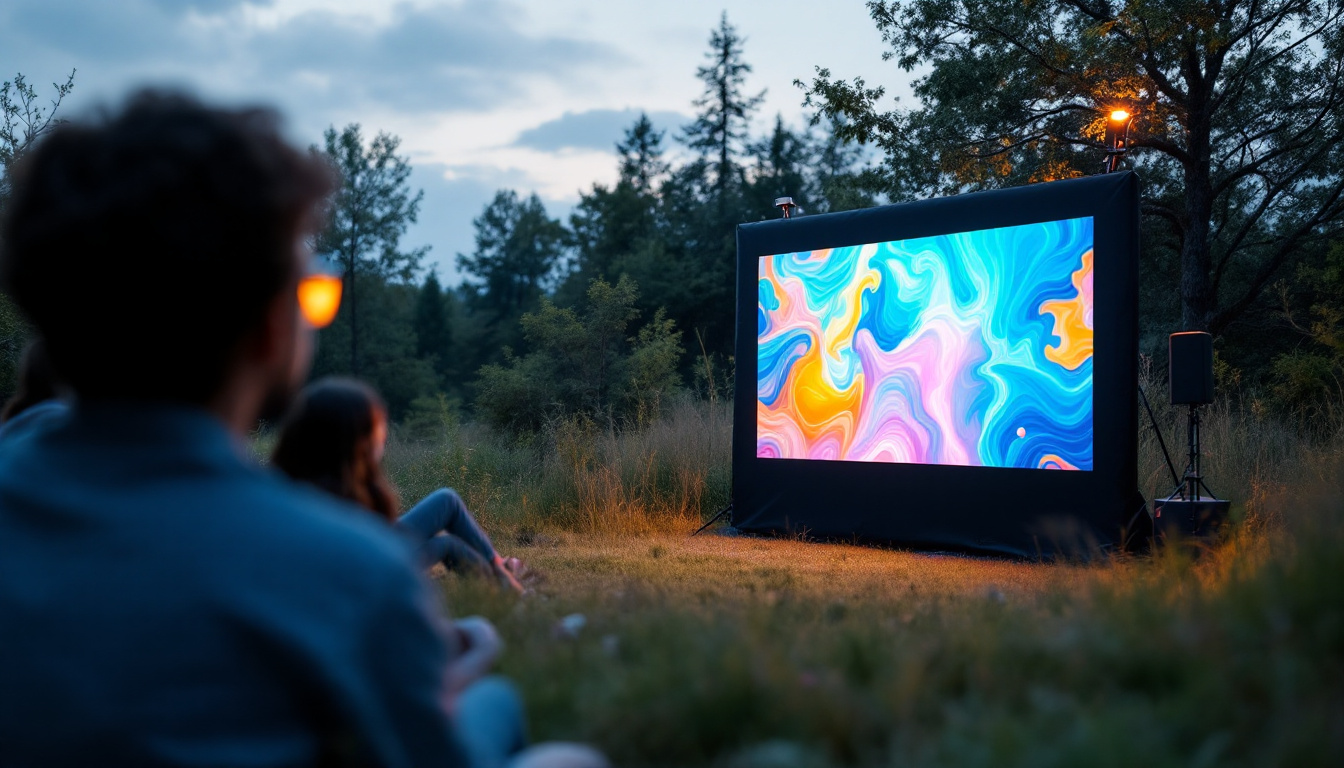
Compact LED projectors can easily fit into backpacks or small carrying cases, making them convenient for on-the-go presentations or outdoor movie nights.
Full HD LED Projector Technologies Explained
DLP, LCD, and LCoS: Display Panel Types
While LED refers to the light source, the image formation in projectors depends on the display technology used. The most common types are Digital Light Processing (DLP), Liquid Crystal Display (LCD), and Liquid Crystal on Silicon (LCoS).
- DLP: Uses microscopic mirrors to reflect light and create images. Known for sharp images and high contrast ratios.
- LCD: Uses liquid crystal panels to modulate light. Offers vibrant colors and good brightness but may suffer from the “screen door” effect.
- LCoS: A hybrid technology combining LCD and reflective surfaces, providing smooth images with excellent color accuracy and contrast.
Full HD LED projectors can incorporate any of these technologies, with LED illumination enhancing their overall performance. The choice depends on user preferences, budget, and specific use cases.
Brightness and Contrast Considerations
Brightness in projectors is measured in lumens, indicating how much light the projector emits. Full HD LED projectors typically range from 500 to 3,000 lumens. While LED projectors may have lower brightness compared to lamp-based models, advances in LED technology have narrowed this gap significantly.
Contrast ratio, the difference between the darkest black and brightest white, is another critical factor. LED projectors often deliver higher contrast ratios due to their ability to switch LEDs on and off quickly, enhancing image depth and detail.
Applications of Full HD LED Projectors
Home Theater and Entertainment
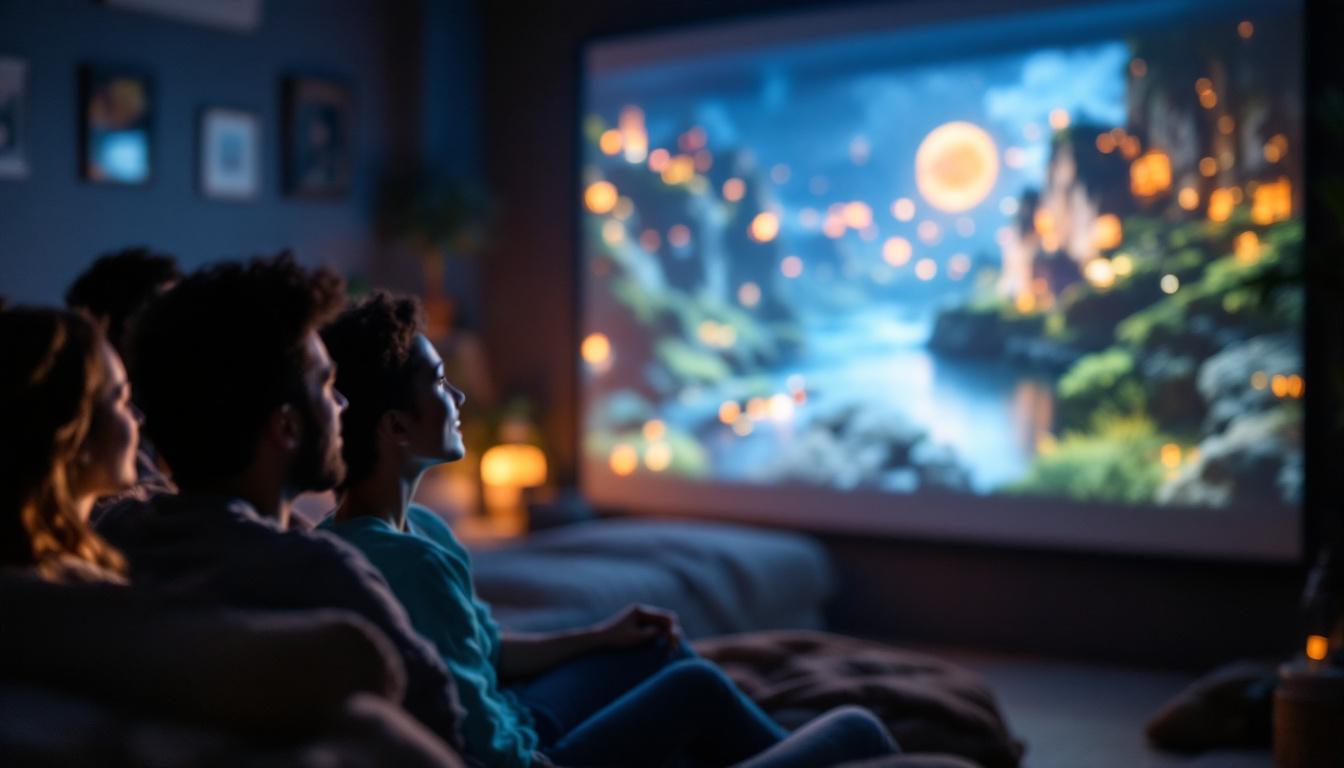
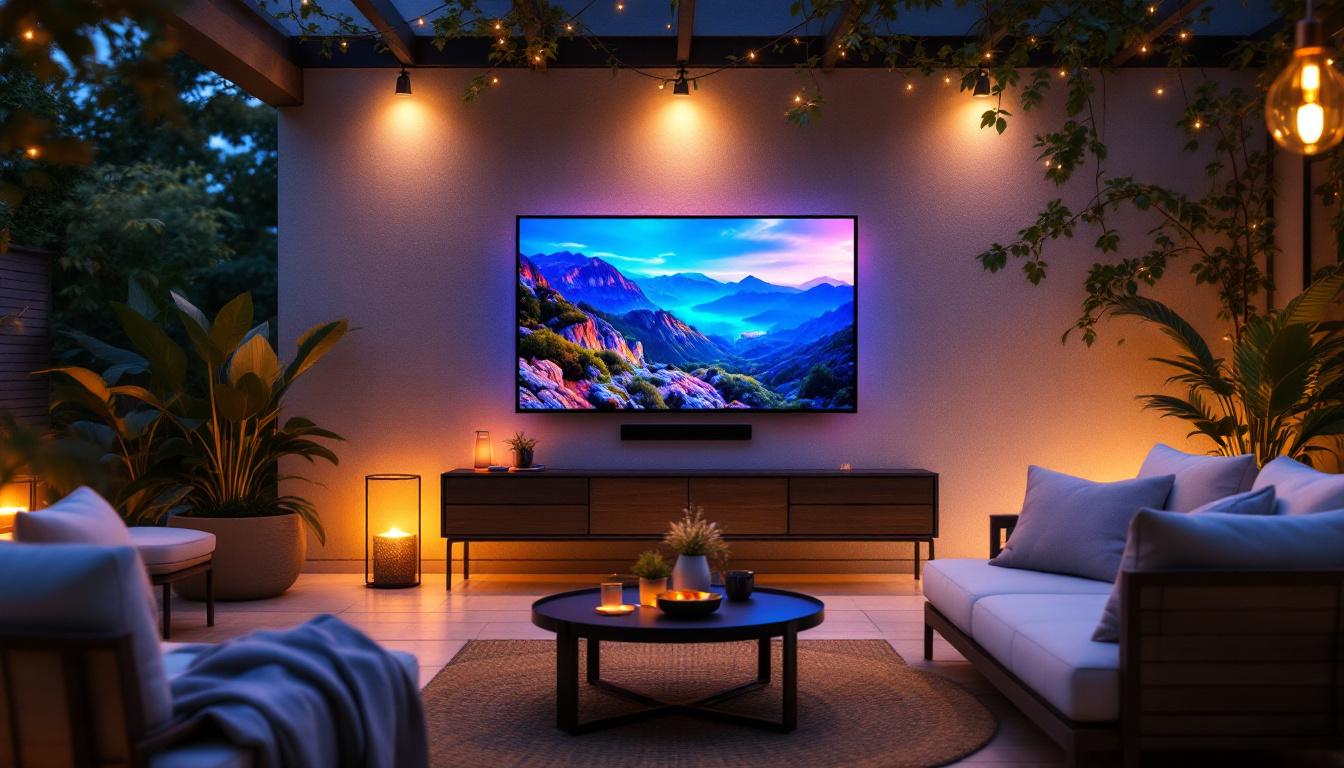
Home theater enthusiasts benefit greatly from Full HD LED projectors. Their vivid colors, sharp images, and quiet operation create an immersive viewing environment. Additionally, the long lifespan of LEDs means users can enjoy countless movie nights without worrying about lamp replacements.
Many models also support smart features such as wireless connectivity, streaming apps, and built-in speakers, making them versatile entertainment hubs.
Business and Professional Use
In corporate settings, Full HD LED projectors are prized for their reliability and portability. Presentations, video conferences, and training sessions all benefit from clear, bright images that keep audiences engaged.
The low maintenance requirements reduce downtime, while the compact form factors allow easy setup in various meeting rooms or offsite locations.
Education and Training
Educational institutions increasingly adopt LED projectors for classrooms and lecture halls. The enhanced color accuracy aids in displaying detailed diagrams, charts, and videos, improving student comprehension.
Furthermore, the energy efficiency aligns with many schools’ sustainability goals, reducing operational costs and environmental impact.
Choosing the Right Full HD LED Projector
Key Features to Consider
When selecting a Full HD LED projector, several factors should guide your decision:
- Brightness: Match lumens to your intended environment. Brighter rooms require higher lumens.
- Contrast Ratio: Higher contrast ratios improve image depth, especially in dark scenes.
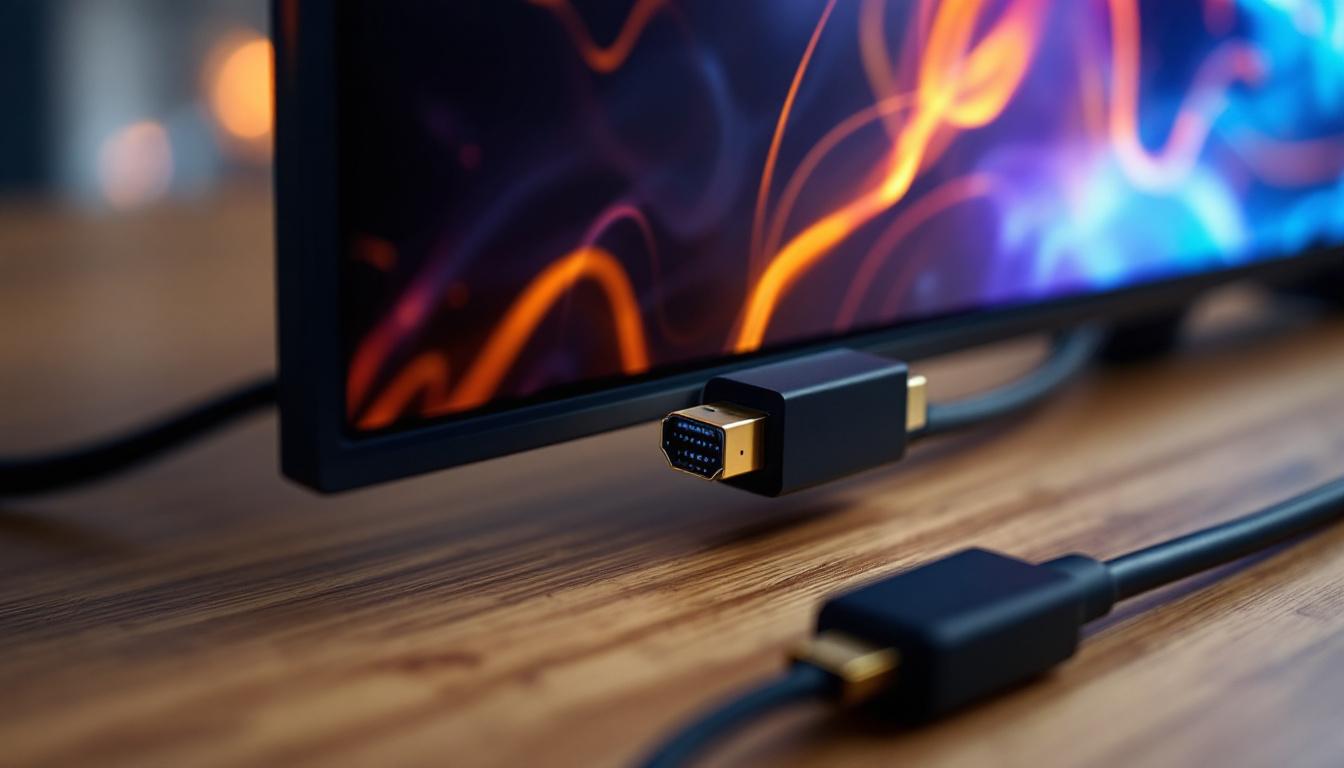
- Connectivity: Look for HDMI, USB, wireless options, and compatibility with your devices.
- Portability: Consider size and weight if you plan to move the projector frequently.
- Price and Warranty: Balance budget with features and ensure warranty coverage for peace of mind.
Common Misconceptions
Some users believe LED projectors cannot match the brightness or image quality of traditional lamp-based models. While early LED projectors had limitations, modern advancements have made these concerns largely obsolete.
Another misconception is that LED projectors are only suitable for small rooms or casual use. In reality, many Full HD LED projectors perform excellently in medium to large venues, provided the brightness and throw distance are appropriate.
Future Trends in Full HD LED Projection
The future of Full HD LED projectors looks promising, with ongoing innovations in LED chip efficiency, laser-LED hybrid light sources, and smart projector integration.
Emerging technologies aim to increase brightness without compromising energy efficiency, while AI-driven image enhancement promises to deliver even sharper and more vibrant visuals. Additionally, the integration of augmented reality (AR) and interactive features may redefine how projectors are used in education and business.
Conclusion
Full HD LED projectors represent a significant advancement in display technology, combining high-definition resolution with the benefits of LED illumination. Their superior color accuracy, energy efficiency, long lifespan, and portability make them suitable for a wide range of applications from home entertainment to professional presentations.
Understanding the technology behind these projectors enables consumers to choose the right model tailored to their needs, ensuring an optimal viewing experience. As LED technology continues to evolve, Full HD LED projectors are poised to become even more versatile and powerful tools in the world of visual display.
Discover the Future of Visual Display with LumenMatrix
Ready to elevate your visual experience with the latest in Full HD LED projector technology? Look no further than LumenMatrix, a pioneer in crafting LED display modules that transform any space into a dynamic visual spectacle. From immersive home theaters to impactful business presentations, LumenMatrix offers a comprehensive range of solutions including Indoor and Outdoor LED Wall Displays, Vehicle and Sports LED Displays, and even Custom and All-in-One LED solutions. Embrace the future of visual communication and captivate your audience with unparalleled clarity and vibrancy. Check out LumenMatrix LED Display Solutions today and see your world in a whole new light.