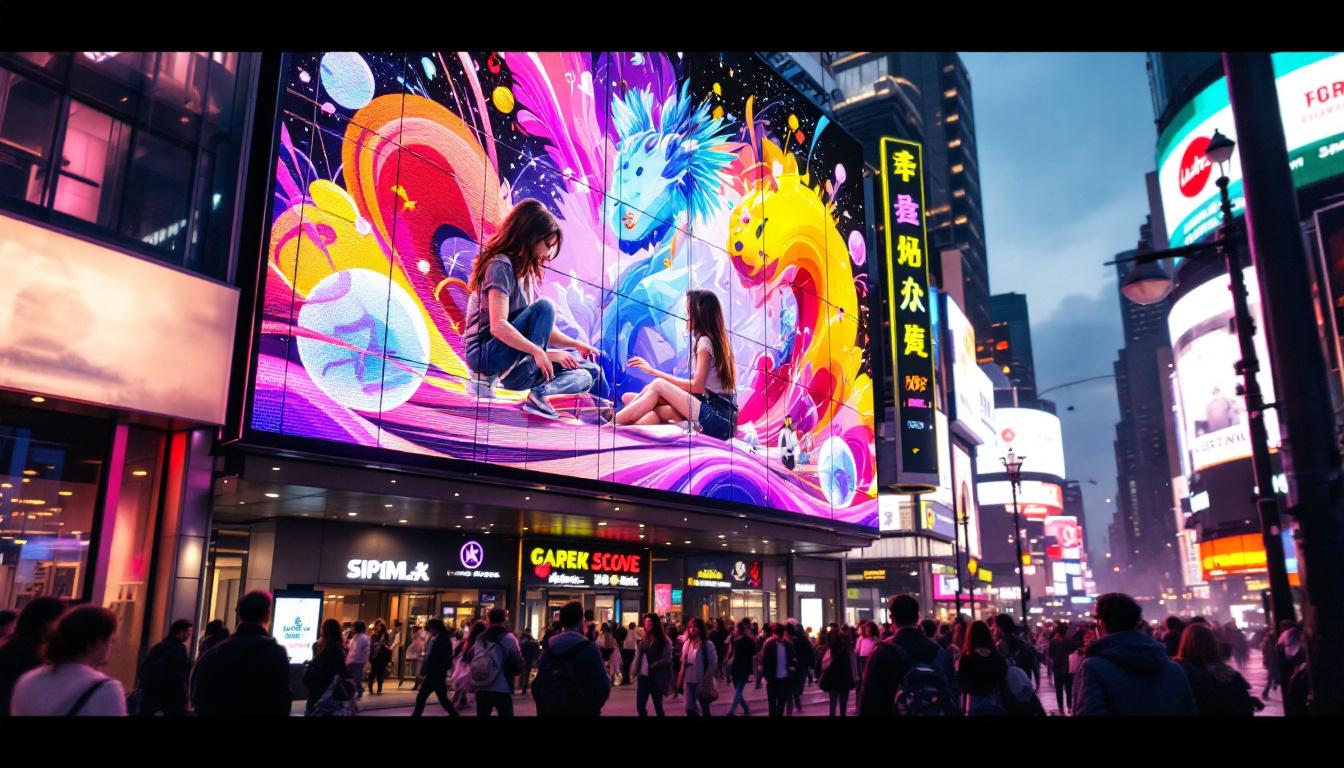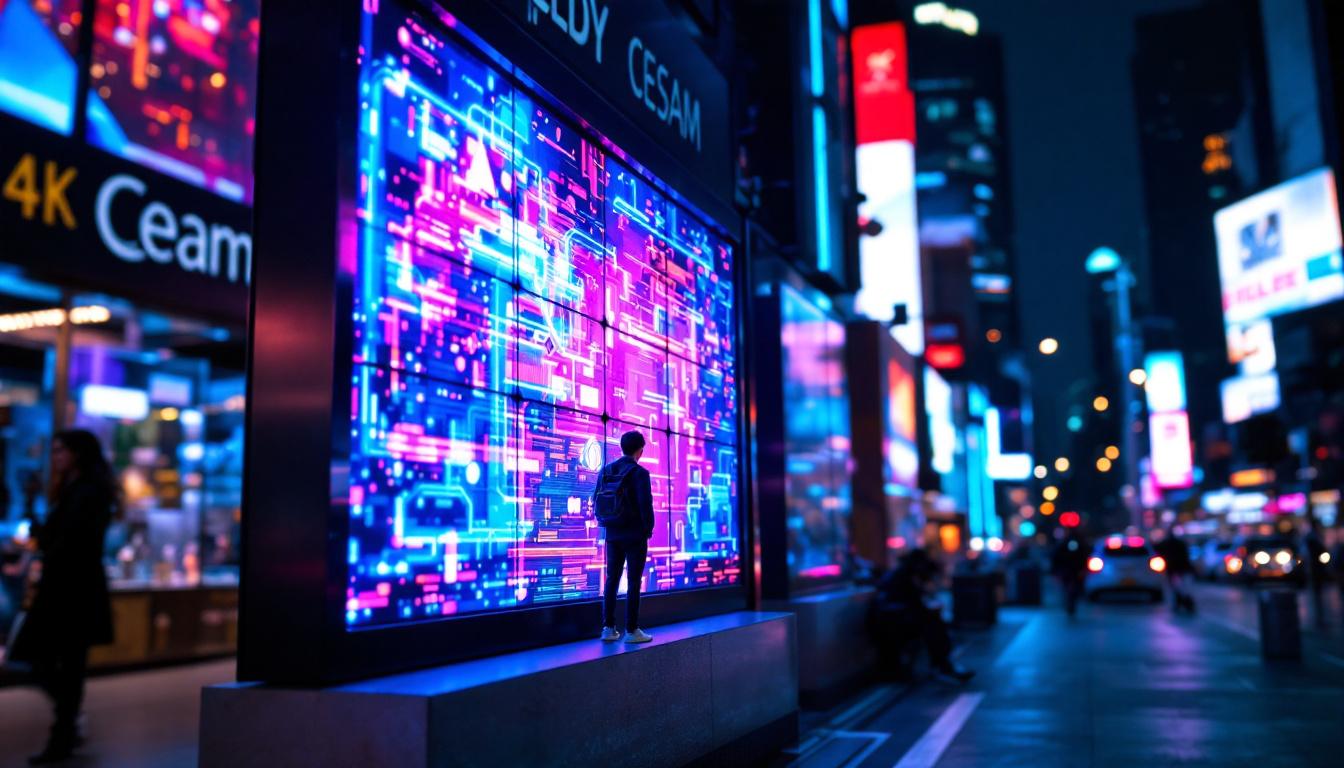
In today’s fast-paced retail and advertising environments, grabbing the attention of passersby is more challenging than ever. One of the most effective tools for captivating audiences is the TV window display using LED technology. This article explores what LED displays are, how they work, and why they have become a staple in modern window advertising. Whether you’re a retailer, marketer, or technology enthusiast, understanding the nuances of LED displays can help you make informed decisions about your visual communication strategies.
What is a TV Window Display?
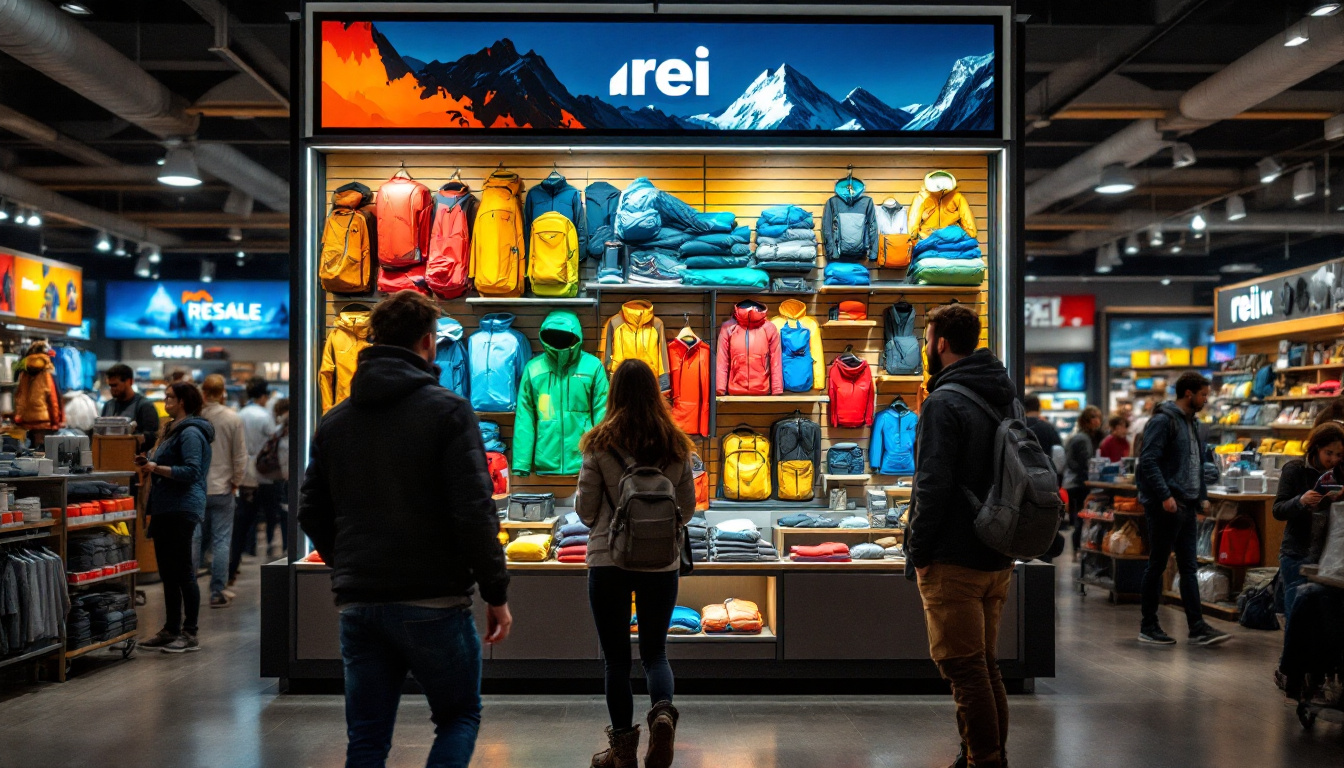
A TV window display refers to the use of television screens or digital displays installed in storefront windows to showcase dynamic content such as advertisements, promotions, or brand messaging. Unlike traditional static posters or printed signs, these displays offer vibrant, moving images that are more likely to catch the eye of pedestrians and drivers.
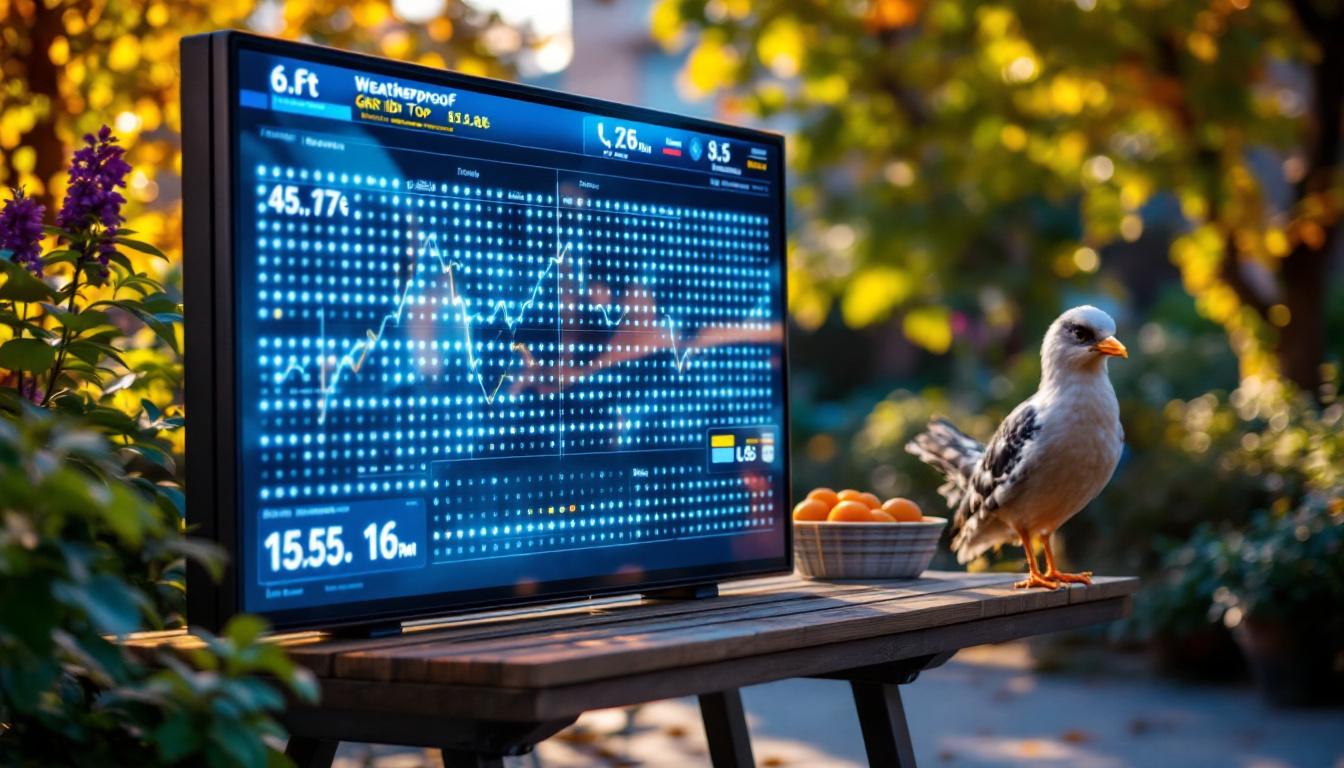
With advancements in display technology, LED (Light Emitting Diode) screens have become the preferred choice for window displays due to their brightness, energy efficiency, and flexibility. These screens can operate effectively even under direct sunlight, making them ideal for storefronts with large glass windows exposed to natural light.
Moreover, TV window displays can be programmed to change content at specific intervals, allowing businesses to highlight different products or services throughout the day. This adaptability not only keeps the display fresh and engaging but also enables retailers to tailor their messaging based on peak foot traffic times. For instance, a coffee shop might showcase breakfast specials in the morning and switch to dessert promotions in the evening, effectively reaching different customer segments at strategic times.
In addition to their visual appeal, TV window displays can incorporate interactive elements, such as touch screens or QR codes, which encourage customer engagement. By allowing passersby to interact with the content, businesses can create a more immersive shopping experience. For example, a clothing store might enable customers to browse through a digital catalog or view styling tips, all while standing outside the store. This not only piques interest but can also drive foot traffic into the store, ultimately boosting sales and enhancing brand loyalty.
Understanding LED Display Technology
How LED Displays Work
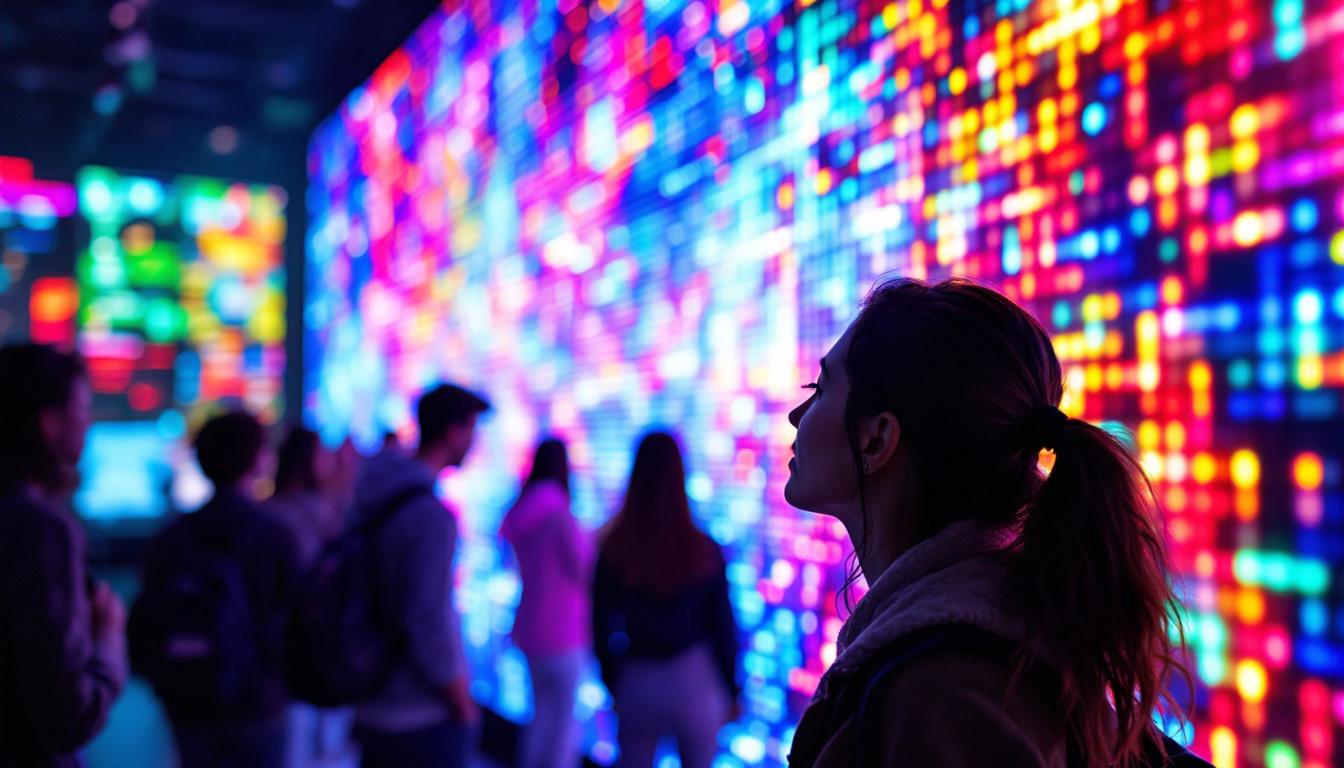
LED displays consist of an array of tiny light-emitting diodes that produce light when an electric current passes through them. Each diode acts as a pixel, and by combining millions of these pixels, the display can render high-resolution images and videos. The diodes can emit different colors, typically red, green, and blue (RGB), which blend together to create a full spectrum of colors.
The brightness of LED displays is one of their standout features. Unlike LCD screens that rely on backlighting, LEDs emit their own light, allowing for superior contrast and visibility in various lighting conditions. This self-illumination makes LED displays especially effective for window installations where ambient light levels can vary greatly throughout the day. Additionally, the energy efficiency of LED technology means that these displays consume less power than traditional lighting solutions, making them not only cost-effective but also environmentally friendly.
Types of LED Displays Used in Window Displays
There are several types of LED displays commonly used for window applications:
- Direct View LED (DVLED): These displays have LEDs directly visible to the viewer, offering vivid colors and high brightness. They are often modular, allowing for custom sizes and shapes.
- Transparent LED Displays: Designed to be see-through, these displays allow natural light and visibility through the window while still showing digital content. This is ideal for retail environments that want to maintain openness while adding digital signage.
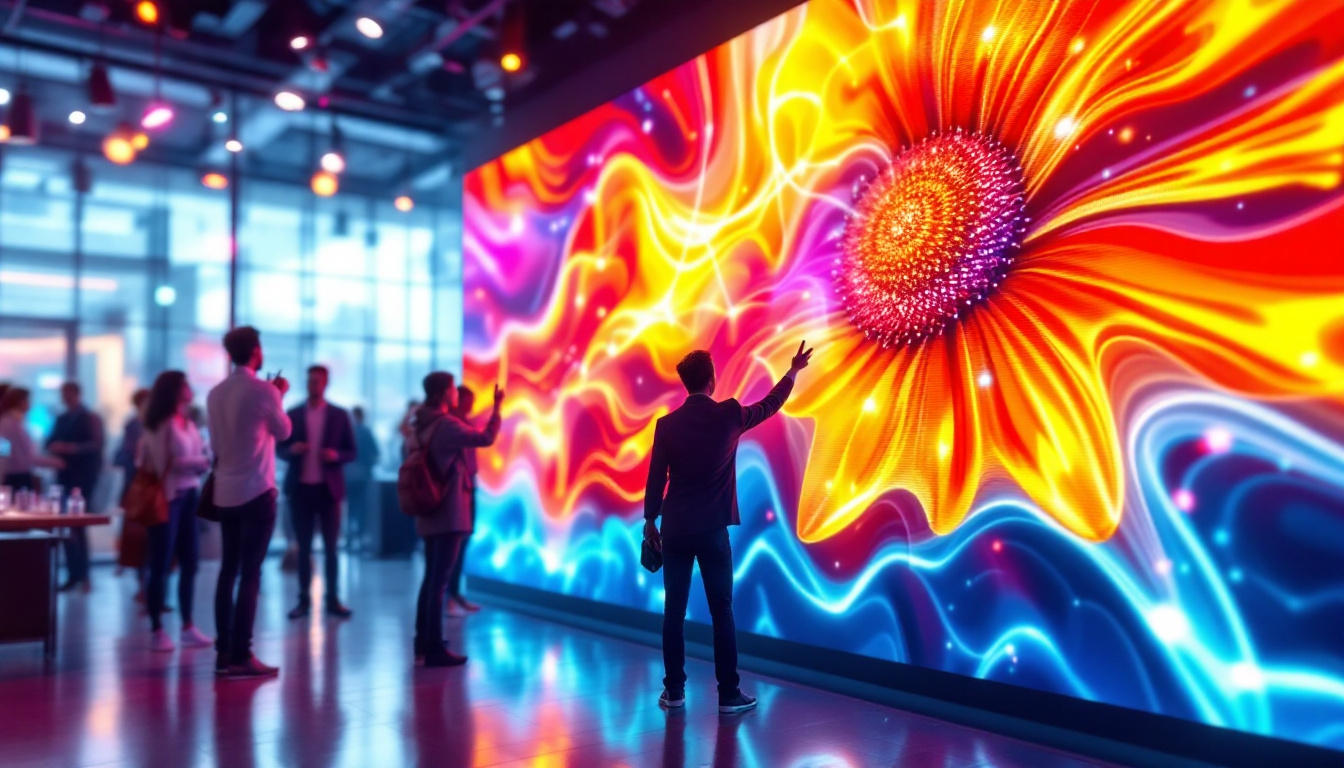
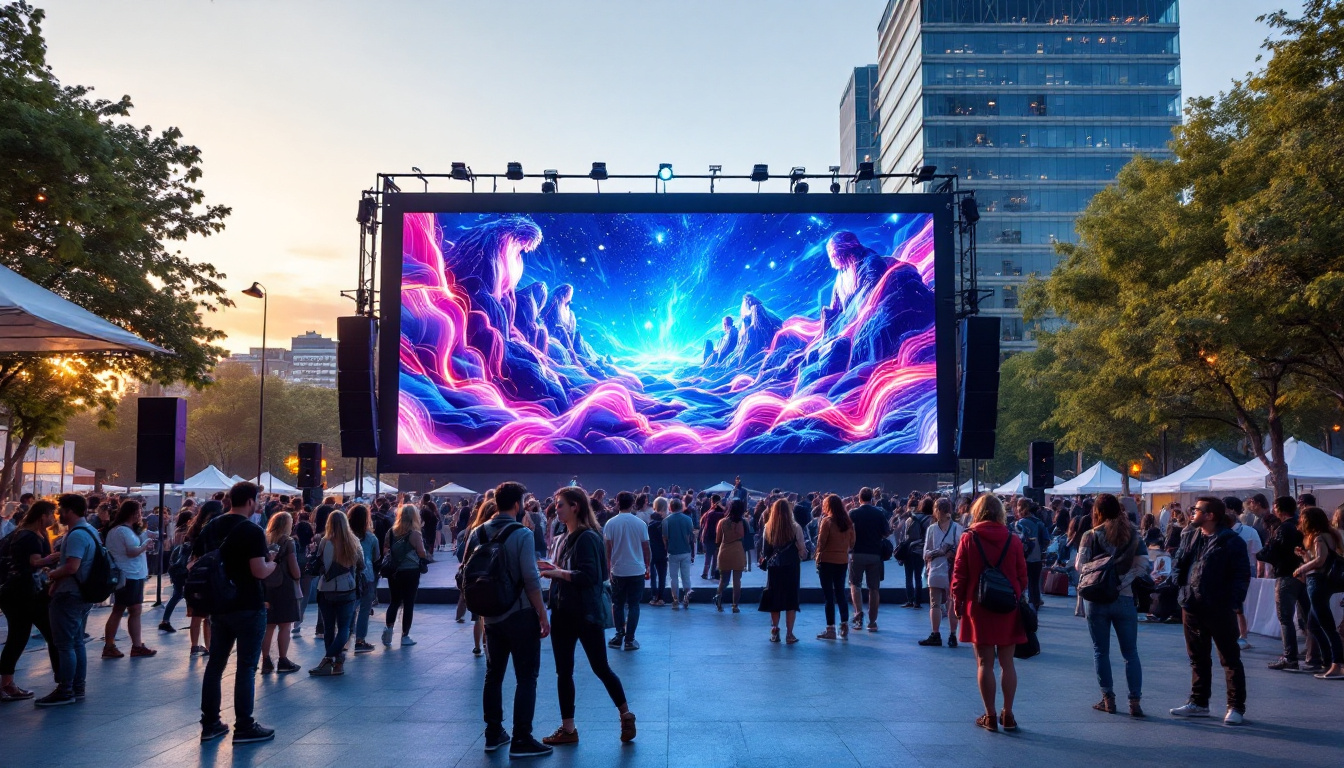
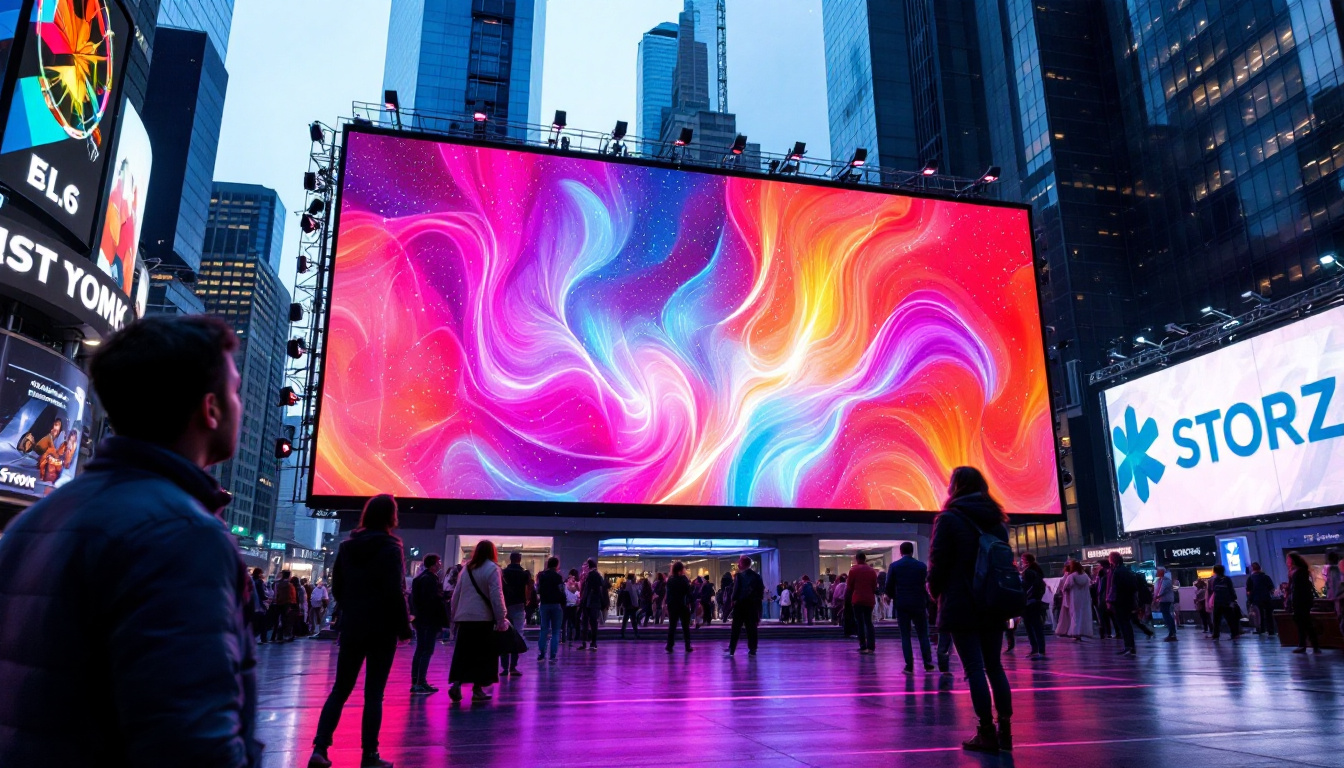
- LED Video Walls: Large-scale installations made by combining multiple LED panels to create one seamless display. These are common in flagship stores or high-traffic urban locations.
In addition to these types, there are also flexible LED displays that can be bent and shaped to fit unconventional spaces, allowing for creative designs that can enhance the aesthetic appeal of a storefront. These displays are particularly popular in modern architecture, where they can be integrated into the building’s facade. Furthermore, advancements in LED technology have led to the development of high-definition and ultra-high-definition displays, which offer even greater clarity and detail, making them perfect for showcasing intricate designs and vibrant advertisements.
Moreover, the integration of smart technology into LED displays has revolutionized how businesses interact with their customers. Many modern LED displays come equipped with sensors and connectivity options that allow for real-time updates and interactive content. This capability enables retailers to change their messaging based on the time of day, weather conditions, or even customer demographics, creating a dynamic shopping experience that can significantly enhance customer engagement and drive sales.
Advantages of Using LED Displays for Window Advertising
Enhanced Visibility and Engagement
One of the primary benefits of LED window displays is their ability to attract attention. Studies show that dynamic digital signage can increase customer engagement by up to 400% compared to static signs. The brightness and motion of LED content naturally draw the eye, making it easier for brands to communicate their message effectively.
Additionally, LED displays allow for content flexibility. Retailers can easily update promotions, showcase new products, or tailor messaging based on time of day or special events without the cost and delay of printing new materials.
Energy Efficiency and Longevity
LED technology is renowned for its energy efficiency. Compared to traditional lighting and display technologies, LEDs consume significantly less power, which translates into lower operating costs. This is particularly important for window displays that often run for extended hours daily.
Moreover, LEDs have a long operational lifespan, often exceeding 50,000 hours. This durability reduces maintenance frequency and costs, making LED displays a smart investment for businesses looking for reliable, long-term signage solutions.
Customization and Creative Freedom
LED displays offer unparalleled customization options. Content can be tailored not only in terms of visuals but also in terms of interactivity. Some modern LED window displays incorporate touch or motion sensors, enabling interactive experiences that engage customers on a deeper level.
Furthermore, the modular nature of many LED systems allows for creative shapes and sizes, enabling brands to design displays that complement their store’s aesthetic and architectural features.
Key Considerations When Choosing an LED Window Display
Brightness and Pixel Pitch
Brightness is critical for window displays, especially those exposed to direct sunlight. Measured in nits, higher brightness ensures content remains visible at all times. For outdoor or window-facing displays, brightness levels typically range from 2,000 to 5,000 nits or more.
Pixel pitch, the distance between individual LEDs, affects image resolution and viewing distance. Smaller pixel pitches provide sharper images but come at a higher cost. For window displays viewed from a few feet away, a pixel pitch between 1.5mm and 4mm is usually optimal.
Viewing Angle and Placement
LED displays have wide viewing angles, often up to 160 degrees horizontally and vertically. However, the placement of the display within the window and the typical movement patterns of pedestrians should guide the choice of size and orientation to maximize visibility.
Consideration should also be given to glare and reflections from the glass. Anti-reflective coatings or specialized mounting techniques can help mitigate these issues.
Content Management and Software
Effective use of an LED window display requires robust content management software. This software allows users to schedule content, adjust brightness, and monitor display health remotely. Cloud-based solutions have become increasingly popular, offering flexibility and ease of use.
Choosing a system compatible with various media formats and capable of integrating with other marketing platforms can enhance the overall effectiveness of your digital signage strategy.
Real-World Applications and Success Stories
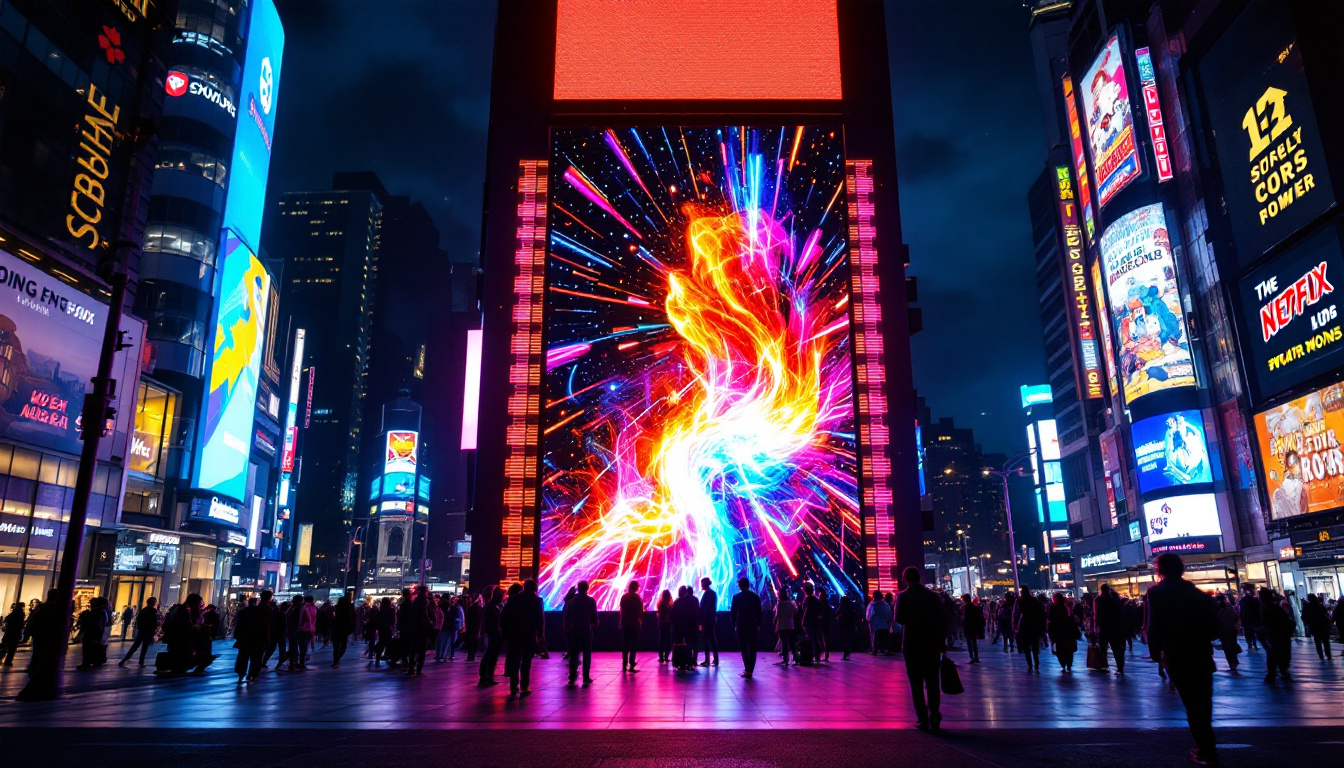
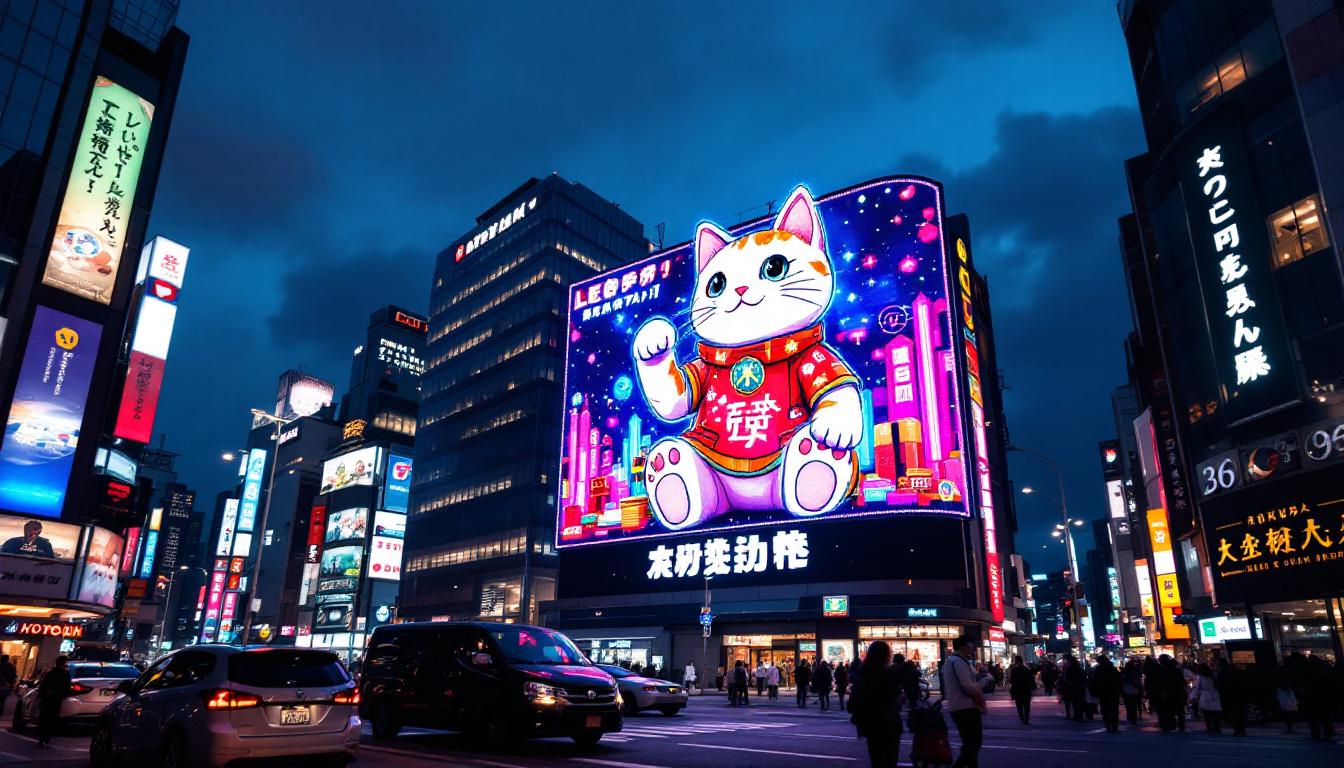
Major retailers and brands around the world have embraced LED window displays to enhance their storefront appeal. For example, flagship stores in cities like New York, London, and Tokyo use massive LED video walls to showcase high-definition fashion shows, product launches, and interactive campaigns.
In one notable case, a global sportswear brand installed transparent LED displays in their store windows, allowing passersby to see both the digital content and the merchandise inside. This innovative approach increased foot traffic by 30% within the first quarter of installation.
Similarly, smaller businesses have leveraged LED window displays to compete with larger retailers by creating eye-catching promotions that can be updated instantly to reflect inventory changes or seasonal offers.
Future Trends in LED Window Displays
Integration with AI and IoT
The future of LED window displays is closely tied to advancements in artificial intelligence (AI) and the Internet of Things (IoT). AI-powered displays can analyze foot traffic patterns and demographics to deliver personalized content in real-time, increasing relevance and engagement.
IoT connectivity enables displays to interact with other devices, such as smartphones or in-store sensors, creating seamless omnichannel experiences for customers.
Eco-Friendly Innovations
As sustainability becomes a priority, manufacturers are developing LED displays with even lower power consumption and recyclable materials. Solar-powered LED window displays are also emerging, offering off-grid solutions for environmentally conscious businesses.
Augmented Reality (AR) and Immersive Experiences
Combining LED displays with AR technology is opening new possibilities for immersive window displays. Customers can interact with virtual elements overlaid on the physical environment, creating memorable brand experiences that drive loyalty and sales.
Conclusion
LED TV window displays represent a powerful fusion of technology and marketing, offering vibrant, flexible, and energy-efficient solutions for modern storefronts. Their ability to capture attention, convey dynamic content, and adapt to changing needs makes them indispensable tools in today’s competitive retail landscape.
By understanding the technology behind LED displays and considering factors such as brightness, pixel pitch, and content management, businesses can create impactful window displays that not only attract customers but also enhance brand perception. As innovations continue to evolve, LED window displays will remain at the forefront of digital advertising, transforming how brands engage with their audiences on the street level.
Illuminate Your Brand with LumenMatrix
Ready to elevate your storefront and captivate your audience with unparalleled vibrancy and innovation? Look no further than LumenMatrix, a pioneer in LED display technology. Our diverse range of solutions, from Indoor and Outdoor LED Wall Displays to niche offerings like Vehicle, Sports, and Floor LED Displays, are designed to revolutionize your visual communication. With our Custom and All-in-One LED Displays, including the cutting-edge LED Transparent Display, your brand can shine brighter and engage more effectively. Don’t miss the opportunity to transform your window advertising with our advanced LED modules. Check out LumenMatrix LED Display Solutions today and share your message with the world in the most impactful way.