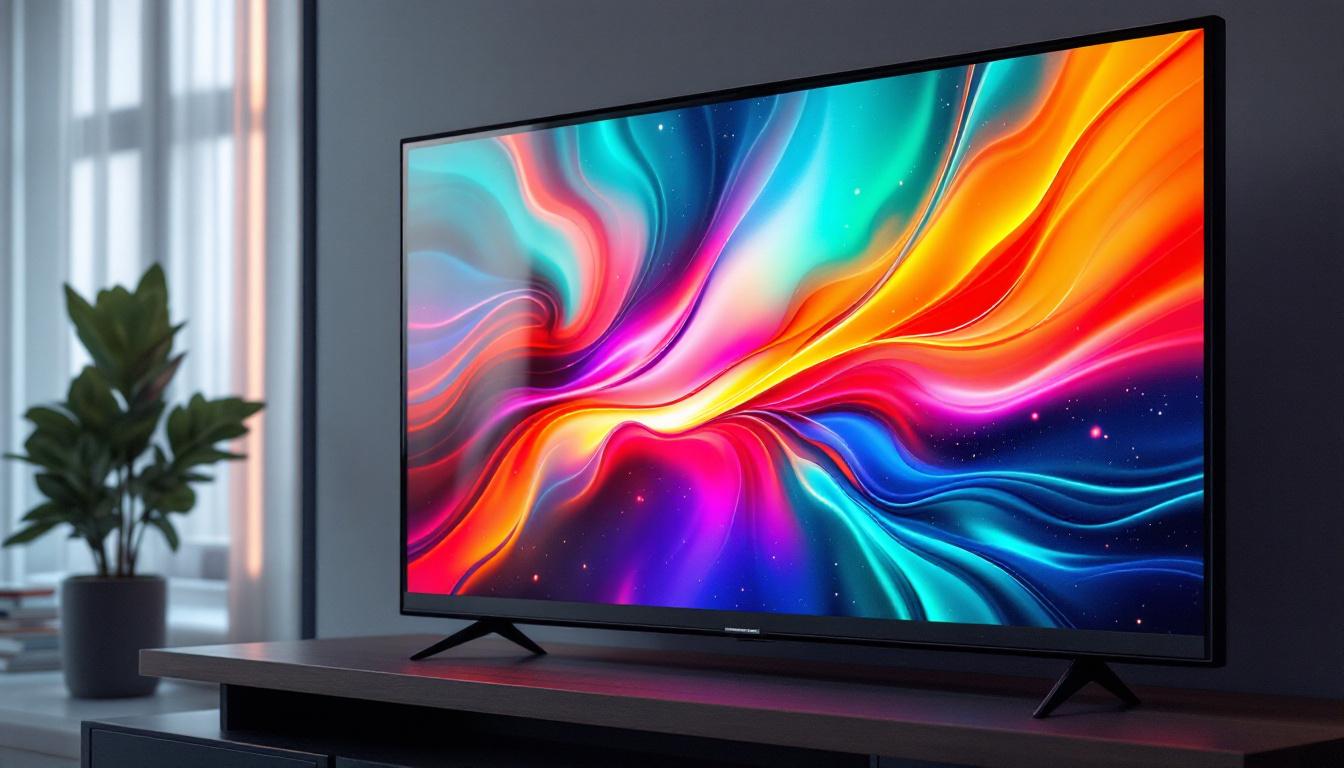
In the world of television technology, the terms “plasma” and “LED” often come up in discussions about picture quality, screen size, and overall viewing experience. While plasma TVs were once the go-to choice for large, vibrant displays, LED TVs have largely taken over the market in recent years. This article explores the characteristics of a 43-inch plasma TV and provides a comprehensive explanation of LED display technology, helping consumers make informed decisions when purchasing a television.
Understanding Plasma TVs: The Basics
Plasma televisions were introduced in the late 1990s and quickly gained popularity for their ability to produce deep blacks and vibrant colors. A 43-inch plasma TV refers to the screen size measured diagonally, which is a common size for living rooms and medium-sized spaces. This size strikes a balance between a cinematic experience and practicality, making it suitable for various viewing environments, from cozy family rooms to more expansive entertainment areas.
Plasma displays work by using small cells filled with ionized gases—primarily neon and xenon—that emit ultraviolet light when electrically charged. This ultraviolet light then excites phosphor materials coated inside the cells, producing visible light. Each pixel on a plasma screen consists of three sub-pixels (red, green, and blue), which combine to create the full spectrum of colors. The technology behind plasma TVs allows for a more immersive viewing experience, as the vibrant colors and deep contrasts enhance everything from movies to video games, making them particularly appealing to home theater enthusiasts.
Advantages of Plasma TVs
One of the most notable advantages of plasma TVs is their excellent color accuracy and contrast ratio. Because each pixel emits its own light, plasma screens can achieve true blacks by turning off individual pixels completely, unlike early LCD or LED screens that struggled with backlight bleed. This capability not only enhances the visual quality of dark scenes in films but also contributes to a more engaging experience during bright, colorful displays, such as sports events or animated films.
Additionally, plasma TVs typically offer wider viewing angles, meaning the picture quality remains consistent even when viewed from the side. This makes a 43-inch plasma TV an attractive option for rooms where viewers might be spread out rather than sitting directly in front of the screen. Families and groups can enjoy movies or shows without worrying about color distortion or loss of brightness, allowing everyone in the room to have a great view. Moreover, the fast response time of plasma screens minimizes motion blur, making them ideal for fast-paced action scenes and sports broadcasts.
Limitations and Decline of Plasma Technology
Despite their strengths, plasma TVs have some drawbacks. They tend to consume more power than LED TVs and can be heavier and thicker, making wall mounting more challenging. Another concern was the risk of screen burn-in, where static images left on the screen for extended periods could leave a permanent ghost image. This issue was particularly relevant for gamers or those who frequently watched news channels with static logos, prompting some users to be cautious about their viewing habits.
Due to these limitations and advancements in LED technology, plasma TV production largely ceased by the mid-2010s. However, understanding plasma technology remains useful for those considering used or refurbished models or comparing display technologies. Enthusiasts still appreciate the unique qualities of plasma screens, particularly for home theater setups where color depth and contrast are paramount. As a result, the legacy of plasma TVs continues to influence discussions about display technology, reminding consumers of the trade-offs between different types of screens in the ever-evolving landscape of home entertainment.
LED Display Technology: A Comprehensive Explanation
LED, or Light Emitting Diode, display technology has become the standard for modern televisions, including 43-inch models. While often marketed simply as “LED TVs,” these are actually LCD (Liquid Crystal Display) screens that use LED backlighting instead of the older cold cathode fluorescent lamps (CCFLs).
The transition to LED backlighting brought significant improvements in energy efficiency, brightness, and the ability to produce thinner screens. Understanding how LED displays work provides insight into why they dominate the current TV market.
How LED TVs Work
At the core of an LED TV is an LCD panel that controls the passage of light to form images. The LCD itself does not emit light; instead, it relies on a backlight. In LED TVs, this backlight is composed of arrays of tiny LEDs that illuminate the screen.
There are two main types of LED backlighting:
- Edge-Lit LED: LEDs are placed around the edges of the screen, and light is diffused across the panel. This design allows for thinner TVs but can sometimes result in uneven brightness.
- Full-Array LED: LEDs are distributed evenly behind the entire screen, providing more uniform lighting and enabling local dimming features that enhance contrast.
Local Dimming and Picture Quality
Local dimming is a critical feature in many LED TVs that improves contrast by dimming the backlight in dark areas of the image while keeping bright areas illuminated. This dynamic control allows LED TVs to approach the deep blacks once exclusive to plasma displays.
For example, a 43-inch full-array LED TV with local dimming can deliver impressive picture depth and color vibrancy, making it suitable for a wide range of viewing environments, from bright living rooms to dim home theaters.
Moreover, advancements in LED technology have led to the development of Quantum Dot displays, which enhance color accuracy and brightness even further. These displays utilize a layer of quantum dots that emit specific colors when illuminated by the LED backlight, resulting in a wider color gamut and more lifelike images. This technology is particularly beneficial for high dynamic range (HDR) content, where the contrast between the brightest and darkest parts of the image is crucial for an immersive viewing experience.
Additionally, the integration of smart technology into LED TVs has transformed the way we consume media. With built-in streaming services, voice control, and connectivity options, these TVs not only serve as a display but also as a central hub for entertainment. This evolution reflects the growing demand for versatile devices that cater to the modern viewer’s lifestyle, allowing for seamless transitions between traditional broadcasting and digital streaming platforms.
Comparing Plasma and LED TVs: What Matters for a 43-Inch Screen?
When choosing between a plasma 43-inch TV and an LED 43-inch TV, several factors come into play, including picture quality, energy consumption, durability, and price. Although plasma TVs are no longer produced, understanding their strengths and weaknesses relative to LED displays is valuable.
Picture Quality and Viewing Experience
Plasma TVs are renowned for their superior color accuracy and deep blacks, which contribute to a more cinematic viewing experience. However, modern LED TVs with advanced local dimming and quantum dot technology have narrowed this gap considerably.
LED TVs often provide higher peak brightness, which is advantageous in well-lit rooms. Additionally, LED displays typically have faster refresh rates and better support for high dynamic range (HDR) content, enhancing the viewing experience for sports, gaming, and streaming.
Energy Efficiency and Environmental Impact
LED TVs consume significantly less power than plasma TVs. For a 43-inch screen, an LED TV might use around 30-50 watts, whereas a plasma TV of the same size could consume upwards of 150 watts. This difference translates into lower electricity bills and a smaller carbon footprint over the television’s lifespan.
Durability and Maintenance
LED TVs generally have longer lifespans and are less prone to issues like screen burn-in, which plagued plasma displays. This durability makes LED TVs a more practical choice for everyday use, especially in households with varied viewing habits.
Price and Availability
Since plasma TVs are no longer manufactured, they are mostly available as used or refurbished units, often at lower prices but with potential risks related to wear and outdated technology. Conversely, LED TVs are widely available in various price ranges, with 43-inch models offering excellent value for money.
Additional Considerations When Choosing a 43-Inch TV
Beyond the display technology itself, several other factors influence the overall satisfaction with a 43-inch TV. These include resolution, smart features, connectivity options, and brand reputation.
Resolution and Screen Size
Most 43-inch TVs today come with Full HD (1080p) or 4K Ultra HD resolution. While plasma TVs typically offered Full HD, modern LED TVs increasingly feature 4K resolution, providing sharper images and better detail, especially on larger screens.
For a 43-inch screen, 4K resolution enhances picture clarity without the need for viewers to sit extremely close, making it a popular choice for living rooms and bedrooms.
Smart TV Capabilities
Modern LED TVs often come equipped with smart features, including built-in apps for streaming services, voice control, and integration with smart home devices. Plasma TVs, being older technology, lack these capabilities unless paired with external devices like streaming sticks or set-top boxes.
Connectivity and Ports
Connectivity options such as multiple HDMI ports, USB inputs, and support for Wi-Fi and Bluetooth are essential for connecting gaming consoles, soundbars, and other peripherals. LED TVs typically offer a broader range of connectivity features compared to plasma models.
Conclusion: Making the Right Choice for Your Viewing Needs
While plasma TVs, including 43-inch models, were once celebrated for their exceptional picture quality and deep blacks, advancements in LED technology have largely eclipsed their advantages. LED TVs offer superior energy efficiency, higher brightness, enhanced durability, and smart features that align with modern viewing habits.
For consumers seeking a 43-inch television today, LED models provide a versatile and future-proof choice. However, understanding the unique characteristics of plasma displays can be valuable, especially for those considering second-hand purchases or who simply appreciate the history of television technology.
Ultimately, the best TV depends on individual preferences, viewing environment, and budget. By weighing the strengths and limitations of plasma and LED displays, buyers can select a 43-inch TV that delivers an engaging and satisfying entertainment experience for years to come.
Discover the Future of Viewing with LumenMatrix
As you consider upgrading to a 43-inch LED TV, embrace the forefront of display innovation with LumenMatrix. Specializing in a wide array of LED display solutions, from Indoor and Outdoor LED Walls to Custom and All-in-One LED Displays, LumenMatrix is committed to transforming your visual experience. Whether you’re looking to captivate your audience in a commercial setting or create an immersive environment at home, LumenMatrix’s cutting-edge technology is designed to meet your needs. Check out LumenMatrix LED Display Solutions today and step into a world where clarity, engagement, and state-of-the-art design redefine what it means to watch and display.