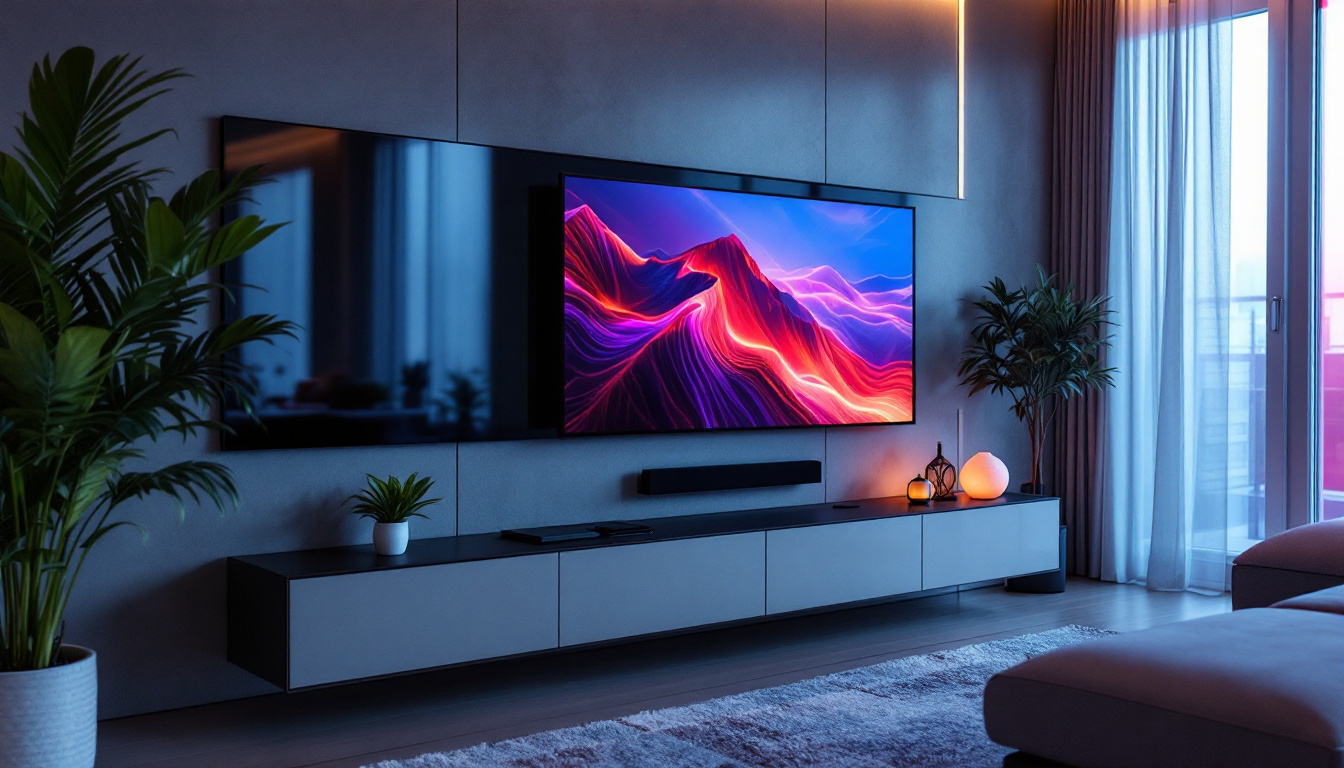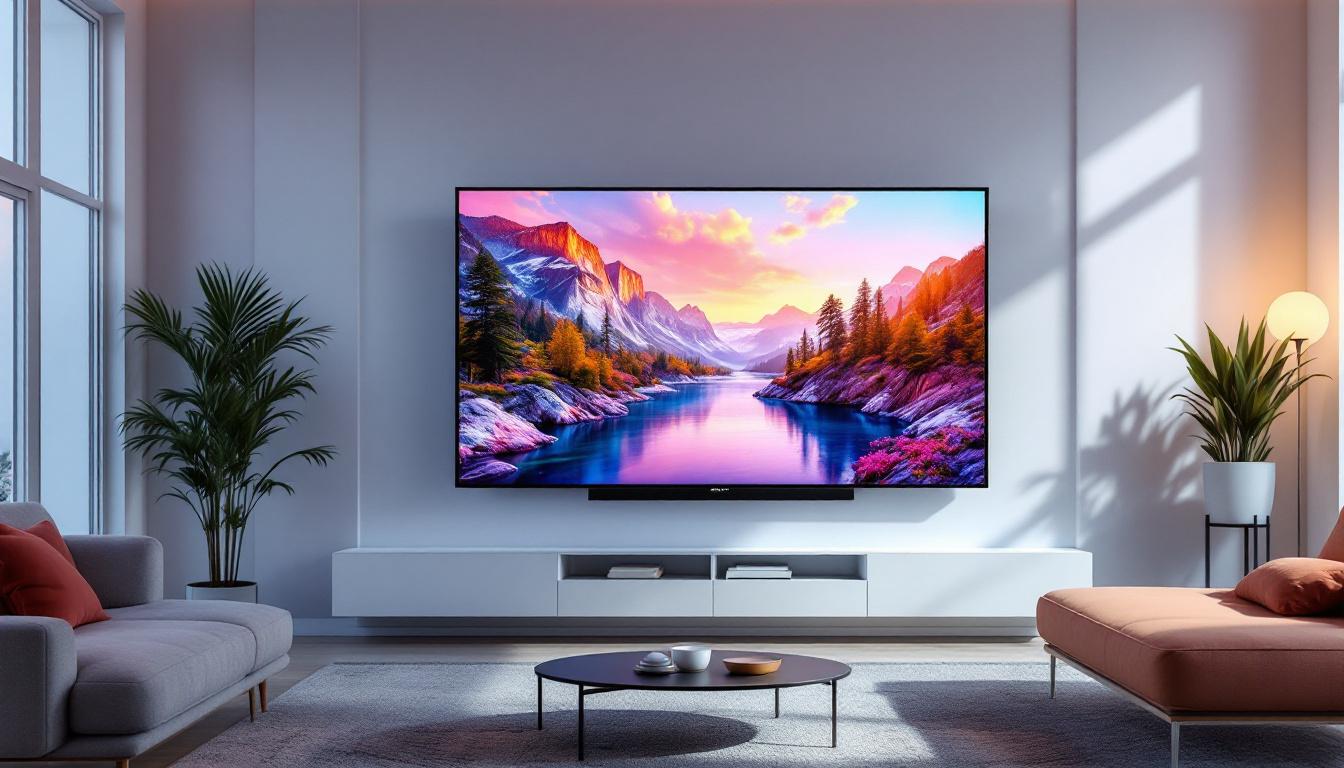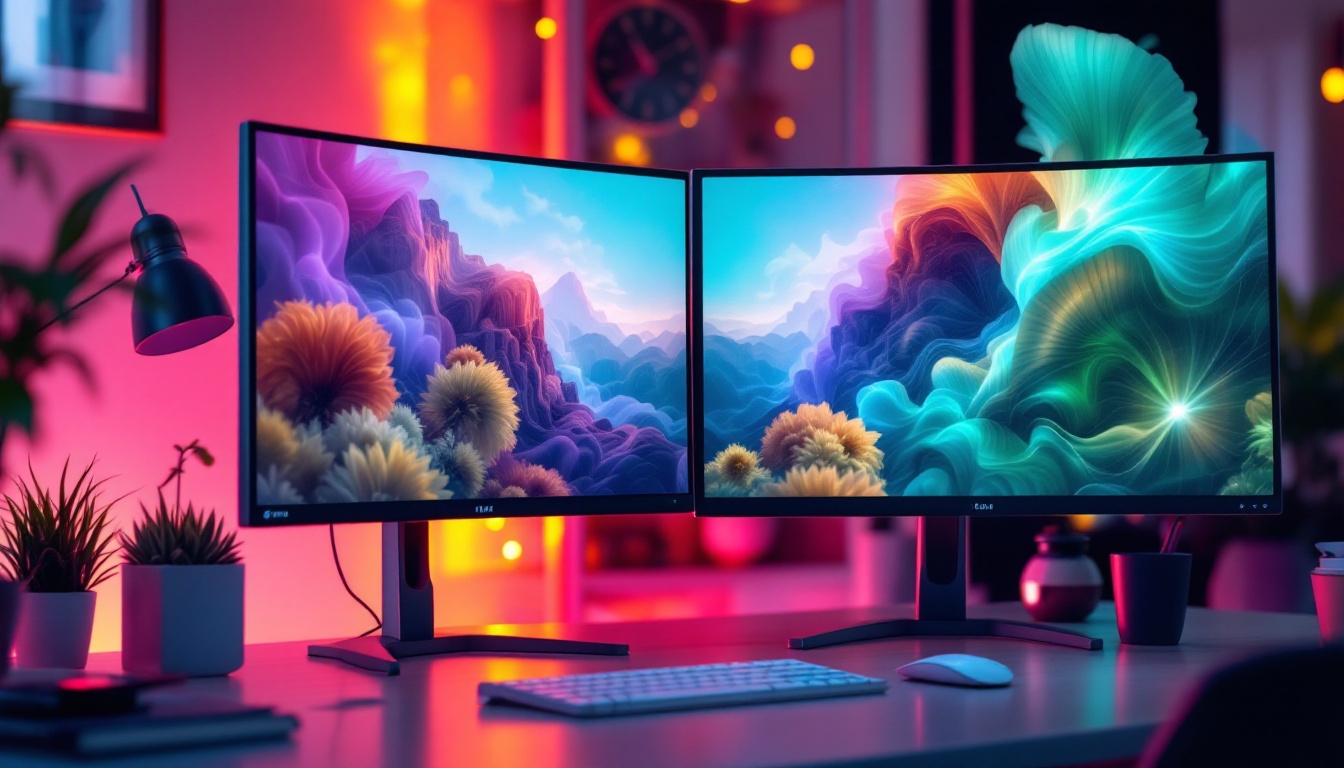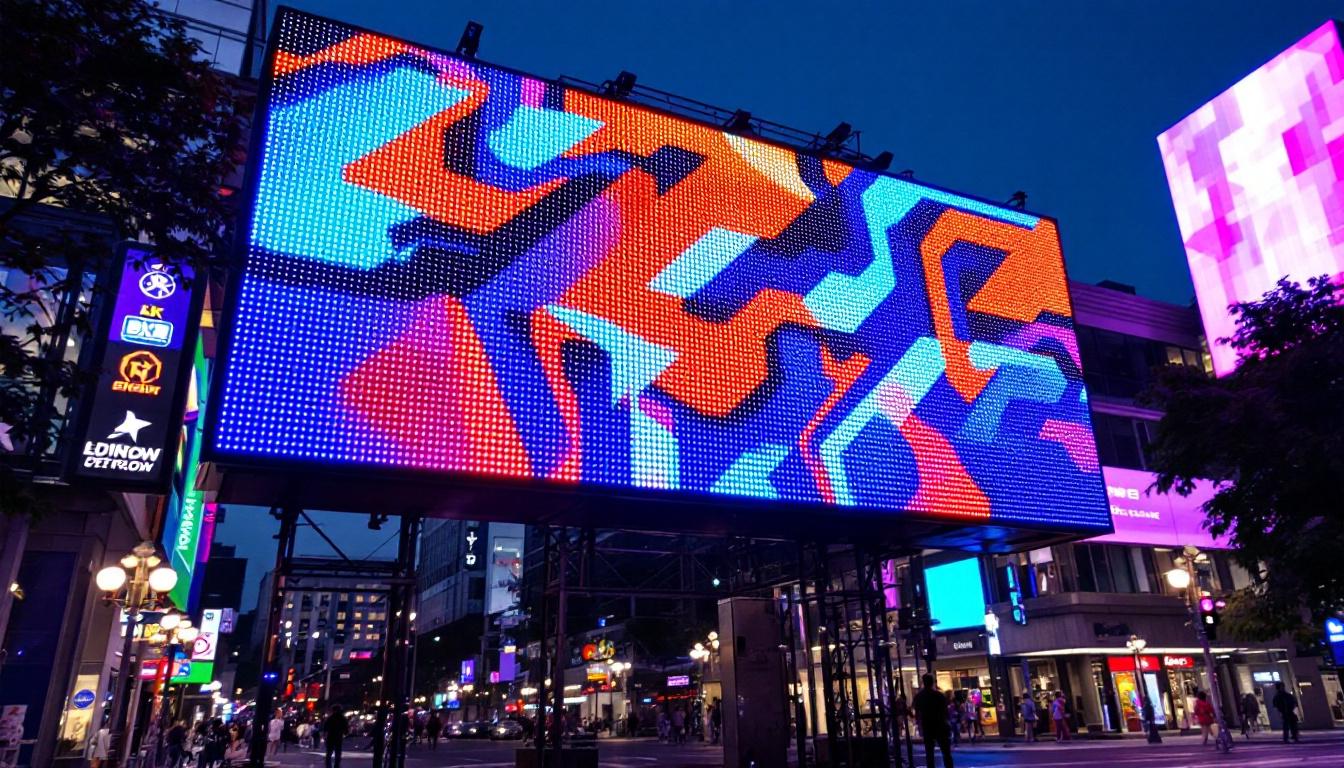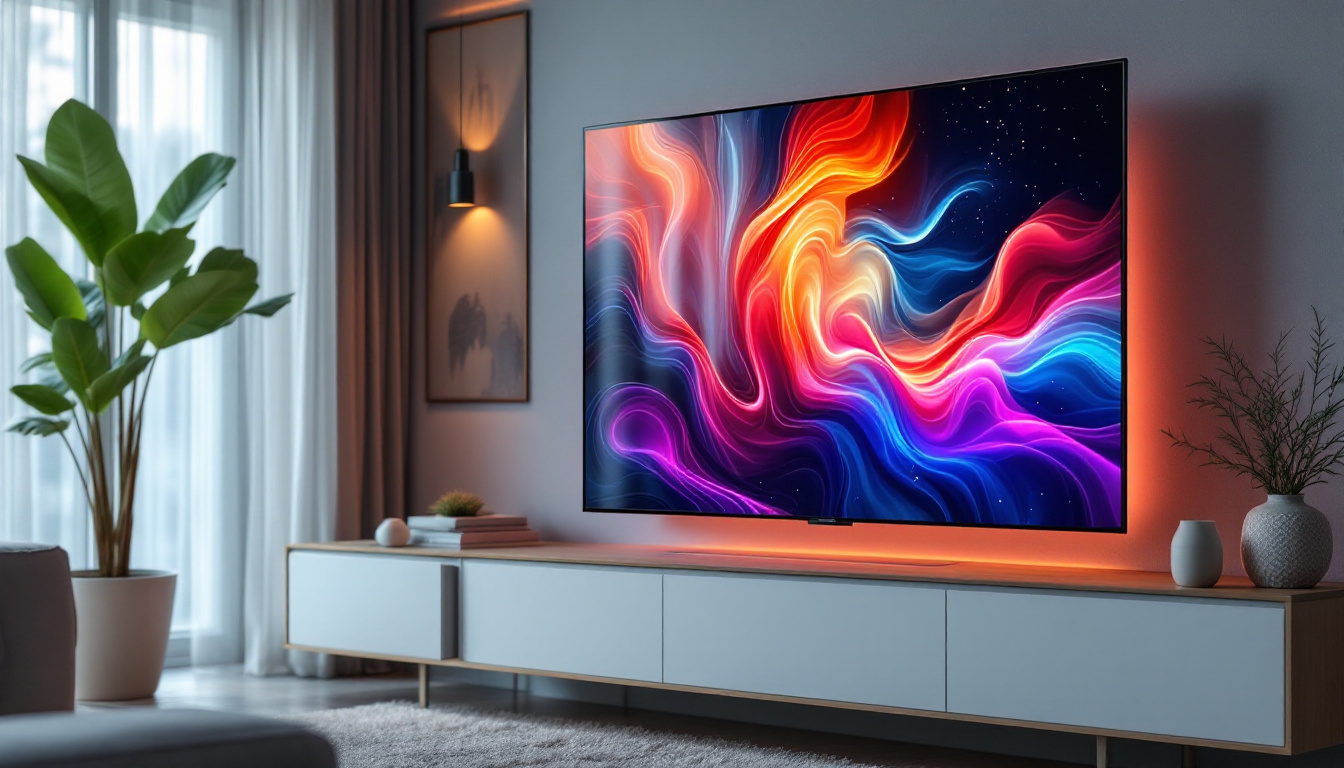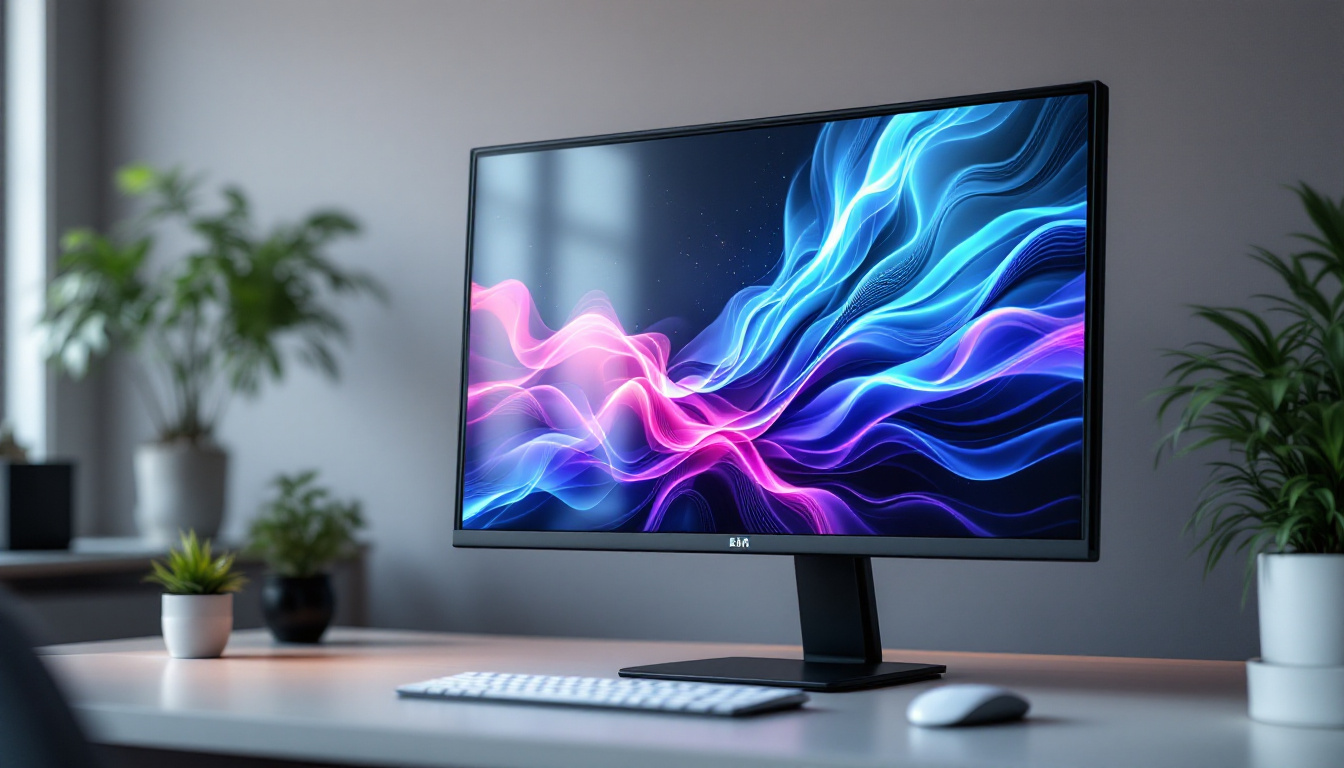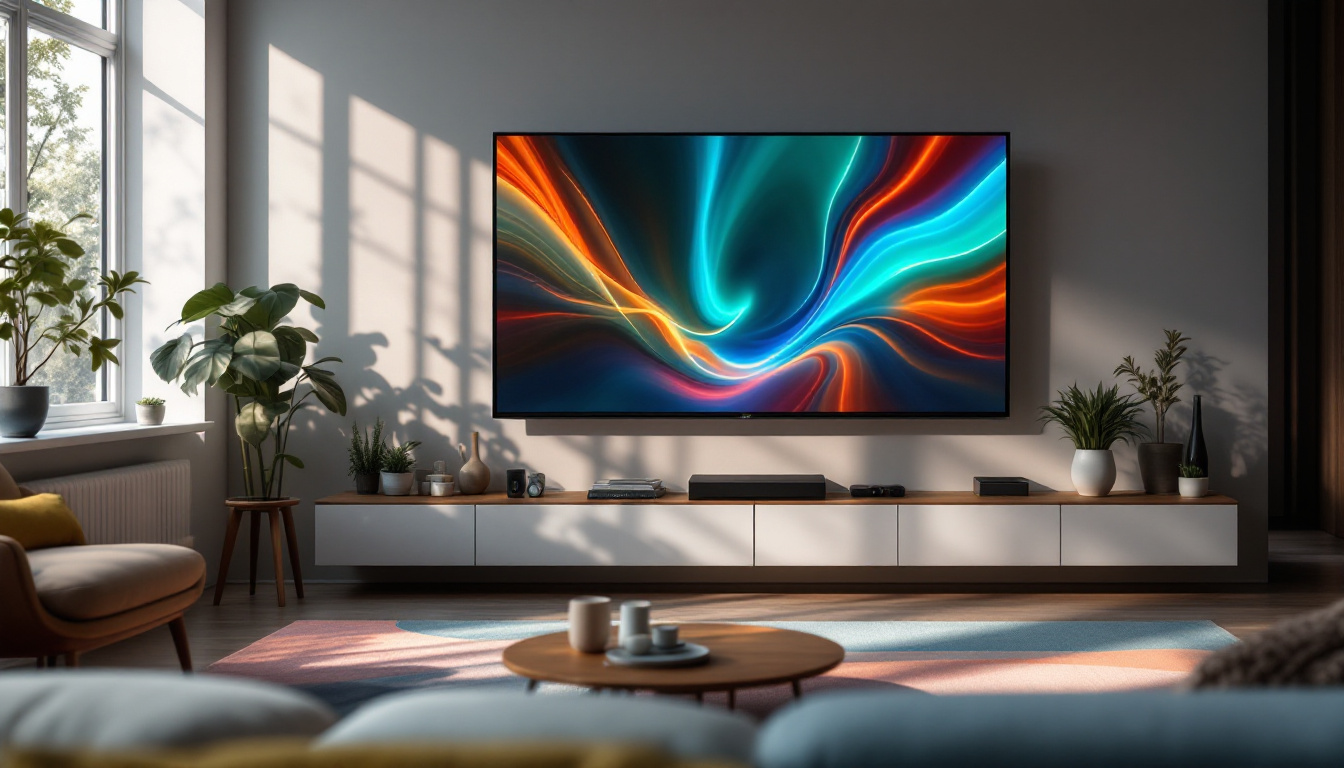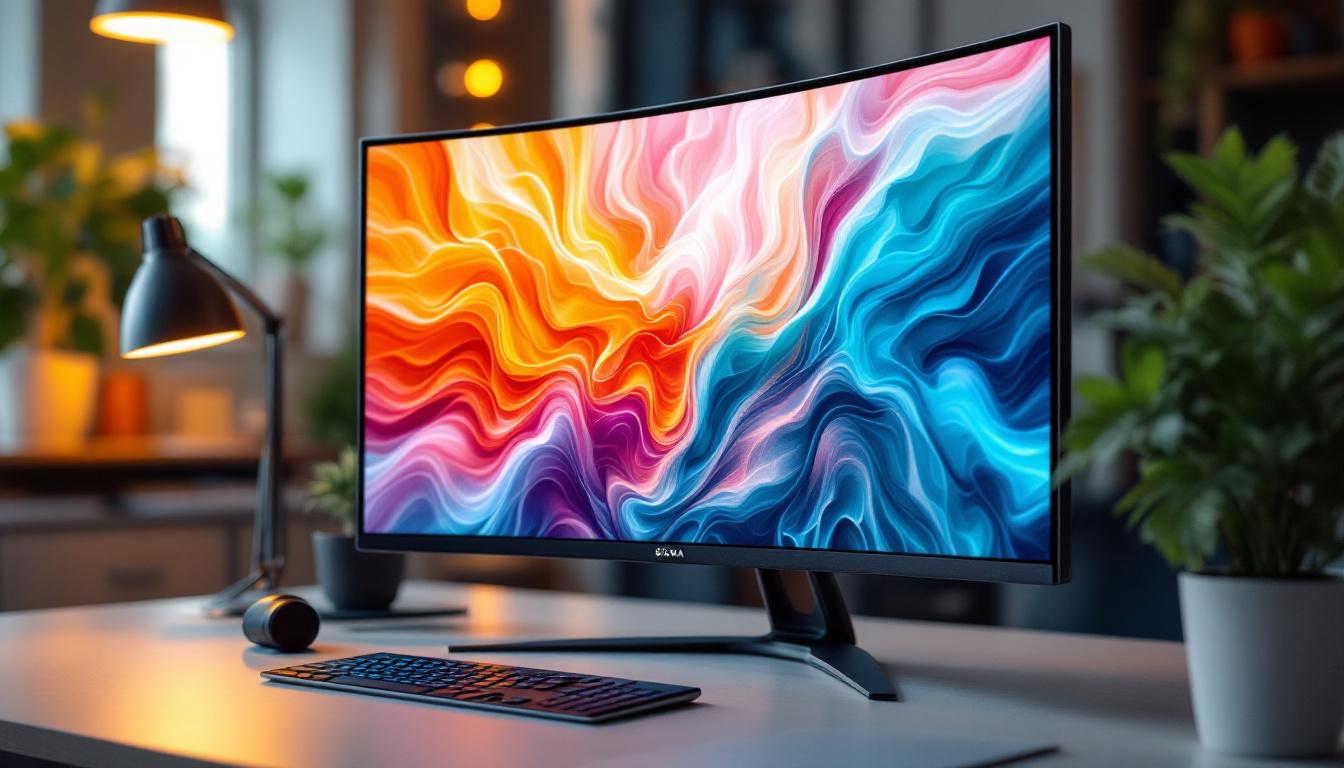
In the ever-evolving landscape of display technology, bezel less curved monitors have emerged as a compelling choice for professionals, gamers, and multimedia enthusiasts alike. Combining sleek aesthetics with immersive viewing experiences, these monitors leverage advanced LED display technology to deliver crisp visuals and ergonomic benefits. This article delves into the intricacies of bezel less curved monitors, exploring their design, LED display technology, advantages, and practical applications.
Understanding Bezel Less Curved Monitors
What Does ‘Bezel Less’ Mean?
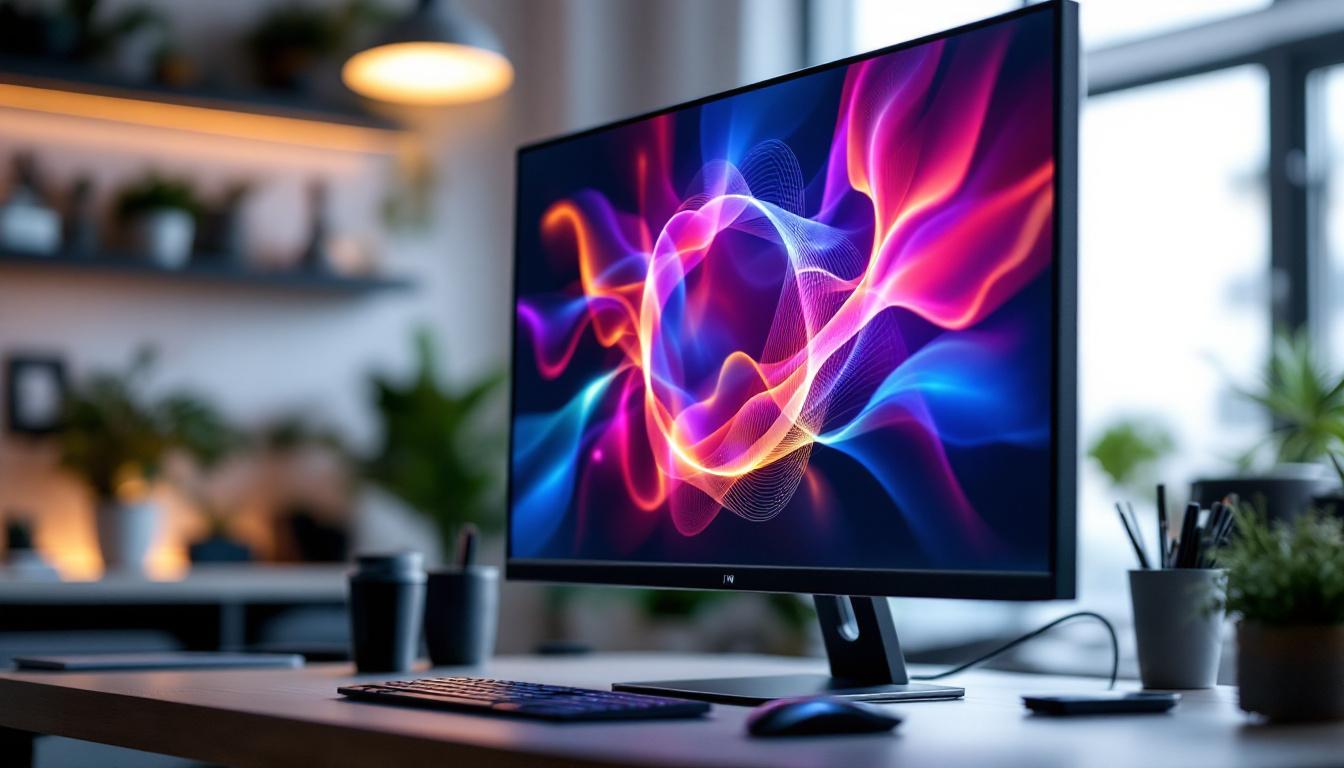
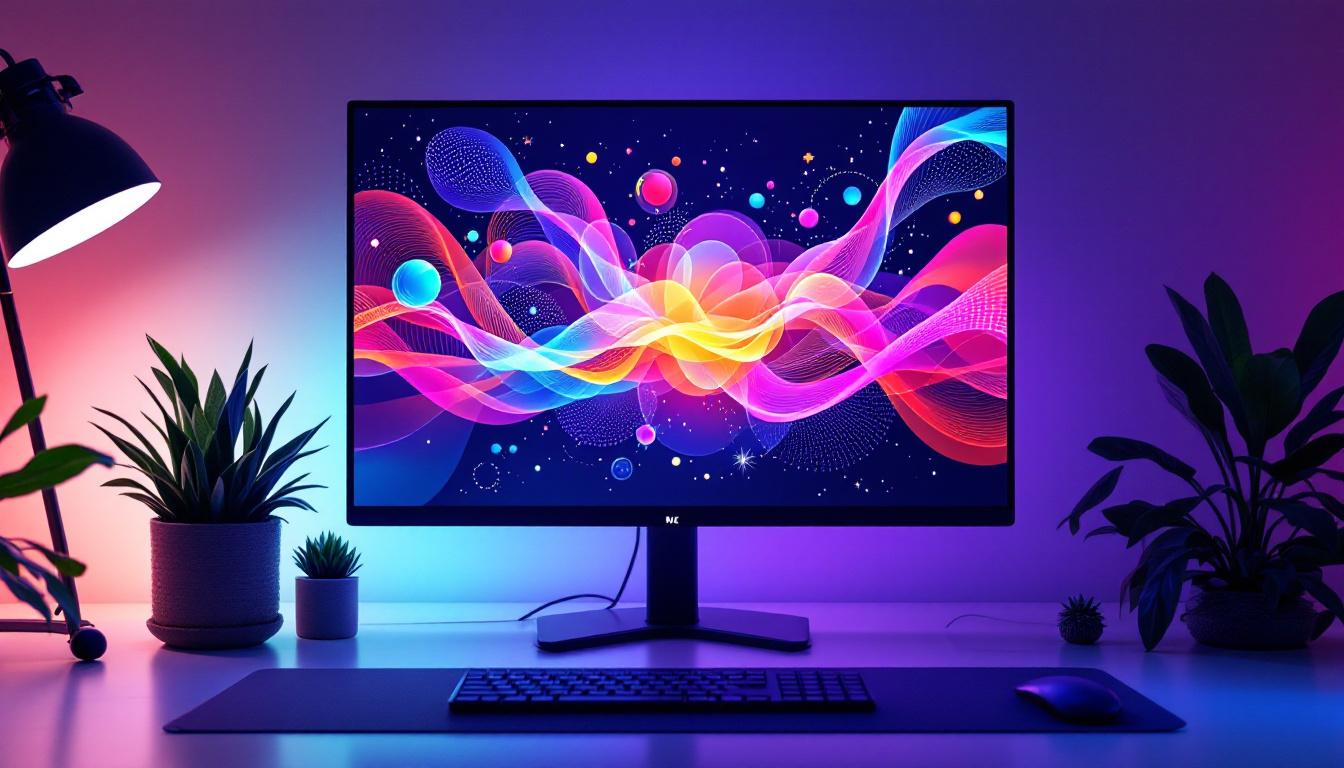
The term “bezel” refers to the frame or border surrounding a monitor’s screen. Traditional monitors often have thick bezels that can distract from the viewing experience and limit the effective screen space. Bezel less monitors, however, feature ultra-thin or nearly invisible edges, maximizing the display area and creating a more seamless visual flow.
Manufacturers achieve bezel less designs through advanced manufacturing techniques and materials, often utilizing edge-to-edge glass panels and minimalistic chassis. This design trend has gained popularity not only for its aesthetic appeal but also for its practical benefits in multi-monitor setups, where reduced bezels minimize the gap between adjacent screens. Furthermore, the sleek design of bezel less monitors can enhance the overall decor of a workspace, making them a preferred choice for modern offices and gaming setups alike. The reduction in bezel size also allows for a more immersive experience, as viewers can focus on the content without being distracted by the borders of the screen.
The Role of Curvature in Modern Displays
Curved monitors have been steadily gaining traction over the past decade, with curvature radii typically ranging between 1000R and 3000R. The curvature is designed to match the natural field of view of the human eye, enhancing immersion and reducing distortion at the edges of the screen.
When combined with bezel less design, curved monitors offer an expansive, uninterrupted viewing experience. The curve helps draw the viewer’s attention inward, creating a more natural and comfortable visual engagement. This is particularly beneficial for large monitors, where flat screens can sometimes cause peripheral vision strain. Additionally, the immersive nature of curved displays is especially advantageous in gaming and cinematic experiences, where the curvature can enhance depth perception and create a more lifelike environment. As technology continues to evolve, we can expect even more innovative designs that further blur the lines between reality and digital experiences, making curved, bezel less monitors an exciting frontier in display technology.
LED Display Technology in Bezel Less Curved Monitors
Basics of LED Displays
LED (Light Emitting Diode) technology forms the backbone of most modern monitors, including bezel less curved models. Unlike older LCDs that use cold cathode fluorescent lamps (CCFL) for backlighting, LED displays use arrays of light-emitting diodes to illuminate the screen. This shift has brought significant improvements in brightness, energy efficiency, and color accuracy.
There are two main types of LED backlighting: edge-lit and direct-lit (or full-array). Edge-lit LEDs are positioned along the edges of the screen, allowing for thinner panels, which is essential for bezel less designs. Direct-lit LEDs are placed behind the entire screen, offering better uniformity and contrast but often resulting in thicker panels.
Advantages of LED in Curved Monitors
LED technology complements curved monitor designs in several ways. First, the thinness of LED panels enables manufacturers to create sleek, curved displays without bulky frames. Second, LEDs provide high brightness levels and excellent color reproduction, which are crucial for immersive curved screens that aim to envelop the viewer’s field of vision.
Additionally, LED displays typically have faster response times and higher refresh rates, appealing to gamers and professionals who require smooth motion handling. The energy efficiency of LEDs also means that even large, curved monitors consume less power compared to older technologies, making them more environmentally friendly and cost-effective over time.
Benefits of Bezel Less Curved Monitors
Enhanced Immersion and Visual Experience
One of the most significant advantages of bezel less curved monitors is the immersive visual experience they provide. The curvature wraps the display around the viewer’s natural field of view, reducing eye movement and creating a panoramic effect. This immersion is further enhanced by the minimal bezels, which eliminate distracting borders and allow the screen to feel larger and more continuous.
For gamers, this translates into a heightened sense of presence, making gameplay more engaging and realistic. For professionals working with graphics, video editing, or CAD applications, the increased screen real estate and reduced visual interruptions improve productivity and precision.
Improved Ergonomics and Reduced Eye Strain
Curved monitors can reduce eye strain by maintaining a more consistent focal distance across the screen. On flat monitors, the edges are farther from the eyes than the center, which can cause subtle but continuous refocusing and discomfort over extended use. The curvature mitigates this by matching the natural curve of the eye, allowing for a more relaxed viewing posture.
Furthermore, bezel less designs encourage multi-monitor setups without large gaps, enabling users to position screens ergonomically and create seamless workflows. This is especially valuable in professional environments where multiple applications or data streams need to be monitored simultaneously.
Space-Saving and Aesthetic Appeal
Bezel less curved monitors offer a modern, minimalist aesthetic that complements contemporary workspaces and gaming setups. Their slim profiles and near-invisible edges make desks appear less cluttered, contributing to a cleaner, more organized environment.
These monitors also tend to be lighter and more compact than traditional bulky displays, making them easier to mount on adjustable arms or integrate into custom setups. This flexibility is a key consideration for users seeking both form and function in their display solutions.
Applications and Use Cases
Gaming and Entertainment
Curved bezel less monitors have become a staple in the gaming community due to their immersive qualities and performance advantages. High refresh rates (often 144Hz or higher) combined with fast response times reduce motion blur and input lag, critical factors for competitive gaming.
The curvature enhances peripheral vision, allowing gamers to detect in-game movement more naturally and react faster. Additionally, the bezel less design ensures that multi-monitor gaming setups are virtually seamless, expanding the visual field without distracting borders.
Professional and Creative Work
For professionals in graphic design, video production, and software development, bezel less curved monitors offer both visual clarity and expanded workspace. The wide and curved display allows for multiple windows and toolbars to be open simultaneously without feeling cramped.
Color accuracy and uniformity are also paramount in creative fields, and LED technology delivers on these fronts with vibrant, consistent colors and deep contrast ratios. The ergonomic benefits further support long hours of focused work, reducing fatigue and enhancing productivity.
Office and Productivity Environments
In office settings, bezel less curved monitors can improve workflow by providing larger, uninterrupted screen areas that facilitate multitasking. Financial analysts, data scientists, and other professionals who rely on large datasets benefit from the ability to view more information at once without excessive scrolling or switching between tabs.
Moreover, the sleek design of these monitors contributes to a professional and modern office aesthetic, which can positively influence workplace morale and client impressions.
Choosing the Right Bezel Less Curved Monitor
Key Specifications to Consider
When selecting a bezel less curved monitor, several specifications should be carefully evaluated:
- Curvature Radius: A lower radius (e.g., 1000R) means a more pronounced curve, suitable for immersive gaming and close-up work, while higher radii (e.g., 3000R) offer gentler curves better suited for general productivity.
- Screen Size and Resolution: Larger screens (27 inches and above) benefit most from curvature. Resolutions of 1440p (QHD) or 2160p (4K) provide sharp images, especially important for detailed work.
- Refresh Rate and Response Time: Gamers should prioritize high refresh rates (120Hz or more) and low response times (under 5ms) for smooth performance.
- Color Accuracy: Look for monitors with wide color gamut coverage (e.g., 99% sRGB or AdobeRGB) and factory calibration for professional use.
- Connectivity: Multiple input options such as HDMI, DisplayPort, and USB-C increase versatility.
Budget Considerations
Bezel less curved monitors span a wide price range, from affordable entry-level models to premium professional-grade displays. While higher-end monitors offer superior panel quality, color accuracy, and additional features like HDR support, many mid-range options provide excellent performance for everyday use.
Investing in a quality monitor can yield long-term benefits in productivity and user comfort, making it worthwhile to balance budget constraints with desired features.
Future Trends in Bezel Less Curved Monitor Technology
Advancements in OLED and Mini-LED
While LED technology currently dominates the market, emerging display technologies such as OLED (Organic Light Emitting Diode) and Mini-LED are poised to enhance bezel less curved monitors further. OLED offers perfect blacks, infinite contrast ratios, and faster response times, though challenges remain in burn-in and cost.
Mini-LED, which uses thousands of tiny LEDs for backlighting, improves local dimming and brightness control, delivering better HDR performance without sacrificing panel thinness. These advancements will likely lead to even more immersive and visually stunning curved displays.
Increased Integration with AI and Adaptive Features
Future monitors are expected to incorporate AI-driven features that adjust brightness, color temperature, and contrast dynamically based on ambient lighting and content type. Such adaptive technologies can enhance viewing comfort and optimize image quality automatically.
Additionally, bezel less curved monitors may integrate more seamlessly with smart devices and virtual reality systems, creating cohesive multi-sensory environments for work and entertainment.
Conclusion
Bezel less curved monitors represent a significant leap forward in display technology, combining aesthetic elegance with functional benefits. By leveraging advanced LED backlighting and ergonomic design principles, these monitors deliver immersive, comfortable, and visually stunning experiences across gaming, professional, and productivity applications.
As technology continues to evolve, the integration of newer display innovations and intelligent features will further enhance the value of bezel less curved monitors, making them an increasingly attractive choice for users seeking the best in visual performance and design.
Discover the Future of Display with LumenMatrix
Ready to elevate your visual experience with the latest in bezel less curved monitor technology? LumenMatrix is at the forefront of LED display innovation, offering a wide array of solutions that bring your content to life. From immersive indoor LED walls to dynamic outdoor displays, our products are designed to captivate and engage. Embrace the future of visual communication with LumenMatrix and transform the way you share your message. Check out LumenMatrix LED Display Solutions today and see the difference for yourself.