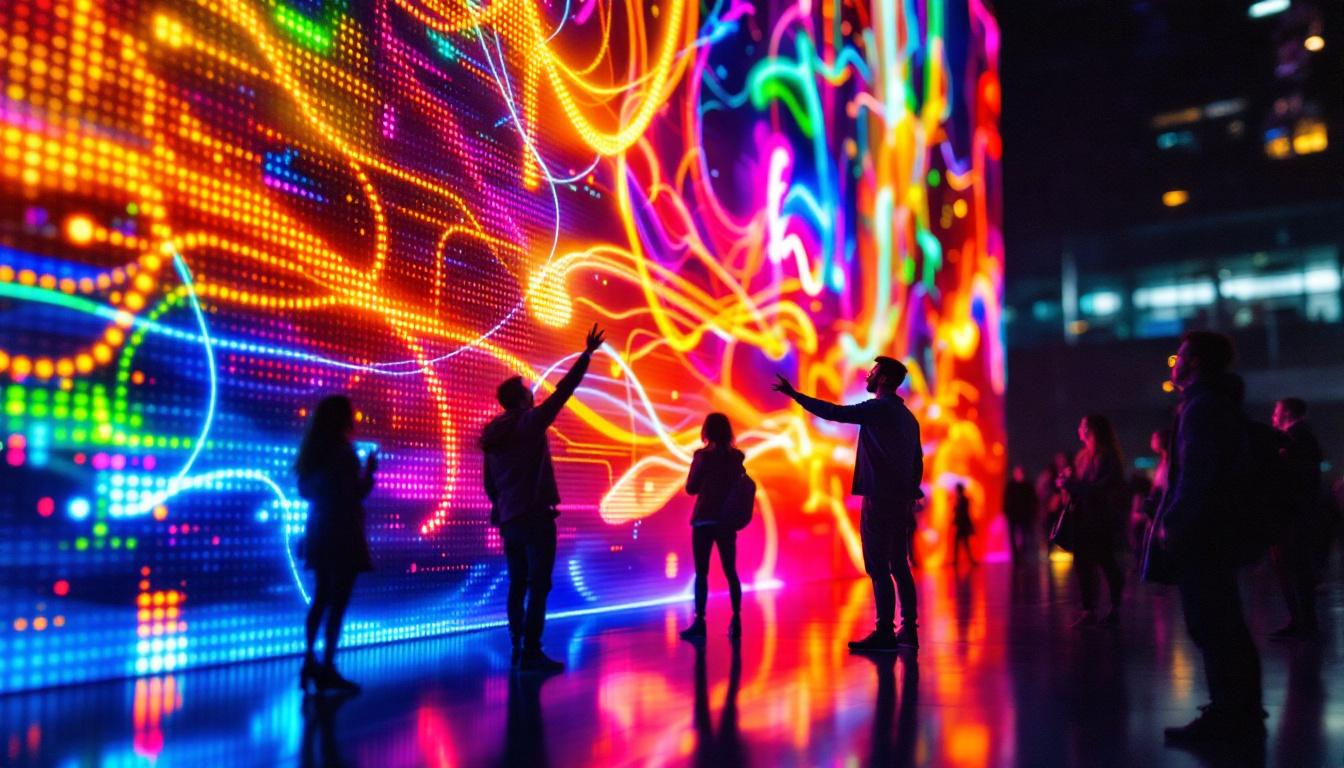
In an era where visual communication dominates marketing, entertainment, and information dissemination, display technology has become a cornerstone of modern life. Among the various display technologies available, LED displays have emerged as a leading choice due to their versatility, brightness, and energy efficiency. This article delves into the intricacies of LED displays, exploring their technology, applications, advantages, and future trends. Whether you’re a business owner considering digital signage or a technology enthusiast eager to understand the latest in display innovation, this comprehensive guide will illuminate the world of LED displays.
Understanding LED Display Technology
What is an LED Display?
LED stands for Light Emitting Diode, a semiconductor device that emits light when an electric current passes through it. An LED display is a flat panel display that uses an array of light-emitting diodes as pixels to create images, videos, and text. Unlike traditional LCD screens that rely on backlighting, LED displays use these tiny diodes to produce their own light, resulting in brighter and more vibrant visuals.
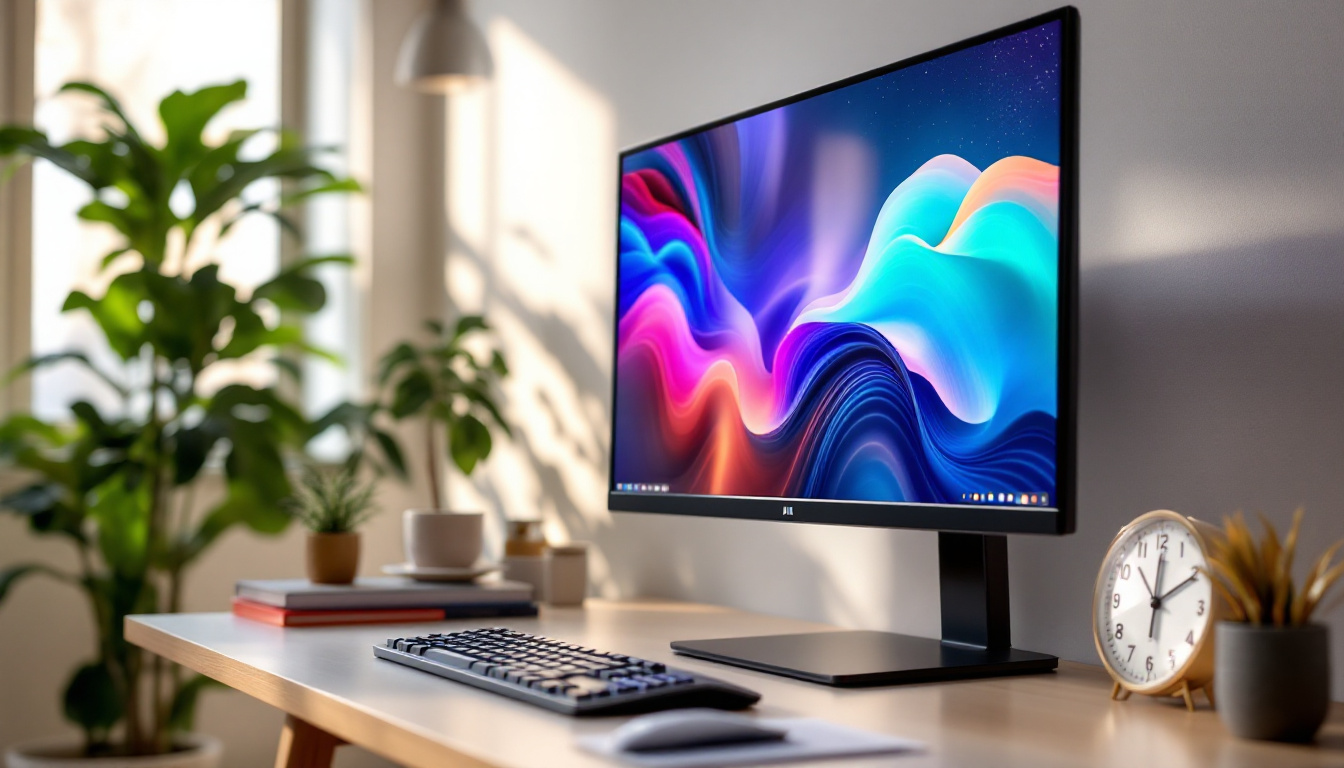
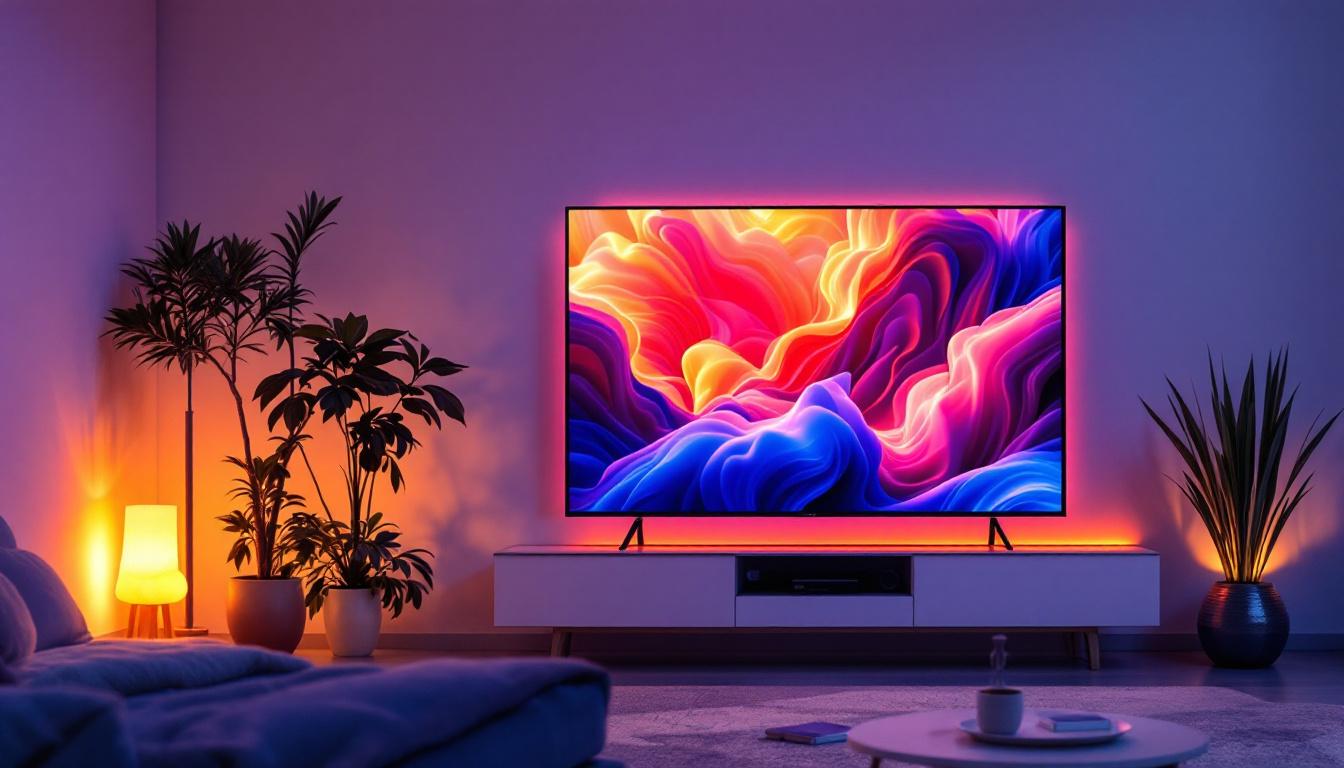
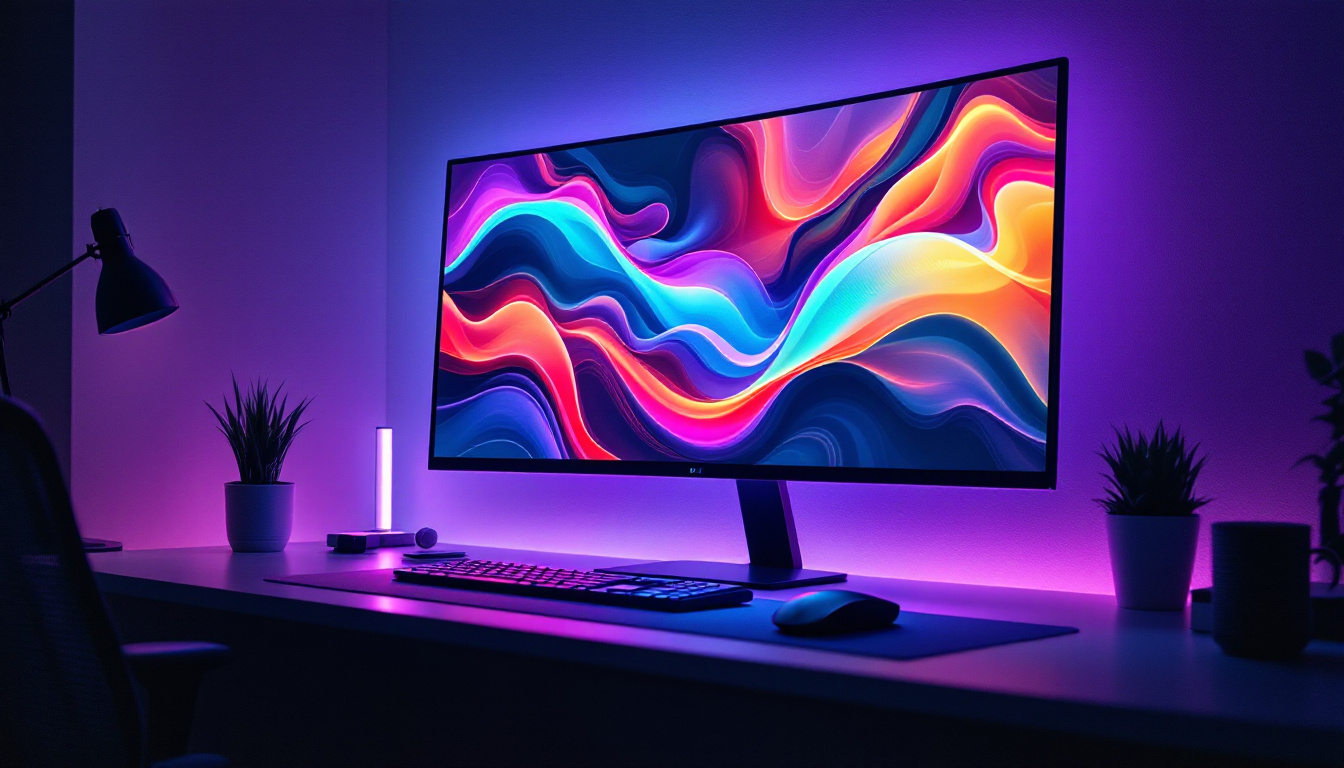
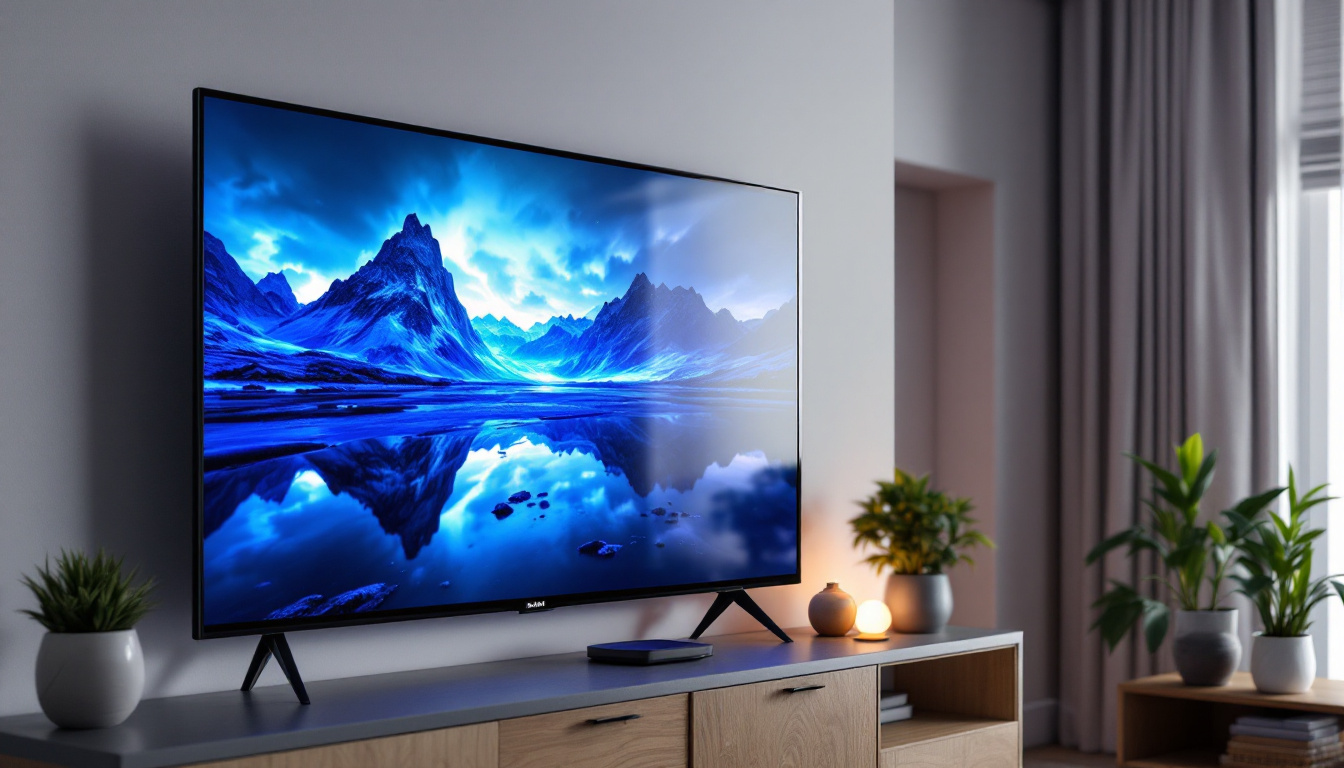
The technology behind LED displays can be categorized primarily into two types: direct-view LED displays and LED-backlit LCD displays. Direct-view LED displays use diodes as the actual pixels, commonly seen in large outdoor screens like billboards and stadium displays. LED-backlit LCDs, on the other hand, use LEDs as a backlight behind an LCD panel, enhancing brightness and contrast in televisions and monitors. This distinction is crucial, as it influences the applications and performance characteristics of each type of display. For instance, while LED-backlit LCDs are prevalent in home entertainment systems, direct-view LEDs are favored for their superior visibility and impact in commercial settings, where capturing attention is paramount.
How Do LED Displays Work?
Each pixel in an LED display consists of one or more LEDs that emit red, green, and blue light. By adjusting the intensity of these three colors, the display can produce a wide spectrum of colors through a process called additive color mixing. This capability allows LED displays to render images with remarkable color accuracy and brightness. The precision in color reproduction is particularly beneficial for applications that require high fidelity, such as digital signage and media presentations, where the visual impact can significantly influence viewer engagement.
In direct-view LED displays, clusters of red, green, and blue diodes form a single pixel. The control system modulates the brightness of each diode to create the desired color and image. The high brightness of LEDs enables these displays to be visible even in direct sunlight, making them ideal for outdoor applications. Furthermore, advancements in LED technology have led to the development of finer pixel pitches, allowing for higher resolution displays that can be viewed up close without losing image clarity. This evolution has opened new avenues in advertising, art installations, and live event broadcasting, where the quality of visual content is critical to the overall experience. Additionally, the energy efficiency of LED technology contributes to lower operational costs, making it a sustainable choice for long-term use in various environments.
Applications of LED Displays
Outdoor Advertising and Digital Billboards
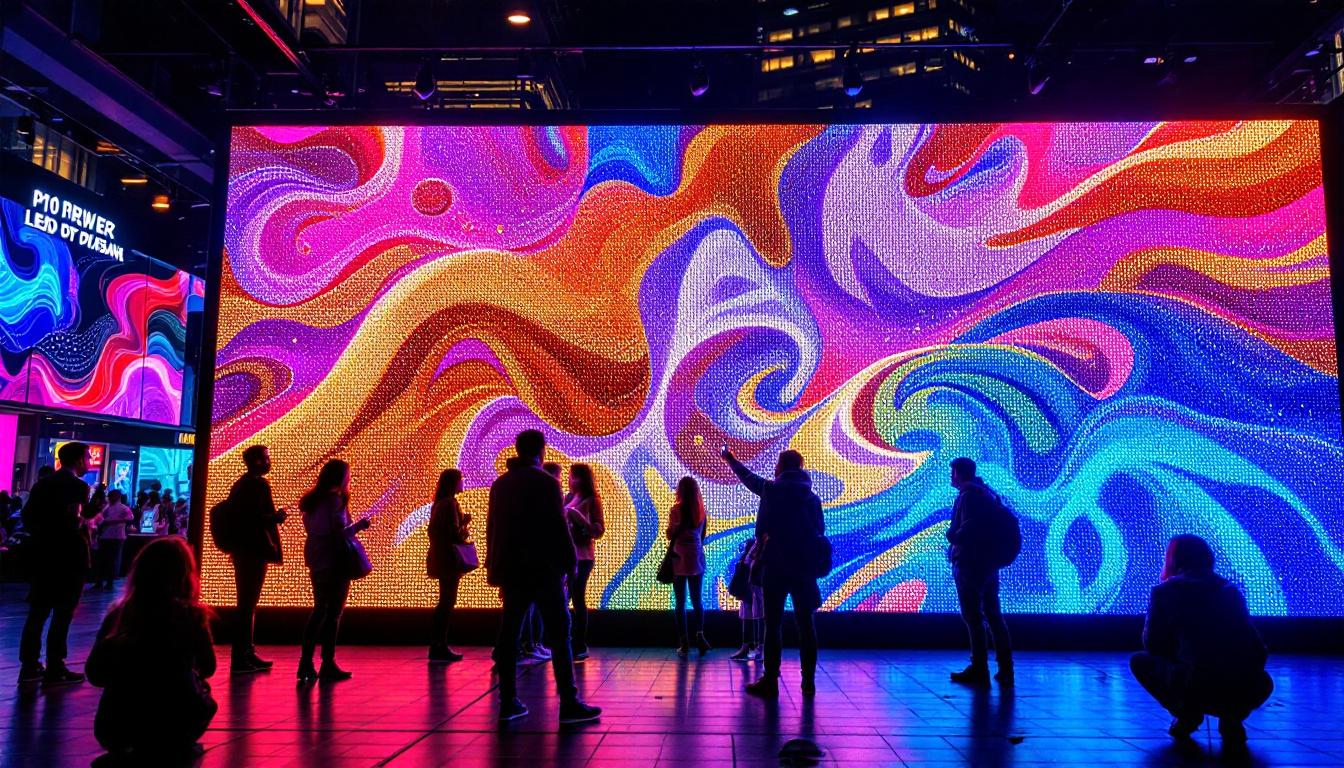
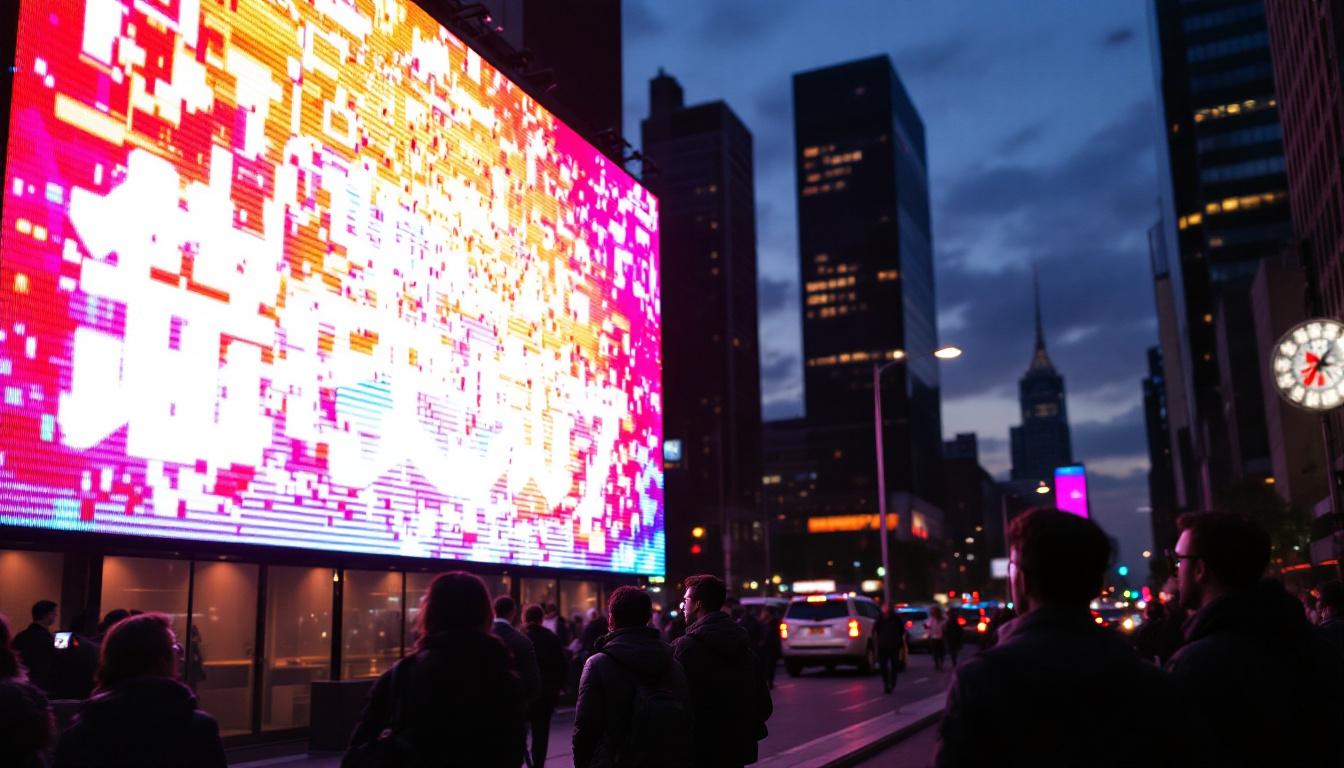
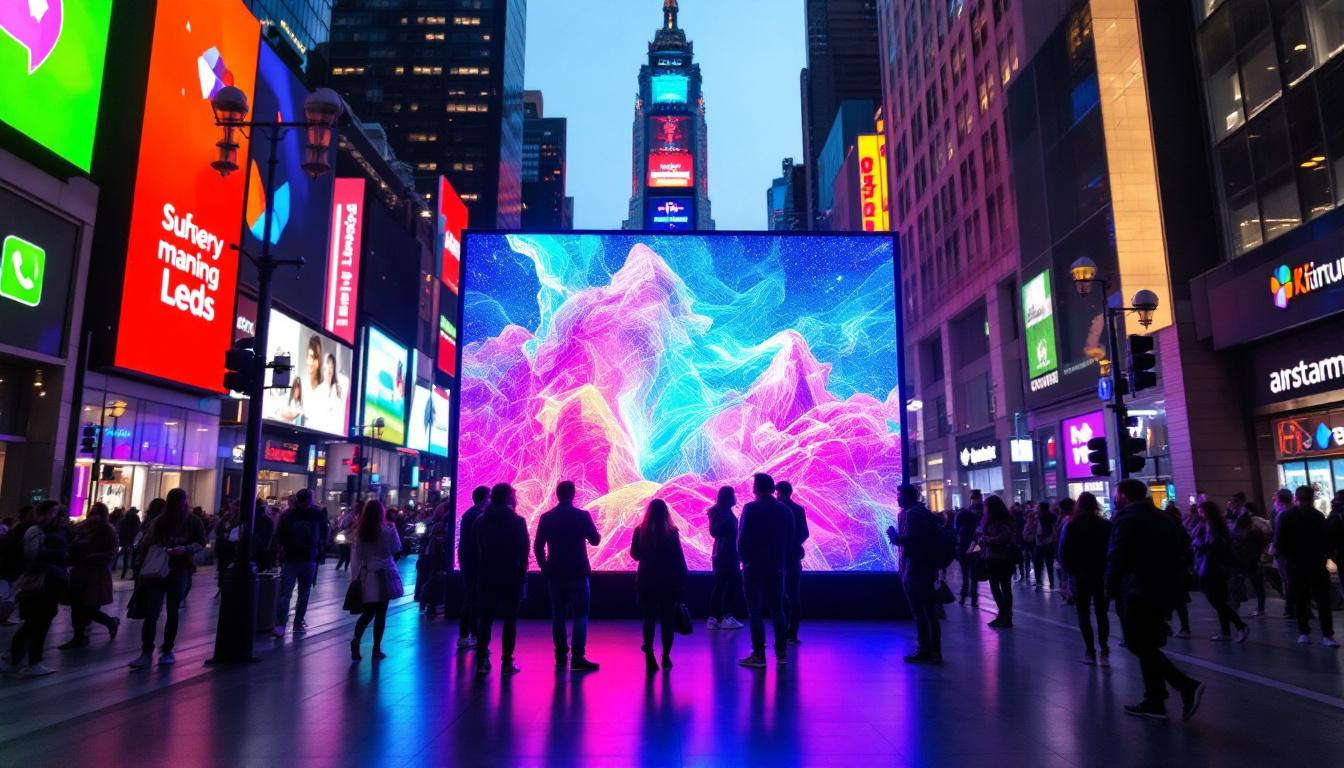
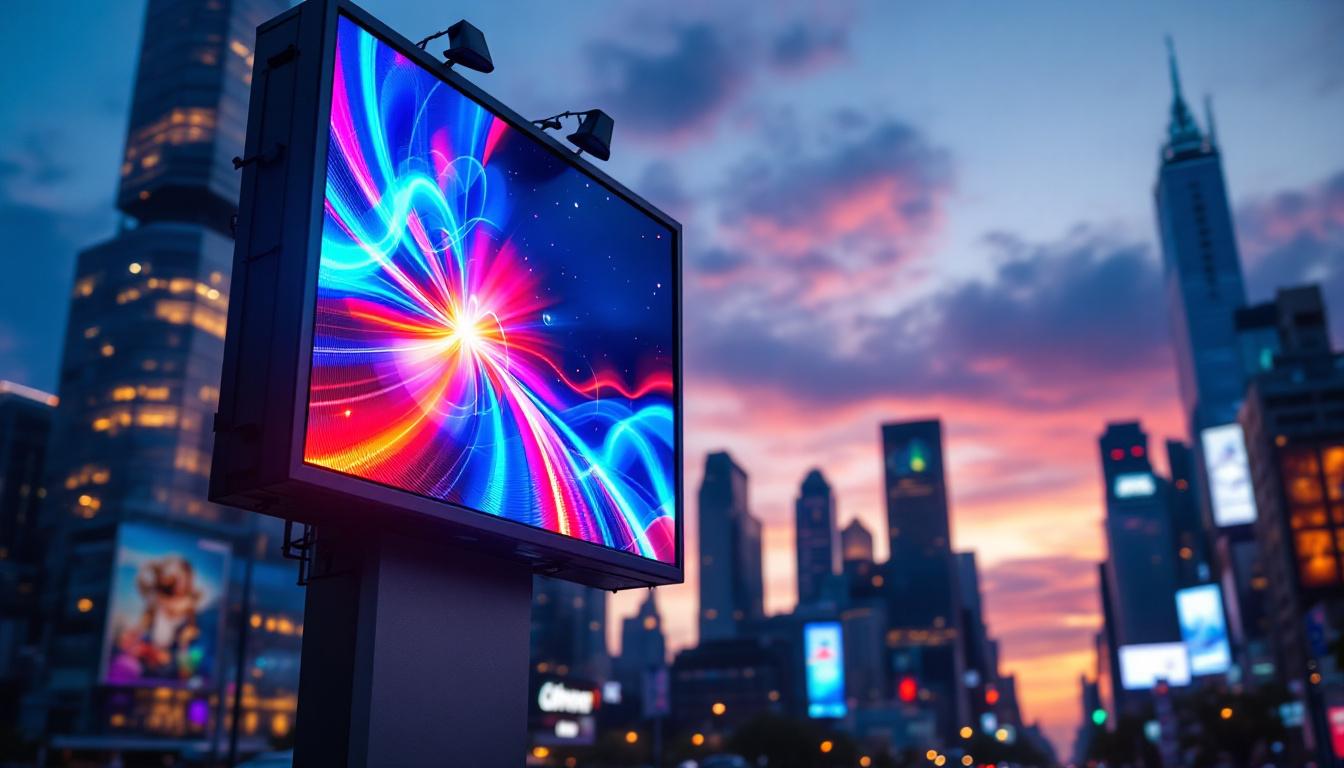
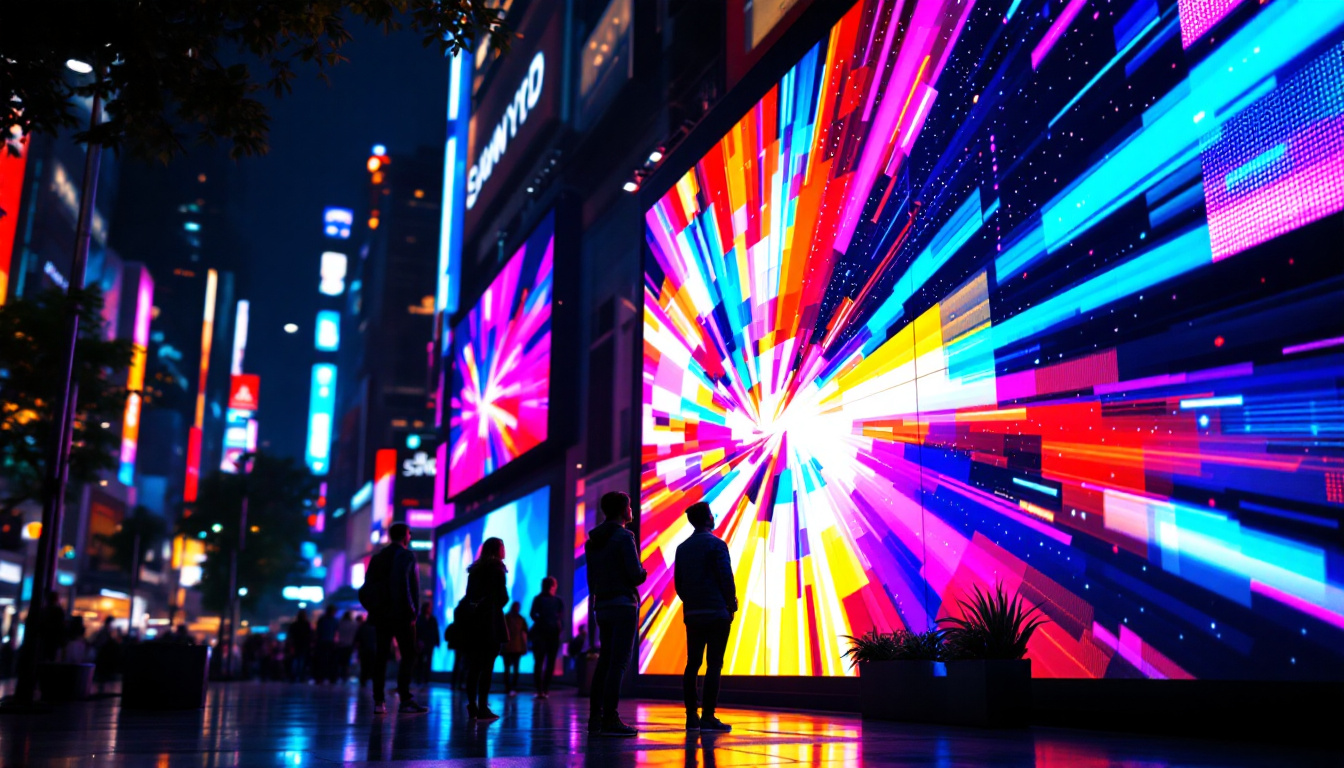
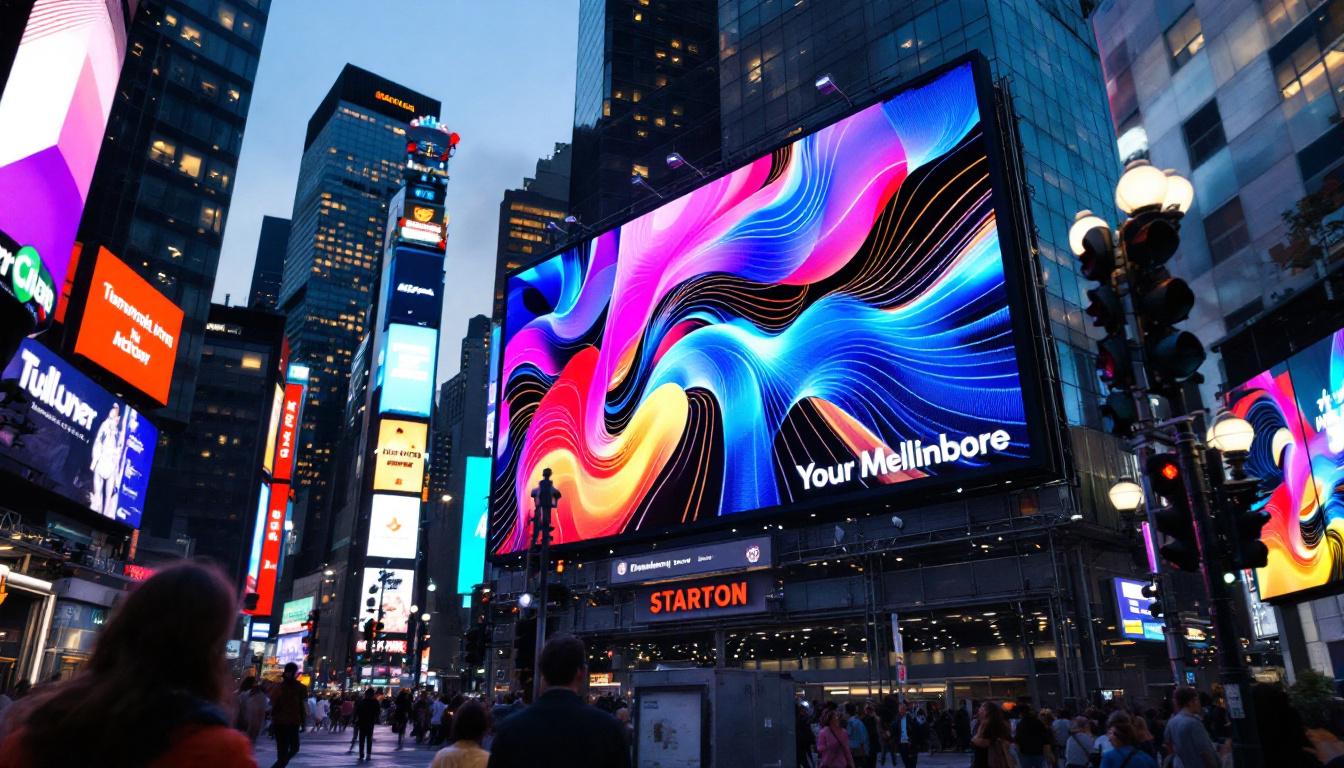
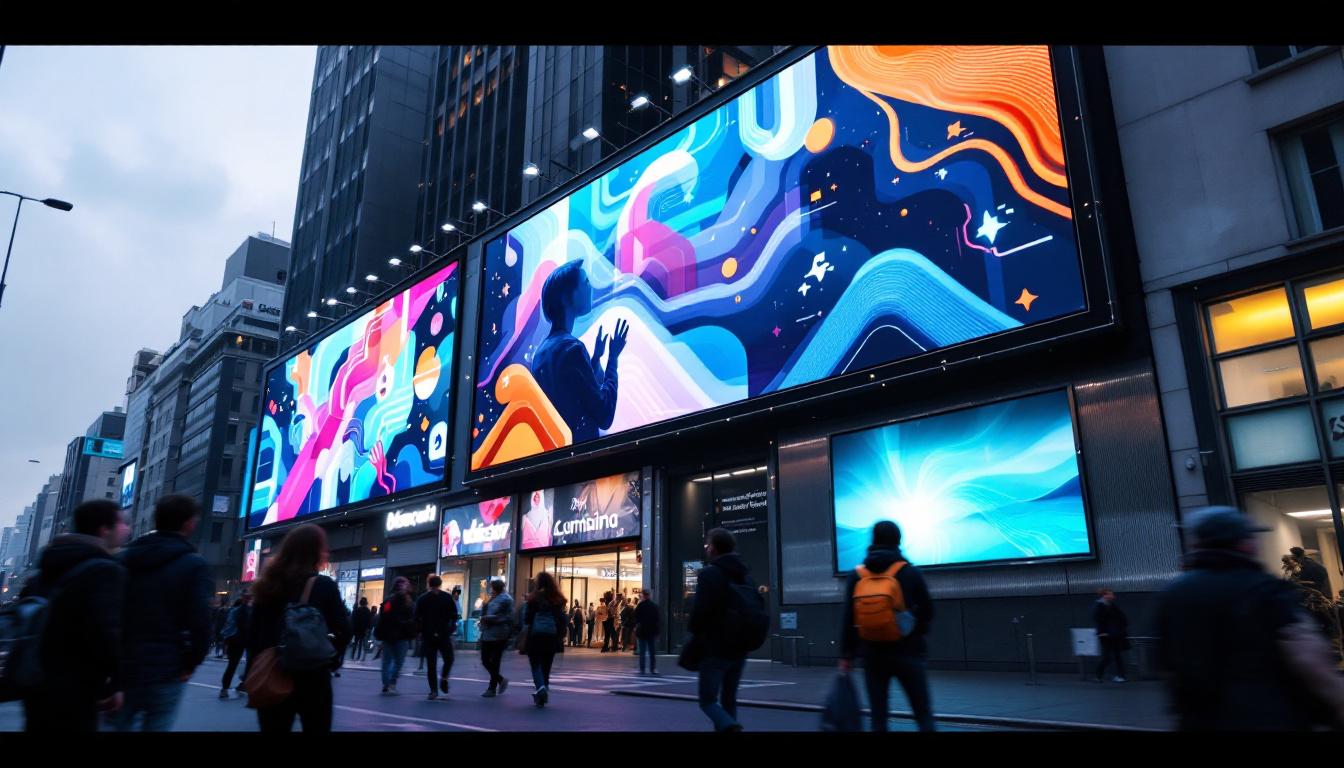
One of the most prevalent uses of LED displays is in outdoor advertising. Digital billboards equipped with LED technology have revolutionized the advertising industry by allowing dynamic, eye-catching content that can be updated remotely and frequently. According to the Outdoor Advertising Association of America, digital billboards accounted for over 30% of all billboard advertising revenue in 2023, highlighting their growing importance.
The brightness and durability of LED displays make them perfect for outdoor environments where traditional print billboards would fade or be less visible. Additionally, the ability to display video and animated content increases viewer engagement significantly compared to static images.
Retail and Indoor Signage
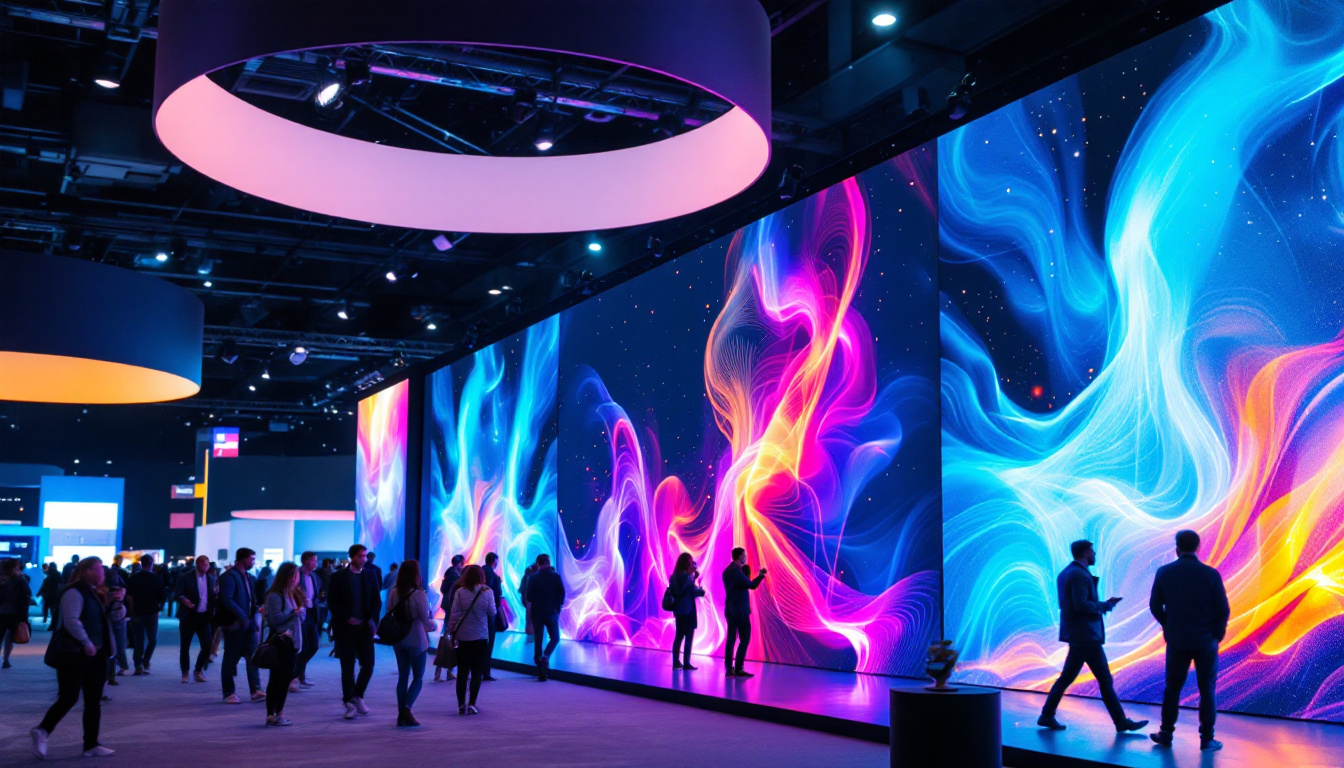
Retailers increasingly utilize LED displays for indoor signage to attract customers and enhance the shopping experience. From digital price tags and promotional screens to interactive kiosks, LED displays offer flexibility and high visual impact. The vibrant colors and sharp images help brands communicate their message effectively.
Moreover, LED displays are energy-efficient and have a longer lifespan than traditional lighting, reducing operational costs for businesses. This combination of cost-effectiveness and visual appeal is driving widespread adoption in retail environments worldwide.
Sports Arenas and Entertainment Venues
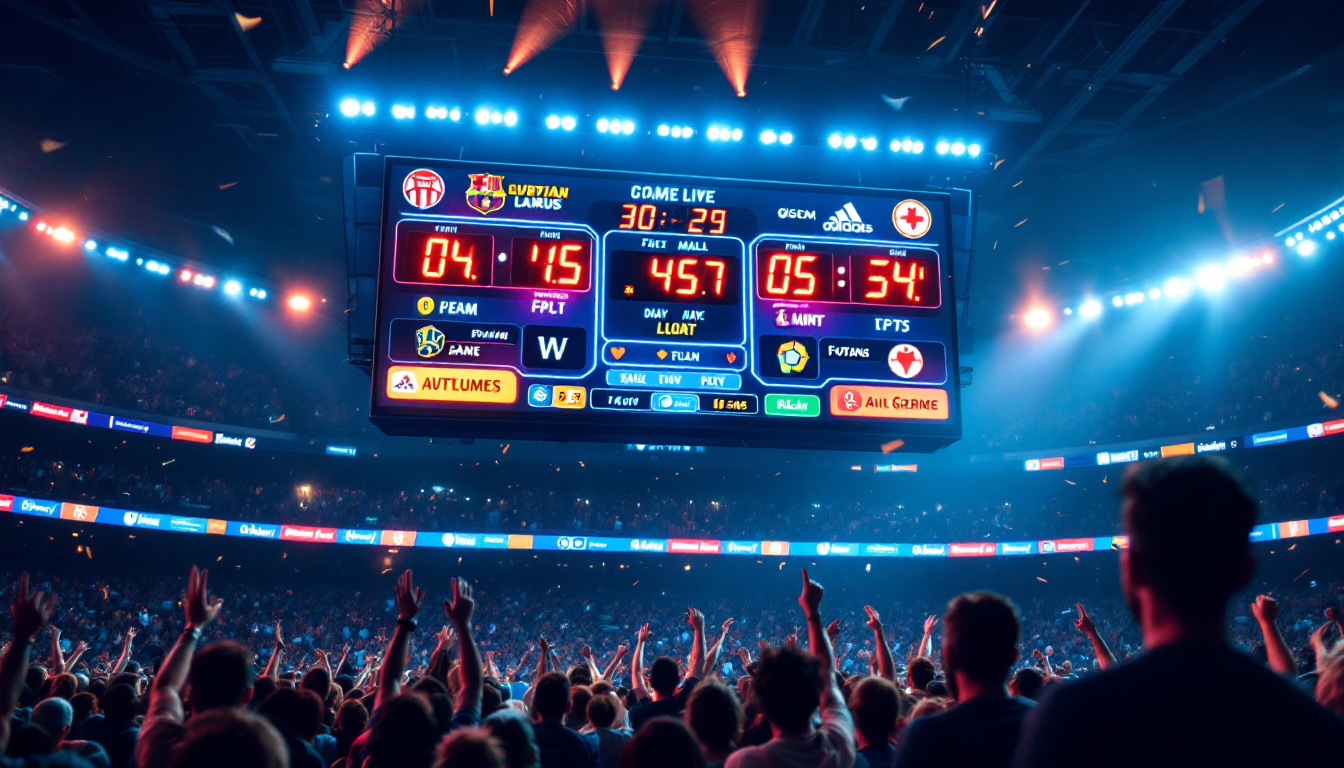
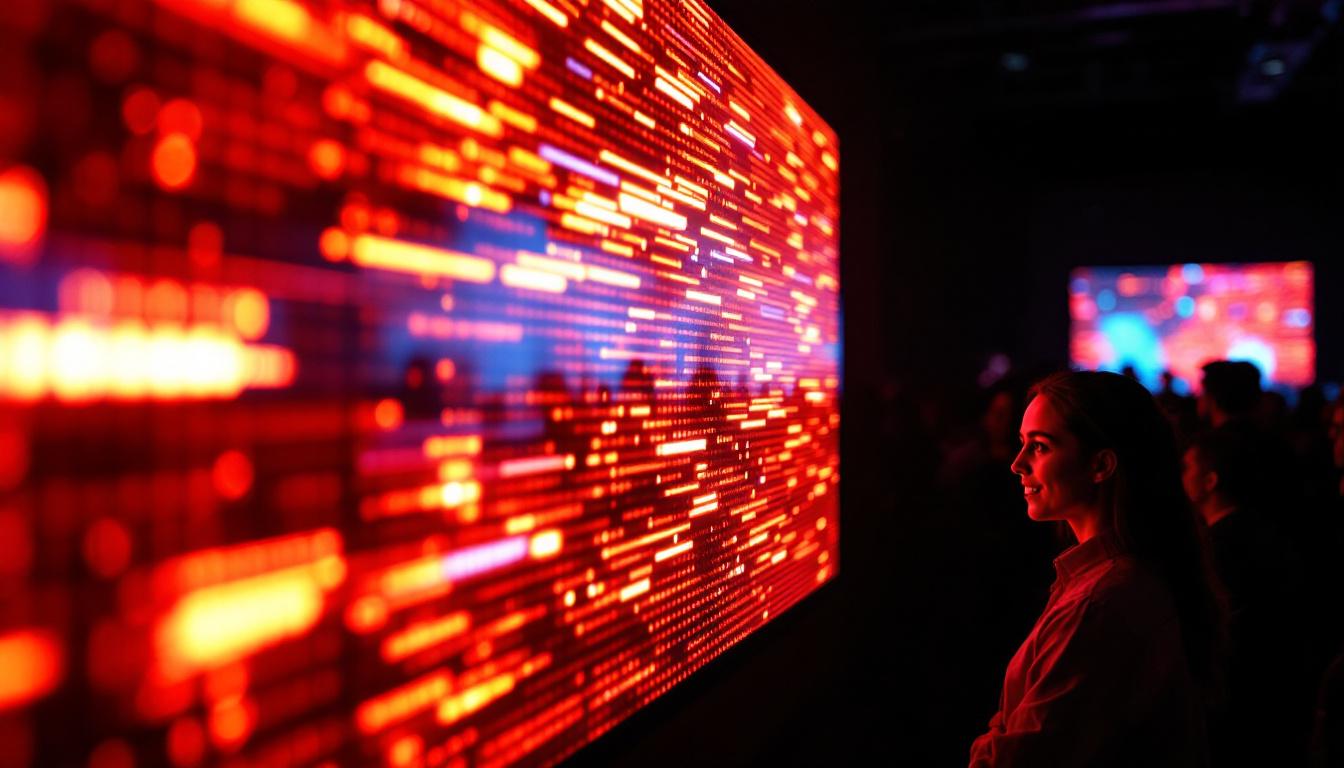
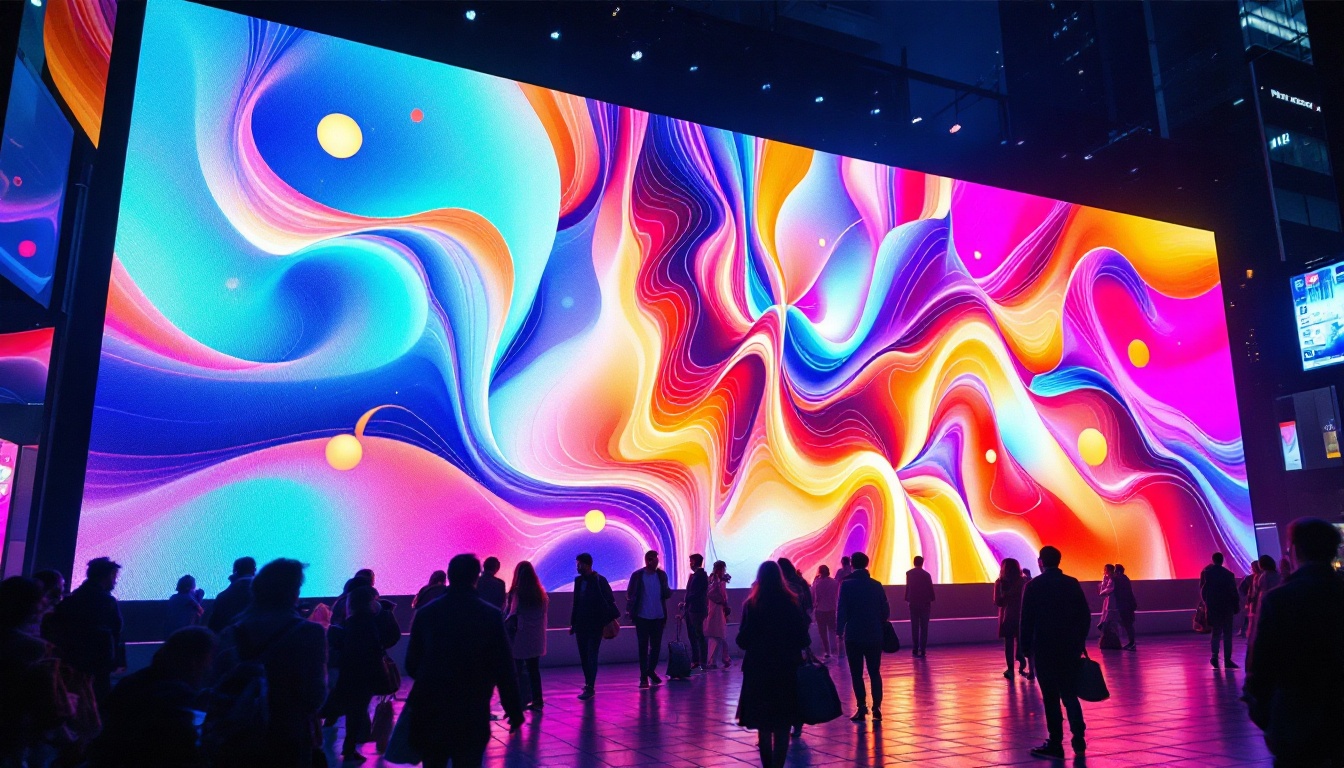
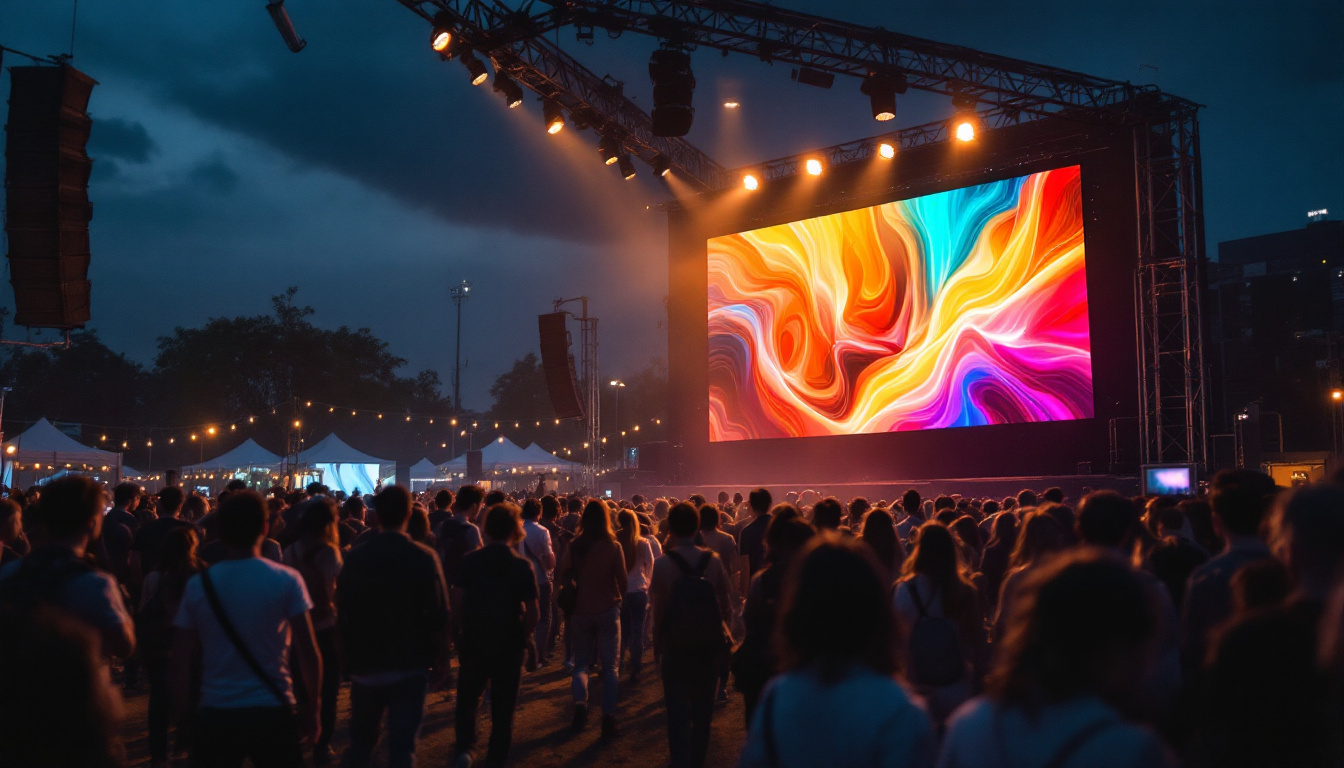
Sports arenas and entertainment venues rely heavily on large-scale LED displays for scoreboards, instant replays, and immersive fan experiences. These displays can span thousands of square feet and deliver crystal-clear images visible from great distances.
For example, the AT&T Stadium in Texas features a center-hung LED display measuring over 11,000 square feet, one of the largest in the world. Such installations not only enhance the spectator experience but also open up lucrative advertising opportunities during events.
Transportation and Public Information Systems
LED displays are widely used in transportation hubs such as airports, train stations, and bus terminals to provide real-time information. Their high visibility and reliability ensure that passengers receive timely updates on schedules, delays, and safety announcements.
Public information systems in urban environments also utilize LED technology for traffic signals, pedestrian crossings, and emergency alerts. The ability to display clear, dynamic messages helps improve public safety and traffic management.
Advantages of LED Displays Over Other Technologies
Brightness and Visibility
LED displays are renowned for their exceptional brightness, often exceeding 5,000 nits in outdoor models. This level of luminance ensures visibility even under direct sunlight, a feat that many other display technologies struggle to achieve.
High brightness is crucial for outdoor applications where ambient light conditions vary. It also contributes to better contrast and color saturation, making images more vivid and engaging.
Energy Efficiency and Longevity
LED technology is inherently energy-efficient, consuming significantly less power than traditional incandescent or fluorescent lighting. This efficiency translates into lower operating costs and a reduced environmental footprint.
Additionally, LEDs have a long operational lifespan, often rated between 50,000 to 100,000 hours. This durability minimizes maintenance and replacement expenses, making LED displays a cost-effective solution over time.
Flexibility and Scalability
LED displays can be manufactured in various sizes and shapes, from small indoor panels to massive outdoor screens. Their modular design allows for easy scalability and customization, enabling installations to fit unique architectural and spatial requirements.
Furthermore, advancements in flexible LED technology have introduced displays that can curve or bend, opening new creative possibilities in design and advertising.
Color Accuracy and Refresh Rates
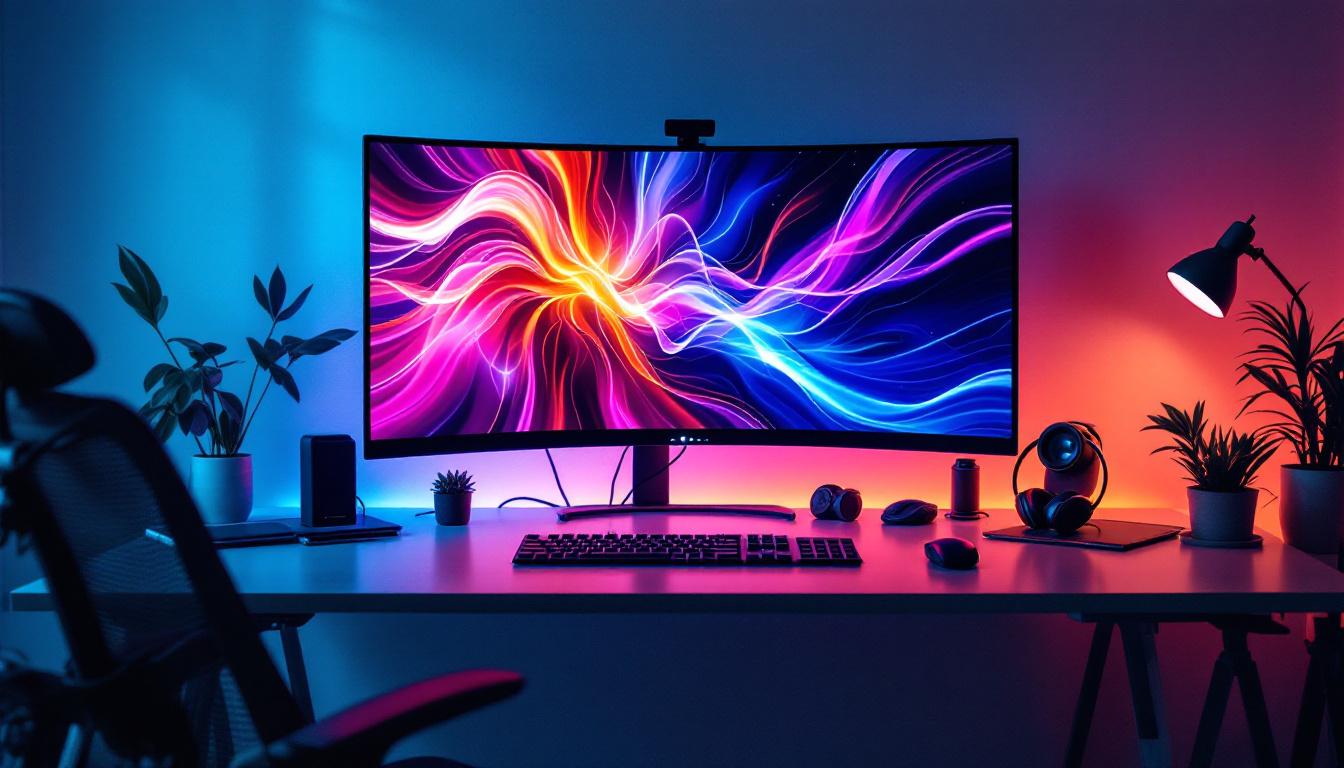
Modern LED displays offer excellent color accuracy, capable of rendering millions of colors with fine gradations. High refresh rates, often exceeding 1,000 Hz, ensure smooth motion rendering, which is essential for video playback and dynamic content.
These features make LED displays suitable for applications demanding high-quality visuals, such as broadcasting, gaming, and professional presentations.
Challenges and Considerations in LED Display Implementation
Initial Investment Costs
Despite their long-term benefits, LED displays typically require a higher upfront investment compared to other display technologies. The cost of high-quality LED panels, control systems, and installation can be substantial, especially for large-scale projects.
Businesses must evaluate the return on investment carefully, considering factors such as increased engagement, advertising revenue, and operational savings.
Pixel Pitch and Viewing Distance
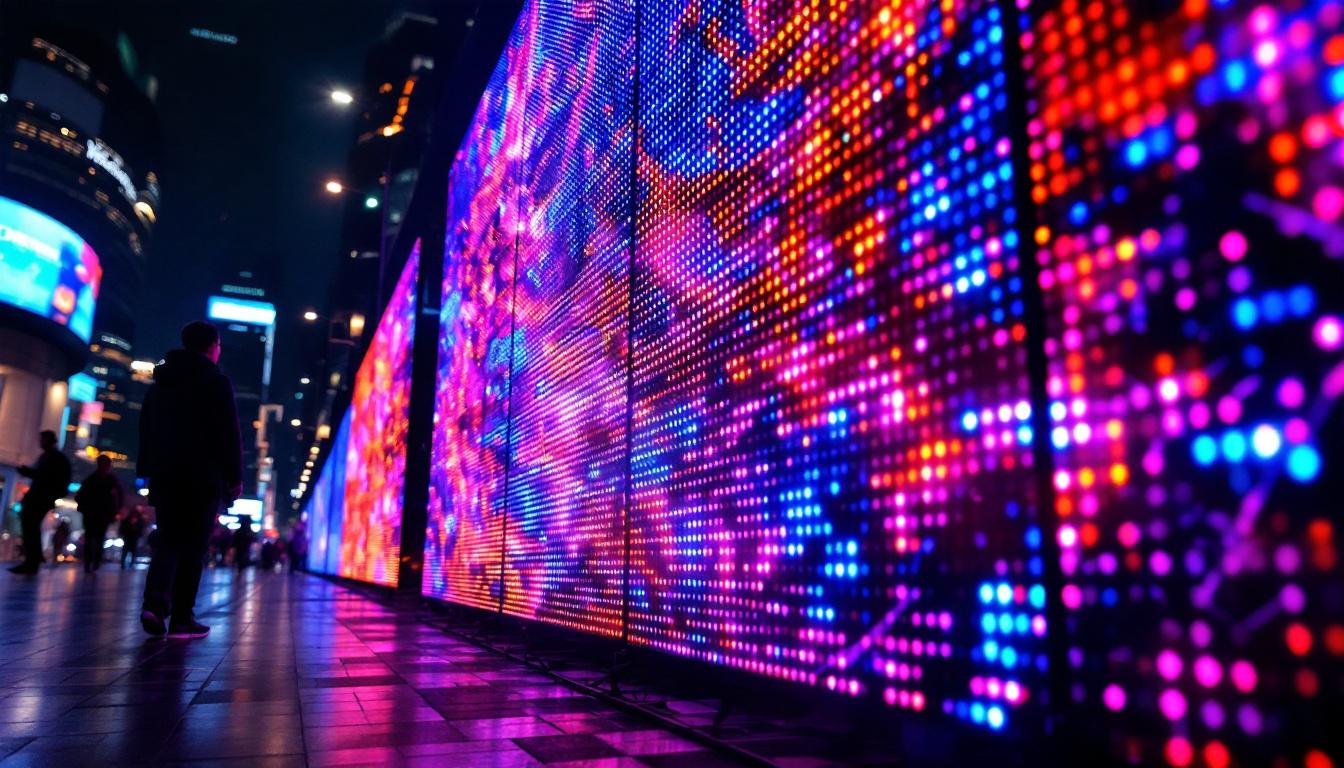
Pixel pitch, the distance between individual LED pixels, is a critical factor in determining display resolution and image clarity. Smaller pixel pitches provide higher resolution but increase costs.
Choosing the appropriate pixel pitch depends on the intended viewing distance. For example, outdoor billboards with distant viewers can use larger pixel pitches, while indoor displays viewed up close require finer pitches to maintain image sharpness.
Environmental and Maintenance Factors
Outdoor LED displays must withstand harsh environmental conditions such as rain, dust, and temperature fluctuations. High-quality enclosures and protective coatings are essential to ensure durability and performance.
Regular maintenance, including cleaning and calibration, is necessary to maintain optimal brightness and color consistency over time. Failure to do so can result in degraded image quality and reduced lifespan.
The Future of LED Display Technology
MicroLED and MiniLED Innovations
Emerging technologies like MicroLED and MiniLED are pushing the boundaries of LED display performance. MicroLED displays use microscopic LEDs to create pixels, offering superior brightness, contrast, and energy efficiency compared to traditional LEDs.
MiniLED technology enhances LCD displays by using thousands of tiny LEDs for backlighting, improving local dimming and contrast ratios. Both technologies are poised to revolutionize consumer electronics, including televisions, smartphones, and wearable devices.
Integration with Smart Technologies
LED displays are increasingly integrated with smart technologies such as IoT (Internet of Things), AI (Artificial Intelligence), and interactive sensors. These integrations enable dynamic content adaptation based on audience demographics, environmental conditions, and real-time analytics.
For instance, smart LED billboards can change advertisements based on weather, time of day, or viewer engagement, maximizing marketing effectiveness.
Sustainability and Energy Innovations
As sustainability becomes a global priority, LED display manufacturers are focusing on reducing environmental impact through improved energy efficiency, recyclable materials, and eco-friendly manufacturing processes.
Innovations such as solar-powered LED displays and energy harvesting technologies are being explored to create self-sustaining digital signage solutions, especially in remote or off-grid locations.
Conclusion
LED display technology has transformed the way information and entertainment are presented across various industries. Its unmatched brightness, energy efficiency, and versatility make it the preferred choice for applications ranging from outdoor advertising to high-end entertainment venues. While initial costs and technical considerations require careful planning, the long-term benefits and ongoing innovations in LED technology promise a bright future for this dynamic display medium.
Understanding the fundamentals of LED displays and their evolving landscape empowers businesses and consumers alike to make informed decisions and harness the full potential of this innovative technology.
Explore Cutting-Edge LED Displays with LumenMatrix
Ready to elevate your visual communication with unparalleled brightness, efficiency, and versatility? Discover LumenMatrix’s innovative LED display solutions, crafted to transform your brand’s presence and captivate your audience. From Indoor and Outdoor LED Wall Displays to specialized solutions like Vehicle LED Displays, LED Sports Displays, and even Custom and All-in-One LED options, LumenMatrix is at the forefront of LED technology. Experience the future of digital signage and create immersive visual experiences that resonate. Check out LumenMatrix LED Display Solutions today and see your message come to life with clarity and impact.