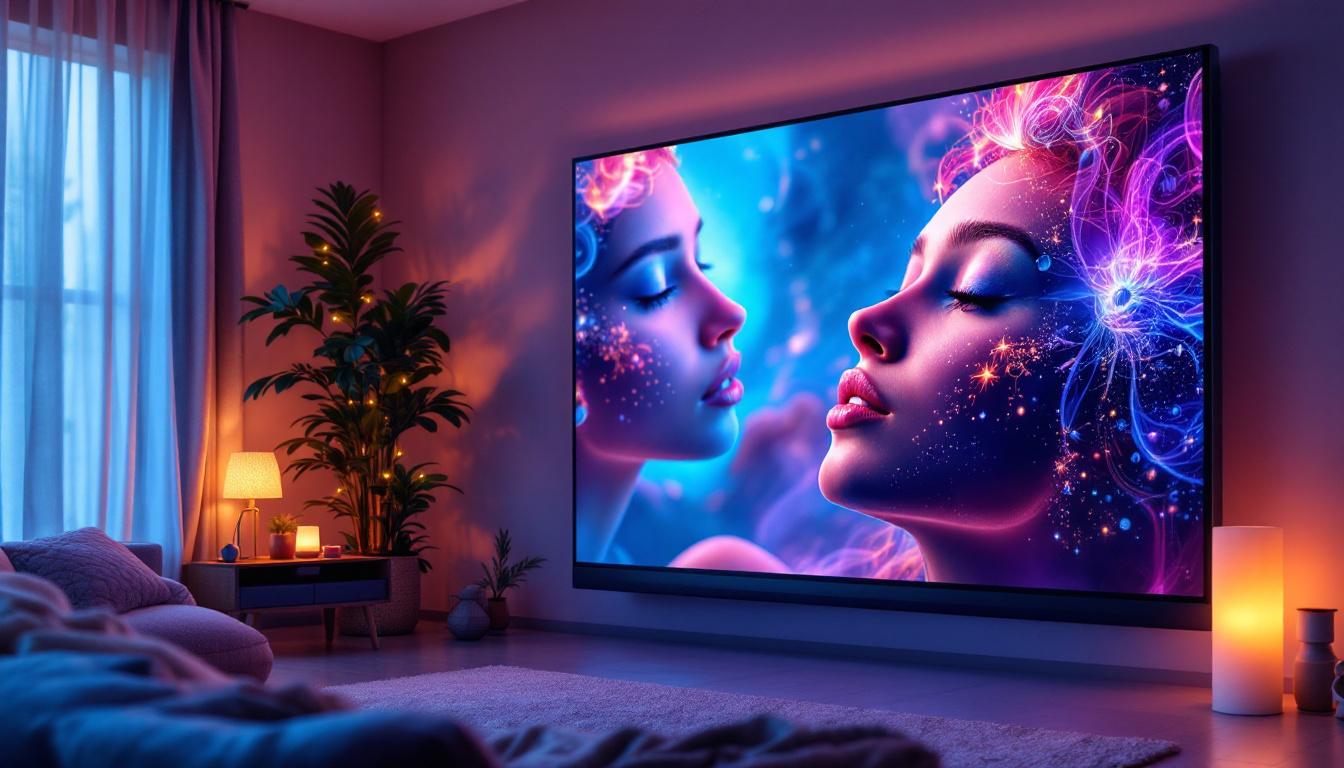
In the rapidly evolving world of visual technology, LED displays have emerged as a dominant force, revolutionizing how images and videos are presented across various industries. Among the many applications of LED technology, screen wall projectors stand out for their ability to deliver vibrant, large-scale visuals with exceptional clarity and brightness. This article delves into the fundamentals of screen wall projectors with LED displays, exploring their technology, advantages, applications, and what makes them a preferred choice for modern visual communication.
Understanding Screen Wall Projectors and LED Displays
What Is a Screen Wall Projector?
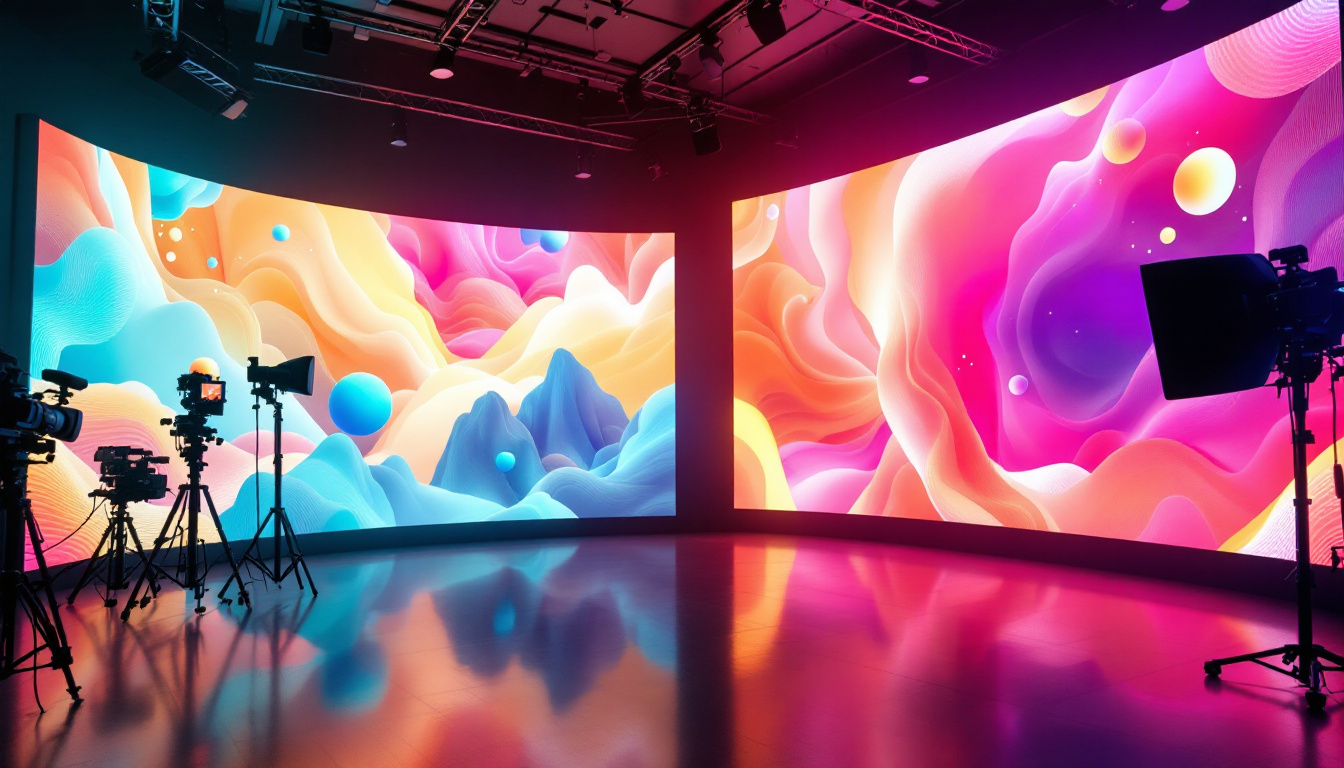
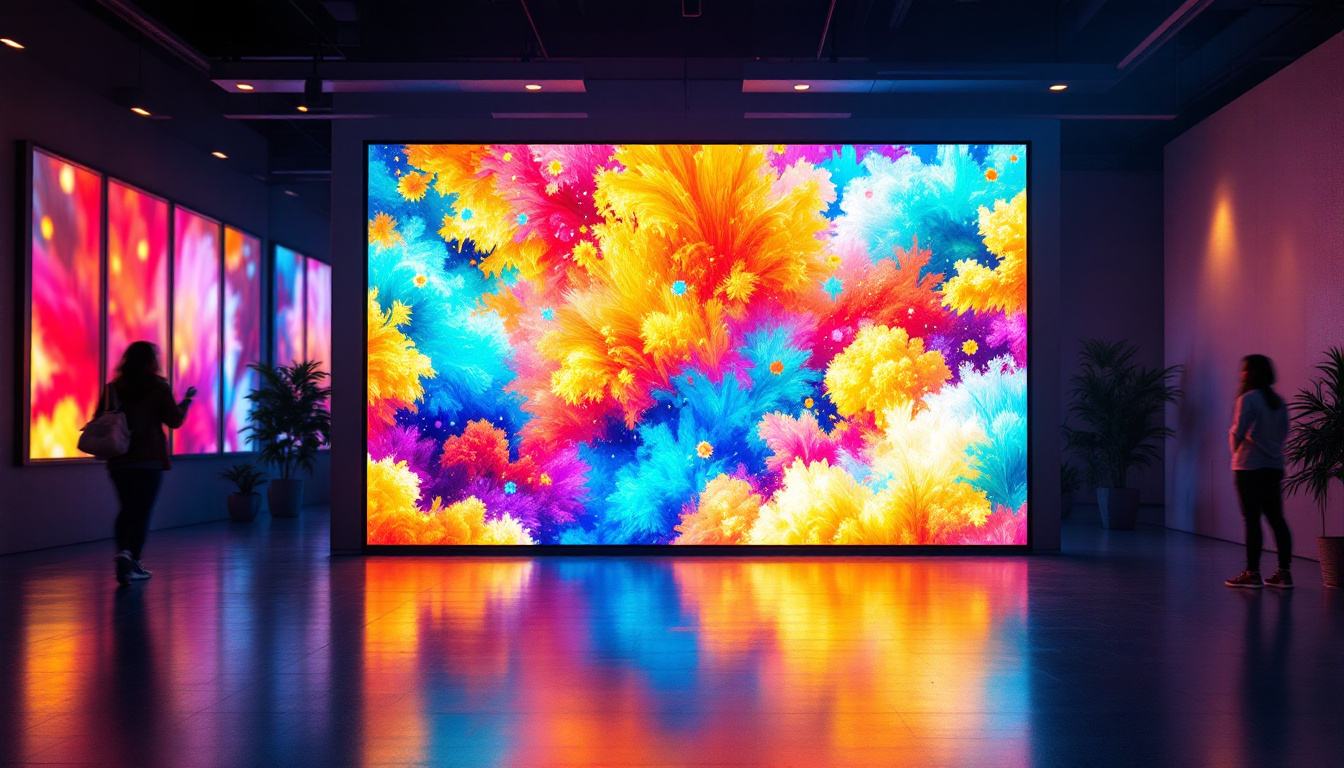
A screen wall projector is a large-scale display system designed to project images or video content onto a flat or curved surface, typically a wall or a dedicated screen. Unlike traditional projectors that rely on a single light source and lens system to cast images, screen wall projectors often incorporate multiple modules or panels to create a seamless, expansive display. When combined with LED technology, these projectors offer superior brightness, color accuracy, and durability. This makes them particularly well-suited for environments such as corporate boardrooms, control rooms, and large venues where high visibility is crucial.
One of the key advantages of screen wall projectors is their ability to create immersive experiences. By utilizing multiple projectors in a tiled configuration, they can cover vast areas with stunning visuals, making them ideal for presentations, exhibitions, and entertainment applications. Additionally, many modern systems come equipped with advanced software that allows for real-time content management and dynamic adjustments, ensuring that the display remains sharp and vibrant regardless of the content being shown. This adaptability is essential in environments where content changes frequently, such as in retail spaces or during live events.
The Basics of LED Display Technology
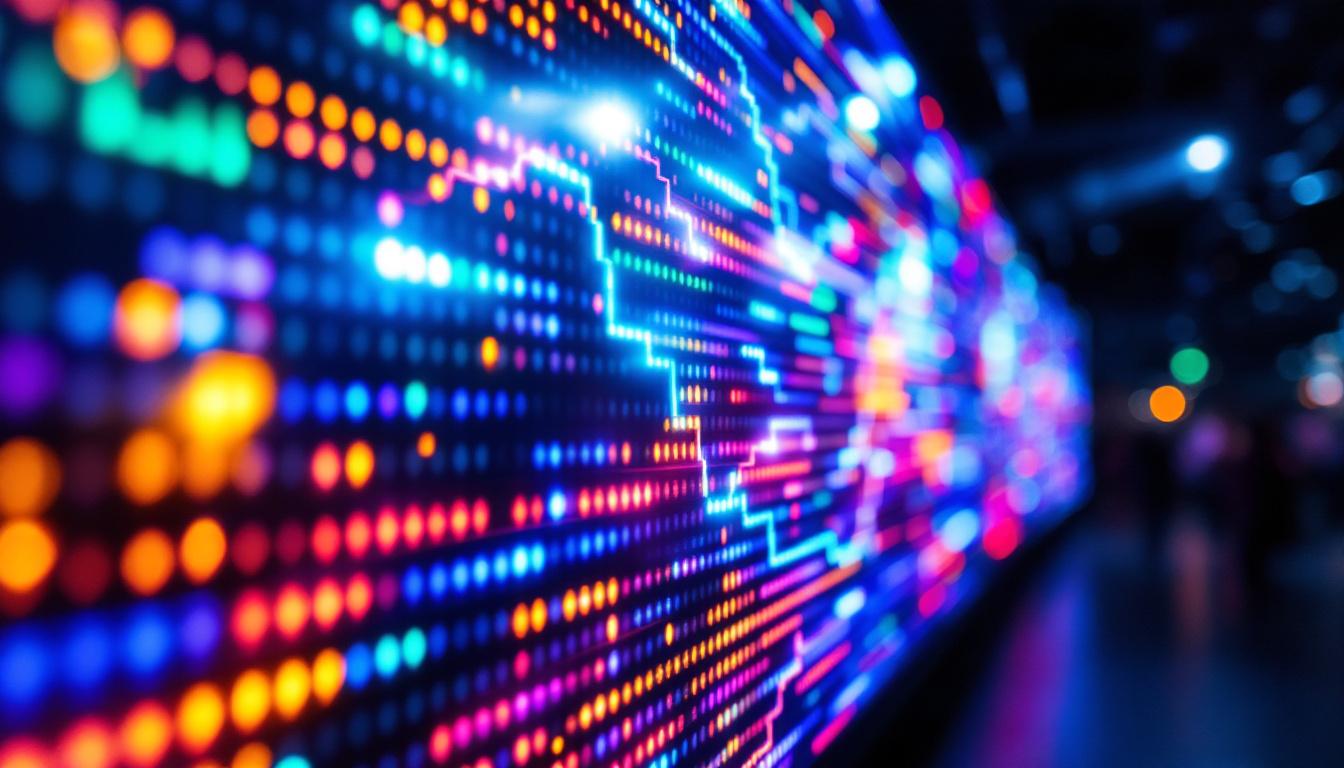
LED, or Light Emitting Diode, technology uses tiny semiconductor devices that emit light when an electric current passes through them. In LED displays, thousands or even millions of these diodes are arranged in a matrix to form pixels, which collectively create images. LED displays can be categorized into two main types: direct-view LED and LED projection systems. Direct-view LED screens consist of panels where the LEDs themselves form the image, while LED projection systems use LEDs as a light source to project images onto a surface.
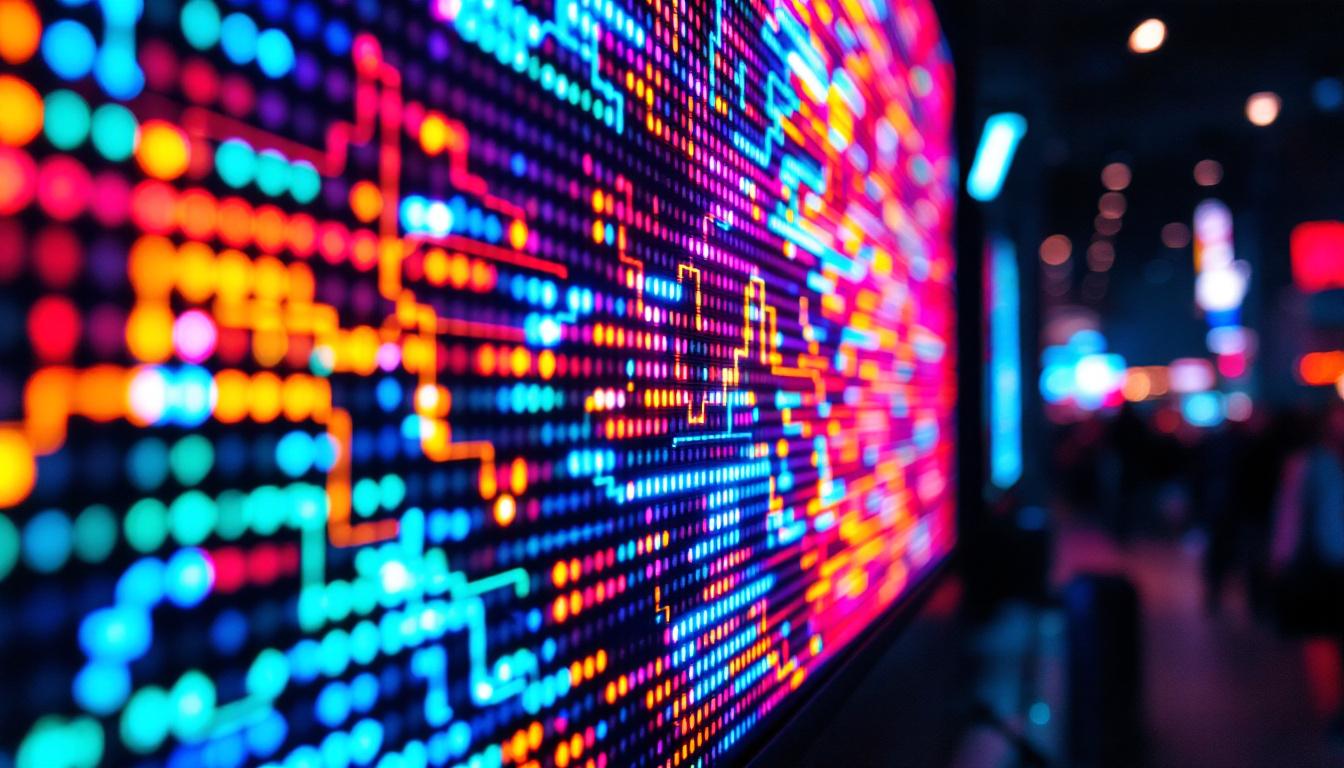
Screen wall projectors with LED displays typically leverage direct-view LED panels or hybrid systems that combine LED light sources with projection optics. This combination allows for large, bright, and highly detailed visuals that are visible even in well-lit environments. The pixel pitch, which refers to the distance between the centers of two adjacent pixels, plays a critical role in determining the resolution and clarity of the display. A smaller pixel pitch results in higher resolution images, making it crucial for applications where detail is paramount, such as in digital signage or high-definition video walls.
Moreover, LED technology is renowned for its energy efficiency and longevity compared to traditional display technologies. With a lifespan that can exceed 100,000 hours, LED displays reduce the need for frequent replacements, which is both cost-effective and environmentally friendly. This durability also translates to lower maintenance costs over time, making LED displays a smart investment for businesses looking to enhance their visual communication strategies. As the technology continues to evolve, we can expect even more innovative features, such as enhanced interactivity and integration with augmented reality, further expanding the possibilities for screen wall projectors and LED displays.
Key Advantages of LED Screen Wall Projectors
Exceptional Brightness and Visibility
One of the standout benefits of LED screen wall projectors is their impressive brightness levels. Traditional projectors often struggle in environments with ambient light, leading to washed-out images. LED displays, however, can achieve brightness levels upwards of 1,000 to 5,000 nits or more, ensuring clear visibility even in daylight or brightly lit rooms.
This brightness advantage makes LED screen walls ideal for outdoor advertising, sports arenas, conference halls, and retail environments where lighting conditions are less controllable.
Superior Color Accuracy and Contrast
LED technology offers remarkable color reproduction capabilities. With a wide color gamut and high contrast ratios, LED displays can render vibrant, lifelike images that captivate viewers. The ability to display deep blacks and bright whites enhances image depth and realism, which is crucial for applications like digital signage, broadcasting, and immersive presentations.
Scalability and Flexibility
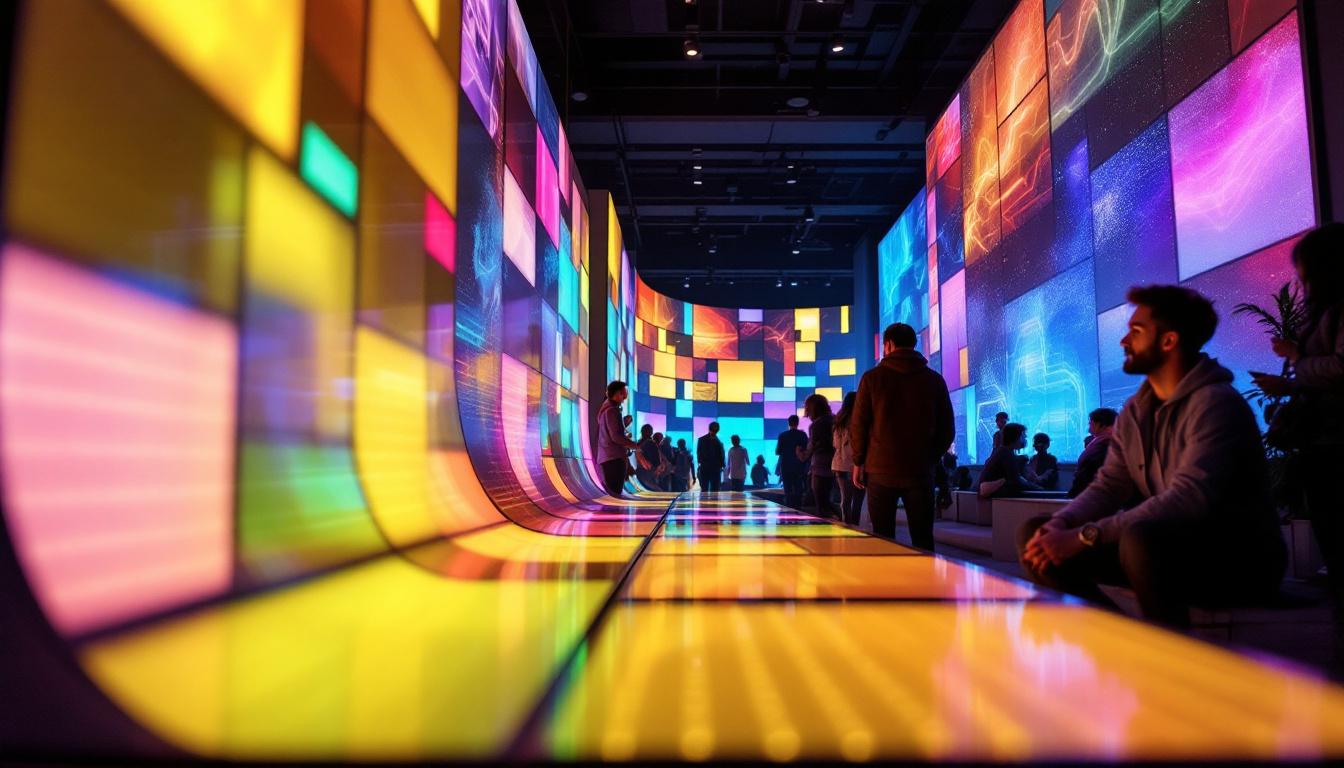
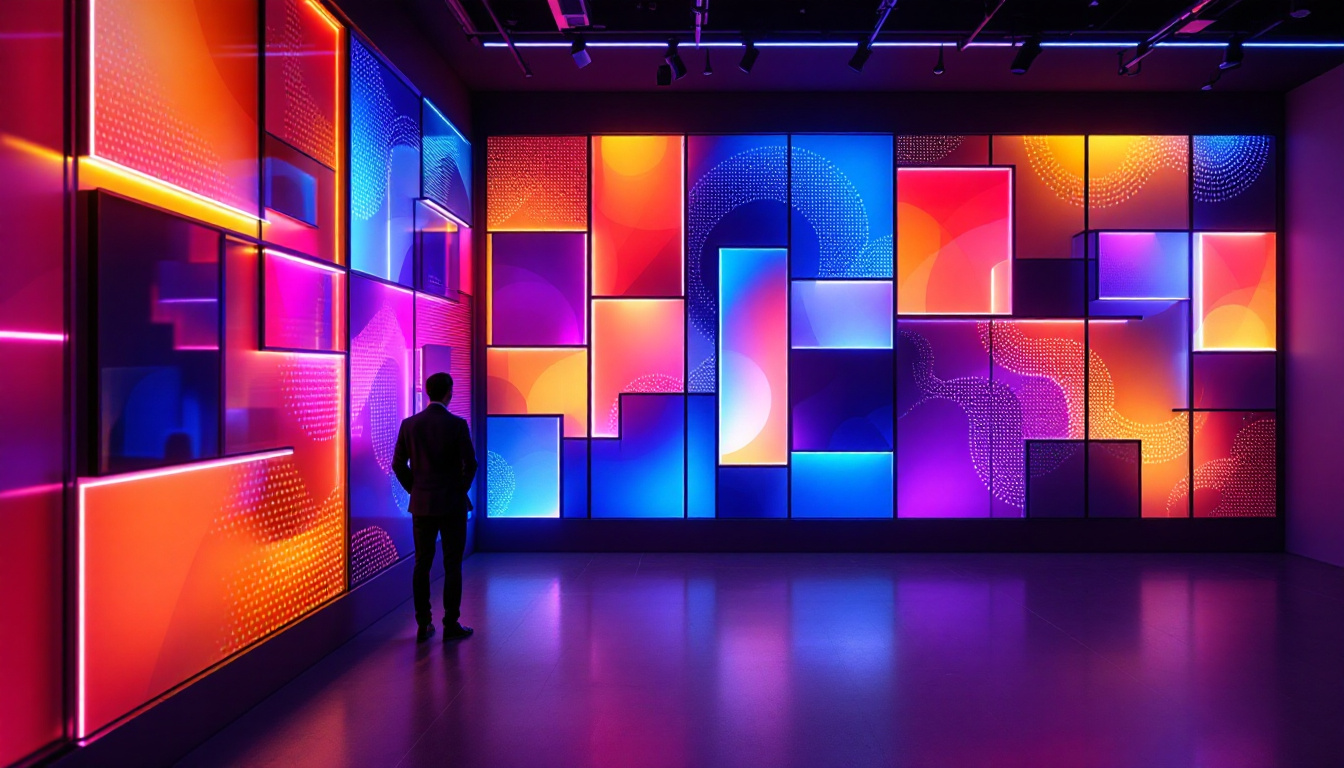
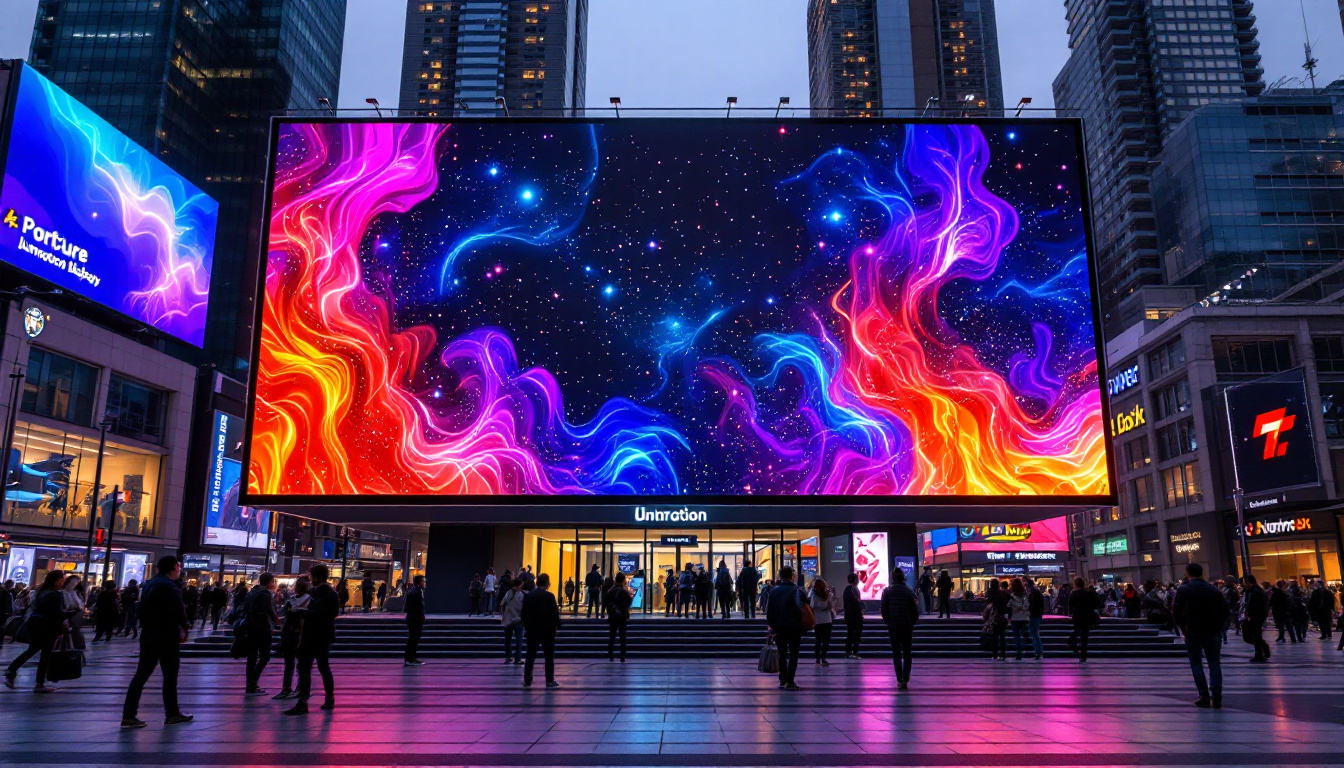
LED screen wall projectors are highly scalable. They can be configured to fit virtually any size or shape, from small indoor displays to massive outdoor video walls spanning hundreds of square meters. Modular LED panels can be seamlessly joined to create custom layouts, including curved or angled surfaces, enabling creative freedom in design and installation.
Durability and Low Maintenance
LED displays are known for their long lifespan, often exceeding 50,000 hours of operation. They are less susceptible to damage from environmental factors such as moisture, temperature fluctuations, and physical impact compared to traditional projection systems. Additionally, LED screen walls require minimal maintenance, reducing operational costs over time.
Applications of LED Screen Wall Projectors
Advertising and Digital Signage
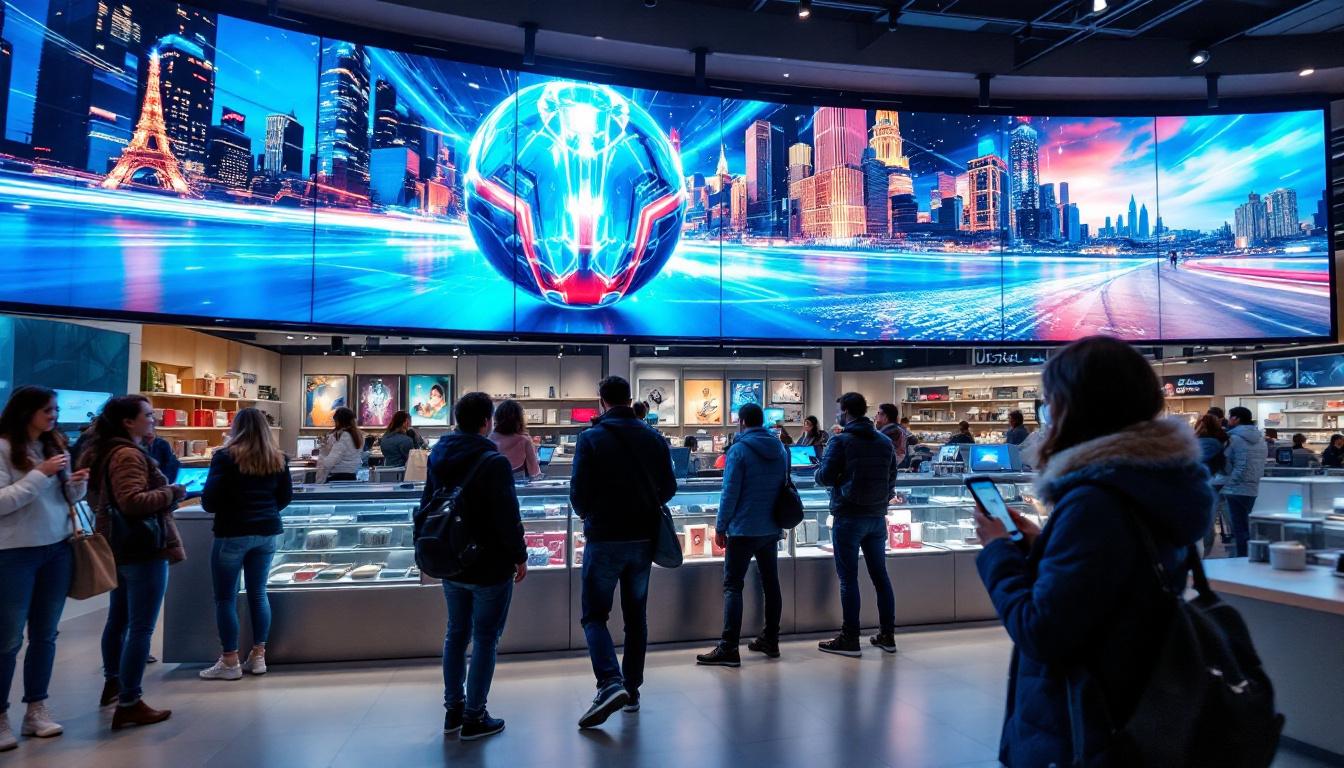
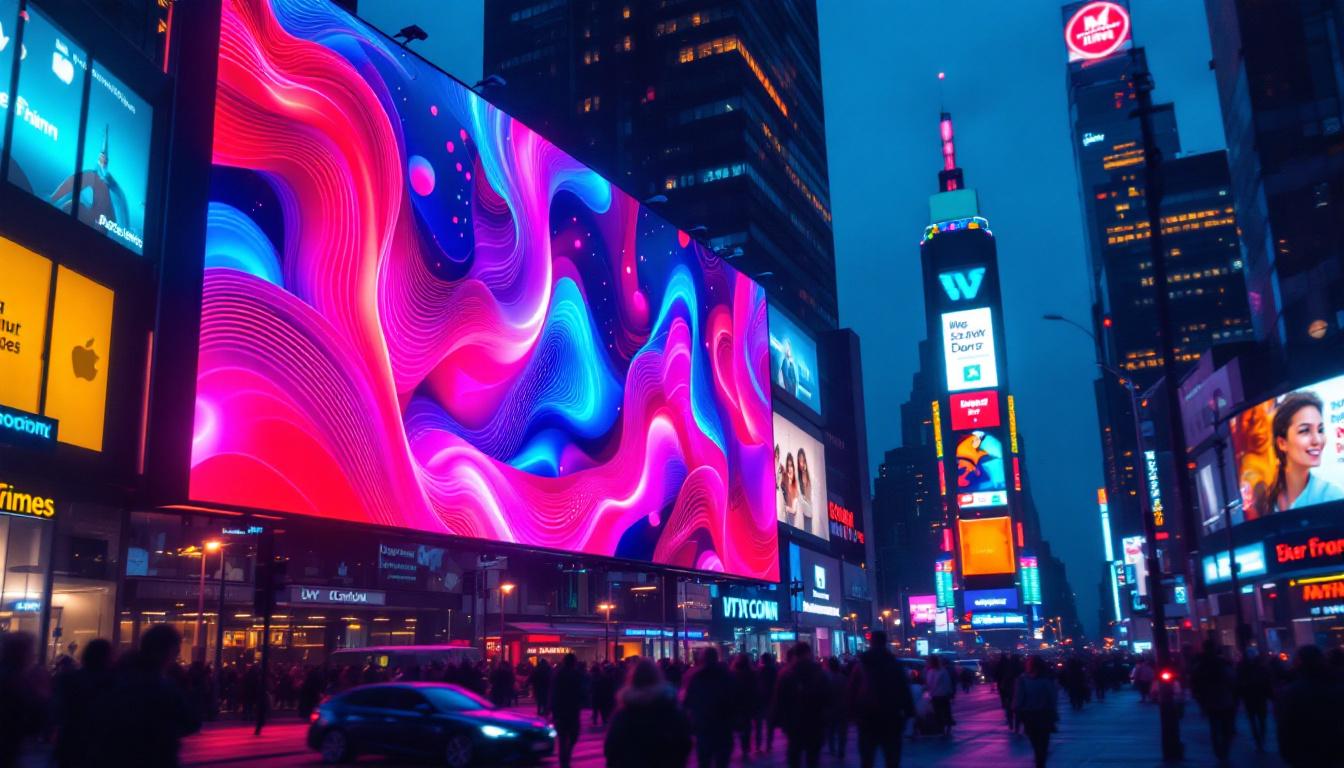
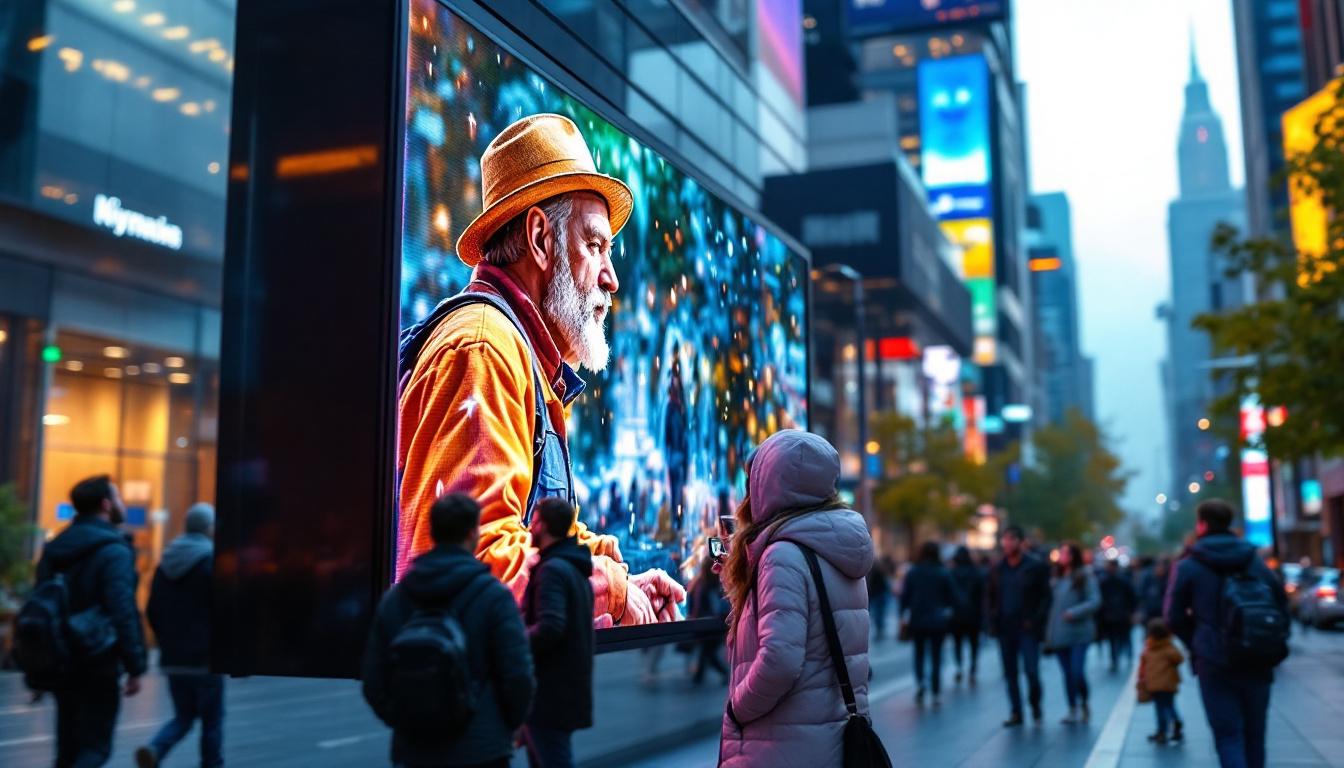
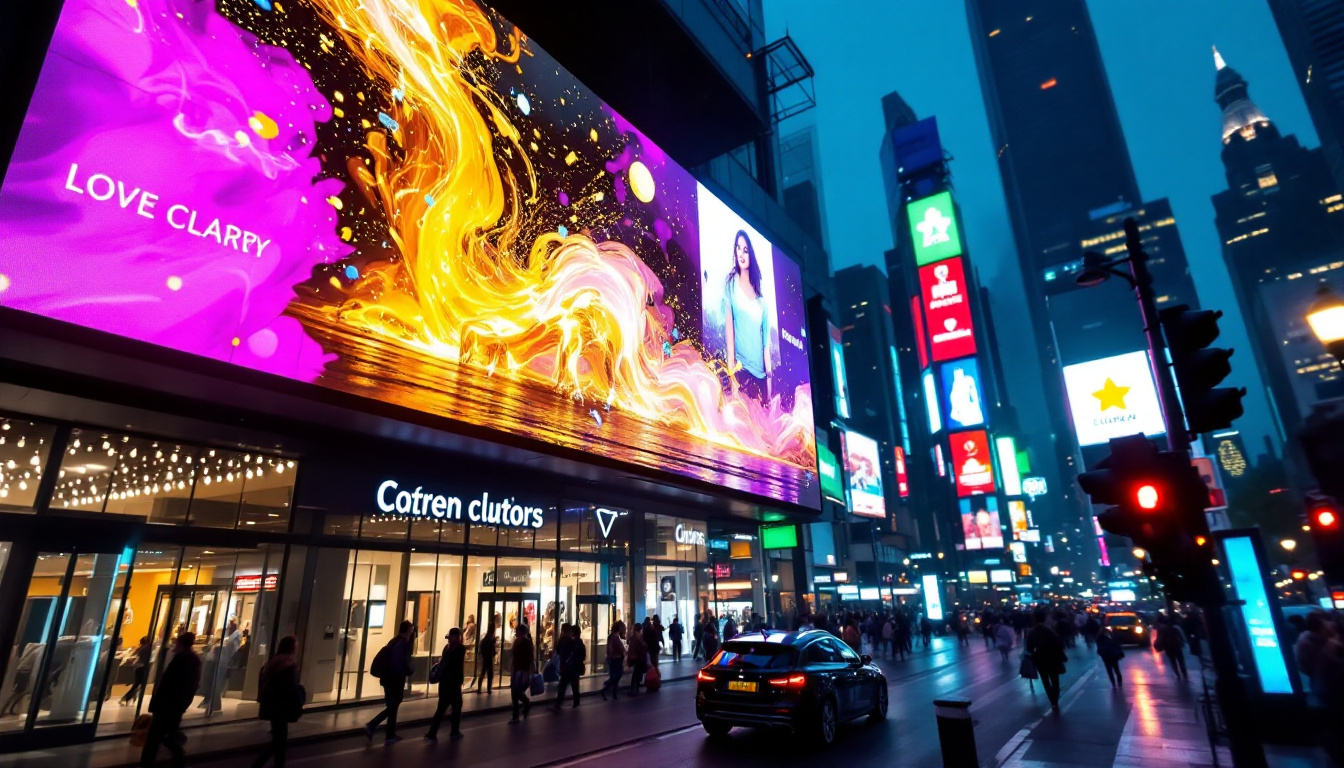
Outdoor advertising has been transformed by LED screen wall projectors. Billboards and digital signage leveraging LED technology can display dynamic content that attracts attention more effectively than static posters. The ability to update content remotely and in real-time allows advertisers to tailor messages based on time of day, audience demographics, or special events.
For instance, Times Square in New York City features some of the most iconic LED video walls globally, showcasing how LED screen walls can create immersive advertising experiences that engage millions of viewers daily.
Entertainment and Events
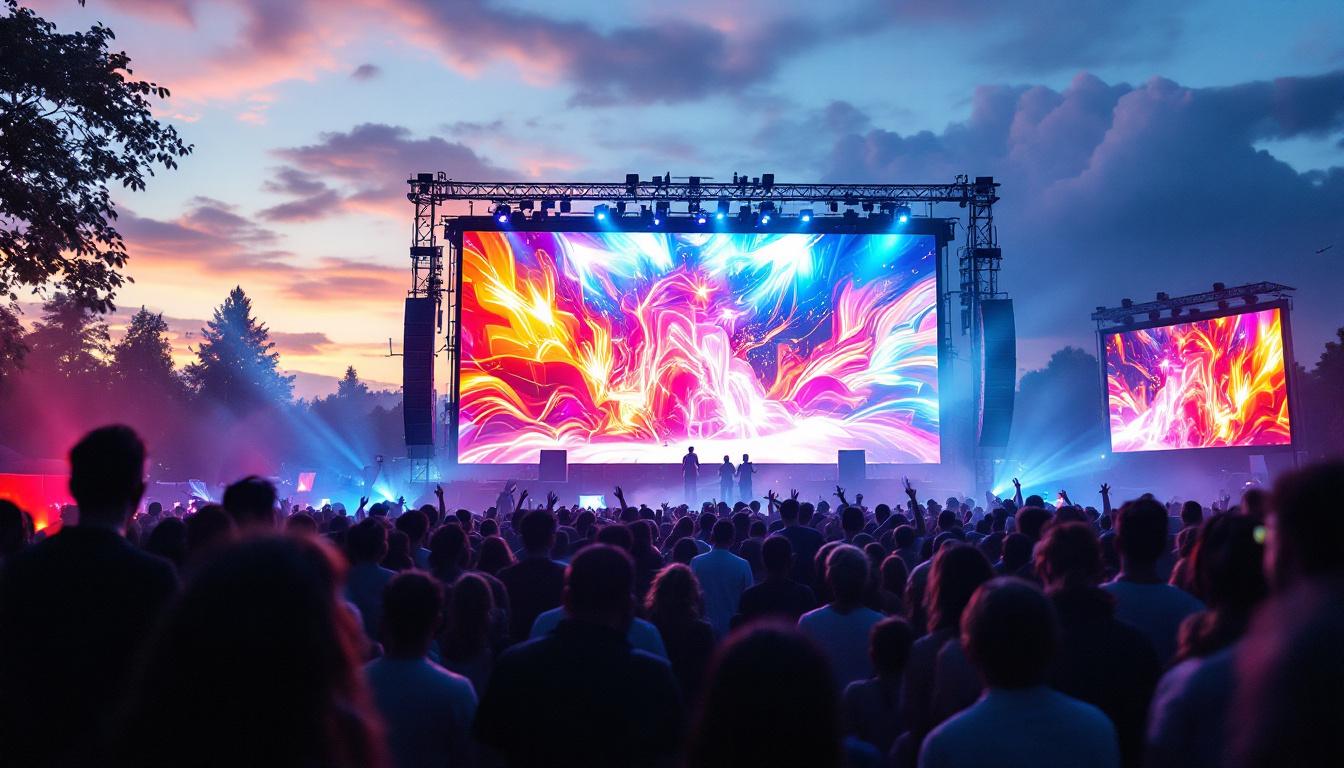
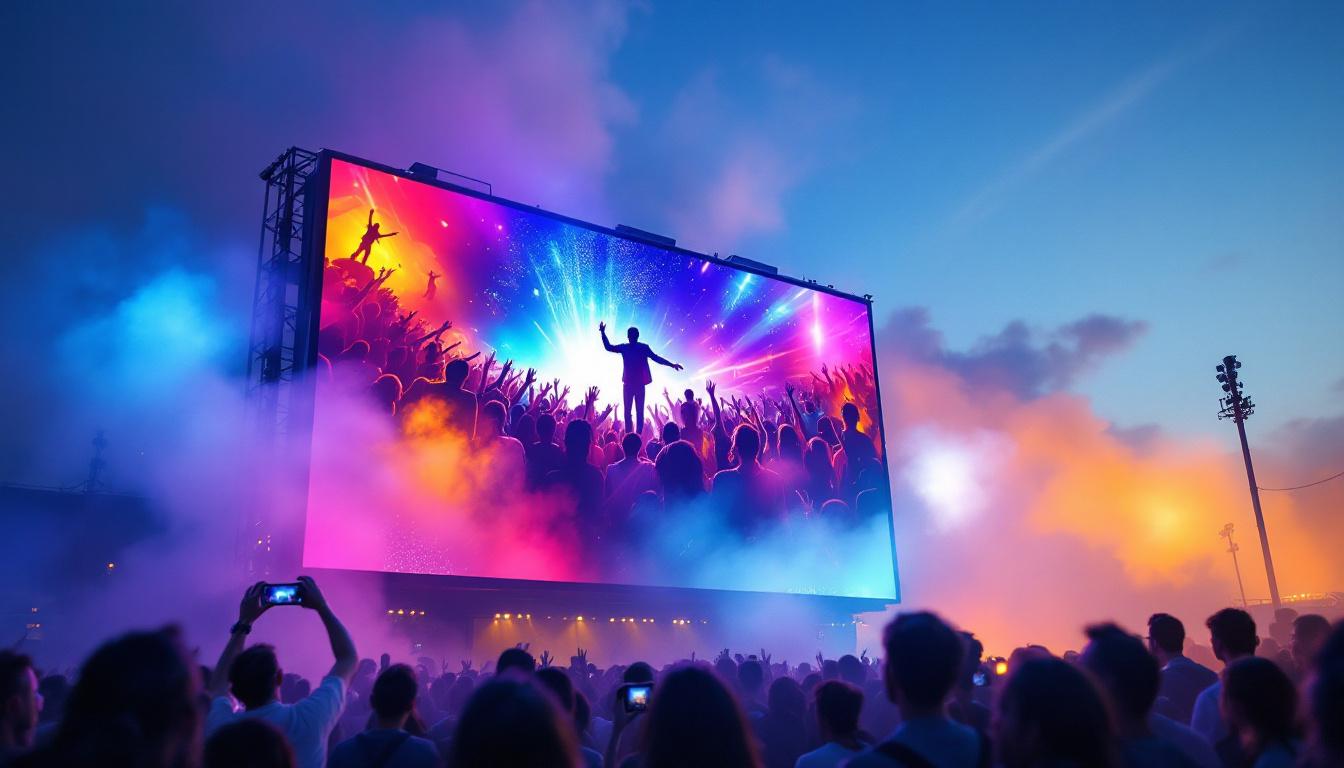
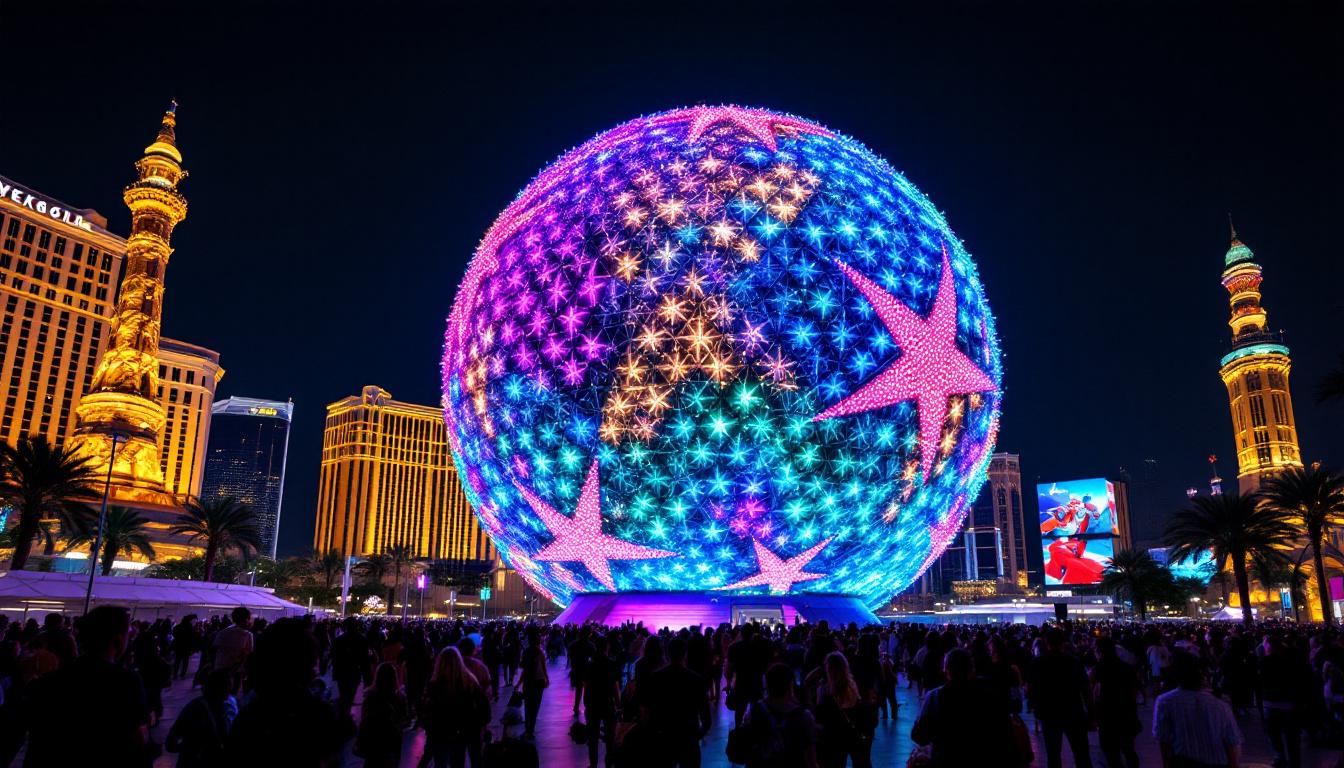
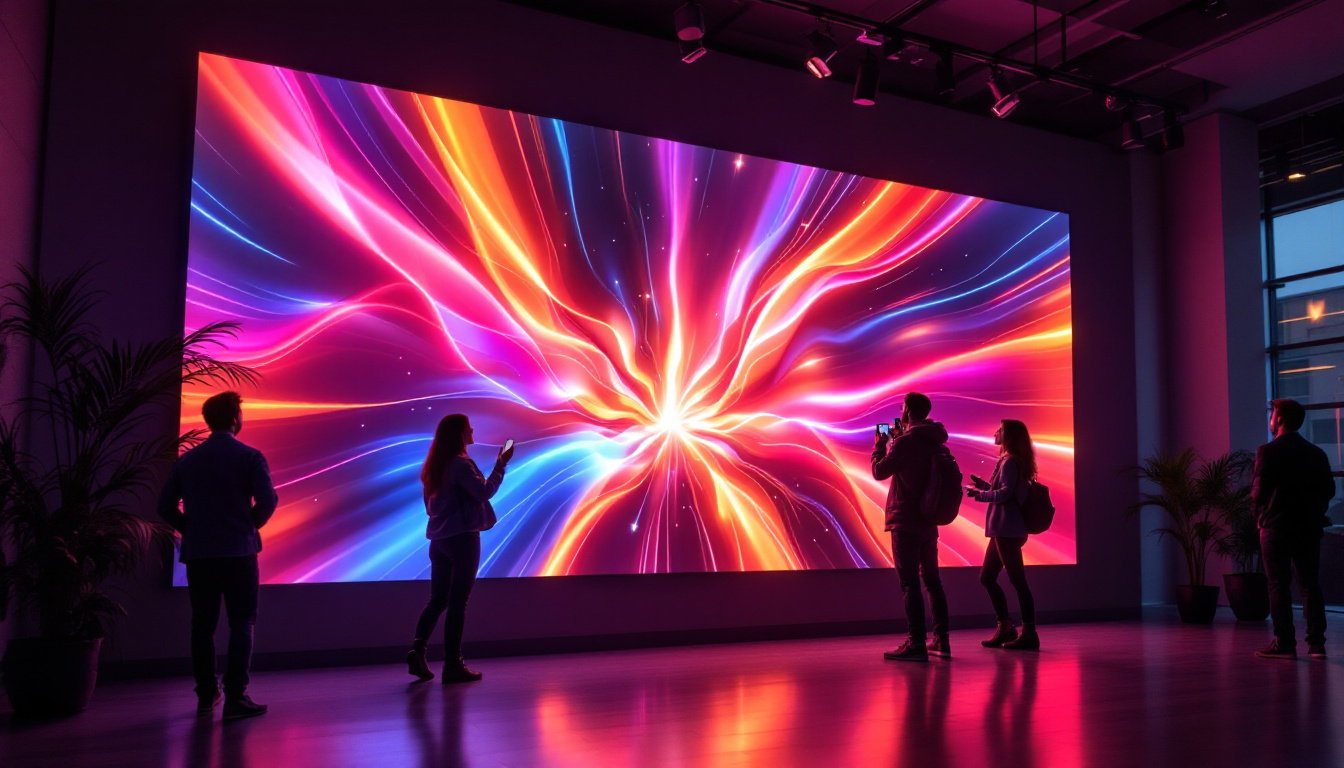
Concerts, festivals, and live events frequently utilize LED screen walls to enhance the audience experience. Large LED displays serve as backdrops, projecting live feeds, visual effects, and interactive content that complement performances. The high brightness and vivid colors ensure visibility even in outdoor venues or arenas with complex lighting setups.
Corporate and Educational Use
In corporate environments, LED screen walls are used for presentations, video conferencing, and information displays. Their clarity and size make them ideal for boardrooms, auditoriums, and training centers. Educational institutions also benefit from LED displays by creating engaging lecture halls and digital campuses that facilitate interactive learning.
Control Rooms and Command Centers
Control rooms in industries such as transportation, utilities, and security rely on LED screen walls for real-time monitoring and data visualization. The ability to display multiple data streams simultaneously with high resolution and clarity improves situational awareness and decision-making.
Technical Considerations When Choosing an LED Screen Wall Projector
Pixel Pitch and Resolution
Pixel pitch refers to the distance between the centers of adjacent pixels on an LED display, typically measured in millimeters. A smaller pixel pitch means higher pixel density, resulting in sharper images and finer detail. For indoor applications where viewers are close to the screen, pixel pitches as low as 0.9mm to 2.5mm are common. Outdoor displays may have larger pixel pitches (4mm to 10mm or more) due to the greater viewing distance.
Choosing the right pixel pitch is critical to balance image quality, cost, and viewing distance. High-resolution LED walls with fine pixel pitch are more expensive but provide superior image clarity.
Brightness and Ambient Light Conditions
Understanding the ambient lighting environment is essential when selecting an LED screen wall projector. Brightness requirements vary significantly between indoor and outdoor settings. For example, an indoor conference room might require 800 to 1,200 nits, while an outdoor billboard exposed to direct sunlight may need 5,000 nits or more.
Refresh Rate and Color Depth
The refresh rate, measured in Hertz (Hz), indicates how many times per second the display updates its image. Higher refresh rates (above 120Hz) reduce flicker and provide smoother motion, which is especially important for video content and live broadcasts. Color depth, often expressed in bits, determines the number of colors the display can render. A higher color depth results in more accurate and nuanced color reproduction.
Installation and Maintenance
LED screen walls require careful installation to ensure seamless image quality and structural stability. Factors such as mounting systems, power supply, cooling, and accessibility for maintenance should be considered. Many modern LED panels are designed with front and rear serviceability, allowing technicians to perform repairs or replacements without dismantling the entire wall.
Emerging Trends and Future Outlook
MicroLED and MiniLED Innovations
Recent advancements in LED technology, such as MicroLED and MiniLED, promise even greater performance. MicroLED displays use microscopic LEDs to achieve ultra-high resolution, brightness, and energy efficiency. These displays are gaining traction in premium TVs, augmented reality devices, and next-generation screen walls.
Integration with Smart Technologies
LED screen walls are increasingly integrated with smart technologies, including AI-driven content management, interactive touch capabilities, and IoT connectivity. These features enable dynamic content adaptation based on audience engagement, environmental conditions, and real-time analytics.
Sustainability and Energy Efficiency
As environmental concerns grow, manufacturers are focusing on developing LED displays that consume less power and use eco-friendly materials. Energy-efficient LED screen walls not only reduce operational costs but also align with corporate sustainability goals.
Conclusion
Screen wall projectors utilizing LED display technology represent a significant leap forward in visual communication. Their unparalleled brightness, color accuracy, scalability, and durability make them indispensable across a wide range of applications, from advertising and entertainment to corporate and industrial use. As technology continues to advance, LED screen walls will become even more versatile, interactive, and sustainable, shaping the future of large-scale displays.
For businesses and organizations seeking impactful visual solutions, understanding the capabilities and considerations of LED screen wall projectors is crucial. Investing in the right LED display technology can enhance audience engagement, improve information delivery, and create memorable experiences that stand out in today’s visually driven world.
Discover LumenMatrix LED Display Solutions
Ready to elevate your visual communication with the latest in LED display technology? Look no further than LumenMatrix. As a pioneer in the industry, we offer an extensive range of innovative LED display modules designed to bring your brand to life. From vibrant Indoor and Outdoor LED Wall Displays to dynamic Vehicle and Sports LED Displays, our solutions are tailored to meet your unique needs. Experience the future of digital signage with our All-in-One LED Displays, LED Transparent Displays, and more. Transform your space and captivate your audience with LumenMatrix’s cutting-edge solutions. Check out LumenMatrix LED Display Solutions today and make a lasting impression with every display.