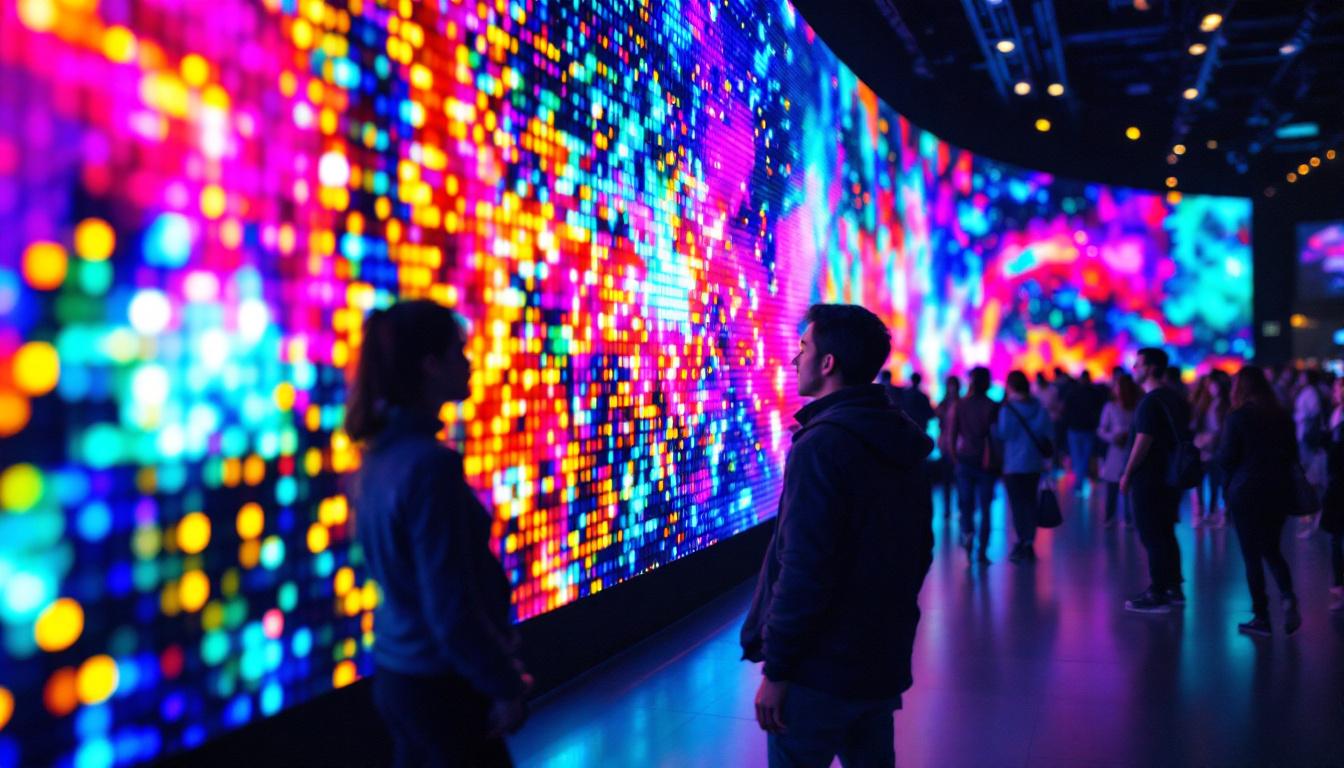
In the rapidly evolving world of visual communication, LED displays have become a cornerstone technology for businesses, event organizers, and digital signage professionals. Whether it’s for advertising, information dissemination, or entertainment, understanding the fundamentals of LED displays is critical for anyone involved in the infocomm industry. This article provides a comprehensive overview of LED display technology, its applications, and key considerations for effective use and maintenance.
Understanding LED Display Technology
What is an LED Display?
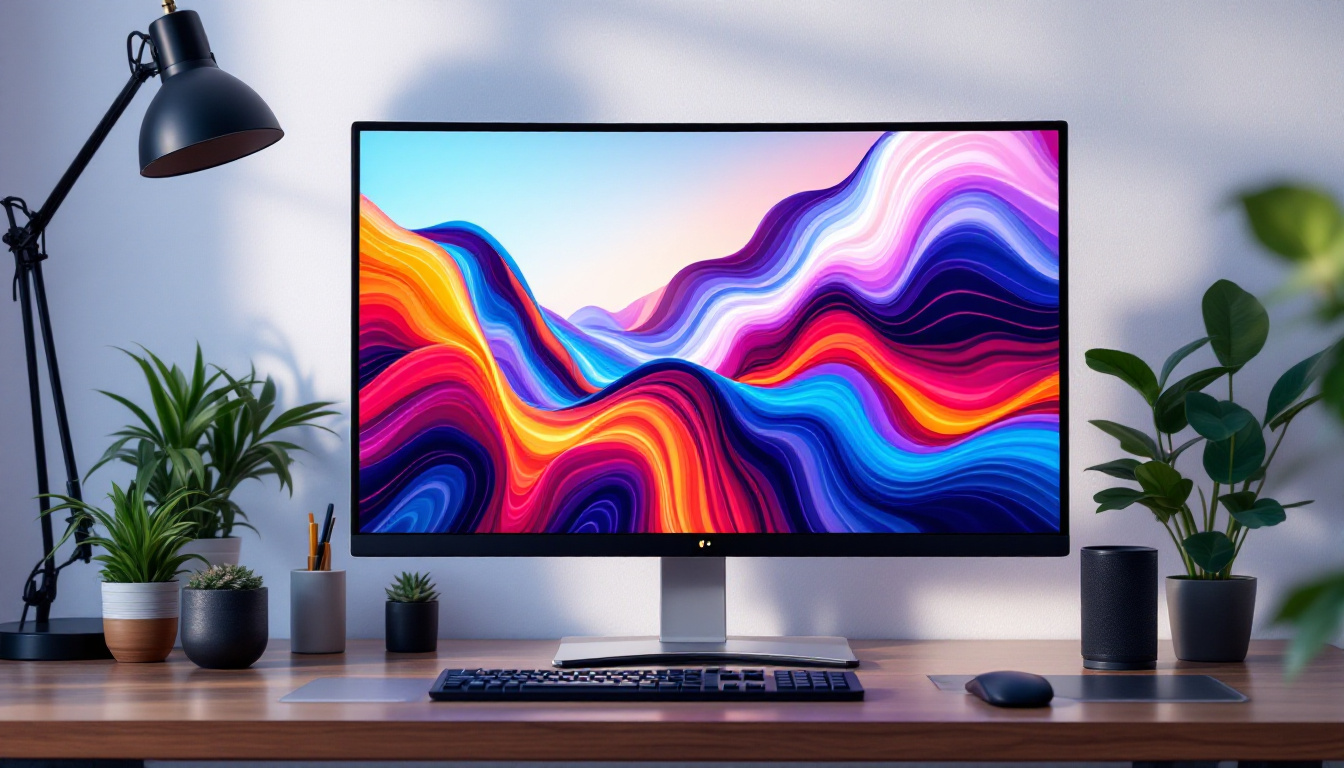
LED (Light Emitting Diode) displays are digital screens that use an array of tiny light-emitting diodes to create images and videos. Unlike traditional LCD or plasma screens, LED displays rely on these individual diodes to produce light, allowing for brighter images, better contrast, and more vibrant colors. This technology is widely used in everything from small indoor screens to massive outdoor billboards.
The core advantage of LED displays lies in their modularity; they are typically composed of multiple panels or modules that can be assembled into various sizes and shapes. This flexibility makes them ideal for a wide range of applications, from retail signage to stadium scoreboards. Additionally, the energy efficiency of LED technology means that these displays consume less power compared to older technologies, making them not only cost-effective but also environmentally friendly. This aspect is particularly appealing to businesses looking to reduce their carbon footprint while still delivering high-quality visual content.
Types of LED Displays
LED displays can be broadly categorized into two types: Indoor and Outdoor. Each type is designed with specific features to suit its environment and usage.
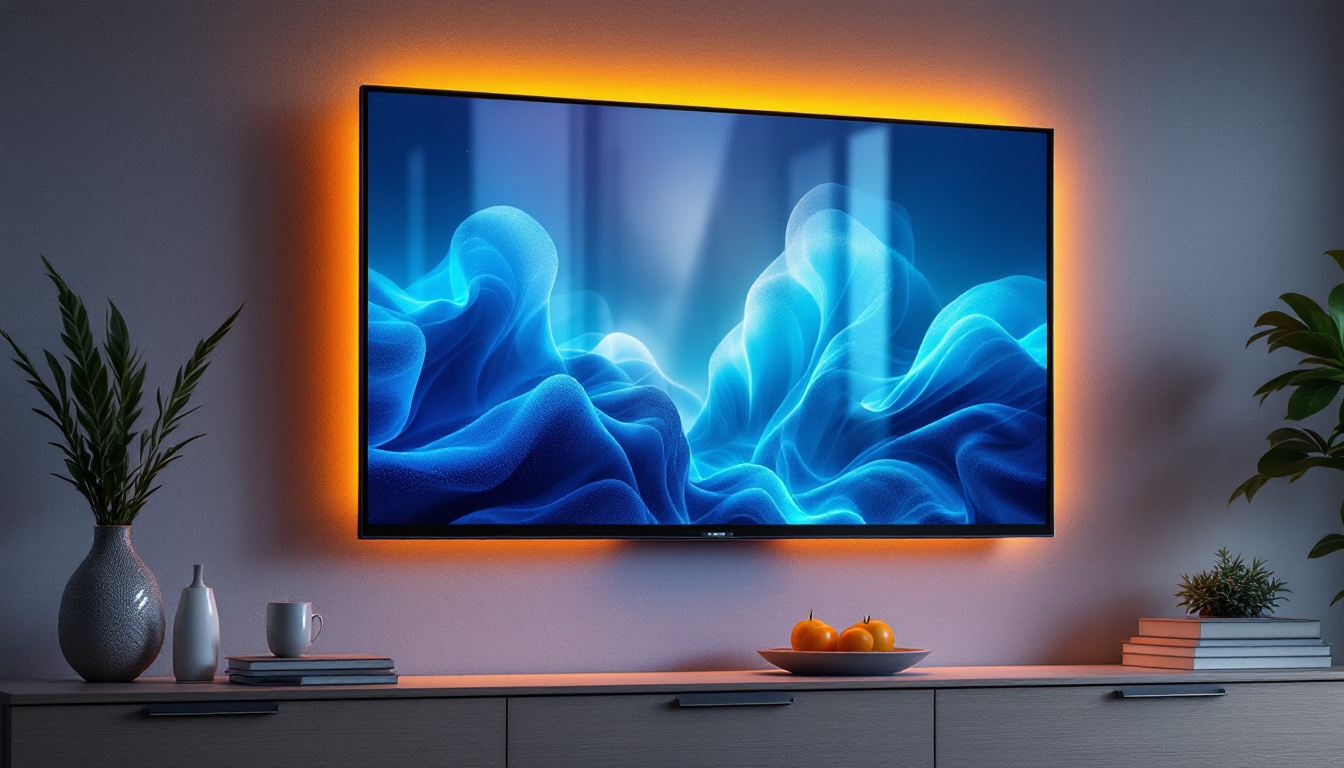
- Indoor LED Displays: These displays have a higher pixel density, meaning the diodes are packed more closely together. This results in sharper images when viewed from close distances, making them perfect for conference rooms, retail stores, and control centers. The enhanced clarity is particularly beneficial for presentations and advertising, where the goal is to capture and maintain the audience’s attention with stunning visuals.
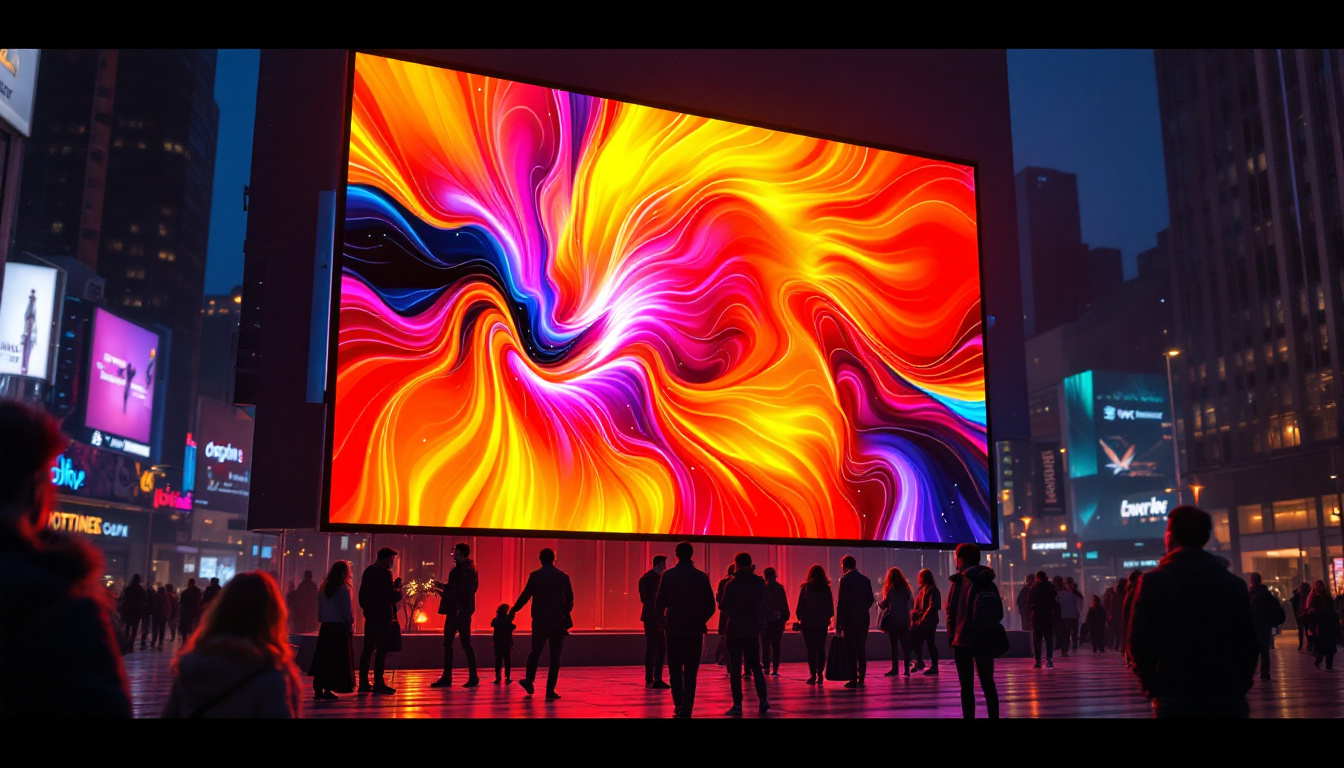
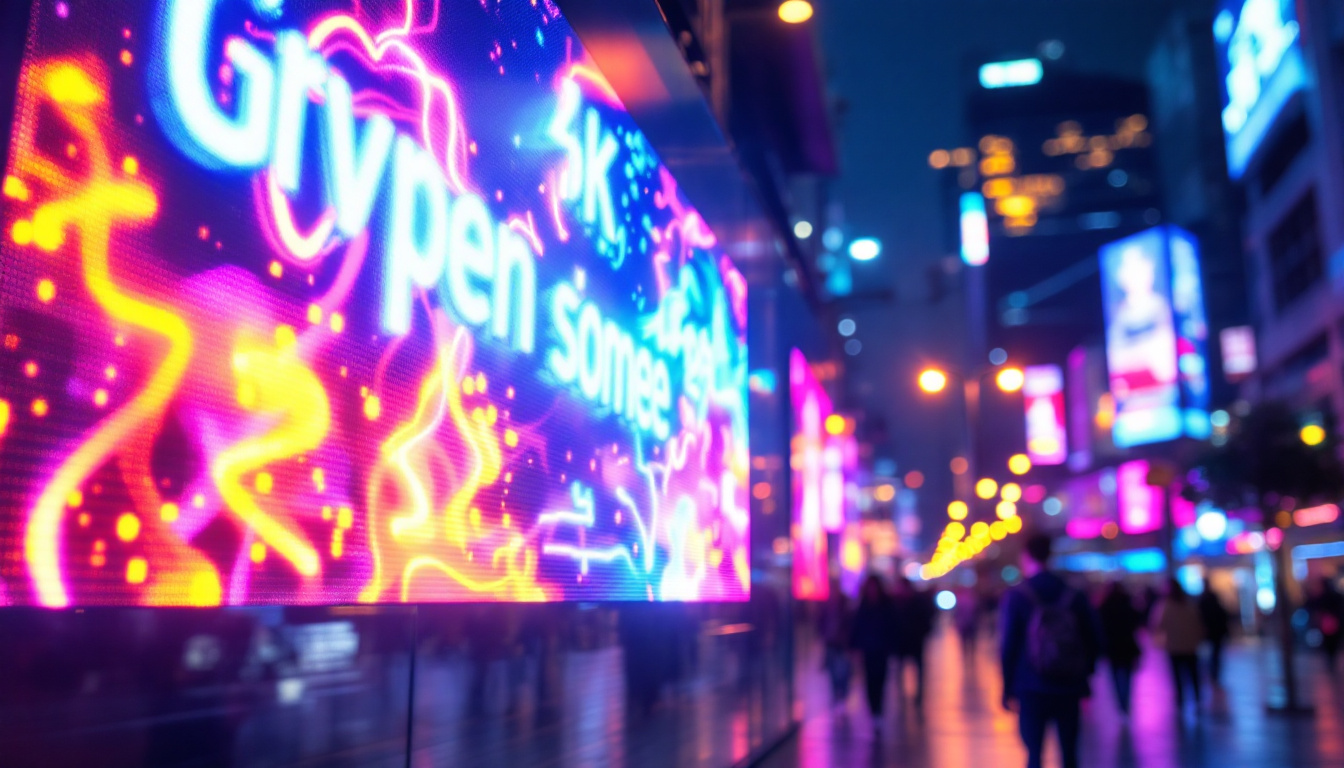
- Outdoor LED Displays: Designed to withstand harsh weather conditions, outdoor LED displays are brighter to counteract sunlight glare and have a more robust build to resist dust, moisture, and temperature fluctuations. They are commonly used for billboards, sports arenas, and public information boards. The durability of these displays ensures that they remain functional and visually appealing, even in extreme weather, which is crucial for maintaining visibility and effectiveness in advertising.
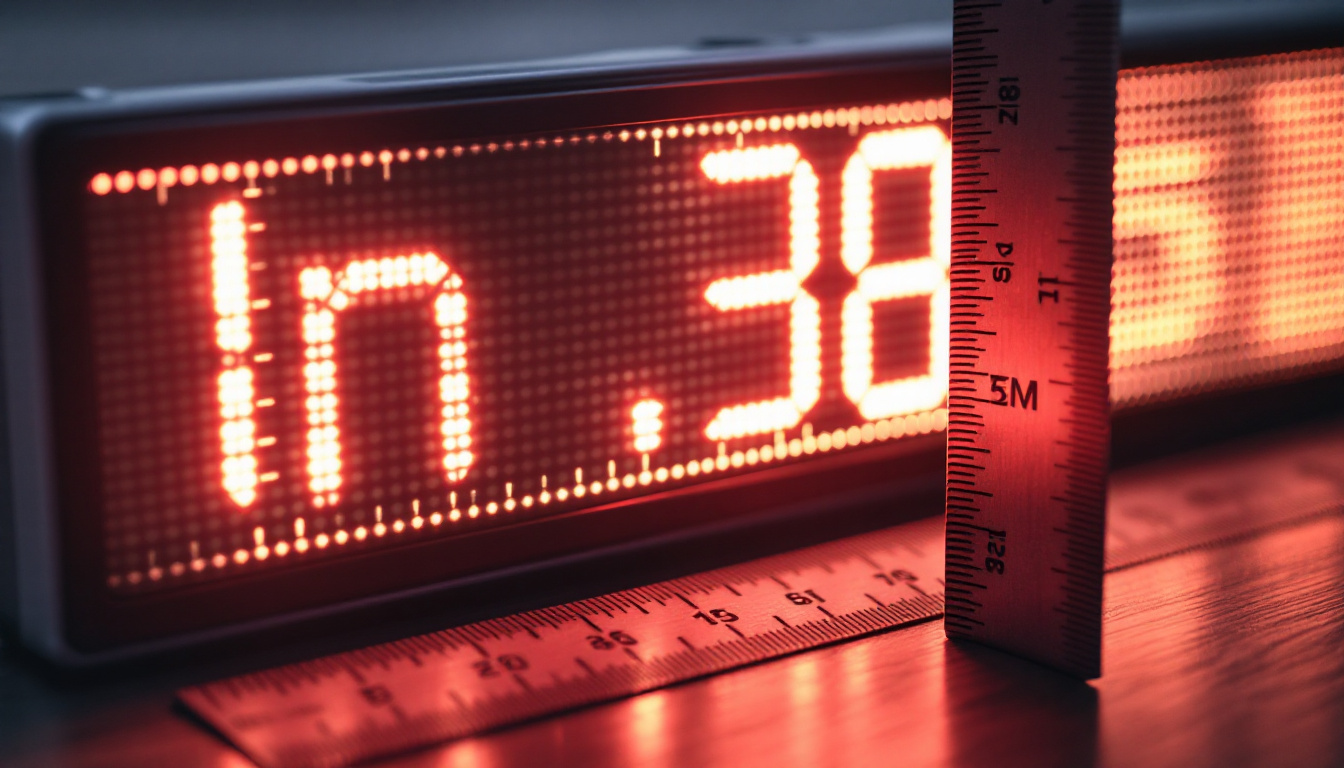
Another important classification is based on pixel pitch, which refers to the distance between the centers of two adjacent LEDs. Smaller pixel pitch means higher resolution and better image quality, but also higher cost. Choosing the right pixel pitch depends on the viewing distance and the intended use of the display. For instance, a high pixel density is essential for displays viewed up close, such as those in shopping malls, where customers can appreciate the fine details of the images. Conversely, larger pixel pitches may be suitable for billboards viewed from a distance, where the overall impact of the message is more critical than the minute details.
Moreover, advancements in LED technology have led to the development of features like flexible LED displays, which can bend and curve to fit unique spaces and designs. This innovation opens up new possibilities for creative installations, allowing designers to create immersive environments that engage viewers in ways traditional displays cannot. Additionally, the integration of smart technology into LED displays has enhanced their functionality, enabling features such as real-time content updates, interactive capabilities, and even integration with social media feeds, making them a dynamic tool for communication and advertising.
Key Components and How They Work
LED Modules and Panels
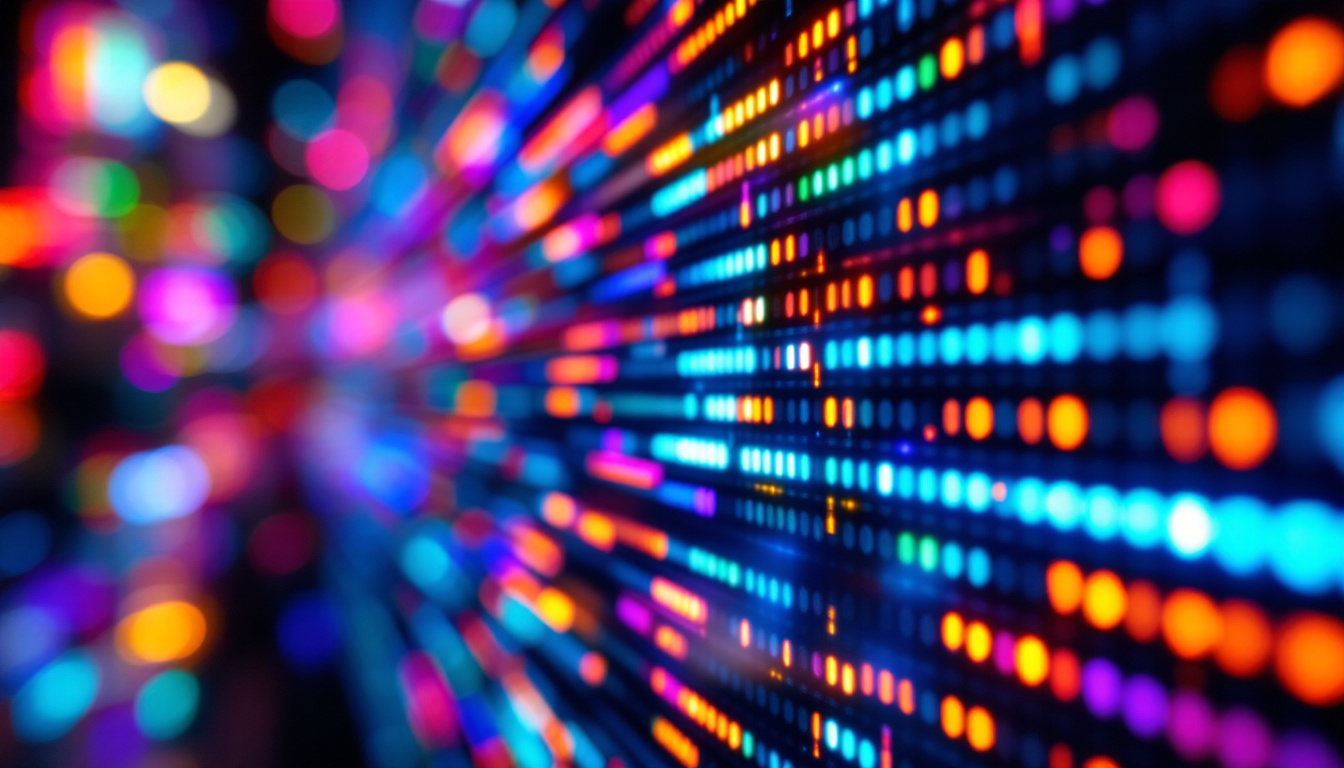
At the heart of every LED display are the LED modules. These are small circuit boards populated with LEDs arranged in a grid. Multiple modules are combined to form a panel, which is then assembled into the full display screen. Each LED in the module can emit red, green, or blue light, and by adjusting the intensity of these colors, the display can produce millions of colors.
The modular design not only allows for scalable screen sizes but also simplifies maintenance, as individual modules can be replaced without disassembling the entire screen.
Driving and Control Systems
LED displays require sophisticated driving electronics to control the brightness and color of each diode. The driving system receives input from a video processor or media player, which converts the source content into signals that the LED modules can interpret. This system manages refresh rates, color calibration, and synchronization to ensure smooth and accurate image reproduction.
Modern LED displays often feature advanced control software that allows operators to manage content remotely, schedule playlists, and perform diagnostics. This integration is essential for large-scale deployments where real-time content management and troubleshooting are necessary.
Applications of LED Displays in Infocomm
Advertising and Marketing
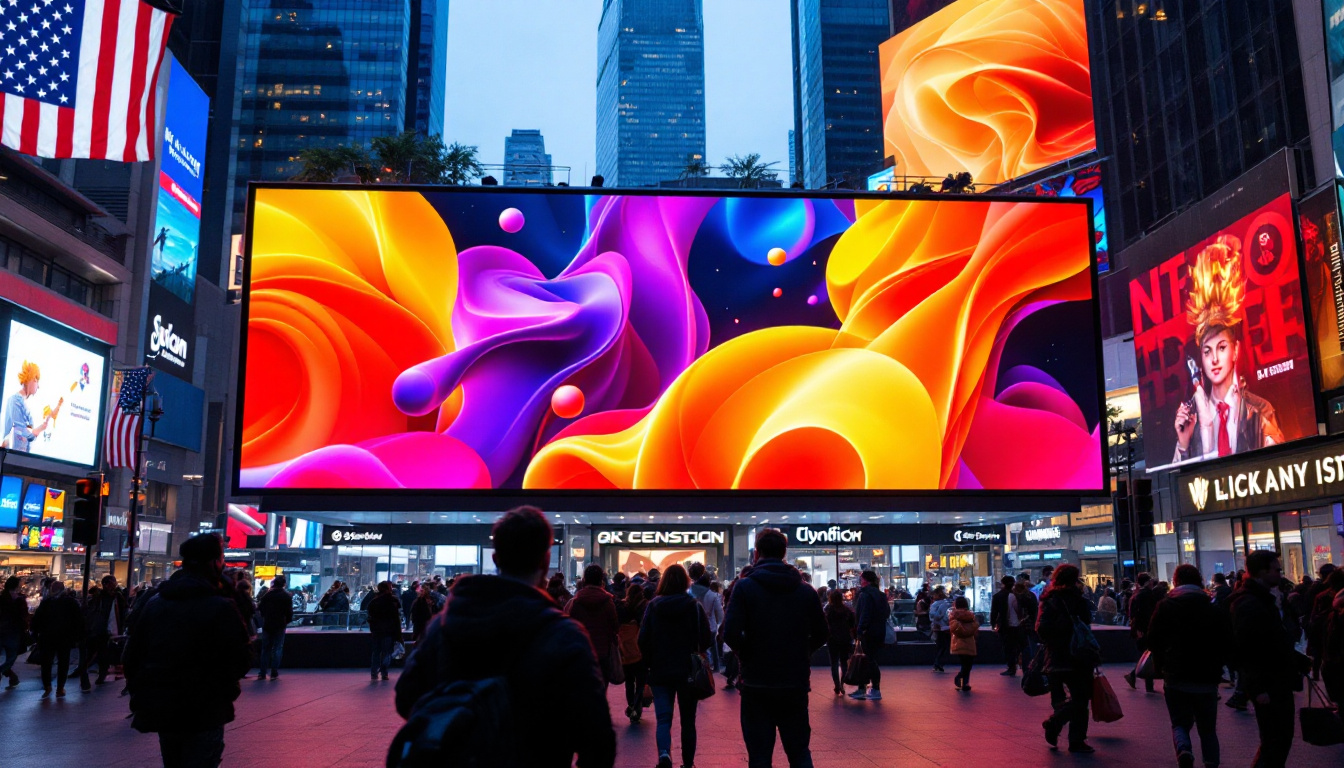
One of the most visible uses of LED displays is in advertising. Their brightness, color accuracy, and ability to display dynamic content make them ideal for capturing attention in busy urban environments. According to a 2023 industry report, digital out-of-home advertising using LED displays has grown by over 20% annually worldwide, driven by increasing demand for engaging and flexible advertising solutions.
Retailers use LED displays to promote products, announce sales, and enhance brand visibility. The ability to update content instantly means campaigns can be highly targeted and responsive to market trends.
Events and Entertainment
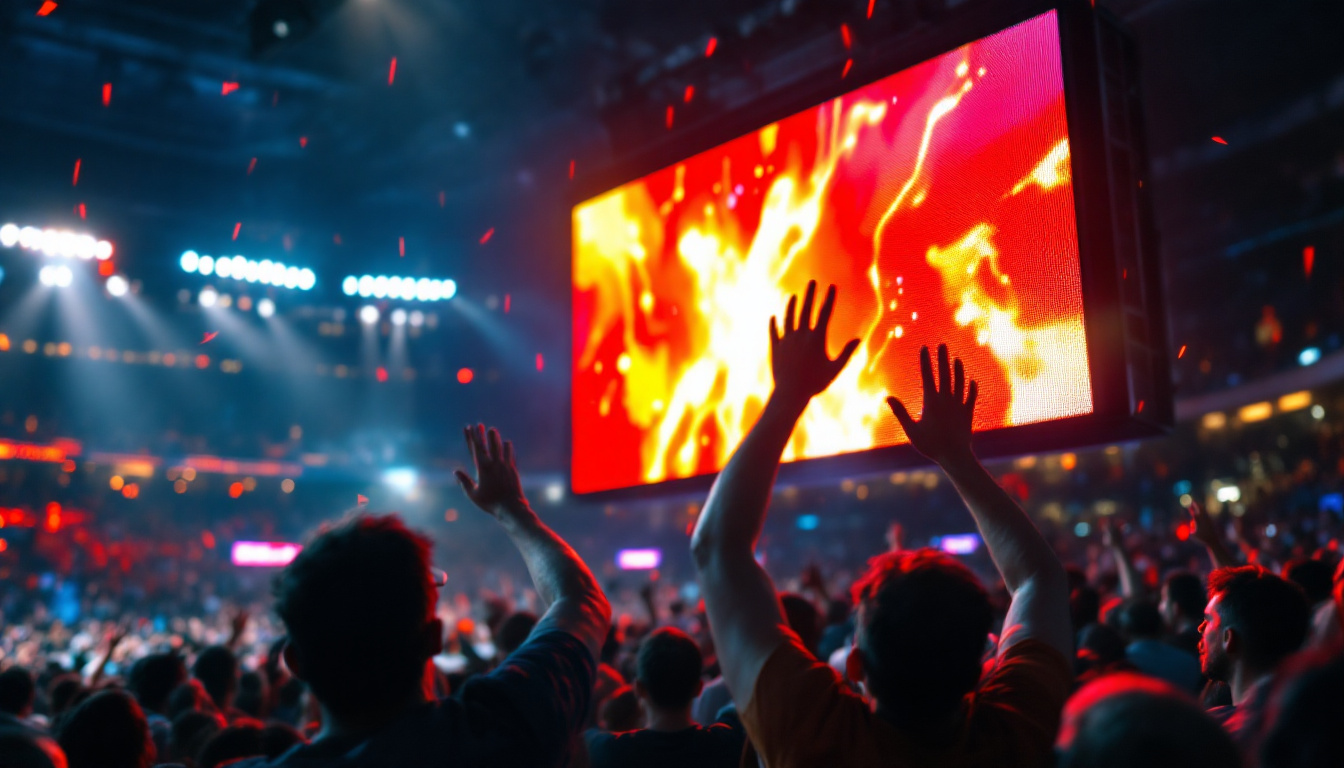
In the events industry, LED displays are indispensable for concerts, conferences, and sports events. They provide large-scale visuals that enhance the audience experience, whether through live video feeds, graphics, or interactive content. The modular nature of LED displays allows for creative configurations, such as curved or irregular shapes, adding to the visual impact.
Technicians and event organizers benefit from infocomm training that covers setup, calibration, and troubleshooting of LED displays to ensure flawless performance under tight schedules.
Corporate and Control Rooms
LED displays are increasingly used in corporate environments for presentations, video conferencing, and data visualization. In control rooms, such as those for traffic management or security monitoring, LED walls provide high-resolution, real-time data displays that are critical for decision-making.
Training in infocomm technology helps professionals optimize display configurations, manage content feeds, and maintain system reliability in these mission-critical settings.
Technical Considerations for Effective LED Display Deployment
Resolution and Pixel Pitch
Choosing the right resolution and pixel pitch is essential for ensuring the display meets the visual requirements of its intended application. For example, a billboard viewed from a highway may have a pixel pitch of 10mm or more, as viewers are far away, while an indoor display in a shopping mall might require a pixel pitch as low as 1.5mm for close-up viewing.
Understanding these parameters helps avoid overspending on unnecessarily high-resolution displays or underspending on displays that fail to deliver adequate image quality.
Brightness and Viewing Angle
Brightness is measured in nits and determines how well the display performs under different lighting conditions. Outdoor LED displays often exceed 5,000 nits to remain visible in direct sunlight, whereas indoor displays typically range between 800 and 1,500 nits.
The viewing angle is another critical factor, especially for displays intended to be seen from multiple directions. High-quality LED displays maintain color accuracy and brightness over wide viewing angles, ensuring consistent visibility.
Power Consumption and Heat Management
LED displays consume significant power, particularly large outdoor installations. Efficient power management and heat dissipation systems are necessary to ensure longevity and reduce operational costs. Advances in LED technology have led to more energy-efficient diodes and intelligent power-saving modes, which are important considerations during procurement and installation.
Maintenance and Troubleshooting Best Practices
Regular Inspection and Cleaning
Maintaining LED displays involves routine inspections to identify dead pixels, module failures, or connectivity issues. Cleaning is equally important, especially for outdoor displays exposed to dust, pollution, and weather elements. Using appropriate cleaning agents and techniques prevents damage to the delicate LED surfaces.
Software Updates and Calibration
Keeping the control software up to date ensures compatibility with new content formats and enhances security. Periodic calibration of color and brightness maintains image consistency across the display, which is crucial for brand integrity and viewer experience.
Common Troubleshooting Scenarios
Common issues include flickering, color distortion, or complete module failure. Infocomm training equips technicians with diagnostic tools and methods to quickly isolate and resolve these problems, minimizing downtime and service interruptions.
The Future of LED Display Technology
MicroLED and MiniLED Innovations
Emerging technologies like MicroLED and MiniLED promise even greater image quality, energy efficiency, and flexibility. MicroLEDs, with their microscopic diode size, offer ultra-high resolution and brightness with lower power consumption, making them ideal for next-generation displays in smartphones, TVs, and large-scale installations.
Integration with IoT and Smart Systems
LED displays are increasingly integrated with Internet of Things (IoT) platforms, enabling real-time data-driven content updates and interactive features. Smart displays can adjust brightness based on ambient light, display personalized content, and interact with mobile devices, opening new possibilities for engagement in retail and public spaces.
Sustainability and Environmental Impact
As sustainability becomes a priority, manufacturers and users are focusing on eco-friendly materials, energy-efficient designs, and recycling programs for LED display components. These efforts align with global initiatives to reduce electronic waste and carbon footprints.
Conclusion
LED display technology is a dynamic and essential component of modern infocomm solutions. From understanding the basic principles and types of displays to mastering technical specifications and maintenance practices, comprehensive training empowers professionals to deploy and manage LED displays effectively. As technology advances, staying informed about innovations and best practices will ensure that LED displays continue to deliver impactful visual experiences across industries.
For those involved in digital signage, event production, or corporate communications, investing in infocomm training focused on LED displays is a strategic move that enhances technical expertise and operational success.
Discover Cutting-Edge LED Display Solutions with LumenMatrix
Ready to elevate your visual communication strategy with the latest in LED display technology? Look no further than LumenMatrix, a pioneer in crafting immersive and innovative LED display modules tailored for a multitude of applications. From the vibrancy of an Indoor LED Wall Display to the robustness of an Outdoor LED Wall Display, and from the mobility of a Vehicle LED Display to the creativity of Custom LED Displays, LumenMatrix offers a comprehensive range of solutions designed to captivate your audience and amplify your message. Embrace the future of digital signage with LumenMatrix’s All-in-One and Transparent LED Displays, and witness how our LED Sports and Floor Displays can transform any event into an unforgettable experience. Check out LumenMatrix LED Display Solutions today and join the revolution in visual communication.