In today’s fast-paced world, outdoor spaces have become essential extensions of our living and working environments. Whether it’s a backyard patio, a rooftop lounge, or a commercial outdoor dining area, maintaining privacy without sacrificing style or functionality is a growing concern. Traditional methods like fences, hedges, or curtains often fall short in terms of flexibility, aesthetics, and durability. This is where LED display technology emerges as an innovative solution, offering a modern approach to outdoor privacy screens.
Understanding Outdoor Privacy Screens
Outdoor privacy screens serve multiple purposes: they block unwanted views, reduce noise, and enhance the ambiance of an outdoor area. Historically, these screens have been made from materials such as wood, metal, fabric, or plants. While effective to some extent, these options come with limitations. Wood and metal screens can be bulky and require maintenance, fabric screens may degrade quickly under weather exposure, and plant-based barriers need time to grow and consistent care.
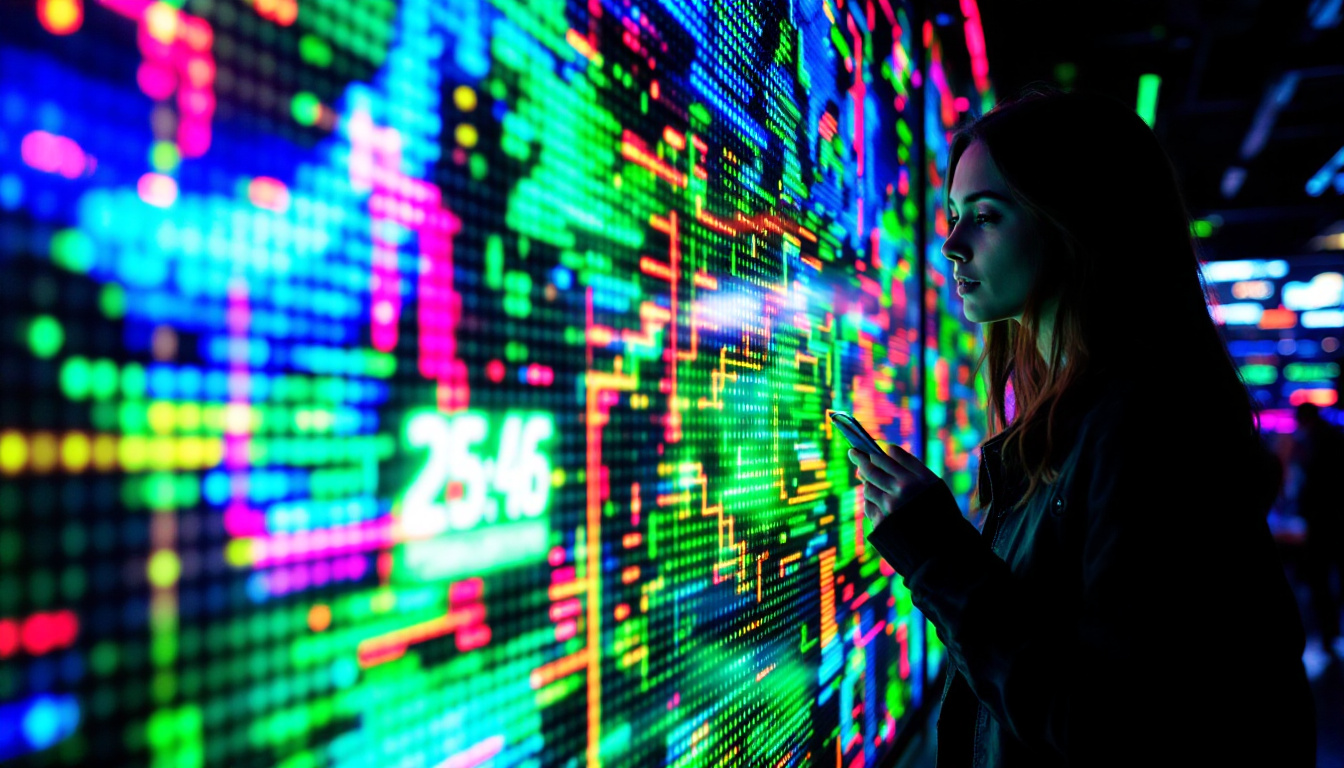
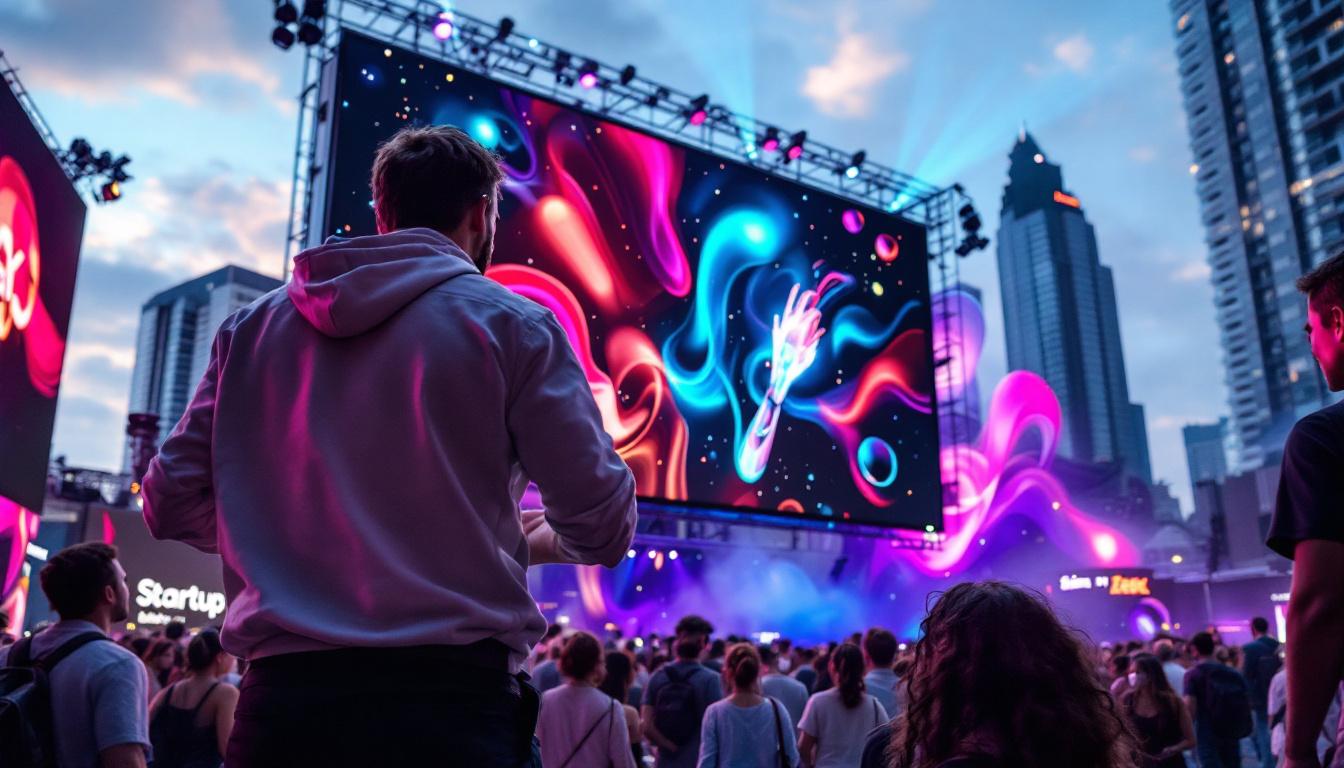
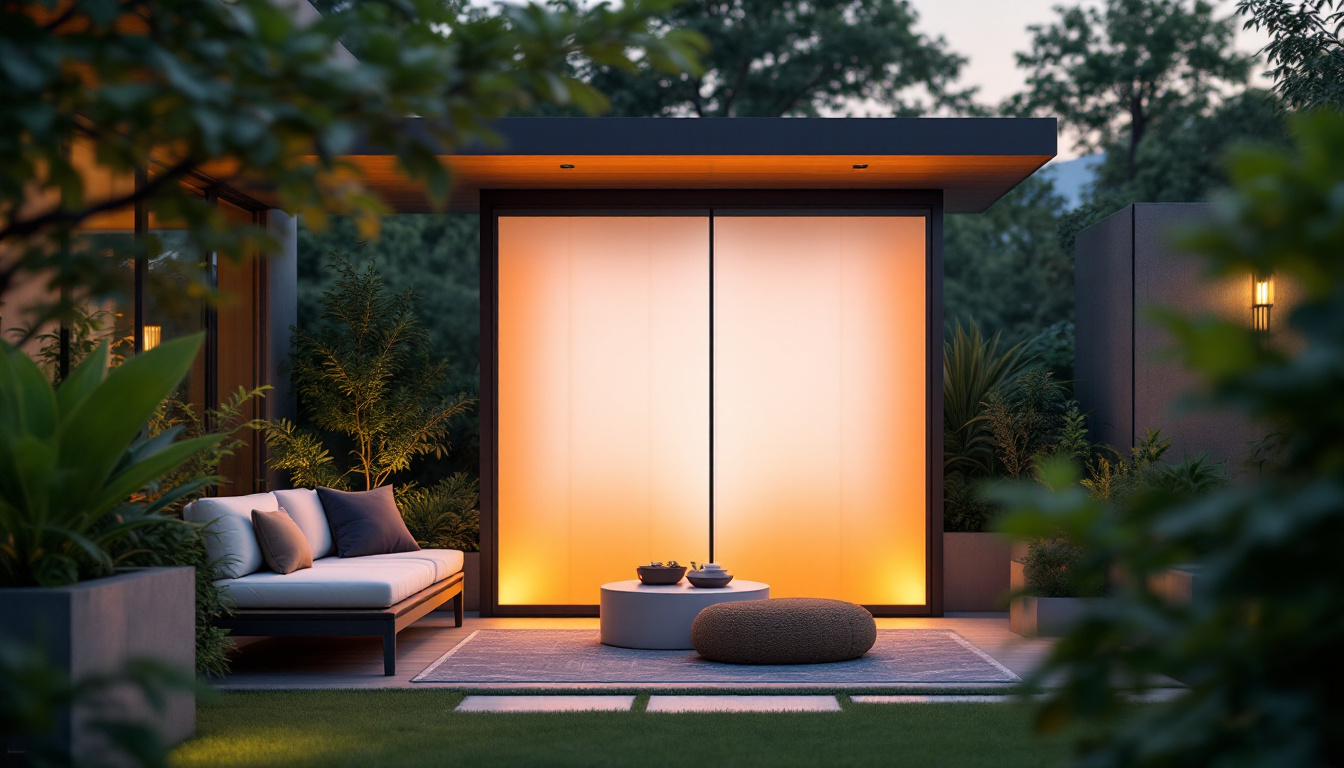
In contrast, LED display screens bring a new dimension to outdoor privacy by combining functionality with technology. These screens can display dynamic content while acting as a physical barrier, offering privacy and entertainment simultaneously. Before diving into the benefits and applications, it’s important to understand what LED displays are and how they work in outdoor settings.
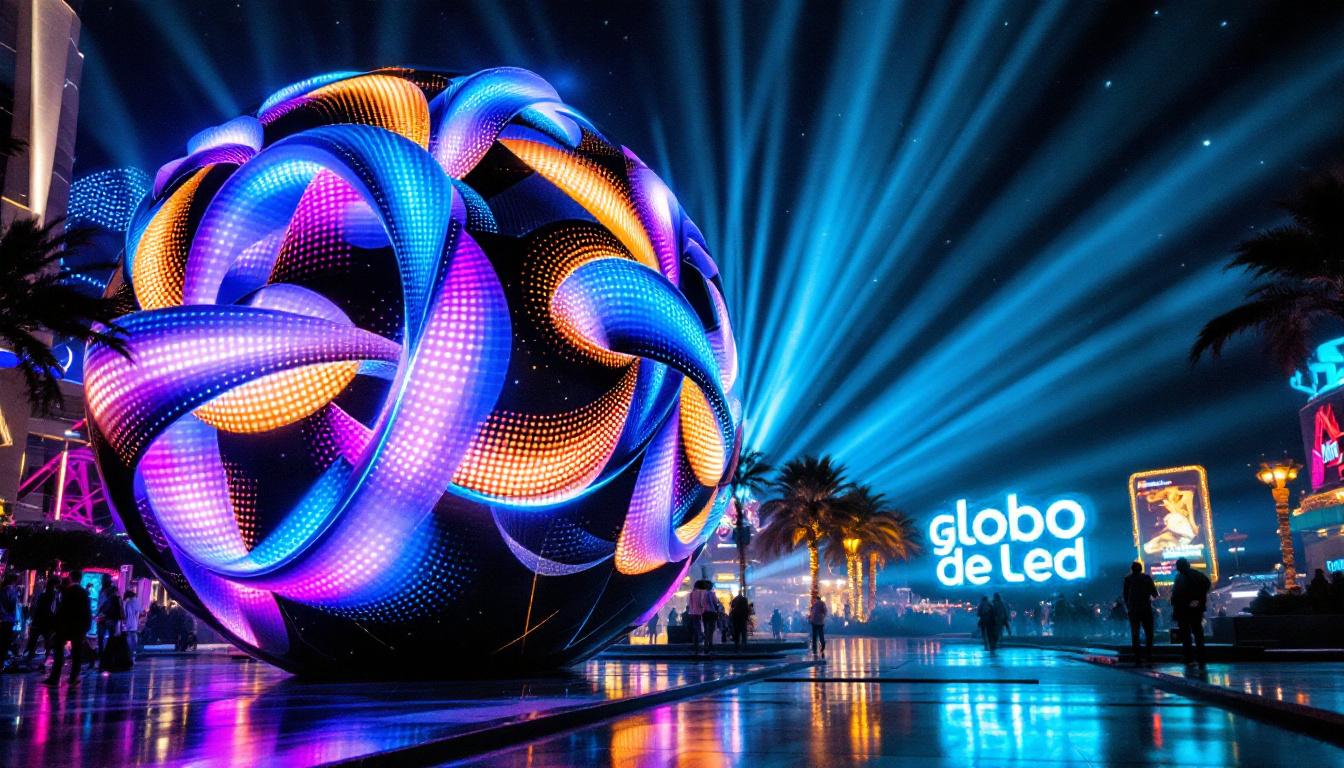
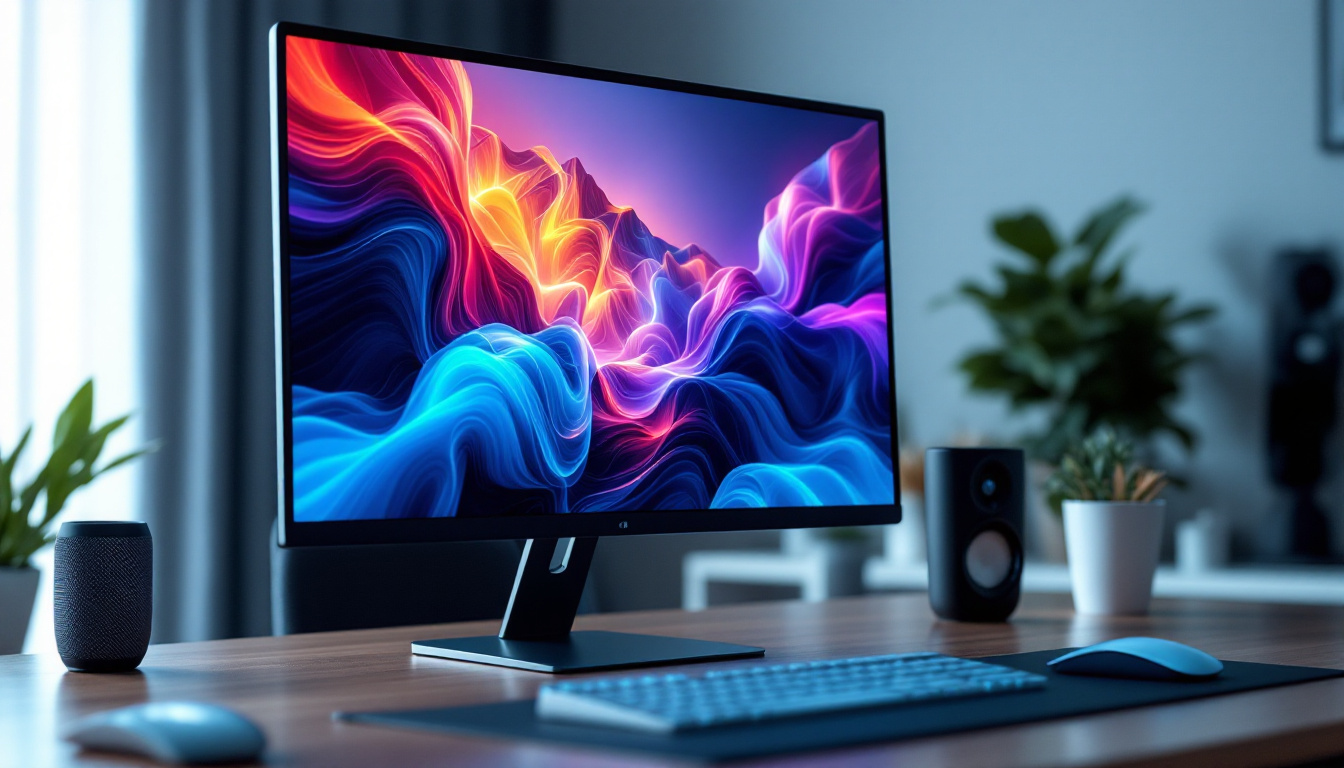
LED screens are composed of numerous small light-emitting diodes that create bright, vivid images and text, making them highly effective for outdoor visibility. They can be customized to fit various sizes and shapes, allowing for creative designs that complement the surrounding environment. From sleek, modern aesthetics to more rustic appearances, these screens can be tailored to match any outdoor decor. Moreover, advancements in technology have led to the development of weather-resistant LED displays, ensuring durability against rain, wind, and sun exposure, which is crucial for outdoor installations.
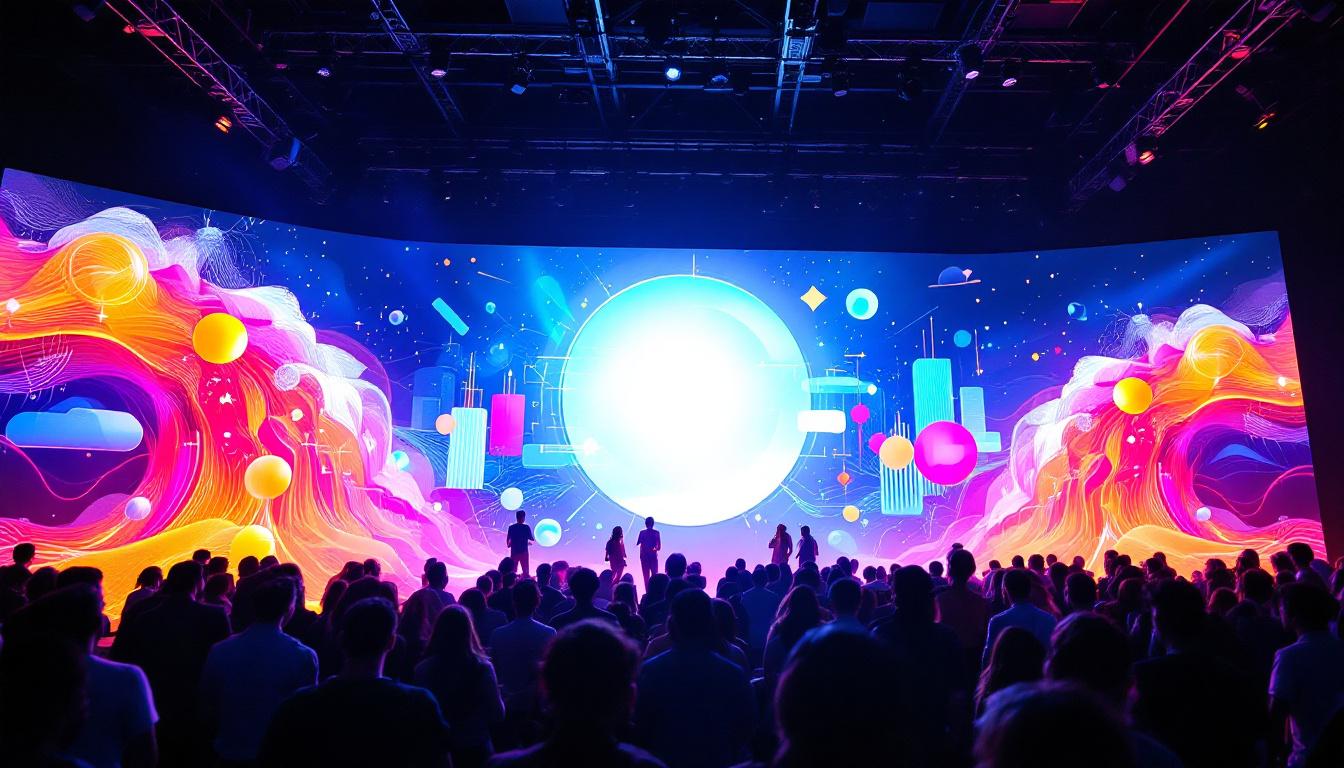
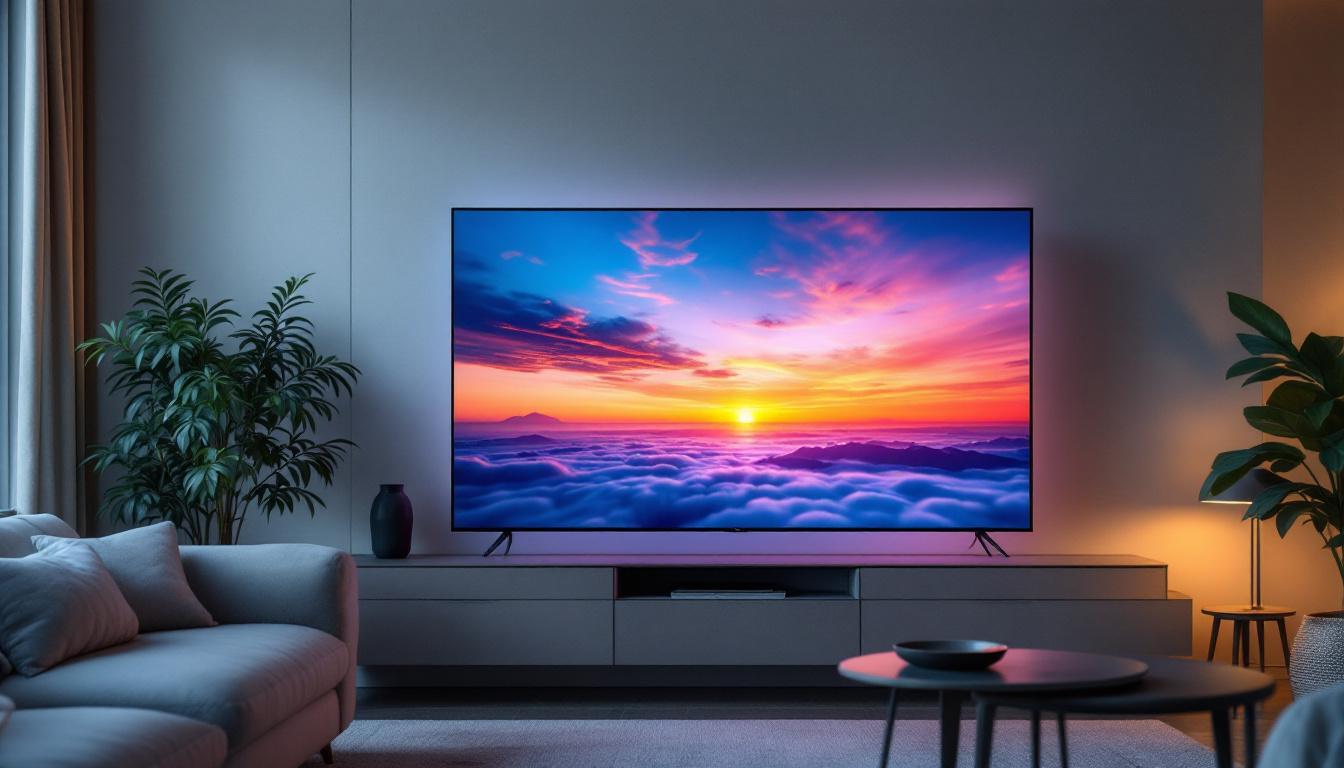
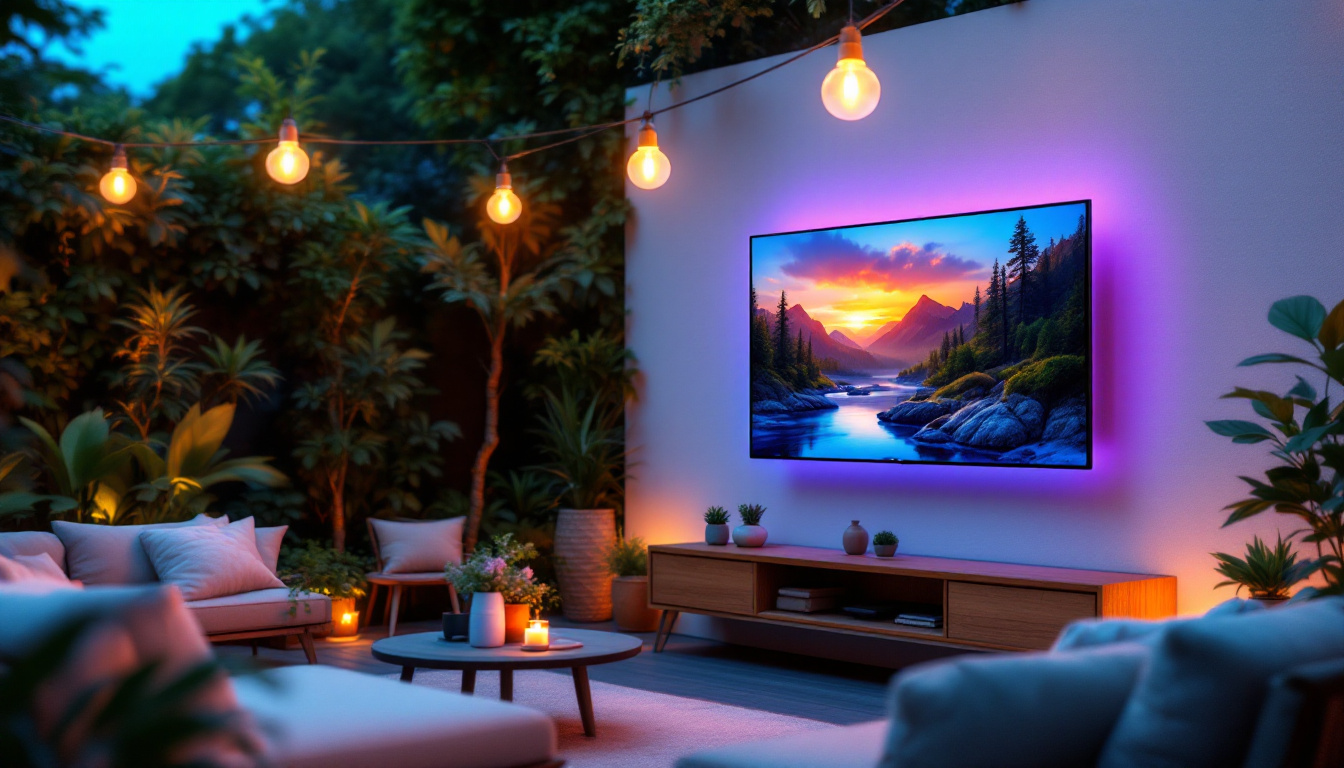
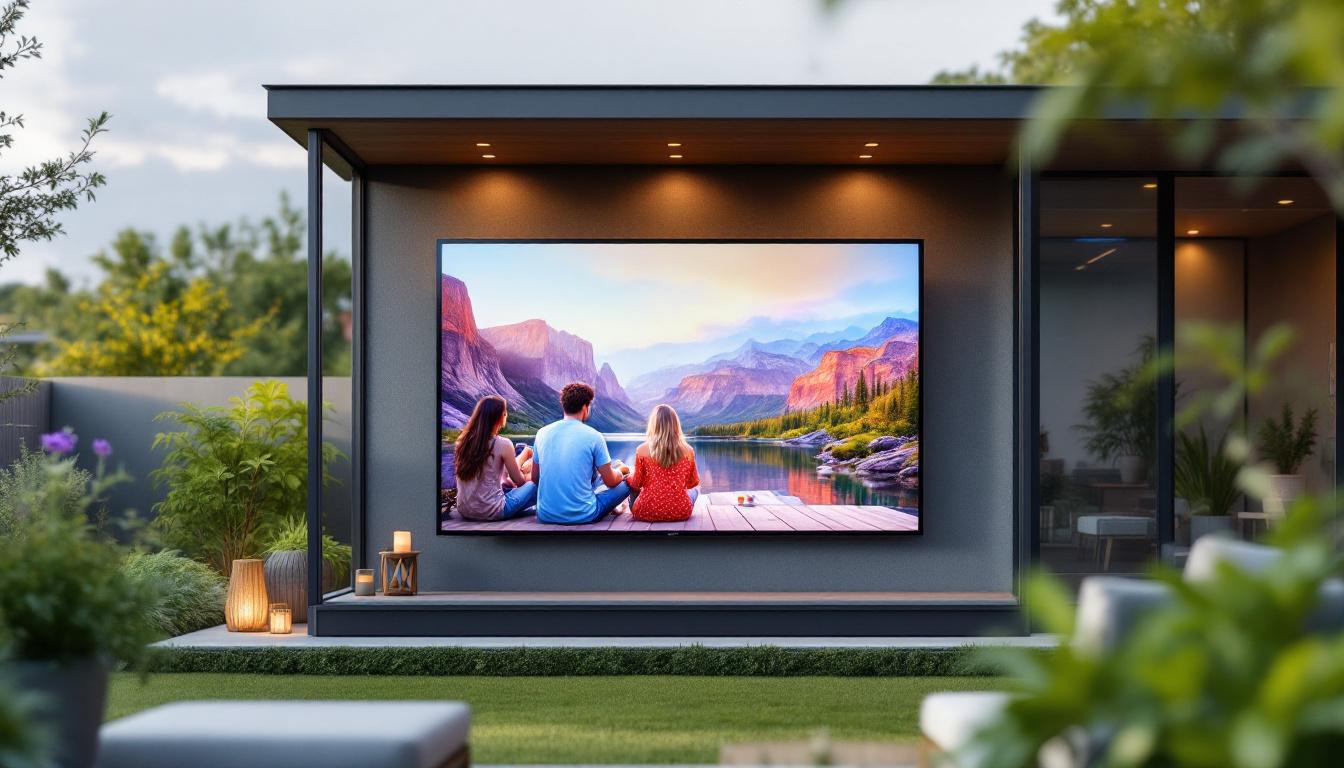
Additionally, the versatility of LED display screens extends beyond mere privacy. They can be programmed to showcase a range of content, from serene nature scenes that enhance relaxation to vibrant advertisements for local businesses. This dual functionality not only serves the practical purpose of privacy but also transforms the outdoor space into a dynamic environment that can change with the mood or occasion. For instance, during a gathering, the screen could display a slideshow of memories or event details, while in quieter moments, it could revert to a calming visual display, creating an inviting atmosphere for all who enter the space.
What is an LED Display?
Basics of LED Technology
LED stands for Light Emitting Diode, a semiconductor device that emits light when an electric current passes through it. LED displays consist of numerous tiny LEDs arranged in a grid, which can be individually controlled to produce images, videos, or text. The brightness, color, and resolution depend on the quality and density of these LEDs.
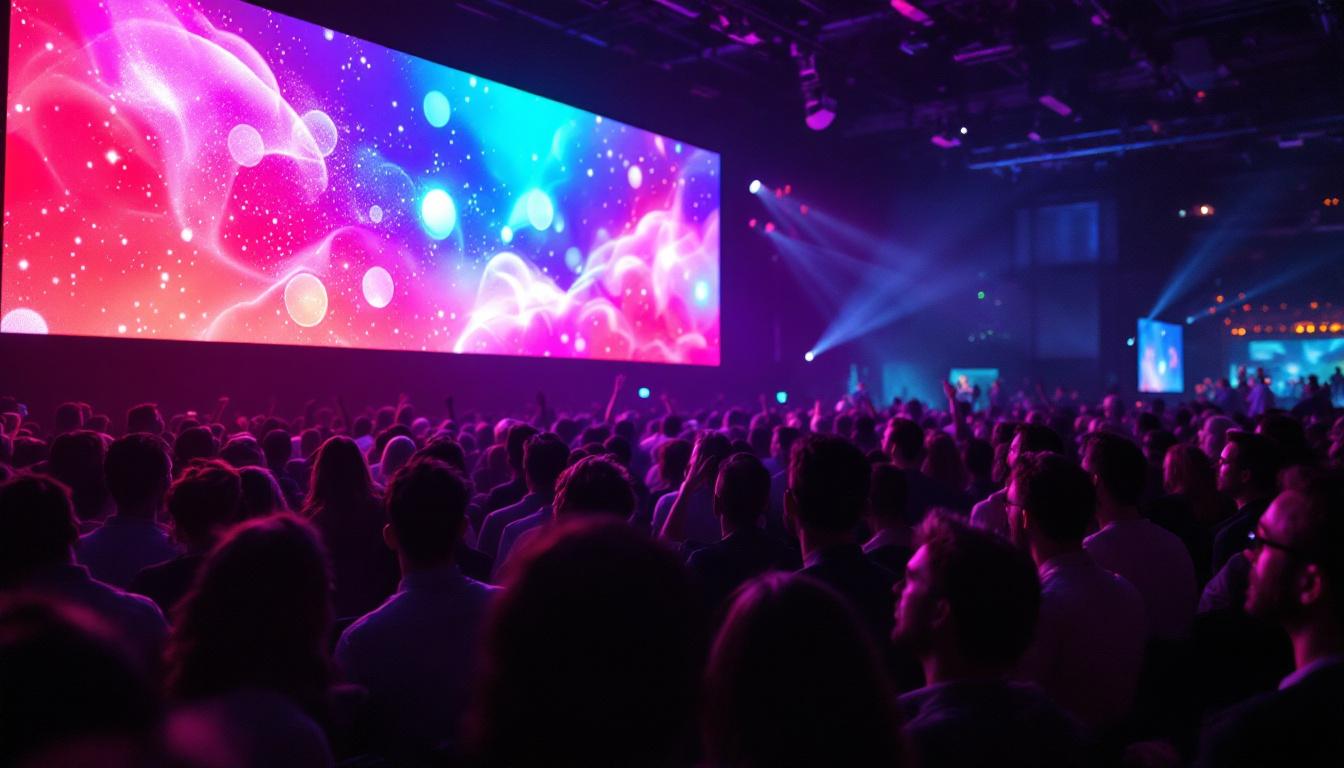
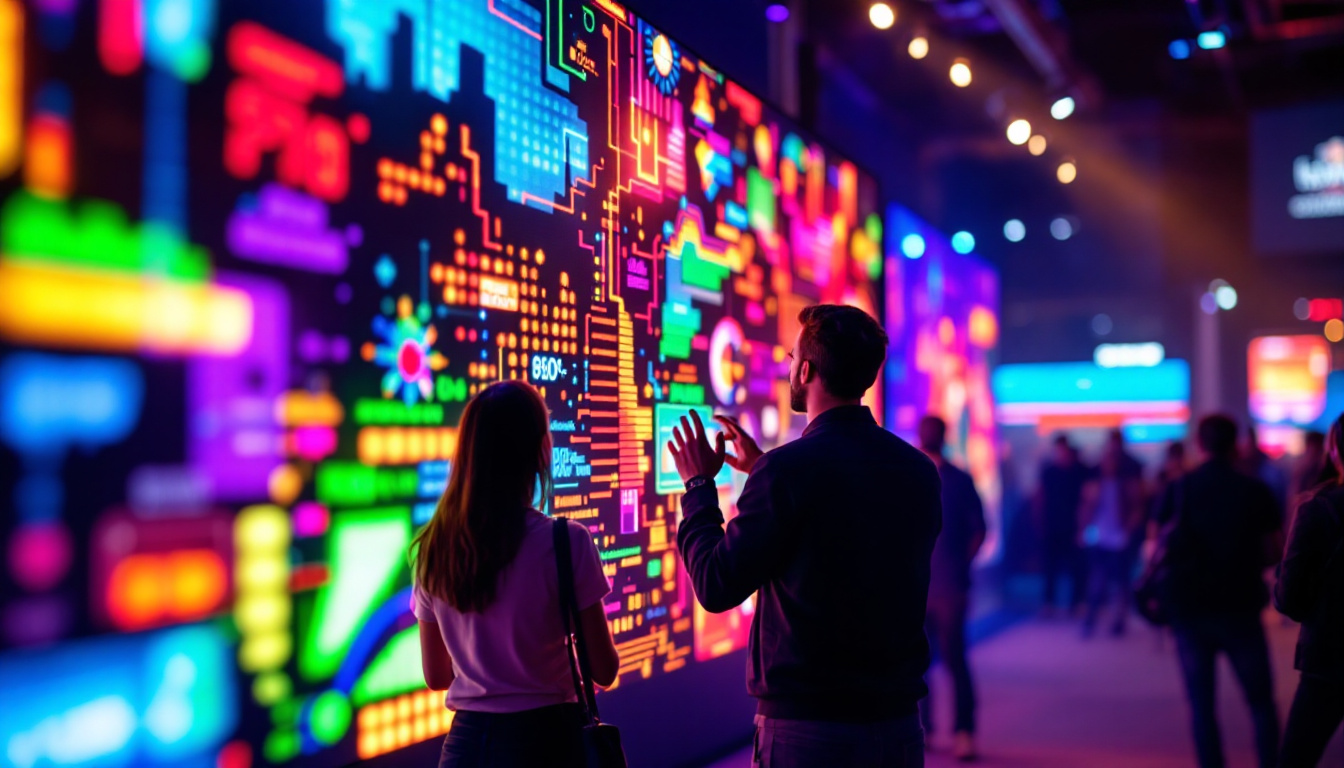
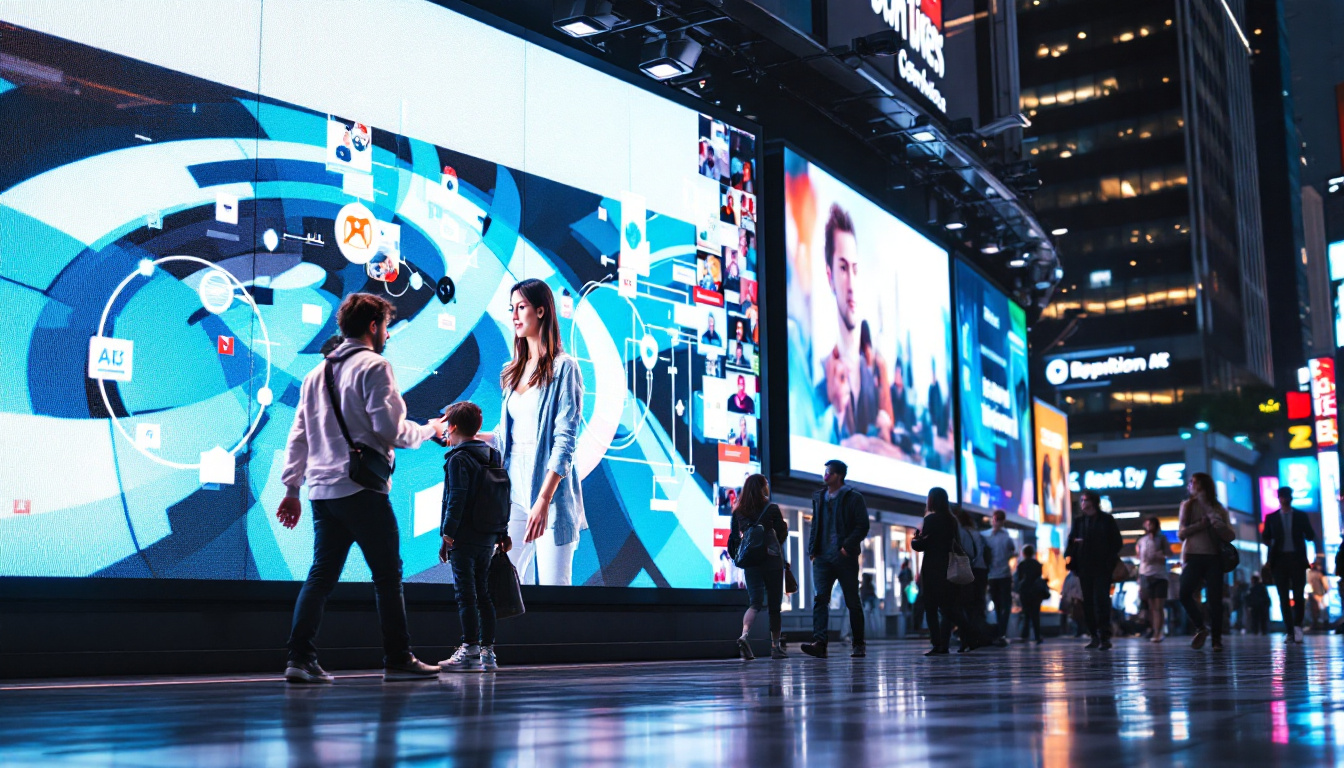
LED displays are widely used in advertising billboards, stadium screens, and digital signage due to their high visibility and energy efficiency. Their ability to operate in various lighting conditions makes them ideal for outdoor use.
Outdoor LED Displays vs. Indoor Displays
Outdoor LED displays are specifically designed to withstand harsh environmental conditions such as rain, wind, dust, and extreme temperatures. They typically feature higher brightness levels—often exceeding 5,000 nits—to ensure visibility even under direct sunlight. Additionally, these displays are built with waterproof and dustproof enclosures, rated by standards such as IP65 or higher, ensuring durability and longevity.
In contrast, indoor LED displays have lower brightness and less robust protective features, making them unsuitable for outdoor privacy applications.
Why Choose an LED Display as an Outdoor Privacy Screen?
Dynamic Privacy Control
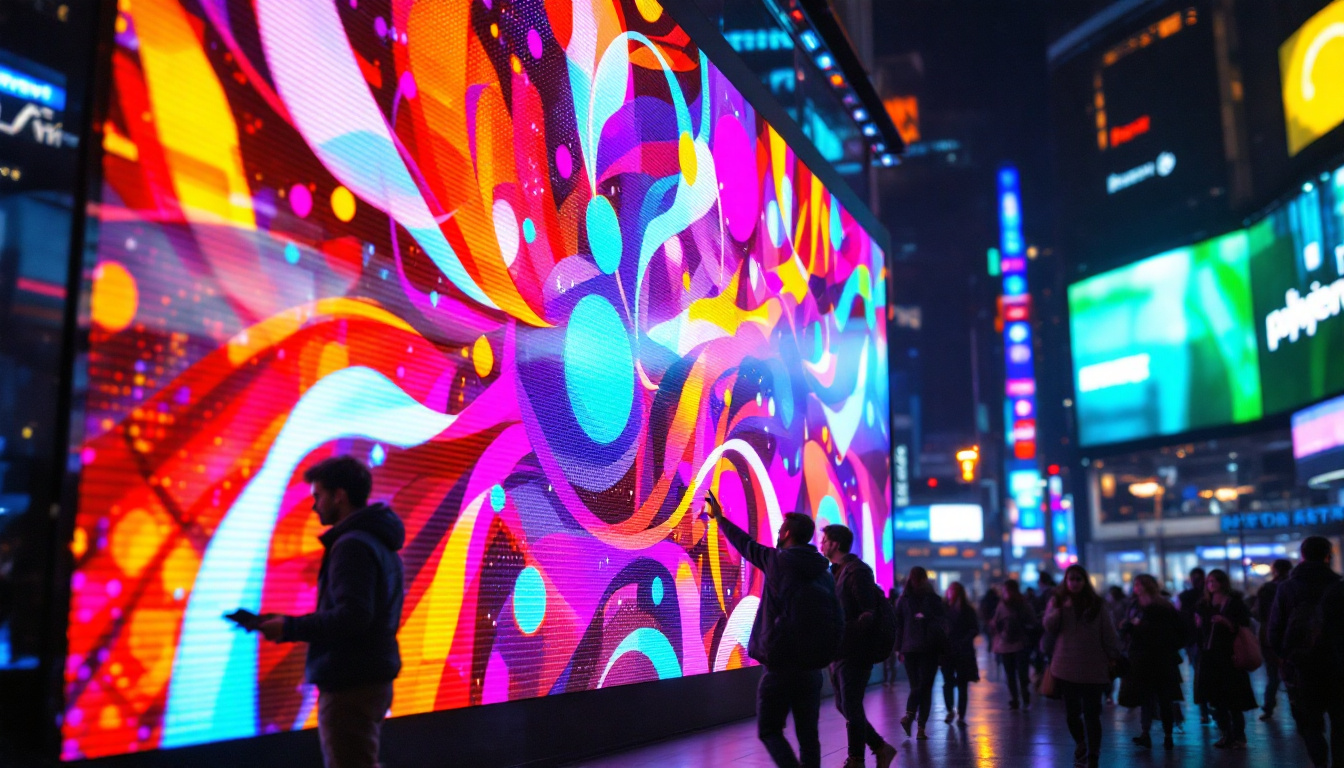
One of the most compelling advantages of LED displays is their ability to change the content dynamically. Unlike static fences or screens, an LED privacy screen can switch between opaque patterns, scenic visuals, or even interactive content. This flexibility allows users to customize their privacy level and aesthetic appeal according to the time of day or event.
For example, a rooftop bar could display vibrant cityscapes during the evening while maintaining solid privacy during the day. Homeowners can enjoy serene nature scenes or abstract art that complements their outdoor decor.
Space Efficiency and Design Versatility
LED privacy screens can be slim and modular, making them easy to install in various outdoor settings without occupying excessive space. Their design versatility allows them to blend seamlessly with modern architecture or stand out as a design statement. Unlike bulky fences, these screens can be integrated into railings, pergolas, or even as standalone panels.
Enhanced Security and Safety
Beyond privacy, LED screens can enhance security by limiting visibility into sensitive areas. They can also serve as emergency communication tools, displaying alerts or instructions when necessary. Furthermore, the robust construction of outdoor LED displays adds a physical barrier that can deter intruders.
Key Features to Consider When Selecting an LED Privacy Screen
Brightness and Resolution
Brightness is critical for outdoor visibility. A minimum of 5,000 nits is recommended for screens exposed to direct sunlight. High resolution ensures that images and text appear sharp and clear, which is especially important if the screen is used for displaying detailed content or branding.
Weather Resistance and Durability
Look for screens with at least an IP65 rating, which guarantees protection against dust and water jets. Materials should be corrosion-resistant, especially in coastal or humid environments. Additionally, the screen’s frame and mounting hardware should be sturdy enough to withstand wind loads.
Power Consumption and Energy Efficiency
LED technology is energy-efficient compared to other display types, but power consumption can vary based on brightness and screen size. Consider models with energy-saving features such as automatic brightness adjustment based on ambient light to reduce operational costs.
Installation and Maintenance
Modular designs simplify installation and future upgrades. Maintenance access is also important; screens should allow easy replacement of individual LED modules without dismantling the entire structure. Some manufacturers offer remote monitoring and diagnostics to detect issues proactively.
Popular Applications of LED Outdoor Privacy Screens
Residential Use
Homeowners increasingly use LED privacy screens to create intimate outdoor spaces that are both functional and visually appealing. They can transform patios, balconies, and gardens into private sanctuaries while adding a modern touch. The ability to display personalized content such as family photos, seasonal themes, or calming animations enhances the outdoor experience.
Commercial and Hospitality Settings
Restaurants, hotels, and event venues benefit from LED privacy screens by creating flexible spaces that adapt to different occasions. For instance, a restaurant can use the screens to block views from neighboring buildings during busy hours and switch to promotional content or ambient visuals during quieter times. This adaptability improves customer satisfaction and brand visibility.
Corporate and Public Spaces
In corporate campuses and public parks, LED privacy screens serve dual purposes of privacy and communication. They can shield sensitive areas while displaying information, advertisements, or art installations. This multifunctionality makes them valuable assets for urban planners and facility managers.
Case Studies: Successful Implementations of LED Privacy Screens
Urban Rooftop Lounge in New York City
A popular rooftop lounge in Manhattan installed LED privacy screens along its perimeter to block views from adjacent skyscrapers. The screens display dynamic cityscapes and abstract patterns that change throughout the evening. This solution not only enhances privacy but also elevates the venue’s ambiance, attracting more patrons and increasing revenue by 15% within the first six months.
Luxury Residential Complex in Los Angeles
A high-end residential complex incorporated LED privacy screens into its outdoor common areas. Residents can customize the display content via a mobile app, choosing from nature scenes to personalized messages. The screens also provide security alerts and community announcements, fostering a connected and secure living environment.
Challenges and Considerations
Cost Factors
LED privacy screens typically require a higher initial investment compared to traditional screens. Prices vary based on size, resolution, and features but can range from several thousand to tens of thousands of dollars. However, the long-term benefits in terms of durability, energy efficiency, and multifunctionality often justify the expense.
Technical Expertise and Support
Installation and operation of LED displays require technical knowledge. Partnering with experienced vendors who offer comprehensive support, including design consultation, installation, and maintenance, is crucial to ensure optimal performance and longevity.
Environmental Impact
While LED technology is energy-efficient, it’s important to consider the environmental footprint of manufacturing and disposal. Choosing screens from manufacturers committed to sustainable practices and recycling programs can mitigate these concerns.
Future Trends in Outdoor LED Privacy Screens
Integration with Smart Home and IoT
Advancements in smart technology are enabling LED privacy screens to integrate seamlessly with home automation systems. Users can control screens via voice commands or smartphone apps, schedule content changes, and synchronize with lighting and sound systems for immersive experiences.
Improved Energy Efficiency and Solar Power
Emerging innovations focus on reducing power consumption further and incorporating solar panels to make LED screens self-sustaining. This development is particularly promising for remote or off-grid installations.
Enhanced Interactivity and Customization
Future LED privacy screens may incorporate touch sensitivity, gesture control, or augmented reality features, allowing users to interact with the display in novel ways. This interactivity can transform outdoor spaces into dynamic environments for entertainment, education, or communication.
Conclusion
LED display technology represents a transformative approach to outdoor privacy screens, combining functionality, aesthetics, and innovation. By offering dynamic content, robust durability, and design flexibility, LED privacy screens meet the evolving needs of residential, commercial, and public spaces. While initial costs and technical requirements are considerations, the long-term benefits and future advancements make LED displays a compelling choice for anyone seeking the best outdoor privacy solution.
As outdoor living continues to gain importance, embracing cutting-edge solutions like LED privacy screens will ensure that privacy, security, and style coexist harmoniously in any environment.
Discover the Future of Outdoor Privacy with LumenMatrix
Ready to redefine your outdoor spaces with unparalleled privacy and visual appeal? LumenMatrix invites you to explore our innovative LED display solutions that promise to transform any environment. From vibrant outdoor LED walls to customizable digital signage, our products are designed to captivate and engage. Experience the perfect blend of privacy, security, and style with our advanced LED technology. Check out LumenMatrix LED Display Solutions today and step into the future of outdoor living.