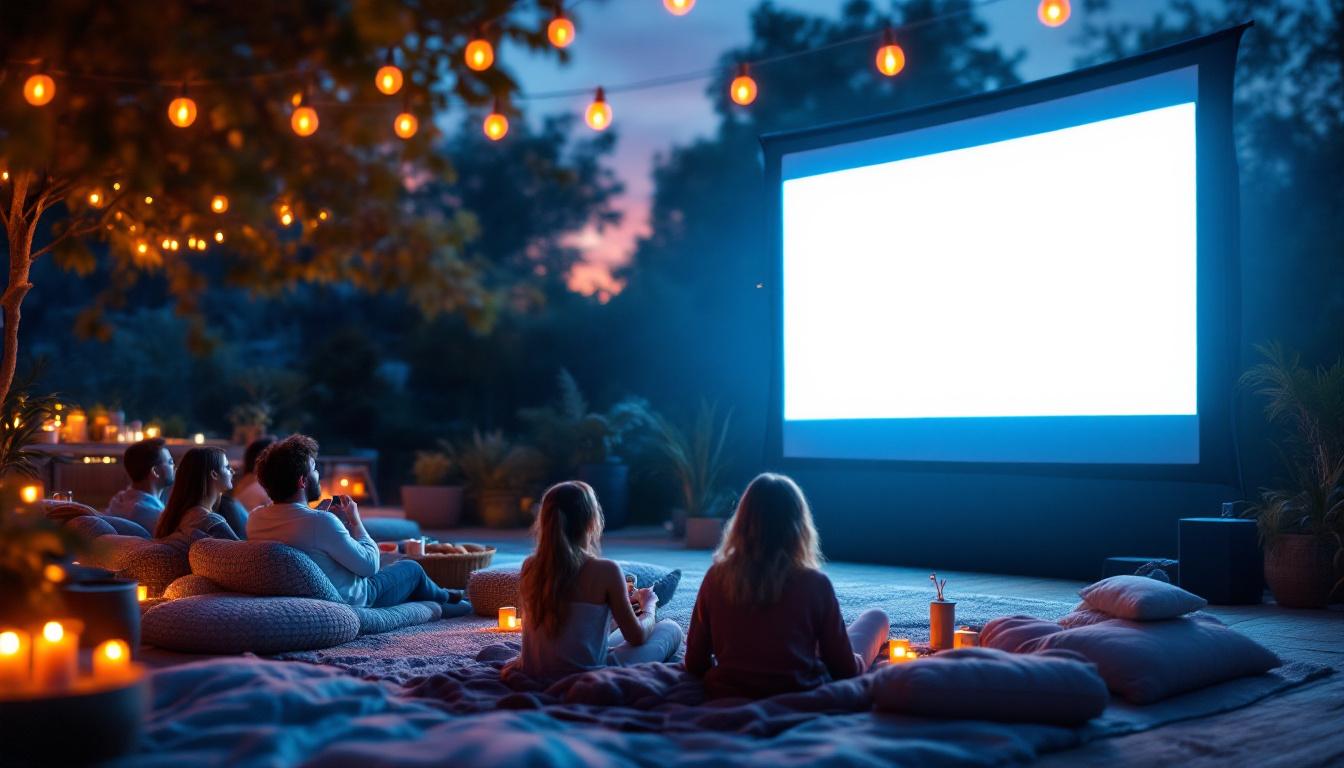
Outdoor movie nights have surged in popularity over the past decade, transforming backyards, parks, and community spaces into vibrant cinemas under the stars. Whether it’s a neighborhood gathering, a corporate event, or a festival screening, the demand for high-quality outdoor projection solutions has never been higher. Central to delivering an unforgettable viewing experience is the technology behind the display — traditionally projectors paired with inflatable or fixed screens. However, LED displays are rapidly emerging as a compelling alternative, offering unique advantages in outdoor settings.
This article explores the nuances of outdoor movie projector and screen rental, with a detailed explanation of LED display technology. It aims to help event planners, rental companies, and enthusiasts understand the benefits, challenges, and practical considerations involved in choosing between traditional projection setups and LED displays for outdoor movie events.
Understanding Outdoor Movie Projection: Traditional vs LED Displays
Traditional Outdoor Projectors and Screens
For decades, outdoor movie events have relied on digital projectors paired with large screens, often inflatable or tensioned fabric frames. These setups project a video signal onto a reflective surface, creating a cinematic experience visible to large audiences. The technology is mature, widely available, and relatively affordable, making it the go-to choice for many event organizers.
However, traditional projectors have some inherent limitations. They require a dark environment to deliver optimal image quality, as ambient light can wash out the picture. Additionally, the setup can be sensitive to weather conditions like wind or rain, and the screens themselves can be cumbersome to transport and assemble. Brightness levels, measured in lumens, often dictate the size and clarity of the image, necessitating powerful (and sometimes noisy) projectors for large venues or partially lit environments. Furthermore, the maintenance of traditional projectors can be an ongoing concern, as bulbs may need to be replaced periodically, adding to the overall cost and logistical planning of outdoor movie events.
Despite these challenges, traditional projectors still hold a nostalgic charm for many movie enthusiasts. The experience of gathering under the stars, with the flickering light of a projector illuminating the faces of friends and family, creates a unique atmosphere that is hard to replicate. Many event organizers also appreciate the flexibility of traditional setups, as they can easily incorporate sound systems and other audiovisual elements to enhance the overall experience. Additionally, the ability to show classic films or host themed movie nights can draw large crowds, making traditional projectors a staple in community events and summer movie series.
LED Displays: A Modern Alternative
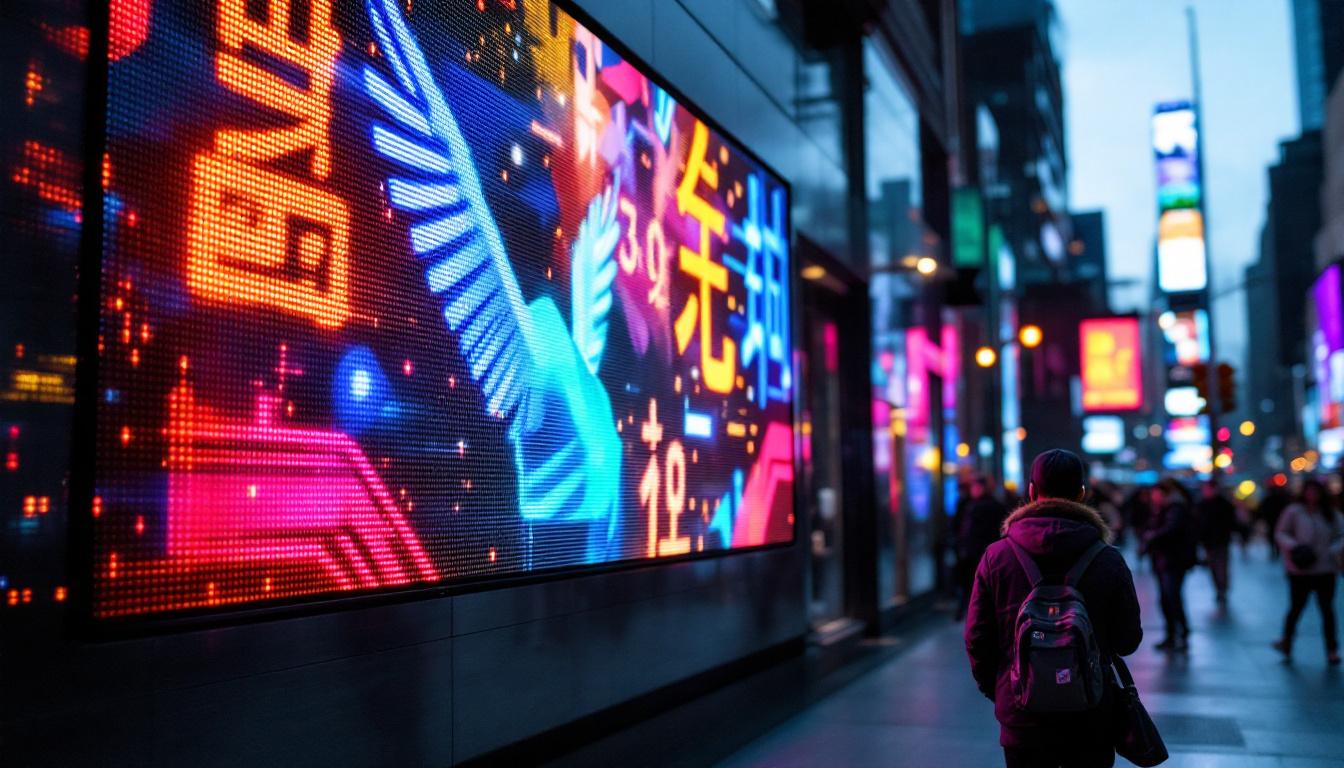
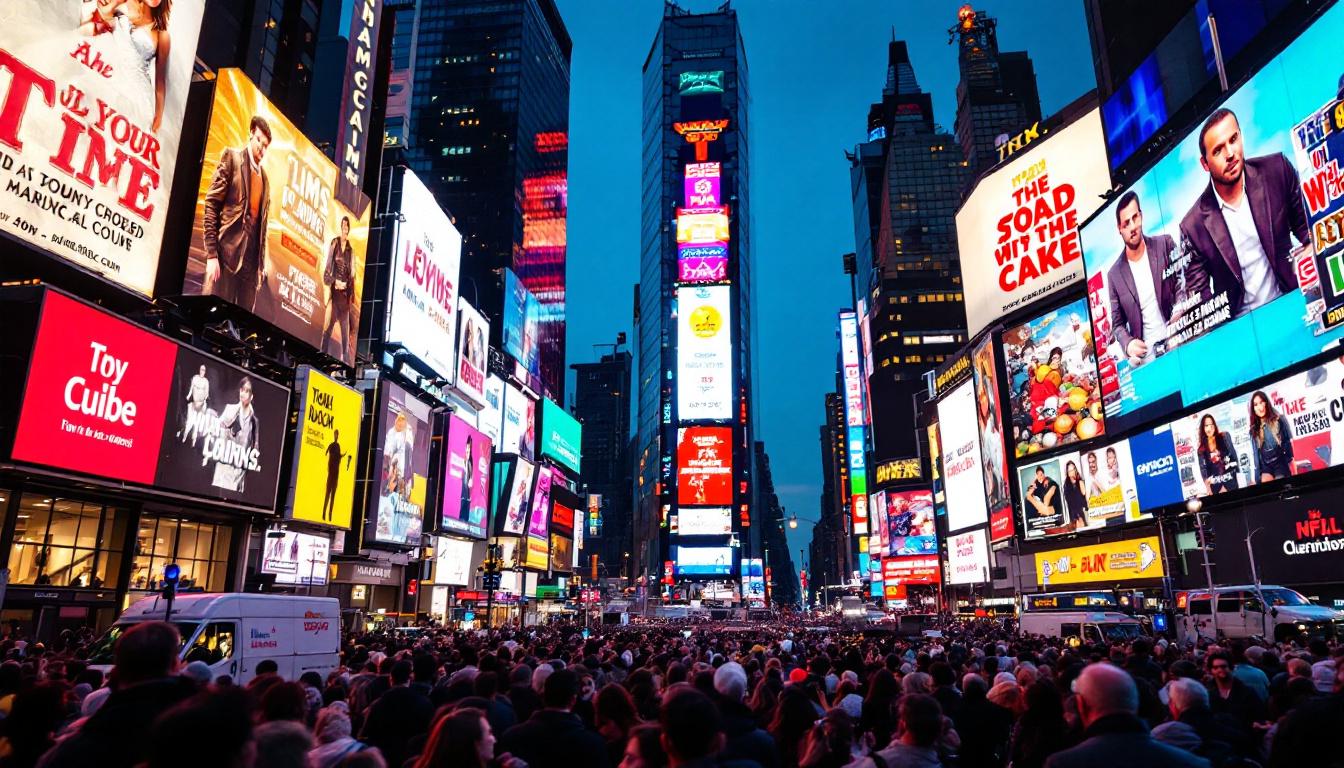
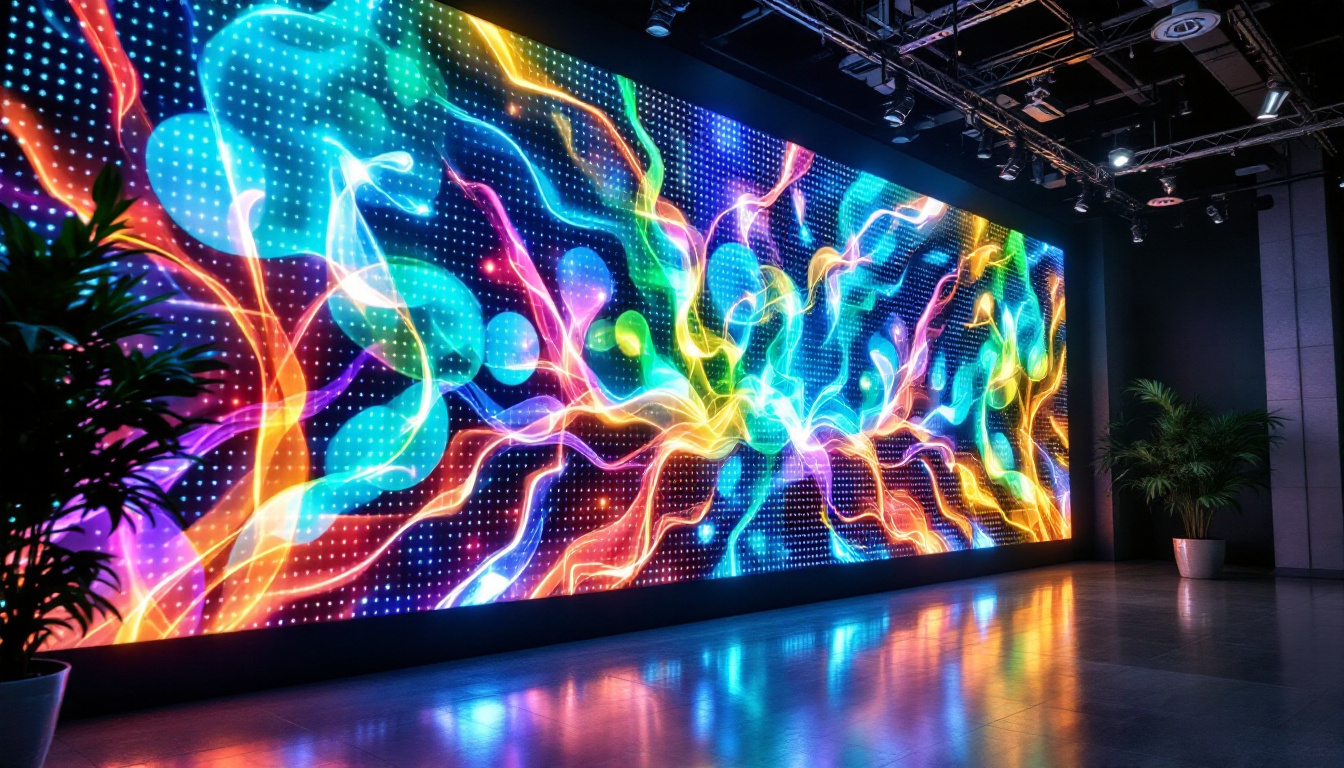
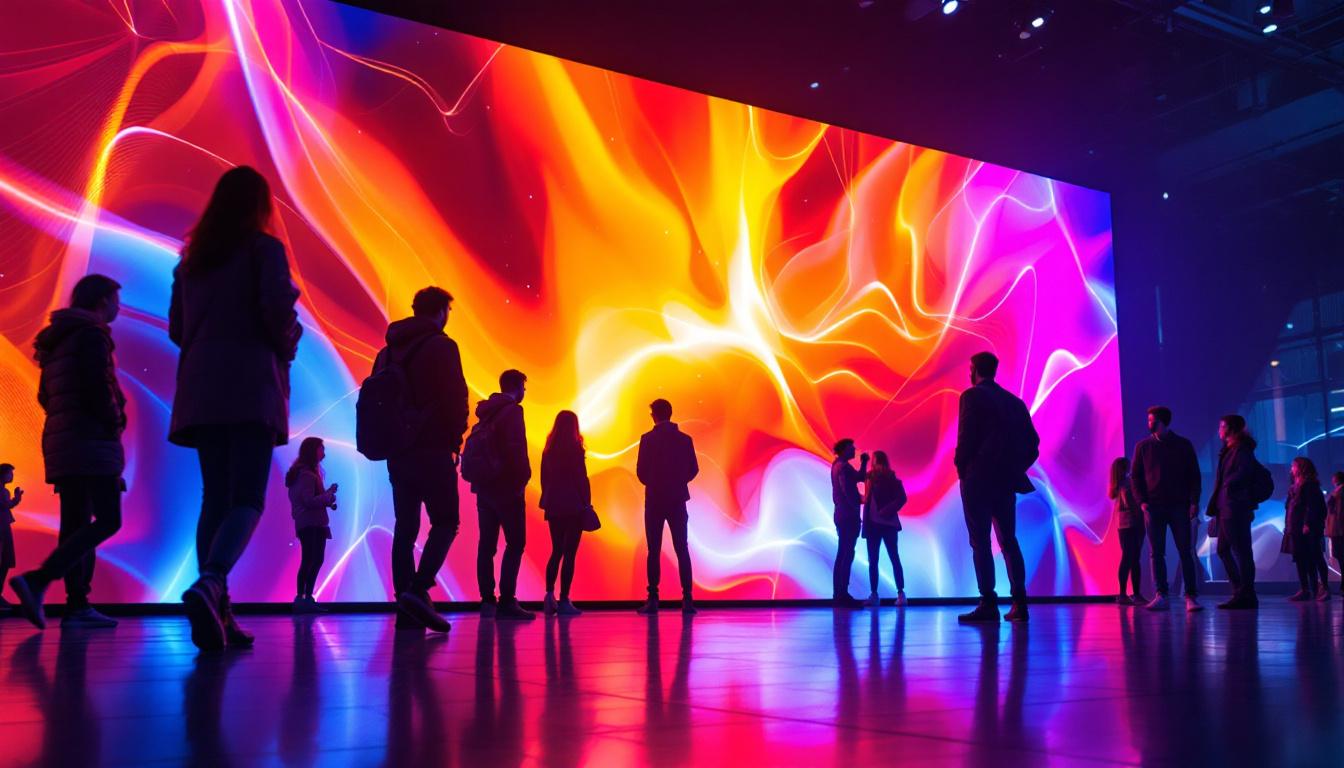
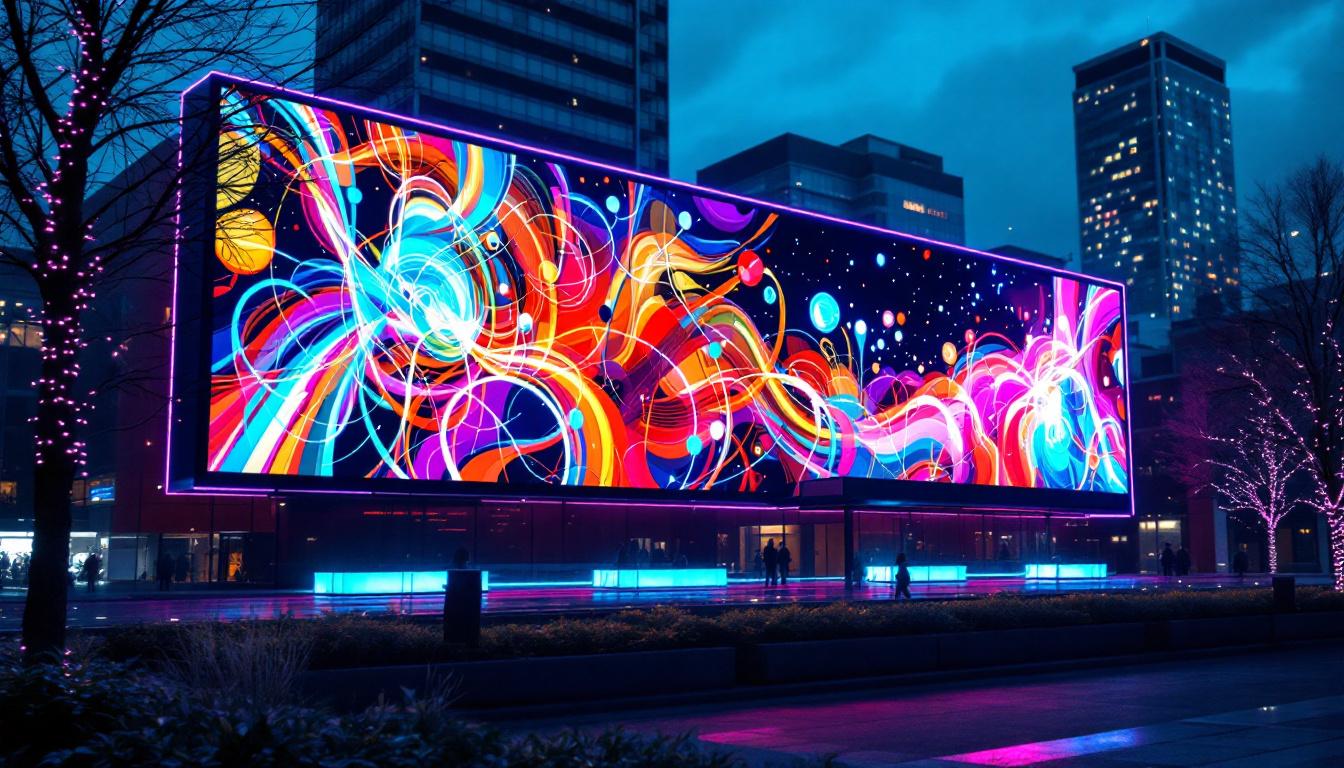
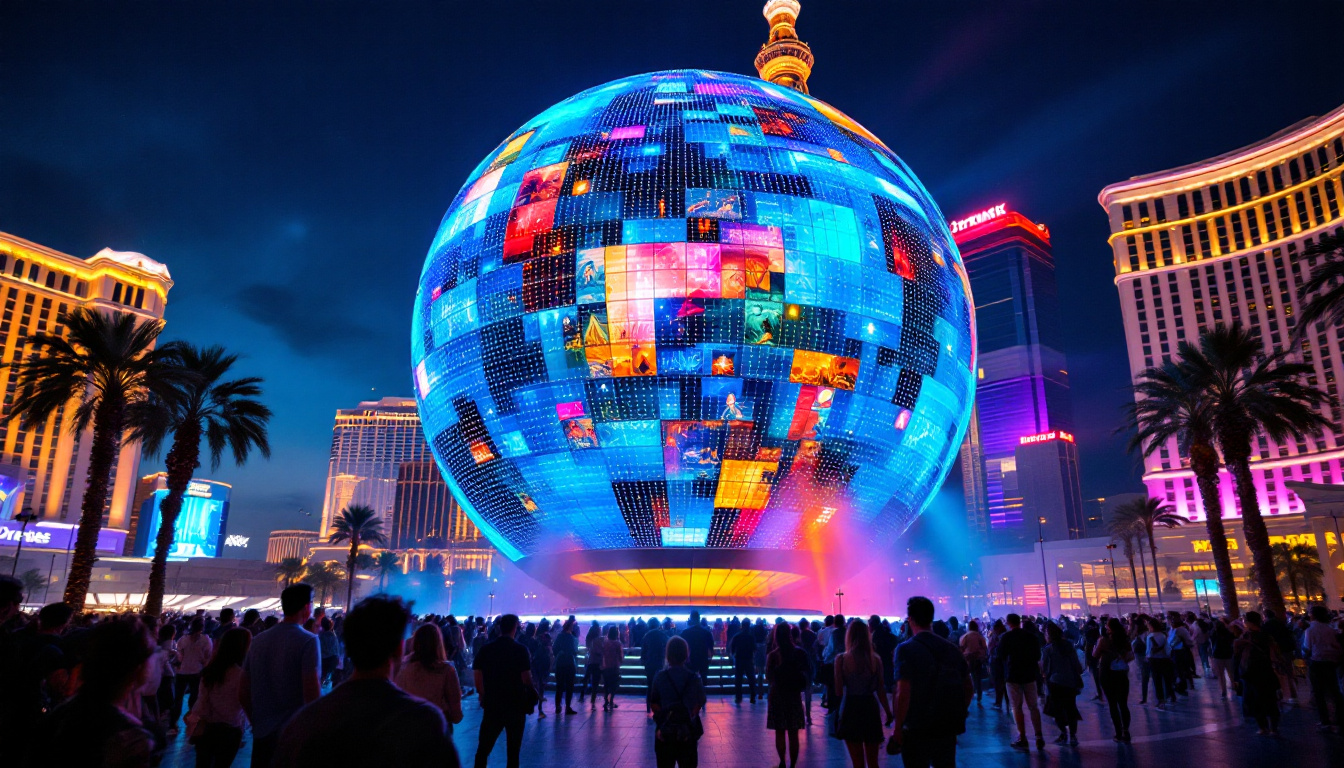
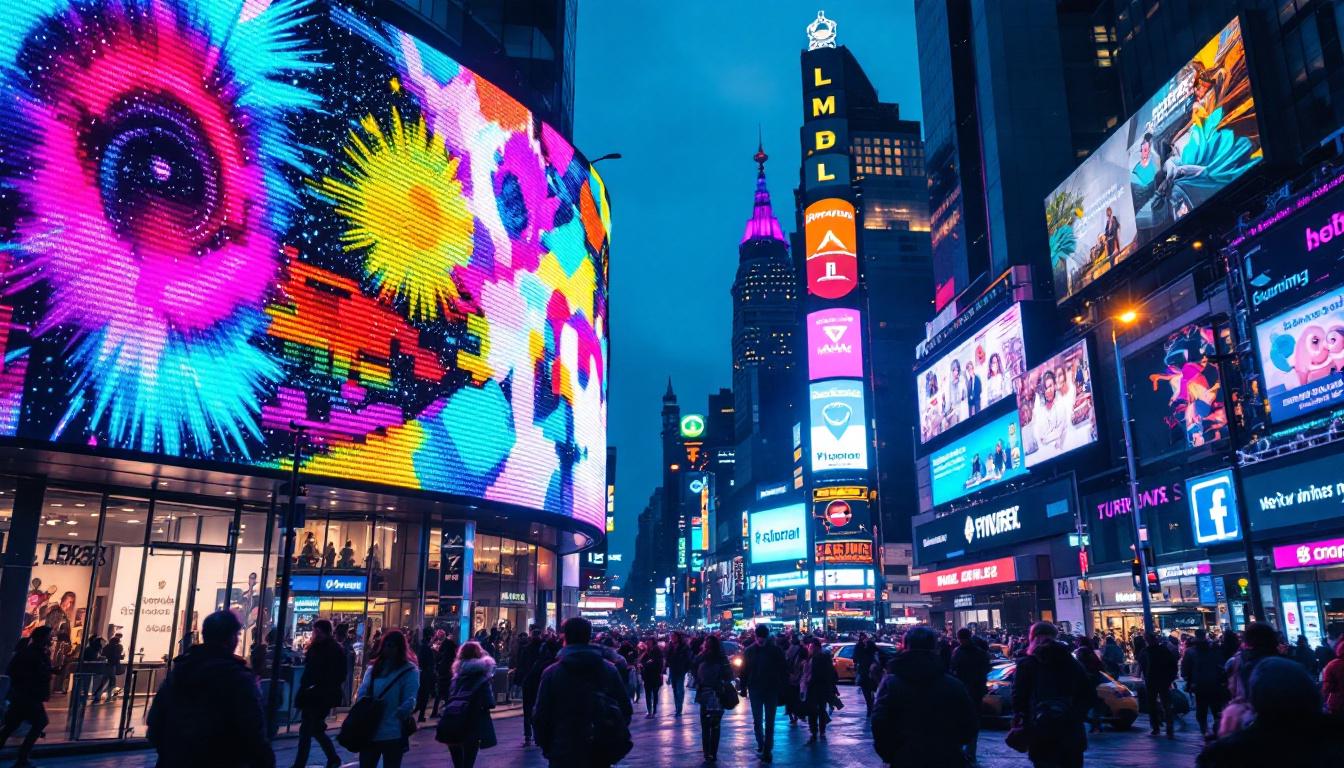
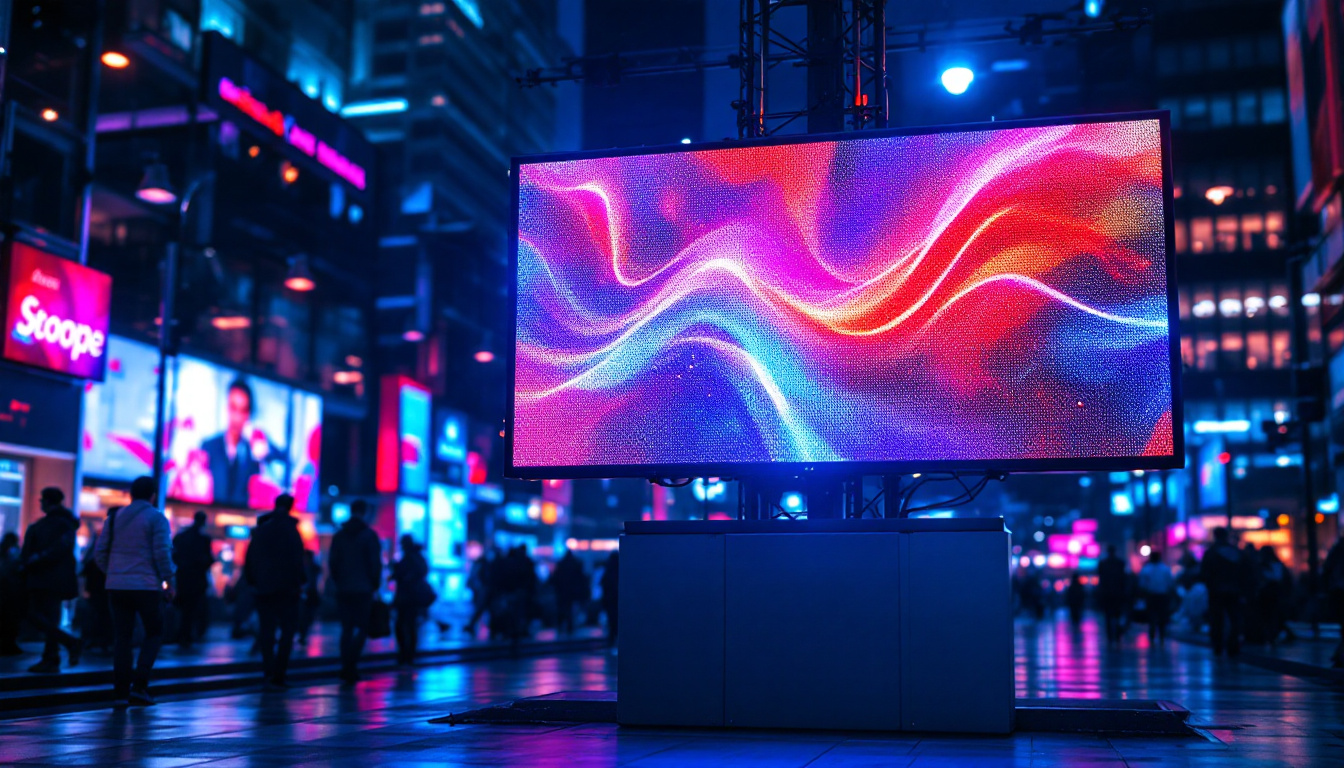
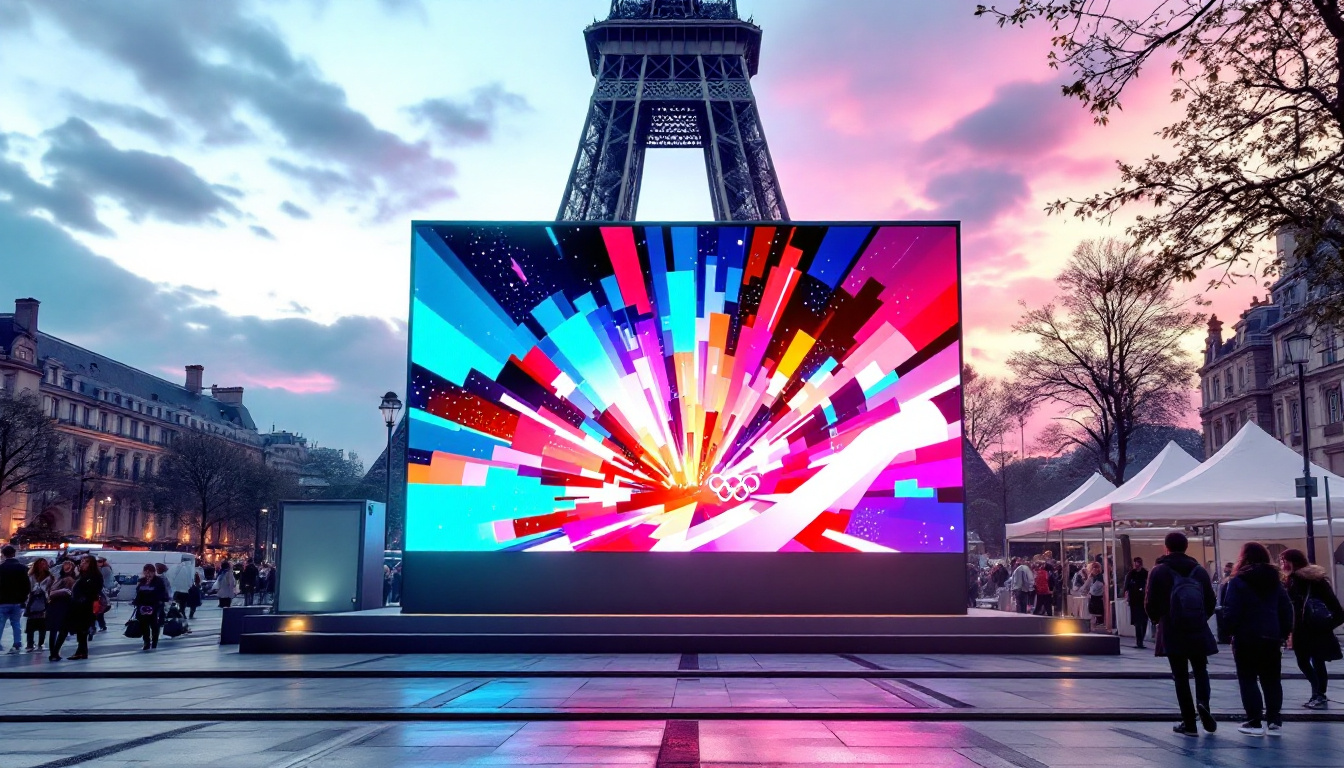
Light Emitting Diode (LED) displays have revolutionized the visual experience in many fields, from stadium scoreboards to digital billboards. Recently, LED technology has been adapted for outdoor movie screenings, offering a self-illuminated display that does not require a separate projector.
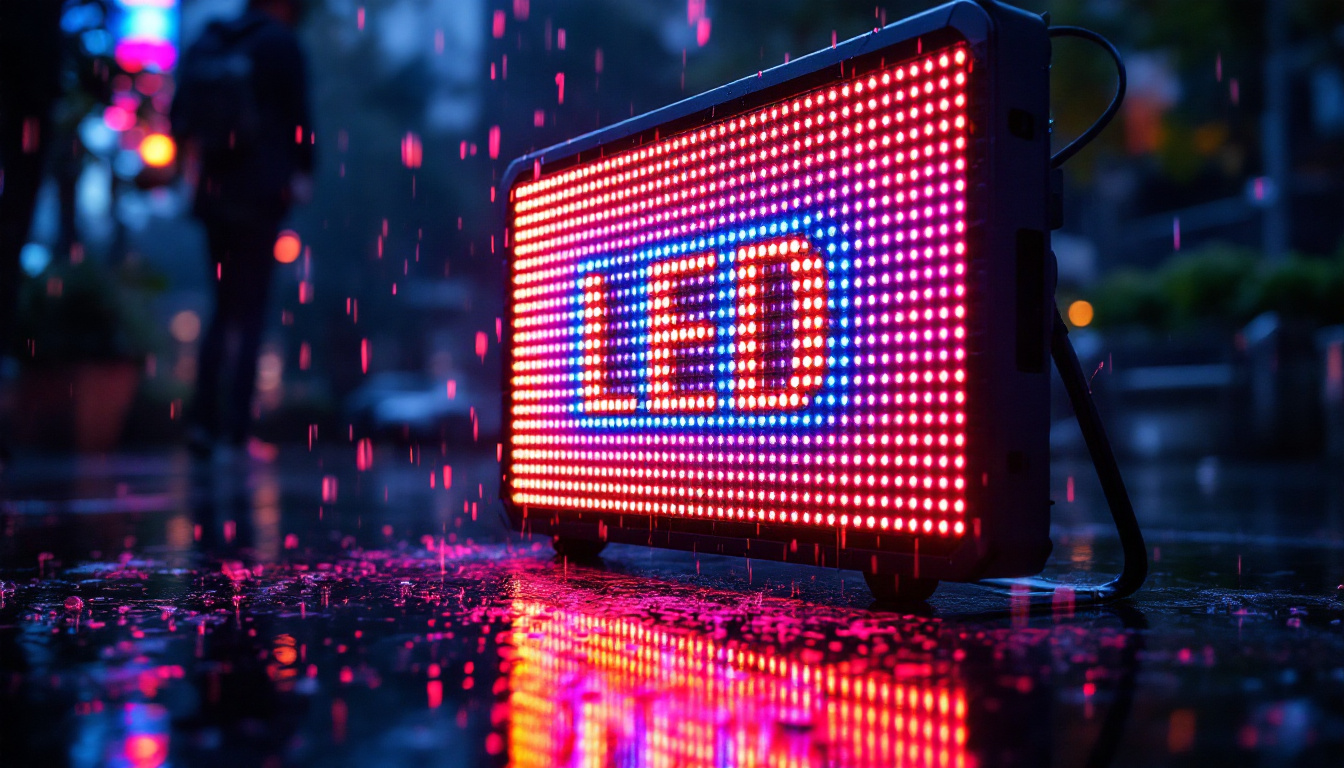
Unlike projection screens that rely on reflected light, LED displays consist of thousands of tiny LEDs that emit their own light, creating vibrant, bright images even in daylight or brightly lit environments. This makes LED screens particularly attractive for daytime or dusk screenings where traditional projectors struggle to maintain image clarity. Moreover, LED technology allows for a wider viewing angle, ensuring that audiences seated at various positions can enjoy a consistent and high-quality image without distortion.
Another significant advantage of LED displays is their durability and ease of setup. Unlike traditional screens that may be susceptible to punctures or tears, LED panels are robust and can withstand various weather conditions, making them ideal for outdoor use. Additionally, many modern LED screens are modular, allowing for quick assembly and disassembly, which is a boon for event organizers looking to streamline their operations. They also offer advanced features such as high refresh rates and enhanced color accuracy, providing a more immersive viewing experience. As a result, LED displays are increasingly becoming the preferred choice for large-scale events, festivals, and even drive-in theaters, where visual impact is paramount.
Key Advantages of LED Displays for Outdoor Movie Rentals
Superior Brightness and Image Quality
One of the most significant benefits of LED displays is their exceptional brightness. High-quality outdoor LED screens can reach brightness levels of 5,000 to 8,000 nits or more, far surpassing the typical 2,500 to 4,000 lumens of most outdoor projectors. This means the image remains vivid and clear even in direct sunlight or ambient light conditions that would render a projector image nearly invisible.
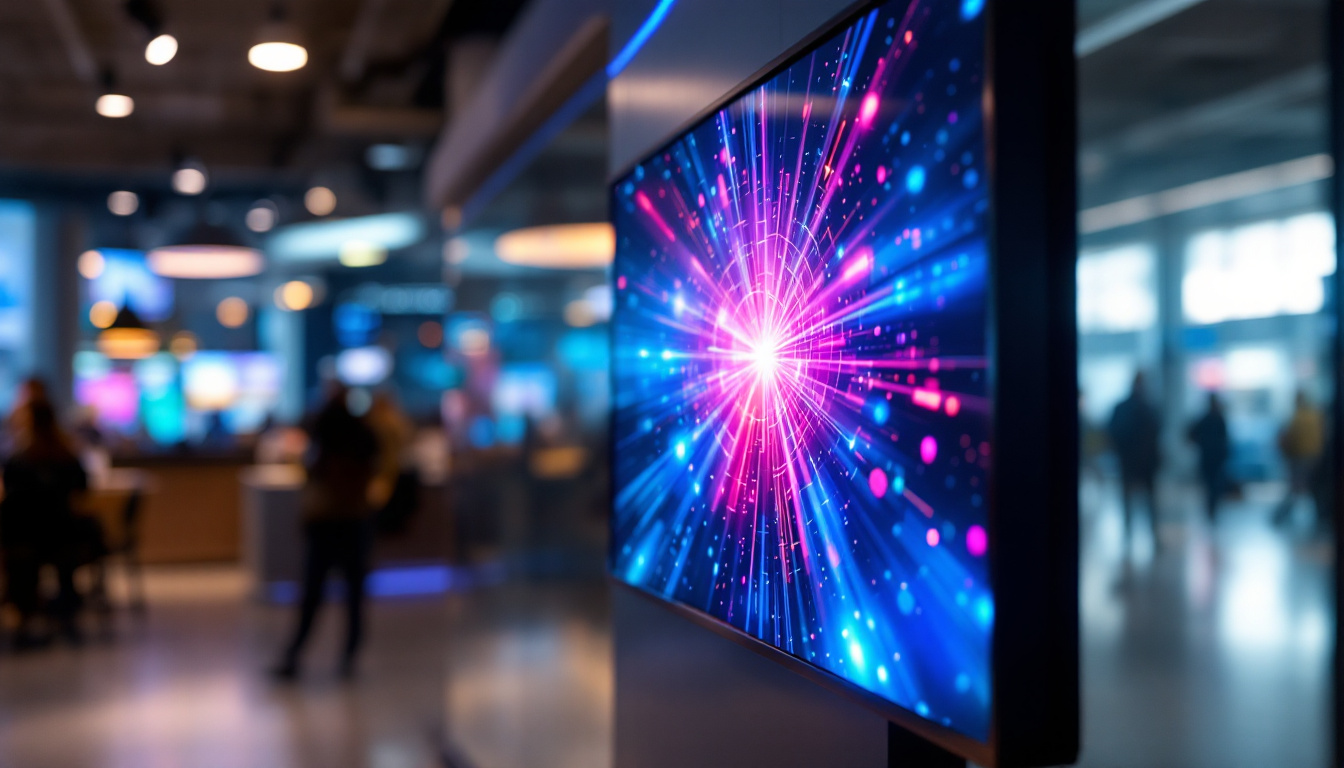
Moreover, LED displays offer excellent color accuracy and contrast ratios. Since each pixel emits its own light, blacks appear deeper, and colors more saturated, enhancing the overall viewing experience. This is particularly important for cinematic content where color fidelity and detail contribute significantly to immersion.
Flexibility in Setup and Viewing Angles
LED screens are modular and can be assembled in various sizes and shapes, providing flexibility for different event spaces. They are typically lightweight and designed for quick assembly and disassembly, which can reduce labor time and costs for rental companies and event organizers.
Additionally, LED displays maintain consistent brightness and color across wide viewing angles, ensuring that audience members seated off-center still enjoy a high-quality image. This contrasts with projector setups, where image quality can degrade significantly at wider angles or from certain seating positions.
Durability and Weather Resistance
Outdoor LED screens are built to withstand harsh environmental conditions. They are often rated with IP65 or higher ingress protection, making them resistant to dust, rain, and humidity. This durability reduces the risk of damage during outdoor events and allows for more reliable scheduling without weather-related interruptions.
In contrast, projector setups require careful protection from moisture and wind, and screens can be vulnerable to tearing or collapsing if not secured properly.
Considerations When Renting Outdoor Movie Projectors and LED Displays
Cost Implications
While LED displays offer many advantages, they come with a higher upfront rental cost compared to traditional projector and screen packages. The technology and manufacturing costs for high-resolution, large-format LED panels are substantial, and these expenses are reflected in rental pricing.
However, when factoring in the reduced setup time, lower maintenance, and superior viewing conditions (especially for daytime events), LED displays can offer better value for specific use cases. Event planners should carefully evaluate their budget alongside the expected audience size, venue conditions, and screening time to determine the most cost-effective option.
Power Requirements and Logistics
LED displays typically require a stable and substantial power supply, often more than projectors. This can necessitate additional planning for power distribution, especially in remote or outdoor locations without easy access to electricity.
Projectors, while generally requiring less power, may need additional equipment such as generators, cables, and protective housings. Both setups demand logistical coordination, but LED displays’ modular design can sometimes simplify transportation and installation.
Screen Size and Resolution
Choosing the right screen size and resolution is critical for audience satisfaction. LED displays offer scalable solutions, from small intimate setups to massive festival-sized screens exceeding 20 feet diagonally with 4K or higher resolutions.
Projectors, on the other hand, rely on lens capabilities and throw distance to determine image size and clarity. Larger images may require more powerful projectors or multiple units, increasing complexity and cost.
Practical Applications and Use Cases
Community and Neighborhood Movie Nights
For casual gatherings in parks or backyards, traditional projector and screen rentals remain popular due to affordability and ease of access. Evening screenings after sunset benefit from the projector’s ability to deliver large, bright images in dark conditions.
However, for events that start before dusk or in areas with ambient light pollution, LED displays provide a superior viewing experience. Their brightness and contrast ensure that even early evening showings maintain image quality, expanding programming possibilities.
Corporate and Promotional Events
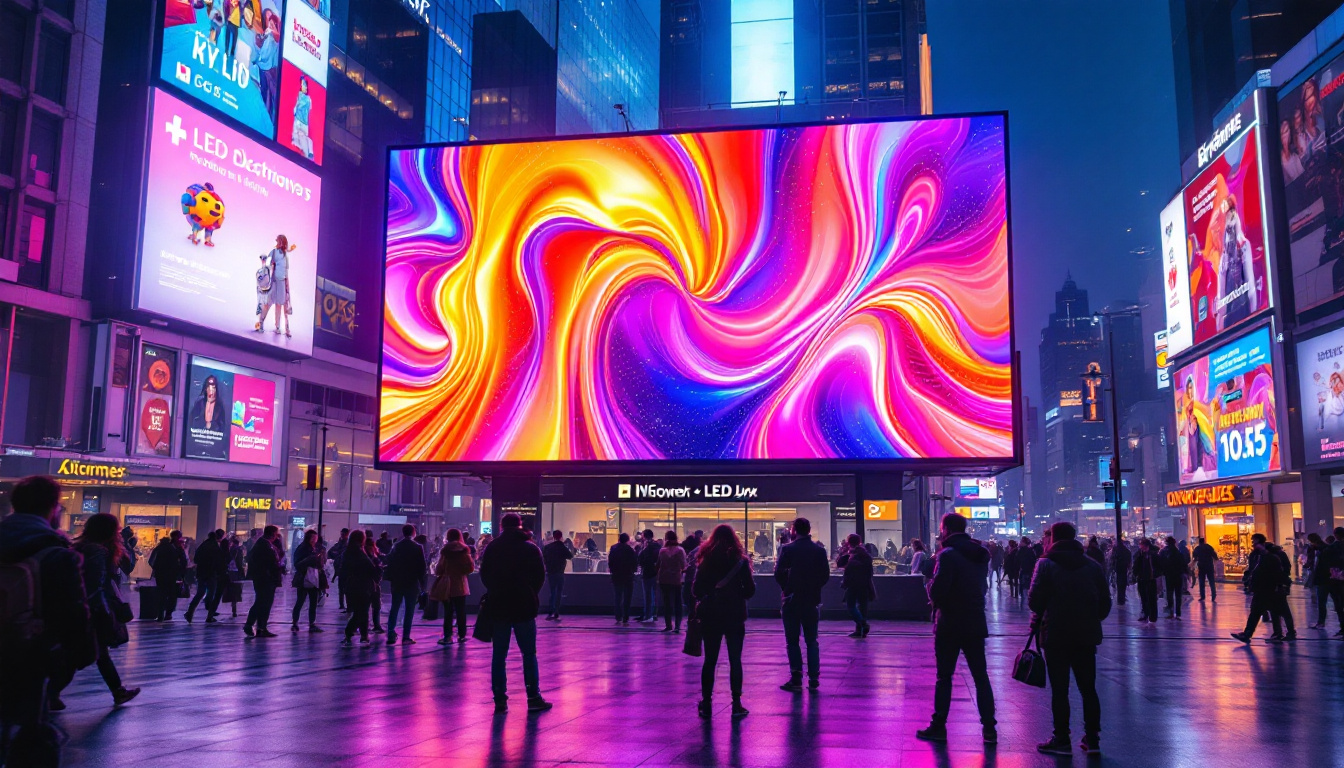
Corporate events often demand high-impact visuals and reliability. LED displays’ professional-grade image quality, durability, and flexibility make them ideal for brand activations, product launches, and outdoor presentations. The ability to display dynamic content with vivid colors enhances audience engagement and brand perception.
Festivals and Large-Scale Screenings
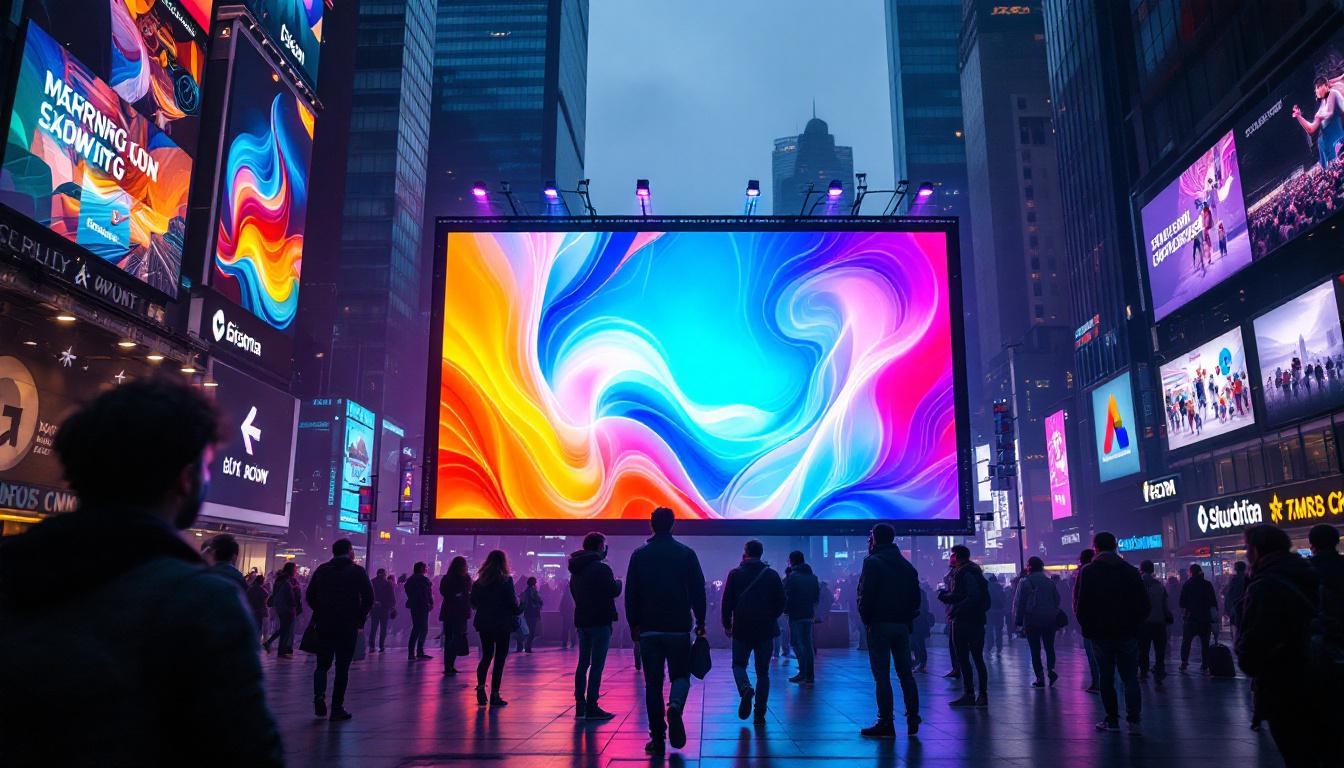
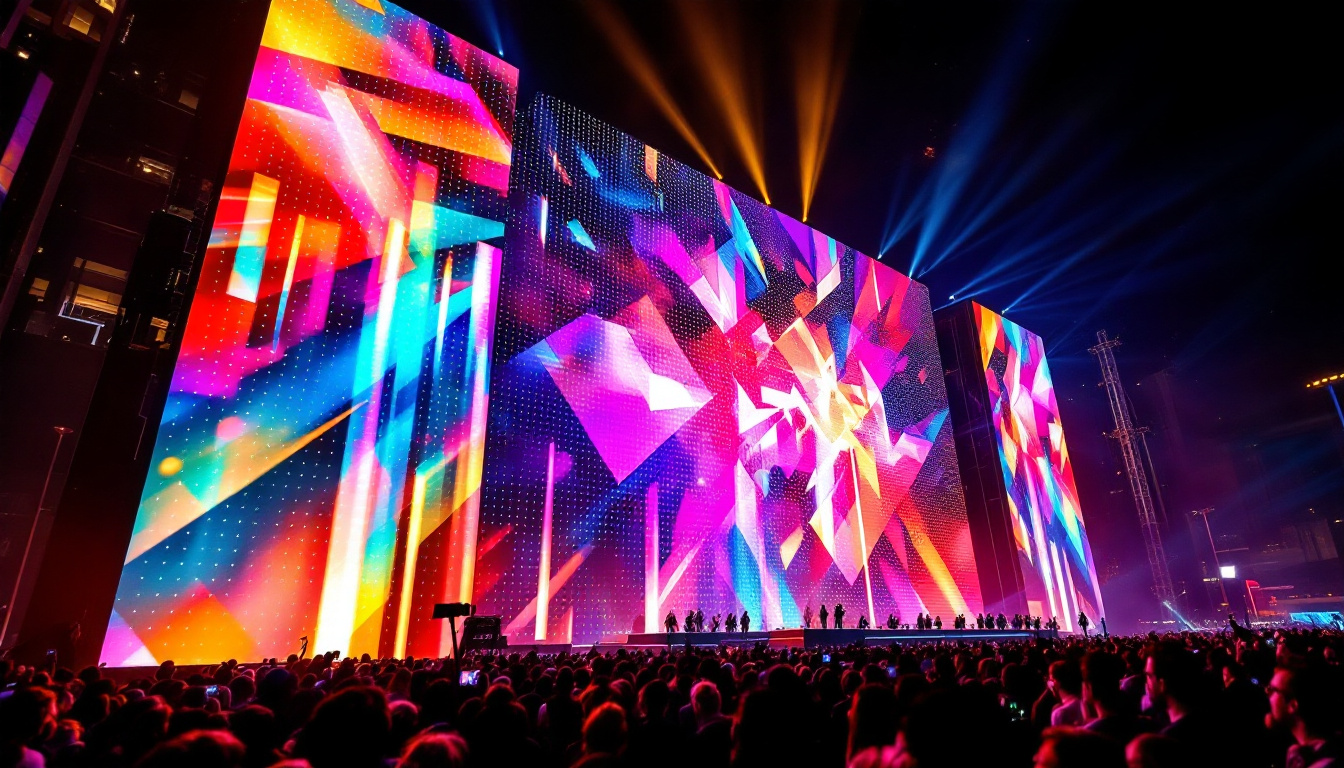
At music festivals, sports events, and large public gatherings, LED screens are increasingly the preferred choice. Their scalability to enormous sizes and resistance to weather conditions enable organizers to provide consistent viewing experiences for thousands of attendees.
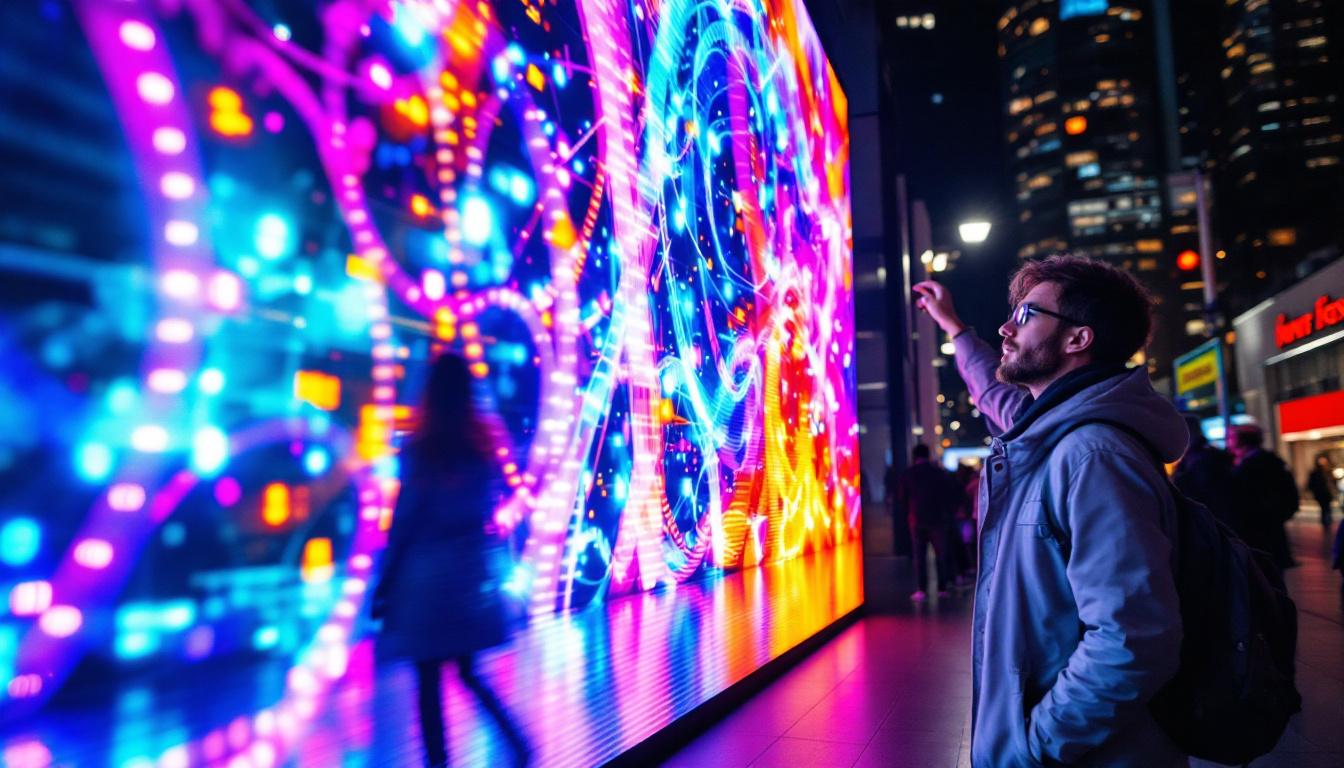
Moreover, LED displays can integrate with live video feeds, social media streams, and interactive content, creating immersive environments that go beyond traditional movie screenings.
Future Trends in Outdoor Movie Projection and LED Technology
Advances in LED Panel Technology
Ongoing innovations in LED technology continue to improve pixel density, energy efficiency, and cost-effectiveness. MicroLED and miniLED panels promise even higher resolution and brightness with lower power consumption, making outdoor LED displays more accessible and versatile.
These advancements will likely reduce rental costs over time and enable even more creative applications for outdoor movie events.
Hybrid Solutions and Augmented Reality
Emerging trends include hybrid setups that combine LED displays with projection technology to optimize image quality and flexibility. For example, LED screens can serve as dynamic backdrops while projectors add layered visual effects.
Additionally, augmented reality (AR) and interactive technologies are beginning to integrate with outdoor displays, allowing audiences to engage with content in new ways, enhancing the communal movie-watching experience.
Conclusion: Choosing the Right Outdoor Display for Your Event
Deciding between traditional outdoor movie projectors and LED displays depends on multiple factors including budget, venue conditions, audience size, and event timing. While projectors remain a cost-effective and familiar choice for many, LED displays offer unmatched brightness, durability, and flexibility, especially for daytime or large-scale events.
As LED technology continues to evolve and become more affordable, it is poised to become the standard for outdoor movie screenings and other public visual experiences. Rental companies and event organizers who understand these technologies and their applications will be better equipped to deliver memorable, high-quality outdoor entertainment.
Ultimately, the goal is to create a seamless, immersive viewing experience that brings people together under the open sky — whether through the glow of a projector or the brilliance of an LED screen.
Illuminate Your Next Event with LumenMatrix
Ready to elevate your outdoor movie experience with unparalleled brightness and clarity? LumenMatrix is at the forefront of LED display innovation, offering a comprehensive range of solutions tailored to your event needs. From captivating Outdoor LED Wall Displays for your movie nights to dynamic Vehicle LED Displays for mobile advertising, our technology is designed to make a lasting impression. Discover how LumenMatrix can transform your visual storytelling and engage your audience like never before. Check out LumenMatrix LED Display Solutions today and light up your next event with brilliance.