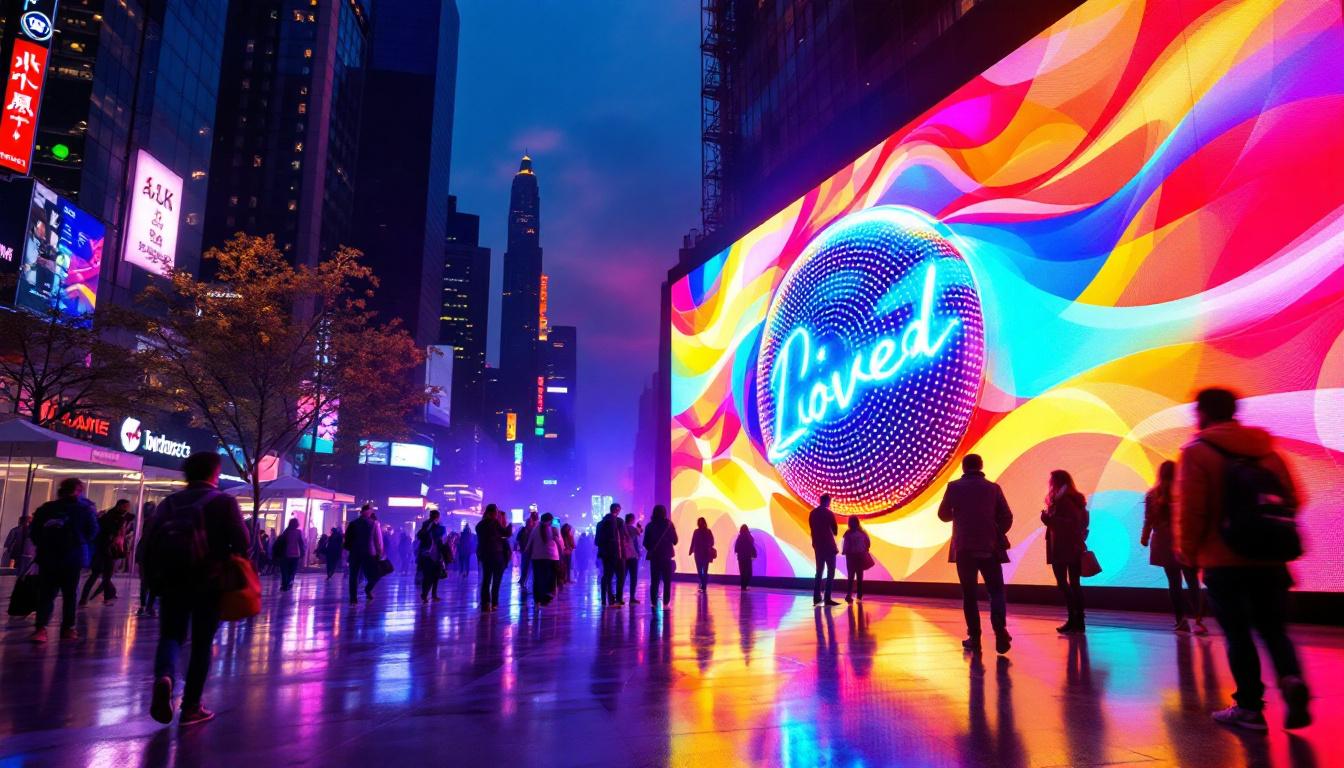
In the digital age, the way information is presented online can significantly affect user engagement and overall experience. One of the most dynamic and visually striking methods to showcase content is through LED displays. While traditionally associated with physical signage and advertising, LED technology has found its way into website design and digital interfaces, offering vibrant, high-contrast visuals that capture attention instantly.
This article delves into the world of LED displays, explaining what they are, how they work, and why they are becoming increasingly relevant in web design and digital marketing. Whether you are a web developer, marketer, or simply curious about modern display technologies, understanding LED displays will provide valuable insights into creating more engaging online experiences.
What is an LED Display?
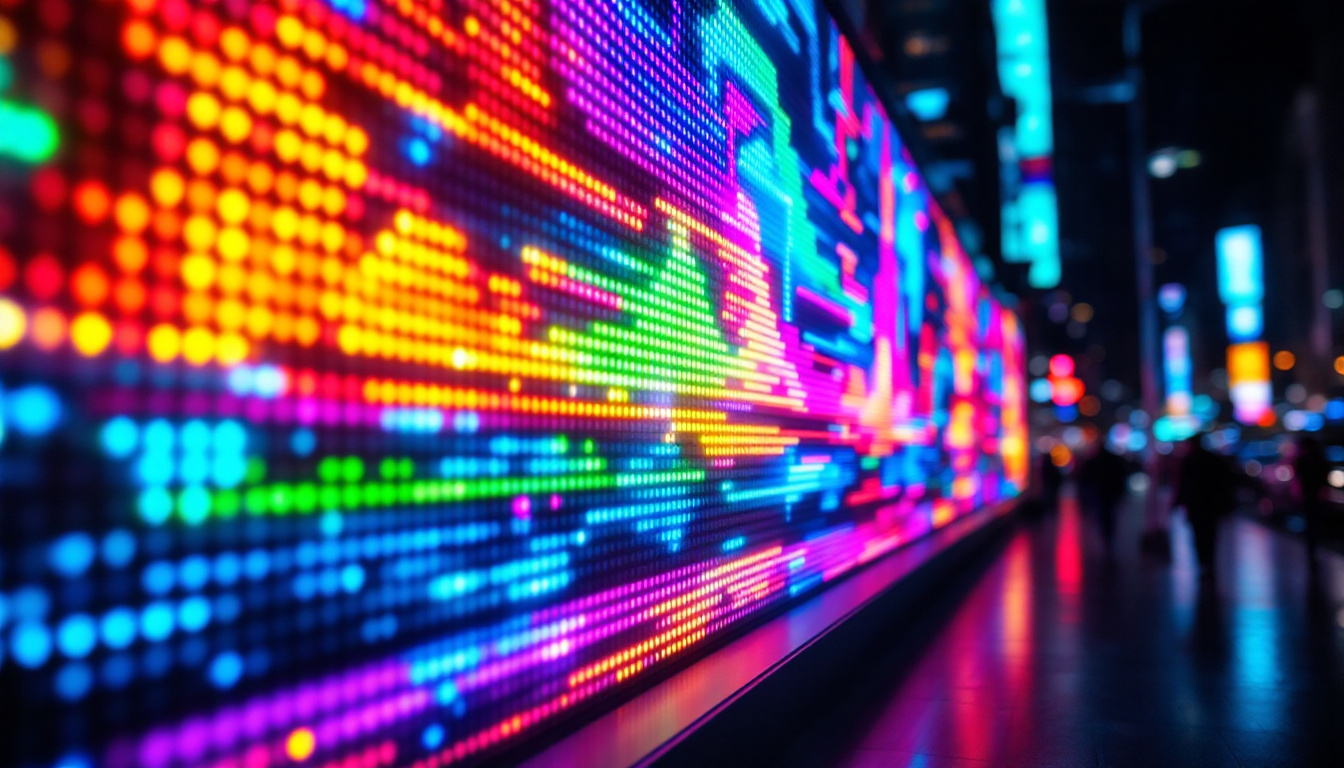
LED stands for Light Emitting Diode, a semiconductor device that emits light when an electric current passes through it. LED displays are screens composed of numerous tiny LEDs arranged in a matrix. Each LED acts as a pixel, and by controlling the intensity and color of each diode, the display can render images, videos, and text with remarkable brightness and clarity. This technology has transformed the way we interact with visual media, making it possible to produce vibrant and dynamic content that captures attention effectively.
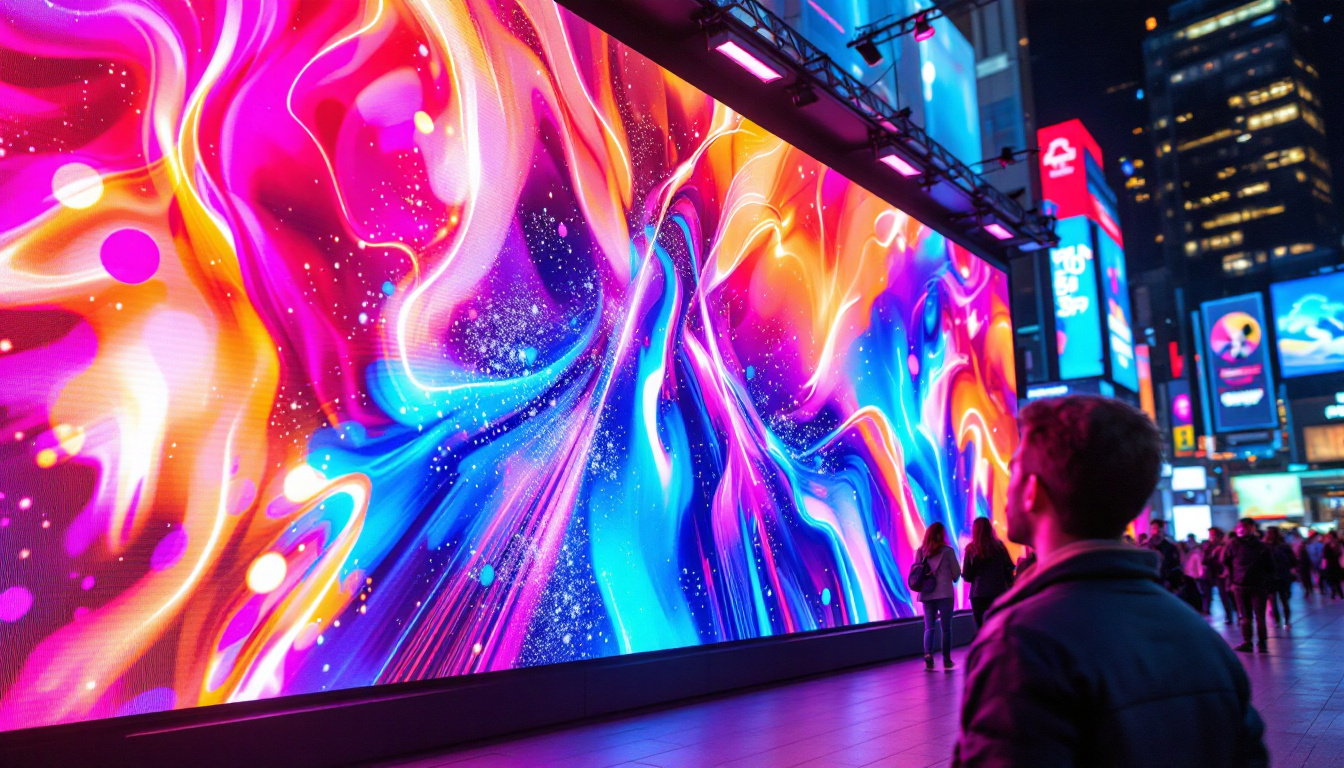
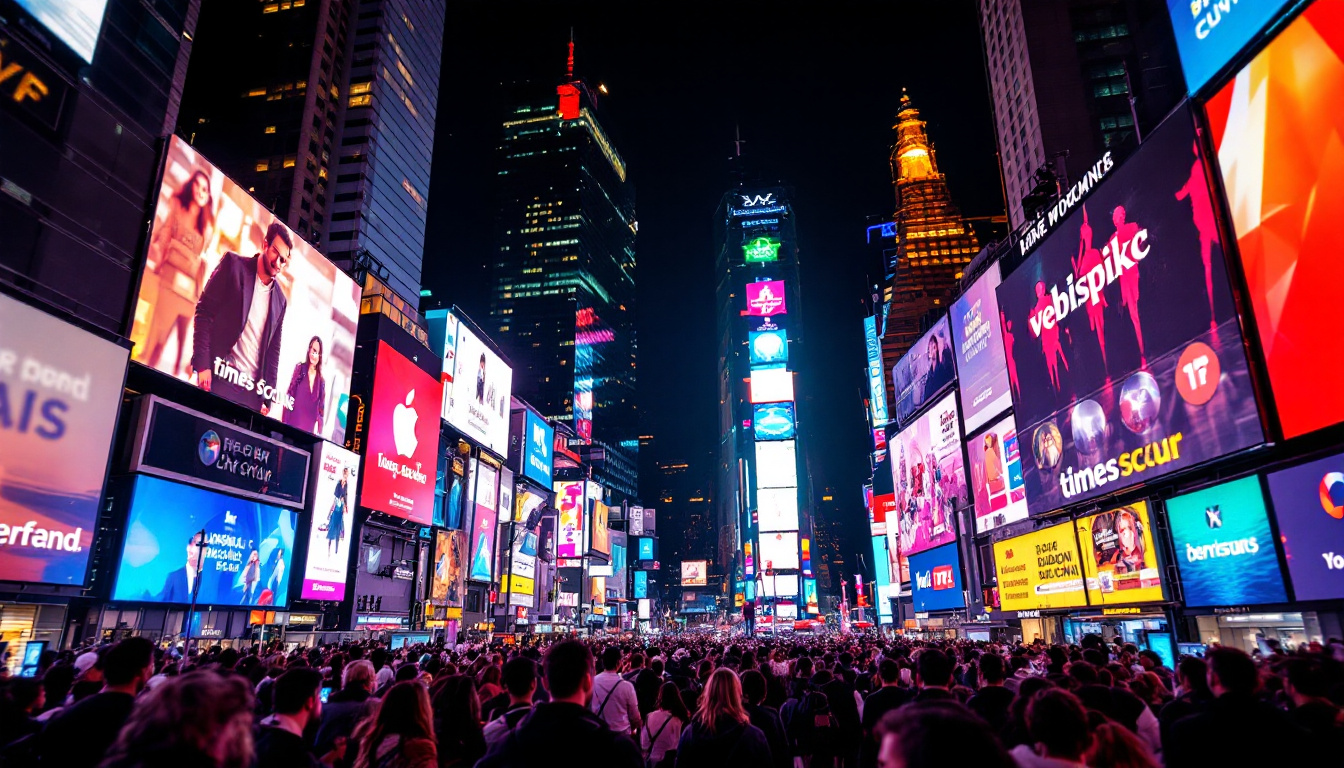
Originally, LED displays were primarily used in outdoor billboards, stadium screens, and public transportation signs due to their durability and visibility in various lighting conditions. However, advancements in LED technology have led to the development of smaller, more energy-efficient panels suitable for indoor and digital applications, including website interfaces and interactive kiosks. The versatility of LED displays has also made them a popular choice in retail environments, where they can be used to create eye-catching advertisements and enhance customer engagement through dynamic content.
Types of LED Displays
LED displays come in several varieties, each suited to different purposes and environments:
- Direct View LED (DVLED): These displays use LEDs as the actual pixels and are known for their high brightness and wide viewing angles. They are common in large-scale outdoor screens.
- LED Backlit LCD: This technology combines LED backlighting with LCD panels, enhancing brightness and color accuracy while keeping costs relatively low. It is widely used in monitors, TVs, and laptops.
- MicroLED: An emerging technology that uses microscopic LEDs to create displays with superior contrast, color, and energy efficiency. MicroLEDs are poised to revolutionize displays in the coming years.
In addition to these types, there are also specialized LED displays designed for specific applications. For instance, Transparent LED displays are increasingly popular in retail and architectural settings, allowing for a blend of digital content with the physical environment. These displays can showcase advertisements while maintaining visibility through the glass, creating a unique and engaging experience for viewers. Furthermore, Flexible LED displays are gaining traction in creative industries, enabling designers to create curved or irregularly shaped screens that can fit into unconventional spaces, thus expanding the possibilities for artistic expression and innovative advertising.
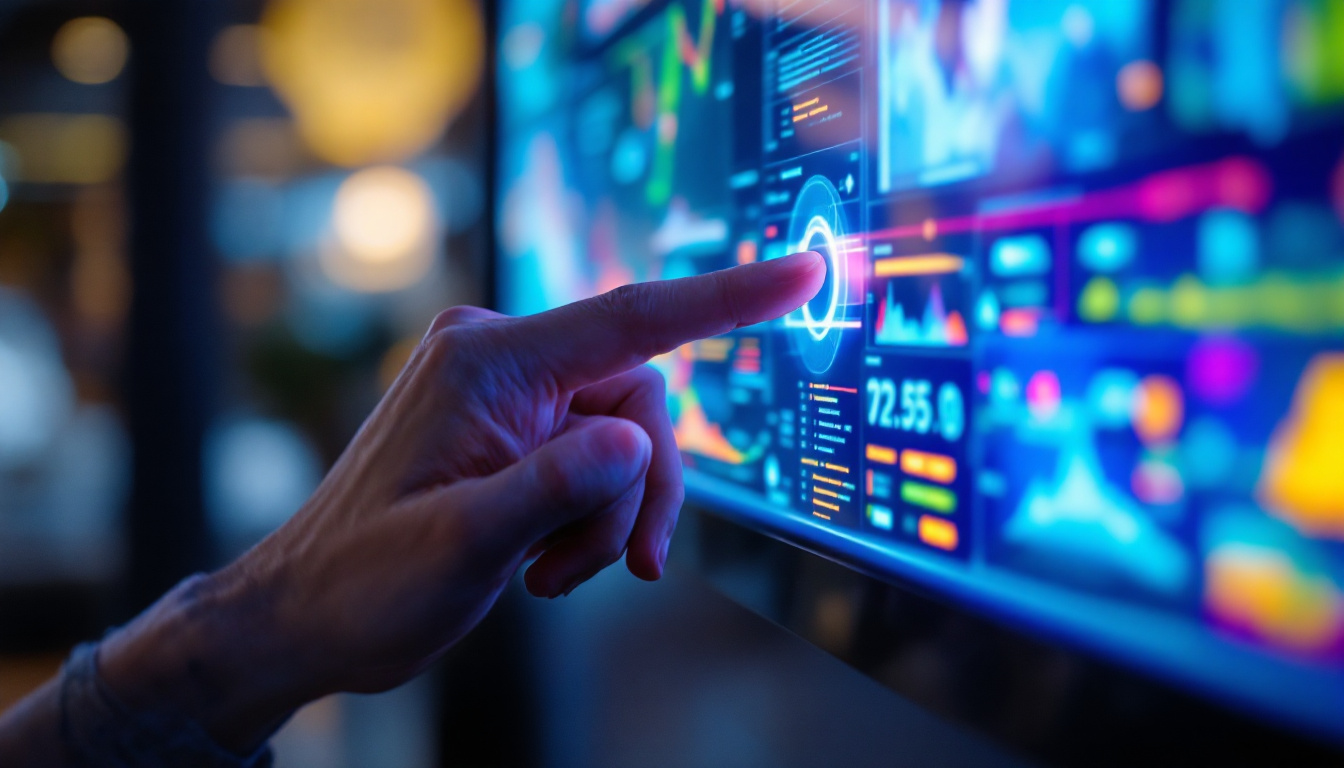
Moreover, the integration of smart technology with LED displays has opened up new avenues for interactivity. With the advent of touch-sensitive LED screens and those equipped with sensors, users can engage with content in real-time, enhancing the overall experience. This interactivity is particularly beneficial in educational settings, where LED displays can be used to create immersive learning environments that captivate and motivate students. As technology continues to evolve, the potential applications for LED displays seem limitless, promising exciting developments in how we consume and interact with visual information.
How LED Displays Work
The fundamental principle behind LED displays is the emission of light from diodes when an electric current passes through them. Each LED can emit light in a specific color, typically red, green, or blue (RGB). By combining these primary colors at varying intensities, the display can produce a full spectrum of colors.
In a typical LED display, thousands or millions of these RGB LEDs are arranged in a grid. The display’s controller manages the electrical signals sent to each LED, turning them on or off and adjusting their brightness to form images or text. This process happens rapidly, creating the illusion of continuous motion in videos and animations. The precision with which these signals are controlled allows for intricate designs and high-definition visuals, making LED displays a popular choice for everything from billboards to televisions.
Moreover, advancements in technology have led to the development of various types of LED displays, such as OLED (Organic LED) and MicroLED. OLED displays utilize organic compounds that emit light when an electric current is applied, allowing for even thinner screens and improved color accuracy. MicroLED technology takes this a step further by using microscopic LEDs to create individual pixels, resulting in unparalleled resolution and energy efficiency.
Brightness and Contrast Advantages
One of the standout features of LED displays is their exceptional brightness. Unlike traditional LCDs that rely on backlighting, LED displays emit their own light, allowing for higher luminance levels. This makes them highly visible even in direct sunlight or brightly lit environments.
Additionally, LED displays offer superior contrast ratios. Since LEDs can be turned off completely to produce true blacks, the resulting image has deeper shadows and more vibrant colors, enhancing the overall viewing experience. This capability is particularly beneficial for applications such as gaming and cinematic presentations, where the depth of color and detail can significantly impact the viewer’s immersion. Furthermore, the ability to produce a wide range of colors and brightness levels allows for dynamic content that can adapt to various viewing conditions, ensuring that the display remains effective in diverse environments.
LED Displays in Website Design
Incorporating LED display elements into website design is not about embedding physical LED panels but rather mimicking their visual characteristics to create dynamic, eye-catching interfaces. This can be achieved through various design techniques and technologies such as CSS animations, SVG graphics, and JavaScript libraries that simulate LED effects.
Using LED-inspired design elements can help websites stand out, especially in industries like entertainment, technology, and retail, where visual impact is crucial. For example, a website for a music festival might use LED-style marquee text or animated LED-like buttons to evoke the atmosphere of live concerts and light shows.
Benefits of LED-Style Web Elements
- Enhanced Visual Appeal: Bright, colorful LED effects can draw user attention to key messages and calls to action.
- Improved User Engagement: Dynamic LED animations can make browsing more interactive and enjoyable, increasing time spent on the site.
- Brand Differentiation: Unique LED-inspired designs can help a brand stand out in crowded digital spaces.
Technical Considerations
When implementing LED-style effects on websites, it is essential to balance aesthetics with performance. Excessive animations or high-resolution graphics can slow down page load times, negatively impacting user experience and SEO rankings.
Developers should optimize LED effects by using vector graphics, minimizing animation complexity, and leveraging hardware acceleration where possible. Additionally, ensuring accessibility by providing alternative content and avoiding overly flashy animations is important to cater to all users.
Real-World Applications of LED Displays
Beyond web design, LED displays have a broad range of applications that demonstrate their versatility and effectiveness in communication.
Advertising and Marketing
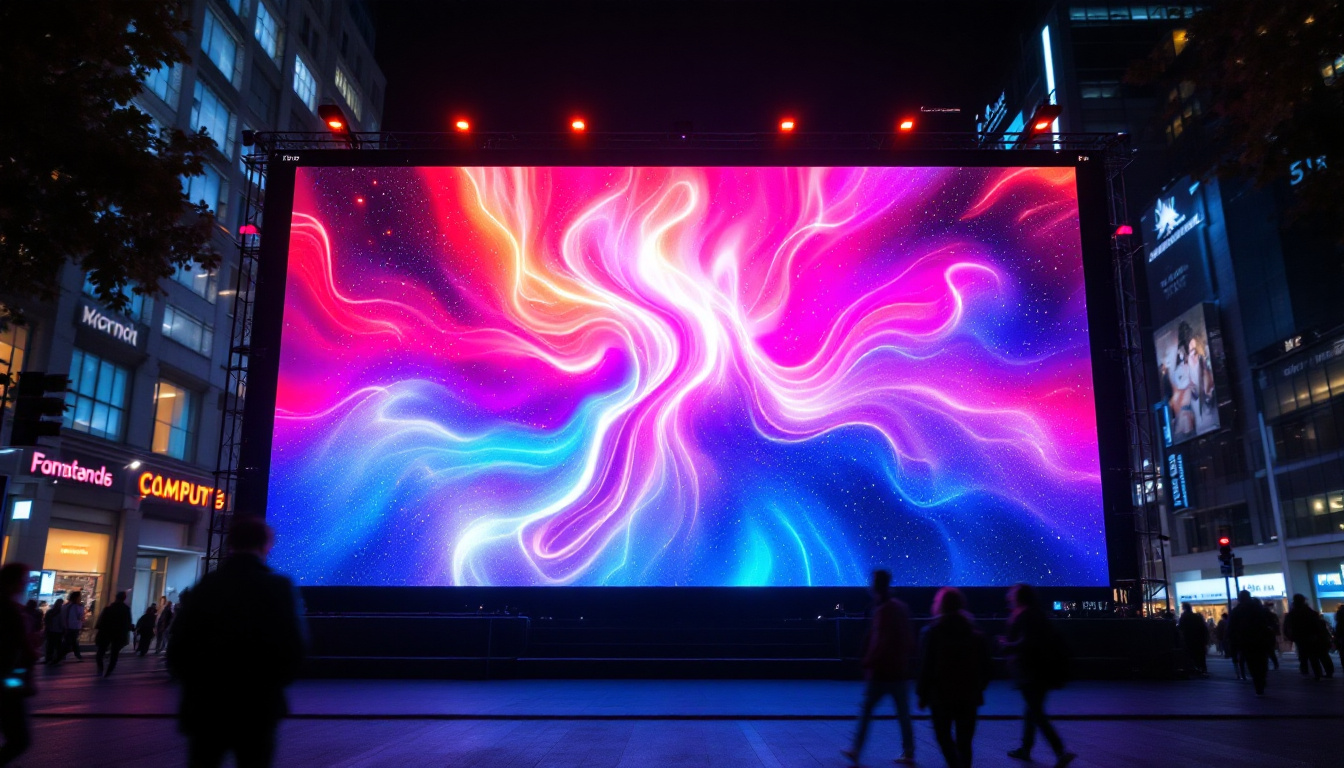
LED billboards and digital signage are ubiquitous in urban environments, delivering high-impact advertisements that can be updated in real-time. According to a 2023 report by Grand View Research, the global digital signage market is expected to reach $31.71 billion by 2028, driven largely by LED technology advancements.
Marketers leverage LED displays for their ability to capture attention with vivid colors and motion, making them ideal for promotions, event announcements, and brand storytelling.
Retail and Hospitality
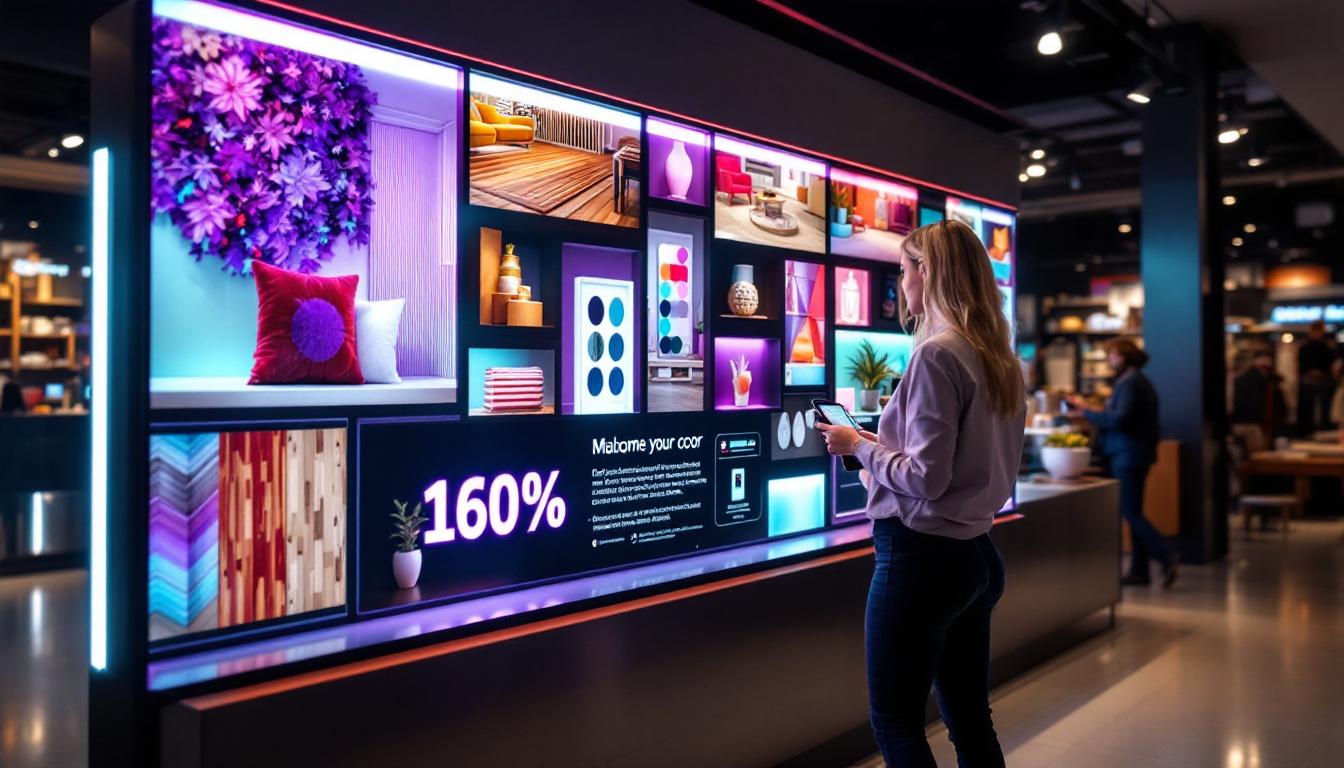
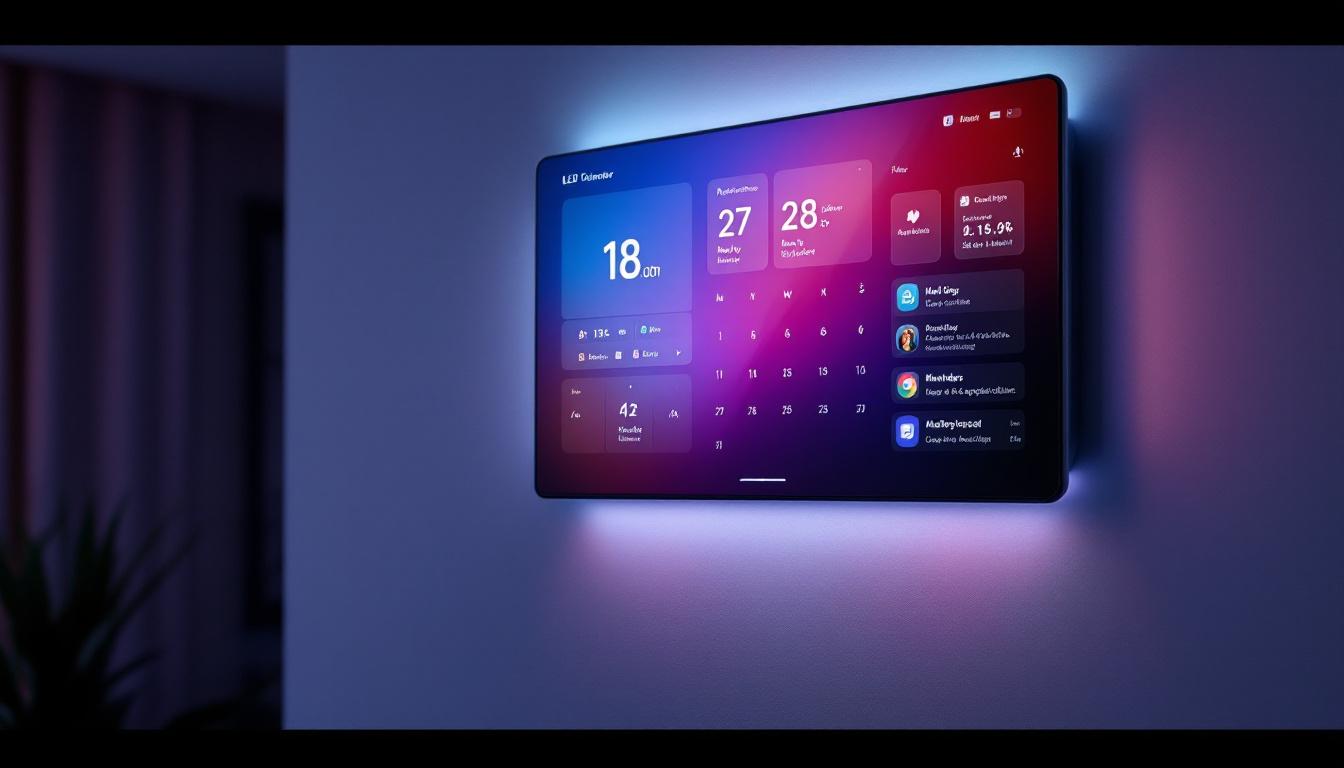
In retail stores and hotels, LED displays serve as interactive directories, product showcases, and ambient lighting solutions. Their customizable nature allows businesses to tailor content to specific audiences and times of day, enhancing customer experience and operational efficiency.
Events and Entertainment
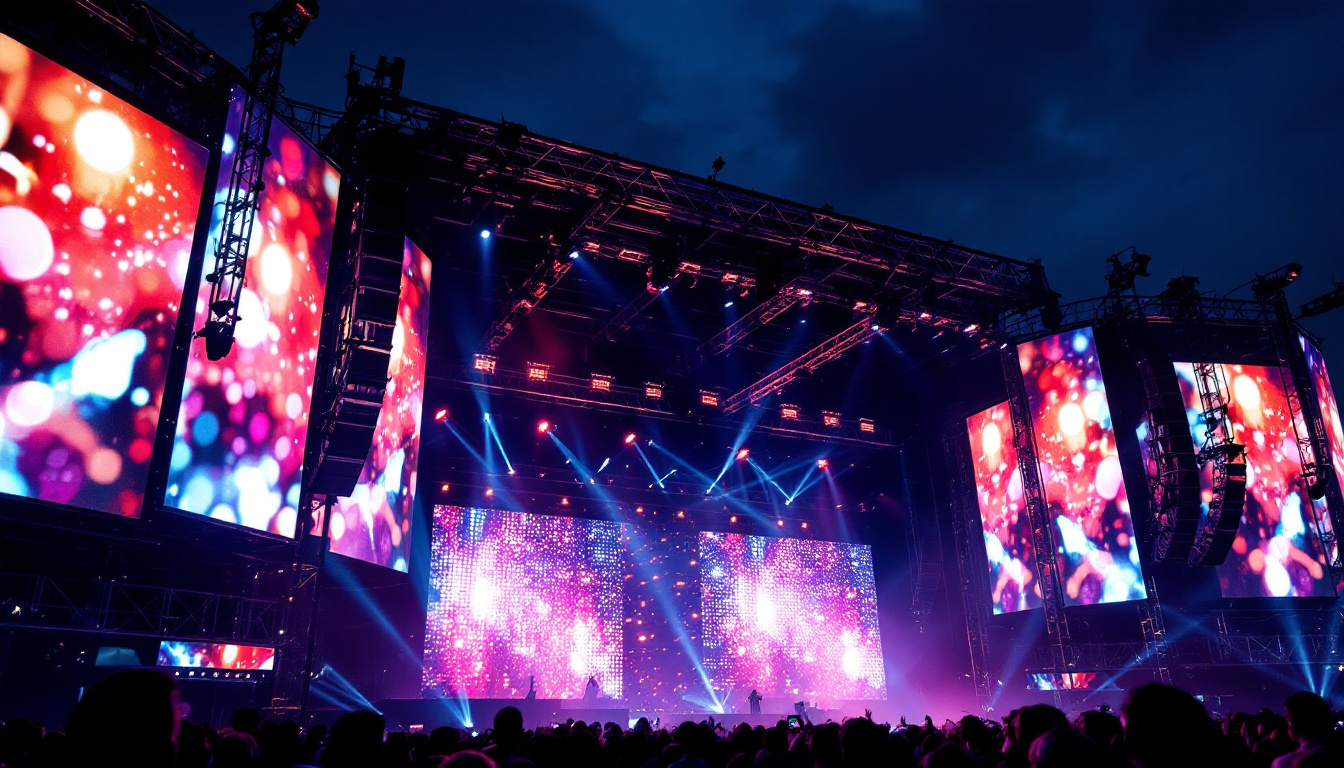
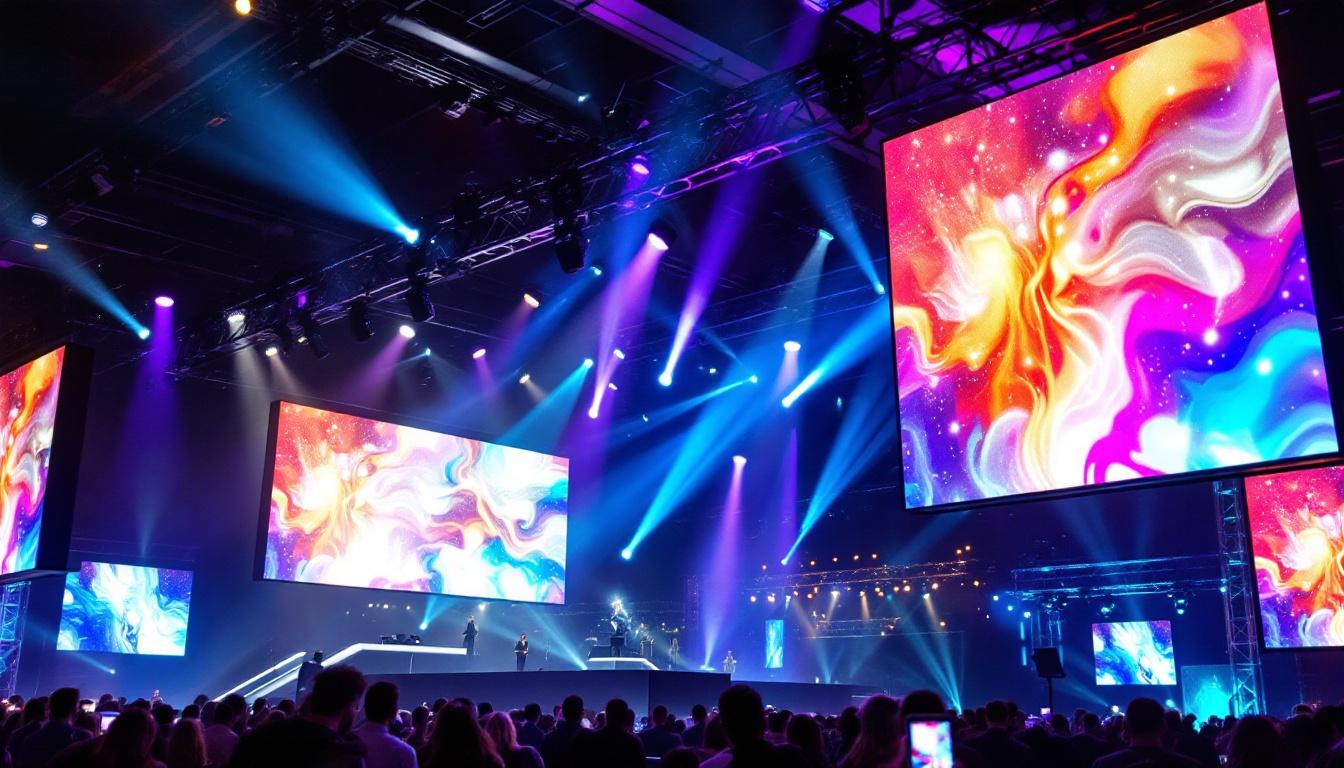
Concerts, sports arenas, and theaters use large-scale LED screens to provide immersive visuals that complement live performances. The ability to display high-definition video content and dynamic graphics makes LED displays indispensable in modern entertainment venues.
Future Trends in LED Display Technology
The LED display industry continues to evolve rapidly, with several emerging trends poised to shape its future.
MicroLED and MiniLED Innovations
MicroLED technology promises displays with higher brightness, better color accuracy, and lower power consumption than current OLED and LCD panels. MiniLED, a slightly larger variant, is already being integrated into premium monitors and TVs, offering improved contrast and HDR performance.
Flexible and Transparent LED Displays
Advancements in materials science have led to the development of flexible LED panels that can be curved or bent without losing functionality. Transparent LED displays are also gaining traction, enabling new applications such as see-through advertising on glass surfaces and augmented reality interfaces.
Integration with IoT and Smart Technologies
LED displays are increasingly being integrated with Internet of Things (IoT) devices and smart systems, allowing for real-time data visualization and interactive control. This integration enhances digital signage capabilities and opens new possibilities for personalized and context-aware content delivery.
Conclusion
LED displays represent a powerful technology that combines brightness, color accuracy, and versatility to create compelling visual experiences. While their traditional role has been in physical signage and large-scale screens, the influence of LED technology is expanding into website design and digital interfaces, offering new ways to engage users online.
Understanding the principles behind LED displays, their advantages, and how to effectively incorporate LED-inspired elements into web design can help businesses and creators craft memorable digital experiences. As LED technology continues to advance, its applications will only grow, making it an essential area of knowledge for anyone involved in digital media and communication.
Discover LumenMatrix LED Display Solutions
Ready to elevate your digital presence with the vibrant, high-contrast visuals of LED displays? LumenMatrix is at the forefront of LED display innovation, offering a wide array of solutions that transform any space into a dynamic visual experience. From Indoor and Outdoor LED Wall Displays to specialized options like Vehicle, Sports, and Floor LED Displays, our products are designed to captivate and engage. Embrace the future of visual communication with our Custom, All-in-One, and Transparent LED Displays. Check out LumenMatrix LED Display Solutions today and see how we can illuminate your brand’s message with clarity and impact.