In the rapidly evolving world of commercial advertising and information dissemination, LED displays have emerged as a dominant technology. From bustling city centers to retail storefronts, these vibrant screens captivate audiences and convey messages with clarity and impact. For commercial planners, understanding the intricacies of LED displays is essential to harness their full potential and deliver effective visual communication solutions.
Understanding LED Display Technology
What is an LED Display?
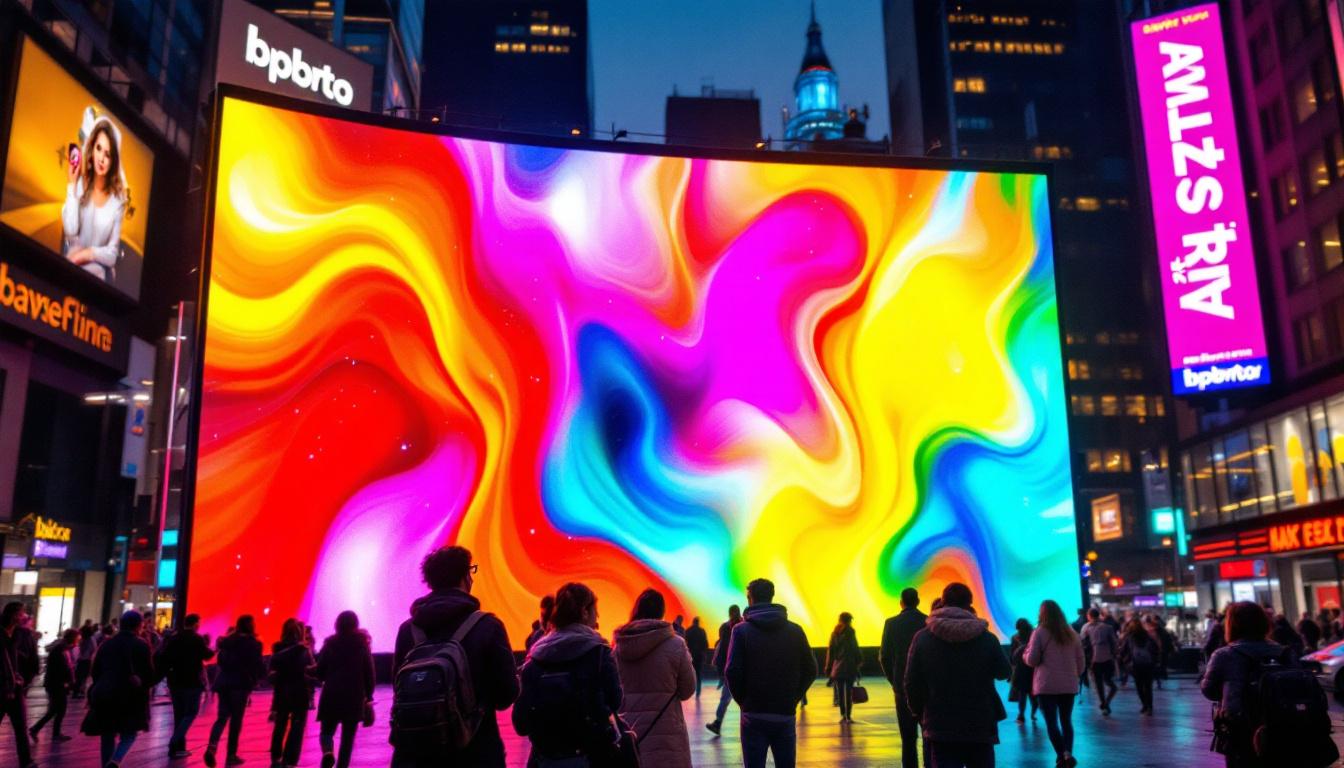
LED, or Light Emitting Diode, displays are electronic screens composed of numerous tiny light-emitting diodes that produce bright, colorful images. Unlike traditional LCD or plasma screens, LED displays use these diodes as individual pixels, allowing for superior brightness, contrast, and energy efficiency. This technology enables displays to be visible even in direct sunlight, making them ideal for outdoor advertising and public information systems. The versatility of LED displays has led to their widespread adoption in various sectors, including retail, transportation, and entertainment, where vibrant visuals can significantly enhance audience engagement.
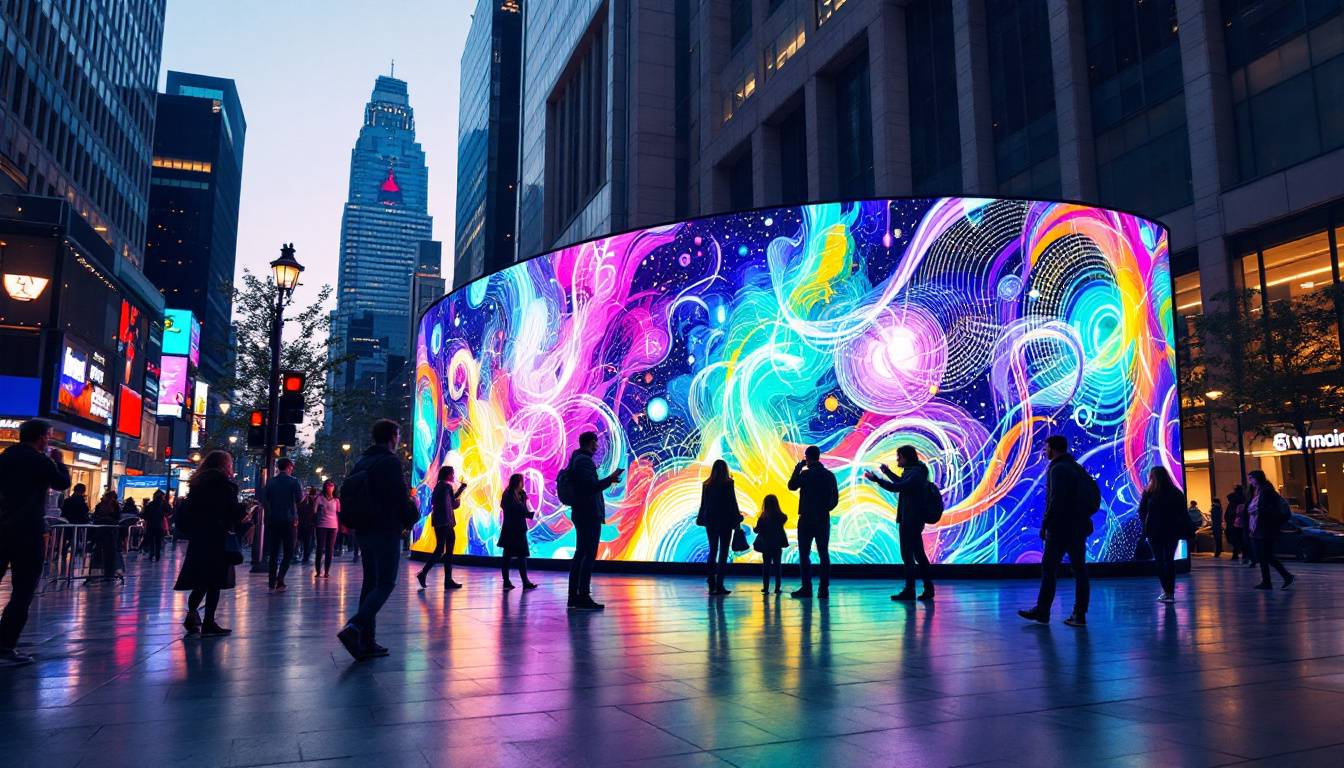
Commercial LED displays vary in size and resolution, ranging from small indoor panels to massive outdoor billboards. The modular nature of LED technology allows for flexible configurations, including curved, flexible, or transparent screens, which opens up creative possibilities for planners and designers. This adaptability not only enhances aesthetic appeal but also allows businesses to tailor their advertising strategies to different environments, ensuring maximum visibility and impact. Additionally, advancements in pixel pitch technology have enabled manufacturers to produce high-resolution displays that maintain clarity even at close viewing distances, further broadening the scope of applications for LED technology.
Key Components and How They Work
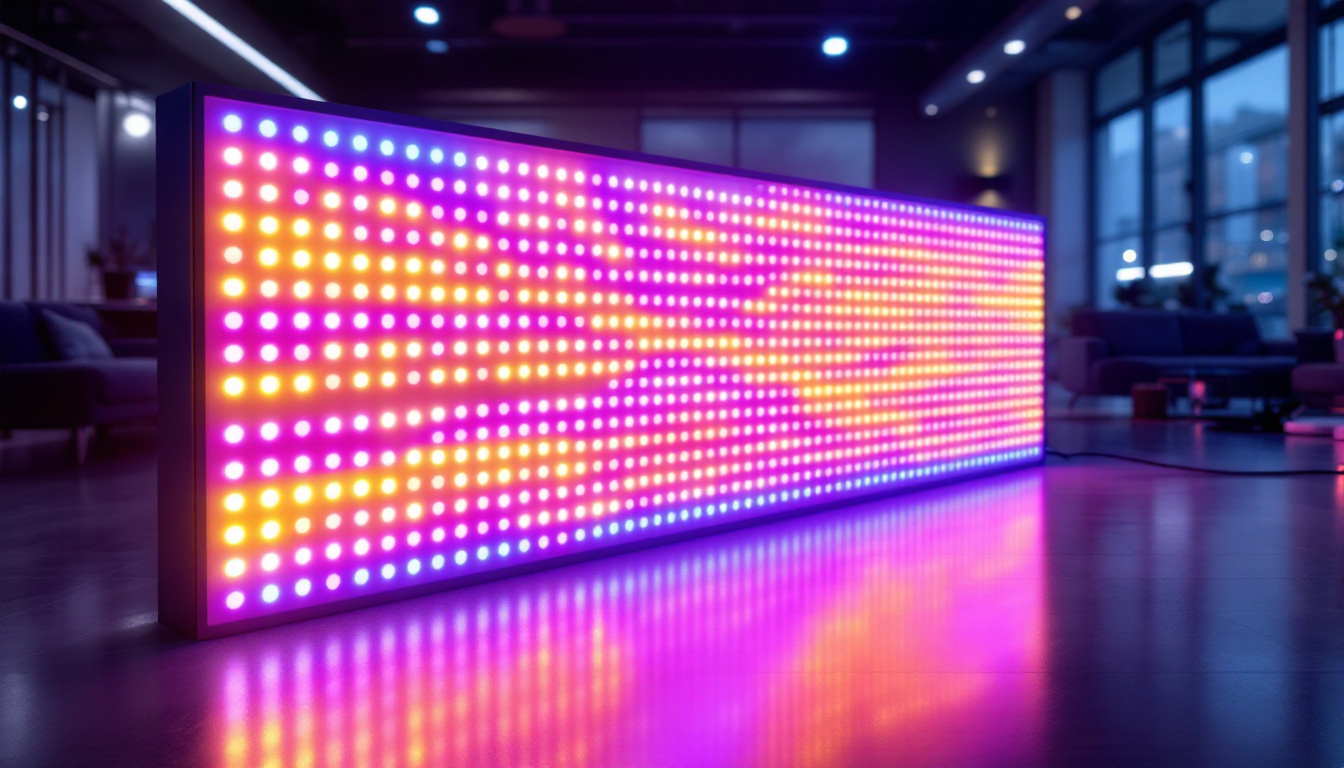
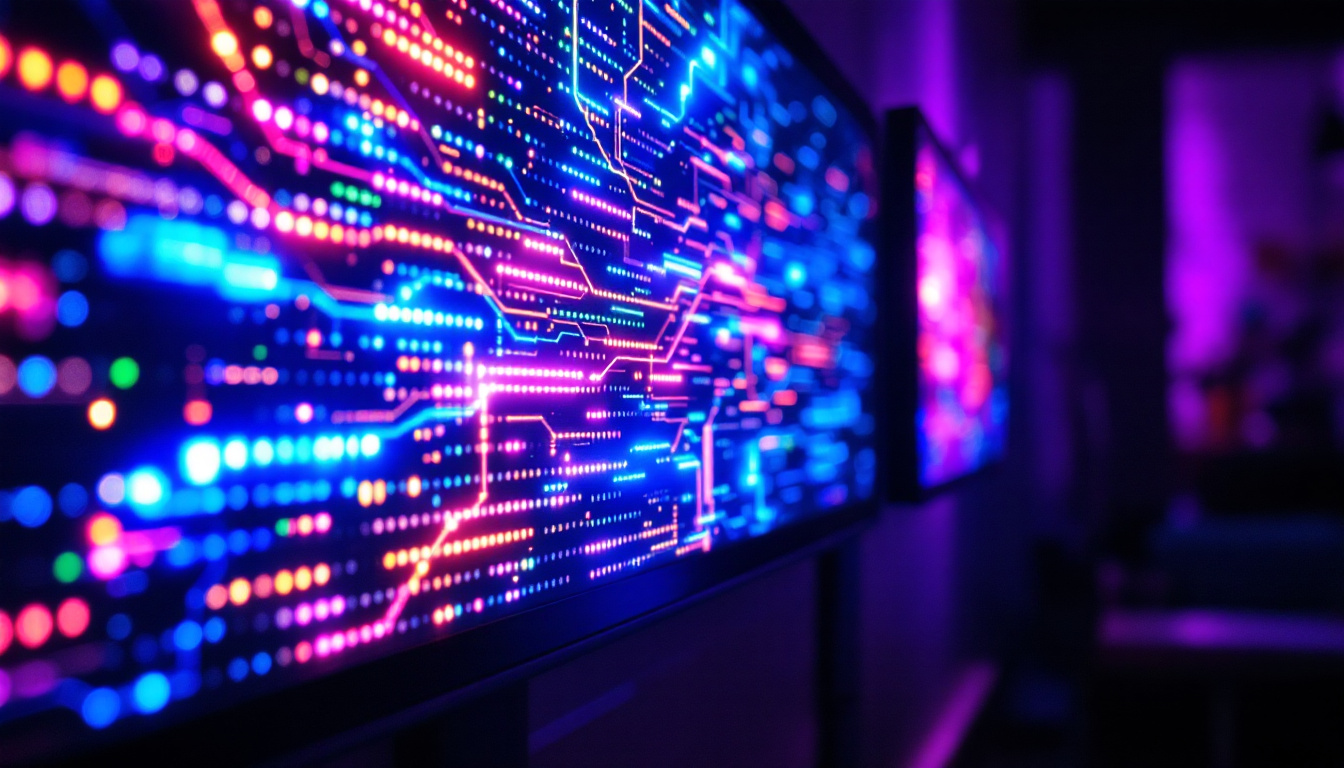
At the core of an LED display are the diodes themselves, typically red, green, and blue (RGB) LEDs combined to create a full spectrum of colors. These diodes are arranged in a grid pattern, with each cluster representing a pixel. By adjusting the intensity of each LED within a pixel, the display produces a wide range of colors and images. The precision in color mixing achieved through this method allows for stunning visuals that can captivate audiences, making LED displays a popular choice for concerts, sports events, and art installations.
The display is controlled by an integrated system that processes input signals—such as video feeds or digital content—and translates them into commands that regulate the LEDs’ brightness and color. This system often includes a controller, power supply, and receiving card, all working in harmony to ensure smooth, high-quality image rendering. Furthermore, many modern LED displays are equipped with advanced software that enables real-time content management, allowing users to update graphics and videos instantly. This capability is particularly beneficial for businesses that need to adapt their messaging quickly in response to changing events or promotions, thereby maximizing their advertising effectiveness.
Applications of LED Displays in Commercial Planning
Outdoor Advertising and Digital Billboards
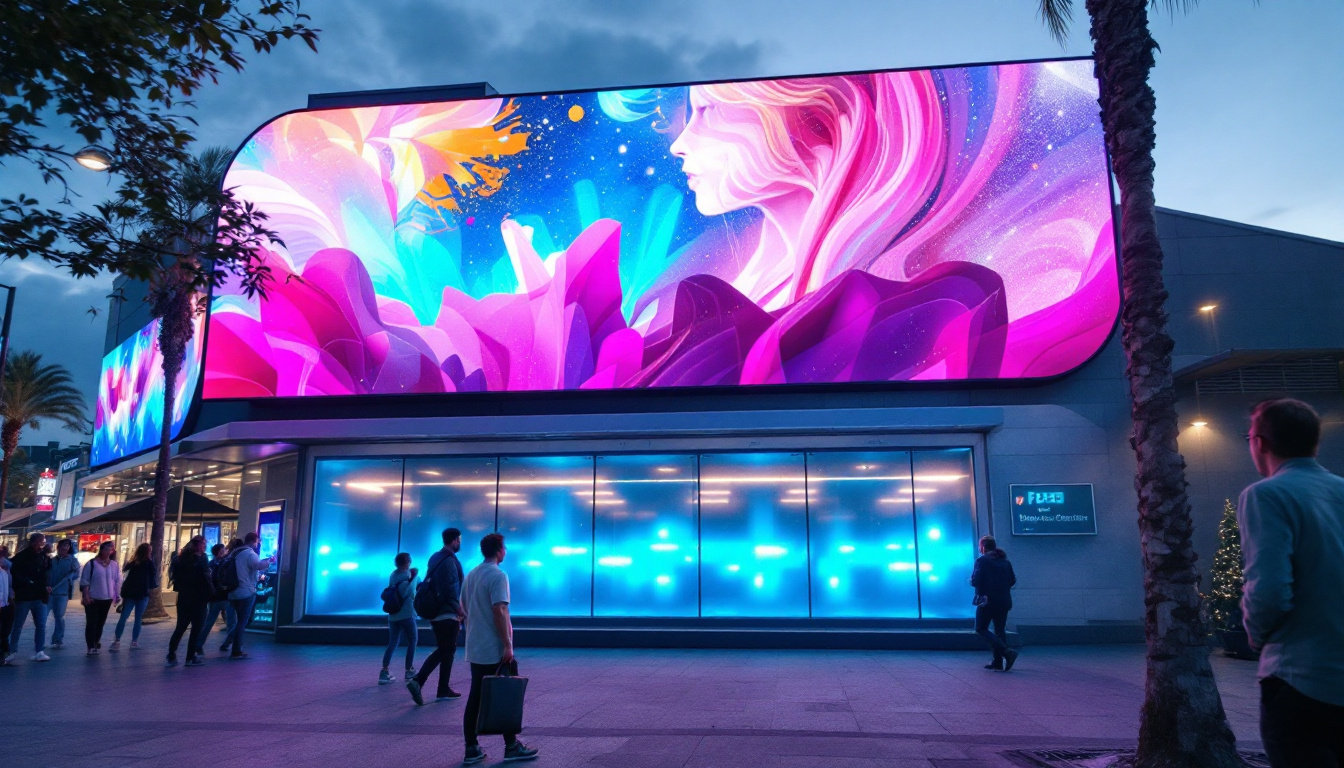
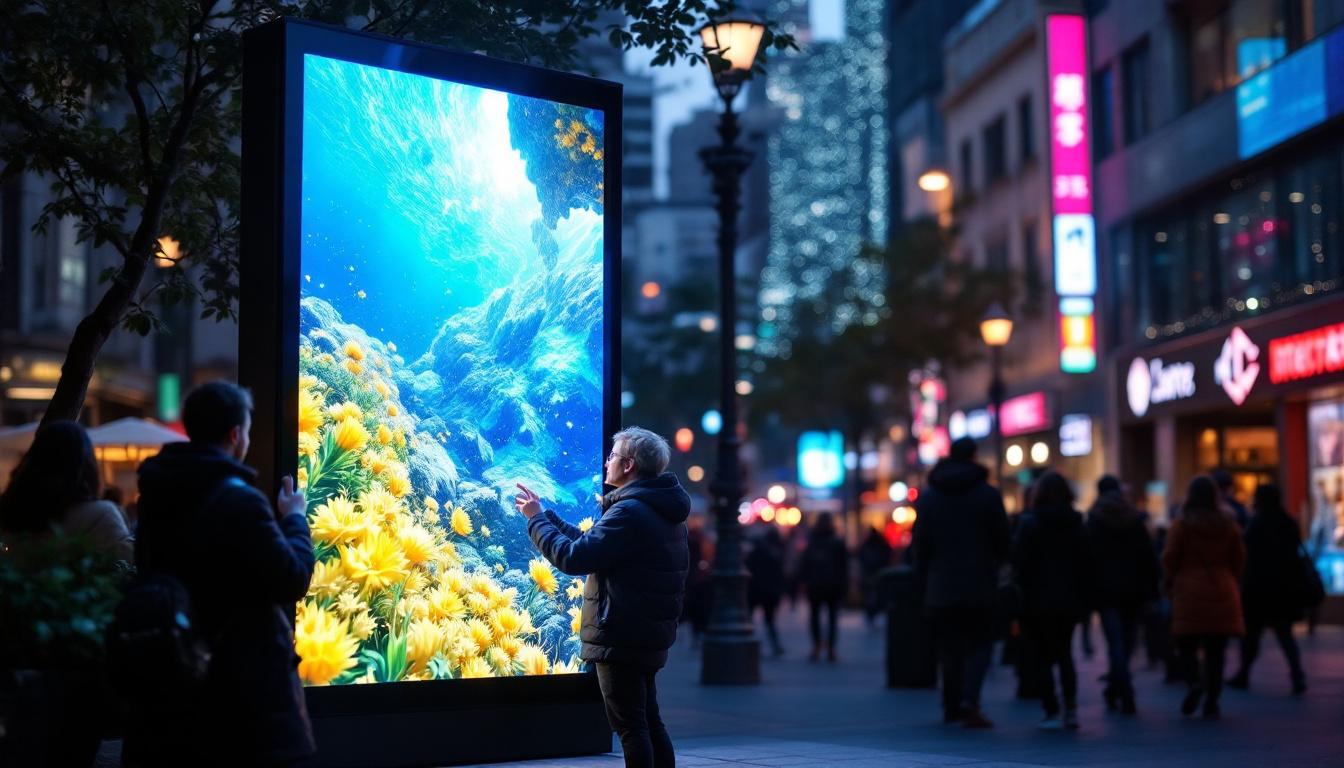
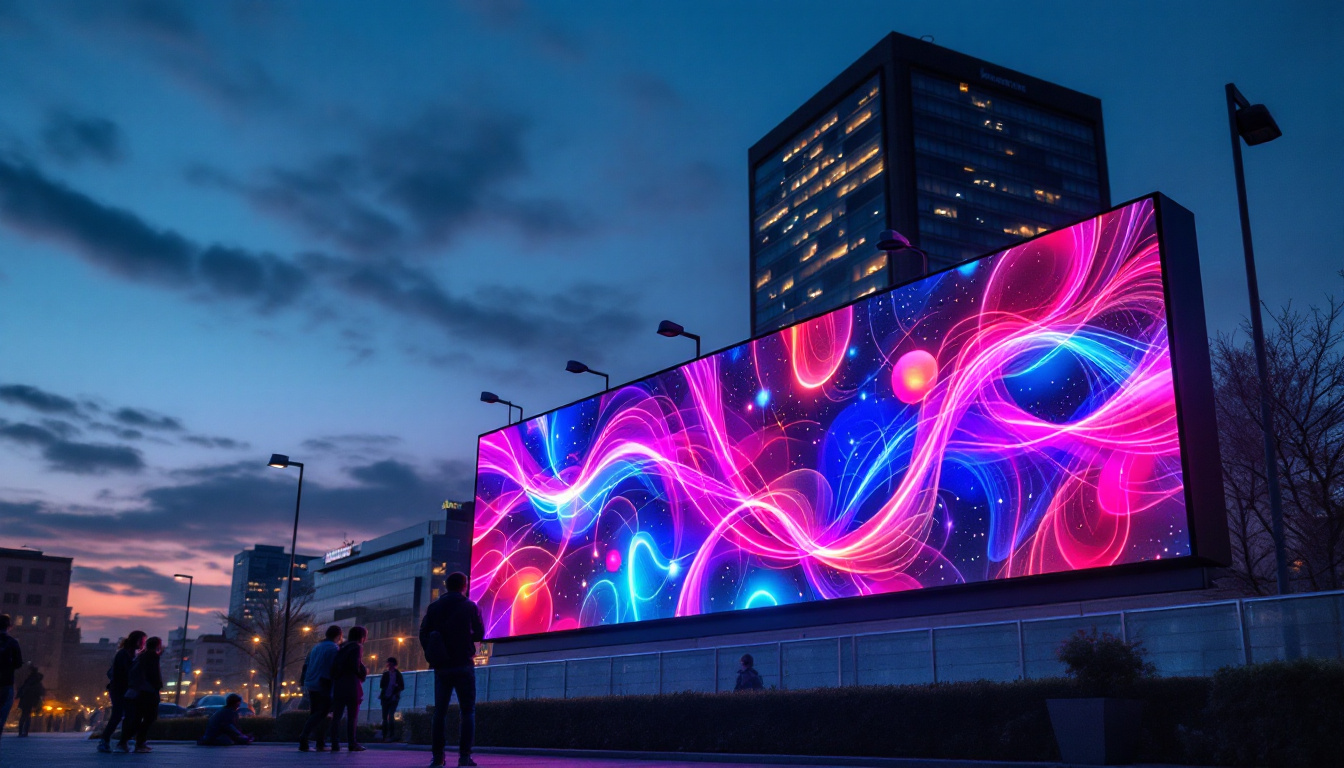
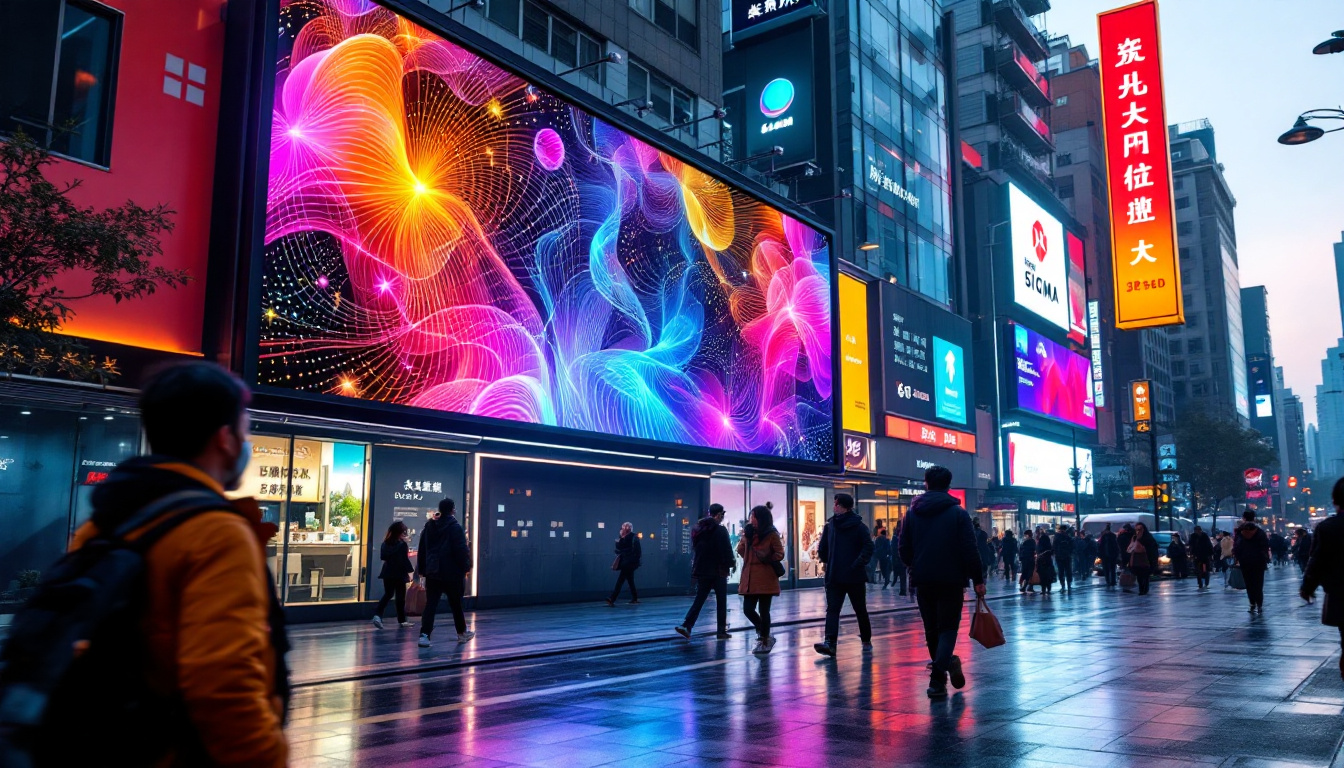
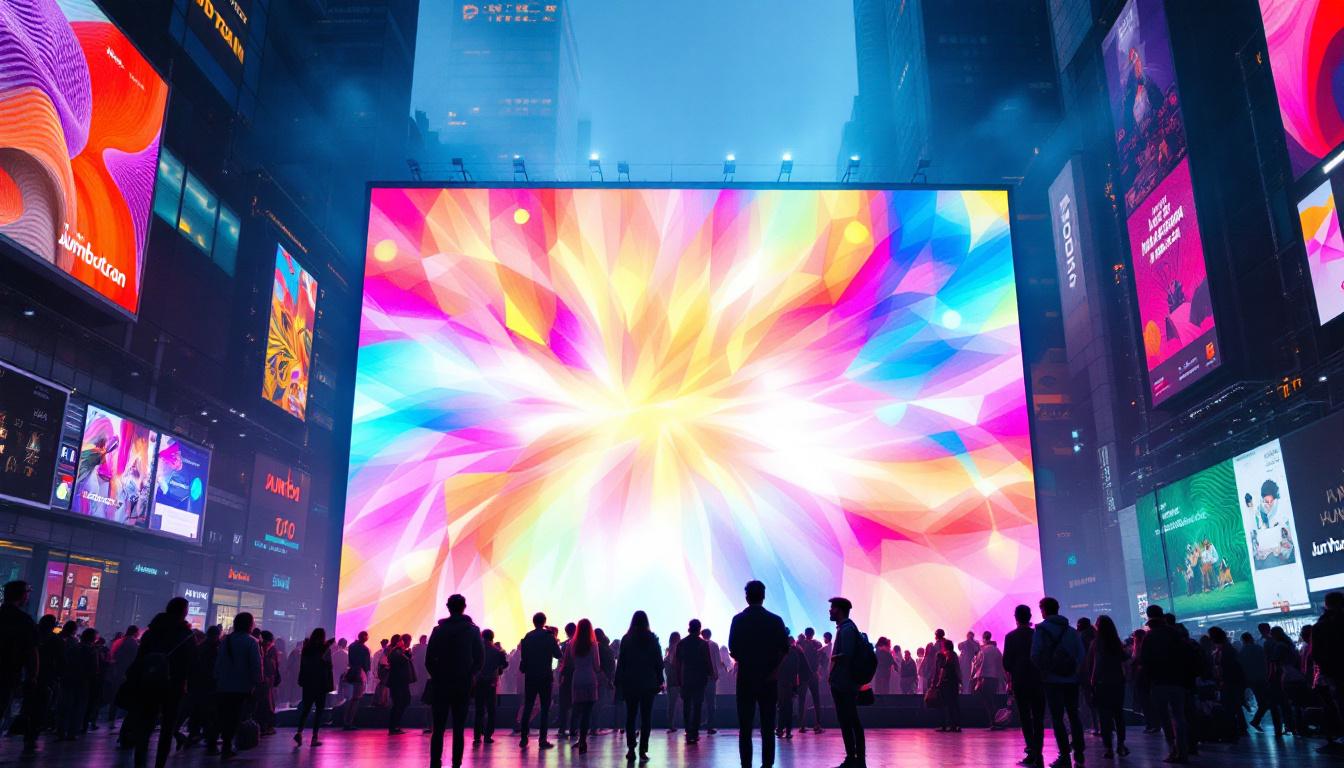
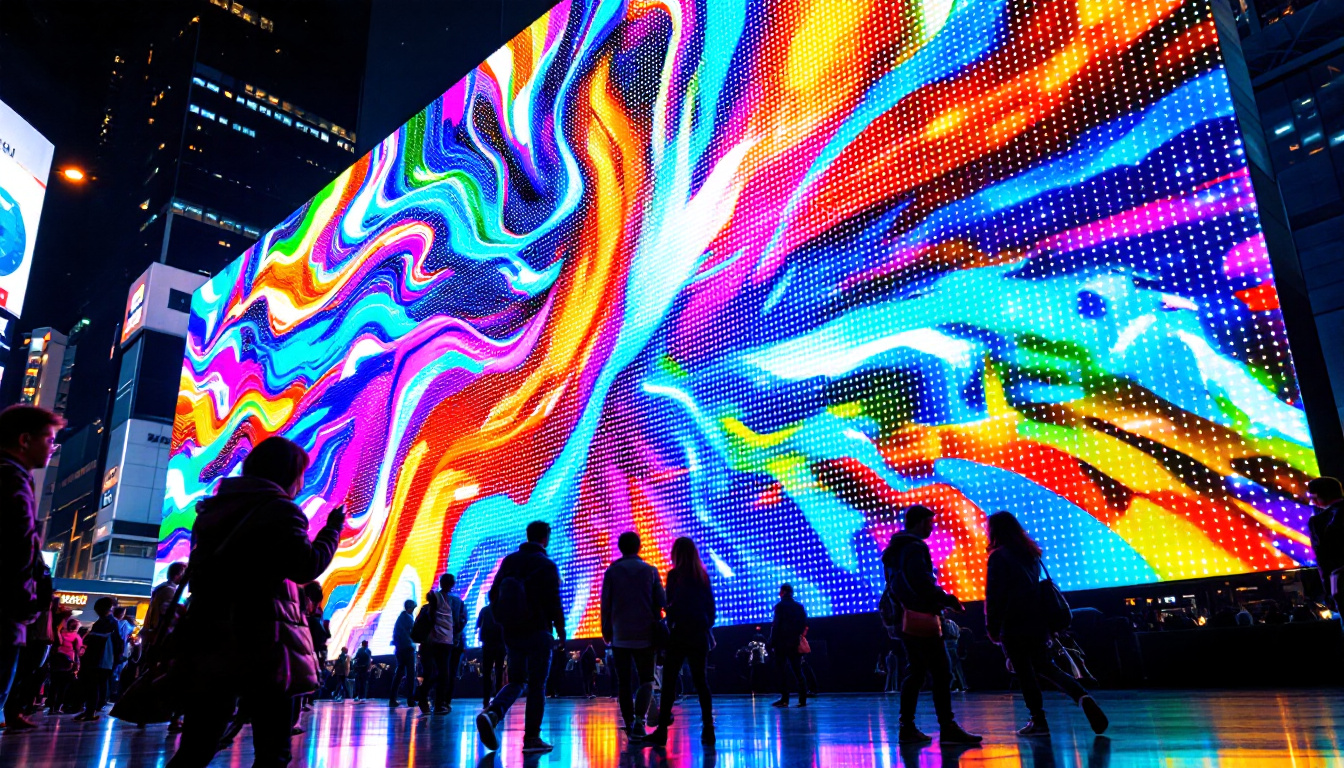
One of the most visible applications of LED displays is in outdoor advertising. Digital billboards equipped with LED technology offer advertisers dynamic, eye-catching content that can be updated in real time. According to a 2023 report by the Outdoor Advertising Association of America (OAAA), digital out-of-home (DOOH) advertising revenue surpassed $4.5 billion in the U.S. alone, reflecting a growing preference for LED-based signage.
For commercial planners, LED billboards provide unmatched flexibility. Campaigns can be tailored to specific times of day, weather conditions, or audience demographics. Additionally, LED displays enable interactive content, such as QR codes or social media integrations, enhancing consumer engagement. This adaptability not only maximizes advertising impact but also allows brands to respond swiftly to current events or trends, ensuring their messaging remains relevant and compelling.
Moreover, the environmental benefits of LED technology cannot be overlooked. With lower energy consumption compared to traditional lighting, LED billboards contribute to sustainability efforts, appealing to eco-conscious consumers. As cities increasingly prioritize green initiatives, the adoption of LED displays in outdoor advertising aligns with broader goals of reducing carbon footprints and promoting energy efficiency.
Retail and Indoor Displays
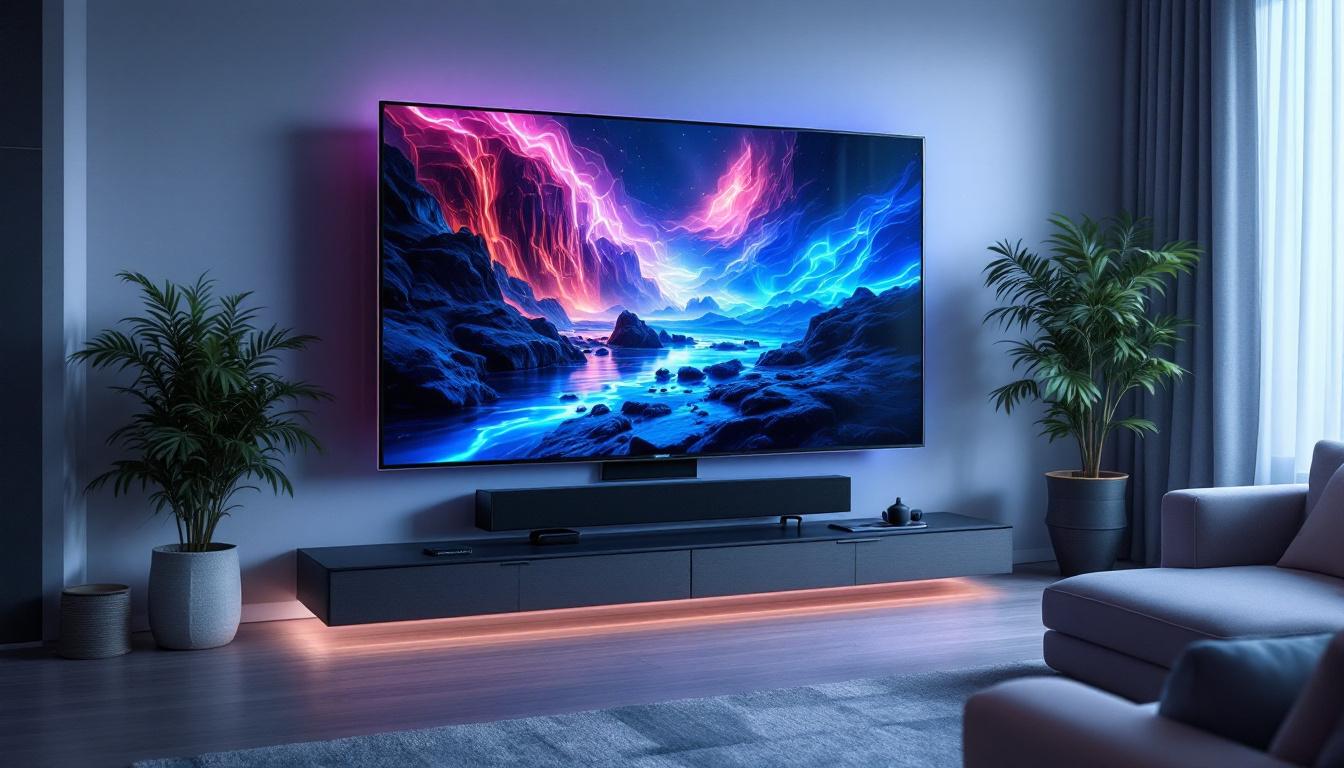
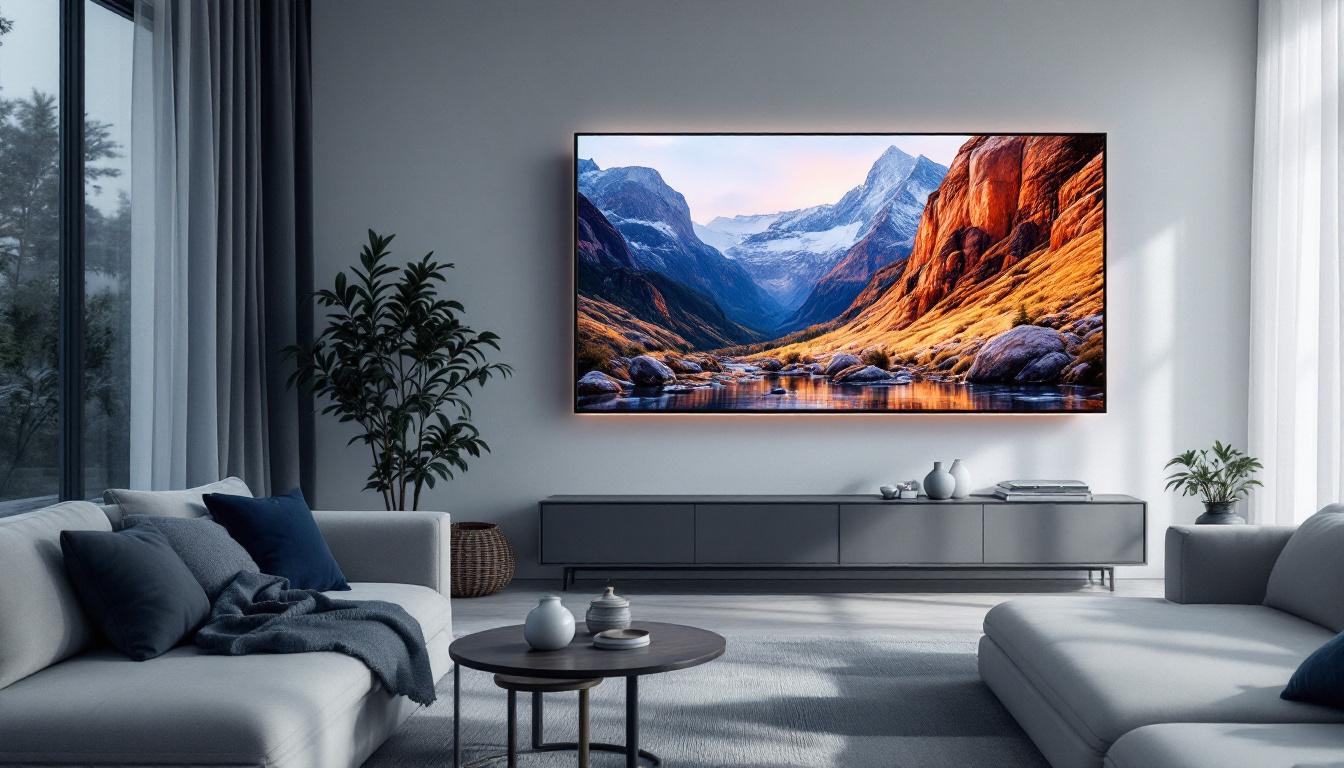
Inside retail environments, LED displays serve multiple functions—from promotional signage to immersive brand experiences. Their high resolution and vibrant colors attract shoppers’ attention and can influence purchasing decisions. Studies have shown that digital signage can increase sales by up to 30% when strategically placed and designed.
Commercial planners often integrate LED displays into store layouts to create focal points or guide customer flow. For example, fashion retailers might use LED walls to showcase runway footage or new collections, while supermarkets deploy LED price tags and aisle markers for convenience and clarity. The versatility of LED displays also allows for seasonal or promotional changes, enabling retailers to keep their content fresh and engaging throughout the year.
Additionally, the integration of augmented reality (AR) with LED displays is revolutionizing the retail experience. Shoppers can interact with virtual elements, trying on clothes or visualizing products in their own spaces. This innovative use of technology not only enhances customer engagement but also provides valuable data on consumer preferences and behavior, empowering retailers to make informed decisions.
Corporate and Event Use
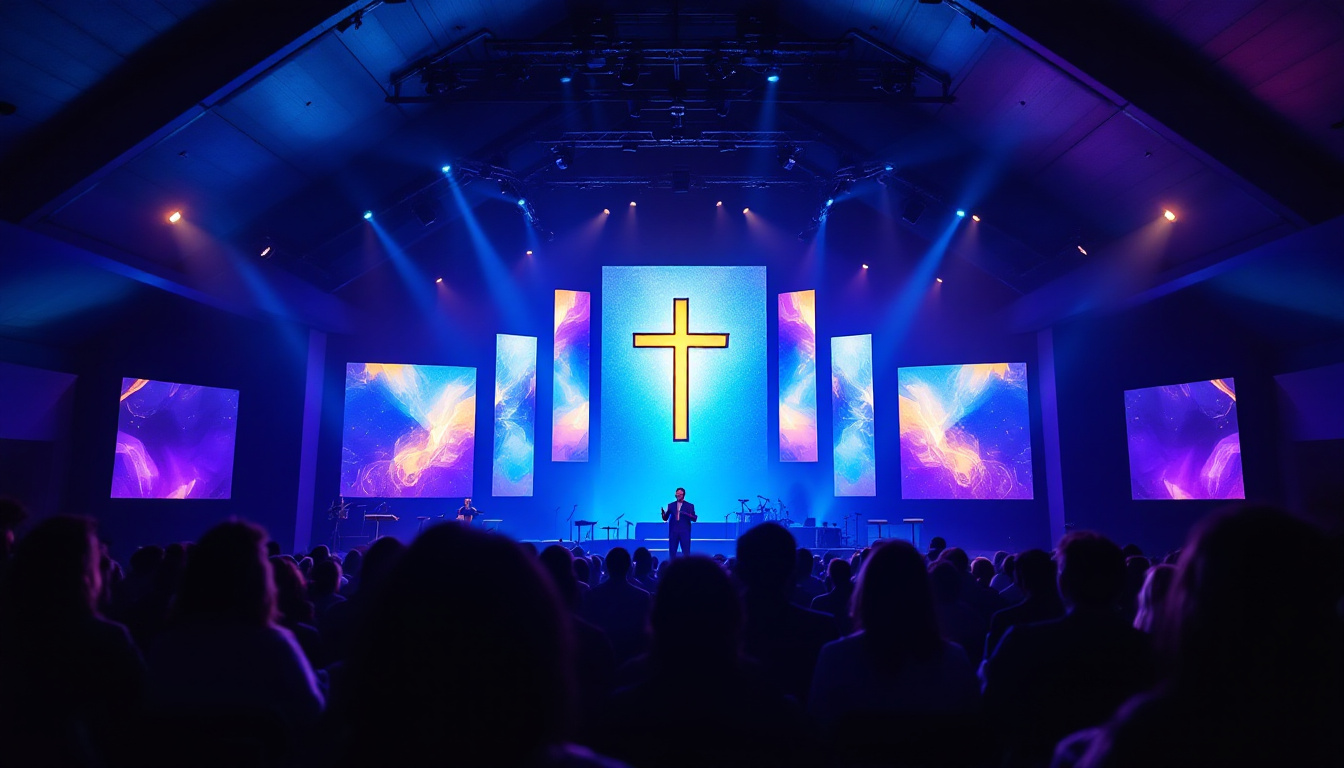
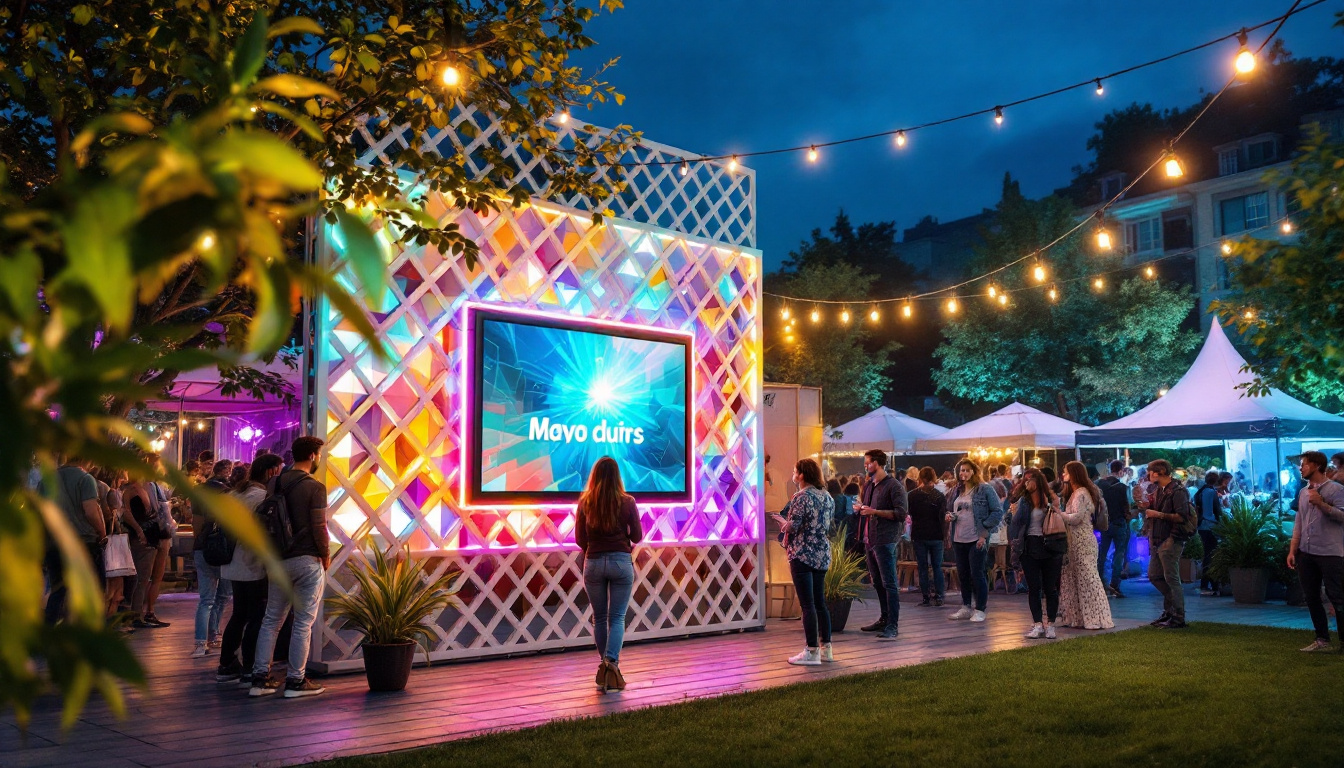
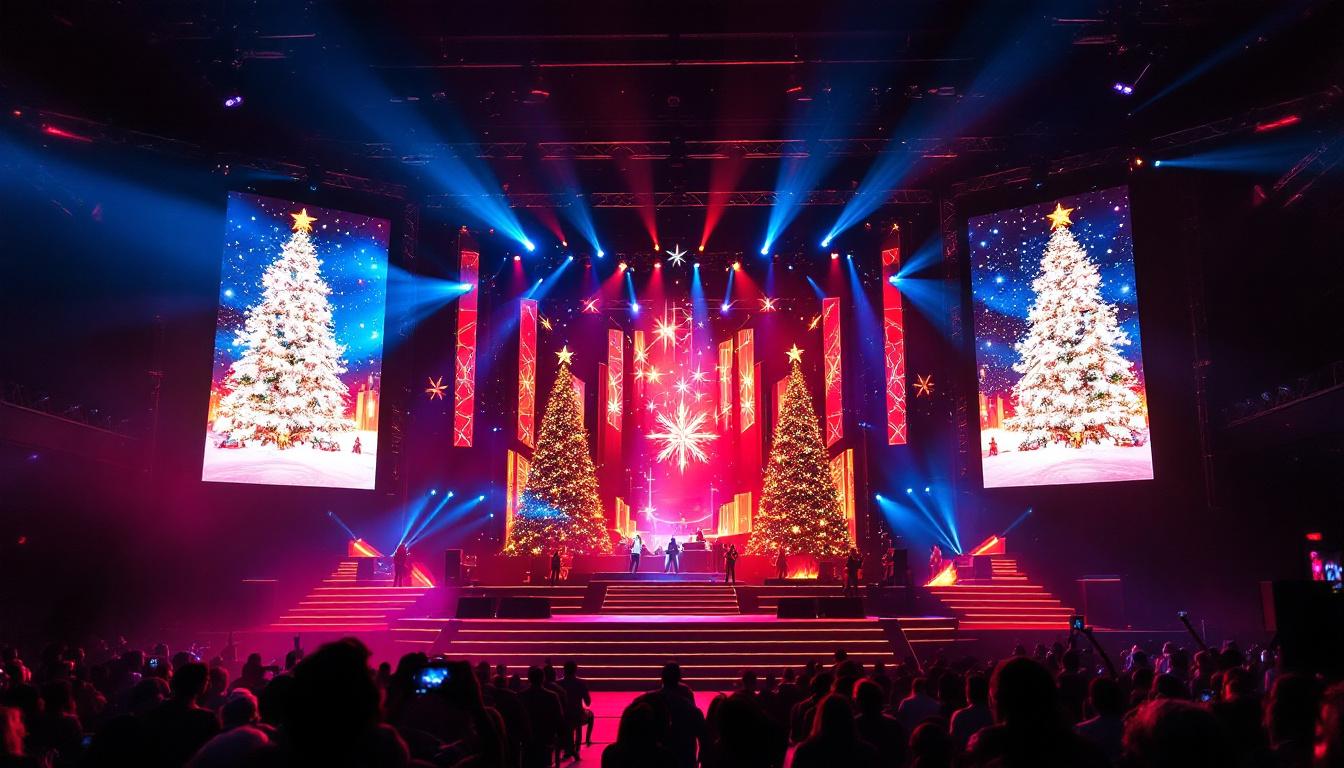
Beyond advertising, LED displays are integral to corporate communications and events. Conferences, trade shows, and product launches frequently utilize large LED screens for presentations, live feeds, and branding. The scalability and portability of LED panels make them ideal for temporary setups and dynamic content delivery.
Commercial planners must consider factors such as viewing distance, ambient lighting, and content type to optimize LED display usage in these contexts. The ability to synchronize multiple screens also allows for impressive visual effects and immersive environments. This capability is particularly beneficial for large-scale events, where cohesive visuals can significantly enhance the audience’s experience.
Furthermore, the integration of LED technology with event management software enables real-time updates and changes to the displayed content, ensuring that attendees receive the most current information. This level of interactivity not only keeps the audience engaged but also fosters a more dynamic atmosphere, encouraging networking and participation. As the demand for innovative event experiences continues to grow, LED displays are poised to play an even more critical role in shaping the future of corporate communications and event planning.
Technical Considerations for Commercial Planning
Resolution and Pixel Pitch
Resolution is a critical factor in LED display planning, directly affecting image clarity and viewer experience. Pixel pitch—the distance between the centers of adjacent pixels—determines the display’s resolution and optimal viewing distance. A smaller pixel pitch means higher resolution and closer viewing capability but typically comes at a higher cost.
For example, an LED display with a 1.5mm pixel pitch is suitable for indoor environments where viewers are close to the screen, such as retail stores or control rooms. Conversely, outdoor billboards often use a pixel pitch of 10mm or more, as viewers are farther away and the display needs to be larger and brighter.
Brightness and Contrast Ratio
Brightness, measured in nits, is essential for ensuring visibility in various lighting conditions. Outdoor LED displays often require brightness levels exceeding 5,000 nits to remain legible under direct sunlight, while indoor displays typically operate between 800 and 1,500 nits.
Contrast ratio—the difference between the darkest black and brightest white a display can produce—also impacts image quality. High contrast ratios enhance depth perception and color vibrancy, crucial for attracting attention and conveying detailed visuals.
Durability and Weather Resistance
For outdoor applications, LED displays must withstand harsh environmental conditions such as rain, wind, dust, and temperature extremes. Commercial planners need to select displays with appropriate Ingress Protection (IP) ratings; for example, an IP65 rating indicates the display is dust-tight and protected against water jets.
Additionally, robust construction and cooling systems are vital to maintain performance and longevity. LED displays with poor weather resistance can suffer from pixel failure, color degradation, or complete malfunction, leading to costly repairs and downtime.
Cost Factors and Return on Investment
Initial Investment and Installation
The upfront cost of LED displays varies widely based on size, resolution, brightness, and customization. High-resolution indoor panels can cost between $1,000 to $3,000 per square meter, while large outdoor billboards might range from $10,000 to $30,000 or more per square meter, including installation.
Installation complexity also affects costs. Structural supports, electrical wiring, content management systems, and permits add to the total expenditure. Commercial planners must budget carefully and consider long-term maintenance when selecting LED solutions.
Operating Costs and Energy Efficiency
LED displays are generally more energy-efficient than older technologies, but power consumption remains a significant operational expense, especially for large outdoor installations running 24/7. Advances in LED chip design and intelligent brightness controls help reduce energy use without compromising visibility.
Routine maintenance, including cleaning, software updates, and component replacement, also contributes to ongoing costs. Planning for these expenses ensures sustained performance and avoids unexpected disruptions.
Measuring Return on Investment (ROI)
Despite the substantial initial and operating costs, LED displays offer compelling ROI through increased brand visibility, customer engagement, and sales uplift. Metrics such as foot traffic, dwell time, and conversion rates can be tracked using integrated analytics tools to quantify impact.
Commercial planners should align LED display strategies with broader marketing goals and continuously optimize content to maximize effectiveness. Case studies have demonstrated that well-executed LED campaigns can generate returns exceeding 300% within the first year.
Future Trends in LED Display Technology
MicroLED and MiniLED Innovations
Emerging technologies like MicroLED and MiniLED promise even greater brightness, contrast, and energy efficiency. MicroLED displays, composed of microscopic LEDs, offer near-perfect color accuracy and can be manufactured in flexible or transparent formats, opening new possibilities for commercial applications.
As production costs decrease, these technologies are expected to become mainstream, providing commercial planners with more versatile and visually stunning options.
Integration with Smart Technologies
LED displays are increasingly integrated with artificial intelligence, sensors, and IoT devices to deliver personalized and context-aware content. For instance, facial recognition and environmental sensors can adjust advertising messages based on viewer demographics or weather conditions, enhancing relevance and engagement.
Such smart displays enable dynamic, data-driven marketing strategies that adapt in real time, offering a competitive edge in crowded commercial environments.
Sustainability and Eco-Friendly Solutions
Environmental considerations are driving innovation in LED display manufacturing and operation. Sustainable materials, recyclable components, and energy-saving technologies are becoming standard expectations. Commercial planners are prioritizing eco-friendly solutions to meet regulatory requirements and consumer demand for responsible business practices.
Lifecycle assessments and green certifications help guide purchasing decisions and demonstrate corporate social responsibility.
Conclusion
LED displays have revolutionized commercial planning by offering vibrant, flexible, and highly effective visual communication tools. Understanding the technology’s fundamentals, applications, technical requirements, and cost implications is essential for planners aiming to deliver impactful advertising and information solutions.
As LED technology continues to advance, embracing innovations such as MicroLED, smart integration, and sustainability will be key to staying ahead in a competitive marketplace. Thoughtful planning and strategic deployment of LED displays can unlock significant value, transforming how brands connect with audiences and shaping the future of commercial environments.
Explore Cutting-Edge LED Solutions with LumenMatrix
Ready to elevate your commercial planning with the latest in LED display technology? LumenMatrix is at the forefront of innovation, offering a diverse range of LED display modules designed to captivate and engage your audience. Whether you need an Indoor LED Wall Display for retail spaces, a dynamic Outdoor LED Wall Display for advertising, or specialized solutions like Vehicle LED Displays and LED Sports Displays, LumenMatrix has you covered. Embrace the power of visual storytelling with our Custom LED Displays, All-in-One LED Displays, and LED Transparent Displays. Check out LumenMatrix LED Display Solutions today and discover how we can help you create unforgettable visual experiences that resonate with your audience.