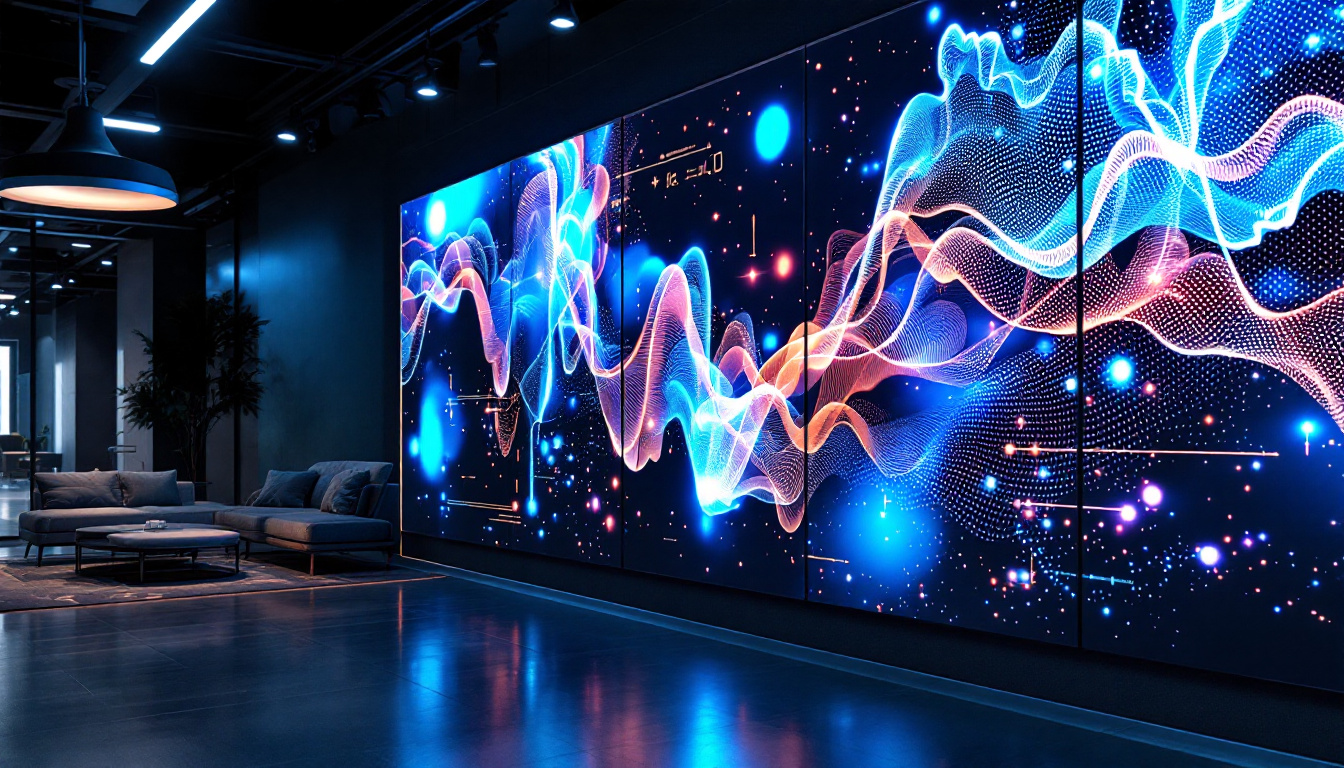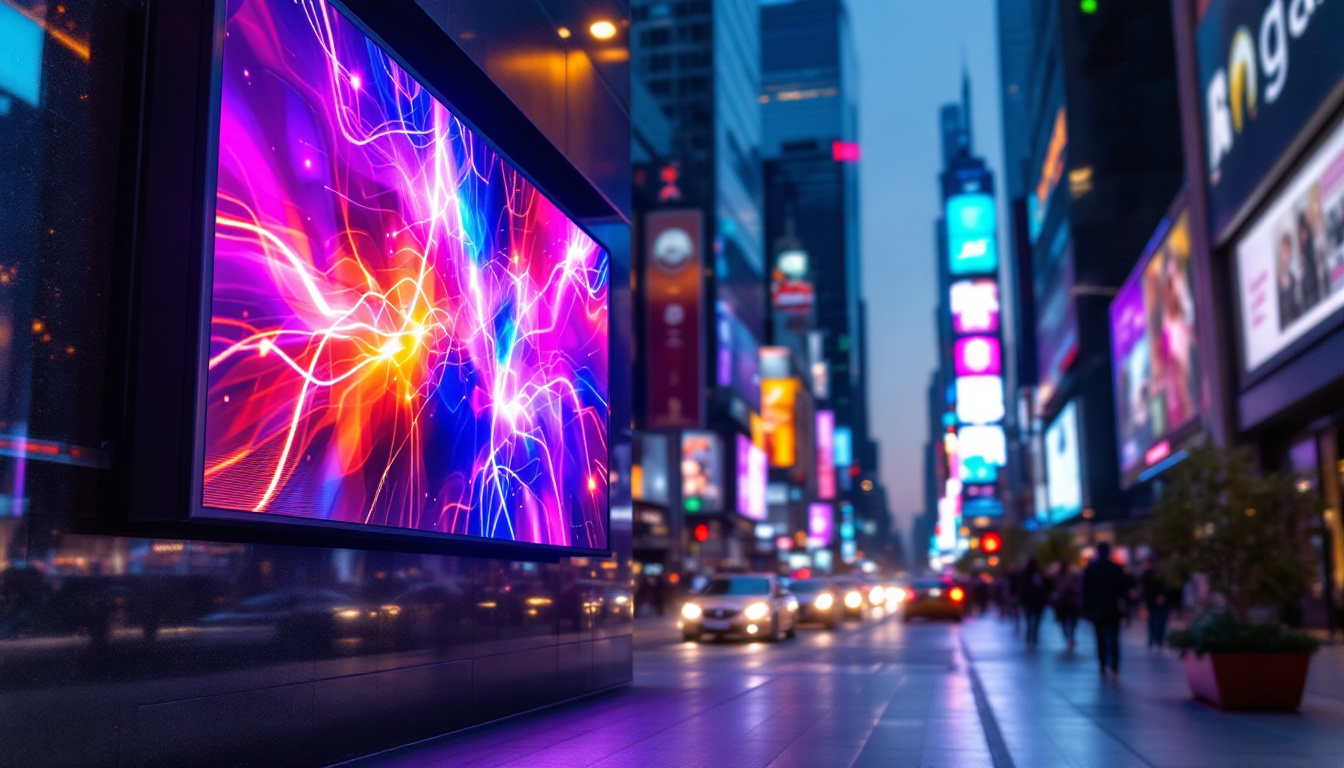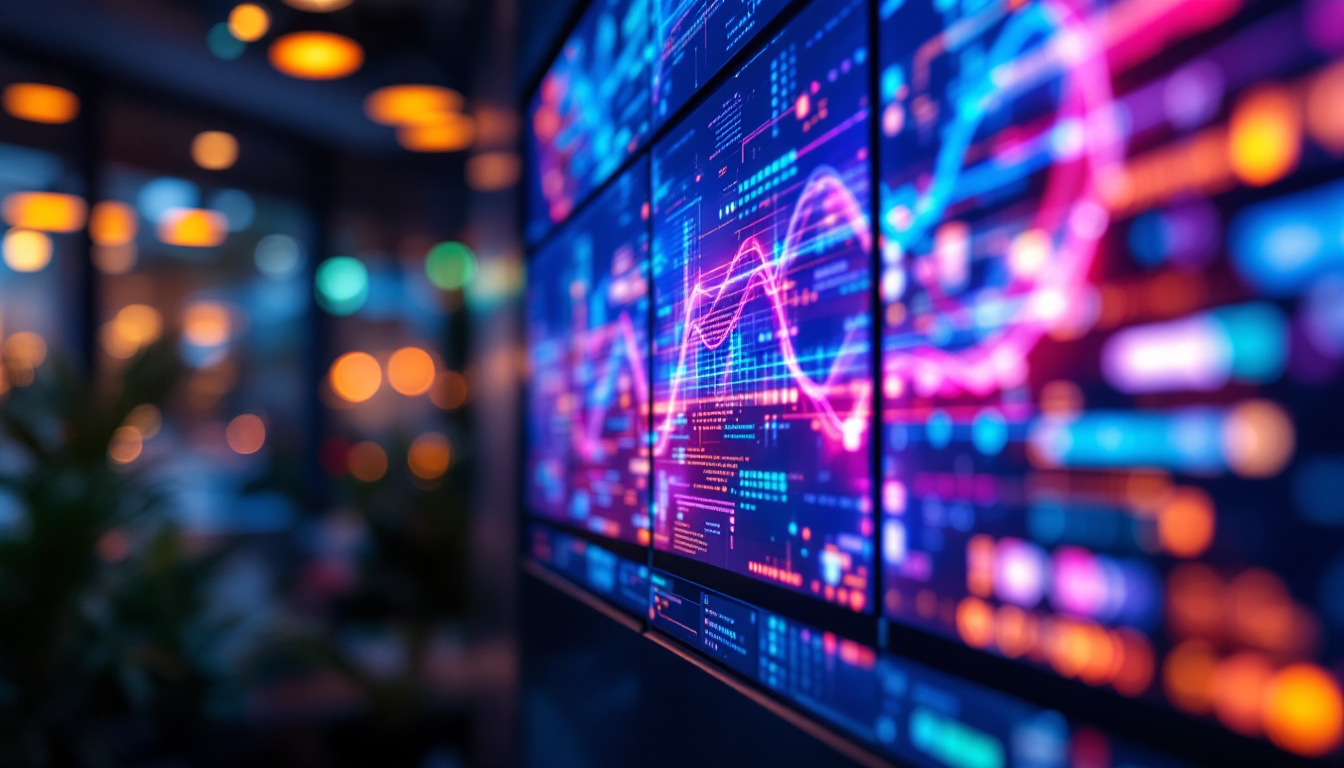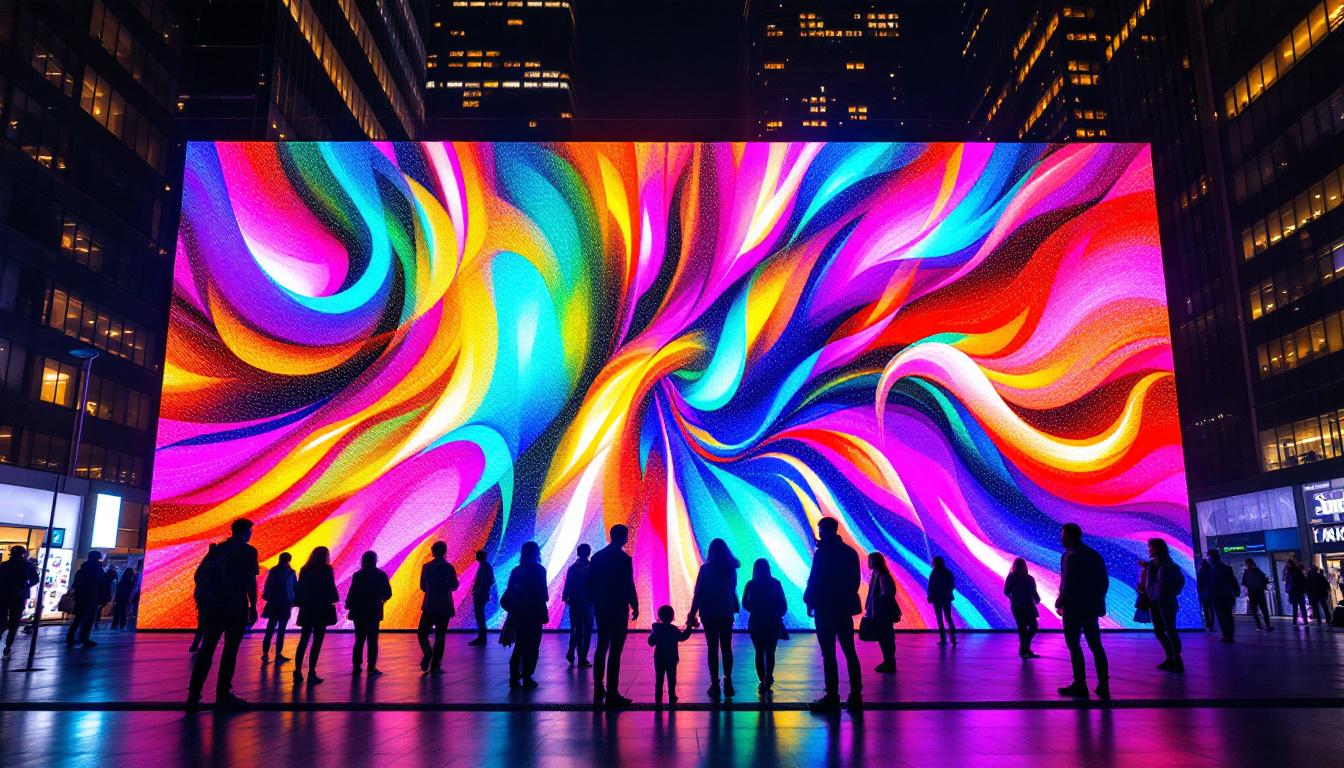
In the world of digital signage and visual technology, LED displays have become a cornerstone for delivering vibrant, dynamic content across various industries. Among the many types of LED displays, the 32-9 LED display stands out for its unique specifications and applications. This article delves deep into what a 32-9 LED display is, how it functions, its advantages, and the contexts in which it excels.
Understanding the Basics of LED Displays
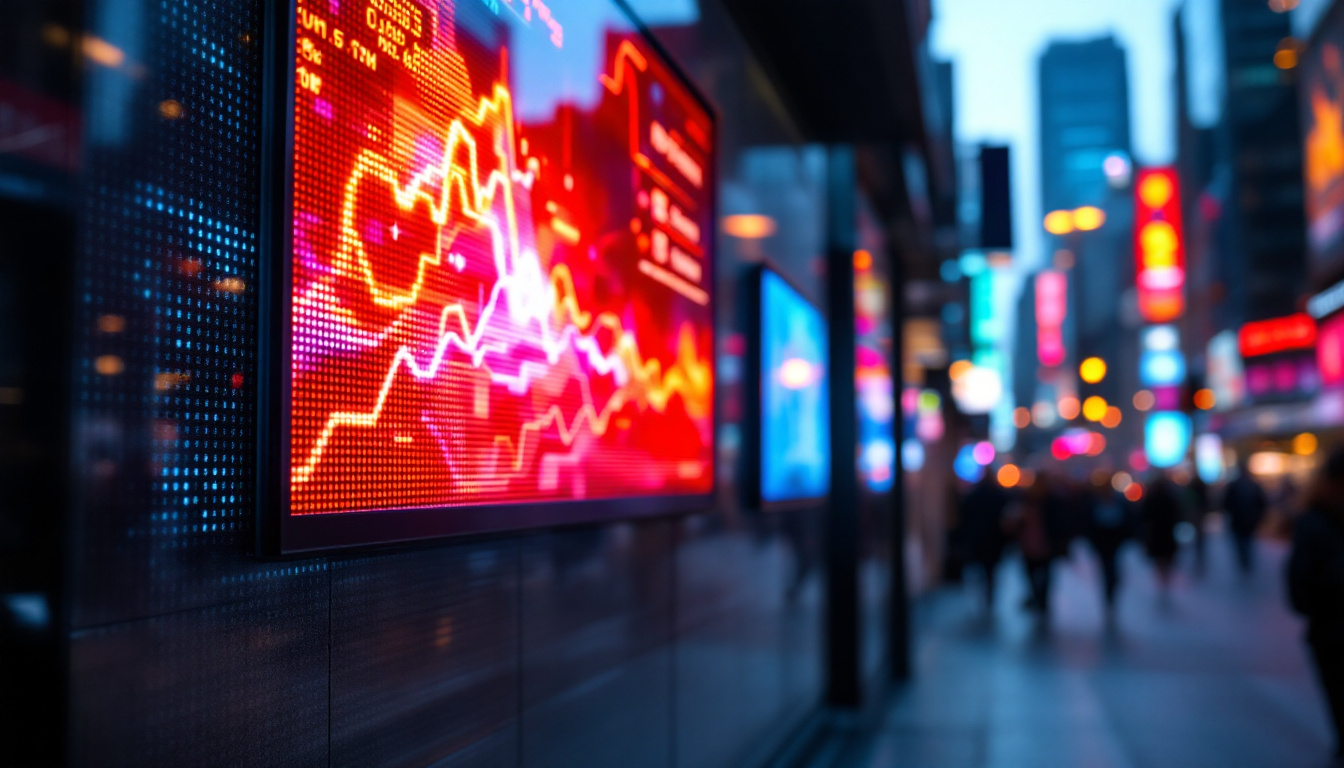
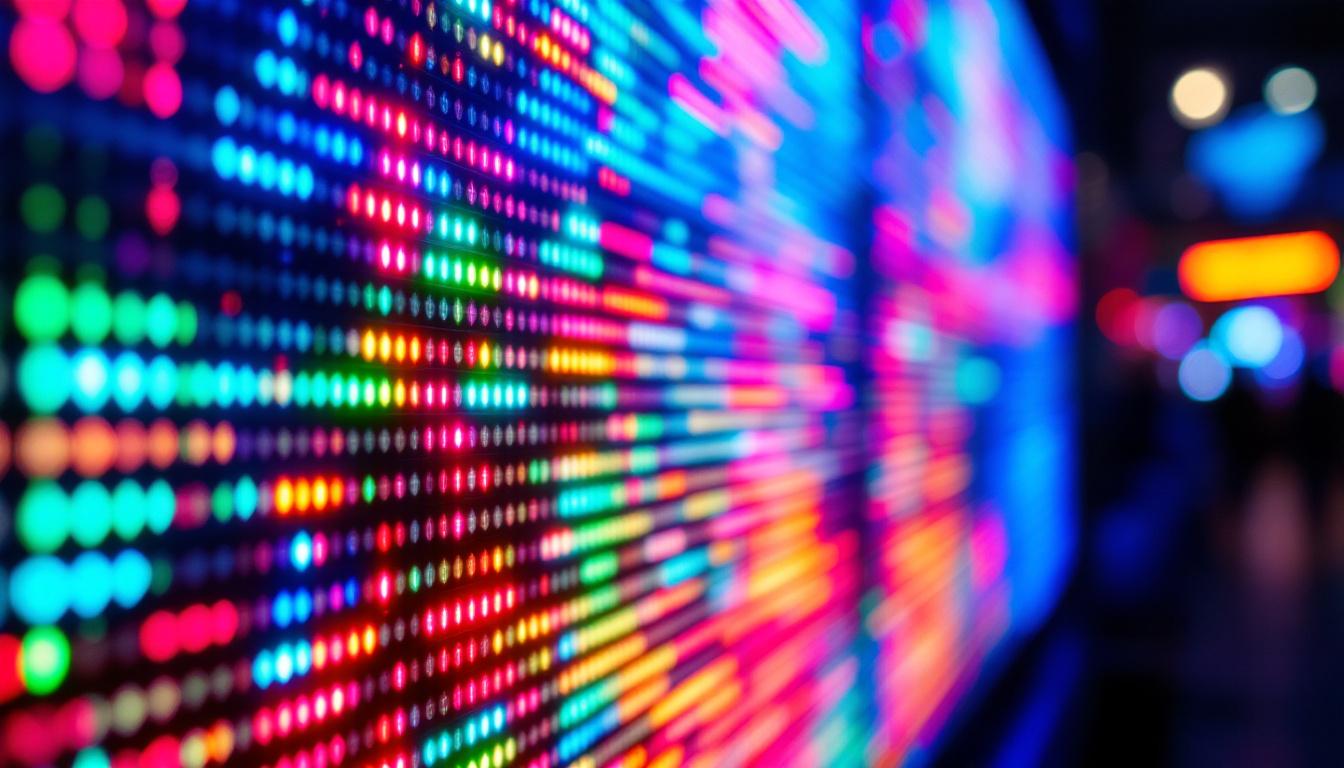
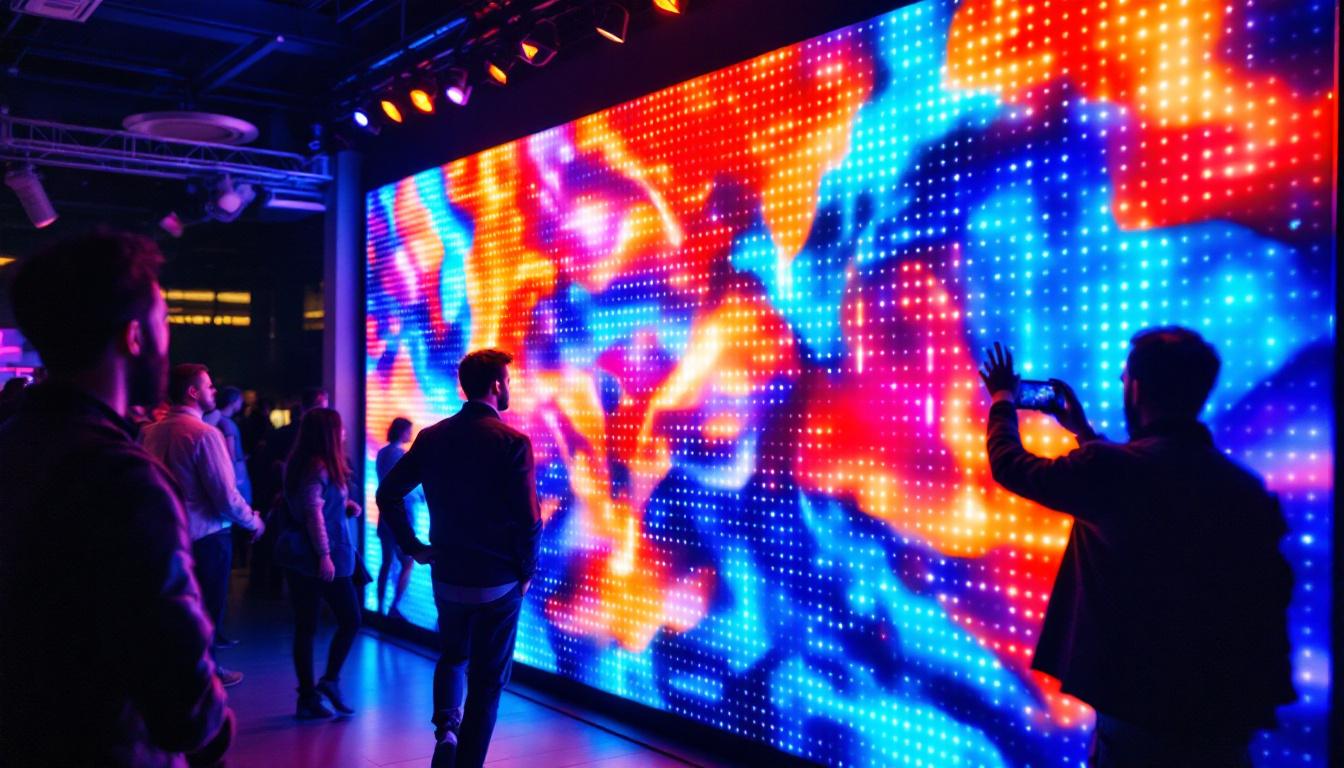
Light Emitting Diode (LED) displays are screens that use tiny light-emitting diodes to produce images and video. Unlike traditional LCD or plasma screens, LED displays offer superior brightness, contrast, and energy efficiency. They are widely used in advertising billboards, stadium screens, public information systems, and even indoor digital signage.
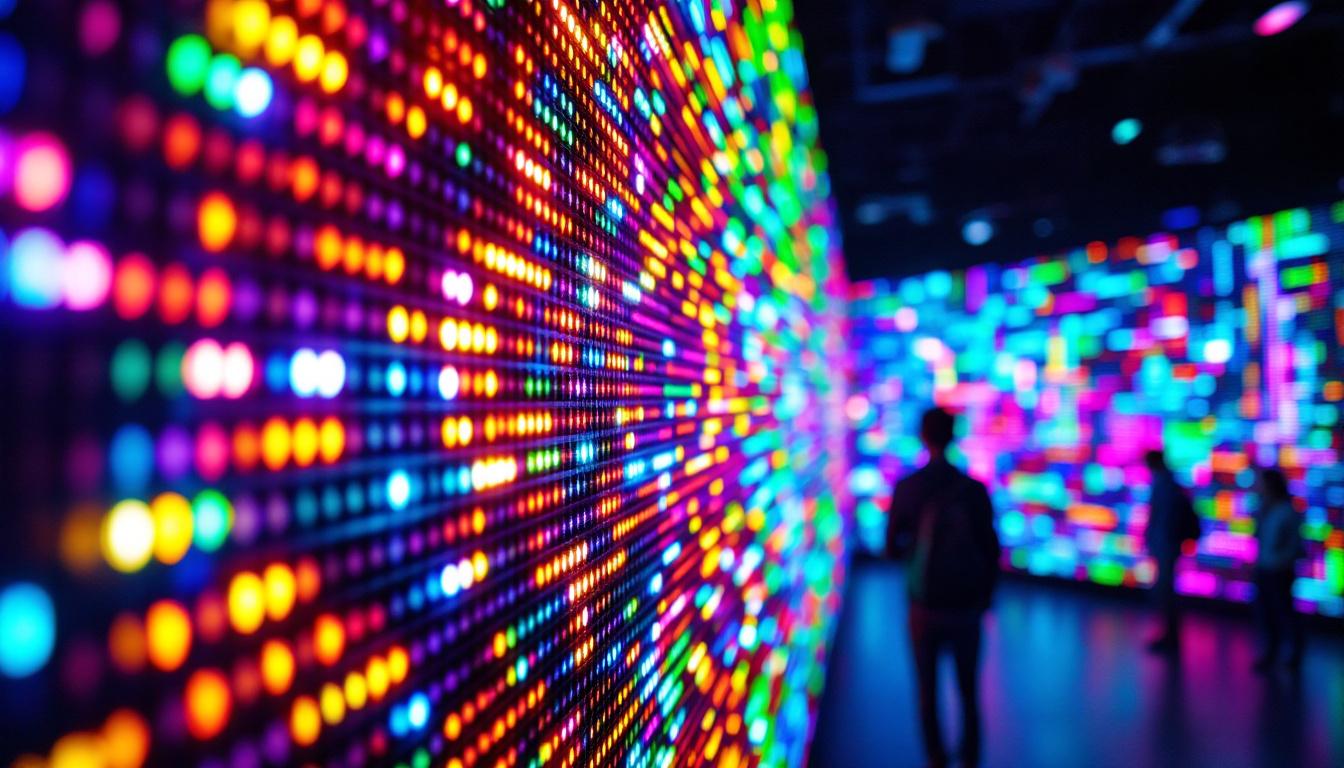
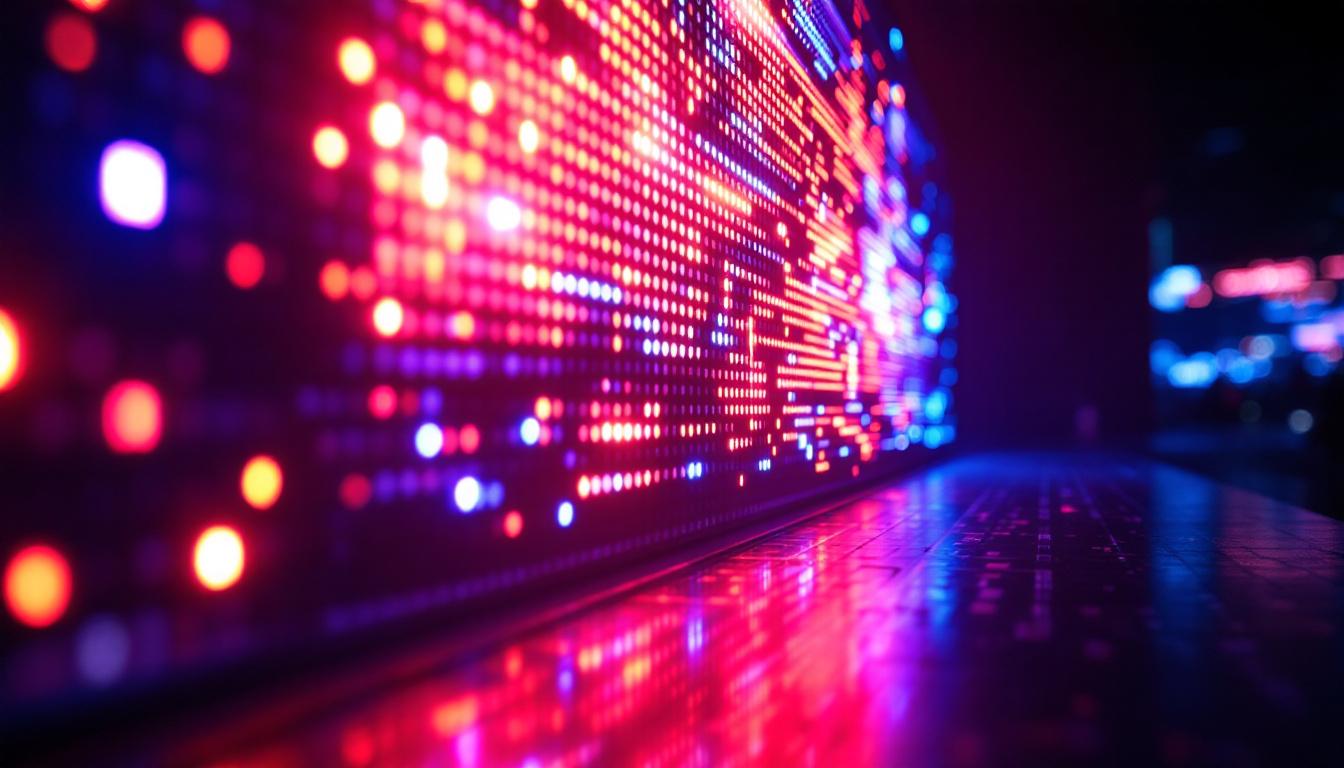
LED technology has evolved rapidly, with advancements in pixel pitch, color accuracy, and durability. The pixel pitch, which refers to the distance between individual LEDs, directly influences the resolution and viewing distance of the display. Smaller pixel pitches enable higher resolution and closer viewing, making LED displays versatile for both indoor and outdoor environments.
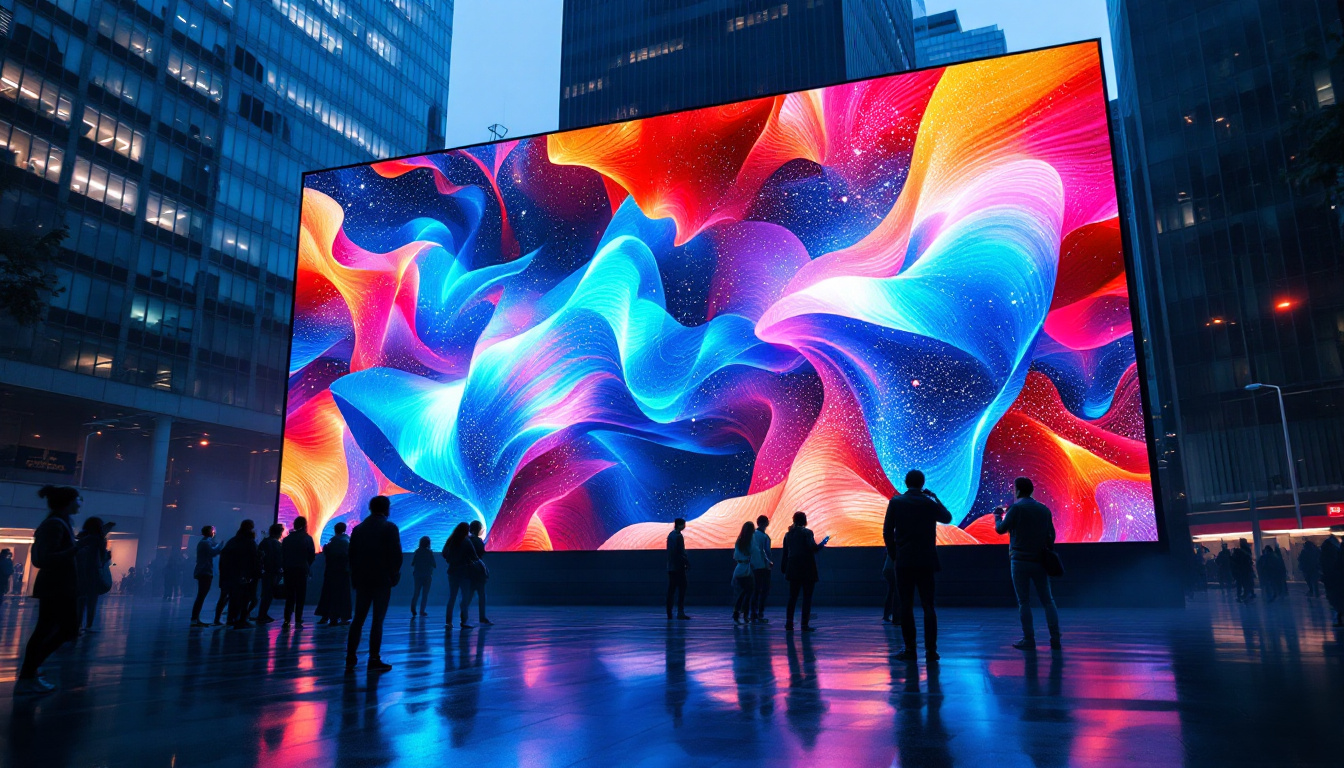
One of the most significant benefits of LED displays is their ability to function effectively in various lighting conditions. Whether in bright sunlight or dimly lit environments, LED screens maintain clarity and vibrancy, making them ideal for outdoor advertising and events. Additionally, the longevity of LED technology means that these displays can last for tens of thousands of hours, significantly reducing maintenance costs and the need for frequent replacements.
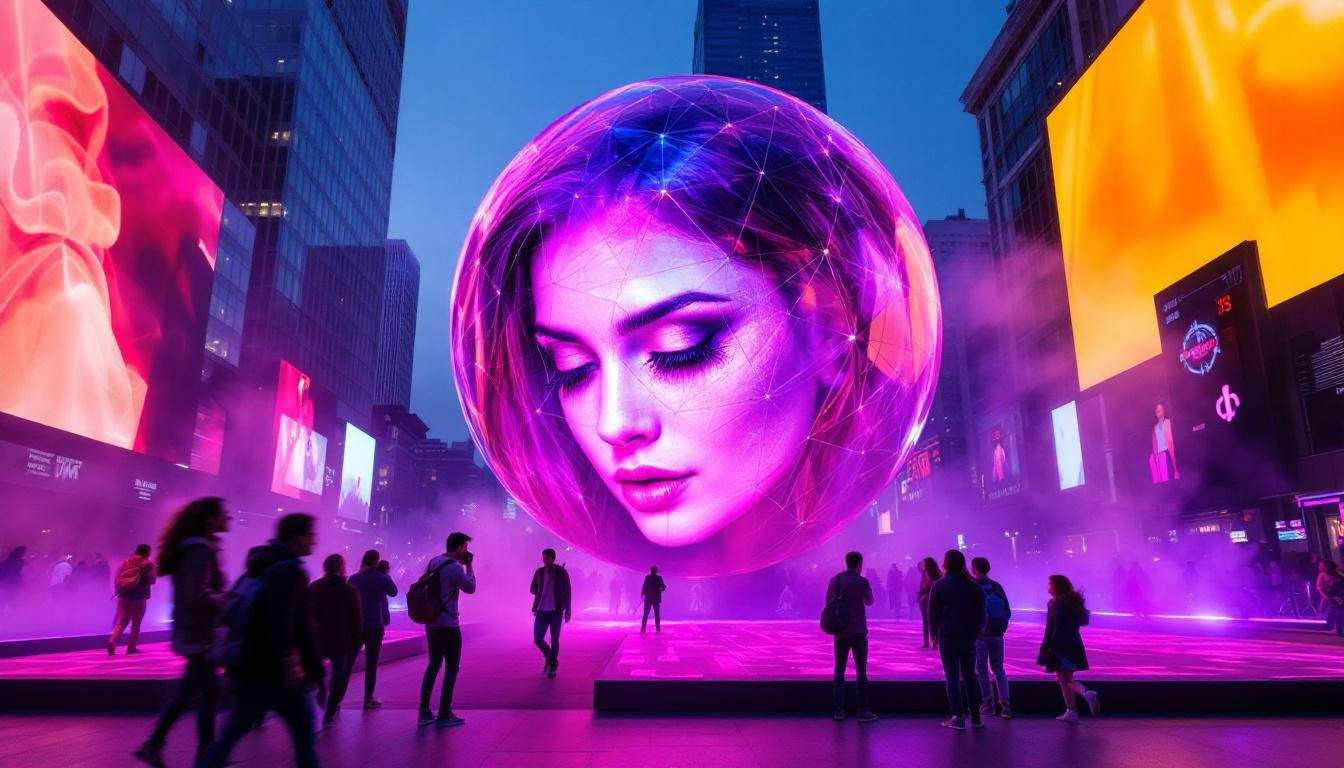
Moreover, the flexibility of LED displays extends beyond just their physical capabilities. They can be configured in various shapes and sizes, allowing for creative installations that can transform spaces. From massive video walls in concert venues to sleek, curved displays in retail environments, the adaptability of LED technology opens up endless possibilities for designers and marketers alike. Furthermore, advancements in smart LED technology have introduced features such as interactive displays and real-time content updates, enhancing viewer engagement and providing dynamic advertising solutions.
What Does 32-9 Mean in LED Displays?
The term “32-9” in the context of LED displays typically refers to the aspect ratio or the configuration of the display modules. While not a standard industry term, it can be interpreted as a specific dimension or pixel arrangement used in certain LED panels.
In many cases, LED display manufacturers use numeric codes to denote the number of modules or the pixel matrix arrangement. For example, a 32-9 configuration might indicate a display composed of 32 modules horizontally and 9 modules vertically, or it could refer to a pixel pitch or resolution ratio. Understanding this terminology is essential when selecting an LED display for particular applications, as it impacts the overall display size, resolution, and installation requirements.
Aspect Ratio and Its Importance
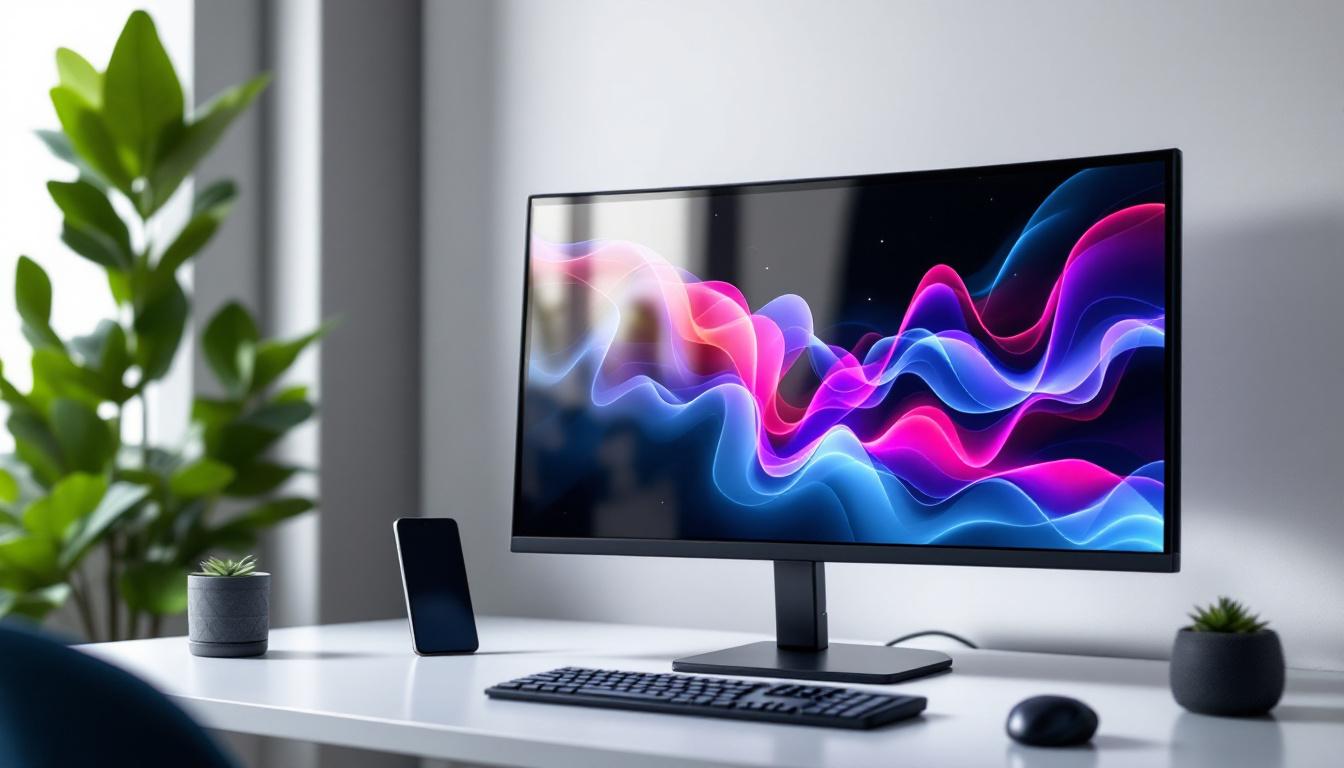
Aspect ratio defines the proportional relationship between a display’s width and height. Common aspect ratios include 16:9, 4:3, and 21:9, each suited for different content types and viewing experiences. A 32:9 aspect ratio is considered ultra-wide, often used in specialized applications such as panoramic video walls or immersive digital signage.
Such ultra-wide displays provide expansive visual real estate, ideal for environments like control rooms, airports, or retail stores where wide-format content enhances communication and engagement.
Technical Specifications of 32-9 LED Displays
To fully appreciate the capabilities of a 32-9 LED display, it’s important to examine its technical specifications. These include pixel pitch, brightness, refresh rate, color gamut, and viewing angle.
Pixel Pitch and Resolution
Pixel pitch is the distance between the centers of two adjacent pixels, usually measured in millimeters. A smaller pixel pitch means higher resolution and sharper images, especially at close viewing distances. For a 32-9 LED display, the pixel pitch will vary depending on the intended use—indoor displays typically have pixel pitches ranging from 1.2mm to 4mm, while outdoor displays range from 4mm to 20mm or more.
For example, a 32-9 LED display with a 2.5mm pixel pitch would provide crisp visuals suitable for indoor environments like conference rooms or retail spaces, whereas a 10mm pixel pitch would be more appropriate for outdoor advertising where viewers are farther away.
Brightness and Contrast
Brightness is a critical factor for LED displays, especially outdoor ones exposed to sunlight. Typical brightness levels range from 800 nits for indoor displays to over 5,000 nits for outdoor units. The 32-9 LED display configuration can be engineered to meet these requirements, ensuring visibility in various lighting conditions.
Contrast ratio, the difference between the darkest black and the brightest white, is another vital specification. High contrast ratios contribute to vivid images and better readability, which is essential for effective messaging.
Refresh Rate and Color Accuracy
Refresh rate, measured in Hertz (Hz), indicates how many times per second the display updates its image. Higher refresh rates reduce flicker and motion blur, enhancing the viewing experience, especially for video content. Modern LED displays often feature refresh rates of 3,000 Hz or higher, ensuring smooth motion rendering.
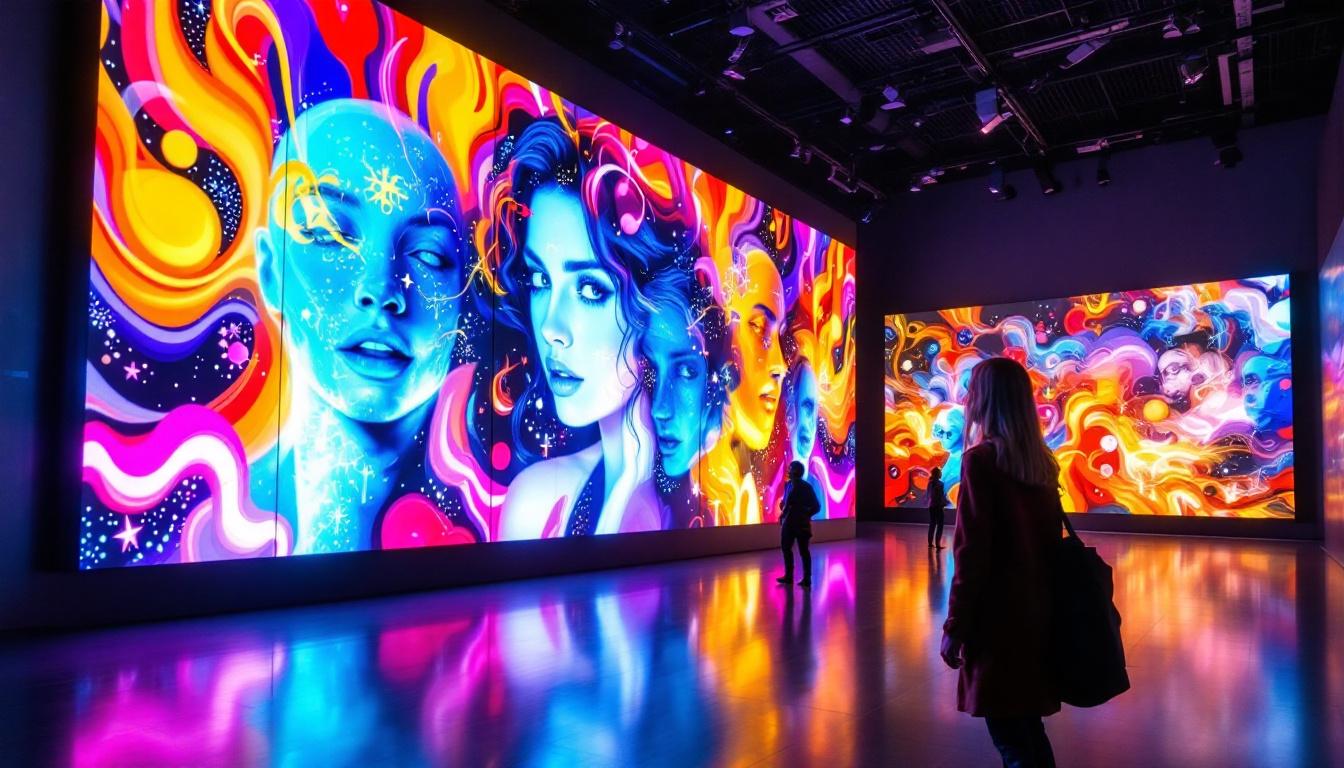
Color accuracy and gamut define the range and fidelity of colors the display can reproduce. Advanced LED displays support millions of colors with precise calibration, making them suitable for applications requiring true-to-life visuals, such as art exhibitions or high-end retail.
Applications of 32-9 LED Displays
The unique characteristics of 32-9 LED displays make them suitable for a variety of applications. Their ultra-wide format and high resolution enable creative and impactful visual presentations.
Digital Signage and Advertising
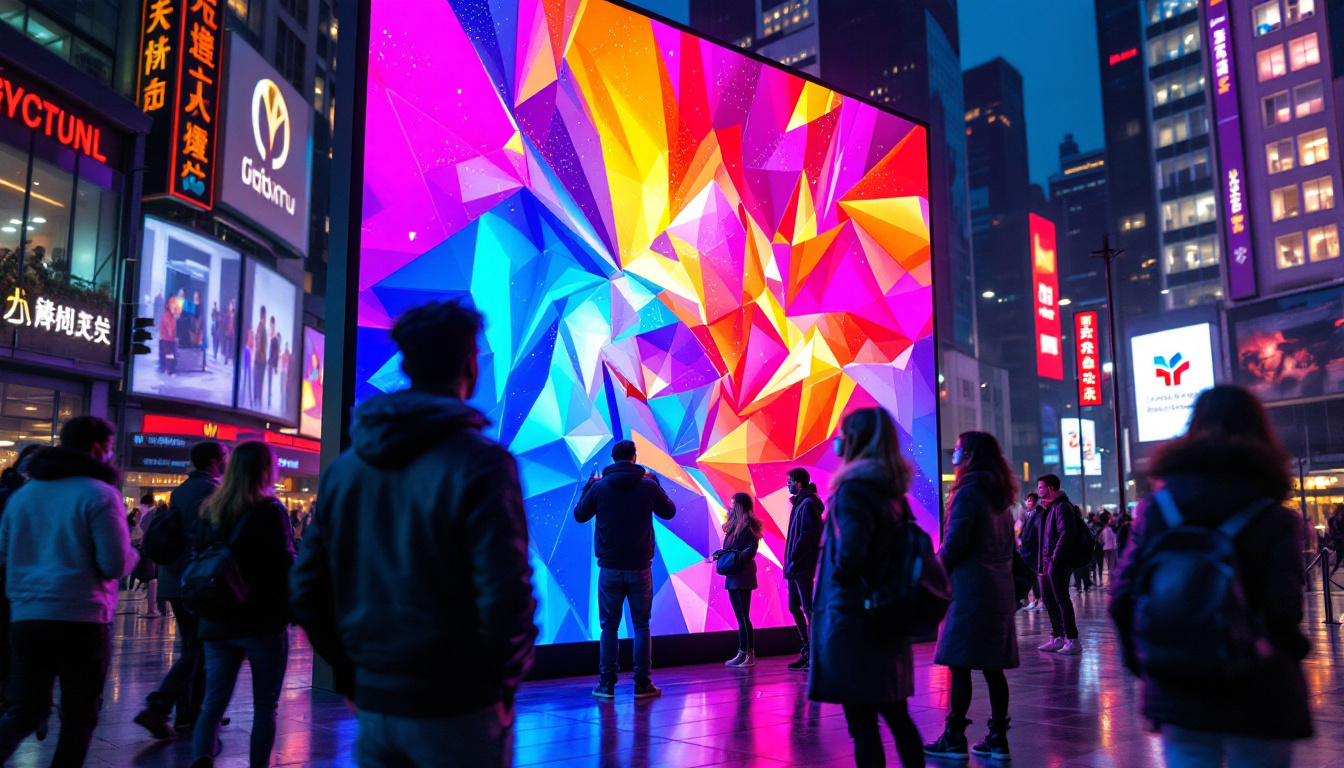
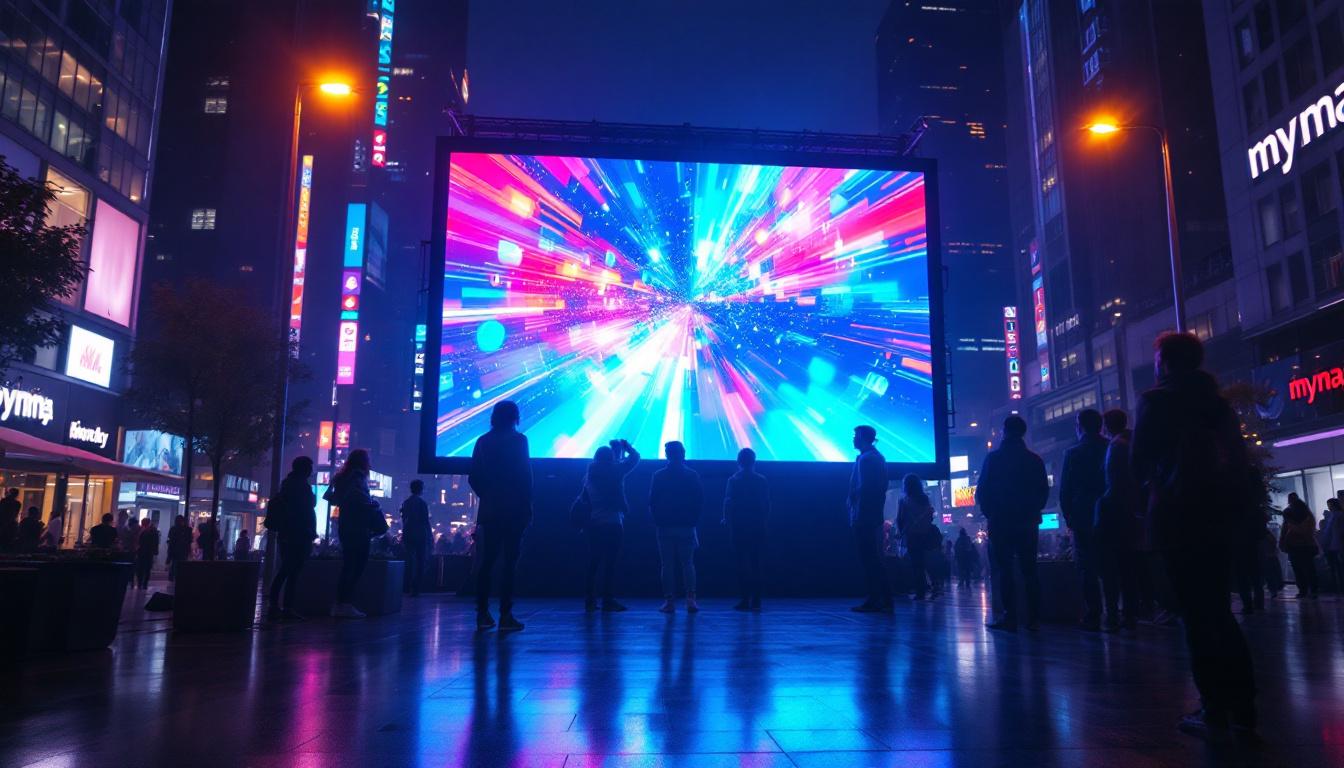
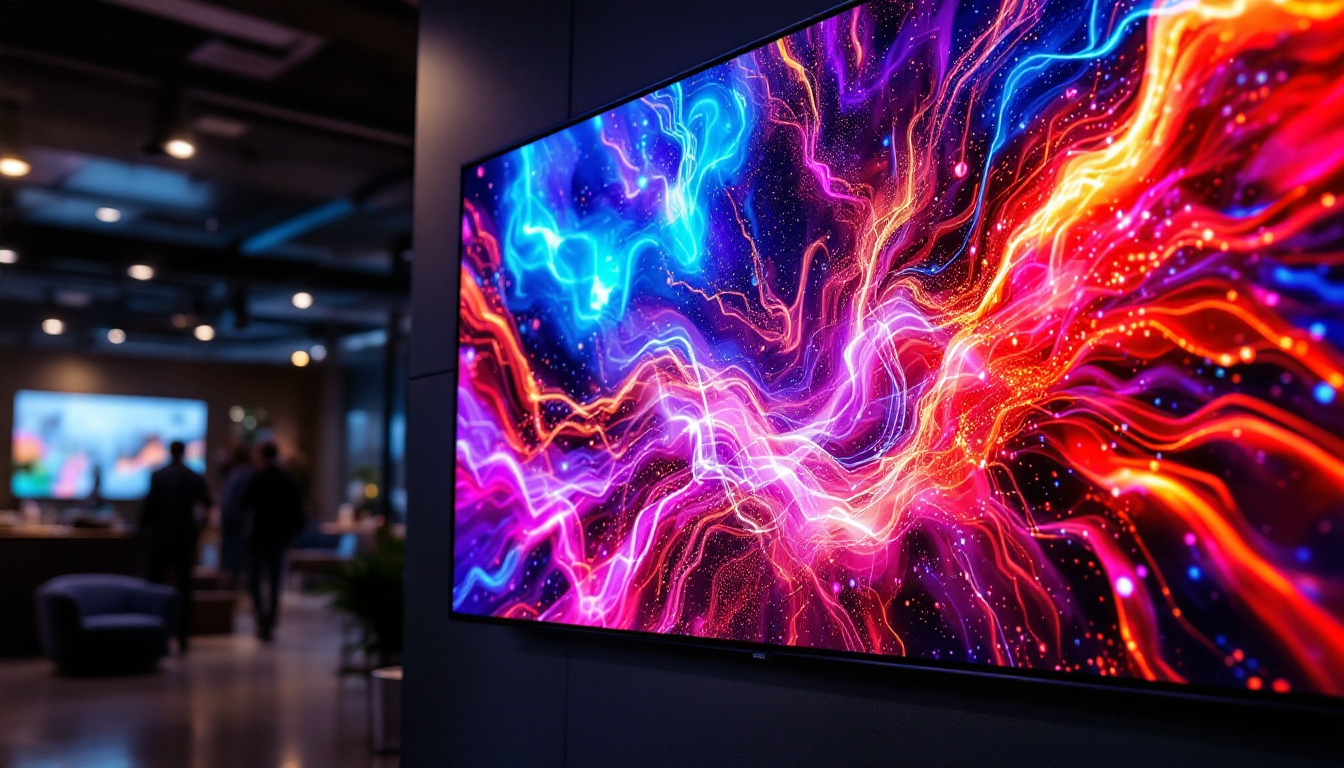
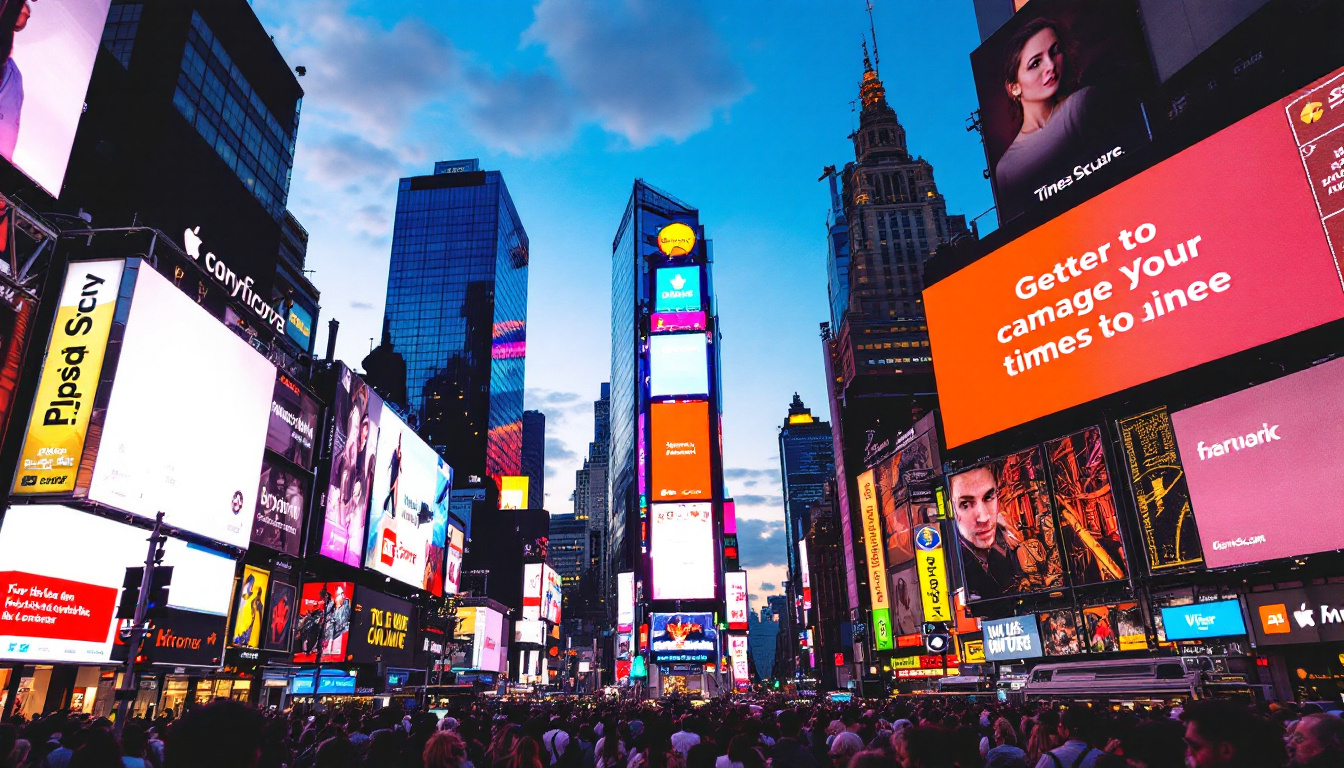
Retailers and advertisers leverage 32-9 LED displays to create eye-catching, panoramic advertisements that capture customer attention. The wide aspect ratio allows for innovative content layouts, combining multiple messages or immersive visuals in a single seamless display.
For example, shopping malls and airports often use such displays to provide wayfinding information alongside promotional content, enhancing both functionality and engagement.
Control Rooms and Command Centers
In control rooms for utilities, transportation, or emergency services, 32-9 LED displays provide operators with a comprehensive view of critical data streams. Their wide format enables simultaneous monitoring of multiple feeds, improving situational awareness and decision-making.
The high brightness and contrast ensure readability under various lighting conditions, while the high refresh rate supports real-time updates.
Entertainment and Events
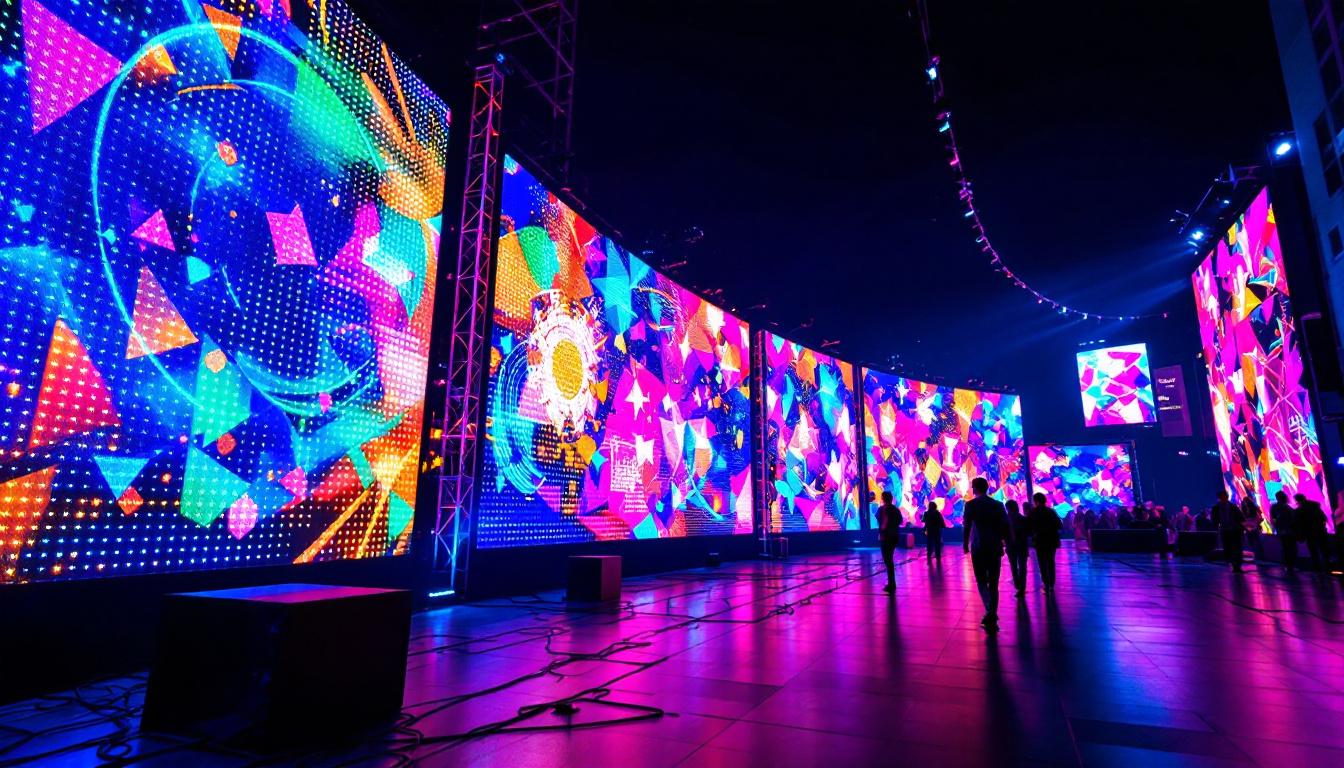
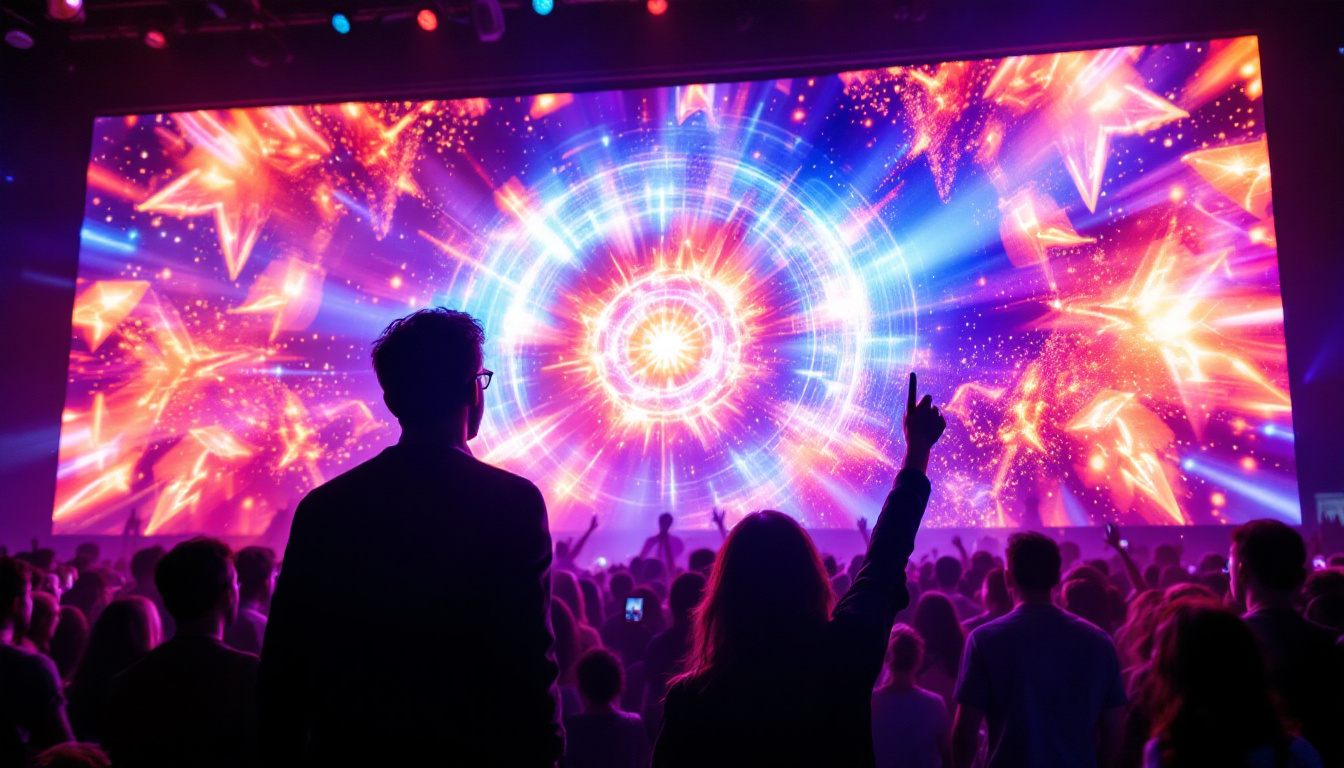
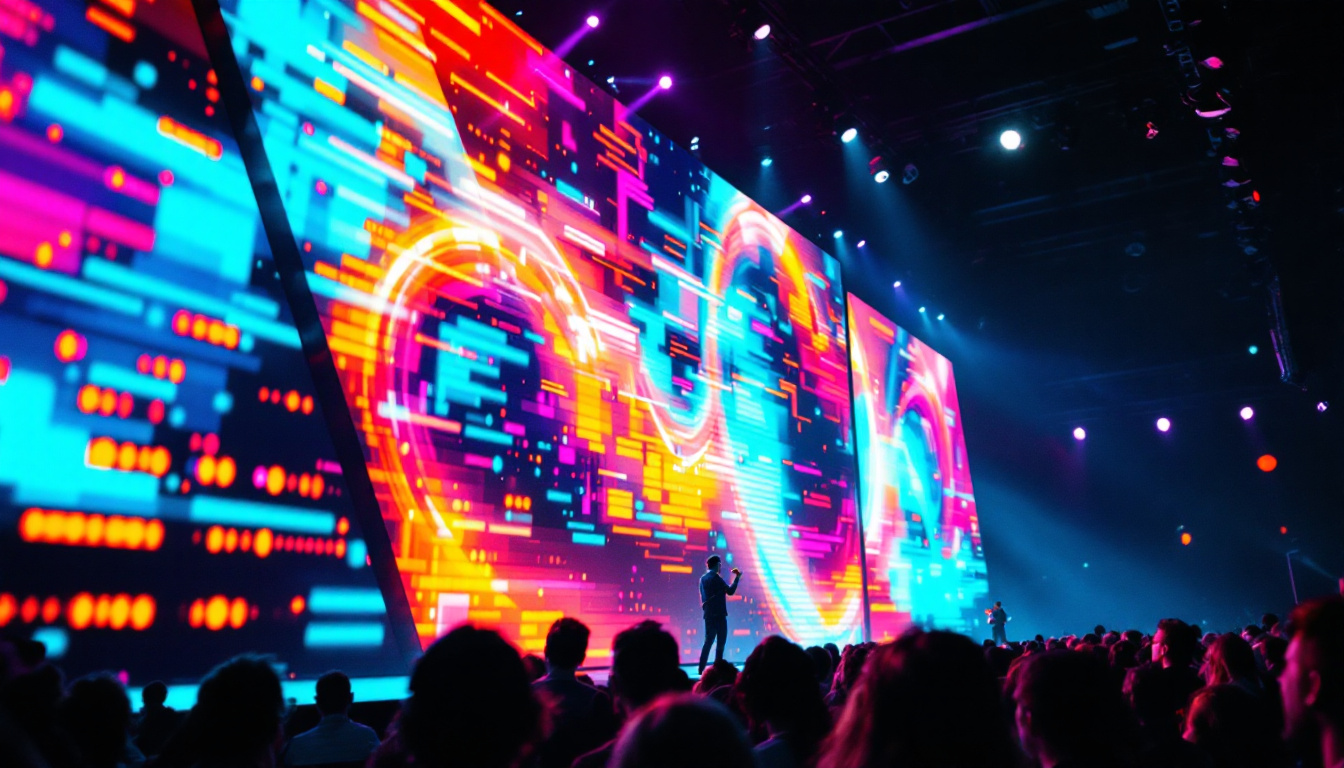
Concerts, sports arenas, and theaters utilize large LED displays to deliver immersive experiences to audiences. A 32-9 LED display can serve as a dynamic backdrop or scoreboard, offering expansive visuals that enhance the atmosphere and engagement.
Its modular nature allows for flexible configurations, adapting to different stage designs and event requirements.
Advantages of 32-9 LED Displays Over Other Display Technologies
While LCD and OLED screens have their place, LED displays, particularly in a 32-9 configuration, offer distinct advantages that make them preferable in many scenarios.
Superior Brightness and Visibility
LED displays can achieve brightness levels far beyond those of LCD or OLED screens, making them ideal for outdoor and brightly lit environments. This ensures content remains visible and impactful regardless of ambient light conditions.
Energy Efficiency and Longevity
LED technology is inherently energy-efficient, consuming less power than comparable display types. Additionally, LED displays have longer lifespans, often exceeding 100,000 hours of operation, reducing maintenance and replacement costs.
Scalability and Flexibility
The modular design of LED displays allows for easy customization of size and shape. The 32-9 configuration exemplifies this flexibility, enabling ultra-wide formats that are difficult to achieve with traditional screens.
This scalability is particularly beneficial for businesses and venues that require tailored display solutions to fit unique spaces or content needs.
Installation and Maintenance Considerations
Deploying a 32-9 LED display involves careful planning and execution to maximize performance and durability.
Structural Support and Mounting
Due to their size and weight, large LED displays require robust structural support. Installation teams must assess the mounting surface and environmental factors such as wind load and vibration to ensure safety and stability.
Calibration and Content Management
Proper calibration is essential to maintain color accuracy and uniform brightness across the entire display. Content management systems (CMS) compatible with LED technology facilitate seamless content scheduling, scaling, and real-time updates.
Routine Maintenance and Troubleshooting
LED displays benefit from routine inspections to identify and replace faulty modules or components. Many modern LED systems include diagnostic tools that alert operators to issues, minimizing downtime and preserving image quality.
Future Trends in LED Display Technology
As LED technology continues to advance, several trends are shaping the future of 32-9 and other LED display configurations.
MicroLED and MiniLED Innovations
Emerging MicroLED and MiniLED technologies offer even smaller pixel pitches and improved energy efficiency. These innovations promise higher resolution and better color performance, expanding the possibilities for ultra-wide displays like the 32-9.
Integration with Interactive Technologies
Interactive LED displays that respond to touch, motion, or other inputs are becoming more prevalent. Integrating these features with 32-9 displays can create engaging, immersive experiences in retail, education, and entertainment sectors.
Enhanced Connectivity and Smart Features
Future LED displays will increasingly incorporate IoT capabilities, enabling remote monitoring, predictive maintenance, and seamless integration with digital ecosystems. This will enhance operational efficiency and user experience.
Conclusion
The 32-9 LED display represents a compelling option for organizations seeking ultra-wide, high-performance digital signage solutions. Its unique configuration supports a wide range of applications, from advertising and control rooms to entertainment venues.
By understanding the technical specifications, advantages, and practical considerations associated with 32-9 LED displays, businesses can make informed decisions that maximize impact and return on investment. As LED technology evolves, these displays will continue to play a pivotal role in the future of visual communication.
Explore the Future of Visual Communication with LumenMatrix
Ready to elevate your visual storytelling and create unforgettable experiences? Discover the full spectrum of LumenMatrix’s innovative LED display solutions, from vibrant Indoor and Outdoor LED Wall Displays to dynamic Vehicle and Sports Displays, and beyond. Embrace the revolution in digital signage with our Custom, All-in-One, and Transparent LED Displays, designed to captivate your audience and amplify your message. Check out LumenMatrix LED Display Solutions today and transform your space into a canvas of limitless possibilities.