Cctv Media Representative In UAE: LED Display Explained
In the rapidly evolving landscape of digital advertising and public information dissemination, LED displays have become a cornerstone technology, especially in vibrant markets like the United Arab Emirates (UAE). For CCTV media representatives operating in the UAE, understanding the intricacies of LED display technology is essential to effectively manage, promote, and implement these dynamic visual communication tools.
This article delves deep into the world of LED displays, providing a comprehensive explanation tailored for CCTV media professionals in the UAE. From the technical fundamentals to market trends and practical applications, this guide aims to equip media representatives with the knowledge needed to leverage LED displays for maximum impact.
Understanding LED Display Technology
What is an LED Display?
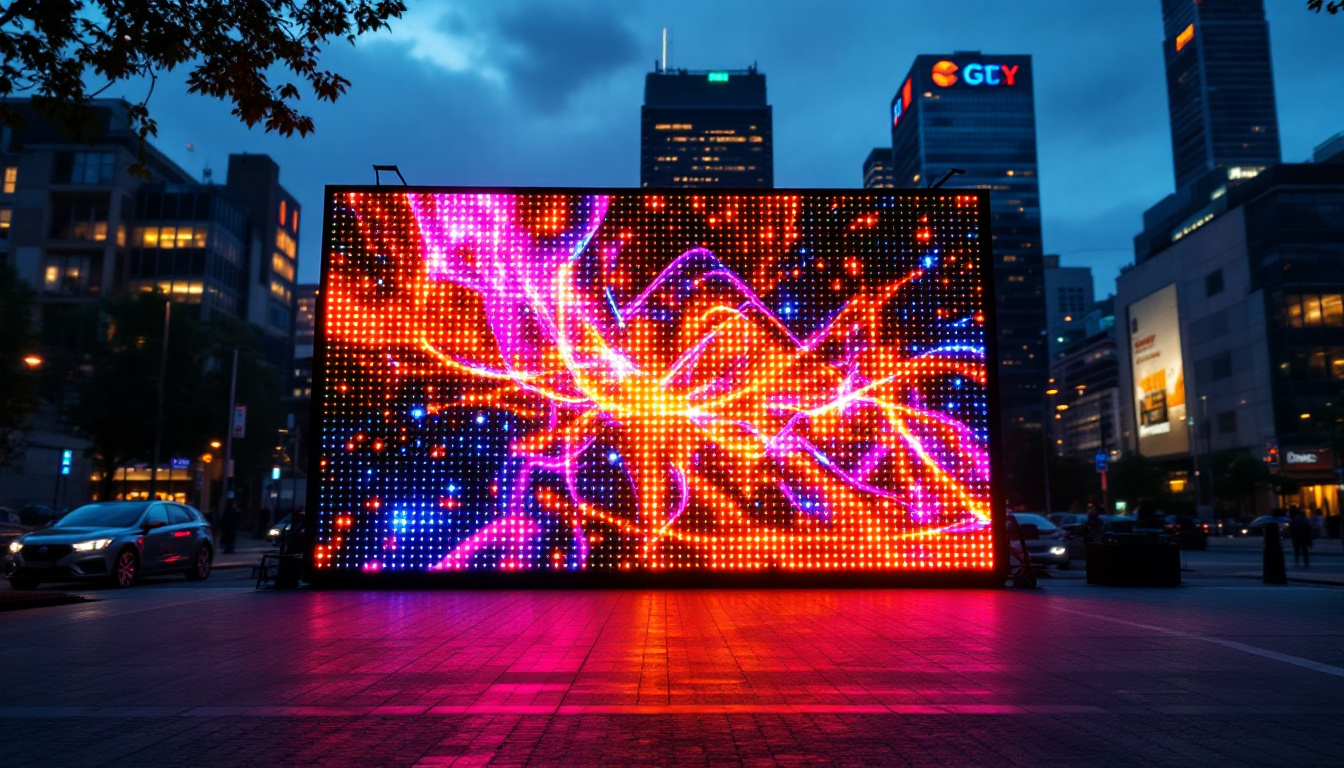
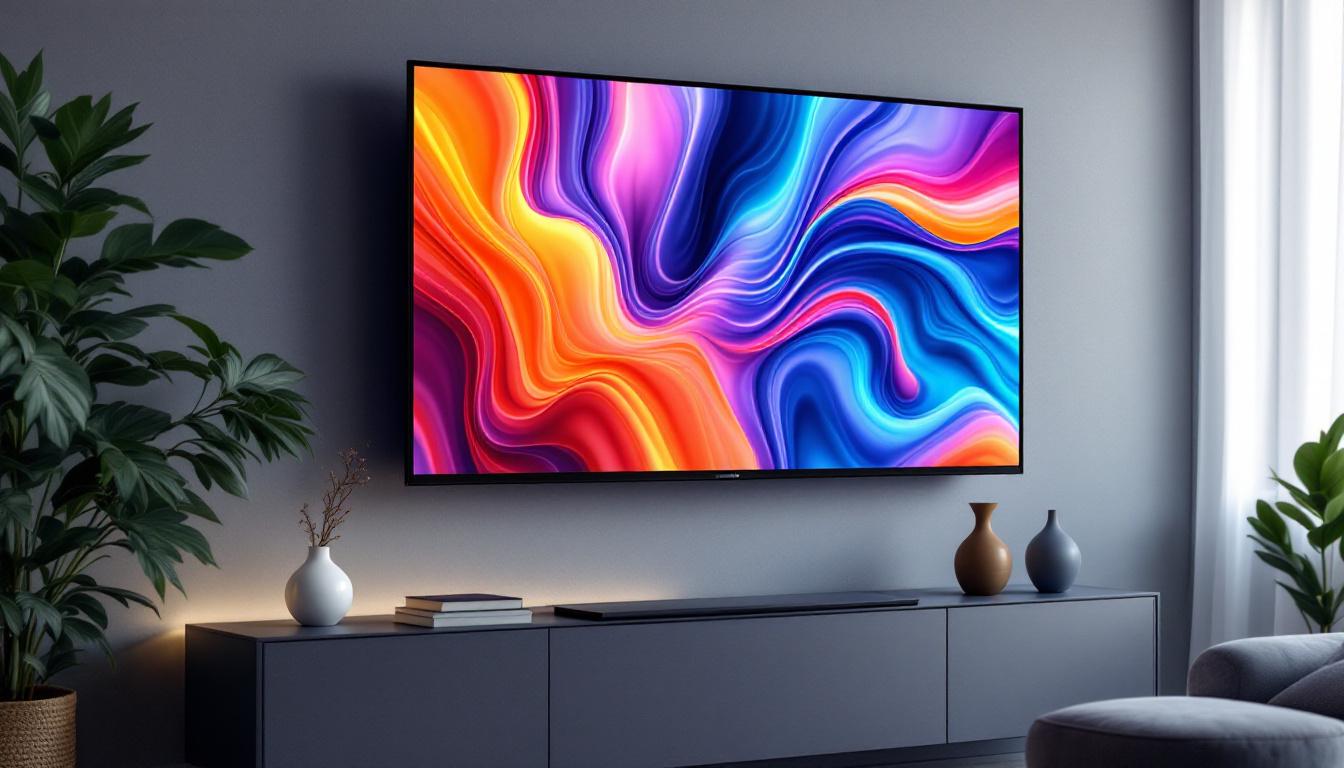
LED stands for Light Emitting Diode, a semiconductor device that emits light when an electric current passes through it. An LED display is a flat panel display that uses an array of LEDs as pixels to create images, videos, and text. Unlike traditional LCD or plasma screens, LED displays offer superior brightness, energy efficiency, and durability, making them ideal for both indoor and outdoor use.
In the context of CCTV media, LED displays serve as powerful tools for broadcasting real-time information, advertisements, and public announcements. Their ability to capture attention with vivid colors and dynamic content makes them indispensable in high-traffic areas such as malls, airports, and city centers. Additionally, the rapid advancements in LED technology have led to the development of displays that can be controlled remotely, allowing for instant updates and changes to content. This feature is particularly beneficial for businesses that need to adapt their messaging based on real-time events or promotions.
Types of LED Displays
LED displays come in various forms, each suited to different environments and purposes. The most common types include:
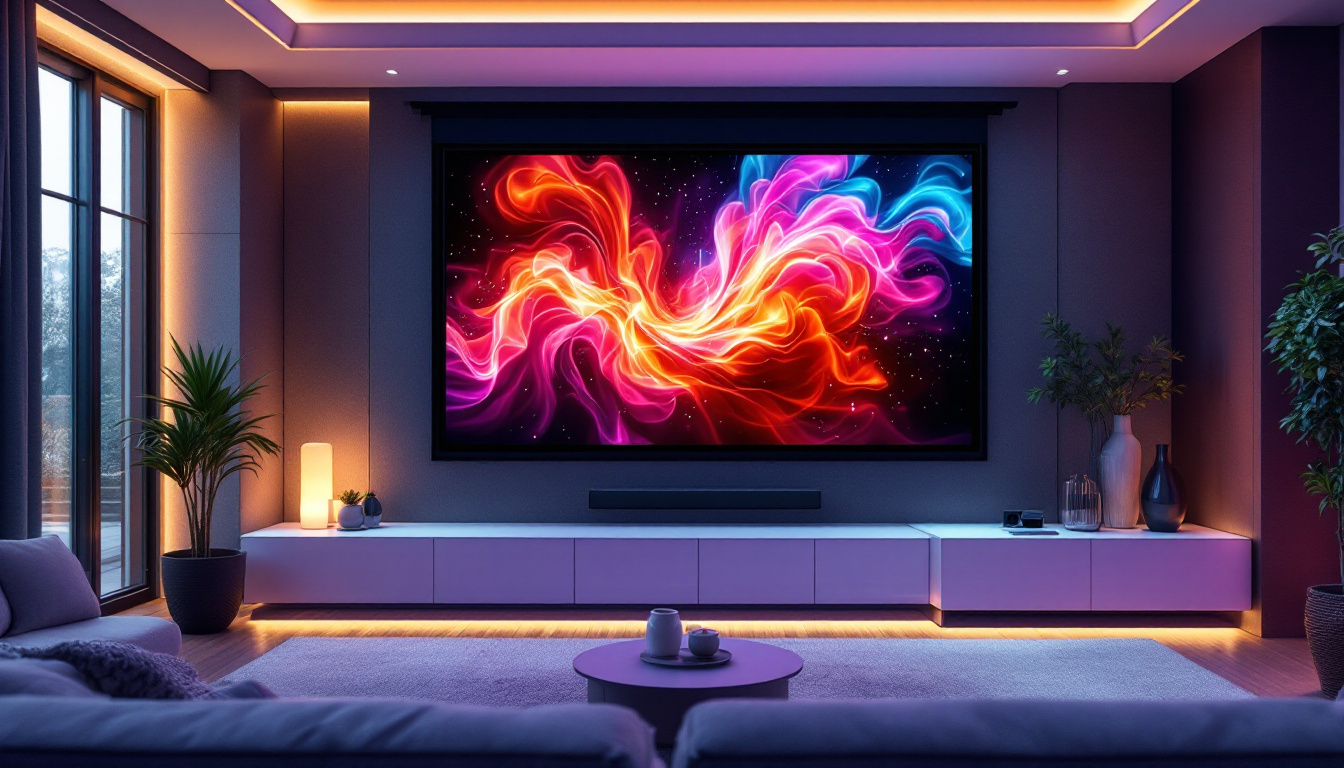
- Indoor LED Displays: Designed for close-range viewing, these displays feature high pixel density and brightness levels suitable for controlled lighting environments. They are often used in settings such as conference rooms and retail spaces where clarity and detail are paramount.
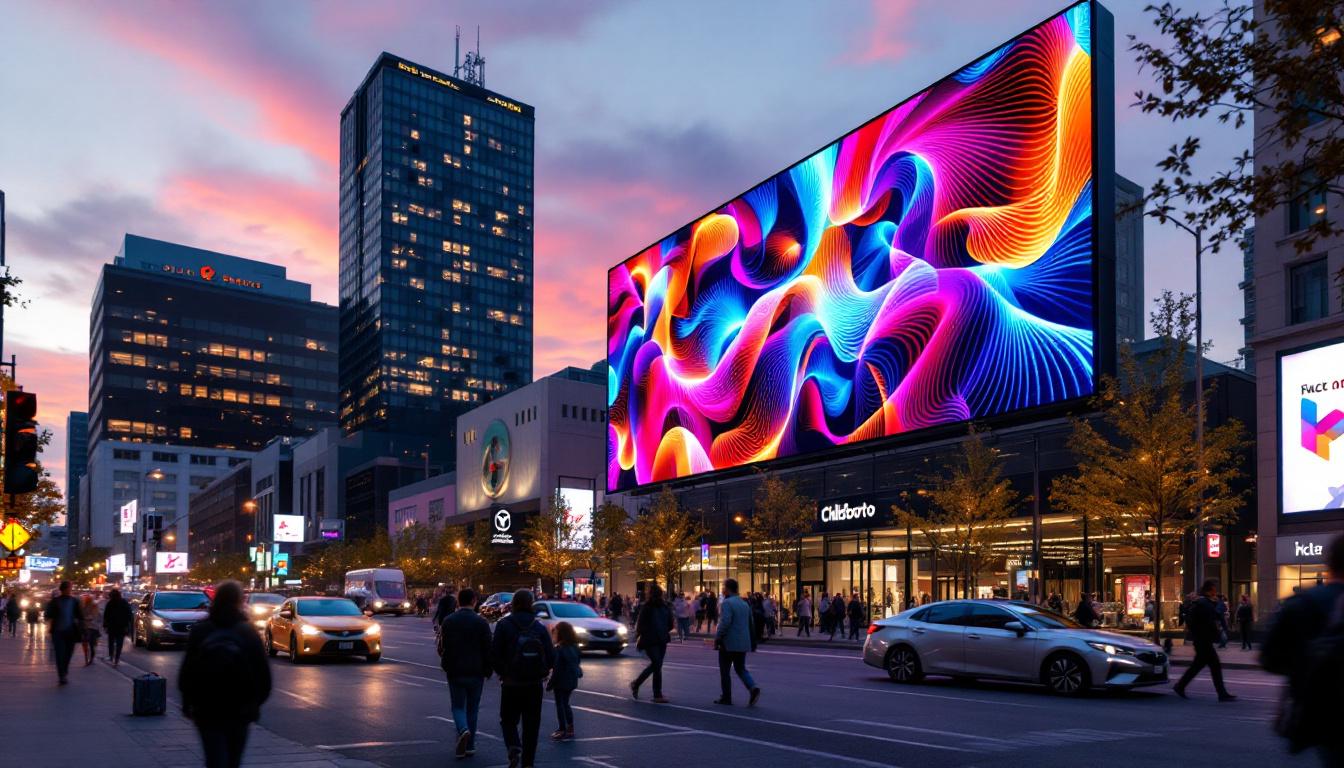
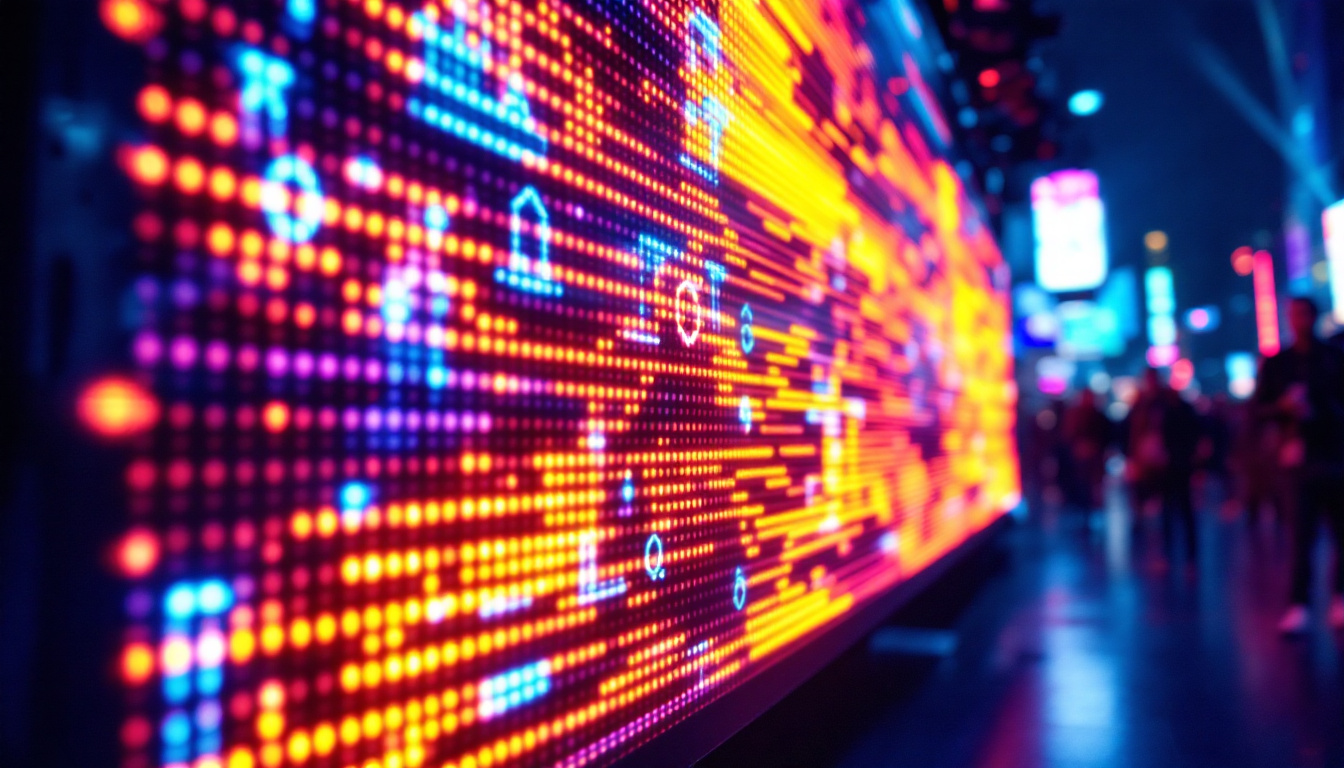
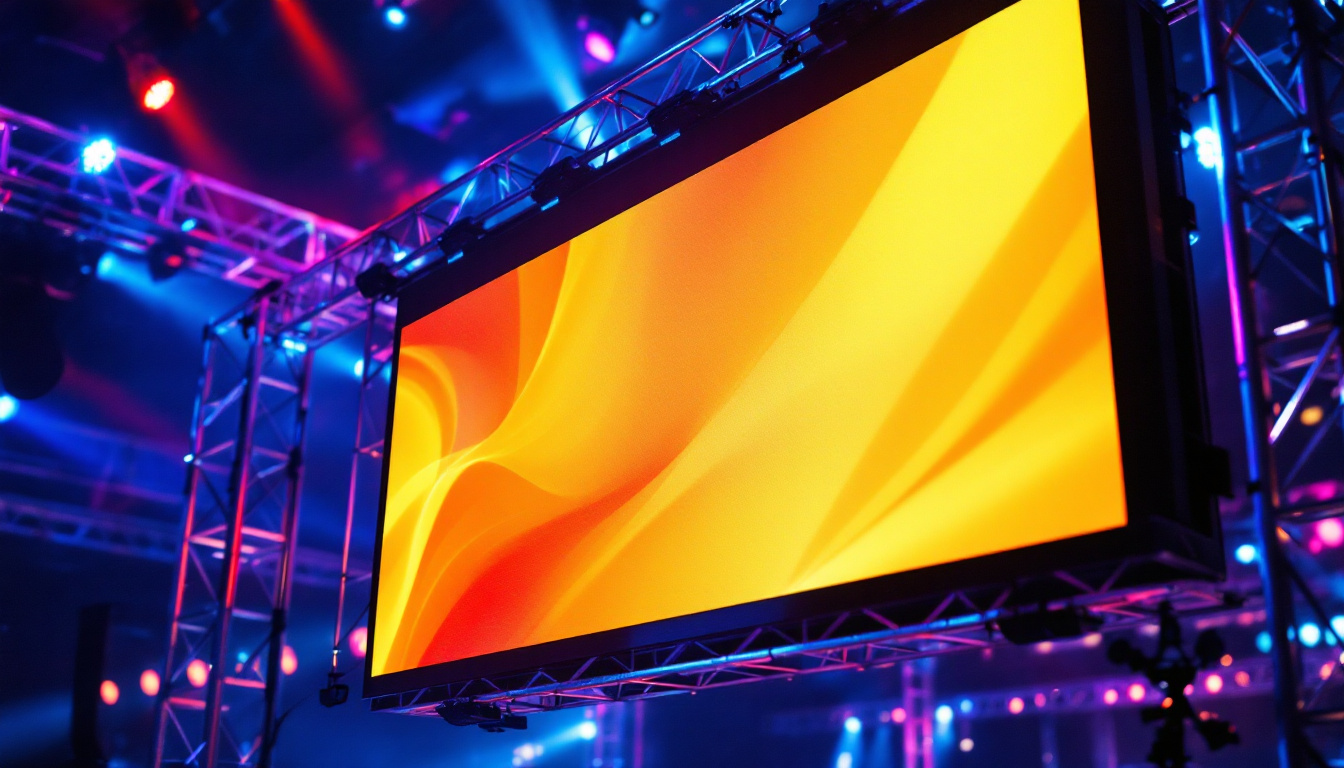
- Outdoor LED Displays: Built to withstand harsh weather conditions, these displays have higher brightness (often exceeding 5,000 nits) to remain visible under direct sunlight. Their rugged construction ensures longevity, making them a popular choice for billboards and sports arenas.
- Transparent LED Displays: These innovative screens allow light to pass through, making them perfect for storefront windows and architectural applications without obstructing views. They provide a unique way to showcase products while maintaining a modern aesthetic.
- Flexible and Curved LED Displays: Offering design versatility, these displays can be shaped to fit unique spaces, enhancing aesthetic appeal and engagement. They are increasingly used in creative installations where traditional flat screens would be impractical.
Key Technical Specifications
For CCTV media representatives, understanding technical specifications is crucial when selecting or recommending LED displays. Important parameters include:
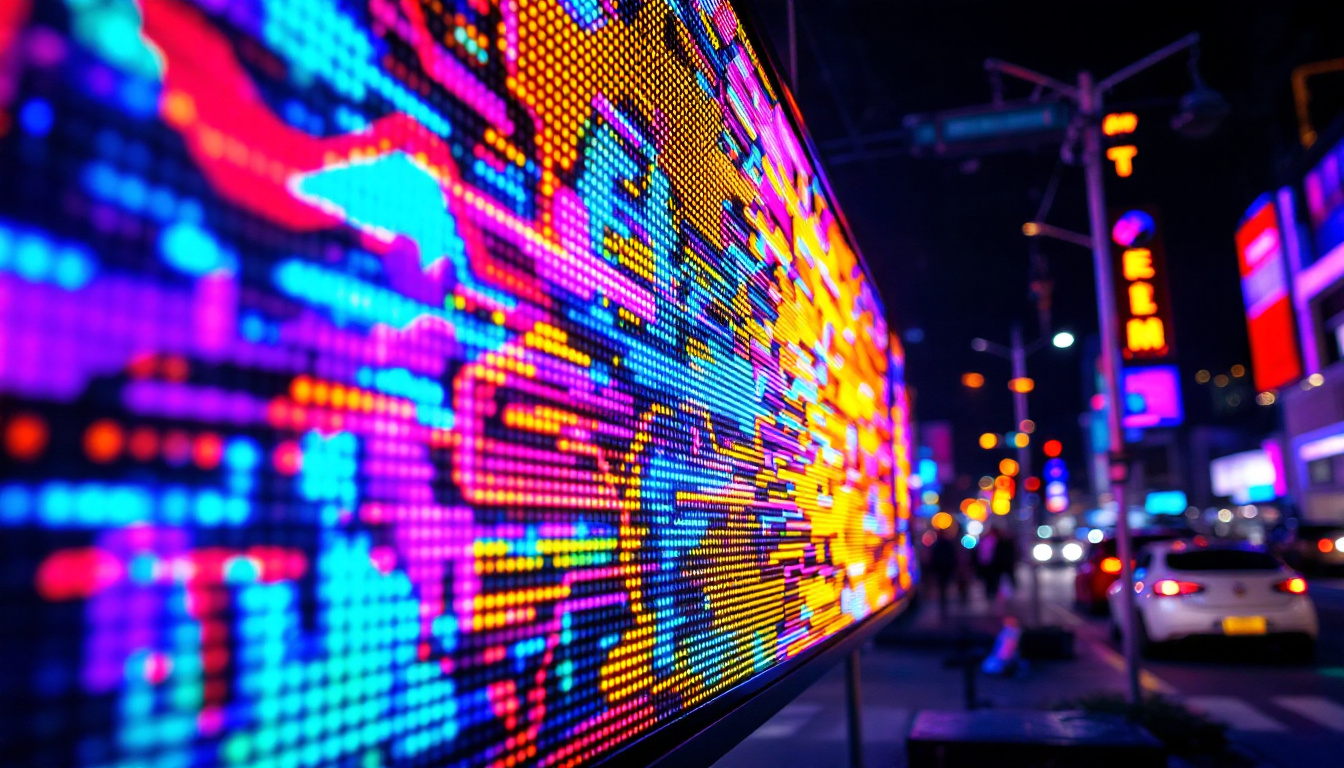
- Pixel Pitch: The distance between the centers of two adjacent pixels, measured in millimeters. Smaller pixel pitch means higher resolution and sharper images, essential for close viewing distances. This is particularly important for applications such as digital signage in retail environments where clarity can influence purchasing decisions.
- Brightness: Measured in nits, brightness determines visibility under various lighting conditions. Outdoor displays require higher brightness levels to combat sunlight glare, ensuring that messages remain clear and legible at all times.
- Refresh Rate: The number of times the display updates per second. Higher refresh rates reduce flicker, improving video quality especially for CCTV footage. This is crucial in security applications where smooth playback can aid in the identification of individuals or events.
- Viewing Angle: The maximum angle at which the display can be viewed without significant loss of brightness or color distortion. A wider viewing angle is advantageous in public spaces, allowing more people to see the content clearly from various positions.
Moreover, the integration of smart technology into LED displays is transforming how they are utilized. Features such as built-in sensors can adjust brightness based on ambient light, optimizing energy consumption while ensuring visibility. Additionally, many modern LED displays are equipped with connectivity options, allowing for seamless integration with various media players and content management systems. This capability enables users to schedule and automate content delivery, making it easier to manage multiple displays across different locations efficiently.
The Role of LED Displays in UAE’s Media and Advertising Landscape
Market Growth and Adoption
The UAE is a global hub for innovation and luxury, with cities like Dubai and Abu Dhabi leading the charge in adopting cutting-edge technologies. According to recent market research, the Middle East LED display market is projected to grow at a compound annual growth rate (CAGR) of over 10% through 2027, driven by increasing demand in retail, transportation, and public sectors.
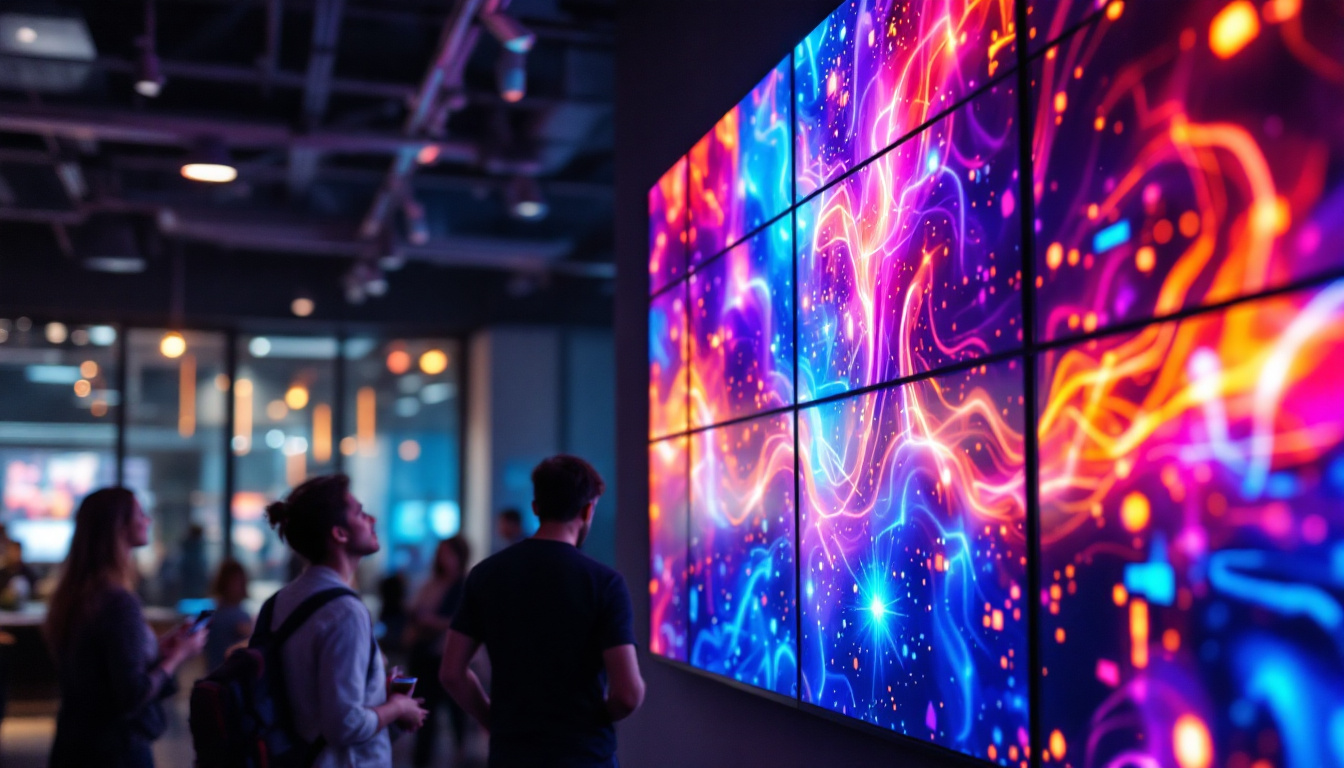
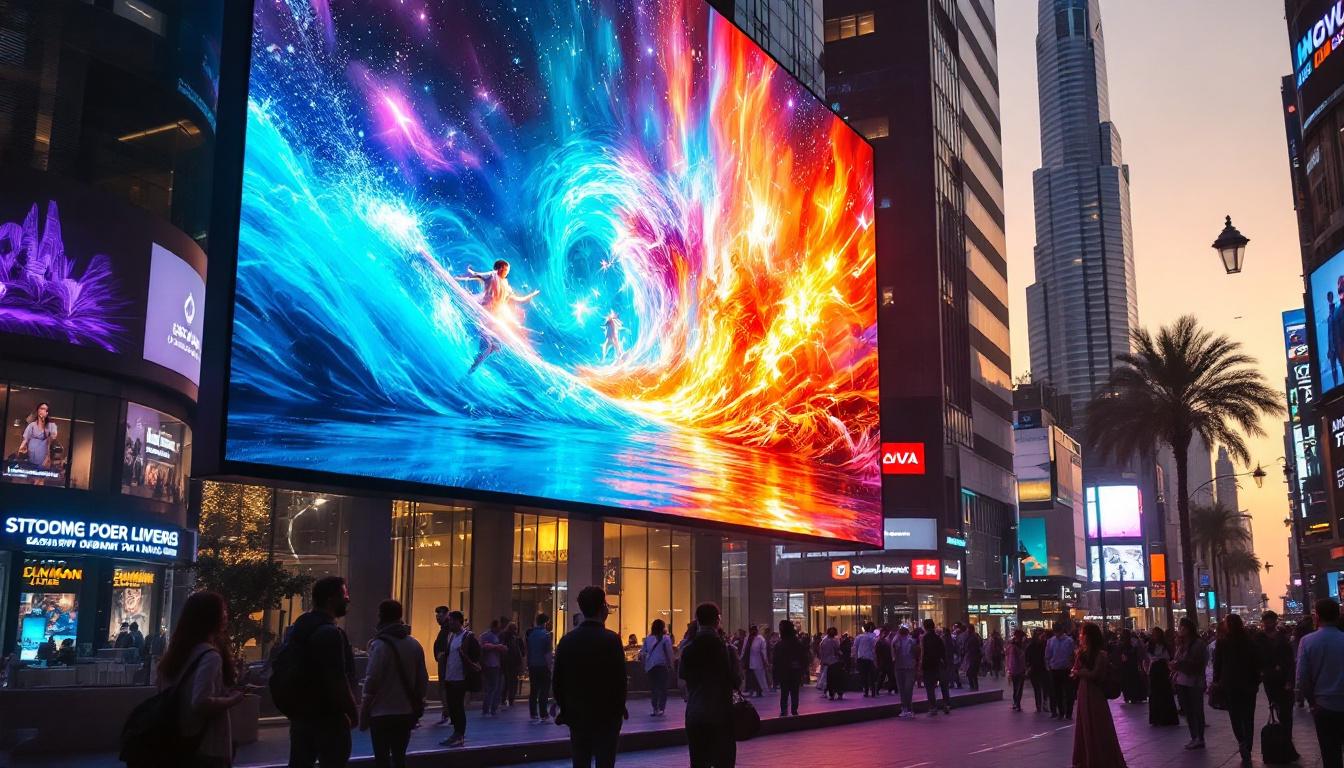
Dubai’s iconic landmarks, such as the Burj Khalifa and Dubai Mall, extensively utilize LED displays for advertising and public messaging, showcasing the technology’s prominence. For CCTV media representatives, this growth translates into expanding opportunities to collaborate with advertisers, government agencies, and event organizers.
Applications in CCTV and Public Safety
Beyond advertising, LED displays play a vital role in enhancing public safety and information dissemination. CCTV media representatives often coordinate with municipal authorities to integrate LED screens in public spaces for:
- Real-Time Surveillance Feeds: Displaying live CCTV footage to monitor crowds and traffic, enabling quicker response to incidents.
- Emergency Alerts: Broadcasting urgent messages such as weather warnings, security alerts, or evacuation instructions.
- Traffic Management: Providing dynamic traffic updates and route guidance to alleviate congestion.
These applications underscore the importance of reliable, high-quality LED displays that can operate continuously and deliver clear visuals under diverse conditions.
Choosing the Right LED Display: Factors for CCTV Media Representatives
Assessing Location and Environment
The first step in selecting an LED display is evaluating the installation environment. Outdoor locations demand displays with robust weatherproofing (IP65 or higher), high brightness, and anti-glare coatings. Indoor venues prioritize resolution and color accuracy since lighting conditions are controlled.
For CCTV media projects, proximity to viewers is critical. Displays intended for monitoring security footage must have high refresh rates and minimal latency to ensure real-time accuracy.
Content Strategy and Display Size
The type of content to be displayed heavily influences the choice of LED technology. Static images and text require less demanding specifications than full-motion video or interactive content. Larger displays can accommodate more complex visuals but require higher investment and maintenance.
Media representatives should collaborate with content creators and advertisers to define the display’s purpose, tailoring specifications accordingly. For example, a 10-meter wide LED wall in a shopping mall might focus on vibrant advertisements, while a smaller screen in a public transport hub could prioritize clear, concise information.
Energy Efficiency and Maintenance
Energy consumption is a significant consideration, especially for large-scale installations. Modern LED displays are designed to be energy-efficient, reducing operational costs and environmental impact.
Maintenance accessibility is another key factor. Modular LED panels that can be serviced from the front simplify repairs and minimize downtime, which is crucial for continuous CCTV operations.
Implementation Challenges and Solutions
Technical Integration with CCTV Systems
Integrating LED displays with existing CCTV infrastructure requires careful planning. Compatibility with video management systems (VMS), real-time data feeds, and network security protocols must be ensured.
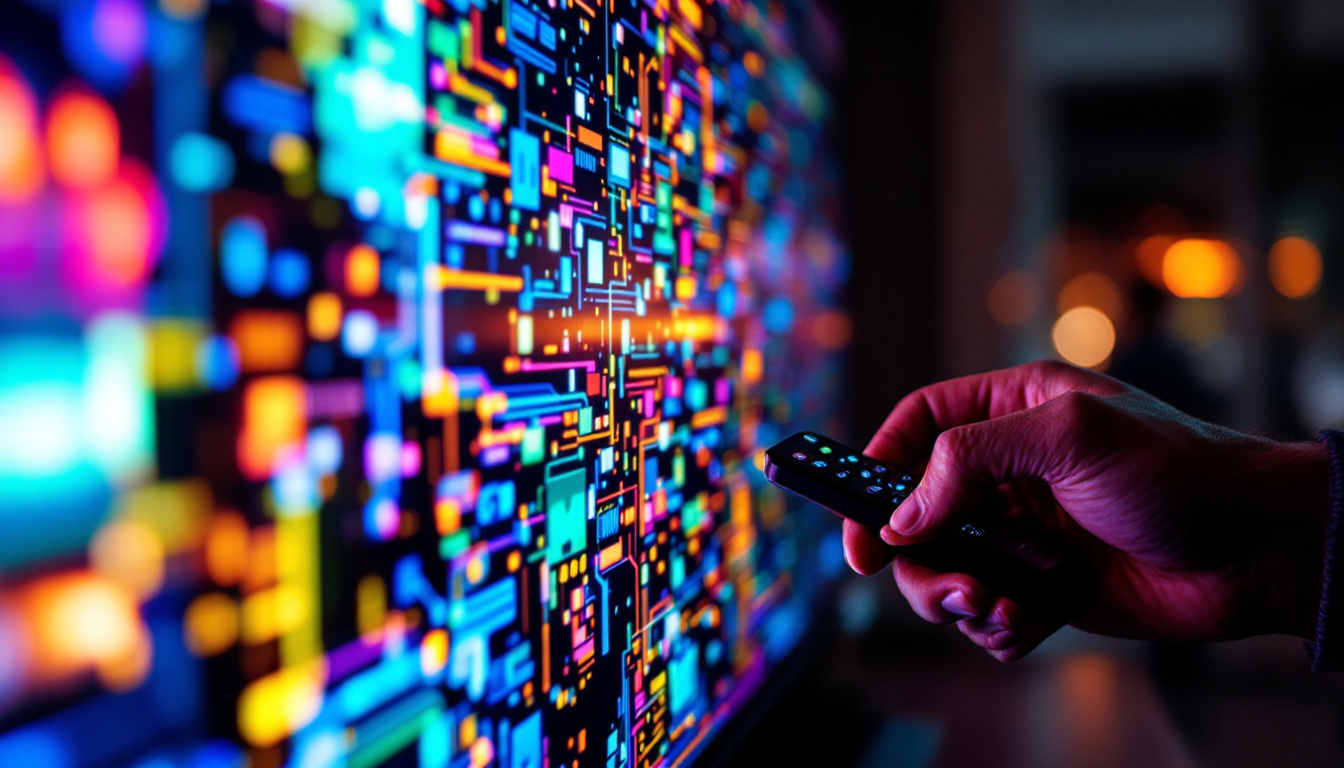
Advanced controllers and software platforms enable seamless switching between live CCTV footage, pre-recorded videos, and emergency messages. Training for media representatives on these systems enhances operational efficiency and responsiveness.
Regulatory Compliance and Permissions
The UAE has strict regulations governing outdoor advertising and digital displays to maintain aesthetic standards and avoid distractions. CCTV media representatives must navigate these legal frameworks, securing permits and adhering to guidelines on brightness levels, content restrictions, and installation locations.
Engaging with local authorities early in the project lifecycle helps prevent delays and ensures compliance with municipal codes.
Cost Management and ROI
LED displays represent a significant investment. Budgeting must account for initial purchase, installation, content creation, maintenance, and potential upgrades. Media representatives should advocate for solutions that balance cost with performance and longevity.
Measuring return on investment (ROI) involves tracking metrics such as audience engagement, advertising revenue, and operational efficiency improvements. Data-driven decision-making supports ongoing optimization of LED display deployments.
Future Trends in LED Display Technology Relevant to the UAE Market
Mini-LED and Micro-LED Innovations
Emerging technologies like Mini-LED and Micro-LED promise even higher resolution, better color accuracy, and improved energy efficiency. These advancements could revolutionize the quality of displays used in CCTV media, enabling ultra-clear surveillance footage and immersive advertising experiences.
AI-Driven Content and Analytics
Artificial intelligence is increasingly integrated into LED display systems, allowing for dynamic content adaptation based on audience demographics, weather conditions, or real-time events. For CCTV media representatives, AI can enhance the relevance and impact of displayed information, improving public engagement and safety outcomes.
Sustainability and Green Technologies
As the UAE pursues ambitious sustainability goals, LED display manufacturers are focusing on eco-friendly materials and energy-saving designs. Solar-powered LED installations and recyclable components are gaining traction, aligning with the region’s vision for a greener future.
Conclusion
For CCTV media representatives in the UAE, mastering the nuances of LED display technology is vital to harnessing its full potential. From technical specifications and environmental considerations to regulatory compliance and future innovations, a thorough understanding enables informed decision-making and successful project execution.
LED displays are not just advertising tools; they are integral to public safety, urban aesthetics, and the digital transformation of the UAE’s media landscape. Staying abreast of technological trends and market dynamics ensures that CCTV media professionals remain at the forefront of this exciting field, delivering impactful visual communication that resonates with diverse audiences.
Discover LumenMatrix’s Advanced LED Display Solutions
As you consider the future of visual communication in the UAE, LumenMatrix stands ready to elevate your projects with our comprehensive range of LED display technologies. Whether you’re looking to enhance public safety, enrich urban aesthetics, or transform advertising strategies, our innovative solutions—from Indoor and Outdoor LED Wall Displays to Custom and All-in-One LED Displays—provide the clarity, engagement, and impact your initiatives demand. To explore how LumenMatrix can bring your vision to life with our state-of-the-art LED display modules, Check out LumenMatrix LED Display Solutions today.