In today’s fast-paced digital world, LED displays have become an integral part of how information is shared and consumed. From vibrant billboards illuminating cityscapes to the screens on smartphones and televisions, LED technology powers countless digital displays that shape our visual experiences. This article delves into the fundamentals of LED displays, exploring their technology, applications, advantages, and future trends to provide a comprehensive understanding of why LED screens dominate the digital display landscape.
Understanding LED Display Technology
What is an LED Display?
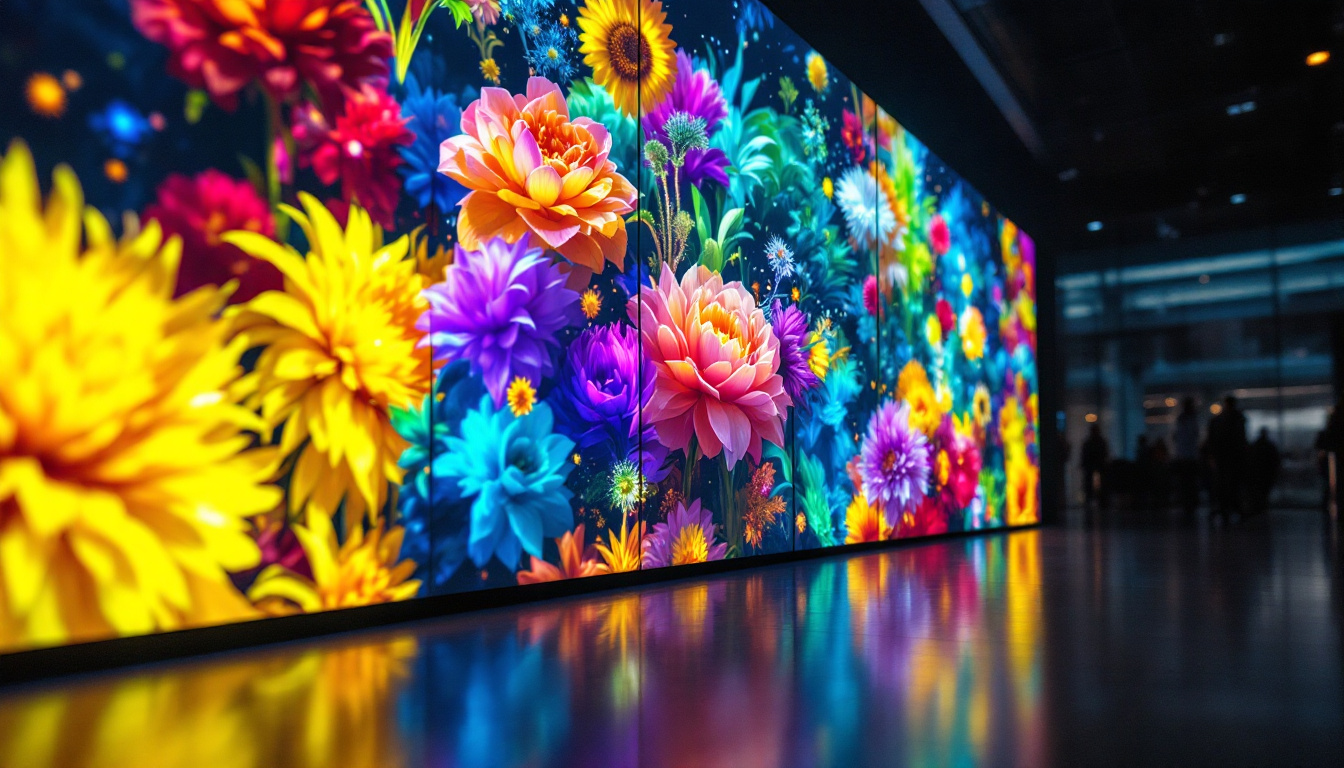
LED stands for Light Emitting Diode, a semiconductor device that emits light when an electric current passes through it. An LED display is a flat panel display that uses an array of these tiny LEDs as pixels to create images and videos. Unlike traditional LCD screens that rely on backlighting, LED displays produce their own light, resulting in brighter images and better contrast. This self-illuminating capability allows for deeper blacks and more vivid colors, making LED displays particularly popular for applications where visual impact is crucial, such as in advertising and entertainment.
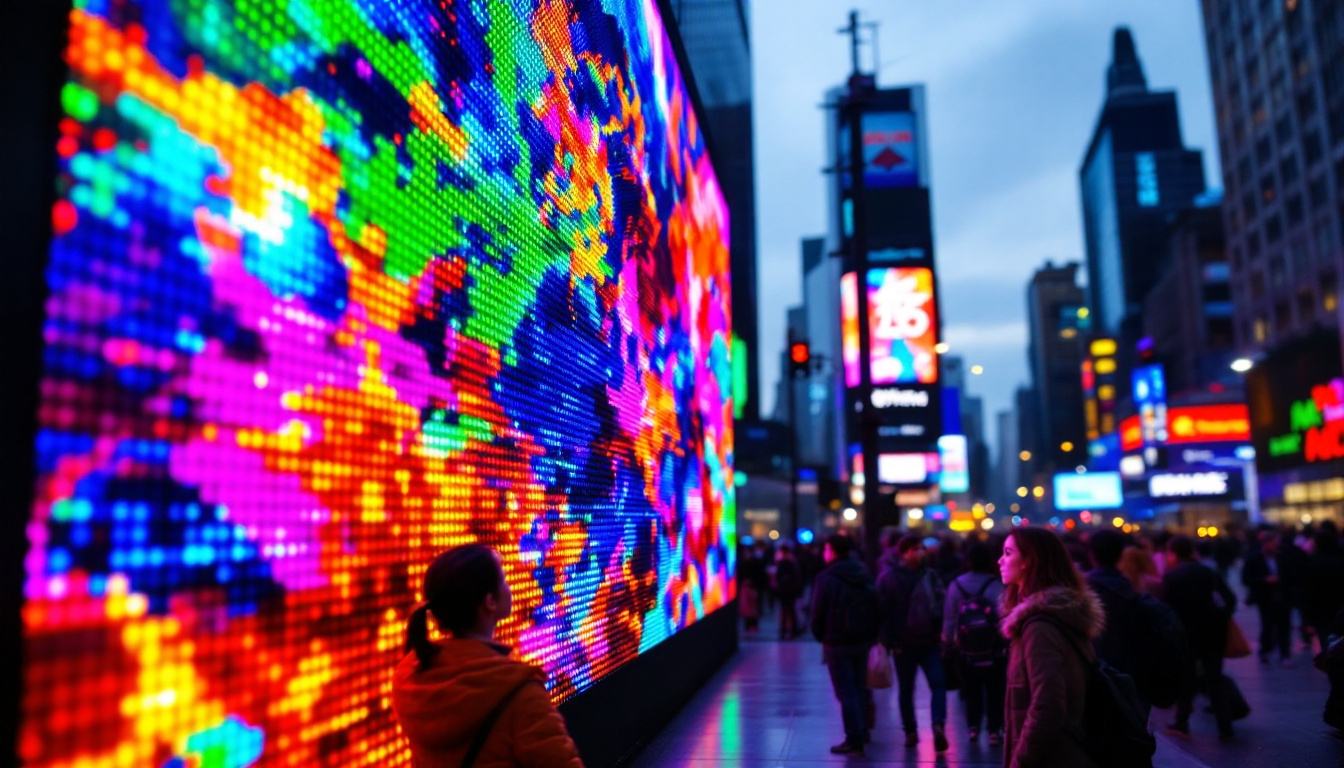
LED displays can be categorized into two main types: direct-view LED displays and LED-backlit LCDs. Direct-view LED displays use LEDs as the actual pixels, making them ideal for large-scale outdoor screens and digital billboards. These displays can be seen clearly from a distance and in various lighting conditions, which is why they are often used in stadiums, concerts, and public events. In contrast, LED-backlit LCDs use LEDs as a backlight source behind an LCD panel, common in televisions, monitors, and mobile devices. This technology enables thinner designs and energy efficiency, making it a preferred choice for consumer electronics.
The Science Behind LEDs
At the core of LED technology is electroluminescence, a process where materials emit light in response to an electric current. LEDs are made from semiconductor materials such as gallium arsenide or gallium nitride. When voltage is applied, electrons recombine with holes within the semiconductor, releasing energy in the form of photons—visible light. This efficient conversion of electrical energy into light not only enhances the brightness of displays but also contributes to their longevity, as LEDs typically have a lifespan of tens of thousands of hours.
The color of the light emitted by an LED depends on the semiconductor material and its energy bandgap. Red, green, and blue (RGB) LEDs are combined in various configurations to produce a full spectrum of colors, enabling the vibrant and dynamic visuals seen on LED displays. Additionally, advancements in technology have led to the development of white LEDs, which are often used in general lighting applications. These innovations have expanded the versatility of LED technology, allowing it to be utilized in everything from decorative lighting to high-performance displays in professional settings. Moreover, the integration of smart technology with LED displays has paved the way for interactive experiences, where users can engage with content in real-time, further enhancing the appeal and functionality of LED technology in modern applications.
Types of LED Displays and Their Applications
Indoor vs. Outdoor LED Displays
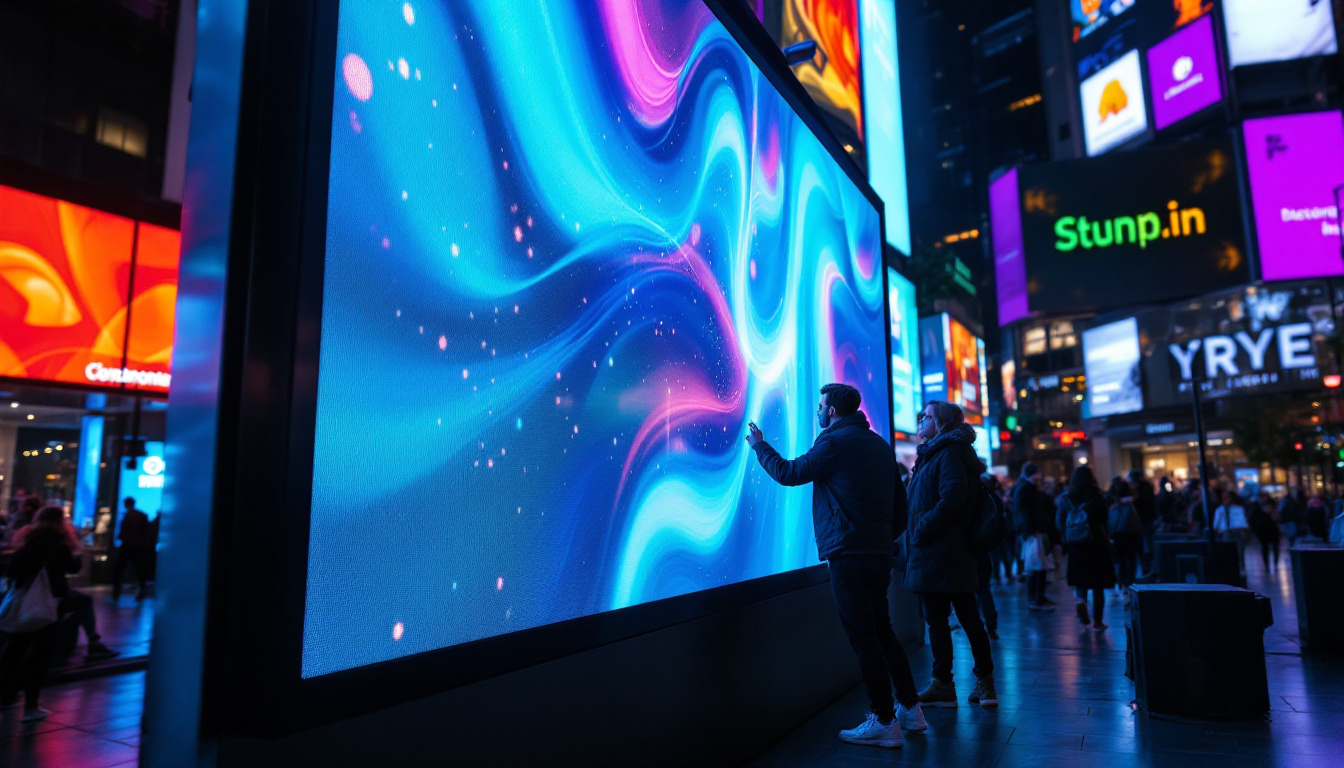
LED displays are designed differently depending on their intended environment. Indoor LED displays typically have a higher pixel density, meaning the LEDs are packed closely together to provide crisp images at close viewing distances. These are commonly used in conference rooms, retail stores, and event venues. The vibrant colors and high resolution of indoor displays make them ideal for presentations, product showcases, and immersive experiences that require detailed visuals. Additionally, many indoor displays are equipped with advanced features such as touch interactivity, allowing users to engage directly with the content being presented.
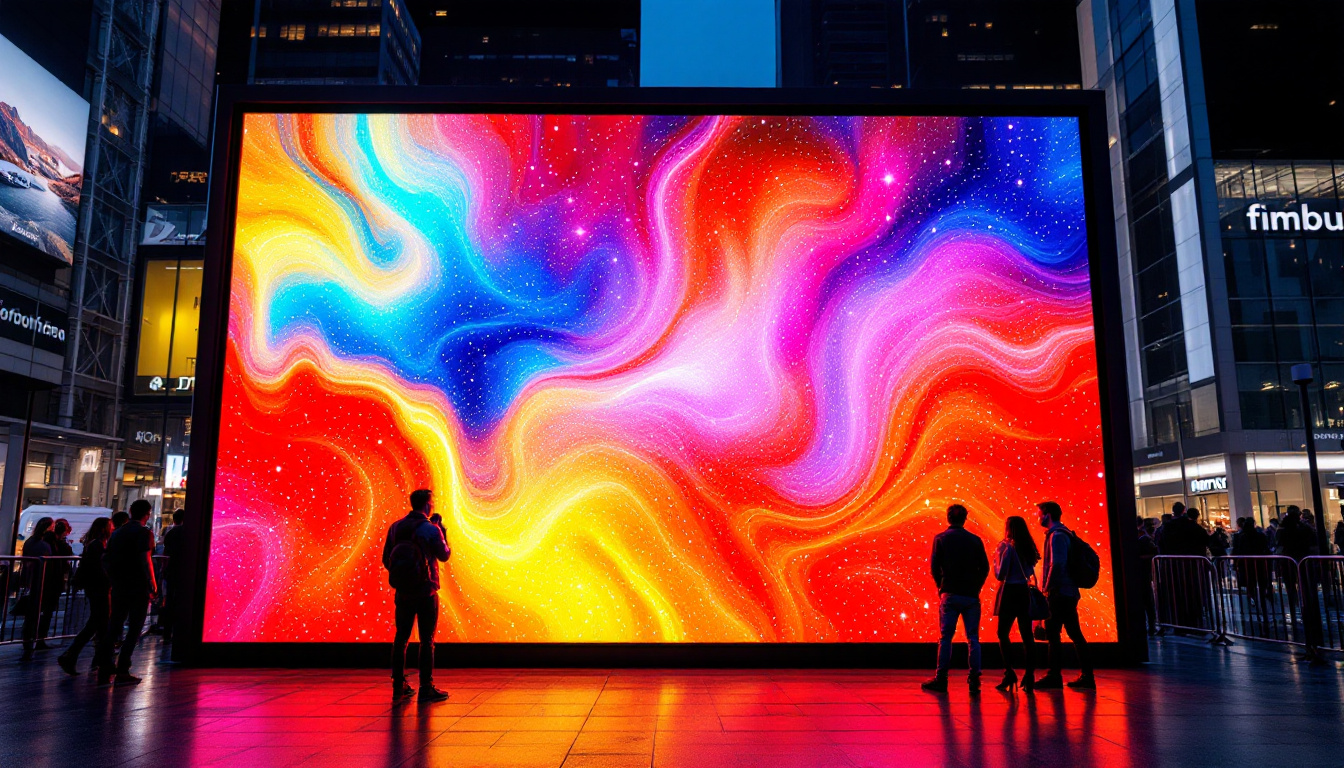
Outdoor LED displays, on the other hand, prioritize brightness and weather resistance. They have larger pixel pitches (the distance between individual LEDs) to ensure visibility from afar, even under direct sunlight. These displays are often seen in stadiums, transportation hubs, and digital billboards along highways. The robust construction of outdoor displays includes protective coatings and enclosures that shield them from rain, dust, and temperature fluctuations, ensuring reliable performance in various environmental conditions. Furthermore, outdoor LED displays are increasingly being integrated with smart technology, enabling real-time content updates and interactivity with mobile devices, enhancing viewer engagement.
Flexible and Transparent LED Displays
Recent advancements have introduced flexible LED displays, which can bend and curve to fit unconventional surfaces. This innovation opens up creative possibilities in advertising, architecture, and wearable technology. For example, flexible LED panels can wrap around columns or be integrated into clothing, transforming everyday objects into dynamic advertising platforms. The lightweight nature of these displays allows for easy installation in spaces where traditional screens would be impractical, such as on curved walls or in unique architectural designs. Moreover, the ability to create seamless displays enhances the aesthetic appeal of installations, making them not just functional but also visually striking.
Transparent LED displays are another breakthrough, allowing screens to be see-through while still displaying vivid images. These are particularly useful for retail windows and automotive applications, where maintaining visibility while delivering digital content is essential. Retailers can showcase products behind transparent screens, creating an engaging shopping experience that blends physical and digital elements. In the automotive industry, transparent displays can be integrated into windshields or side windows, providing drivers with essential information without obstructing their view. This technology not only enhances safety but also opens up new avenues for interactive advertising and information dissemination in urban environments.
MicroLED and MiniLED Technologies
MicroLED and MiniLED represent the cutting edge of LED display technology. MicroLED displays use microscopic LEDs to create pixels, offering superior brightness, contrast, and energy efficiency compared to traditional LED and OLED displays. This technology is gaining traction in high-end TVs and augmented reality devices, where the need for high resolution and vibrant colors is paramount. MicroLED displays also boast longer lifespans and reduced risk of burn-in, making them a promising alternative for both consumer electronics and professional applications, such as digital signage and broadcasting.
MiniLEDs, slightly larger than MicroLEDs but smaller than conventional LEDs, are primarily used as backlighting for LCD panels. They enable more precise local dimming, resulting in deeper blacks and enhanced picture quality. Many premium laptops and monitors now incorporate MiniLED backlighting, providing users with an improved visual experience, especially in high-contrast scenes. As this technology continues to evolve, it is expected to play a significant role in the development of next-generation displays, offering a balance between performance and cost-effectiveness that appeals to both consumers and manufacturers alike. The integration of MiniLED technology in various devices is paving the way for richer color palettes and more immersive viewing experiences across a wide range of applications.
Advantages of LED Displays Over Other Technologies
Brightness and Visibility
One of the most significant advantages of LED displays is their exceptional brightness. LEDs can achieve luminance levels exceeding 1,000 nits, making them easily visible even in direct sunlight. This capability is crucial for outdoor advertising and public information displays where ambient light conditions vary widely.
Energy Efficiency and Longevity
Compared to traditional incandescent or fluorescent lighting, LEDs consume significantly less power, contributing to lower operational costs and environmental impact. Additionally, LEDs have a longer lifespan—often exceeding 50,000 hours—reducing maintenance and replacement frequency. This durability makes LED displays a cost-effective choice for large-scale installations.
Color Accuracy and Contrast
LED displays offer superior color reproduction and contrast ratios. The ability to control each LED individually allows for deep blacks and vibrant colors, enhancing the overall viewing experience. This is particularly important in applications such as digital signage, broadcasting, and entertainment where image quality is paramount.
Design Flexibility
The small size and modular nature of LEDs enable versatile design options. LED panels can be assembled into various shapes and sizes, from massive video walls to compact wearable displays. This flexibility supports creative and functional applications across industries.
Common Uses of LED Displays in Various Industries
Advertising and Marketing
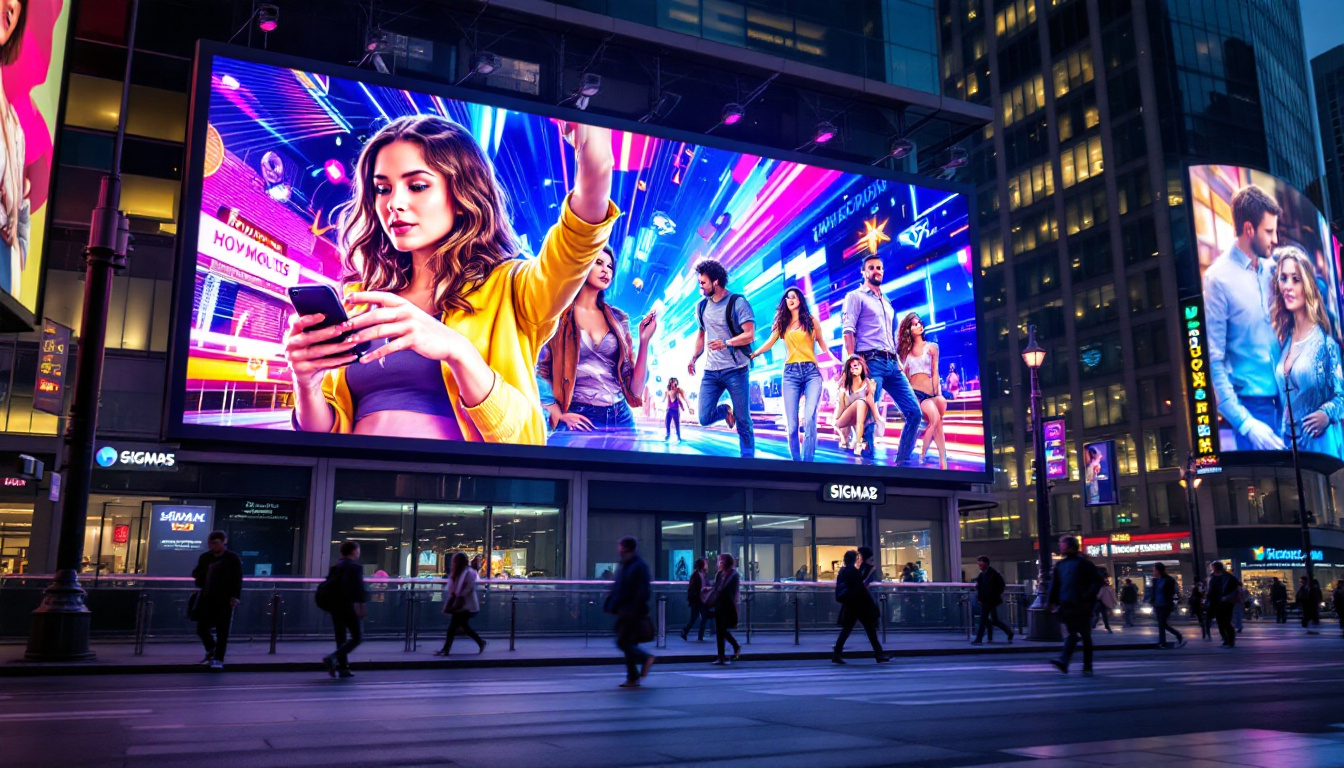
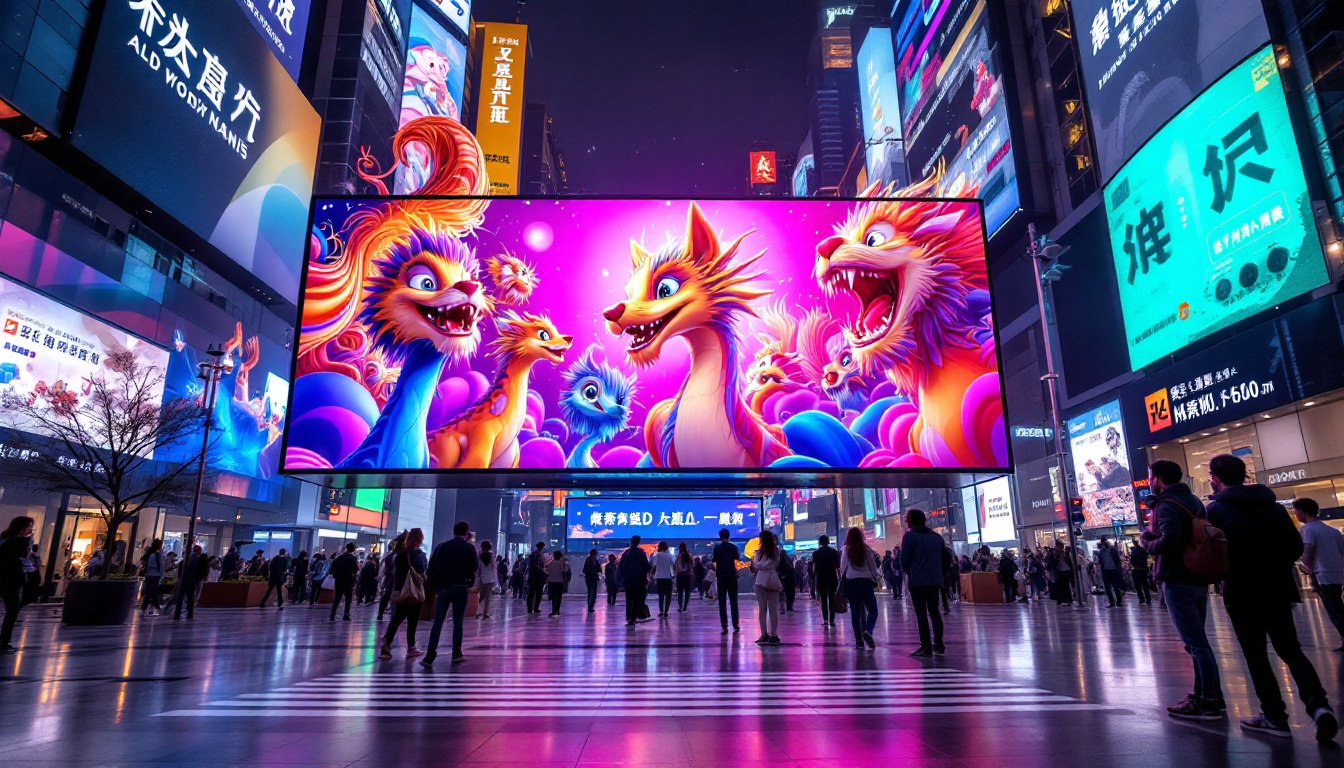
Digital billboards and signage are among the most visible applications of LED displays. According to the Outdoor Advertising Association of America, digital billboards have grown by over 40% in the past decade, driven by the ability to update content remotely and display dynamic advertisements. LED technology enables advertisers to capture audience attention with bright, animated visuals that can be tailored to different times of day or demographics.
Sports and Entertainment
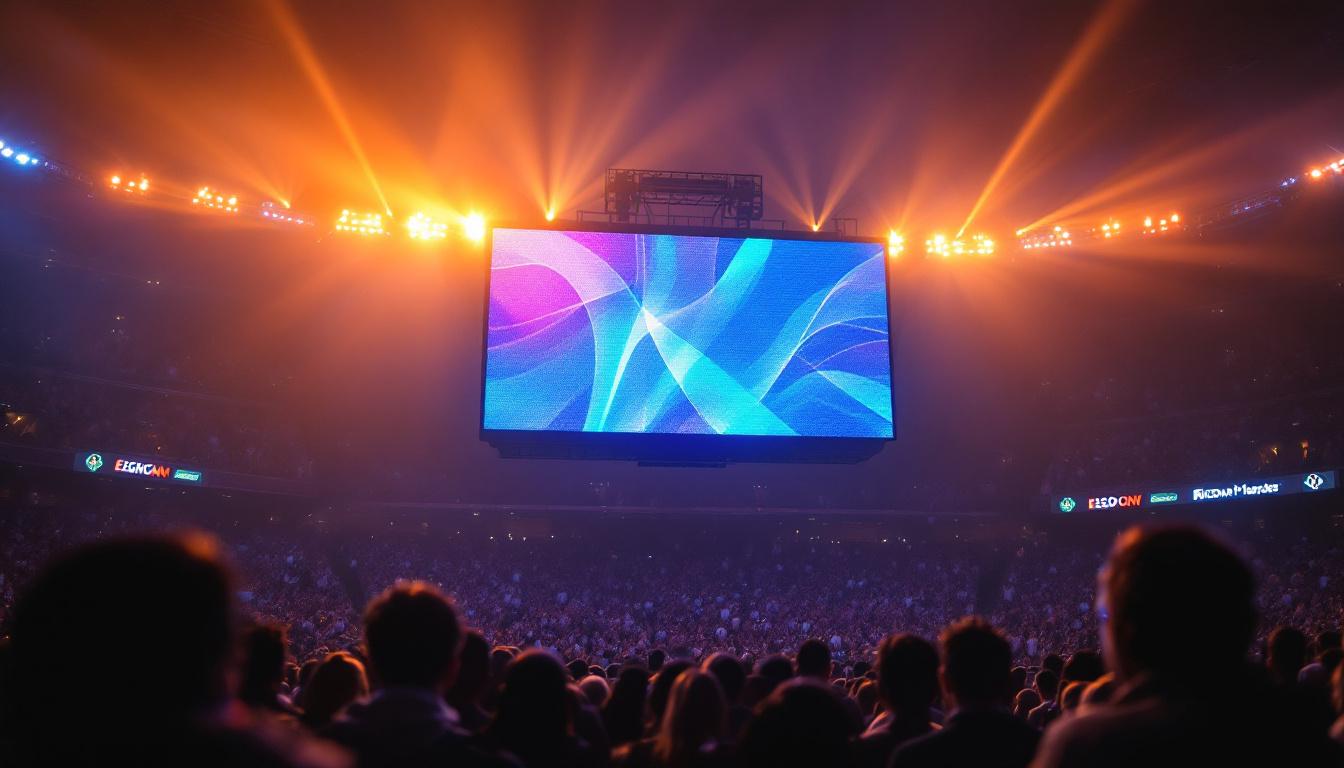
Stadiums and arenas rely heavily on LED displays to enhance the spectator experience. Large LED screens provide live game footage, replays, and interactive content, ensuring fans stay engaged. The 2022 FIFA World Cup, for example, featured state-of-the-art LED video walls that delivered crystal-clear images to tens of thousands of attendees.
Transportation and Public Information
LED displays are widely used in airports, train stations, and bus terminals to provide real-time information such as schedules, delays, and safety messages. Their high visibility and reliability make them ideal for environments where clear communication is critical.
Retail and Hospitality
Retailers use LED displays to create immersive shopping experiences, showcasing promotions and product information. Hotels and restaurants employ LED screens for digital menus and ambiance lighting, enhancing customer engagement and operational efficiency.
Challenges and Considerations in LED Display Implementation
Cost and Installation
While LED displays offer numerous benefits, initial costs can be substantial, especially for large-scale or high-resolution installations. The price of LED panels, control systems, and installation labor must be carefully budgeted. However, the long-term savings in energy and maintenance often justify the upfront investment.
Pixel Pitch and Viewing Distance
Choosing the appropriate pixel pitch is critical to ensure image clarity. A smaller pixel pitch provides higher resolution but increases cost, while a larger pitch reduces detail but is suitable for distant viewing. Understanding the intended viewing distance and environment helps optimize display performance and cost-effectiveness.
Environmental Factors
Outdoor LED displays must withstand harsh weather conditions, including rain, wind, and temperature fluctuations. Proper enclosure design and IP ratings (Ingress Protection) ensure durability and consistent performance. Additionally, managing heat dissipation is essential to prevent LED degradation.
The Future of LED Displays
Integration with Smart Technologies
As the Internet of Things (IoT) expands, LED displays are becoming smarter and more connected. Integration with sensors and AI enables dynamic content that adapts to audience behavior, weather, or traffic conditions. For instance, smart billboards can change advertisements based on real-time data, maximizing relevance and engagement.
Advancements in MicroLED and Quantum Dot Technologies
Ongoing research in MicroLED and quantum dot technologies promises even greater improvements in brightness, color accuracy, and energy efficiency. Quantum dots, when combined with LED backlighting, enhance color gamut and reduce power consumption, pushing display quality closer to perfection.
Sustainability and Eco-Friendly Innovations
With increasing focus on sustainability, manufacturers are developing LED displays with recyclable materials and lower environmental footprints. Energy-efficient designs and longer-lasting components contribute to reducing electronic waste and carbon emissions, aligning with global environmental goals.
Conclusion
LED displays have revolutionized the way visual content is presented across industries, offering unmatched brightness, color quality, and versatility. Understanding the underlying technology, types, and applications of LED displays empowers businesses and consumers to make informed decisions when selecting digital screens. As innovations continue to emerge, LED technology will remain at the forefront of digital display solutions, illuminating the future of visual communication.
Explore the Future of Visual Communication with LumenMatrix
Ready to elevate your visual impact? Discover LumenMatrix’s innovative LED display solutions and harness the power of cutting-edge technology to create unforgettable visual experiences. Whether you need an Indoor LED Wall Display for your conference room, a vibrant Outdoor LED Wall Display for advertising, or any of our specialized solutions like Vehicle LED Displays and LED Sports Displays, LumenMatrix has you covered. Embrace the future of digital displays and transform your space with our captivating, high-quality LED modules. Check out LumenMatrix LED Display Solutions today and see your vision come to life.