When discussing the dimensions of LED displays, especially those used in large-scale advertising, stadiums, or public installations, understanding the size in various units is crucial. One common conversion that often arises is converting feet to inches to grasp the exact scale of a display. This article delves into the conversion of 120 feet to inches and explores how this measurement relates to LED display technology, its applications, and why precise sizing matters in the industry.
Understanding the Conversion: From Feet to Inches
Before diving into LED displays, it’s essential to clarify the basic unit conversion between feet and inches. The imperial system, widely used in the United States and other countries, measures length in feet and inches among other units.
The Basic Conversion Factor
One foot is equal to 12 inches. This is a fixed, universally accepted conversion factor. Therefore, to convert feet to inches, the calculation is straightforward:
Inches = Feet × 12
Applying this to 120 feet:
120 feet × 12 inches/foot = 1,440 inches
This means 120 feet is equivalent to 1,440 inches.
Why Convert to Inches?
While feet are commonly used for larger measurements, inches provide a finer scale for precision. In LED display manufacturing and installation, understanding the size in inches is often necessary for:
- Designing the pixel pitch and resolution
- Calculating the exact area for mounting and installation
- Ensuring compatibility with architectural specifications
Thus, converting 120 feet to inches helps engineers and designers work with precise dimensions, especially when dealing with smaller components within a large display.
Applications of Inch Measurements in LED Displays
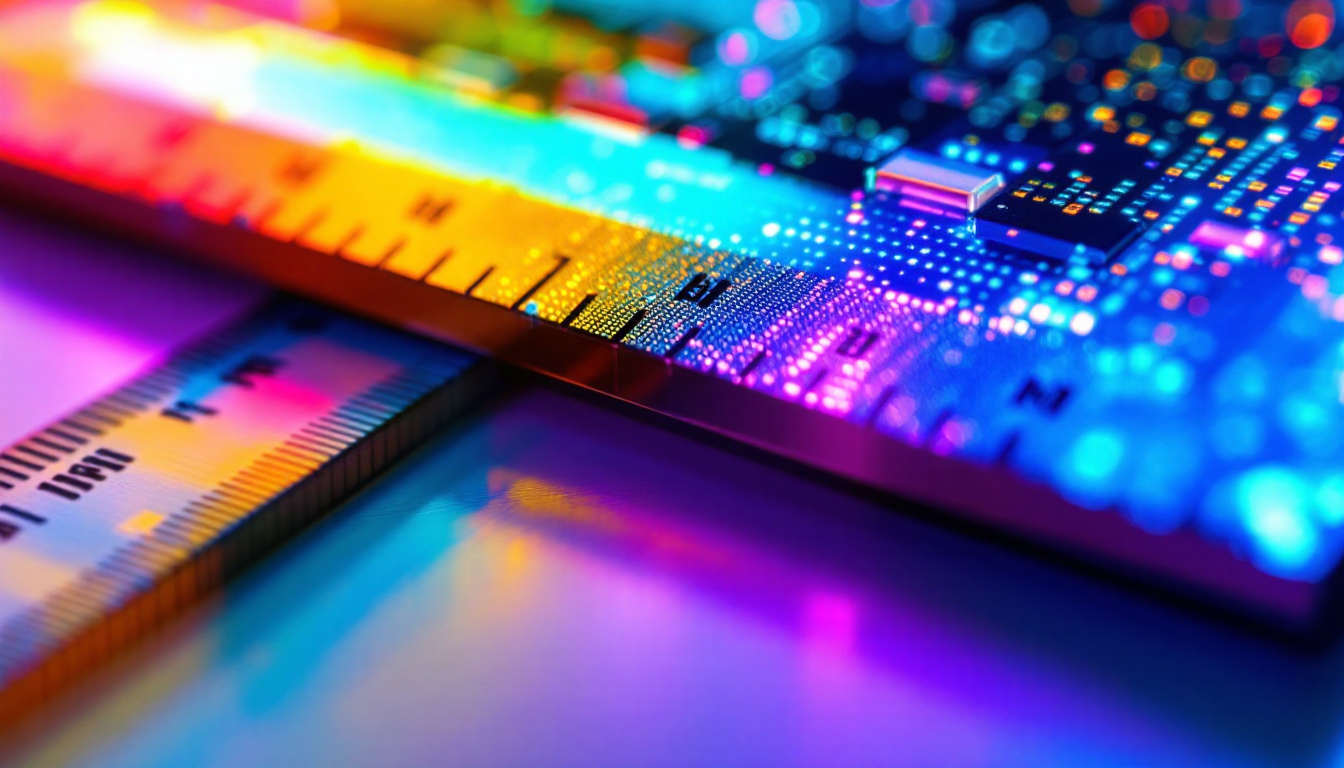
In the realm of LED displays, the significance of inch measurements extends beyond mere conversions. For instance, the pixel pitch, which refers to the distance between the centers of two adjacent pixels, is often specified in millimeters or inches. A smaller pixel pitch results in a higher resolution display, making it crucial for applications such as digital billboards or high-definition video walls where clarity is paramount. This precision in measurement allows designers to create displays that are not only visually appealing but also functionally effective, ensuring that viewers can enjoy crisp images from various distances.
Moreover, the mounting and installation processes are heavily reliant on accurate measurements in inches. When designing a display that needs to fit seamlessly into a specific architectural space, every inch counts. Engineers must account for the dimensions of the display, the surrounding structures, and any necessary hardware. This attention to detail ensures that the installation is not only aesthetically pleasing but also structurally sound, preventing any potential issues that could arise from miscalculations. In this way, the conversion from feet to inches plays a pivotal role in the successful implementation of LED technology in diverse environments.
LED Displays: Size and Scale in Context
LED displays come in a variety of sizes, from small indoor panels to massive outdoor billboards. Understanding the scale of a 120-foot display helps contextualize its potential uses and technical challenges.
What Does a 120-Foot LED Display Look Like?
A display that is 120 feet wide is enormous by any standard. To put this into perspective:
- 120 feet is roughly the length of a Boeing 737 aircraft.
- It is equivalent to the height of a 12-story building laid horizontally.
- In inches, 1,440 inches is a vast span, allowing for high-impact visual presentations.
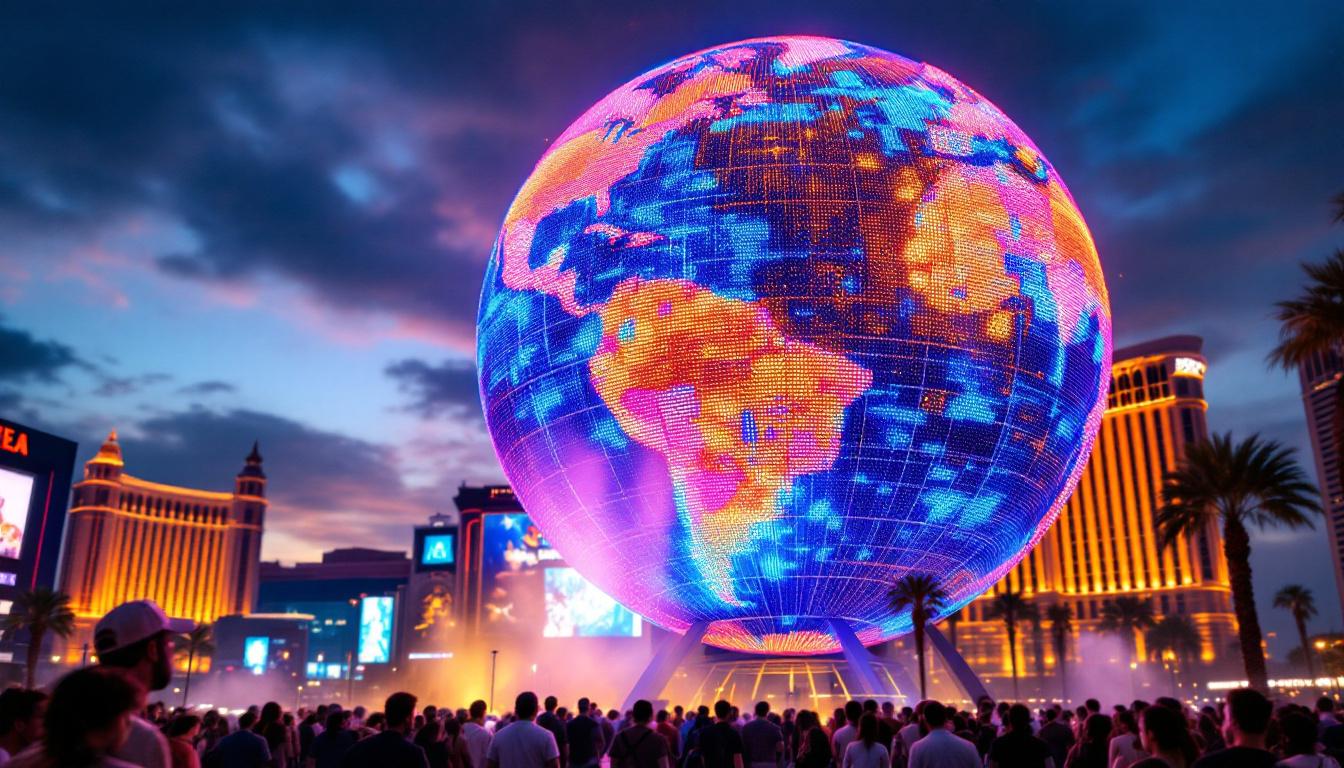
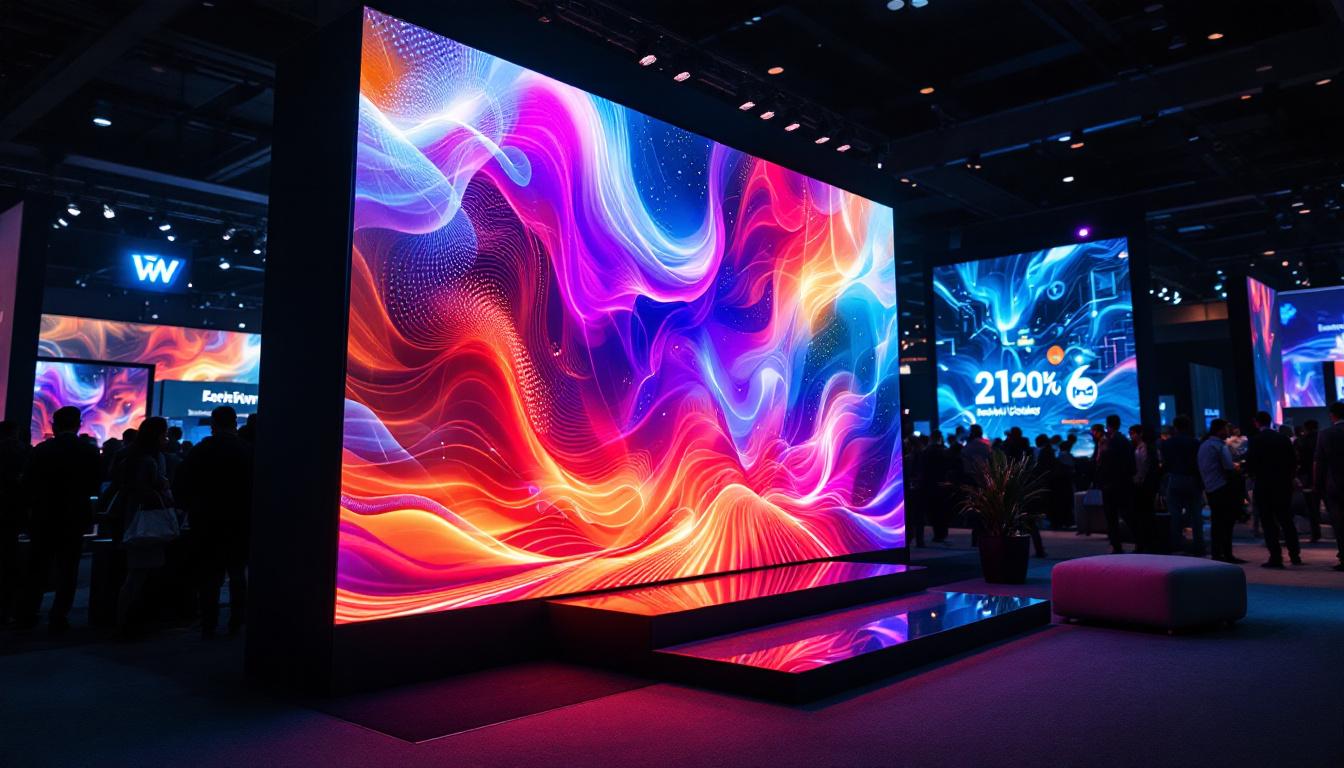
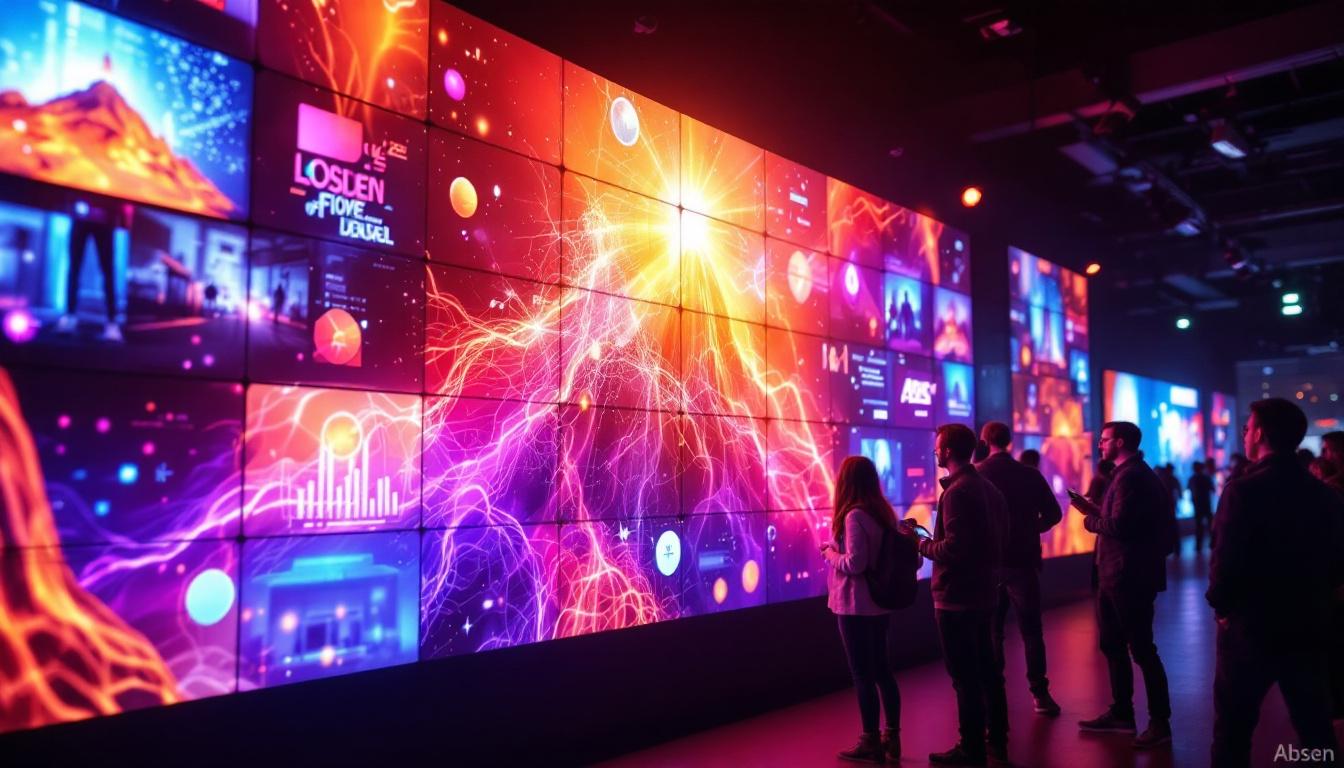
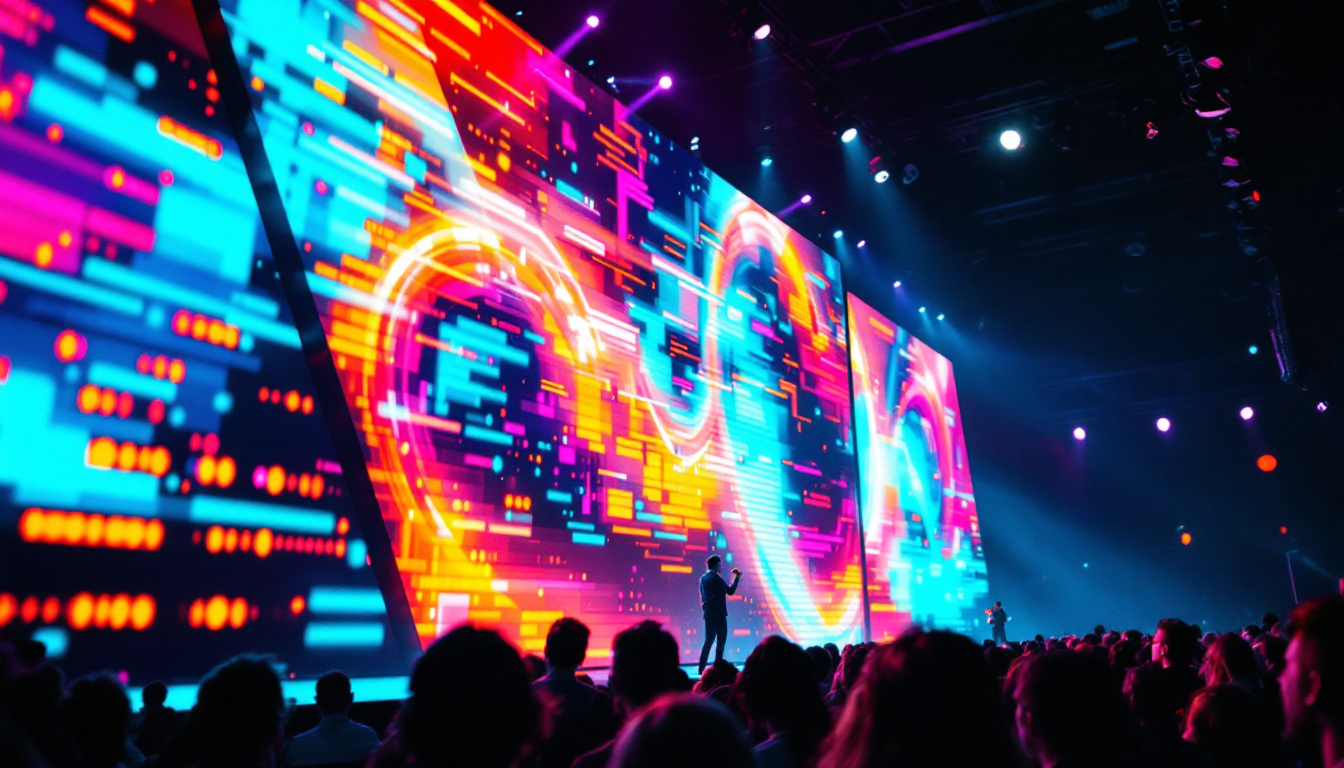
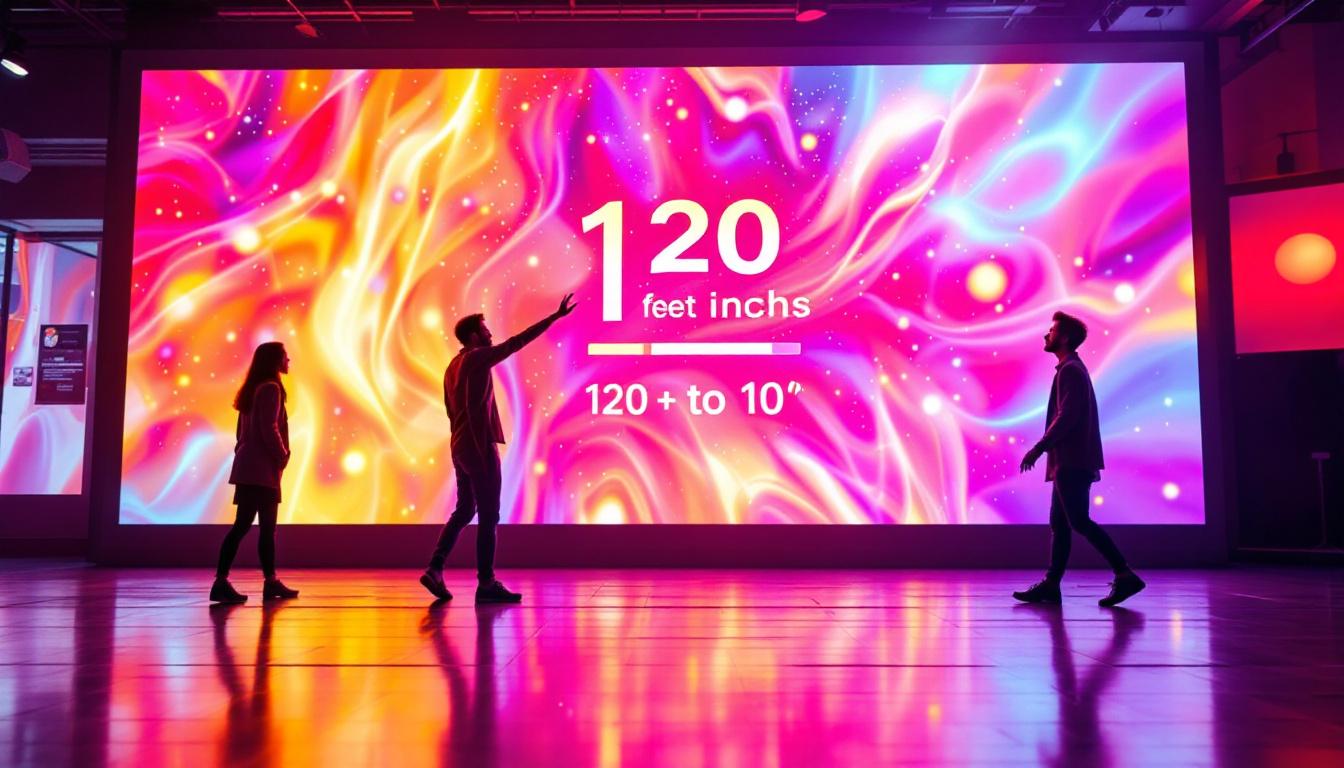
Such a display would be suitable for large venues like sports stadiums, outdoor concerts, or urban advertising spaces where visibility from a distance is critical. The sheer size of a 120-foot display can create a mesmerizing visual experience, drawing the attention of passersby and enhancing the atmosphere of any event. The technology behind these displays often includes advanced pixel pitch, allowing for a crisp and clear image even at great distances, making them ideal for capturing the attention of large crowds.
Common Applications of Large LED Displays
Large LED displays measuring around 120 feet in width are typically used for:
- Sports Arenas: To show live game footage, replays, and advertisements.
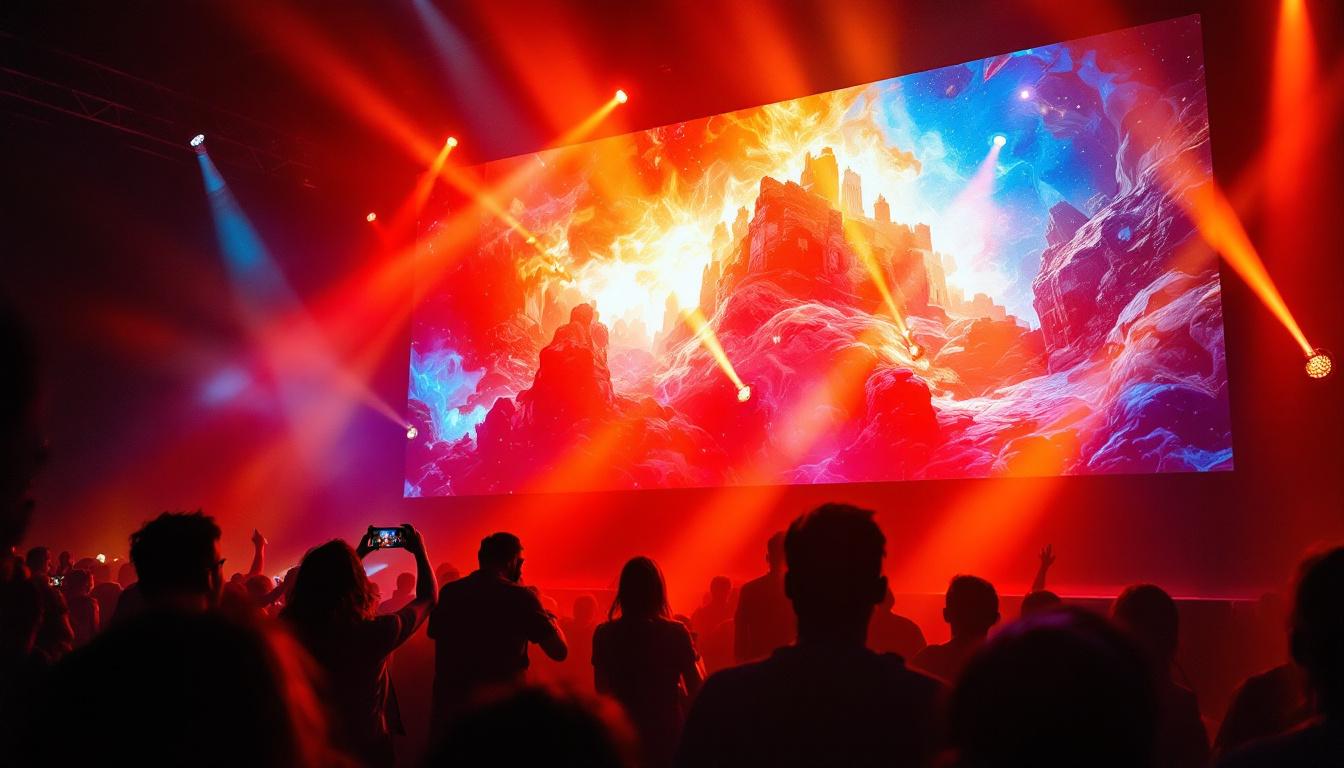
- Concerts and Events: Providing dynamic backdrops and enhancing audience engagement.
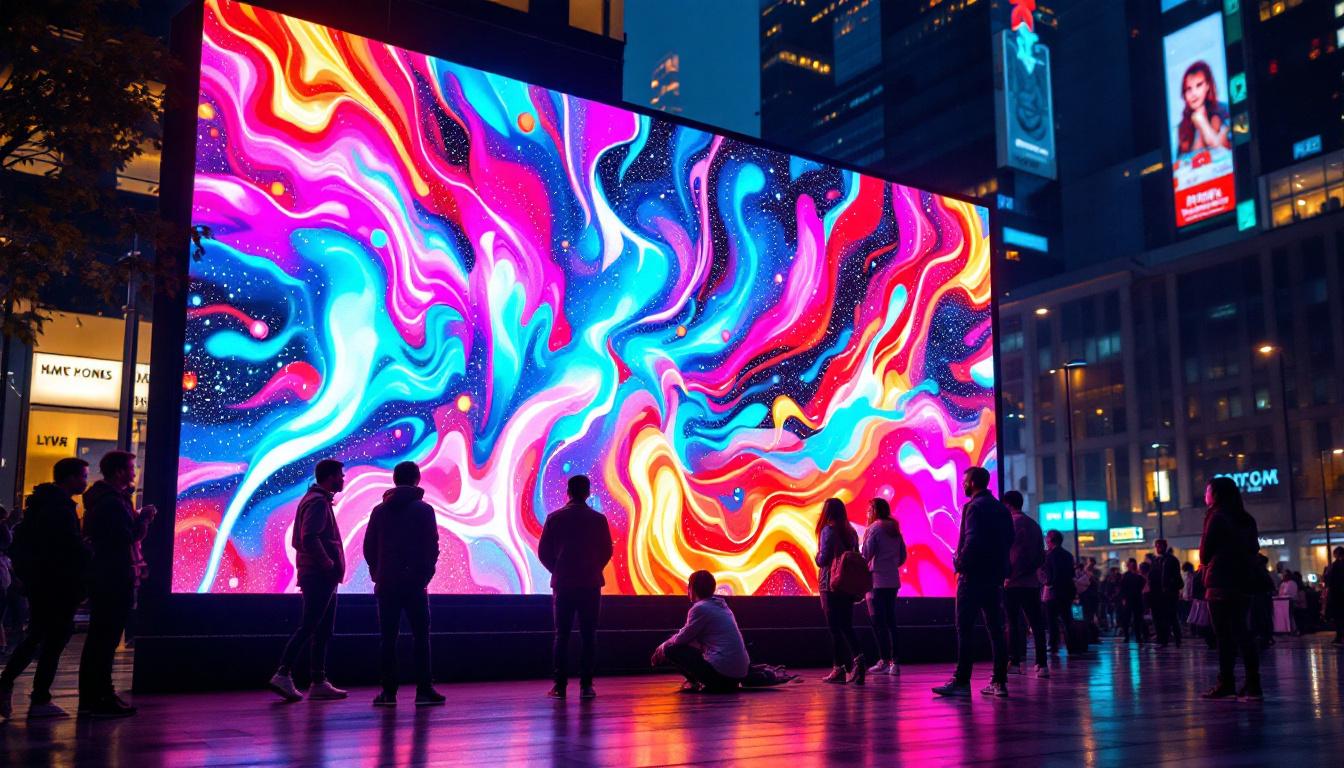
- Outdoor Advertising: Billboards in high-traffic urban areas.
- Transportation Hubs: Airports and train stations often use large LED screens for information and advertising.
These applications require not only large dimensions but also high resolution and brightness to ensure clear visibility under various lighting conditions. Additionally, the versatility of LED technology allows for a range of content to be displayed, from vibrant animations to real-time data feeds. This adaptability makes them a popular choice for advertisers looking to create impactful campaigns that resonate with their target audience. Moreover, the integration of smart technology into these displays enables interactive features, such as touch screens or QR code scanning, further enhancing user engagement and providing a modern twist to traditional advertising methods.
Technical Considerations for a 120-Foot LED Display
Building and maintaining an LED display of this magnitude involves several technical factors that impact performance, cost, and longevity.
Pixel Pitch and Resolution
Pixel pitch refers to the distance between the centers of two adjacent pixels, typically measured in millimeters. It directly affects the resolution and clarity of the display.
For a 120-foot-wide display, the choice of pixel pitch depends on the intended viewing distance:
- Small Pixel Pitch (1-3 mm): Used for indoor displays where viewers are close. This results in extremely high resolution but is costly for large sizes.
- Medium Pixel Pitch (4-10 mm): Suitable for semi-outdoor or closer viewing distances.
- Large Pixel Pitch (10+ mm): Ideal for outdoor displays viewed from a distance, such as billboards.
For example, a 120-foot (1,440-inch or approximately 36,576 mm) wide display with a 10 mm pixel pitch would have roughly 3,657 pixels across its width, offering a clear image from afar.
Brightness and Weather Resistance
Outdoor LED displays must be bright enough to compete with sunlight, often exceeding 5,000 nits in brightness. Additionally, they require weatherproofing to withstand rain, wind, and temperature fluctuations.
For a 120-foot display, ensuring uniform brightness and protection across the entire surface is a significant engineering challenge. Manufacturers use high-quality LEDs, robust enclosures, and advanced cooling systems to maintain performance.
Structural and Installation Challenges
The sheer size of a 120-foot LED display means it demands a strong structural framework. This includes:
- Support structures capable of bearing the weight and resisting wind loads
- Precise alignment during installation to avoid image distortion
- Access for maintenance and repairs without disrupting the entire display
Installation often involves cranes, scaffolding, and specialized mounting hardware. Careful planning is essential to meet safety standards and ensure longevity.
Calculating the Area and Volume for a 120-Foot LED Display
Besides length, understanding the total area of the LED display is vital for estimating costs, power consumption, and installation requirements.
Area Calculation
LED displays are typically rectangular. Assuming a common aspect ratio, such as 16:9, the height can be calculated from the width:
Height = (9/16) × Width
For a 120-foot wide display:
Height = (9/16) × 120 feet = 67.5 feet
Area = Width × Height = 120 feet × 67.5 feet = 8,100 square feet
This large surface area requires a significant number of LED modules and power supply units.
Power Consumption and Weight
Power consumption depends on the LED density and brightness. On average, outdoor LED displays consume between 200 to 400 watts per square meter.
Converting 8,100 square feet to square meters:
1 square foot = 0.092903 square meters
8,100 sq ft × 0.092903 = approximately 752.7 sq meters
Estimated power consumption:
752.7 sq meters × 200 watts = 150,540 watts (150.5 kW) to
752.7 sq meters × 400 watts = 301,080 watts (301 kW)
This highlights the significant energy requirements for operating such a large display, emphasizing the need for efficient power management.
Cost Implications of a 120-Foot LED Display
Investing in a large LED display is a substantial financial commitment. Several factors influence the overall cost.
Material and Manufacturing Costs
The price per square foot for LED displays varies based on pixel pitch, brightness, and manufacturer. For example:
- High-resolution indoor panels: $1,000 to $2,000 per square meter
- Outdoor displays with larger pixel pitch: $300 to $700 per square meter
Using the outdoor display range for 752.7 square meters, the cost estimate is:
752.7 × $300 = $225,810 (lower end)
752.7 × $700 = $526,890 (upper end)
These figures exclude installation, structural support, and maintenance costs.
Installation and Maintenance Expenses
Installation can add 20-30% to the material cost due to labor, equipment rental, and site preparation. Maintenance involves routine cleaning, LED replacement, and software updates, which are ongoing expenses.
Return on Investment
Despite high upfront costs, large LED displays can generate significant revenue through advertising, event sponsorships, and enhanced brand visibility. For stadiums and public venues, these displays improve fan experience and can increase ticket sales and concessions.
Future Trends in Large-Scale LED Displays
Technology continues to evolve, making large LED displays more efficient, brighter, and versatile.
MicroLED and MiniLED Technologies
Emerging MicroLED and MiniLED technologies offer higher brightness and energy efficiency with smaller pixel pitches. These advances may soon enable even larger displays with unprecedented clarity.
Flexible and Transparent LED Panels
Innovations in flexible and transparent LED panels allow for creative installations on curved surfaces or glass facades, expanding the possibilities for 120-foot or larger displays.
Integration with Smart Technologies
Modern LED displays increasingly incorporate AI-driven content management, real-time analytics, and interactive features, enhancing engagement and operational efficiency.
Conclusion
Converting 120 feet to inches results in 1,440 inches, a measurement that helps professionals in the LED display industry understand and plan for the scale of large installations. A 120-foot LED display represents a significant engineering and financial undertaking, requiring careful consideration of pixel pitch, brightness, structural support, and power consumption.
As LED technology advances, the potential for even larger and more dynamic displays grows, offering exciting opportunities for advertisers, event organizers, and urban planners. Understanding the dimensions and technical details behind these massive displays is essential for maximizing their impact and ensuring successful implementation.
Explore Cutting-Edge LED Display Solutions with LumenMatrix
Ready to take your visual experiences to the next level? Discover LumenMatrix’s innovative range of LED display modules, designed to bring your brand to life and captivate your audience. From the immersive Indoor LED Wall Display to the dynamic Outdoor LED Wall Display, and from the versatile Vehicle LED Display to the sleek LED Poster Display, LumenMatrix has the perfect solution to meet your needs. Whether you’re looking to create an engaging LED Sports Display, a vibrant Floor LED Display, or require a Custom LED Display tailored to your unique specifications, LumenMatrix is at the forefront of LED technology. Don’t miss out on the opportunity to revolutionize your visual communication with our All-in-One LED Display and LED Transparent Display options. Check out LumenMatrix LED Display Solutions today and empower your business to shine brighter than ever before.