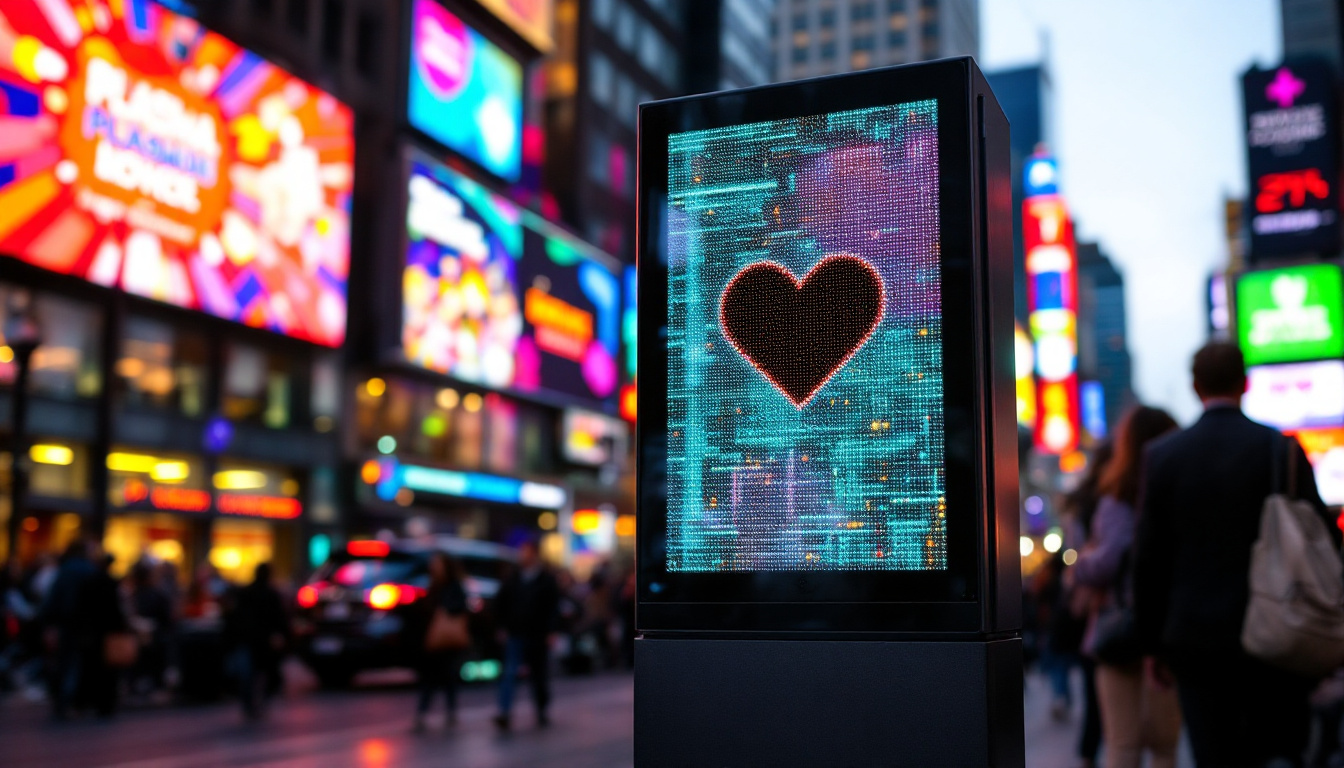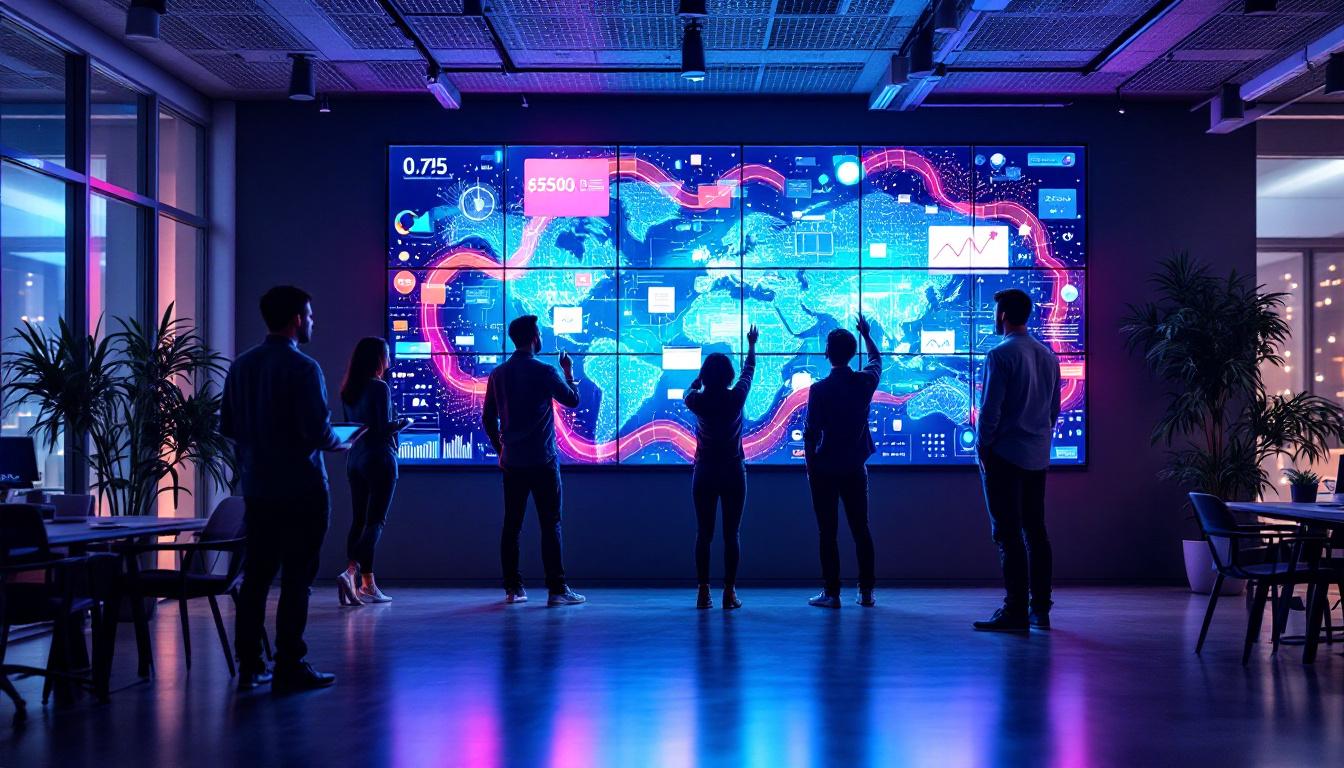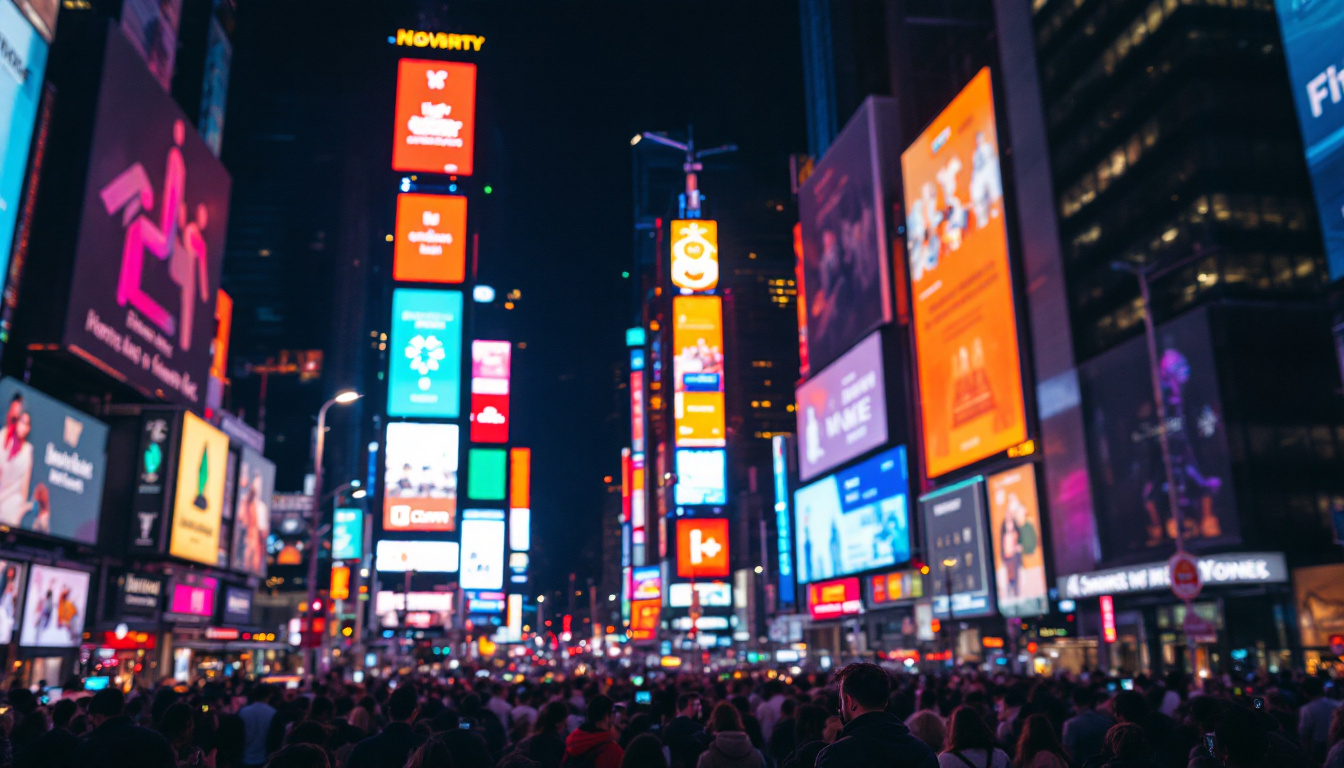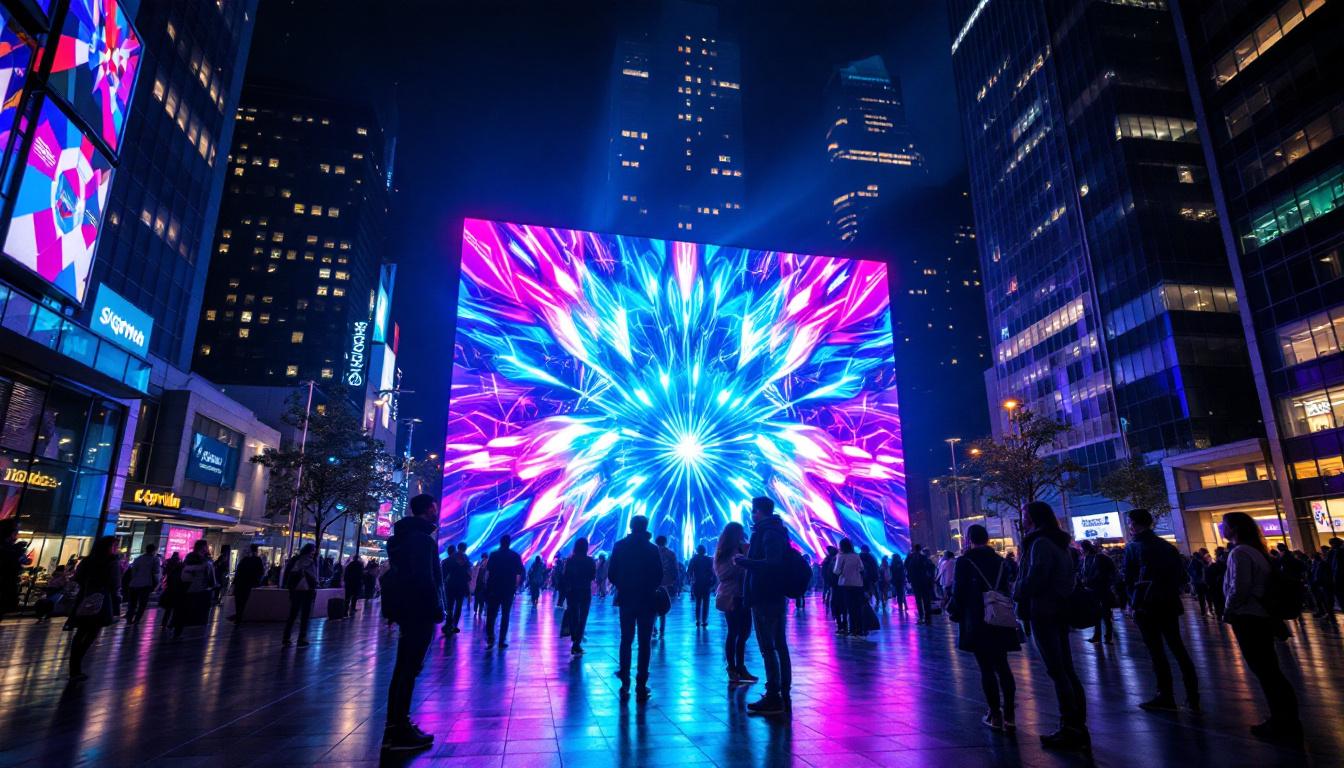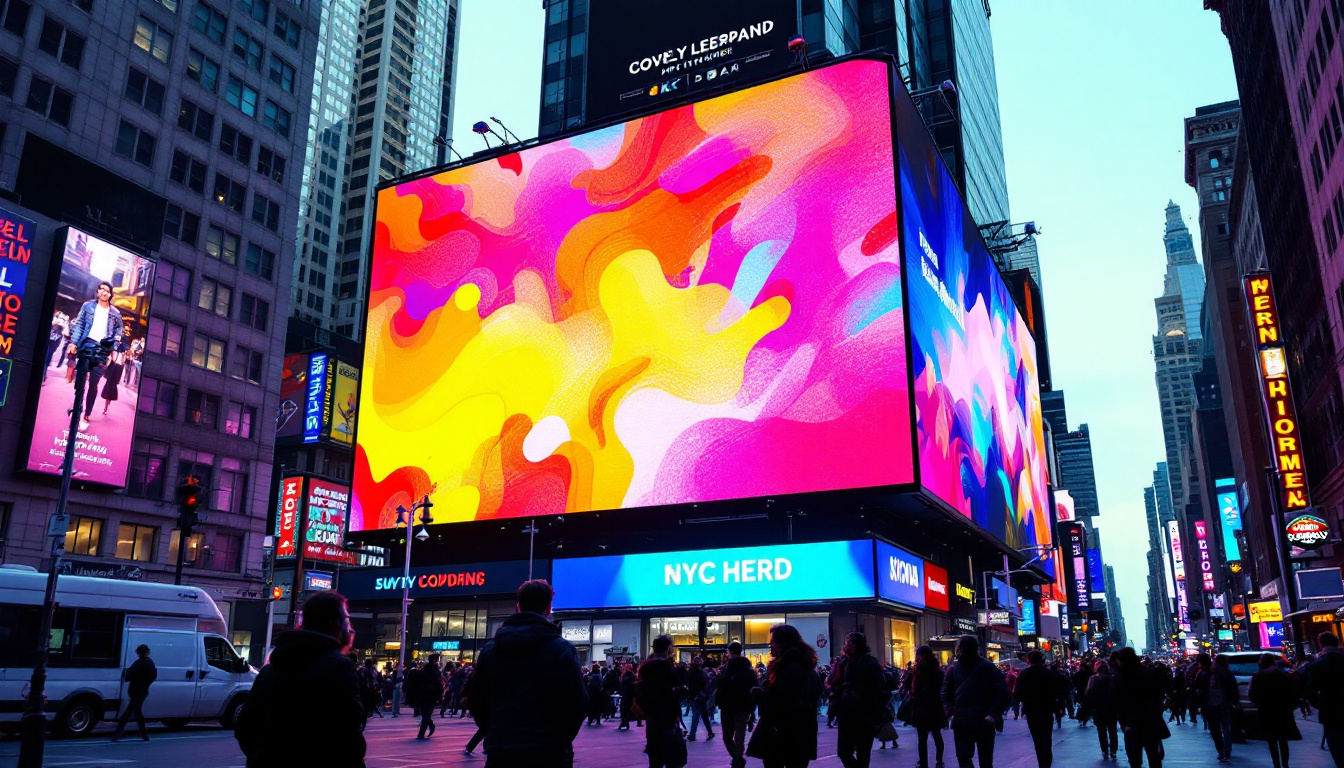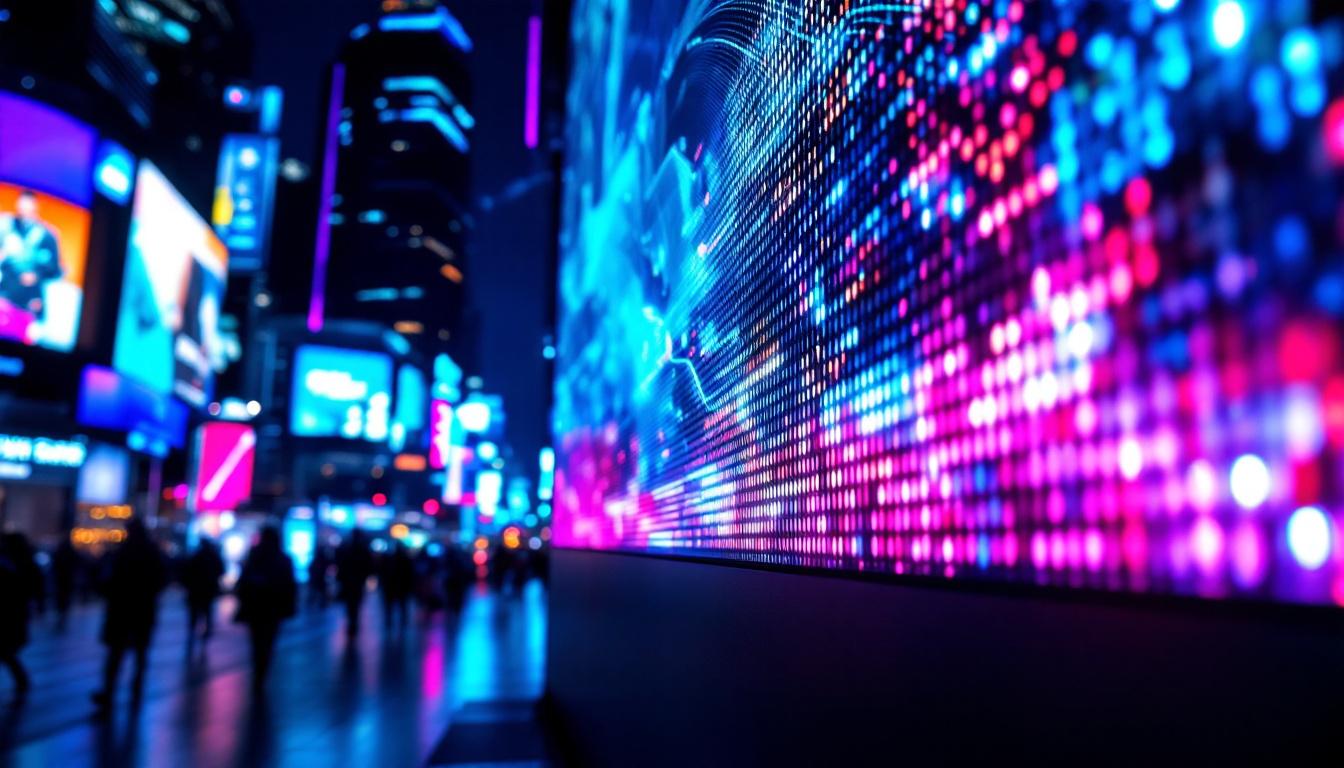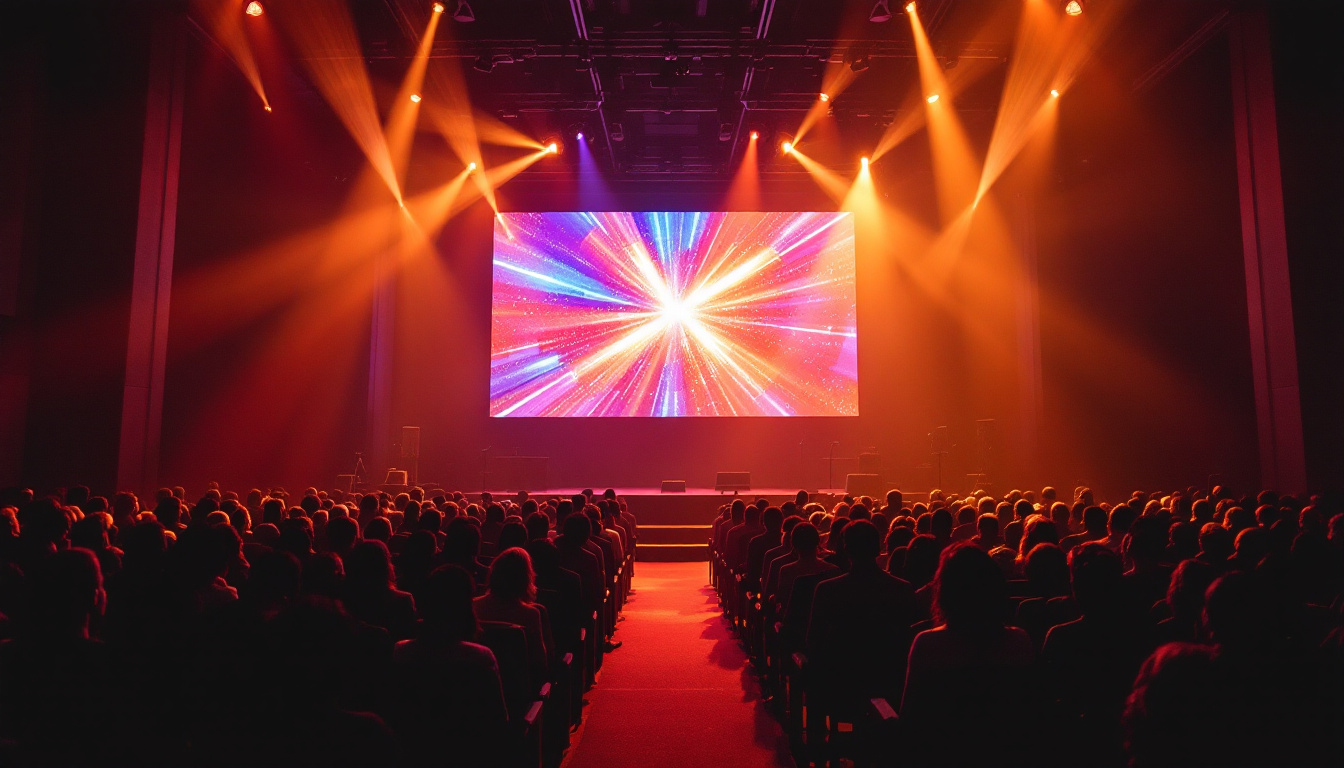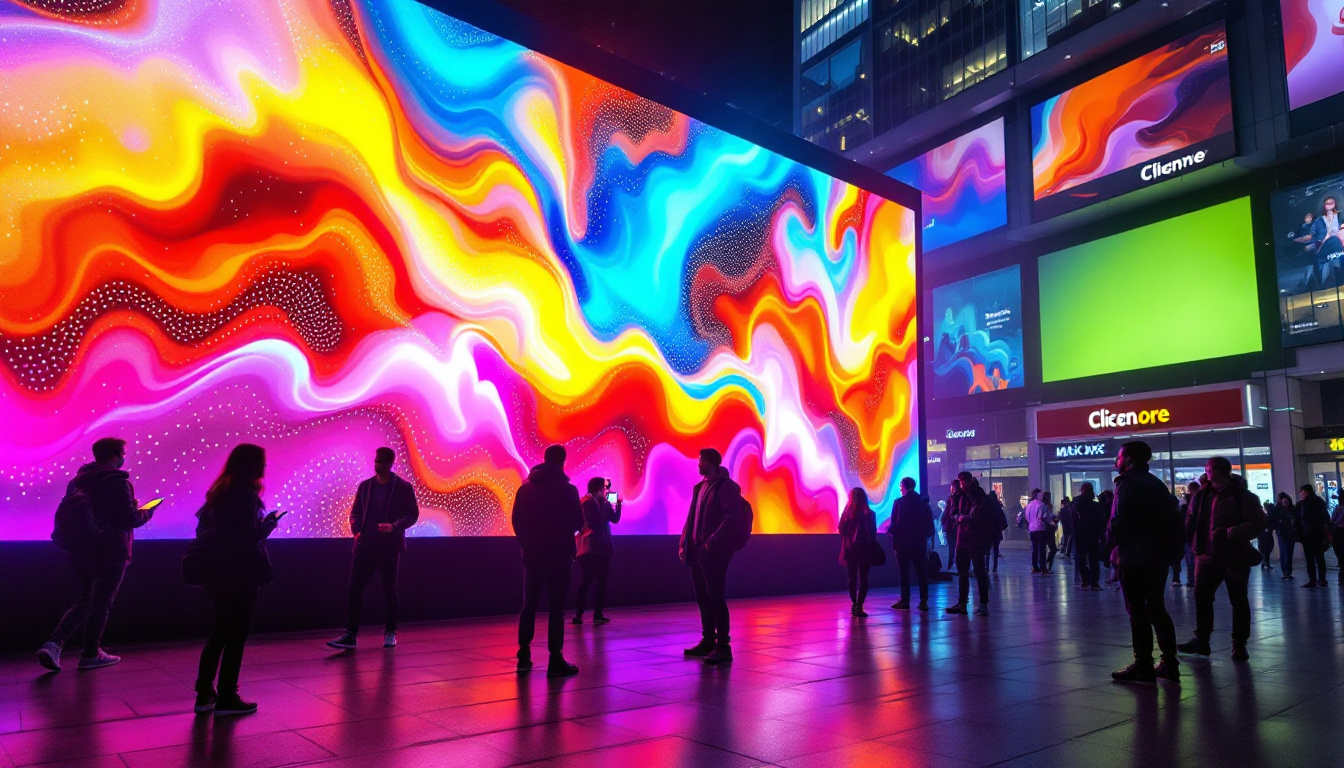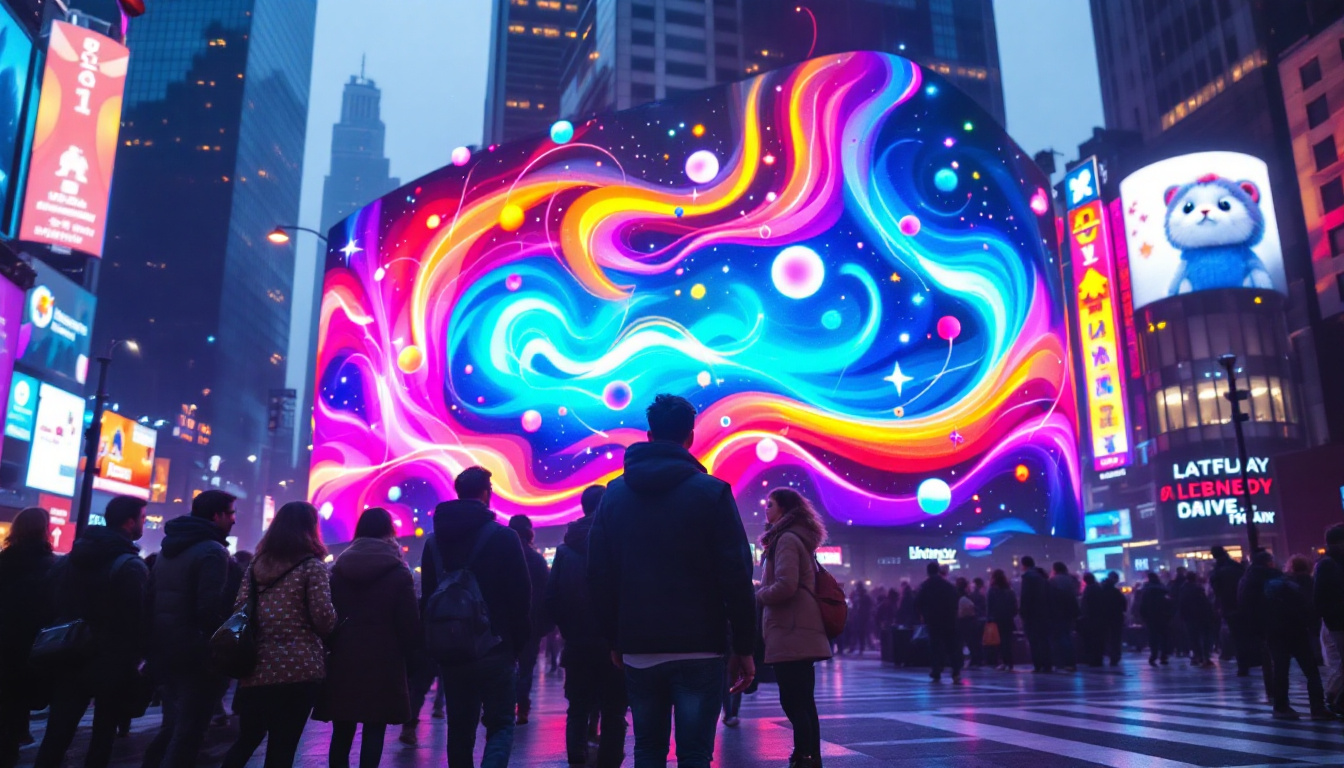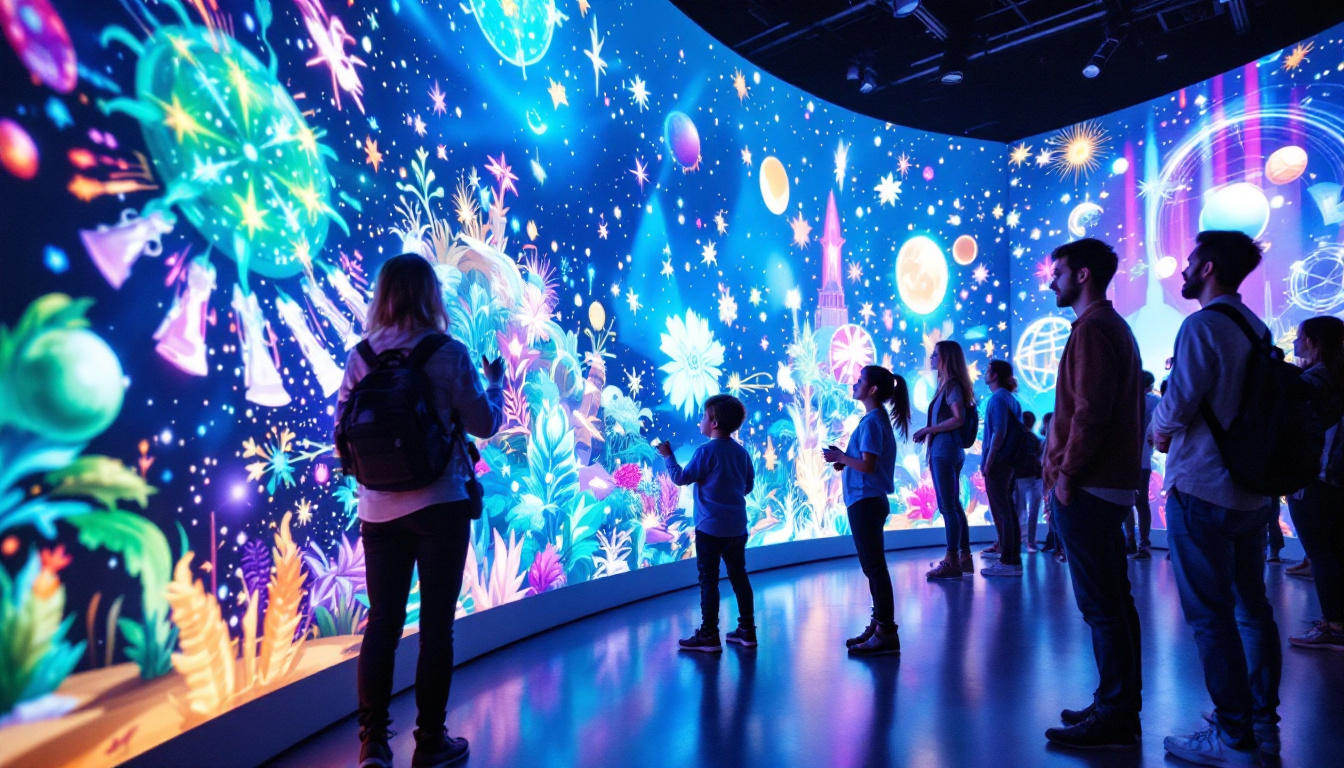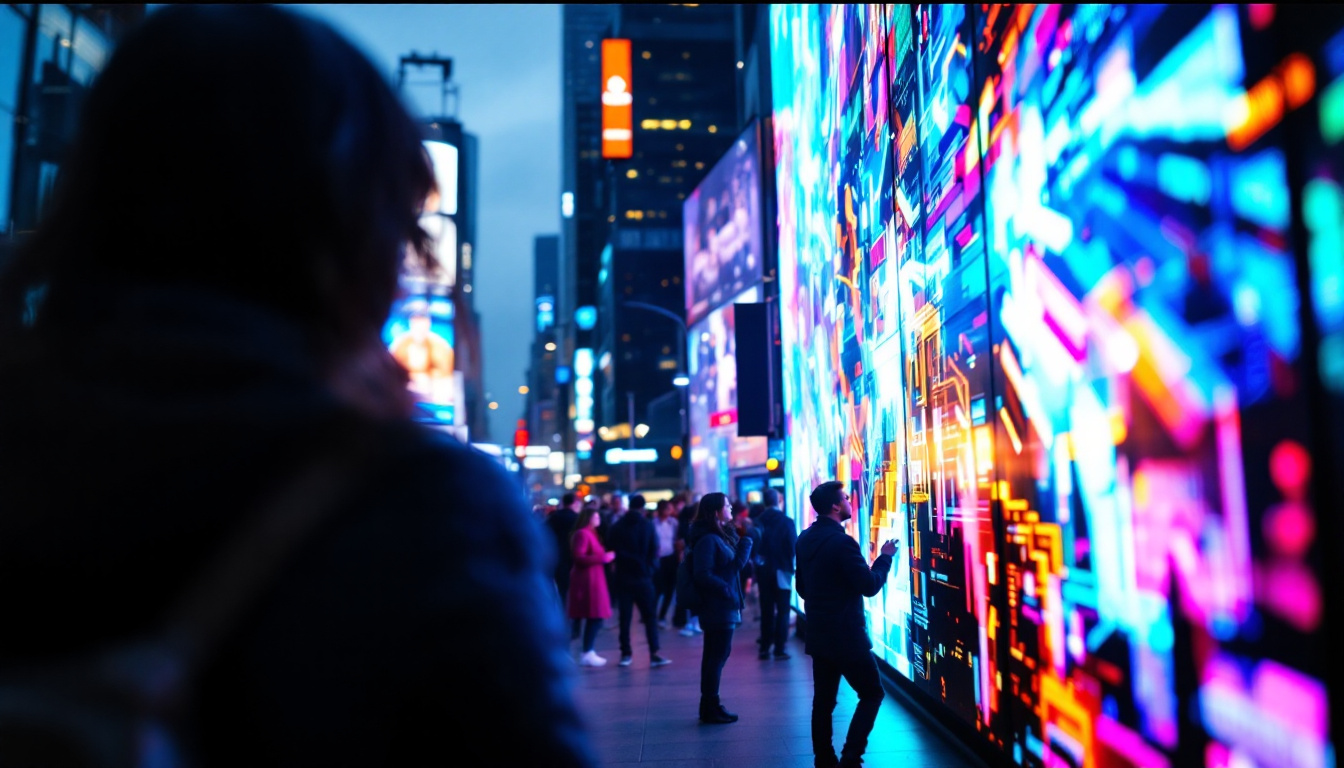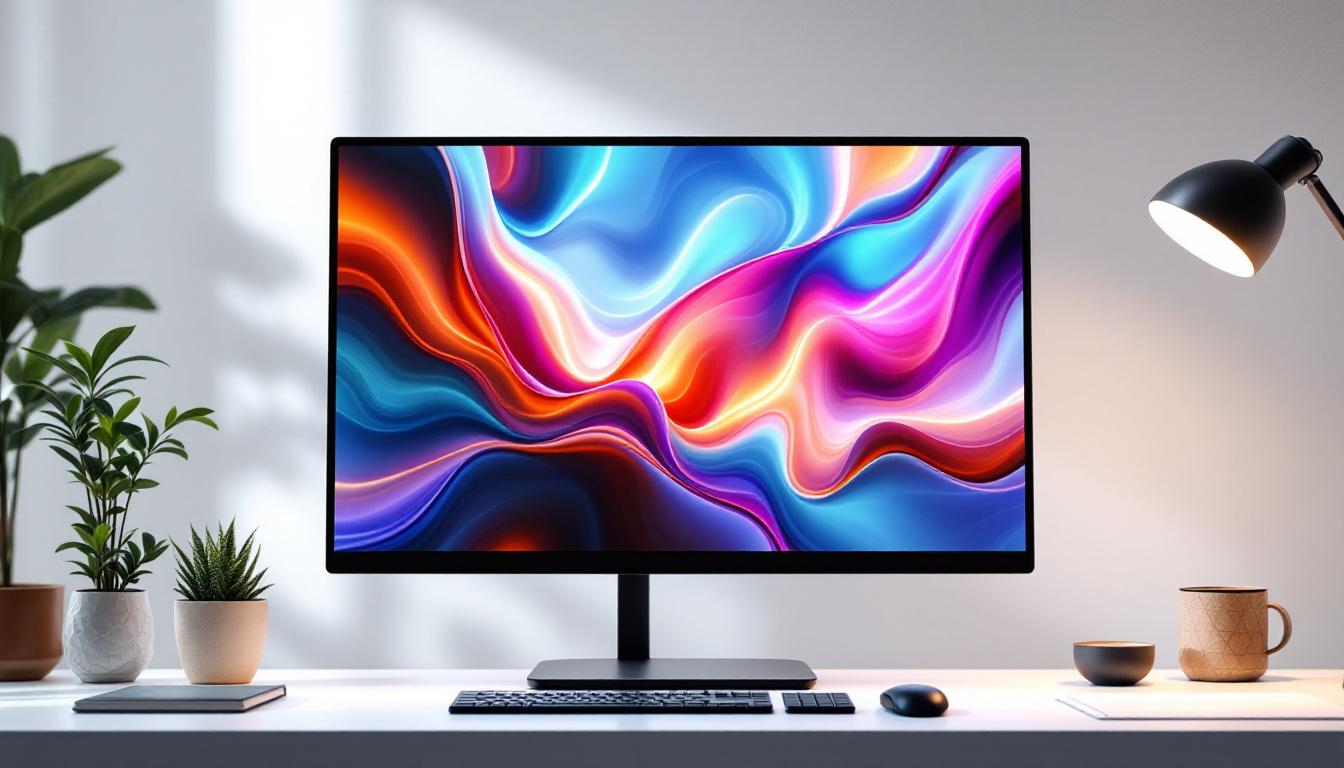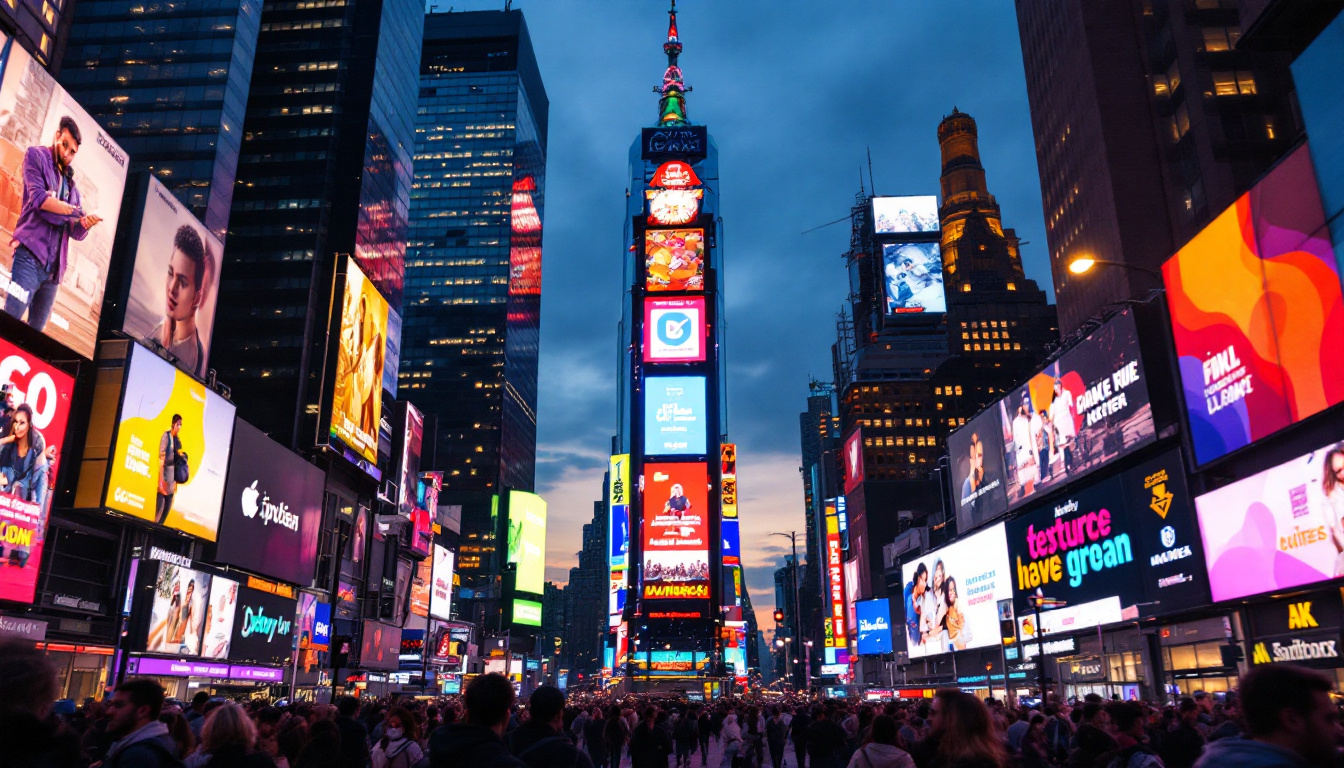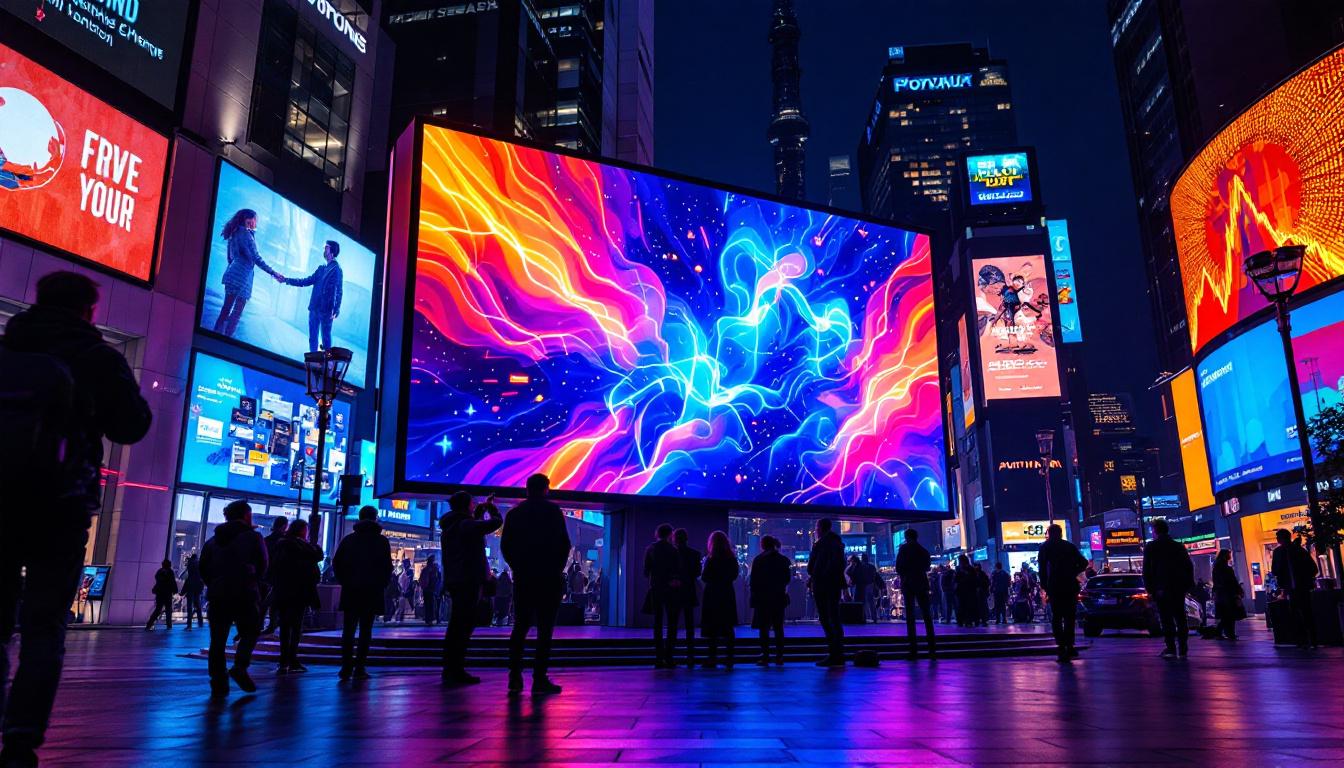
In the rapidly evolving world of digital signage and visual communication, LED displays have emerged as a dominant technology. From vibrant billboards in Times Square to dynamic scoreboards in stadiums, LED displays captivate audiences with their brightness, clarity, and versatility. But what exactly makes LED displays so effective, and how do they work? This article delves into the fundamentals of LED display technology, exploring its components, advantages, applications, and future trends.
Understanding LED Display Technology
What is an LED Display?
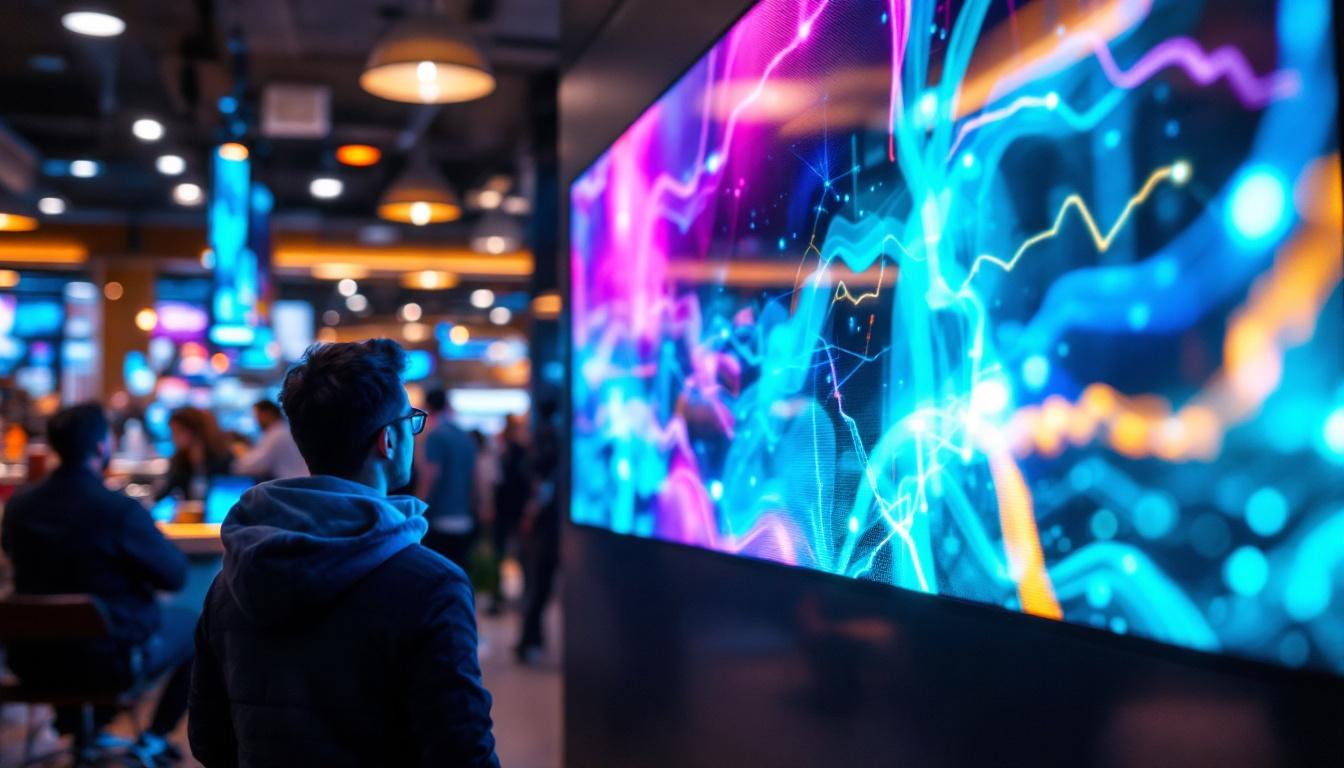
LED stands for Light Emitting Diode, a semiconductor device that emits light when an electric current passes through it. An LED display is essentially a screen made up of thousands or even millions of these tiny diodes arranged in a matrix. Each diode acts as a pixel, capable of producing light in different colors. When controlled collectively, these pixels form images, videos, and text that are visible to viewers.
Unlike traditional LCD or plasma screens, LED displays use direct emission of light, which contributes to higher brightness and better contrast ratios. This makes them particularly suitable for environments where ambient light is strong, such as outdoor advertising or large indoor arenas. The technology behind LED displays also allows for energy efficiency, as they consume less power compared to older display technologies while providing superior image quality. Furthermore, the lifespan of LED displays can exceed 100,000 hours, making them a long-term investment for businesses and event organizers.
Types of LED Displays
LED displays come in several types, each tailored to specific applications and viewing conditions:
- Indoor LED Displays: These are designed for controlled lighting environments, such as conference rooms, retail stores, or concert halls. They feature smaller pixel pitches—meaning the distance between individual LEDs is minimal—resulting in higher resolution and sharper images at close viewing distances. Indoor displays often incorporate advanced features like high refresh rates, which are crucial for applications involving video content, ensuring smooth motion and reducing flicker.
- Outdoor LED Displays: Built to withstand weather conditions and direct sunlight, outdoor LEDs have higher brightness levels (often exceeding 5,000 nits) and robust protective casings. Their pixel pitch is generally larger, as viewers tend to observe these displays from greater distances. Additionally, outdoor displays are designed with enhanced durability to resist UV damage, moisture, and temperature fluctuations, making them ideal for billboards, sports stadiums, and public transport stations.
- Flexible and Transparent LED Displays: Emerging innovations include flexible LED panels that can curve around surfaces and transparent LED screens that allow light to pass through, enabling unique architectural integrations. These displays open up new possibilities for creative advertising and design, allowing businesses to incorporate digital signage seamlessly into their environments. For instance, transparent displays can be used in retail windows, providing product information without obstructing the view of the merchandise behind them.
Moreover, advancements in LED technology have led to the development of high-definition (HD) and ultra-high-definition (UHD) displays, which offer even greater clarity and detail. These displays are becoming increasingly popular in various sectors, including entertainment, education, and corporate settings. The integration of smart technology into LED displays is also on the rise, enabling features such as remote management, content scheduling, and real-time updates, which enhance the overall user experience and operational efficiency.
Key Components of LED Displays
LED Modules and Pixels
The core building block of any LED display is the LED module. Each module contains an array of LEDs, typically grouped into pixels. A pixel usually consists of three sub-pixels: red, green, and blue (RGB). By adjusting the intensity of each sub-pixel, the display can produce a broad spectrum of colors through additive color mixing.
Pixel pitch, measured in millimeters, is a crucial specification. It defines the distance between the centers of two adjacent pixels. Smaller pixel pitches mean more pixels per square meter, resulting in higher resolution and finer image detail. For example, a 1.2 mm pitch is common in high-definition indoor displays, while outdoor screens might have pitches ranging from 4 mm to 20 mm or more.
Control Systems and Processors
Behind the vibrant visuals are sophisticated control systems that manage the flow of data to the LED modules. These processors convert video signals into electrical impulses that regulate each LED’s brightness and color. Modern LED controllers support high refresh rates (often 3,840 Hz or higher), which reduce flicker and improve image stability, especially when captured on camera.
Advanced software tools also enable content scheduling, remote management, and real-time adjustments, making LED displays highly dynamic and customizable.
Power Supply and Cooling
LED displays require reliable power supplies to maintain consistent brightness and performance. Since LEDs generate heat during operation, effective thermal management is essential. Many displays incorporate heat sinks, fans, or even liquid cooling systems to dissipate heat and prolong component lifespan.
Advantages of LED Displays Over Other Technologies
Brightness and Visibility
One of the most significant advantages of LED displays is their exceptional brightness. Outdoor LED screens can reach brightness levels up to 10,000 nits, far surpassing LCDs and projection systems. This ensures content remains visible even under direct sunlight, making LEDs ideal for outdoor advertising, traffic signs, and sports venues.
Energy Efficiency and Longevity
LEDs are inherently energy-efficient, converting a higher percentage of electrical energy into visible light compared to traditional light sources. This efficiency reduces operational costs, especially for large-scale installations that run continuously. Additionally, LEDs boast long lifespans—often exceeding 100,000 hours—meaning less frequent replacements and lower maintenance expenses.
Color Accuracy and Contrast
Because LEDs emit light directly, they can achieve deeper blacks and higher contrast ratios than backlit LCD panels. This results in more vivid and lifelike images. Furthermore, modern LED displays support wide color gamuts, enabling richer and more accurate color reproduction, which is critical for branding and advertising.
Flexibility and Scalability
LED displays can be built in virtually any size and shape, from small retail signs to massive video walls spanning thousands of square feet. Their modular design allows for easy expansion or reconfiguration, catering to evolving business needs.
Applications of LED Displays Across Industries
Advertising and Marketing
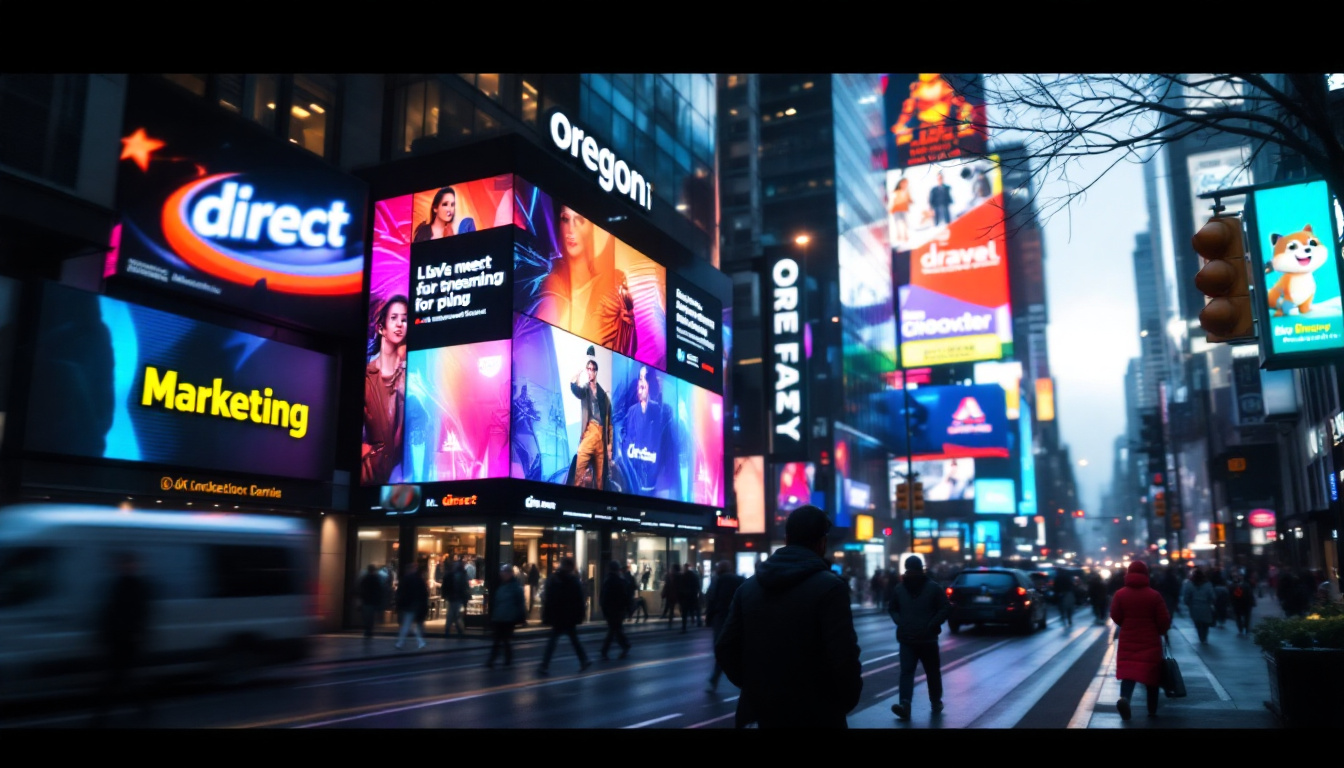
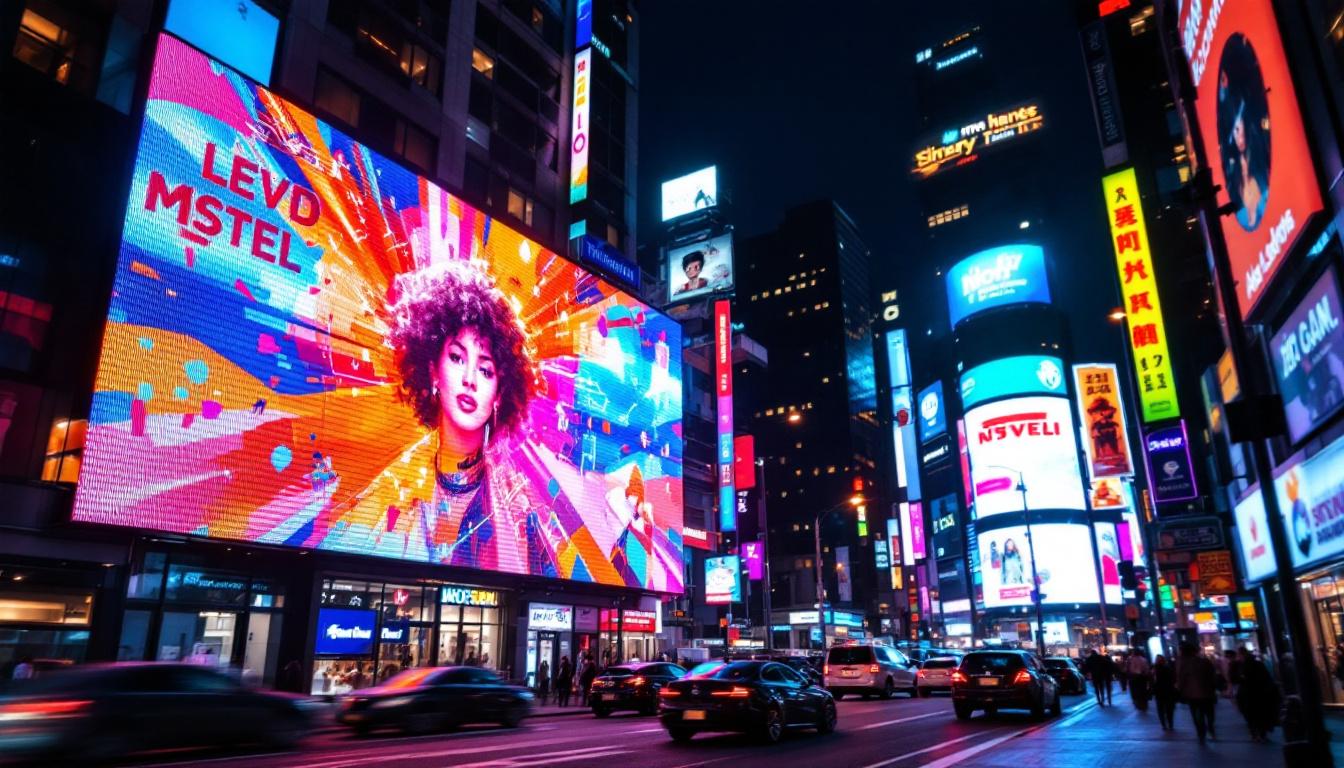
Digital out-of-home (DOOH) advertising has seen explosive growth, with LED displays playing a pivotal role. According to industry reports, the global digital signage market is projected to reach over $32 billion by 2028, driven largely by LED technology. Brands leverage LED billboards and storefront displays to deliver eye-catching campaigns that can be updated in real-time, targeting specific audiences with tailored messages.
Sports and Entertainment
Stadiums and arenas utilize LED displays for scoreboards, instant replays, and immersive fan experiences. The ability to produce large, bright, and high-resolution images ensures that spectators can follow the action regardless of their seating location. Additionally, concert venues use LED walls as dynamic backdrops that enhance performances with synchronized visuals.
Transportation and Public Information
LED displays are integral to airports, train stations, and bus terminals, providing travelers with real-time schedules, alerts, and directions. Their visibility in various lighting conditions and durability make them reliable for critical public communication.
Corporate and Educational Environments
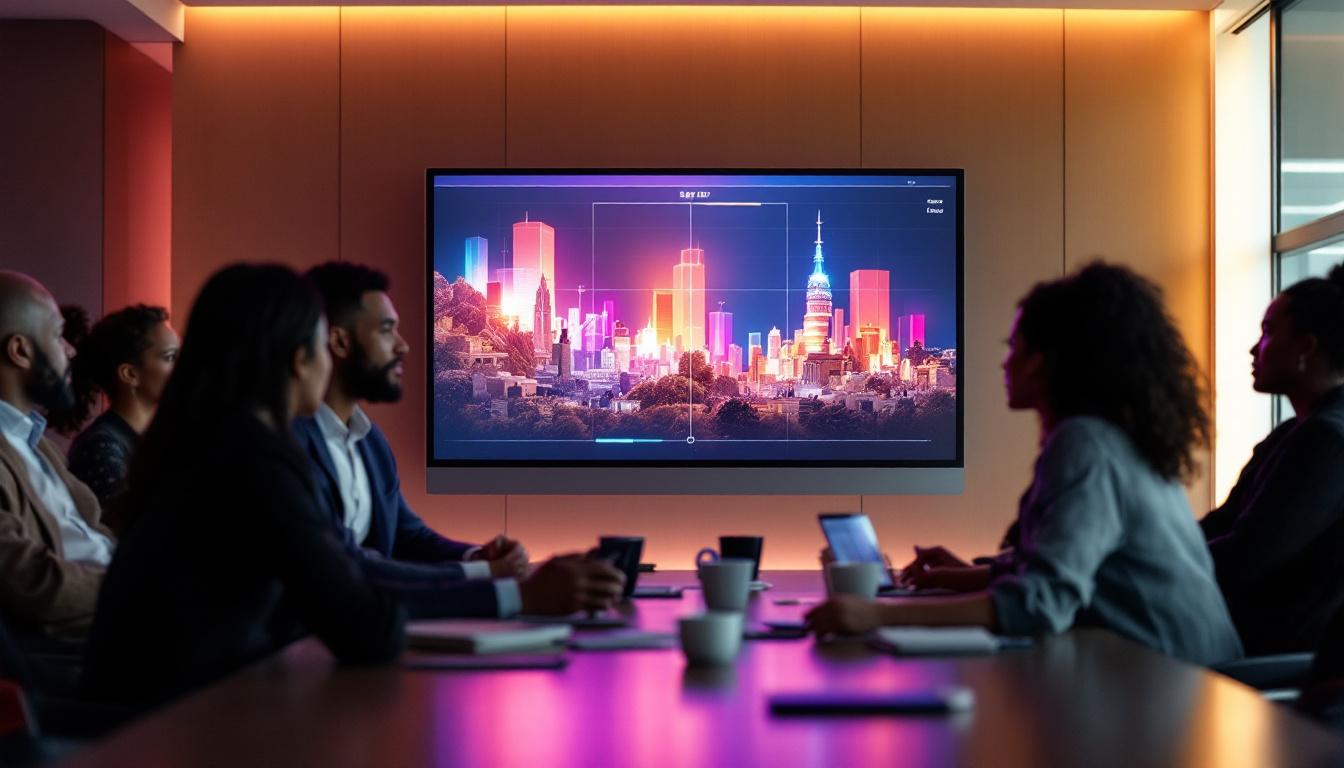
In offices and classrooms, LED displays facilitate presentations, video conferencing, and interactive learning. Their sharp image quality and flexibility support a range of multimedia content, improving engagement and information retention.
Future Trends in LED Display Technology
Mini-LED and Micro-LED Innovations
Emerging technologies like Mini-LED and Micro-LED promise to revolutionize display quality further. Mini-LEDs use thousands of tiny LEDs as backlighting for LCD panels, enhancing contrast and brightness. Micro-LEDs, on the other hand, are self-emissive like traditional LEDs but on an even smaller scale, enabling ultra-high resolution and improved energy efficiency. These advancements are expected to impact everything from consumer electronics to large-scale digital signage.
Integration with AI and IoT
Smart LED displays integrated with artificial intelligence (AI) and the Internet of Things (IoT) are becoming more prevalent. These systems can analyze audience demographics, optimize content delivery, and adjust brightness or color based on environmental conditions automatically. Such intelligence enhances user engagement and operational efficiency.
Sustainability and Eco-Friendly Designs
With growing environmental awareness, manufacturers are focusing on sustainable materials and energy-saving designs. Innovations include recyclable components, reduced power consumption, and longer-lasting LEDs, aligning with global efforts to reduce carbon footprints.
Choosing the Right LED Display for Your Needs
Assessing Viewing Distance and Environment
Determining the appropriate pixel pitch and brightness depends heavily on where and how the display will be used. For close-range indoor viewing, a small pixel pitch ensures crisp visuals. Conversely, outdoor displays intended for distant viewing can utilize larger pixel pitches without sacrificing clarity.
Considering Content Type and Resolution
The nature of the content—whether static images, high-definition videos, or dynamic animations—also influences display selection. Higher resolution displays are necessary for detailed content, while simpler graphics may not require as fine a pixel pitch.
Budget and Maintenance
While LED displays offer many benefits, they represent a significant investment. It is essential to balance upfront costs with long-term operational savings, factoring in energy consumption, durability, and maintenance requirements.
Conclusion
LED display technology has transformed the way businesses and organizations communicate visually. Its superior brightness, flexibility, and energy efficiency make it a preferred choice across varied industries. As innovations like Micro-LED and AI integration continue to evolve, LED displays will become even more versatile and impactful.
Understanding the technical aspects and application-specific requirements is crucial for selecting the right LED display solution. Whether for advertising, entertainment, public information, or corporate use, mastering LED display technology unlocks new possibilities for engaging audiences and delivering compelling visual experiences.
Illuminate Your Message with LumenMatrix
As you consider the vast potential of LED displays to transform your visual communication, LumenMatrix stands at the forefront of innovation, ready to bring your vision to life. With our comprehensive range of LED display solutions, including Indoor and Outdoor LED Wall Displays, Vehicle LED Displays, and more, we are committed to enhancing your brand’s visibility and creating immersive experiences that captivate and engage. Embrace the future of digital signage with LumenMatrix and let us help you share your message with unparalleled impact and clarity. Check out LumenMatrix LED Display Solutions today and see the difference for yourself.