In the rapidly evolving world of digital technology, LED displays have emerged as a cornerstone of modern visual communication. From vibrant billboards illuminating cityscapes to intricate screens in smartphones and televisions, LED technology has transformed how information and entertainment are delivered. This article delves into the fundamentals of LED displays, their technological underpinnings, applications, and the future innovations shaping this dynamic industry.
Understanding LED Display Technology
What is an LED Display?
LED stands for Light Emitting Diode, a semiconductor device that emits light when an electric current passes through it. An LED display is a flat panel that uses an array of these tiny LEDs to produce images, videos, and text. Unlike traditional LCD or plasma screens, LED displays rely on these individual diodes as pixels, which can be turned on or off independently to create high-contrast, vibrant visuals.
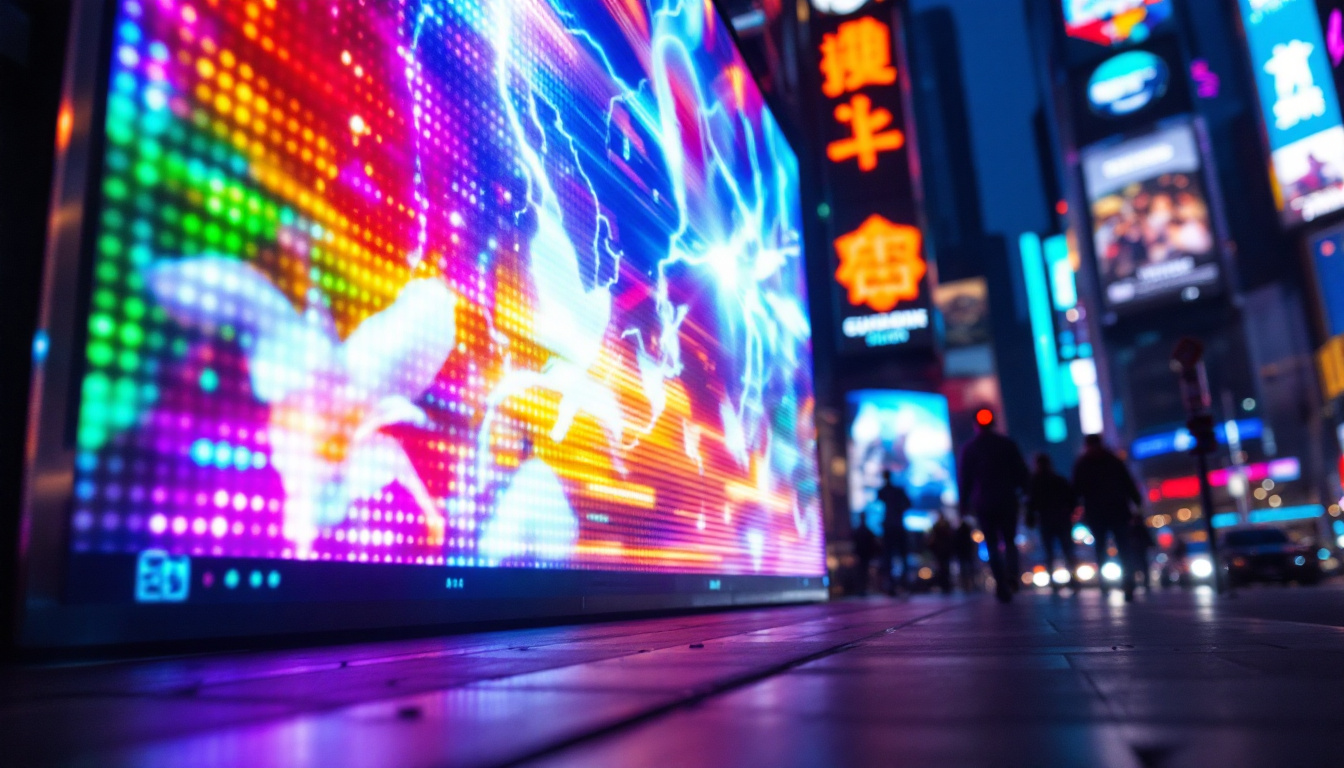
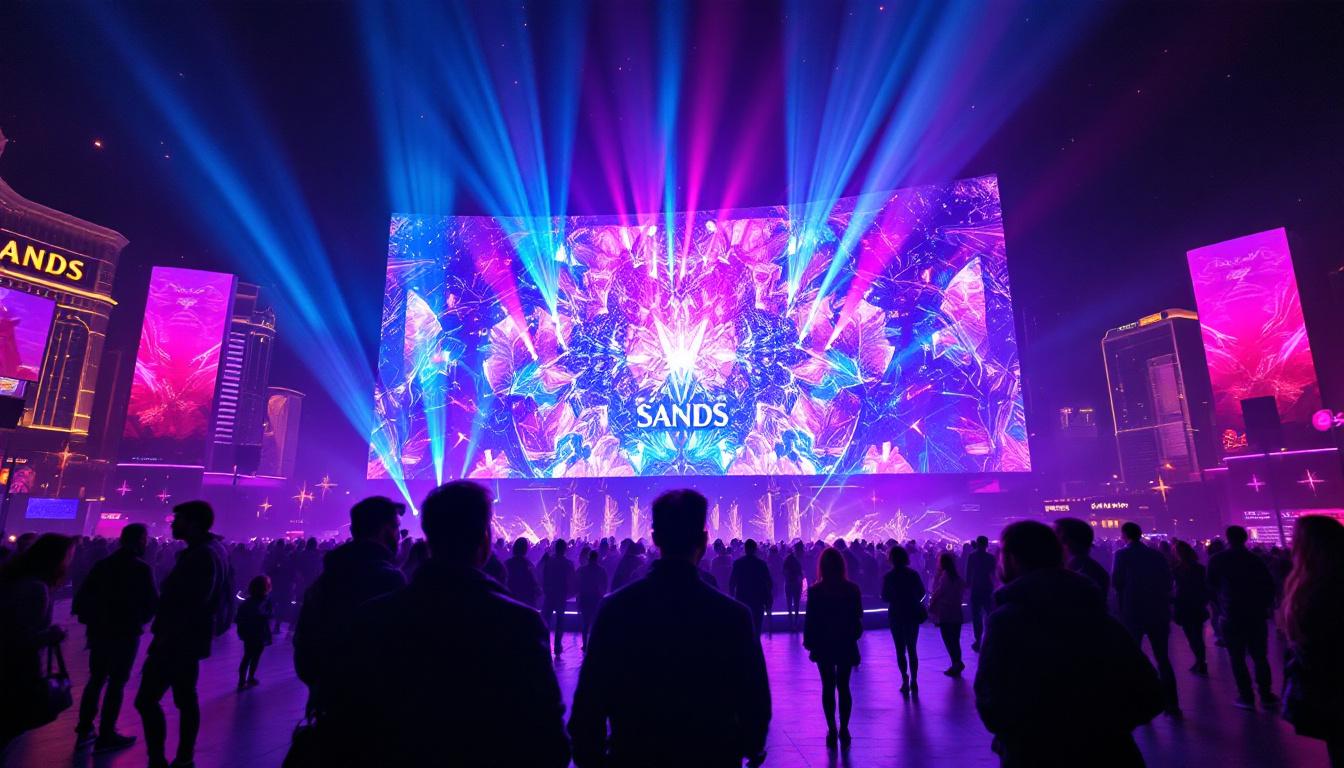
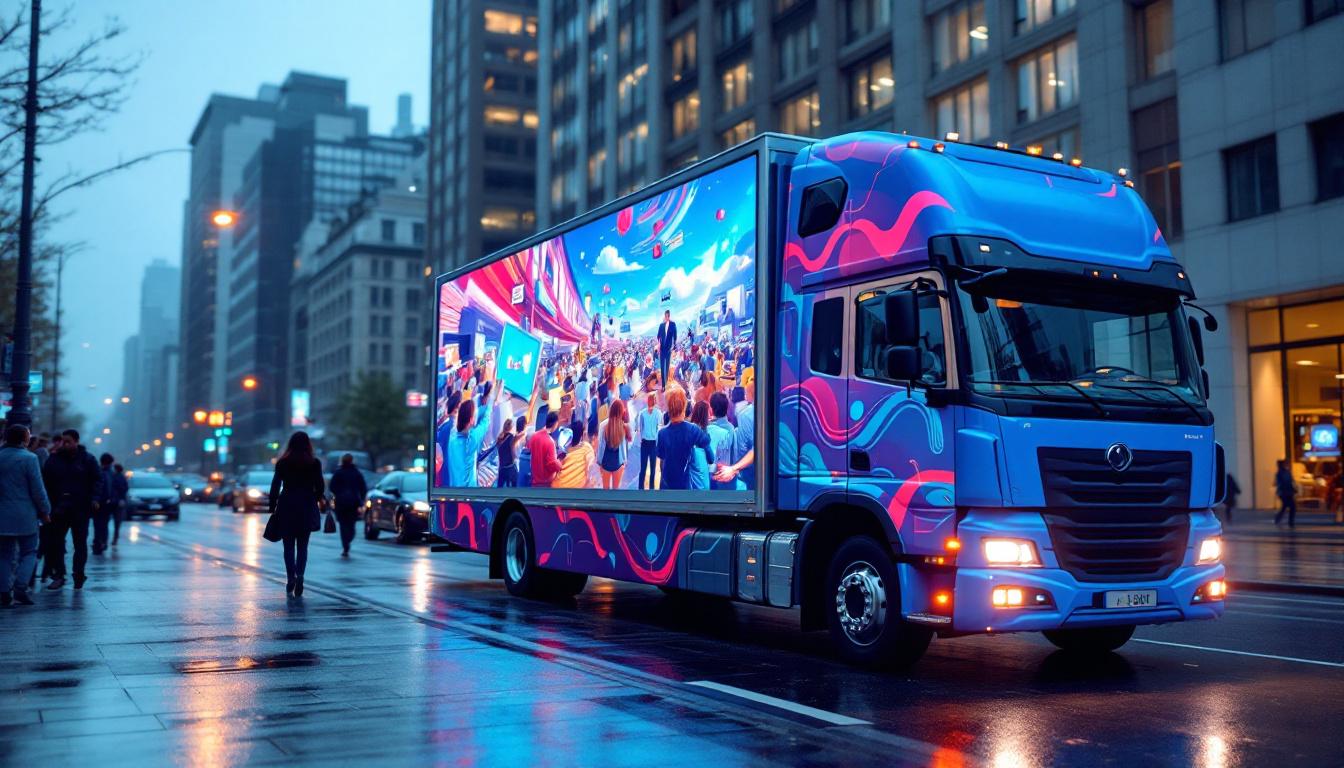
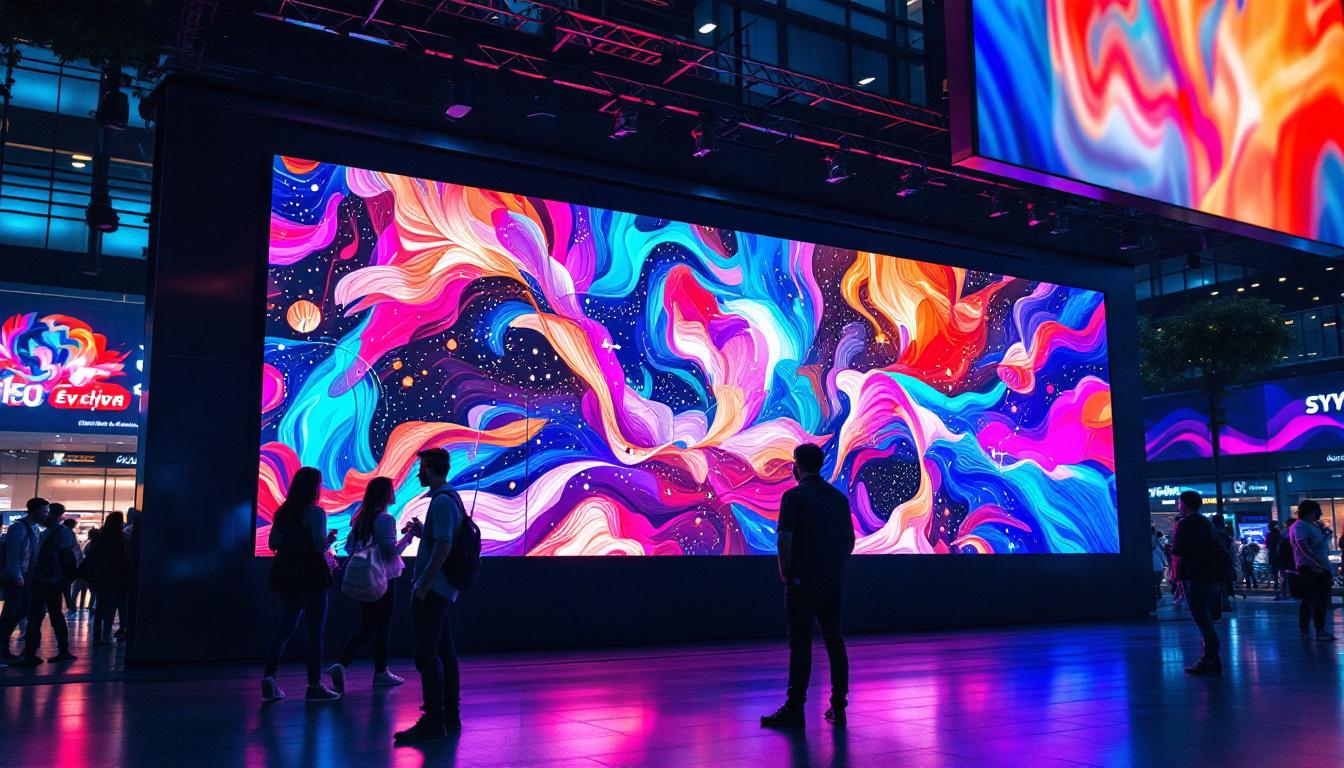
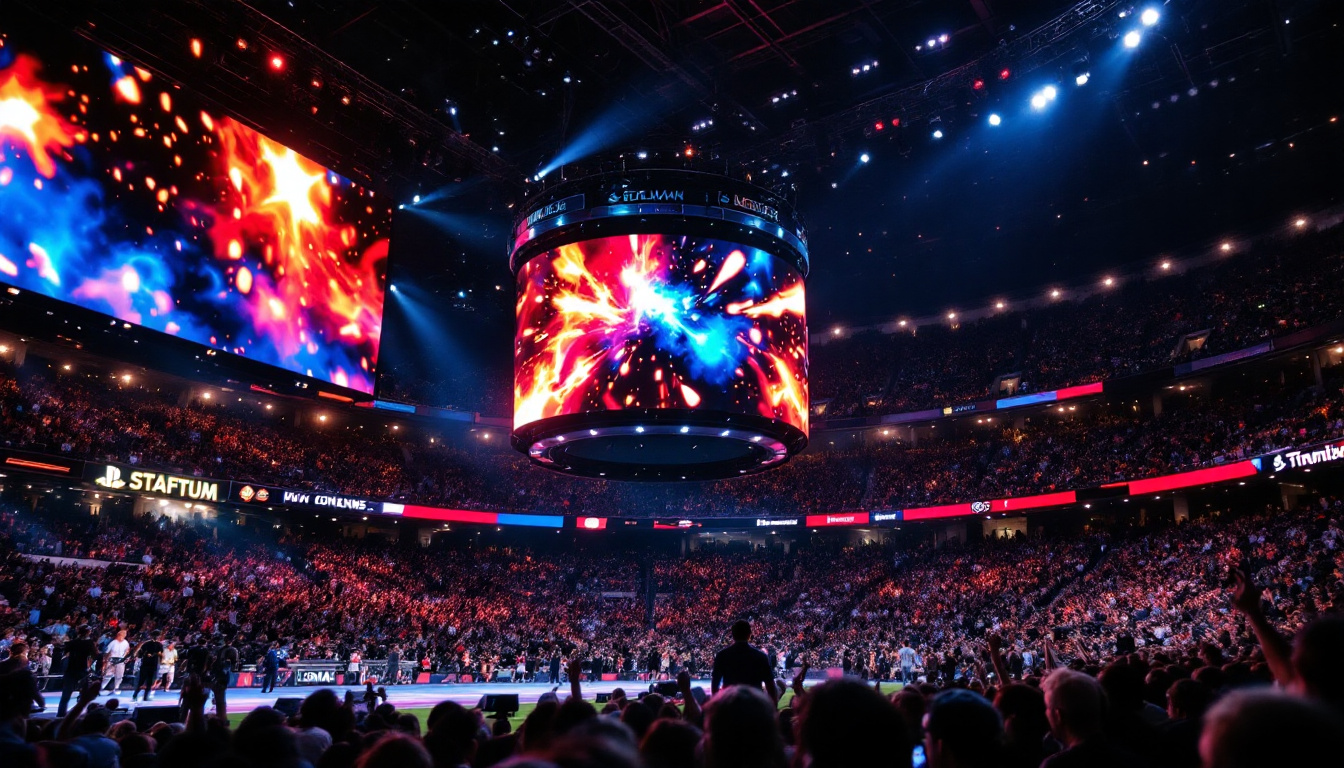
LED displays come in various forms, including direct-view LED panels, where the LEDs themselves form the image, and LED-backlit LCDs, where LEDs provide the backlighting for liquid crystal displays. The direct-view LED technology is particularly popular for large-format displays such as stadium screens, outdoor advertising billboards, and stage backdrops due to its brightness and durability. These displays are engineered to withstand harsh weather conditions, making them ideal for outdoor use. Additionally, advancements in technology have led to the development of flexible LED displays, which can be curved or shaped to fit unique architectural designs, further expanding their application in modern advertising and entertainment.
How Do LEDs Work?
At the core of LED technology is electroluminescence, the process by which a material emits light in response to an electric current or a strong electric field. Each LED consists of a chip of semiconducting material doped with impurities to create a p-n junction. When voltage is applied, electrons recombine with holes within the device, releasing energy in the form of photons—visible light.
The color of the emitted light depends on the semiconductor material used. For example, gallium arsenide produces infrared light, while gallium nitride emits blue or green light. By combining red, green, and blue LEDs in different intensities, LED displays can render a full spectrum of colors with remarkable accuracy and brightness. This RGB model is the foundation for creating stunning visuals in various applications, from digital signage to home entertainment systems. Moreover, the energy efficiency of LEDs is a significant advantage, consuming less power than traditional lighting technologies, which not only reduces operational costs but also contributes to a lower carbon footprint. As technology continues to evolve, innovations such as organic LEDs (OLEDs) and microLEDs are emerging, promising even greater efficiency and enhanced display quality, paving the way for the next generation of visual experiences.
Types of LED Displays and Their Applications
Indoor vs. Outdoor LED Displays
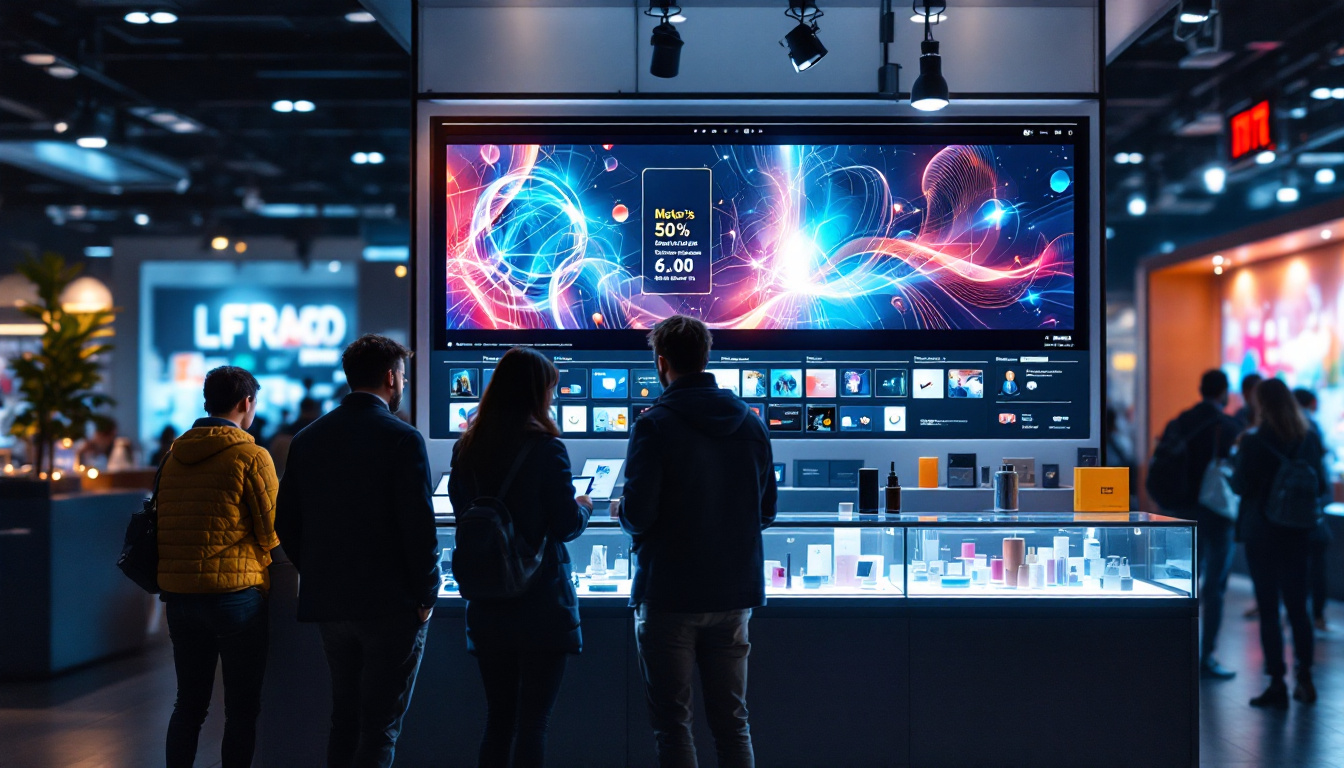
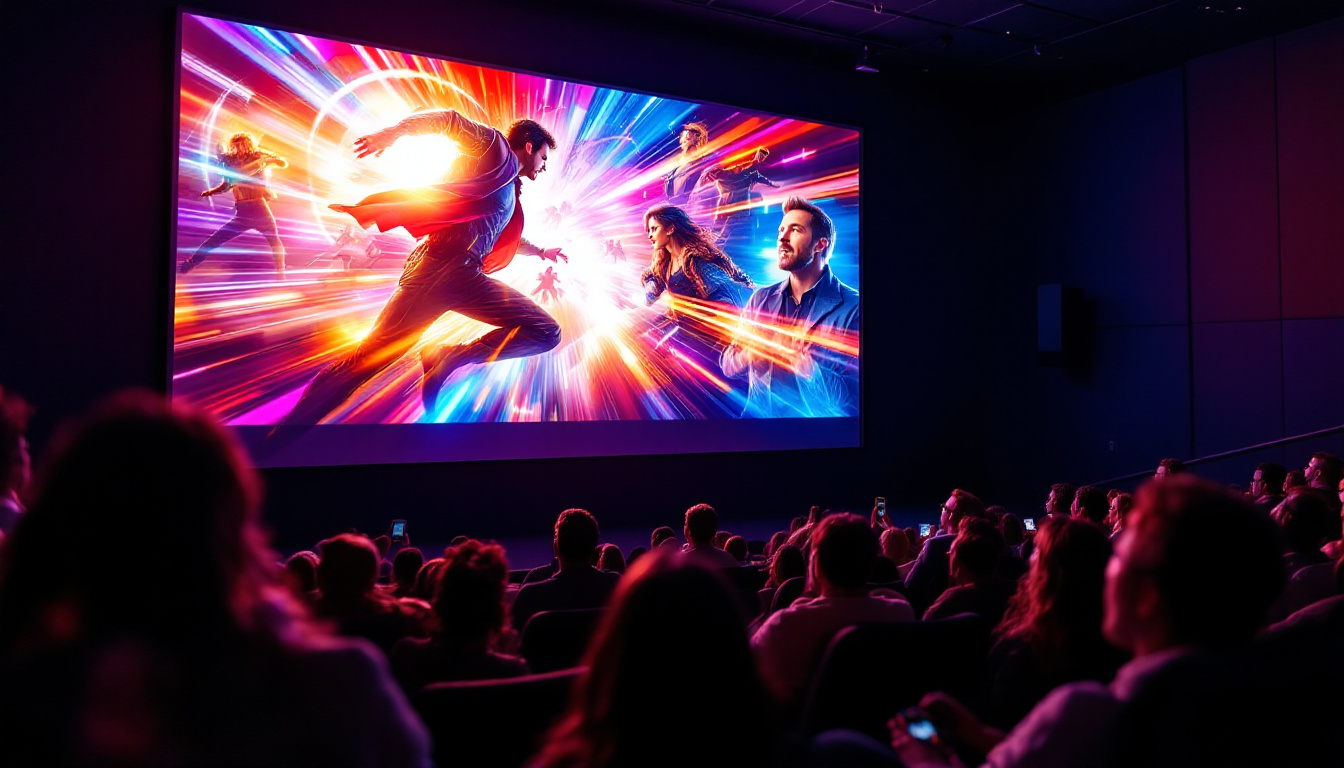
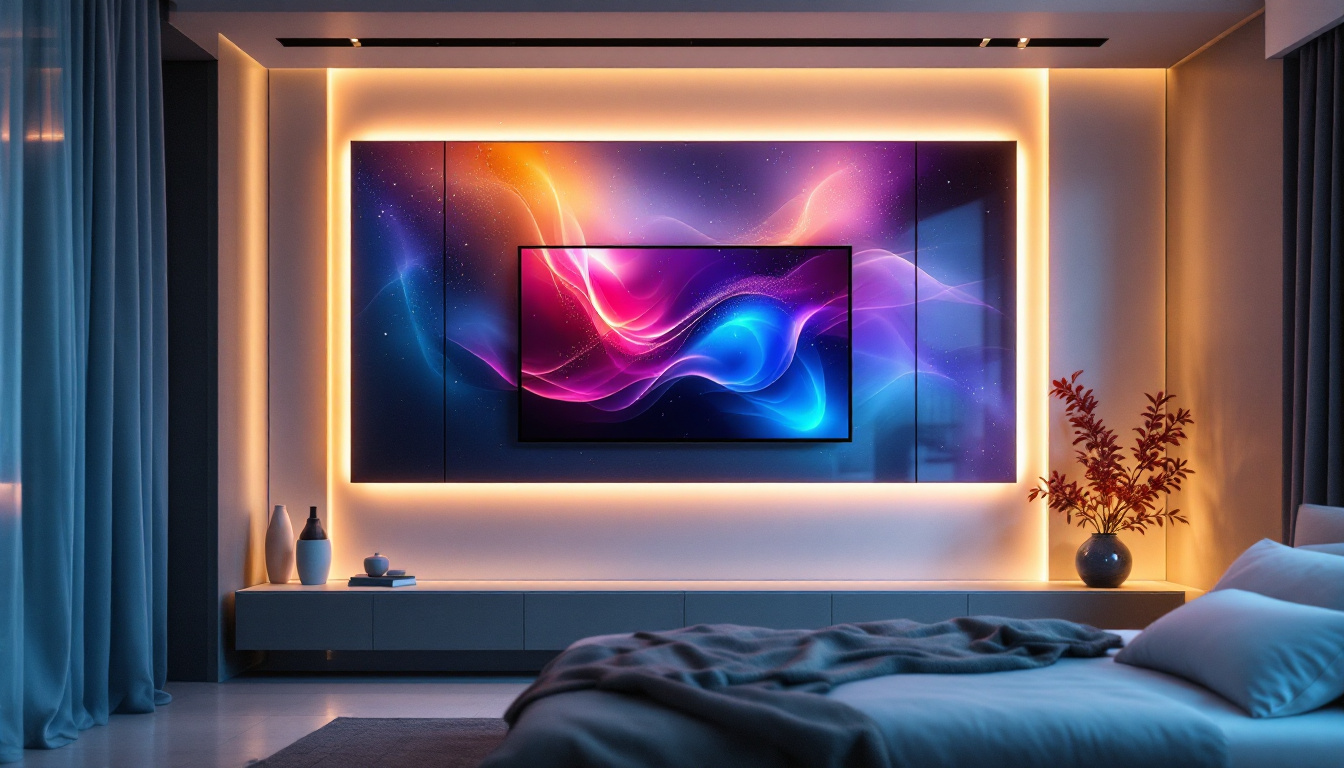
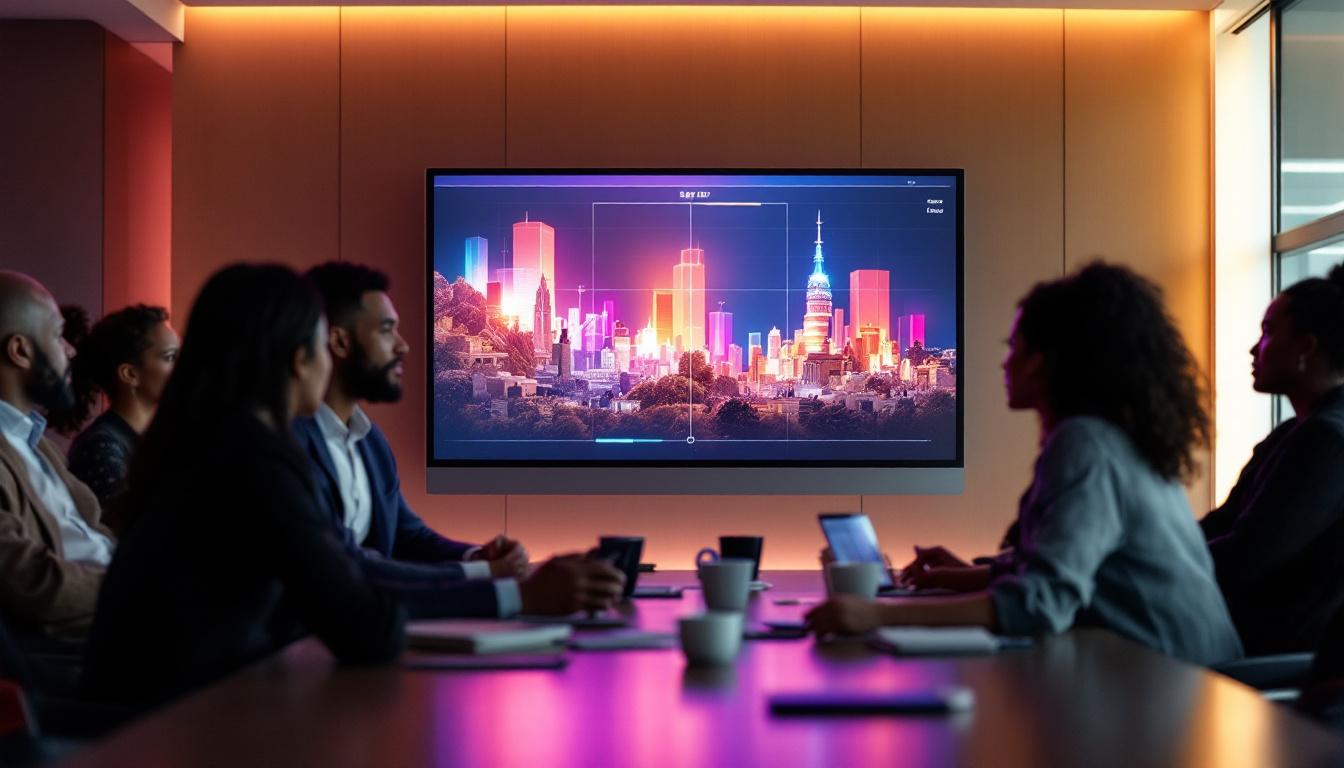
LED displays are broadly categorized into indoor and outdoor types, each optimized for specific environments and use cases. Indoor LED displays typically have a higher pixel density, meaning the LEDs are packed more closely together to deliver sharp images at close viewing distances. These are commonly found in conference rooms, retail stores, and control centers. The ability to display high-definition content makes indoor displays particularly effective for presentations, advertisements, and digital signage that require clarity and detail. Furthermore, many indoor LED displays are designed to be modular, allowing for easy customization and scalability to fit various space requirements.
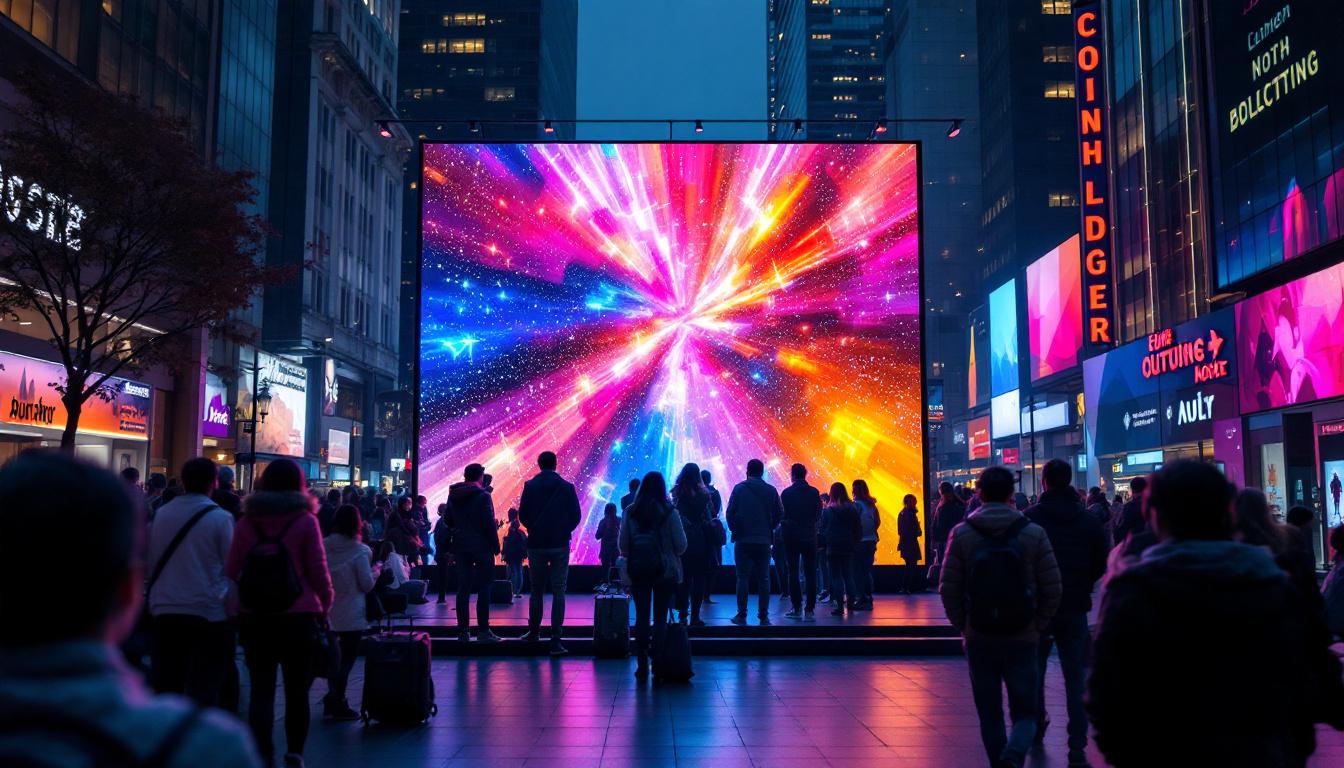
Outdoor LED displays, on the other hand, prioritize brightness and weather resistance. They are designed to be visible even in direct sunlight, with brightness levels often exceeding 5,000 nits compared to indoor displays that range from 300 to 1,000 nits. Additionally, outdoor displays feature robust enclosures to protect against rain, dust, and temperature extremes, making them ideal for sports arenas, transportation hubs, and urban advertising. These displays often incorporate advanced cooling systems to ensure optimal performance in high-temperature environments. Moreover, outdoor LED technology has evolved to include features like dynamic content capabilities, allowing advertisers to change messages in real-time, enhancing engagement and interaction with audiences.
Fine Pitch vs. Coarse Pitch LED Displays
Pixel pitch refers to the distance between the centers of two adjacent LEDs, typically measured in millimeters. Fine pitch LED displays have smaller pixel pitches (less than 2 mm), allowing for higher resolution and better image clarity at close range. These are favored for indoor applications such as control rooms, broadcast studios, and retail environments where viewers are close to the screen. The superior image quality of fine pitch displays is particularly beneficial for applications that require detailed visual content, such as video conferencing or high-resolution graphics, ensuring that every detail is crisp and clear.
Coarse pitch displays have larger pixel pitches (above 2 mm) and are suited for large-scale installations viewed from a distance, such as billboards and stadium screens. The larger spacing reduces manufacturing costs and improves brightness but sacrifices some image sharpness when viewed up close. However, the strategic placement of coarse pitch displays allows them to dominate large spaces, effectively capturing the attention of passersby. Additionally, advancements in technology have led to the development of high-brightness coarse pitch displays that can deliver vibrant colors and impactful visuals, making them a popular choice for outdoor advertising campaigns and large public events.
Flexible and Transparent LED Displays
Recent advancements have introduced flexible and transparent LED displays, expanding the possibilities for creative installations. Flexible LED panels can be curved or bent to fit unconventional surfaces, making them popular in architectural designs and immersive environments. These displays not only adapt to various shapes but also allow for dynamic content that can enhance the aesthetic appeal of a space. For instance, they can be integrated into the design of a building’s facade, creating a stunning visual experience that draws attention and engages viewers in a unique way.
Transparent LED displays integrate LEDs into glass panels, allowing for see-through visuals that maintain natural light and visibility, ideal for retail windows and automotive applications. This innovative technology enables retailers to showcase products while still allowing customers to see the store’s interior, creating an inviting atmosphere. Furthermore, transparent displays can be used in smart city projects, where they serve as information hubs without obstructing views or light. The versatility of these displays opens up new avenues for advertising and information dissemination, making them a valuable asset in modern urban environments.
Advantages of LED Displays Over Other Technologies
Superior Brightness and Contrast
One of the most significant advantages of LED displays is their exceptional brightness and contrast ratios. LEDs can achieve brightness levels far beyond those of traditional LCDs or plasma screens, making them highly visible in bright ambient conditions. This capability is crucial for outdoor advertising and public information displays where visibility can directly impact effectiveness.
Additionally, LED displays offer true blacks by turning off individual LEDs, resulting in higher contrast ratios. This enhances image quality, making colors appear more vibrant and details more pronounced, which is especially important for high-definition video content.
Energy Efficiency and Longevity
LED technology is renowned for its energy efficiency. LEDs consume significantly less power compared to incandescent or fluorescent lighting and even many LCD backlighting solutions. This efficiency translates into lower operational costs, especially for large-scale displays that run continuously.
Moreover, LEDs have a longer lifespan, often exceeding 50,000 hours of operation. This durability reduces maintenance requirements and replacement costs, making LED displays a cost-effective choice for businesses and public installations.
Thin, Lightweight, and Versatile Design
LED displays are typically thinner and lighter than other display technologies, allowing for easier installation and greater design flexibility. Their modular nature enables the creation of custom-sized screens and shapes, from giant video walls to small wearable devices.
This versatility is evident in applications ranging from digital signage and interactive kiosks to large-scale entertainment venues and transportation systems, where space constraints and aesthetic considerations are paramount.
Key Considerations When Choosing an LED Display
Resolution and Pixel Pitch
The choice of resolution and pixel pitch should be guided by the intended viewing distance and application. For example, a retail store display viewed from a few feet away demands a fine pitch for crisp visuals, while a highway billboard viewed from hundreds of meters can utilize a coarser pitch without compromising effectiveness.
Understanding these parameters helps optimize cost and performance, ensuring the display meets the audience’s needs without unnecessary expenditure.
Brightness and Environmental Factors
Environmental conditions play a critical role in determining the required brightness and protective features of an LED display. Outdoor installations must withstand weather extremes and maintain visibility under direct sunlight, necessitating higher brightness ratings and rugged enclosures.
Indoor environments, while less demanding in terms of brightness, may require considerations for ambient lighting and viewing angles to maximize visual comfort and impact.
Control Systems and Connectivity
Modern LED displays are integrated with sophisticated control systems that manage content delivery, brightness adjustment, and diagnostics. Connectivity options such as HDMI, DVI, and network interfaces enable seamless integration with content management systems and remote monitoring tools.
Choosing a display with compatible control technology ensures ease of use, flexibility in content updates, and the ability to troubleshoot issues proactively.
Emerging Trends and Future Prospects
MicroLED and MiniLED Technologies
MicroLED and MiniLED represent the next frontier in LED display technology. MicroLEDs are microscopic LEDs that offer even higher resolution, improved color accuracy, and better energy efficiency compared to conventional LEDs. They promise to revolutionize consumer electronics by enabling ultra-thin, flexible, and bright displays for smartphones, TVs, and wearable devices.
MiniLEDs, slightly larger than MicroLEDs, are increasingly used as backlighting for LCD panels, enhancing contrast and brightness while maintaining cost-effectiveness. Both technologies are gaining traction and are expected to become mainstream in the coming years.
Integration with Smart Technologies
LED displays are becoming smarter and more interactive, incorporating sensors, cameras, and AI-driven content management. This integration enables personalized advertising, real-time data visualization, and adaptive brightness control based on environmental conditions and viewer behavior.
Smart LED displays are transforming retail, transportation, and public spaces by delivering dynamic, context-aware content that enhances user engagement and operational efficiency.
Sustainability and Eco-Friendly Innovations
As sustainability becomes a priority, LED display manufacturers are focusing on eco-friendly materials, energy-saving designs, and recyclability. Innovations such as low-power LEDs, biodegradable components, and modular designs that facilitate repair and upgrade contribute to reducing the environmental impact of digital signage and display technologies.
These efforts align with global initiatives to minimize electronic waste and promote responsible consumption in the technology sector.
Conclusion
LED display technology stands at the forefront of digital communication, offering unparalleled brightness, versatility, and energy efficiency. Its applications span a vast array of industries, from advertising and entertainment to transportation and public information. Understanding the nuances of LED technology—from pixel pitch and brightness to emerging MicroLED innovations—empowers businesses and consumers to make informed decisions that maximize visual impact and operational value.
As LED displays continue to evolve, integrating smarter features and embracing sustainability, they will undoubtedly play an even more integral role in shaping the future of visual technology worldwide.
Discover LumenMatrix’s Innovative LED Solutions
Ready to illuminate your world with the most advanced LED technology? LumenMatrix is at the cutting edge, offering a diverse range of LED display modules that bring your visual communications to life. Whether you’re looking to enhance your brand’s visibility with an Indoor LED Wall Display, captivate passersby with an Outdoor LED Wall Display, or create dynamic visual experiences with our Custom and Transparent LED Displays, LumenMatrix has the solution. Embrace the future of digital signage and let your message shine with clarity and impact. Check out LumenMatrix LED Display Solutions and transform your space today.