In today’s fast-paced world, businesses and public venues rely heavily on dynamic visual communication to capture attention and convey messages effectively. Outdoor display cabinets with LED technology have become a cornerstone in this realm, offering vibrant, durable, and energy-efficient solutions for advertising, information dissemination, and public engagement. This article delves into the essentials of outdoor LED display cabinets, exploring their technology, benefits, applications, and key considerations for selecting the right system.
Understanding Outdoor LED Display Cabinets
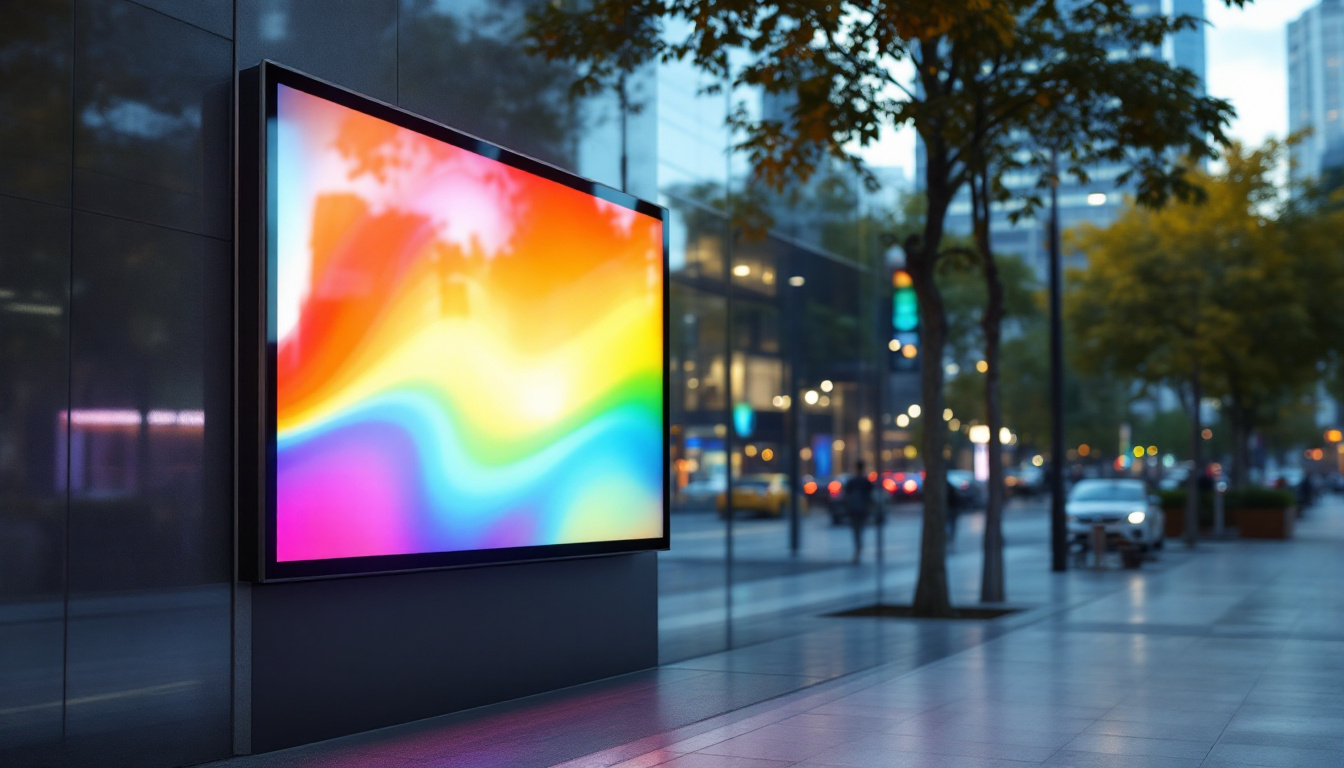
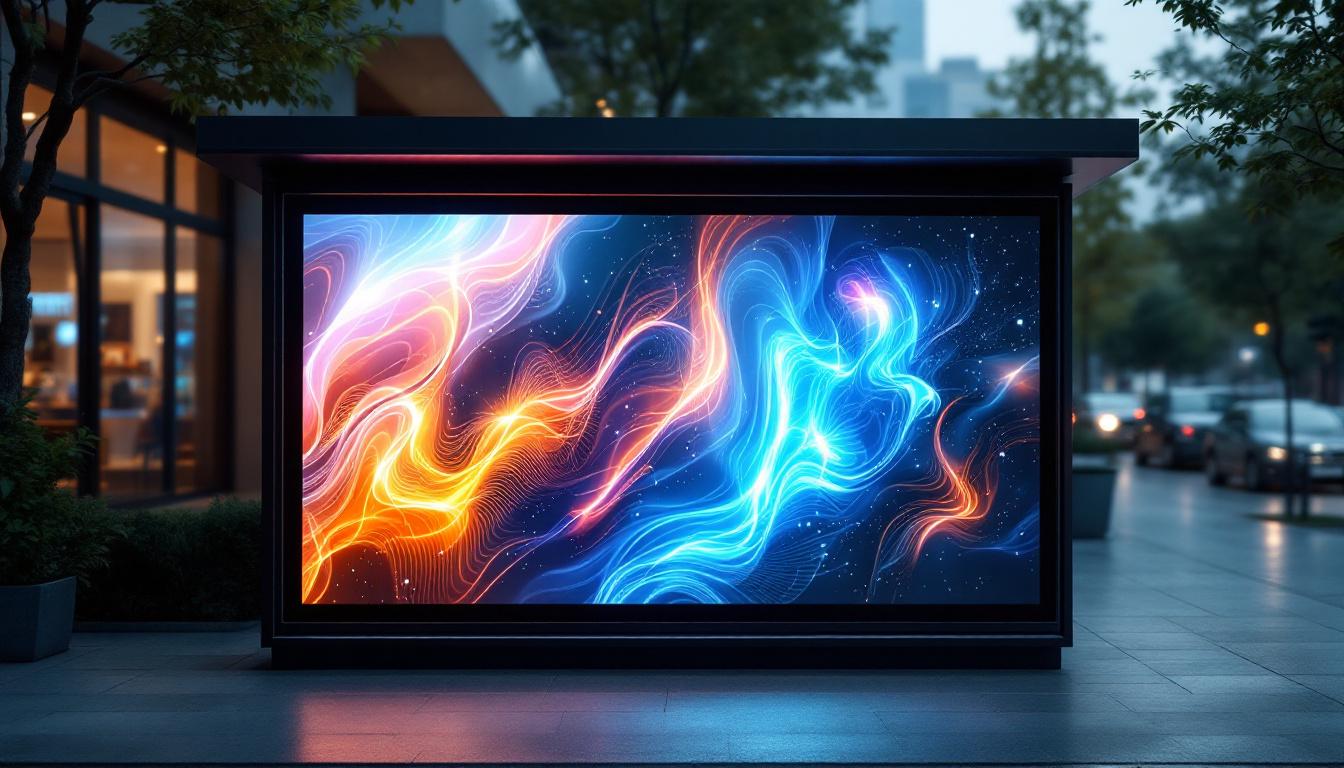
Outdoor LED display cabinets are specialized enclosures that house LED panels designed to operate in external environments. Unlike indoor LED displays, these cabinets are engineered to withstand harsh weather conditions, including rain, wind, dust, and extreme temperatures, while maintaining optimal visual performance.
At their core, these cabinets integrate high-brightness LED modules, protective glass or acrylic fronts, and robust frames made from materials such as aluminum or stainless steel. The design ensures that the display remains visible even under direct sunlight, a critical factor for outdoor advertising and public information systems. Furthermore, the cabinets often feature advanced cooling systems that help dissipate heat generated by the LEDs, ensuring consistent performance and longevity. This combination of durability and functionality makes outdoor LED display cabinets an ideal choice for a variety of applications, from billboards and transit signage to sports arenas and event venues.
How LED Technology Works in Outdoor Displays
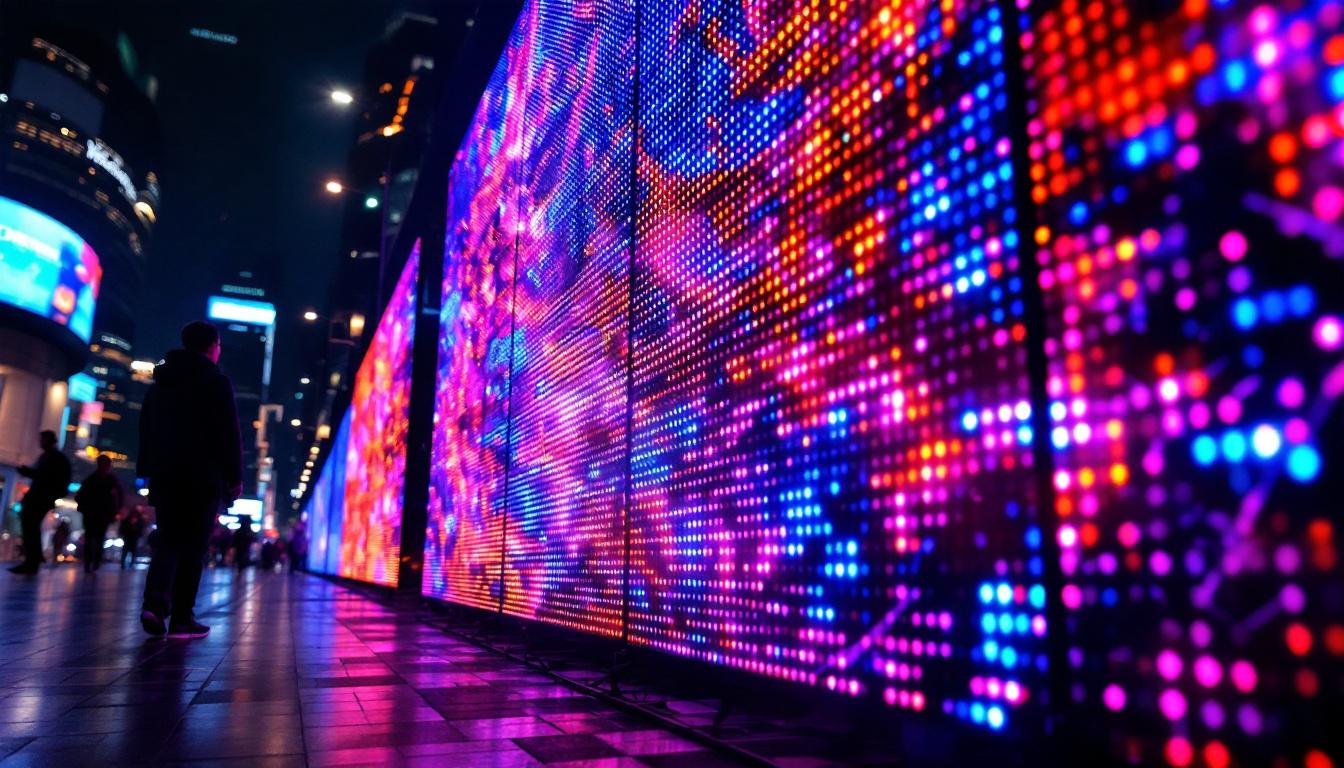
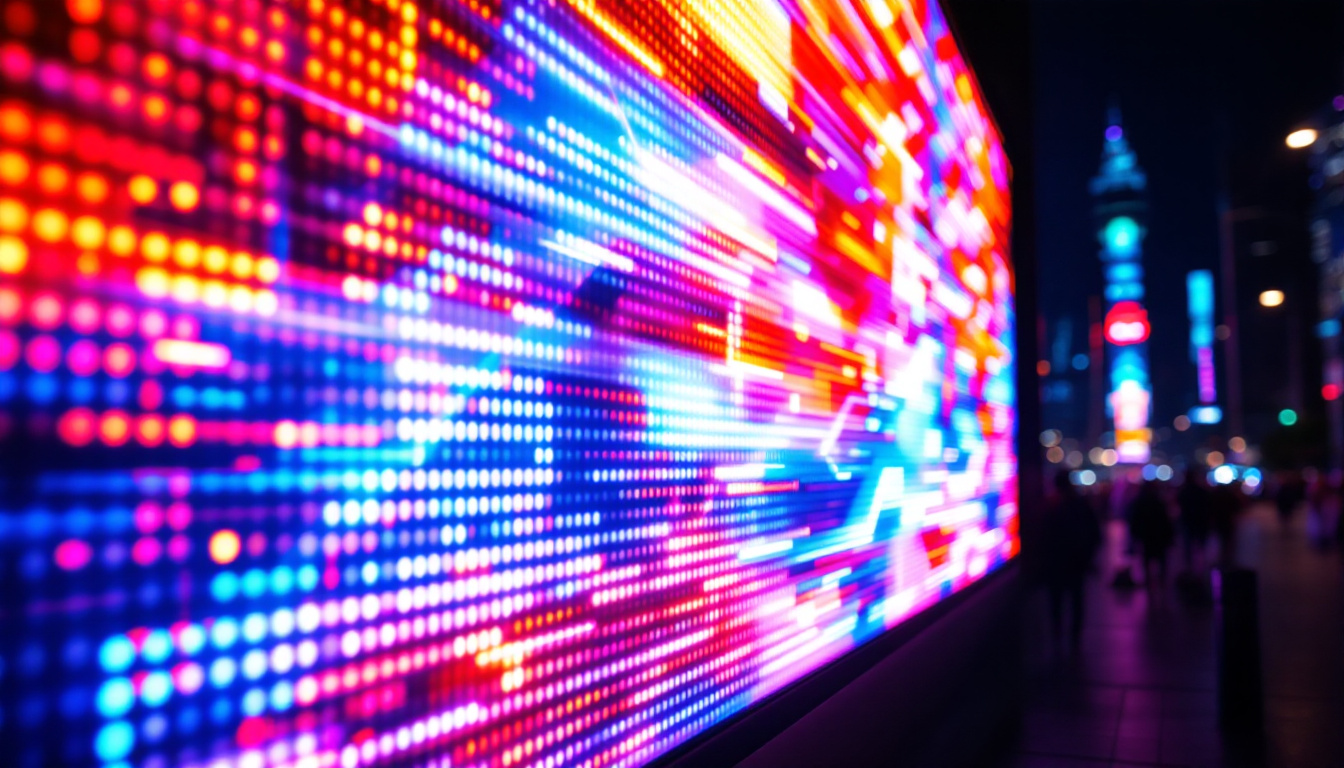
LED, or Light Emitting Diode, technology is the foundation of these displays. Each LED pixel consists of tiny semiconductor devices that emit light when an electric current passes through them. Outdoor LED displays use clusters of red, green, and blue LEDs to create a full spectrum of colors through a process called additive color mixing.
The key to outdoor visibility is brightness. Outdoor LED cabinets typically feature brightness levels ranging from 5,000 to 10,000 nits, far exceeding the 300-500 nits common in indoor displays. This high luminance ensures content remains clear and vibrant even in direct sunlight. Additionally, advancements in LED technology have led to improved energy efficiency, allowing these displays to consume less power while still delivering stunning visuals. This not only reduces operational costs but also contributes to a more sustainable approach to outdoor advertising.
Weatherproofing and Durability
One of the most critical aspects of outdoor LED display cabinets is their ability to resist environmental factors. These cabinets are rated with IP (Ingress Protection) standards, usually IP65 or higher, indicating they are dust-tight and protected against water jets. This guarantees the electronics inside are safe from rain, dust, and debris.
Additionally, outdoor cabinets often include temperature control systems such as fans, heaters, or air conditioning units to maintain optimal operating temperatures. This prevents overheating in summer and freezing in winter, extending the lifespan of the display. The materials used in construction, such as corrosion-resistant coatings and UV-protected surfaces, further enhance durability, ensuring that the displays can withstand the rigors of outdoor exposure. Regular maintenance and monitoring systems can also be integrated, allowing operators to check the health of the display remotely and address any potential issues before they escalate, thus ensuring uninterrupted service and reliability in high-traffic areas.
Benefits of Using Outdoor LED Display Cabinets
Outdoor LED display cabinets offer numerous advantages over traditional static signage or other digital display technologies. Their versatility and technological sophistication make them an attractive choice for a wide range of applications.
High Visibility and Impact
One of the primary benefits is the exceptional visibility these displays provide. Their brightness and vibrant colors ensure that messages stand out, even in brightly lit environments. This makes them ideal for advertising billboards, transit information boards, and event signage.
Studies have shown that digital signage can increase brand recall by up to 47.7% compared to static signs, underscoring the effectiveness of LED displays in capturing audience attention. In addition to enhancing brand visibility, these displays can also be programmed to showcase high-definition videos and animations, further captivating viewers and making the content more engaging. This dynamic presentation can lead to increased foot traffic and higher conversion rates for businesses.
Energy Efficiency and Longevity
Modern LED technology is highly energy-efficient compared to traditional lighting methods like neon or incandescent bulbs. Outdoor LED cabinets consume less power while delivering brighter images, which translates to lower operating costs over time.
Furthermore, LEDs have a long operational lifespan, often exceeding 100,000 hours. This durability reduces maintenance frequency and costs, making them a cost-effective investment for businesses and municipalities. The robust nature of LED technology also means that these displays are less susceptible to damage from environmental factors such as rain, wind, and extreme temperatures, ensuring they remain operational and effective in various conditions. This resilience is particularly beneficial for outdoor installations, where signs are exposed to the elements.
Dynamic Content and Remote Management
Unlike static signs, LED display cabinets allow for dynamic content that can be updated instantly. This flexibility enables businesses to tailor messages based on time of day, audience demographics, or promotional campaigns.
Many outdoor LED systems support remote content management via cloud platforms, allowing operators to schedule and modify displays from any location. This capability enhances operational efficiency and responsiveness. Additionally, the ability to integrate real-time data feeds, such as weather updates or social media trends, can further enrich the content displayed, making it more relevant and timely for viewers. This adaptability not only keeps the audience engaged but also allows businesses to react swiftly to market changes or emerging opportunities, ensuring their messaging remains fresh and impactful.
Common Applications of Outdoor LED Display Cabinets
Outdoor LED display cabinets are employed across various sectors, each leveraging the technology’s unique strengths to meet specific communication needs.
Retail and Advertising
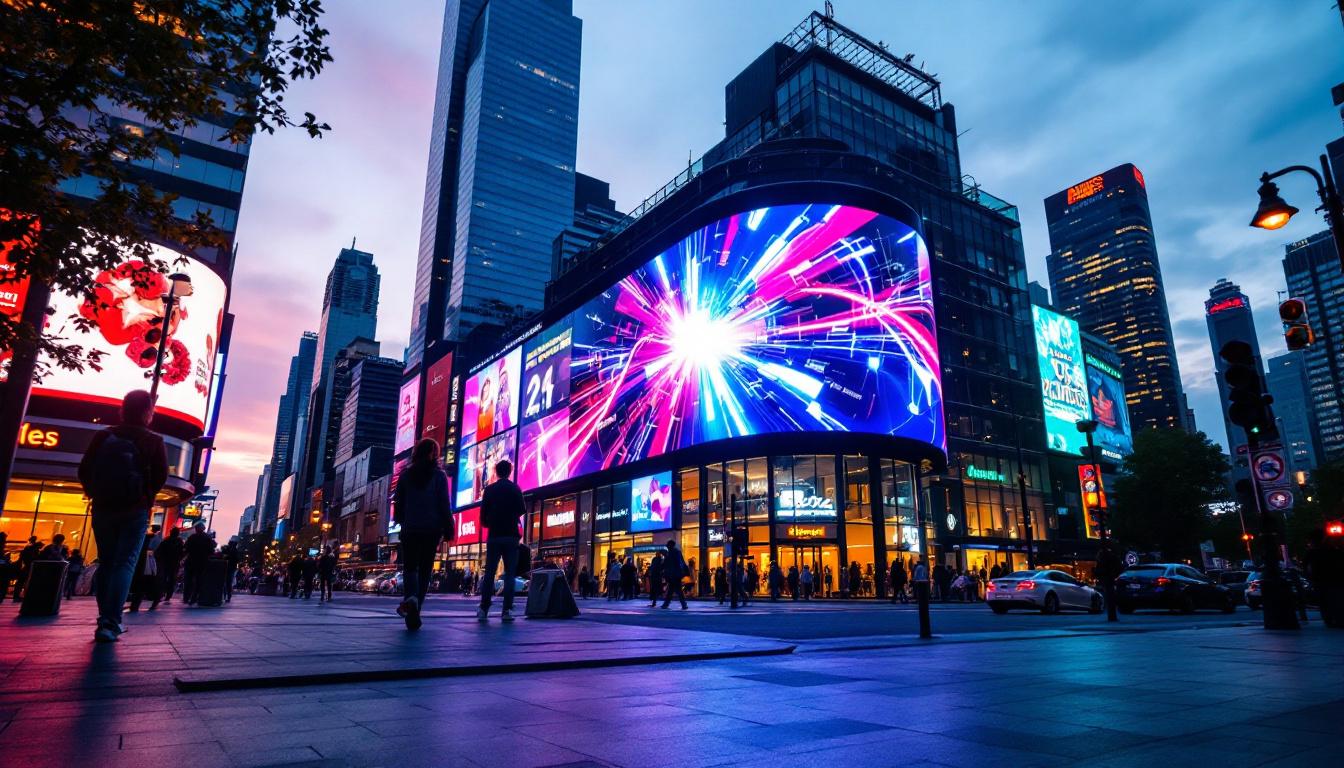
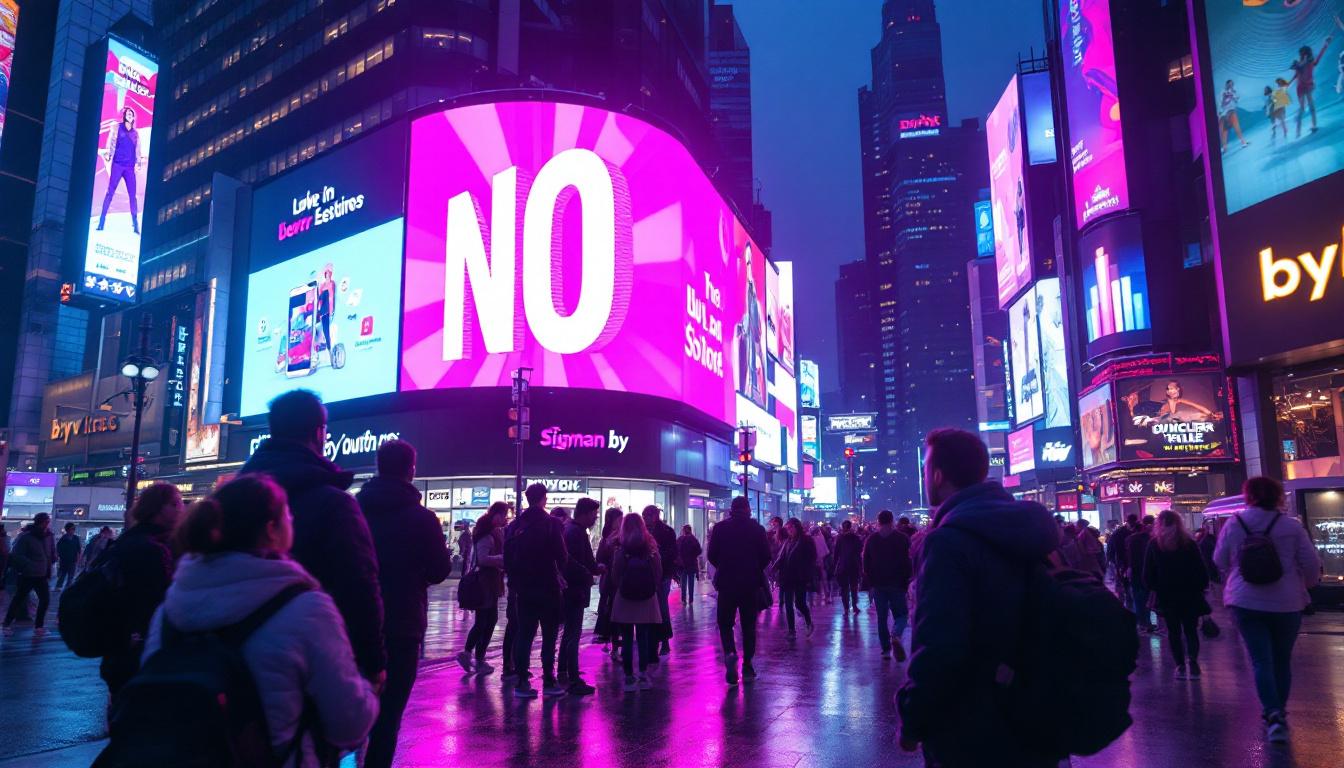
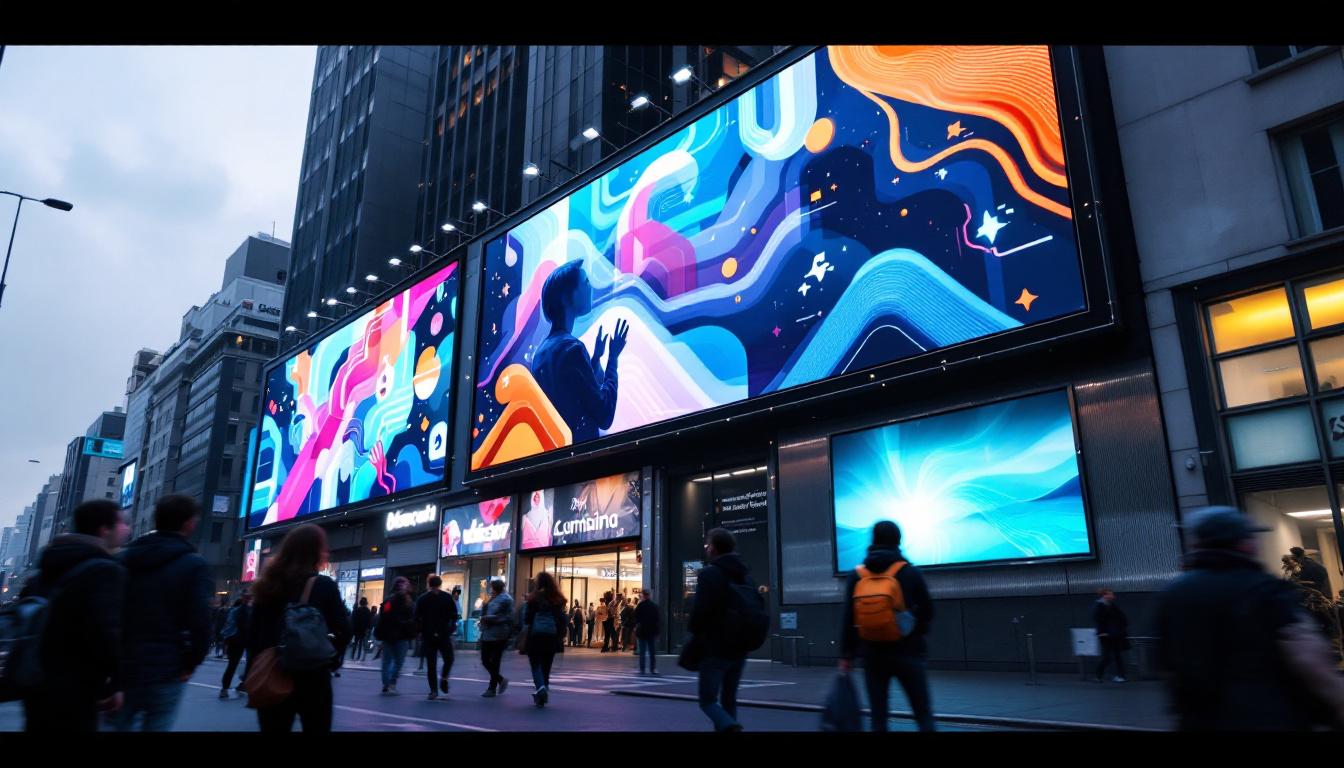
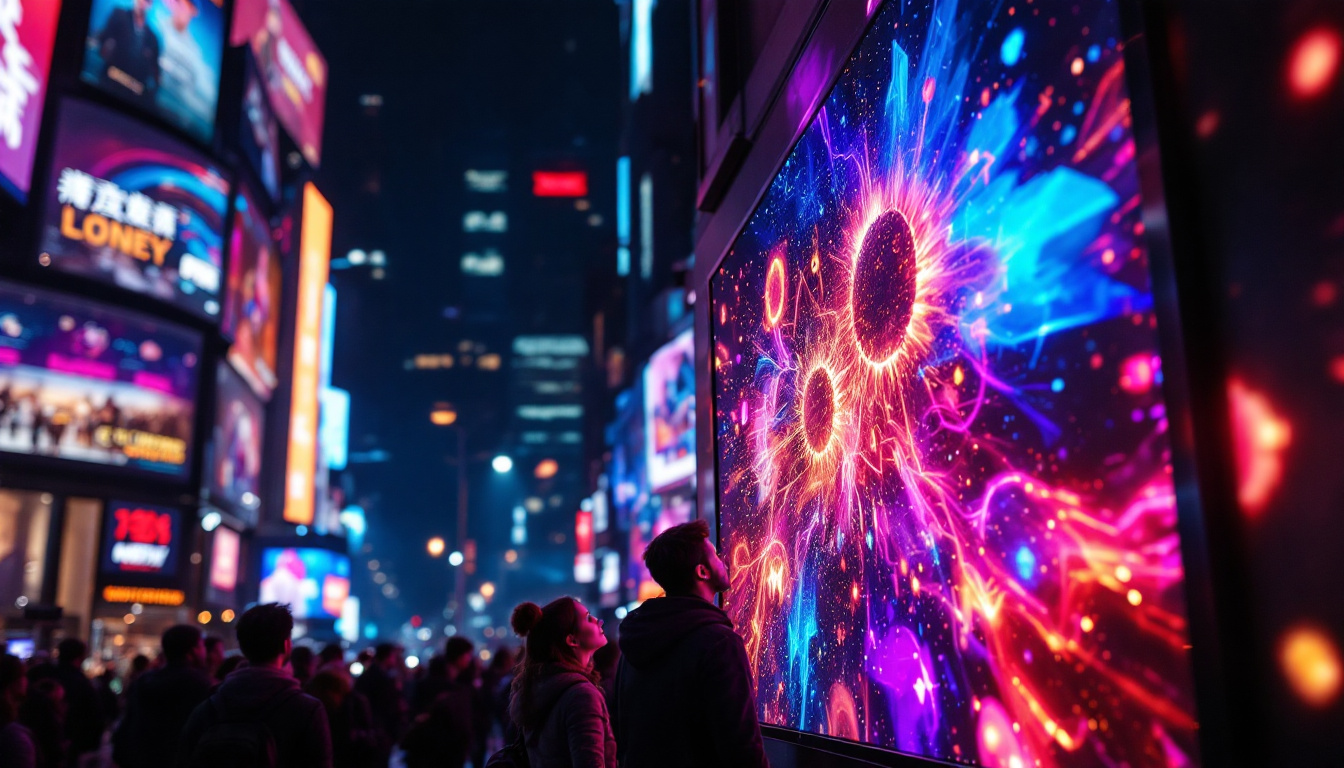
Retailers use outdoor LED displays to attract customers with eye-catching promotions and brand messaging. High-traffic urban areas often feature LED billboards that change content frequently, maximizing advertising impact.
For example, Times Square in New York City is renowned for its massive LED displays that combine brightness, size, and dynamic content to create a visually stunning advertising environment.
Transportation and Public Information
Transit authorities utilize outdoor LED cabinets to provide real-time updates on schedules, delays, and safety information. These displays improve passenger experience by delivering timely and clear messages.
Similarly, municipalities deploy LED displays in public spaces for announcements, emergency alerts, and event notifications, enhancing community engagement and safety.
Sports and Entertainment Venues
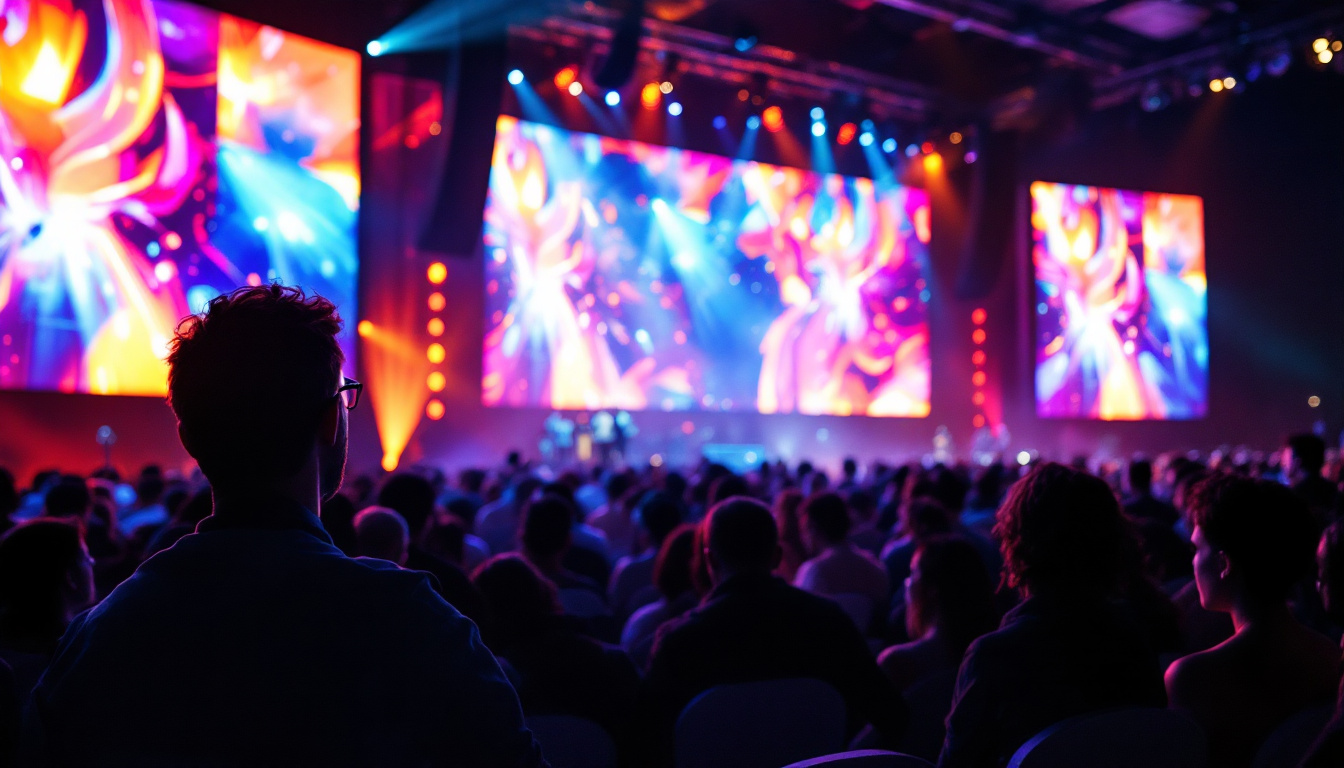
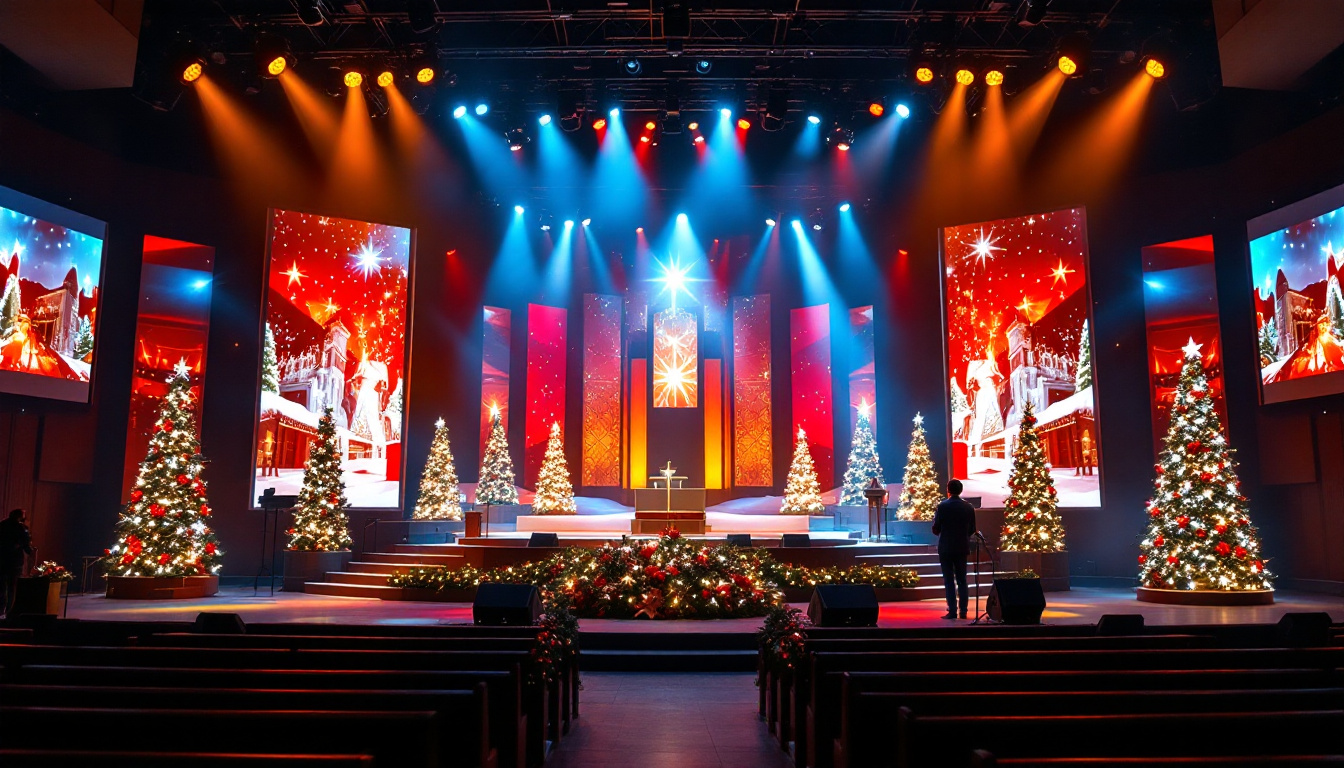
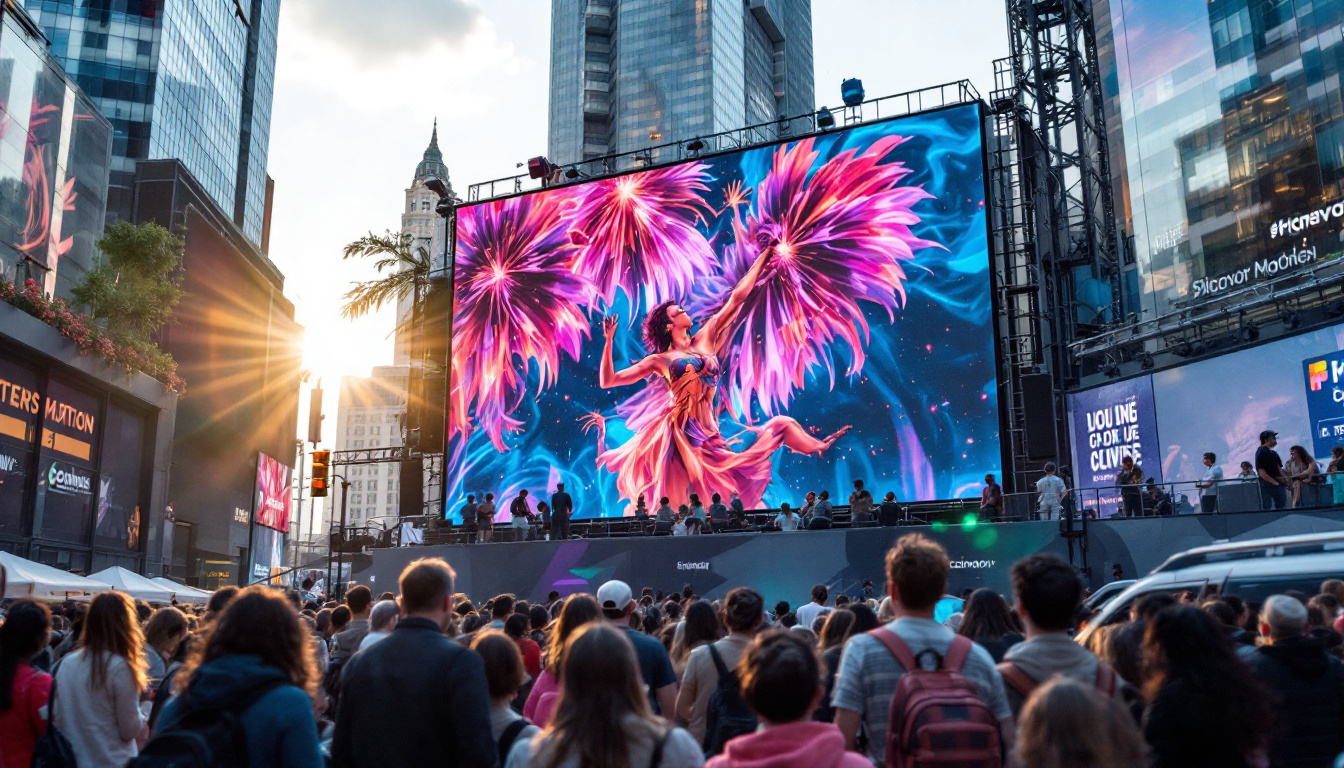
Outdoor LED displays are integral to stadiums and arenas, delivering live scores, advertisements, and interactive content to large audiences. Their durability and brightness ensure visibility even in daylight and adverse weather conditions.
These displays also contribute to the overall fan experience by integrating with sound systems and lighting for immersive events.
Key Considerations When Choosing an Outdoor LED Display Cabinet
Selecting the right outdoor LED display cabinet involves evaluating several technical and practical factors to ensure the display meets specific needs and budget constraints.
Pixel Pitch and Resolution
Pixel pitch refers to the distance between individual LED pixels, measured in millimeters. A smaller pixel pitch means higher resolution and finer image detail. For outdoor displays viewed from a distance, pixel pitches typically range from 4mm to 20mm.
Choosing the appropriate pixel pitch depends on the typical viewing distance; for example, a 10mm pixel pitch is suitable for displays viewed from 10 meters or more, balancing cost and image clarity.
Brightness and Contrast Ratio
Brightness is crucial for outdoor visibility. Ensure the display can achieve at least 5,000 nits for clear readability in direct sunlight. Contrast ratio, which measures the difference between the brightest and darkest parts of the image, also affects image quality, especially for video content.
Durability and Maintenance
Check the cabinet’s IP rating and build quality to ensure it can withstand local weather conditions. Consider the ease of maintenance, including whether the display supports front or rear access for repairs, and the availability of technical support from the manufacturer.
Power Consumption and Environmental Impact
Energy efficiency is not only cost-effective but also environmentally responsible. Look for LED cabinets with energy-saving features such as automatic brightness adjustment based on ambient light and low-power standby modes.
Installation and Integration
Consider the installation site’s structural capacity, accessibility, and connectivity options. The display should integrate smoothly with existing systems, such as content management software and power supplies.
Future Trends in Outdoor LED Display Technology
As technology advances, outdoor LED display cabinets continue to evolve, offering enhanced capabilities and new possibilities for communication.
Higher Resolution and Mini-LED Technology
Emerging mini-LED and micro-LED technologies promise even higher resolution and improved brightness with lower power consumption. These advancements will enable outdoor displays to deliver near-retina quality visuals from greater distances.
Interactive and Smart Displays
Integration with sensors, cameras, and AI will allow outdoor LED displays to become interactive, responding to audience behavior and environmental factors. This can create personalized advertising experiences and improve public safety messaging.
Improved Sustainability
Manufacturers are focusing on eco-friendly materials and recycling programs to reduce the environmental footprint of LED displays. Solar-powered LED cabinets and energy harvesting technologies are also gaining traction for off-grid applications.
Conclusion
Outdoor LED display cabinets represent a powerful tool for visual communication in diverse settings. Their combination of brightness, durability, and flexibility makes them indispensable for modern advertising, public information, and entertainment needs. By understanding the technology, benefits, and key considerations outlined in this article, businesses and organizations can make informed decisions to leverage LED displays effectively and future-proof their investments.
With ongoing innovations on the horizon, outdoor LED display cabinets will continue to transform how messages are delivered and experienced in public spaces worldwide.
Discover LumenMatrix’s Innovative LED Display Solutions
Ready to elevate your visual communication strategy with the latest in LED display technology? Look no further than LumenMatrix. As a pioneer in the industry, we offer a wide array of LED display solutions tailored to meet your needs. From vibrant outdoor LED wall displays that withstand the elements to interactive floor LED displays that engage audiences in novel ways, our products are designed to make your brand shine. Embrace the future of advertising, public information, and entertainment with LumenMatrix’s cutting-edge displays. Check out LumenMatrix LED Display Solutions today and transform your visual presence.