In today’s fast-paced world, businesses are constantly seeking innovative ways to capture consumer attention and communicate messages effectively. Commercial digital signs, particularly LED displays, have emerged as a leading solution for dynamic advertising and information dissemination. This article explores the technology behind LED displays, their advantages, applications, and considerations for businesses looking to invest in commercial digital signage.
Understanding LED Display Technology
At the core of commercial digital signage lies LED (Light Emitting Diode) technology, which has revolutionized the way businesses present visual content. Unlike traditional static signs, LED displays offer vibrant, bright, and customizable visuals that can be updated in real-time. This capability allows businesses to engage their audience dynamically, tailoring messages to specific times of day or events, thus maximizing impact and relevance.
What is an LED Display?
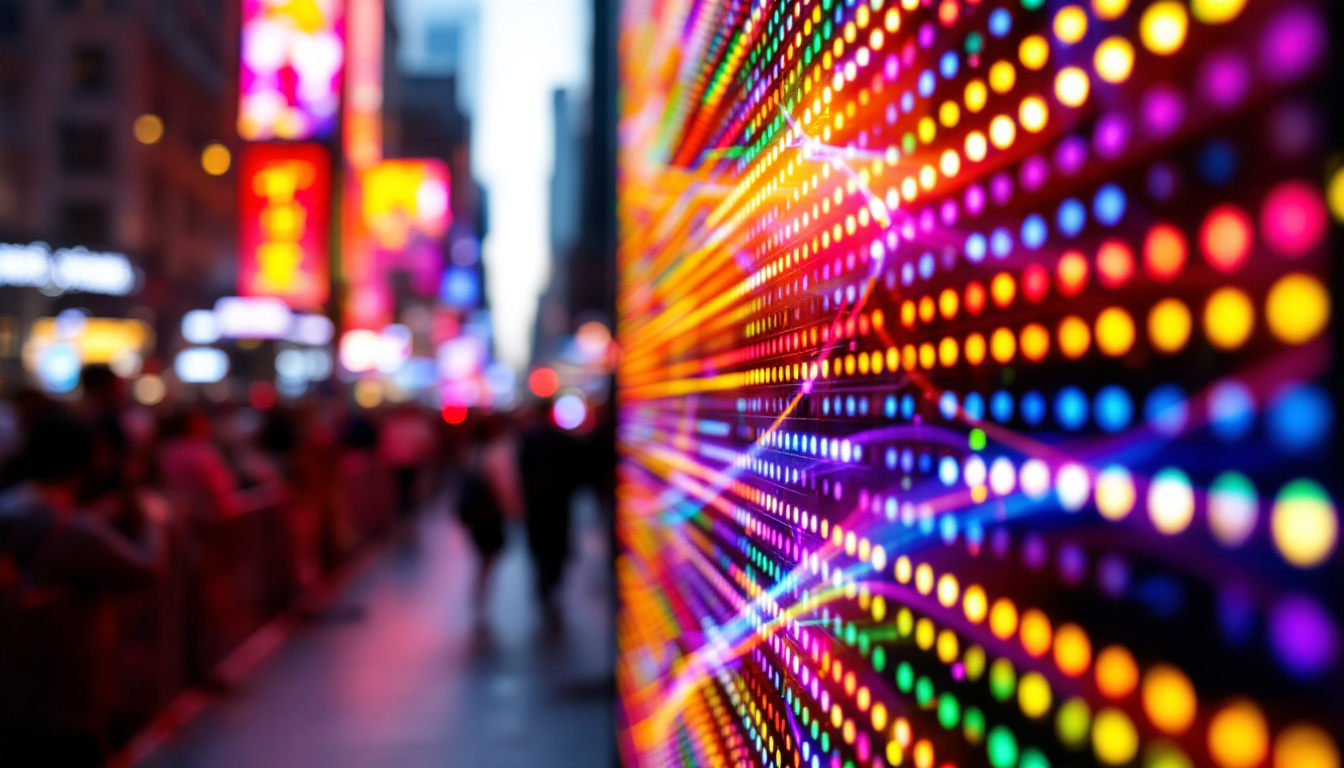
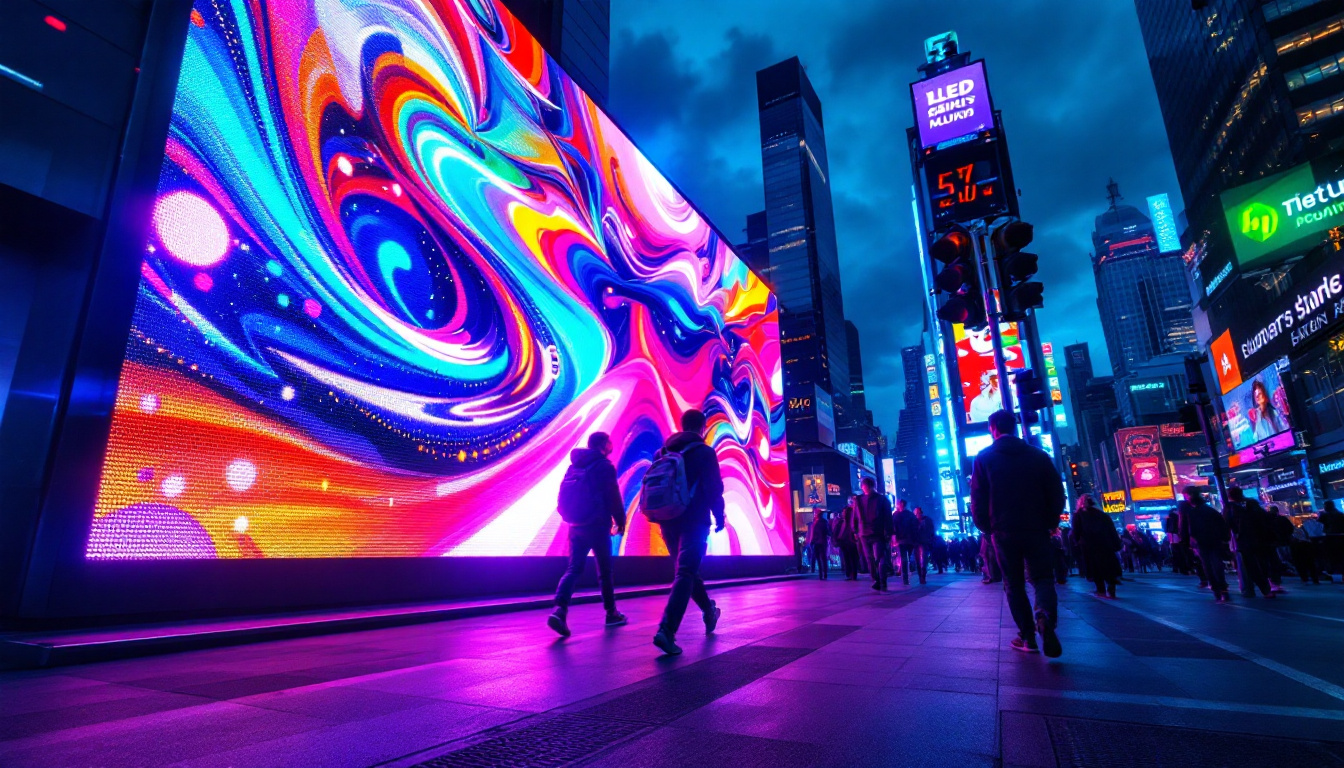
An LED display consists of numerous tiny light-emitting diodes arranged in a grid to form pixels. These pixels work together to produce images, videos, and text with remarkable clarity and brightness. The LEDs can emit red, green, and blue light, which combine to create a full spectrum of colors, enabling rich and vivid displays. The technology has advanced to the point where even the smallest details are rendered with precision, making them ideal for everything from advertising to artistic installations.
LED displays come in various forms, including indoor and outdoor screens, flexible panels, and transparent displays. The modular nature of LED technology allows for scalable solutions, from small menu boards to massive billboards spanning thousands of square feet. Furthermore, the versatility of LED displays extends to their installation options, allowing them to be mounted in various orientations and environments, from high-traffic urban areas to intimate retail settings.
How Do LED Displays Work?
Each pixel in an LED display is made up of sub-pixels in red, green, and blue. By adjusting the intensity of each sub-pixel, the display can render millions of colors. This process is controlled by a digital processor that receives input from a media player or computer, translating content into electrical signals that activate the LEDs accordingly. This sophisticated control system ensures that the display can adapt to different types of content, whether it’s a static image, a video, or a live feed, providing a seamless viewing experience.
The brightness of LEDs is significantly higher than that of LCD or projection screens, making them visible even in direct sunlight. Additionally, LED displays have fast refresh rates, reducing flicker and providing smooth motion for video content. This high performance is crucial for applications such as sports arenas and concert venues, where rapid visual changes are essential for audience engagement. Moreover, advancements in energy efficiency have made modern LED displays more sustainable, consuming less power while delivering superior performance, thus appealing to environmentally conscious businesses.
Advantages of Commercial LED Displays
LED displays offer numerous benefits over traditional signage and other digital display technologies, making them an attractive choice for commercial applications.
High Visibility and Brightness
One of the primary advantages of LED displays is their exceptional brightness. Outdoor LED signs can reach brightness levels of up to 8,000 nits, ensuring visibility in daylight conditions. This high luminance helps businesses attract attention from a distance, increasing the likelihood of engagement. Additionally, the vibrant colors produced by LED technology enhance the overall aesthetic appeal, making advertisements more visually striking and memorable. This capability is particularly beneficial for businesses located in competitive areas where standing out is crucial for success.
Energy Efficiency and Longevity
LED technology is known for its energy efficiency. Compared to incandescent or fluorescent lighting, LEDs consume significantly less power while delivering brighter light. This efficiency translates to lower operating costs for businesses, especially for large-scale or 24/7 signage. Furthermore, the reduced heat output of LED displays minimizes the need for additional cooling systems, further lowering energy expenses.
Moreover, LEDs have a long lifespan, often exceeding 100,000 hours of use. This durability reduces maintenance frequency and replacement costs, providing a better return on investment over time. In addition, many LED displays are designed with modular components, allowing for easy repairs and upgrades without the need for complete replacement, thus extending the overall lifespan of the investment.
Flexibility and Customization
LED displays offer unparalleled flexibility in terms of size, shape, and content. Businesses can customize screens to fit unique architectural spaces or branding needs. Content can be updated instantly via software, allowing for dynamic messaging, promotions, and real-time information such as news, weather, or social media feeds. This adaptability enables businesses to run targeted advertising campaigns that can change based on time of day, season, or current events, ensuring that the messaging remains relevant and engaging.
Improved Engagement and ROI
Studies have shown that digital signage can increase customer engagement by up to 47.7%, according to the Digital Signage Federation. The ability to display eye-catching animations, videos, and interactive content helps capture consumer interest more effectively than static signs. This level of engagement not only enhances the customer experience but also encourages longer dwell times, allowing businesses to convey more information and increase the likelihood of conversion.
Furthermore, LED signage can drive sales by promoting special offers and guiding customers through retail environments. Businesses that utilize digital signs often report higher foot traffic and improved brand recognition, contributing to a strong return on investment. The interactive capabilities of some LED displays can also facilitate customer interaction, such as touch screens for product information or feedback, creating a two-way communication channel that fosters a deeper connection between the brand and its audience.
Applications of Commercial LED Displays
LED displays have become ubiquitous across various industries due to their versatility and effectiveness. Below are some of the most common commercial applications.
Retail and Shopping Centers
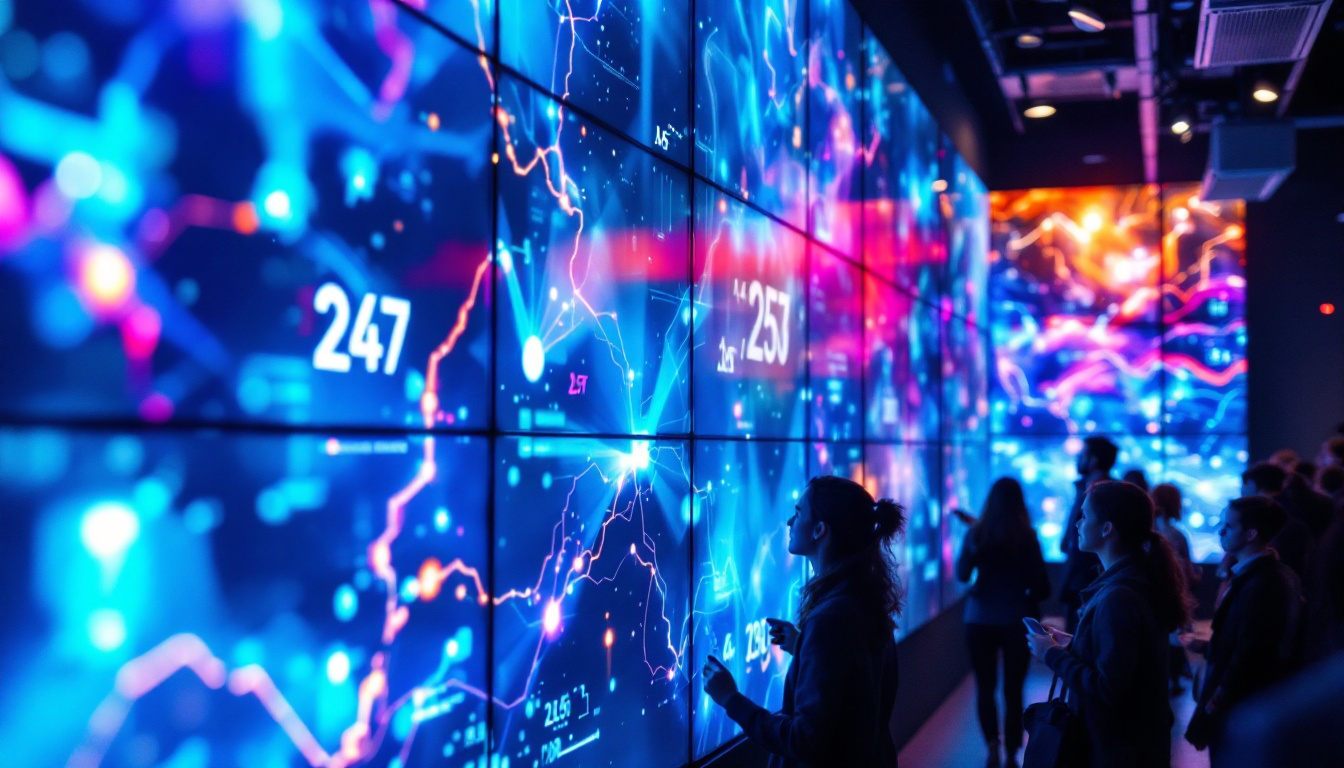
Retailers use LED signage to advertise products, announce sales, and enhance the shopping experience. Large video walls at store entrances or inside malls can showcase new arrivals or seasonal promotions, enticing shoppers to explore further.
Interactive LED kiosks also allow customers to browse catalogs, check prices, or locate items, blending convenience with engagement.
Transportation and Public Spaces
Airports, train stations, and bus terminals rely on LED displays for real-time information such as arrivals, departures, delays, and safety announcements. The high visibility and clarity of LED signs ensure travelers receive critical updates promptly.
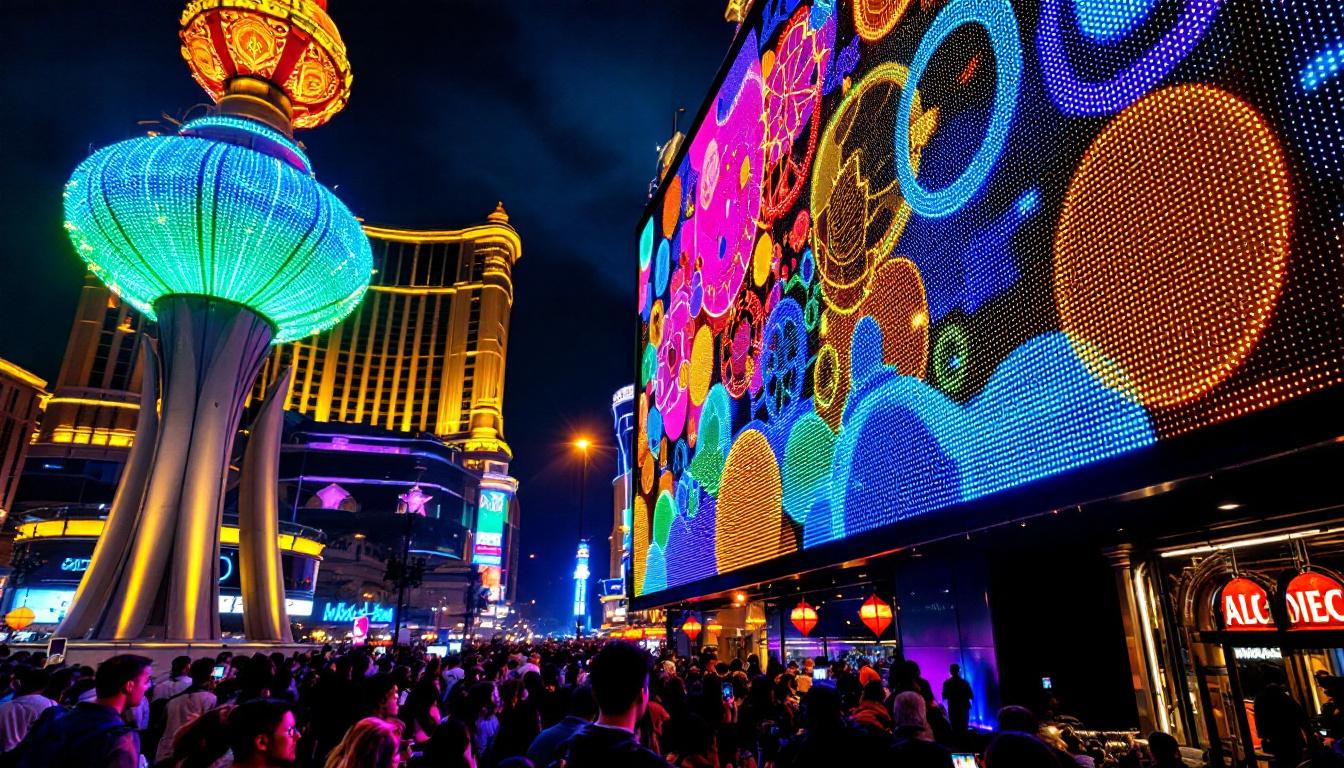
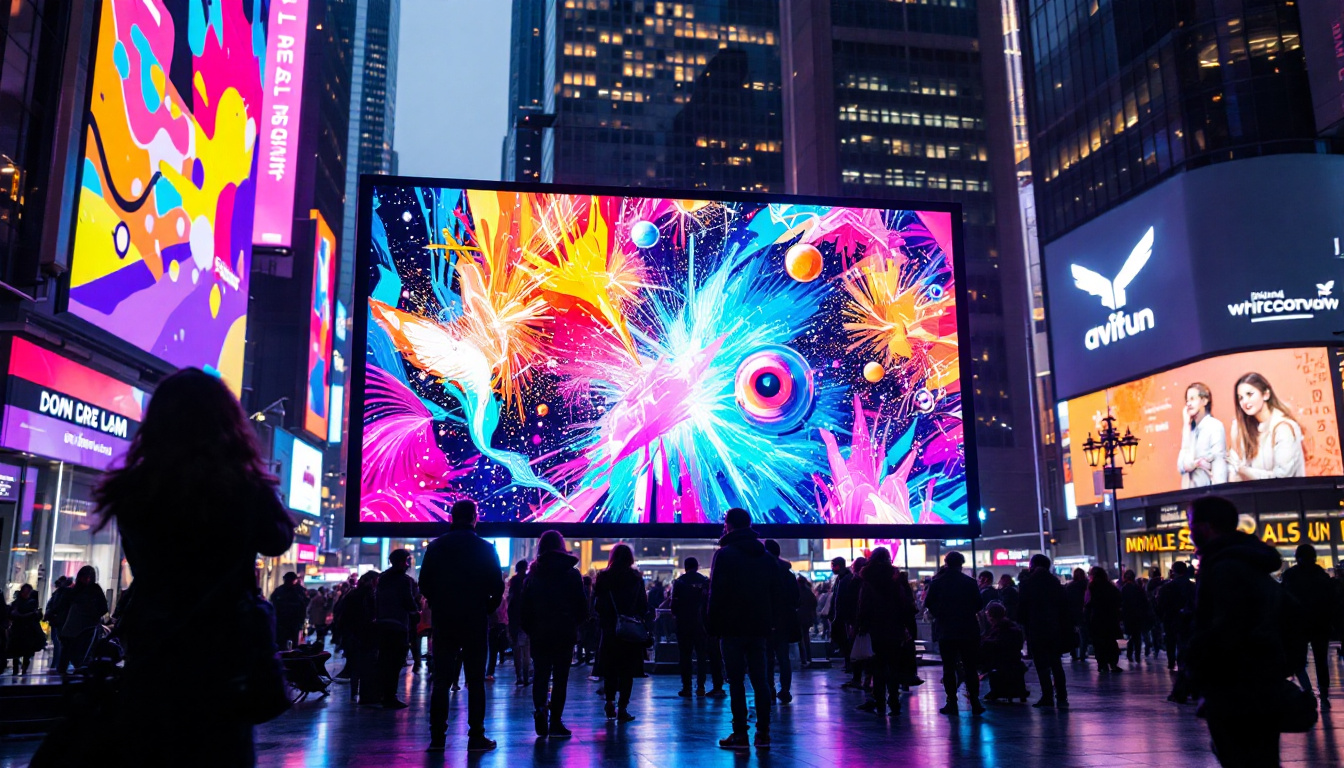
In urban environments, LED billboards and digital banners provide advertising space for multiple brands, often rotating content throughout the day to maximize exposure.
Hospitality and Entertainment
Hotels, casinos, and theaters utilize LED signage to promote events, display menus, and guide guests. Dynamic content can be tailored to different times of day or special occasions, enhancing the overall guest experience.
Stadiums and concert venues employ massive LED screens to broadcast live action, replays, and advertisements, engaging large audiences effectively.
Corporate and Educational Settings
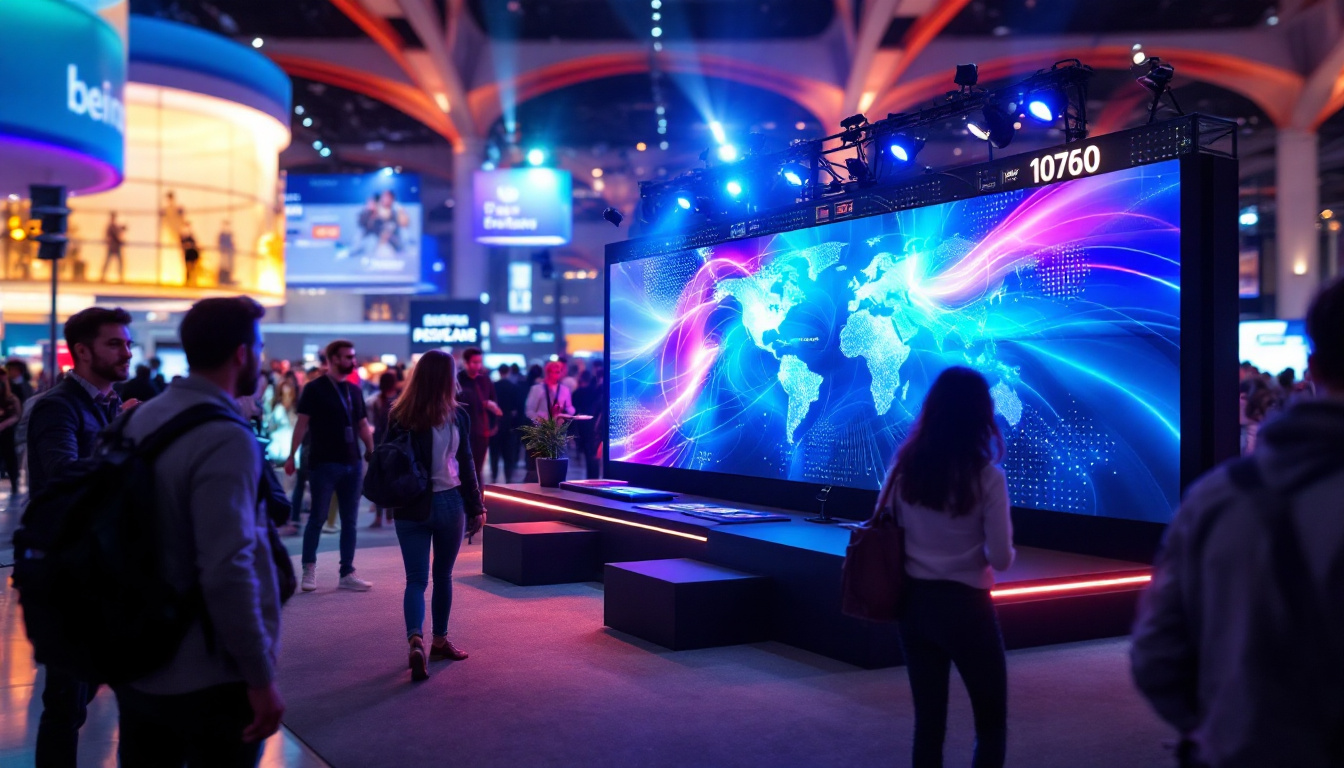
Businesses use LED displays in lobbies and conference rooms for branding, announcements, and presentations. Educational institutions deploy digital signs to communicate schedules, event information, and emergency alerts.
The ability to update content remotely and instantly makes LED displays ideal for environments requiring frequent communication changes.
Key Considerations When Choosing LED Displays
Investing in commercial LED signage requires careful evaluation to ensure the chosen solution meets business needs and delivers maximum value.
Resolution and Pixel Pitch
Resolution refers to the number of pixels on the display, while pixel pitch is the distance between individual pixels, measured in millimeters. A smaller pixel pitch means higher resolution and sharper images, which is crucial for close viewing distances.
For outdoor billboards viewed from afar, a larger pixel pitch is acceptable and more cost-effective. Indoor displays typically require finer pixel pitches to maintain image quality at close range.
Brightness and Contrast Ratio
Brightness must be sufficient to ensure visibility under ambient lighting conditions. Outdoor displays generally require higher brightness levels than indoor screens.
Contrast ratio, the difference between the darkest and brightest parts of an image, affects image depth and clarity. Higher contrast ratios contribute to more vibrant and readable content.
Durability and Weather Resistance
Outdoor LED displays must withstand various weather conditions, including rain, wind, dust, and temperature fluctuations. Look for signs with appropriate IP (Ingress Protection) ratings to ensure durability and reliable operation.
Content Management System (CMS)
A robust CMS allows businesses to create, schedule, and manage content easily across multiple displays. Features such as remote access, multi-user support, and integration with other data sources enhance operational efficiency.
Installation and Maintenance
Consider the installation complexity, including mounting options and electrical requirements. Modular LED panels simplify maintenance by allowing individual sections to be replaced without dismantling the entire display.
The Future of Commercial LED Signage
As technology advances, LED displays continue to evolve, offering new possibilities for businesses to engage audiences.
Integration with Artificial Intelligence and IoT
Emerging trends include integrating LED signage with AI and Internet of Things (IoT) devices. This enables personalized content delivery based on audience demographics, behavior, and environmental factors, enhancing relevance and impact.
Interactive and Immersive Experiences
Touch-enabled LED displays and augmented reality (AR) integrations are creating immersive customer experiences. These technologies encourage interaction, making signage not just informative but also entertaining.
Sustainability and Energy Innovations
With growing emphasis on sustainability, LED manufacturers are developing more energy-efficient and recyclable components. Solar-powered LED signs and smart energy management systems are becoming more common, aligning commercial signage with environmental goals.
Conclusion
Commercial digital signs powered by LED technology represent a powerful tool for businesses seeking to enhance visibility, engagement, and communication. Their brightness, flexibility, and durability make them suitable for a wide range of applications, from retail and transportation to hospitality and corporate environments.
By understanding the technical aspects, benefits, and practical considerations of LED displays, businesses can make informed decisions that maximize their marketing impact and return on investment. As the technology continues to advance, LED signage will remain at the forefront of digital communication strategies, driving innovation and customer connection in the commercial landscape.
Discover LumenMatrix LED Display Solutions
Ready to elevate your business’s visual impact with the latest in LED display technology? Look no further than LumenMatrix, where innovation meets excellence in creating dynamic and engaging visual experiences. From vibrant Indoor and Outdoor LED Wall Displays to versatile Vehicle and Sports LED Displays, LumenMatrix offers a comprehensive range of solutions tailored to your unique needs. Embrace the future of digital signage with our Custom, All-in-One, and Transparent LED Displays, designed to captivate your audience and communicate your message with unparalleled clarity. Check out LumenMatrix LED Display Solutions today and transform your commercial space into a beacon of engagement.